


Market Potential Geographical World Map Presentation Ideas
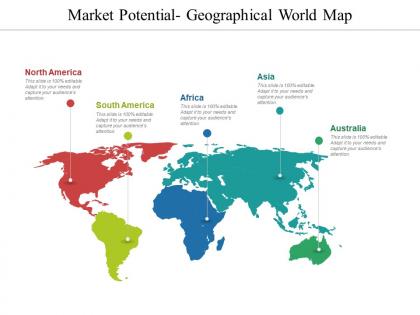
You must be logged in to download this presentation.




Try Before you Buy Download Free Sample Product
 Impress Your
 Audience
 100%
100% Editable
 Save Hours
 of Time


Employ a fluid approach with our Market Potential Geographical World Map Presentation Ideas. Don't follow any hard and fast rules.
People who downloaded this PowerPoint presentation also viewed the following :
Market Potential Geographical World Map Presentation Ideas with all 5 slides:
Guide folks on initiating improvements with our Market Potential Geographical World Map Presentation Ideas. Be able to deliver constructive advice.


FAQs for Market Potential Geographical World
Alright, so you wanna check market size and growth first - obvious but crucial. Look at who's actually buying this stuff and how they behave. Competition's huge too, plus any regulations that might screw you over. Honestly, barriers to entry are where most people get blindsided - market looks perfect until you see the insane startup costs. Tech trends matter since they can kill or boost your whole industry overnight. Economic factors affect demand too. The goal? Find something growing that isn't saturated and matches what you're good at. Gather data on all this before jumping in.
Demographics are basically everything when sizing markets. Young populations in Africa and Southeast Asia? Massive consumer demand waiting to happen. Eastern Europe's aging differently - totally different opportunities there. Urbanization matters too since city people spend more money. India and Brazil's growing middle class is honestly where I'd put my attention first. One thing though - don't just look at demographics alone. You'll get a way better picture if you combine it with economic data. Otherwise you're kind of flying blind on the actual spending power.
Honestly, tech is like having x-ray vision for market opportunities. Google Trends alone will show you shifts that focus groups totally miss. Data analytics helps you spot what's coming next, and social listening catches conversations before they blow up mainstream. Machine learning is where it gets crazy though - it'll crunch through data mountains and find gaps your competition is blind to. AI tools make reading consumer behavior way easier too. My advice? Don't go nuts buying everything at once. Pick maybe two tools that won't break your budget and actually master them first.
Check out what your competitors are actually pulling in - their revenue, how fast they're growing, customer base size. Job postings are gold for seeing if they're scaling up (nobody talks about this enough). Go through their customer reviews to spot gaps you could fill. Pick 3-5 direct competitors and dig into whatever public data you can find - funding rounds, employee counts, reported revenues. Their pricing tells you a lot too. I'd start with just one competitor and work backwards from their numbers. Gives you a realistic picture of what's actually possible in your space.
So you'll want to look at four main things: TAM (total market size), SAM (the chunk you can actually go after), how fast the market's growing, and customer acquisition trends. TAM gives you the big picture opportunity. SAM is more realistic - like, what can you actually capture? Growth rate matters because who wants to jump into a shrinking market, you know? Also check out customer acquisition costs vs lifetime value in your segments. Oh, and don't get too caught up in perfect numbers - sometimes you just gotta make a call. These metrics should give you enough to decide if it's worth the effort.
Look, figuring out market size without understanding consumer preferences is like throwing money at a wall and hoping it sticks. You've got to know who's actually buying, what they'll pay, and why they pick one brand over another. Price sensitivity matters way more than most people think. Brand loyalty can completely wreck your projections too - I've seen startups ignore this and crash hard in competitive markets. Don't assume you know what features people want. Survey your target customers about their real pain points and current buying habits first.
Dude, the classic mistake is being ridiculously optimistic about who'll actually buy your stuff. Everyone sees a huge market and thinks "we just need 1%!" without realizing how brutal getting that 1% actually is. People forget about competition, tight budgets, long sales cycles - all that fun stuff. Plus they use old data or don't notice the market's already crowded. Honestly? Start way smaller than you think. Find a tiny slice you can actually prove people want, then expand from there. Way better than doing hopeful math that'll bite you later.
Think of it this way - instead of staring at one massive "everyone who might buy this" group, you're slicing it up by demographics, behavior, whatever makes sense. Each slice gets its own demand analysis. Way clearer picture of where the money actually is. You'll probably find segments you didn't even know existed (happened to me last quarter). The growing or underserved ones? That's your goldmine right there. Don't just chase the biggest segment though - pick what matches your resources and what you can actually handle well.
So honestly, I'd start with the cheap stuff first - industry reports and government databases will give you the basics. IBISWorld and Euromonitor are solid but pricey. Google Trends is actually super helpful for spotting demand shifts, which most people overlook. Once you've got that foundation, do some surveys or customer interviews to double-check your assumptions. Social listening tools are worth checking out too. The thing is, you really need data from multiple angles since each method has blind spots. Focus groups can be hit or miss though - sometimes people just tell you what they think you want to hear.
Political stuff can totally wreck your expansion plans, honestly. Russia's a perfect example - huge market but completely locked down for Western businesses right now. Trade wars and sanctions? They'll block you from entering markets or even getting materials. Stable countries with solid trade deals give you predictable growth, but unstable regions are tricky - could be massive upside or total disaster. I'd map out the political risks for each market you're eyeing. These situations change fast too, so you need backup plans ready to go.
Honestly, just stalk social media conversations and watch hashtag patterns - that's where trends start before anyone's actually buying stuff. Set up keyword alerts for your industry first. Tools like Hootsuite or basic Twitter analytics work fine for tracking sentiment shifts. Look for volume spikes over time, that's usually when something's about to blow up. I always watch what influencers are doing too, though half the time they're just copying each other. The key is monitoring what people are talking about, not what's already selling. Quick spikes in chatter = something's brewing.
Dude, regulatory changes will absolutely wreck your market analysis if you're not paying attention. One new law drops and suddenly you've got massive opportunities or your whole sector gets crushed. I've seen it happen so many times - like when GDPR hit and compliance software exploded overnight. Build different regulatory scenarios into your models because this stuff's impossible to predict perfectly. Deregulation opens markets but brings more competition. New rules create demand but might kill existing players. Follow the policy chatter in your industry religiously. Honestly, it's one of those things that separates good market research from garbage.
So economic indicators are basically how you predict if people will actually buy your stuff. GDP growth, employment rates, consumer confidence - track the big ones monthly. More jobs usually means more spending money (obviously). But here's the thing - don't just look at one metric. I learned this the hard way. Inflation's huge too since it kills purchasing power fast. Consumer confidence dropping? People tighten up quick. Pick 3-4 indicators that actually matter for your market and watch them together. That's your real crystal ball right there.
Honestly, just go talk to people first. Find folks who'd actually buy your thing and ask about their problems - what's bugging them, would they pay to fix it? I always dig through competitor reviews too (Reddit's gold for this stuff). Google Trends gives you a decent pulse check on interest levels. But here's the thing - don't obsess over market size reports right away. That comes later. What matters now is proving people actually want what you're thinking of building. Run tiny tests, have real conversations. Way better than guessing what they need.
Okay, so first thing - take a hard look at whether people actually want what you're building. I know that sucks to hear, but check your data and talk to users who bailed. Most founders wait way too long to pivot because they're attached to their original idea (been there). Once you find where the real demand is, don't go crazy and change everything overnight. Test small stuff first. Try little experiments, see what hits, then slowly move your resources toward whatever's working. You want to stay flexible but don't throw away what you're already good at - that'd be dumb.
-
nice one
-
Very nice
-
Very nice
-
Very nice
-
Visually stunning presentation, love the content.
-
Great quality slides in rapid time.