

Market segmentation and targeting powerpoint presentation with slides





Try Before you Buy Download Free Sample Product
 Impress Your
 Audience
 100%
100% Editable
 Save Hours
 of Time


Your hunt for readymade market segmentation and targeting PowerPoint show ends here. Get on to get your next project in the spotlight by downloading our complete market segmentation and targeting presentation deck. This PowerPoint slide deck proves handy in defining your aim towards a specific market with exclusive PPT slides of objectives, bases of segmentation, demographic & geographic segmentation, benefits and importance of market segmentation etc. Best part is that sales and marketing managers can use this sample of PPT presentation to determine new market opportunities, discussion of business strategies, efficient resource use and to combat rivals. Going further, with this complete sample presentation PPT strategic thinker can encourage sales and marketing team to develop a vision of target selection so as to generate more revenues for company.
People who downloaded this PowerPoint presentation also viewed the following :
Content of this Powerpoint Presentation
Slide 1: This slide introduces Market Segmentation & Target Outline. State Your Company Name and begin.
Slide 2: This is an Agenda slide. State your agendas here.
Slide 3: This slide showcases Our Vision. Show your company vision here.
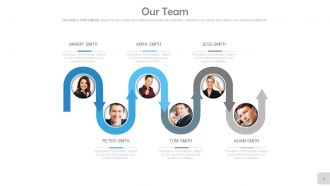
Slide 4: This slide presents Our Team with name, designation and creative image boxes.
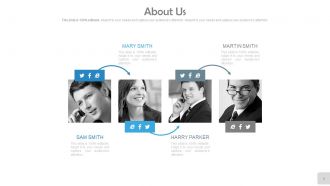
Slide 5: This is an About Us slide. State team/company specifications here.
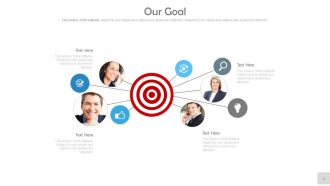
Slide 6: This is an Our Goal slide. State goals etc. here.
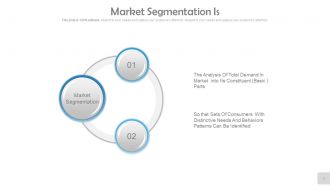
Slide 7: This slide presents what Market Segmentation Is. State aspects here.
Slide 8: This slide presents Objective Of Marketing Segmentation. State them here.
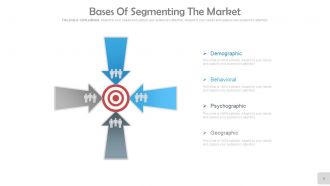
Slide 9: This slide shows Bases Of Segmenting The Market with the following points- Demographic, Behavioral, Psychographic, Geographic.
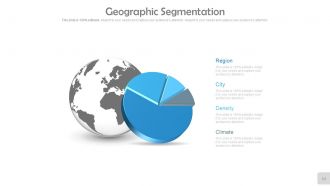
Slide 10: This slide presents Geographic Segmentation with- Region, City, Density, Climate.
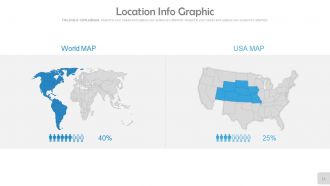
Slide 11: This is a Location Info Graphic oF World map and USA to show global/american presence, growth etc.
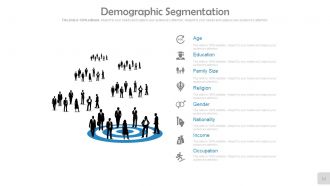
Slide 12: This slide showcases Demographic Segmentation consisting of- Age, Education, Family Size, Religion, Gender, Nationality, Income, Occupation.
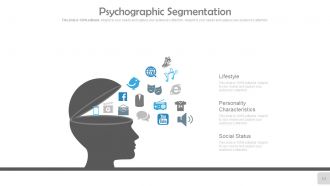
Slide 13: This slide showcases Psychographic Segmentation consisting of- Lifestyle, Personality Characteristics, Social Status, Psychographic Segmentation.
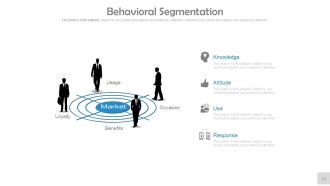
Slide 14: This slide showcases Behavioral Segmentation consisting of- Usage Loyalty Occasion Benefits Market Knowledge Attitude Use Response
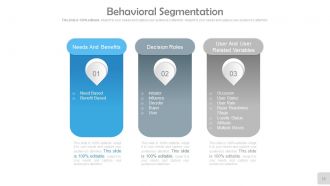
Slide 15: This slide showcases Behavioral Segmentation consisting of- Needs And Benefits, Decision Roles, User And User Related Variables.
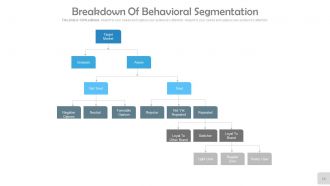
Slide 16: This slide showcases Breakdown of Behavioral Segmentation in hierarchy form with- Target Market, Not Tried, Tried, Neutral, Favorable, Opinion, Rejecter, Not Yet Repeated, Repeated, Switcher, Loyal To Brand, Unaware, Aware, Light User, Heavy User, Regular User, Negative Opinion, Loyal To Other Brand.
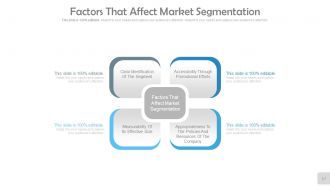
Slide 17: This slide presents Factors That Affect Market Segmentation such as- Appropriateness To The Policies And Resources Of The Company, Accessibility Through Promotional Efforts, Measurability Of Its Effective Size, Clear Identification Of The Segment.
Slide 18: This slide dispalys Benefits And Importance Of Market Segmentation such as- Market Segmentation Facilitates The Matching Of Products With Consumer Needs, Market Segmentation Facilitates The Selection Of The Most Suitable Market, Utilize The Available Marketing Resources Effectively Target Group Is Identified At The Initial Stage Only, Avoid The Markets Which Are Unprofitable And Irrelevant Promising Segments Only, Advertising Media Can Be More Effectively Used, Market Segmentation Offers Special Benefits To Small Firms.
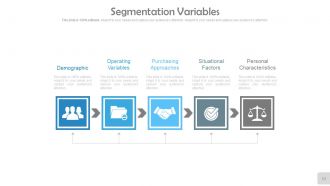
Slide 19: This slide shows Segmentation Variables showing points like- Demographic Purchasing Approaches Personal Characteristics Situational Factors Operating Variables
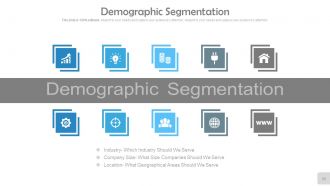
Slide 20: This slide shows Demographic Segmentation- Industry- Which Industry Should We Serve, Company Size- What Size Companies Should We Serve, Location- What Geographical Areas Should We Serve.
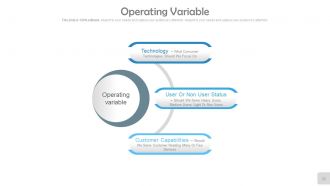
Slide 21: This slide presents Operating Variable with the following points- Technology – What Consumer Technologies Should We Focus On. User Or Non User Status – Should We Serve Heavy Users, Medium Users, Light Or Non Users. Customer Capabilities – Should We Serve Customer Needing Many Or Few Services.
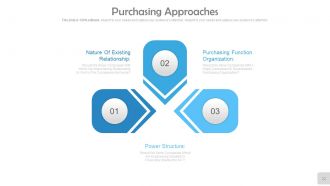
Slide 22: This slide shows Purchasing Approaches with- Purchasing Function Organization: Should We Serve Companies With A Highly Centralized Or Decentralized Purchasing Organization? Nature Of Existing Relationship: Should We Serve Companies With Which We Share Strong Relationship Or Go For The Companies We Desire? Power Structure: Should We Serve Companies Which Are Engineering Oriented Or Financially Oriented So On ?
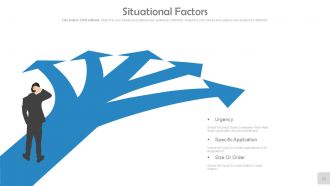
Slide 23: This slide displays Situational Factors of- Urgency, Specific Application, Size Or Order.
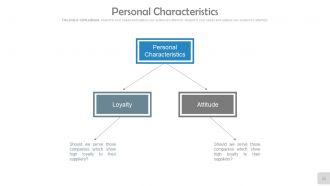
Slide 24: This slide shows Personal Characteristics segregated into- Attitude and Loyalty
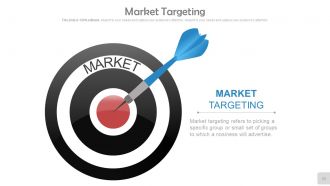
Slide 25: This slide showcases Market Targeting with dart and arrow image. State customer targeting aspects etc. here.
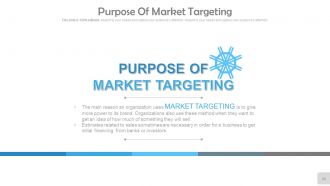
Slide 26: This slide showcases Purpose Of Market Targeting.
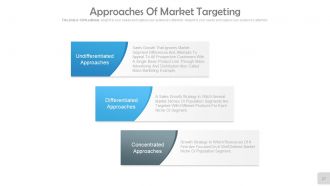
Slide 27: This slide showcases Approaches Of Market Targeting with the following subheadings- Concentrated Approaches: Growth Strategy In Which Resources Of A Firm Are Focused On A Well Defined Market Niche Or Population Segment. Undifferentiated Approaches: Sales Growth That Ignores Market Segment Differences And Attempts To Appeal To All Prospective Customers With A Single Basic Product Line Through Mass Advertising And Distribution Also Called Mass Marketing Example. Differentiated Approaches: A Sales Growth Strategy In Witch Several Market Niches Or Population Segments Are Targeted With Different Products For Each Niche Or Segment.
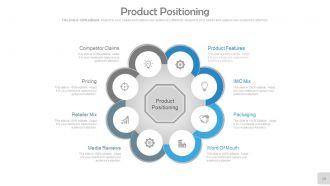
Slide 28: This slide presents Product Positioning with the following points- Product Features, IMC Mix, Packaging, Competitor Claims, Pricing, Retailer Mix, Word Of Mouth, Media Reviews.
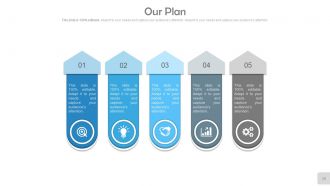
Slide 29: This slide presents Our Plan. State planning aspects here.
Slide 30: This slide showcases Our Products At Glance. State product aspects, specifications here.
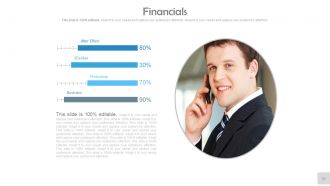
Slide 31: This is a Financials score slide. State financial aspects here.
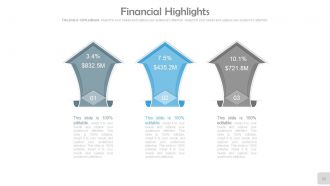
Slide 32: This is a Financials Highlights slide. State financial aspects here.
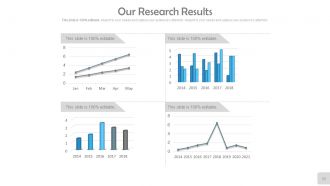
Slide 33: This slide presents Our Research Results in various graph forms.
Slide 34: This slide presents Our Market Research Plan in gantt chart form.
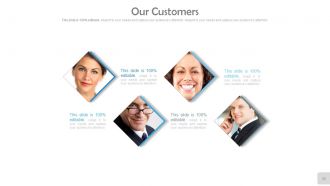
Slide 35: This slide showcases Our Customers with name and image boxes.
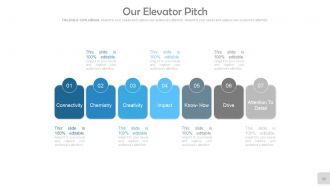
Slide 36: This slide presents Our Elevator Pitch. State highlights etc. here.
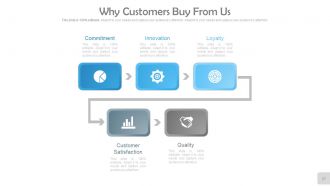
Slide 37: This slide shows Why Customers Buy From Us with examples such as- Commitment, Innovation, Loyalty, Quality, Customer Satisfaction.
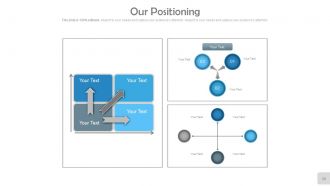
Slide 38: This is an Our Positioning matrix to show information etc.
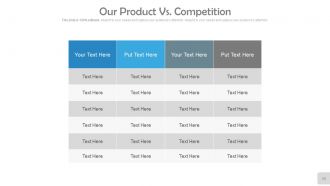
Slide 39: This slide shwcases Our Product Vs. Competition in tabular form.
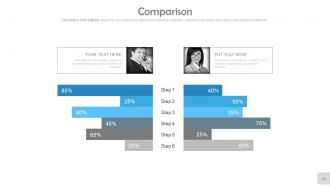
Slide 40: This is a Comparison slide in butterfly chart form.
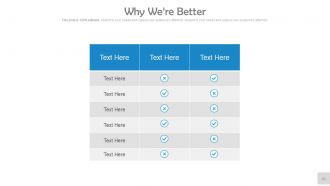
Slide 41: This slide shows Why We’re Better. State credentials etc. here.
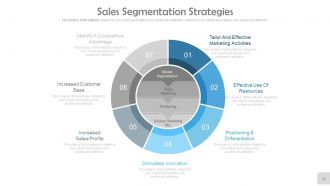
Slide 42: This slide presents Sales Segmentation Strategies with the following subheadings- Develop Marketing Mix, Positioning, Target Marketing, and Market Segmentation with the following content- Tailor And Effective Marketing Activities, Effective Use Of Resources, Positioning & Differentiation, Stimulates Innovation, Increased Sales/Profits, Increased Customer Base, Identify A Competitive Advantage.
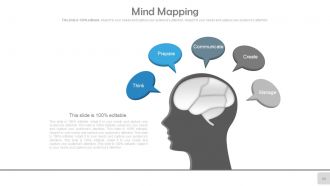
Slide 43: This slide shows a Mind map image with the following points- Think, Prepare, Communicate, Create, Manage.
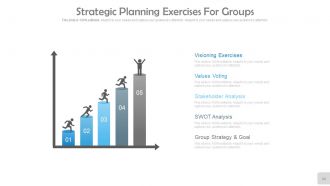
Slide 44: This slide shows Strategic Planning Exercises For Groups with the following points- Visioning Exercises, Values Voting, Stakeholder Analysis, SWOT Analysis, Group Strategy & Goal.
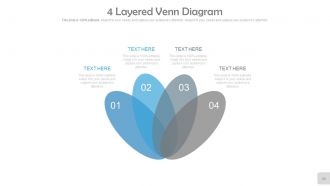
Slide 45: This slide shows a 4 Layered Venn Diagram to present information, specifications etc.
Slide 46: This slide presents Net Promoter Score Matrix Diagram with the following points- Grow Market share, Customer Retention, Cross Selling, Market Expansion.
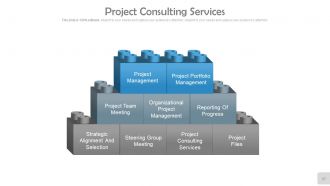
Slide 47: This slide showcases Project Consulting Services with the following points in lego image form. Project Portfolio Management, Reporting Of Progress, Project Consulting Services, Steering Group Meeting, Project Team Meeting, Strategic Alignment And Selection, Project Files, Project Management, Organizational Project Management.
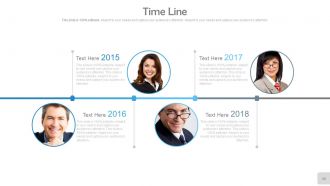
Slide 48: This slide presents a Time Line for showcasing growth, milsetones, evolution etc.
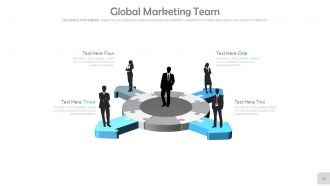
Slide 49: This slide presents Global Marketing Team in silhouettes image form.
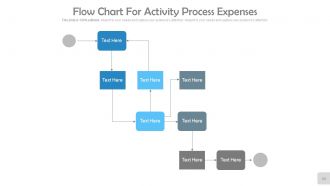
Slide 50: This slide presents Flow Chart For Activity Process Expenses.
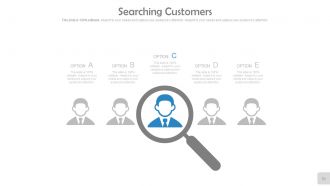
Slide 51: This slide presents Searching Customers in mangnifying glass image form.
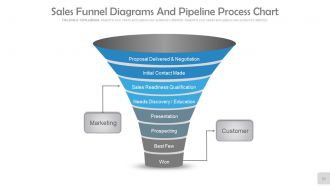
Slide 52: This slide presents a Sales Funnel Diagrams And Pipeline Process Chart with the following points- Customer, Marketing, Proposal Delivered & Negotiation, Initial Contact Made, Sales Readiness Qualification, Needs Discovery / Education, Presentation, Prospecting, Best Few, Won.
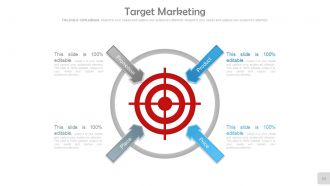
Slide 53: This slide shows Target Marketing with the following points- Promotion, Product, Price, Place.
Slide 54: This is a Newspaper slide to present events, news etc. You may alter the slide content as per need.
Slide 55: This is a Quotes slide to convey company message, beliefs etc. You may alter the slide content as per need.
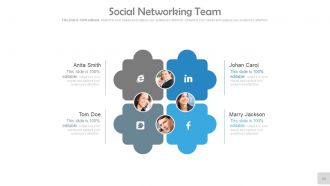
Slide 56: This slide presents Social networking team with social media icons and image boxes.
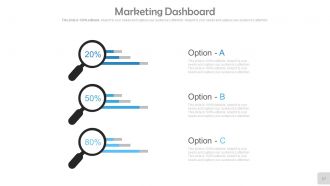
Slide 57: This slide shows a Marketing Dashboard with magnifying glass imagery and text boxes.
Slide 58: This is a Thank You slide for acknowledgement.
Market segmentation and targeting powerpoint presentation with slides with all 58 slides:
Our Market Segmentation And Targeting Powerpoint Complete Deck assure double benefits. They help entertain and educate effectively.





FAQs for Market segmentation and targeting powerpoint
So you'll want to focus on segments that are measurable - meaning you can actually put numbers to them with real data. Make sure they're big enough to matter (seriously, don't waste time on tiny groups) and that you can reach them through whatever marketing channels you're using. The key thing is making them actionable - you need to be able to create different approaches for each one. Also check that your segments won't completely shift in six months, because that's just frustrating. I'd start by looking at your current customer data and seeing how it stacks up against these points.
Start with figuring out who's actually buying from you right now. Surveys work, but honestly just talking to customers gives you way better insights. Look at their demographics, what they're buying, what pisses them off. Then group similar people together - I'd stick to maybe 3-4 groups max because more than that gets crazy complicated. Check how big each group is and if they're growing. Your CRM probably has tons of useful data sitting there already, plus Google Analytics if you're not already digging into it. Once you've got it mapped out, just pick one or two segments to focus on first. Don't try to be everything to everyone right away.
Honestly, consumer behavior is like the secret sauce for market segmentation. It shows you the *why* behind purchases, not just the what. Two people might grab that $6 latte, but one's flexing status while the other genuinely loves good coffee (guilty as charged). Look at their motivations, shopping habits, how they make decisions - that's where the real patterns emerge. Map out their buying journey and you'll spot clusters of similar behavior. Way more powerful than just grouping by age or income. The insights let you craft messages that actually hit different because you understand what drives each group.
Think of demographics as your cheat sheet for understanding customers. Age, income, gender, education - all that stuff directly impacts what people buy and why. A millennial mom has completely different needs than some retired boomer, obviously. Look at your current customers first and see what patterns jump out. Then you can create different groups and tweak your messaging for each one. Honestly, most businesses miss obvious opportunities here. You'll want to adjust everything from pricing to product features based on what each segment actually cares about. It's pretty straightforward once you start paying attention.
Honestly, psychographic segmentation is a game changer. You're not just going after "women 25-35" anymore - you're targeting "eco-conscious professionals who want better work-life balance." Way more specific, right? It's all about understanding what actually drives people's decisions beyond basic demographics. Your messaging hits different when you know their values and interests. I mean, who doesn't want campaigns that feel personal instead of generic? Better engagement, higher conversions - the whole nine yards. Oh, and definitely survey your current customers about what motivates them. That's where you'll find the good stuff to build these segments.
So geographic segmentation is pretty simple to work with - you can customize stuff for local tastes, weather, cultural quirks. Distribution gets easier too when you're focusing on specific areas. But here's the thing - not everyone in Chicago thinks the same way, you know? That's where it falls apart. Customizing campaigns for different locations gets pricey fast. You end up making these broad assumptions that aren't always right. I'd say start with geography but don't stop there. Add in some demographic or behavioral stuff to actually understand who you're talking to. Makes way more sense that way.
Okay so data analytics is actually insane for finding your real customers - way beyond just age/location stuff. You can track purchase patterns, how people use your website, social media activity, even predict what they'll buy next with ML algorithms. Like you can literally target "urban millennials who buy organic but still order DoorDash twice weekly." Wild, right? The trick is mixing different data sources to build detailed customer profiles, then test various messages on each group. Honestly, most businesses are already sitting on tons of customer data they're not even using properly. Start there first.
So for testing segments, I'd start with basic market research - surveys and focus groups to see if these segments actually exist. Run some small pilot campaigns too, maybe A/B test different messaging. Customer data's your friend here - check purchase patterns and engagement by segment. Oh, and lifetime value analysis if you've got the data (though that can be tricky early on). Honestly? Test your best segment first with a tiny budget. Way better than blowing money on assumptions. Once you see what's converting, then you can scale up the winners.
So the tech stuff nowadays is honestly pretty insane for figuring out your audience. You can get way more specific than just "women 25-40" - like, we're talking micro-segments based on actual behavior, what people buy, even their social media vibes. AI and machine learning do most of the heavy lifting. The best part? You don't have to wait forever to see if it's working. Everything adjusts in real-time now, which is such a game changer compared to how we used to do things. I'd start by looking at what data you already have and see where you can add behavioral stuff to make your segments sharper.
Dude, look at Netflix - they basically built their entire thing around knowing what you want to watch before you do. Their targeting is insane. Tesla went after rich eco-conscious people first, then moved down market. Apple? They're the gold standard honestly, targeting people who'll pay extra for pretty things and status. Oh and Starbucks too - they made coffee a lifestyle thing instead of just caffeine. None of these companies tried being for everyone right away. Start narrow, win that group, then expand. Way smarter than shooting for the whole world day one.
Market segmentation is basically your secret weapon for smart product differentiation. Once you know your customer segments inside and out - what they actually need, what bugs them, their preferences - you can customize features and messaging that hits different for each group. Way better than just guessing what'll work. Without it, you're kinda shooting in the dark with generic positioning. I'd start by looking at your current segments and see which product features match up where. You'll probably find some easy wins - small changes that could give you a real edge over competitors.
Look, don't segment people based on race, religion, disability - basically any protected stuff that could screw them over. Privacy laws matter too, so be transparent about data collection. The gambling thing really gets me - targeting addiction-prone people with betting ads is genuinely messed up. I always think about whether I'd be cool with someone doing this targeting to my own family. If that makes me uncomfortable, it's probably crossing a line. There are better ways to reach your audience without being sketchy about it.
Don't lock yourself into rigid customer segments - that's like trying to fit people into boxes that keep changing shape. Watch your data constantly for shifts in behavior or new needs popping up. I've watched companies totally blow it by clinging to old personas way too long! Every quarter, sit down and reassess everything with fresh data. Stay super close to customers through surveys and social listening - your sales team probably has gold mine insights too. Oh, and when you notice changes happening? Test new messaging with small groups first. Way better than going all-in and potentially face-planting.
Honestly, conversion rates by segment are where I'd start - tells you if you're actually reaching the right people. Then dig into your CAC and LTV for each segment. Some might convert great but cost a fortune to get, which sucks. Low CAC + high LTV is like finding gold though. Track engagement stuff too - click rates, time on site, whether people actually stick around after signing up. Oh and don't go crazy measuring everything at once. Pick maybe 3-4 metrics that matter for your goals and focus there first.
Honestly, cultural stuff makes a huge difference when you're targeting different markets globally. What crushes it here might bomb somewhere else. Take colors - red screams "danger" to Americans but means good luck in China. Wild, right? Religious practices, family dynamics, social hierarchies... they all mess with how people buy things. Communication styles vary tons too. You can't just copy-paste your domestic strategy and translate it. That's a recipe for disaster. Partner with local researchers who actually get the cultural quirks that drive purchasing in each region. They'll save you from looking clueless.
-
Innovative and attractive designs.
-
Understandable and informative presentation.