


Estratégia de segmentação de mercado para negócios B2B e B2C Apresentação em Powerpoint Slides Estratégia O marketing CD
B2B e B2C envolve a promoção dos produtos e serviços da organização por meio de ferramentas e canais especializados, resultando em aumento de vendas. Pegue nosso modelo de estratégia de segmentação de mercado para negócios B2B e B2C. Ele discute essas estratégias que podem ajudar uma empresa a comercializar seus serviços para clientes-alvo. Nossa plataforma de marketing de conteúdo é útil para gerentes de marketing que desejam identificar o processo de desenvolvimento dessas estratégias de marketing e medir seu impacto usando vários KPIs. Abrange uma visão geral do marketing business-to-business como uma estratégia para promover os produtos e serviços de uma organização para o público-alvo. Além disso, nosso PPT de Inbound Marketing inclui um processo detalhado para desenvolver tal estratégia. Ele incorpora etapas como identificar a visão da organização, definir uma persona de comprador ideal, identificar canais para marketing b2b e b2c e executar campanhas e anúncios de marketing. Marketing de conteúdo, marketing de entrada, marketing de mídia social, otimização de mecanismo de pesquisa e marketing de referência são exemplos de tais estratégias. Por fim, o módulo exibe vários KPIs, métricas e painéis para avaliar a eficácia dessas estratégias. Obtenha acesso a este modelo poderoso agora.












































You must be logged in to download this presentation.


Do you want to remove this product from your favourites?
Características destes slides de apresentação em PowerPoint:
Encante seu público com este CD de Estratégia de Segmentação de Mercado para Negócios B2B e B2C. Aumente o limite de sua apresentação implantando este modelo bem elaborado. Atua como uma ótima ferramenta de comunicação devido ao seu conteúdo bem pesquisado. Ele também contém ícones estilizados, gráficos, recursos visuais, etc., que o tornam um chamariz imediato. Composto por sessenta e nove slides, este deck completo é tudo que você precisa para ser notado. Todos os slides e seu conteúdo podem ser alterados para se adequar ao seu ambiente de negócios exclusivo. Além disso, outros componentes e gráficos também podem ser modificados para adicionar toques pessoais a este conjunto pré-fabricado.

People who downloaded this PowerPoint presentation also viewed the following :
Conteúdo desta apresentação em Powerpoint
Slide 1 : Este slide apresenta a estratégia de segmentação de mercado para negócios B2B e B2C. Comece informando o nome da sua empresa.
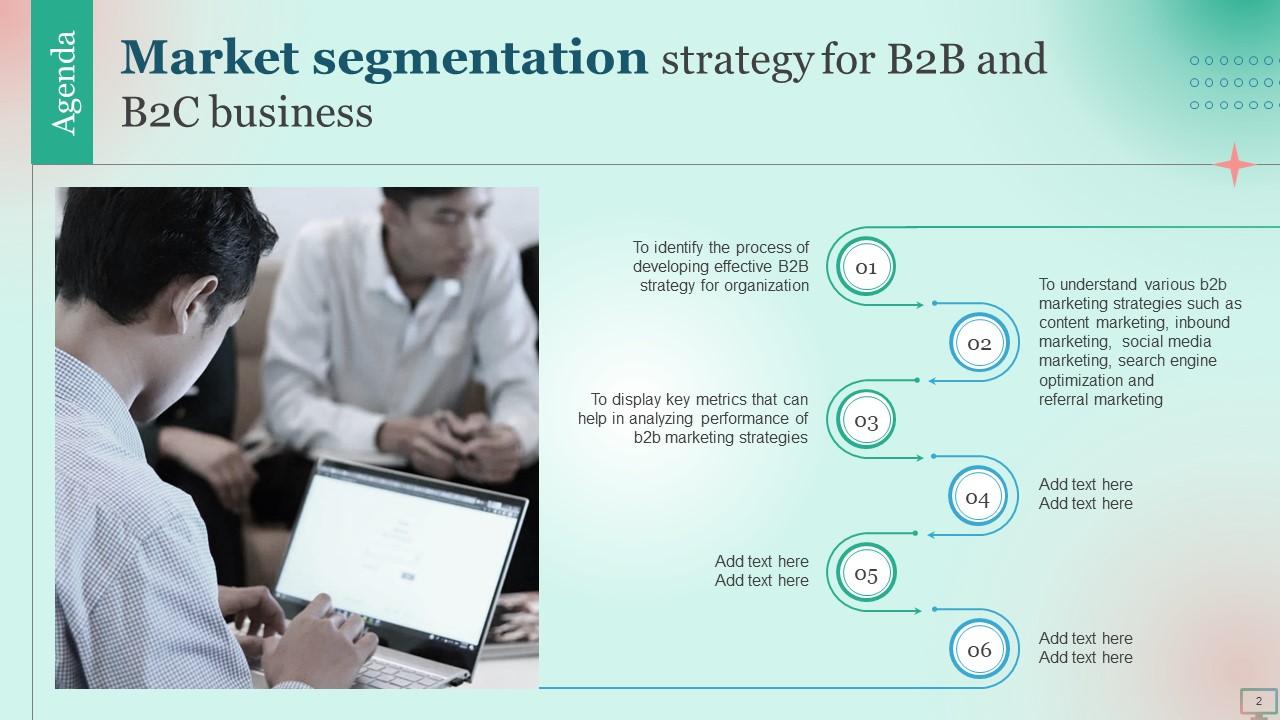
Slide 2 : Este slide descreve a Agenda da apresentação.
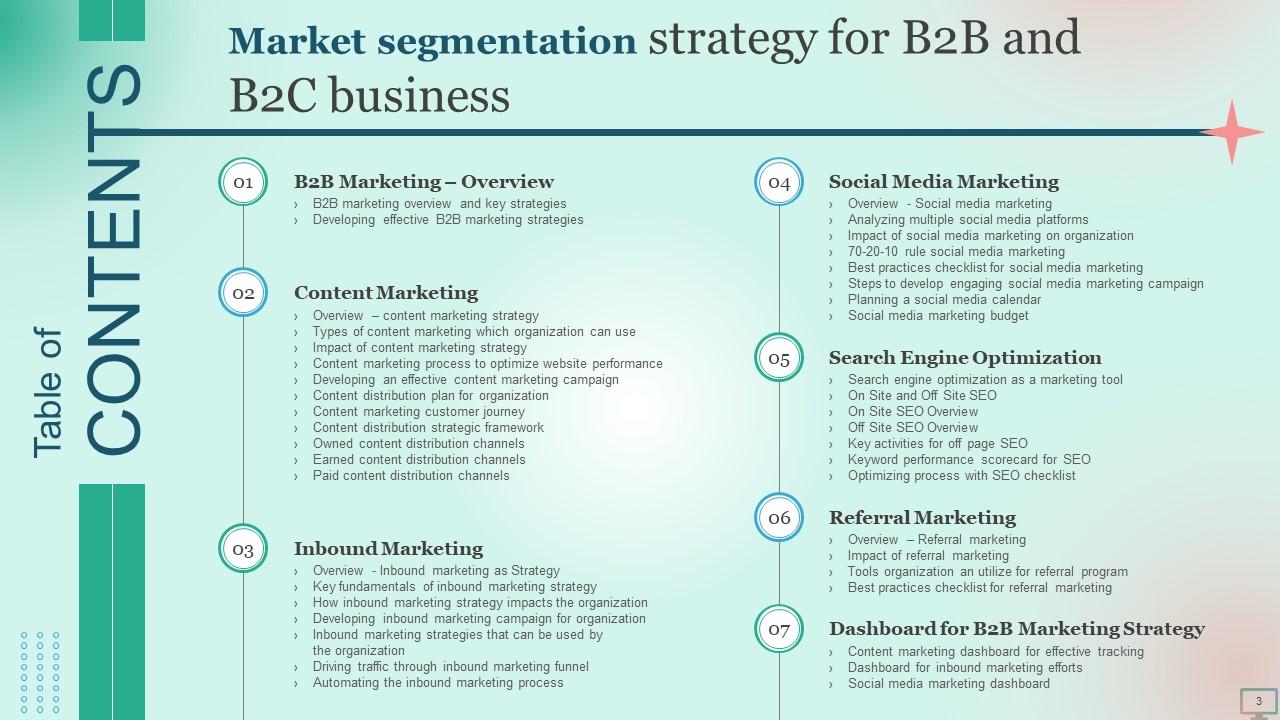
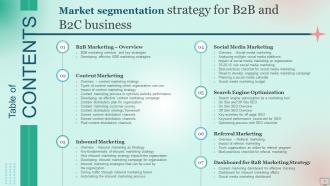
Slide 3 : Este slide incorpora o sumário.
Slide 4 : Este slide destaca o título dos tópicos a serem discutidos posteriormente.
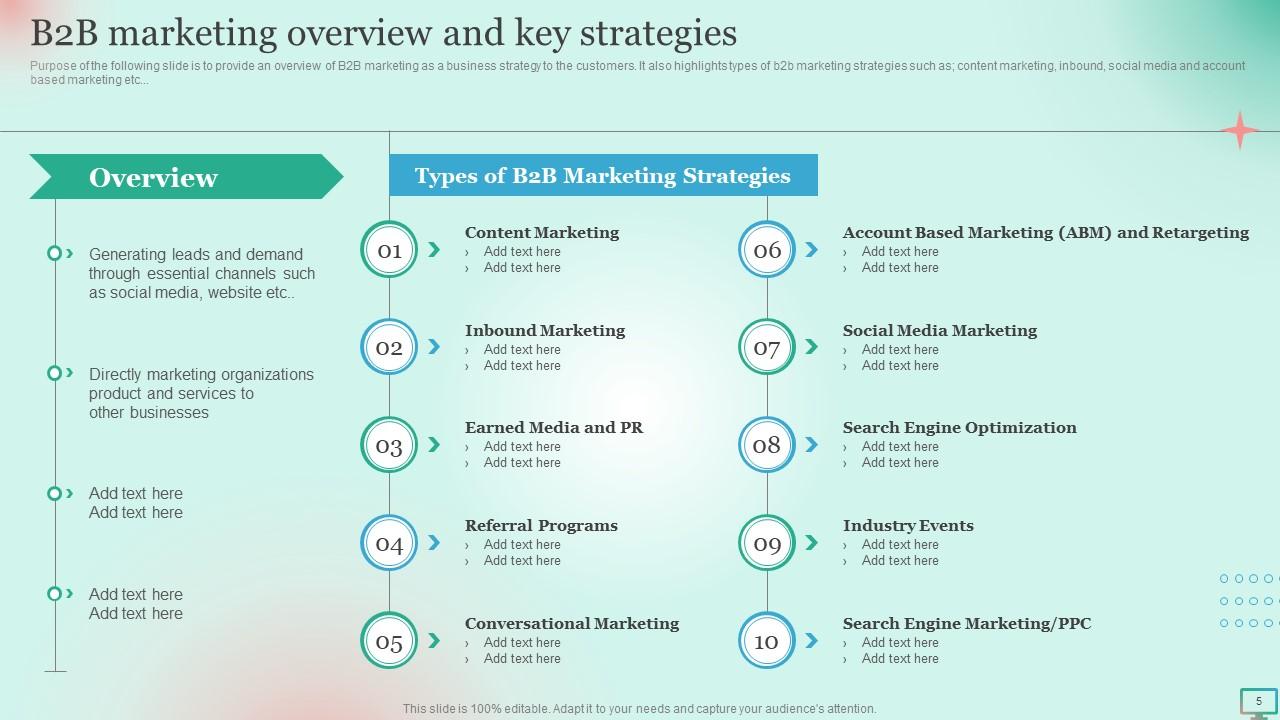
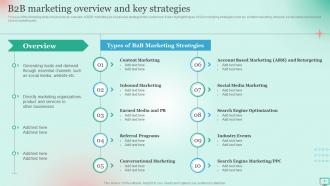
Slide 5 : Este slide apresenta a visão geral do marketing B2B e as principais estratégias.
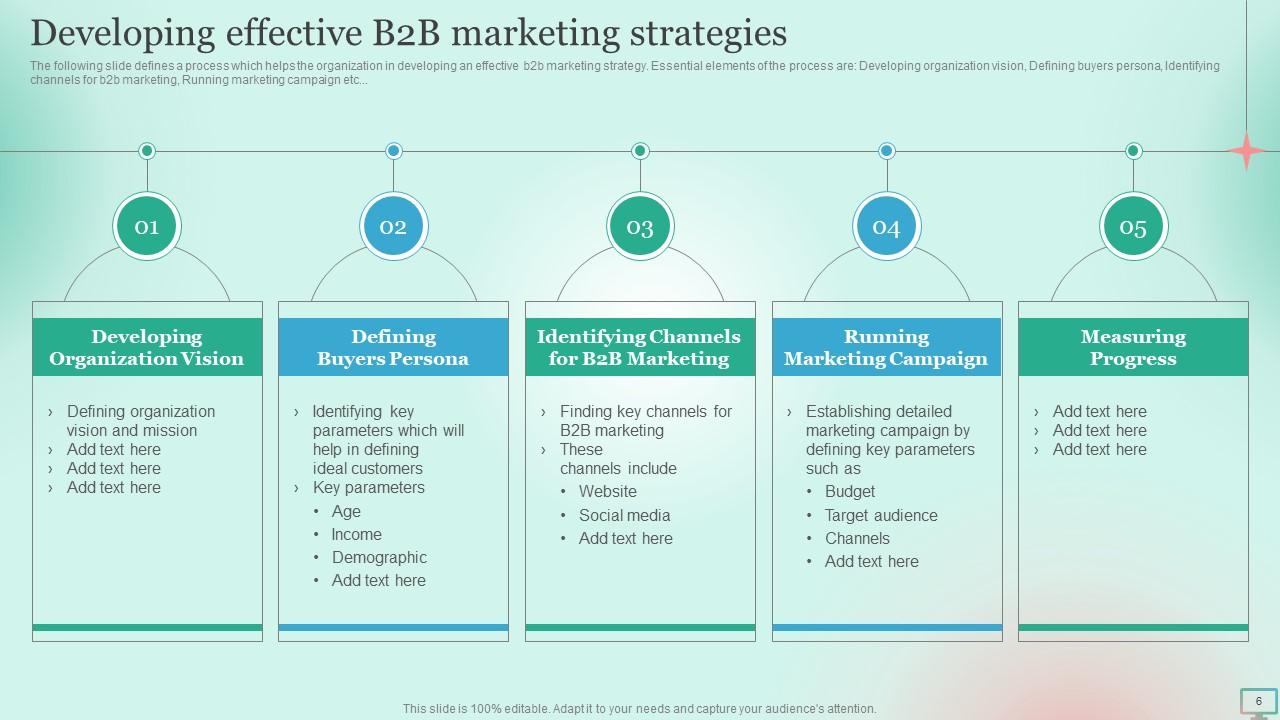
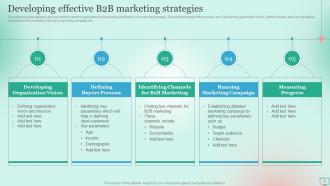
Slide 6 : Este slide define um processo que ajuda a organização a desenvolver uma estratégia de marketing B2B eficaz.
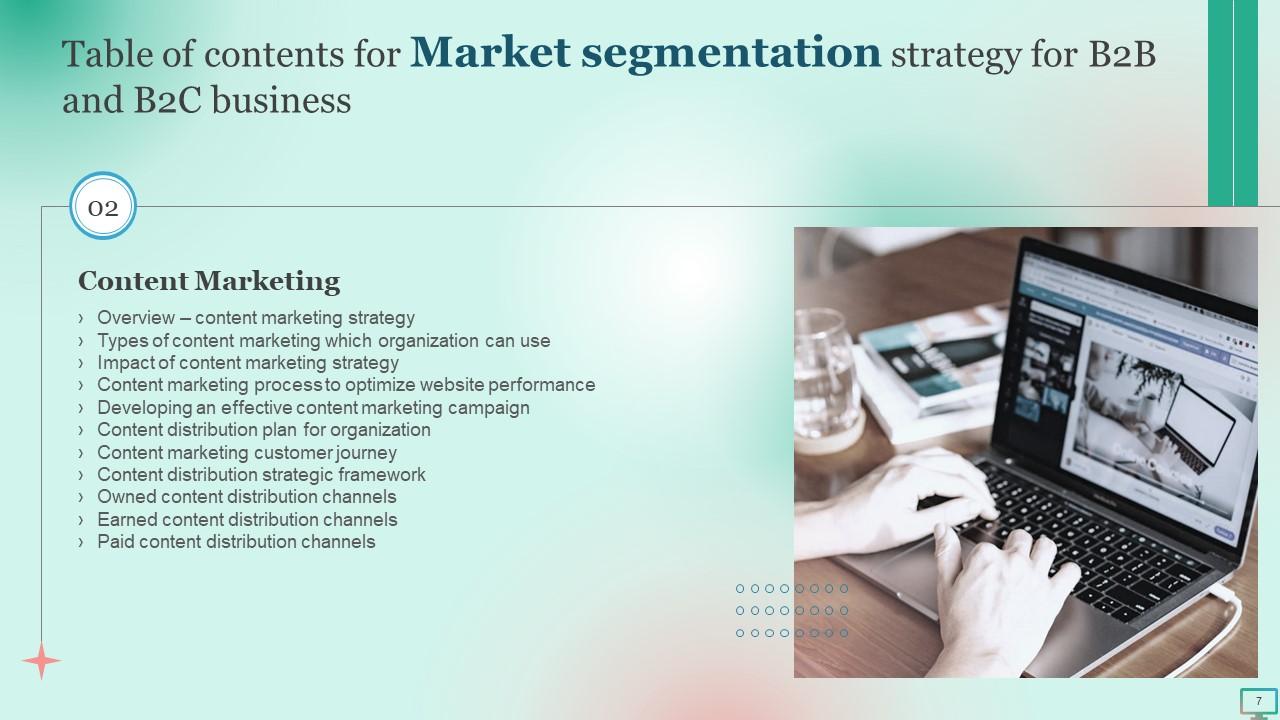
Slide 7 : Este slide inclui o título do conteúdo a ser abordado a seguir.
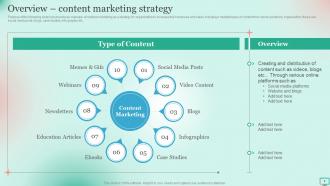
Slide 8 : Este slide fornece uma visão geral do marketing de conteúdo como uma estratégia para a organização aumentar suas receitas e vendas.
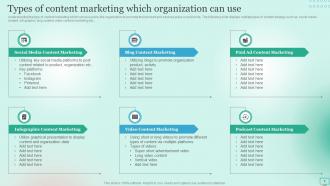
Slide 9 : Este slide mostra os tipos de marketing de conteúdo que a organização pode usar.
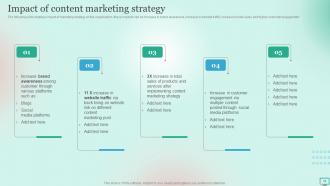
Slide 10 : Este slide mostra o impacto da estratégia de marketing de conteúdo.
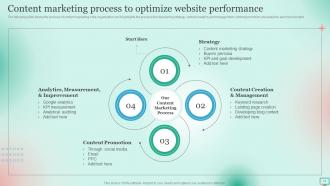
Slide 11 : Este slide mostra o processo de marketing de conteúdo para otimizar o desempenho do site.
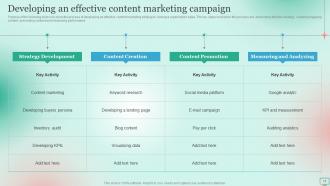
Slide 12 : Este slide se concentra no desenvolvimento de uma campanha de marketing de conteúdo eficaz.
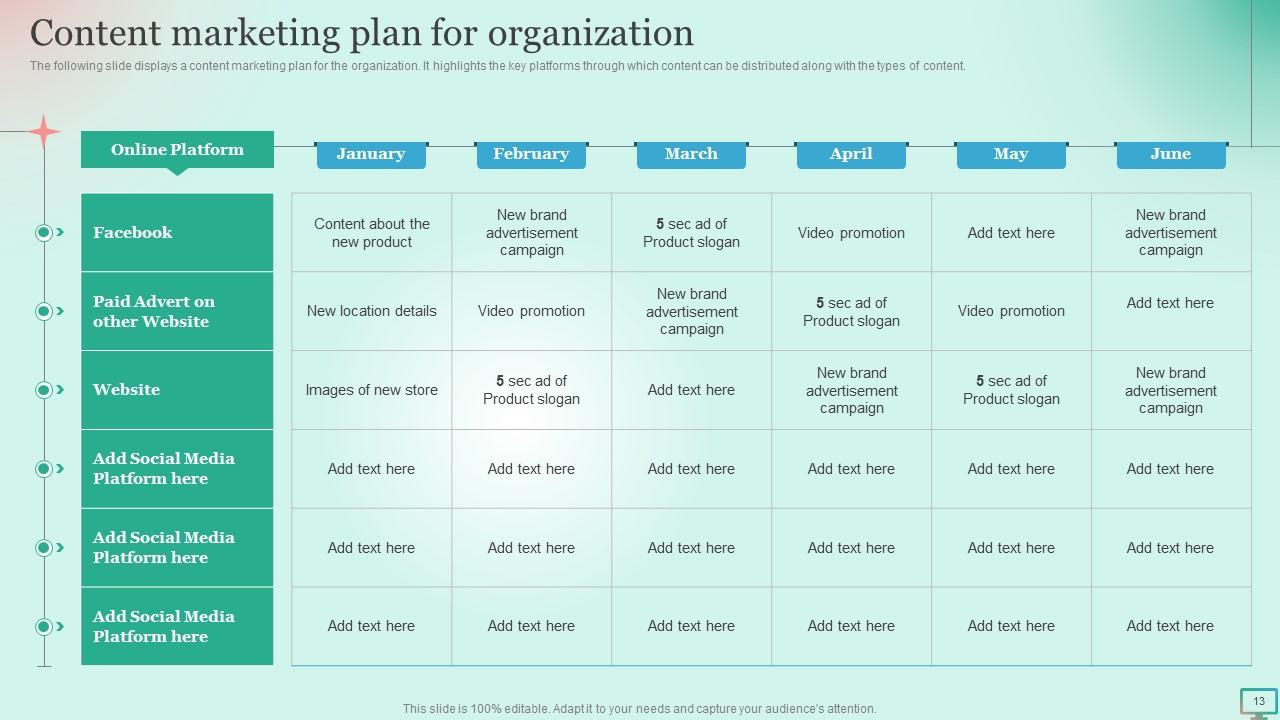
Slide 13 : Este slide mostra o plano de marketing de conteúdo para a organização.
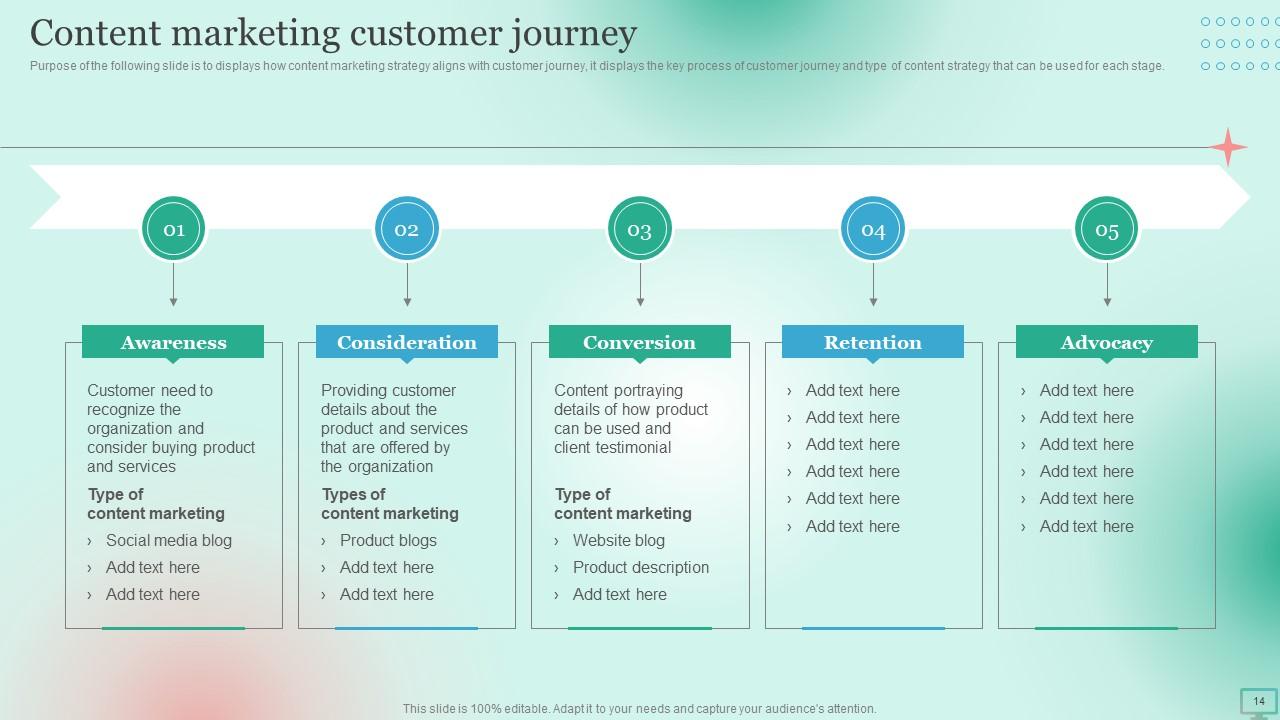
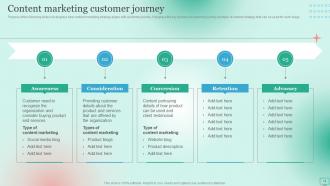
Slide 14 : Este slide retrata a jornada do cliente de marketing de conteúdo.
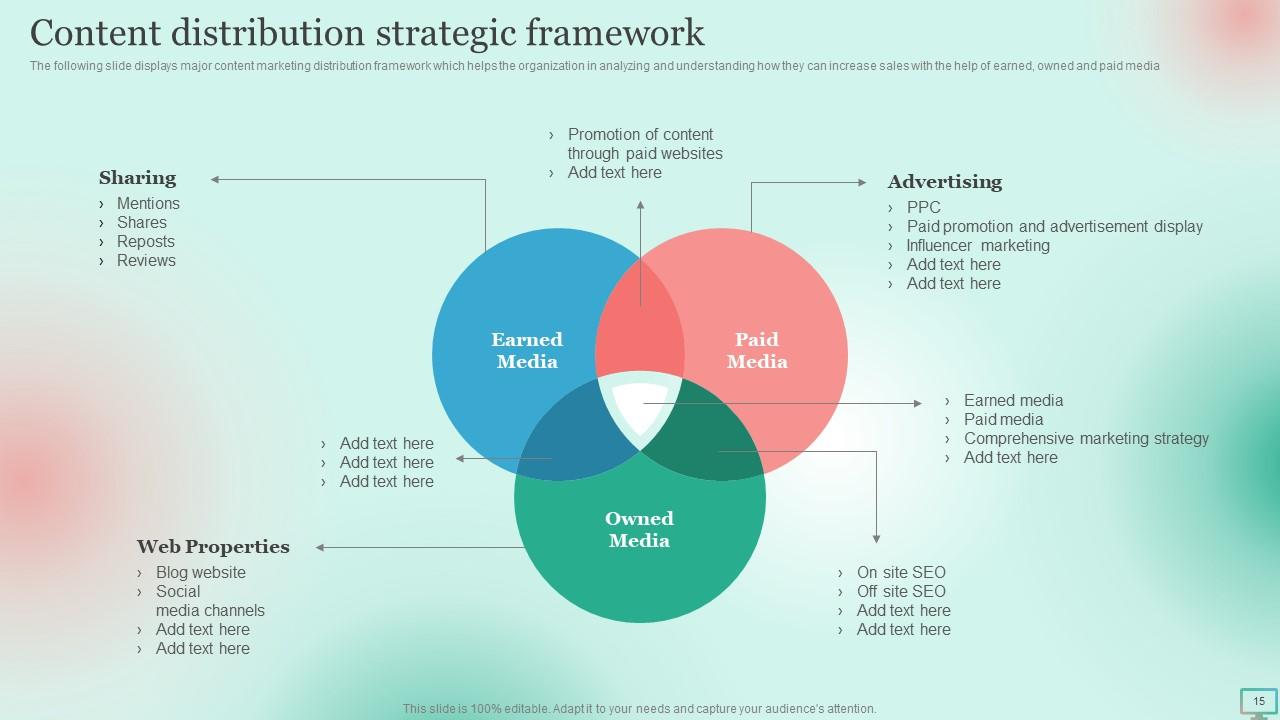
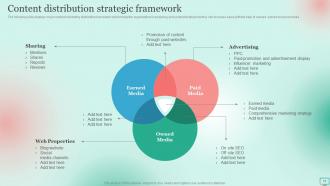
Slide 15 : Este slide revela a estrutura estratégica de distribuição de conteúdo.
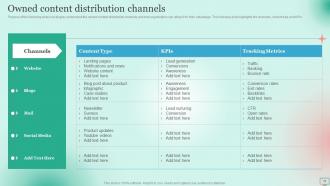
Slide 16 : Este slide fala sobre os canais de distribuição de conteúdo próprio.
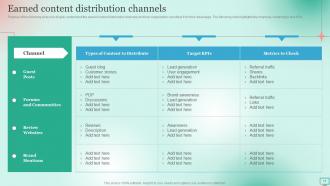
Slide 17 : Este slide trata dos canais de distribuição de conteúdo ganho.
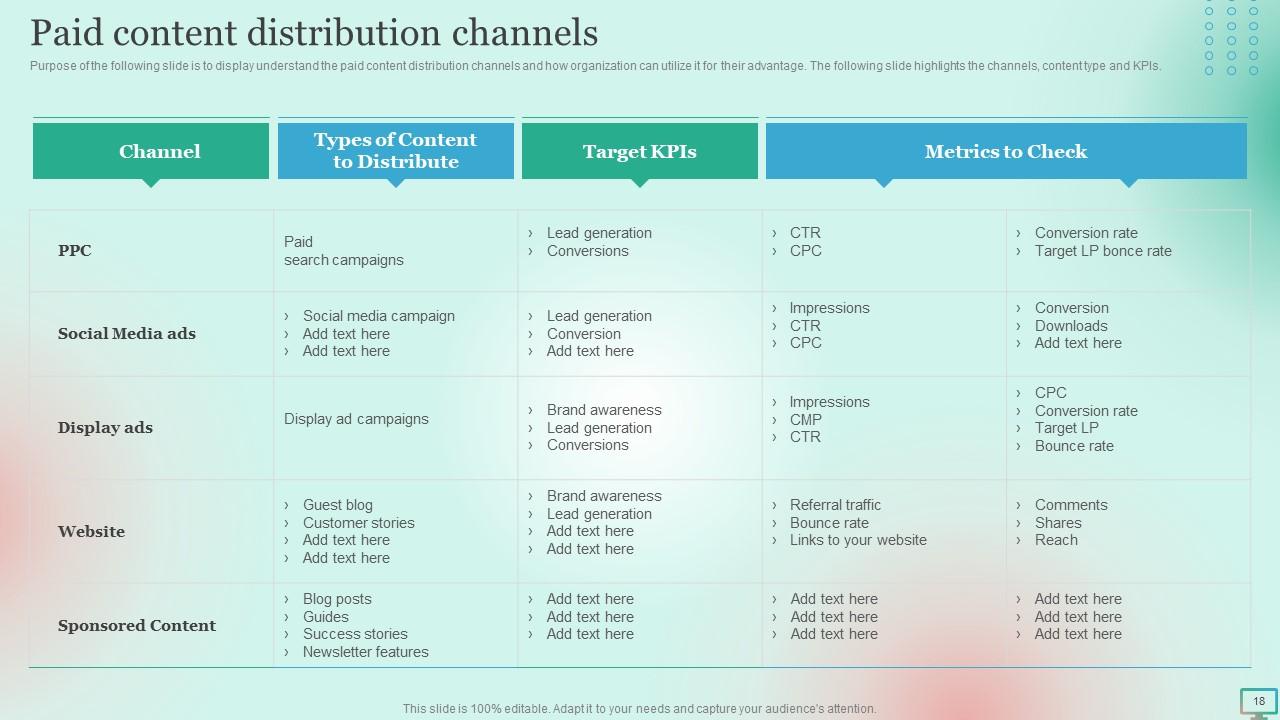
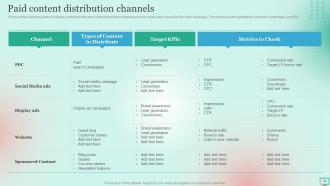
Slide 18 : Este slide apresenta os canais de distribuição de conteúdo pago.
Slide 19 : Este slide menciona o Título das Ideias a serem discutidas posteriormente.
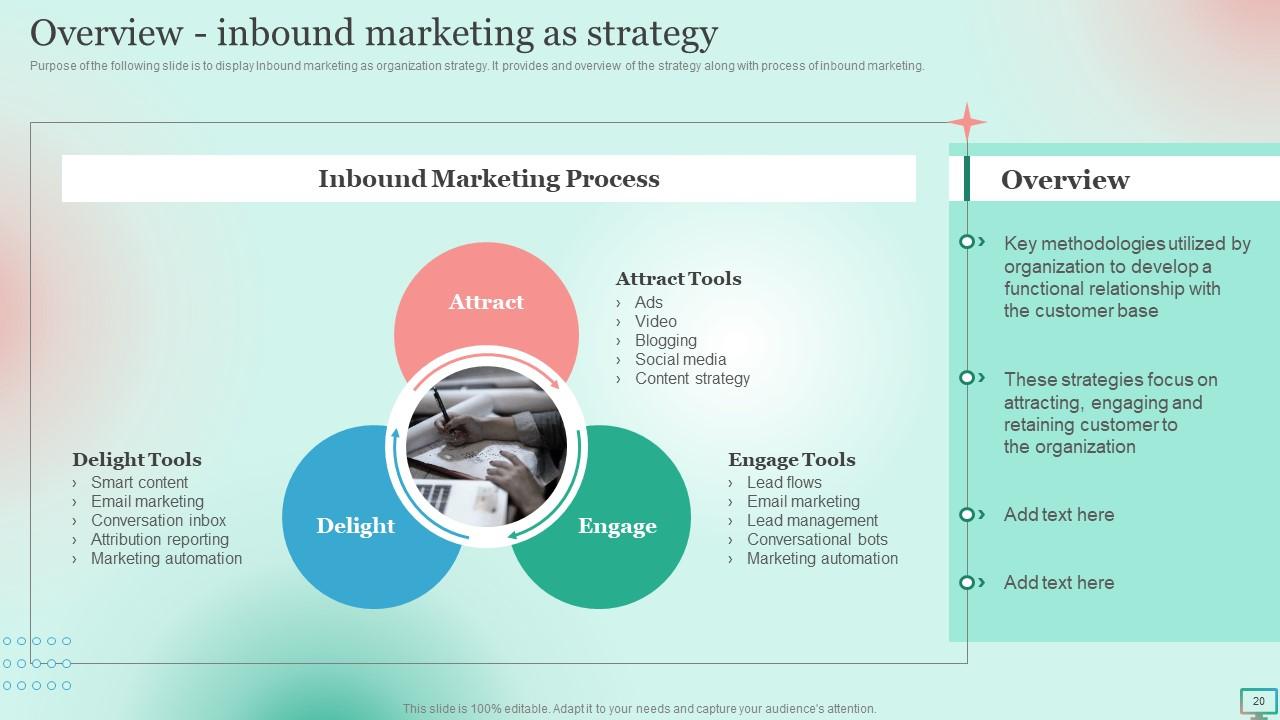
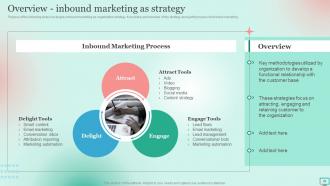
Slide 20 : Este slide apresenta uma visão geral da estratégia junto com o processo de inbound marketing.
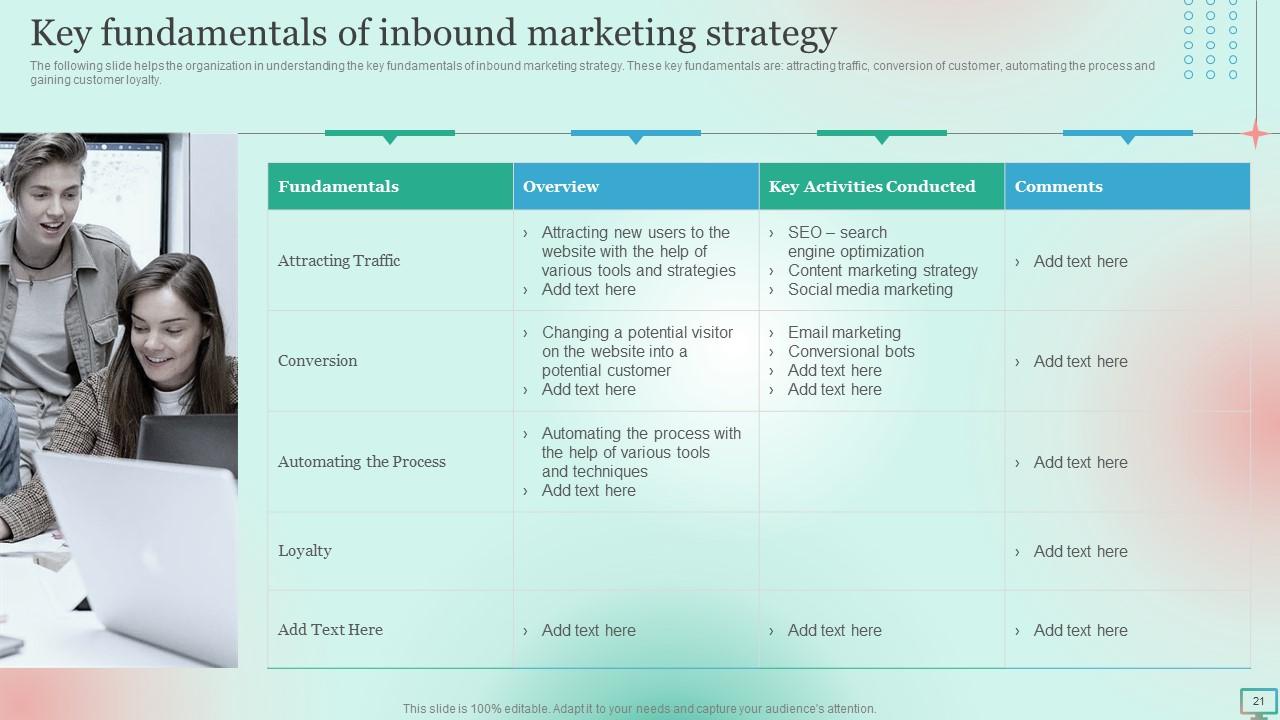
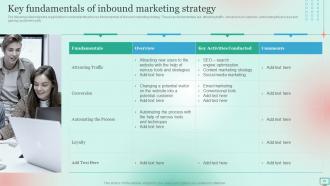
Slide 21 : Este slide apresenta os principais fundamentos da estratégia de inbound marketing.
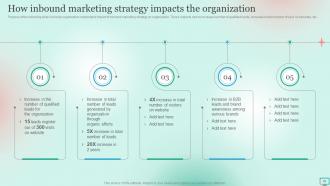
Slide 22 : Este sldie ajuda a organização a entender o impacto da estratégia de inbound marketing.
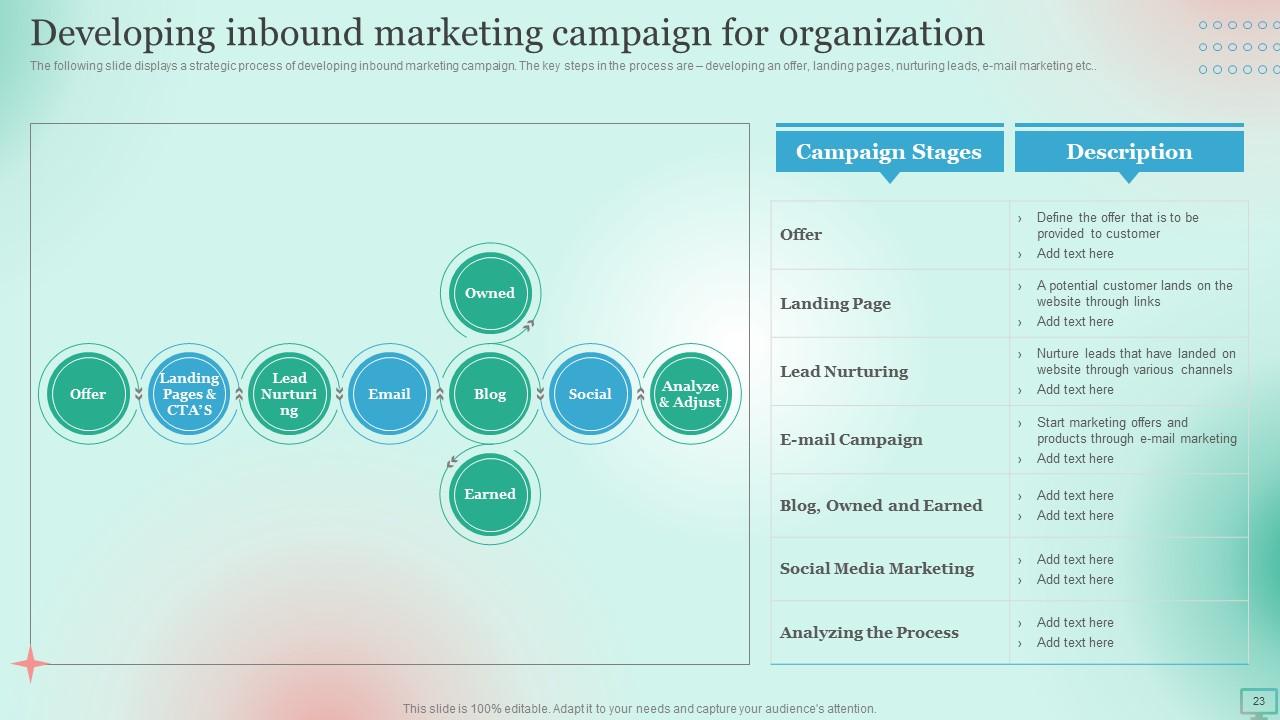
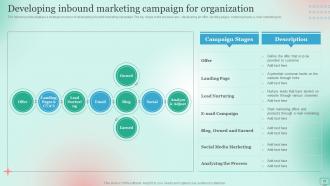
Slide 23 : Este slide se concentra no desenvolvimento de uma campanha de marketing de entrada para a organização.
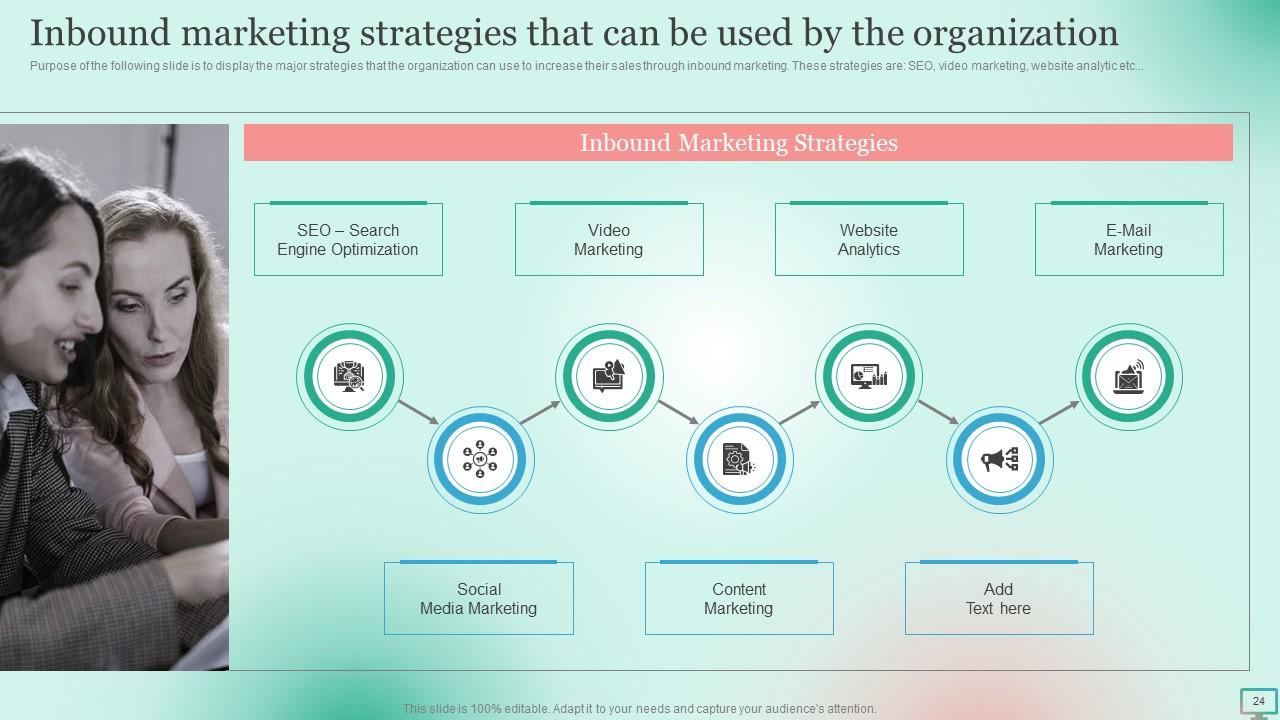
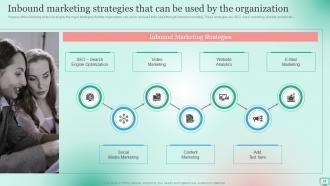
Slide 24 : Este slide mostra as estratégias de Inbound Marketing que podem ser utilizadas pela organização.
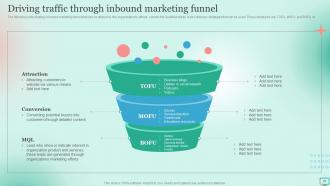
Slide 25 : Este slide fala sobre direcionar o tráfego por meio do funil de marketing de entrada.
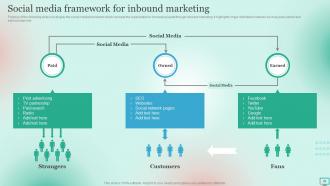
Slide 26 : Este slide revela a estrutura de mídia social para inbound marketing.
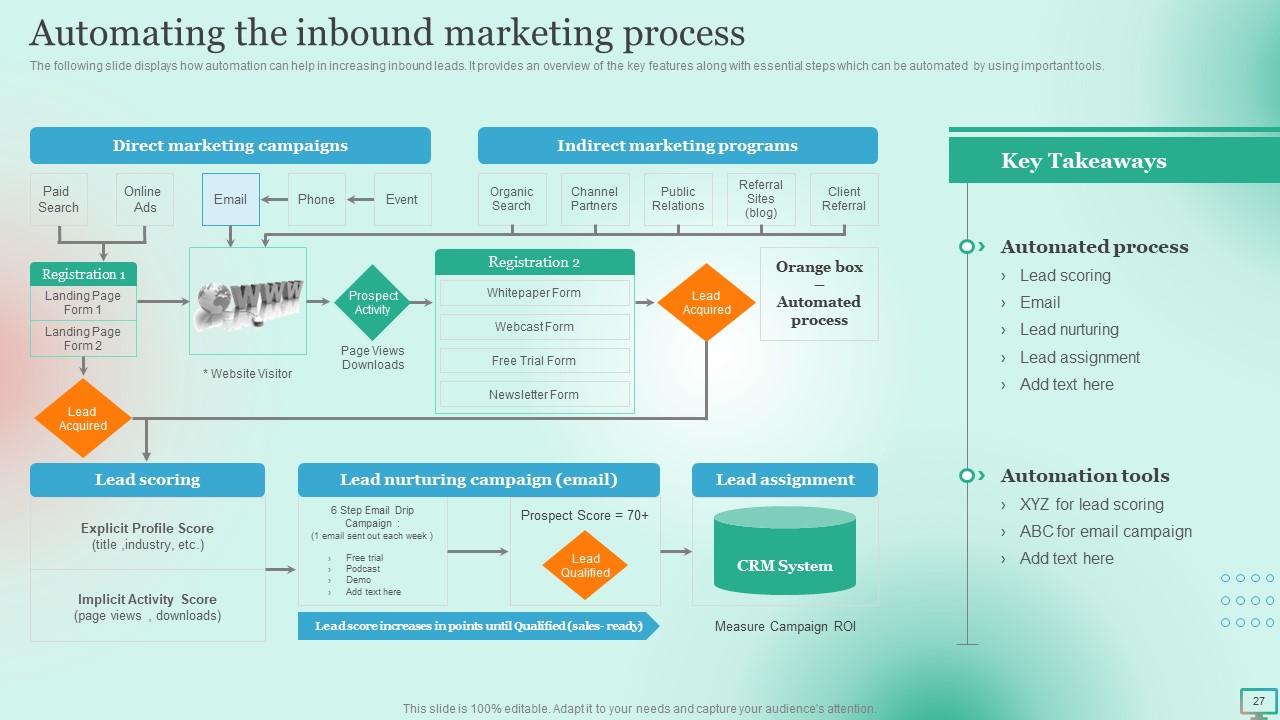
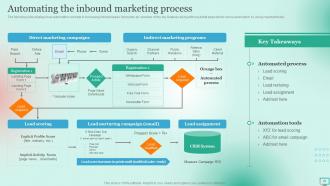
Slide 27 : Este slide enfatiza a automação do processo de marketing de entrada.
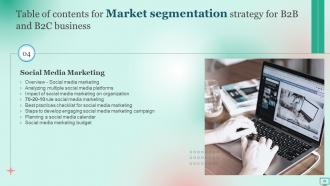
Slide 28 : Este slide elucida o título dos componentes a serem abordados no próximo dezplate.
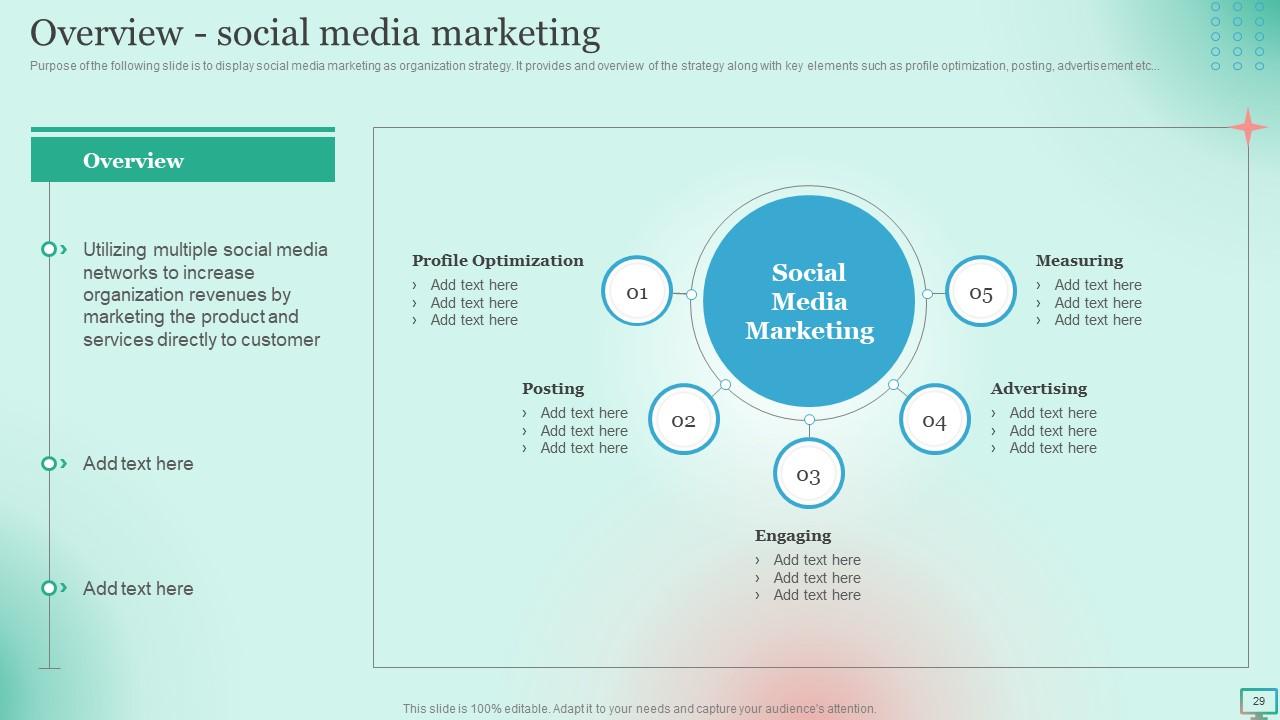
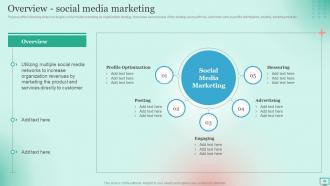
Slide 29 : Este slide mostra o marketing de mídia social como estratégia da organização.
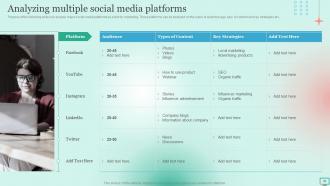
Slide 30 : Este slide trata da análise de várias plataformas de mídia social.
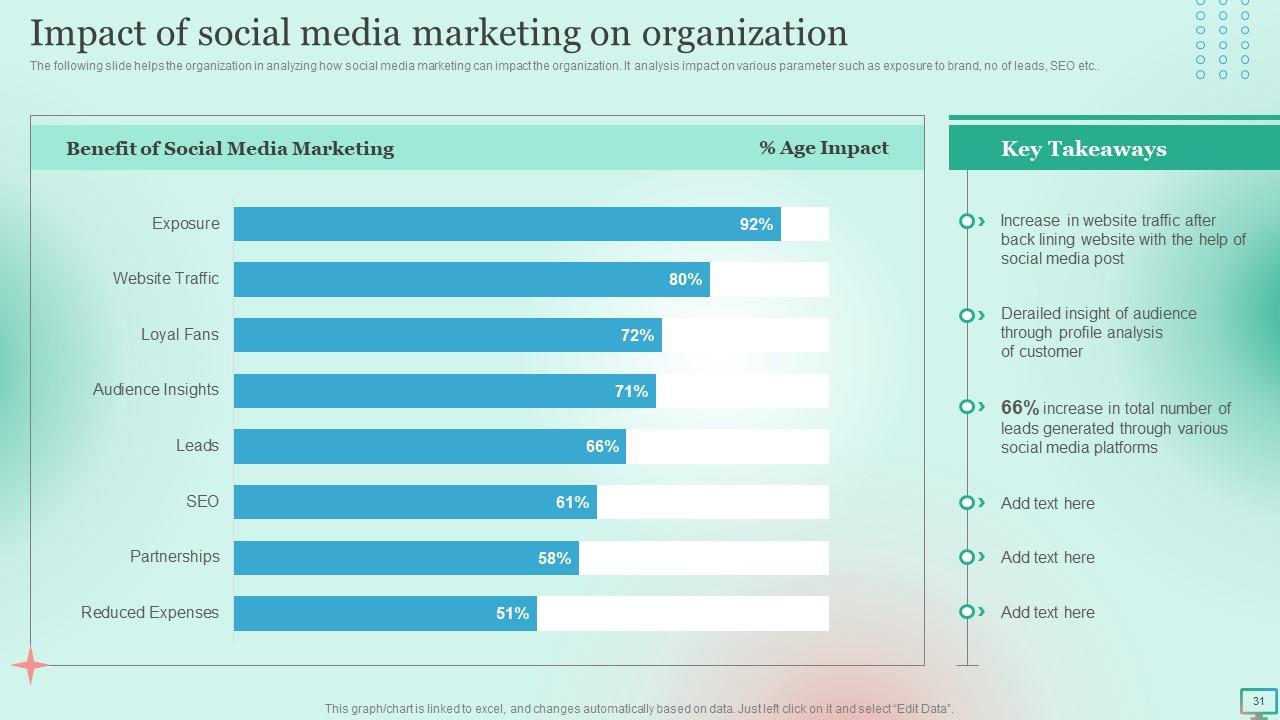
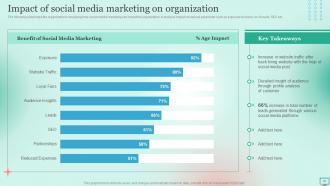
Slide 31 : Este slide elucida o impacto do marketing de mídia social na organização.
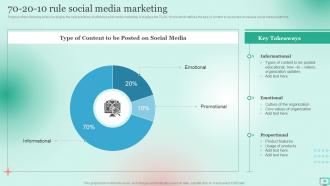
Slide 32 : Este slide descreve a regra 70-20-10 do marketing de mídia social.
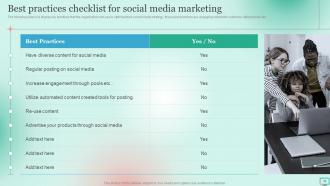
Slide 33 : Este slide exibe a lista de verificação de práticas recomendadas para marketing de mídia social.
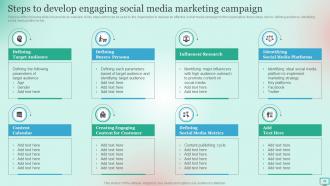
Slide 34 : Este slide apresenta as etapas para desenvolver uma campanha de marketing de mídia social envolvente.
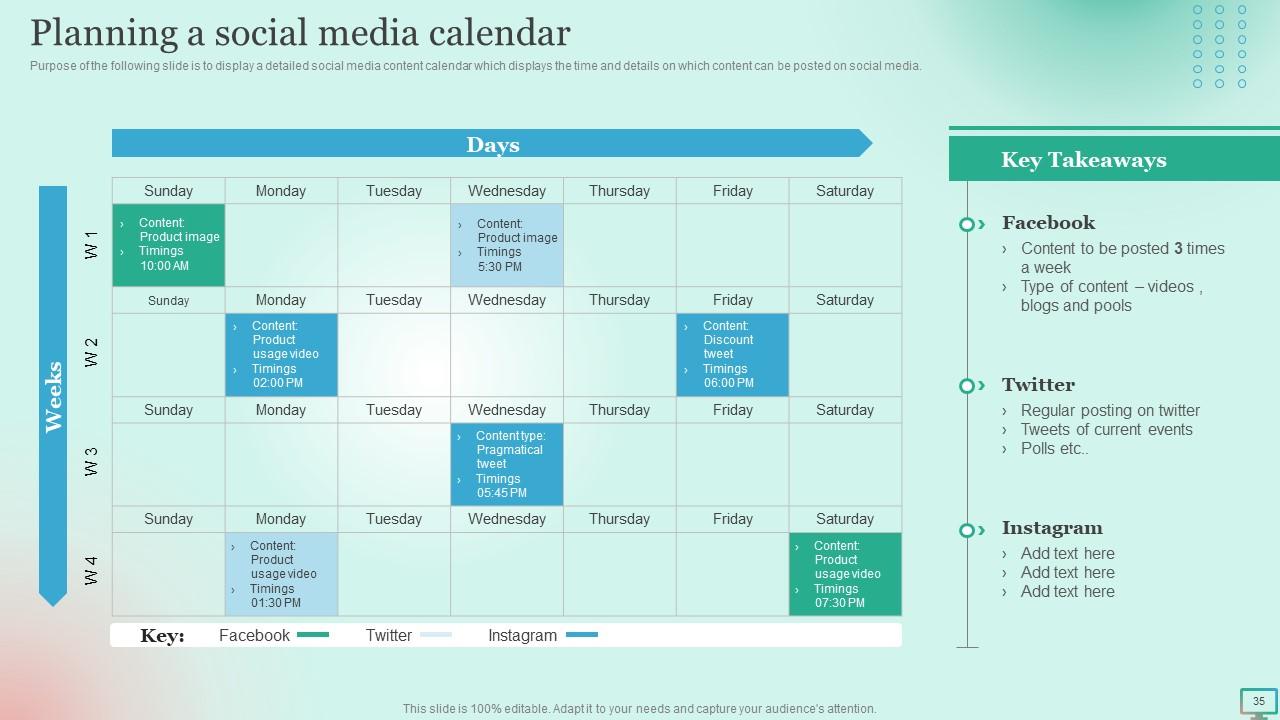
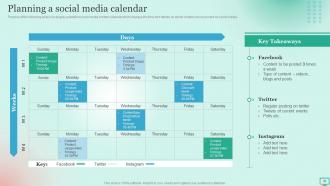
Slide 35 : Este slide exibe Planejando um calendário de mídia social.
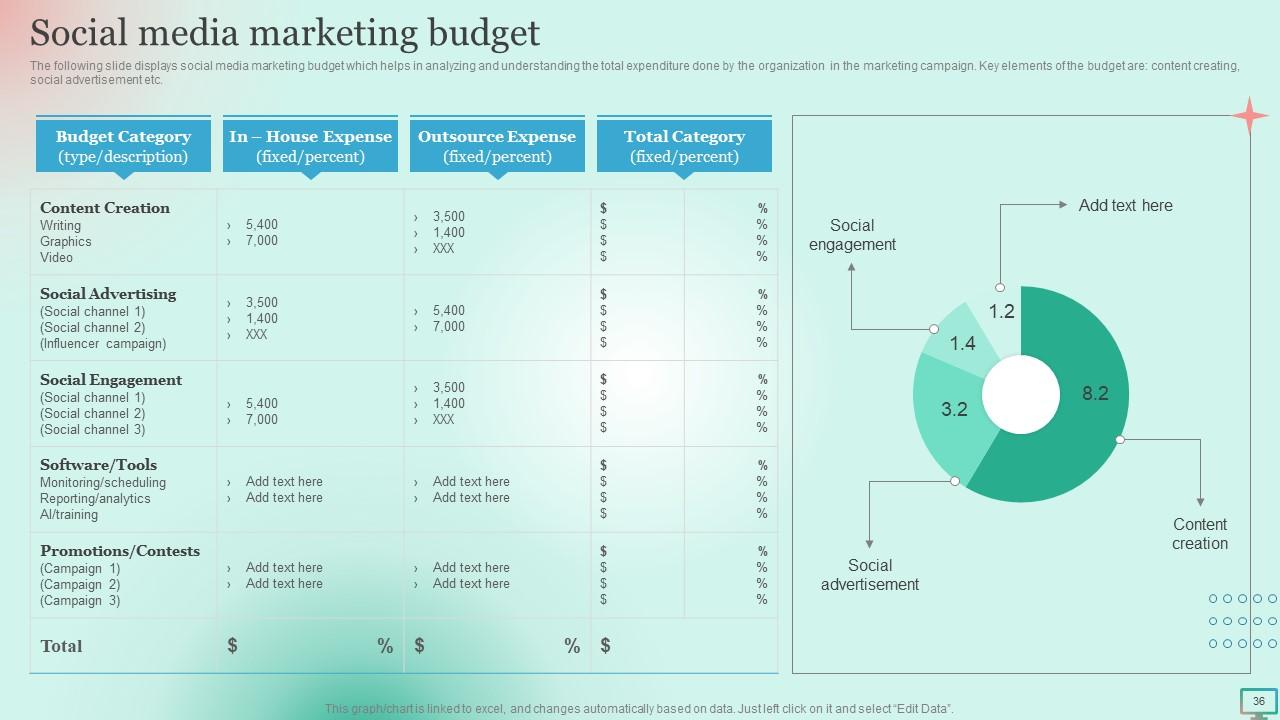
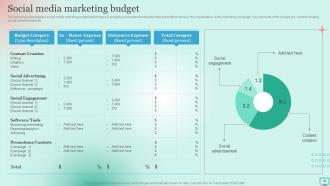
Slide 36 : Este slide representa o orçamento de marketing de mídia social.
Slide 37 : Este slide incorpora o título das ideias a serem discutidas posteriormente.
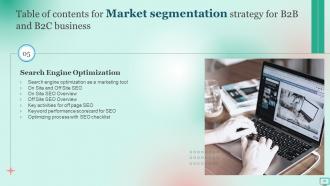
Slide 38 : Este slide mostra a otimização de mecanismo de pesquisa como uma ferramenta de marketing.
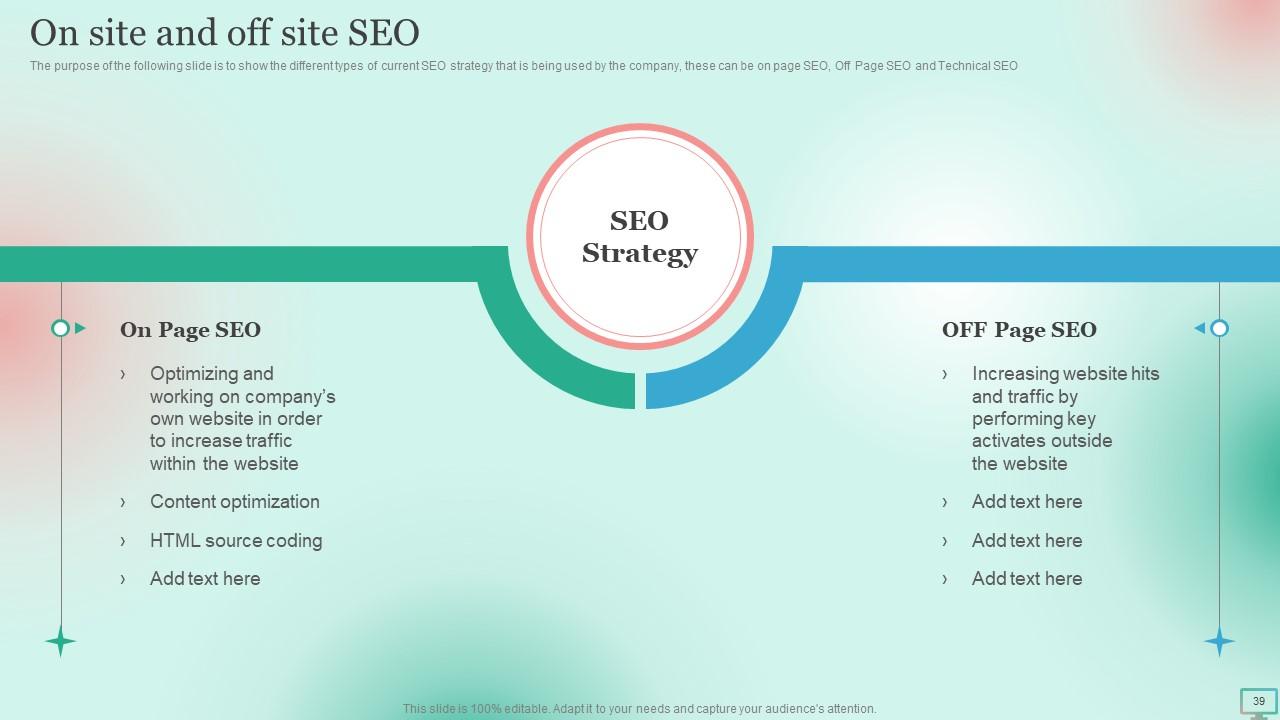
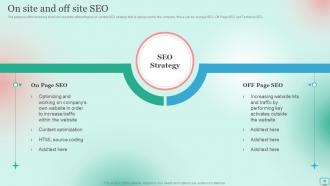
Slide 39 : Este slide enfatiza o SEO interno e externo.
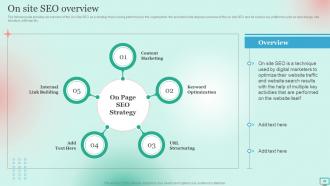
Slide 40 : Este slide retrata a visão geral do SEO no site.
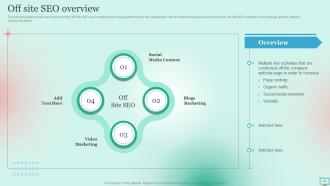
Slide 41 : O site a seguir traz uma visão geral do SEO Off-Site como estratégia que vem sendo executada pela organização.
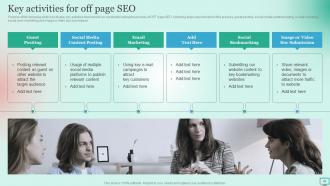
Slide 42 : Este slide mostra as principais atividades para SEO fora da página.
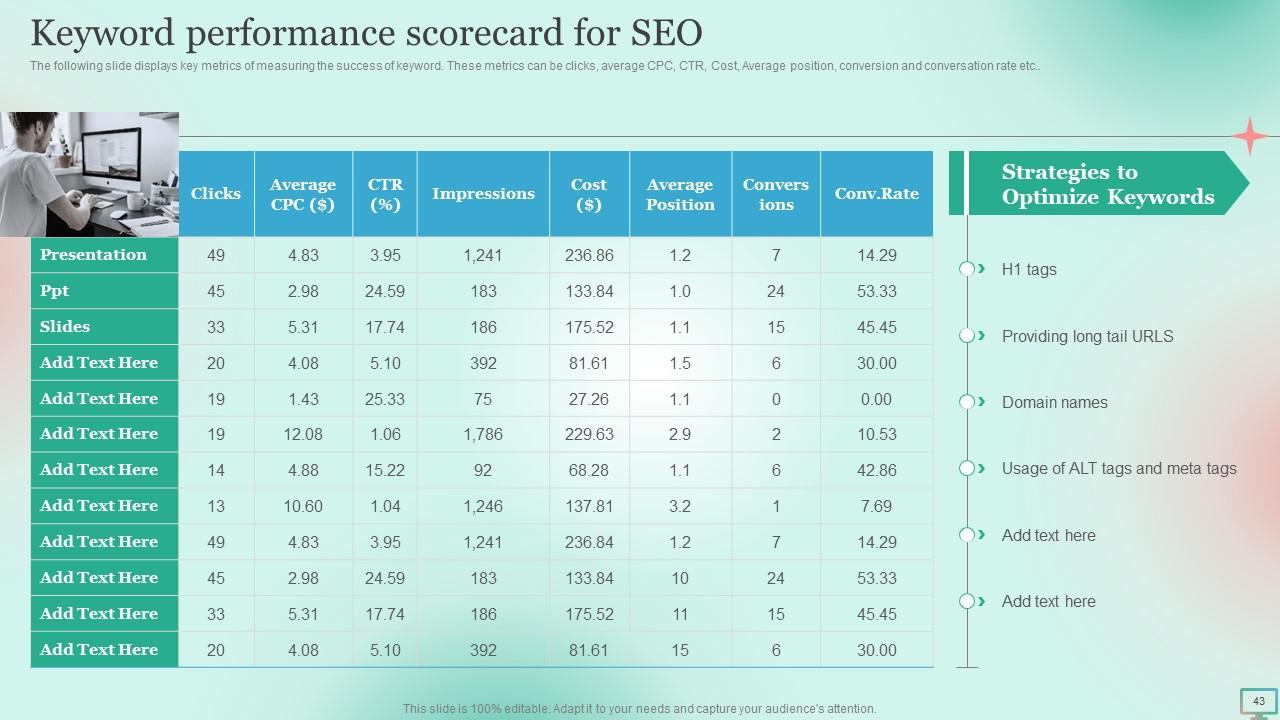
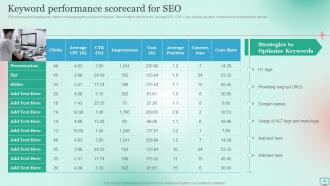
Slide 43 : Este slide ilustra o scorecard de desempenho de palavras-chave para SEO.
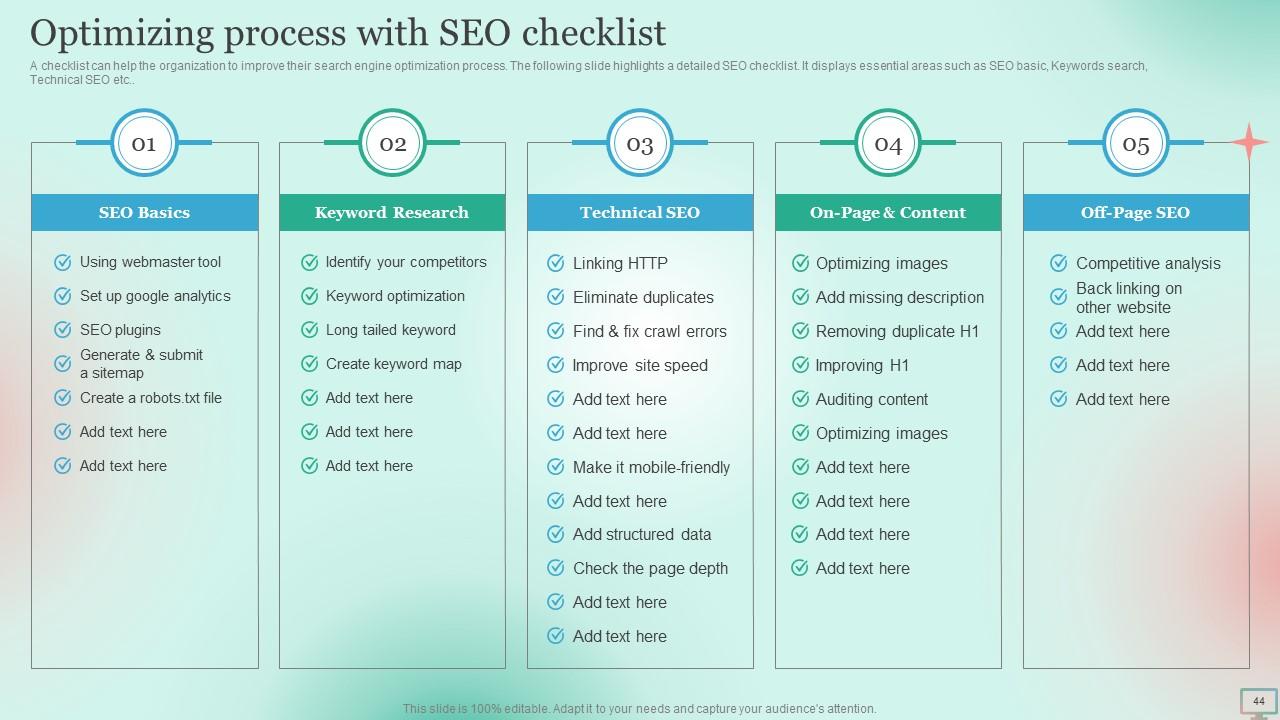
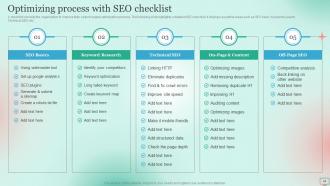
Slide 44 : Este slide trata do processo de otimização com lista de verificação de SEO.
Slide 45 : Este slide indica o Título para as Ideias a serem abordadas a seguir.
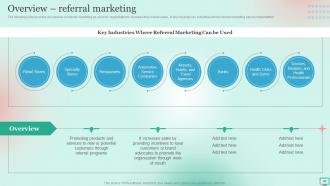
Slide 46 : Este slide fornece uma visão geral do marketing de referência como uma ferramenta para a organização aumentar suas vendas gerais.
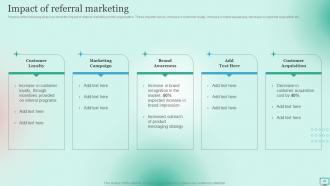
Slide 47 : Este slide mostra o impacto do marketing de referência.
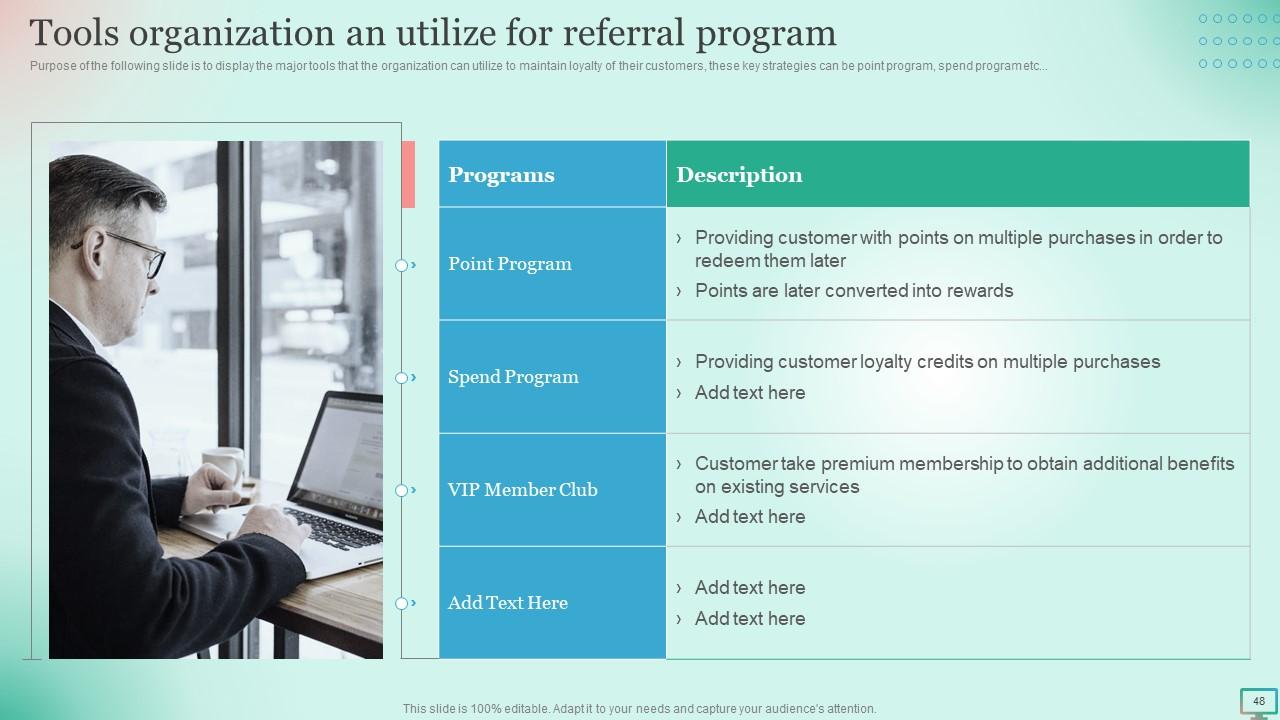
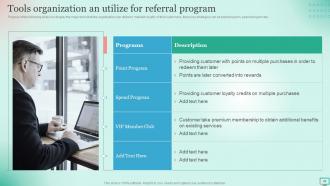
Slide 48 : Este slide apresenta as ferramentas que a organização pode utilizar para o programa de indicação.
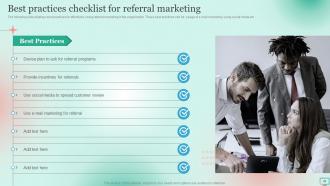
Slide 49 : Este slide apresenta a lista de verificação de práticas recomendadas para marketing de referência.
Slide 50 : Este slide descreve o título do conteúdo a ser abordado no próximo modelo.
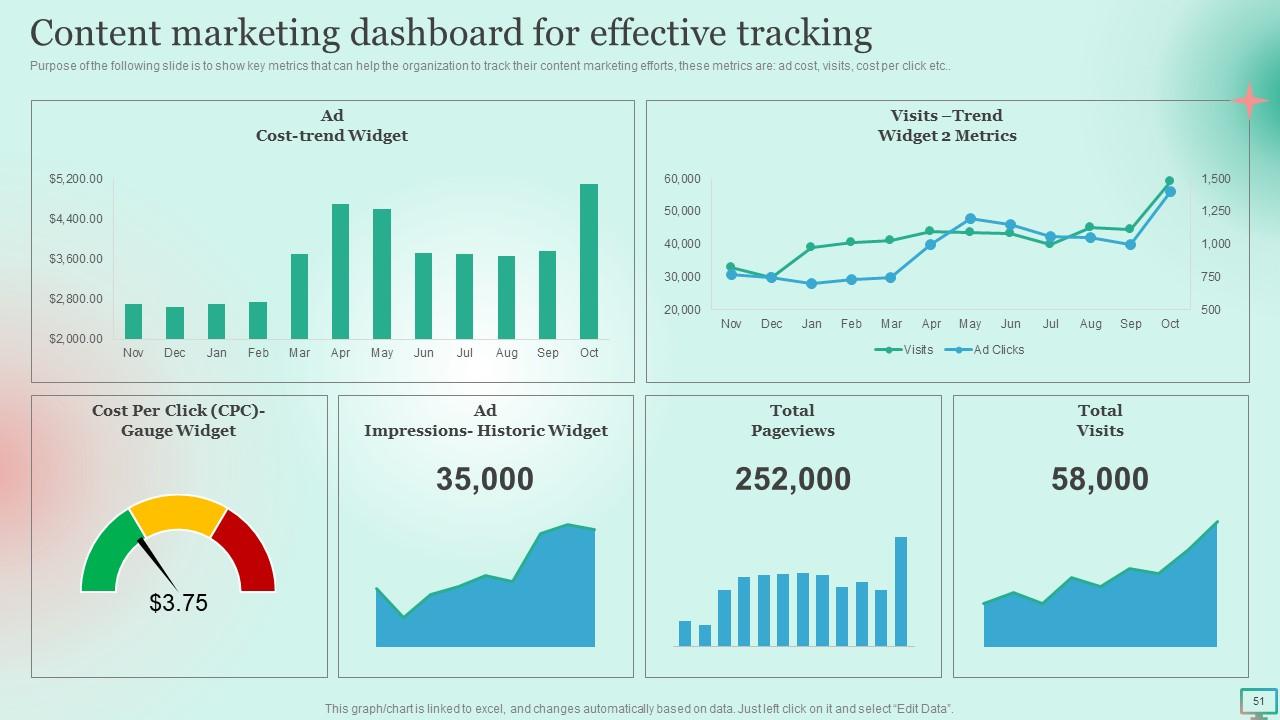
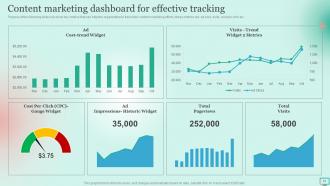
Slide 51 : Este slide revela o painel de marketing de conteúdo para rastreamento eficaz.
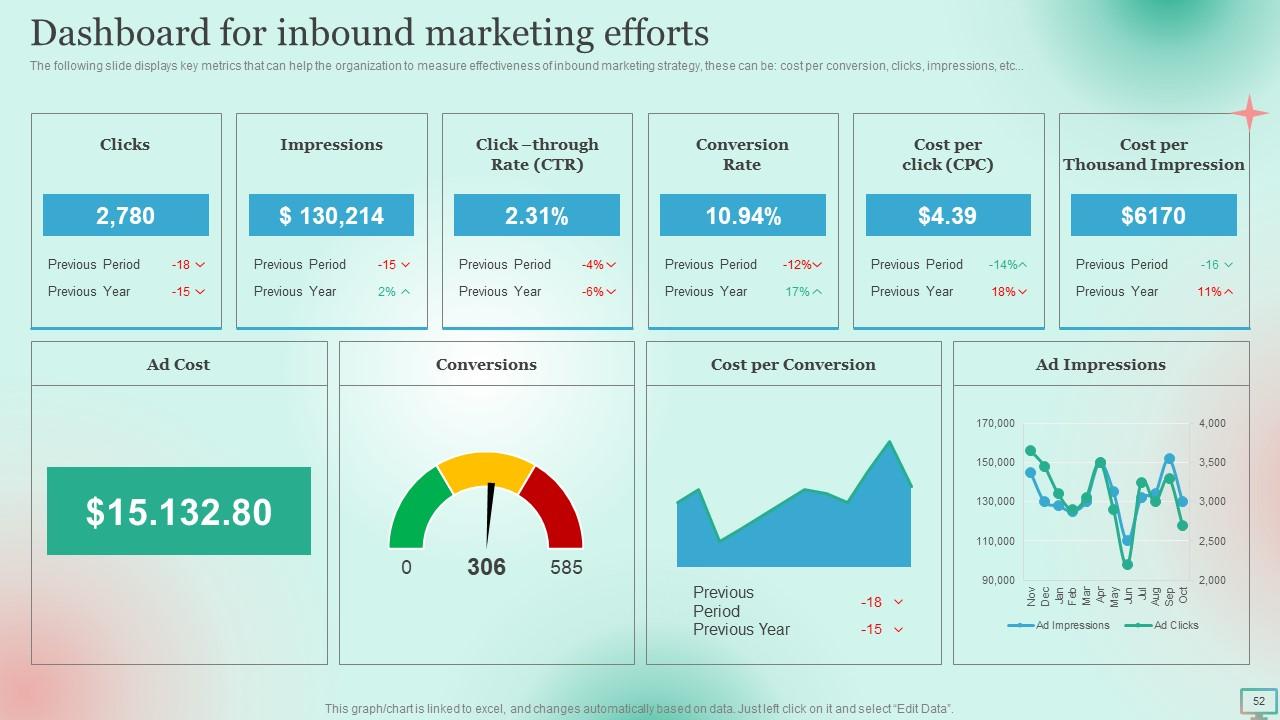
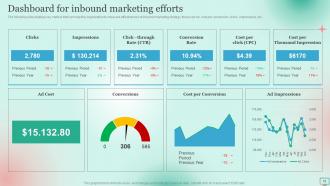
Slide 52 : Este slide elucida o Dashboard para esforços de inbound marketing.
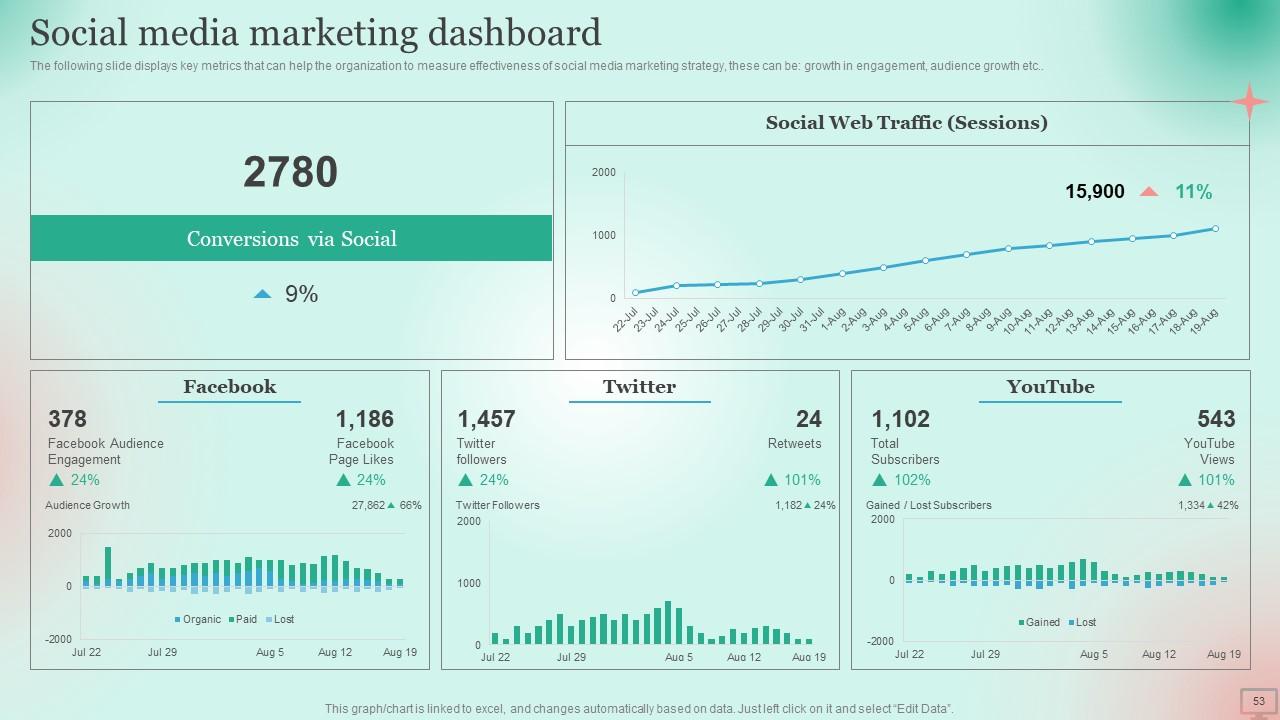
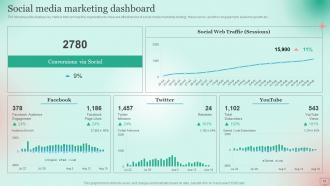
Slide 53 : Este slide retrata o painel de marketing de mídia social.
Slide 54 : Este slide é usado para exibir algumas informações adicionais.
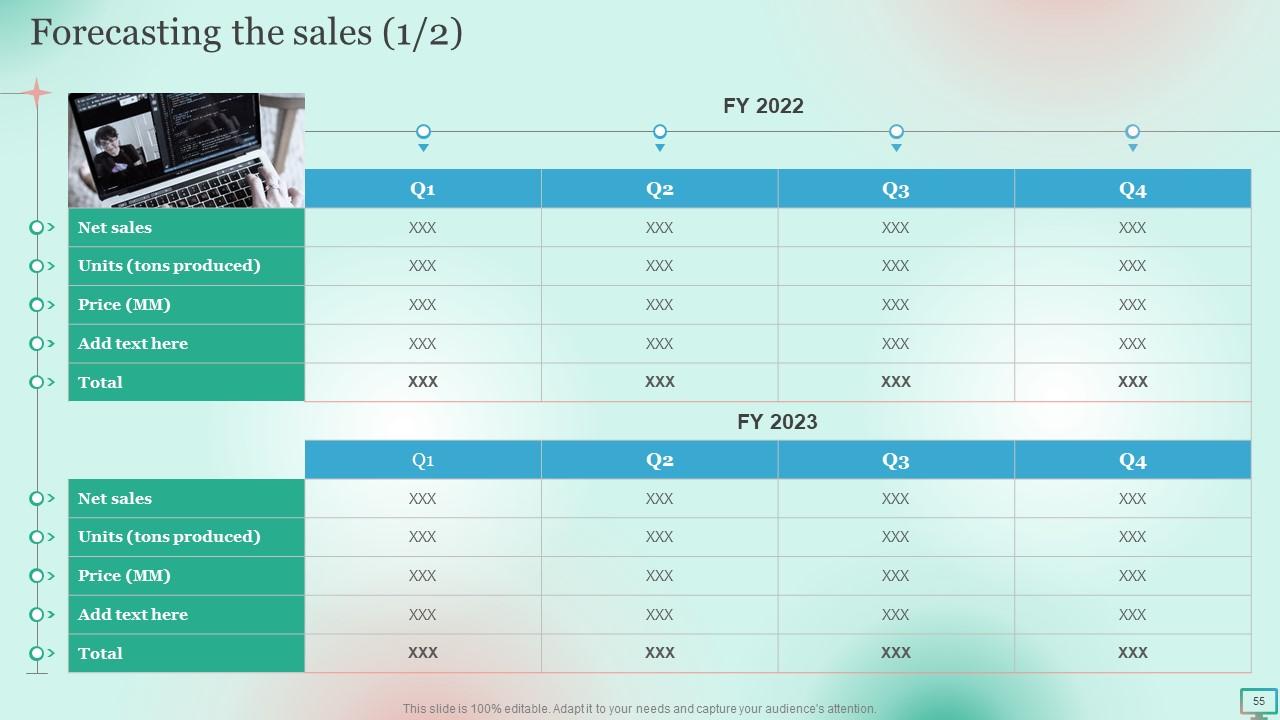
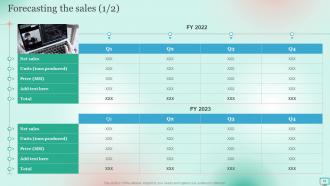
Slide 55 : Este slide revela a previsão de vendas.
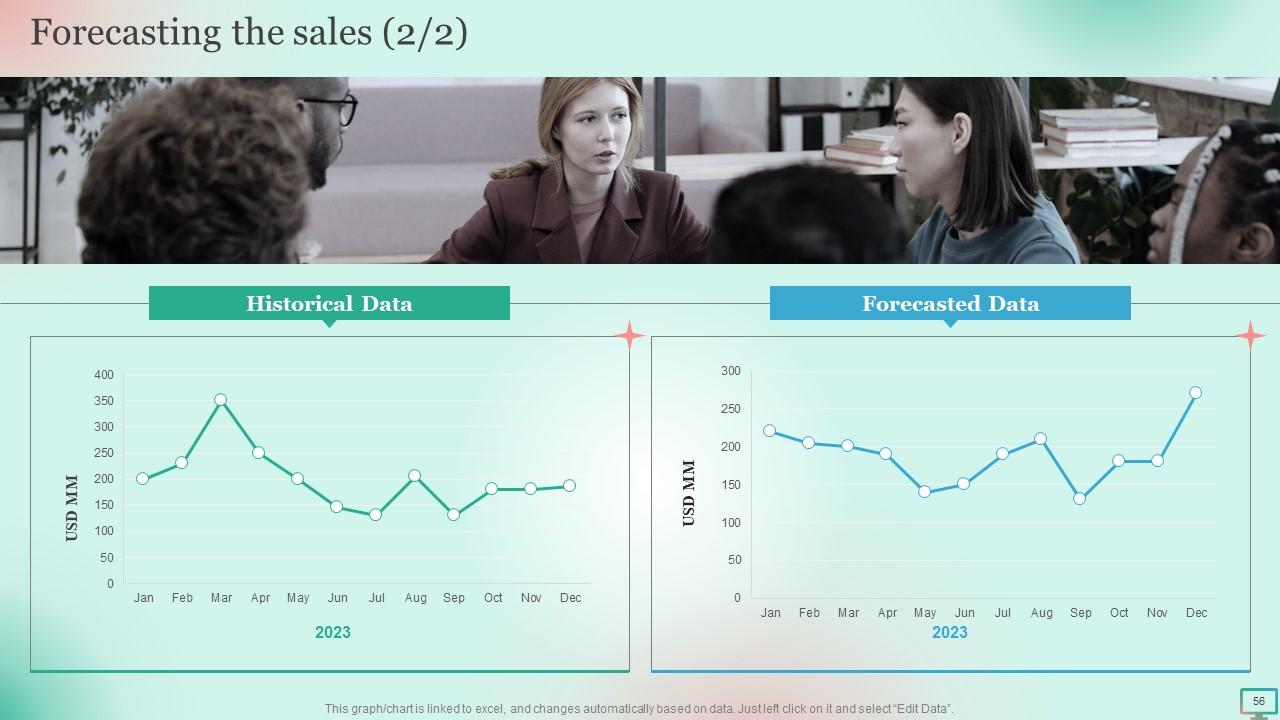
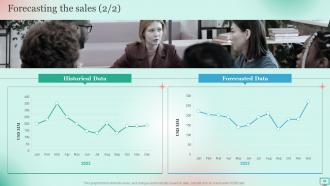
Slide 56 : Este slide continua a previsão de vendas.
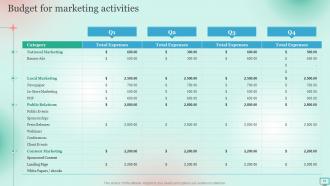
Slide 57 : Este slide destaca o Orçamento para atividades de marketing.
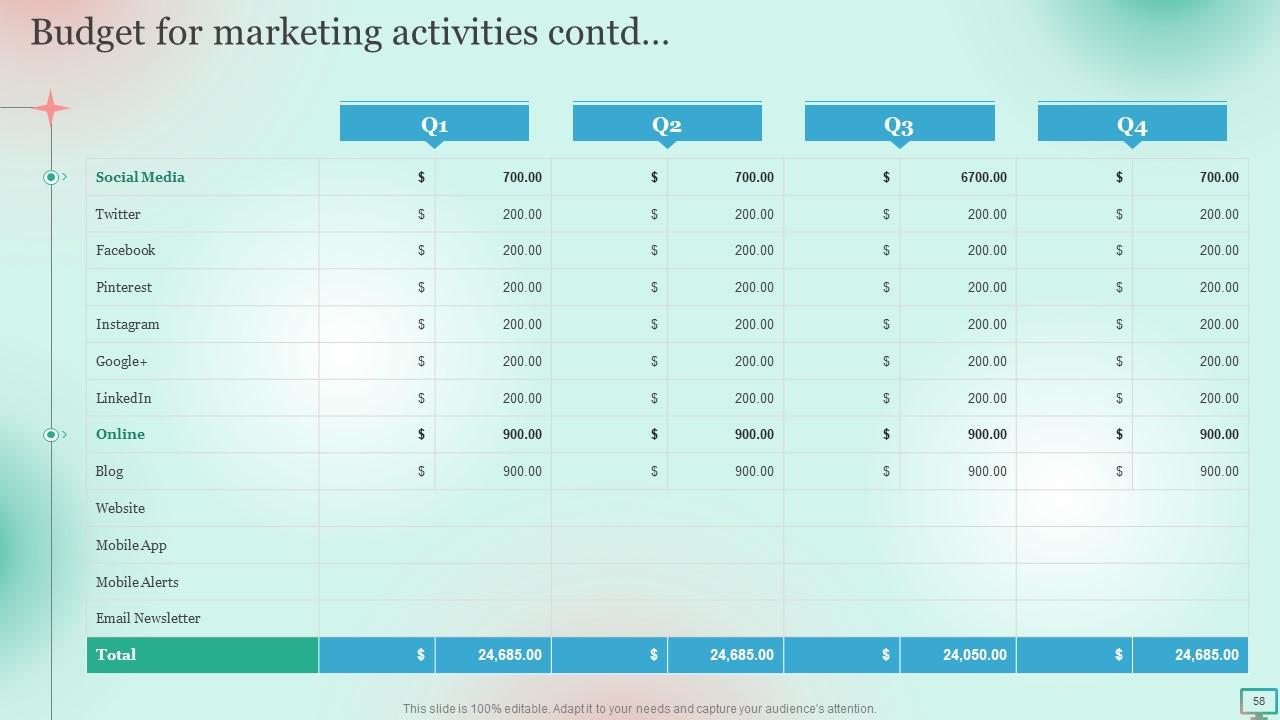
Slide 58 : Este slide dá continuidade ao Orçamento para atividades de marketing.
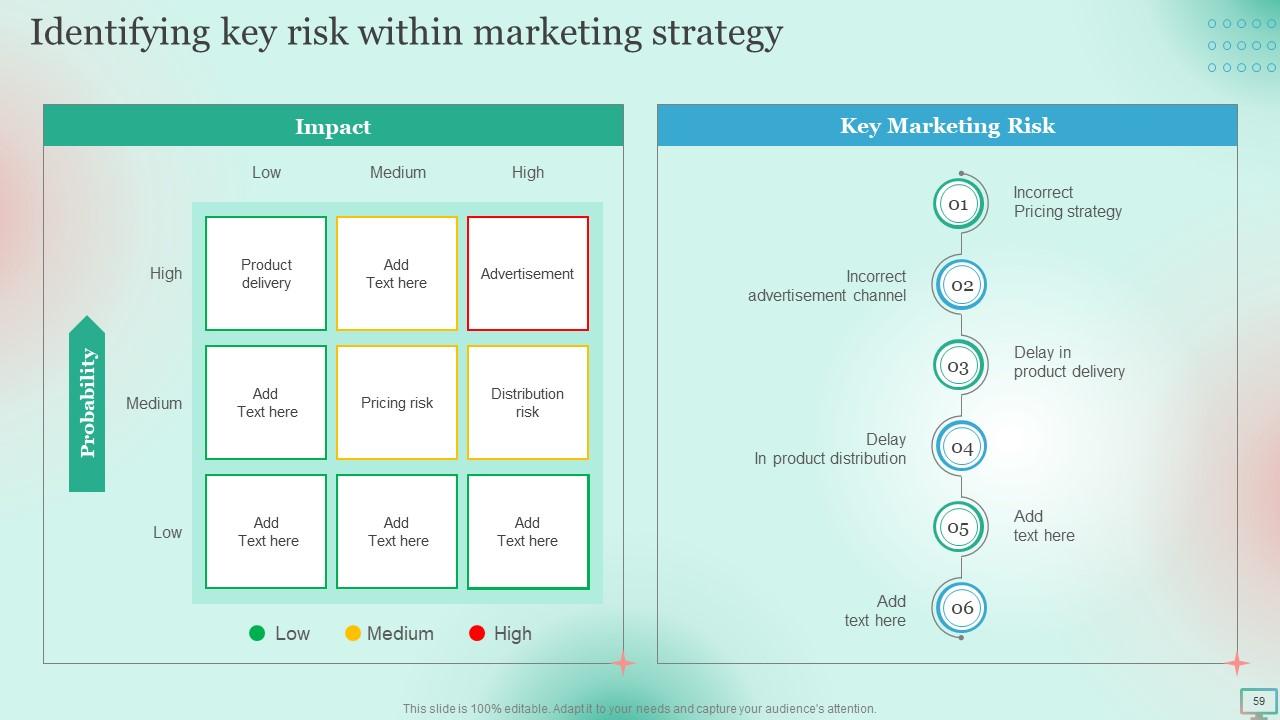
Slide 59 : Este slide se concentra na identificação dos principais riscos na estratégia de marketing.
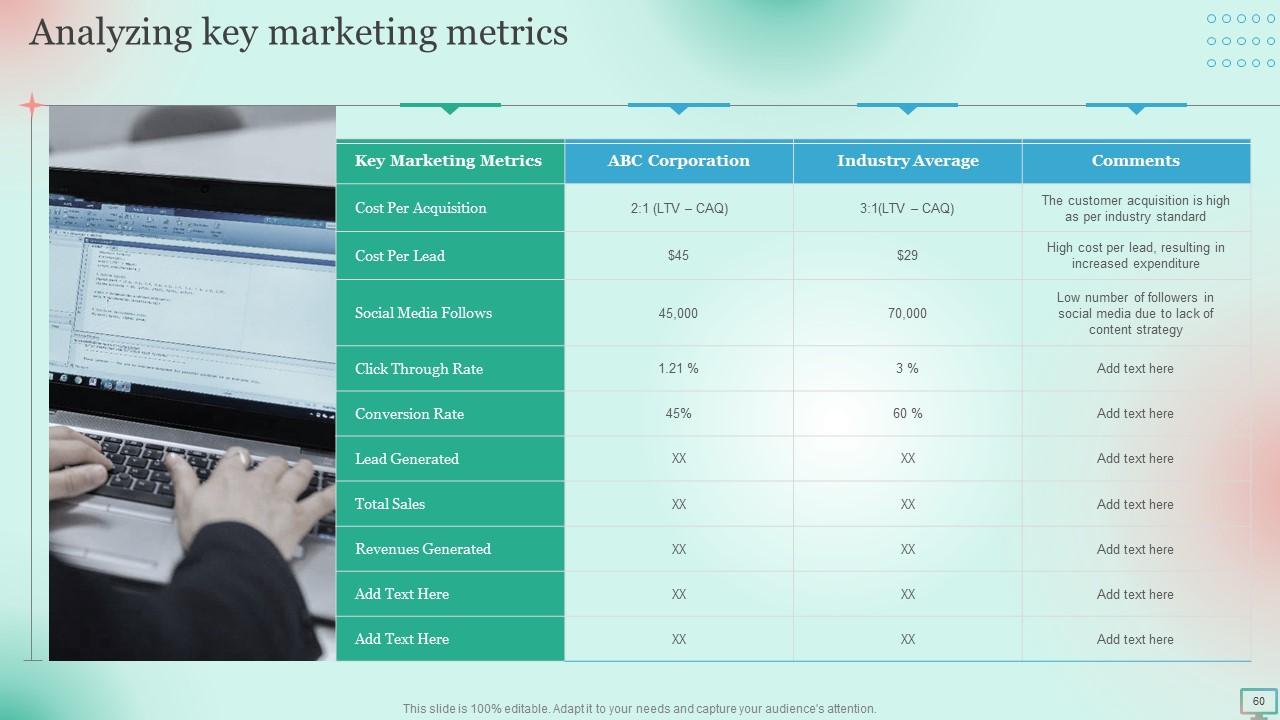
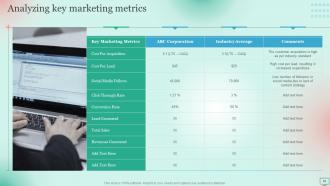
Slide 60 : Este slide trata da análise das principais métricas de marketing.
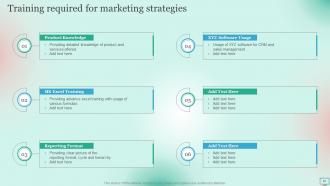
Slide 61 : Este slide apresenta o Treinamento necessário para as estratégias de marketing.
Slide 62 : Este é o slide dos Ícones contendo todos os Ícones usados no plano.
Slide 63 : Este é o slide do plano de 30, 60, 90 dias para um planejamento eficaz.
Slide 64 : Este é o slide do quebra-cabeça com imagens relacionadas.
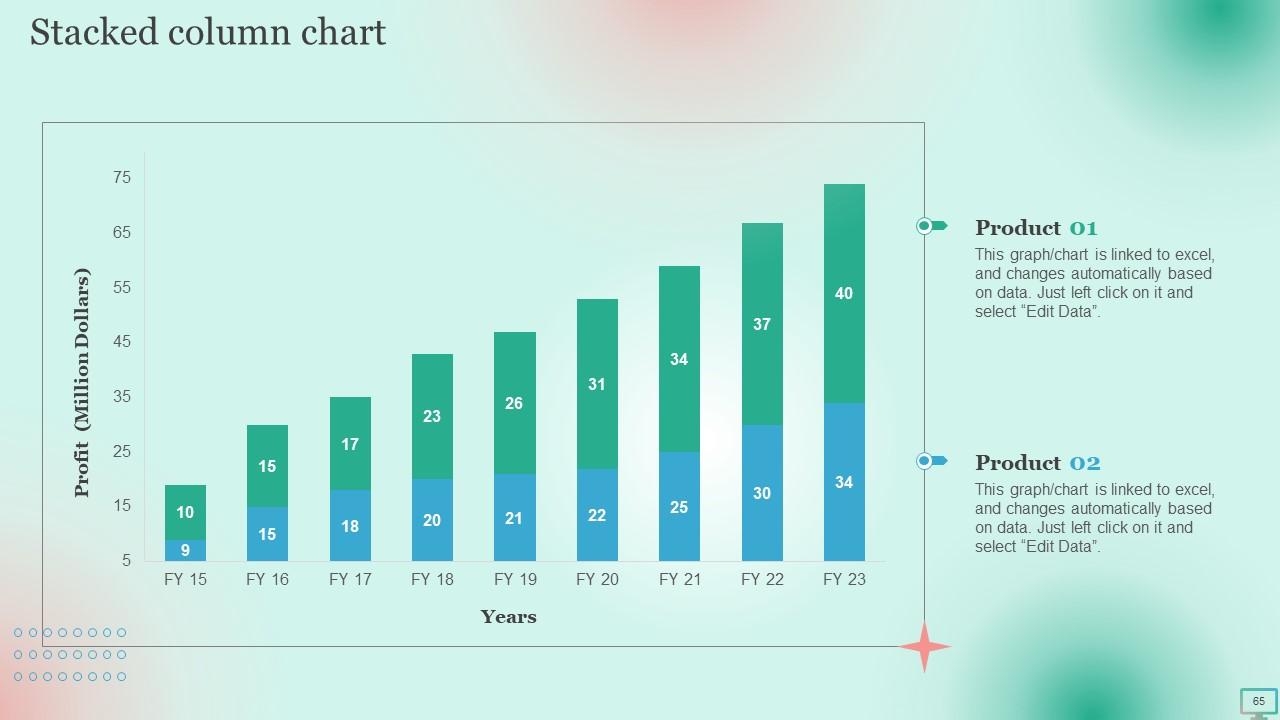
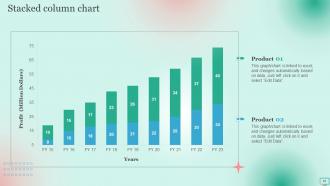
Slide 65 : Este slide representa o gráfico de colunas empilhadas.
Slide 66 : Este slide elucida o mapa mental da organização.
Slide 67 : Este é o slide Nosso objetivo. Indique os objetivos da sua empresa aqui.
Slide 68 : Esta é a lupa para detalhes minuciosos.
Slide 69 : Este é o slide de agradecimento pelo reconhecimento.
Estratégia de segmentação de mercado para negócios B2B e B2C CD de estratégia de slides de apresentação em Powerpoint com todos os 74 slides:
Use nossa estratégia de segmentação de mercado para B2B e B2C Business Powerpoint Slides Strategy CD para ajudá-lo efetivamente a economizar seu valioso tempo. Eles estão prontos para caber em qualquer estrutura de apresentação.
-
I'm happy to discover your PowerPoint presentations and templates. They met my expectations precisely. Very innovative!
-
Such amazing slides with easy editable options. A perfect time-saver.
