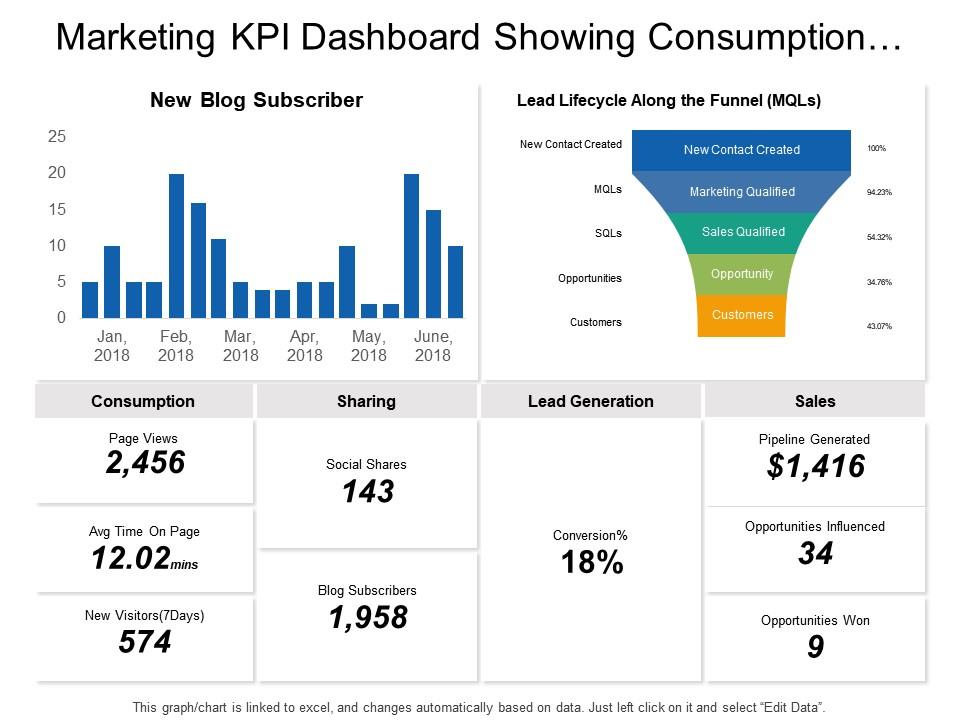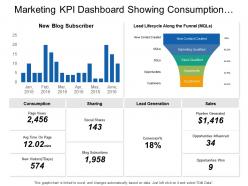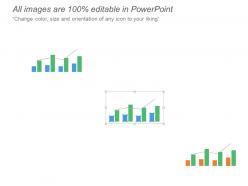
Marketing-Kpi-Dashboard, das die Generierung von Verkaufs-Leads mit geteiltem Verbrauch anzeigt

Rating:
90%
Marketing kpi dashboard showing consumption sharing sales lead generation
Slide 1 of 6
Favourites Favourites

Try Before you Buy Download Free Sample Product

Audience Impress Your
Audience
Editable 100%
Editable
Time Save Hours
of Time
The Biggest Sale is ending soon in
0
0
:
0
0
:
0
0
Rating:
90%

Funktionen dieser PowerPoint-Präsentationsfolien:

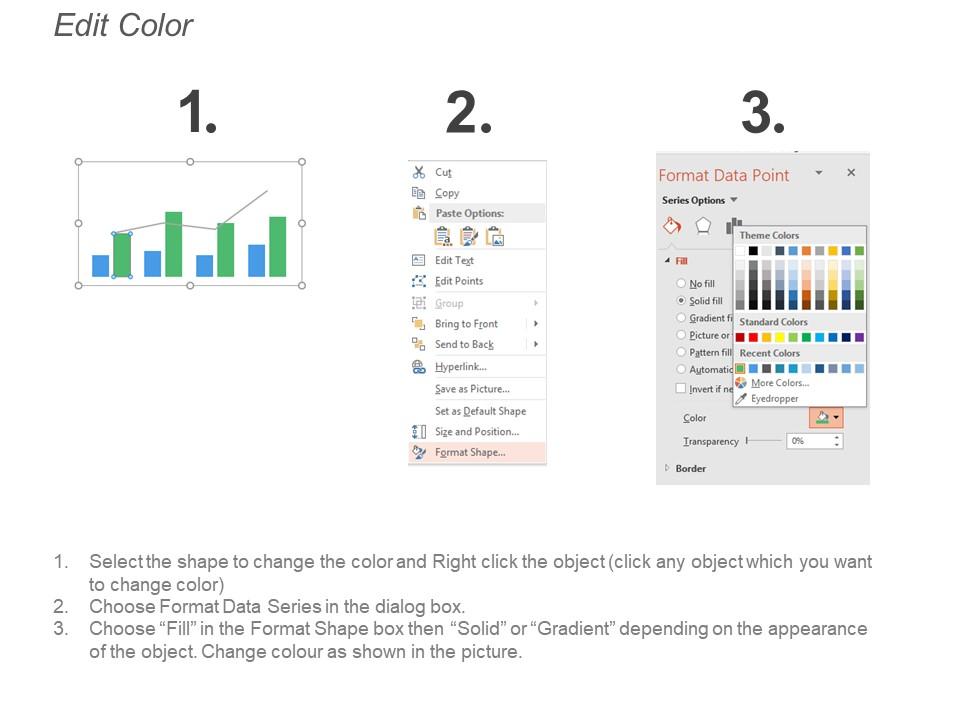
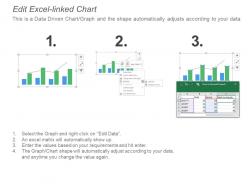
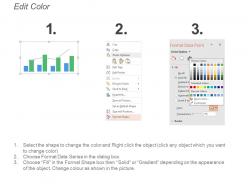
Da diese Diashow zu 100 % anpassbar ist, können Sie ganz einfach alles zu den vorgefertigten Folien hinzufügen oder daraus entfernen. Sie können die Schriftgröße, Schriftfarbe und den Schriftstil des verwendeten Textes gemäß den Anweisungen in den Beispielvorlagen ändern. Die Ausrichtung, Größe und Farbe verschiedener grafischer Illustrationen, die in der PPT-Vorlage verwendet werden, sind ebenfalls einstellbar. Wenn Sie diese PPT-Diashow herunterladen, können Sie sie entweder im Standardformat 4:3 oder im Breitbildformat 16:9 anzeigen. Die PowerPoint-Präsentation kann im PDF- oder JPG-Format gespeichert werden. Die Folien sind voll kompatibel mit Google Slides.

People who downloaded this PowerPoint presentation also viewed the following :

FAQs for Marketing kpi dashboard showing consumption sharing

Marketing KPI dashboards should include lead generation rates, conversion percentages, customer acquisition costs, return on marketing investment, website traffic analytics, and engagement metrics across channels. These comprehensive metrics enable marketing teams to optimize campaign performance, allocate resources strategically, and demonstrate measurable business impact, with many organizations finding that integrated dashboards streamline decision-making and enhance overall marketing effectiveness.

A marketing KPI dashboard aligns team objectives with business goals by providing real-time visibility into performance metrics, campaign ROI, lead generation, and revenue attribution across all marketing channels. This transparency enables marketing teams to prioritize high-impact activities, adjust strategies based on business outcomes, and demonstrate direct contribution to organizational growth, with many companies finding that unified dashboards streamline decision-making and enhance cross-departmental collaboration.

Effective marketing KPI dashboard tools include Tableau, Power BI, Google Data Studio, HubSpot, and Salesforce Analytics, each offering unique visualization and integration capabilities. These platforms streamline data consolidation by connecting multiple marketing channels, automating report generation, and delivering real-time insights, with many organizations finding that comprehensive dashboards enhance decision-making speed and campaign optimization across teams.

Marketing KPI dashboards should be updated daily for real-time metrics like website traffic and social media engagement, weekly for campaign performance and lead generation, and monthly for strategic metrics like customer acquisition costs and lifetime value. This tiered approach ensures marketers maintain accurate insights while avoiding data overload, with many organizations finding that automated daily updates combined with weekly strategic reviews deliver optimal decision-making capabilities and competitive responsiveness.

Visualization transforms complex marketing data into easily digestible charts, graphs, heat maps, and trend lines that enable quick decision-making and pattern recognition. These visual elements streamline performance analysis by highlighting conversion rates, campaign effectiveness, and ROI metrics at a glance, ultimately delivering faster strategic insights and enhanced team collaboration across marketing initiatives.

Marketers can determine impactful KPIs by aligning metrics with campaign objectives, analyzing historical performance data, and considering customer journey stages. Through strategic evaluation of conversion rates, customer acquisition costs, and engagement metrics, organizations can identify which indicators directly correlate with revenue growth and business outcomes, ultimately enabling more focused resource allocation and campaign optimization.

Common mistakes include overcrowding dashboards with too many metrics, focusing on vanity metrics rather than actionable KPIs, poor data visualization choices, and lack of stakeholder input during design. Many marketing teams find that creating dashboards without clear objectives, ignoring mobile responsiveness, and failing to establish regular review processes ultimately undermines decision-making effectiveness and strategic alignment.

A marketing KPI dashboard integrates multi-channel data through APIs, automated connectors, and centralized analytics platforms that pull metrics from social media platforms, email marketing tools, and SEO software. These integration technologies streamline reporting by consolidating performance data, enabling real-time tracking, and providing unified visibility across campaigns, ultimately delivering comprehensive insights and enhanced decision-making capabilities for marketing teams.

Marketing KPI benchmarks include industry averages for conversion rates, cost per acquisition, customer lifetime value, email open rates, and social media engagement metrics. These benchmarks vary significantly across sectors, with e-commerce companies typically targeting 2-4% conversion rates while B2B organizations focus on lead quality metrics, ultimately enabling marketers to identify performance gaps and optimize campaigns for competitive advantage.

Different marketing strategies require distinct KPI selections, with content marketing emphasizing engagement metrics, lead quality, and conversion rates, while paid advertising focuses on cost-per-acquisition, return on ad spend, and click-through rates. Social media strategies prioritize reach, brand sentiment, and community growth, whereas email marketing tracks open rates, deliverability, and subscriber lifetime value, ultimately enabling marketers to align measurement with strategic objectives and optimize resource allocation.

Marketers can communicate dashboard insights through executive summary reports, visual presentation decks, interactive dashboard walkthroughs, automated email alerts, and stakeholder-specific briefings tailored to different audience needs. These methods enable marketers to translate complex data into actionable narratives, with many organizations finding that combining visual storytelling with targeted messaging delivers greater stakeholder engagement and faster decision-making across departments.

A KPI dashboard facilitates better marketing decision-making by providing real-time visibility into campaign performance, customer acquisition costs, conversion rates, and ROI metrics across channels. This centralized data enables marketing teams to quickly identify underperforming campaigns, reallocate budgets strategically, and optimize targeting approaches, ultimately delivering faster campaign pivots and improved marketing efficiency.

Real-time KPI dashboards enable instant decision-making, continuous performance monitoring, immediate trend identification, and rapid response to market changes, unlike static reports that offer outdated snapshots. These dynamic tools streamline campaign optimization by delivering live data visualization, automated alerts, and interactive analytics, with marketing teams finding faster ROI improvements and enhanced competitive positioning.

Marketers can ensure dashboard evolution by implementing regular review cycles, incorporating feedback from stakeholders across departments, and maintaining flexible data architecture that accommodates new metrics. Through quarterly assessments and agile dashboard design, marketing teams can seamlessly integrate emerging KPIs, adjust to shifting business priorities, and adapt measurement frameworks, ultimately delivering insights that align with evolving strategic objectives and competitive requirements.

Customer feedback plays a crucial role in defining satisfaction metrics, retention rates, Net Promoter Scores, customer lifetime value, and engagement quality indicators on marketing dashboards. This feedback enables marketing teams to align campaigns with customer preferences, refine targeting strategies, and optimize messaging effectiveness, with many organizations finding that feedback-driven KPIs ultimately deliver higher conversion rates and stronger customer relationships.

Ratings and Reviews

90% of 100
Review Form
Write a review
Most Relevant Reviews
  1. 100%

    by Dana Owens

    Perfect template with attractive color combination.
  2. 80%

    by Charles Peterson

    Great designs, really helpful.

2 Item(s)

per page: