Modèle PPT Marketing Pitch Deck
Try Before you Buy Download Free Sample Product
Audience
Editable
of Time
Notre modèle PPT Marketing Pitch Deck est conçu de manière topique pour fournir une toile de fond attrayante à n'importe quel sujet. Utilisez-les pour ressembler à un pro de la présentation.
Caractéristiques de ces diapositives de présentation PowerPoint :
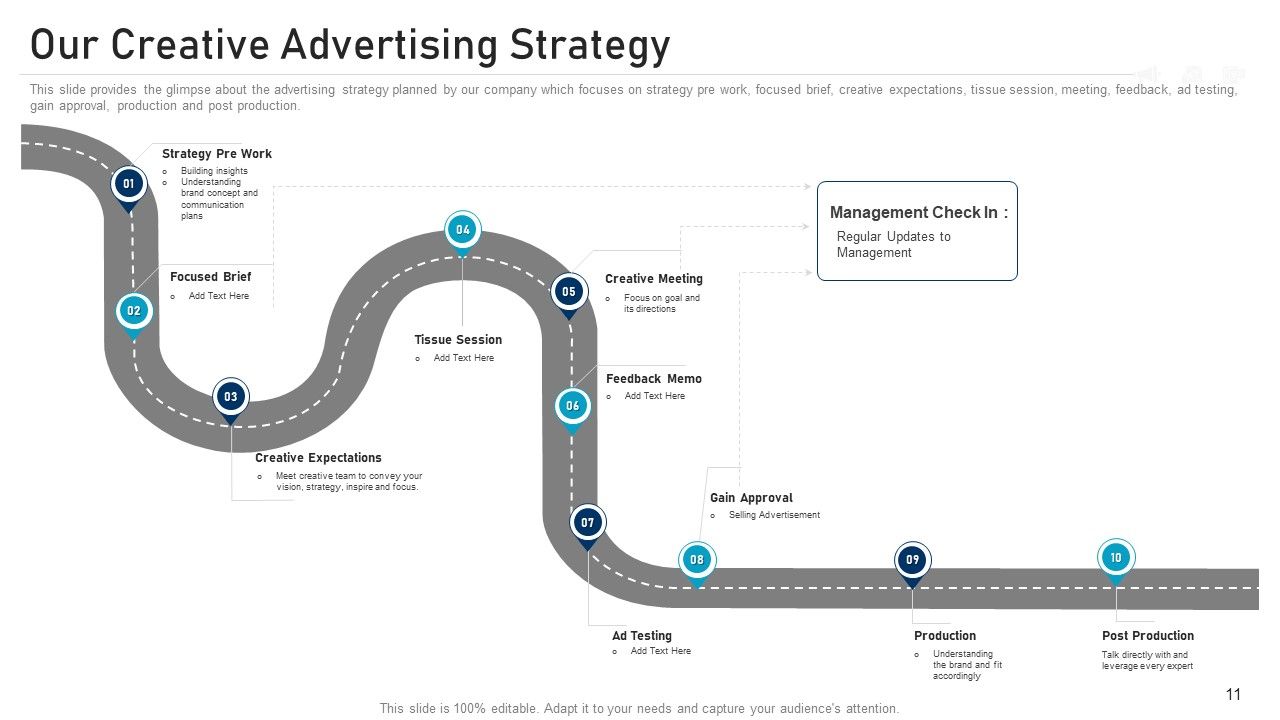
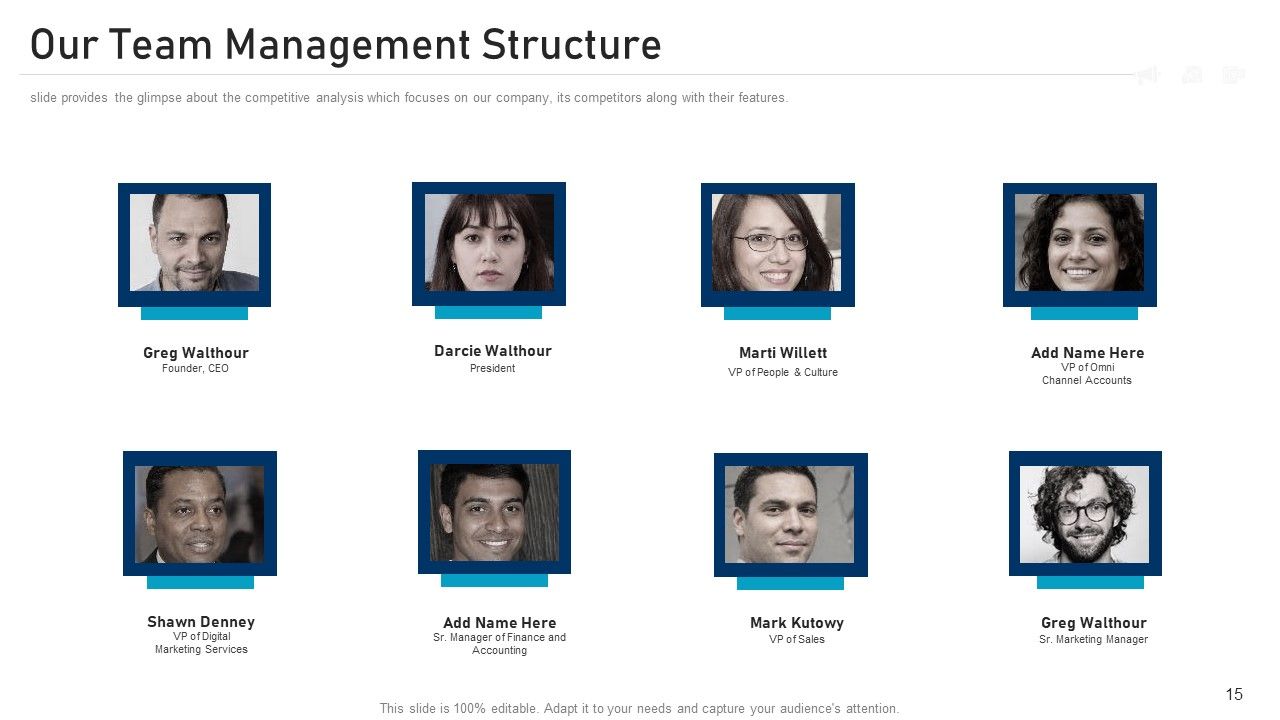
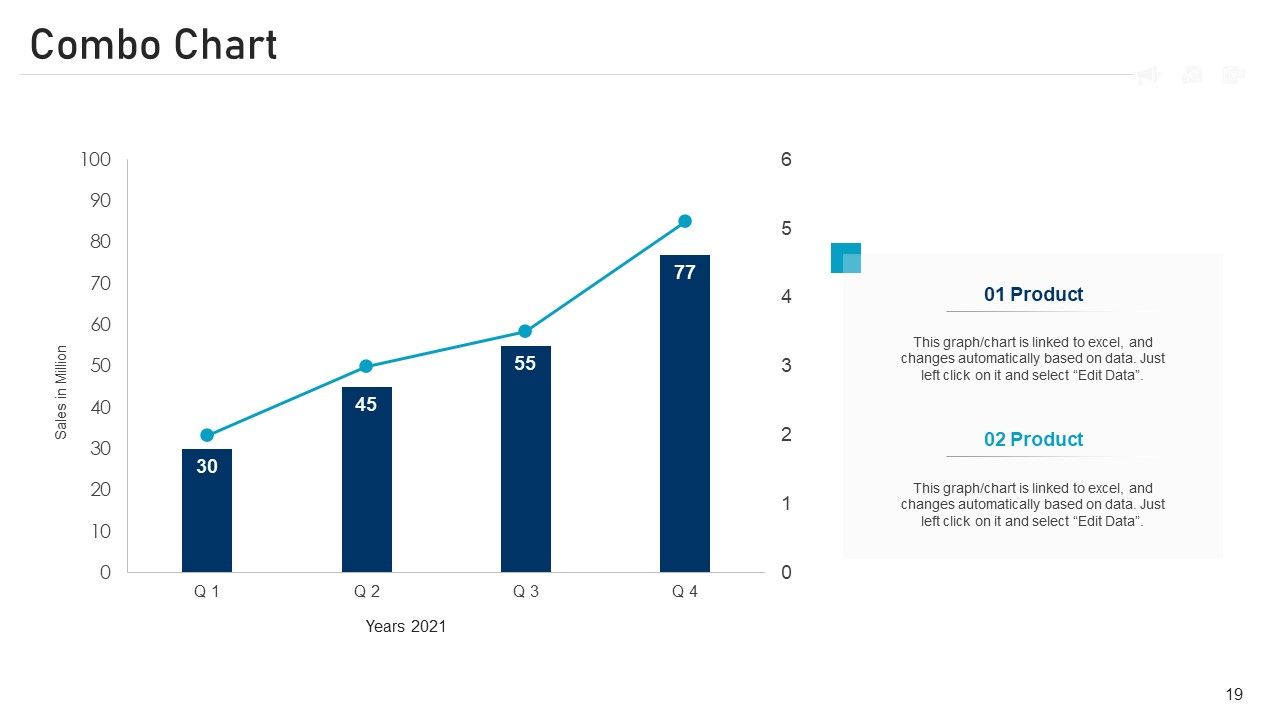
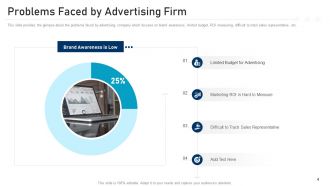
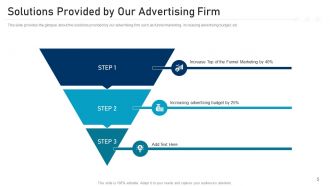
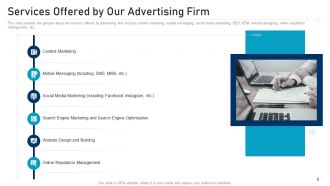
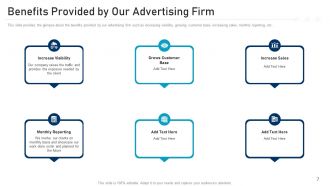
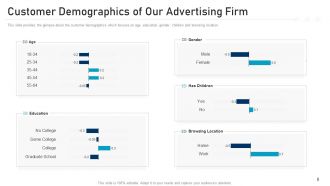
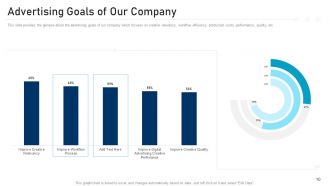
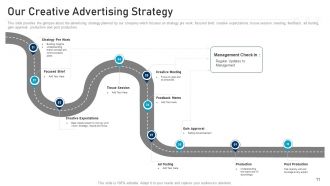
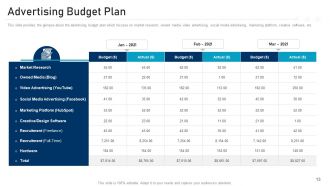
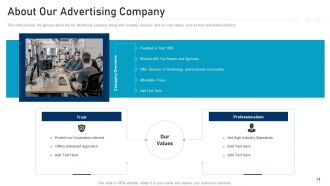
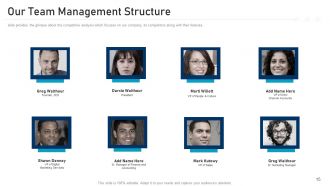
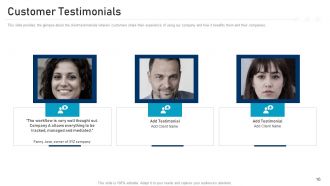
Fournissez à vos investisseurs des informations essentielles sur votre projet et votre entreprise avec cet influent modèle PPT de marketing Pitch Deck. Il s'agit d'un modèle PPT de pitch deck détaillé qui couvre toutes les informations et statistiques détaillées de votre organisation. Des modèles de revenus aux statistiques de base, des tableaux et des graphiques uniques sont ajoutés pour rendre votre présentation plus informative et stratégiquement avancée. Cela vous donne un avantage concurrentiel et suffisamment d'espace pour présenter vos marques USP. En dehors de cela, les vingt-sept diapositives ajoutées à ce jeu permettent de fournir une ventilation des différentes facettes et des principes fondamentaux clés. Y compris l'historique de votre entreprise, les stratégies marketing, la traction, etc. Le plus grand avantage de ce modèle est qu'il est adaptable à n'importe quel domaine commercial, qu'il s'agisse du commerce électronique, de la révolution informatique, etc., pour introduire un nouveau produit ou apporter des modifications au un existant. Par conséquent, téléchargez dès maintenant ce jeu complet au format PNG, JPG ou PDF.
People who downloaded this PowerPoint presentation also viewed the following :
Contenu de cette présentation Powerpoint
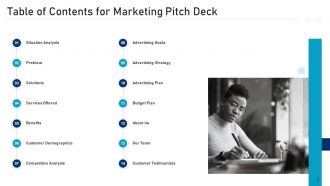
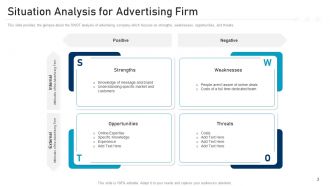
Modèle PPT de plate-forme marketing avec les 27 diapositives :
Utilisez notre modèle PPT Marketing Pitch Deck pour vous aider efficacement à économiser votre temps précieux. Ils sont prêts à l'emploi pour s'adapter à n'importe quelle structure de présentation.
FAQs for Marketing pitch
So for your marketing pitch deck, start with the problem you're solving and your unique solution. Target market size matters big time. Show the competitive landscape but don't spend forever on it. Your go-to-market strategy needs real tactics and timelines - investors hate vague stuff. If you've got any traction metrics, definitely include those. Business model and revenue projections are obvious must-haves. Team slide is crucial since they're literally investing in your marketing chops. Keep it visual over text-heavy - nobody wants to read paragraphs. Oh, and practice beforehand so you can see what lands with different investor personalities.
Think of your whole presentation like telling one big story - don't just shove it into a single slide. Open with a problem everyone gets, then show how your solution saves the day. I hate when people randomly throw in customer stories everywhere (so awkward), but when it's done right? Gold. Use real examples and case studies to back up your points instead of vague benefits. The flow should go: here's the mess (problem), here's how we fixed it (your approach), here's what happened (results). Make sure your examples feel real - actual customers, not made-up personas. After each section, tie it back to your main story so everything connects.
Honestly, less is way more when it comes to slides. One main point per slide, tons of white space. Ditch the text walls - use good photos, simple charts, or icons instead. Stick to maybe 2-3 colors from your brand (I always go overboard on colors and regret it later). Pick readable fonts, nothing weird. Your audience should focus on you, not struggle to read cluttered slides. Keep everything as bullet points or short phrases. Quick test: if you can't read it clearly on your phone screen, it's too busy. Trust me on this one.
Here's the thing - investors hate fluffy claims, but they love hard numbers. When you say "customers will love this," they roll their eyes. Show them actual conversion rates or user behavior instead. Real data proves you're not just making stuff up based on hunches. I always tell people to get specific - like "boosted engagement by 34%" hits way harder than "improved performance." Honestly, charts make everything look more legit too. Just don't go overboard with the graphs. Back up your big claims with actual metrics and watch how much more seriously they take you.
Okay so branding is huge for pitch decks. Like, way more than people think. Investors are drowning in presentations every day, and yours needs to stick out somehow. Consistent colors, fonts, and your logo throughout the whole thing makes you look legit and shows you actually care about details. It's also about telling your story - every slide should feel like it belongs together, you know? Don't just slap random templates together. Strong visual identity reinforces who you are in the market too. Honestly, I've seen great ideas tank because the deck looked thrown together last minute.
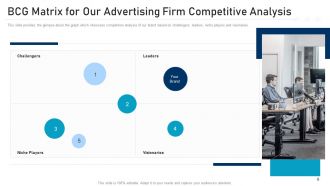
Keep your competitor slide honest but don't obsess over it. Make a simple chart showing 2-3 areas where you actually beat them - pricing, features, whatever your strong suits are. Never trash talk competitors (super unprofessional), but definitely highlight real gaps you're solving. One slide max, seriously. I've watched so many founders either pretend competition doesn't exist or spend like 10 minutes on competitive analysis - both make investors nervous. Frame it as "here's the opportunity we're going after" instead of just comparing feature lists. Focus on why your approach works better and you'll be golden.
You gotta figure out what each group actually cares about first. Investors? Hit them with market size and money stuff right away. Customers want to hear about their problems and how you fix them. Your internal team just wants timelines and what resources they'll need. I totally bombed a presentation once because I didn't get this - learned real quick after that mess! The content stays mostly the same, but you shuffle slides around and change up your language. Technical jargon for some groups, plain English for others. Oh, and swap examples that'll actually click with each audience. Write down their top 3 worries before you even open PowerPoint.
Map out your customer journey in 3-4 stages - awareness, consideration, decision, retention. At each stage, call out the pain points and show exactly how you solve them. Real customer quotes work way better than made-up examples, trust me on this. Include all the touchpoints where people actually interact with your brand and what they do next. Here's the thing though - don't just list stages. You need metrics for each point to prove it's working. Then connect the whole thing back to revenue goals. Otherwise you're just making pretty diagrams that don't mean anything to leadership.
Look, investors really just want to see metrics that prove you're actually making money and growing. CAC and LTV are must-haves. Conversion rates too. Month-over-month user growth is huge - honestly, this one can make or break your pitch. Retention rates matter way more than people think because sticky products = happy investors. Market penetration data helps if you have it. Oh, and viral coefficients if that's relevant to your model. The key thing is picking metrics that actually tell a story about where you're headed. Keep it visual, don't dump fifty charts on them at once. Really depends on your specific business model though.
Okay so first thing - grab them with a killer opening, none of that "thank you for having me" stuff. Then go problem-solution-proof. What's bugging your audience? Here's how you fix it. Here's why it actually works. Slides should be mostly visual - trust me, walls of text kill presentations faster than anything. I like the rule of three for main points, keeps things digestible. Oh and throw in questions or a demo every few minutes so people don't zone out. Don't end with "any questions?" That's weak. Give them one specific thing to do next.
The biggest mistake? Text-heavy slides that make everyone's eyes glaze over. Keep it short - maybe 10-15 slides tops. Nobody wants to sit through a 30-slide marathon. Focus on the problem you're solving instead of just listing features (trust me, investors care way more about the "why" than cool functionality). Be specific about your target market too - saying "everyone" isn't gonna cut it. Show real traction with actual numbers, not vague statements. And honestly, this might sound obvious, but you'd be surprised how many people forget to include a clear ask at the end.
Okay so honestly, actually LISTEN when people give you feedback - don't just smile and then ignore everything they said. Make a simple doc tracking comments by slide. Look for patterns too. Three people saying your value prop sucks? Yeah, it probably does lol. I used to get so defensive about this stuff, but random people catch mistakes you're totally blind to. Hit the biggest issues first. The small stuff can wait. Oh and test your updated deck with someone before the real presentation - you don't want to bomb in front of actual clients.
Canva and Pitch are solid choices since they're built for presentations with good templates. PowerPoint works too if you want more control - honestly, I've made some decent decks in basic PPT. Google Slides is fine for collaboration stuff. Figma's great but probably overkill unless you're already a design person. Here's the thing though - I've seen amazing pitches done in PowerPoint and trash ones made with fancy tools. Your story matters way more than whatever software you pick. Just use what feels comfortable and spend your time getting the narrative right instead of obsessing over tools.
Dude, timing is everything with pitch decks. Spend way more time on your problem/solution slides and market opportunity - those are your money makers. Don't waste 10 minutes droning on about company history (I've watched so many good pitches crash doing exactly this). Build momentum as you go, don't just wander around aimlessly. Practice with a timer so you know which slides actually matter. Here's the thing though - save 25% of your time for Q&A. That's honestly where the real magic happens and deals get made.
For your follow-up slide, map out the timing - day 1 email, day 3 call, day 7 send them something useful. Mix up your contact methods since everyone's different (I personally hate unexpected calls but love good emails). Don't forget the leads who aren't ready yet - maybe monthly newsletters or checking in quarterly. Show them you've got a real system, not just "we'll reach out eventually." Include who owns what so stuff doesn't get forgotten. Oh, and definitely put actual timeframes on everything.
-
Wonderful templates design to use in business meetings.