Briefing de planejamento de mídia Slides de apresentação em PowerPoint
Try Before you Buy Download Free Sample Product
Audience
Editable
of Time
O planejamento de mídia adequado é uma oportunidade para uma empresa ganhar a atenção do público e criar buzz no mercado. Portanto, para aprimorar as habilidades de briefing de mídia de seus funcionários aqui, criamos um conjunto completo de bons exemplos de PPT pré-projetados. Os gerentes de relações públicas ou especialistas em marketing podem baixar esta amostra PPT para enfatizar recursos significativos de planejamento de mídia e briefing. O destaque do nosso programa de PowerPoint é que, para abordar meticulosamente cada aspecto, incorporamos modelos de PowerPoint, como estratégia de comunicação, pesquisa de público, objetivos de mídia, público-alvo, orçamento de mídia etc. seus funcionários para a grande ocasião. Aparentemente, dar orientação prévia com visuais coloridos envolventes garante um briefing suave para manter um relacionamento firme com as agências de mídia.
Recursos desses slides de apresentação do PowerPoint:
Ao todo, 54 modelos de PPT de alta resolução cobrindo todos os aspectos de briefing para a mídia. Amplo espaço para destacar títulos e descrição de slides. Opção fácil de editar o fundo, a cor, o layout ou o texto da apresentação. Gráficos criativos de PPT em cores vibrantes que ilustram vários conceitos. Download sem complicações. Compatível com todos os softwares. Opção flexível para conversão em formatos PDF ou JPG.
People who downloaded this PowerPoint presentation also viewed the following :
Conteúdo desta apresentação em PowerPoint
Slide 1 : Este slide apresenta o briefing de planejamento de mídia. Indique o nome da sua empresa aqui e comece.
Slide 2 : Este slide apresenta a Agenda para discutir e apresentar soluções de acordo. Declare suas agendas aqui.
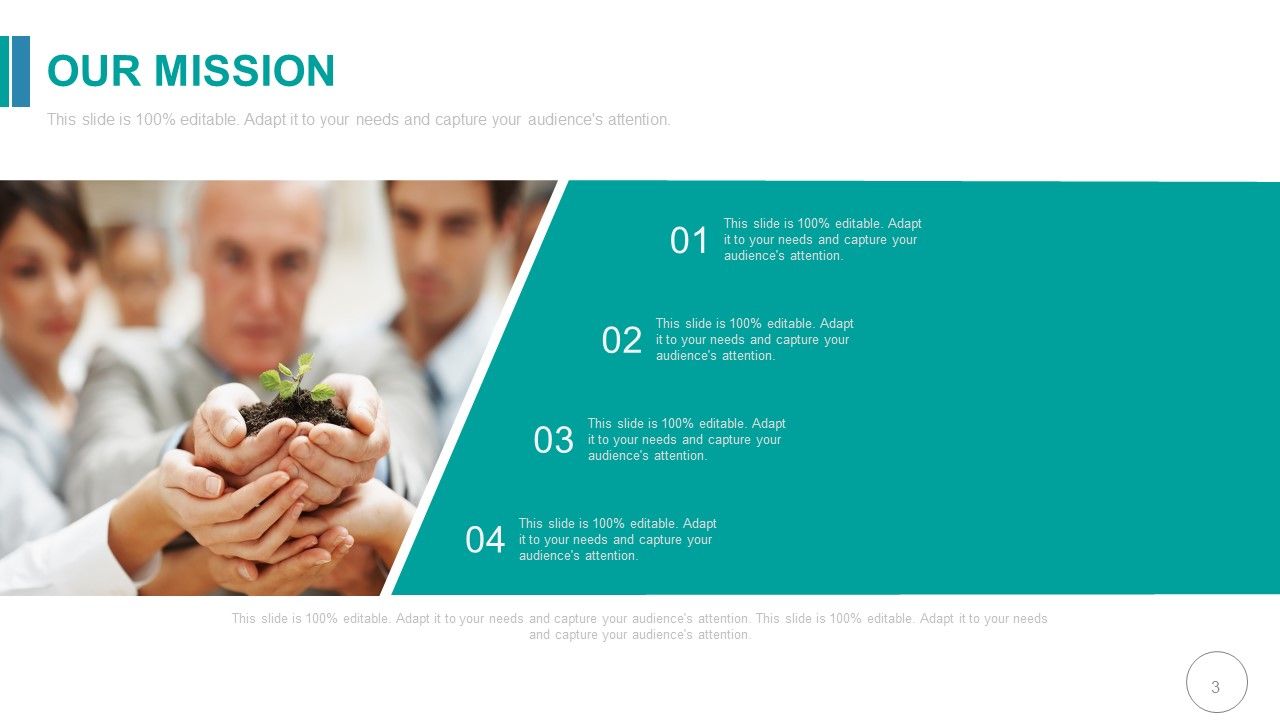
Slide 3 : Este slide captura Nossa Missão, juntamente com as visões e objetivos da empresa.
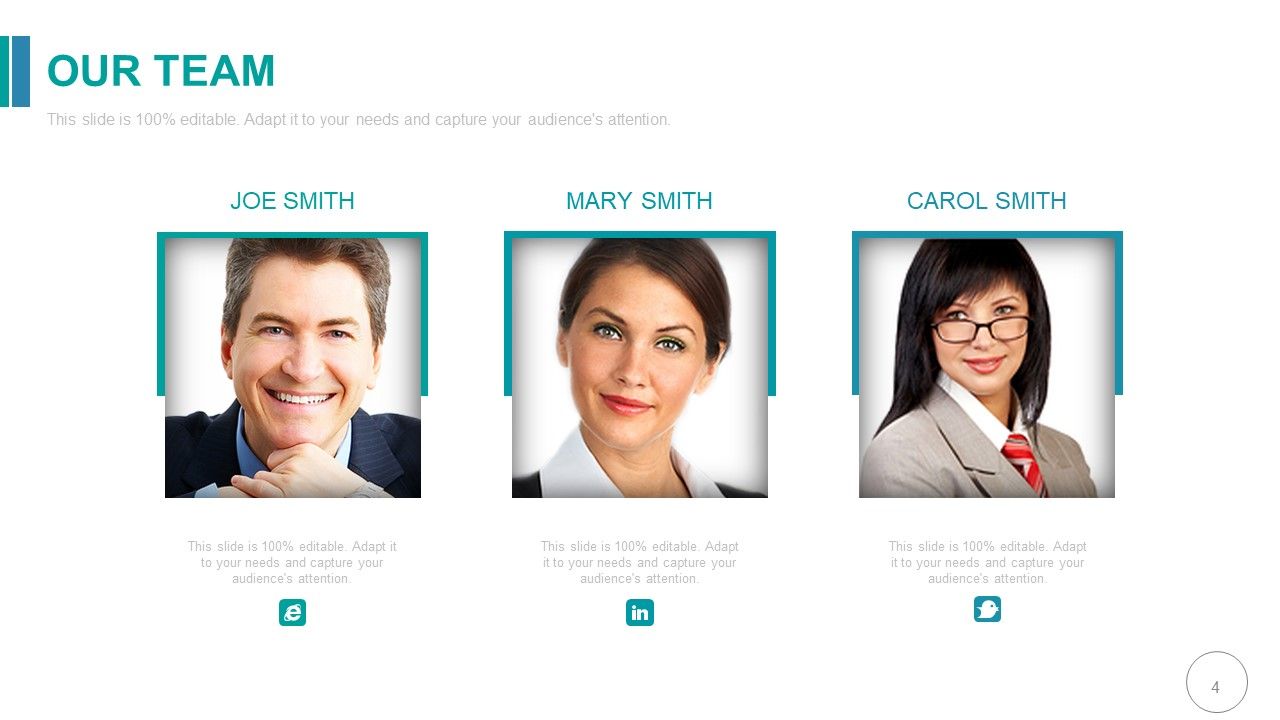
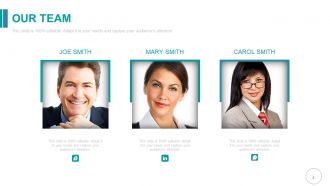
Slide 4 : Este slide apresenta Nossa Equipe com nome, designação e caixas de texto.
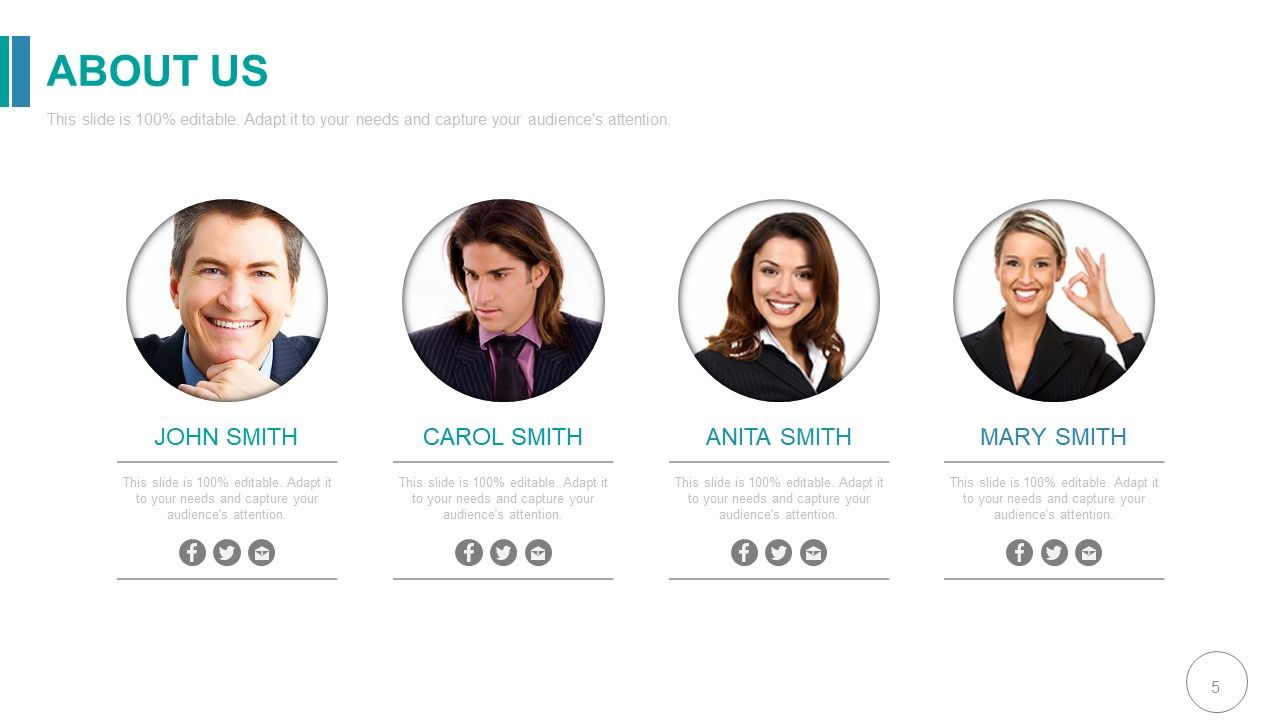
Slide 5 : Este é um slide Sobre nós para apresentar informações sobre nome, designação, etc.
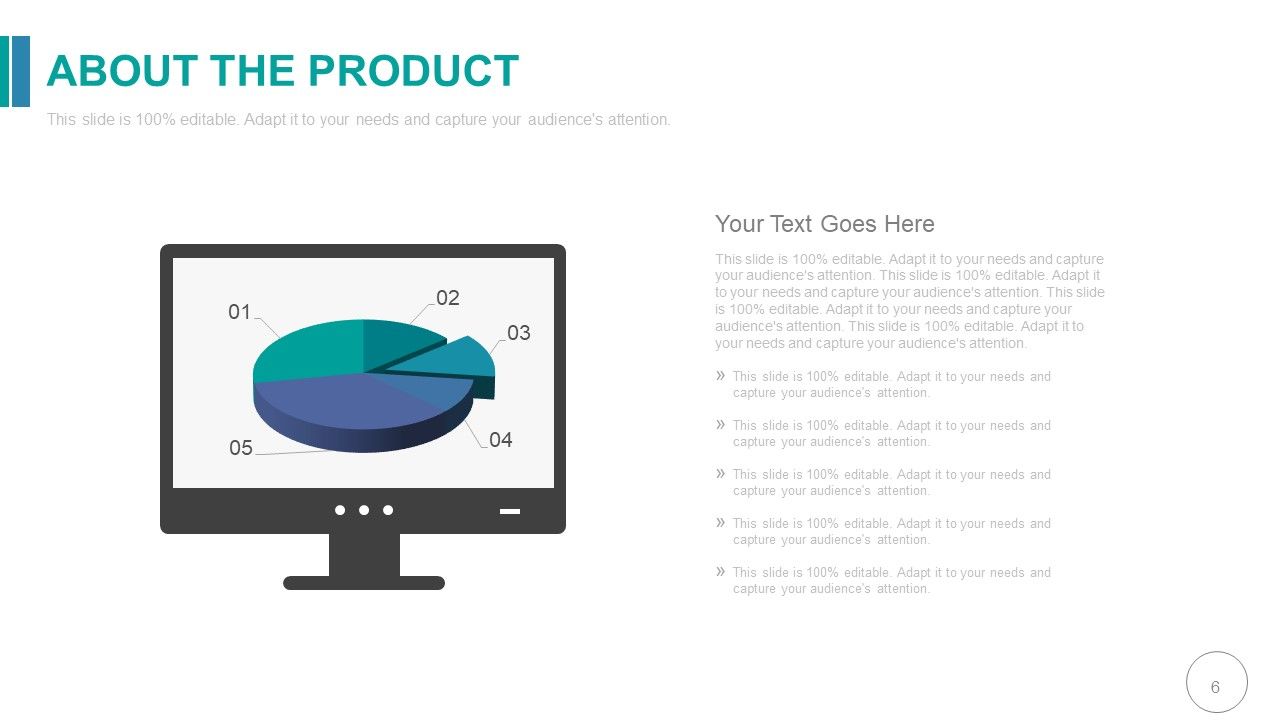
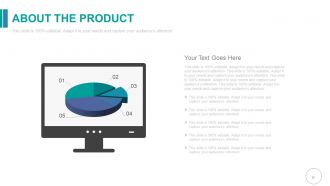
Slide 6 : Slide Sobre o Produto para fazer uma introdução ao produto. Dê uma breve introdução ao seu produto aqui.
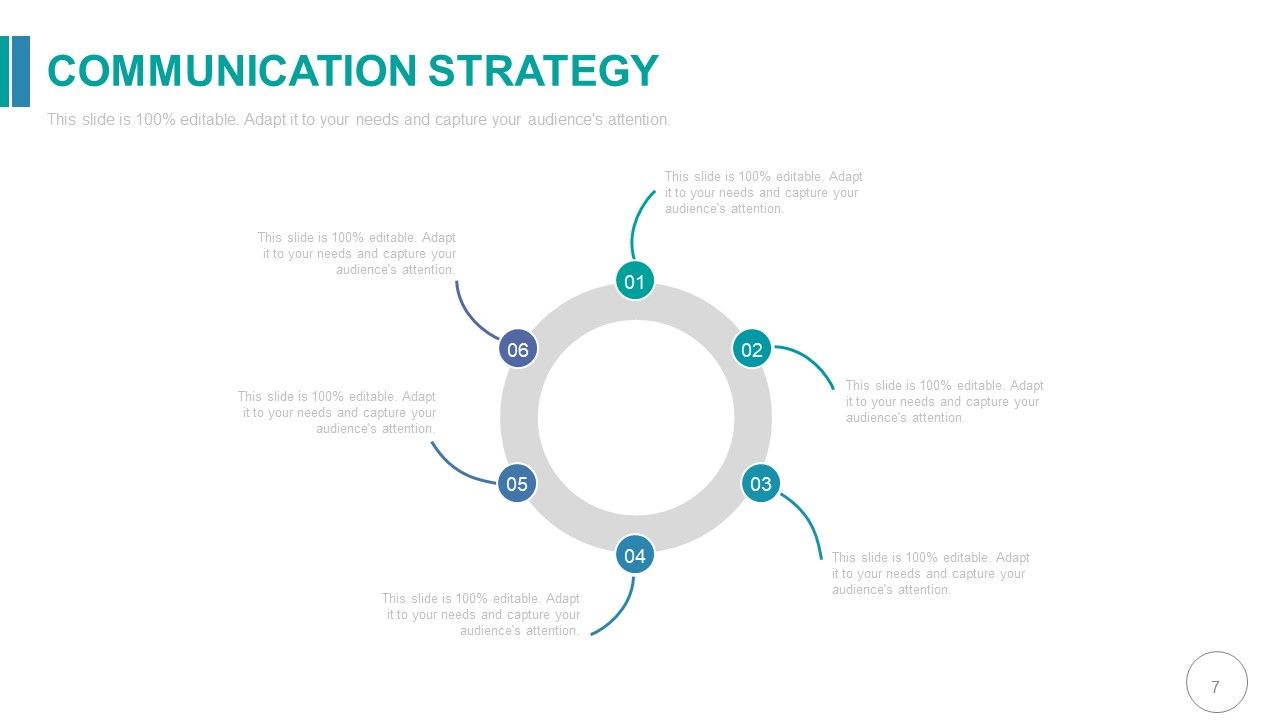
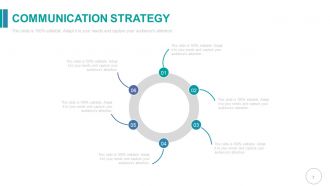
Slide 7 : Este slide mostra a Estratégia de Comunicação a ser implementada.
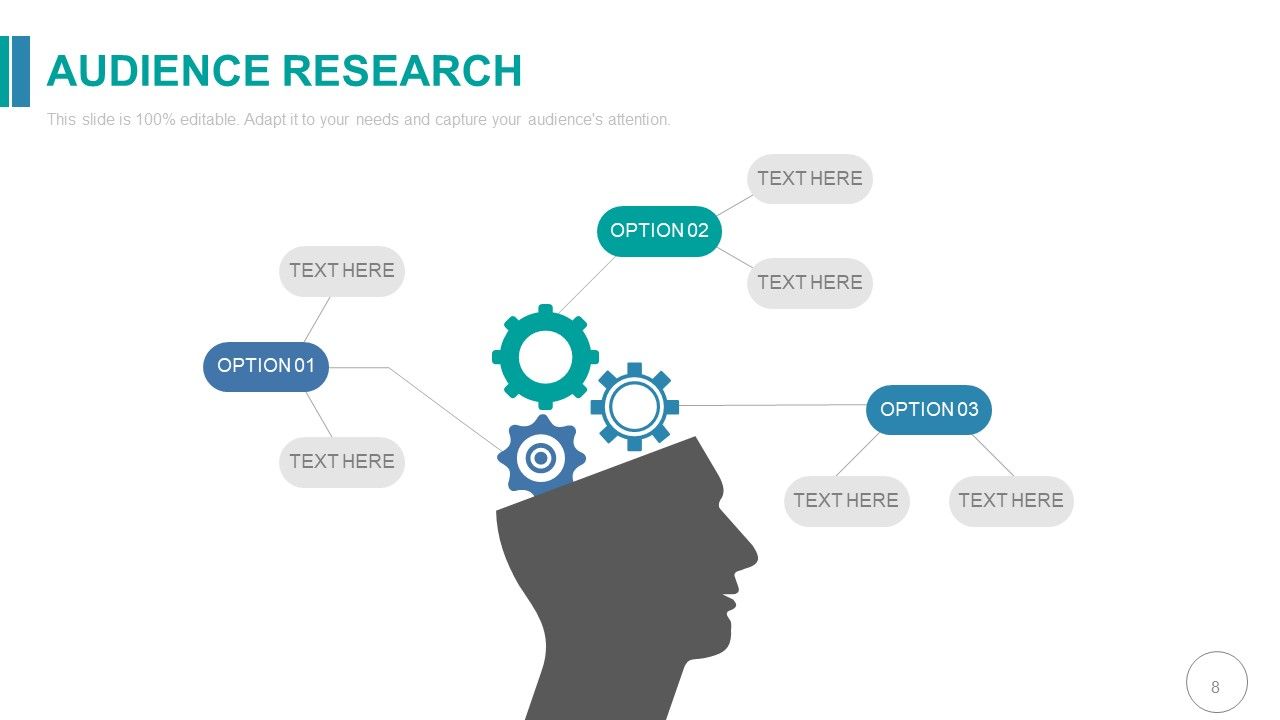
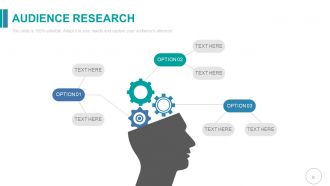
Slide 8 : Este é um slide de Pesquisa de Aundiência com imagens. Você pode alterar conforme a necessidade.
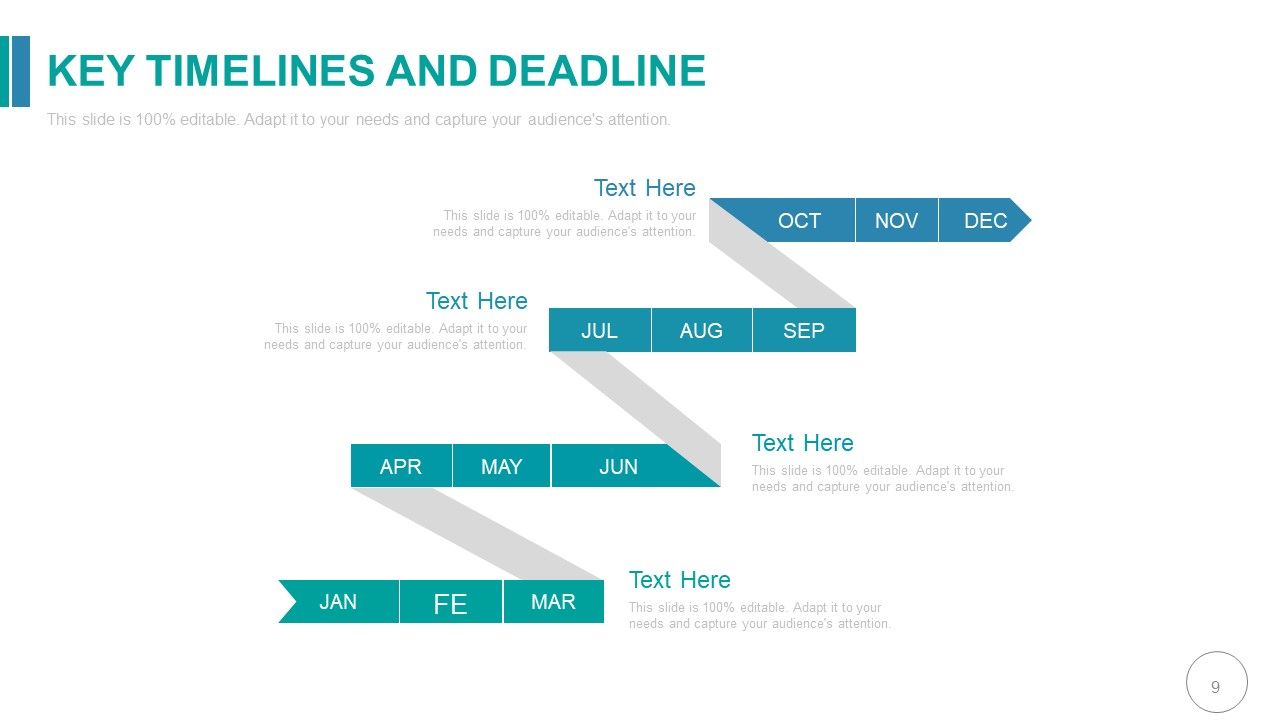
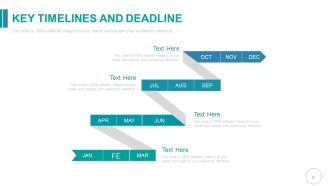
Slide 9 : Este slide mostra os principais cronogramas e prazos a serem cumpridos. Ele também destaca marcos importantes, perspectivas de crescimento, etc.
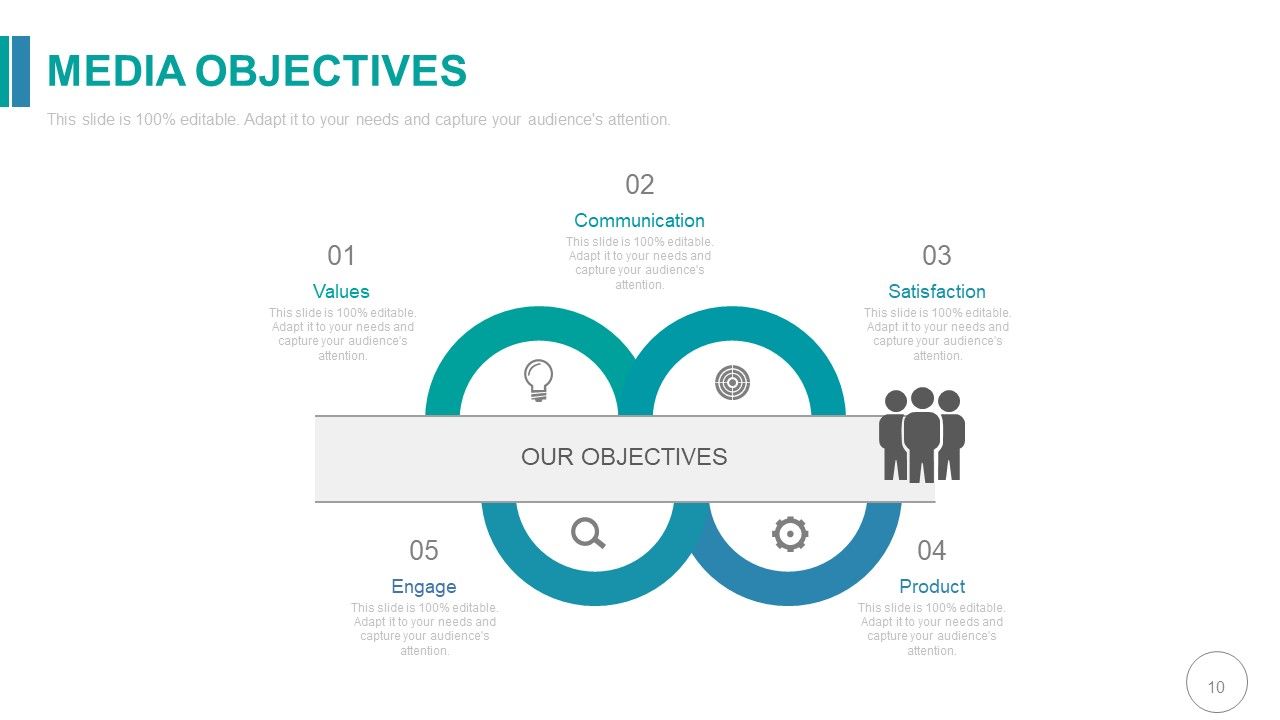
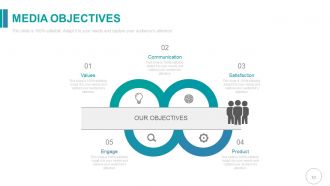
Slide 10 : Esta é a apresentação de slides dos Objetivos da Mídia - Valores, Comunicação, Satisfação, Produto, Envolvimento.
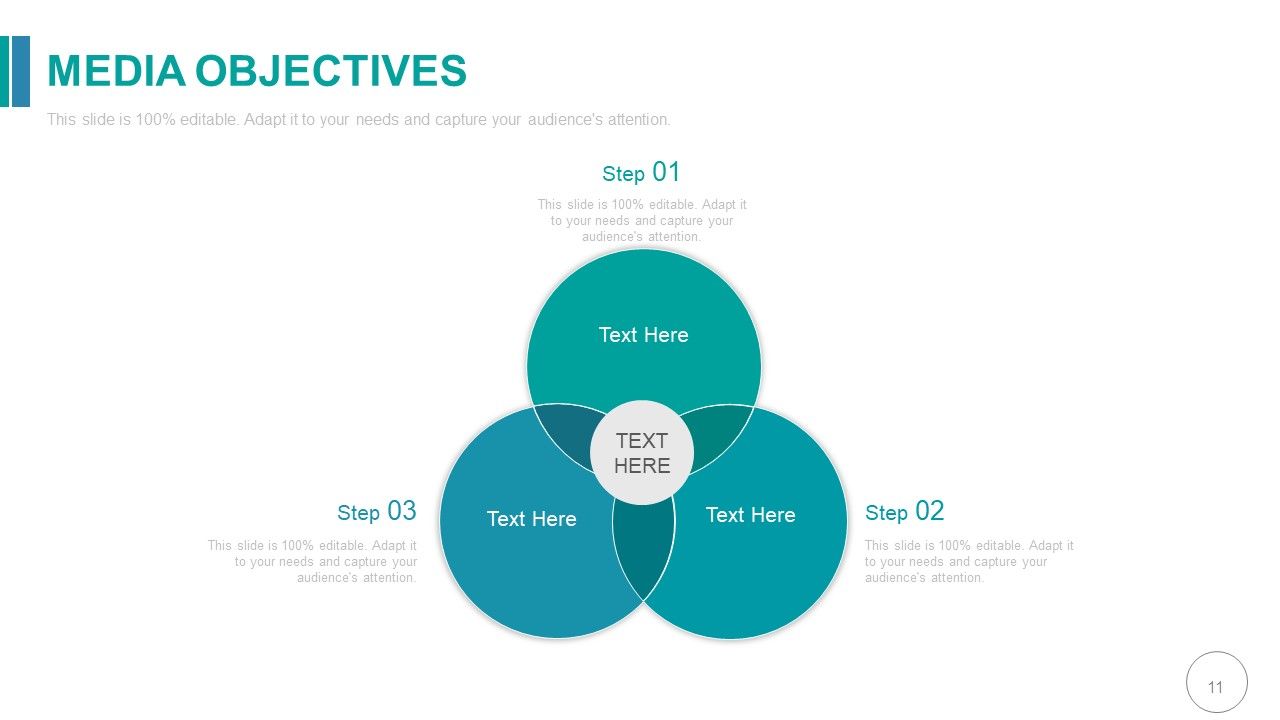
Slide 11 : Este é outro slide de Objetivos de mídia representado por um diagrama de Venn.
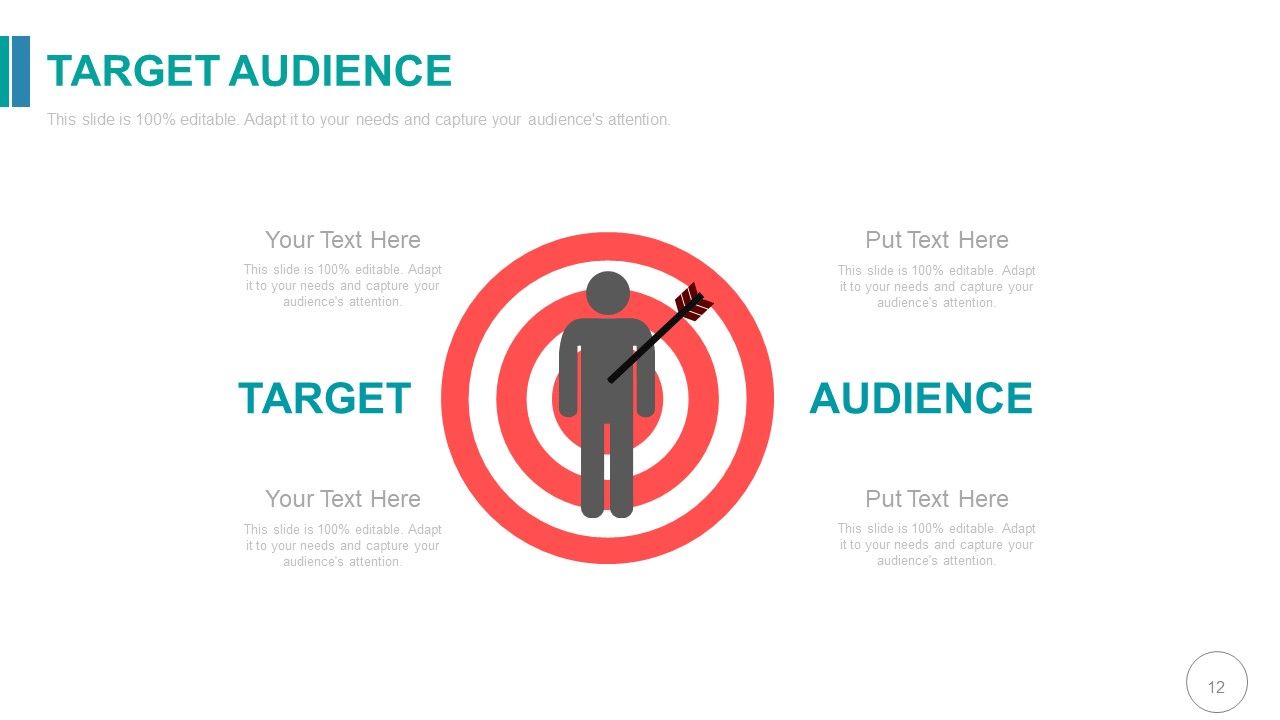
Slide 12 : Este slide mostra o PÚBLICO ALVO usando imagens humanas e de alvos.
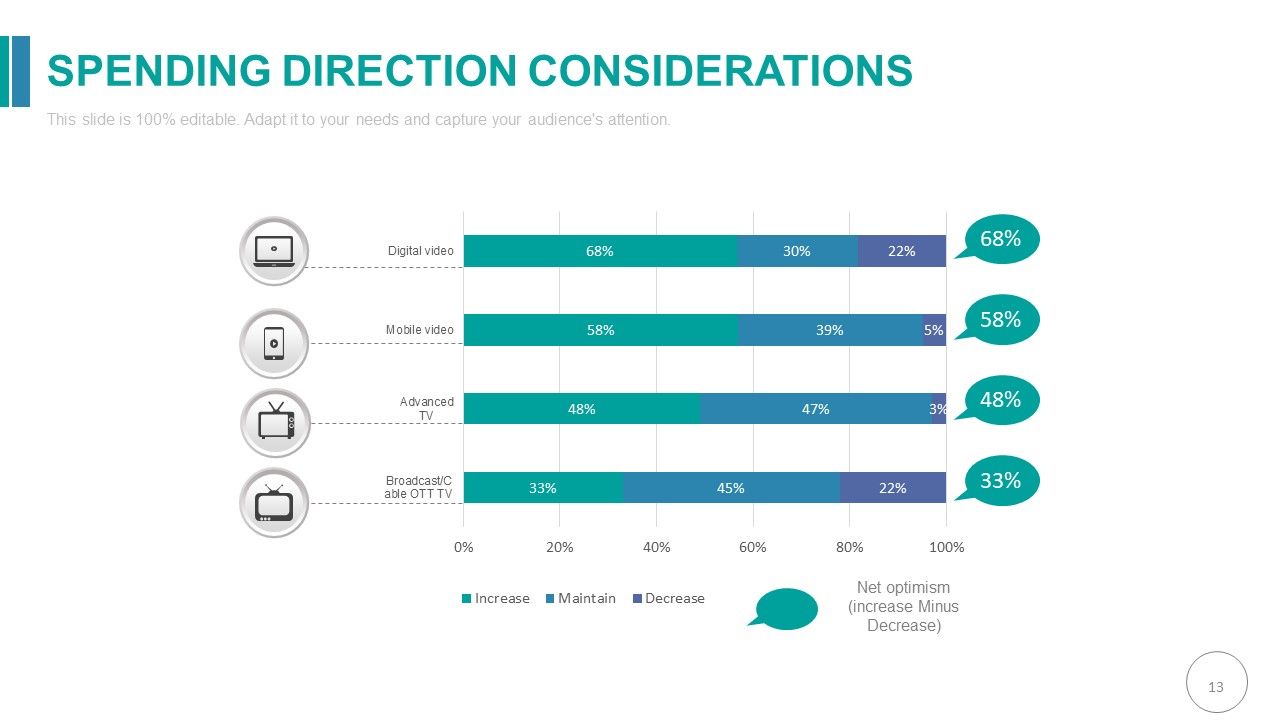
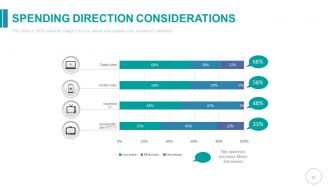
Slide 13 : Este é o slide de Consideração da Direção de Gastos, que mostra o otimismo da rede (aumento menos redução).
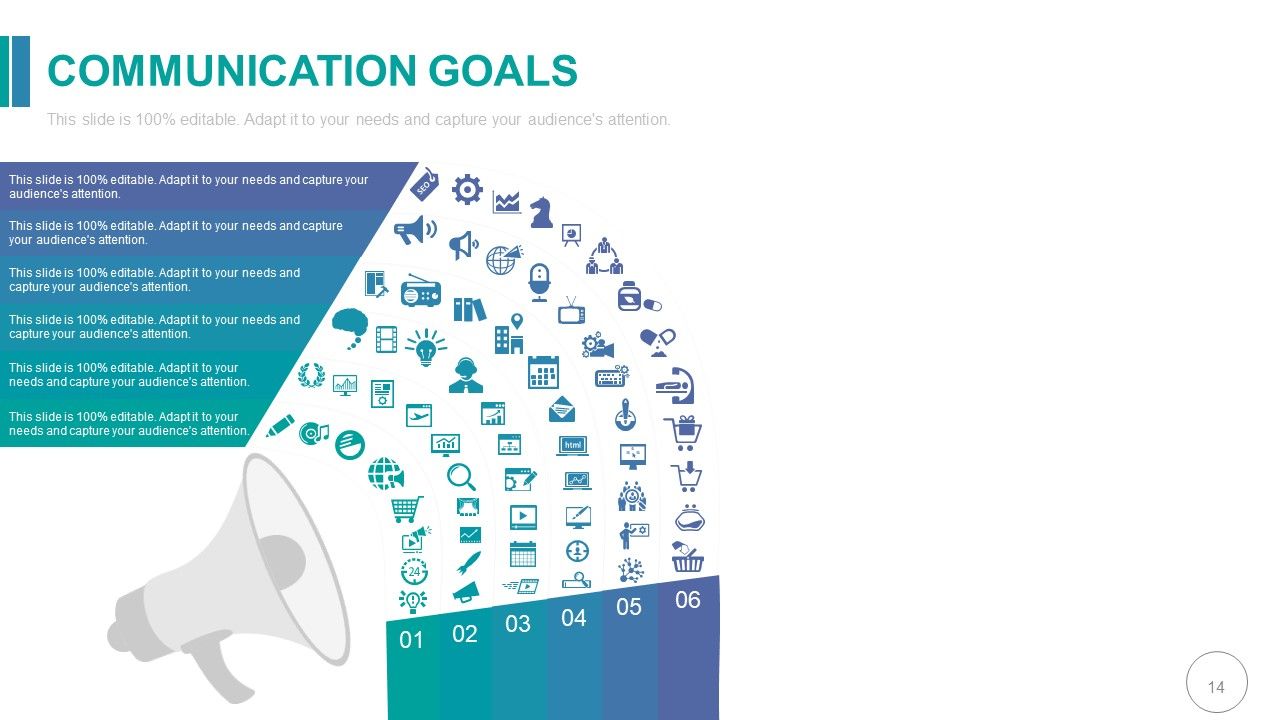
Slide 14 : Este slide mostra as metas de comunicação com ícones criativos e imagens a serem usadas conforme a necessidade.
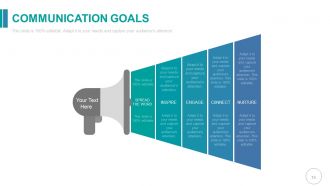
Slide 15 : Este é outro slide de Metas de comunicação que inclui Divulgar, inspirar, envolver, conectar, nutrir.
Slide 16 : Este slide apresenta considerações sobre a direção criativa com caixas de texto a serem preenchidas de acordo com os requisitos.
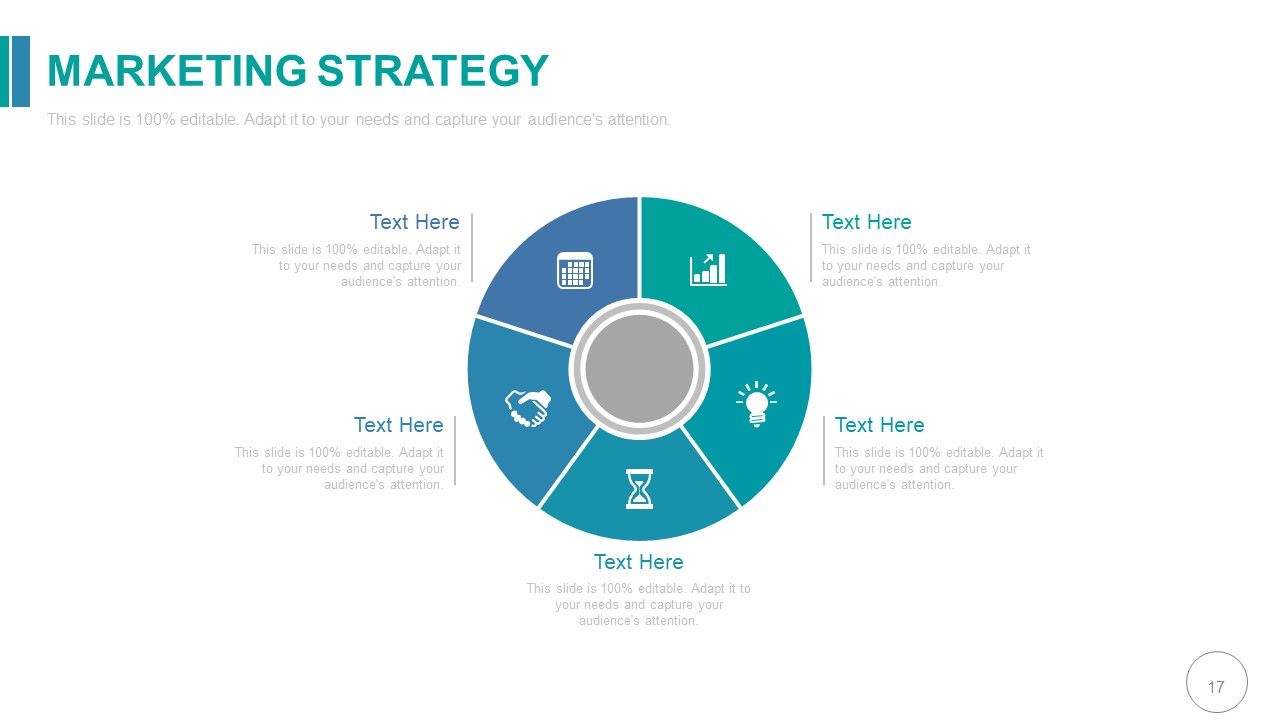
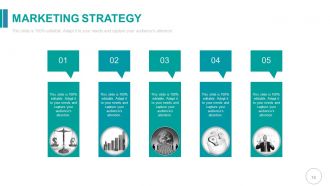
Slide 17 : Este slide mostra a Estratégia de Marketing em um formato circular com ícones e caixas de texto.
Slide 18 : Este é outro slide de Estratégia de Marketing.
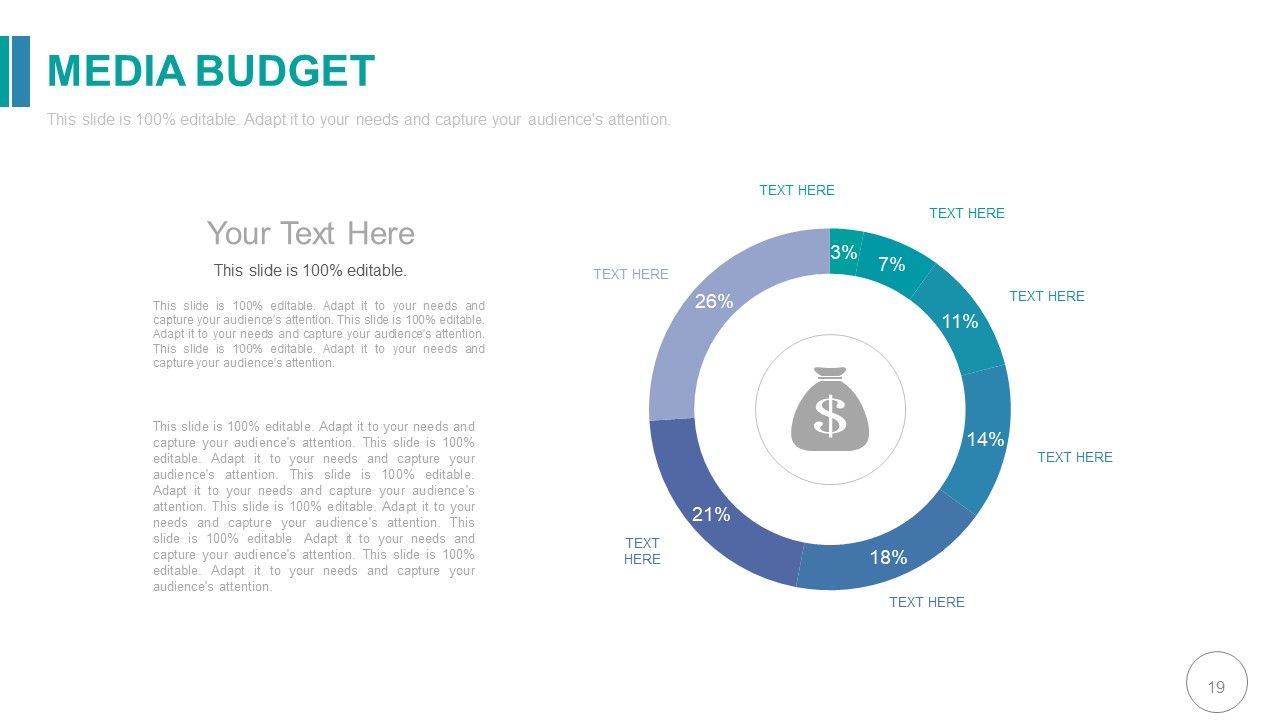
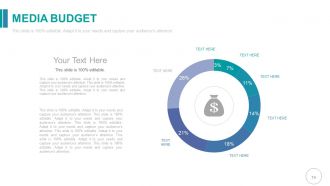
Slide 19 : Este slide mostra o Orçamento de Mídia com caixas de texto.
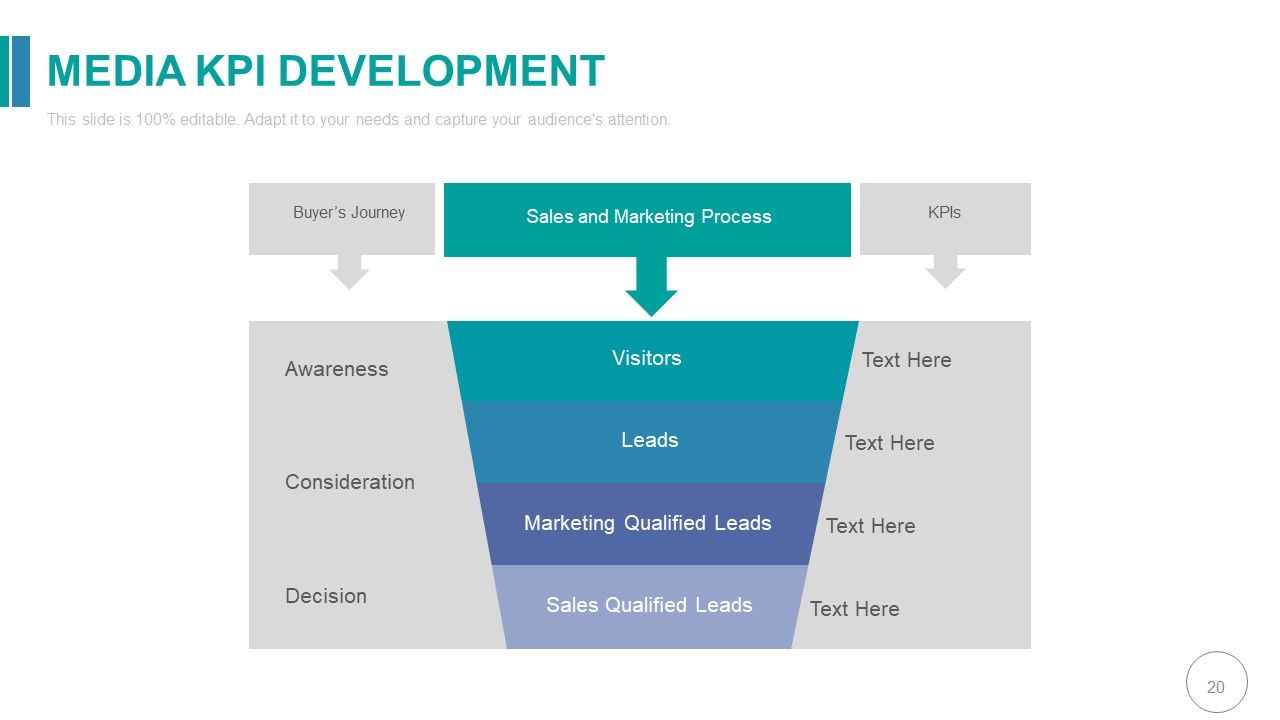
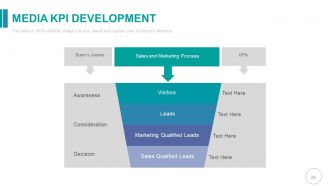
Slide 20 : Este slide fornece uma visão sobre o desenvolvimento de KPIs de mídia envolvendo a jornada do comprador, KPIs, vendas e processo de marketing.
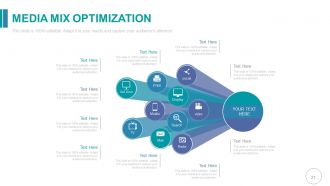
Slide 21 : Este é um slide de Otimização de Mix de Mídia com caixas de texto e respectivos ícones.
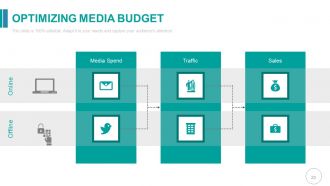
Slide 22 : Este slide apresenta Otimizando o orçamento de mídia, mencionando os modos offline e online.
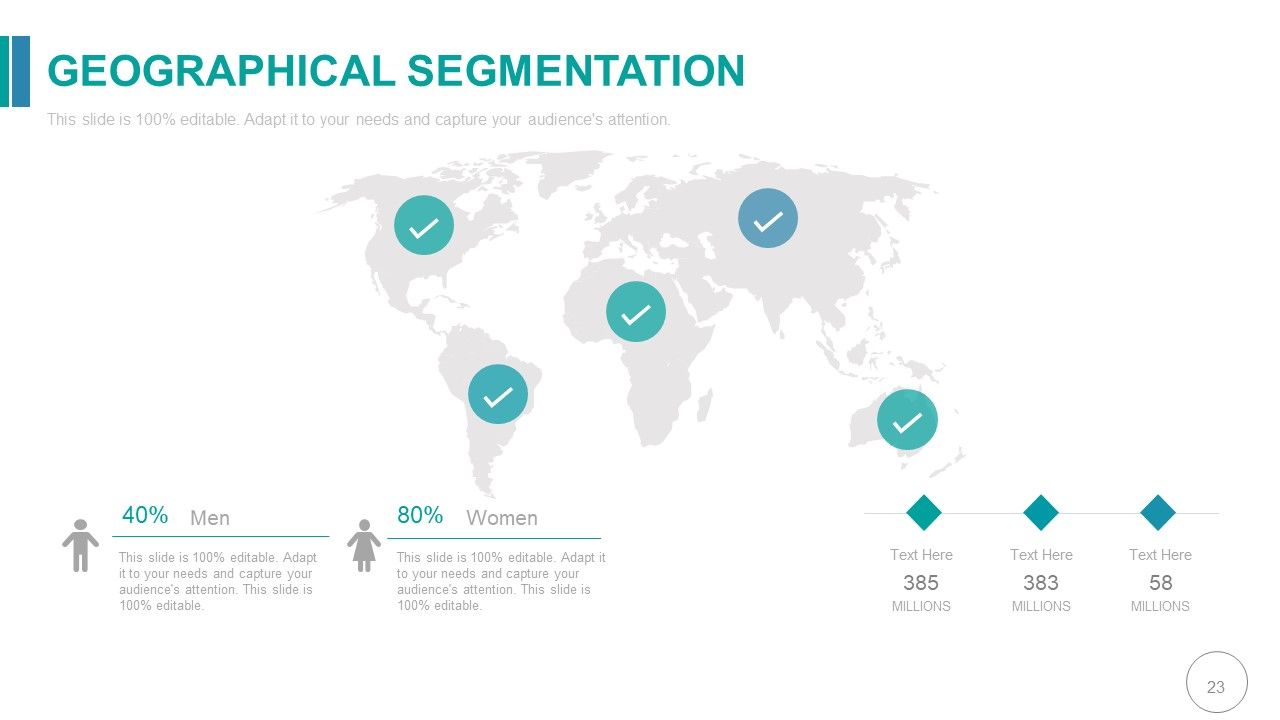
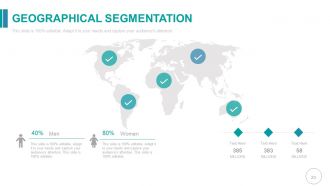
Slide 23 : Este slide mostra a Segmentação Geográfica em uma imagem de mapa-múndi.
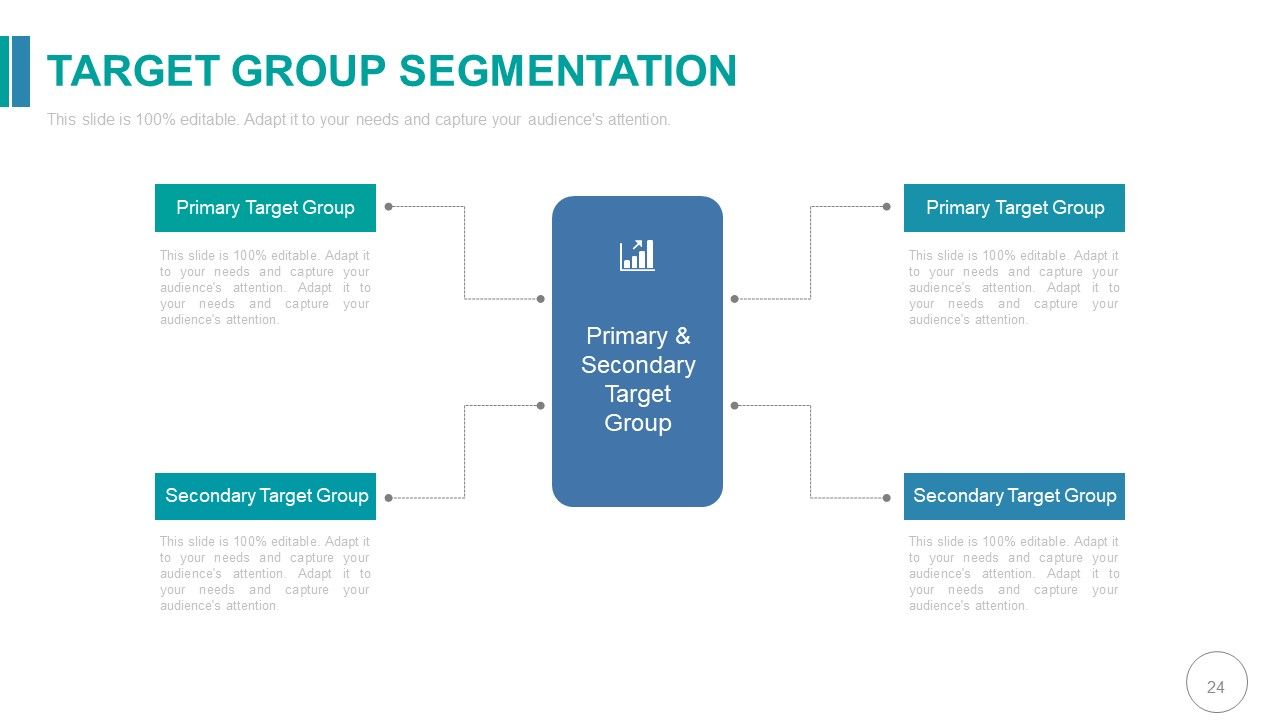
Slide 24 : Este slide mostra a segmentação do grupo-alvo envolvendo o grupo-alvo primário e secundário
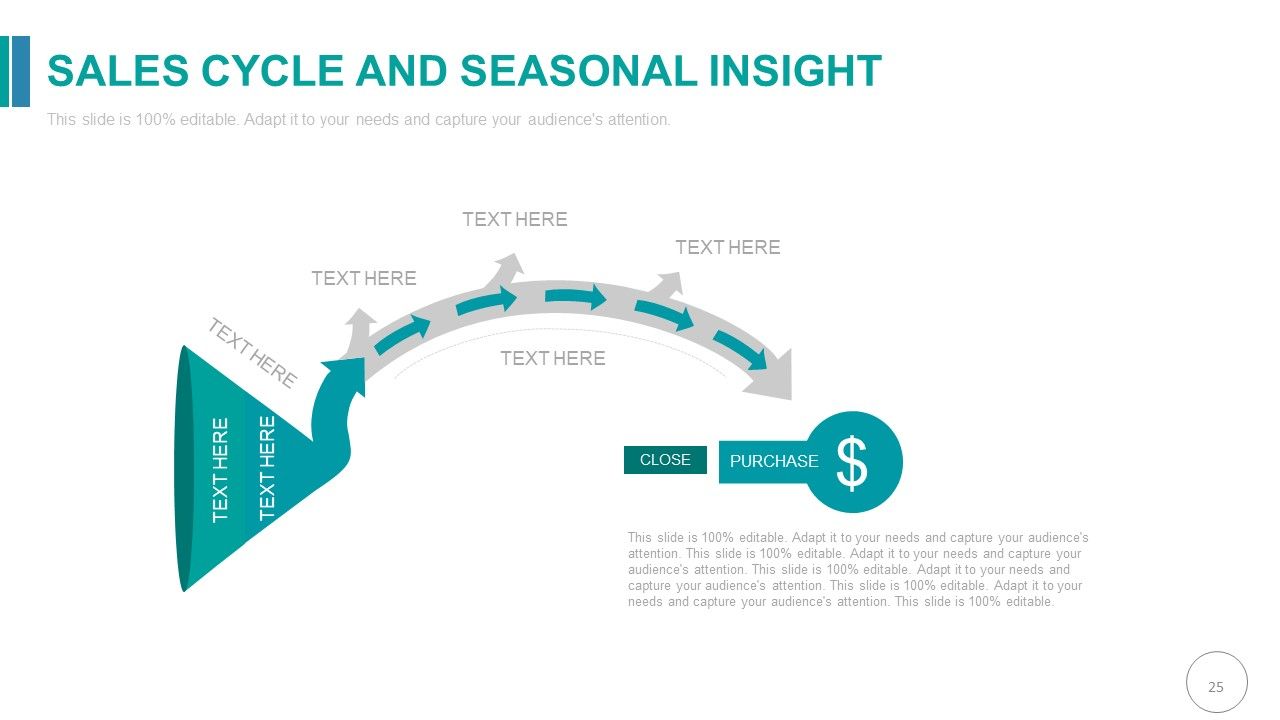
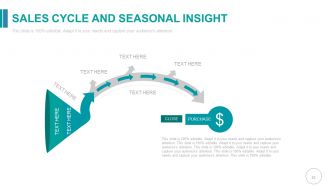
Slide 25 : Este slide apresenta o ciclo de vendas e uma visão sazonal em um funil.
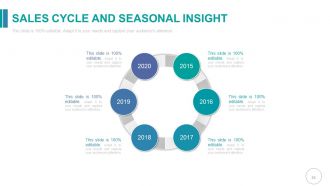
Slide 26 : Este é outro slide de Ciclo de Vendas e Visão Sazonal com anos.
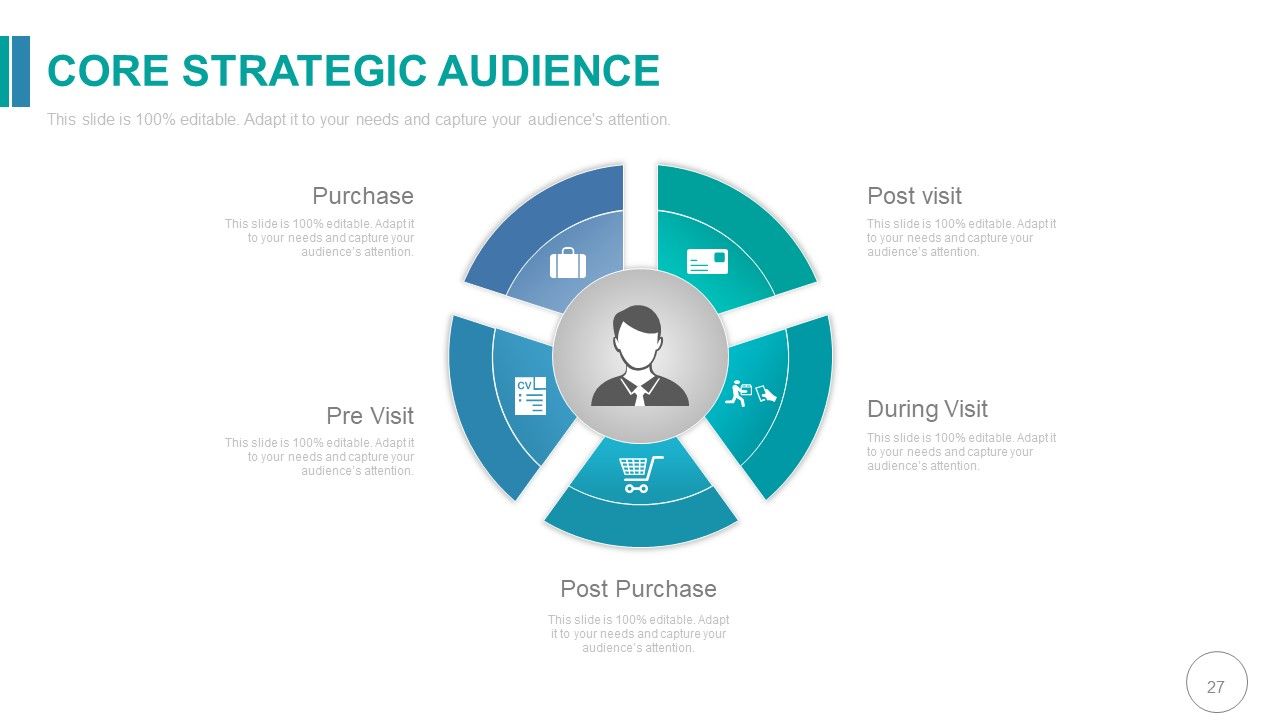
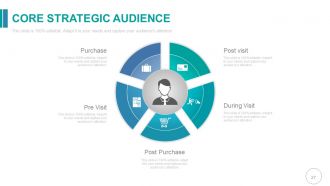
Slide 27 : Este slide mostra o Público-alvo Estratégico Central que inclui - Compra, Durante a Visita, Pré-visita, Pós-visita, Pós-compra.
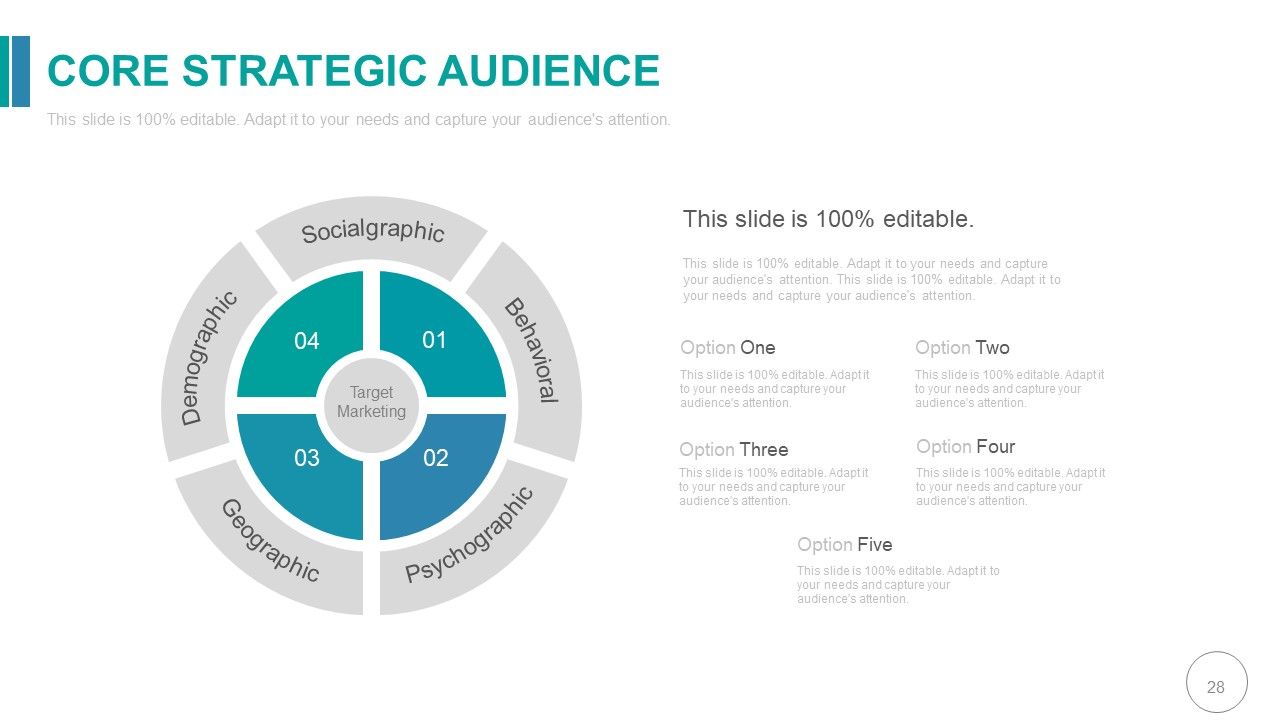
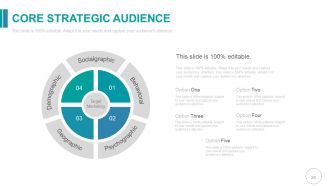
Slide 28 : Este é outro slide que afirma o Público-alvo Estratégico Central em um formato circular com relação aos seguintes parâmetros - Demográfico, Sócio-gráfico, Comportamental, Geográfico, Psicográfico.
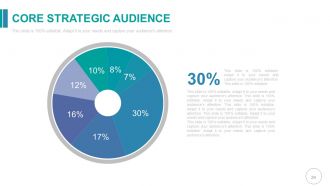
Slide 29 : Este é outro slide apresentando o Público-alvo Estratégico Central.
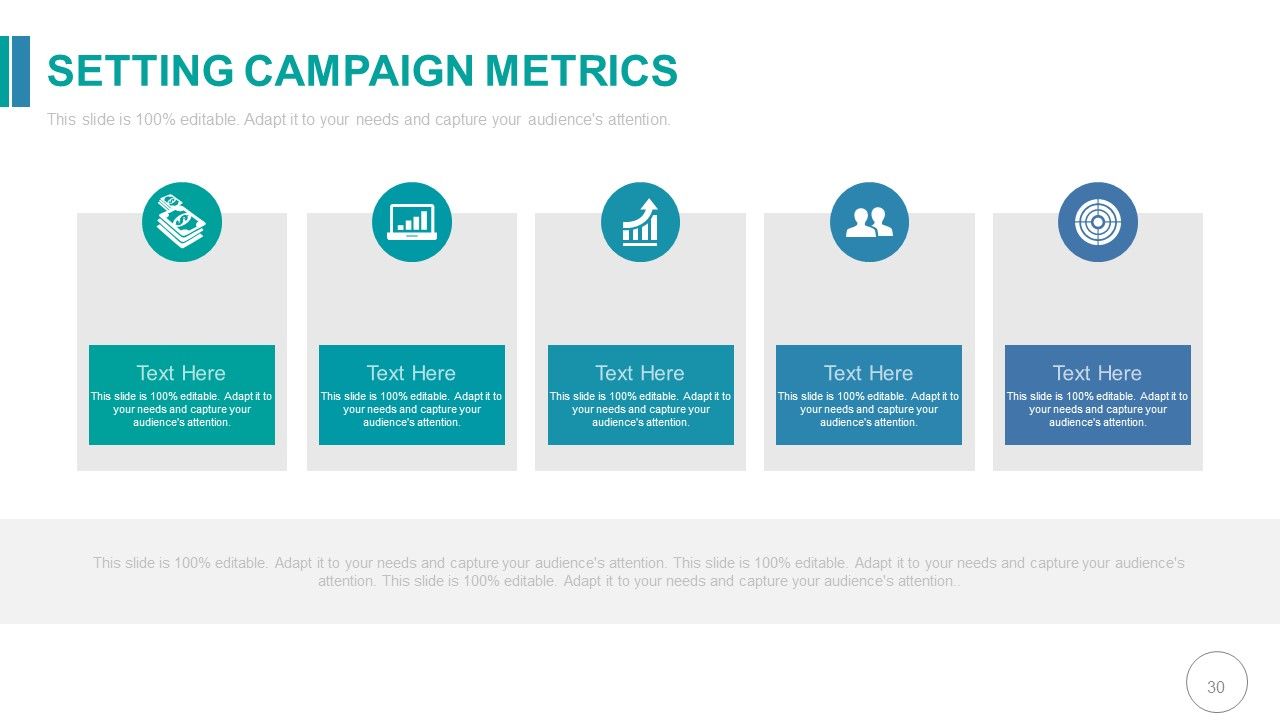
Slide 30 : Este slide mostra Definindo métricas de campanha para publicidade de produtos.
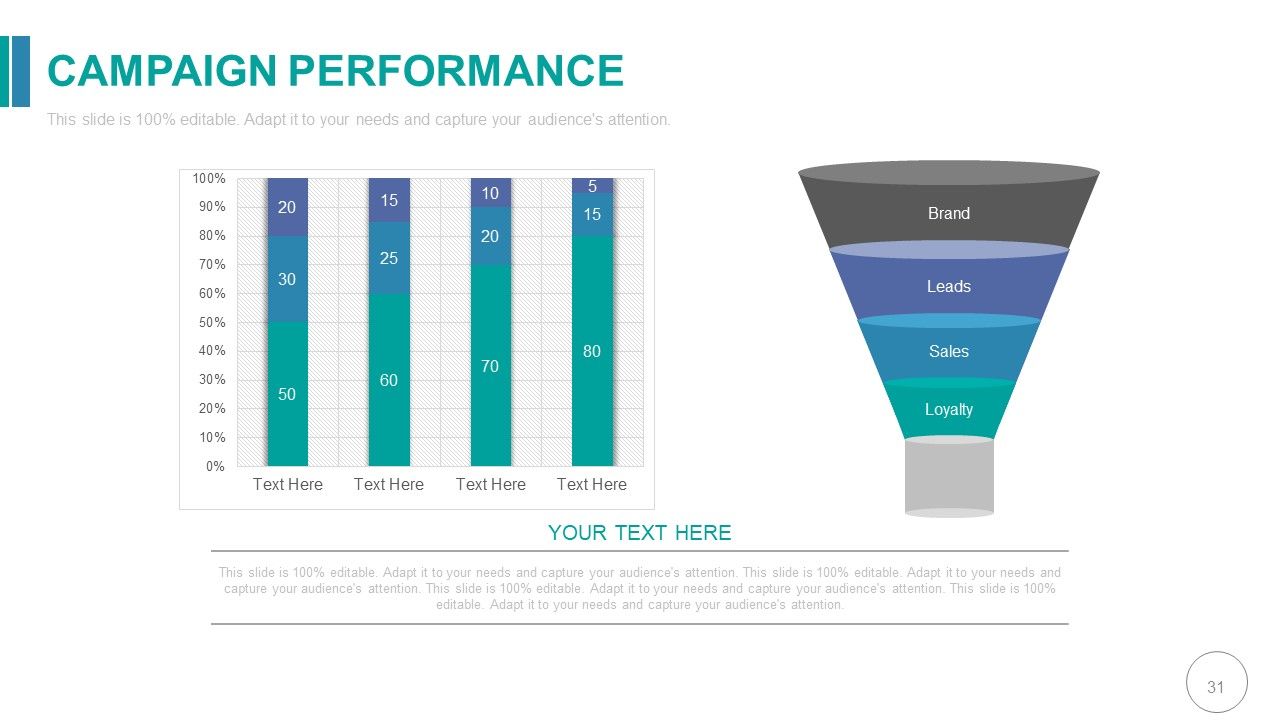
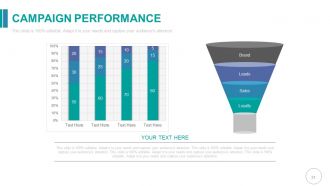
Slide 31 : Este slide apresenta o Desempenho da Campanha por meio de um gráfico de barras e funil.
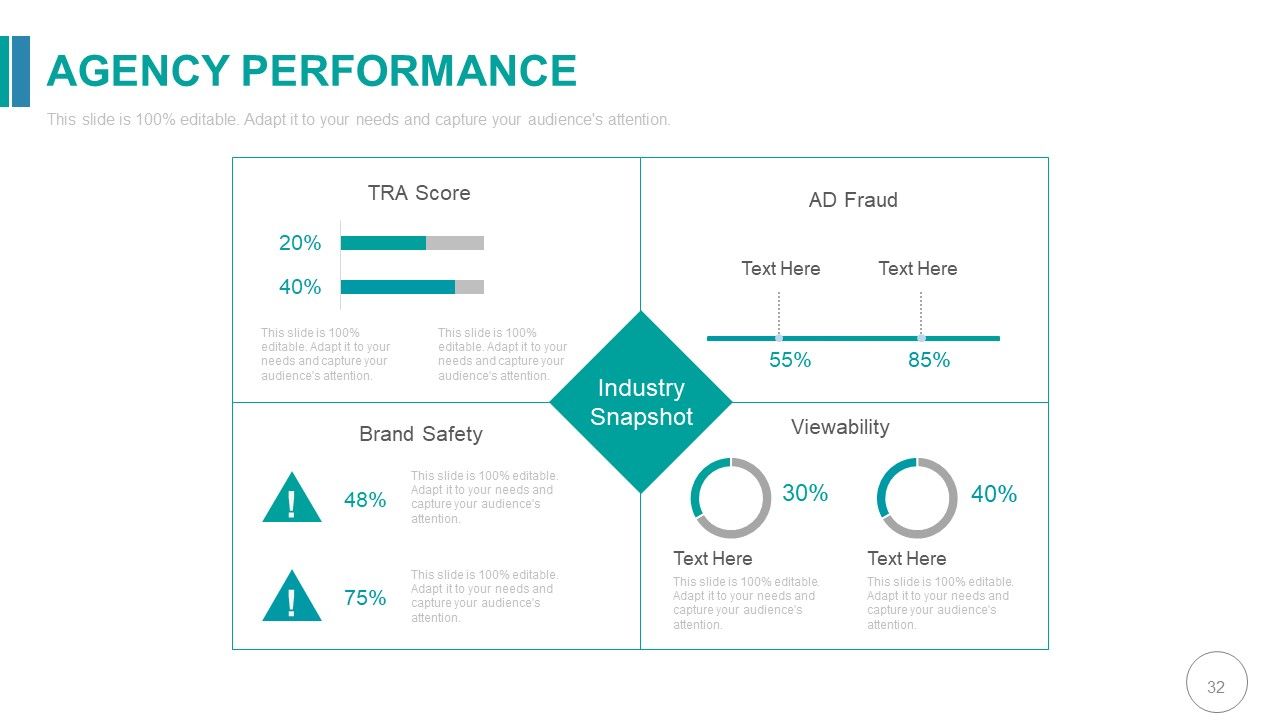
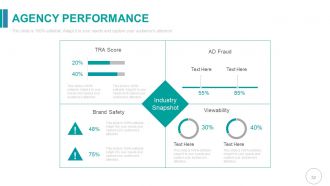
Slide 32 : Este slide mostra o desempenho da agência com uma matriz e uma visão geral da indústria como seus critérios centrais
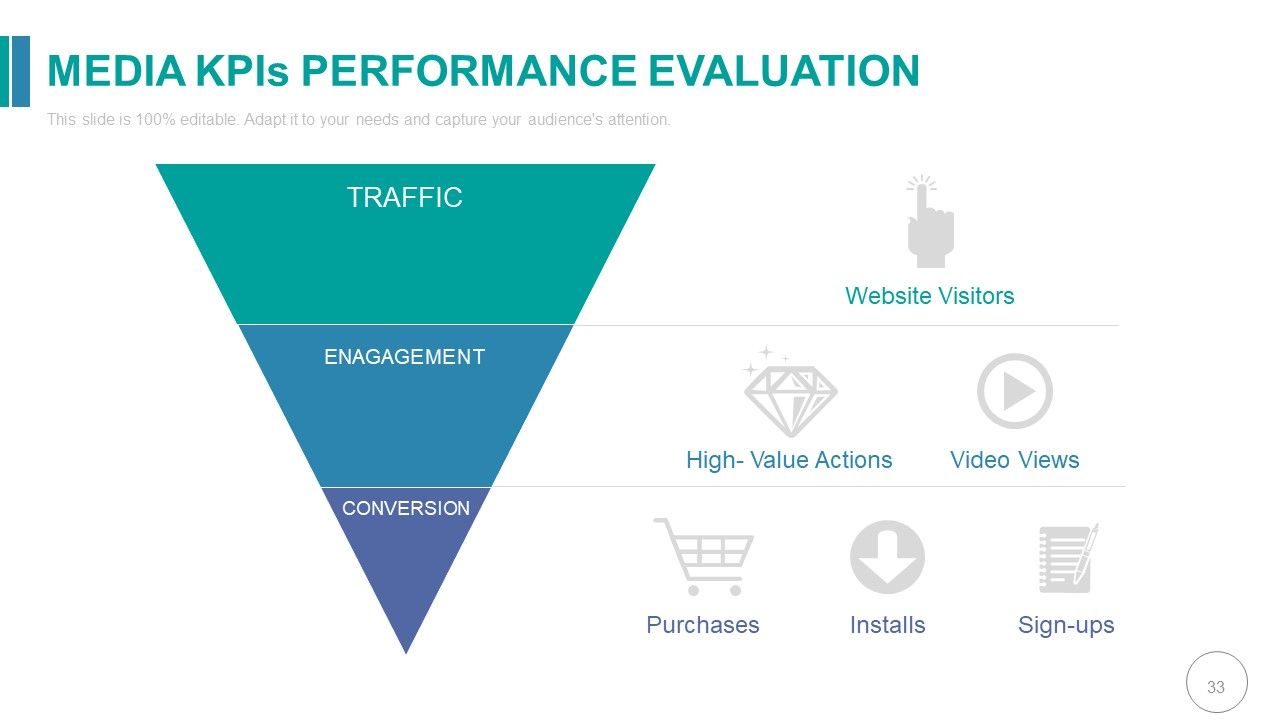
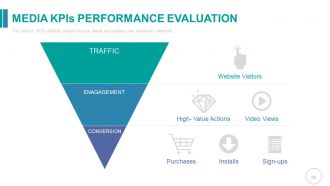
Slide 33 : Este slide mostra a Avaliação de Desempenho do Media Kpis com uma imagem de pirâmide invertida.
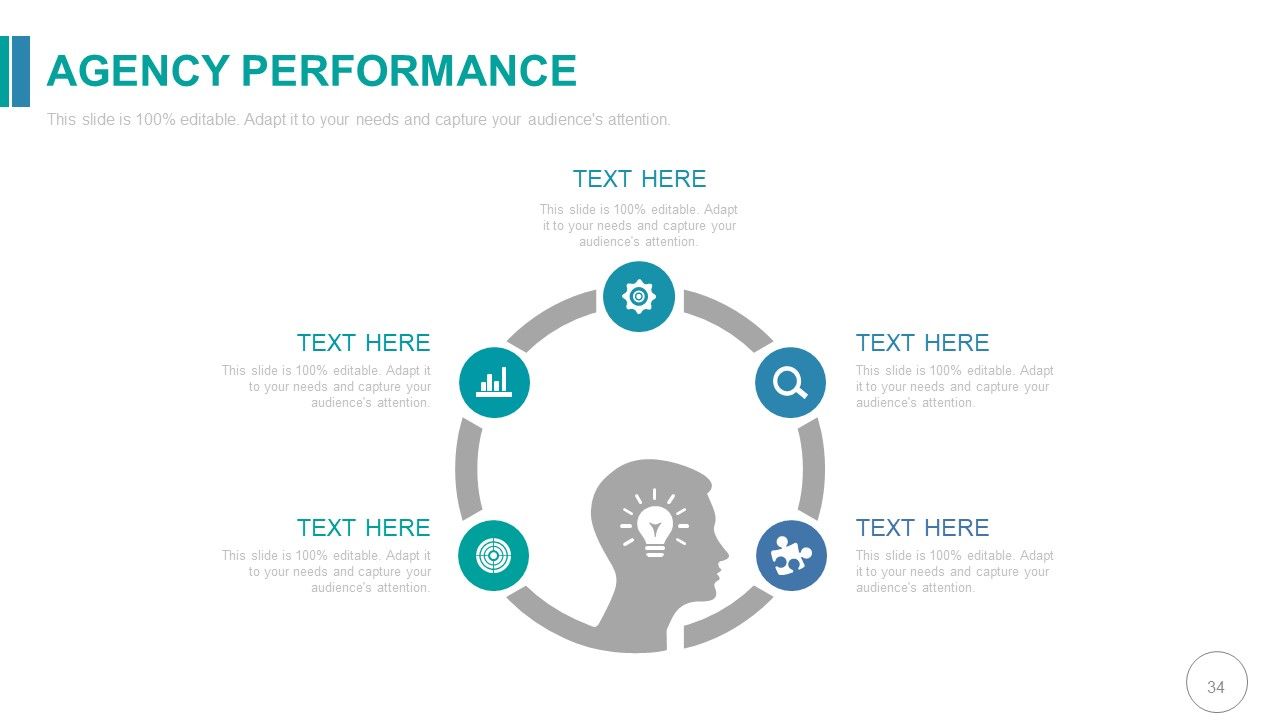
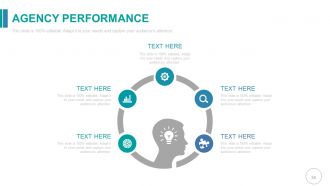
Slide 34 : Este é outro slide de Desempenho da Agência, apresentado em formato circular.
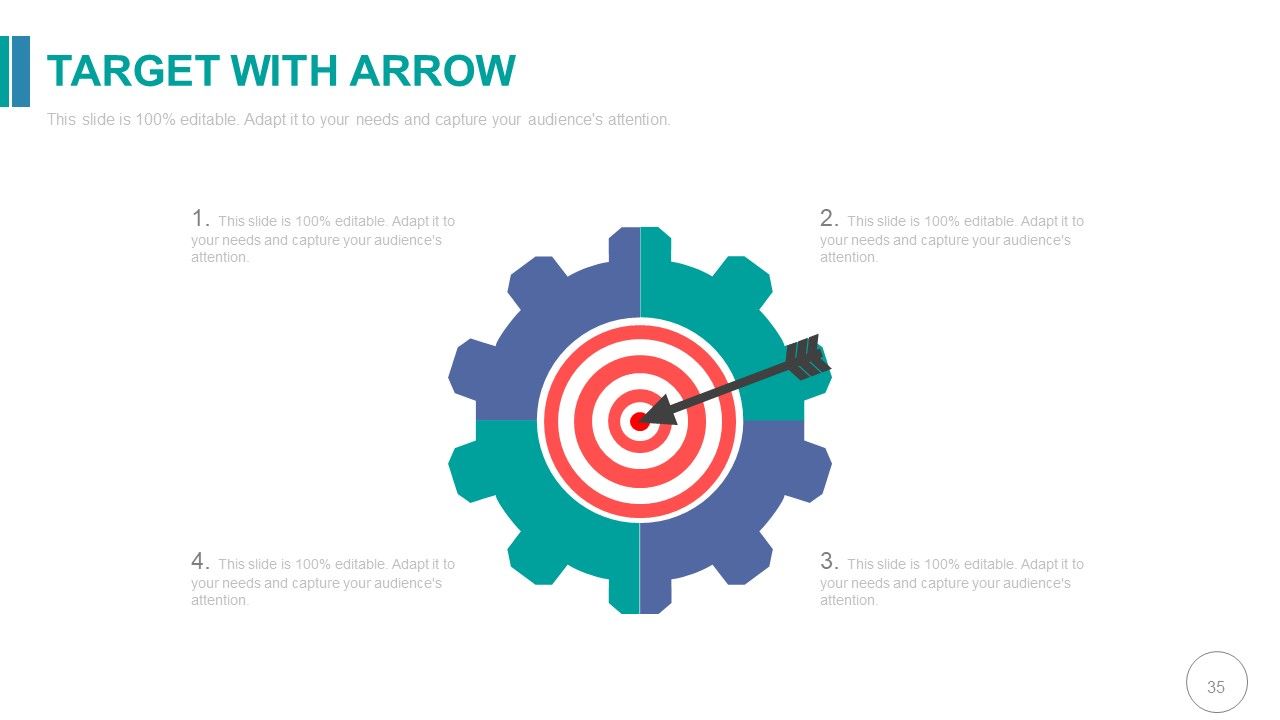
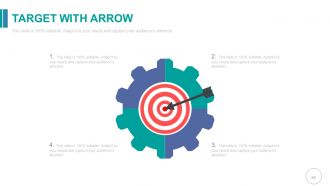
Slide 35 : Este slide mostra imagens de Alvo com seta e caixas de texto para acompanhar.
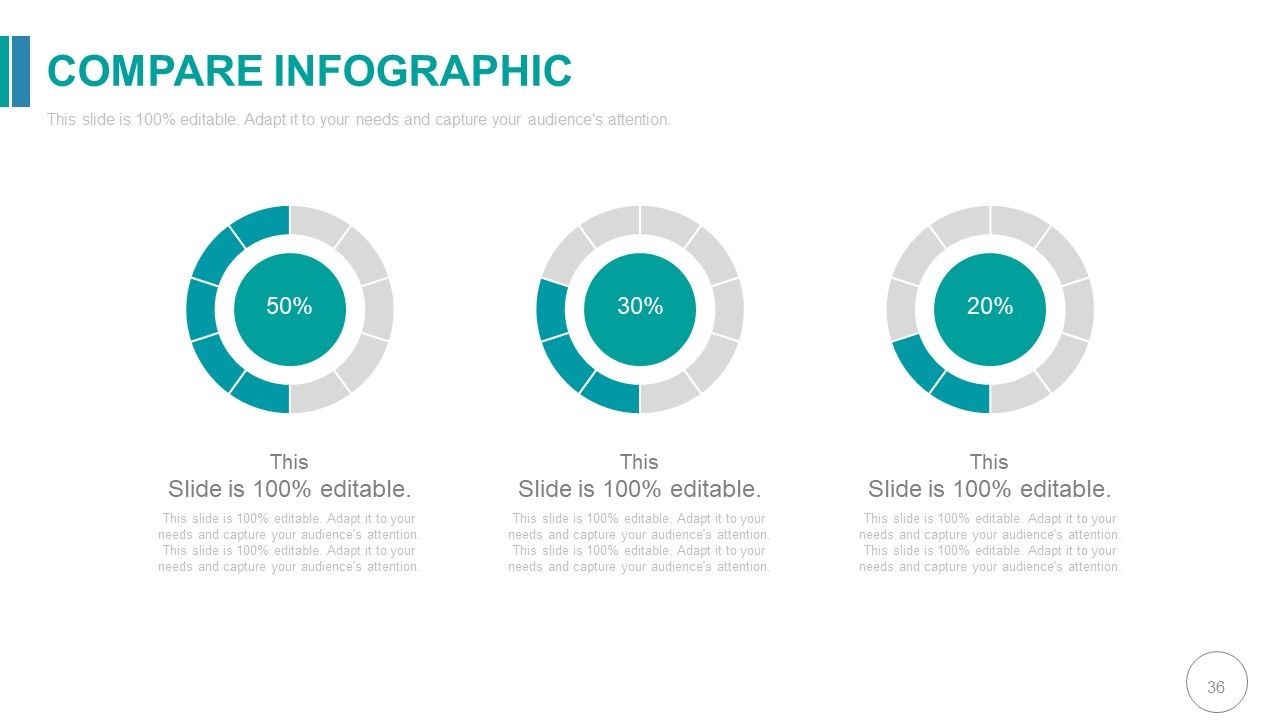
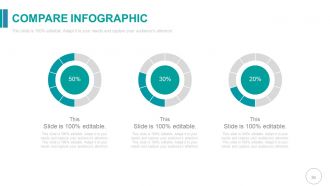
Slide 36 : Este é o slide Comparar infográfico em formato de gráfico de rosca.
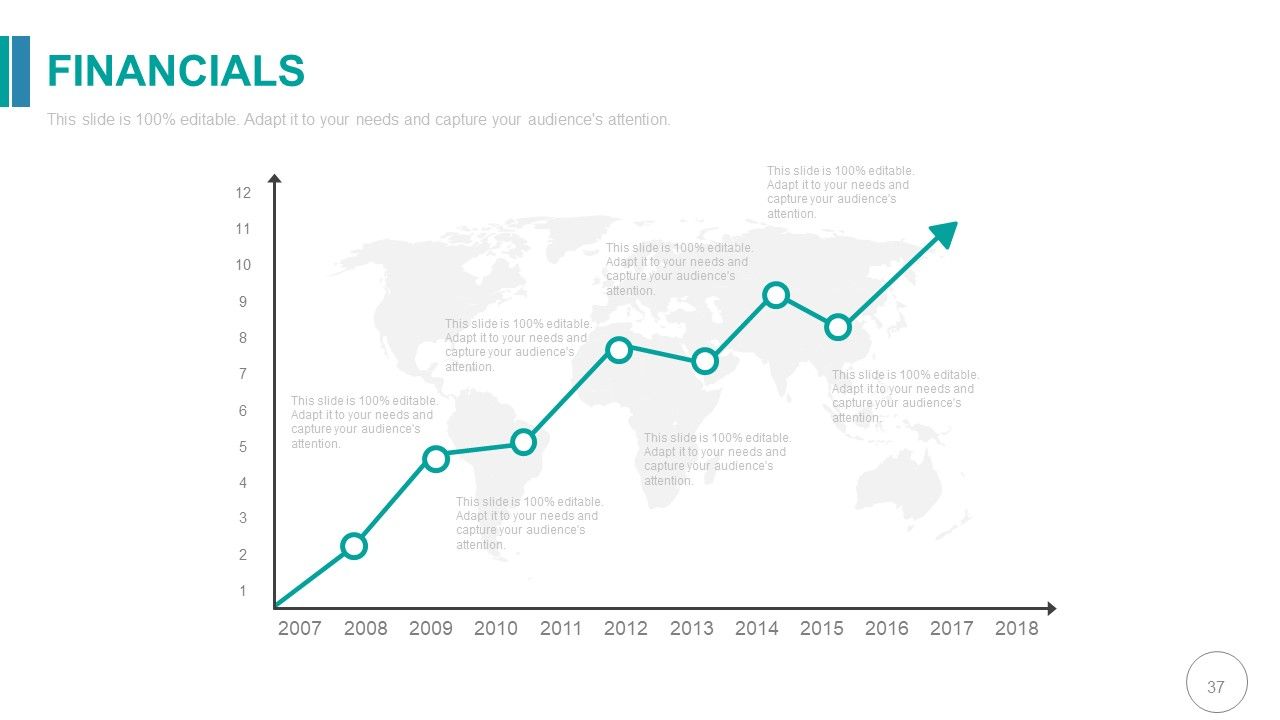
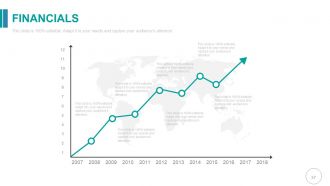
Slide 37 : Este slide mostra os aspectos financeiros com um gráfico de barras.
Slide 38 : Este é o slide de Cotações de Negócios para motivação e inspiração. Declare-os aqui. Você também pode alterar / alterá-los conforme a necessidade.
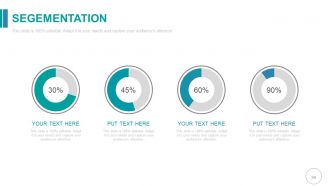
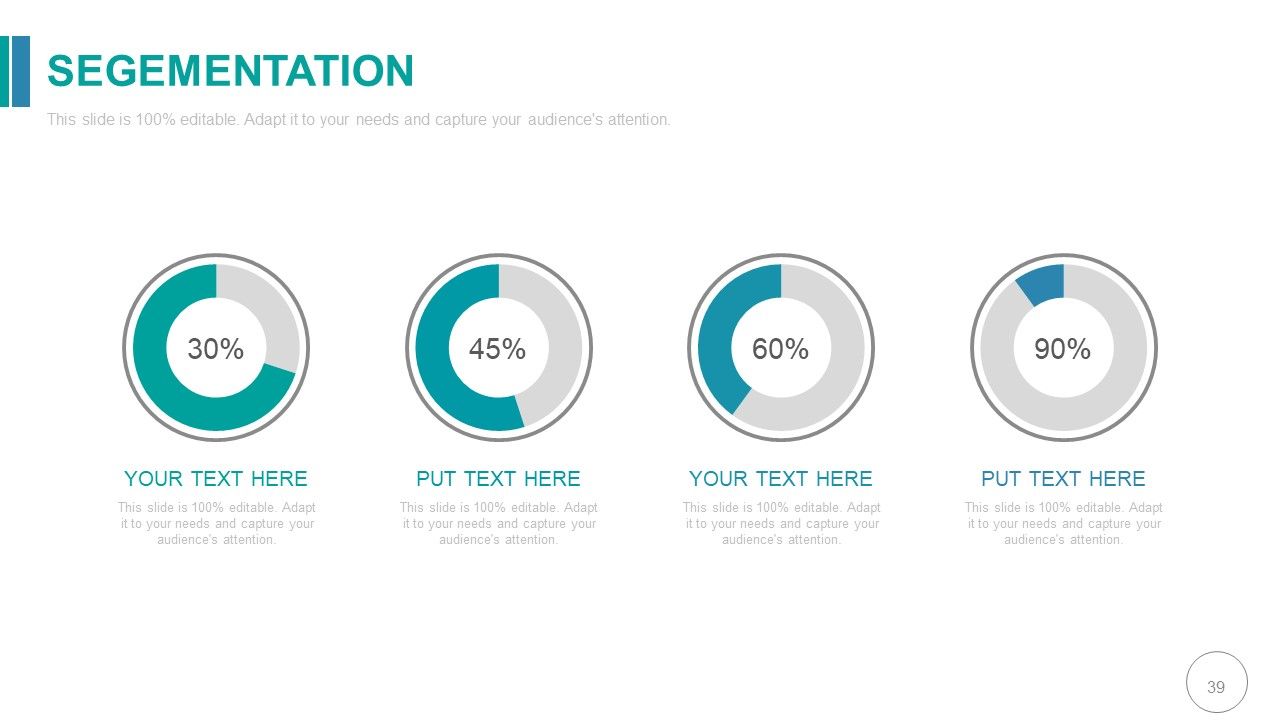
Slide 39 : Este slide mostra a segmentação a ser adaptada conforme a necessidade.
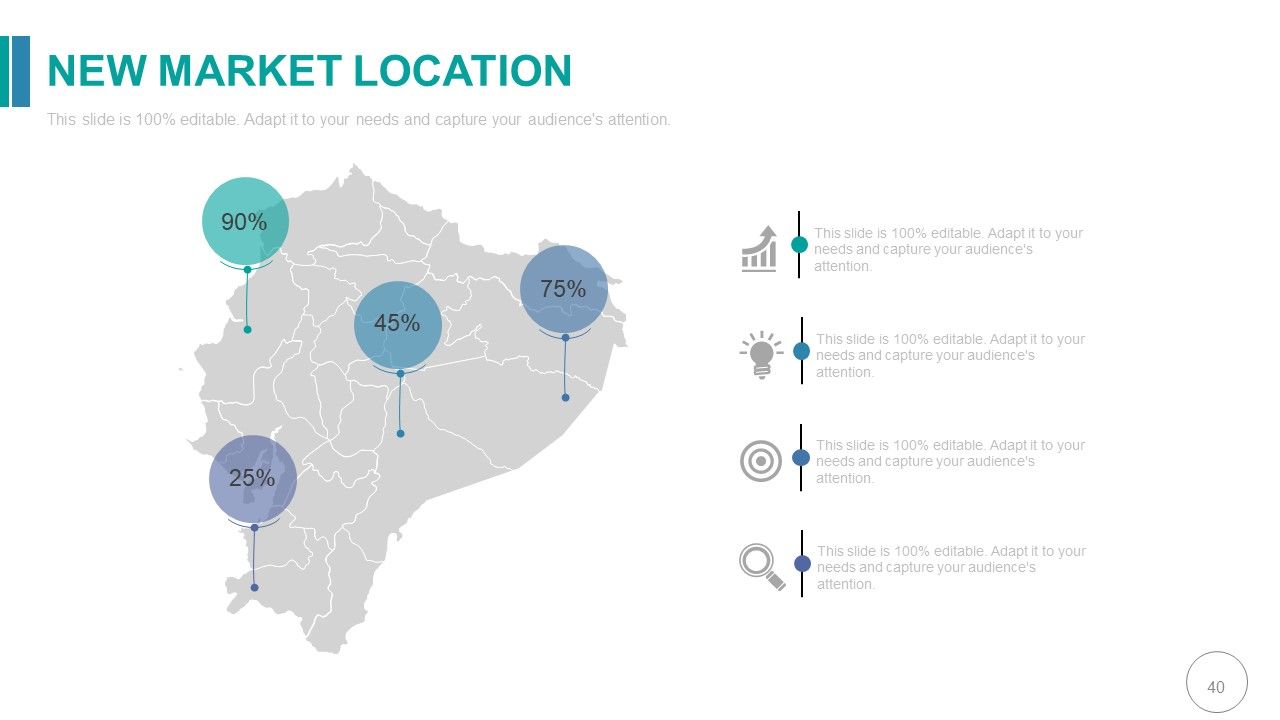
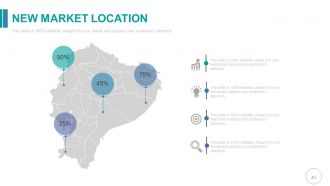
Slide 40 : Este slide mostra a localização do Novo Mercado em uma imagem de mapa.
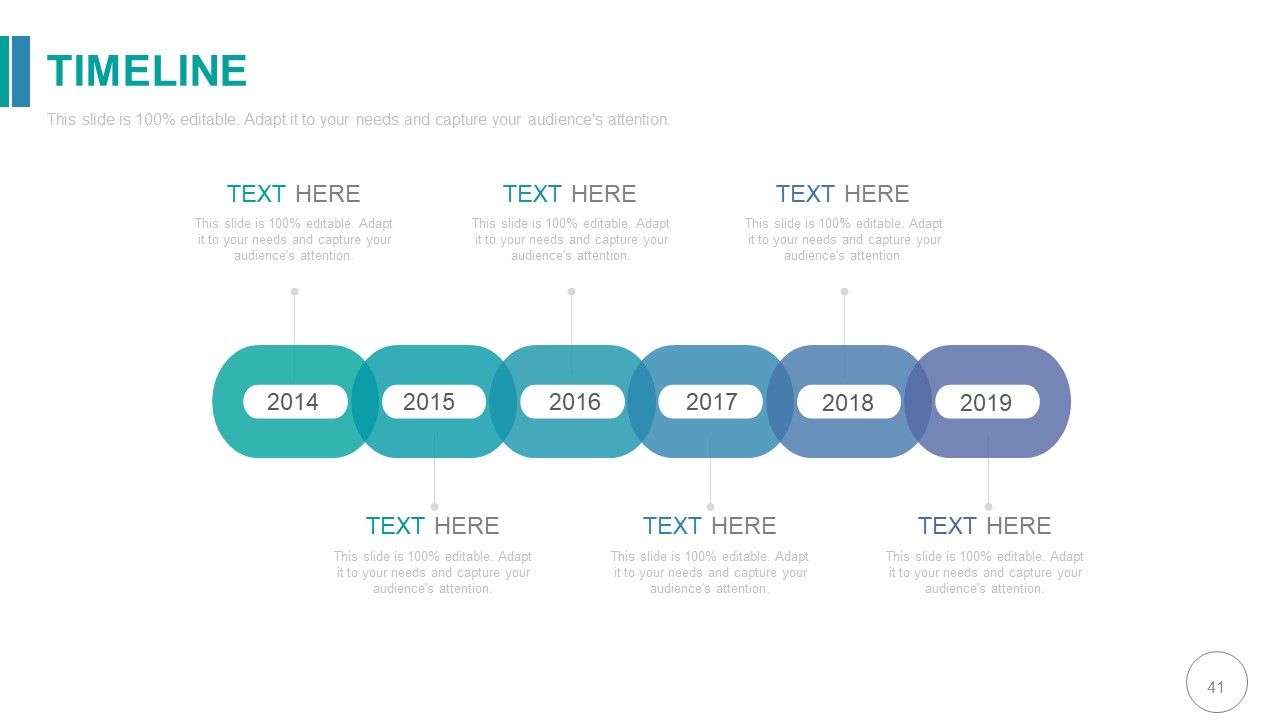
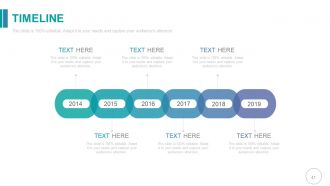
Slide 41 : Este slide apresenta uma linha do tempo destacando o crescimento, marcos etc.
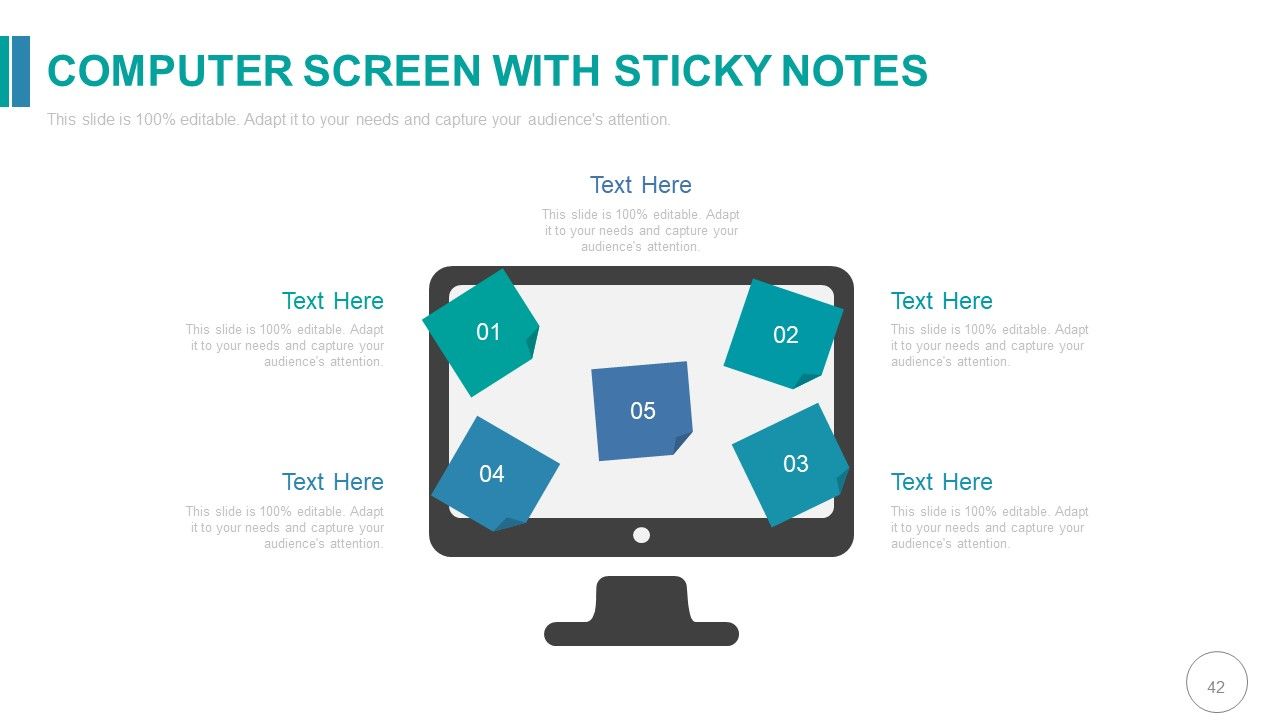
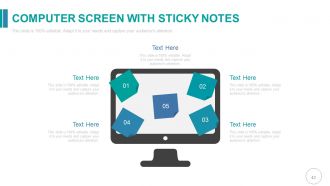
Slide 42 : Este slide apresenta a tela do computador com notas adesivas para fixar e postar informações importantes, orientações, etc.
Slide 43 : Este slide apresenta layouts de jornais para destacar informações, notícias, etc.
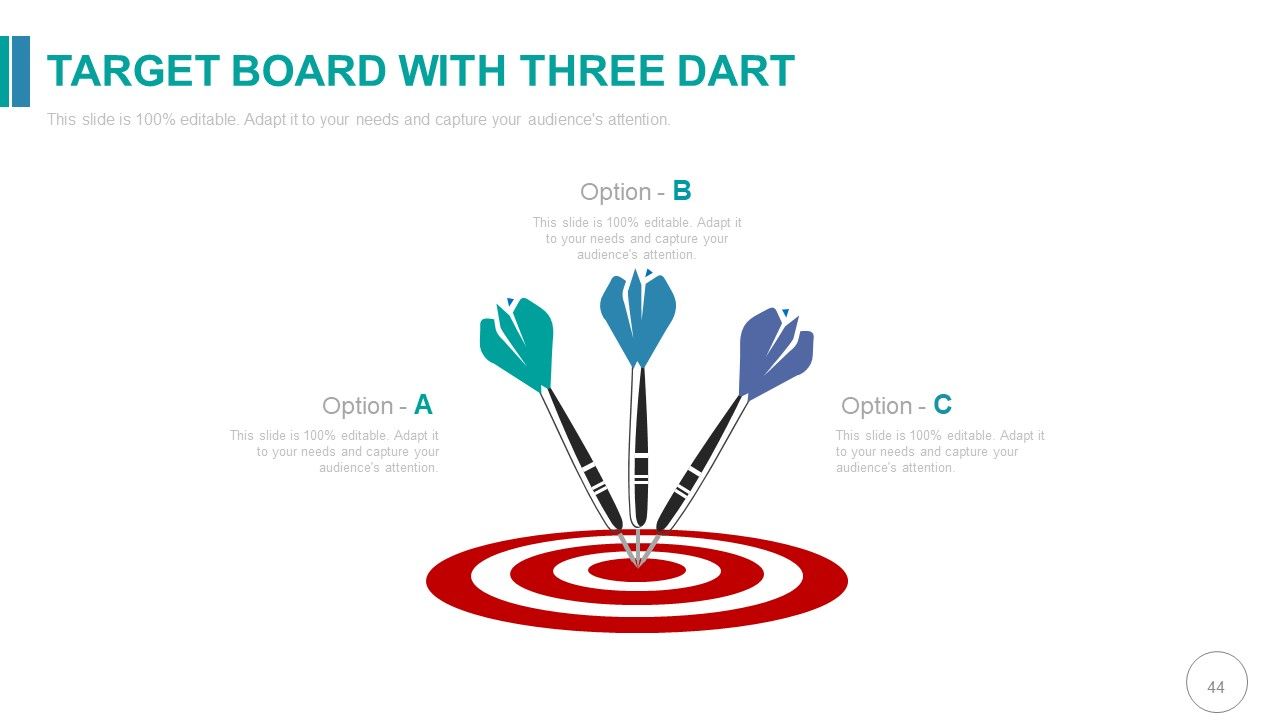
Slide 44 : Este é o slide de imagem de Tabuleiro de Alvo com Três Dardos. Declare seus alvos etc. aqui.
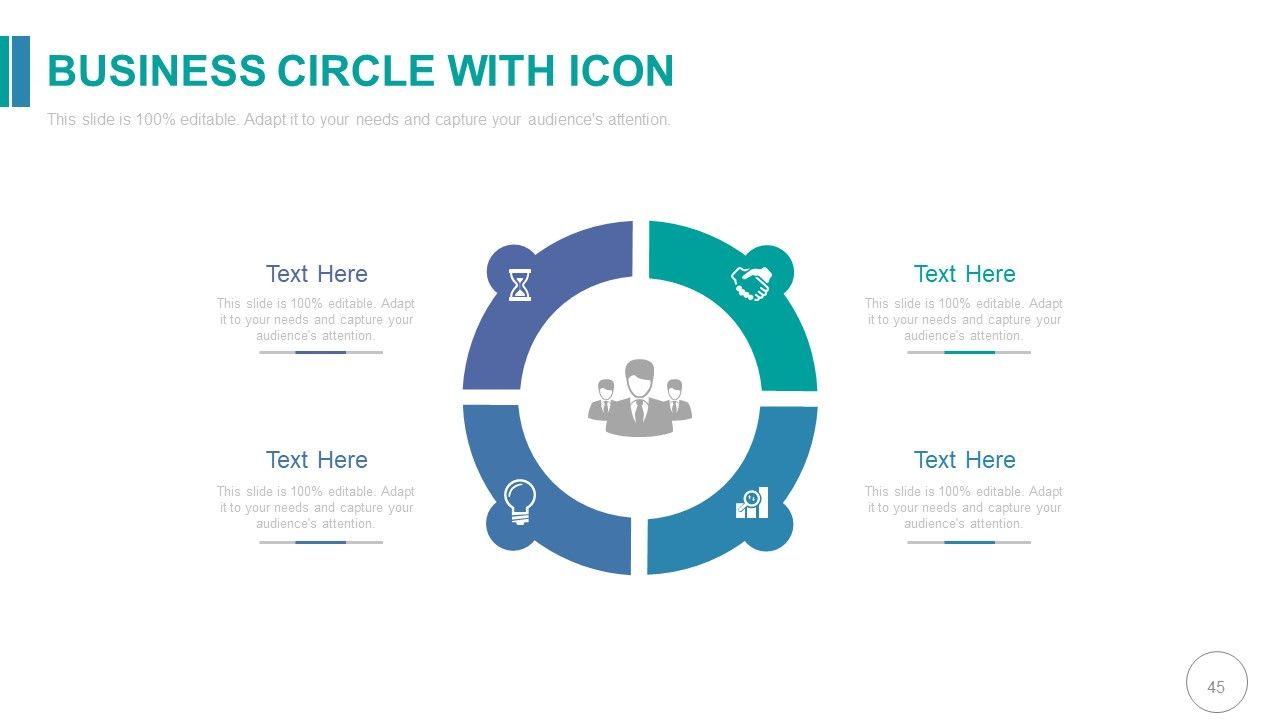
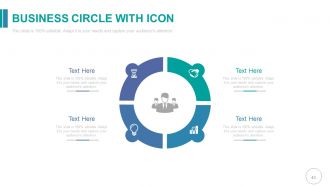
Slide 45 : Este slide mostra o Círculo de Negócios com Ícone e caixas de texto para acompanhar. Você pode adicionar / remover texto conforme a necessidade.
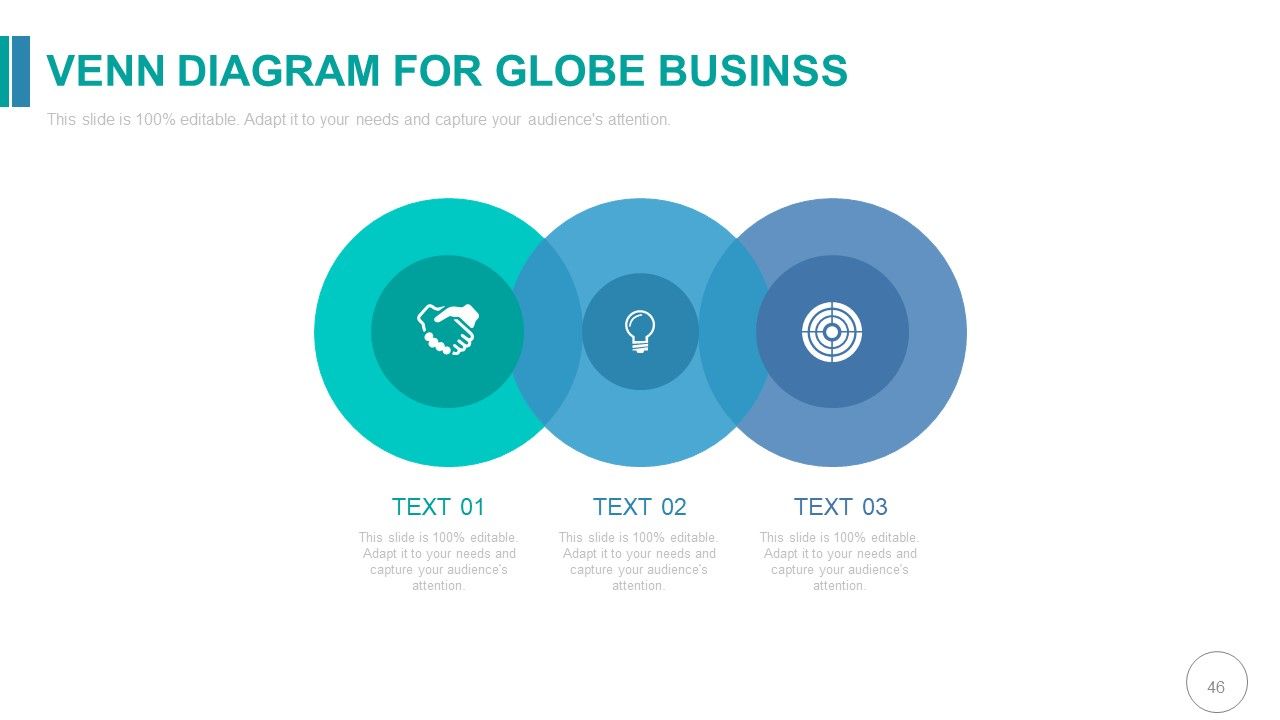
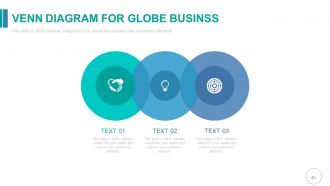
Slide 46 : Este slide mostra o Venn Diagam For Globe Business. Você pode editar / modificar com base em suas necessidades.
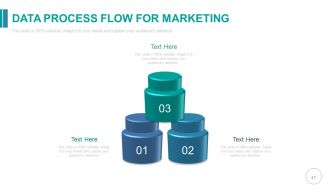
Slide 47 : Este slide apresenta o Fluxo do Processo de Dados para Marketing em formato lego box.
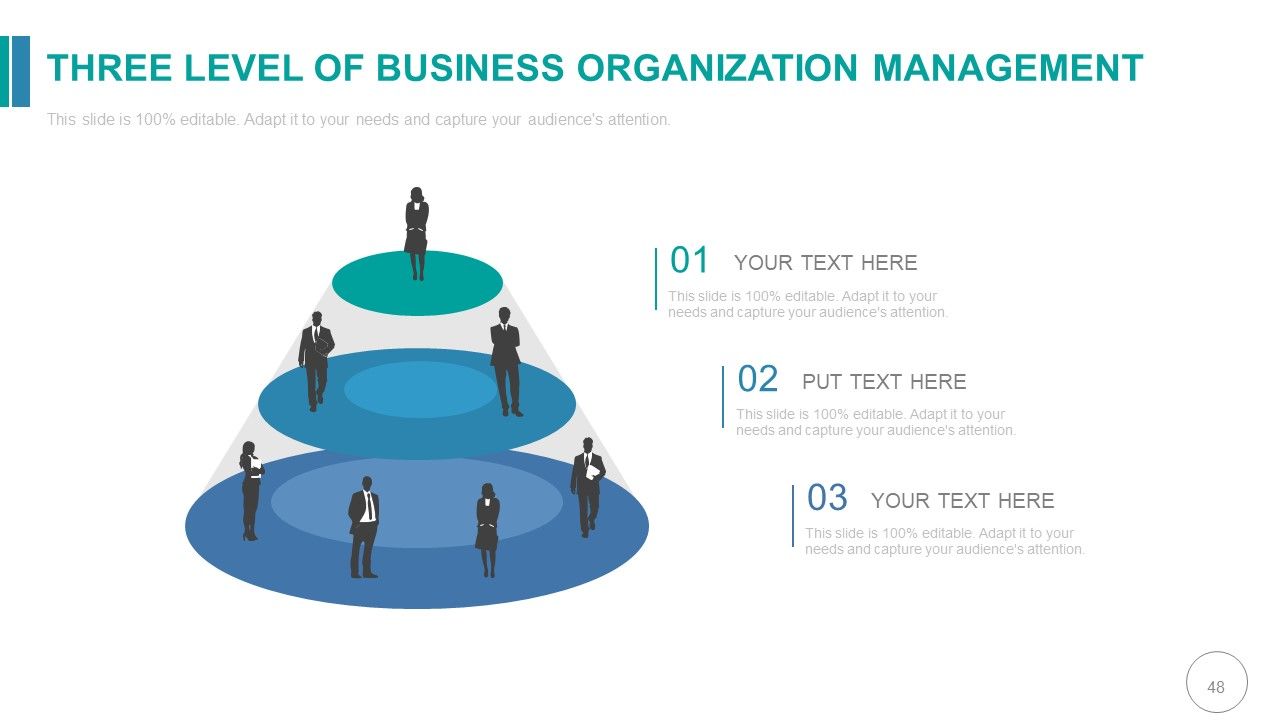
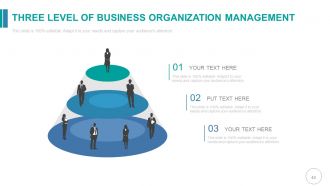
Slide 48 : Este slide mostra os três níveis de gestão da organização empresarial em uma forma de hierarquia de silhueta.
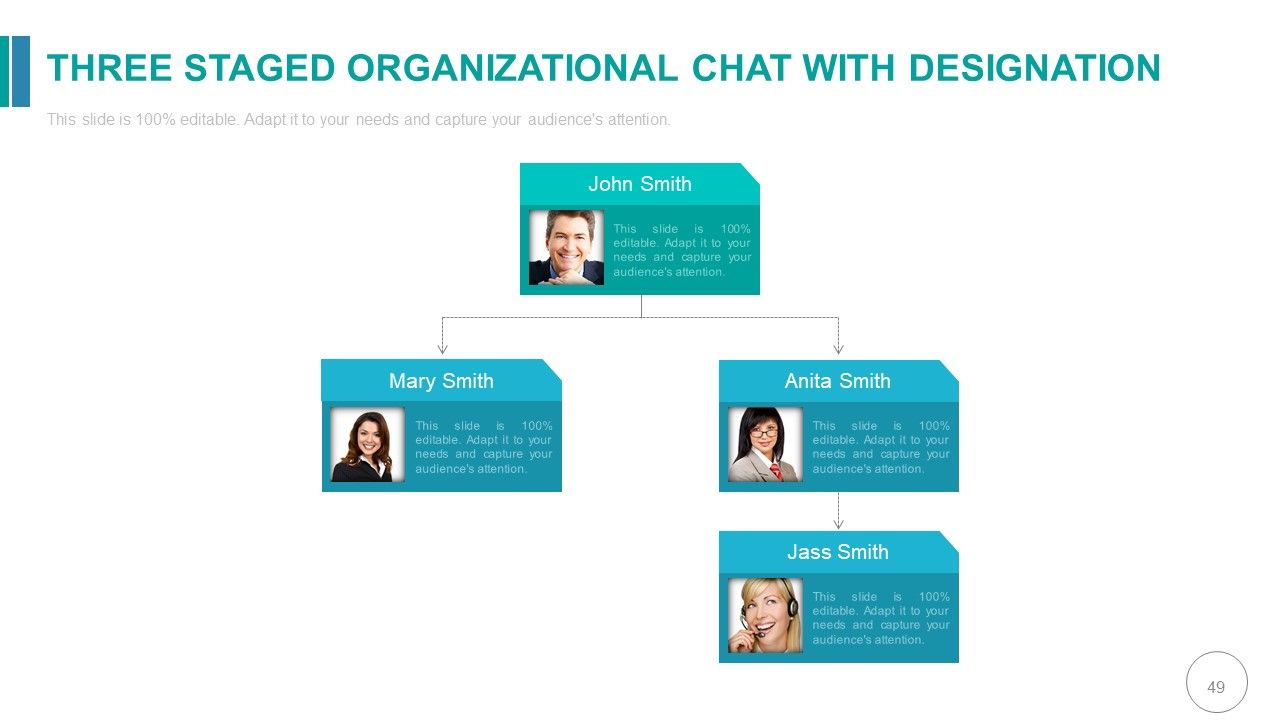
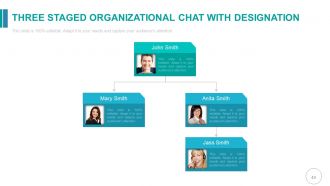
Slide 49 : Este slide mostra três bate-papos organizacionais em etapas, com designação e nome.
Slide 50 : Este slide apresenta o Business Infographic com imagens de lâmpadas e caixas de texto.
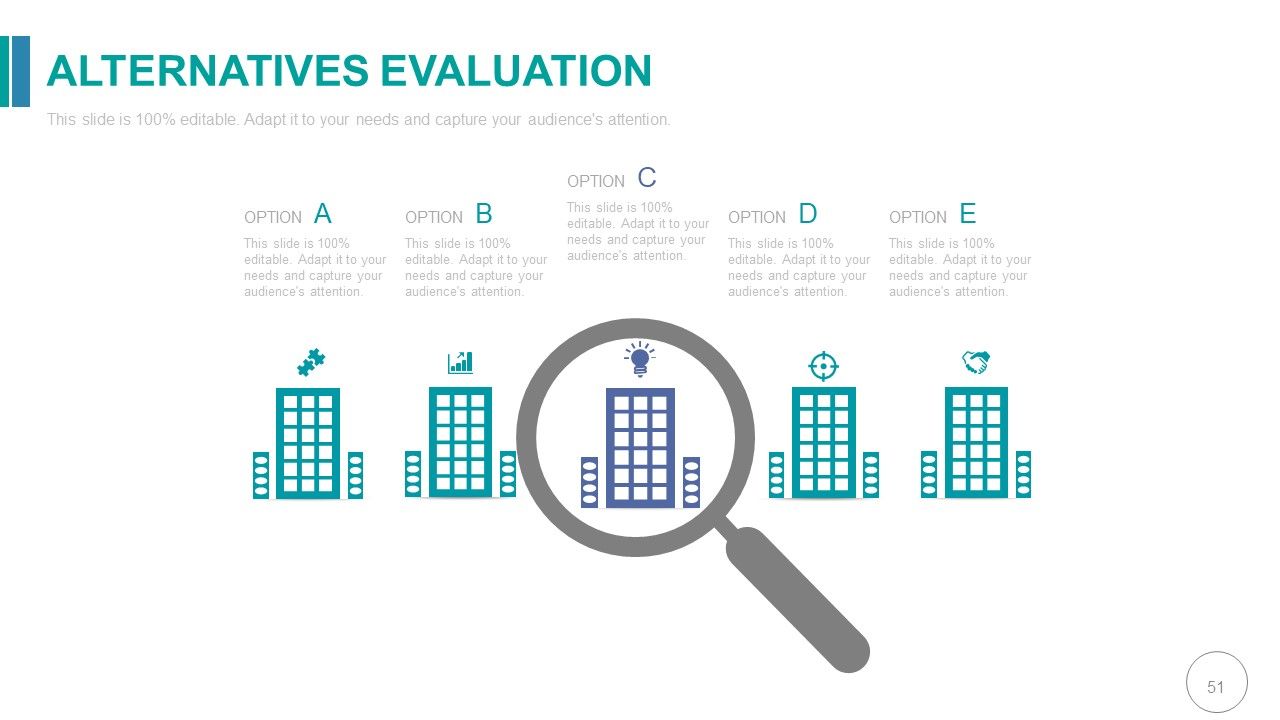
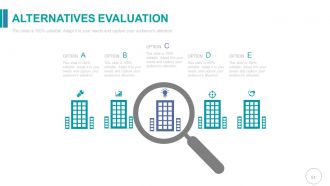
Slide 51 : Este slide mostra a Avaliação de Alternativas com imagens de lupa.
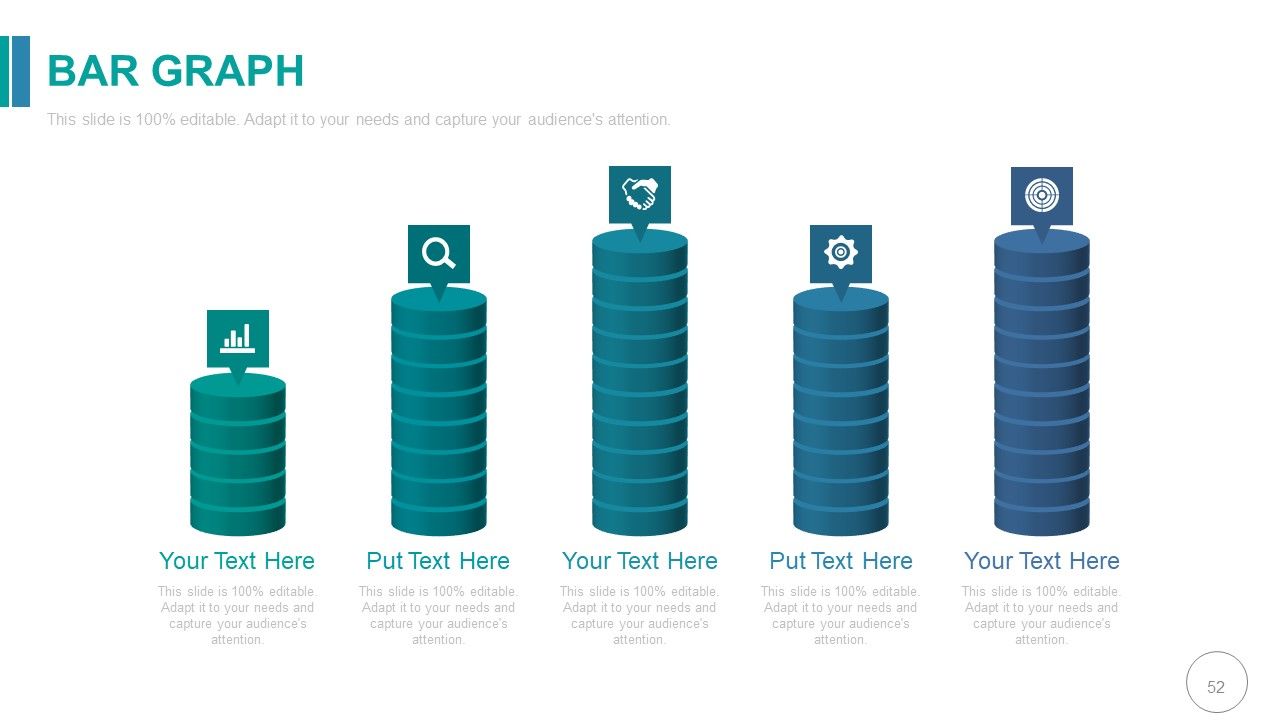
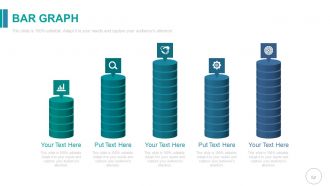
Slide 52 : Este é um slide de imagem de gráfico de barras para mostrar a comparação de produto / entidade, informações, etc.
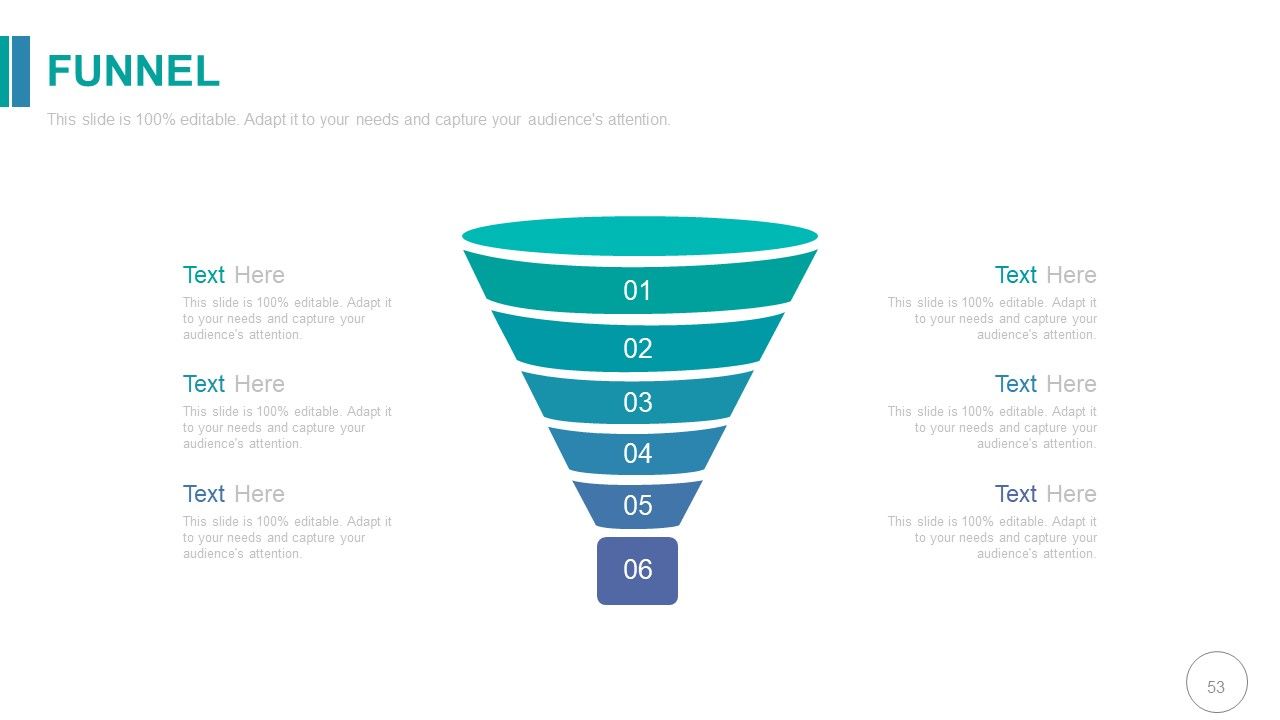
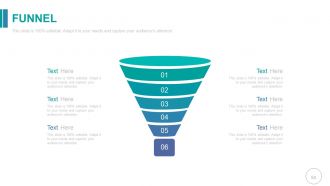
Slide 53 : Este é um slide de imagem do funil para mostrar os aspectos do funil, informações, etc. aqui.
Slide 54 : Este é um slide de agradecimento para marcar o fim da apresentação.
Resumo de planejamento de mídia Slides de apresentação em PowerPoint com todos os 54 slides:
Você notou que noventa e nove por cento de todas as apresentações apenas conseguem fazer seu público dormir? Bem, nosso resumo de planejamento de mídia completo em PowerPoint com slides deve ajudá-lo a ter uma sessão envolvente e interativa com seu público.
FAQs for Media planning briefing
You'll want to nail down your target audience first - like actually know their habits and where they spend time online. Budget's probably your biggest constraint, so figure that out early since it controls everything else. Set goals that you can actually measure (conversions, awareness, whatever makes sense). Honestly, most people pick channels based on assumptions instead of data, which is backwards. Map out how your audience moves from awareness to purchase - makes choosing platforms so much easier. Oh and don't sleep on timing and frequency planning. Seems obvious but you'd be surprised how many campaigns fall flat just because of poor scheduling.
Honestly, data analytics is a game-changer because it shows you what's actually working instead of just guessing. You can see which platforms bring in the most customers and when people are actually paying attention to your ads. Sometimes the results totally go against what you'd expect! It also reveals patterns in how different groups respond to your campaigns. Rather than throwing money everywhere and hoping something sticks, you'll know exactly where to focus your budget. Oh, and definitely set up tracking first - you need that baseline data or you're flying blind.
Think of audience segmentation as your secret weapon for not wasting money on ads. You're basically splitting your target market into smaller groups - by age, interests, behavior, whatever makes sense. Then you can actually target them where they hang out. Millennials are scrolling Instagram while your C-suite folks are probably on LinkedIn (shocking, I know). Way smarter than just blasting generic ads everywhere and crossing your fingers. First figure out who your main segments are. Then map out their media habits and go from there.
Look, it really depends what you're trying to do and who you're after. Digital stuff like Facebook ads and Google are usually cheaper to start with, plus you can actually see what's working. TV and radio cost more upfront but they hit way more people at once. Print? Honestly I'd skip it unless you're going after like, super specific groups. Here's the thing though - don't just look at what each ad costs. A $500 TV spot that gets you 20 customers beats some $50 Facebook thing that only converts one person. My advice? Test small budgets on maybe 2-3 different channels first and see what actually works for your business.
Pick 3-4 metrics that actually connect to what you're trying to achieve - don't get lost in the data weeds. Reach and frequency show if you're hitting the right people. Then track your cost efficiency with CPM, CPC, or CPA depending on your goals. Brand lift studies are honestly the best if you can afford them since they prove people actually remember your ad. Attribution metrics help you see the whole customer journey too. Oh, and definitely set this stuff up before you launch - trust me on that one. Otherwise you'll be scrambling to figure out what worked and what didn't after it's already over.
Dude, the media landscape is nuts right now. AI's doing all the heavy lifting for predictions and programmatic ads are optimizing while you sleep. Connected TV is basically making traditional/digital boundaries pointless - which honestly confuses half my clients still. Voice search completely flipped keyword strategies on their head. AR and VR ads are getting pretty wild too. Oh, and with cookies dying, first-party data is everything now. I always tell people to set aside maybe 15% of budget for testing new stuff. Better to experiment early than play catch-up later when everyone's already there.
So paid media is basically anything you're spending money on - ads, sponsored content, PPC stuff. Your owned media is the things you actually control, like your website, email lists, and blog. Earned media happens when other people mention you without being paid - reviews, shares, that kind of thing. Honestly, the magic happens when you use all three together instead of treating them separately. Your paid campaigns should send people to your owned content, which then (hopefully) gets people talking organically. Don't just dump money into ads without thinking about where you're sending that traffic - it's kinda pointless otherwise.
Honestly, just follow where your audience actually hangs out. Check your data first - are they scrolling Instagram all day or still watching regular TV? Don't dismiss traditional channels just because digital seems cooler right now. Think about what you're trying to do too. Building awareness? Go heavy on video and display ads. Need conversions? Search and retargeting are your best friends. Start small with testing - I learned this the hard way after blowing budgets on assumptions. Once you see what's actually working, throw more money at those channels instead of spreading everything thin.
Oh man, where do I even start? Algorithms change every five minutes, new platforms keep launching, and iOS updates randomly destroy your tracking setup. Privacy stuff makes attribution a nightmare too. Your audience switches up their behavior before you can even adjust your strategy - it's honestly exhausting sometimes. Data's scattered across like 20 different platforms so you never get the full picture. My biggest tip? Plan for chaos from the beginning. Have backup ways to measure everything because your main tracking will definitely break at some point. Stay flexible or you'll lose your mind.
So basically A/B testing is where you pit different strategies against each other to see what actually works. Test one thing at a time though - maybe start with two audience segments on the same platform. Creative formats, ad placements, budget splits... you can test pretty much anything. Once you get going it's weirdly satisfying watching the data come in. Just don't get impatient - you need enough time and spend for the results to mean something. Then take whatever wins and scale it up from there.
Start by figuring out your customer journey - where does TV/radio work for awareness, then digital swoops in for retargeting. Keep your messaging consistent but adapt creative for each platform's vibe. Cross-pollination works great here - take that TV spot and run it as pre-roll, turn radio into podcast ads, whatever makes sense. Track everything with unified attribution so you're not stuck in silos wondering what's actually working. Honestly, attribution is still kind of a mess but it's better than flying blind. Write up one strategy doc covering touchpoints, timing, and how you'll measure success across everything.
Honestly, social media analytics are a goldmine for figuring out who's actually paying attention to your stuff. You can see ages, interests, when people are most active - Facebook's audience insights even shows lifestyle data which is pretty cool. Use all this to nail down your buyer personas and figure out where to spend your ad money. Like if 25-34 year olds are going crazy for your Instagram posts but totally ignoring you on LinkedIn, obviously move your budget to Insta. I'd pull weekly reports to catch trends early. Way better than just guessing what might work, you know?
Honestly, the whole landscape is shifting fast right now. AI automation is taking over campaign management, which is actually pretty helpful. But the real pain? Cookieless targeting since privacy rules killed third-party cookies. You'll need solid first-party data collection - like, yesterday. Amazon and Walmart's ad platforms are huge now too. Connected TV budgets are everywhere but attribution across channels is finally getting decent. My take? Test cookieless strategies before you're scrambling to catch up. Also maybe grab coffee first because this stuff gets overwhelming quick.
Dude, you've gotta get your creative and media people talking from the jump. The difference is honestly crazy - instead of just slapping random ads wherever, you get content that's actually built for each platform. TikTok needs to feel totally different from LinkedIn, you know? Your media folks have all the audience intel while creative knows what makes people stop scrolling. I always tell teams to crash each other's planning sessions. Sounds chaotic but the insights are wild. Plus your campaigns will actually perform instead of just... existing.
Honestly, just be transparent about everything - sponsored posts, data collection, all of it. People hate feeling tricked. Audit where your ads actually show up too because you don't want your brand next to some conspiracy theory nonsense (trust me on this one). If you're targeting vulnerable groups like kids or folks with money problems, that's where it gets tricky ethically. Oh, and work with platforms that don't make you cringe when you tell people about it. Brand safety isn't just legal stuff - it's about sleeping well at night.
-
Use of different colors is good. It's simple and attractive.
-
Appreciate the research and its presentable format.