


Slides de apresentação em Powerpoint de fusões e aquisições
Nossos slides de apresentação em Powerpoint de fusões e aquisições são projetados topicamente para fornecer um pano de fundo atraente para qualquer assunto. Use-os para se parecer com um profissional de apresentação.











-

- Google Slides is a new FREE Presentation software from Google.
- All our content is 100% compatible with Google Slides.
- Just download our designs, and upload them to Google Slides and they will work automatically.
- Amaze your audience with SlideTeam and Google Slides.
-

Want Changes to This PPT Slide? Check out our Presentation Design Services
-

- WideScreen Aspect ratio is becoming a very popular format. When you download this product, the downloaded ZIP will contain this product in both standard and widescreen format.
-

- Some older products that we have may only be in standard format, but they can easily be converted to widescreen.
- To do this, please open the SlideTeam product in Powerpoint, and go to
- Design ( On the top bar) -> Page Setup -> and select "On-screen Show (16:9)” in the drop down for "Slides Sized for".
- The slide or theme will change to widescreen, and all graphics will adjust automatically. You can similarly convert our content to any other desired screen aspect ratio.
Compatible With Google Slides

Get This In WideScreen
You must be logged in to download this presentation.


Do you want to remove this product from your favourites?
Recursos desses slides de apresentação do PowerPoint:
Este deck completo abrange vários tópicos e destaca conceitos importantes. Possui slides PPT que atendem às suas necessidades de negócios. Esta apresentação de deck completa enfatiza os slides de apresentação em Powerpoint de fusão e aquisição e tem modelos com imagens de fundo profissionais e conteúdo relevante. Este deck é composto por um total de sessenta e um slides. Nossos designers criaram modelos personalizáveis, pensando na sua conveniência. Você pode editar a cor, o texto e o tamanho da fonte com facilidade. Não apenas isso, você também pode adicionar ou excluir o conteúdo, se necessário. Tenha acesso a esta apresentação completa totalmente editável clicando no botão de download abaixo.

People who downloaded this PowerPoint presentation also viewed the following :
Conteúdo desta apresentação em PowerPoint
Slide 1 : Este slide apresenta Fusões e Aquisições. Indique o nome da sua empresa e comece.
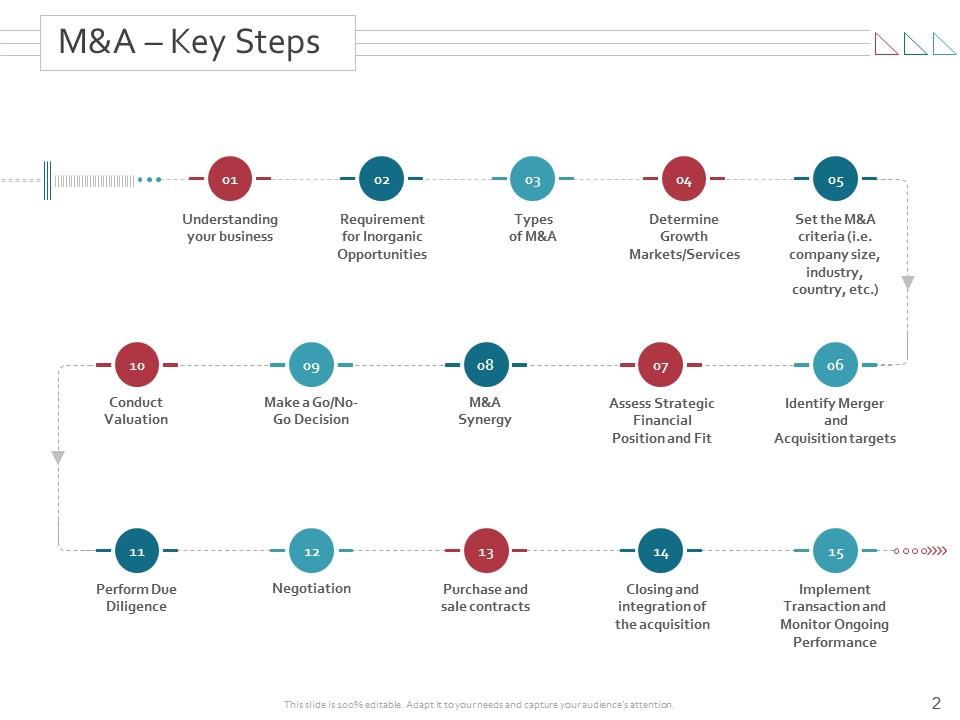
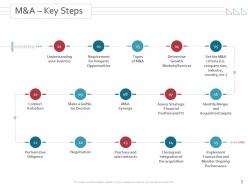
Slide 2 : Este slide mostra M&A – Requisito de Etapas-Chave para Oportunidades Inorgânicas.
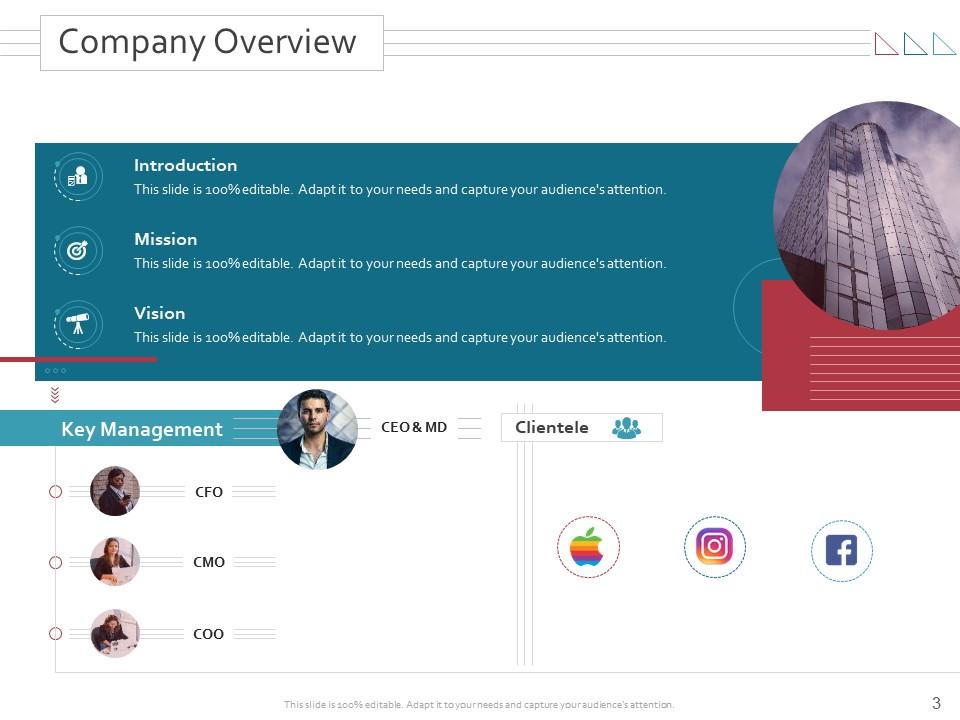
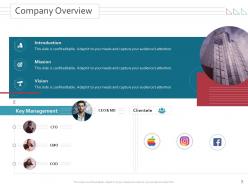
Slide 3 : Este slide apresenta a Introdução descrevendo a Gestão de Chaves, Visão Geral da Empresa, etc.
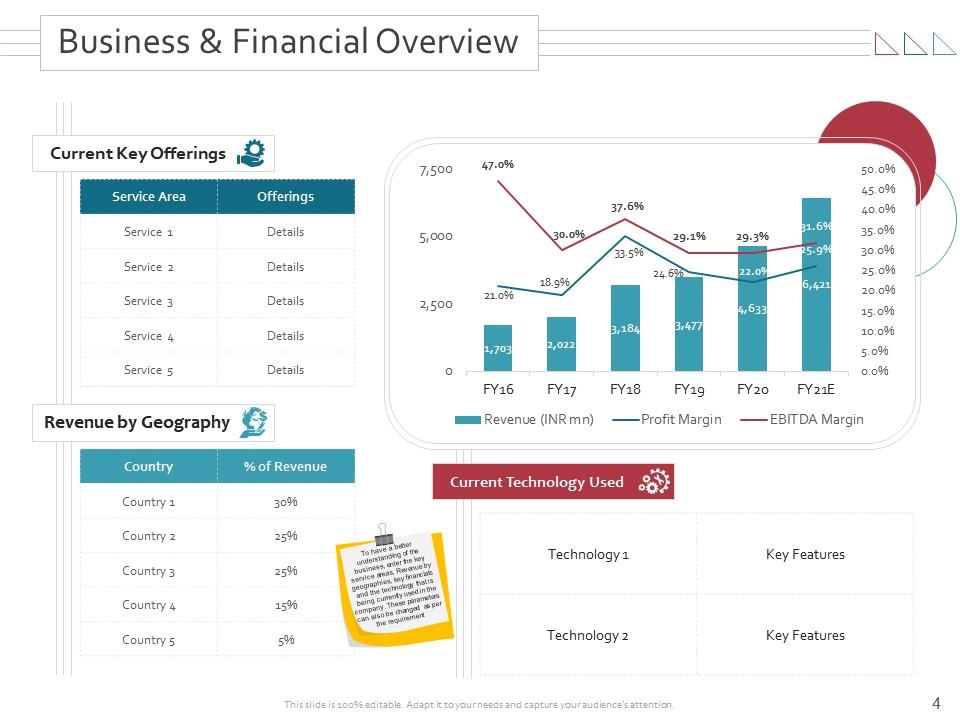
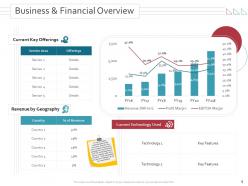
Slide 4 : Este slide mostra a Visão Geral de Negócios e Financeira para uma melhor compreensão do negócio.
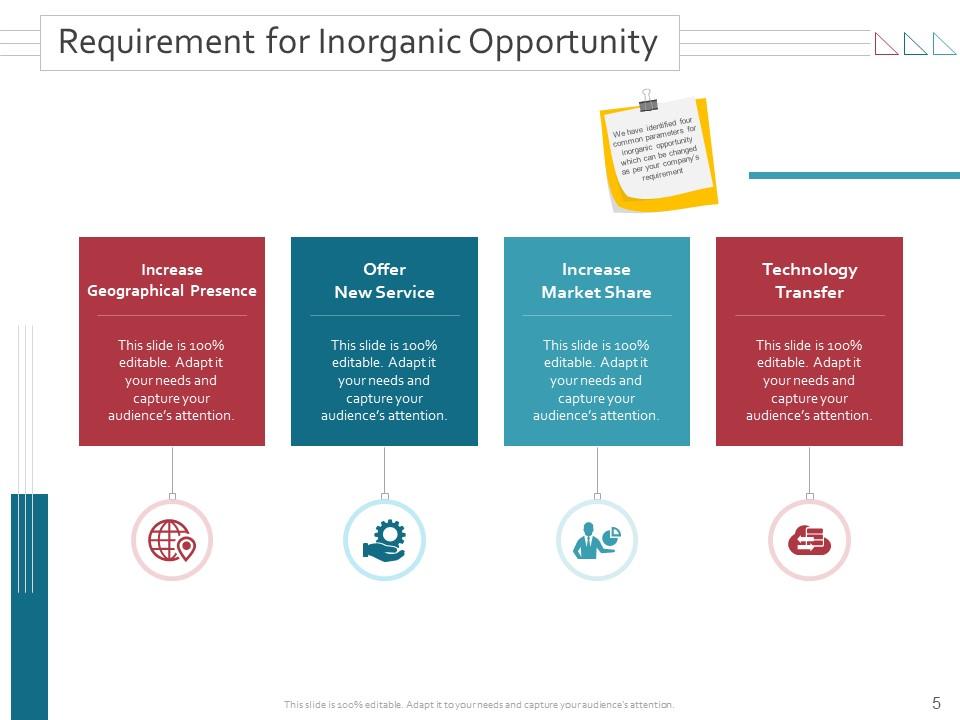
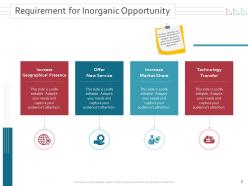
Slide 5 : Este slide mostra o Requisito de Oportunidade Inorgânica.
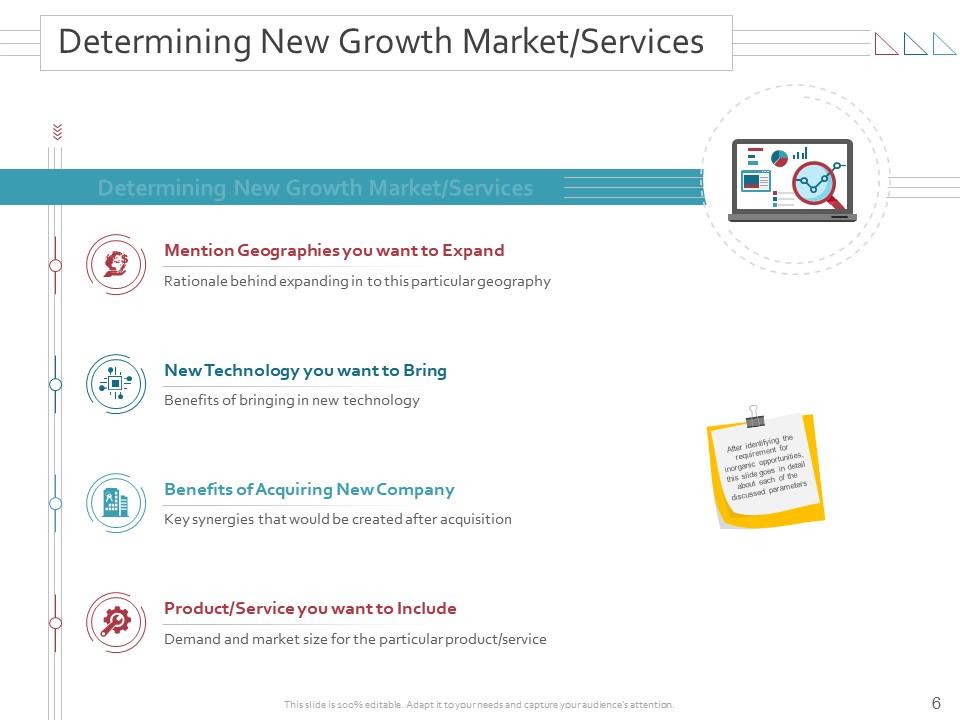
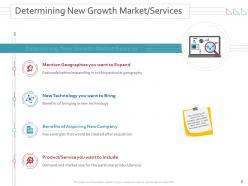
Slide 6 : Este slide representa a Determinação de Novos Mercados/Serviços de Crescimento.
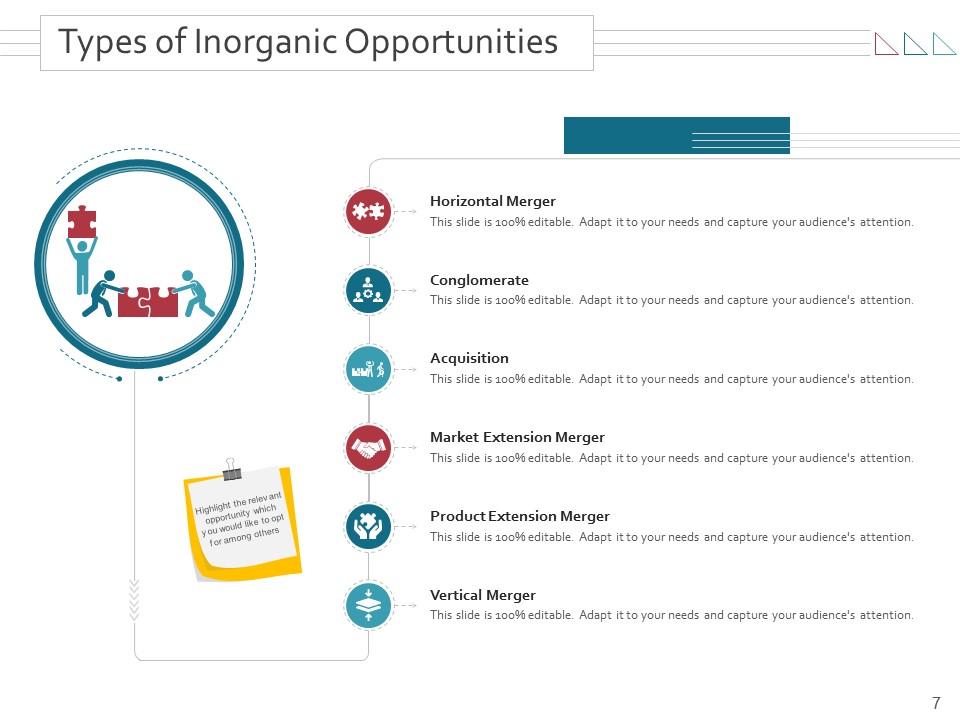
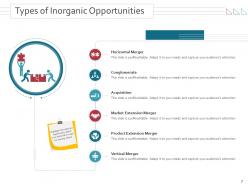
Slide 7 : Este slide mostra os Tipos de Oportunidades Inorgânicas, ou seja, Fusão de Extensão de Mercado, Fusão Horizontal, Conglomerado, etc.
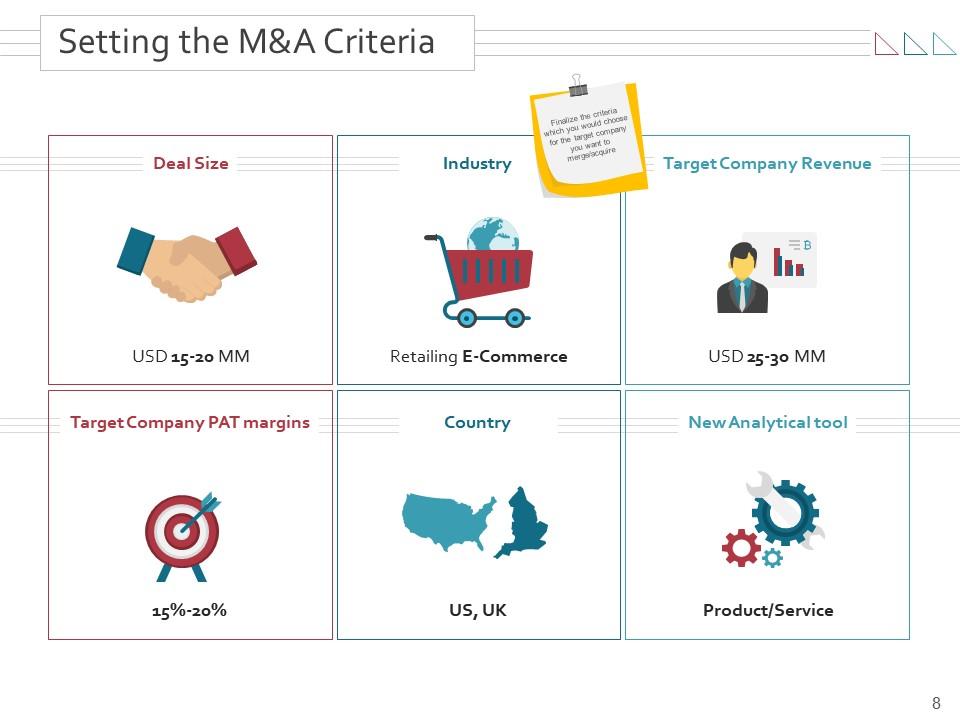
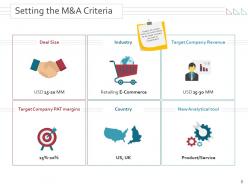
Slide 8 : Este slide apresenta a definição dos critérios de M&A para a empresa-alvo que você deseja incorporar/adquirir.
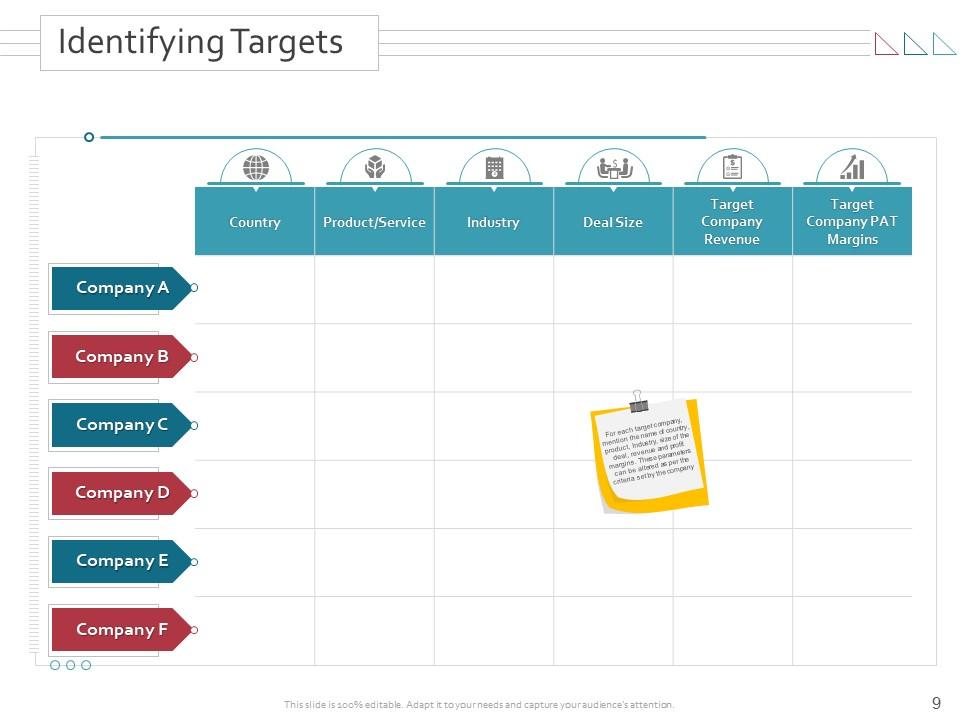
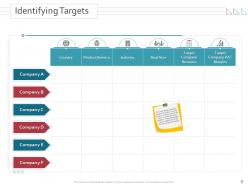
Slide 9 : Este slide mostra como identificar o país, o produto, o setor, o tamanho do negócio etc.
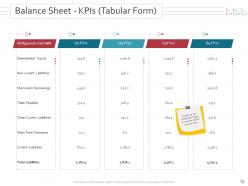
Slide 10 : Este slide mostra o Balanço Patrimonial - Formulário Tabular de KPIs.
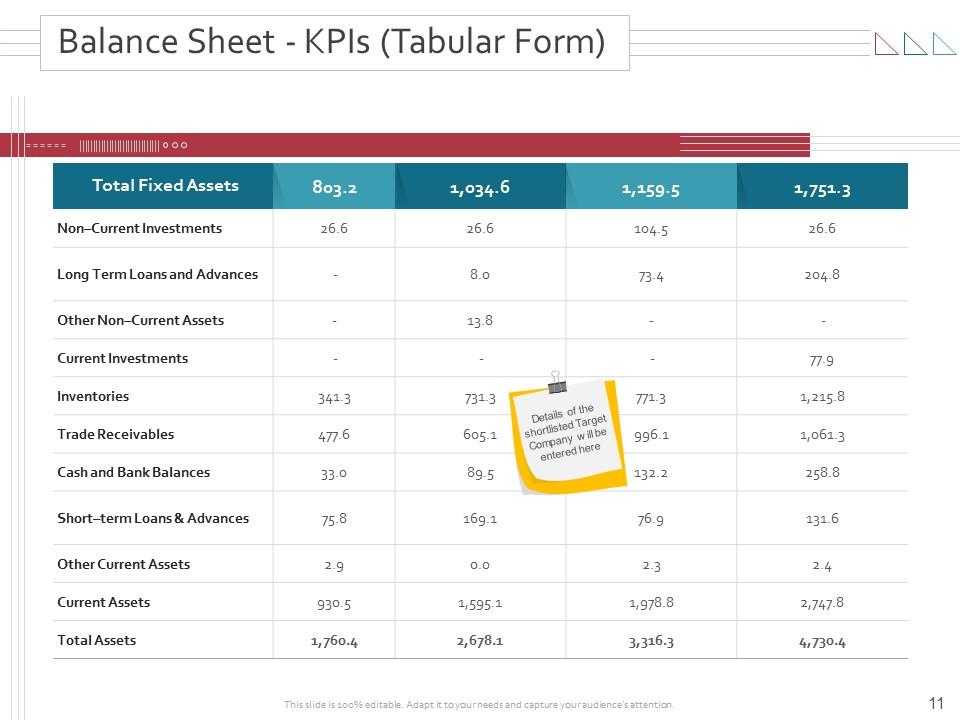
Slide 11 : Este slide representa o Balanço Patrimonial - Formulário Tabular de KPIs.
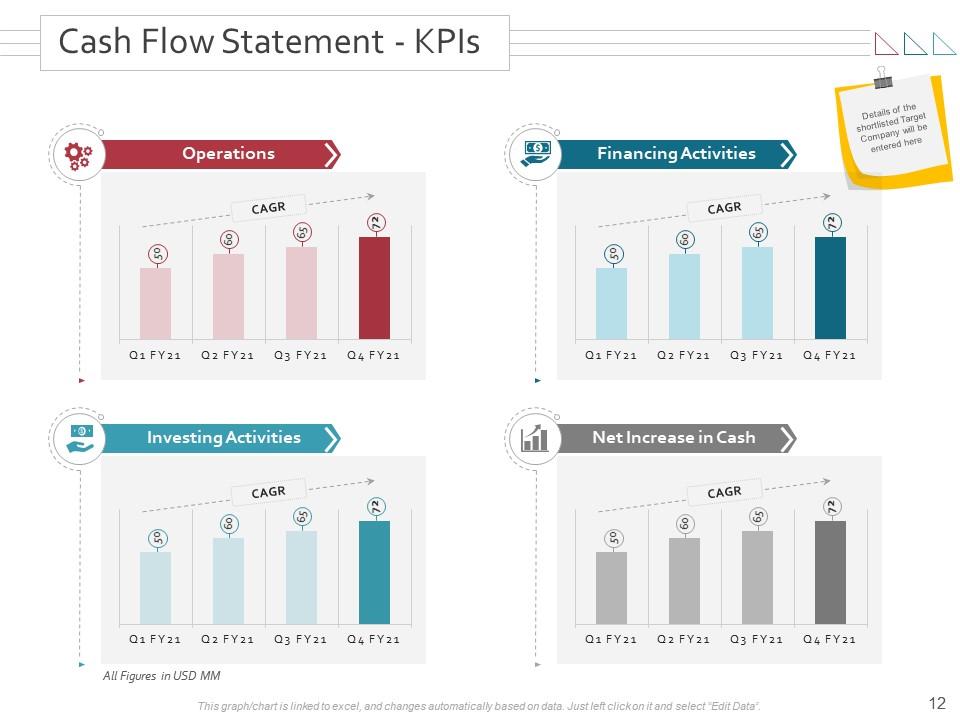
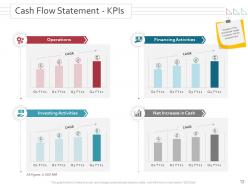
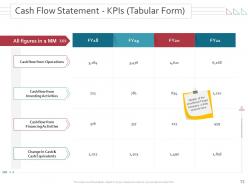
Slide 12 : Este slide mostra a Demonstração do Fluxo de Caixa - KPIs.
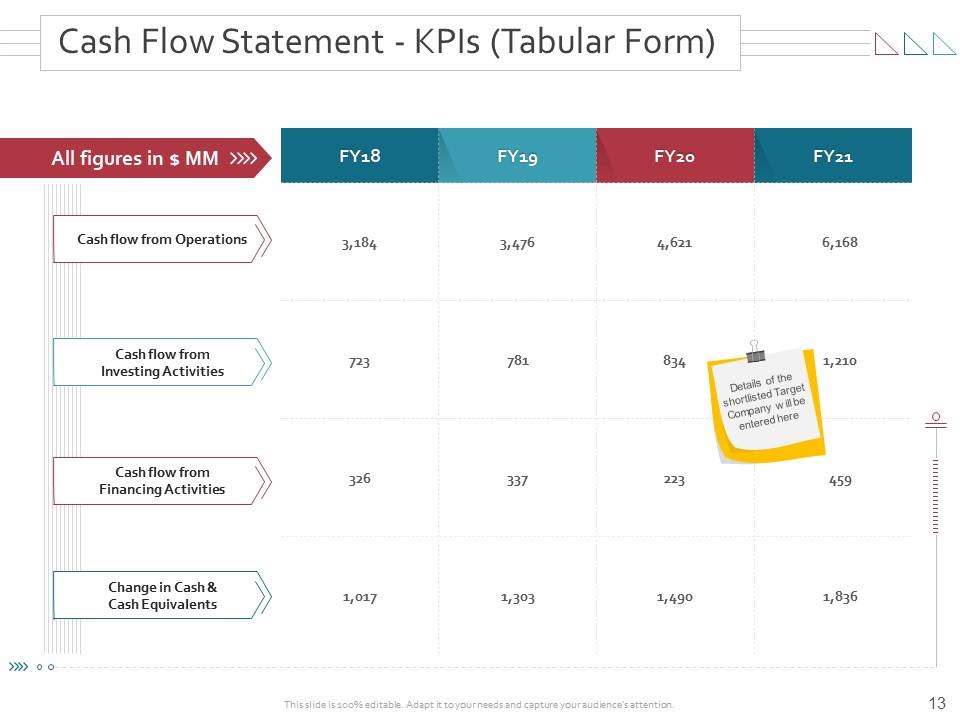
Slide 13 : Este slide apresenta a Demonstração do Fluxo de Caixa - KPIs descrevendo - Fluxo de caixa das operações, fluxo de caixa das atividades de investimento, fluxo de caixa das atividades de financiamento, etc.
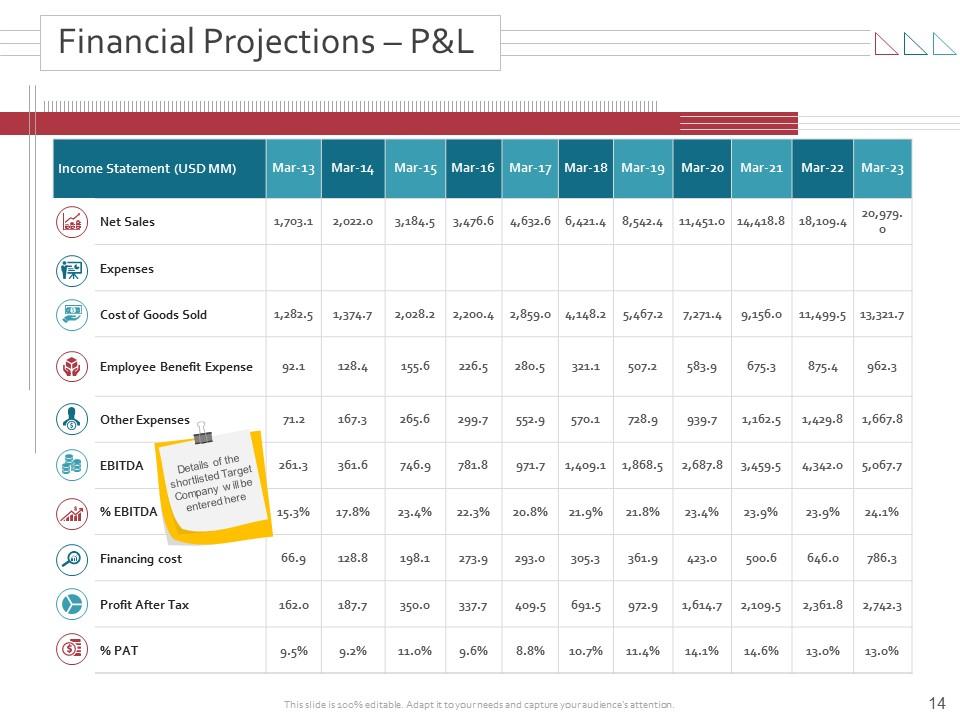
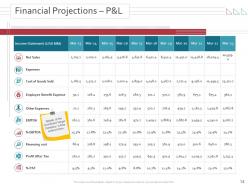
Slide 14 : Este slide apresenta Projeções Financeiras – P&L com detalhes da Empresa Alvo selecionada.
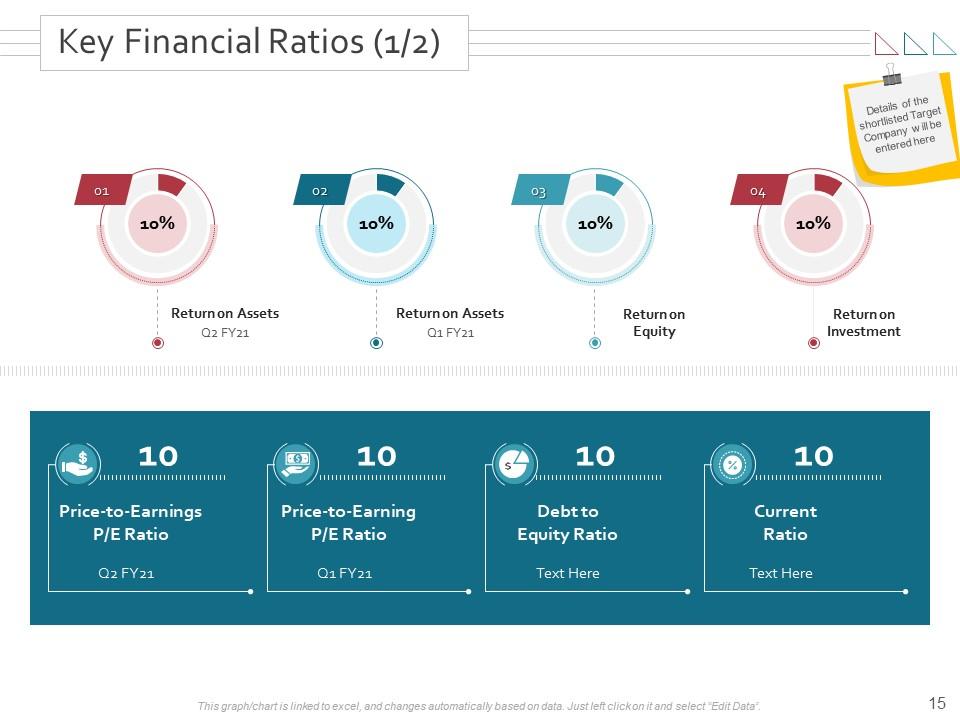
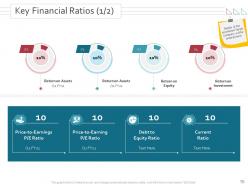
Slide 15 : Este slide mostra os Principais Índices Financeiros descrevendo- Índice P/L Preço-Lucro, Índice Dívida sobre Patrimônio Líquido, etc.
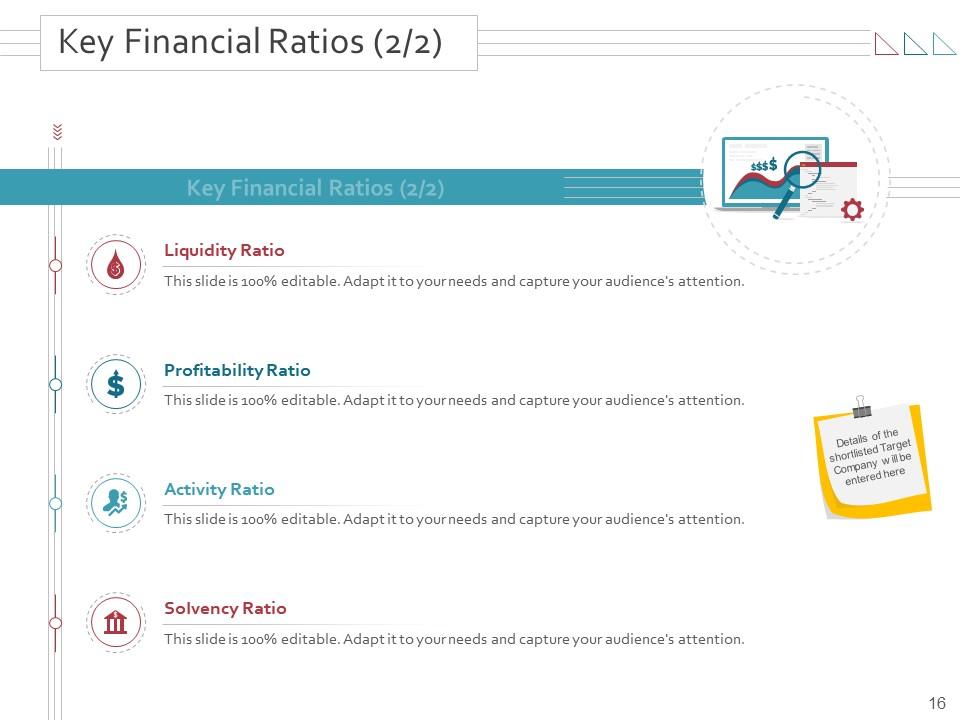
Slide 16 : Este slide representa os Principais Índices Financeiros que descrevem- Índice de Liquidez, Índice de Lucratividade, Índice de Atividade, etc.
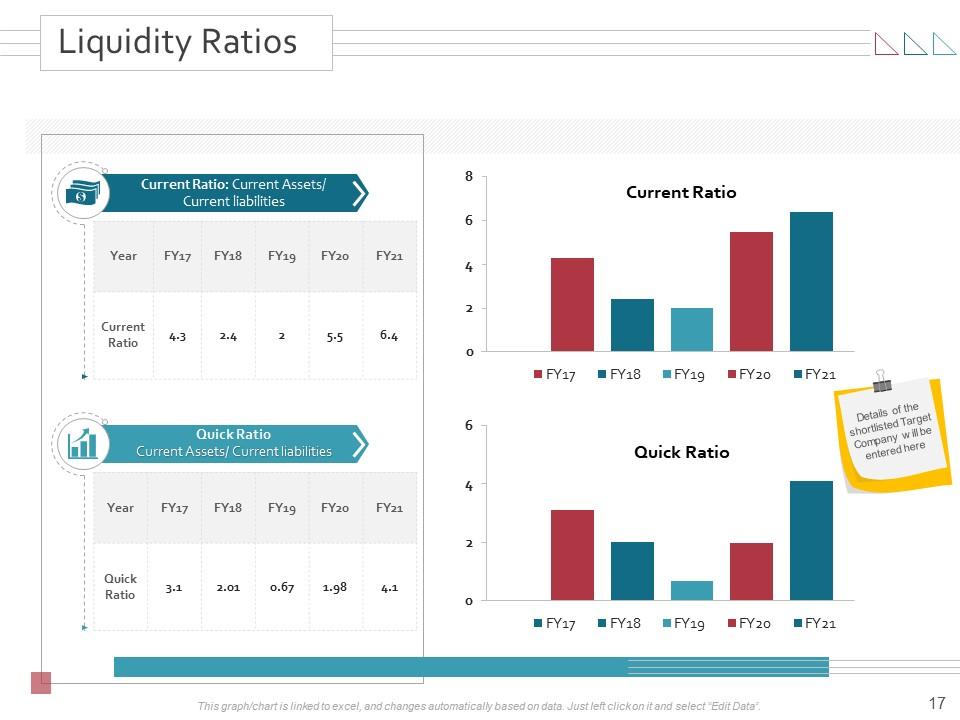
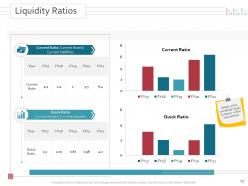
Slide 17 : Este slide mostra os Índices de Liquidez descrevendo- Índice atual, Índice rápido, etc.
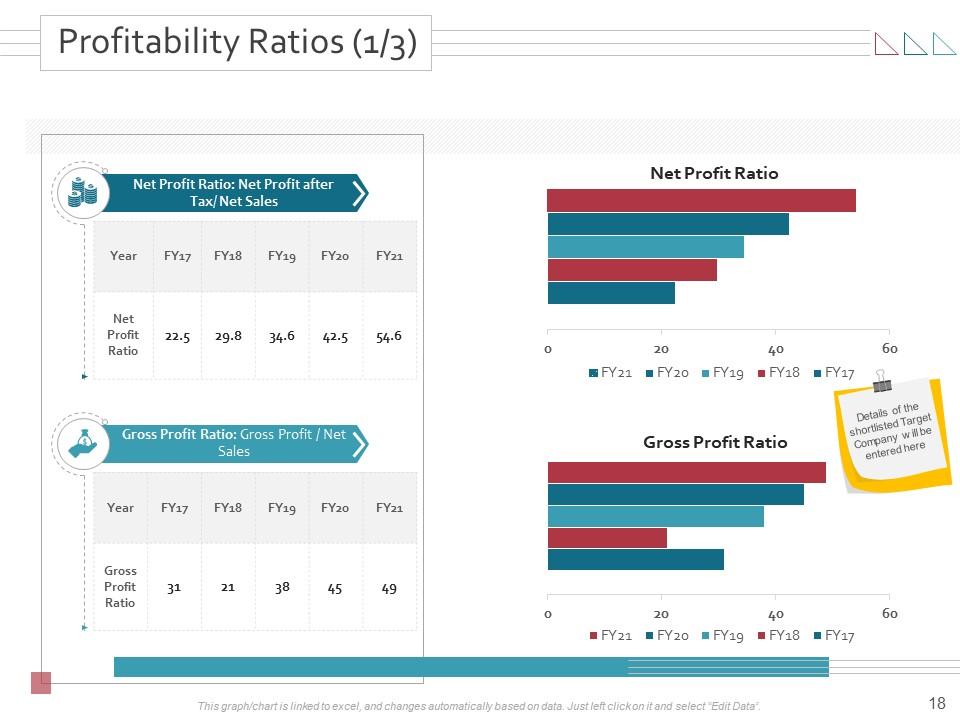
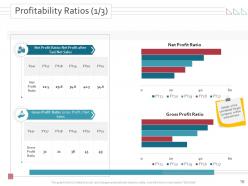
Slide 18 : Este slide apresenta Índices de Lucratividade descrevendo- Lucro Líquido após Impostos, Índice de Lucro Líquido, Índice de Lucro Bruto, etc.
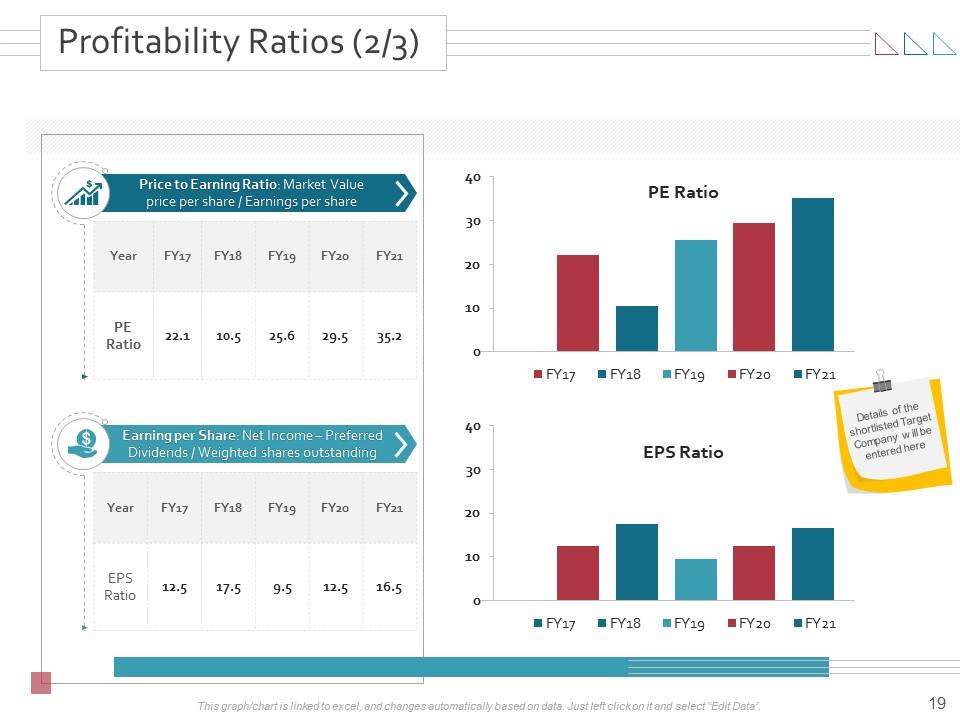
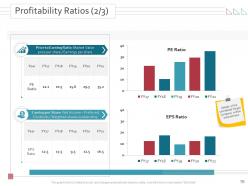
Slide 19 : Este é outro slide mostrando os Índices de Lucratividade descrevendo- Índice PE, Índice EPS, etc.
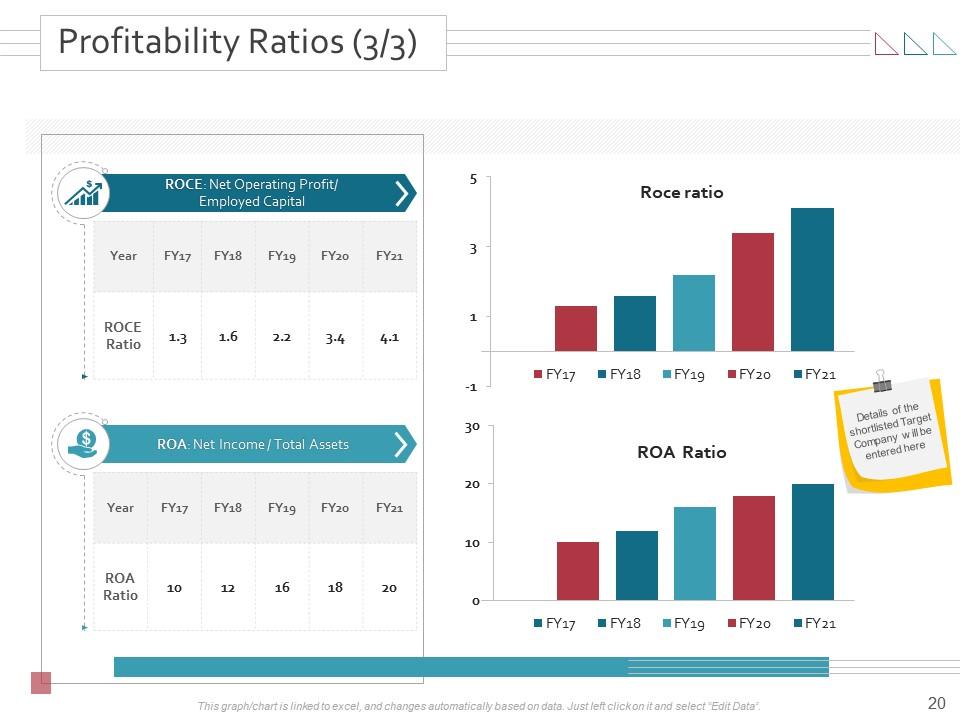
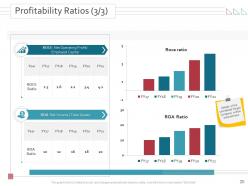
Slide 20 : Este é outro slide mostrando os Índices de Lucratividade descrevendo - Capital Empregado, Índice Roce, Índice ROA, etc.
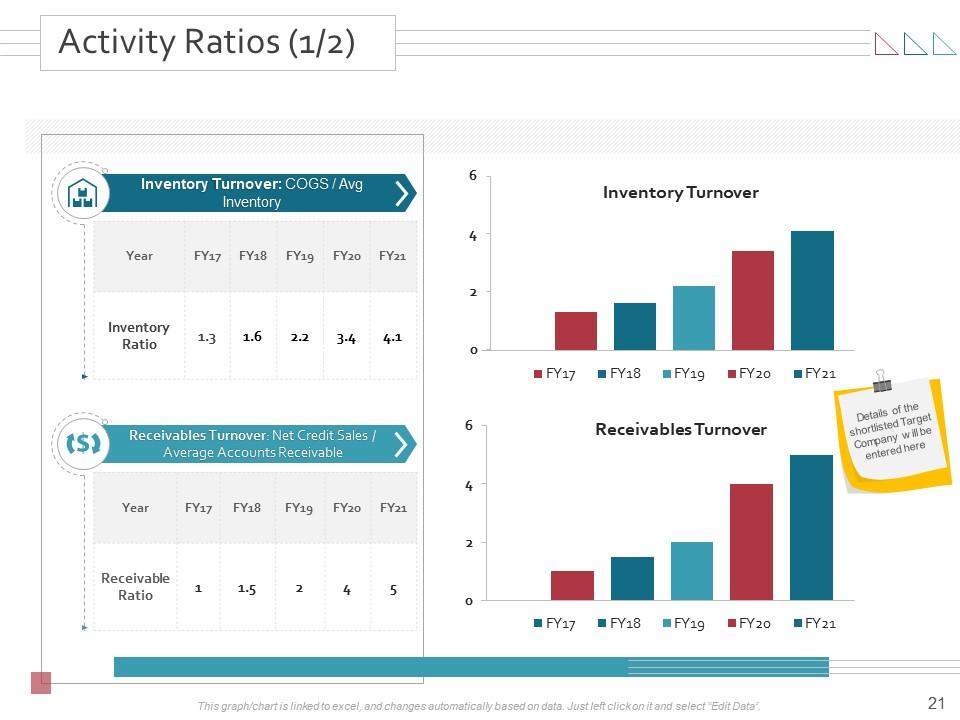
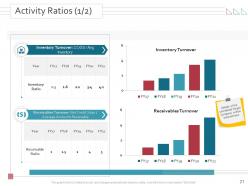
Slide 21 : Este slide exibe os Índices de Atividade descrevendo-Giro de Estoque, Giro de Recebíveis, etc.
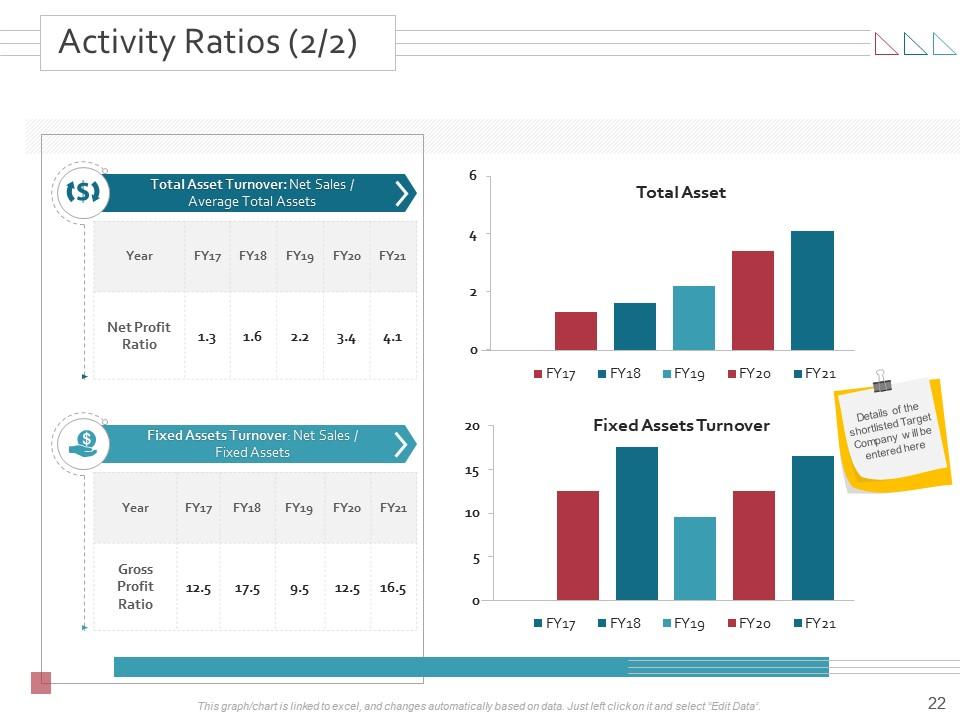
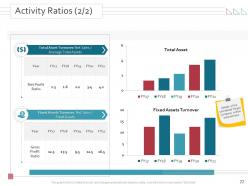
Slide 22 : Este slide mostra os Índices de Atividade descrevendo - Ativo Fixo, Ativo Total, Rotatividade de Ativo Fixo, etc.
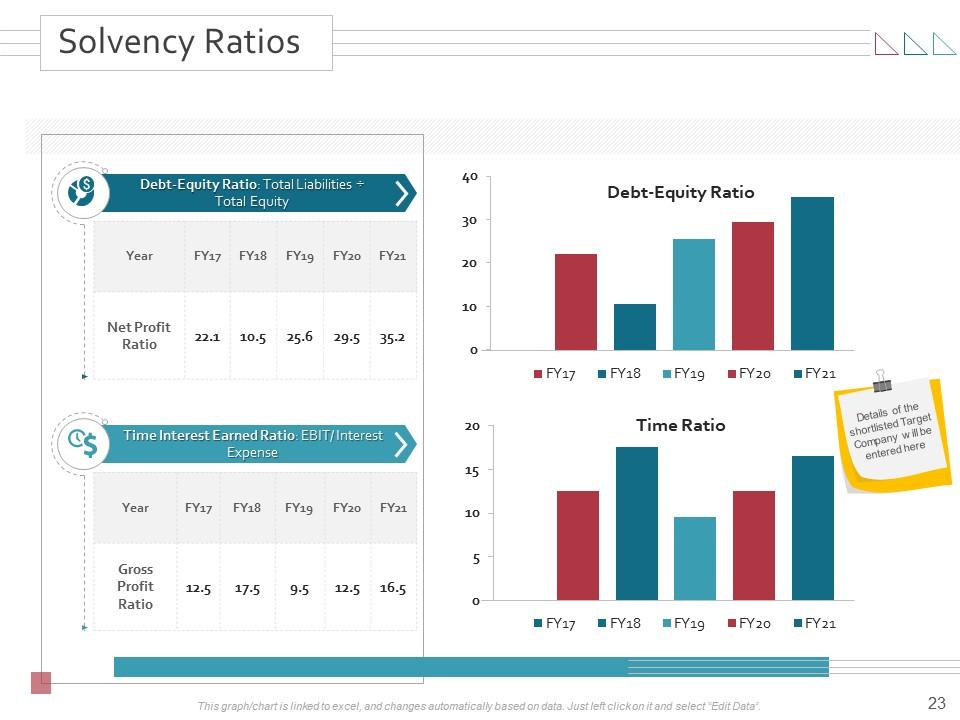
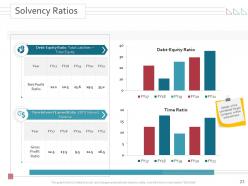
Slide 23 : Este slide apresenta os Índices de Solvência descrevendo - Índice de Dívida-Capital, Índice de Tempo, etc.
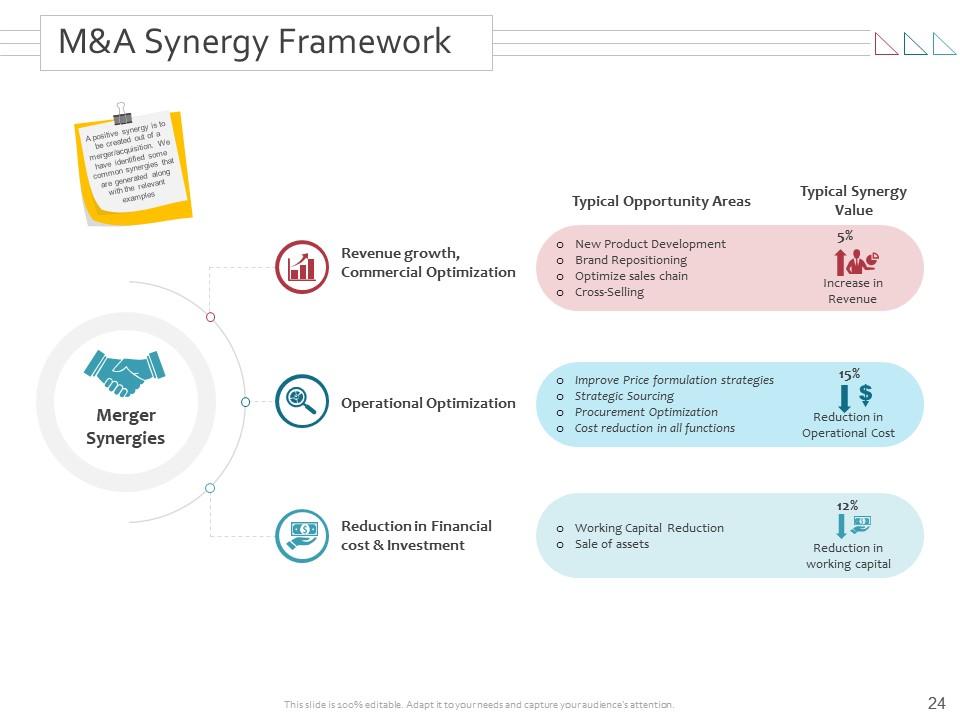
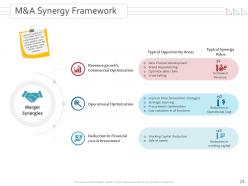
Slide 24 : Este slide mostra a estrutura de sinergia de M&A descrevendo - Desenvolvimento de Novos Produtos, Reposicionamento de Marca, Otimização da Cadeia de Vendas, etc.
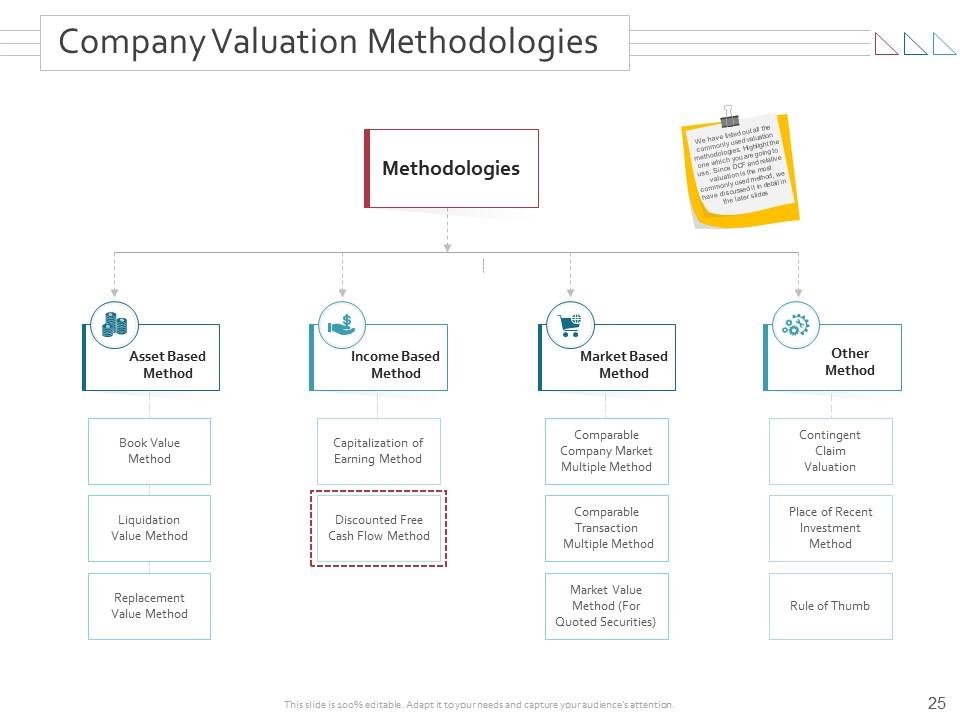
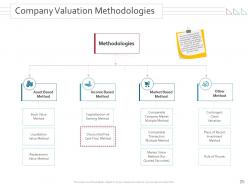
Slide 25 : Este slide apresenta as Metodologias de Avaliação de Empresas.
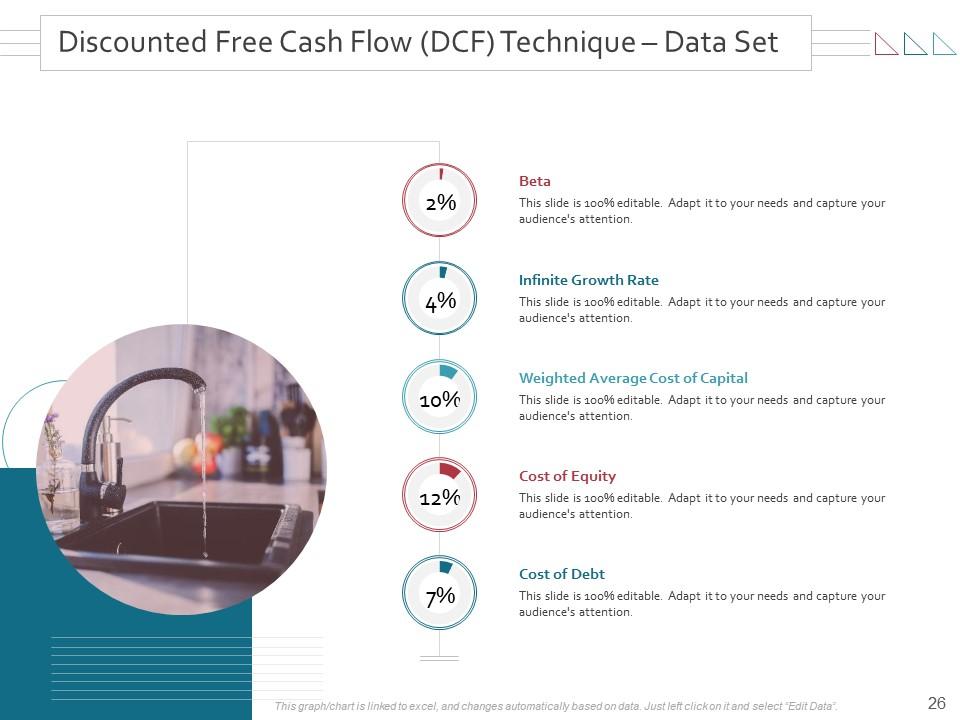
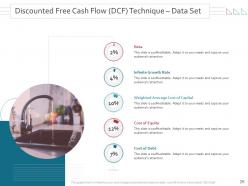
Slide 26 : Este slide mostra a Técnica de Fluxo de Caixa Livre Descontado (FCD) – Conjunto de Dados.
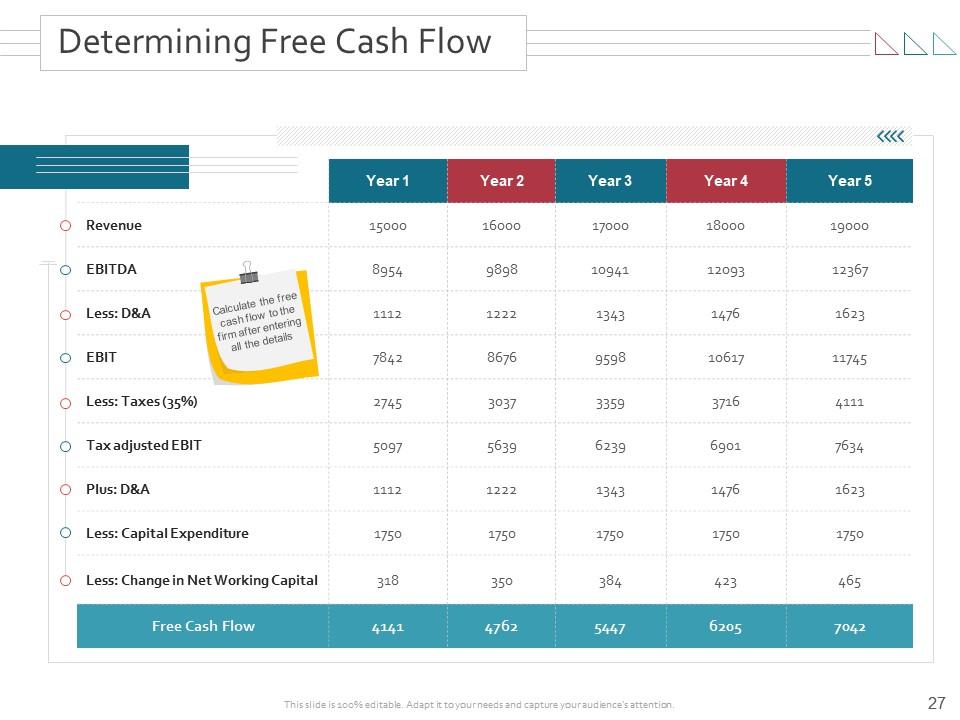
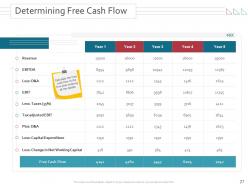
Slide 27 : Este slide apresenta a Determinação do Fluxo de Caixa Livre.
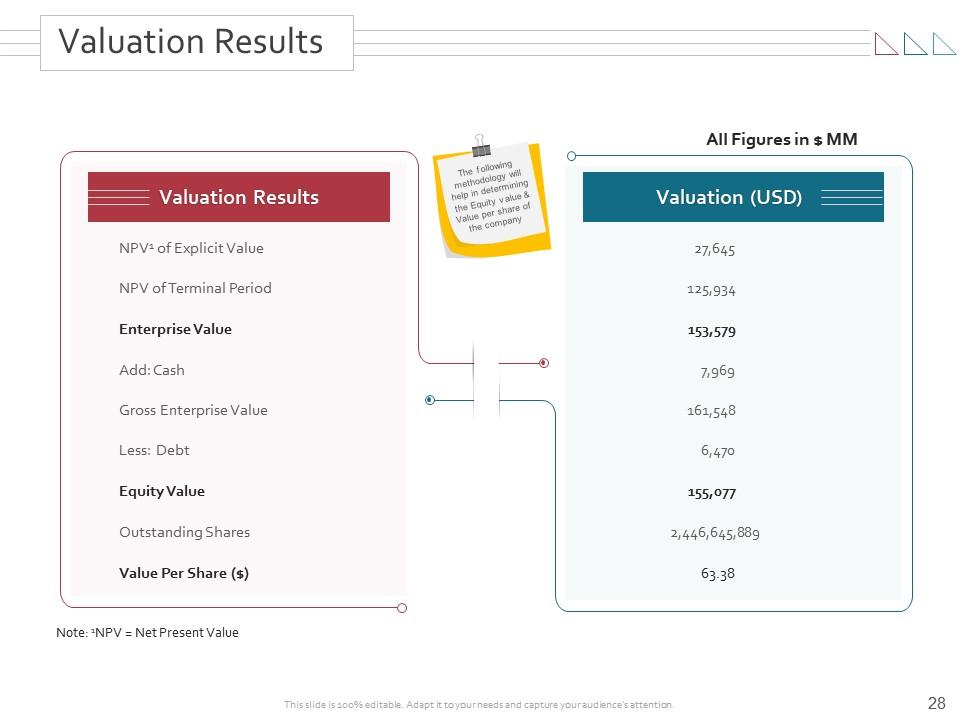
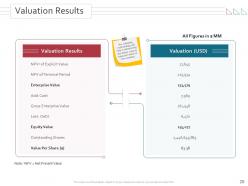
Slide 28 : Este slide mostra os Resultados da Avaliação com caixas de texto adicionais.
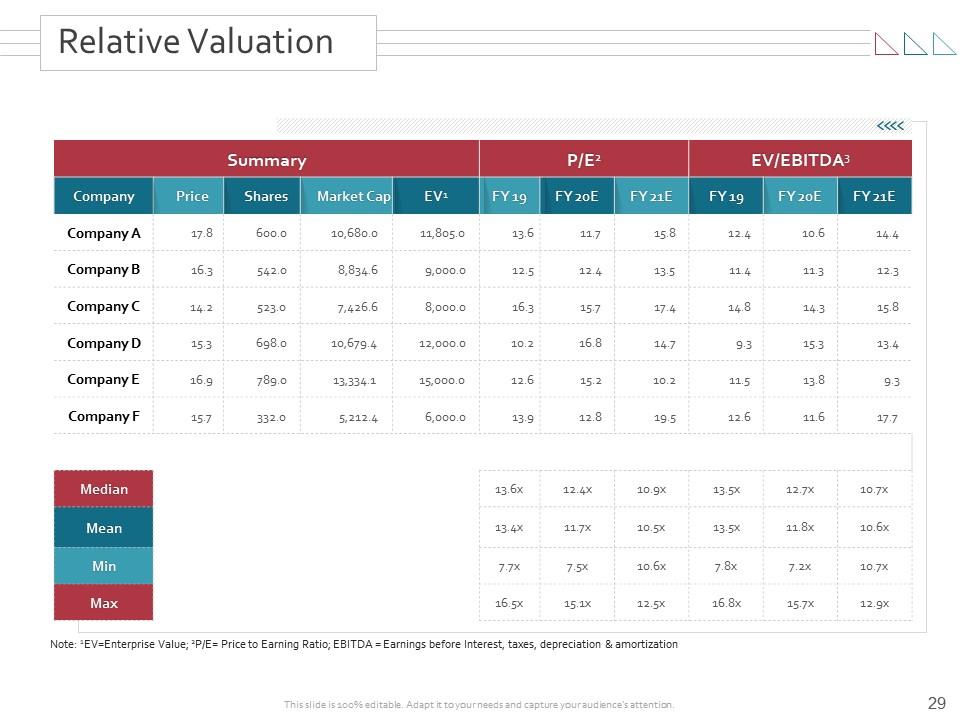
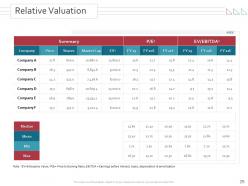
Slide 29 : Este slide exibe a Avaliação Relativa com imagens relacionadas.
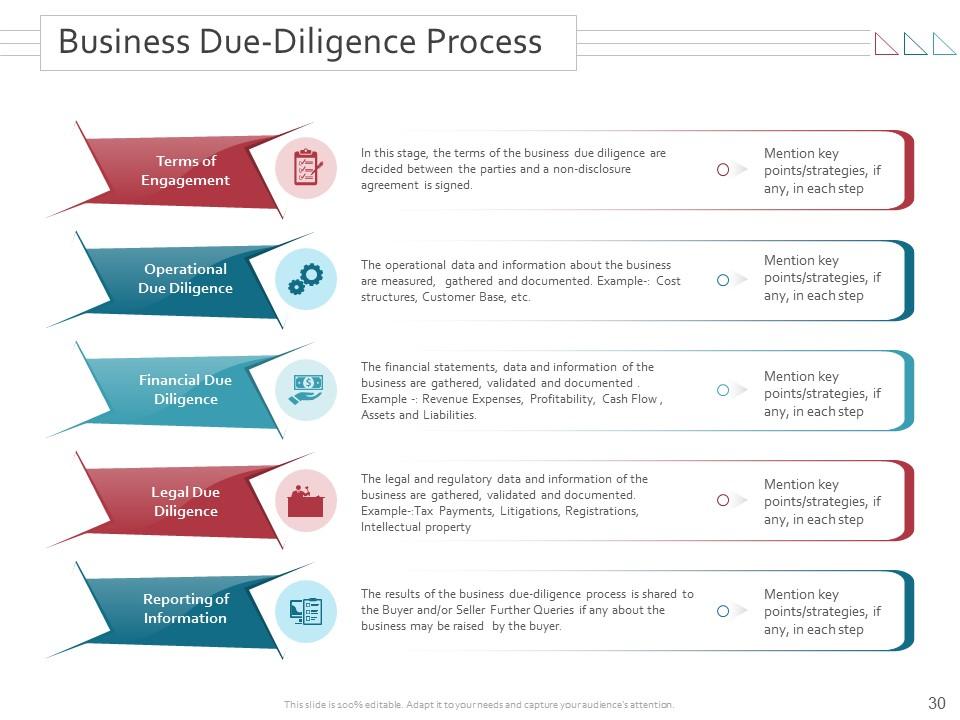
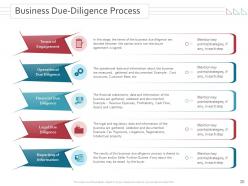
Slide 30 : Este slide mostra o Processo de Due Diligence de Negócios descrevendo- Due Diligence Operacional, Due Diligence Financeira, Due Diligence Legal, etc.
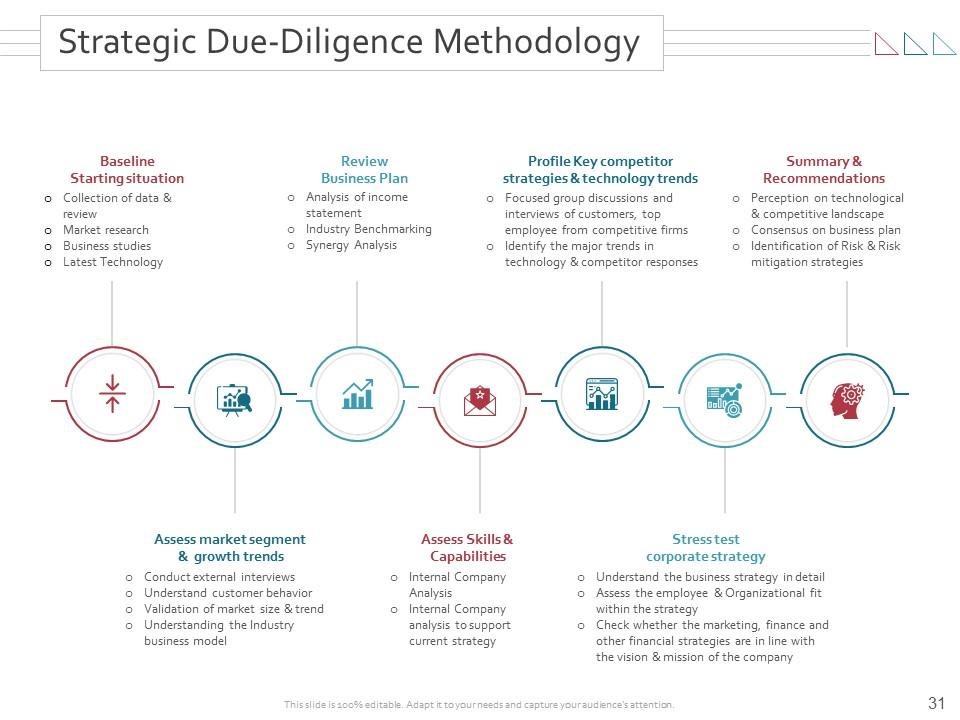
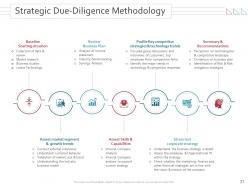
Slide 31 : Este slide representa a Metodologia de Due Diligence Estratégica.
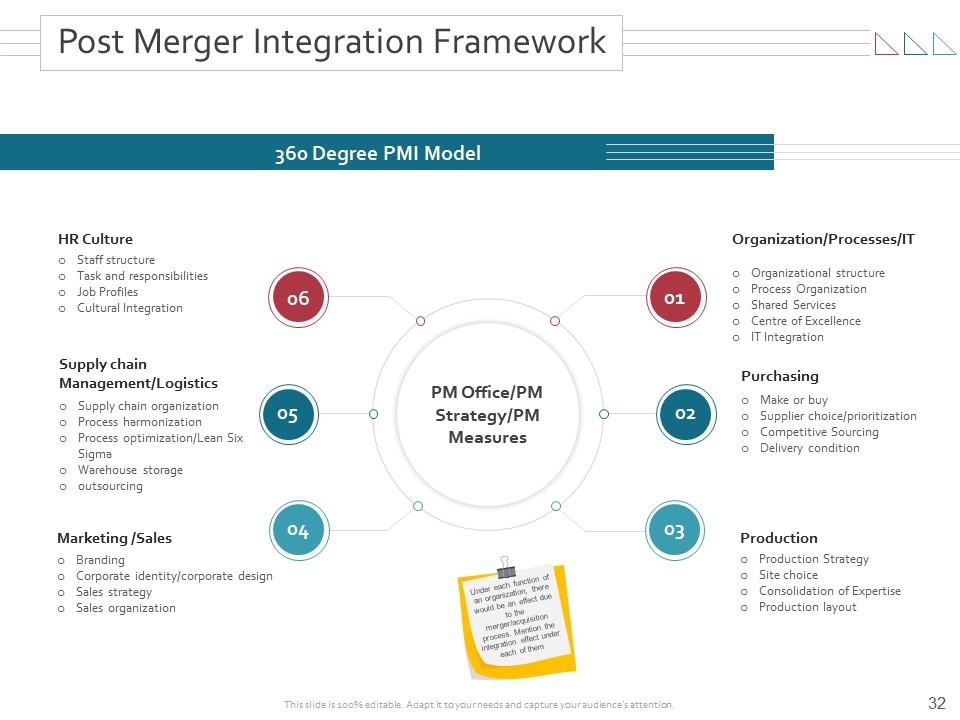
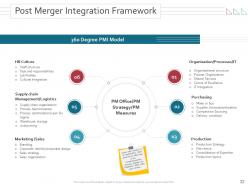
Slide 32 : Este slide mostra o Post Merger Integration Framework.
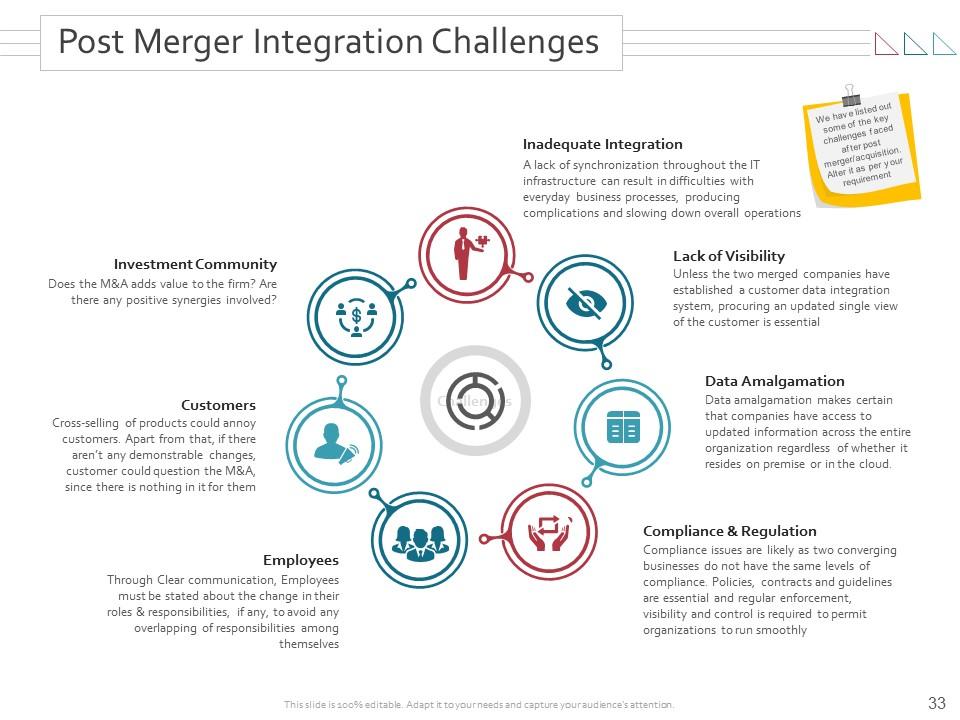
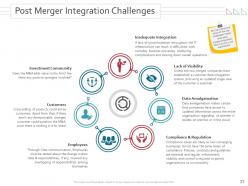
Slide 33 : Este slide apresenta os Desafios de Integração Pós-fusão.
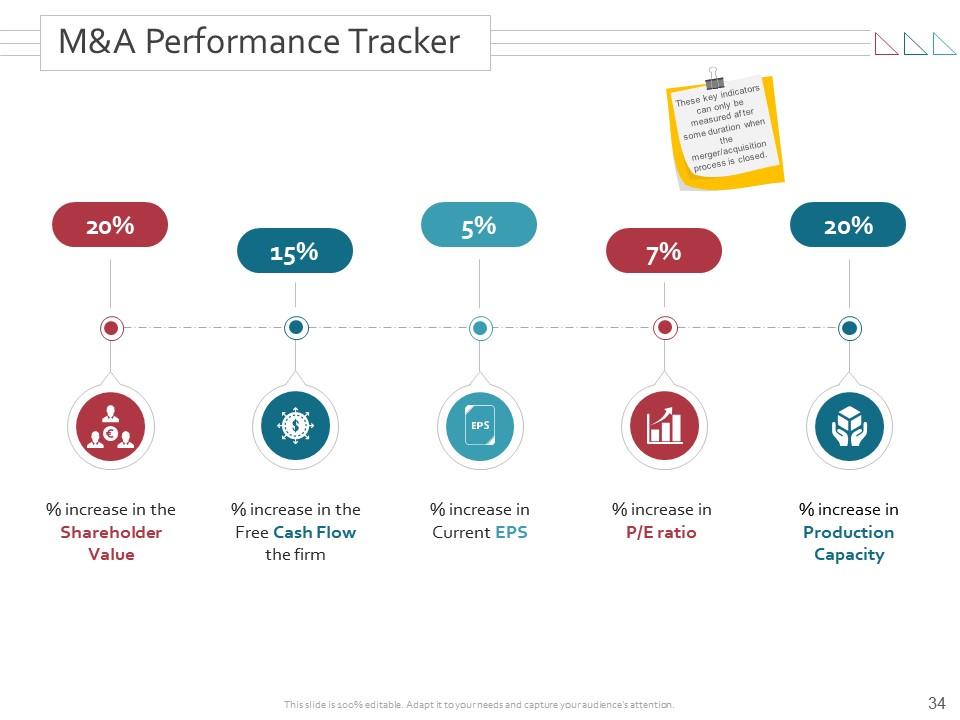
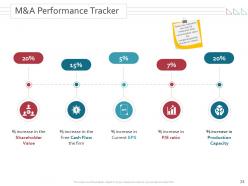
Slide 34 : Este slide mostra o M&A Performance Tracker com ícones e textos relacionados.
Slide 35 : Este slide exibe os ícones de Fusões e Incorporações.
Slide 36 : Este slide lembra um Coffee Break.
Slide 37 : Este slide é intitulado como Gráficos e gráficos para avançar.
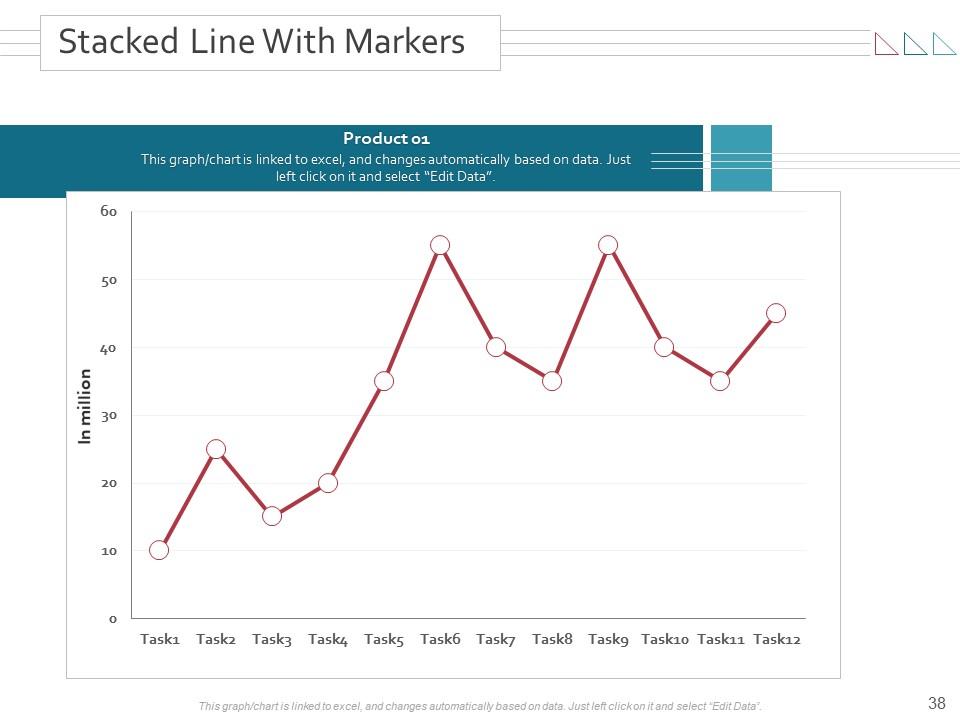
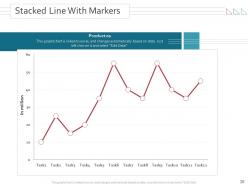
Slide 38 : Este slide apresenta a linha empilhada com marcadores.
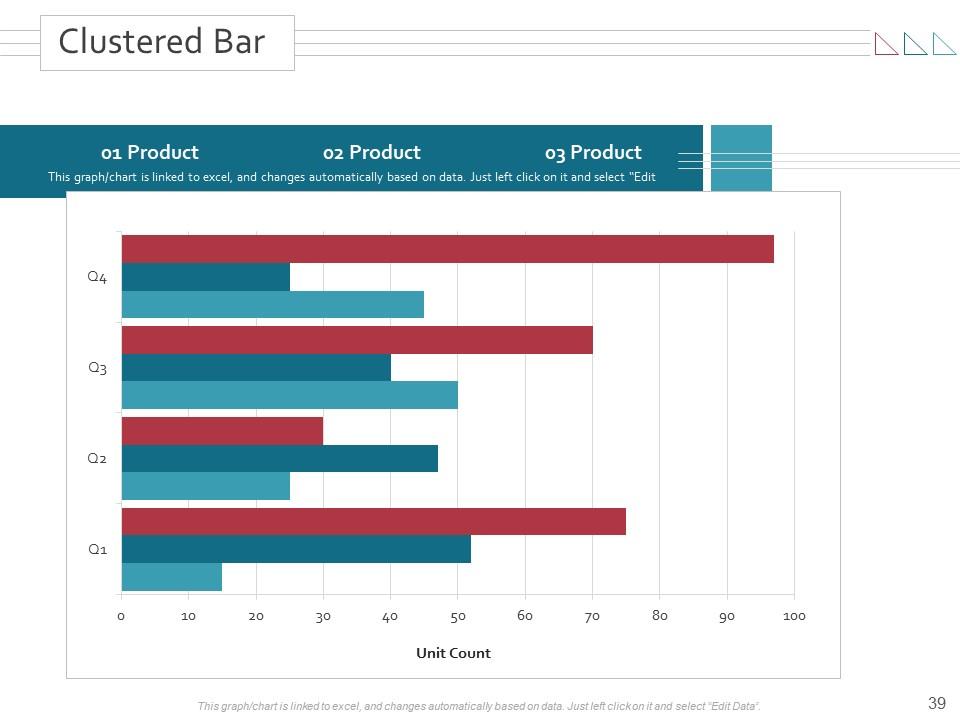
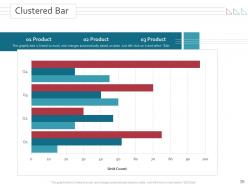
Slide 39 : Este slide mostra o gráfico de Barras Agrupadas com comparação de três produtos.
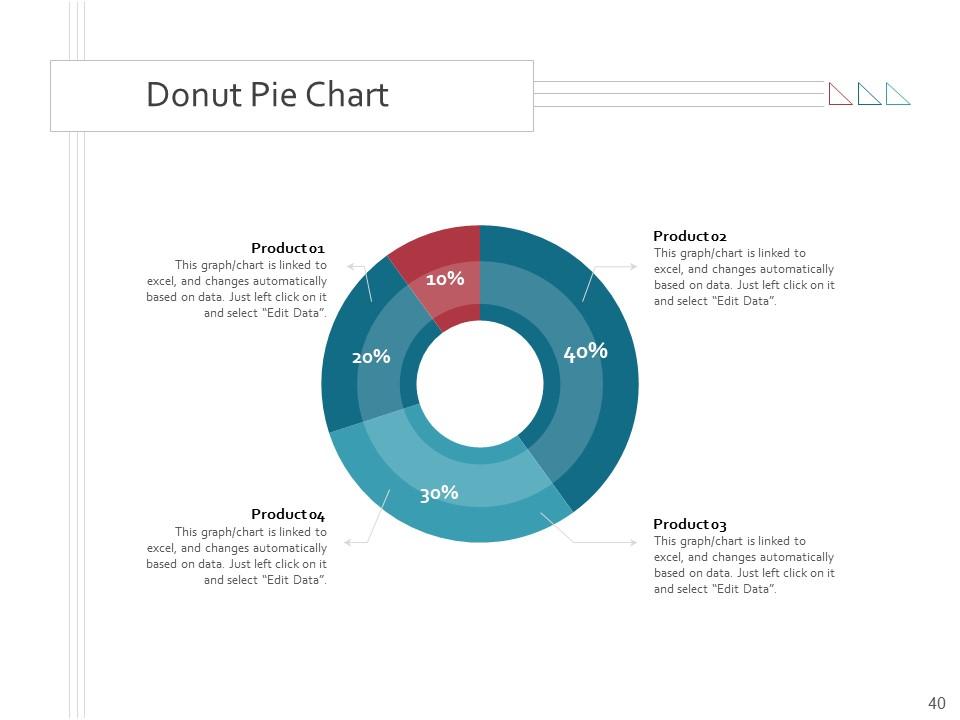
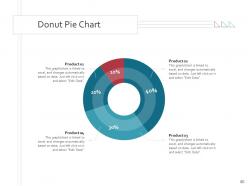
Slide 40 : Este slide representa o gráfico de pizza de donuts com dados em porcentagem.
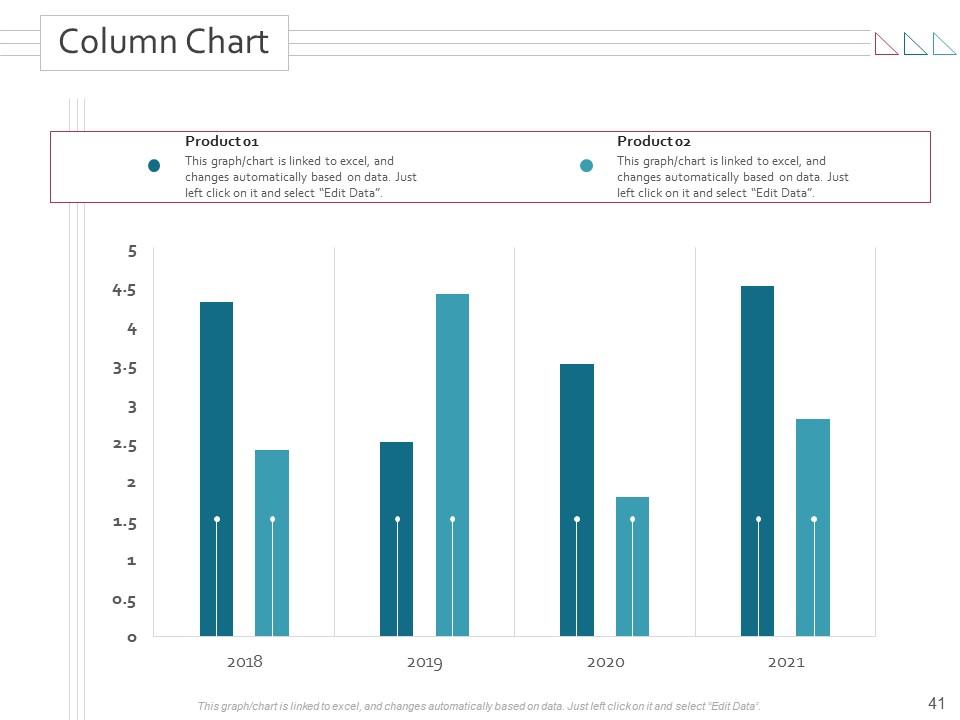
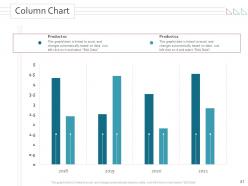
Slide 41 : Este slide mostra o Gráfico de Colunas com a comparação de dois produtos.
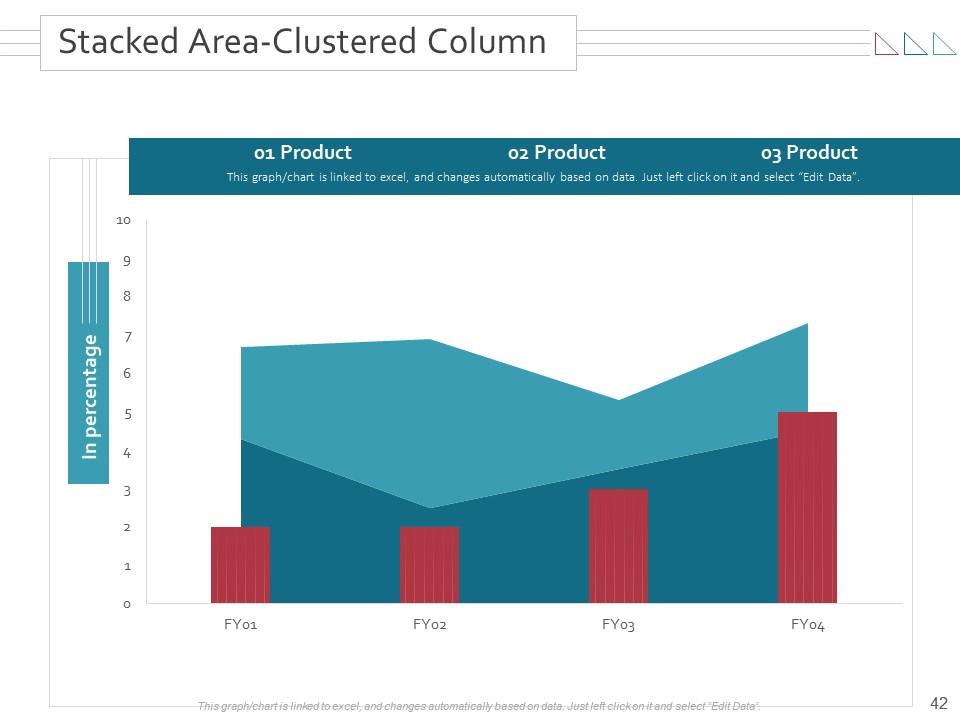
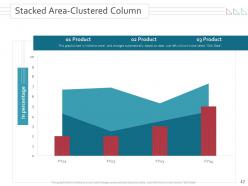
Slide 42 : Este slide apresenta a Coluna Agrupada de Áreas Empilhadas.
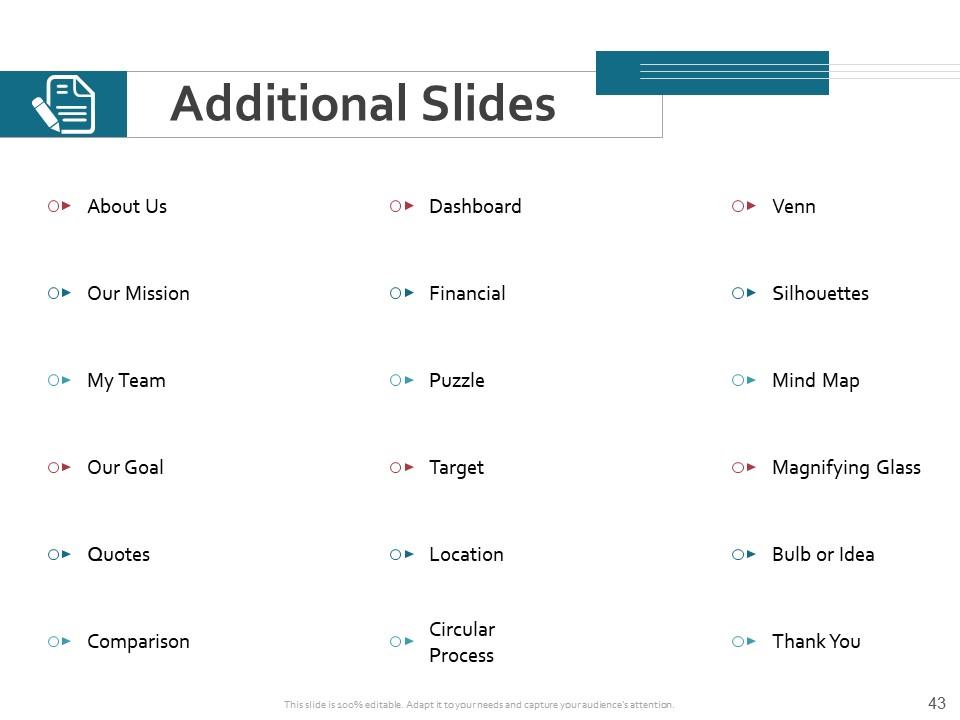
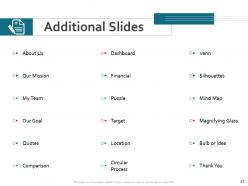
Slide 43 : Este slide é intitulado como Slides Adicionais para avançar.
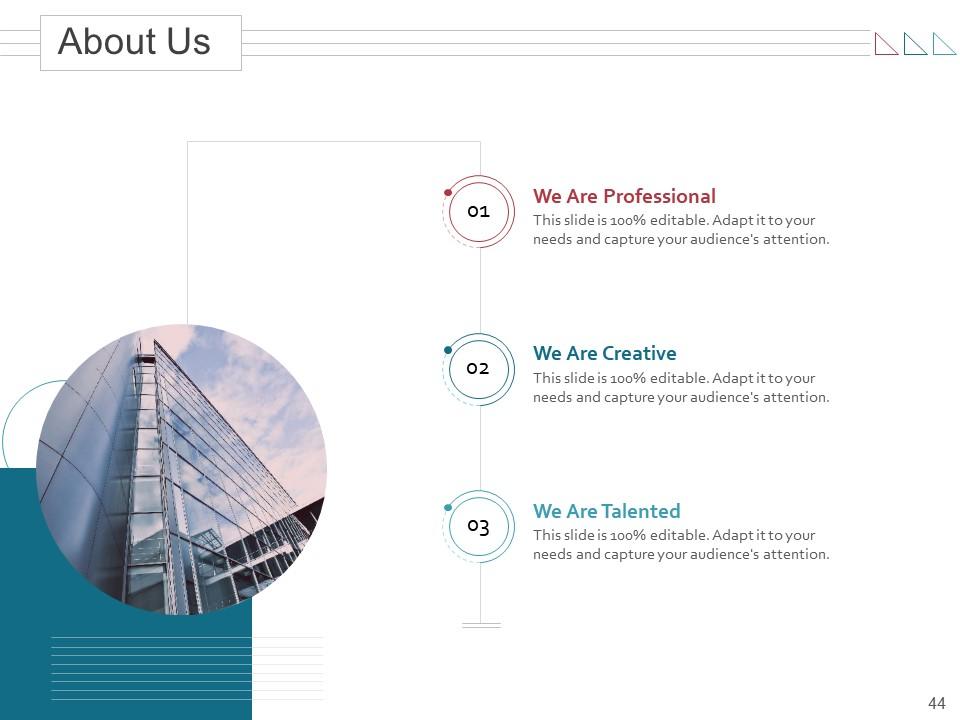
Slide 44 : Este é um slide sobre nós para mostrar as especificações da empresa etc.
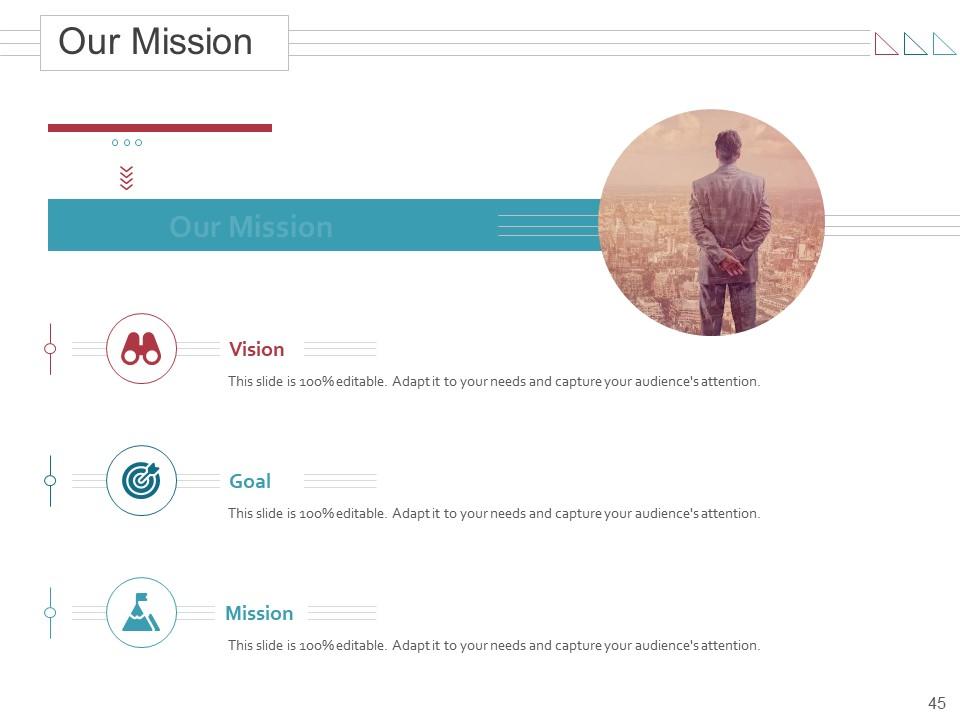
Slide 45 : Este é o slide Nossa Missão com imagens e textos relacionados.
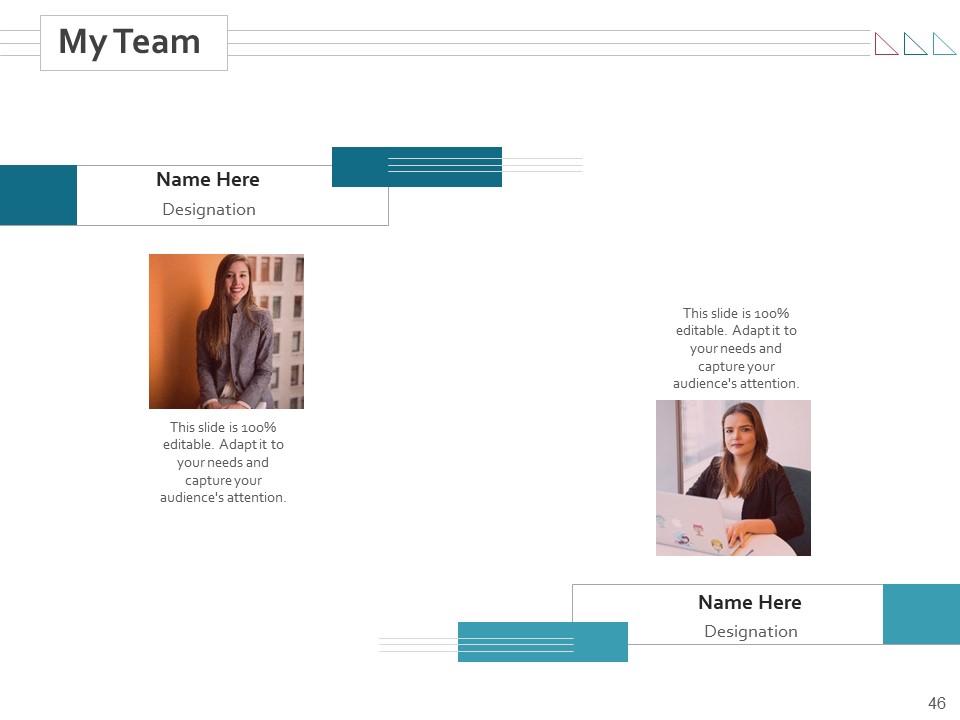
Slide 46 : Este é o slide Nossa Equipe com nomes e designação.
Slide 47 : Este é o slide Nossa Meta. Indique os objetivos da sua empresa aqui.
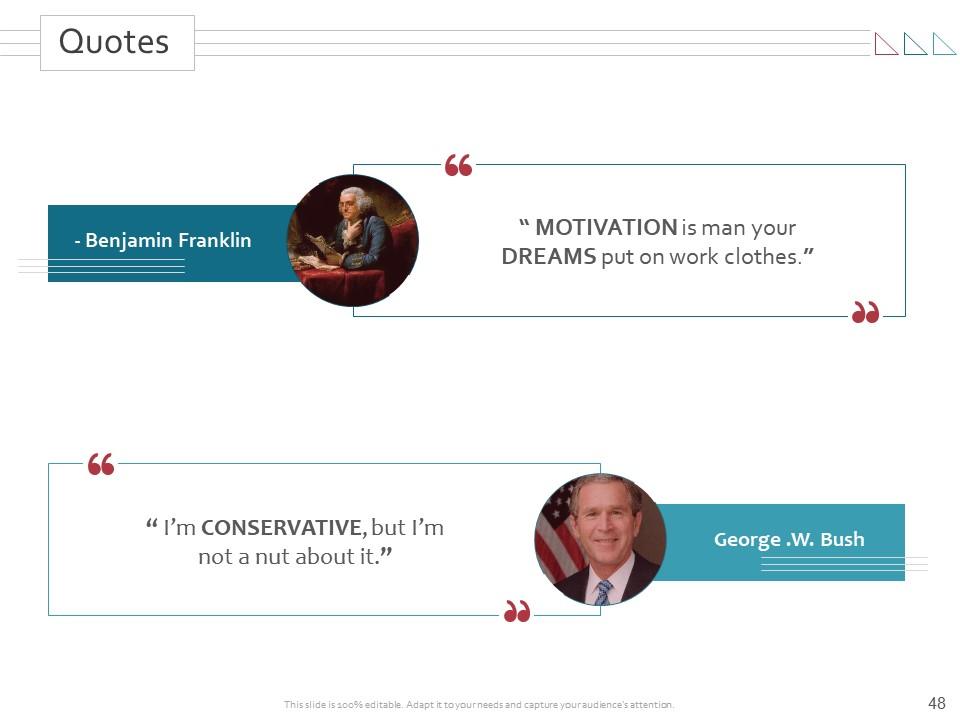
Slide 48 : Este é um slide de Cotações para transmitir mensagens, crenças, etc.
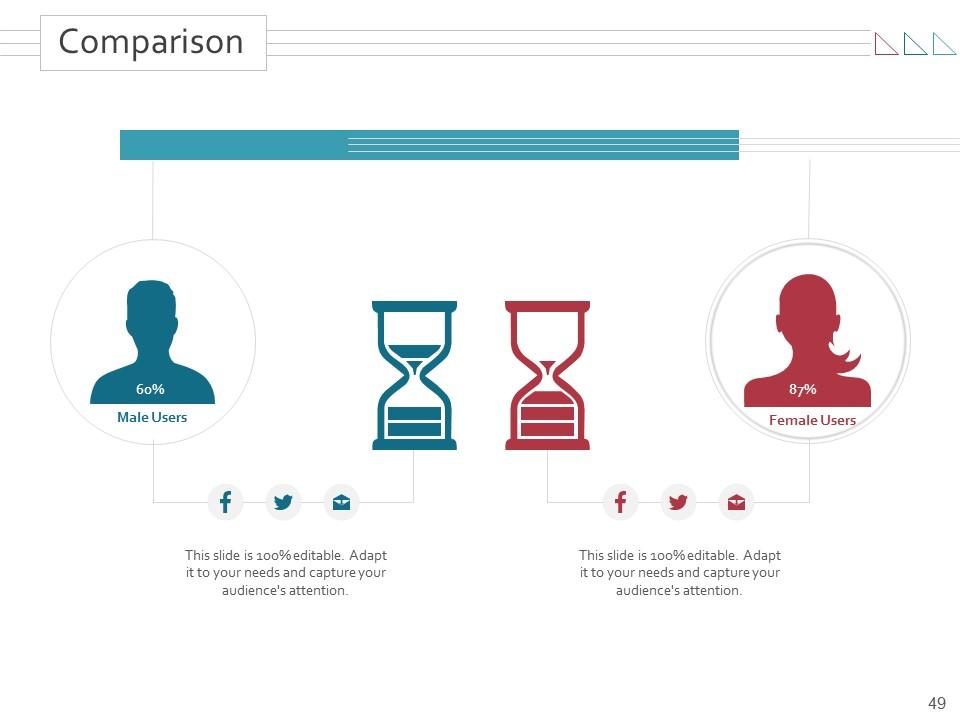
Slide 49 : Este é um slide de comparação para comparação de estados entre commodities, entidades etc.
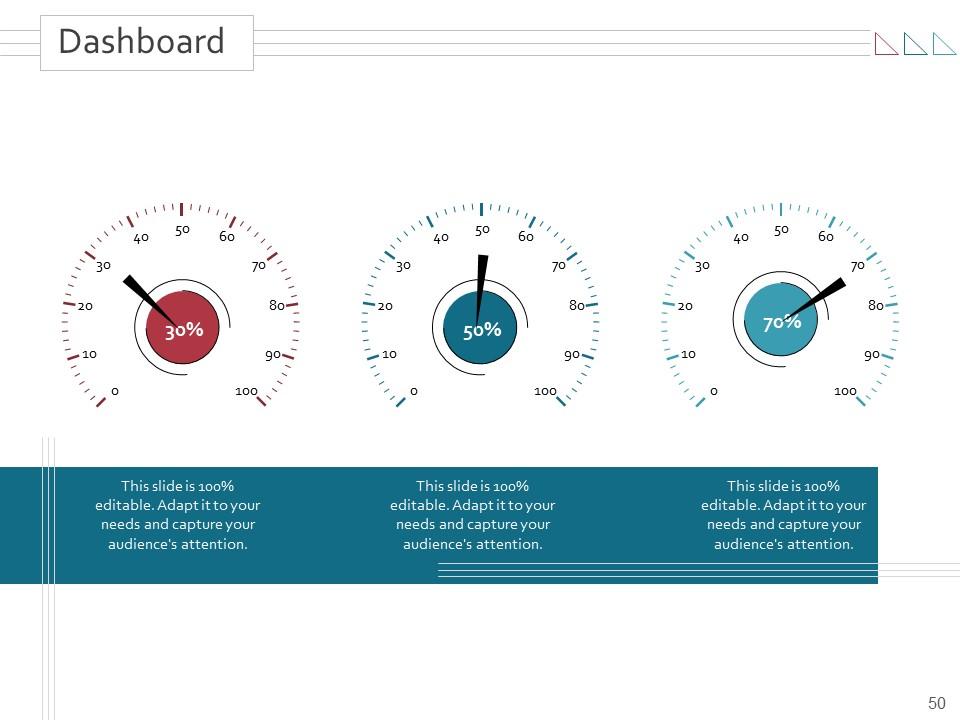
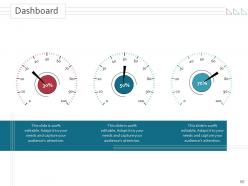
Slide 50 : Este slide mostra o Dashboard com caixas de texto adicionais para mostrar informações.
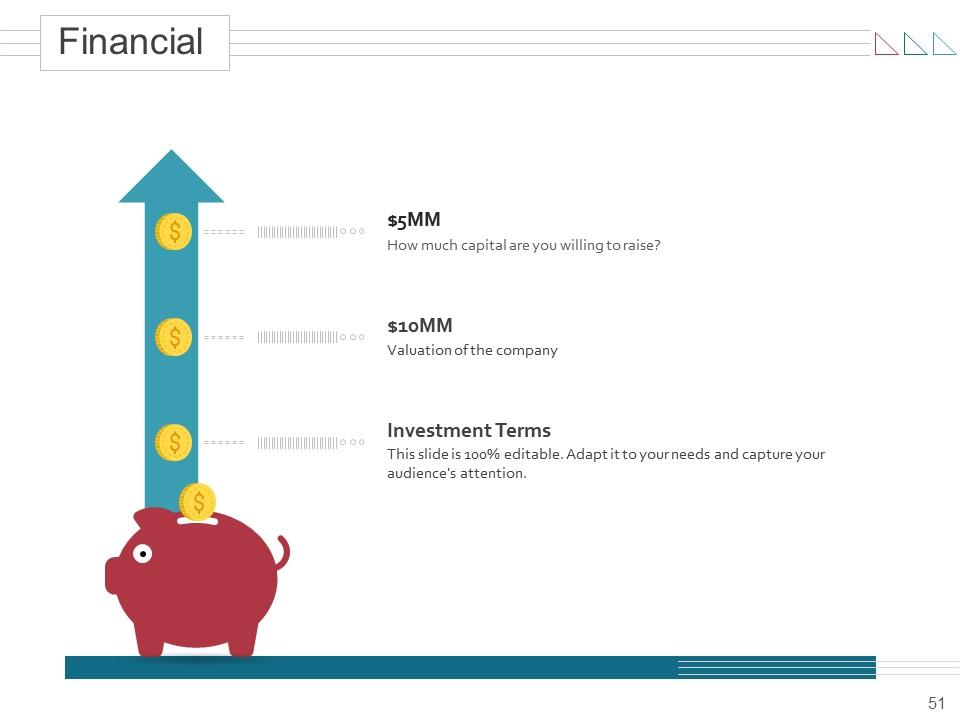
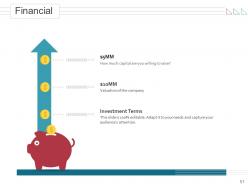
Slide 51 : Este é um slide financeiro. Mostre suas coisas relacionadas a finanças aqui.
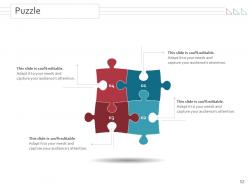
Slide 52 : Este slide mostra o Quebra-cabeça com ícones e textos relacionados.
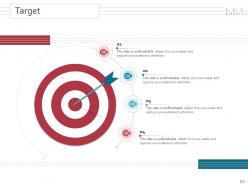
Slide 53 : Este é o slide Nossa Meta. Indique seus alvos aqui.
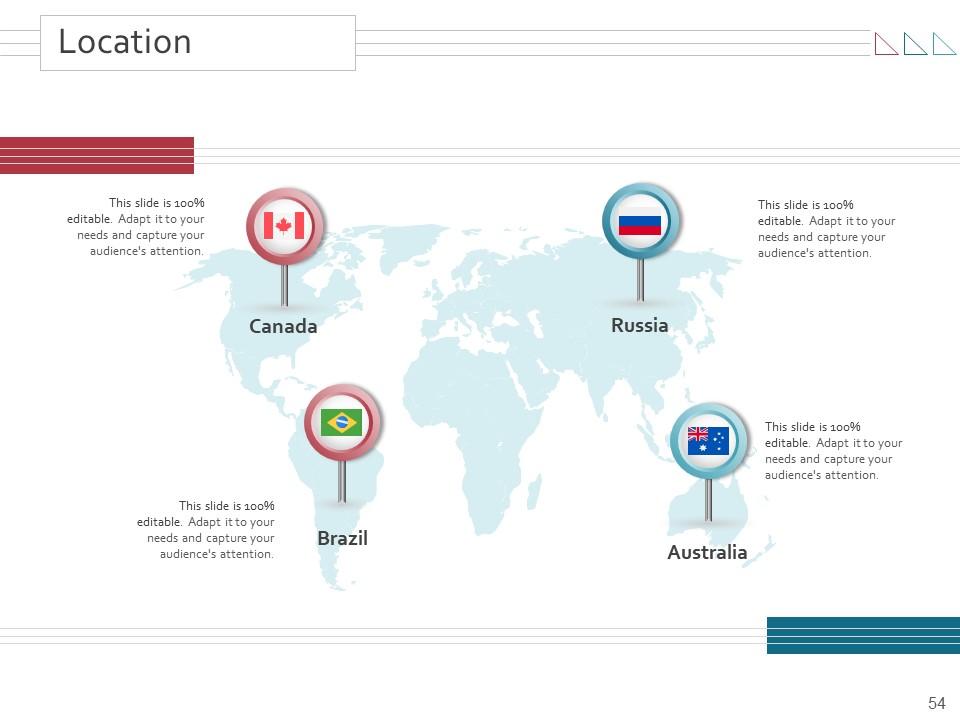
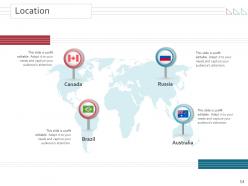
Slide 54 : Este é um slide de localização com mapas para mostrar dados relacionados a diferentes locais.
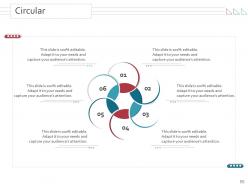
Slide 55 : Este slide mostra a Circular com caixas de texto adicionais.
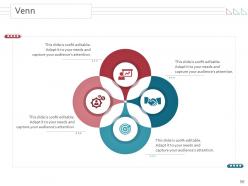
Slide 56 : Este slide apresenta o diagrama de Venn com caixas de texto.
Slide 57 : Este slide exibe Silhuetas com ícones e textos relacionados.
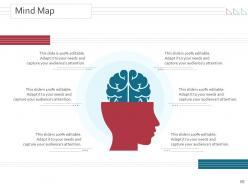
Slide 58 : Este slide representa o Mapa Mental com caixas de texto adicionais.
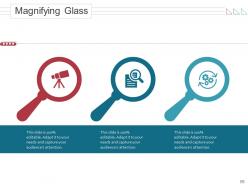
Slide 59 : Este slide mostra a Lupa para destacar informações, especificações, etc.
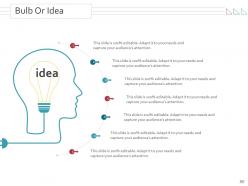
Slide 60 : Este é um slide de Geração de Ideias para apresentar uma nova ideia ou destacar informações, especificações, etc.
Slide 61 : Este é um slide de agradecimento com endereço, números de contato e endereço de e-mail.
Merger And Takeovers Slides de apresentação em Powerpoint com todos os 61 slides:
Use nossos slides de apresentação em Powerpoint sobre fusões e aquisições para ajudá-lo a economizar seu valioso tempo. Eles estão prontos para se encaixar em qualquer estrutura de apresentação.
-
Nice and innovative design.
-
Best way of representation of the topic.
-
Understandable and informative presentation.
-
Great product with effective design. Helped a lot in our corporate presentations. Easy to edit and stunning visuals.
-
Enough space for editing and adding your own content.
-
Unique and attractive product design.
-
Colors used are bright and distinctive.
-
Great product with highly impressive and engaging designs.
-
Designs have enough space to add content.
