


Slides de Apresentação em Powerpoint de Análise Micro e Macro Ambiental
A análise ambiental, seja micro ou macro, tem um impacto significativo no acompanhamento e sucesso das atividades de marketing. Onde a microanálise é baseada no ambiente próximo em que a empresa opera, a análise macro afeta todas as empresas de negócios PESTEL. Confira nosso modelo de Análise Ambiental Micro E Macro competentemente projetado para coletar dados para a tomada de decisões estratégicas. A apresentação do PPT visa identificar e avaliar ameaças e oportunidades de negócios presentes e futuras. Além disso, determinará o impacto das forças ambientais no modelo de negócios. O deck apresenta detalhes sobre o painel financeiro, a necessidade de realizar a análise, principais tendências, forças da indústria, etc. O modelo perspicaz inclui etapas envolvidas na análise ambiental, ferramentas para identificar fatores 5C, PESTAL, técnicas para escanear os fatores SWOT, STEP , e mais. A apresentação do PPT também exibe a matriz BCG, modelo de cinco forças de Porter, matriz de perfil competitivo, matriz de portfólio McKinsey, matriz TWOS, matriz SPACE, matriz quantitativa, etc. O deck mostra o impacto previsto das variáveis ambientais e um painel financeiro para impacto nos negócios monitorando. Obtenha acesso agora.


























-

- Google Slides is a new FREE Presentation software from Google.
- All our content is 100% compatible with Google Slides.
- Just download our designs, and upload them to Google Slides and they will work automatically.
- Amaze your audience with SlideTeam and Google Slides.
-

Want Changes to This PPT Slide? Check out our Presentation Design Services
-

- WideScreen Aspect ratio is becoming a very popular format. When you download this product, the downloaded ZIP will contain this product in both standard and widescreen format.
-

- Some older products that we have may only be in standard format, but they can easily be converted to widescreen.
- To do this, please open the SlideTeam product in Powerpoint, and go to
- Design ( On the top bar) -> Page Setup -> and select "On-screen Show (16:9)” in the drop down for "Slides Sized for".
- The slide or theme will change to widescreen, and all graphics will adjust automatically. You can similarly convert our content to any other desired screen aspect ratio.
Compatible With Google Slides

Get This In WideScreen
You must be logged in to download this presentation.


Do you want to remove this product from your favourites?
Características destes slides de apresentação do PowerPoint:
Esta apresentação completa tem slides PPT em uma ampla gama de tópicos, destacando as principais áreas de suas necessidades de negócios. Ele possui modelos projetados profissionalmente com recursos visuais relevantes e conteúdo direcionado ao assunto. Este deck de apresentação tem um total de quarenta e quatro slides. Obtenha acesso aos modelos personalizáveis. Nossos designers criaram modelos editáveis para sua conveniência. Você pode editar a cor, o texto e o tamanho da fonte conforme sua necessidade. Você pode adicionar ou excluir o conteúdo, se necessário. Você está a apenas um clique de distância para ter esta apresentação pronta. Clique no botão de download agora.

People who downloaded this PowerPoint presentation also viewed the following :
Conteúdo desta apresentação em PowerPoint
Slide 1 : Este slide apresenta a Micro & Macro Análise Ambiental. Indique o nome da sua empresa e comece.
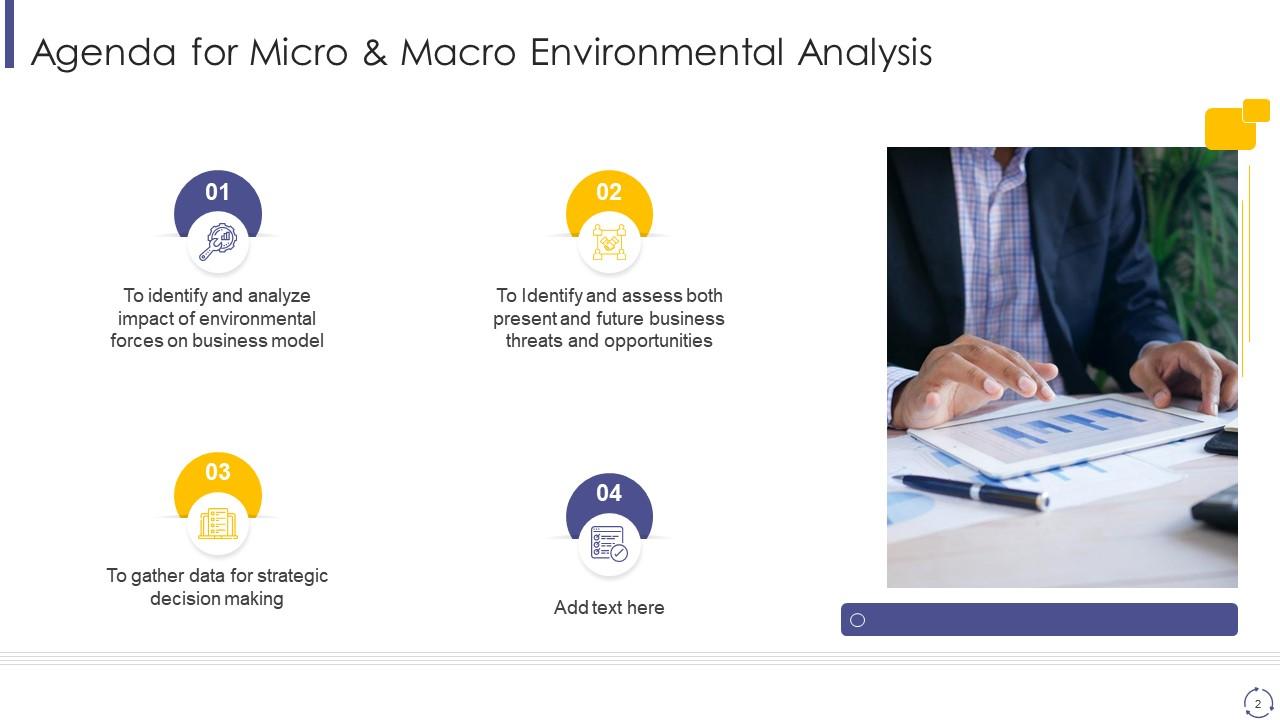
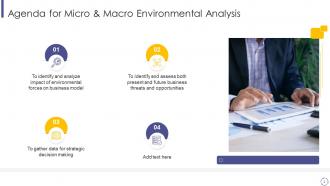
Slide 2 : Este slide mostra a Agenda para Análises Micro e Macroambientais.
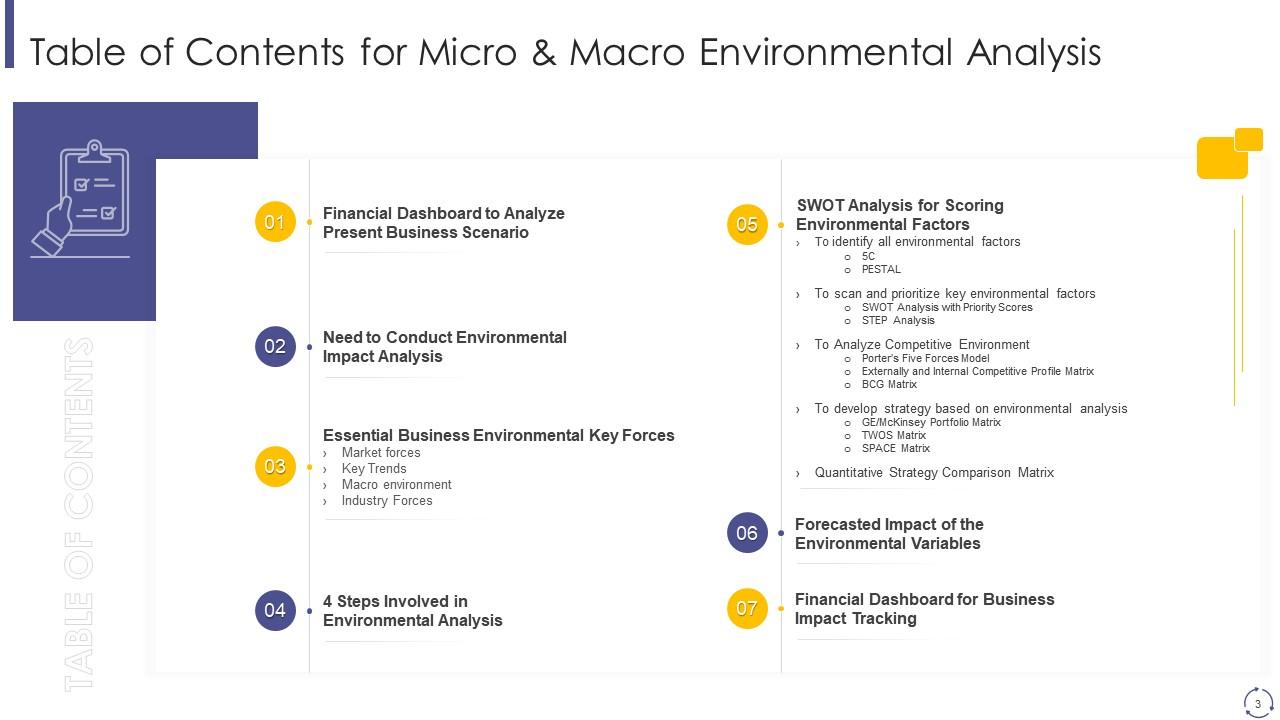
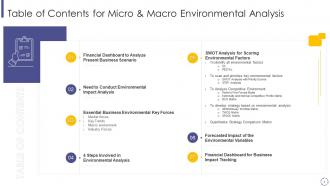
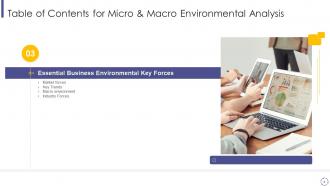
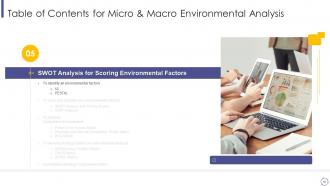
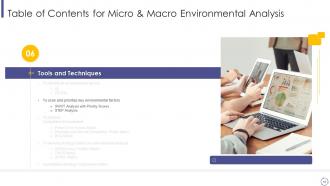
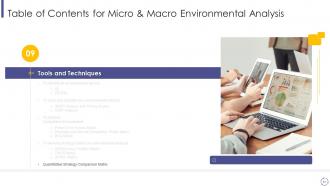
Slide 3 : Este slide apresenta o Índice para Análises Micro e Macroambientais.
Slide 4 : Este slide exibe o título dos tópicos que serão abordados a seguir no modelo.
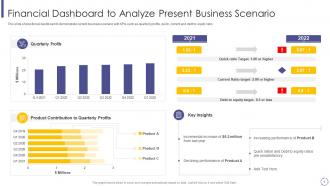
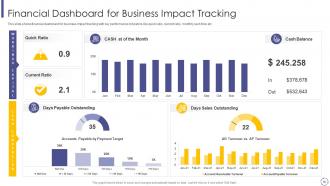
Slide 5 : Este slide representa o painel financeiro para analisar o cenário atual de negócios.
Slide 6 : Este slide mostra o título dos tópicos que serão abordados a seguir no modelo.
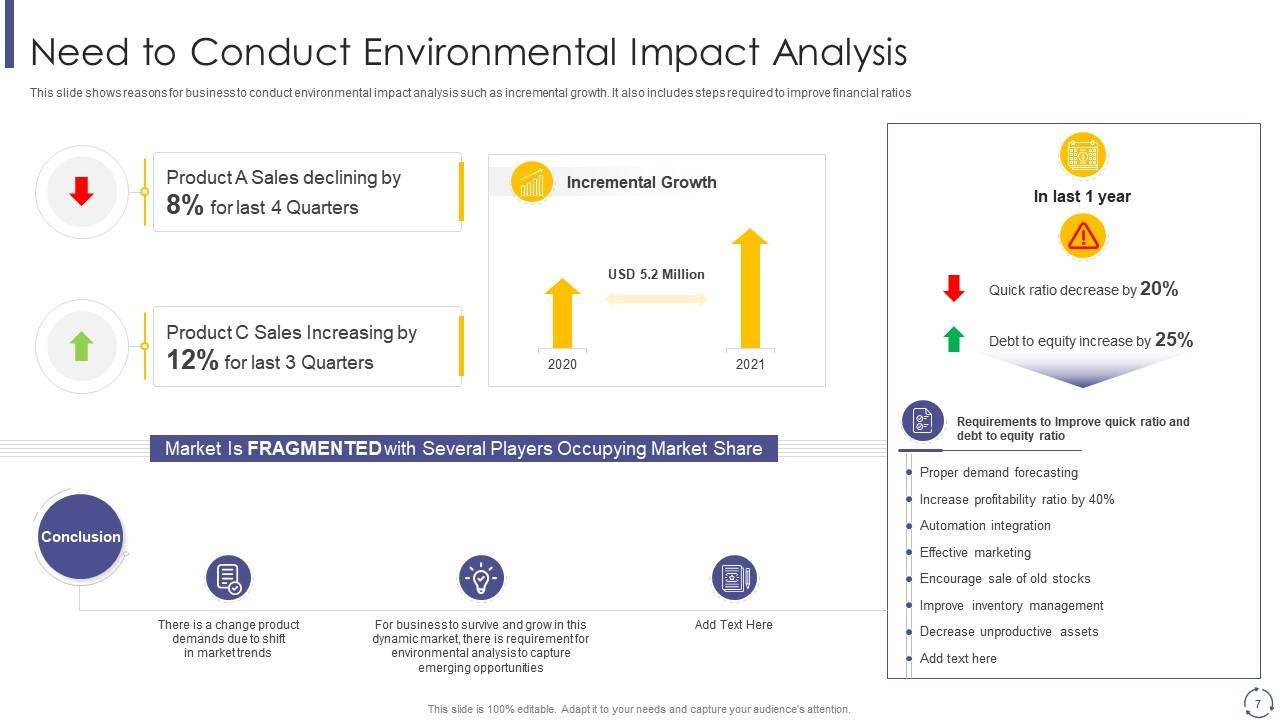
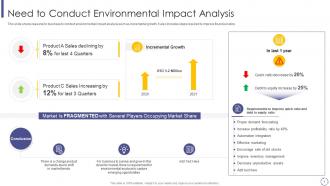
Slide 7 : Este slide mostra os motivos para as empresas realizarem análises de impacto ambiental.
Slide 8 : Este slide apresenta o título dos tópicos que serão abordados a seguir no modelo.
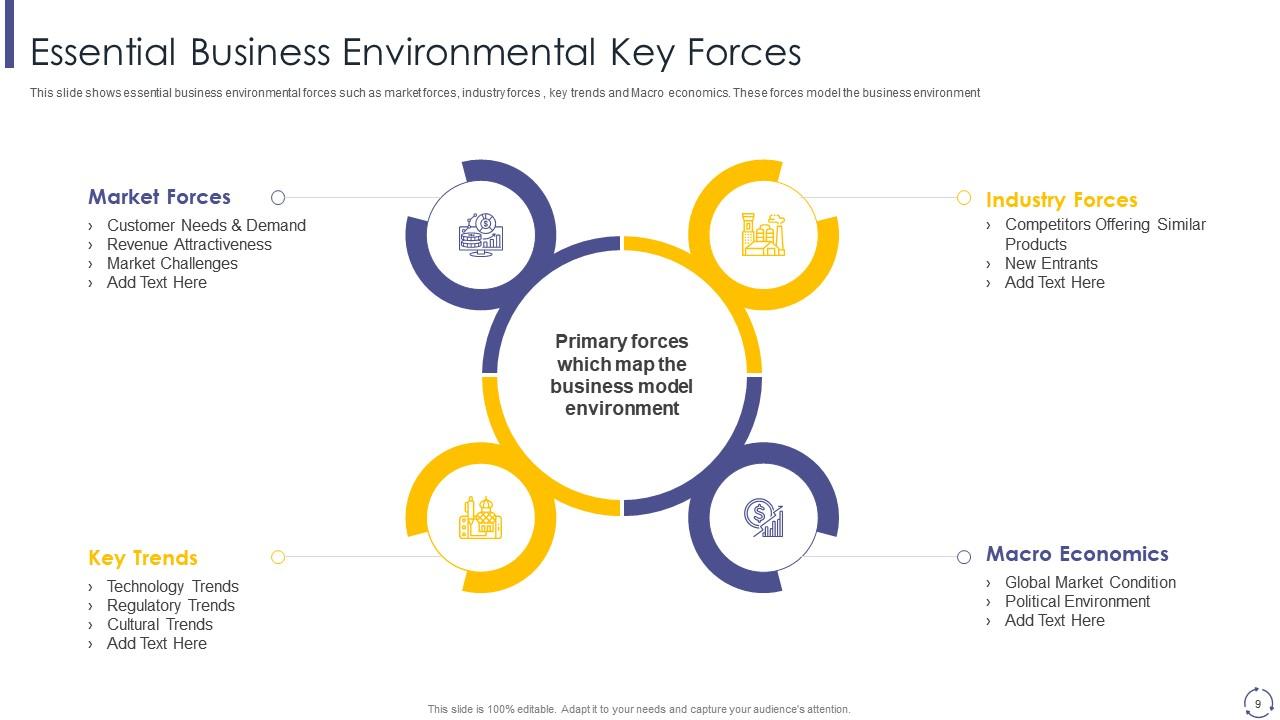
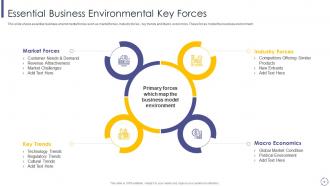
Slide 9 : Este slide mostra as forças ambientais essenciais dos negócios, como forças de mercado, forças da indústria, etc.
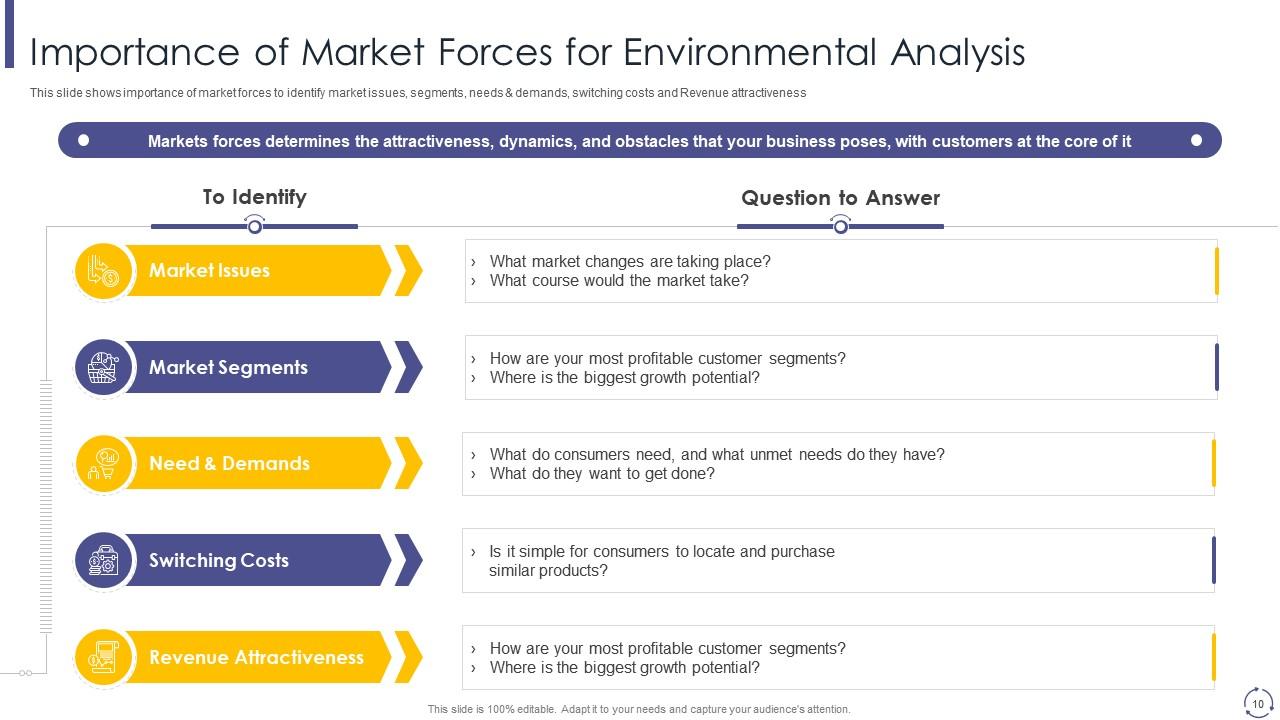
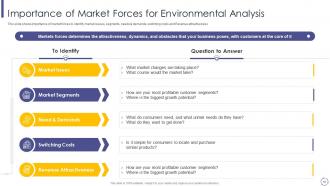
Slide 10 : Este slide representa a importância das forças de mercado para identificar questões de mercado, segmentos, necessidades e demandas, etc.
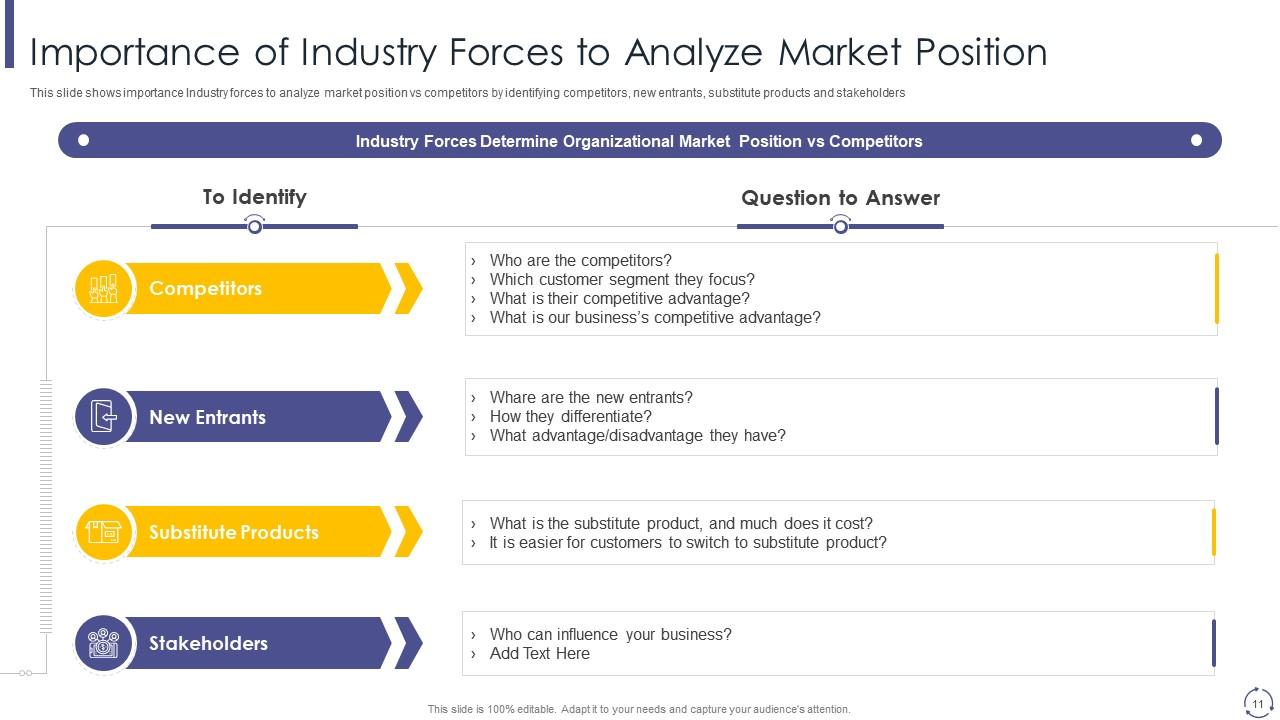
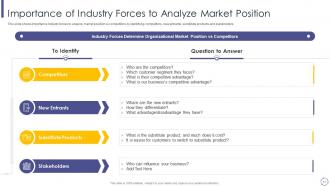
Slide 11 : Este slide mostra a importância das forças da indústria para analisar a posição de mercado versus concorrentes, identificando concorrentes, novos participantes, etc.
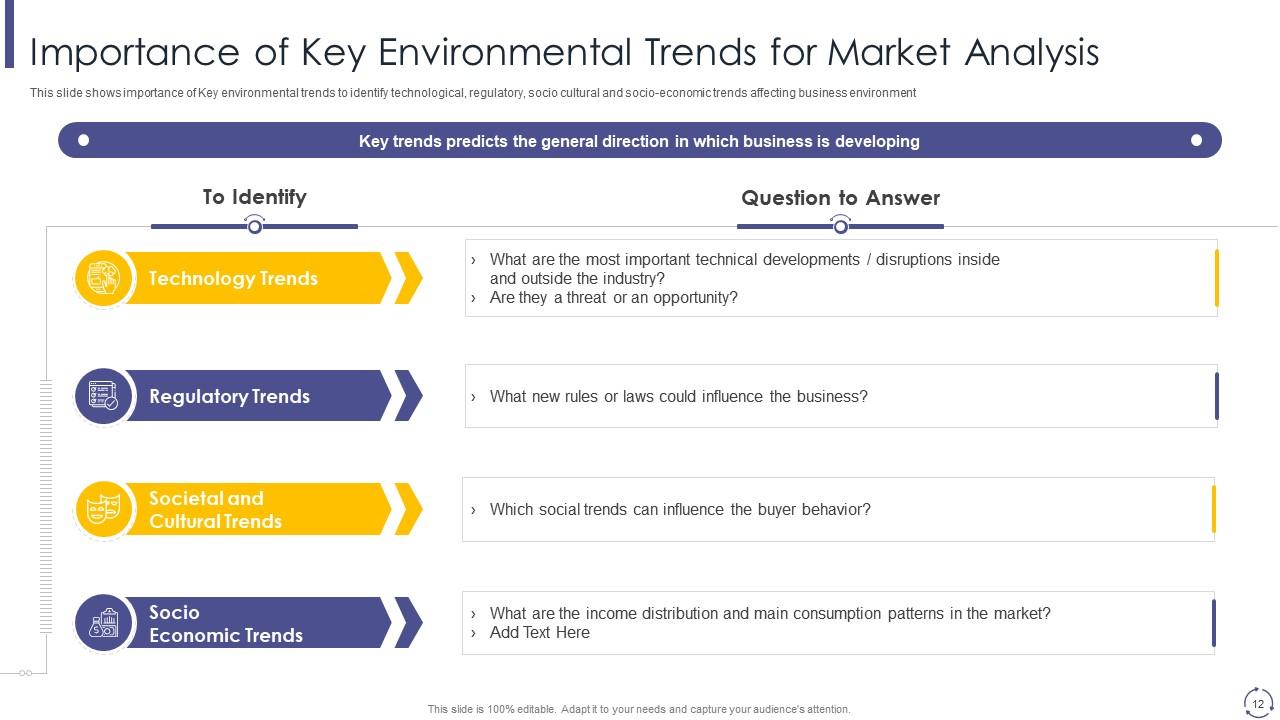
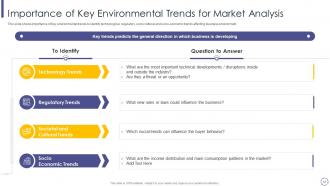
Slide 12 : Este slide mostra a importância das principais tendências ambientais para identificar as tendências tecnológicas, regulatórias, etc.
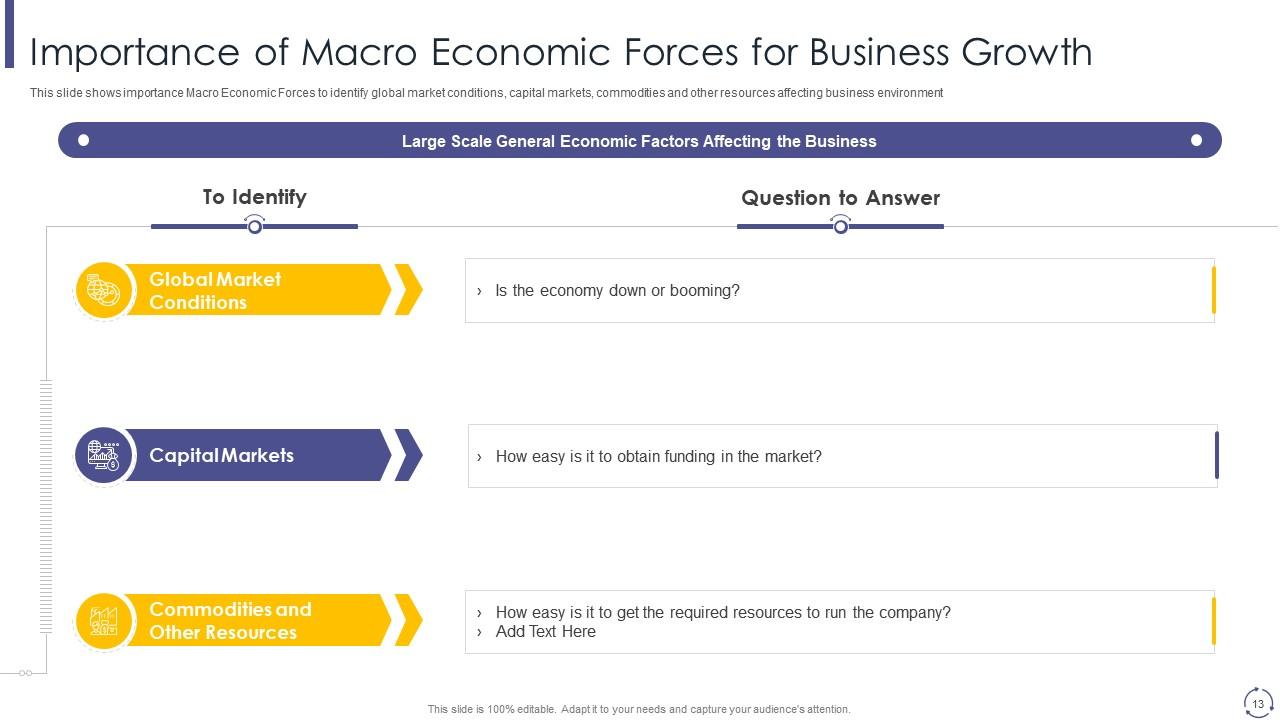
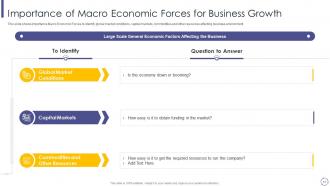
Slide 13 : Este slide apresenta a Importância das Forças Macroeconômicas para o Crescimento dos Negócios.
Slide 14 : Este slide exibe o título dos tópicos que serão abordados a seguir no modelo.
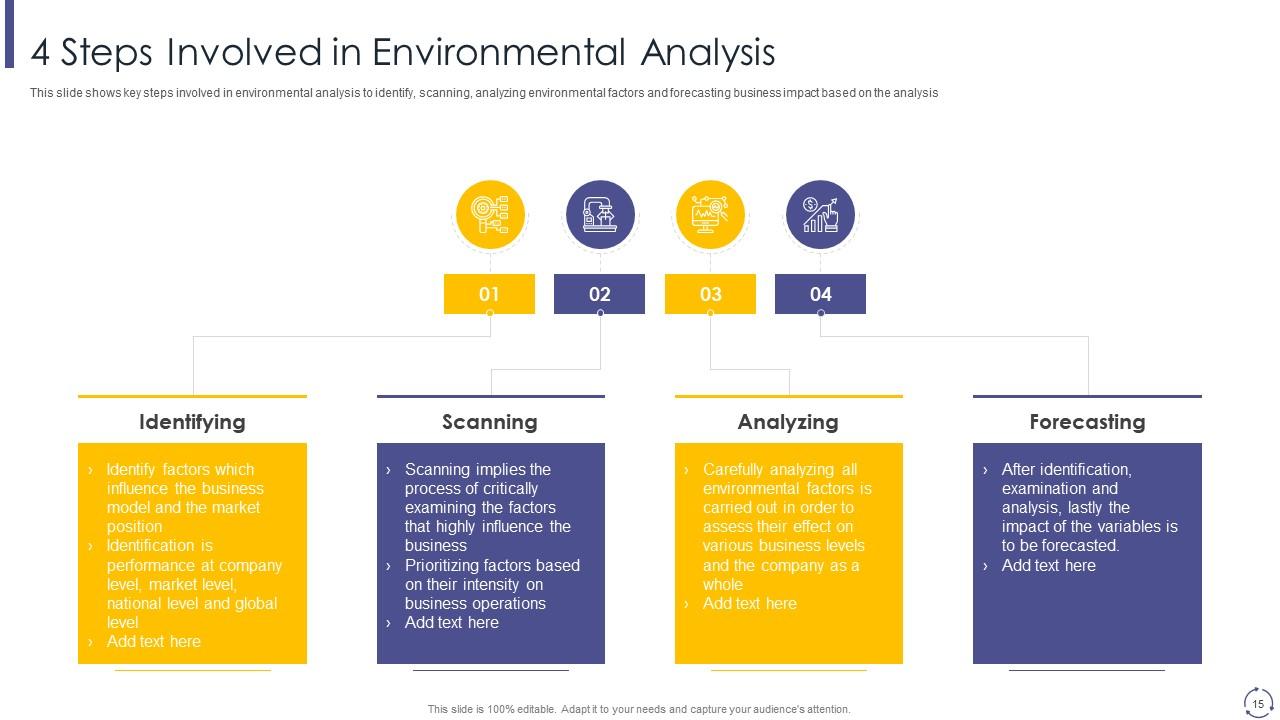
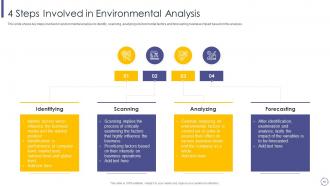
Slide 15 : Este slide representa as principais etapas envolvidas na análise ambiental para identificar, escanear, analisar fatores ambientais e prever o impacto nos negócios.
Slide 16 : Este slide mostra o título dos tópicos que serão abordados a seguir no modelo.
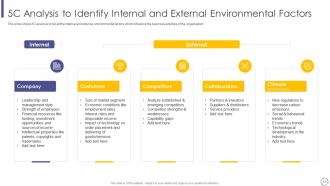
Slide 17 : Este slide mostra a Análise 5C para Identificar Fatores Ambientais Internos e Externos.
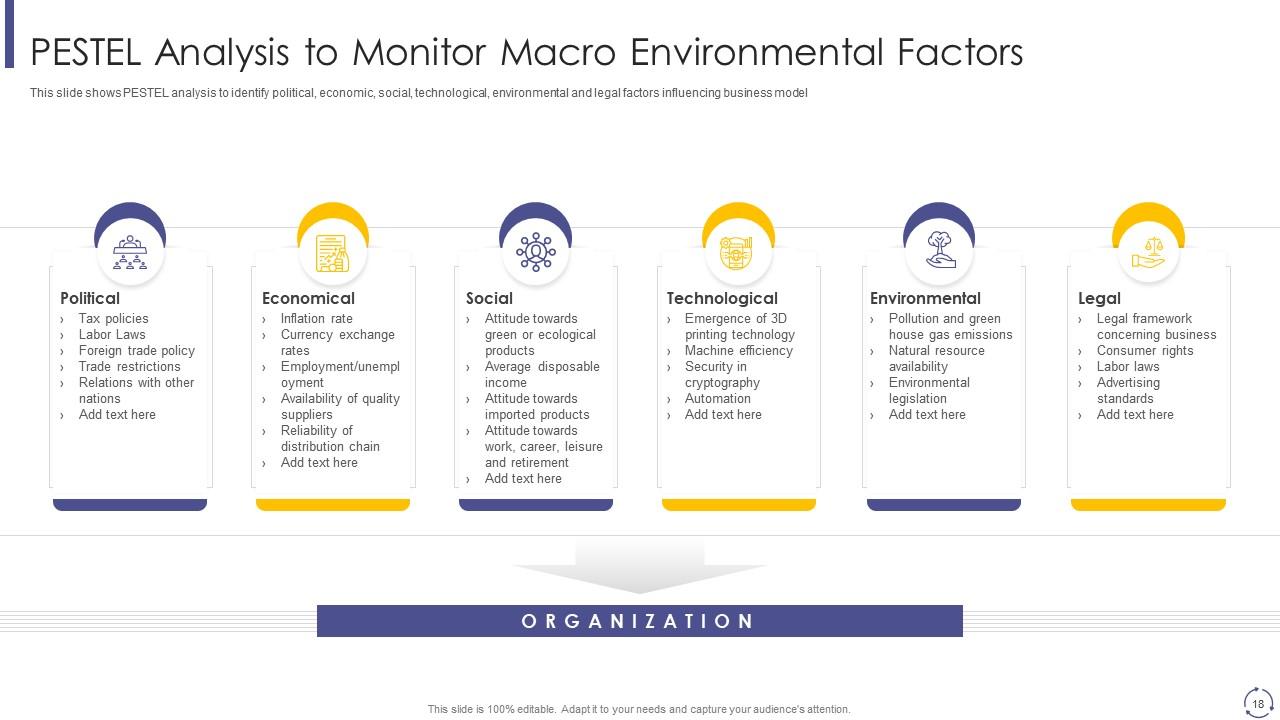
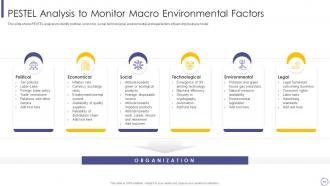
Slide 18 : Este slide apresenta a Análise PESTEL para Monitoramento de Fatores Macroambientais.
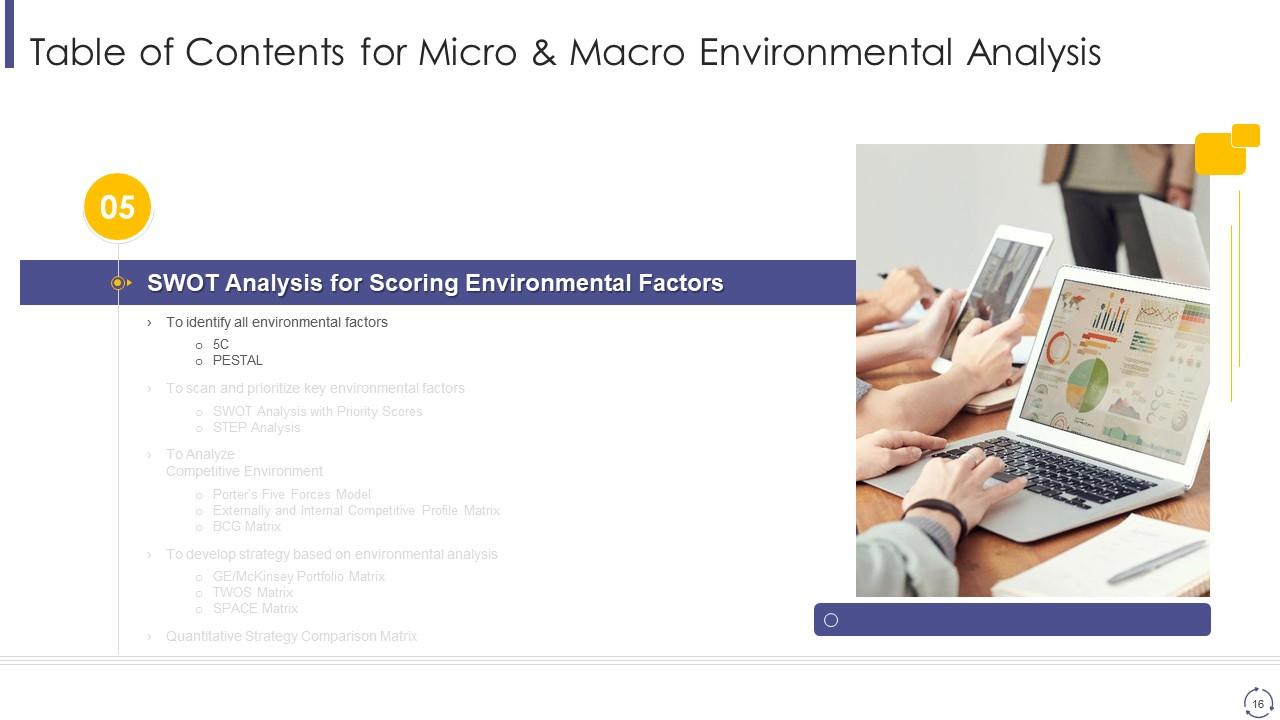
Slide 19 : Este slide exibe o título dos tópicos que serão abordados a seguir no modelo.
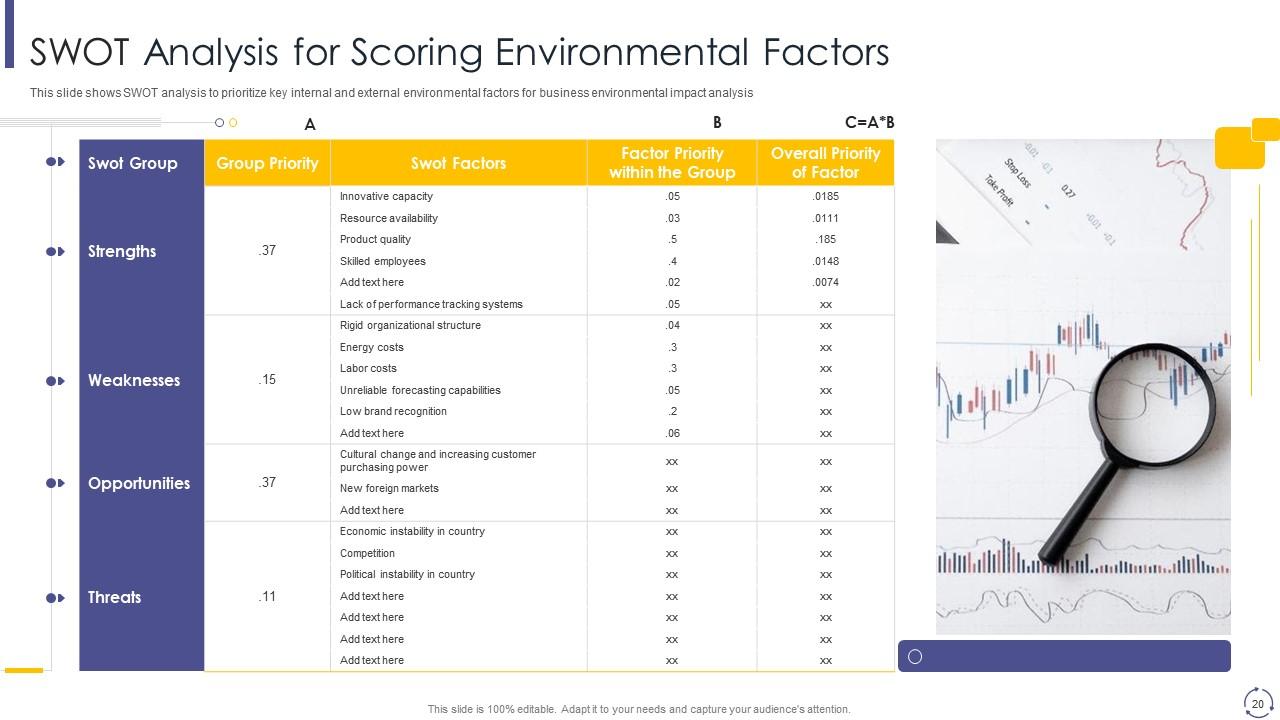
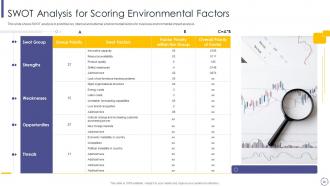
Slide 20 : Este slide representa a análise SWOT para priorizar os principais fatores ambientais internos e externos.
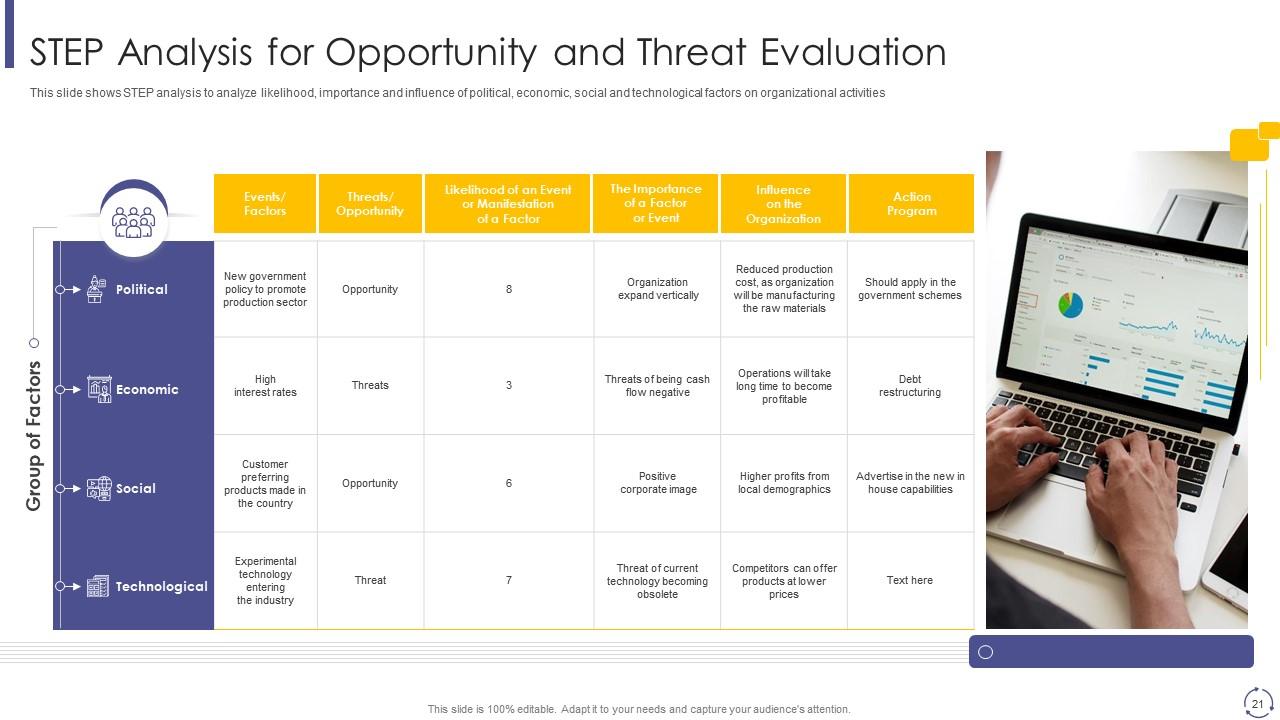
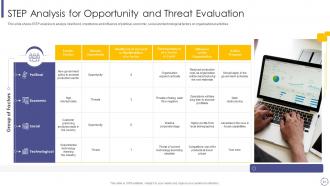
Slide 21 : Este slide mostra a análise STEP para analisar a probabilidade, importância e influência de fatores políticos, econômicos, sociais e tecnológicos.
Slide 22 : Este slide mostra o título dos tópicos que serão abordados a seguir no modelo.
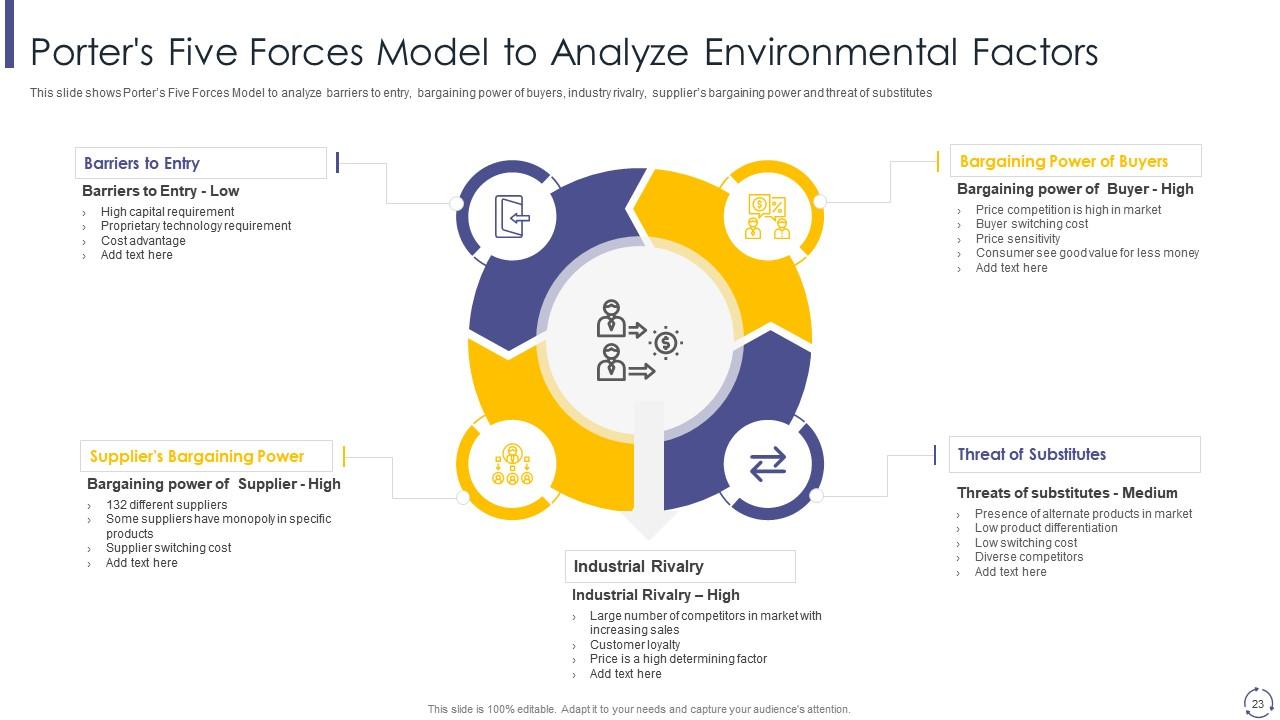
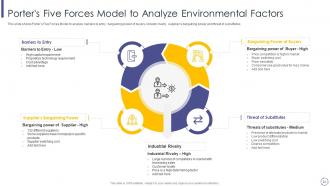
Slide 23 : Este slide apresenta o Modelo das Cinco Forças de Porter para Análise de Fatores Ambientais.
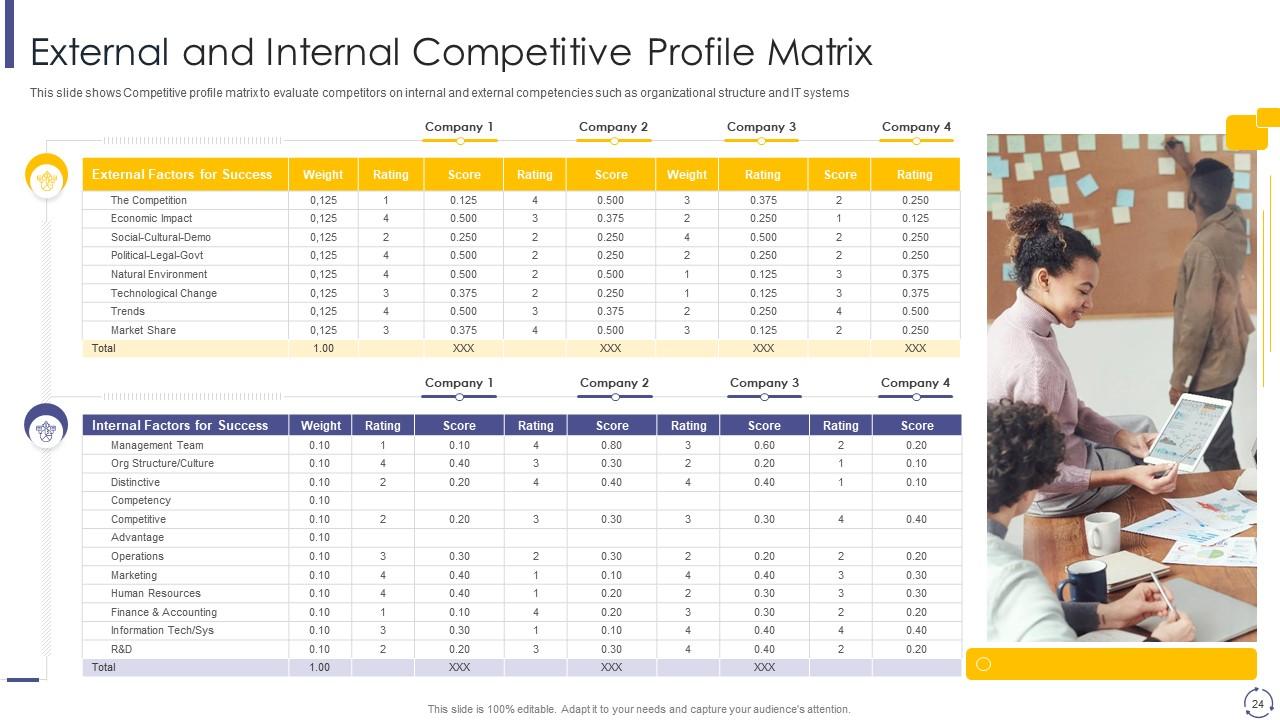
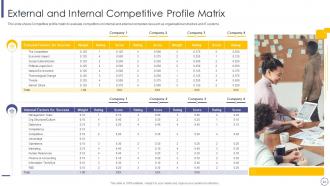
Slide 24 : Este slide mostra a Matriz de Perfis Competitivos Externos e Internos.
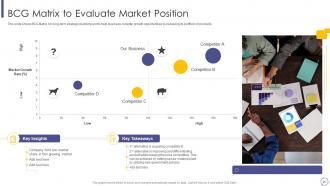
Slide 25 : Este slide representa a Matriz BCG para planejamento estratégico de longo prazo e para ajudar os negócios a considerar oportunidades de crescimento.
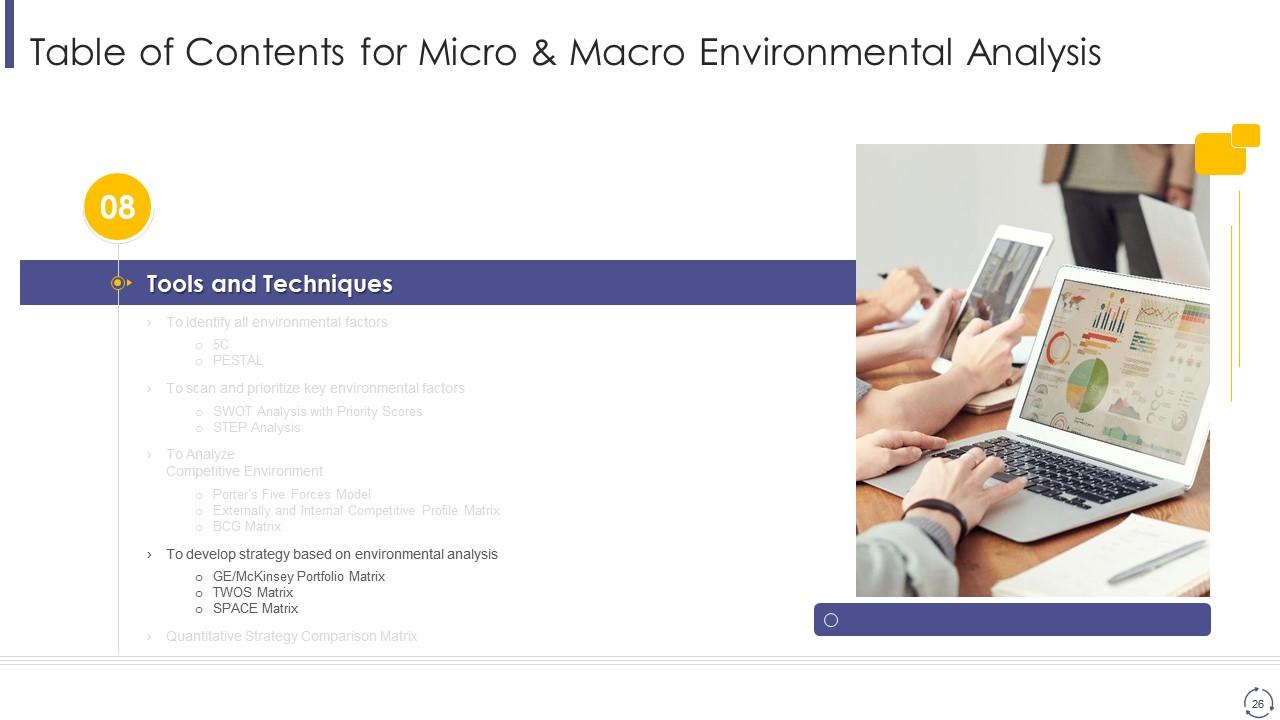
Slide 26 : Este slide mostra o título dos tópicos que serão abordados a seguir no modelo.
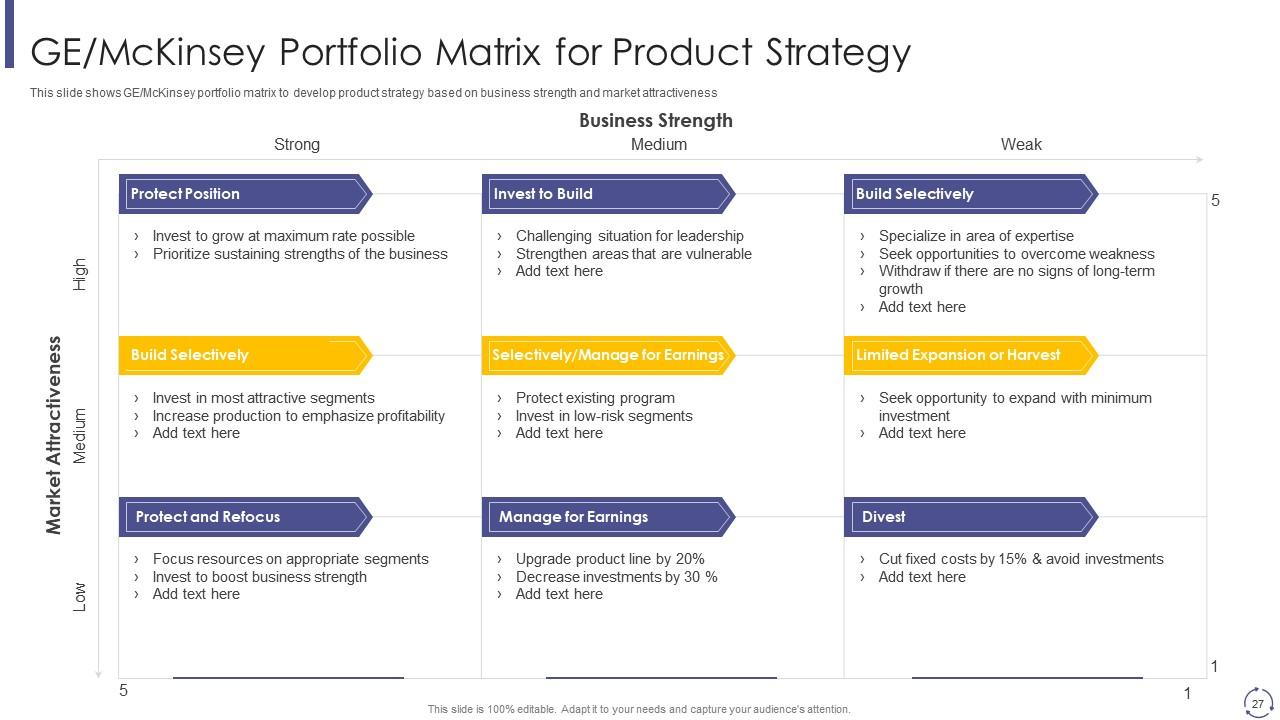
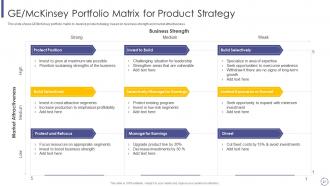
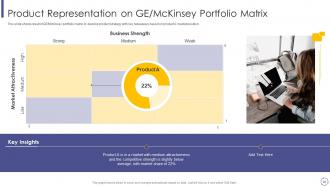
Slide 27 : Este slide mostra a matriz do portfólio GE/McKinsey para desenvolver a estratégia de produtos com base na força do negócio e atratividade do mercado.
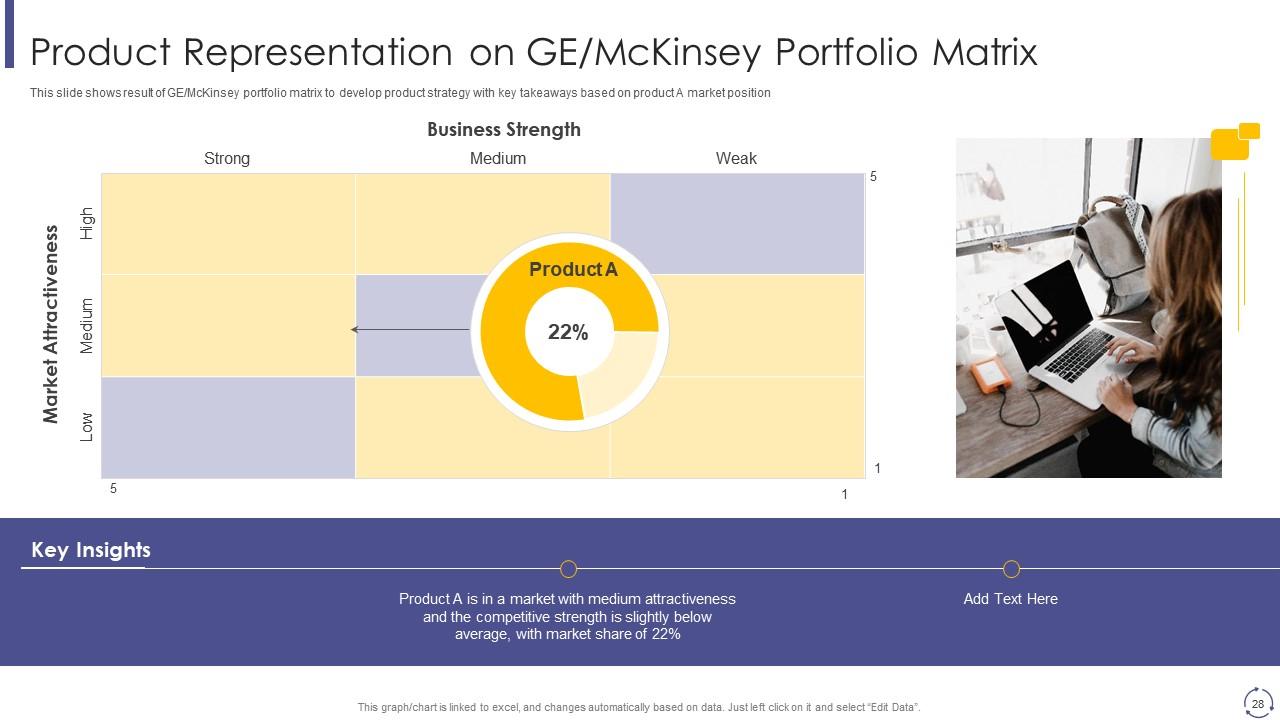
Slide 28 : Este slide apresenta o resultado da matriz de portfólio GE/McKinsey para desenvolver a estratégia de produtos.
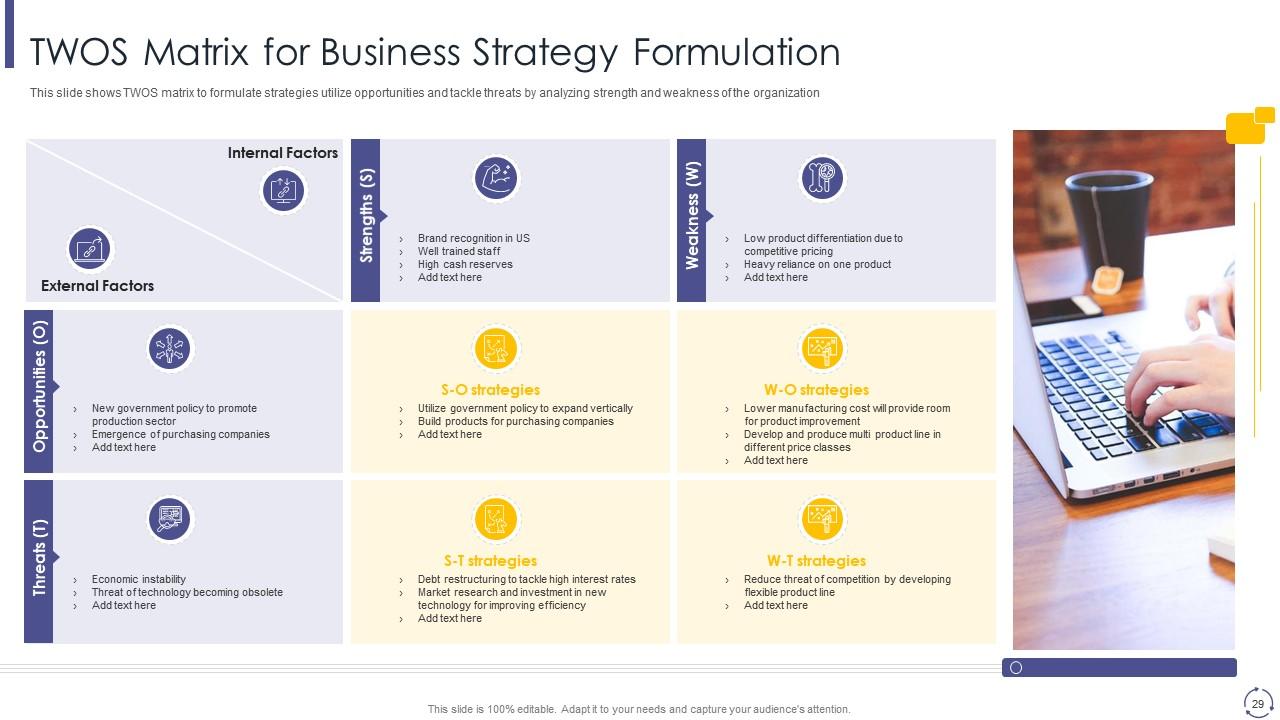
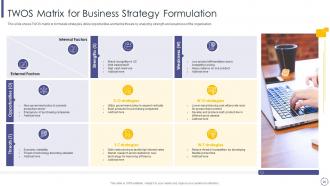
Slide 29 : Este slide mostra a matriz TWOS para formular estratégias, utilizar oportunidades e enfrentar ameaças.
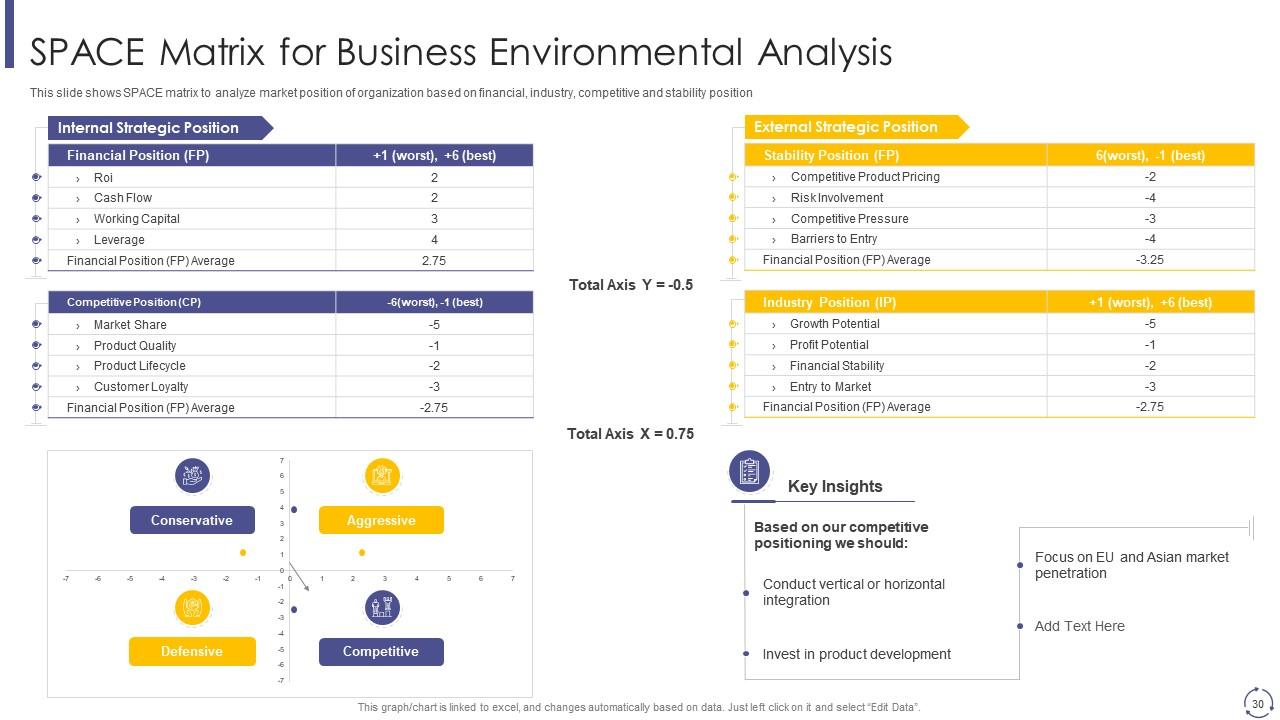
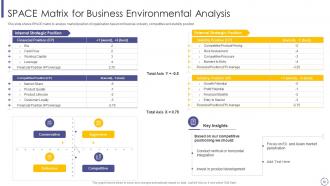
Slide 30 : Este slide representa a matriz SPACE para analisar a posição de mercado da organização com base nas finanças, indústria, etc.
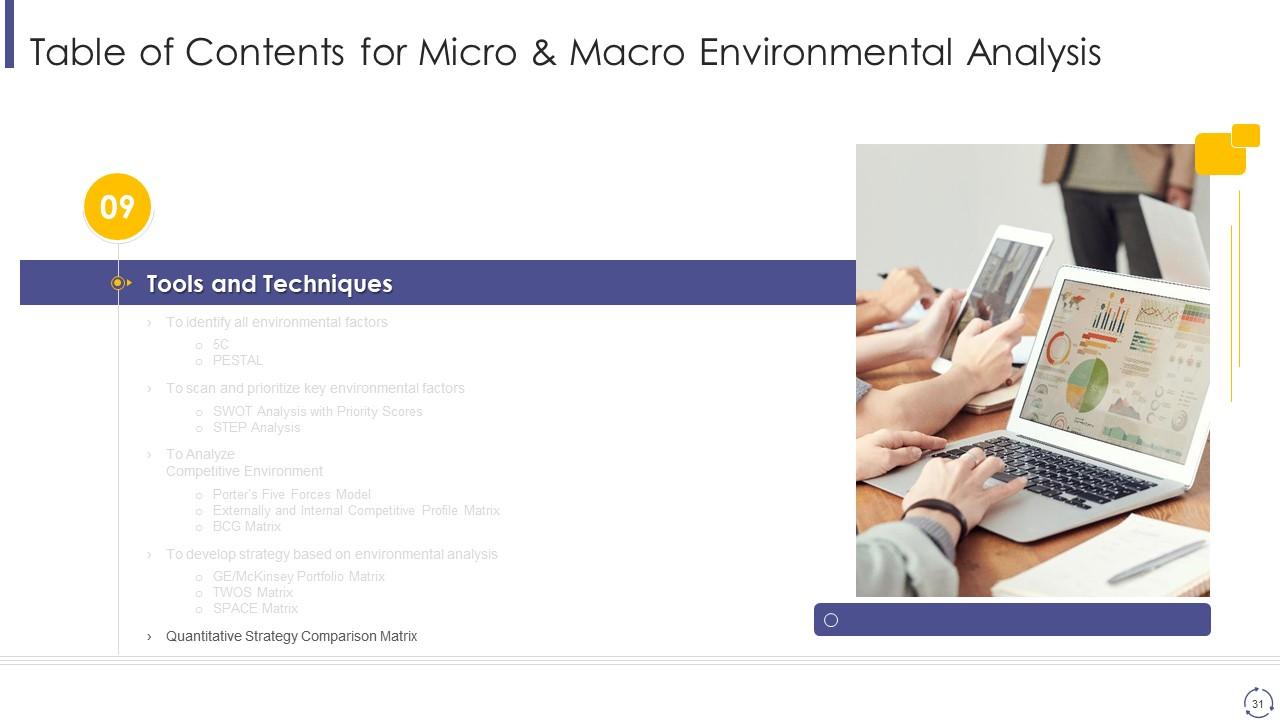
Slide 31 : Este slide mostra o título dos tópicos que serão abordados a seguir no modelo.
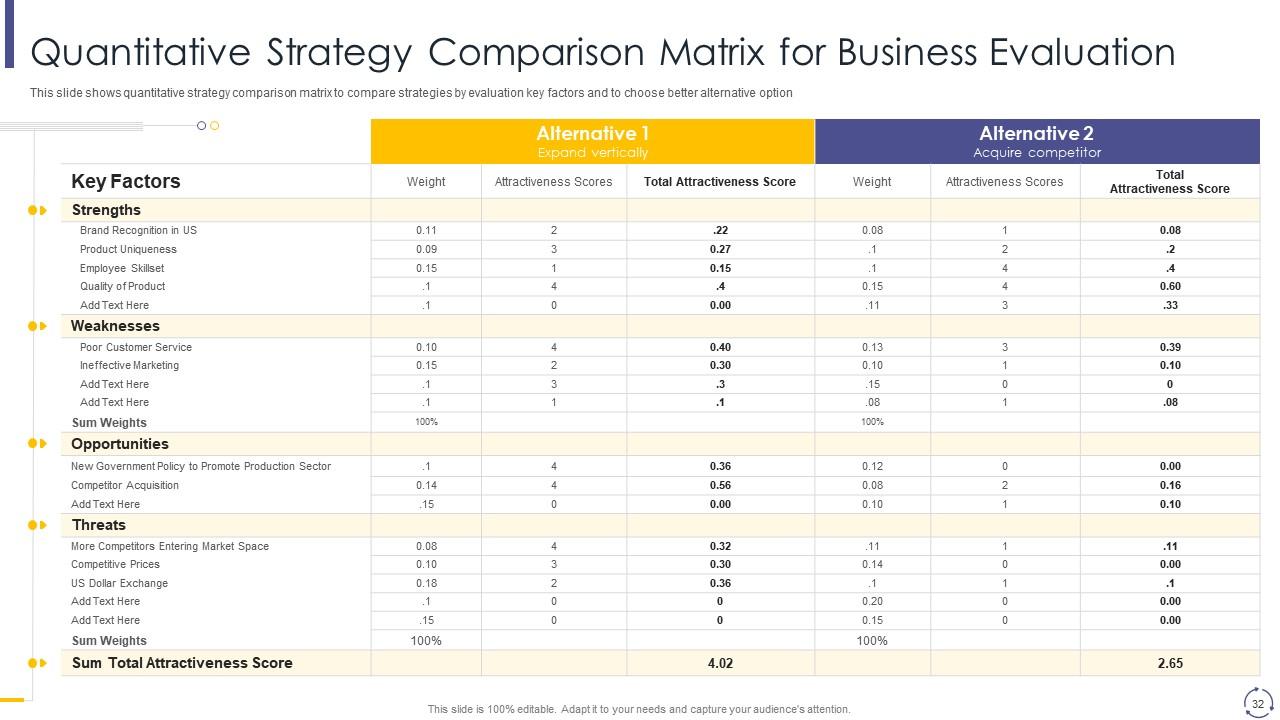
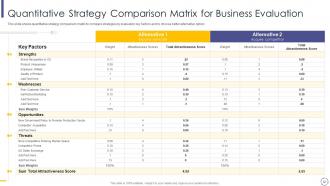
Slide 32 : Este slide mostra a Matriz de Comparação de Estratégia Quantitativa para Avaliação de Negócios.
Slide 33 : Este slide apresenta o título dos tópicos que serão abordados a seguir no modelo.
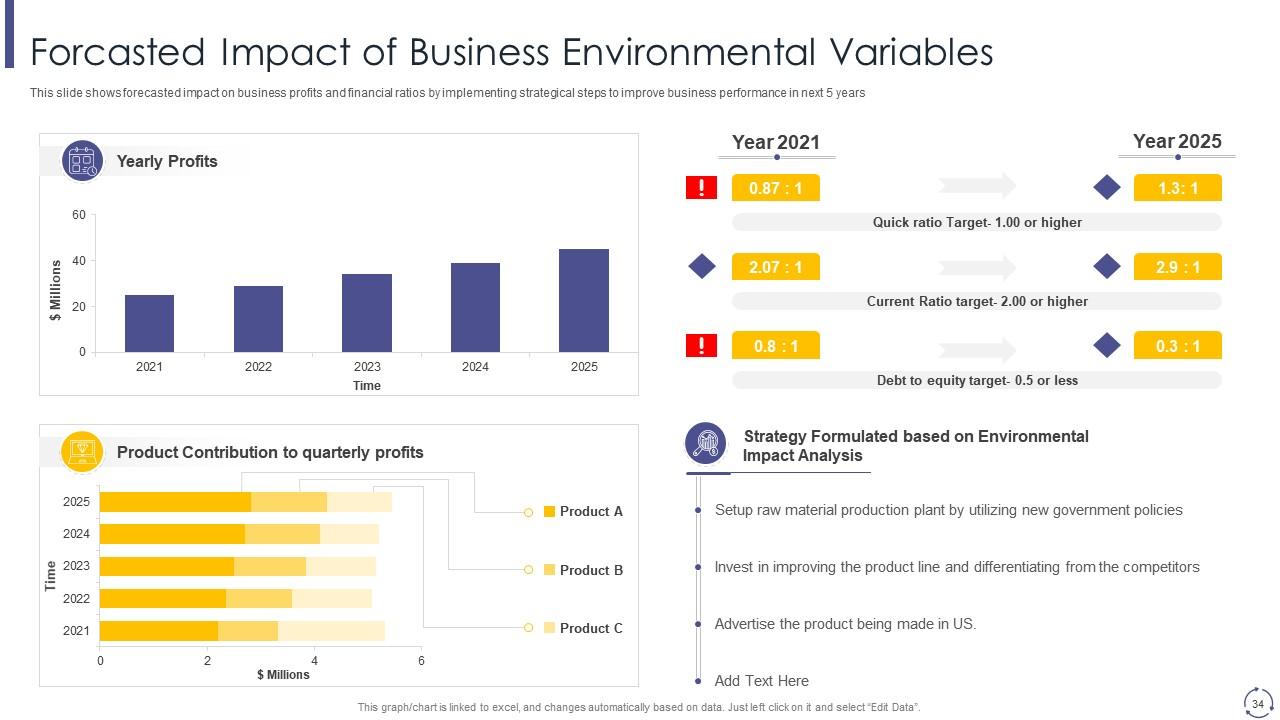
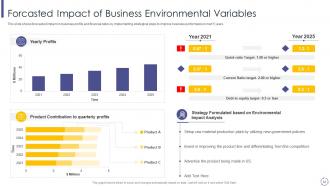
Slide 34 : Este slide mostra o impacto previsto nos lucros das empresas e nos índices financeiros.
Slide 35 : Este slide representa o título dos tópicos que serão abordados a seguir no modelo.
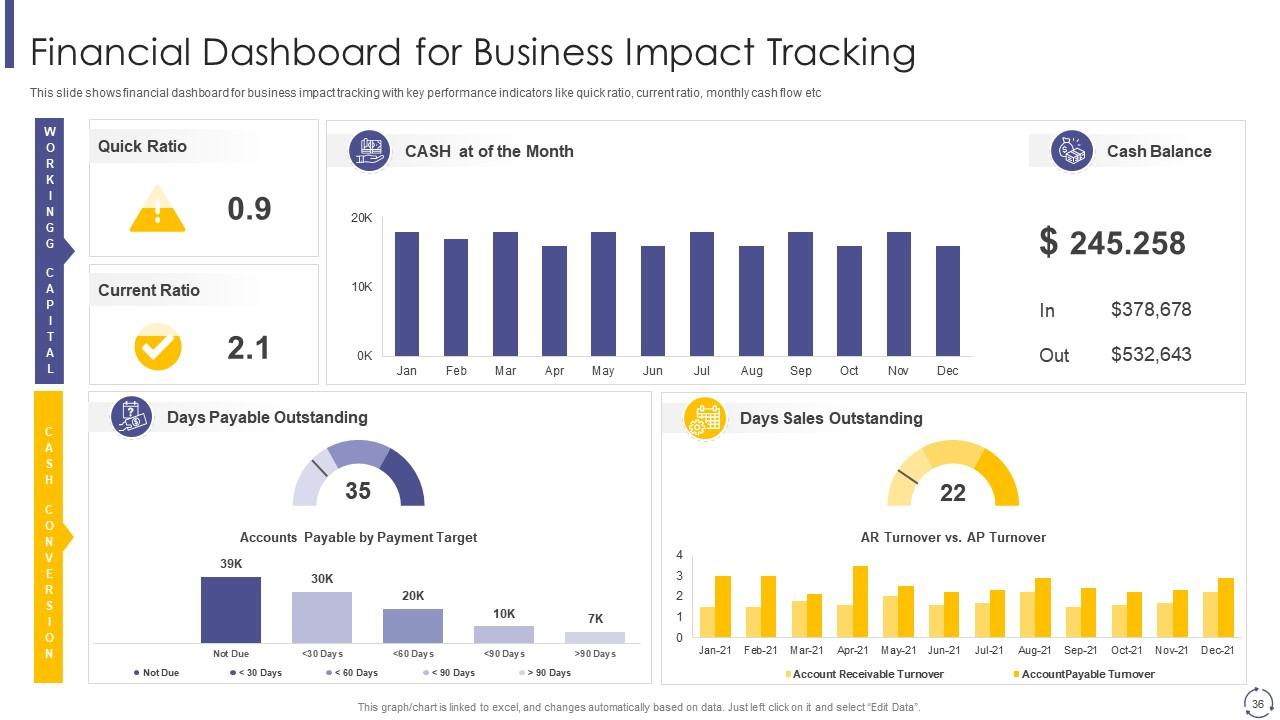
Slide 36 : Este slide mostra o painel financeiro para acompanhamento do impacto nos negócios com os principais indicadores de desempenho.
Slide 37 : Este slide mostra Ícones para Micro & Macro Análise Ambiental.
Slide 38 : Este slide é intitulado como Slides Adicionais para avançar.
Slide 39 : Este slide mostra Post It Notes. Poste suas notas importantes aqui.
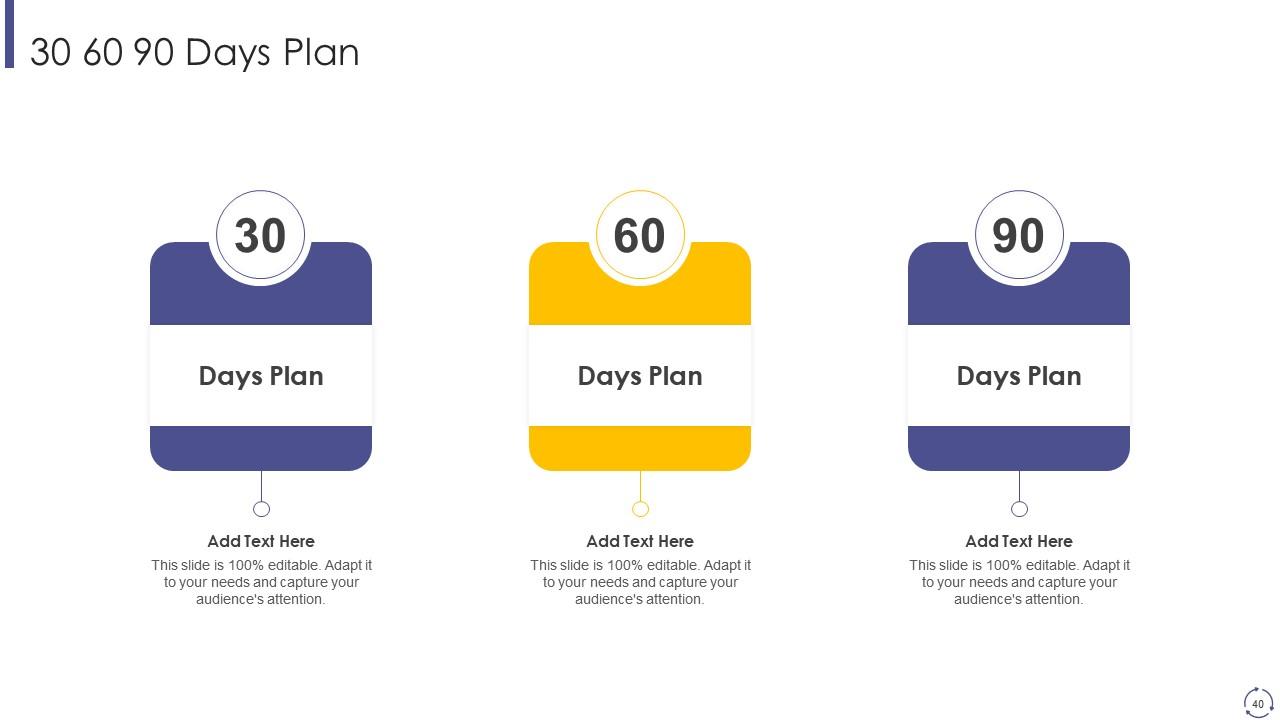
Slide 40 : Este slide mostra o Plano 30 60 90 Dias com caixas de texto.
Slide 41 : Este é um slide de linha do tempo. Mostrar dados relacionados a intervalos de tempo aqui.
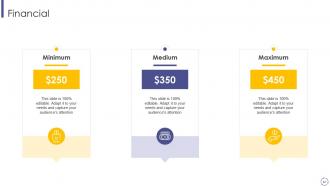
Slide 42 : Este é um slide financeiro. Mostre suas coisas relacionadas a finanças aqui.
Slide 43 : Este slide mostra o diagrama de Venn com caixas de texto.
Slide 44 : Este é um slide de agradecimento com endereço, números de contato e endereço de e-mail.
Slides de apresentação em Powerpoint de micro e macro análise ambiental com todos os 49 slides:
Use nossos slides de apresentação em Powerpoint de análise ambiental micro e macro para ajudá-lo a economizar seu valioso tempo. Eles são readymade para caber em qualquer estrutura de apresentação.
-
Easy to edit slides with easy to understand instructions.
-
Presentation Design is very nice, good work with the content as well.
-
Unique design & color.
-
Attractive design and informative presentation.
-
Great experience, I would definitely use your services further.
