


New Business Marketing Strategy Financing Expense Model Powerpoint Presentation Slides




Try Before you Buy Download Free Sample Product
 Impress Your
 Audience
 100%
100% Editable
 Save Hours
 of Time


What your company wants to achieve, how you reach there and how you execute the path; all these concepts are well explained in our new business marketing strategy financing expense model PowerPoint presentation slides. Key sections of this strategic management PowerPoint template are company overview, elevator pitch, our team, problems and solutions, value proposition product / service, product roadmap, milestones achieved, traction, business model, revenue streams, expense model, growth strategy, go-to-market strategy, competitive landscape, product comparison, SWOT analysis, financial projections, break-even analysis, use of funds, financing, shareholding pattern, exit strategy etc. Users can explain a series of important processes with these uniquely designed business plan PowerPoint template for any business or organization. Business development PPT template is widely used to present various concepts such as marketing strategy, business strategy framework, marketing management, business model, business proposal, modern marketing and many more. Download competitive positioning product differentiation PPT slides to present your ideas in front of your audience. Our New Business Marketing Strategy Financing Expense Model Powerpoint Presentation Slides allow effortless action. You will find the best course to follow.
People who downloaded this PowerPoint presentation also viewed the following :
Content of this Powerpoint Presentation
Slide 1: This slide introduces New Business Marketing Strategy Financing Expense Model. State Your Company Name and get started.
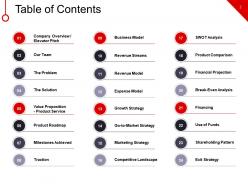
Slide 2: This slide presents Table of Contents showcasing- Company Overview / Elevator Pitch, Our Team, The Problem, The Solution Service, Value Proposition - Product Service, Product Roadmap, Mile Stone Achieved, Traction, Business Model, Revenue Streams, Revenue Model, Expense Model, Growth Strategy, Go-to-Market Strategy, Marketing Strategy, Competitive Landscape, SWOT Analysis, Product Comparison, Financial Projection, Break-Even Analysis, Financing, Use of Funds, Shareholding Pattern, Exit Strategy.
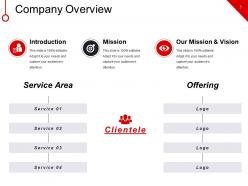
Slide 3: This is a slide on Company Overview displaying- Introduction, Mission, Our Mission & Vision, Clientele, Service Area, Logo, Offering.
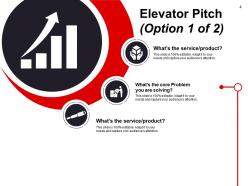
Slide 4: This is an Elevator Pitch slide showcasing- What’s the service/product? What’s the core problem you are solving? What’s your big vision?
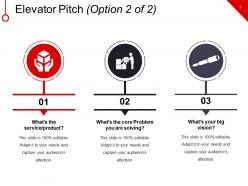
Slide 5: This slide shows the Elevator Pitch showing- What’s the core problem you are solving? What’s the service/product? What’s your big vision?
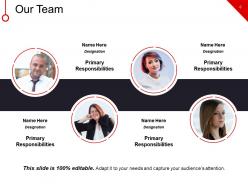
Slide 6: This slide presents Our team with names, designation and image boxes.
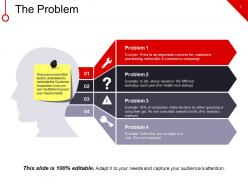
Slide 7: This slide shows The Problem to be presented and make strategies accordingly.
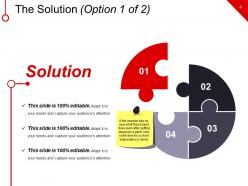
Slide 8: This slide shows The Solution to be presented and implemented. If the investor has no clue what the product does even after getting deep into a pitch; now is the time for a short explanation or demo.
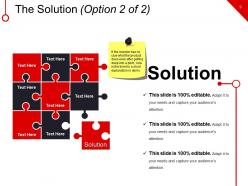
Slide 9: This slide also shows The Solution to be presented and implemented.
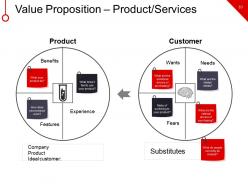
Slide 10: This slide shows the Value Proposition – Product/Services with- Your Offering, What The Customer Needs, The Marketplace Offerings, Your Value Proposition.
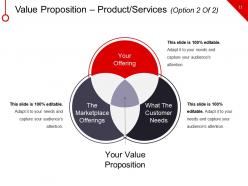
Slide 11: This slide shows Value Proposition – Product/Services displaying- Your Offering What The Customer Needs The Marketplace Offerings Your Value Proposition
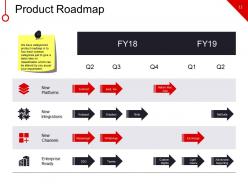
Slide 12: This slide showcases a Product Roadmap. We have categorized product roadmap in to four most common categories just to give a basic idea on classification which can be altered by you as per your requirement.
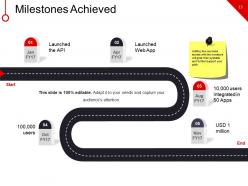
Slide 13: This slide shows Milestones Achieved (if any) to highlight fundraising aspects. Adding few success stories with the investors will grab their eyeballs and further support your pitch.
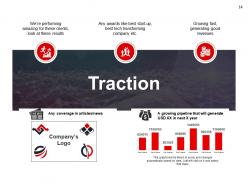
Slide 14: This slide shows Traction to present product market fit.
Slide 15: This slide presents a Business Model displaying- How do you provide your service? How do you acquire customers? How do you monetize? Type of business model as the main factors for understanding your business plan.
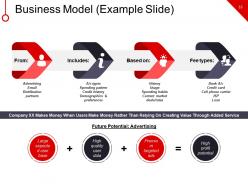
Slide 16: This slide showcases Business Model (Example Slide) displaying- From: Advertising, Email, Distribution partners, User Acquisition. Fee Types: Bank A/c, Credit card, Cell phone carrier ISP Loan, User switches = Referral fee. Includes: A/c types, Spending pattern, Credit history, Demographics & preferences, Gather User information. Based On: History, Usage, Spending habits, Current market deals/rates, Intelligent Suggestion. Future Potential: Advertising Large expected user base, High quality user data, Premium targeted ads, High profit potential.
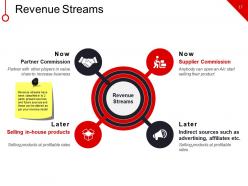
Slide 17: This slide presents Revenue Streams with the following subheadings- Partner commission, Supplier commission, Indirect sources such as advertising, affiliates etc. Selling in-house products, Revenue Streams. Revenue streams have been classified in to 2 parts: present sources and future sources and these can be altered as per your revenue model.
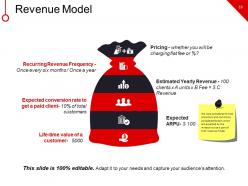
Slide 18: This slide shows Revenue Streams showing- Estimated Yearly Revenue, Pricing, Expected ARPU, Life-time value of a customer, Recurring Revenue Frequency, Expected conversion rate to get a paid client. We have considered 6 most important and commonly considered factors which are expected by the investors to be a part of their revenue model.
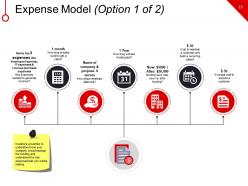
Slide 19: This slide presents an Expense Model. Investors would like to understand how your company would manage the funding and understand the key expenses that you will be making.
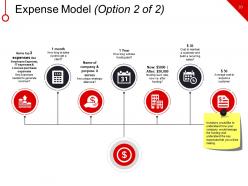
Slide 20: This slide also presents an Expense Model displaying- Key Expenses needed to generate revenue? Any unique strategic alliances? How long is sales cycle to get a client? Cost to maintain a customer and build a recurring sales? Monthly burn rate, now vs. after funding? How long will new funding last? Investors would like to understand how your company would manage the funding and understand the key expenses that you will be making.
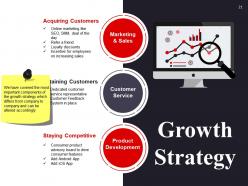
Slide 21: This slide presents Growth Strategy showing- Marketing & Sales, Customer Service, Product Development. We have covered the most important components of the growth strategy which differs from company to company and can be altered accordingly RI.
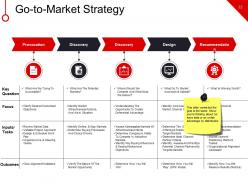
Slide 22: This slide presents Go-to-Market Strategy in tabular form with the following subheadings- Provocation, Discovery, Discovery, Design, Recommendation.
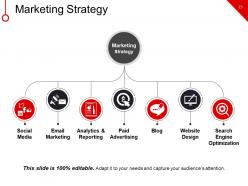
Slide 23: This slide showcases Marketing Strategy with the following subheadings- Email Marketing, Analytics & Reporting, Paid Advertising, Blog, Website Design, Search Engine Optimization.
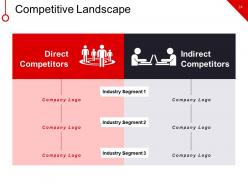
Slide 24: This slide shows Competitive Landscape showcasing- Industry Segment, Indirect Competitors, Direct Competitors.
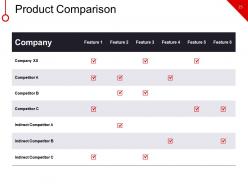
Slide 25: This slide shows Product Comparison in tabular form.
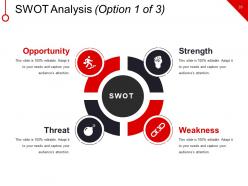
Slide 26: This is a SWOT Analysis slide in circular form.
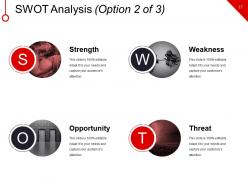
Slide 27: This is a SWOT Analysis slide in heading form.
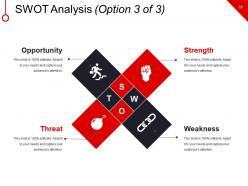
Slide 28: This is also a SWOT Analysis slide.
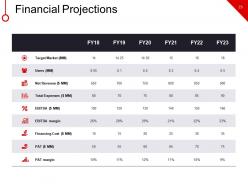
Slide 29: This slide showcases Financial Projections in tabular form.
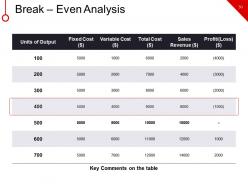
Slide 30: This slide shows a Break-Even Analysis in tabular form.
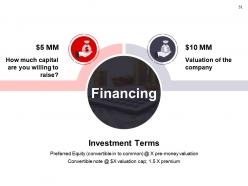
Slide 31: This slide shows Financing aspects to display how much are you willing to raise and what is valuation of the company.
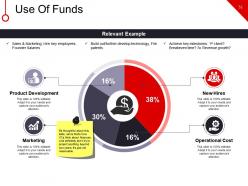
Slide 32: This slide shows Use of Funds with the following subheadings- New Hires Product Development Marketing Operational Cost Be thoughtful about this slide, since that how VCs think about finances. And definitely don’ t try to project anything beyond two years. It's just not reasonable.
Slide 33: This slide presents Shareholding Pattern in tabular form.
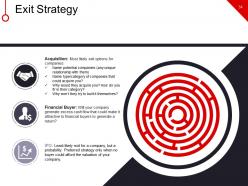
Slide 34: This slide shows Exit Strategy with- Acquisition, Financial Buyer, IPO as factors to present.
Slide 35: This is a Client Testimonials slide with name, designation and image boxes to fill information for.
Slide 36: This is a Contact Details slide with Address# street number, city, state, Contact Numbers, Email Address.
Slide 37: This is a Coffee Break slide to halt. You can change the image as per requirement/need.
Slide 38: This slide is titled Graph And Charts to move forward. You may change the slide content as per need.
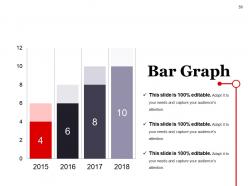
Slide 39: This is a Bar Graph slide to show product/entity comparison, specifications etc.
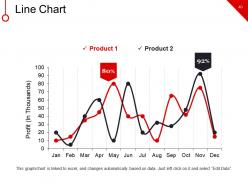
Slide 40: This is a Line chart slide to show product/entity comparison, specifications etc.
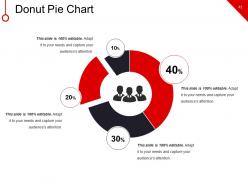
Slide 41: This is a Donut Pie chart slide to show product/entity comparison, specifications etc.
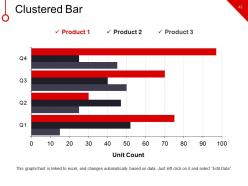
Slide 42: This is a Clustered Bar chart slide to show product/entity comparison, specifications etc.
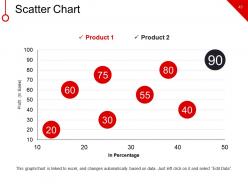
Slide 43: This is a Scatter Chart slide to show product/entity comparison, specifications etc.
Slide 44: This slide is titled Additional slides. You can change the image as per requirement/need.
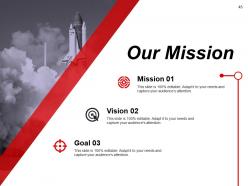
Slide 45: This is Our Mission slide with Vision and Goals and text boxes to go with. State them here.
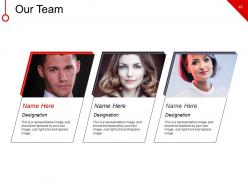
Slide 46: This is Our team slide with names and designation to fill information for.
Slide 47: This is an About us slide. State team/company specifications here.
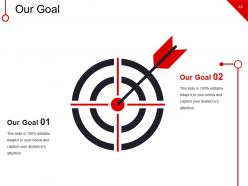
Slide 48: This is Our Goal slide. State goals, targets etc. here.
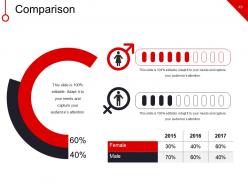
Slide 49: This is a Comparison slide to show comparison, information, specifications etc.
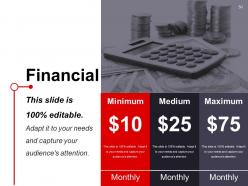
Slide 50: This is a Financial Score slide. State financial aspects etc. here.
Slide 51: This is a Quotes slide. Convey message, beliefs etc. here. You can change the image as per requirement/need.
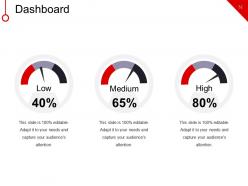
Slide 52: This is a Dashboard slide for showing information, specifications etc.
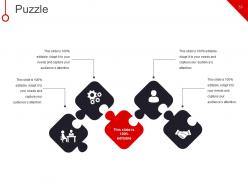
Slide 53: This is a Puzzle image slide. State information, specifications etc. here.
Slide 54: This is a Target slide. State your targets here.
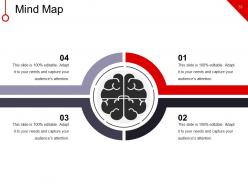
Slide 55: This is a Mind Map image slide to show information, specifications etc.
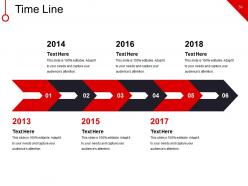
Slide 56: This is a Timeline slide to show milestones, evolution, growth highlights etc.
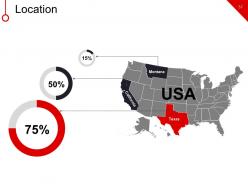
Slide 57: This is a Location slide of world map top show global marketing, growth, presence etc.
Slide 58: This is a Bulb With Idea slide to state a new idea or highlight innovative specifications/information etc.
Slide 59: This is a Magnify glass image slide. State specifications, information here.
Slide 60: This is a Thank You slide with Address# Street number, city, state, Email Address, Contact Numbers.
New Business Marketing Strategy Financing Expense Model Powerpoint Presentation Slides with all 60 slides:
Chill out with our New Business Marketing Strategy Financing Expense Model Powerpoint Presentation Slides. They will help you meet the toughest deadlines.







FAQs for New Business Marketing Strategy Financing Expense Model
Okay so first thing - figure out exactly who you're trying to reach. That's honestly the foundation for everything else. Then you'll want your positioning nailed down and the classic 4 Ps (product, price, place, promotion). Set some actual measurable goals too or you'll just be guessing if anything's working. Competitive analysis sounds super dry but it's wild what you discover about gaps in the market. Oh, and channel strategy is massive - like, doesn't matter how good your message is if you're posting on LinkedIn when your people are all on TikTok, you know? Once you nail the audience piece, everything else clicks into place way easier.
Dude, audience segmentation is a game changer - you literally stop wasting money on random people who don't care. Break your customers into groups based on age, buying habits, whatever makes sense for your business. Then you can actually talk to them like humans instead of blasting generic "buy our stuff!" messages everywhere. Honestly, personalized emails perform so much better it's not even close. Your ROI will thank you because you're only targeting people who might actually buy. Oh, and don't overthink it at first - just pick your top 2 customer types and test one campaign. You'll see the difference immediately.
Dude, you absolutely need digital marketing if you want to stay relevant. Most people are glued to their phones anyway, so that's where you meet them - social media, email, Google searches. Traditional stuff like print ads? Feels pretty outdated honestly. The cool thing is you get actual data back instead of wondering if anyone saw your ad. You can target exactly who you want and see what's working in real-time. Oh, and don't ditch your offline marketing completely - just make them work together. First step? Figure out which platforms your customers actually use.
Track your conversion rates and customer acquisition costs first - those are your bread and butter. Revenue growth matters obviously, but honestly, customer lifetime value tells you way more about whether you're actually building something sustainable. Don't sleep on the soft stuff either like brand surveys and feedback. Sometimes a random customer comment shows you things your fancy analytics miss. Click-through rates and social shares give you the engagement picture. Set up some kind of dashboard and check it monthly so you can course-correct before things go sideways.
Honestly, the worst thing you can do is try targeting everyone - you'll just end up reaching nobody. Most people don't actually know their real customers either, which is brutal. Don't just copy what competitors are doing without thinking if it makes sense for you. Also, goals like "increase brand awareness" are useless - pick something you can actually track with numbers. Oh, and this drives me crazy: jumping straight into tactics before figuring out your strategy. Trust me on this one. Start with one specific audience and one goal you can measure, then expand from there.
Honestly, consumer behavior is like your marketing GPS - it shows you who to go after and what actually gets them interested. You've gotta dig into their pain points and figure out how they make decisions. Like, if your audience loves TikToks but hates reading long emails, that changes everything about where you spend your money. The ice-to-penguins thing is real though - you can't force what people don't want. Once you know their buying triggers and research habits, your whole strategy gets clearer. Channel picks, timing, messaging - it all flows from understanding how they actually behave.
Honestly, branding is what makes all your other marketing actually work. Without it, you're just another company screaming about features and prices - which gets old fast. It's the emotional hook that makes people pick you over competitors. Your brand gives every campaign and message a consistent personality. I'd say figure out your values and voice first, then let that drive everything else you do. Otherwise you end up all over the place. People need a reason to care about you beyond just what you're selling, you know?
Honestly, pick like 2-3 platforms max and actually get good at them first. Instagram's great for brand stuff, LinkedIn if you're doing B2B, Twitter for quick customer support responses. Don't just post the same content everywhere though - that's so obvious and people notice. Make stuff that actually fits each platform. Oh and get some social listening tools to see what people are saying about you. Way better than guessing. Figure out where your actual customers spend time online instead of chasing whatever app is trending. You can always expand later once you've nailed the basics.
So competitive analysis is like doing your homework before a big test - you're not going in blind. You get to see what's actually working for other companies and what's totally bombing. I always tell people to look for those gaps nobody's filling yet, that's where the magic happens. Don't just copy what everyone else is doing though, you'll blend right into the noise. Check out their pricing too, sometimes there's obvious opportunities sitting right there. Oh and find the channels they're ignoring - free real estate! Just don't make it a one-time thing, the landscape changes way too fast for that.
Honestly, customer personas are everything when it comes to marketing decisions. You'll know exactly what your audience cares about, what bugs them, and how they actually behave. This means your messaging won't suck because you're not just guessing anymore. I've watched so many campaigns crash and burn because teams thought they could skip this part - big mistake. Personas tell you where to spend your money, what content to make, which platforms matter. Just make sure you're using real data, not made-up stuff. Then actually use them when you're planning. Sounds obvious but you'd be surprised how often people forget.
So basically, B2B means you're dealing with way fewer people, but they take forever to decide anything. These folks want all the nitty-gritty details about ROI and how you'll fix their problems. B2C is the opposite - you're targeting regular consumers who buy stuff quickly based on feelings and what they personally want. Honestly, B2B content is super educational and relationship-heavy, while B2C gets more visual and punchy. The sales timeline is brutal in B2B too, like months instead of days. Your messaging totally changes depending on whether you're solving business headaches or just making someone's life better.
Honestly, AI marketing tools are pretty wild right now. You can personalize content for thousands of customers at once - like, actually tailored to each person's behavior patterns. The predictive stuff is what gets me though - it'll tell you who's about to cancel or buy before they even know it themselves. Most of the boring work gets automated too. A/B testing, ad tweaks, customer groups - all handled while you focus on bigger picture strategy. I'd say start with something simple like email personalization or a chatbot. You'll see results fast and it's not overwhelming to learn.
Honestly, content marketing is where it's at right now. Traditional ads? People scroll right past them. But when you create stuff that actually helps solve their problems, you're building real trust. It's like being the friend who always has good advice, you know? Your brand becomes the expert they turn to instead of just another company trying to sell them something. The best part is good content keeps paying off through search results and people sharing it around. I'd start simple - pick one thing your customers always struggle with and make something that genuinely helps them figure it out.
Honestly, treat your marketing plan like a living document, not some stone tablet. Do quarterly check-ins where you actually dig into what's bombing vs what's crushing it. I see way too many teams just launch stuff and then... crickets. Budget for experiments - new channels, different messaging, whatever. Track your metrics obsessively but don't overthink every tiny dip. Customer feedback is gold, so pay attention when they're telling you something's shifted. Oh, and watch your competitors like a hawk. If you spot trends early, you can pivot before everyone else catches on. Flexibility beats perfection every time.
Honestly, I'd stick to maybe 5-7 metrics that actually matter for your business - not just the pretty numbers that make reports look fancy. Conversion rates and customer acquisition cost are obvious ones. Lifetime value too. Then throw in website traffic, email opens, engagement stuff. But here's the thing - don't ignore the messy qualitative data like customer feedback and what people are saying on social. That's where you find the real insights sometimes. I do monthly check-ins to catch trends early. Way easier to pivot when you're not buried in data that doesn't move the needle.
-
Attractive design and informative presentation.
-
Easy to edit slides with easy to understand instructions.