


On demand courier and delivery service industry pitch deck ppt template




Try Before you Buy Download Free Sample Product
 Impress Your
 Audience
 100%
100% Editable
 Save Hours
 of Time


On-Demand Courier and Delivery Services are how businesses use online platforms such as websites, social media channels, and mobile apps to sell their products to customers and deliver the ordered items to an end-customer. Here is an efficiently designed On Demand Courier and Delivery Service pitch deck that will present its summary, market overview, key highlights, Courier and Delivery Services Industry growth rate by Region, key market trends, and products and activities. Also, this PowerPoint presentation provides details on Market Segmentation of Courier and Delivery Services Industry, Top Market Players in Courier and Delivery Services Industry, Growth Drivers, Courier and Delivery Services Industry Value Proposition, Profitable Business Model of Courier and Delivery Services Industry and Competitive Analysis. Additionally, this pitch deck provides information on Competitive Landscape for Major Industry Players, SWOT Analysis of Courier and Delivery Services Industry, Top Trends Shaping the Future of Courier and Delivery Services Industry, Key People involved in Services Platform Leadership and Future Initiatives. Customize this 100 percent editable pitch deck now.
People who downloaded this PowerPoint presentation also viewed the following :
Content of this Powerpoint Presentation
Slide 1: This slide displays title i.e. 'On Demand Courier and Delivery Service Industry Pitch Deck'.
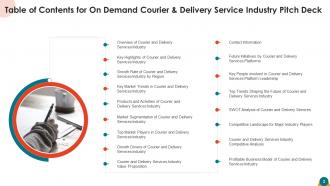
Slide 2: This slide presents table of contents.
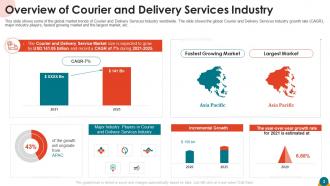
Slide 3: This slide shows some of the global market trends of Courier and Delivery Services Industry worldwide.
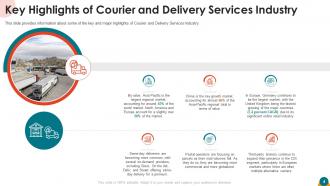
Slide 4: This slide provides information about some of the key and major highlights of Courier and Delivery Services Industry.
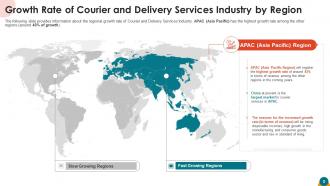
Slide 5: This slide provides information about the regional growth rate of Courier and Delivery Services Industry.
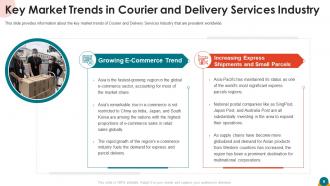
Slide 6: This slide provides information about the key market trends of Courier and Delivery Services Industry that are prevalent worldwide.
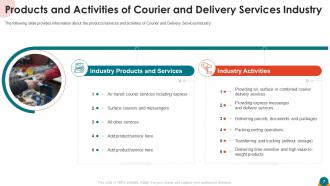
Slide 7: This slide provides information about the products/services and activities of Courier and Delivery Services Industry.
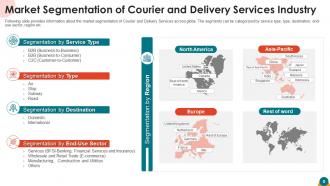
Slide 8: This slide provides information about the market segmentation of Courier and Delivery Services across globe.
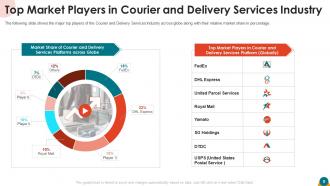
Slide 9: This slide shows the major top players of the Courier and Delivery Services Industry across globe along with their relative market share in percentage.
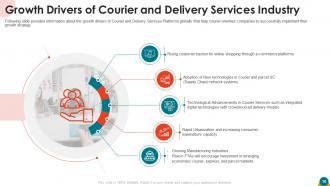
Slide 10: This slide provides information about the growth drivers of Courier and Delivery Services Platforms globally.
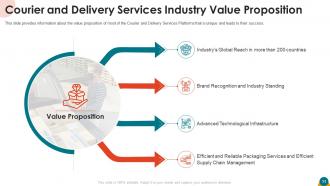
Slide 11: This slide provides information about the value proposition of most of the Courier and Delivery Services Platforms that is unique and leads to their success.
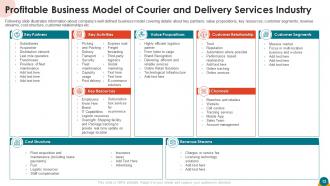
Slide 12: This slide illustrates information about company’s well defined business model covering details about key partners, value propositions, etc.
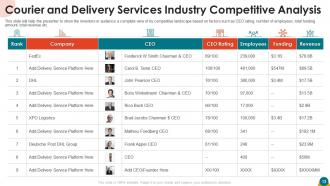
Slide 13: This slide will help the presenter to show the investors or audience a complete view of its competitive landscape.
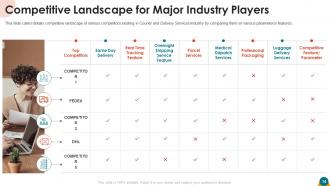
Slide 14: This slide caters details competitive landscape of various competitors existing in Courier and Delivery Services Industry.
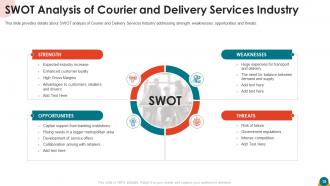
Slide 15: This slide provides details about SWOT analysis of Courier and Delivery Services Industry addressing strength, weaknesses, opportunities and threats.
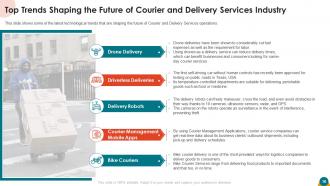
Slide 16: This slide shows some of the latest technological trends that are shaping the future of Courier and Delivery Services operations.
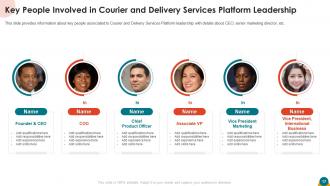
Slide 17: This slide provides information about key people associated to Courier and Delivery Services Platform leadership with details.
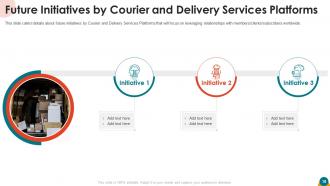
Slide 18: This slide caters details about future initiatives by Courier and Delivery Services Platforms that will focus on leveraging relationships.
Slide 19: This slide showcases contact details of your company.
Slide 20: This is the icons slide.
Slide 21: This slide presents title for additional slides.
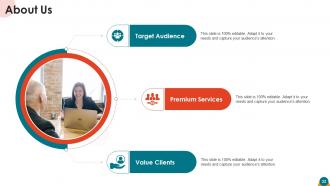
Slide 22: This slide shows about your company, target audience and its client's values.
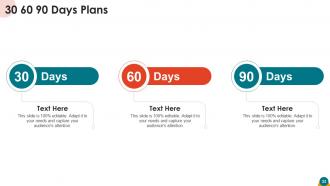
Slide 23: This slide depicts 30-60-90 days plan for projects.
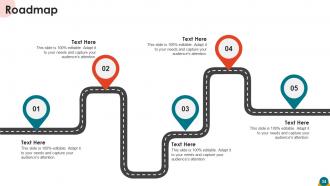
Slide 24: This slide shows roadmap.
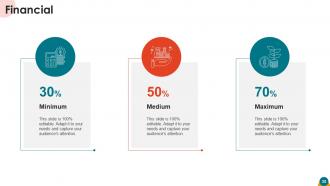
Slide 25: This slide showcases financials.
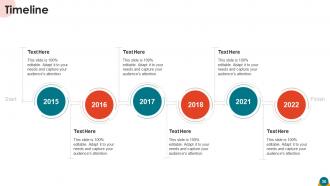
Slide 26: This slide exhibits yearly timeline.
Slide 27: This slide displays Venn.
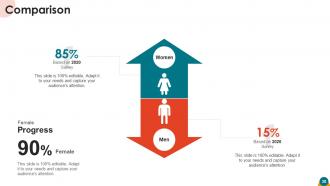
Slide 28: This slide highlights comparison of products based on selects.
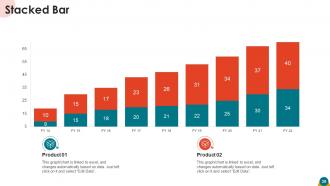
Slide 29: This slide exhibits stacked bar charts for different products. The charts are linked to Excel.
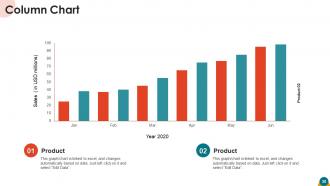
Slide 30: This slide displays monthly sales column charts for different products. The charts are linked to Excel.
Slide 31: This slide depicts posts for past experiences of clients.
Slide 32: This is thank you slide & contains contact details of company like office address, phone no., etc.
On demand courier and delivery service industry pitch deck ppt template with all 37 slides:
Use our On Demand Courier And Delivery Service Industry Pitch Deck Ppt Template to effectively help you save your valuable time. They are readymade to fit into any presentation structure.





FAQs for On demand courier and delivery service industry pitch
Dude, it's basically smartphones plus everyone being crazy busy these days. Apps made ordering stuff ridiculously simple - like why would I drive to the store when someone can bring groceries in 30 minutes? COVID definitely accelerated things since we all got comfortable with delivery everything. The gig economy helps too because there's always drivers available. Cities make it work financially since you can hit way more customers per mile. I swear once you try instant delivery you can't go back to normal shopping. Oh and all the tech improvements behind the scenes made it actually profitable, which is huge. If you're looking at this market, convenience is king - that's what gets people hooked.
So delivery apps basically use fancy algorithms that adjust routes in real-time based on traffic and weather stuff. They put warehouses closer to busy areas and try to predict where drivers should wait around. The smart ones group orders going to the same neighborhoods together - honestly makes a huge difference. They'll also keep extra stock at different spots and jack up prices when everyone's ordering at once (classic move). Oh, and they use that predictive data to position drivers before orders even come in. I'd stick with services that have tracking and local hubs near you.
Honestly, just get the apps instead of using their websites - trust me on this one. You'll get real-time tracking which is clutch when you're starving and need to know where your food is. Payment's super easy, and most apps save your usual order and address so you don't have to type everything out each time. The rating system for drivers is helpful too. Oh and customer support is way better through the app if something goes wrong. I probably sound like I order too much delivery, but the mobile experience is just so much smoother than desktop.
Look, most platforms sync directly with stores and warehouses for live inventory updates. Way better than manual updates - trust me, those are a mess and you'll constantly oversell stuff. The good ones connect to existing POS systems automatically, plus they use analytics to predict when popular items are about to run out. Honestly though, some platforms are still stuck doing everything manually which is just asking for trouble. Go with something that has automated inventory feeds if you can - your sanity will thank you later when you're not dealing with angry customers whose orders got cancelled.
Yeah, on-demand delivery is pretty rough emissions-wise. More trucks doing individual trips instead of efficient bulk delivery, plus all that extra packaging. I swear the amount of boxes I get now is insane. But you can help by grouping your orders together instead of ordering stuff separately. Choose slower shipping when you don't need it immediately - some apps actually show the carbon impact of different speeds now, which is cool. Also look for companies using electric vehicles or bike couriers if they're available in your area.
Honestly, it's all over the map depending on who you're dealing with. Gen Z and millennials? Speed is everything - they want it now and don't really care what it costs. Older folks though, they'd rather have someone who actually shows up when promised and doesn't throw packages at their door. Income makes a huge difference too. Rich people will throw money at same-day delivery without blinking, but everyone else is doing the math on delivery fees and probably combining orders. Oh, and location matters way more than you'd think - city people expect miracles while suburban customers are just happy if it arrives today. You'll need totally different approaches for each group.
Ugh, the regulations are such a pain - every city and state has different rules. Food safety, driver checks, insurance requirements... they're all over the place. What works in Denver might be totally illegal in Portland, you know? Labor stuff is brutal too. Are your drivers contractors or employees? That decision impacts literally everything from insurance to benefits. Oh, and cities keep switching up their rules because nobody really knows what they're doing yet. Honestly, just bake compliance into your setup from the start. Way easier than trying to fix it later when you're already running.
Dude, you need to get some route optimization software with machine learning - it'll analyze traffic patterns, weather, delivery windows, all that stuff to find the best paths. The cool thing is it learns from past data, so it knows downtown's a nightmare on Friday evenings. It factors in your truck capacity and fuel costs too. When new orders pop up or traffic gets messy, it adjusts everything automatically. Honestly, most people see 20-30% faster deliveries and way lower gas bills. Oh, and some systems even predict where your next rush orders might come from, which is pretty wild.
Honestly, subscriptions are a game-changer for delivery companies. Monthly fees upfront = predictable cash flow instead of hoping each order turns a profit. People who subscribe actually order way more often since they feel like delivery is "free" - kinda like how you suddenly work out more after buying that expensive gym membership, you know? Higher order frequency means your drivers can hit more stops per route, which cuts costs big time. The tricky part is pricing it right so those "free" deliveries don't bankrupt you. But yeah, it's much smarter than the usual per-order gamble most startups try.
Yeah, delivery apps generally have decent security - they encrypt your payment stuff and personal details, plus the big names like DoorDash and Uber Eats have to follow strict data rules. Your actual card numbers get tokenized instead of stored directly, which is smart. Honestly though, some sketchy third-party apps are def riskier than others. I'd stick with the main players if you're worried about it. You can always check their privacy policies if you're curious (I never do lol). Oh and don't save payment methods if you're feeling extra cautious about it.
Honestly, partnering with local businesses is genius because it makes your app like a one-stop shop. Customers can order from all their favorite spots without downloading a million different apps - which let's be real, nobody wants to do. You don't have to stock anything yourself but you still get access to way more inventory. Local businesses get your delivery network and customer base, so they're happy too. Just make sure you pick partners that actually make sense for what your users want. Like, don't add a pet store if you're mainly food delivery, you know?
Honestly, the tracking stuff is wild now - you can literally watch your driver moving around in real time. Same-hour delivery is popping up in bigger cities, and they're doing autonomous deliveries with robots and even some drones (though that's still pretty rare). What's crazy is how they're predicting what you'll want before you order it and moving stuff closer to you. Oh, and you can redirect packages while they're already out for delivery or pick weird delivery spots like your car trunk. The whole ghost kitchen thing is making super fast delivery way more realistic too. It's honestly getting a little creepy how convenient everything is becoming.
Hit customers with quick feedback requests at different points - after they order, while delivery's happening, and once they're done eating. Keep surveys super short though, like 2-3 questions max because honestly, who has time for that? Focus on the stuff that actually matters: timing, driver updates, food quality. Here's the thing - you gotta actually use what they tell you. Show them you're listening by making changes based on their complaints. Look for patterns instead of getting stuck on random one-off issues. I'd start doing weekly team reviews to go through everything.
So definitely work on the customer service side - that's what really matters. Have them practice texting updates when deliveries run late, staying polite at doors, handling angry customers without losing their cool. The usual stuff like safe driving and food safety too, obviously. But honestly? I've noticed the communication skills separate good drivers from terrible ones way more than anything else. Role-playing different scenarios helps a ton. Oh and give them clear instructions on who to call when crazy stuff happens - because it will lol. Start new people by shadowing someone experienced for a few runs first.
So basically when the economy tanks, people order more essentials like groceries and meds since they're stuck at home. But fancy stuff? Forget it. When times are good though, everyone's throwing money at convenience - restaurant deliveries, whatever. I've noticed how crazy fast people change their habits honestly. Your best bet is watching local job numbers and how much people are actually spending in your area. That'll tell you way more than any big economic report. Then you can tweak what you're offering and maybe adjust prices accordingly.
-
Nice and innovative design.
-
Design layout is very impressive.