


Optimización de los servicios posventa para aumentar la participación del cliente Diapositivas de presentación de Powerpoint
El servicio posventa es fundamental para la satisfacción y retención del cliente, ya que aumenta la lealtad y el valor de la marca. Consulte nuestra plantilla Optimización de los servicios posventa para aumentar la participación del cliente, diseñada con perspicacia. Detalla las dificultades de los equipos de atención al cliente, como el aumento de los tiempos de respuesta promedio, el aumento de la acumulación de tickets, la disminución de las tasas de retención de clientes, etc. Nuestra plataforma de Atención al cliente también analiza la necesidad de una estrategia de mejora para brindar a los clientes una mejor experiencia. Repasa formas adicionales de mejorar el servicio al cliente. La identificación de las demandas del público objetivo, el seguimiento de las métricas de rendimiento, la implementación de software para una experiencia fluida y mucho más son parte de esto. Finalmente, nuestro módulo de satisfacción del cliente considera los beneficios de implementar tácticas de mejora y los costos asociados con la adopción e implementación de estas técnicas. Descargue esta presentación 100% editable para obtener acceso a nuestra investigación en profundidad y al producto diseñado por expertos.
El servicio posventa es fundamental para la satisfacción y retención del cliente, ya que aumenta la lealtad y el valor de l..


































-

- Google Slides is a new FREE Presentation software from Google.
- All our content is 100% compatible with Google Slides.
- Just download our designs, and upload them to Google Slides and they will work automatically.
- Amaze your audience with SlideTeam and Google Slides.
-

Want Changes to This PPT Slide? Check out our Presentation Design Services
-

- WideScreen Aspect ratio is becoming a very popular format. When you download this product, the downloaded ZIP will contain this product in both standard and widescreen format.
-

- Some older products that we have may only be in standard format, but they can easily be converted to widescreen.
- To do this, please open the SlideTeam product in Powerpoint, and go to
- Design ( On the top bar) -> Page Setup -> and select "On-screen Show (16:9)” in the drop down for "Slides Sized for".
- The slide or theme will change to widescreen, and all graphics will adjust automatically. You can similarly convert our content to any other desired screen aspect ratio.
Compatible With Google Slides

Get This In WideScreen
You must be logged in to download this presentation.


Do you want to remove this product from your favourites?
Características de estas diapositivas de presentación de PowerPoint:
cautive a su audiencia con estas diapositivas de presentación de PowerPoint sobre optimización de los servicios posventa para aumentar la participación del cliente. Aumente el umbral de su presentación implementando esta plantilla bien diseñada. Actúa como una gran herramienta de comunicación debido a su contenido bien investigado. También contiene iconos estilizados, gráficos, imágenes, etc., que lo convierten en un captador de atención inmediato. Con cincuenta y seis diapositivas, esta plataforma completa es todo lo que necesita para llamar la atención. Todas las diapositivas y su contenido se pueden modificar para adaptarse a su entorno empresarial único. No solo eso, también se pueden modificar otros componentes y gráficos para agregar toques personales a este conjunto prefabricado.

People who downloaded this PowerPoint presentation also viewed the following :
Contenido de esta presentación de Powerpoint
Diapositiva 1 : esta diapositiva presenta la optimización de los servicios posventa para aumentar la participación del cliente. Comience indicando el nombre de su empresa.
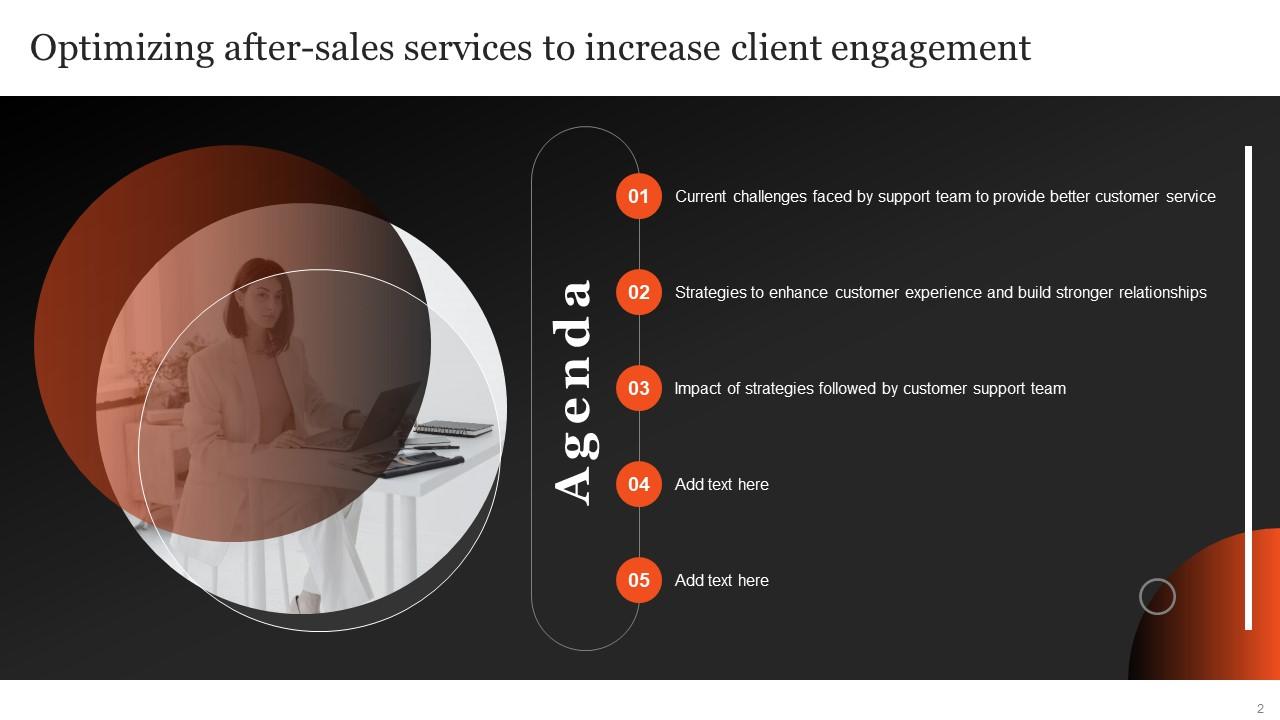
Diapositiva 2 : Esta diapositiva muestra la Agenda de la presentación.
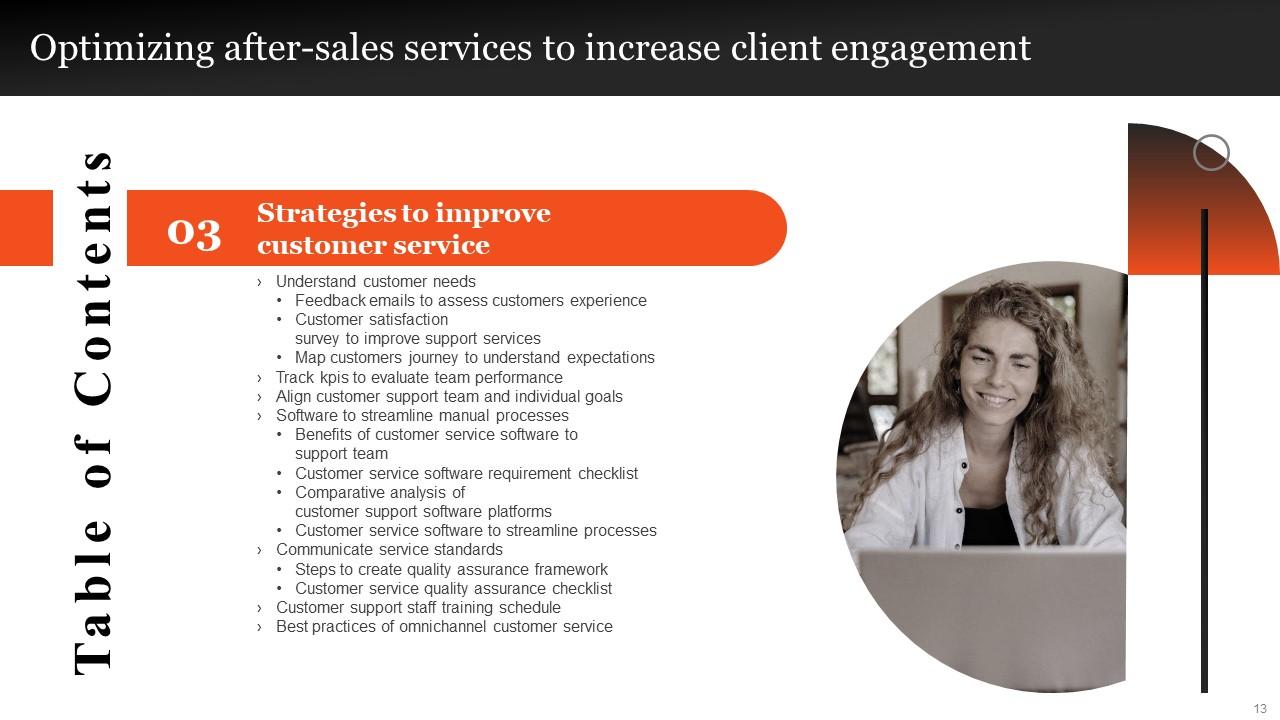
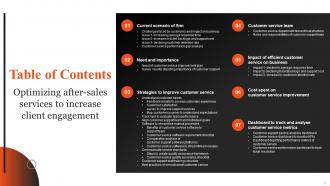
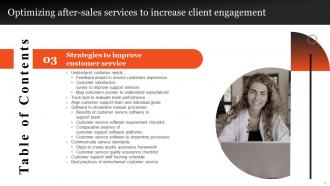
Diapositiva 3 : Esta diapositiva incorpora la Tabla de contenido.
Diapositiva 4 : Esta diapositiva aclara el título de los temas que se tratarán más adelante.
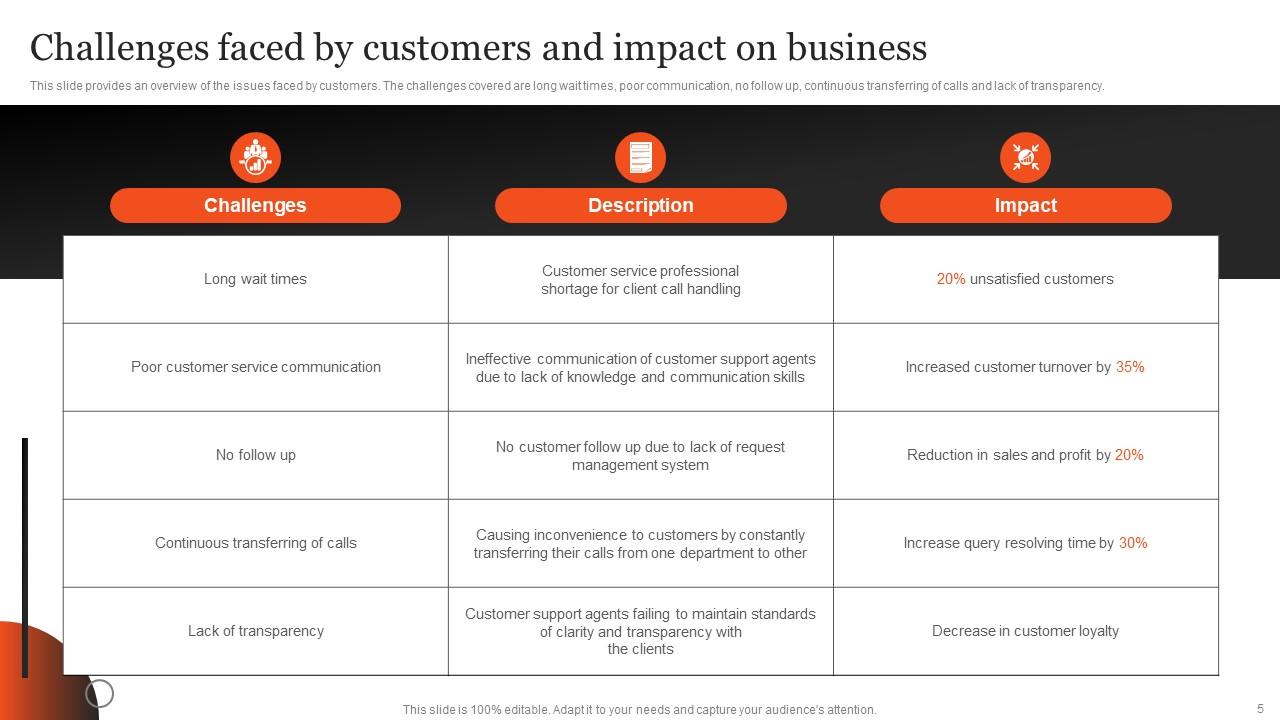
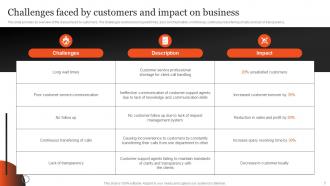
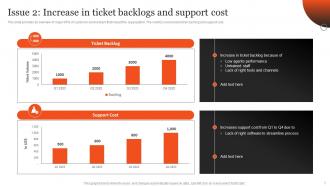
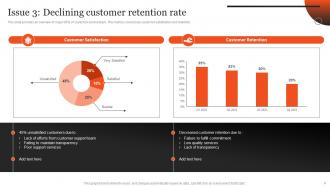
Diapositiva 5 : Esta diapositiva proporciona una descripción general de los problemas que enfrentan los clientes.
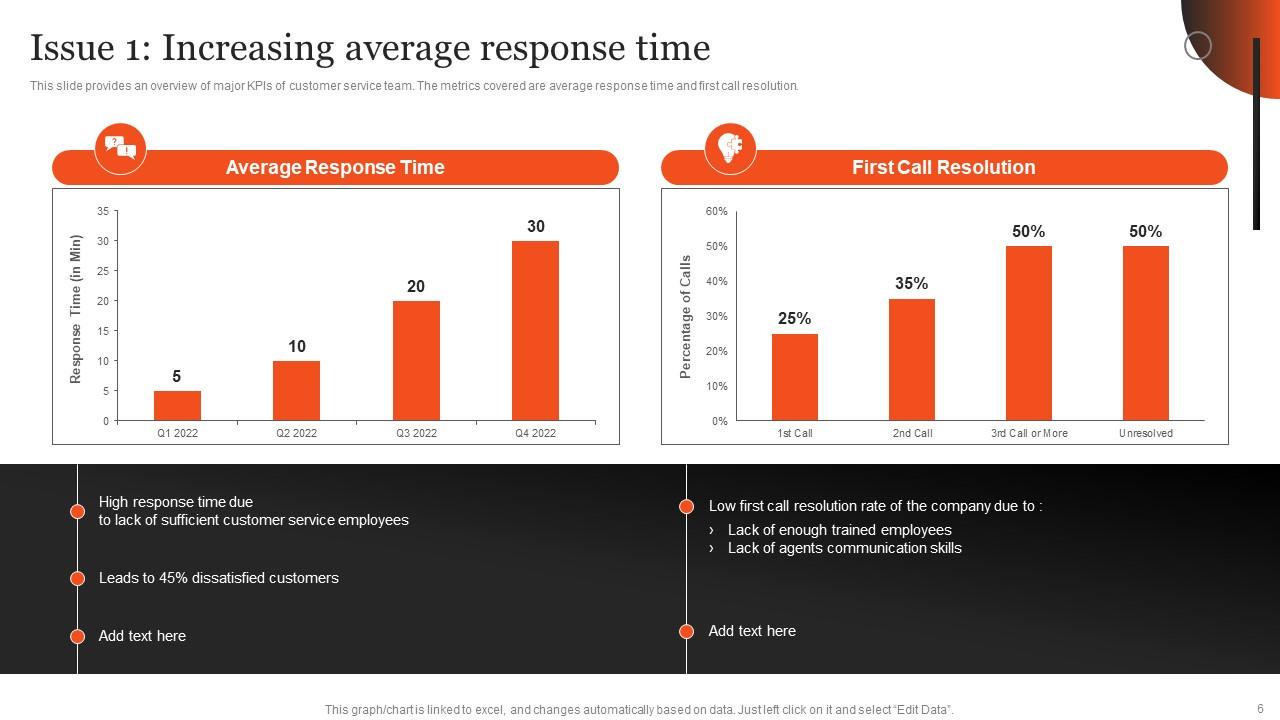
Diapositiva 6 : esta diapositiva muestra una descripción general de los principales KPI del equipo de atención al cliente.
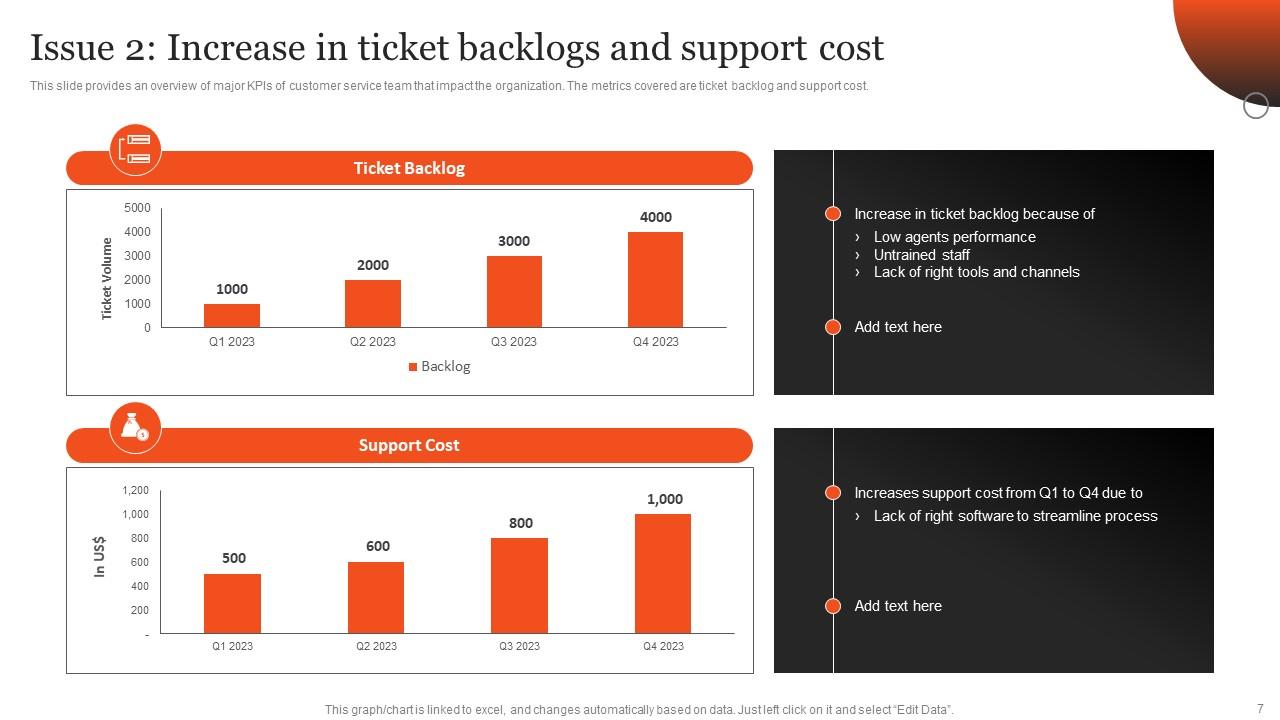
Diapositiva 7 : Esta diapositiva proporciona una descripción general de los principales KPI del equipo de servicio al cliente que impactan en la organización.
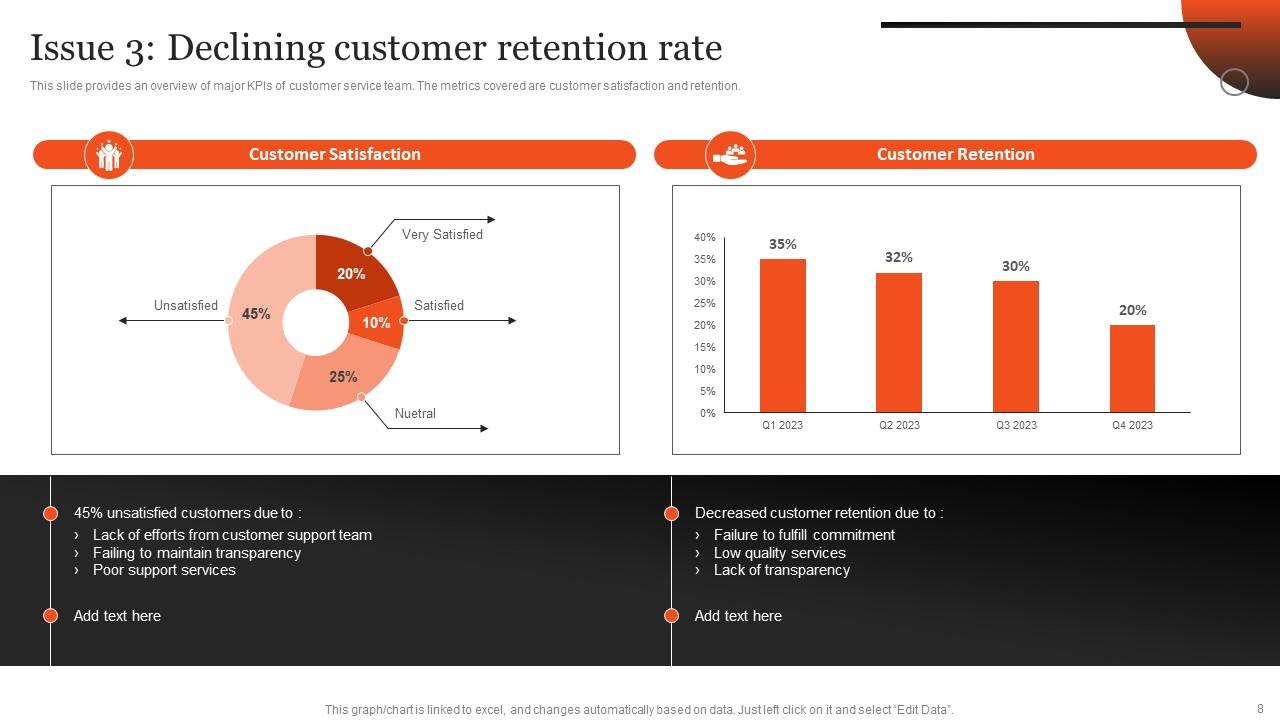
Diapositiva 8 : esta diapositiva ofrece una idea de los principales KPI del equipo de atención al cliente.
Diapositiva 9 : esta diapositiva muestra el objetivo deseado del departamento de atención al cliente.
Diapositiva 10 : Esta diapositiva incluye el encabezado de los contenidos que se discutirán a continuación.
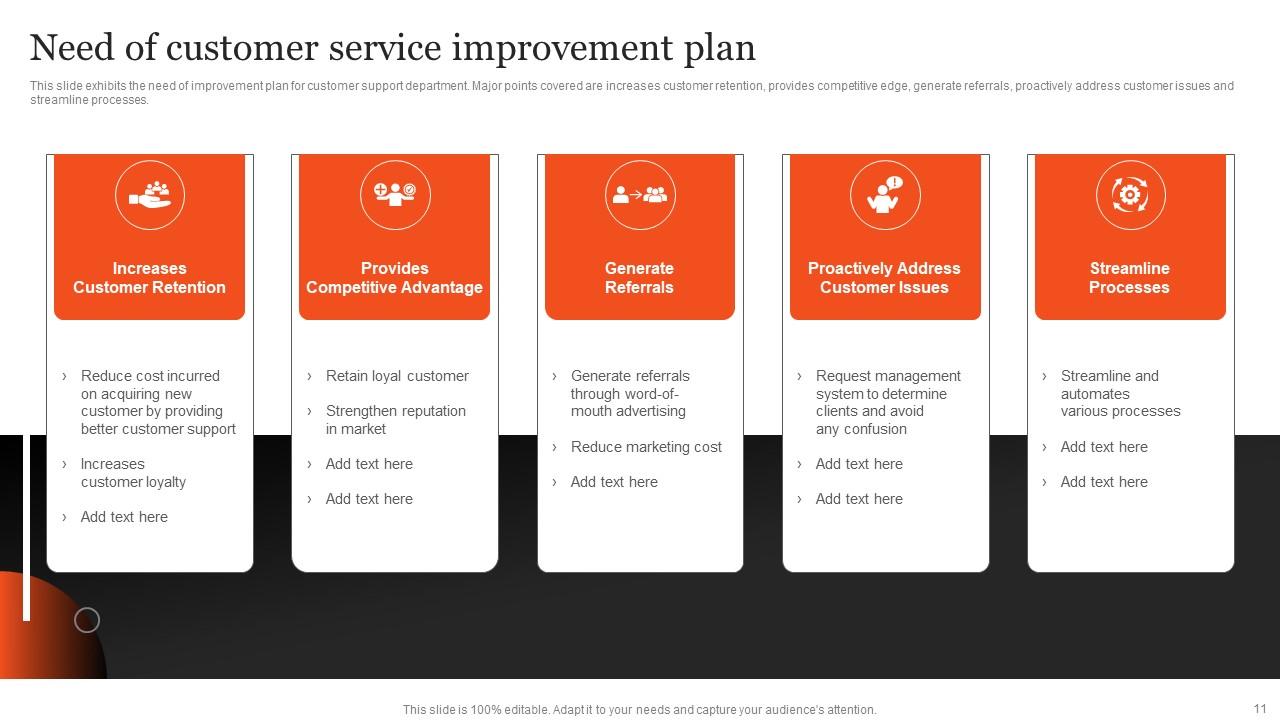
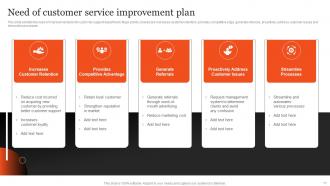
Diapositiva 11 : Esta diapositiva muestra la necesidad de un plan de mejora para el departamento de atención al cliente.
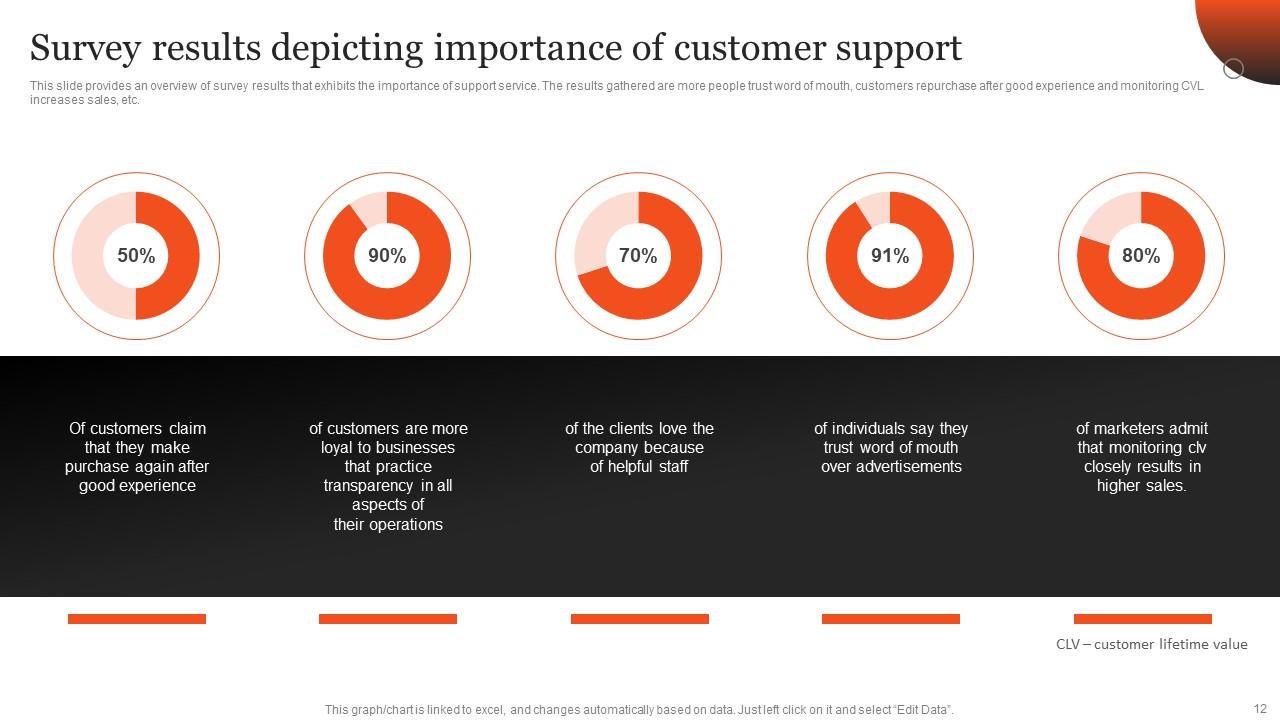
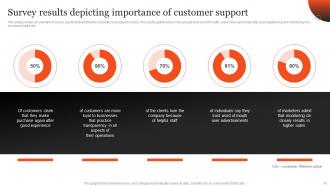
Diapositiva 12 : esta diapositiva muestra los resultados de la encuesta que representan la importancia de la atención al cliente.
Diapositiva 13 : esta diapositiva incorpora el título de las ideas que se discutirán más a fondo.
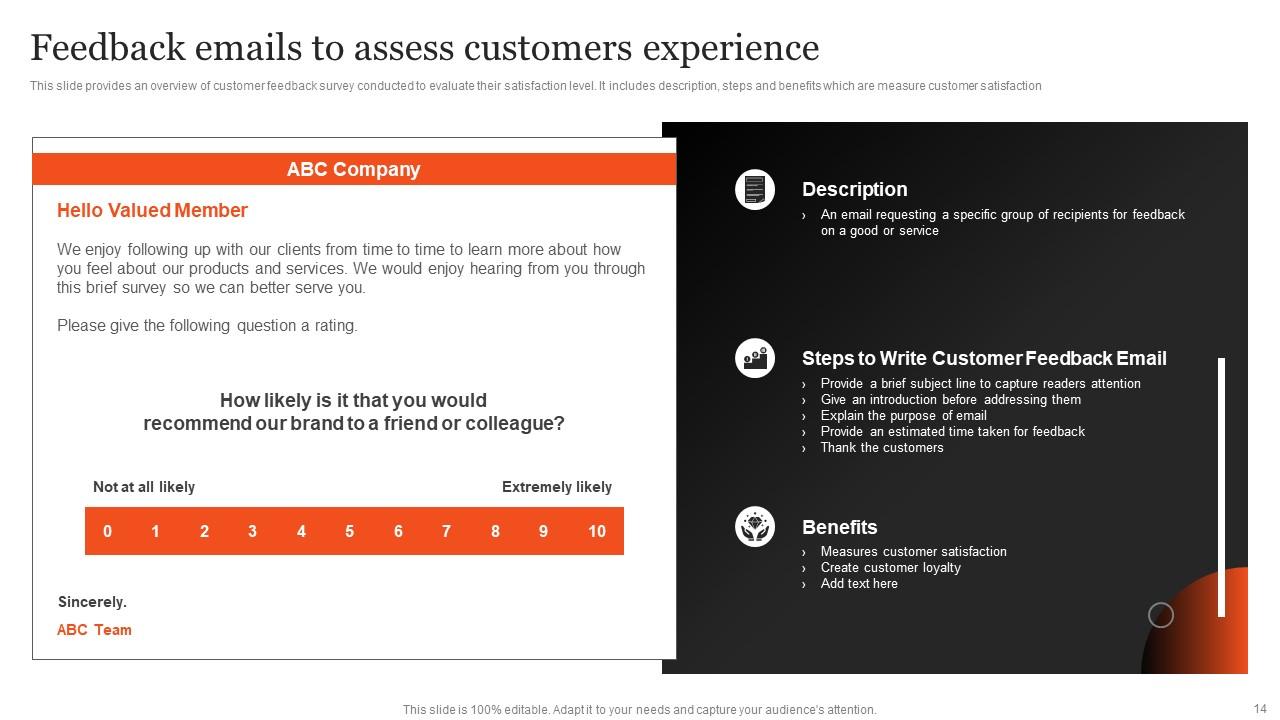
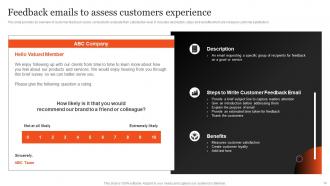
Diapositiva 14 : esta diapositiva habla sobre los correos electrónicos de comentarios para evaluar la experiencia de los clientes.
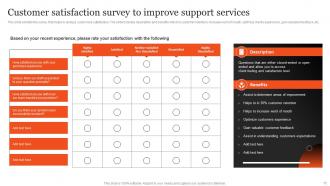
Diapositiva 15 : esta diapositiva presenta la encuesta de satisfacción del cliente para mejorar los servicios de soporte.
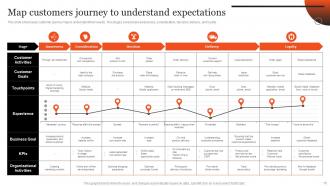
Diapositiva 16 : esta diapositiva se centra en Mapear el viaje de los clientes para comprender las expectativas.
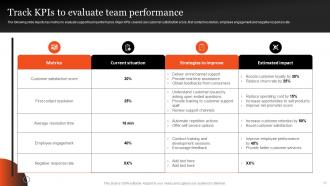
Diapositiva 17 : La siguiente diapositiva muestra métricas clave para evaluar el desempeño del equipo de soporte.
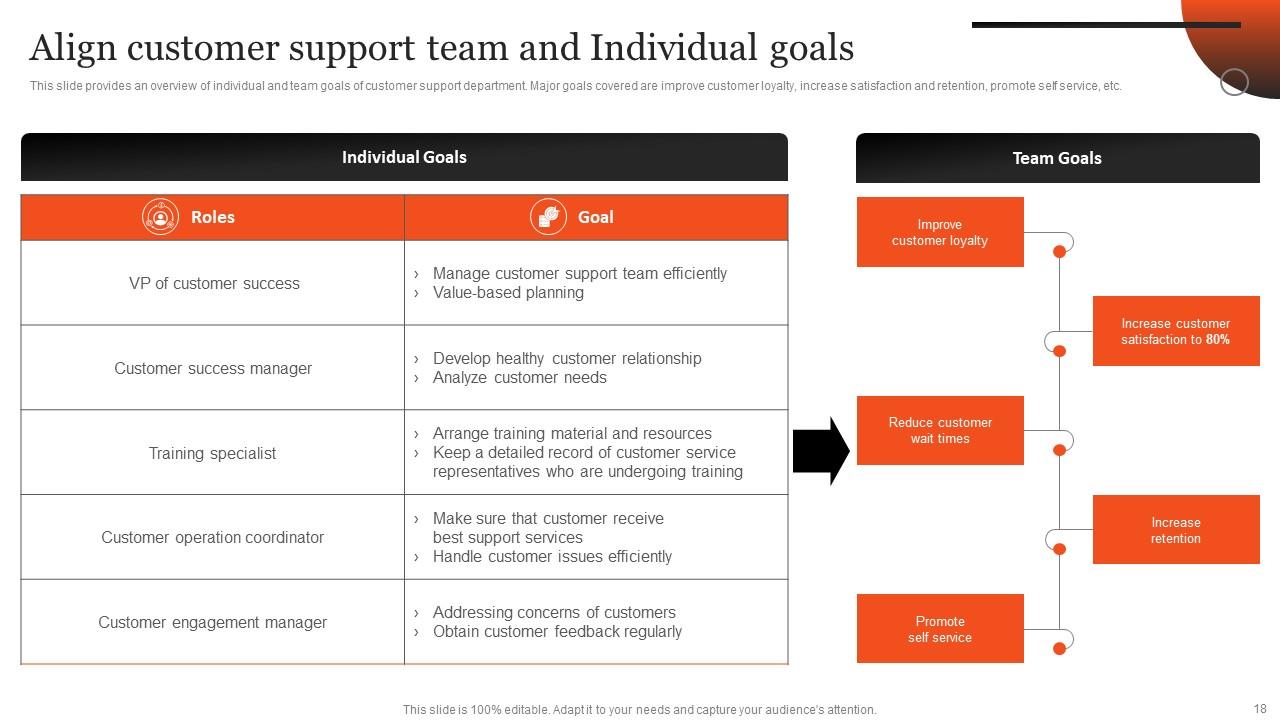
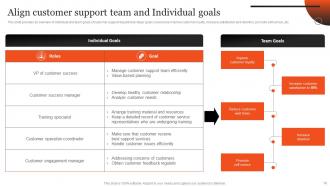
Diapositiva 18 : esta diapositiva proporciona una descripción general de los objetivos individuales y de equipo del departamento de atención al cliente.
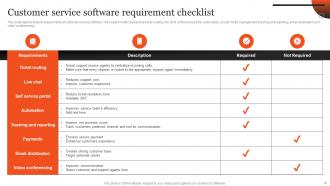
Diapositiva 19 : esta diapositiva muestra los requisitos de características del software de servicio al cliente.
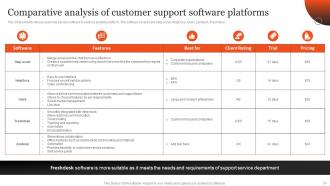
Diapositiva 20 : esta diapositiva muestra varios software de servicio al cliente para seleccionar una plataforma adecuada.
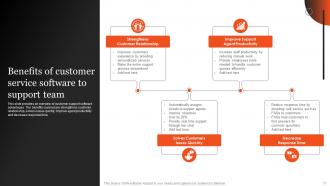
Diapositiva 21 : esta diapositiva muestra los beneficios del software de servicio al cliente para el equipo de soporte.
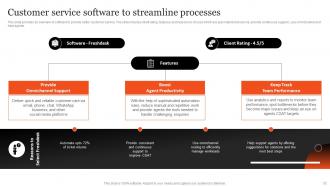
Diapositiva 22 : esta diapositiva habla sobre el software de servicio al cliente para agilizar los procesos.
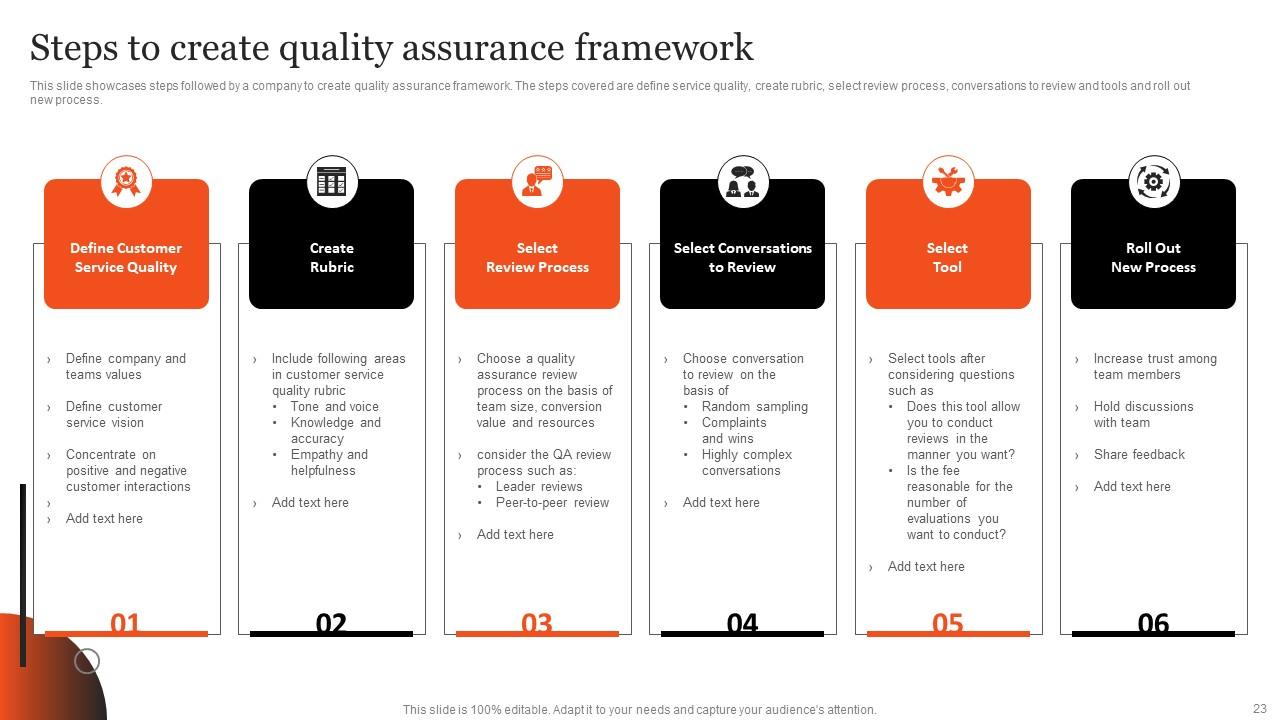
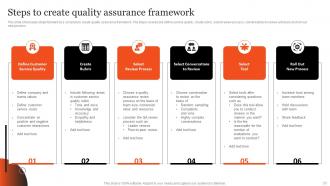
Diapositiva 23 : Esta diapositiva indica los pasos para crear un marco de garantía de calidad.
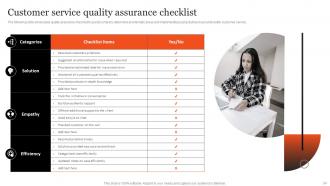
Diapositiva 24 : esta diapositiva muestra la lista de verificación de control de calidad del servicio al cliente.
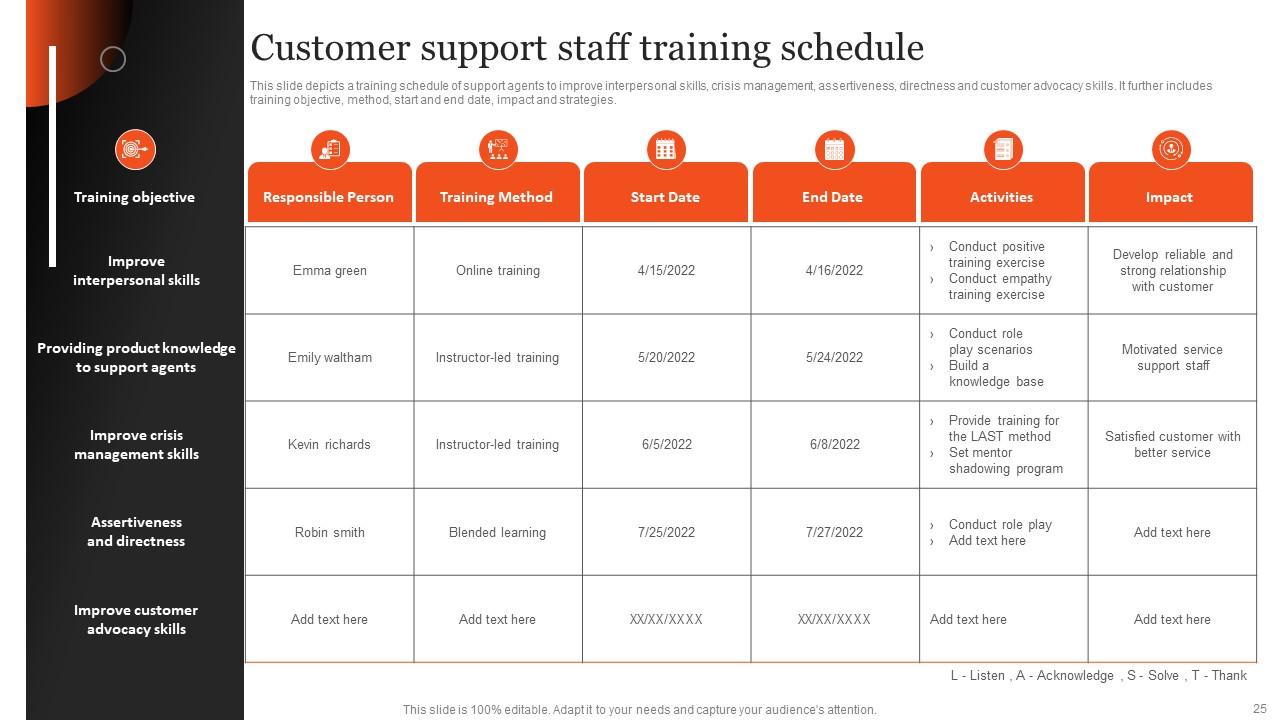
Diapositiva 25 : Esta diapositiva muestra un programa de capacitación de los agentes de soporte.
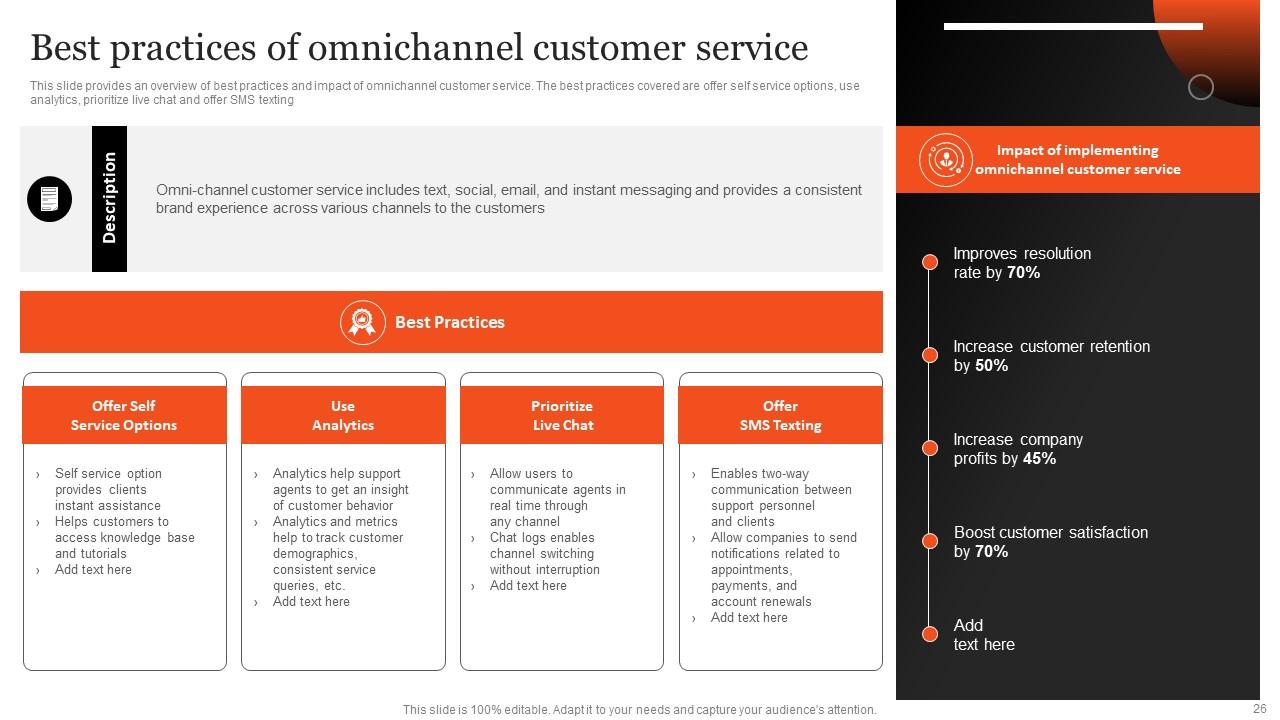
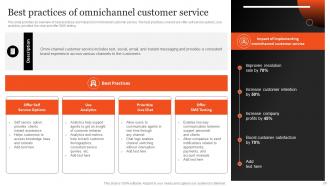
Diapositiva 26 : esta diapositiva revela las mejores prácticas del servicio al cliente omnicanal.
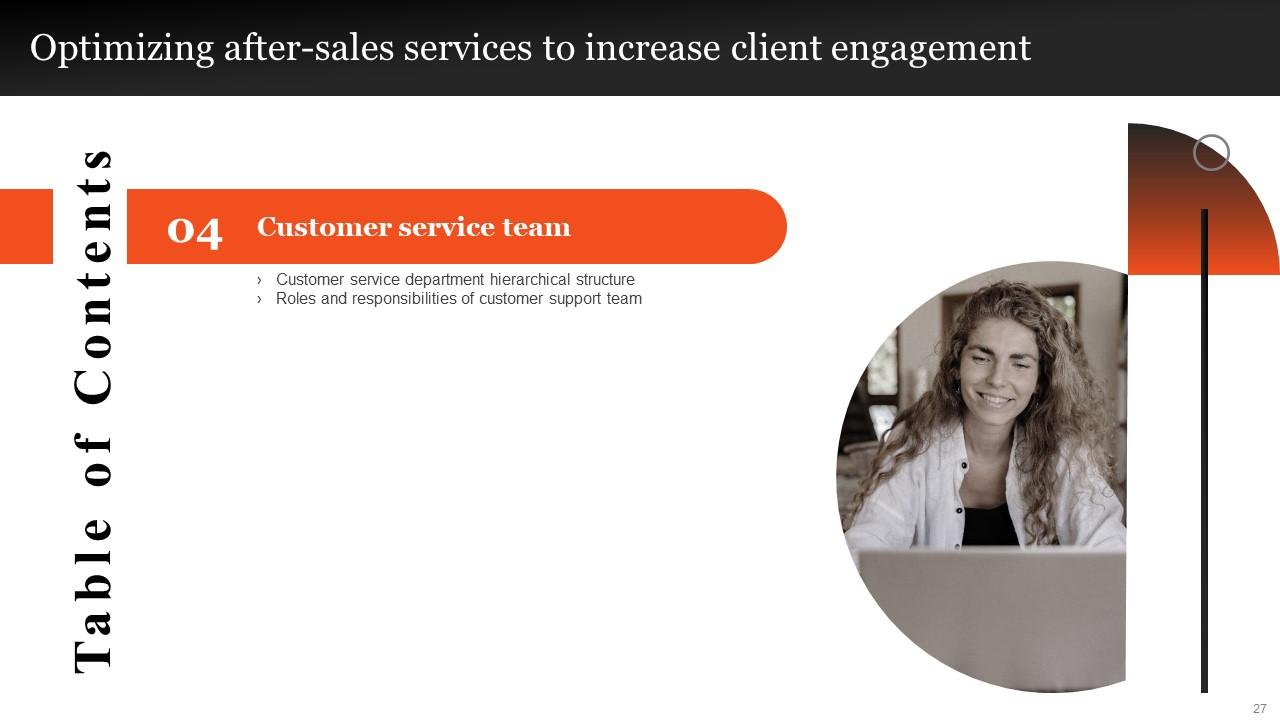
Diapositiva 27 : Esta diapositiva menciona el encabezado de las ideas que se discutirán a continuación.
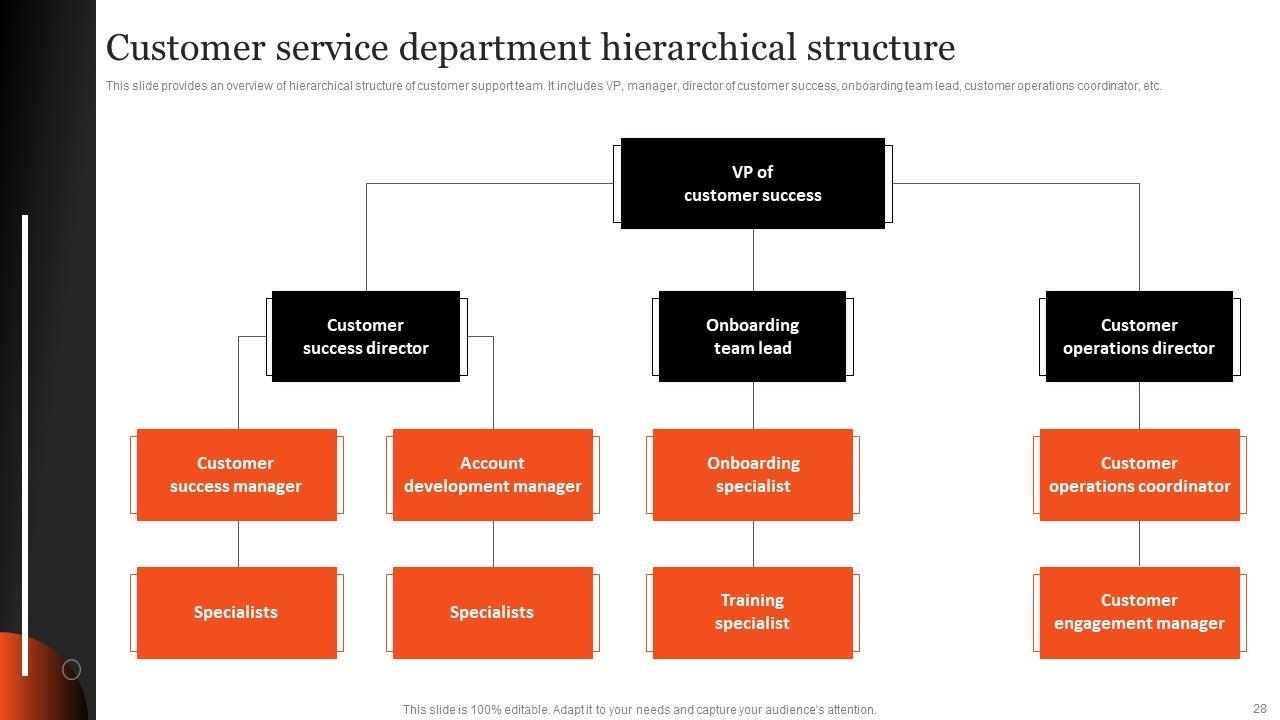
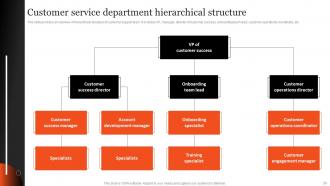
Diapositiva 28 : esta diapositiva proporciona una descripción general de la estructura jerárquica del equipo de atención al cliente.
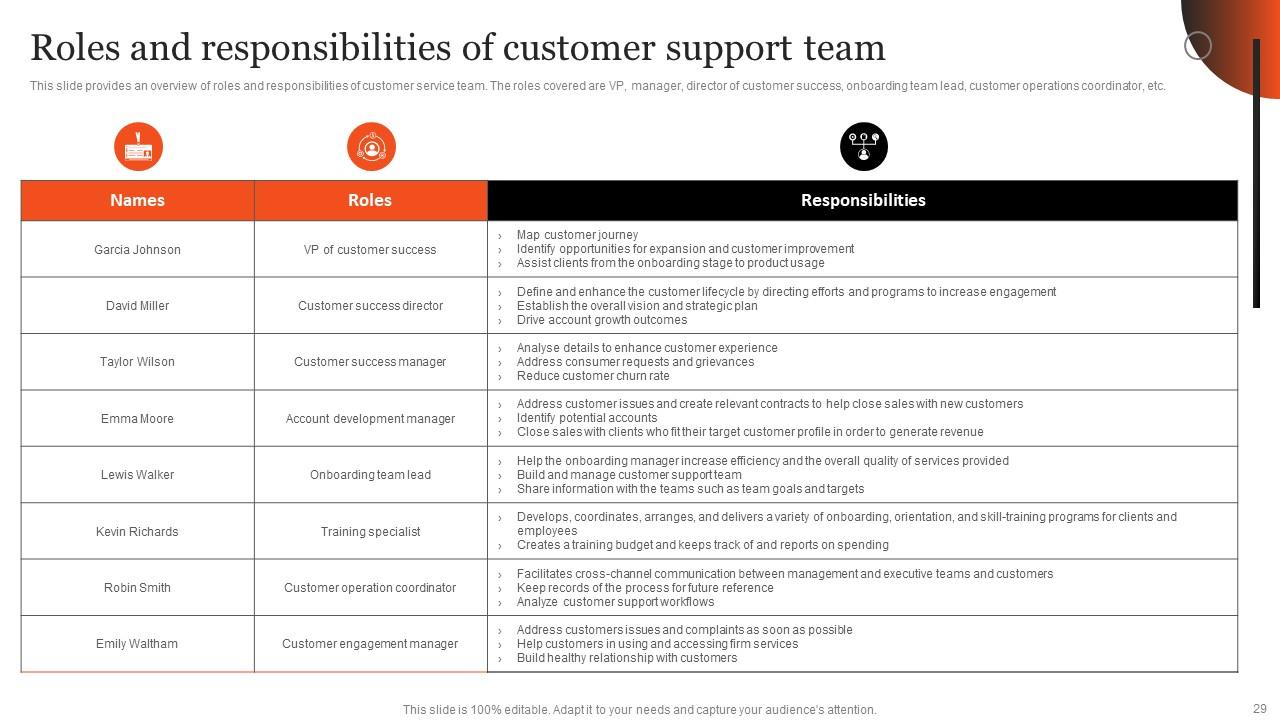
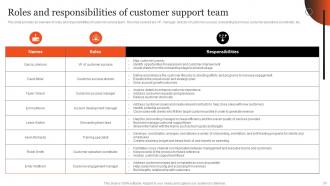
Diapositiva 29 : esta diapositiva muestra las funciones y responsabilidades del equipo de atención al cliente.
Diapositiva 30 : esta diapositiva incluye el título de los temas que se cubrirán en la siguiente plantilla.
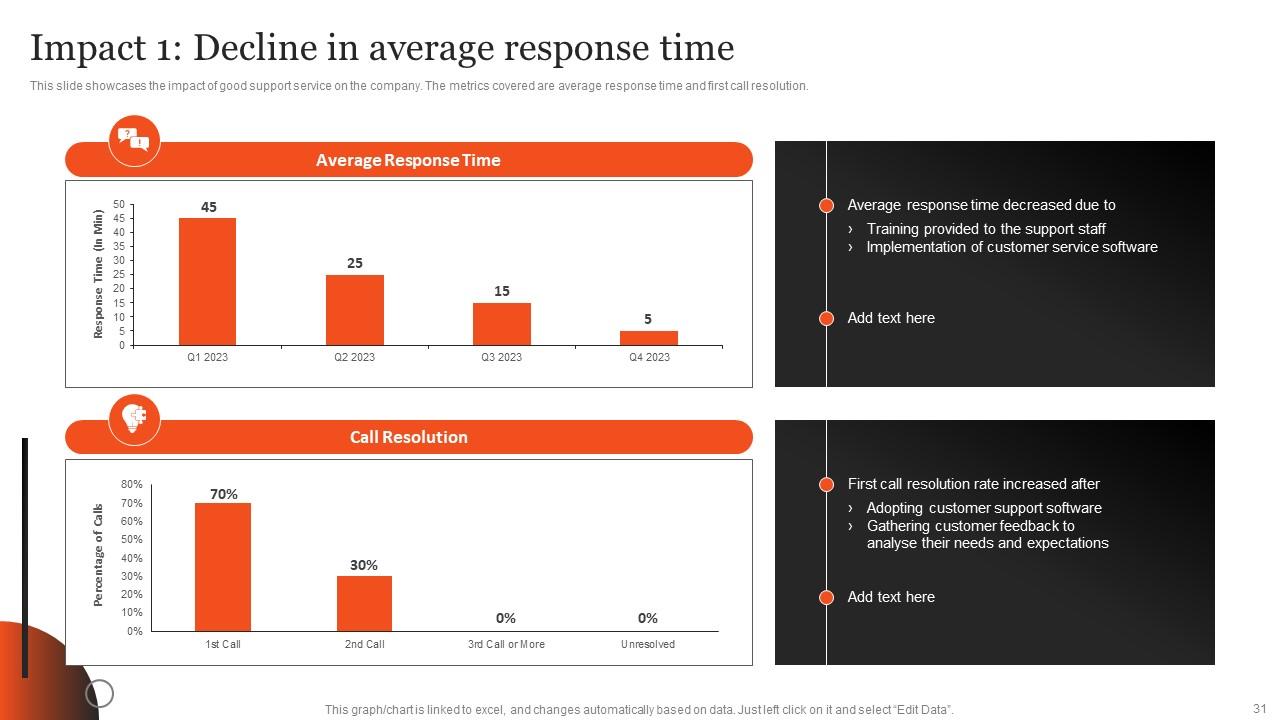
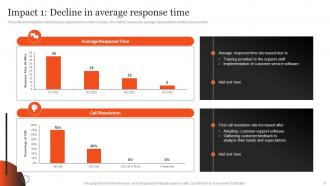
Diapositiva 31 : Esta diapositiva muestra el impacto de un buen servicio de soporte en la empresa.
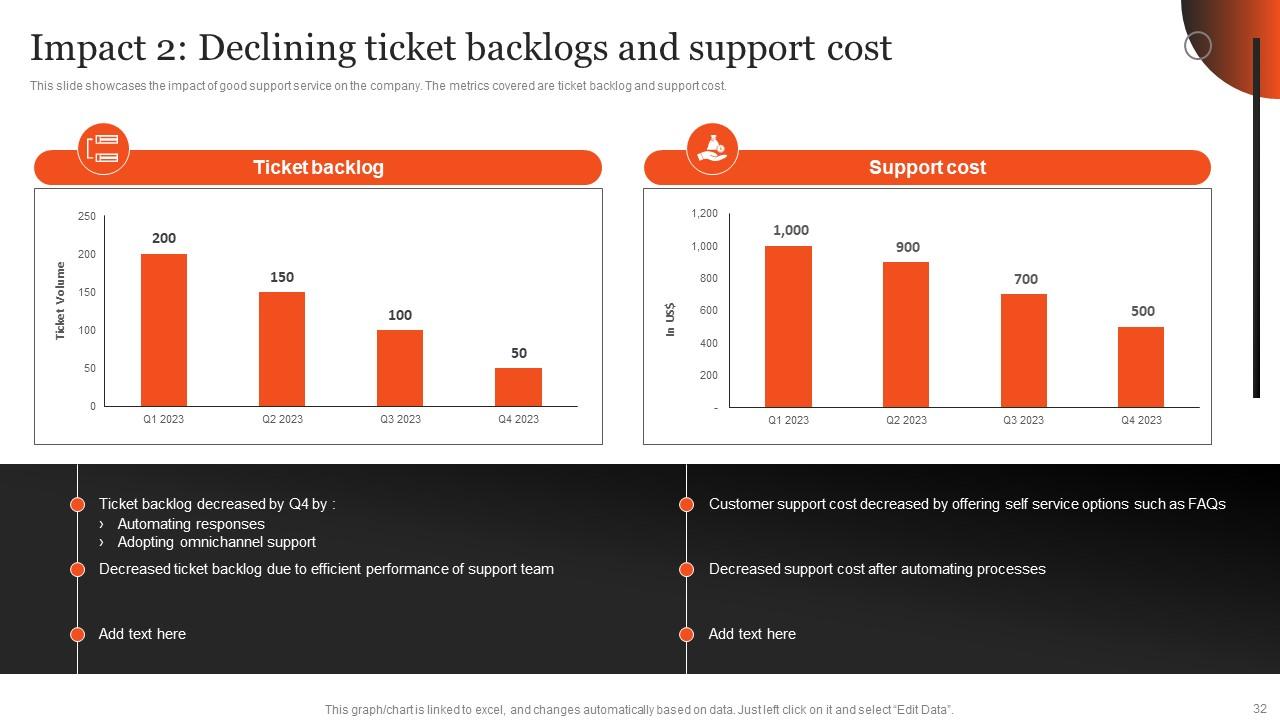
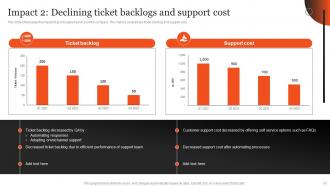
Diapositiva 32 : Esta diapositiva destaca el impacto de un buen servicio de soporte en la empresa.
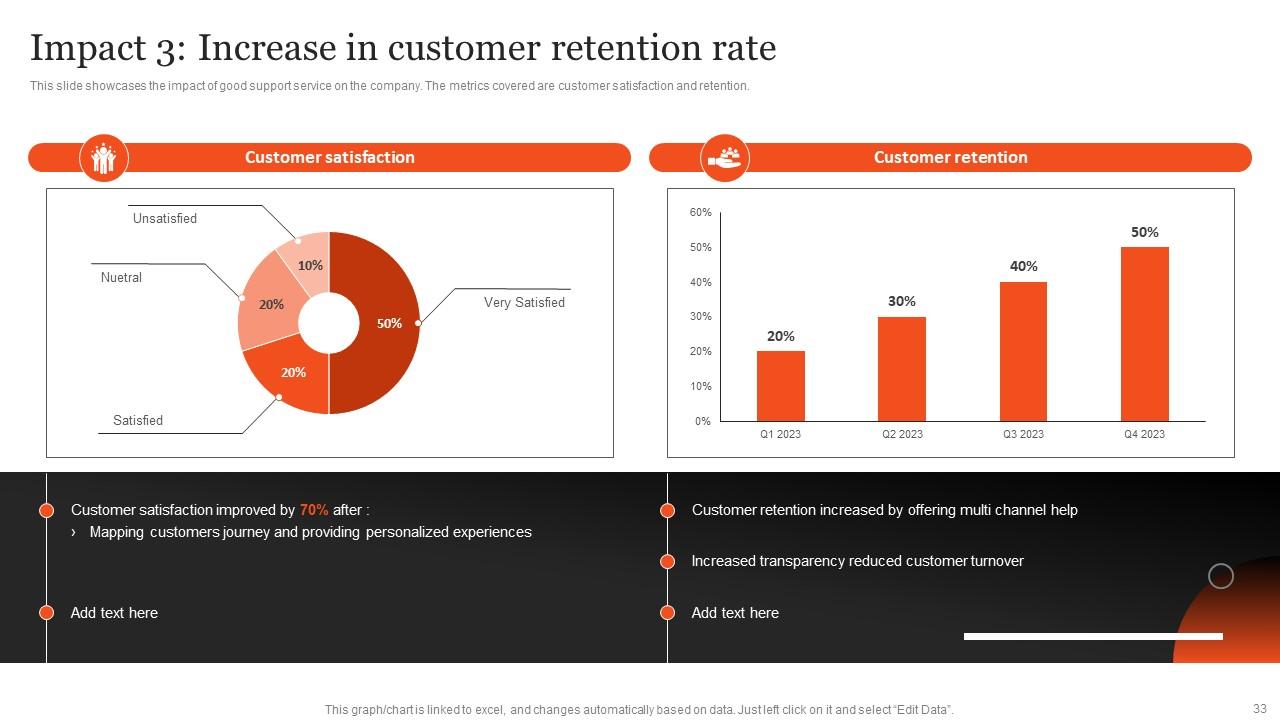
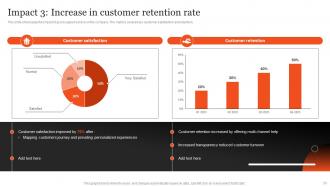
Diapositiva 33 : Esta diapositiva muestra el impacto de un buen servicio de soporte en la empresa.
Diapositiva 34 : esta diapositiva indica el encabezado de los componentes que se analizarán en la próxima plantilla.
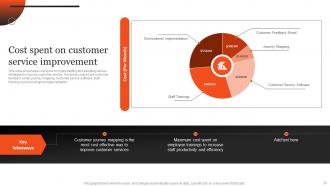
Diapositiva 35 : esta diapositiva muestra el costo invertido en la mejora del servicio al cliente.
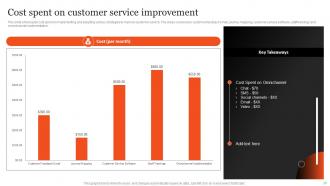
Diapositiva 36 : Esta diapositiva muestra el costo invertido en implementar y adoptar varias estrategias para mejorar el servicio al cliente.
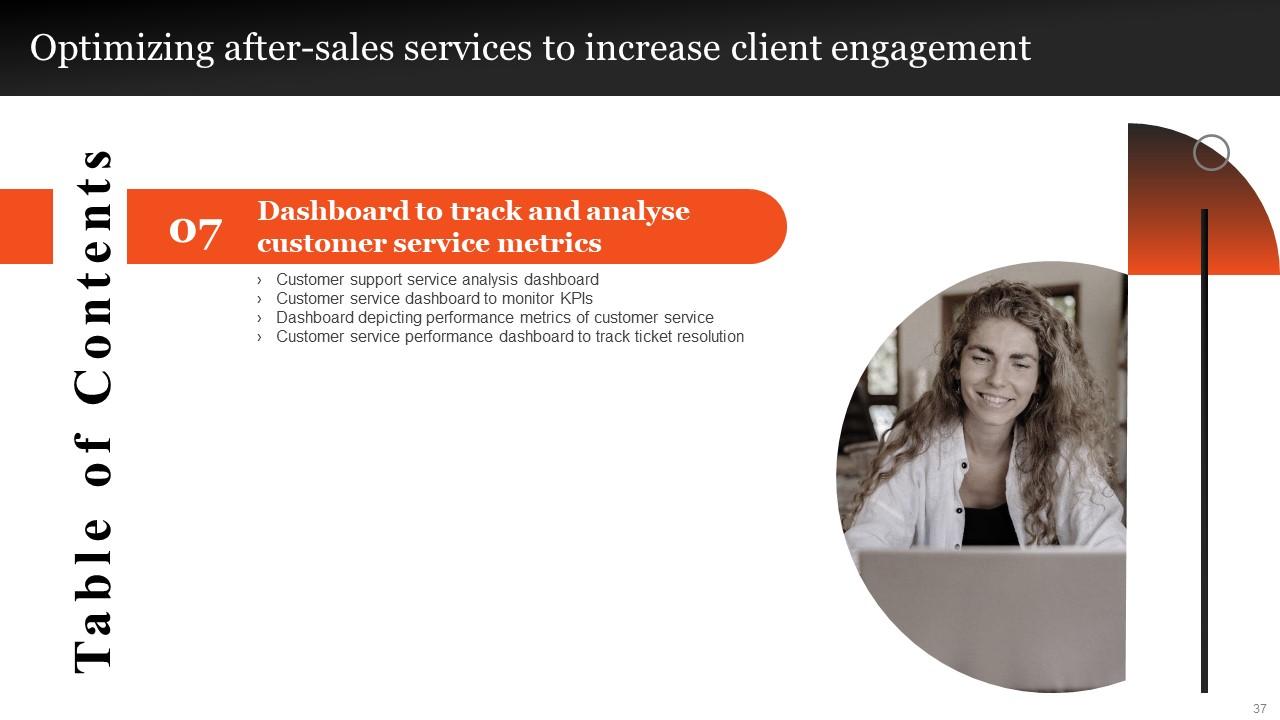
Diapositiva 37 : esta diapositiva incorpora el título de las ideas que se tratarán más adelante.
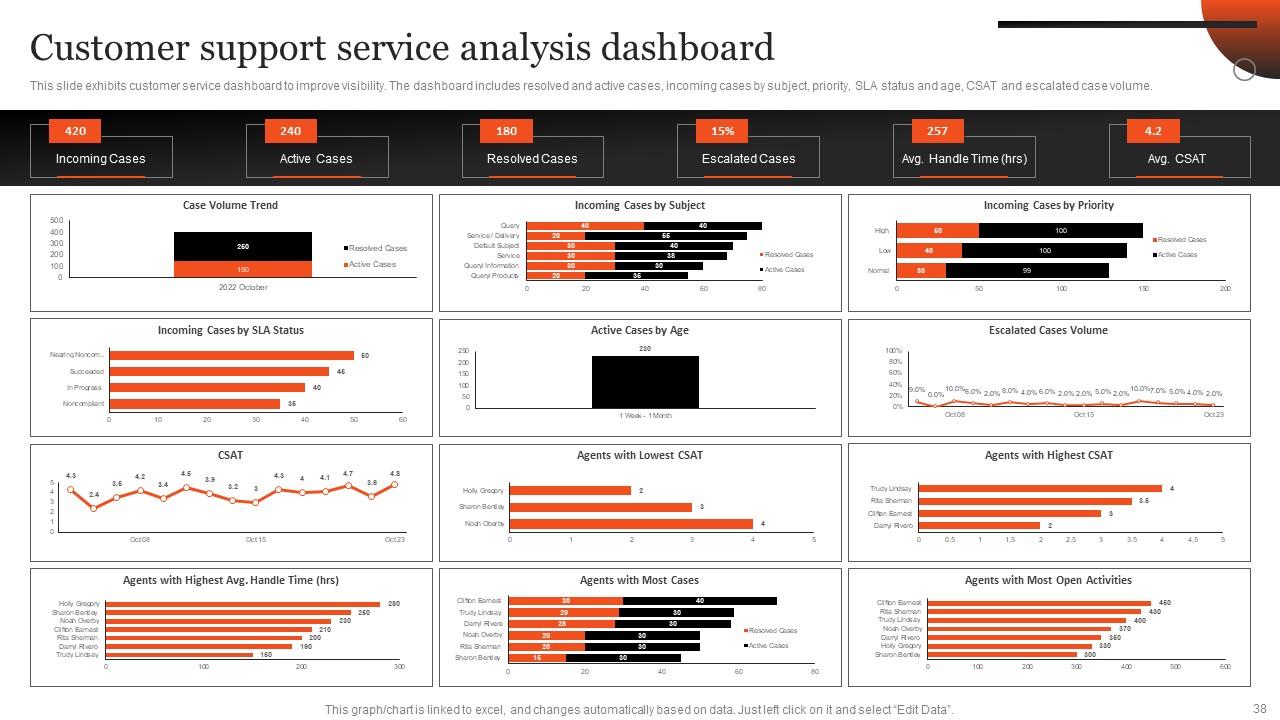
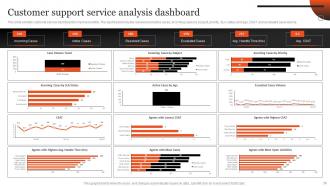
Diapositiva 38 : esta diapositiva muestra el panel de servicio al cliente para mejorar la visibilidad.
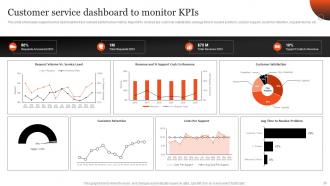
Diapositiva 39 : Esta diapositiva ilustra el panel de servicio al cliente para monitorear los KPI.
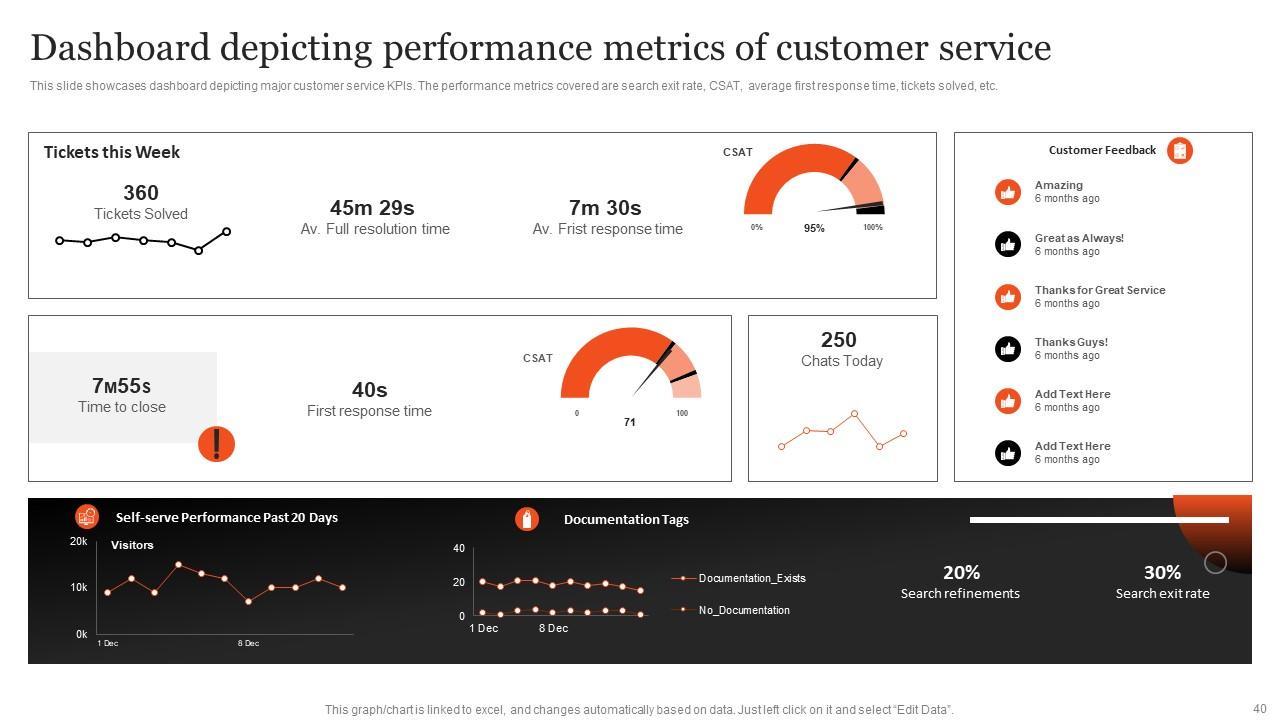
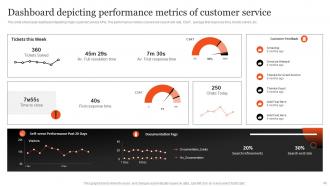
Diapositiva 40 : esta diapositiva muestra un tablero que representa los principales KPI de servicio al cliente.
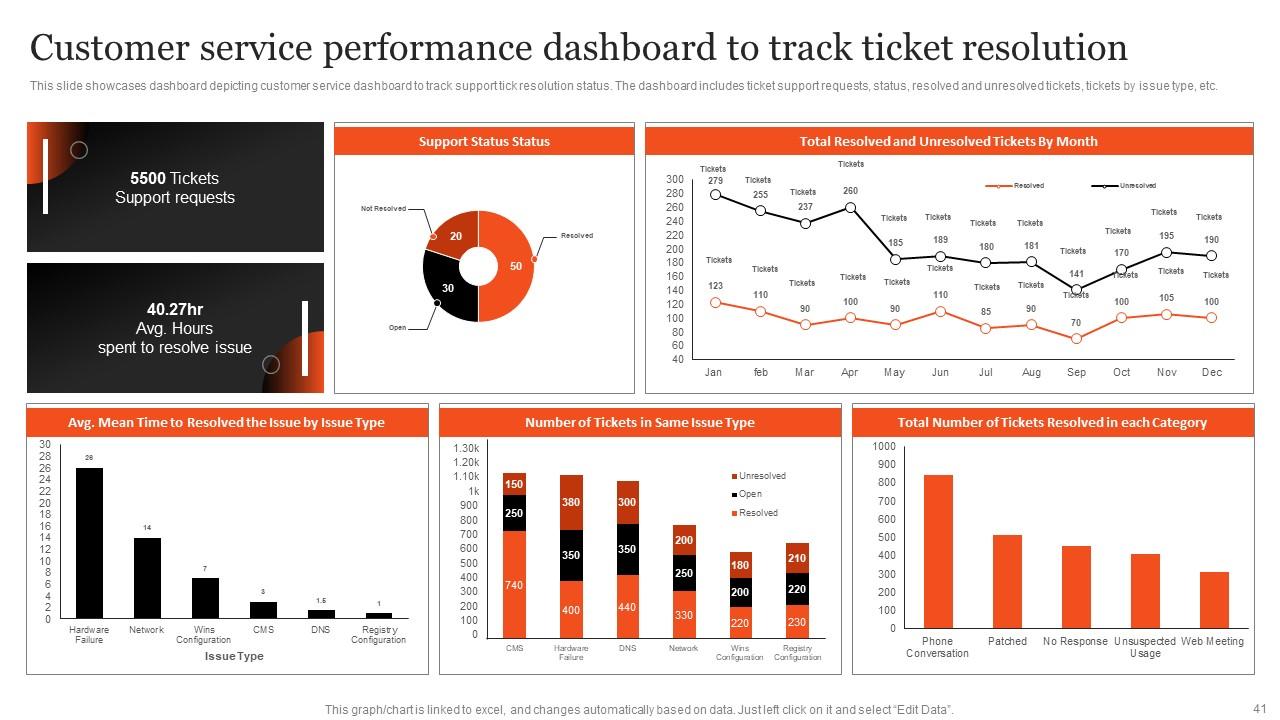
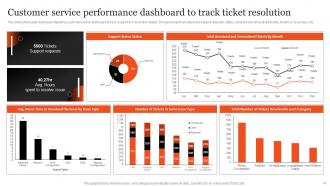
Diapositiva 41 : Esta diapositiva presenta un tablero que representa el tablero de servicio al cliente para rastrear el estado de resolución de ticks de soporte.
Diapositiva 42 : esta es la diapositiva de iconos que contiene todos los iconos utilizados en el plan.
Diapositiva 43 : Esta diapositiva se usa para mostrar información adicional.
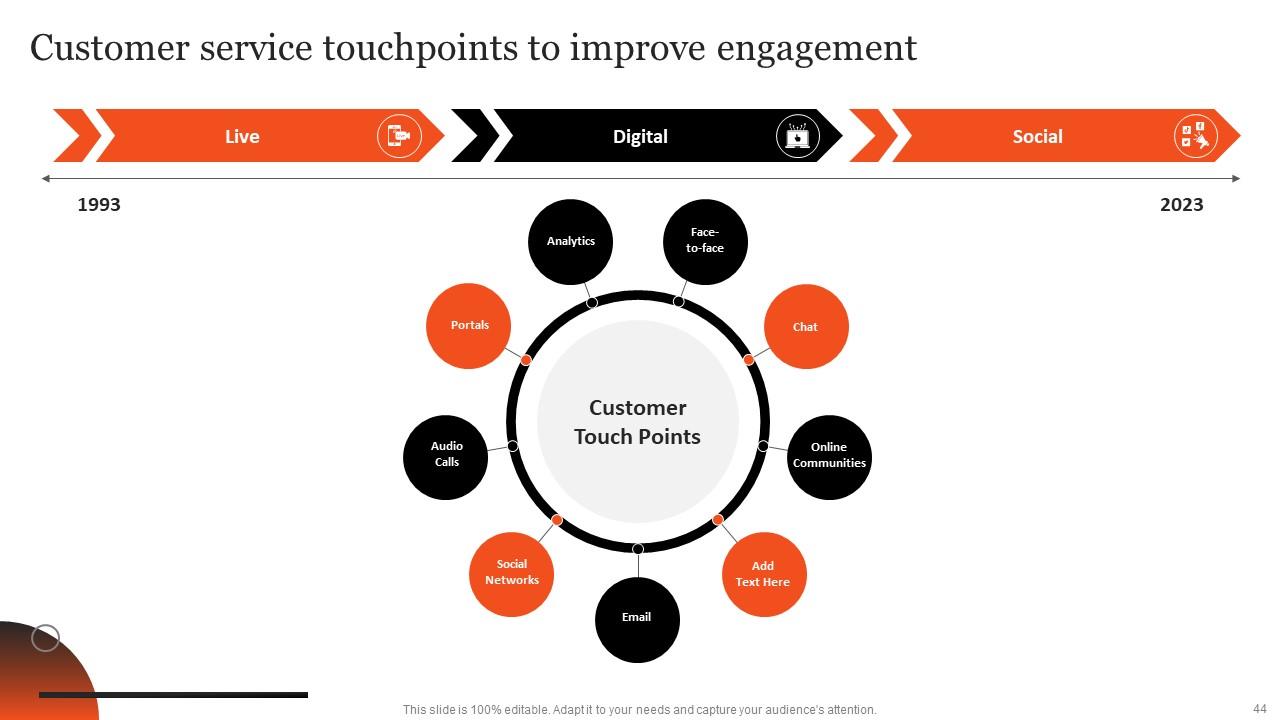
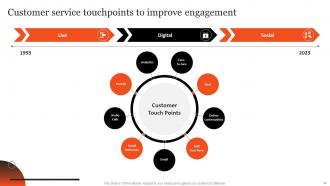
Diapositiva 44 : esta diapositiva trata sobre los puntos de contacto del servicio al cliente para mejorar el compromiso.
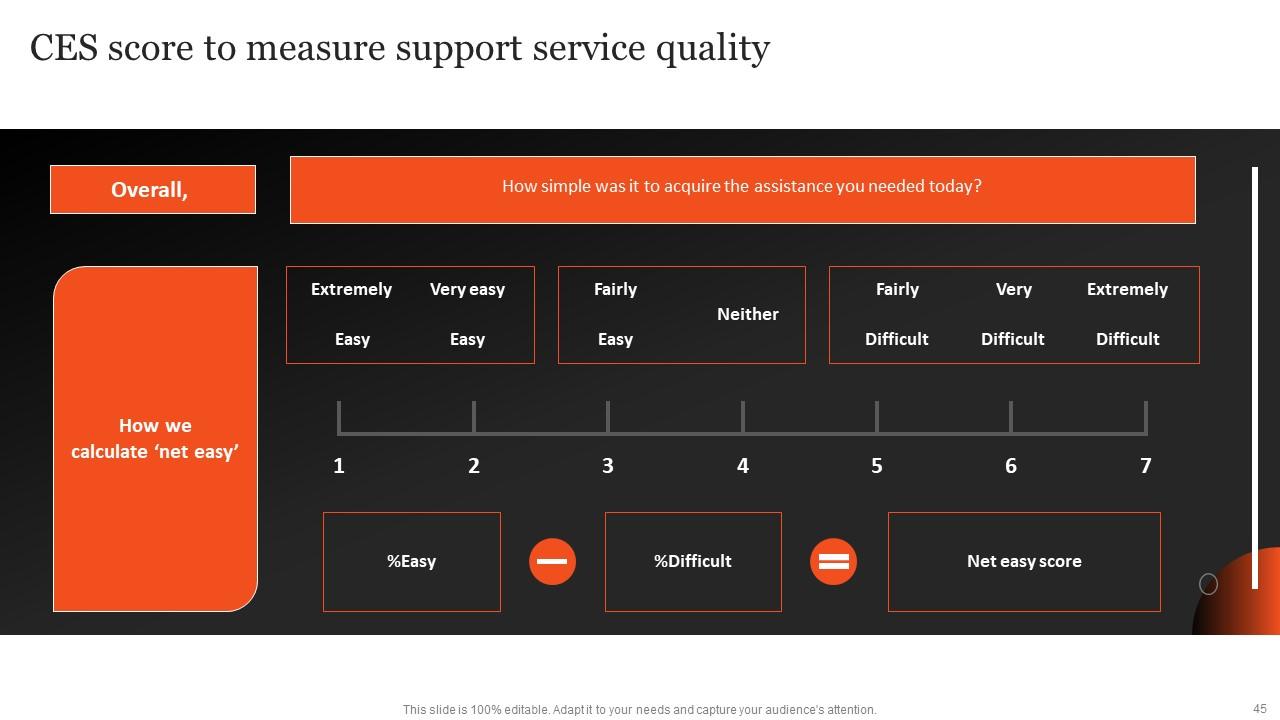
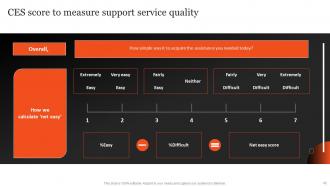
Diapositiva 45 : Esta diapositiva habla sobre el puntaje CES para medir la calidad del servicio de soporte.
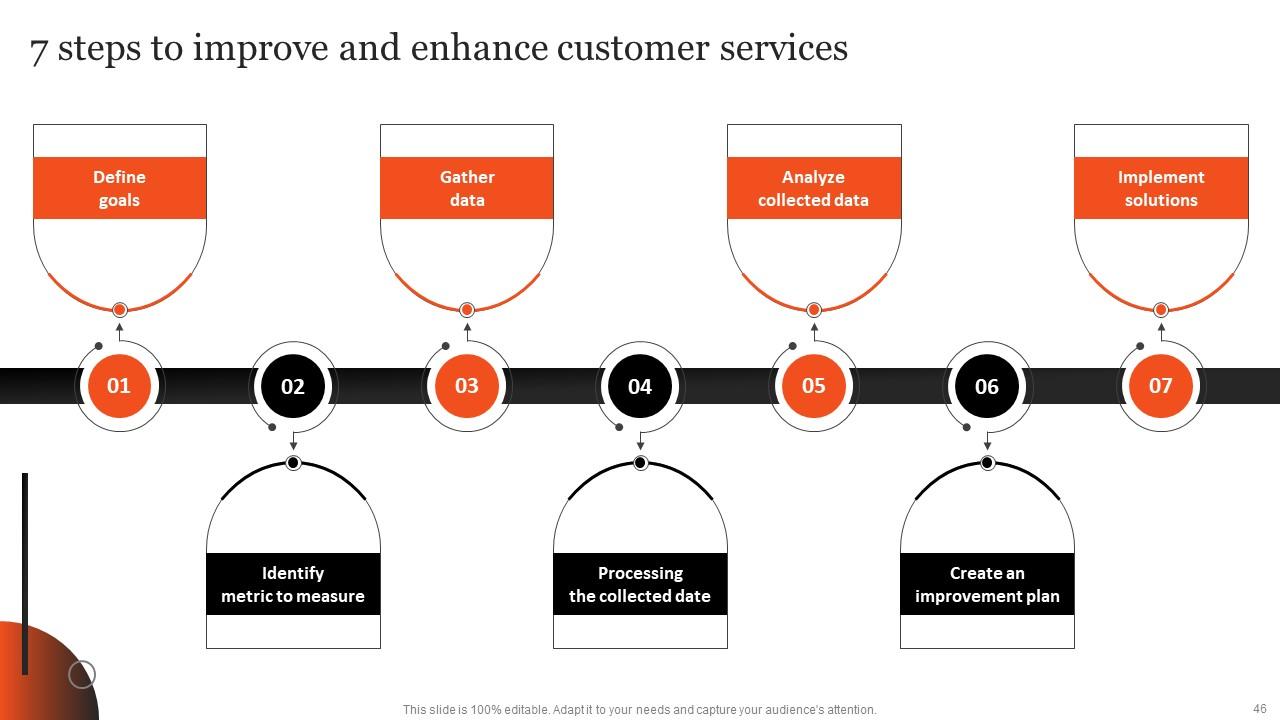
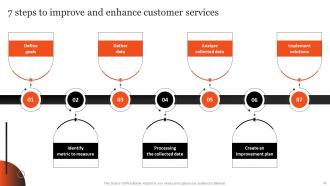
Diapositiva 46 : Esta diapositiva destaca los 7 pasos para mejorar y mejorar los servicios al cliente.
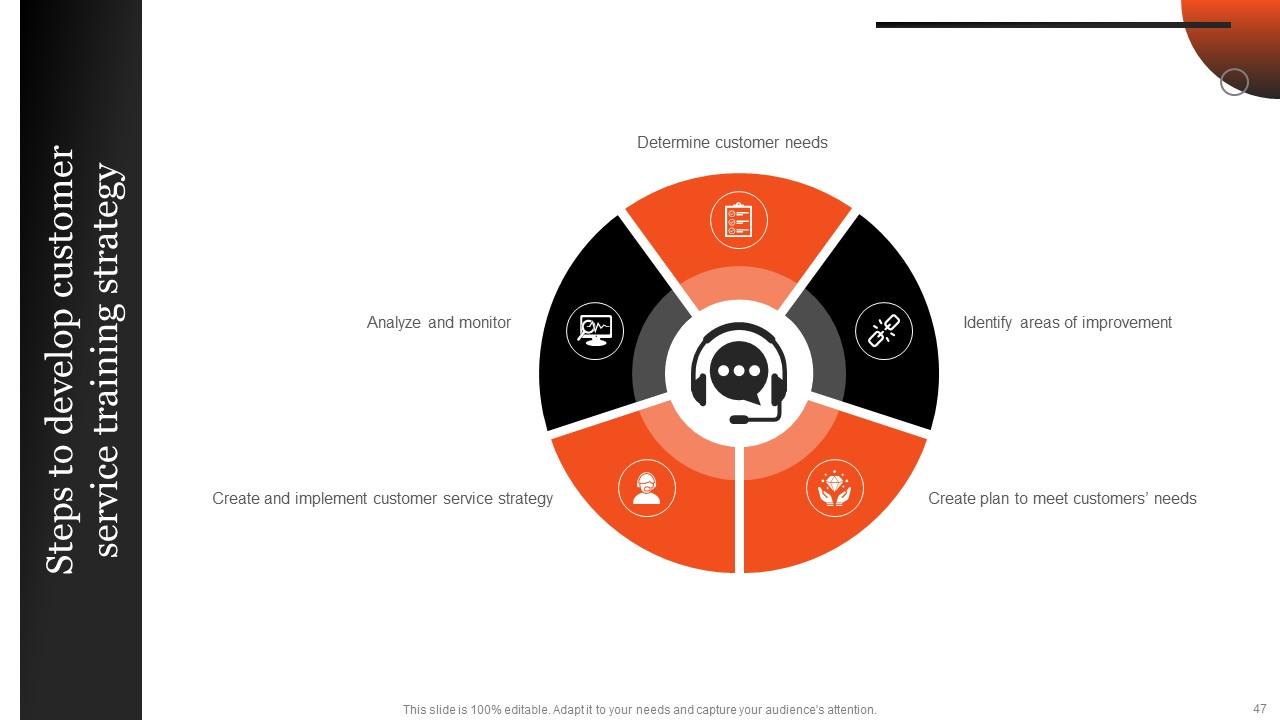
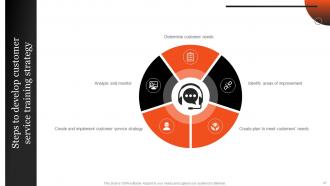
Diapositiva 47 : Esta diapositiva menciona los Pasos para desarrollar una estrategia de capacitación en servicio al cliente.
Diapositiva 48 : Esta es la diapositiva Acerca de nosotros. Indique aquí la información relacionada con su empresa.
Diapositiva 49 : Esta es la diapositiva de la lupa.
Diapositiva 50 : Esta es la diapositiva del diagrama de Venn.
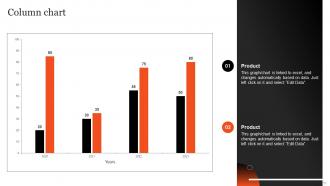
Diapositiva 51 : esta diapositiva muestra el gráfico de columnas.
Diapositiva 52 : esta diapositiva contiene las notas Post-it para recordatorios y fechas límite.
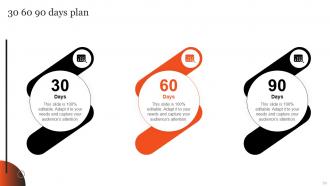
Diapositiva 53 : Esta es la diapositiva del plan de 30 60 90 días para una planificación efectiva.
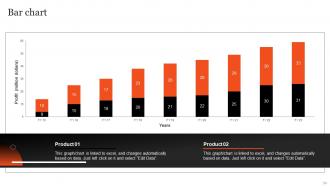
Diapositiva 54 : Esta diapositiva muestra el gráfico de barras.
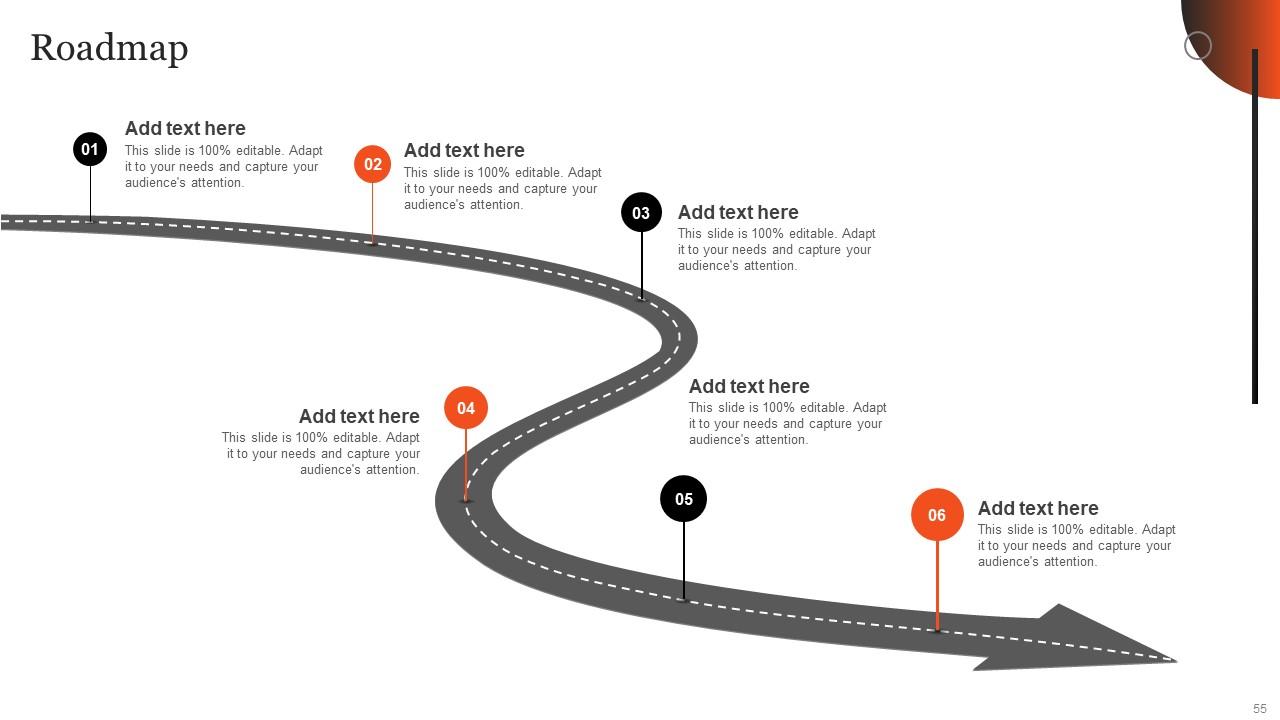
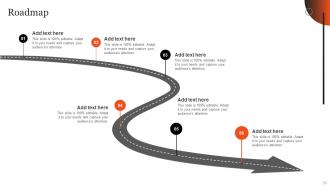
Diapositiva 55 : Esta diapositiva aclara la hoja de ruta de la organización.
Diapositiva 56 : Esta es la diapositiva de agradecimiento por el reconocimiento.
Optimización de los servicios posventa para aumentar la participación del cliente Diapositivas de presentación de PowerPoint con las 61 diapositivas:
Utilice nuestras Diapositivas de presentación de Powerpoint de Optimización de los servicios posventa para aumentar la participación del cliente para ayudarlo de manera efectiva a ahorrar su valioso tiempo. Están listos para encajar en cualquier estructura de presentación.
-
“There is so much choice. At first, it seems like there isn't but you have to just keep looking, there are endless amounts to explore.”
-
Making a presentation has never been this easy for me. Thank you SlideTeam for offering a splendid template library.
