Org Structure BMW Investor Funding Elevator Pitch Deck
Try Before you Buy Download Free Sample Product
Audience
Editable
of Time
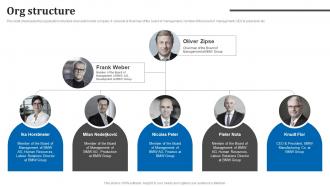
This slide showcases the organization structure of an automobile company. It consists of chairman of the board of management, member of the board of management, CEO and president, etc.
People who downloaded this PowerPoint presentation also viewed the following :
Org Structure BMW Investor Funding Elevator Pitch Deck with all 9 slides:
Use our Org Structure BMW Investor Funding Elevator Pitch Deck to effectively help you save your valuable time. They are readymade to fit into any presentation structure.
FAQs for Org Structure BMW Investor Funding
So BMW's got this dual-class share thing going on with a supervisory board that actually works pretty well for investors. The AG structure splits oversight from daily ops, and their investor relations team reports straight to the CFO. What's cool is the supervisory board mixes employee and shareholder reps - way more balanced than most German companies honestly. They've also got clear regional divisions (Americas, Europe, Asia) so you can easily track how each area's performing. Oh, and here's the interesting part - this whole setup lets them stay transparent while the Quandt family keeps their controlling stake. Pretty clever if you ask me.
BMW's got pretty solid investor confidence because of their corporate governance setup. They use that German two-tier board system where the supervisory board actually keeps management honest - works better than you'd think. Their dividend payments are super consistent, and honestly? Their quarterly earnings calls are surprisingly straight-up about problems while staying optimistic long-term. Financial reporting stays transparent too. Oh, and their ESG stuff has really improved lately, which investors are totally into right now. The whole management/supervisory role separation thing just creates better accountability overall.
So BMW's whole engineering obsession really drives their funding strategy. They'd rather dump money into long-term R&D than chase quick profits - which honestly makes sense for a car company. Patient investors love this approach. Germans being Germans, they keep conservative debt levels and hoard cash like it's going out of style. ESG funds eat up their consistent green tech investments too. Oh, and if you're digging into their numbers, check their quarterly R&D spending ratios. That's where you'll actually see their culture playing out in the financials.
BMW's really smart about this - they team up with other companies instead of burning cash on solo R&D projects. Like their Intel and Mobileye partnerships for self-driving cars? Way cheaper than doing it themselves. Investors love this approach because it cuts down risk while still getting access to cool new tech and markets. Plus these partnerships bring in whole new investor networks they wouldn't have otherwise. Check out what they're doing with EV battery companies lately - it's basically the playbook in action. Smart money management honestly.
So BMW basically does a few key things here. First, they vet investors super carefully - checking finances, looking for conflicts, that whole deal. Smart move is they spread funding around instead of relying on one big source. They've got governance rules in place and watch investor relationships like hawks. Their risk committee reviews everything quarterly to make sure it fits their strategy. Honestly, the quarterly thing seems a bit much but whatever works. If you're facing something similar, I'd say write down your assessment criteria first and set up some kind of monitoring system.
BMW raises money through bonds, bank loans, and sometimes equity - though honestly they don't do equity raises much since they're already public. They're pretty active with bond issuations compared to other car companies. For shorter-term cash needs, they use syndicated bank loans. Their finance arm (BMW Financial Services) also does asset-backed securities from auto loans, which is kinda clever. Oh and definitely check their quarterly calls if you're following this stuff - they usually hint at big financing moves ahead of time.
So BMW split into three chunks - cars, bikes, and financial stuff - which gives investors way better insight into what's actually making money. They also carved out separate divisions for EVs and tech services. Smart move honestly, since everyone's freaking out about electric strategy right now. Since 2020 they've been super open about their EV spending and timelines too. What's cool for you is they now share detailed numbers for each segment instead of mashing everything together like before. Their recent investor decks are night and day compared to the old ones - actually readable now.
So BMW basically looks at ROI on their investments and how fast projects actually turn into revenue. Pretty straightforward stuff. They measure cost savings, market share gains, and how quickly new tech gets into actual cars - not just prototypes sitting around. The funding gets split between R&D, digital stuff, and sustainability projects. Honestly, if you really want to know if they're doing well, just check their EBIT margins in the investor reports. Those numbers don't lie. Oh, and they track time-to-market improvements too since speed matters more than people think in the car business.
Investors get excited about BMW's supply chain because it shows they're not gonna get blindsided by disruptions. A diversified supplier network means better cost control and fewer headaches - two things that make funding decisions way easier. The sustainability angle is huge right now too. ESG stuff isn't just trendy, it actually matters for long-term returns. Better supply chains also translate to healthier margins and more predictable cash flows, which makes your projections look legit. Oh, and local partnerships reduce shipping costs and political risks. When you're pitching, definitely connect those supply chain wins to actual competitive advantages.
Honestly, regulatory stuff makes BMW's funding way more complicated and expensive. They've got stricter disclosure rules now, plus way more due diligence hoops to jump through. ESG factors are huge - investors really care about emissions and supply chain stuff these days. There's also anti-money laundering requirements and international sanctions to deal with (which is honestly a pain). BMW's funding teams basically need to plan for longer timelines, keep tons more documentation, and probably hire compliance specialists. Oh, and budget-wise? You're looking at like 20-30% more time and money for any major funding projects. It's just the reality now.
BMW's investor relations team is basically the middleman between outside investors and top executives for funding stuff. They collect feedback on projects and market vibes, then take that straight to board meetings. Honestly, they have way more pull than you'd think - not just crunching numbers but actually influencing how leadership prioritizes investments. Before big funding announcements, they're prepping executives and explaining how different choices might affect stock prices. Since they've got direct access to senior management, their opinions really matter in the decision-making process. Pretty cool gig if you ask me.
So BMW went all-in on digital stuff to streamline their funding. They've got these automated cash systems now that handle liquidity forecasting and move money around different divisions. The coolest part? Their blockchain supply chain thing - sounds fancy but it just means suppliers get paid way faster. AI tools help them assess credit risks too, plus real-time treasury dashboards for everything. Honestly pretty smart setup. If you're thinking about similar upgrades, I'd start with automated reports first - that's where you'll actually notice the time difference right away.
So BMW's doing this thing where they tie their borrowing costs to actually hitting green targets - like cutting emissions or ramping up EV production. Smart, right? They're constantly putting out green bonds for electric stuff and recycling projects. Plus they publish these crazy detailed reports showing investors exactly where the money goes. Oh, and their "Next Generation" strategy is basically their whole pitch to ESG investors - worth checking out if you're digging into this. It's working pretty well for them so far.
So BMW's setup is actually pretty smart for investor pitches. Their regional teams run semi-independently, which means they can show revenue coming from different markets - way less risky than competitors who centralize everything. Mercedes and Audi don't have that same flexibility story to tell. Plus BMW keeps their financial services separate, so funding needs are crystal clear to backers. Honestly, it's genius because when one region struggles, others pick up the slack. For your materials, definitely play up those regional performance numbers - they prove the whole resilience thing works in practice.
Check out BMW's investor relations website - they post quarterly calls, annual reports, and investor presentations there. Honestly, they're way more transparent about their EV funding and debt stuff than most automakers I've looked at. They also do these Capital Markets Days where they get into the weirdly detailed long-term financial planning. I'd start with their latest quarterly earnings deck for current priorities, then dig into the annual reports if you want the bigger picture strategy. Should give you what you're looking for without too much digging around.
-
I was never satisfied with my own presentation design but SlideTeam has solved that problem for me. Thank you SlideTeam!
-
Mesmerized with the fantastic collection! Super sleek, relevant infographics.