Ppt-Präsentationsvorlage für Pitch-Präsentationen für Bio-Lebensmittel
Try Before you Buy Download Free Sample Product
Audience
Editable
of Time
Unsere Ppt-Ppt-Vorlage für Pitch-Präsentationen für Bio-Lebensmittel wurden thematisch gestaltet, um jedem Thema einen attraktiven Hintergrund zu bieten. Verwenden Sie sie, um wie ein Präsentationsprofi auszusehen.
Merkmale dieser PowerPoint-Präsentationsfolien:
Stellen Sie Ihren potenziellen Investoren Ihr Unternehmen vor und erhalten Sie Geld mit unserer Präsentations-Ppt-Vorlage für Bio-Lebensmittelprodukte. Dies ist eine PPT-Präsentation mit Pitch-Deck, die Sie verwenden können, um eine Aufschlüsselung verschiedener Aspekte bereitzustellen. Dies umfasst Themen wie Executive Summary, Vision, Geschäftsmodelle usw. Mit einunddreißig Folien, die jeweils mit unschätzbaren Informationen verwurzelt sind, ist dies ein einfallsreiches Werkzeug, das Sie für alle Ihre Präsentationen verwenden können. Verwenden Sie es, um Ihr Produkt, Ihre Dienstleistung, Ihr Projekt oder Ihr Geschäft hervorzuheben und eine umfassende Ansicht zu bieten. Dieses komplette Deck entspricht in einem bearbeitbaren Format den Anforderungen und dem Fachwissen jedes Moderators. Die visuellen Grafiken und das Layout sind so strukturiert, dass Sie bei jeder Präsentation genügend Platz für individuelle Anpassungen und eine einzigartige Präsentation haben. Nicht nur, dass es prägnante Details zu verschiedenen Aspekten liefert und so strategisches Denken anregt. Deshalb greifen Sie jetzt zu diesem PPT.
People who downloaded this PowerPoint presentation also viewed the following :
Inhalt dieser Powerpoint-Präsentation
Folie 1 : Diese Folie zeigt den Titel „Präsentation für Bio-Lebensmittel“ und Ihren Firmennamen an.
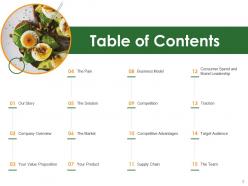
Folie 2 : Diese Folie präsentiert das Inhaltsverzeichnis.
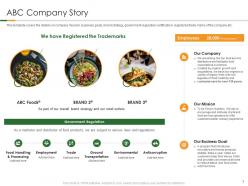
Folie 3 : Diese Folie behandelt die Details zur Unternehmensmission, den Geschäftszielen, der Markenstrategie usw.
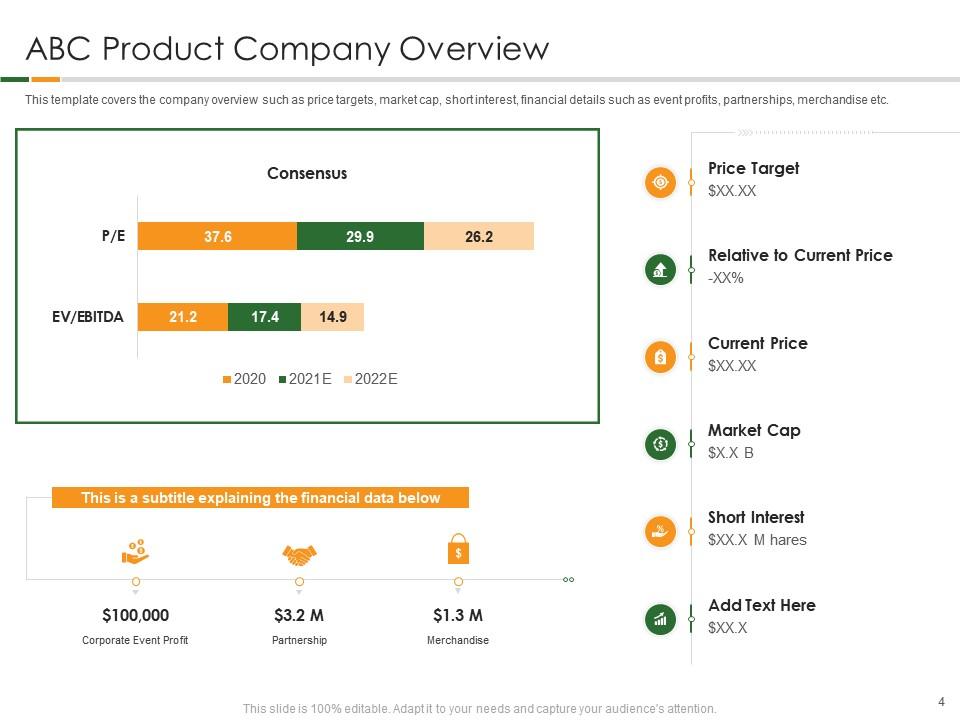
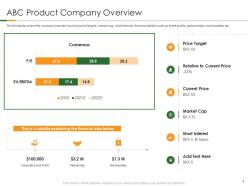
Folie 4 : Diese Folie behandelt die Unternehmensübersicht wie Kursziele, Marktkapitalisierung usw.
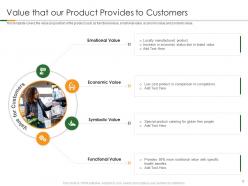
Folie 5 : Diese Folie behandelt das Wertversprechen des Produkts wie den funktionalen Wert usw.
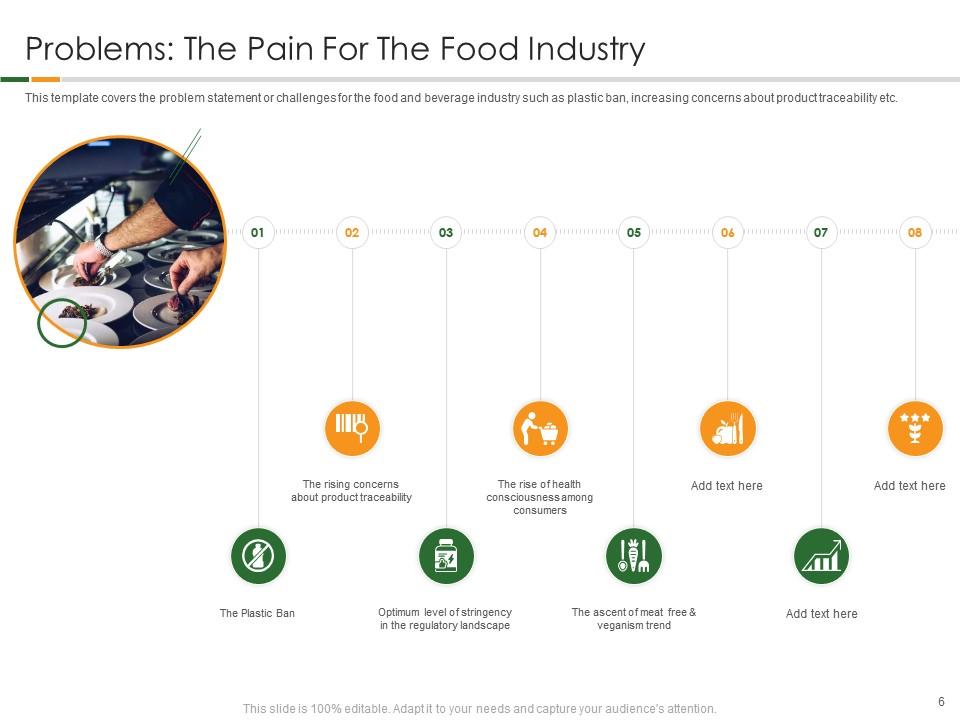
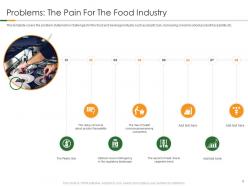
Folie 6 : Diese Folie behandelt die Problemstellung oder Herausforderungen für die Lebensmittel- und Getränkeindustrie.
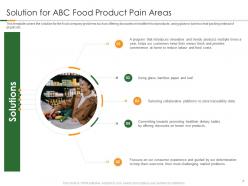
Folie 7 : Diese Folie präsentiert Lösungen für die Probleme der Lebensmittelunternehmen, wie das Angebot von Rabatten auf gesündere Lebensmittel usw.
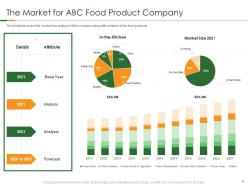
Folie 8 : Diese Folie zeigt eine Analyse der Marktgröße des Unternehmens zusammen mit der Variation der Lebensmittel.
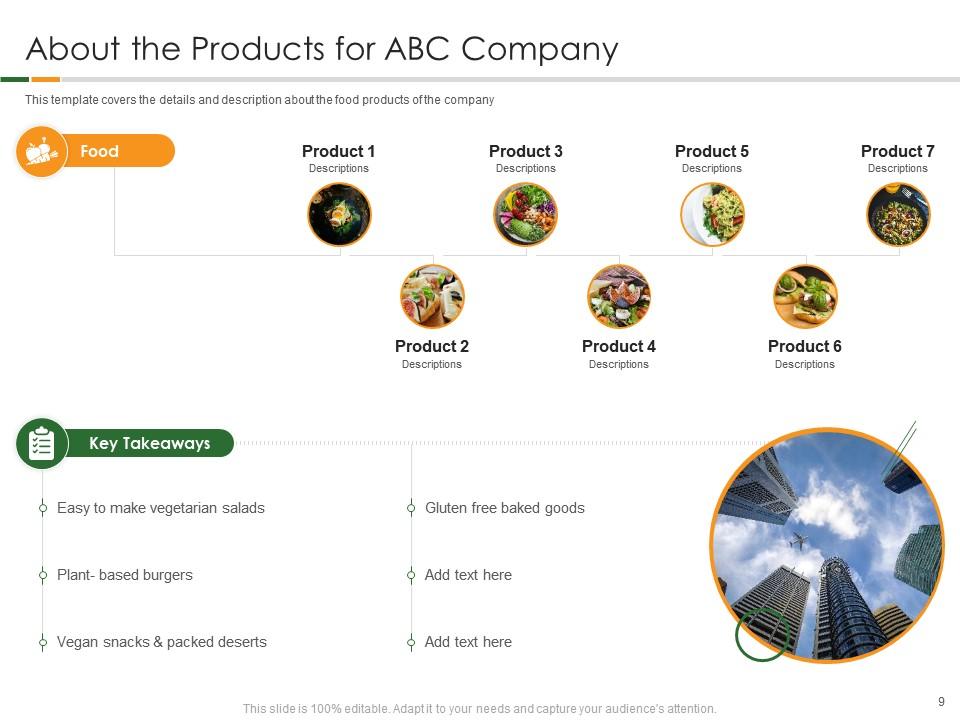
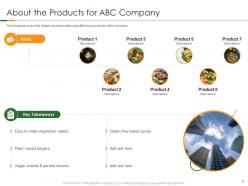
Folie 9 : Diese Folie zeigt Details und Beschreibungen zu den Lebensmittelprodukten des Unternehmens.
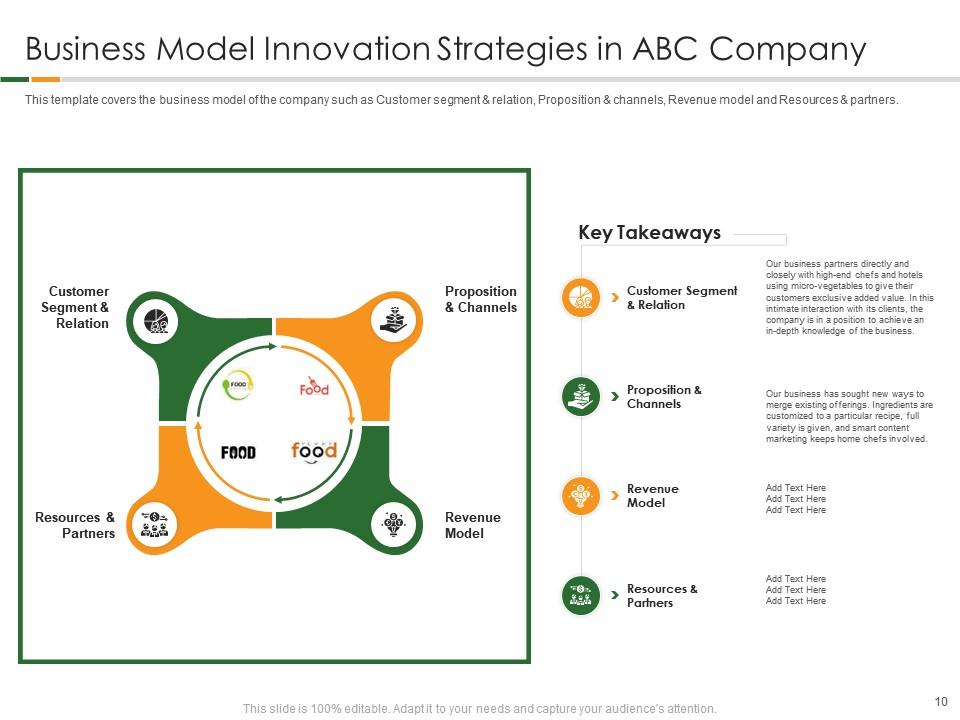
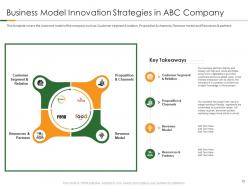
Folie 10 : Diese Folie zeigt das Geschäftsmodell des Unternehmens wie Kundensegment und -beziehung, Angebot und Kanäle usw.
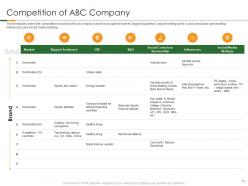
Folie 11 : Diese Folie erläutert die Wettbewerbsanalyse von Lebensmittelunternehmen basierend auf dem erworbenen Markt, dem größten Publikum usw.
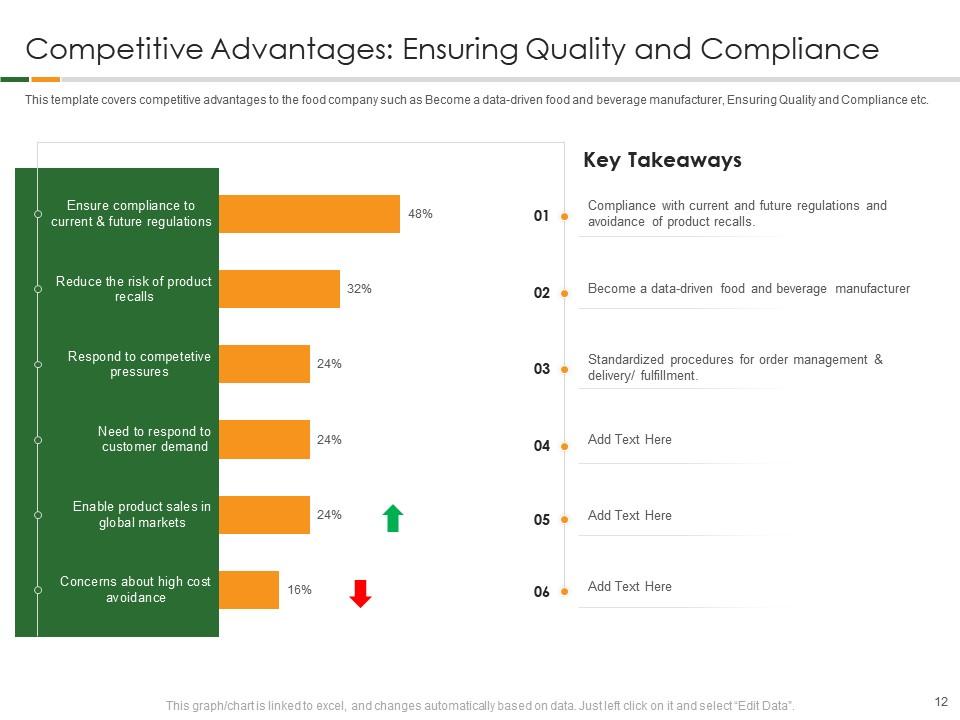
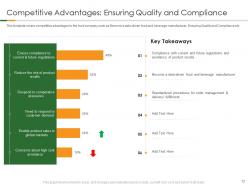
Folie 12 : Diese Folie zeigt dem Lebensmittelunternehmen Wettbewerbsvorteile.
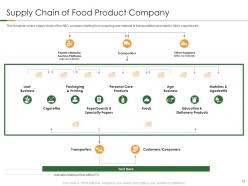
Folie 13 : Diese Folie beleuchtet die Lieferkette des ABC-Unternehmens von der Beschaffung des Rohmaterials bis zum Transport und Stent zu anderen Lieferanten usw.
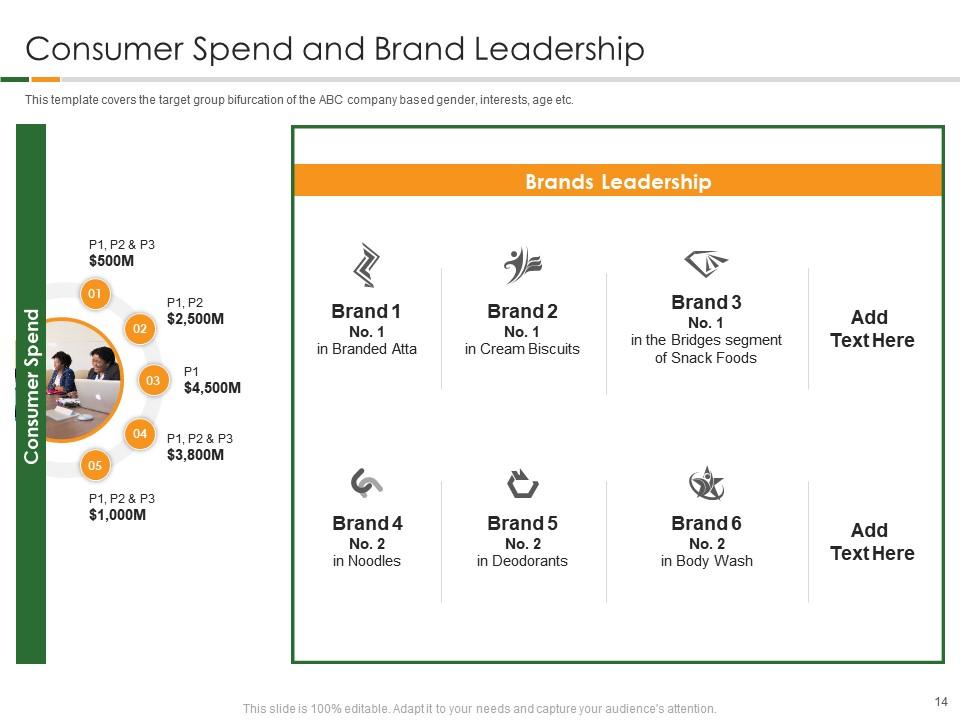
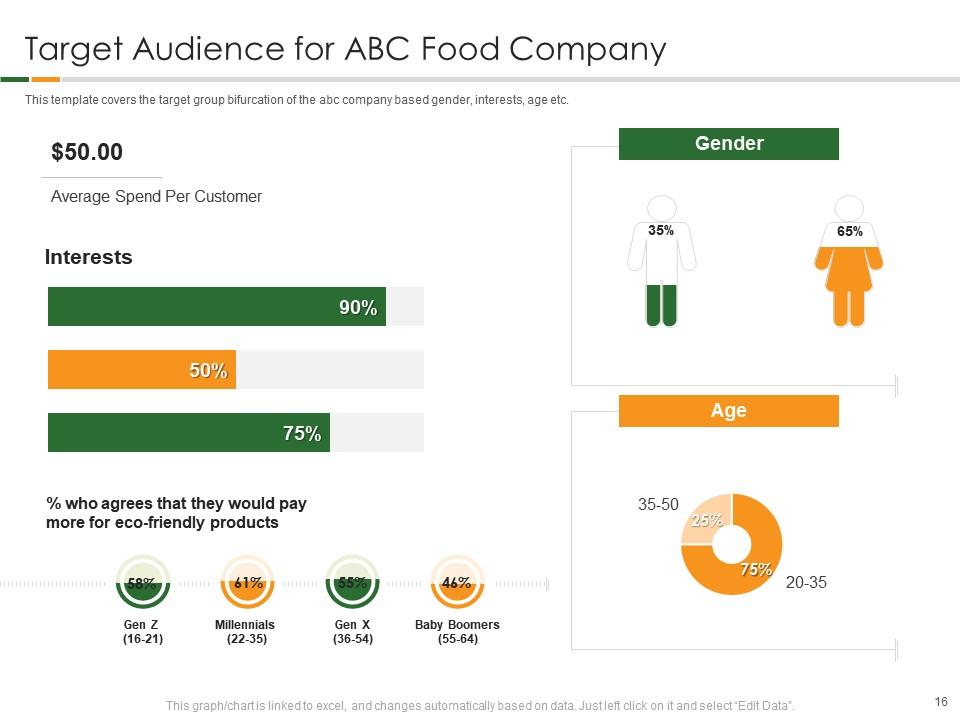
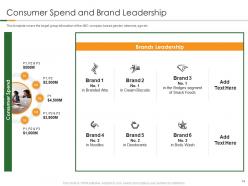
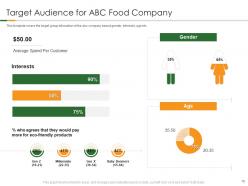
Folie 14 : Diese Folie veranschaulicht die Aufteilung der Zielgruppe des ABC-Unternehmens nach Geschlecht, Interessen, Alter usw.
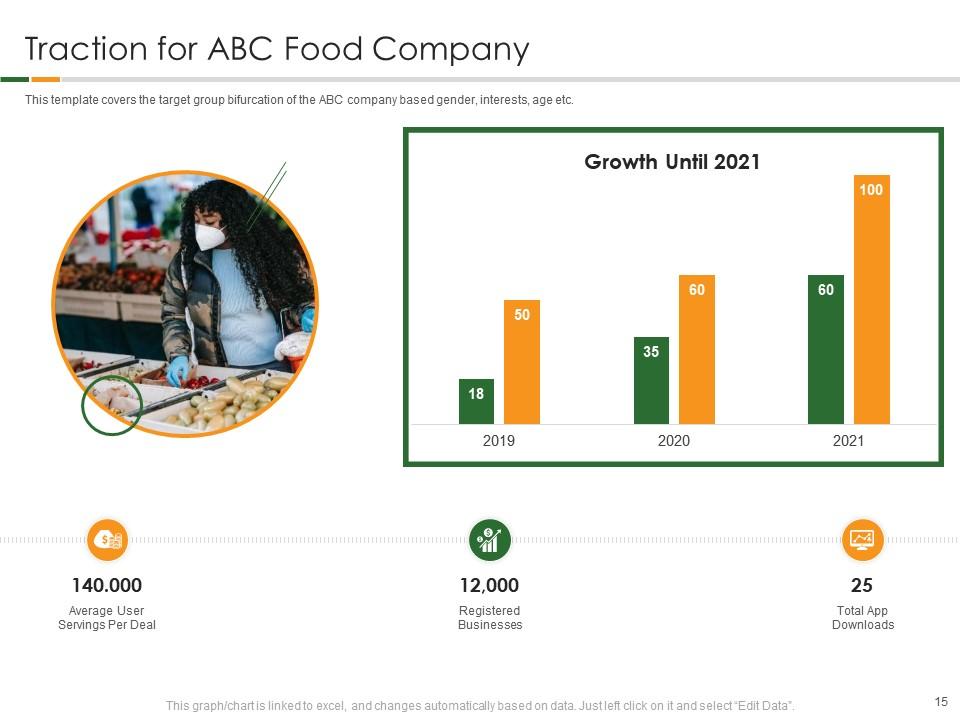
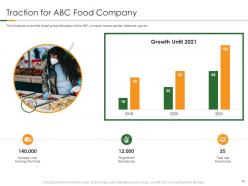
Folie 15 : Diese Folie zeigt die Zugkraft des Lebensmittelunternehmens ABC.
Folie 16 : Diese Folie zeigt die Aufteilung der Zielgruppe des abc-Unternehmens nach Geschlecht, Interessen, Alter usw.
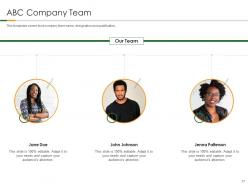
Folie 17 : Diese Folie zeigt den Namen, die Bezeichnung und die Qualifikation des Lebensmittelunternehmens,
Folie 18 : Dies ist die Symbolfolie.
Folie 19 : Diese Folie enthält den Titel für zusätzliche Folien.
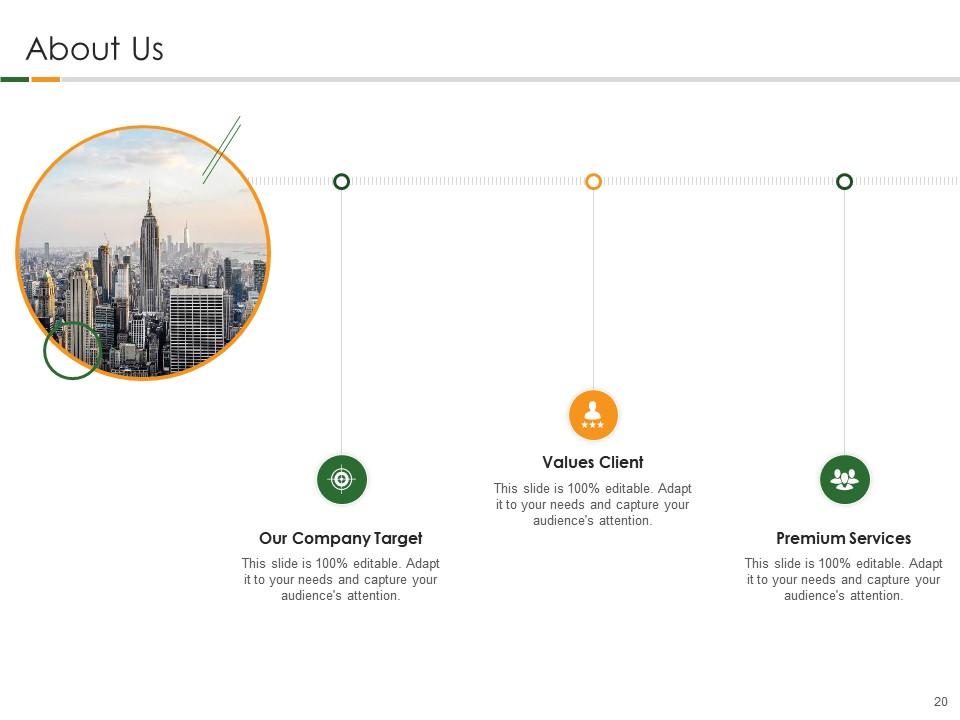
Folie 20 : Diese Folie zeigt Ihr Unternehmen, Ihre Zielgruppe und die Werte ihrer Kunden.
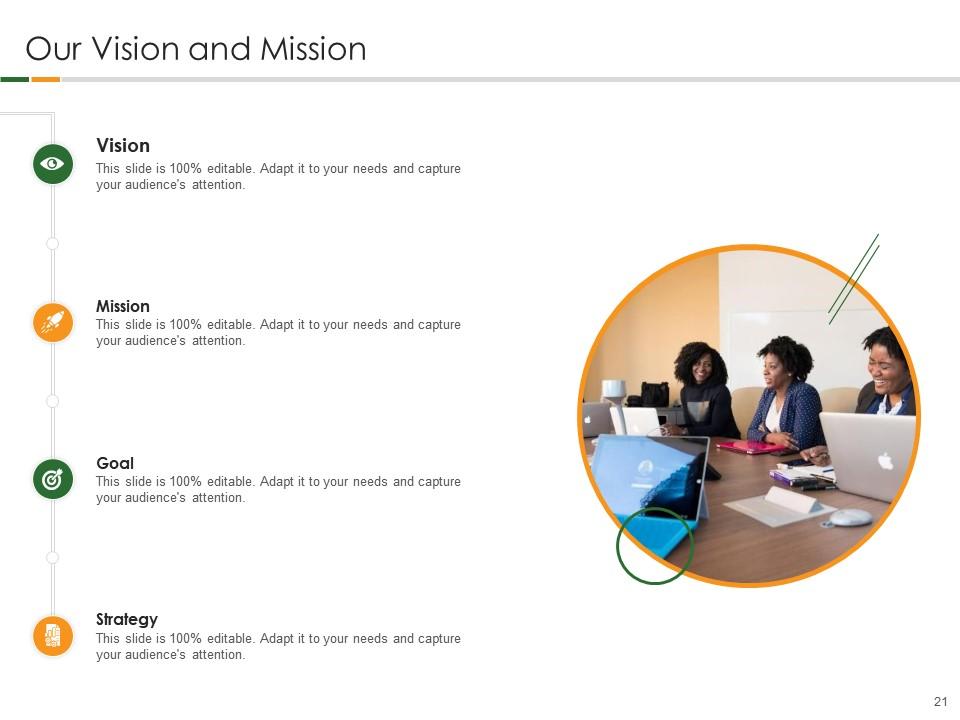
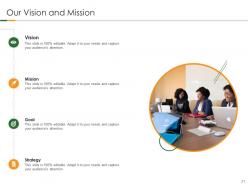
Folie 21 : Diese Folie stellt die Vision, Mission und Ziele Ihres Unternehmens vor.
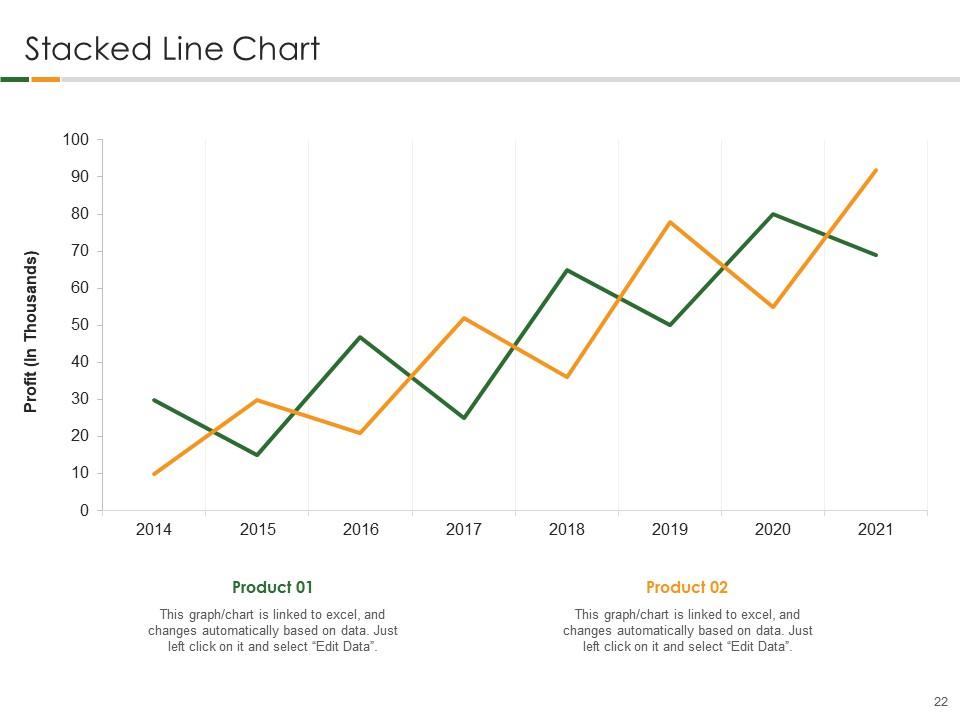
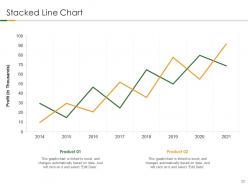
Folie 22 : Diese Folie zeigt die gestapelten Liniendiagramme der jährlichen Gewinne für verschiedene Produkte. Die Diagramme sind mit Excel verknüpft.
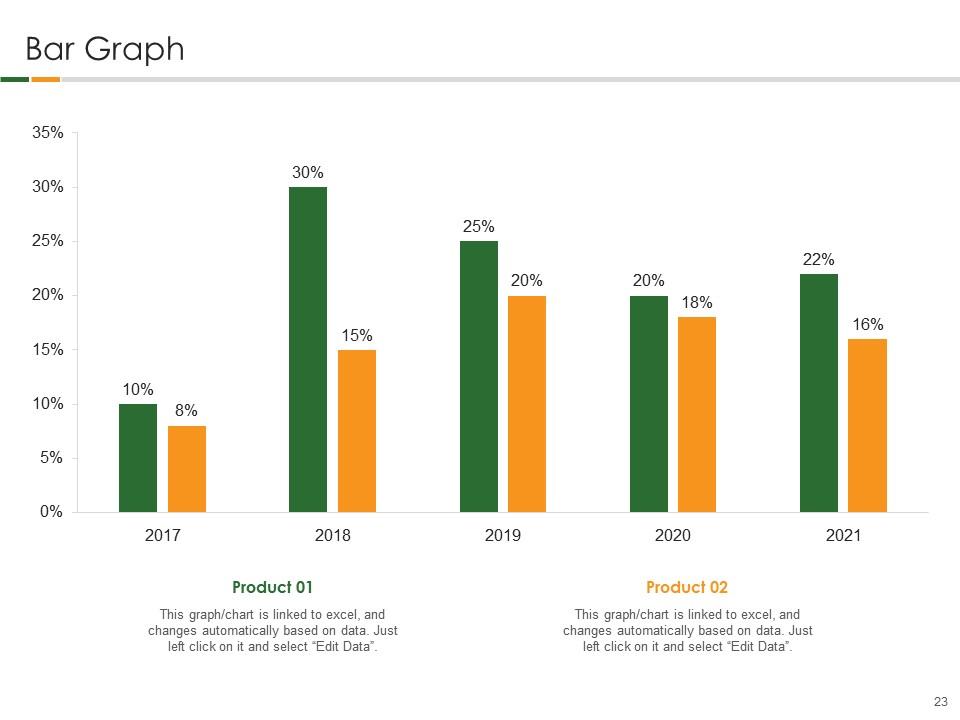
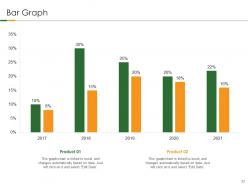
Folie 23 : Diese Folie zeigt jährliche Balkendiagramme für verschiedene Produkte. Die Grafiken sind mit Excel verknüpft.
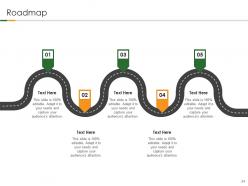
Folie 24 : Diese Folie zeigt die Roadmap.
Folie 25 : Diese Folie zeigt Beiträge zu früheren Erfahrungen von Kunden.
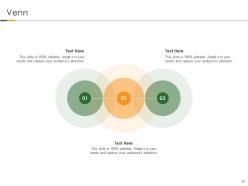
Folie 26 : Diese Folie zeigt Venn.
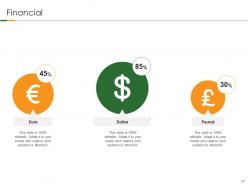
Folie 27 : Diese Folie zeigt Finanzwerte.
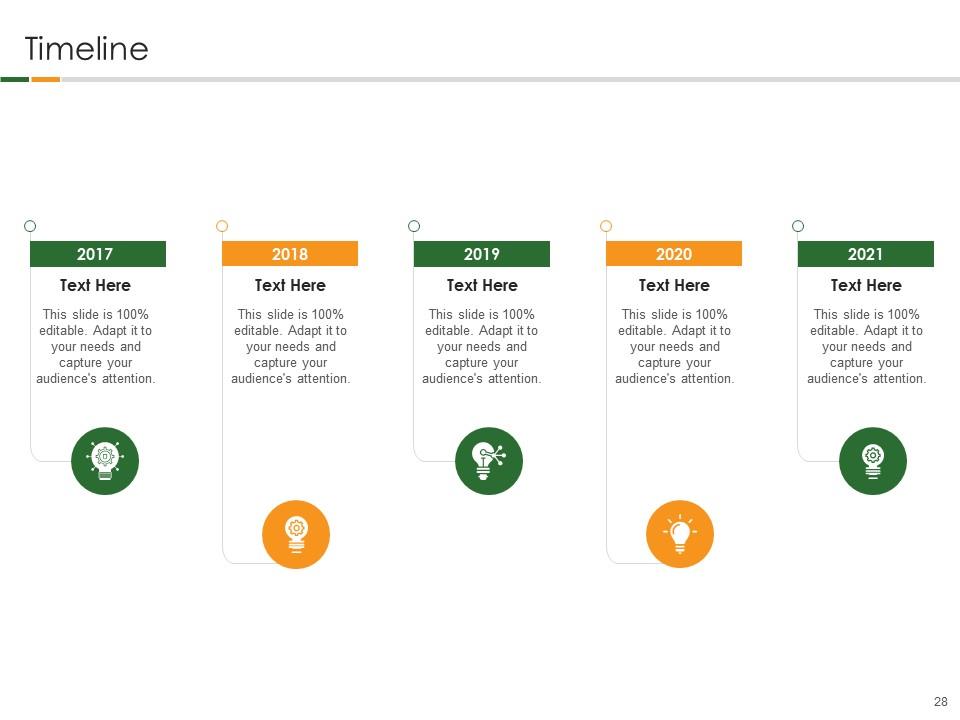
Folie 28 : Diese Folie zeigt die jährliche Zeitleiste.
Folie 29 : Diese Folie zeigt generierte Ideen.
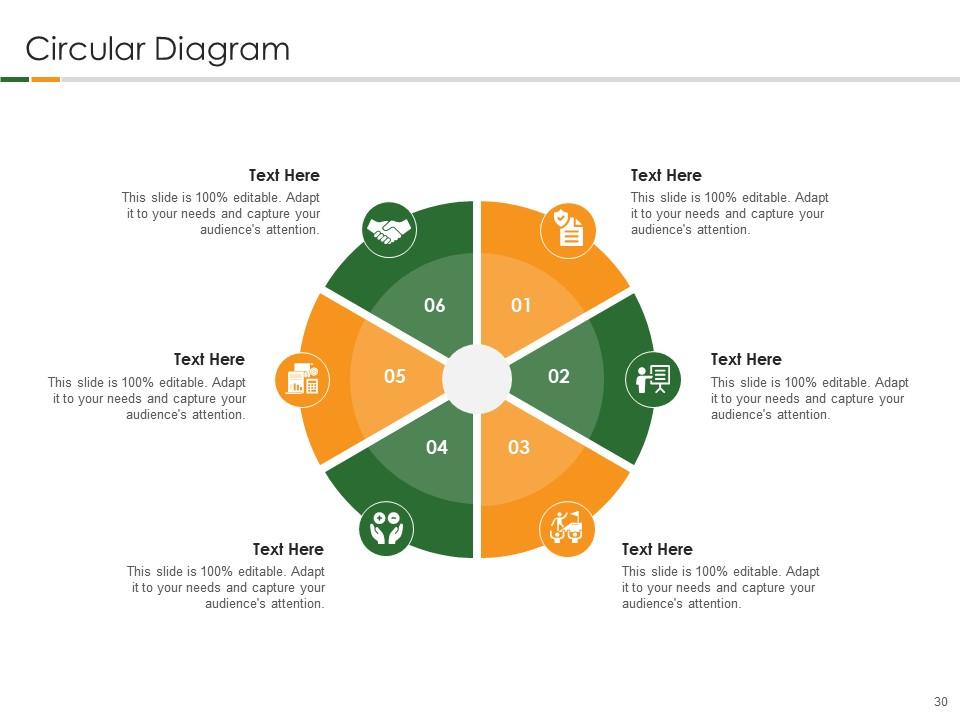
Folie 30 : Diese Folie zeigt den linearen Prozess.
Folie 31 : Dies ist eine Dankesfolie & enthält Kontaktdaten des Unternehmens wie Büroadresse, Telefonnummer usw.
Bio-Lebensmittel Pitch Präsentation Ppt-Vorlage mit allen 31 Folien:
Verwenden Sie unsere Ppt-Präsentationsvorlage für Pitch-Präsentationen für Bio-Lebensmittel, um Ihre wertvolle Zeit effektiv zu sparen. Sie sind gebrauchsfertig, um in jede Präsentationsstruktur zu passen.
FAQs for Organic food products pitch
So basically, you're getting way fewer pesticides and chemicals when you go organic. The nutrient content is usually better too. Plus organic tomatoes actually taste like... tomatoes? Crazy concept, I know. You're also supporting farms that don't trash the soil, which is cool. Downside is obviously the price tag - organic ain't cheap. But here's what I'd do: start with the "dirty dozen" list (those are the fruits/veggies with the most pesticide residue). Try it for a few weeks and see if you notice a difference. That's probably the smartest way to ease into it without breaking the bank.
So organic farming is seriously amazing for soil health! Instead of synthetic stuff that kills off good microorganisms, farmers use compost and crop rotation. Way more earthworms and beneficial bacteria thrive that way. You'll notice way more plant and animal diversity too since there aren't harsh chemicals destroying everything. The coolest part? Soil actually gets MORE fertile over time instead of getting worse. Oh, and if you're sourcing ingredients - definitely find certified organic suppliers who can tell you about their specific soil practices. Makes such a difference.
Just look for that USDA Organic seal - it's basically the only one that matters in the US. There are other legit ones too like CCOF or Oregon Tilth that work with USDA. The whole label thing is honestly such a mess when you're starting out. Don't fall for "natural" or "made with organic ingredients" - those are basically meaningless. Oh, and check for a certification number somewhere on the package. That's usually how you know it's not just marketing BS. I learned this the hard way after buying so much overpriced "natural" stuff that wasn't actually organic.
Honestly, the research is still pretty messy on this one. Organic does mean fewer pesticide residues, which seems like a win. There's some evidence you get more antioxidants and better omega-3s in organic dairy and meat - though we're not talking massive differences here. The annoying thing is that organic buyers tend to be healthier people anyway, so who knows what's actually doing the work? My take? If you're gonna try it, start with the dirty dozen list - those are the fruits and veggies with the worst pesticide levels. Way more bang for your buck than going full organic on everything.
Yeah, organic is definitely better for the environment overall. Less nasty pesticides and fertilizers means cleaner soil and water. Plus it's way better for biodiversity - you'll see more bugs and birds around organic farms, which is honestly pretty cool. Here's the catch though: organic needs more land to grow the same amount of food. That's a real trade-off. Carbon footprint? That depends more on how far your food traveled than whether it's organic. I'd say go for local organic stuff when you can find it - best of both worlds.
Yeah, organic stuff usually runs 20-40% more than regular groceries. Sometimes way more - like organic berries will absolutely wreck your budget lol. The thing is, organic farms can't use synthetic pesticides or fertilizers, so they need more workers and get smaller harvests. Certification costs money too. Honestly, I think some of the markup is just... marketing? But if you want to buy organic without going broke, just focus on the "dirty dozen" list - those are the fruits and veggies with the most pesticide residue. Skip organic for things like avocados since you're peeling them anyway.
Plant-based stuff is literally everywhere now. People are obsessed with knowing where their food comes from too - like seriously, they'll research the farm that grew their spinach. Regenerative farming is getting big (took me forever to figure out what that even meant lol). It's basically just farming that actually helps the soil instead of destroying it. Clean labels are huge right now, and folks will pay crazy money for minimally processed foods. Oh, and local sourcing is driving everything. Honestly? Skip the big brands and check out smaller organic companies - they're nailing these trends way better.
So the USDA Organic seal is what you really want to look for - that's the legit federal certification. But honestly, companies can be super sneaky with their marketing. Some will say "made with organic ingredients" when they're not actually fully organic, so definitely read those ingredient lists. Third-party certifications are good too, like California Certified Organic Farmers. The label should be obvious, not hidden in microscopic print somewhere. Oh, and the produce staff usually knows their stuff! They can tell you which suppliers are actually trustworthy if you're on the fence about something.
Dude, local organic farmers are literally carrying the whole movement on their backs. They're out there growing food without all those nasty chemicals and keeping soil healthy. Your money stays local instead of going to some mega corporation. The food tastes way better too since it didn't sit in a truck for weeks. These farmers usually grow different crops that help local wildlife - my neighbor's always talking about the birds that come back. Less chemical runoff is obviously good for everyone. You should hit up the farmers market this weekend. The tomatoes alone will blow your mind.
So basically conventional farmers can use any synthetic pesticides the EPA says are cool, while organic farmers stick to natural stuff - think beneficial bugs, crop rotation, neem oil. Organic isn't actually pesticide-free though, which kinda surprised me when I first learned that. They just can't touch the synthetic chemicals. Honestly if you're worried about chemical exposure, organic's your safer choice. But either way, definitely wash everything well - I'm probably paranoid but I scrub even organic apples.
Honestly, the whole "organic = healthier" thing is mostly marketing hype. Studies show barely any difference in vitamins between organic and regular produce. Plus organic doesn't mean zero pesticides - they just use different ones that are "approved." Here's what really gets me though: people think organic lasts longer when it actually spoils faster without synthetic preservatives! And don't even get me started on the environmental claims - sometimes shipping organic food from across the country cancels out any benefits. Just buy what fits your budget and don't stress about it being "superior."
Yeah, organic supply chains are way more fragile than regular ones. Can't just swap suppliers when stuff goes sideways because of all the certification hoops - honestly, it's kind of a pain. Weather hits and suddenly you're scrambling because there aren't that many certified farms to begin with. Plus organic stuff spoils faster, so delays = waste. I've been seeing this with produce lately where the organic section looks pretty sad after shipping issues. You really need backup suppliers lined up ahead of time since last-minute sourcing isn't really an option like it is with conventional products.
Yeah, organic farming does hit you with lower yields - we're talking 20-25% less on average compared to conventional methods. That's a pretty big deal when you think about feeding 10 billion people by 2050. But here's the thing - organic systems bounce back better from droughts and weird weather, plus they don't trash the soil over time. Honestly, I think the real question isn't whether organic is good or bad, it's whether we can figure out how to make it more productive. We need way more research into boosting those yields while keeping the environmental perks.
Honestly, tech can be a game-changer for organic farming. Soil sensors and drone monitoring give you real-time data on your crops. Smart irrigation cuts water waste big time. AI actually predicts pest problems before they hit - pretty wild stuff. Blockchain tracks everything for those certification requirements (which are honestly a pain but necessary). For getting products out there, cold chain monitoring keeps produce fresh and route optimization gets it to customers faster. Oh, and automated sorting speeds up packaging too. I'd start with soil testing tech first - usually gives you the best bang for your buck.
Yeah, organic farming does cut greenhouse gas emissions by like 20-30% compared to regular farming. The main thing is they don't use synthetic fertilizers, which take tons of energy to make, plus they focus on soil practices that actually trap carbon. But here's the thing - organic yields can be lower, so you might need more land overall. Honestly though, how your food gets to you usually matters way more than how it was grown. My take? If you want to make a real dent in your food's climate impact, go local and seasonal organic when you can.
-
Graphics are very appealing to eyes.
-
Very well designed and informative templates.
-
Designs have enough space to add content.
-
Informative presentations that are easily editable.