Slides de apresentação em Powerpoint de gerenciamento de taxa de atrito na organização
Try Before you Buy Download Free Sample Product
Audience
Editable
of Time
A retenção de funcionários é o objetivo mais significativo para qualquer organização, pois ajuda a aumentar a produtividade retendo funcionários e aumentando o crescimento organizacional geral. Aqui está um modelo de gerenciamento de taxa de atrito organizacional projetado com competência que se concentra nessas estratégias de retenção que ajudam as organizações a planejar cuidadosamente o aumento de suas taxas de retenção. A apresentação a seguir é útil para gerentes de RH que pretendem diminuir a taxa de atrito de sua organização implementando vários sistemas na organização. Este deck de apresentação destaca inicialmente as principais questões da organização que enfrentam o departamento de recursos humanos. Uma vez que essas questões tenham sido destacadas, a pesquisa das organizações é analisada para entender melhor os pontos críticos da organização. Identificar a estratégia de retenção essencial é um passo significativo, pois ajuda a aumentar a taxa de retenção. Depois de identificar as principais estratégias, o desenvolvimento de um plano de implementação desempenha um papel fundamental, pois serve como um modelo para toda a organização. Vários KPIs ou indicadores-chave de desempenho são usados para medir o impacto dessas estratégias na organização. Obtenha acesso agora.

Recursos desses slides de apresentação do PowerPoint:
Encante seu público com esses slides de apresentação em Powerpoint de gerenciamento de taxa de atrito da organização. Aumente seu limite de apresentação implantando este modelo bem elaborado. Atua como uma ótima ferramenta de comunicação devido ao seu conteúdo bem pesquisado. Ele também contém ícones estilizados, gráficos, recursos visuais etc, que o tornam um chamariz imediato. Composto por trinta e oito slides, este deck completo é tudo que você precisa para ser notado. Todos os slides e seu conteúdo podem ser alterados para se adequarem à sua configuração de negócios exclusiva. Além disso, outros componentes e gráficos também podem ser modificados para adicionar toques pessoais a este conjunto pré-fabricado.

People who downloaded this PowerPoint presentation also viewed the following :
Conteúdo desta apresentação em PowerPoint
Slide 1 : Este slide apresenta o Gerenciamento da Taxa de Atrito da Organização. Indique o nome da sua empresa e comece.
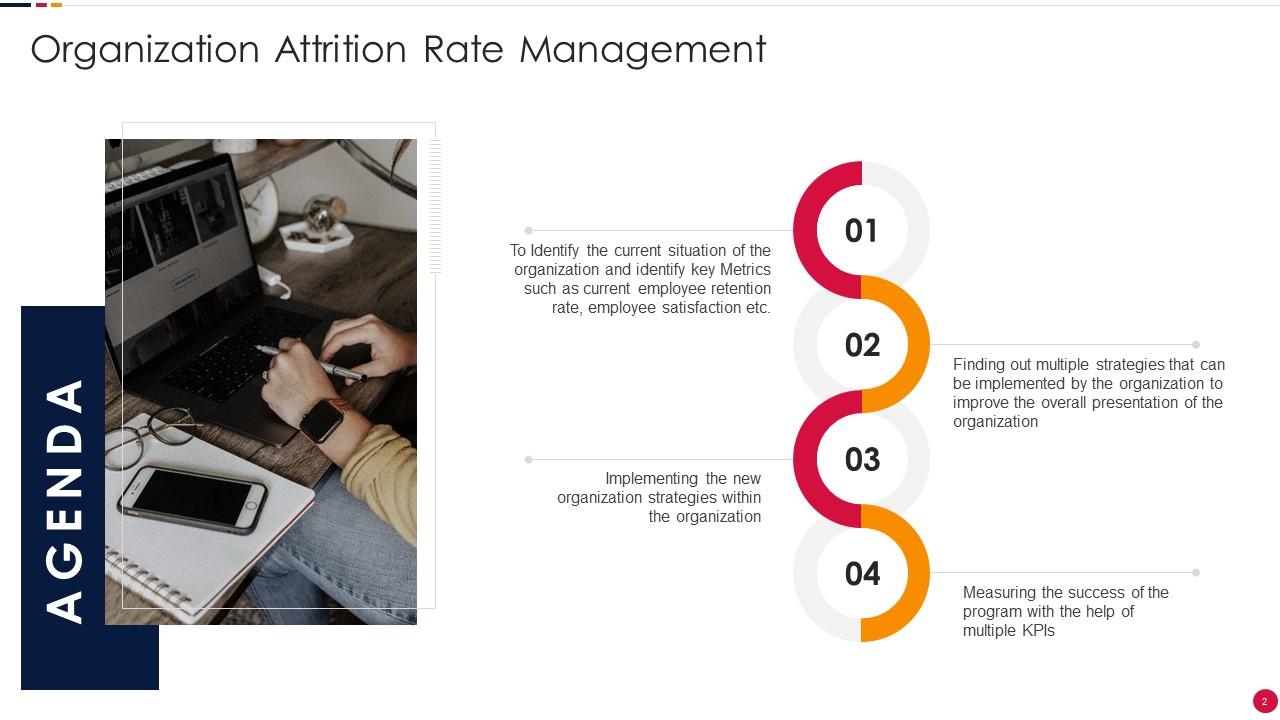
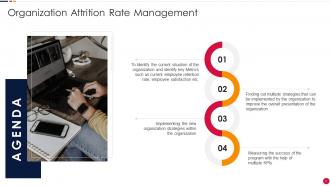
Slide 2 : Este slide mostra a Agenda da apresentação.
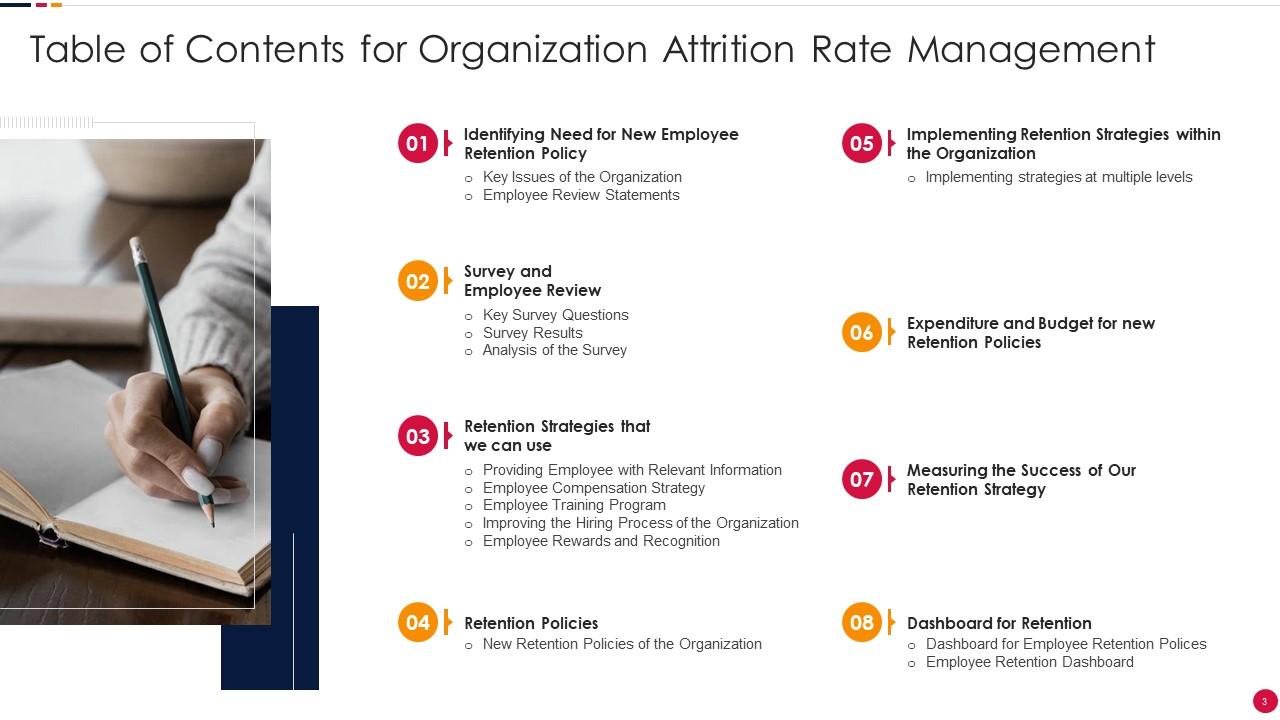
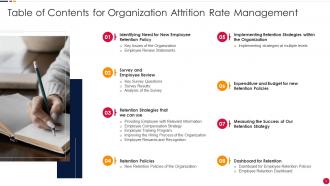
Slide 3 : Este slide apresenta o Índice da apresentação.
Slide 4 : Este slide mostra o título dos tópicos que serão abordados a seguir no modelo.
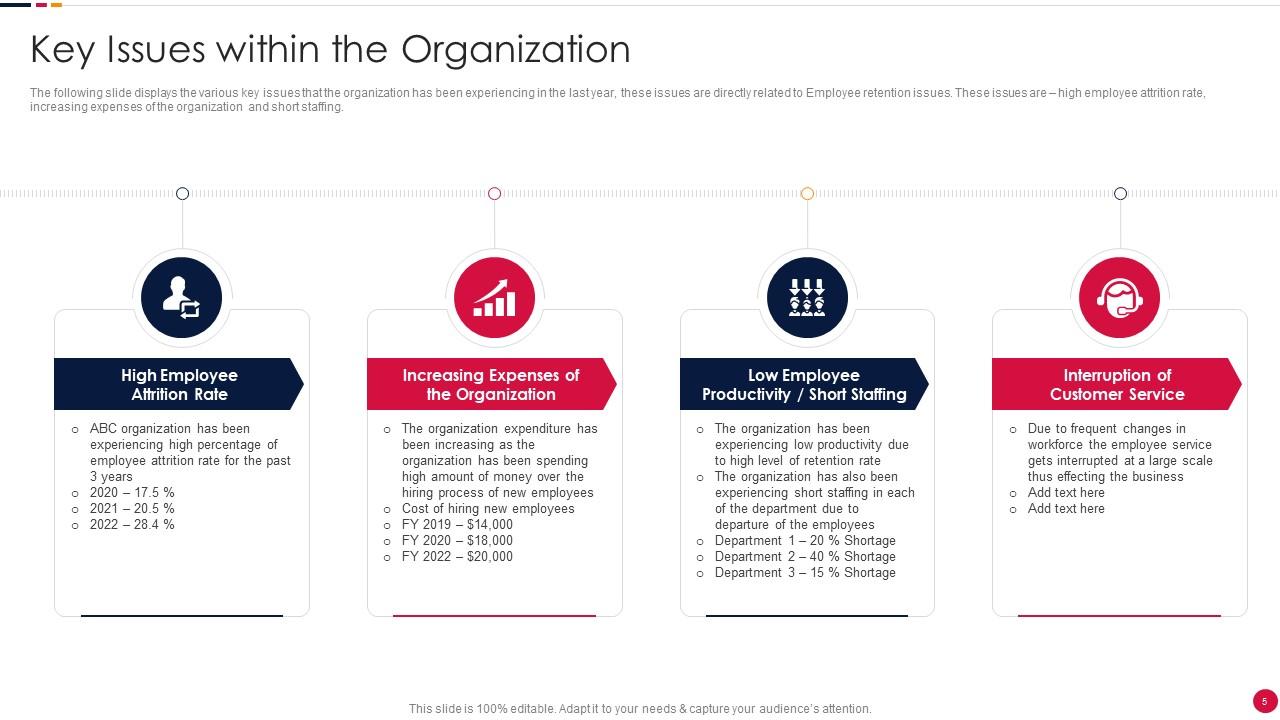
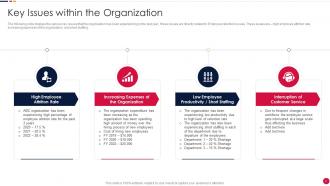
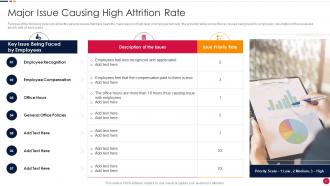
Slide 5 : O slide a seguir mostra os vários problemas-chave que a organização vem enfrentando no último ano.
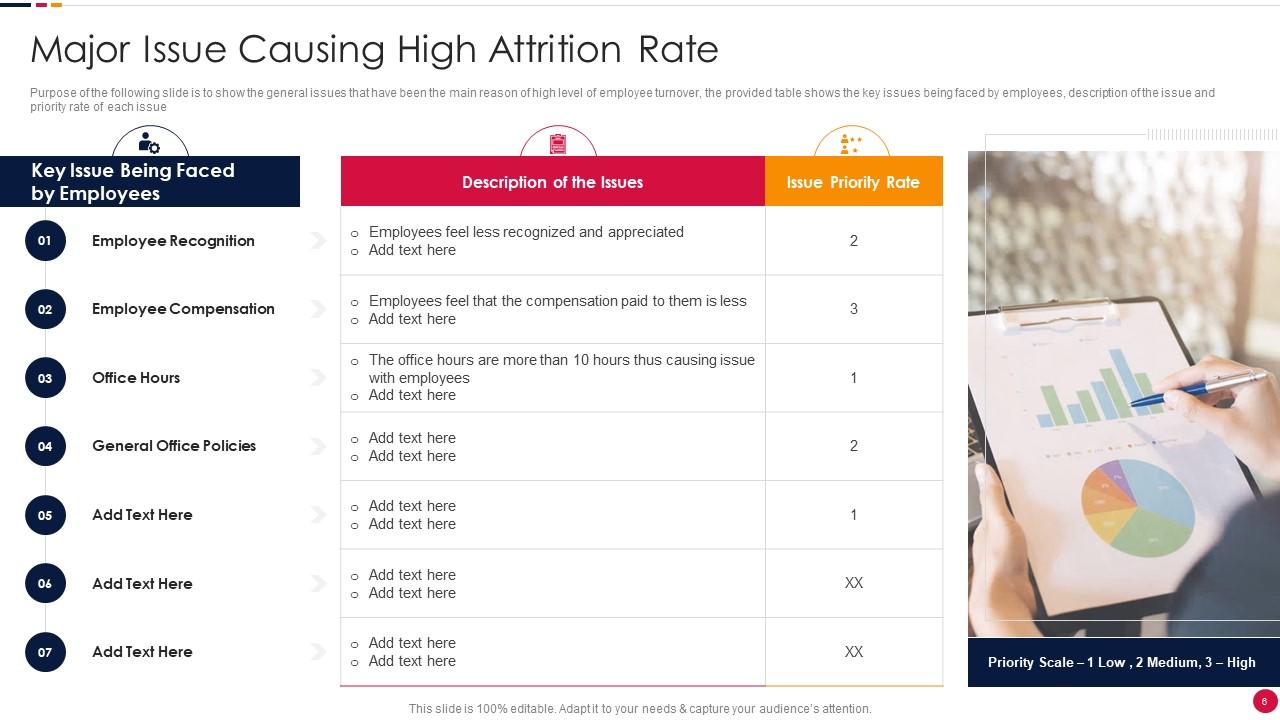
Slide 6 : Este slide mostra questões gerais que têm sido a principal razão da alta rotatividade de funcionários.
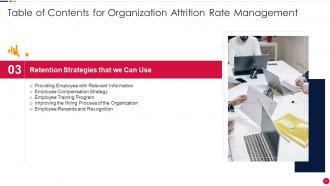
Slide 7 : Este slide mostra o título dos tópicos que serão abordados a seguir no modelo.
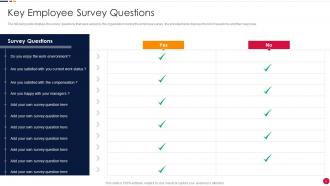
Slide 8 : Este slide apresenta as perguntas da pesquisa que foram feitas pela organização durante a pesquisa com os funcionários.
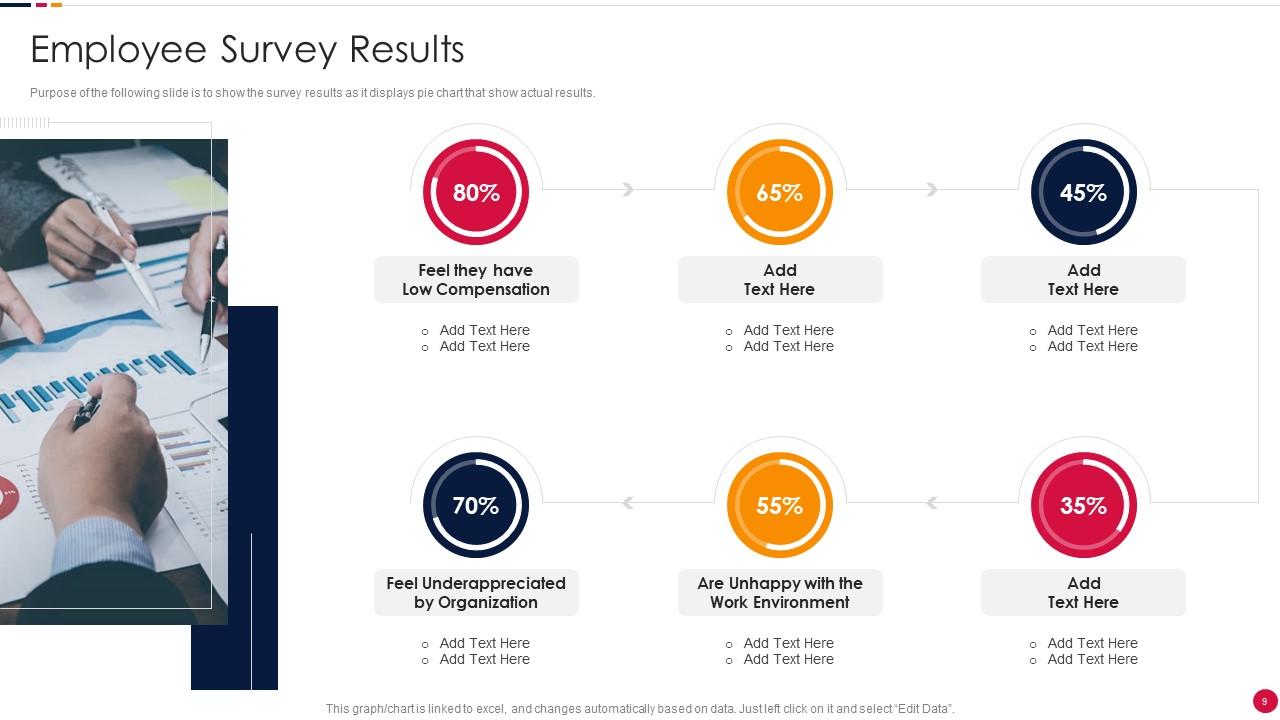
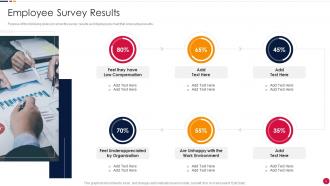
Slide 9 : O objetivo do slide a seguir é mostrar os resultados da pesquisa, pois exibe um gráfico de pizza que mostra os resultados reais.
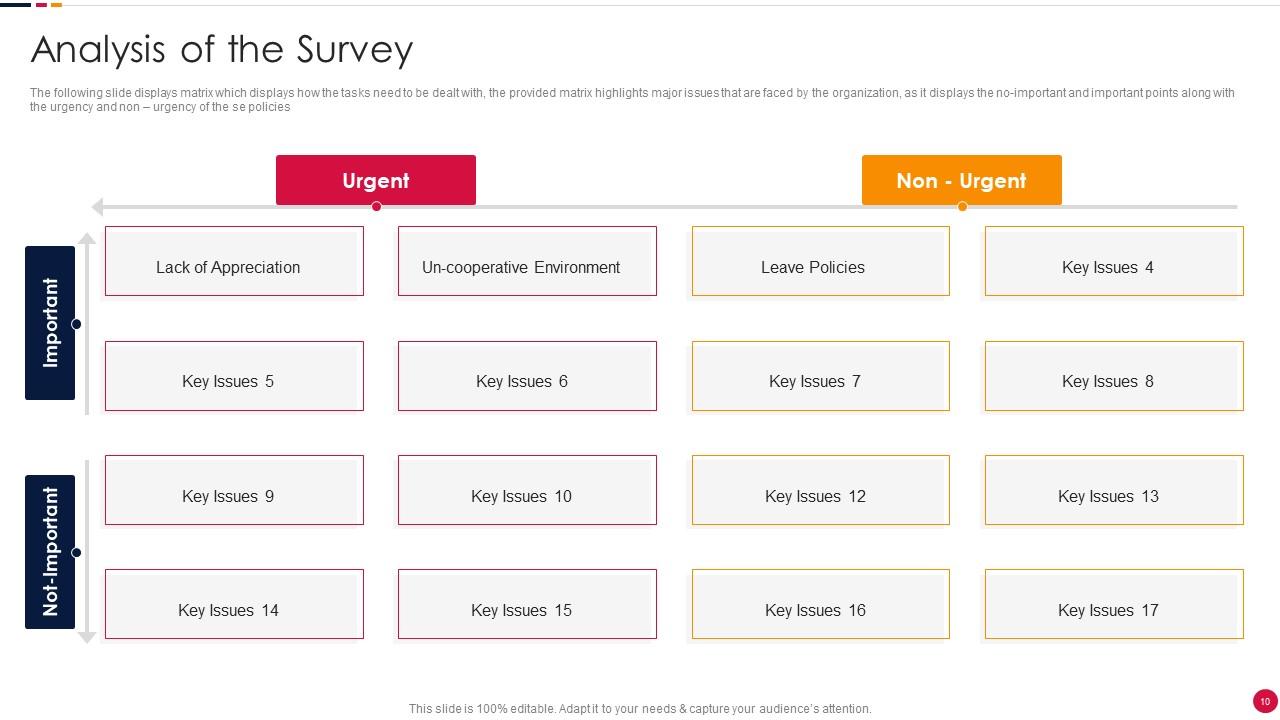
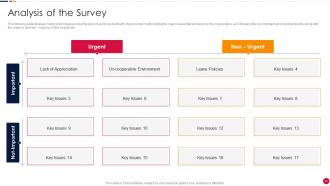
Slide 10 : Este slide representa a matriz que mostra como as tarefas precisam ser tratadas.
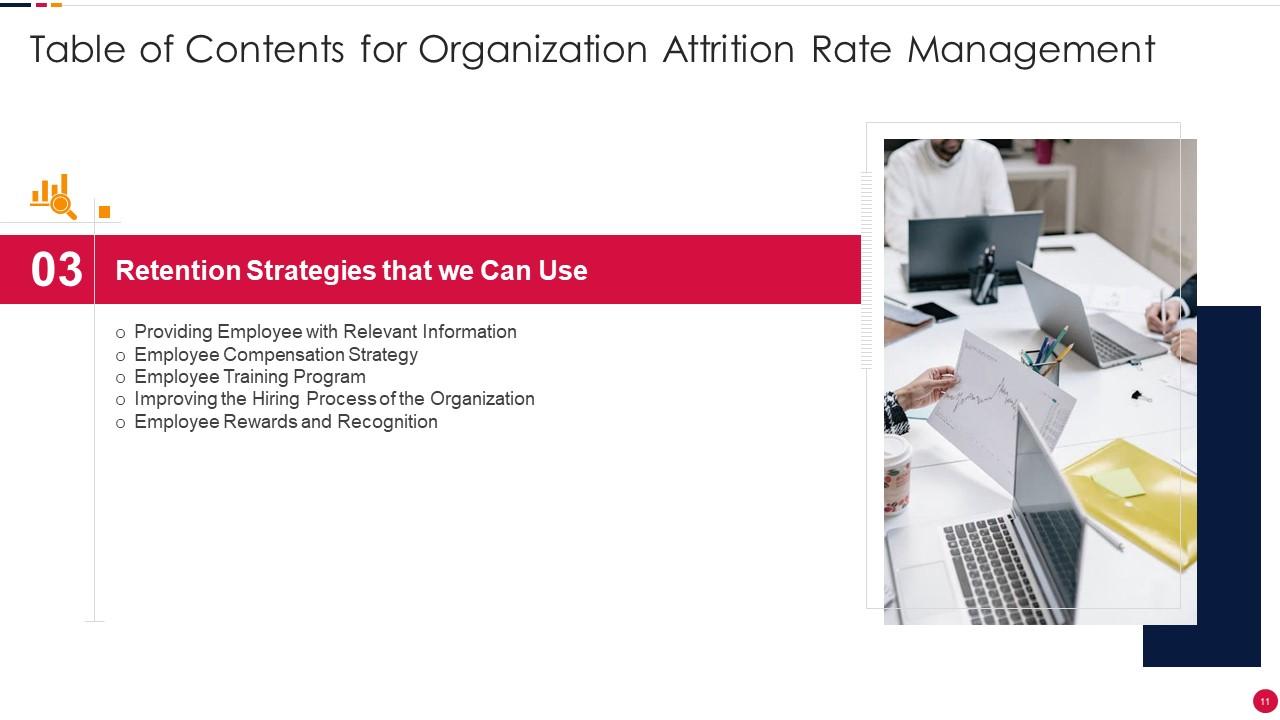
Slide 11 : Este slide mostra o título dos tópicos que serão abordados a seguir no modelo.
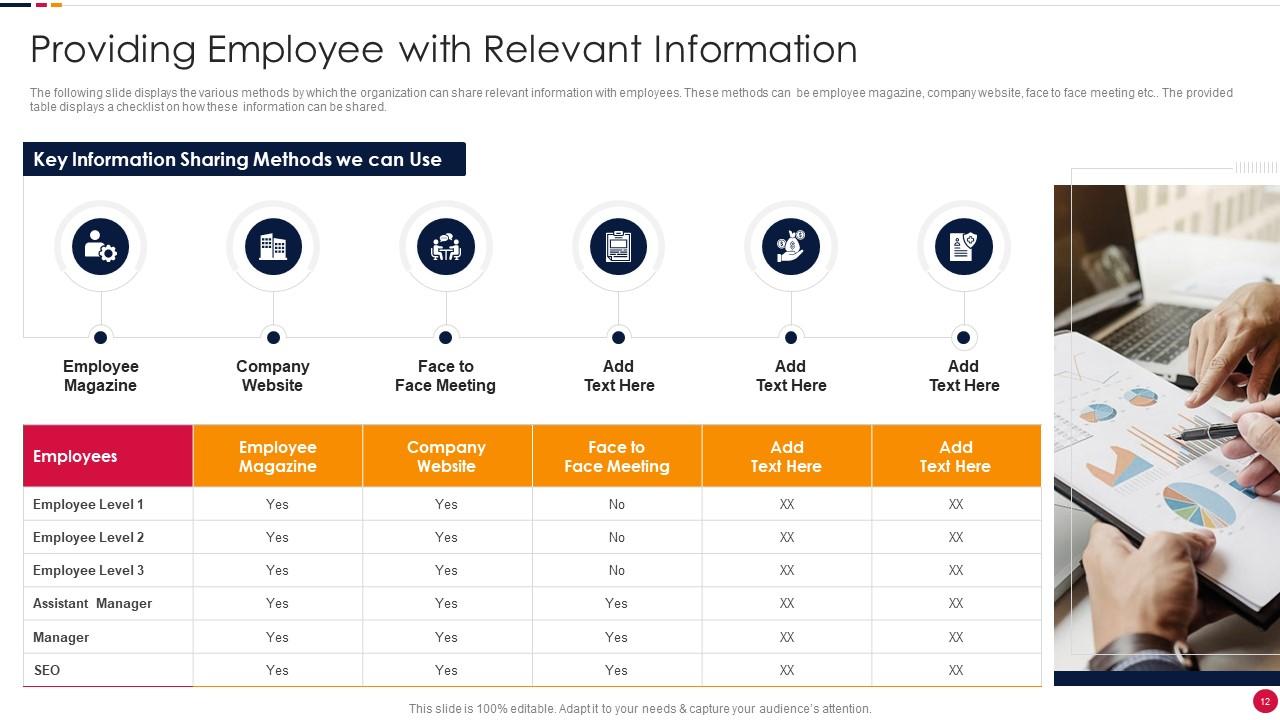
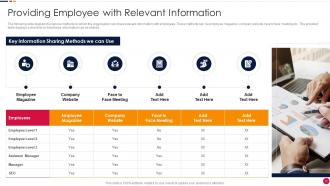
Slide 12 : Este slide mostra vários métodos pelos quais a organização pode compartilhar informações relevantes com os funcionários.
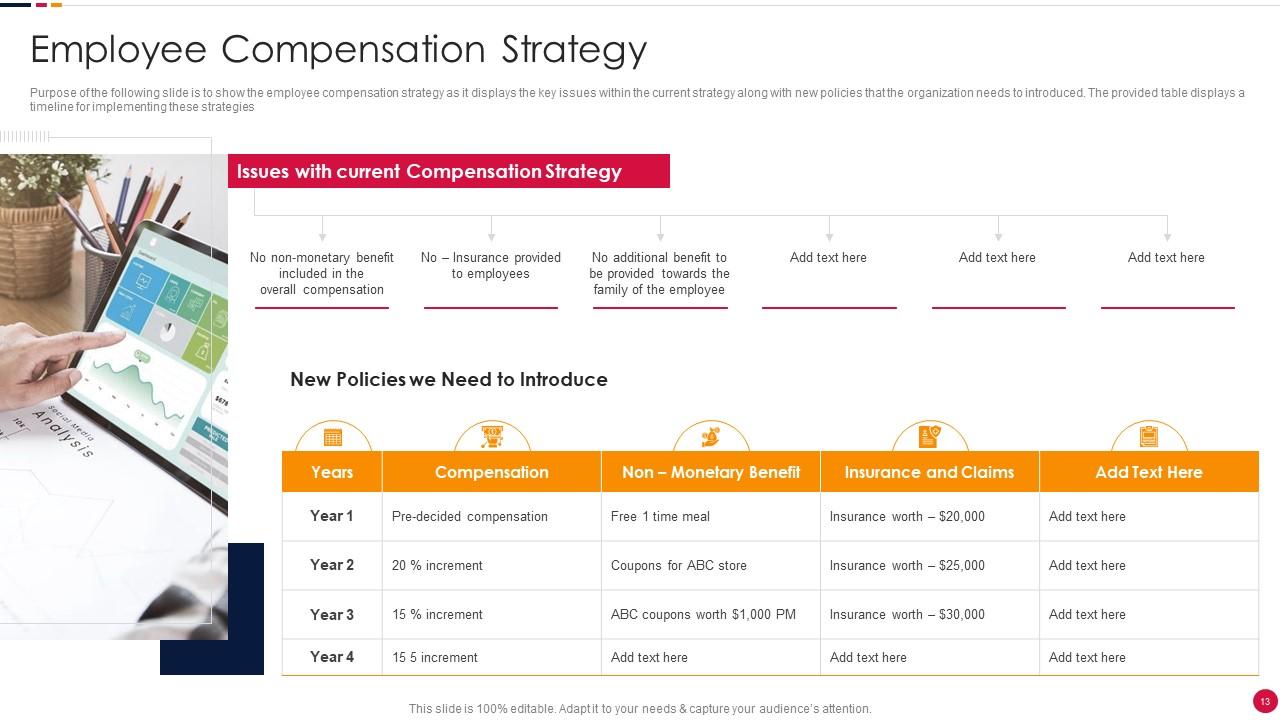
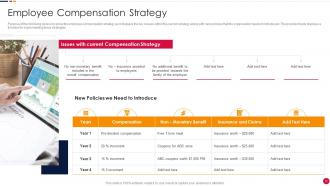
Slide 13 : Este slide mostra a estratégia de remuneração dos funcionários, pois mostra as principais questões dentro da estratégia atual.
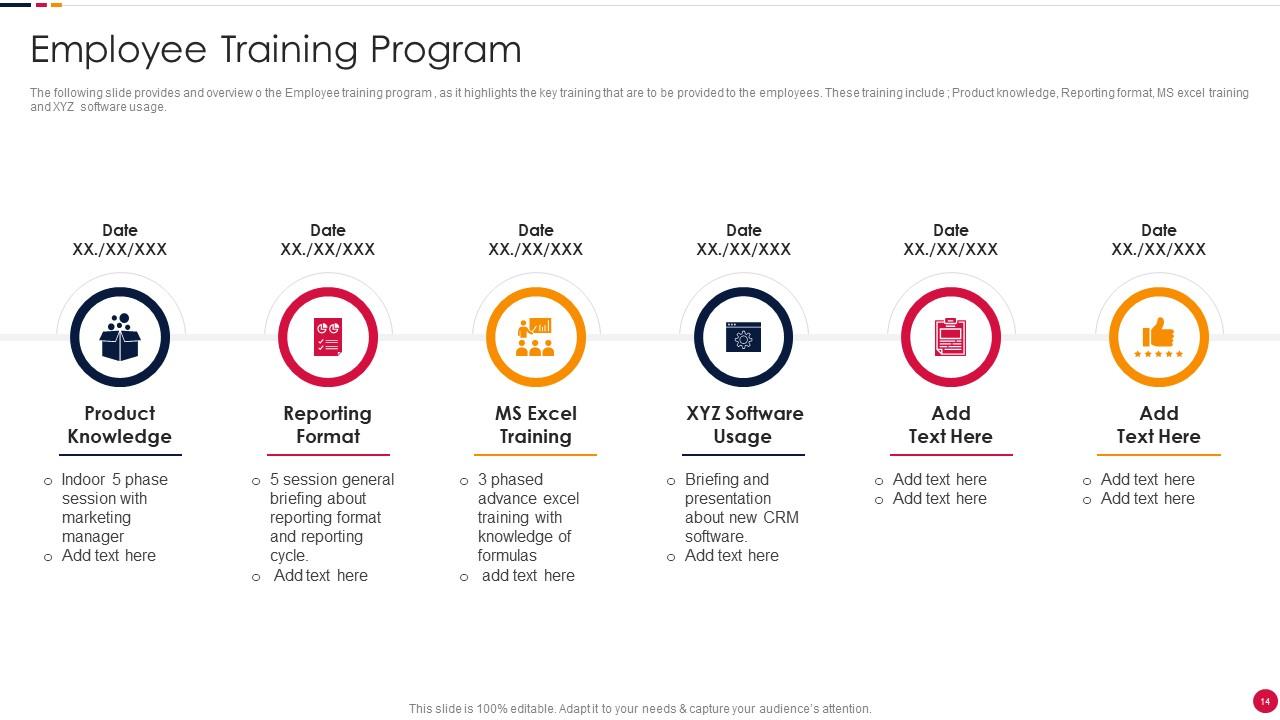
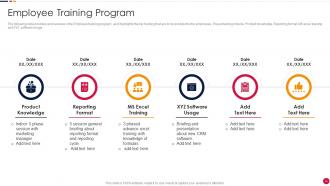
Slide 14 : Este slide apresenta uma visão geral do programa de treinamento de funcionários, pois destaca os principais treinamentos que devem ser fornecidos.
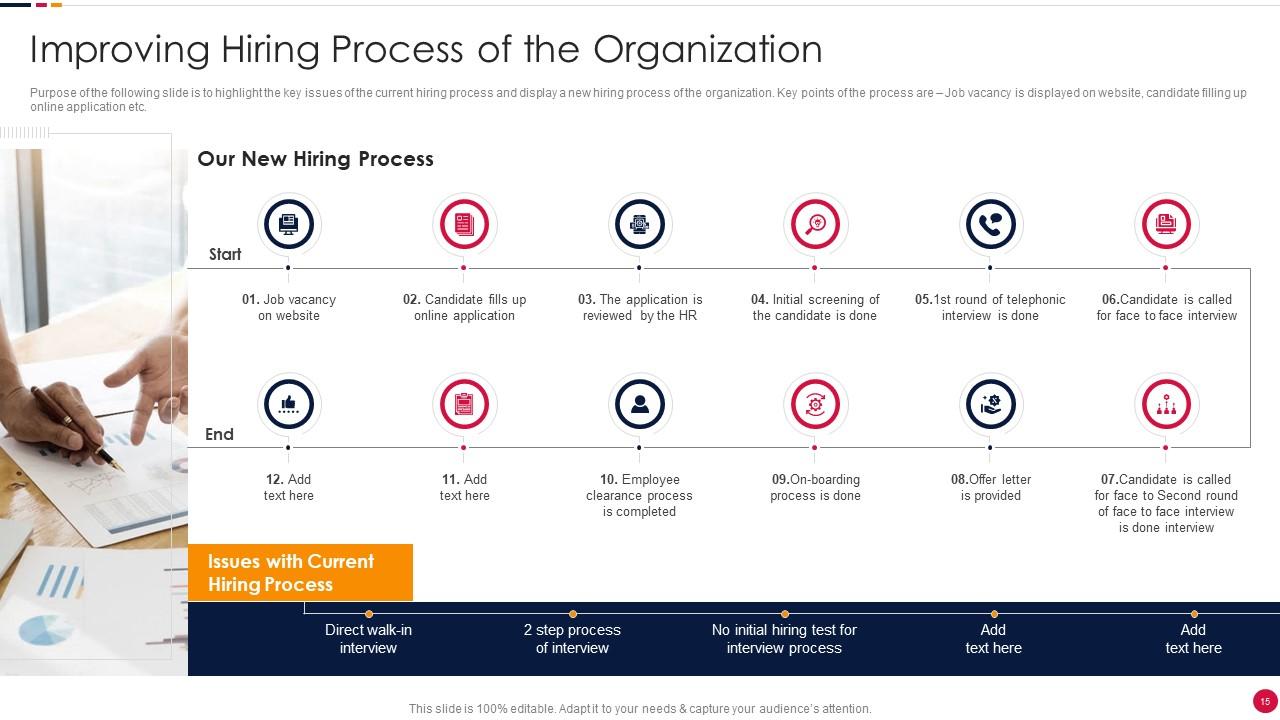
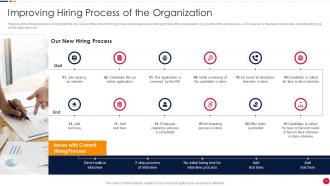
Slide 15 : Este slide mostra as principais questões do processo de contratação atual e mostra um novo processo de contratação da organização.
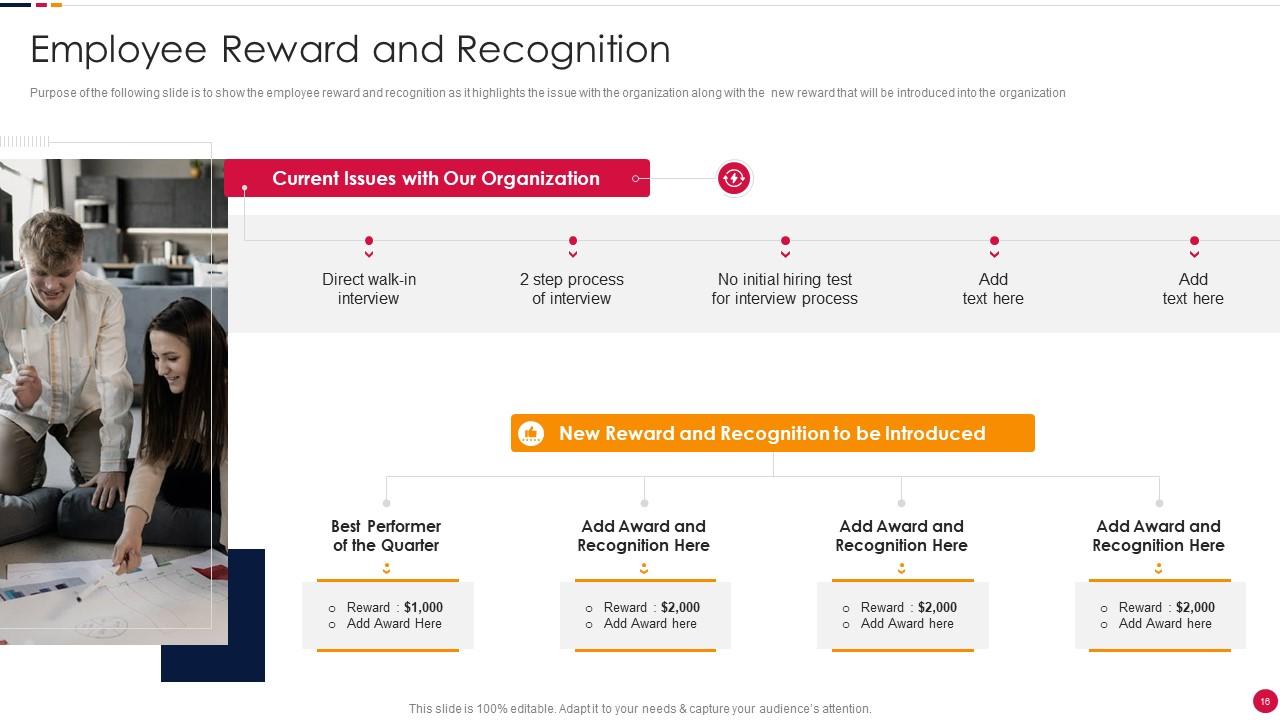
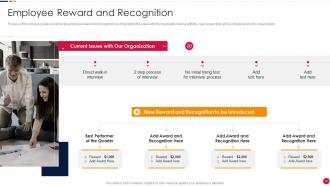
Slide 16 : Este slide mostra a recompensa e o reconhecimento dos funcionários, pois destaca o problema com a organização.
Slide 17 : Este slide mostra o título dos tópicos que serão abordados a seguir no modelo.
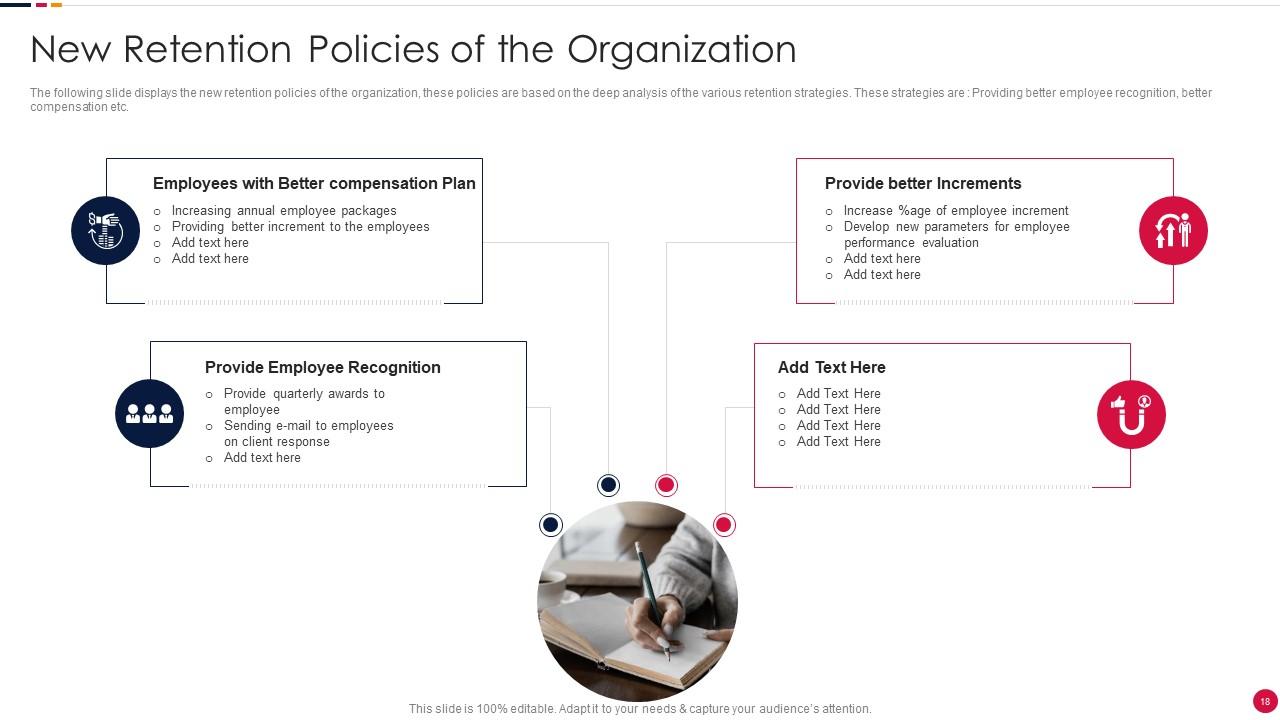
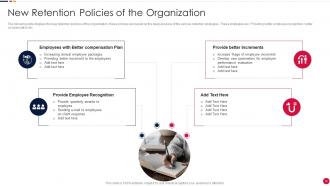
Slide 18 : Este slide apresenta as novas políticas de retenção da organização, essas políticas são baseadas na análise profunda.
Slide 19 : Este slide mostra o título dos tópicos que serão abordados a seguir no modelo.
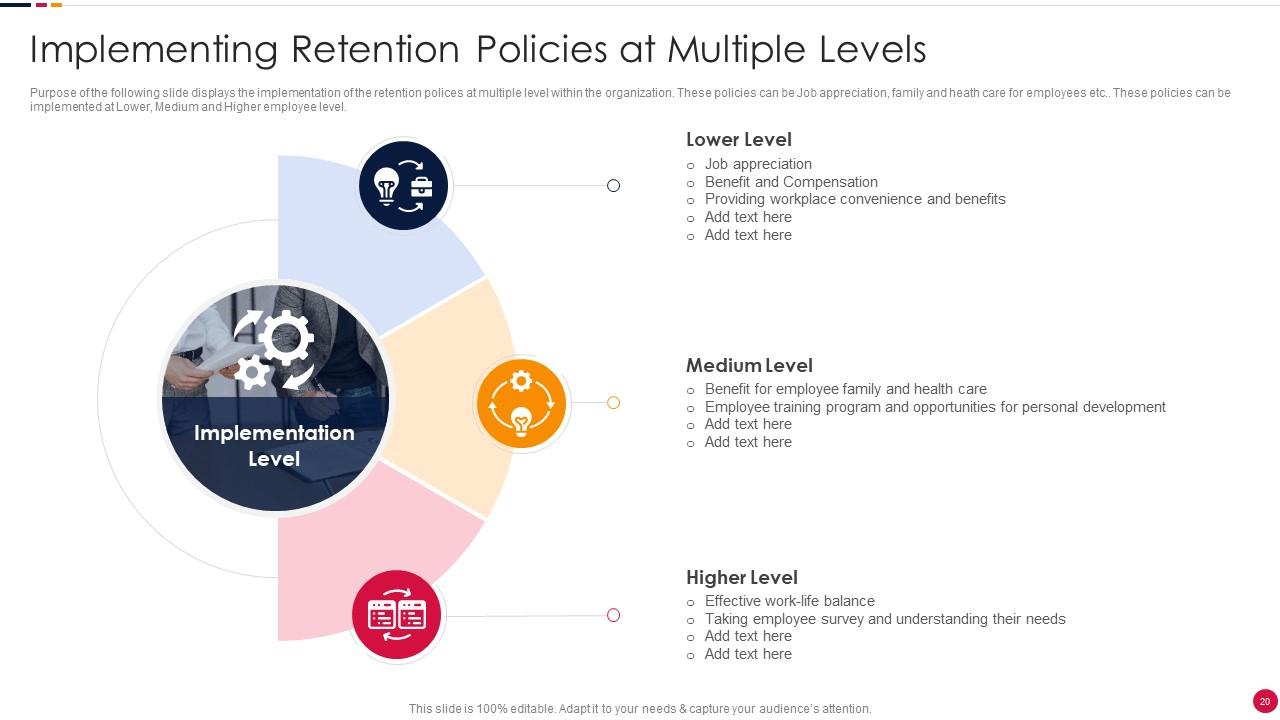
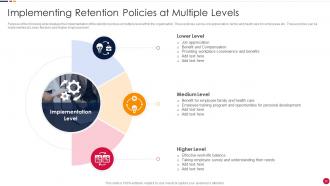
Slide 20 : Este slide apresenta a implementação das políticas de retenção em vários níveis dentro da organização.
Slide 21 : Este slide mostra o título dos tópicos que serão abordados a seguir no modelo.
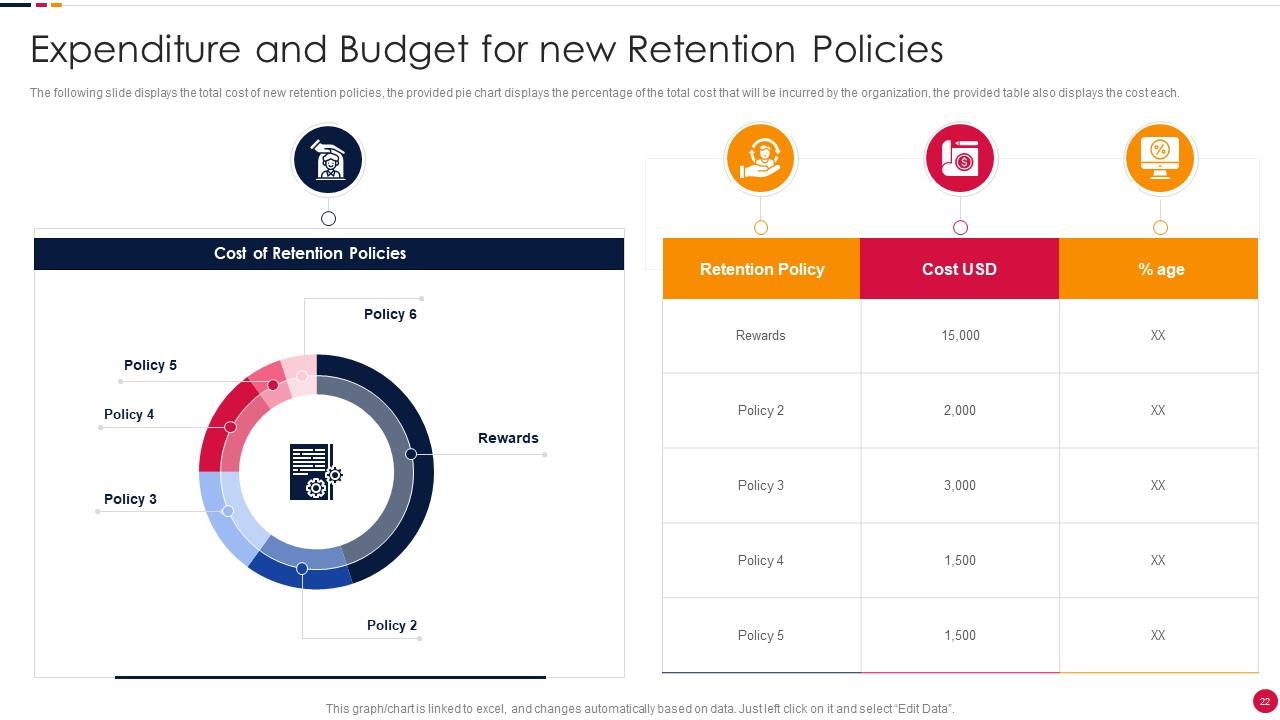
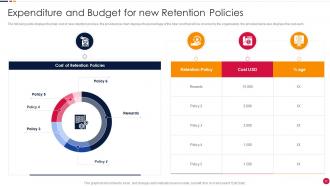
Slide 22 : O slide a seguir mostra o custo total das novas políticas de retenção.
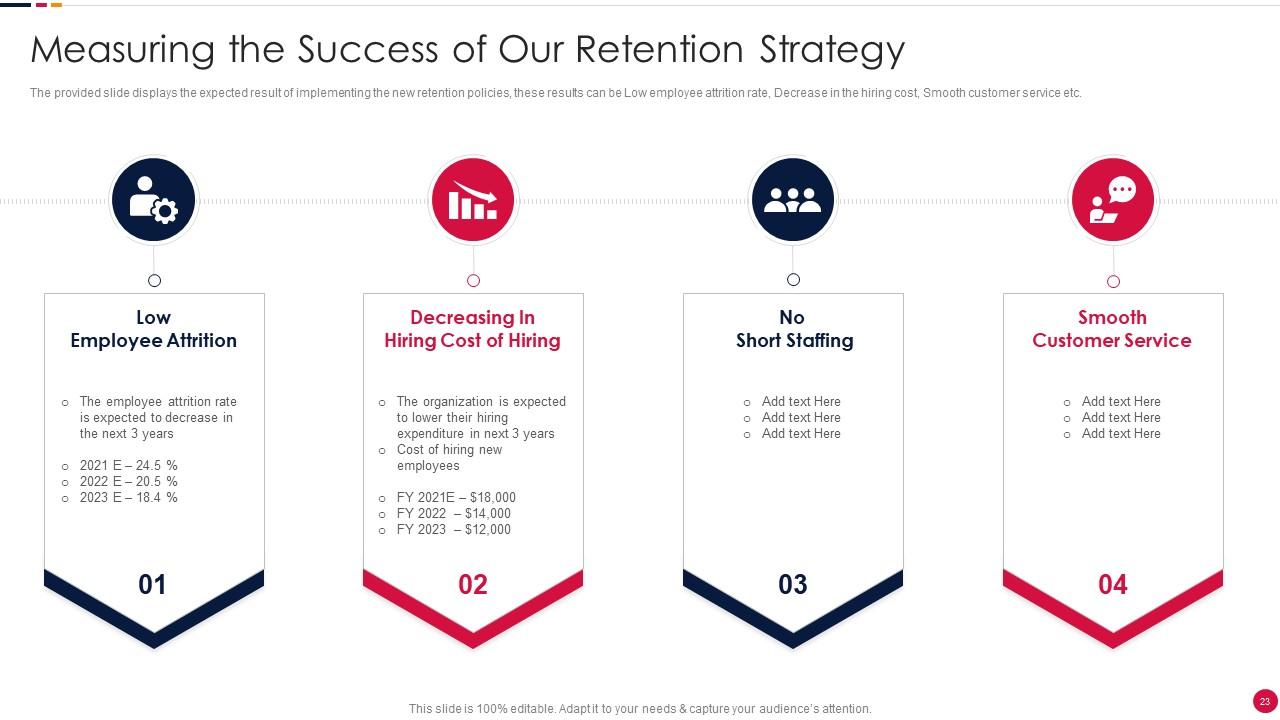
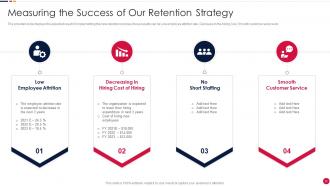
Slide 23 : Este slide representa a medição do sucesso de nossa estratégia de retenção.
Slide 24 : Este slide mostra o título dos tópicos que serão abordados a seguir no modelo.
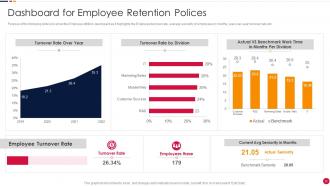
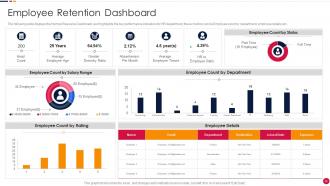
Slide 25 : Este slide representa o painel de desgaste de funcionários, pois destaca a taxa de rotatividade de funcionários.
Slide 26 : Este slide mostra o Painel de Recursos Humanos, pois destaca os principais indicadores de desempenho do departamento de RH.
Slide 27 : Este slide exibe ícones para gerenciamento da taxa de atrito da organização.
Slide 28 : Este slide é intitulado como Slides Adicionais para avançar.
Slide 29 : Este é um slide sobre nós para mostrar as especificações da empresa etc.
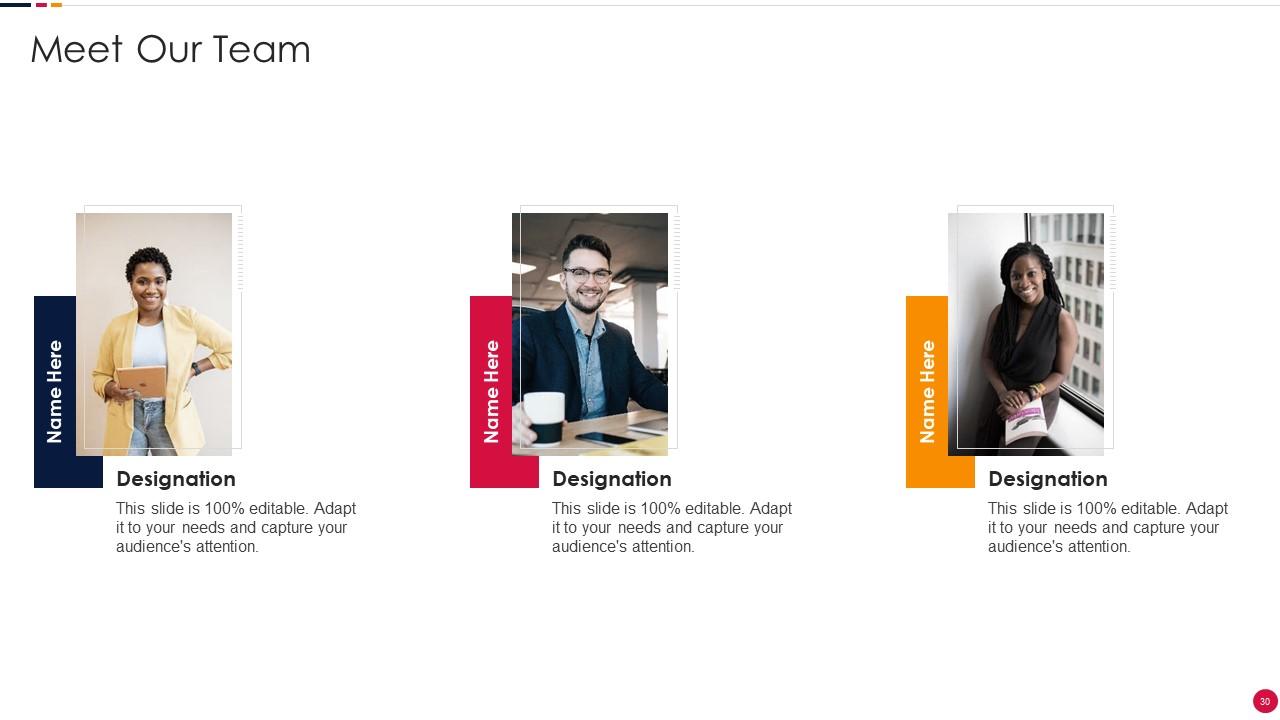
Slide 30 : Este é o slide da Nossa Equipe com nomes e designação.
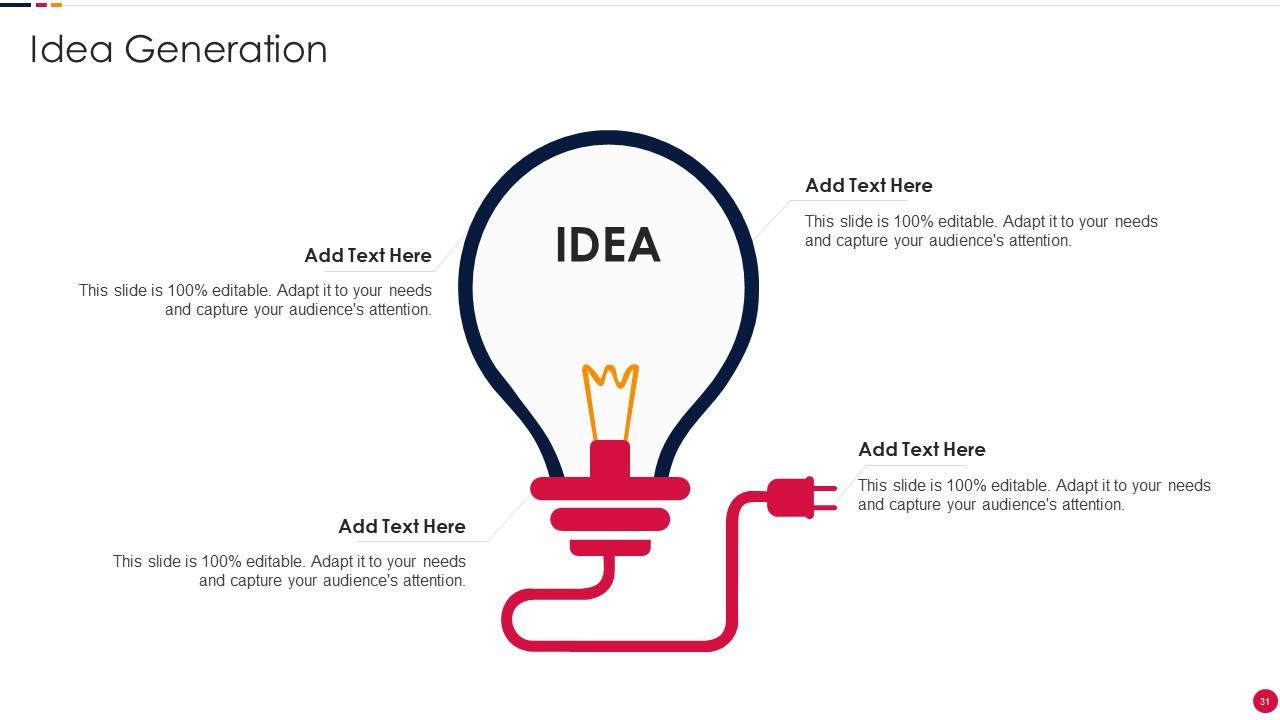
Slide 31 : Este é um slide de Geração de Ideias para apresentar uma nova ideia ou destacar informações, especificações, etc.
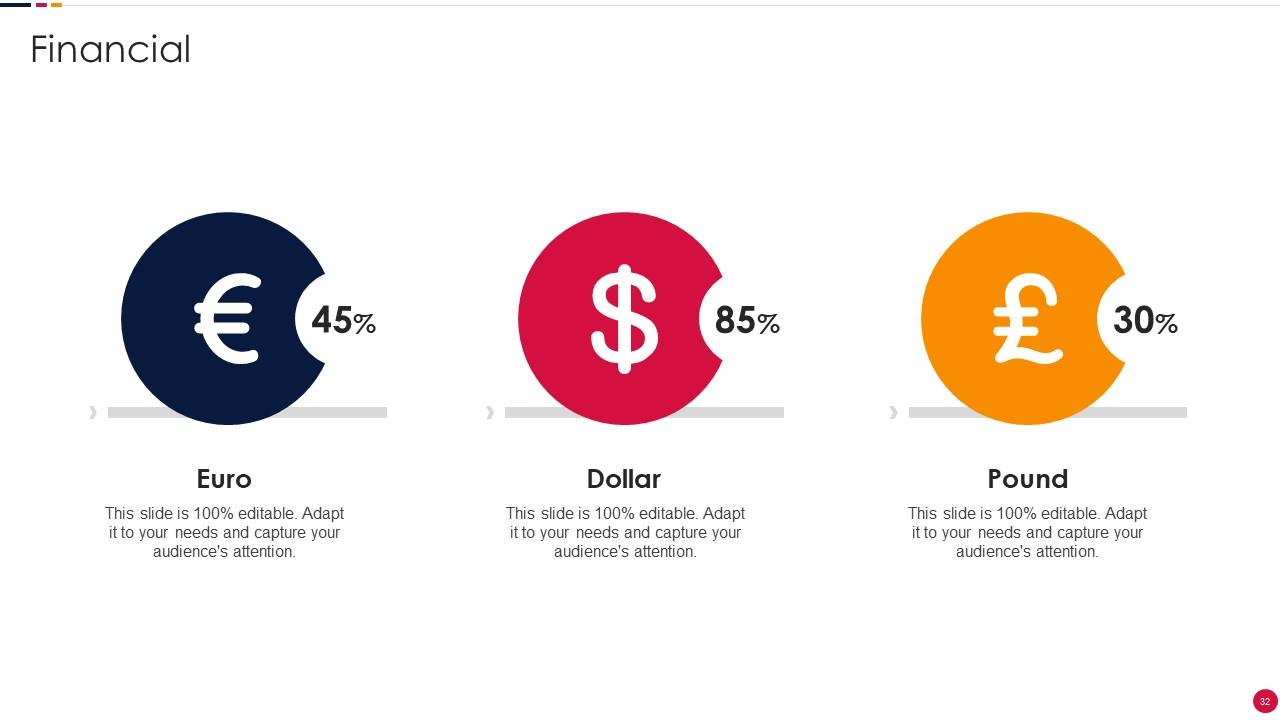
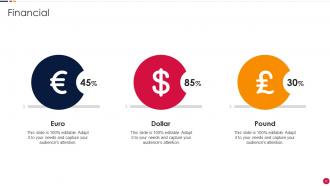
Slide 32 : Este é um slide financeiro. Mostre suas coisas relacionadas a finanças aqui.
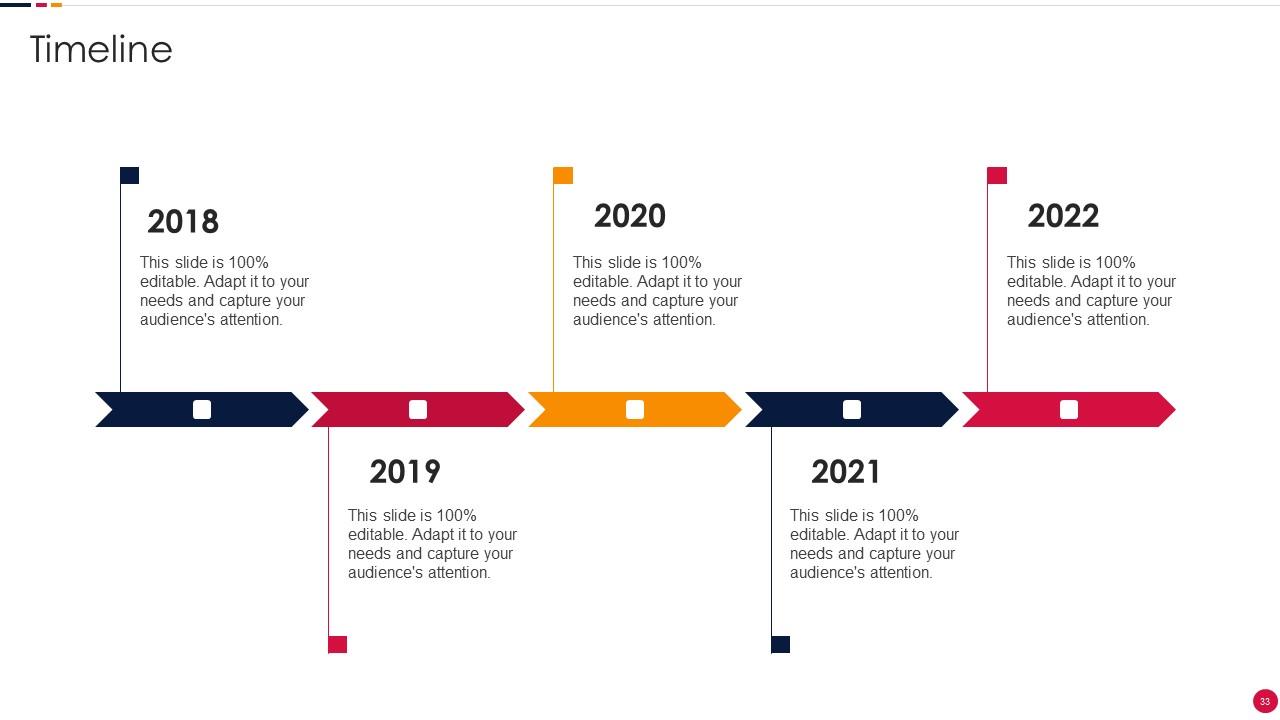
Slide 33 : Este é um slide de linha do tempo. Mostrar dados relacionados a intervalos de tempo aqui.
Slide 34 : Este slide mostra Post It Notes. Poste suas notas importantes aqui.
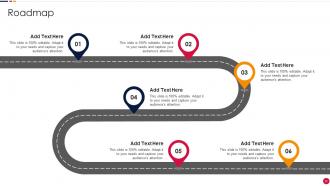
Slide 35 : Este slide apresenta o Roteiro com caixas de texto adicionais.
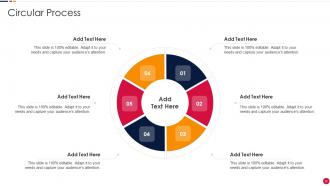
Slide 36 : Este slide mostra o Diagrama Circular com caixas de texto adicionais.
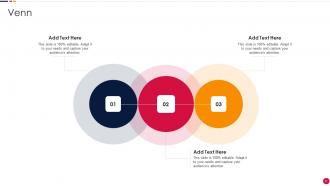
Slide 37 : Este slide mostra o diagrama de Venn com caixas de texto.
Slide 38 : Este é um slide de agradecimento com endereço, números de contato e endereço de e-mail.
Slides de apresentação em Powerpoint de gerenciamento de taxa de atrito da organização com todos os 43 slides:
Use nossos slides de apresentação em Powerpoint de gerenciamento de taxa de atrito da organização para ajudá-lo a economizar seu valioso tempo. Eles são readymade para caber em qualquer estrutura de apresentação.
FAQs for Organization Attrition Rate Management
Money's obviously huge, but honestly? Bad managers probably drive more people out the door than crappy pay does. People also bail when there's zero growth potential or work-life balance is nonexistent. Company culture being toxic is another big one - nobody wants to dread Monday mornings, you know? Remote flexibility has become massive lately too. Oh, and recognition matters way more than most bosses think. Feeling invisible at work sucks. If you're dealing with high turnover, just ask your team what's bothering them. Actually listen to their answers though - that's the key part most companies mess up.
Exit interviews are actually super useful for catching patterns early. Most companies just file them away though, which is such a waste. Start tracking themes - are multiple people complaining about the same manager or mentioning terrible work-life balance? I'd make a basic spreadsheet and sort responses by department, why they're leaving, how long they worked there. Pretty simple stuff. Check it every few months and you'll start seeing red flags way before half your team quits. It's honestly shocking how many obvious problems get missed just because nobody's connecting the dots.
Dude, start with stay interviews instead of just exit interviews - total game changer. Most people leave because they feel stuck or ignored, not because of money necessarily. Get your managers some actual people training since half of them only know how to manage tasks. Regular one-on-ones help a ton, plus create clear career paths so people see where they're going. Don't forget to celebrate wins more often than once a year. Oh, and flexible work is basically non-negotiable now. Focus on feedback, growth opportunities, and recognition - those three things will fix most of your turnover issues.
Honestly? Culture is like the make-or-break factor for keeping people around. Toxic workplaces where everyone's breathing down your neck - yeah, people run fast from that mess. But when folks actually feel valued and don't dread Monday mornings, they stick around. I've seen teams where people genuinely like their coworkers and trust their managers. Those places have crazy good retention rates. The flip side is brutal though. Quick reality check: ask your team how they're really doing before problems turn into two-week notices. Way easier than constantly hiring replacements.
Honestly? It's your managers - they're either retention gold or total poison. I've watched whole teams walk out because of one awful boss, it's wild how fast that happens. Good leaders make people feel safe to mess up and grow. They give real feedback instead of generic "great job" nonsense. Bad ones just... exist and wonder why everyone's updating their LinkedIn. Your people don't quit companies, they quit managers. So if turnover's killing you, forget the ping pong tables - fix your management layer first or watch more people disappear.
So basically you want to catch people before they're already mentally checked out, right? Track stuff like performance drops, fewer team interactions, more sick days - that kind of thing. Don't just wait for exit interviews when it's too late. Build some models using old data to flag who might bail, then actually do something about it. Manager relationships are huge here, plus workload and how satisfied they are with their role. I mean, tenure matters too but it's not everything. The sweet spot is jumping in early - maybe with training opportunities or fixing their crazy workload before they even start browsing LinkedIn.
Honestly, you've gotta nail the check-ins and set clear expectations right away. Weekly one-on-ones for the first month minimum - I can't stress this enough. Plus give them a solid 30-60-90 day roadmap so they're not wandering around clueless about what "good work" actually looks like. Oh, and assign them a buddy who isn't their boss! Someone they can bug with random questions without feeling stupid. I've watched so many good people bail in those first few weeks just because they felt totally lost. Frontload all that support instead of crossing your fingers they'll magically figure everything out.
Honestly, monthly one-on-ones are a game changer - but make them about workload and career stuff, not just project updates. Anonymous feedback tools help too since people are way more honest when they can't be identified. The biggest mistake I see? Companies survey everyone then do absolutely nothing with the feedback, which pisses people off more than never asking. You've gotta close the loop and tell people what you're actually changing. Oh, and create clear paths so the serious concerns don't get stuck with middle management forever.
Ugh, turnover is such a money pit. You're dropping thousands just to replace people - recruiting, training, the whole mess. Meanwhile you've lost someone who actually knew what they were doing, and now you're waiting months for the new person to figure it out. The worst part? Everyone else is picking up slack with overtime while morale tanks. I swear it just creates more people wanting to leave. You should probably track your cost-per-hire and how long it takes new people to actually be useful - at least then you'll know exactly how much this cycle is bleeding you dry.
Honestly, most people quit because they feel underpaid or undervalued. Fair compensation fixes that instantly. Nobody wants to job hunt when they're already getting decent pay and benefits - it's such a hassle. Do regular salary checks against what other companies offer, though. Don't wait until someone's walking out the door to realize you've been lowballing them. Also, being upfront about career growth helps tons. People stick around when they feel secure and see a future. Quick salary audits beat awkward exit interviews every time.
Start by just asking your team what they actually want to learn - that's honestly the best first step. Cross-training works great because people get bored doing the same thing forever, plus it makes everyone more useful. Mentorship programs are solid, and skill workshops too. Don't forget about tuition reimbursement if you can swing it. Regular one-on-ones where you talk about their goals matter way more than some random training event once a year. Leadership tracks are good for ambitious people. The whole thing needs to feel personal though - cookie-cutter programs don't really work.
Honestly, remote work usually helps with retention - people love ditching the commute and having better work-life balance. Lower turnover is pretty common. But yeah, some people get lonely or feel cut off from the team culture (new hires especially struggle with this since they haven't met anyone yet). Regular check-ins help a ton. So do virtual hangouts and making sure communication stays solid. If your remote folks are leaving more often, I'd look at how you're onboarding them first - that's usually where things fall apart.
Honestly, you'll usually notice their work starts slipping first - missing deadlines, calling out more, barely participating in meetings. They stop raising their hands for new projects and seem totally disconnected from whatever the company's trying to accomplish. Sometimes they get surprisingly vocal about every little thing that bugs them (which can actually be a good sign they still care, weirdly). But yeah, the LinkedIn profile updates are a dead giveaway. Also watch for more personal calls during work hours. My advice? Don't wait - schedule regular check-ins so you can catch this stuff before people mentally quit on you.
Honestly, mentorship programs are a game-changer for keeping people around. Your employees get someone who actually cares about their growth, so they're not scrolling LinkedIn every lunch break. It builds real connections too - I've seen it work at my last company. New hires especially need that person who can decode all the unwritten rules and office politics (trust me, there's always drama somewhere). High performers love being mentors because it makes them feel valued. Just pair them up strategically and you'll see people actually want to stay.
Dude, work-life balance is huge for keeping people around. I've watched teams where everyone's burning out and people just quit left and right - it's rough. But give your employees some actual flexibility? Remote work, flexible hours, not blowing up their phones after 6pm - suddenly they want to stay. Job satisfaction goes through the roof when people can actually have lives outside work. Oh, and don't just guess what they need - ask them directly what balance means to them. Everyone's different, and some might surprise you with what they actually want versus what you think they want.
-
If you have visited their site and failed to find the products, try reaching the customer service because it will be the case that you didn't use the search bar well.
-
Content of slide is easy to understand and edit.