Slides de apresentação em PowerPoint de inovação organizacional
Try Before you Buy Download Free Sample Product
Audience
Editable
of Time
Nossos slides de apresentação em PowerPoint de inovação organizacional oferecem um conjunto de opções. Você apreciará várias alternativas.

Recursos destes slides de apresentação do PowerPoint:
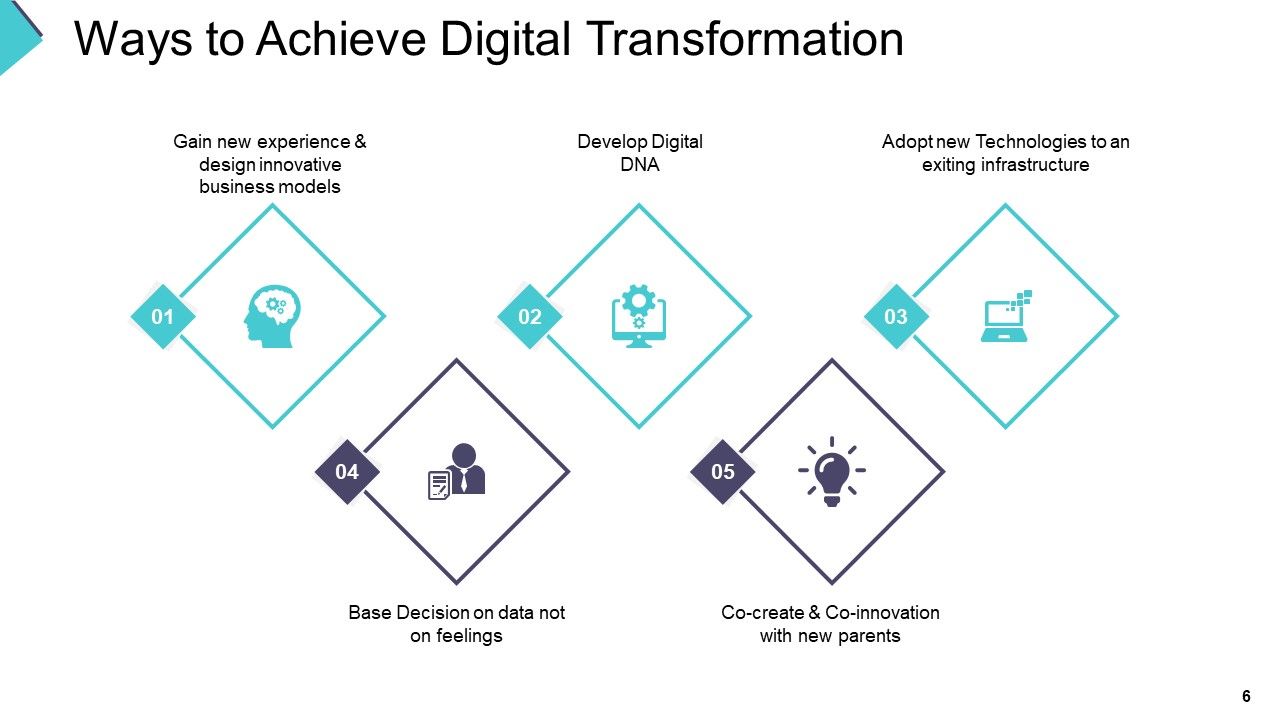
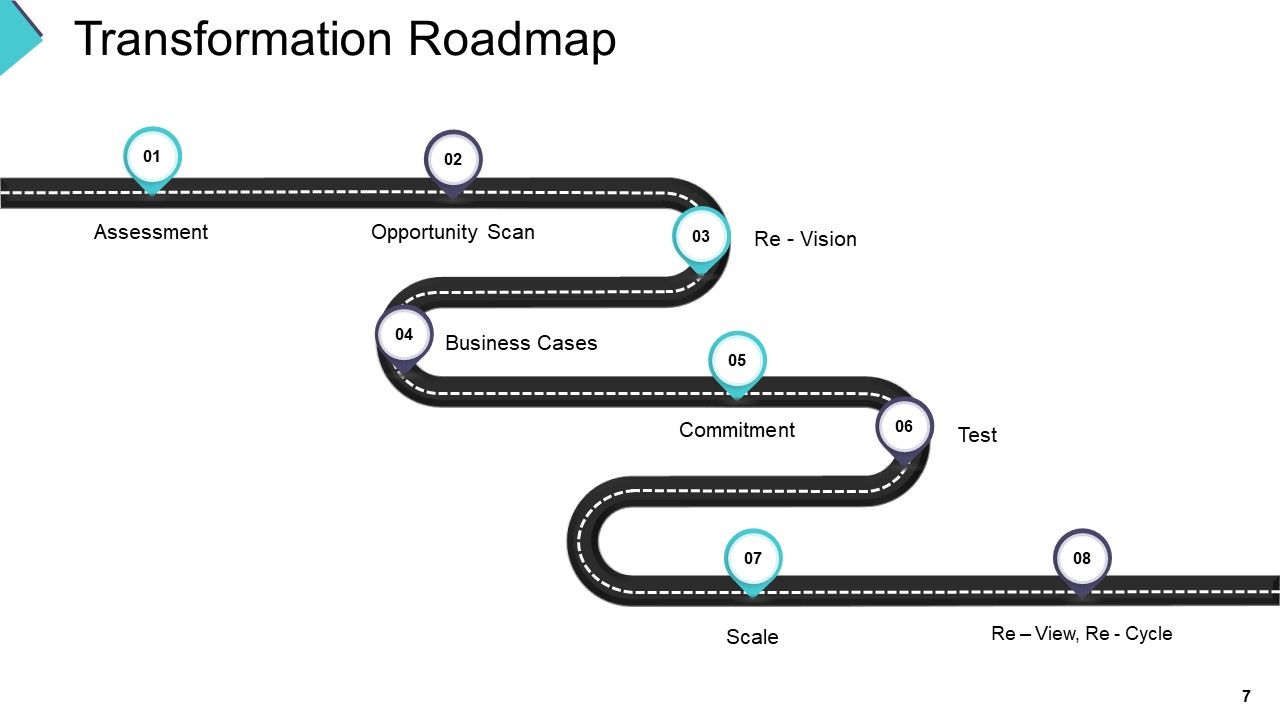
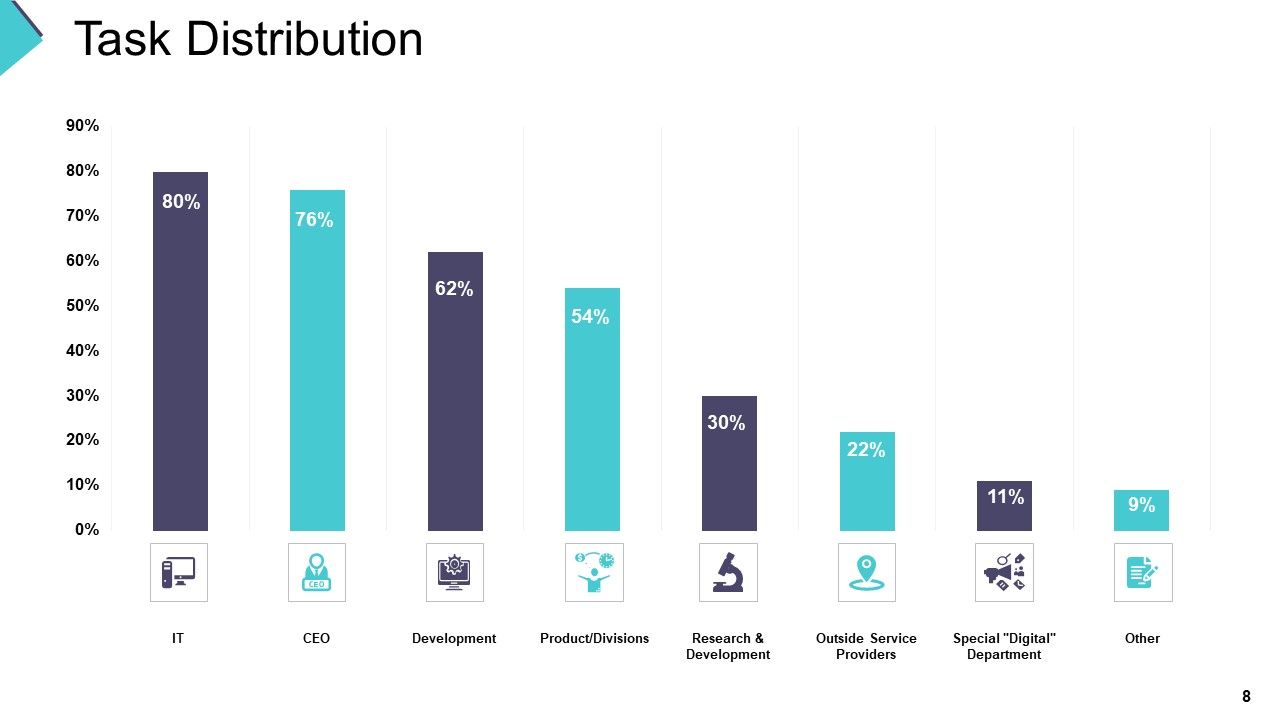
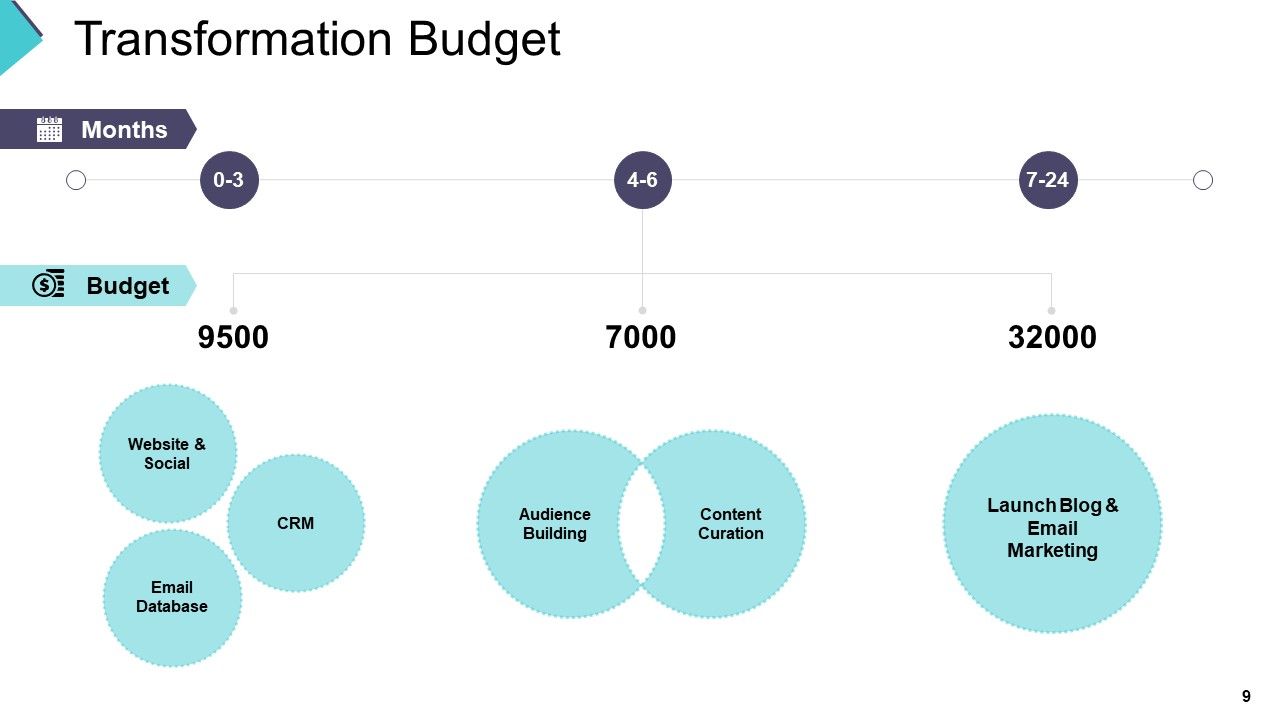
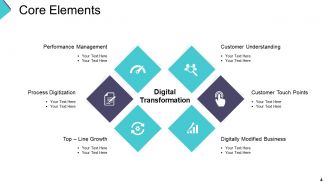
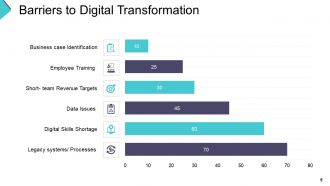
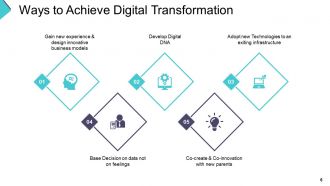
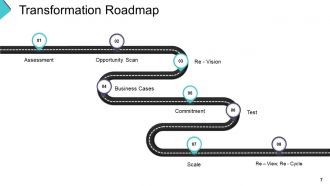
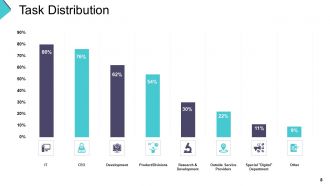
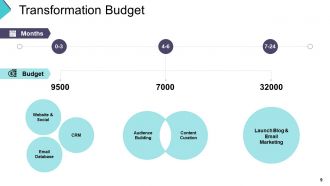
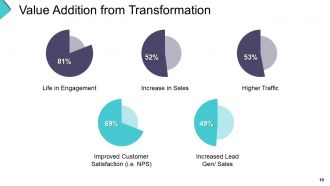
Este deck PPT exibe vinte e três slides com pesquisa aprofundada. Nosso deck de apresentação de slides de apresentação em Powerpoint de inovação organizacional é uma ferramenta útil para planejar, preparar, documentar e analisar o tópico com uma abordagem clara. Nós fornecemos um deck pronto para usar com todos os tipos de tópicos relevantes, modelos de subtópicos, tabelas e gráficos, visões gerais, modelos de análise. Descreva todos os aspectos importantes sem qualquer aborrecimento. Ele mostra todos os tipos de infográficos de modelos editáveis para uma apresentação de slides de apresentação em Powerpoint de inovação organizacional abrangente e abrangente. Profissionais, gerentes, indivíduos e equipes envolvidos em qualquer organização empresarial de qualquer área podem utilizá-los conforme a necessidade.
People who downloaded this PowerPoint presentation also viewed the following :
Inovação organizacional Apresentação em PowerPoint Slides com todos os 23 slides:
Traga esse sentimento inebriante com nossos slides de apresentação em PowerPoint de inovação organizacional. Seu crescimento certamente será estimulante.
FAQs for Organizational innovation
Look, customers expect way more now and competition is brutal - adapt or you're toast. People want meaningful work with flexibility too, which changes everything. Tech disruption keeps hitting every industry, plus there's regulatory stuff and all the sustainability pressure. Data analytics helps you catch opportunities you'd totally miss otherwise. But honestly? The biggest thing is letting your team actually experiment without freaking out about failure. Innovation just dies when everyone's scared to mess up. Digital transformation is obvious but creating that safe-to-fail culture is where most companies screw it up.
Make sure people feel safe sharing dumb ideas first - that's honestly the biggest hurdle. Celebrate when experiments fail intelligently, not just when they work out. Give teams actual time for creative stuff (everyone talks about Google's 20% thing but most places suck at doing it). Mix different departments together so they bump into each other and come up with weird combinations. Oh, and definitely share your own messy thoughts as a leader. Shows it's okay to think out loud. Try throwing out some "what if" questions in your next meeting and see what happens.
Honestly, your leadership style makes or breaks innovation. I've seen micromanagers completely crush creative teams - it's painful to watch. The best innovative environments happen when leaders actually trust their people and don't freak out over failures. You want transformational types who give autonomy and create psychological safety. Autocratic leaders? Sure, they get stuff done fast, but good luck getting breakthrough ideas. Oh, and hierarchical leaders who only listen to C-suite opinions are missing out big time. If you're trying to boost innovation, start by checking how your leaders handle risk-taking and whether they actually value input from everyone.

Track both leading and lagging stuff - time-to-market, revenue from recent innovations, employee participation rates. Don't get caught up in vanity metrics though! Having tons of submitted ideas is worthless if nothing actually happens with them. Pipeline health matters too, and honestly? Getting good at killing bad ideas fast is huge - maybe more important than people think. Oh, and measure how quickly you pivot when something isn't working. Set up quarterly check-ins to review everything and tweak your approach. The data will tell you what's actually moving the needle vs what just looks impressive on paper.

Honestly, it's usually the same culprits - rigid hierarchies and everyone being terrified of screwing up. Leadership says they want innovation but then people get burned when experiments don't pan out. Super frustrating. You've gotta flip that script. Create space where folks can throw out ideas without getting shut down. Even dedicating like 10% of time for trying new stuff helps. Celebrate the smart failures too, not just wins. Oh and don't go big right away - pilot programs are your friend. Most important thing though? Leadership needs to actually mean it when they say they want fresh ideas.
You know what's crazy? The best ideas I've seen come from totally random department combos. Like when our finance guy sat in on a product meeting - he suggested something that saved us months of work. Marketing and engineering together? Pure gold. Here's the thing - different teams have completely different problems and constraints, so they'll think of solutions you'd never consider. Plus if they help create the plan, they won't fight you on it later (learned that one the hard way). Just start small though. Pick one other department for your next project and see what happens. You might be surprised.
Honestly, I'd start with design thinking workshops - they're amazing for getting ideas flowing fast. Stage-gate processes are clutch too because you'll weed out the garbage ideas before wasting money on them (learned that one the hard way). Short agile sprints keep everything moving, and platforms like IdeaScale help track all the chaos in one place. Oh, and lean startup stuff with MVPs? Game changer. You can test concepts without betting the farm. My take: run some brainstorming sessions first, then set up a solid evaluation framework to sort through what's actually worth pursuing.
Tech moves so damn fast now that those old 18-month development cycles are basically dead. You've gotta be experimenting constantly or you'll get left behind. What works is building what I call "innovation muscles" - just systems where your team can prototype stuff quickly, fail without it being a big deal, and pivot fast. Honestly, the companies crushing it right now don't treat innovation like some separate department. It's more like a daily thing everyone does. Here's what I'd try: pick one process this month and see if you can make it 50% faster. Start there.
Look, mixing different types of people on your team isn't just nice to have - it actually works. You get way better solutions when everyone doesn't think the same way. Like, if you've got different ages, backgrounds, cultures all bouncing ideas off each other, they'll catch blind spots you'd totally miss otherwise. There's tons of research backing this up too. Homogeneous teams? They're predictable as hell. But throw in some people who challenge your assumptions and suddenly you're getting those "wait, what if we tried..." moments that lead to actual breakthroughs. Next time you're putting a team together, grab people who think nothing like you do.
Don't just collect feedback - actually do something with it. Most companies are terrible at this, honestly. Set up surveys and user interviews, then create teams that meet monthly to spot patterns in what people are saying. Here's what works: show customers how their suggestions became real changes. That closes the loop and makes them feel heard. Support tickets are goldmines too - analyze those for product ideas. Oh, and start simple. Grab one recent piece of feedback and think of three ways it could improve your product. You'll be surprised what comes up.
So there's a bunch of stuff to watch out for when you're innovating. First off, data privacy - how are you collecting and using customer info? Then there's job displacement from automation, which honestly gets overlooked way too often. Environmental impact matters too. Don't create unfair advantages or hurt vulnerable groups. Be transparent with stakeholders about what you're building. Here's the thing though - get diverse voices involved from day one, not as an afterthought. Set up ethics boards and guidelines before you start, because fixing problems later is way messier.
Honestly, partnerships are like having a cheat code for innovation. You get access to skills and tech you don't have in-house, plus fresh perspectives that can lead to those "holy shit" breakthrough moments. Sharing costs means you can swing for the fences on risky projects too. The trick is finding partners whose strengths fill your weak spots - I'd map out what you're missing first, then hunt for companies that crush it in those areas. It's basically strategic matchmaking, but for business capabilities instead of dating profiles.
Look, SMEs can pivot crazy fast compared to big corps. No bureaucratic BS to deal with. You'll spot customer needs that huge companies totally miss because you're actually talking to people. Yeah, your R&D budget sucks - but honestly? Some of my favorite products came from scrappy teams with zero money. Being close to customers beats having unlimited cash most of the time. Focus on nailing one specific problem instead of trying to change the world. Speed and flexibility are your secret weapons here.
Dude, Netflix is the perfect example - they killed their own DVD business before someone else did it for them. Amazon keeps their innovation teams super small with that "two-pizza rule" thing. 3M lets people spend 15% of their time on random passion projects (Post-it Notes came from that, which is pretty cool). Google did similar stuff with Gmail. Honestly, the best companies just aren't scared to mess with their own success. If you're trying to get your team more innovative, figure out what "untouchable" processes you might need to blow up first.
Honestly, treat it like managing two separate buckets. Protect your day-to-day stuff that's already working - don't mess with that. Then carve out specific time and people for the experimental stuff. Maybe 10-15% of resources if you're being realistic (Google's 20% thing sounds nice but who actually has that bandwidth?). Track both sides separately too. Your regular metrics for operations, plus weird stuff like how many crazy ideas you tested this quarter. Start super small with pilots. Scale up whatever doesn't completely bomb. Innovation's great but it shouldn't wreck your current processes.
-
Top Quality presentations that are easily editable.
-
Amazing product with appealing content and design.
-
Design layout is very impressive.
-
Thanks for all your great templates they have saved me lots of time and accelerate my presentations. Great product, keep them up!
-
Great product with highly impressive and engaging designs.