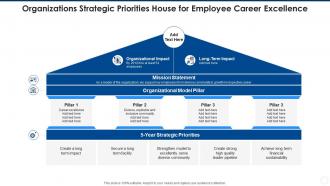
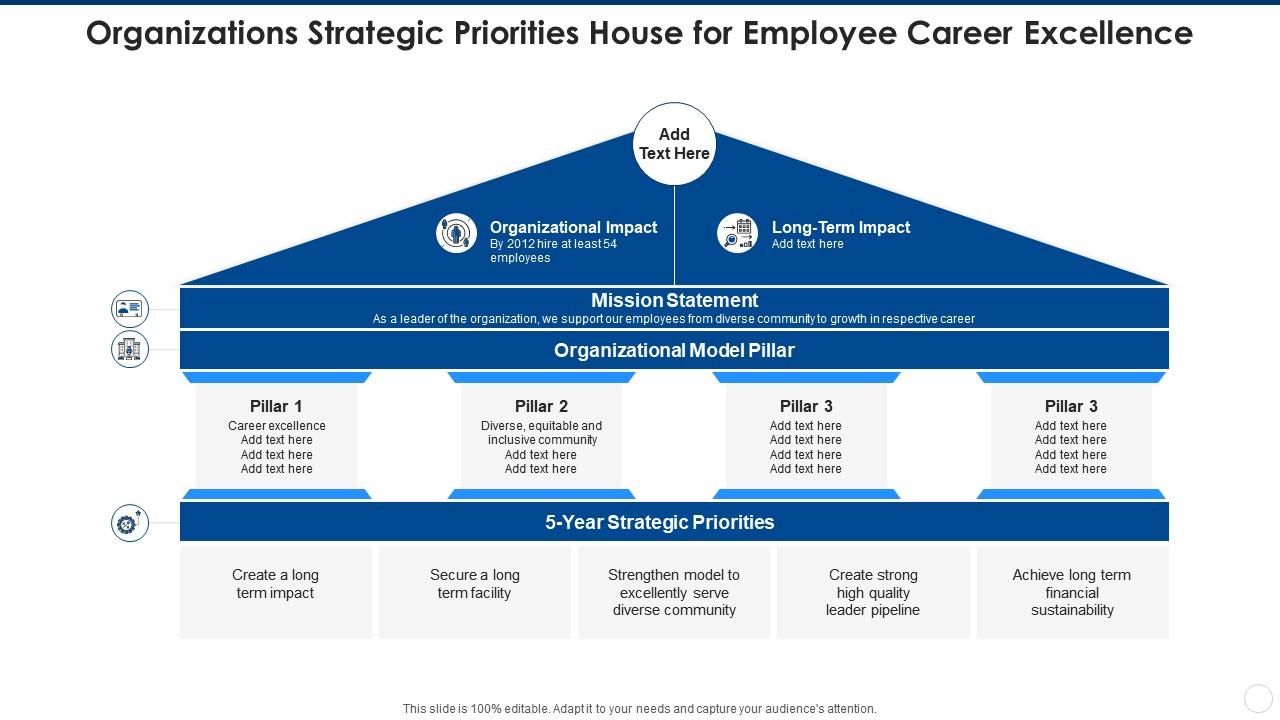
Organizations strategic priorities house for employee career excellence
Try Before you Buy Download Free Sample Product
Audience
Editable
of Time
Our Organizations Strategic Priorities House For Employee Career Excellence are topically designed to provide an attractive backdrop to any subject. Use them to look like a presentation pro.
People who downloaded this PowerPoint presentation also viewed the following :
Organizations strategic priorities house for employee career excellence with all 9 slides:
Use our Organizations Strategic Priorities House For Employee Career Excellence to effectively help you save your valuable time. They are readymade to fit into any presentation structure.
FAQs for Organizations strategic priorities house for
Honestly, digital literacy is everything right now. Tech moves crazy fast, so you've gotta stay on top of new tools constantly. Communication skills though? Still the most important thing - explaining complex stuff simply will always make you stand out. Emotional intelligence matters more than people think, especially with remote work making it harder to read people. Oh, and data analysis is basically required for most jobs now, even the non-techy ones. My advice? Pick one skill this quarter and actually stick with it instead of jumping around.
Honestly, networking is where the real magic happens - way more jobs come from connections than those soul-crushing online applications. People remember you when cool opportunities come up, plus you get the actual tea about what companies are really like to work for. Having someone vouch for you internally? Game changer for getting past those awful HR screening bots. Don't be weird about it though. Actually care about what people do, help when you can, check in once in a while. Reconnect with old coworkers first - that's the easiest starting point. Then maybe join some industry stuff where you'll naturally bump into people.
Dude, get a mentor if you can. They'll save you from making the same stupid mistakes everyone else does. Plus they know people - like, actually useful connections you wouldn't meet otherwise. When I'm stuck on something big, having someone who's already navigated that stuff is clutch. You get real advice instead of just figuring everything out the hard way for years. Find someone whose career you actually respect and just be upfront about wanting to learn from them. Don't be weird about it though - nobody likes that.
Honestly, start by paying attention to what makes you feel energized vs what completely drains you. That's your first clue right there. Then - and I know this feels super uncomfortable - ask people you trust for real feedback. Your manager, close coworkers, whoever. Yeah it's awkward but the insight is worth it. Those online assessments like CliftonStrengths can be helpful too, though they're hit or miss sometimes. Performance reviews are another good source if you actually read them carefully. The thing is, we're terrible at seeing ourselves clearly. Write it all down and see what patterns emerge. Multiple perspectives will give you the full picture.
Okay so first thing - write your goals down and make them super specific with actual deadlines. Like "lose 10 pounds by March" instead of just "get healthier." Break the big scary ones into tiny steps you can check off. I learned this the hard way after years of having random goals just bouncing around my brain. Got me absolutely nowhere lol. Check in with yourself every few months because honestly? Your priorities will shift and that's totally normal. Find someone who'll actually hold you accountable - not just nod along when you make excuses. Oh and celebrate the small wins! Those little dopamine hits really do keep you going when motivation tanks.
Honestly, online courses can totally change your career trajectory. They're perfect when you're swamped at work but need new skills. I've seen people fill major resume gaps this way – you can get certified in stuff employers actually care about without quitting your job or going broke on a degree. The flexibility is unreal. Pick something that matches where you want your career to go, though that's easier said than done sometimes. Most platforms let you go at whatever pace works. Just don't be like me and sign up for five courses then finish none of them. Start with one skill you've been putting off.
Honestly, building a personal brand is one of the smartest moves you can make. Recruiters actually notice when you're consistently sharing your expertise - you become that person they think of for specific roles. It's way better than just applying to random jobs and hoping something sticks. Figure out what you want to be known for first, then start posting content around those topics. The visibility thing is huge too - I've seen people get approached for opportunities they never would've found otherwise. You'll attract stuff that actually matches what you want to do instead of settling for whatever's available. Just stay consistent with it.
Honestly, you gotta pay attention to where your industry's headed - it'll make or break your next career move. AI's everywhere right now, which is kinda wild when you think about it. People are either diving in headfirst or freaking out about getting replaced. Look at what's growing in the next 5-10 years and see if you're on the right track. Maybe you need to switch gears completely. Consumer habits change, new tech drops, economy shifts - all that stuff creates opportunities while killing off others. Start checking out industry blogs and notice which skills keep showing up in every job posting.
First thing - figure out what you actually want, not just what looks impressive. Then start having real conversations with people in that field (coffee chats work great). I'd also look into transitional roles that bridge where you are now with where you're going - honestly, these can be way more valuable than people realize. Pick up some new skills through courses or side projects that match your target job. The key thing though? Don't treat your background like baggage. Frame it as an advantage when you tell your story. Oh, and start reaching out to people this week before you overthink it.
Dude, EQ is honestly a game-changer for your career. I've watched super smart people get stuck because they can't handle office drama or come across as total jerks in meetings. Once you hit a certain point, being able to read people matters way more than your technical chops. Leadership? Forget about it without decent emotional skills. But here's what's cool - you can actually get better at this stuff. Pay attention to your own reactions when things get stressful. Really listen when people talk instead of just planning what you'll say next. It's like a muscle you can build.
Honestly, there's so much out there it's almost overwhelming. LinkedIn Learning and Coursera are solid for actual courses. Virtual networking events are everywhere now – some are pretty good, others are kinda meh. You can find remote mentorship programs and online communities for your field. Digital conferences let you network from your couch, which is nice. A lot of companies do virtual lunch-and-learns too, though I feel like half the time people are just eating on mute. My advice? Pick one specific skill first, then choose just one platform. Otherwise you'll end up signing up for everything and doing nothing.
Look for spots where your interests actually intersect with stuff that makes money. I know, sounds simple but it's weirdly hard to figure out. Map out what you genuinely care about first. Then get creative - like if you're into writing but stuck in finance, maybe financial journalism could work? Side projects help too while you're building your main thing. Sometimes the connection isn't obvious at first glance. Oh, and don't feel like you need to find the "perfect" job right away. Small moves toward what feels right beats staying completely miserable. Just keep checking in with yourself every few months.
Honestly, learning new stuff regularly is a total game-changer. It keeps you from getting left behind when your industry shifts (and trust me, it will). Employers eat up that growth mindset thing - shows you won't just coast forever. Each skill you pick up builds on the others too, so you become way more valuable over time. I learned this the hard way when my old role got automated lol. Start small though - grab one skill that's close to what you already do and spend like 30 minutes a week on it. You'll be surprised how fast it adds up.
Honestly, feedback is like having a GPS for your career - shows you what you're nailing and what needs work. Ask your manager, coworkers, even people who report to you if you have them. Here's the thing though: don't just ask "how am I doing?" because that gets you nowhere. Be specific - like "what's one thing I could do better in meetings?" Way more helpful. Once you get answers, actually do something about it. Maybe create a little plan around whatever gaps people point out. Oh, and start small - pick one skill to get feedback on this week and see what happens.
Honestly, the biggest thing holding people back is just being invisible to the right people. Your boss doesn't know about half the cool stuff you're doing, right? Plus we all get way too cozy in our current roles - I'm totally guilty of this too. Here's what actually works: start bragging a little more to your manager about wins. Ask for projects that'll stretch you. Build random friendships with people in other departments because you never know. Don't just sit around waiting though. Schedule those awkward career convos with your boss and map out what you want with actual deadlines. Otherwise it's just wishful thinking.
-
very good
-
Unique research projects to present in meeting.
-
Really like the color and design of the presentation.
-
Very unique and reliable designs.
-
I discovered this website through a google search, the services matched my needs perfectly and the pricing was very reasonable. I was thrilled with the product and the customer service. I will definitely use their slides again for my presentations and recommend them to other colleagues.