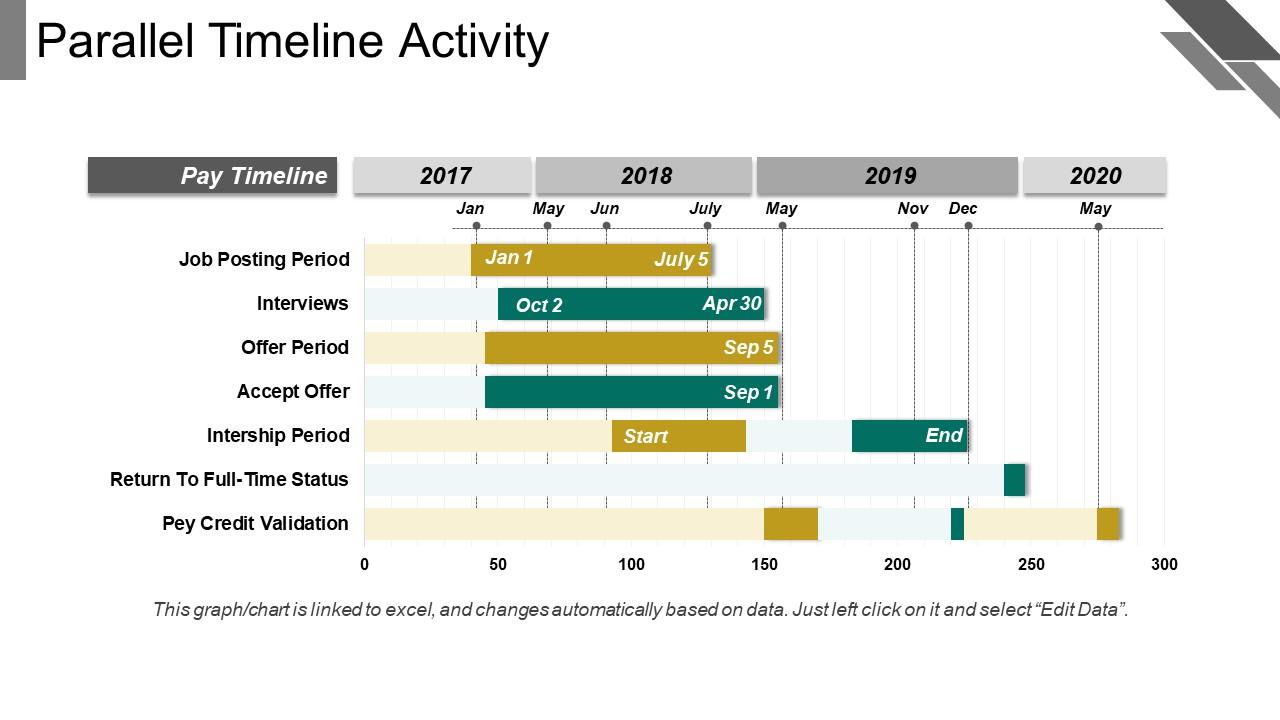
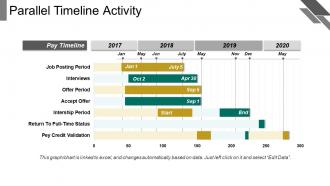
Actividad de línea de tiempo paralela

Rating:
80%
Slide 1 of 5
Favourites Favourites

Try Before you Buy Download Free Sample Product

Audience Impress Your
Audience
Editable 100%
Editable
Time Save Hours
of Time
The Biggest Sale is ending soon in
0
0
:
0
0
:
0
0
Rating:
80%

Características de estas diapositivas de presentación de PowerPoint:

Presentando actividad de línea de tiempo paralela. Esta es una actividad de la línea de tiempo paralela. Este es un proceso de cuatro etapas. Las etapas de este proceso son línea de tiempo paralela, hoja de ruta paralela, proceso lineal paralelo.

People who downloaded this PowerPoint presentation also viewed the following :

FAQs for

So ancient civilizations like the Egyptians and Maya basically invented calendars first. Medieval scholars - especially this guy Bede - then standardized the whole BC/AD thing, though it took forever to actually spread. Honestly, the real game-changer was probably Scaliger in the 1500s formalizing chronological methods. Renaissance astronomy helped too with better timekeeping. But radiocarbon dating in the '40s? That completely flipped everything for dating artifacts. I'd definitely start with understanding these basics since they're still the foundation for most chronological work today. Pretty fascinating how it all evolved tbh.

Dude, the tech stuff available now is honestly insane for chronological research. Radiocarbon dating and dendrochronology software can give you precise dates way faster than before. Digital databases let you cross-reference multiple sources instantly - no more spending months digging through dusty archives (thank god). GPS and satellite imagery help pinpoint archaeological sites with their exact temporal contexts. AI algorithms spot historical timeline patterns that would take forever to find manually. Oh, and definitely learn at least 2-3 digital chronology tools for your specific field. Trust me, it'll save you so much time.

Okay so calendars are basically how different cultures track time and create reference points you can actually compare across societies. Each one developed their system around what mattered most - lunar cycles, solar years, religious stuff, farming seasons. Problem is they don't line up perfectly (thanks a lot, leap years). When you're dealing with historical chronology, figure out which calendar system your sources are using first. Then grab conversion tools or reference tables to build accurate timelines. Honestly the conversion part can get pretty messy, but it's the only way to date events and artifacts properly across different cultures.

Honestly, timelines are a game-changer for history stuff. You can finally see how one thing led to another instead of everything feeling like random chaos. Like, you'll spot patterns you totally missed before - how some decision created this whole domino effect, or how events that seemed unrelated were actually connected. The timing context helps too because then you understand why people made choices that seem crazy now. I always tell people to just try making one for whatever period they're studying. Sounds boring but trust me, suddenly everything clicks way better.

Definitely use timeline markers and progress bars - those visual cues are lifesavers. What I always do is recap at the start of each section: "So far we've covered X, Y, Z." Students need that mental roadmap, you know? Transition phrases help too - stuff like "building on that" or "this connects to" shows how events actually link together. Oh, and try backward design! Start with your endpoint and work backwards. Honestly, it sounds weird but it works. Maybe throw together a simple timeline handout they can follow along with. Makes a huge difference in keeping everyone on track.

So basically, relative dating tells you what happened first vs. second - like "this pottery came before that one" based on which layer it's in. Absolute dating actually gives you real dates using methods like carbon dating or tree rings. You kinda need both though. Relative dating builds your timeline sequence, then absolute dating pins actual years to it. I'd probably start with relative methods first to get your framework down, then strategically use absolute dates to nail down the timeline. Makes way more sense that way than trying to do everything at once.

You basically want to be a detective about it. Radiocarbon dating, tree rings, soil layers - cross-check everything against written records and artifacts. If the carbon date lines up with the pottery style AND some old document mentions the same event, you're golden. Mix different methods though - don't just trust one. Archaeological evidence can tell you totally different things than what's written down (which honestly makes sense since people lie or get stuff wrong). The goal is finding patterns where everything points to the same timeframe. It's pretty satisfying when it all clicks together.

Ugh, the worst part is that every source uses totally different dating systems. Ancient writers loved their regnal years and religious calendars - good luck converting those! Some give you super vague timeframes while others claim ridiculously precise dates. Then you've got centuries of copying errors, plus authors who definitely had political motives to mess with timelines. Honestly, trying to match up multiple accounts when they're all slightly different is where you'll lose your mind. My advice? Figure out what system each source actually used first, then hunt for shared reference points you can use as anchors.

So basically, humans have always seen time differently depending on what they needed to survive. Early people tracked seasons for farming, Greeks thought time went in circles, Romans made it more structured. Medieval folks were obsessed with religious stuff and eternity - wild how different that is from us! Then clocks came along and suddenly everyone became crazy about being precise and scheduled. Even now, cultures handle time totally differently. Some care way more about relationships than showing up on time, others are super rigid about it. If you're working with people from different backgrounds, just knowing this can save you a lot of headaches honestly.

Honestly, there's so much cooler stuff you can do than basic timelines! Scrollytelling is huge right now - people scroll through different time periods and it feels like a story. Racing bar charts are weirdly addictive to watch, plus executives love them for quick wins. For deeper dives, try animated data viz or Sankey diagrams (great for showing flow between periods). Layered storytelling's smart too - same timeline but users pick what they want to explore. I'd say match it to your audience though. Researchers need the interactive detail stuff, but busy execs just want those satisfying racing bars.

Oh man, chronological stuff is such a pain when your data's incomplete or sources contradict each other. I see this constantly in historical research - primary sources will totally disagree about when things happened. Project teams do it too, assuming everything moves in a straight line (which... yeah right). Different cultures organize time completely differently, so cross-cultural work gets weird fast. The worst mistake? Trying to force messy, overlapping events into some perfect sequence. Reality's way more chaotic than that. Just be upfront about timing gaps and flag your assumptions early on.

Honestly, the printing press was a game changer for tracking dates and history. Before that, monks were hand-copying everything - imagine how many mistakes crept in! Mass-producing calendars and almanacs meant regular people could actually access historical info, not just the church elite. Different regions started using the same dating systems, which made trade way easier. It's wild how much more reliable sources become after 1450. You'll see way fewer contradictory dates once printing took off. Plus scribes probably weren't thrilled about losing their monopoly on information - can't blame them though.

So basically, mixing different fields gives you way better accuracy when dating stuff. Like, you can match up archaeological finds with written records, then throw in carbon-14 dating or tree rings to double-check everything. Climate data's super useful too - I love how geologists can actually prove when earthquakes wiped out ancient cities. Historical accounts are often biased anyway, so layering evidence from multiple sources just makes sense. Try pairing at least two disciplines when you're working on timeline stuff. The overlapping data will definitely make your dates more solid.

Honestly, kids think chronology is just memorizing random dates, which makes them hate it. But it's really about cause and effect - like why things happened when they did. BC/AD confuses the hell out of them too. Most can't wrap their heads around time scales either. They'll think the Civil War happened forever ago when it's actually pretty recent compared to, say, ancient Egypt. Timelines are another nightmare - they don't get that spacing matters. I'd focus way more on sequencing events and having them explain why order actually matters. Skip the rote memorization stuff.

Honestly, interactive timelines are a game changer for chronological stuff. Tools like Prezi or TimelineJS let you create these visual journeys instead of just boring date lists. Throw in video clips and audio snippets - people remember way more when they can actually see and hear things happening. Maps showing geographic changes work great too, or primary documents they can click through. Mix different media types so you hit all the learning styles. I got obsessed with this after seeing how much better my presentations got. Start with one multimedia thing per time period and just build from there.

Ratings and Reviews

80% of 100
Review Form
Write a review
Most Relevant Reviews
  1. 80%

    by Rodriguez Morgan

    Best Representation of topics, really appreciable.
  2. 80%

    by Murphy Green

    Excellent Designs.

2 Item(s)

per page: