


Diapositivas de presentación de Powerpoint de análisis de gastos de adquisiciones
Esta presentación de PowerPoint muestra que el análisis de adquisiciones es una evaluación de lo que sucede en el departamento de compras, incluso si se adhieren o no a la estrategia de compra y administran las existencias a niveles óptimos. Los analistas, agentes y gerentes de adquisiciones pueden usar este ppt para seleccionar qué distribuidores mayoristas o fabricantes obtendrán su negocio. Consulte nuestro PPT de análisis de gastos de adquisiciones diseñado de manera competente que incluye plantillas para recopilar datos de varios sistemas de origen, como ERP, categorizar datos en categorías estándar o específicas de casos de uso, y mostrar datos en un tablero de visualización o dentro de herramientas de inteligencia comercial. Esta presentación también cubre el análisis en la gestión de categorías, el abastecimiento estratégico, la gestión del ciclo de vida del contrato, la compra hasta el pago, la sostenibilidad y la RSE. Descarga nuestra plantilla 100% editable y personalizable, que también es compatible con Google Slides.




















You must be logged in to download this presentation.


Do you want to remove this product from your favourites?
Características de estas diapositivas de presentación de PowerPoint:
Entregue esta plataforma completa a los miembros de su equipo y otros colaboradores. Con diapositivas estilizadas que presentan varios conceptos, estas diapositivas de presentación de Powerpoint de análisis de gastos de adquisiciones son la mejor herramienta que puede utilizar. Personalice su contenido y gráficos para que sea único y estimulante. Las sesenta y una diapositivas son editables y modificables, así que siéntete libre de ajustarlas a la configuración de tu negocio. La fuente, el color y otros componentes también vienen en un formato editable, lo que hace que este diseño PPT sea la mejor opción para su próxima presentación. Entonces, descarga ahora.

People who downloaded this PowerPoint presentation also viewed the following :
Contenido de esta presentación de Powerpoint
Diapositiva 1 : Esta diapositiva presenta el análisis de gastos de adquisiciones. Indique el nombre de su empresa y comience.
Diapositiva 2 : Esta diapositiva indica la Agenda de la presentación.
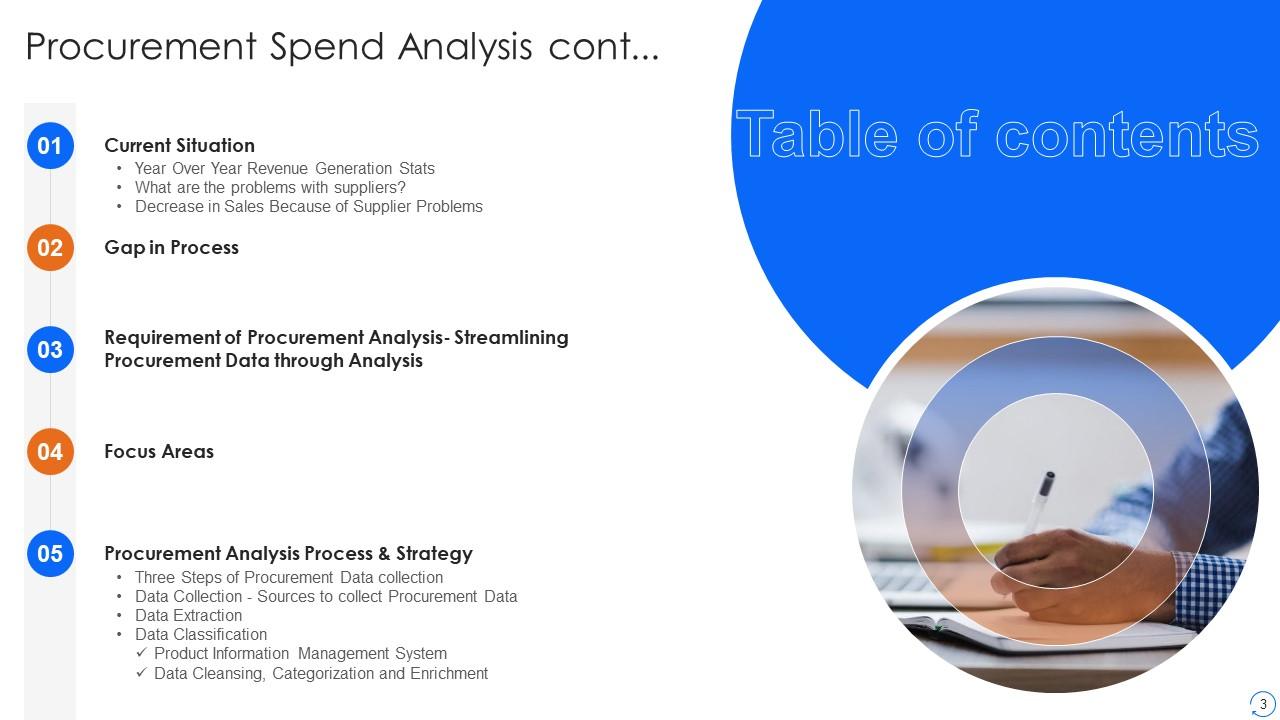
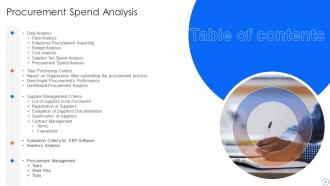
Diapositiva 3 : Esta diapositiva presenta la tabla de contenido de la presentación.
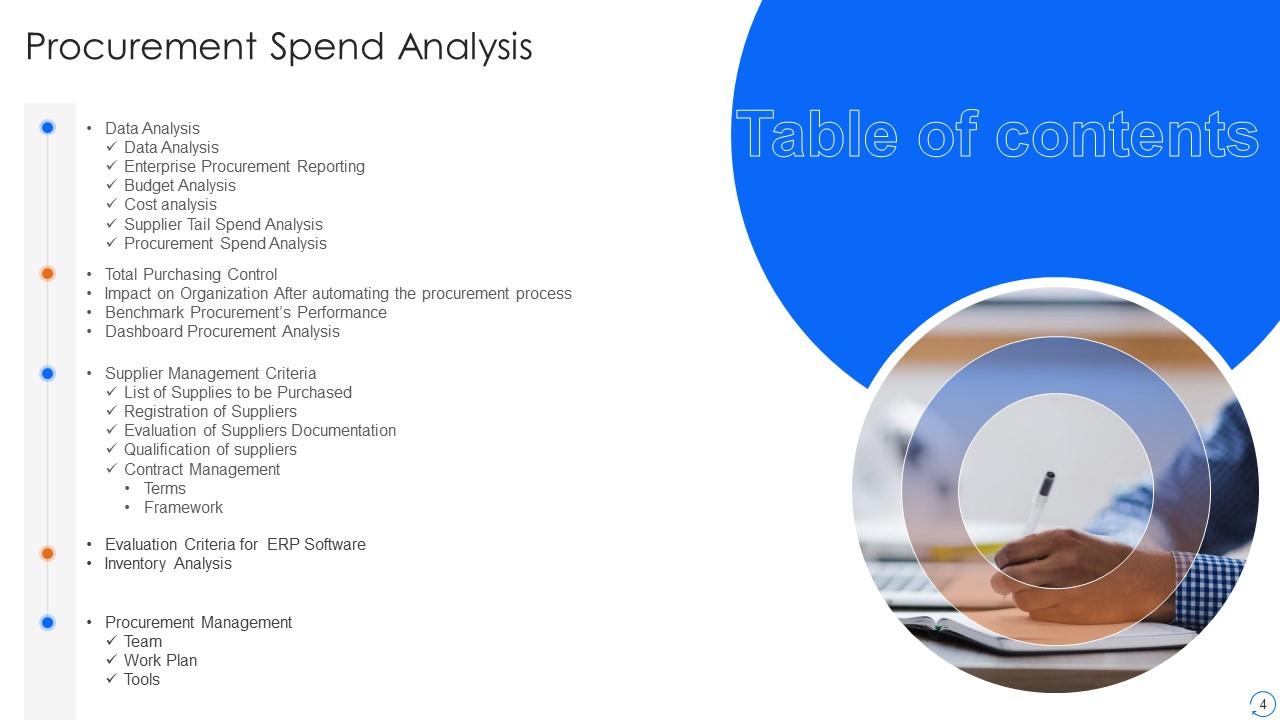
Diapositiva 4 : esta es otra diapositiva que continúa con la tabla de contenido de la presentación.
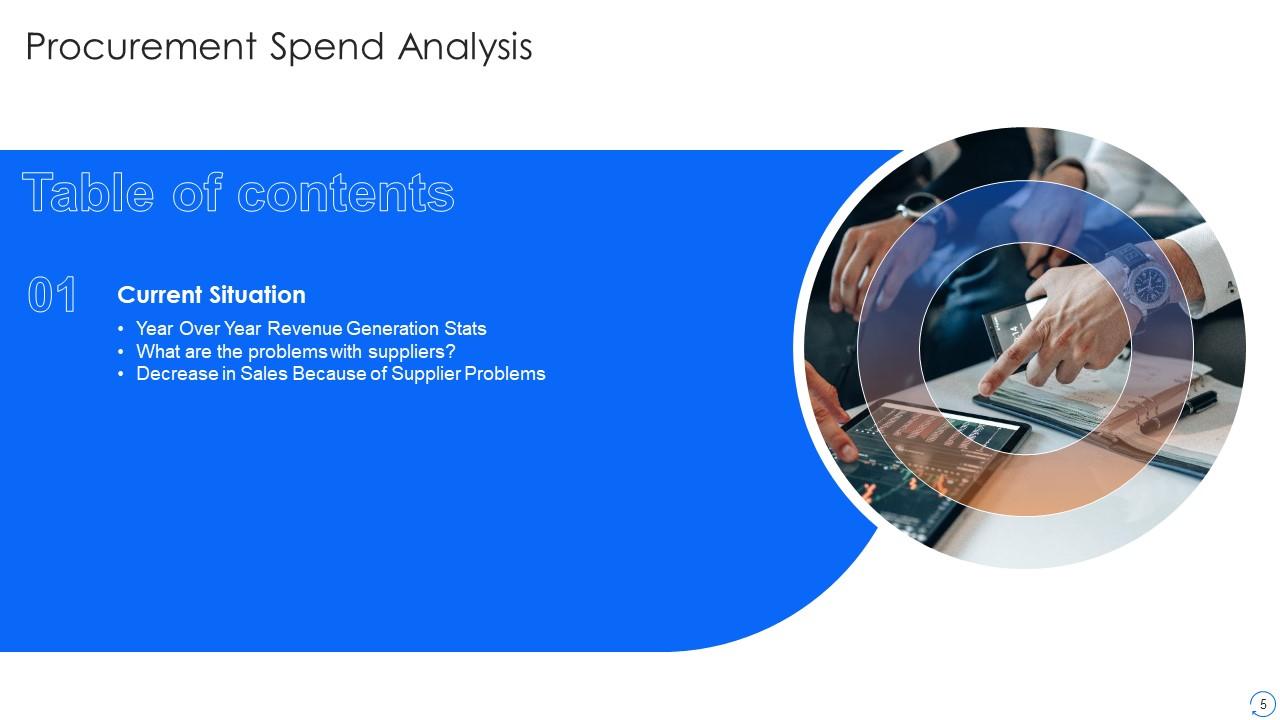
Diapositiva 5 : esta diapositiva resalta el título de los temas que se cubrirán a continuación en la plantilla.
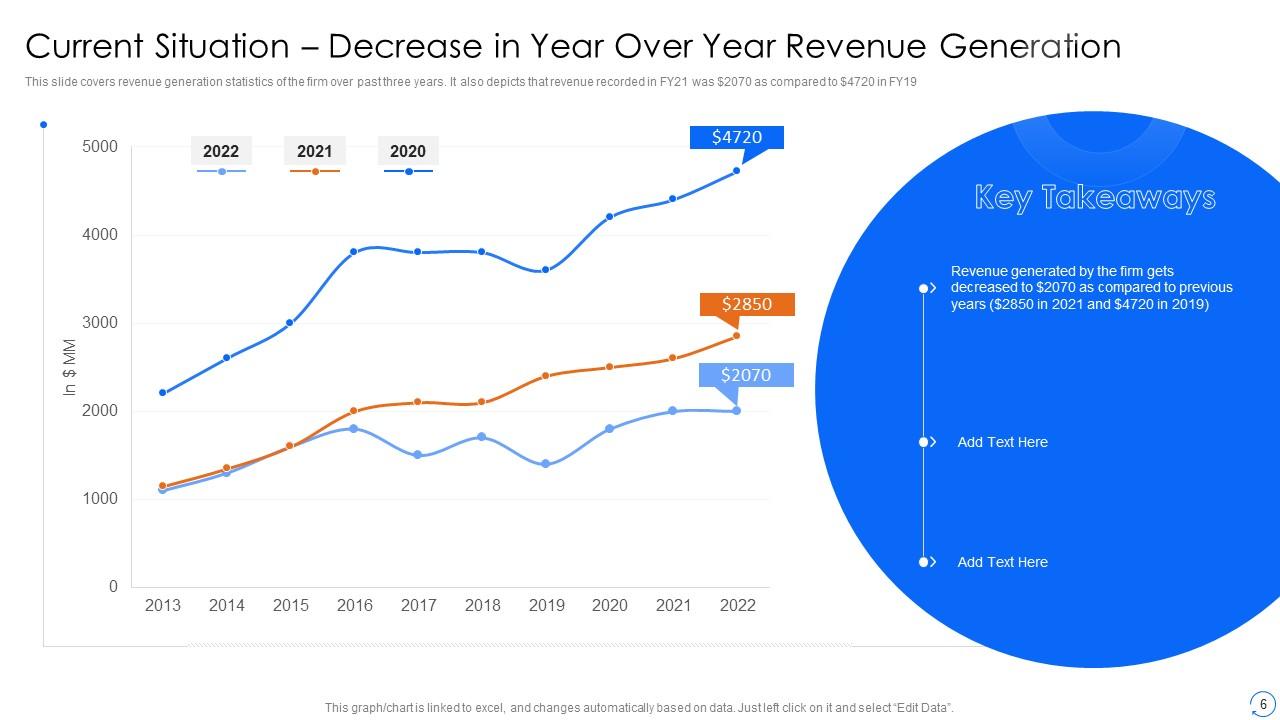
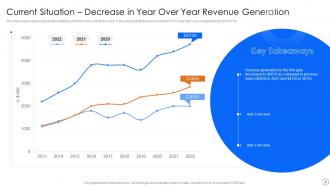
Diapositiva 6 : Esta diapositiva cubre las estadísticas de generación de ingresos de la empresa en los últimos tres años.
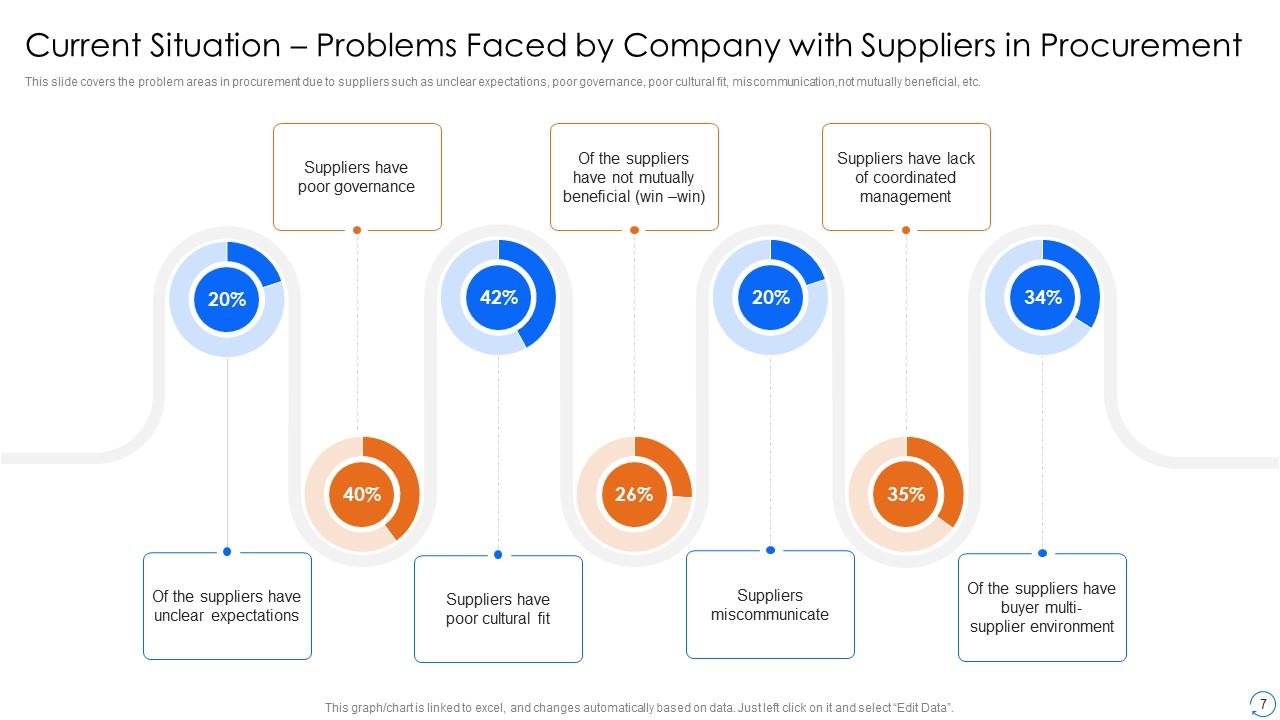
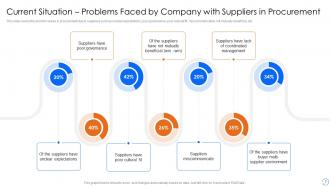
Diapositiva 7 : Esta diapositiva muestra las áreas problemáticas en la adquisición debido a los proveedores.
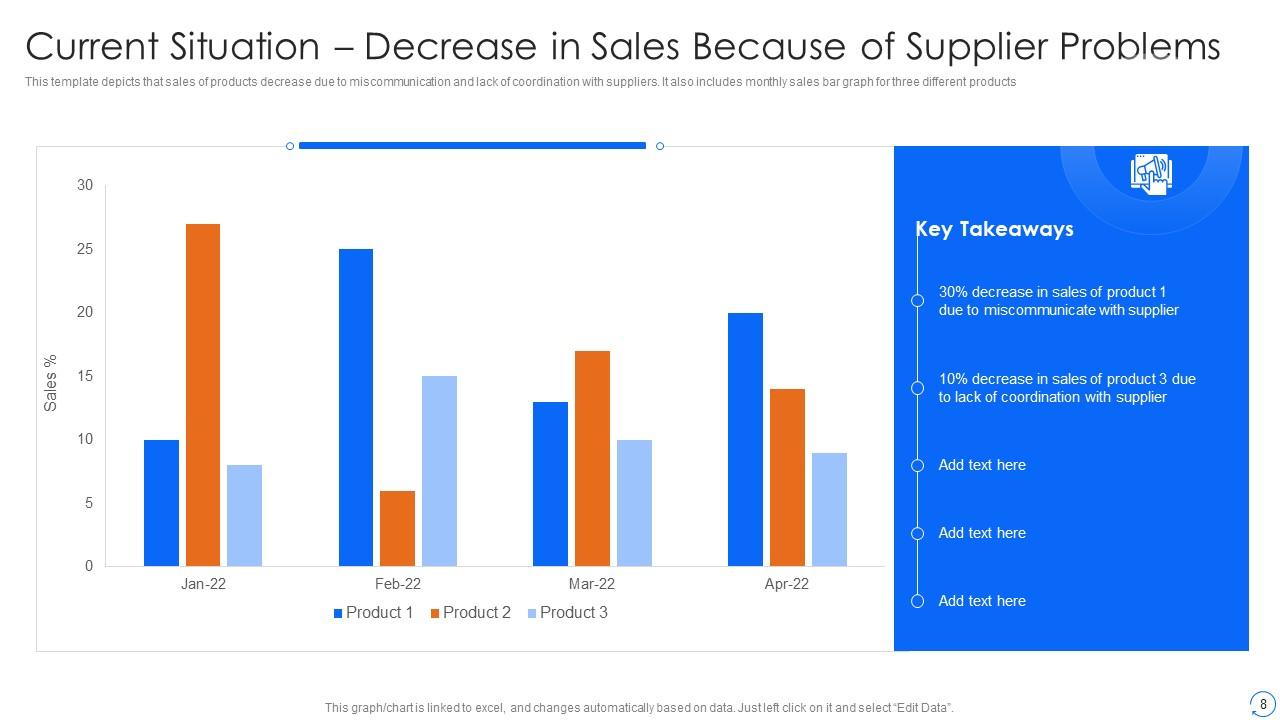
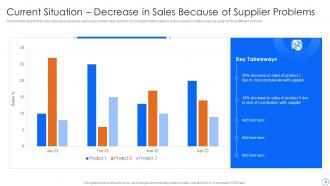
Diapositiva 8 : Esta plantilla muestra que las ventas de productos disminuyen debido a la falta de comunicación y coordinación.
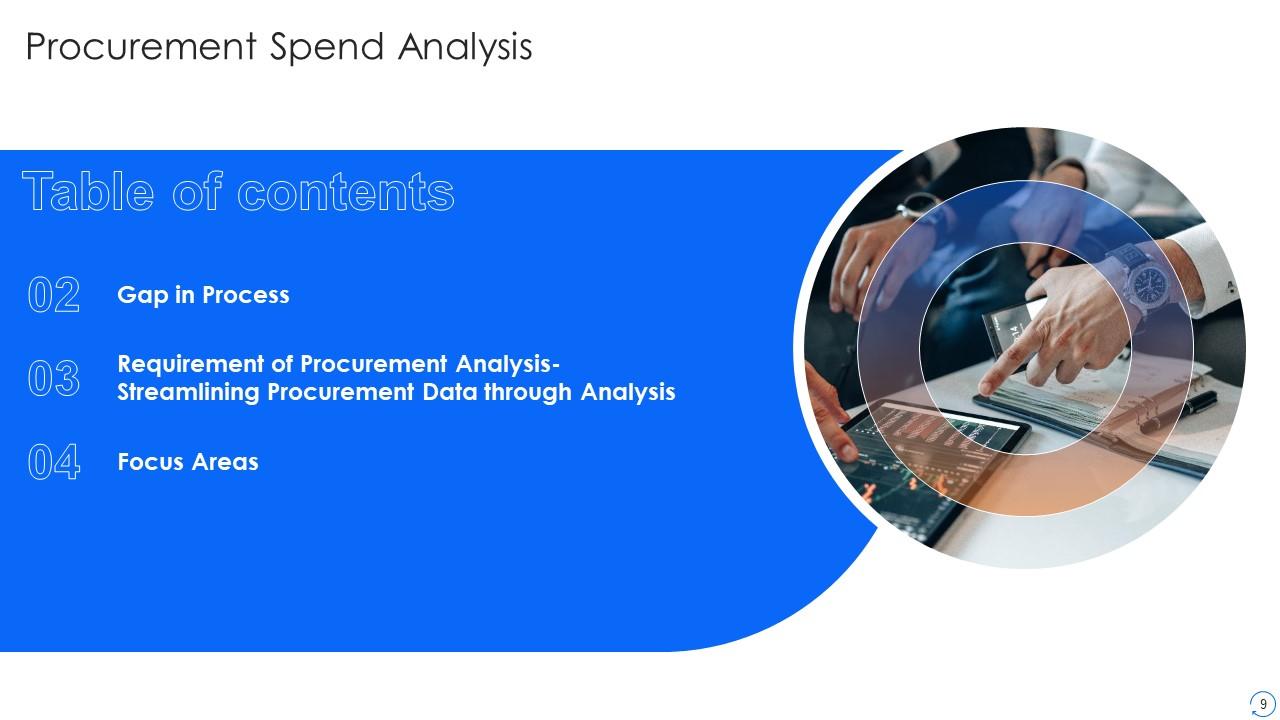
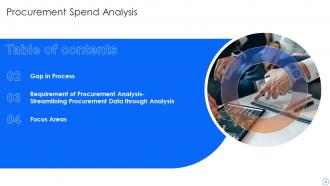
Diapositiva 9 : esta diapositiva resalta el título de los temas que se cubrirán a continuación en la plantilla.
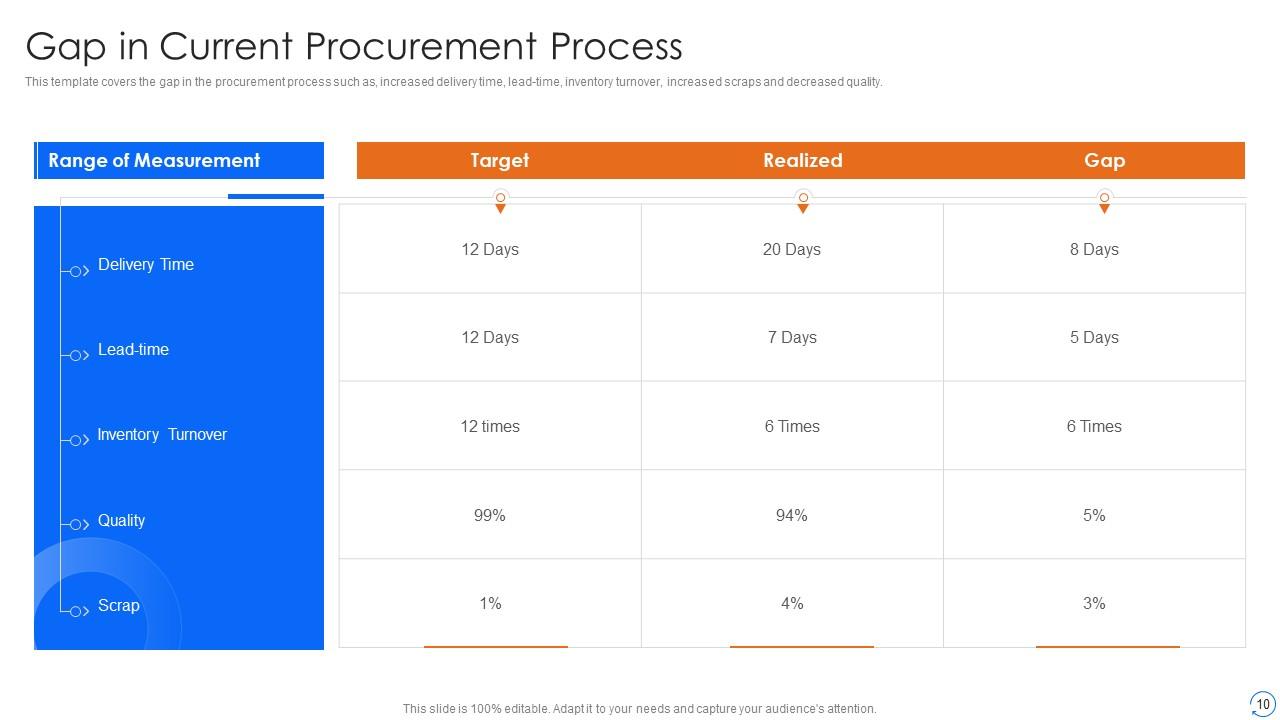
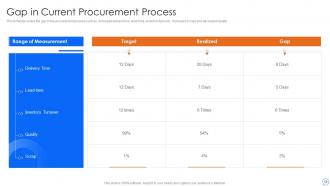
Diapositiva 10 : Esta diapositiva representa la brecha en el proceso de adquisición actual.
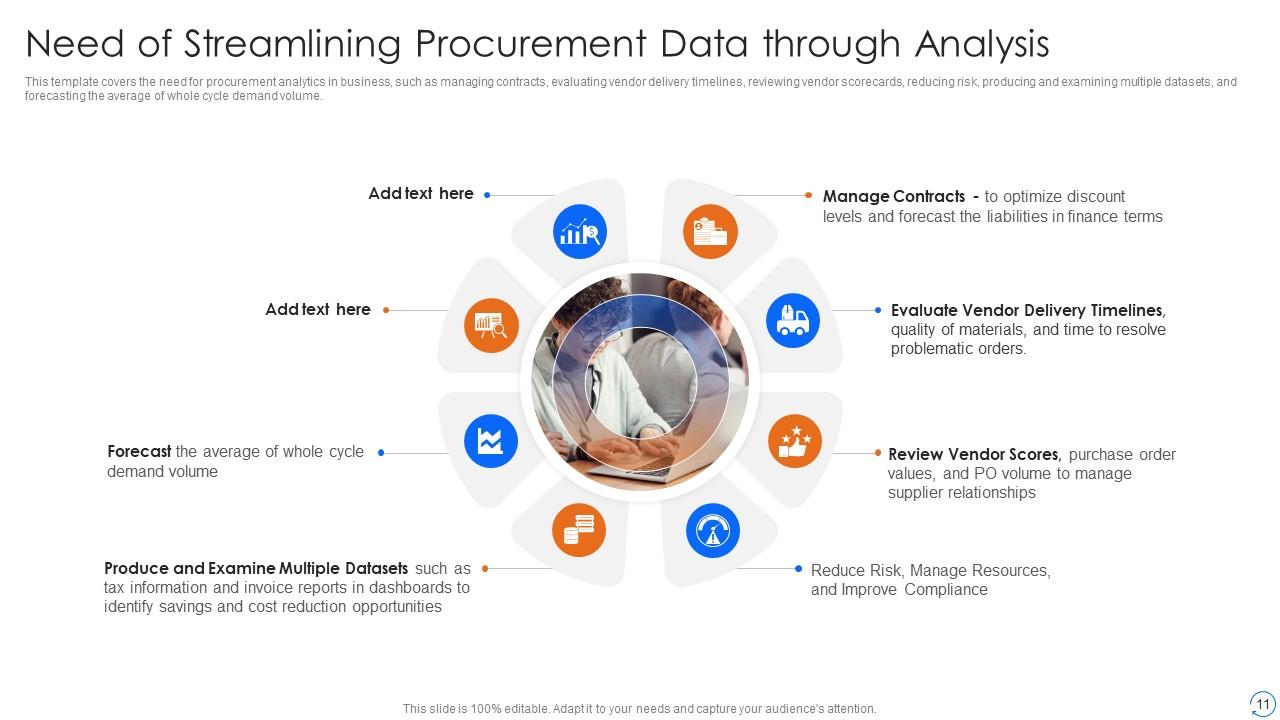
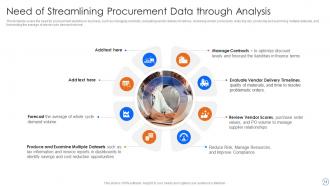
Diapositiva 11 : Esta diapositiva muestra la necesidad de simplificar los datos de adquisiciones a través del análisis.
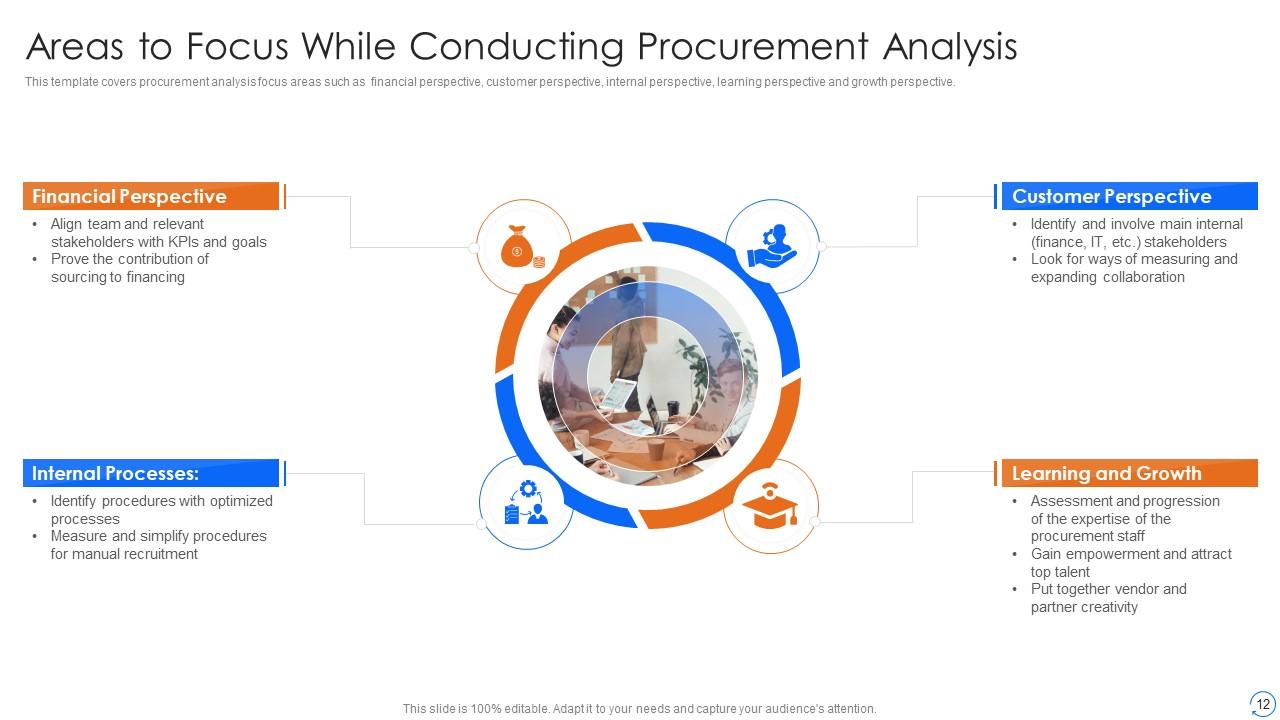
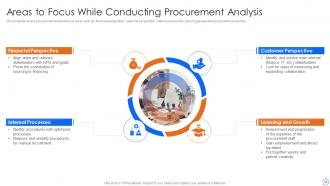
Diapositiva 12 : Esta diapositiva muestra las áreas de enfoque al realizar el análisis de adquisiciones.
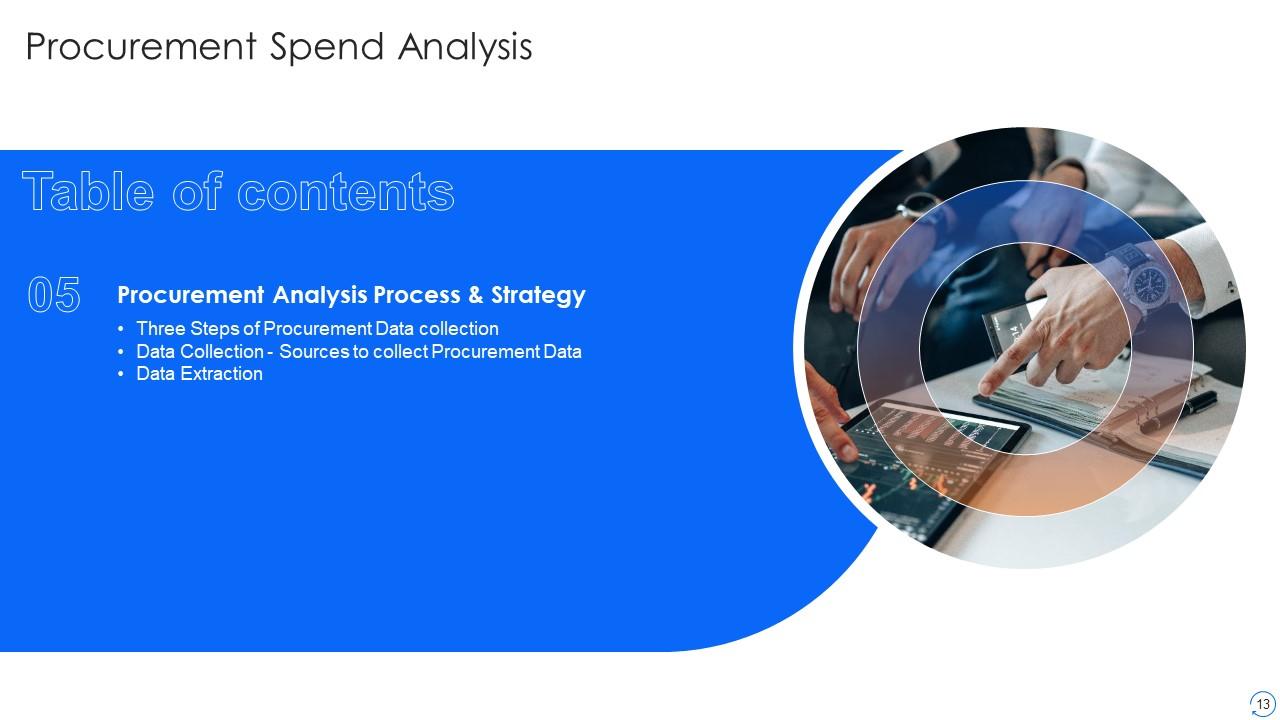
Diapositiva 13 : esta diapositiva resalta el título de los temas que se cubrirán a continuación en la plantilla.
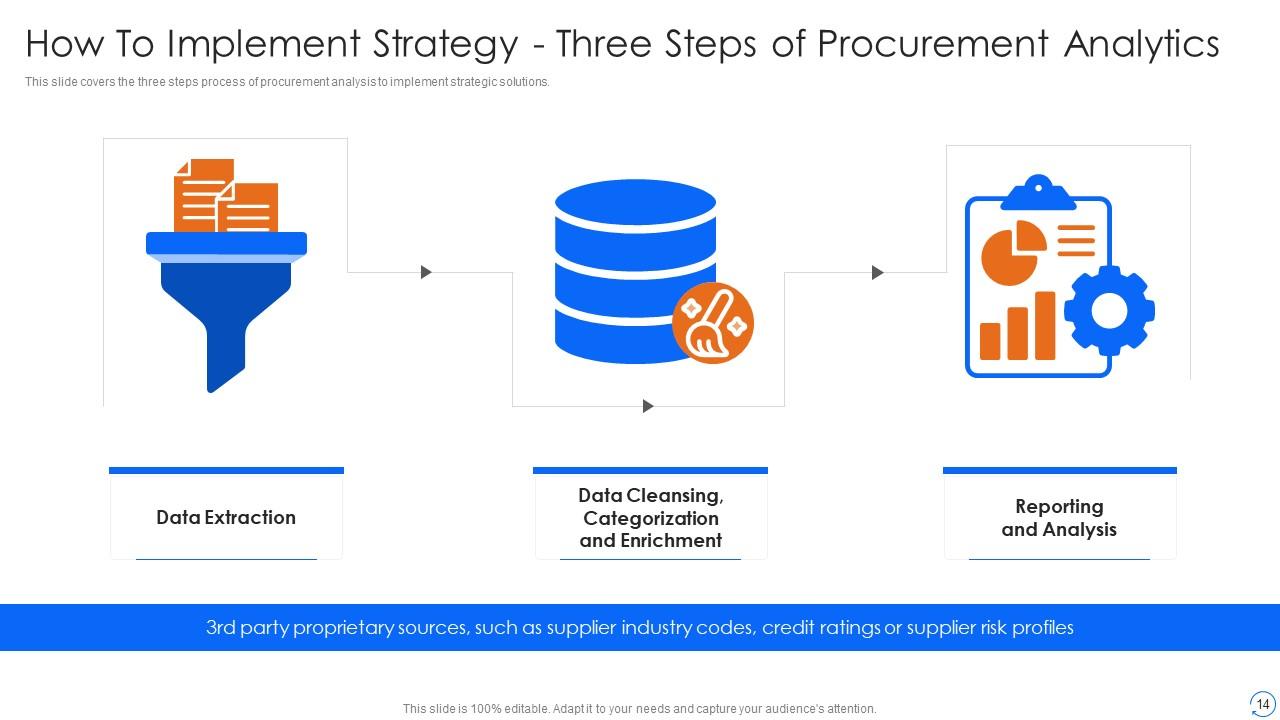
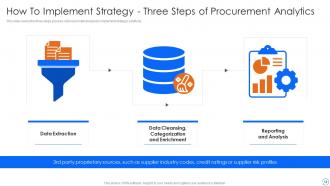
Diapositiva 14 : Esta diapositiva cubre el proceso de tres pasos del análisis de adquisiciones para implementar soluciones estratégicas.
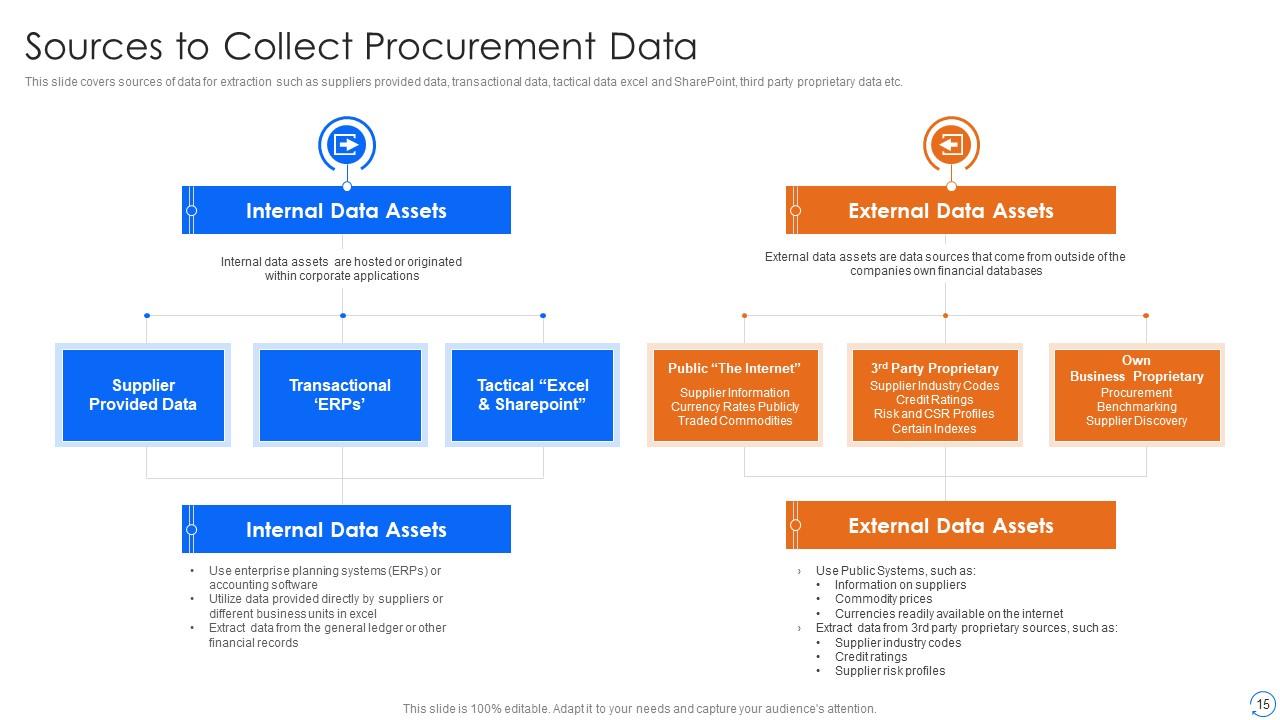
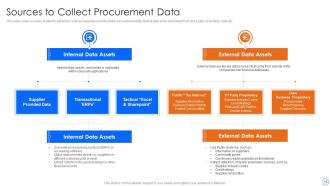
Diapositiva 15 : esta diapositiva muestra fuentes de datos para la extracción, como datos proporcionados por proveedores, datos transaccionales, datos tácticos, etc.
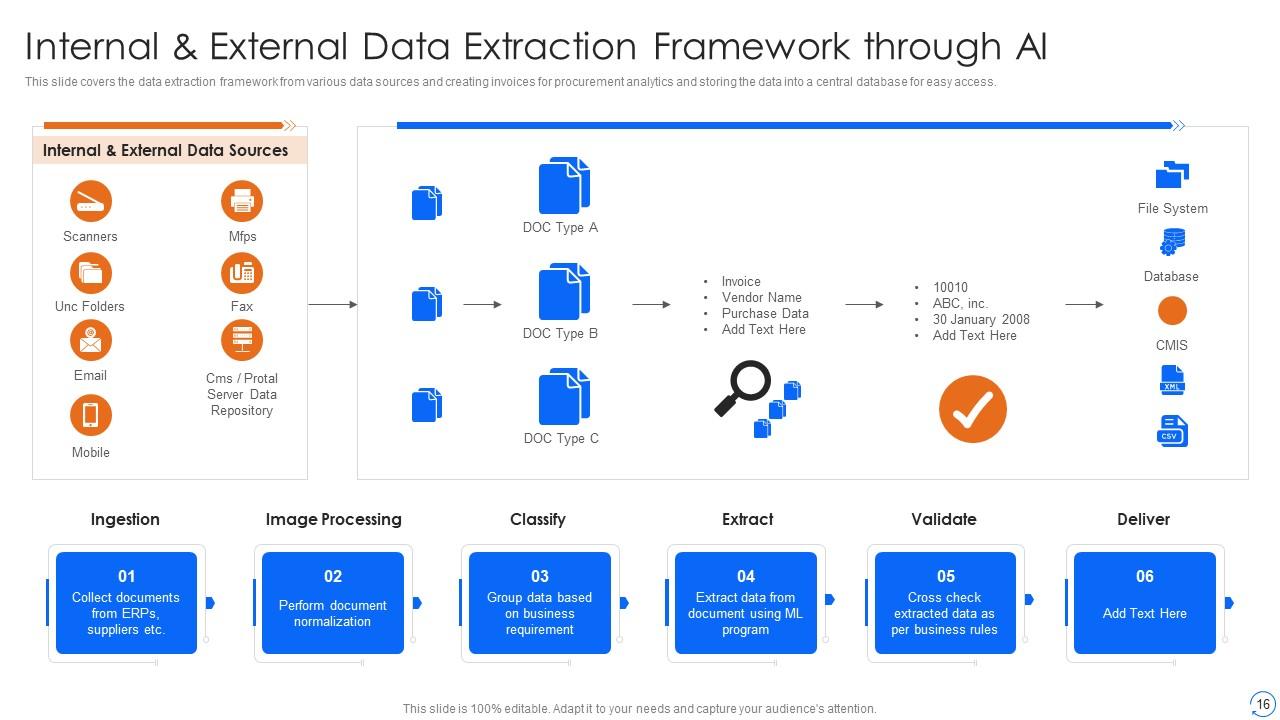
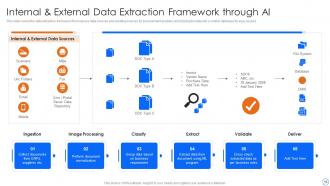
Diapositiva 16 : esta diapositiva muestra el marco de extracción de datos internos y externos a través de la IA.
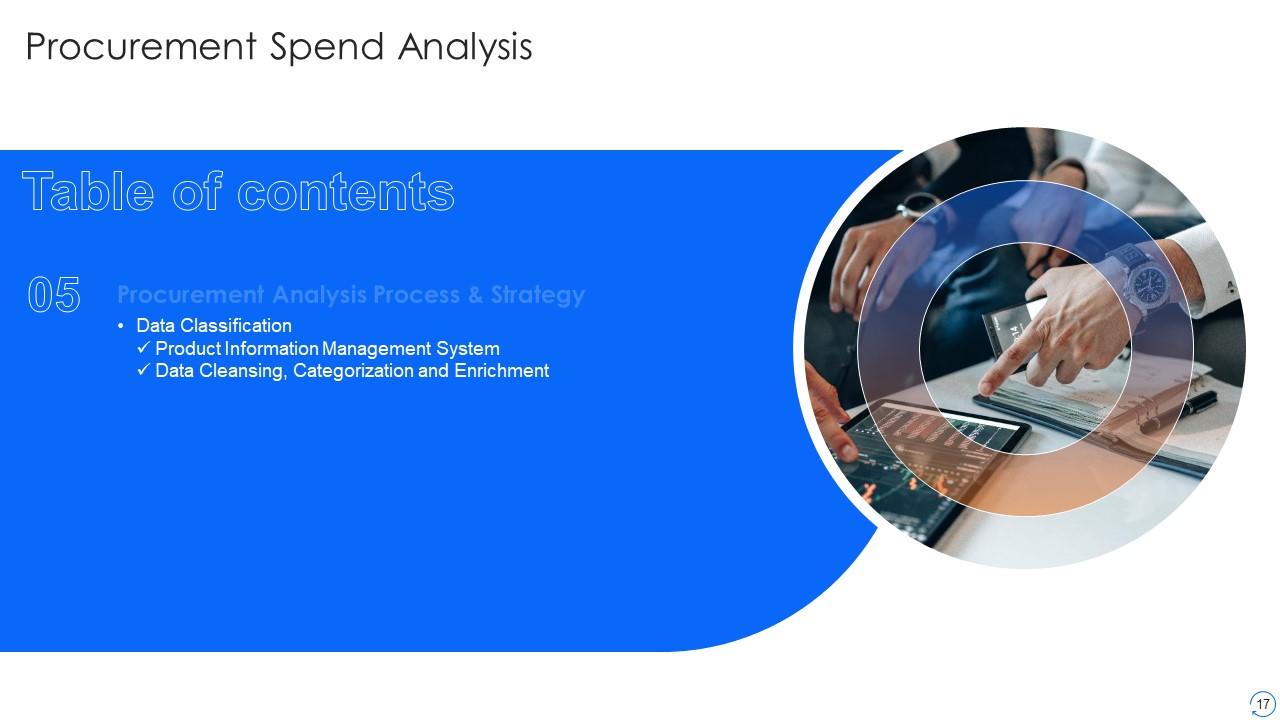
Diapositiva 17 : esta diapositiva destaca el título de los temas que se cubrirán a continuación en la plantilla.
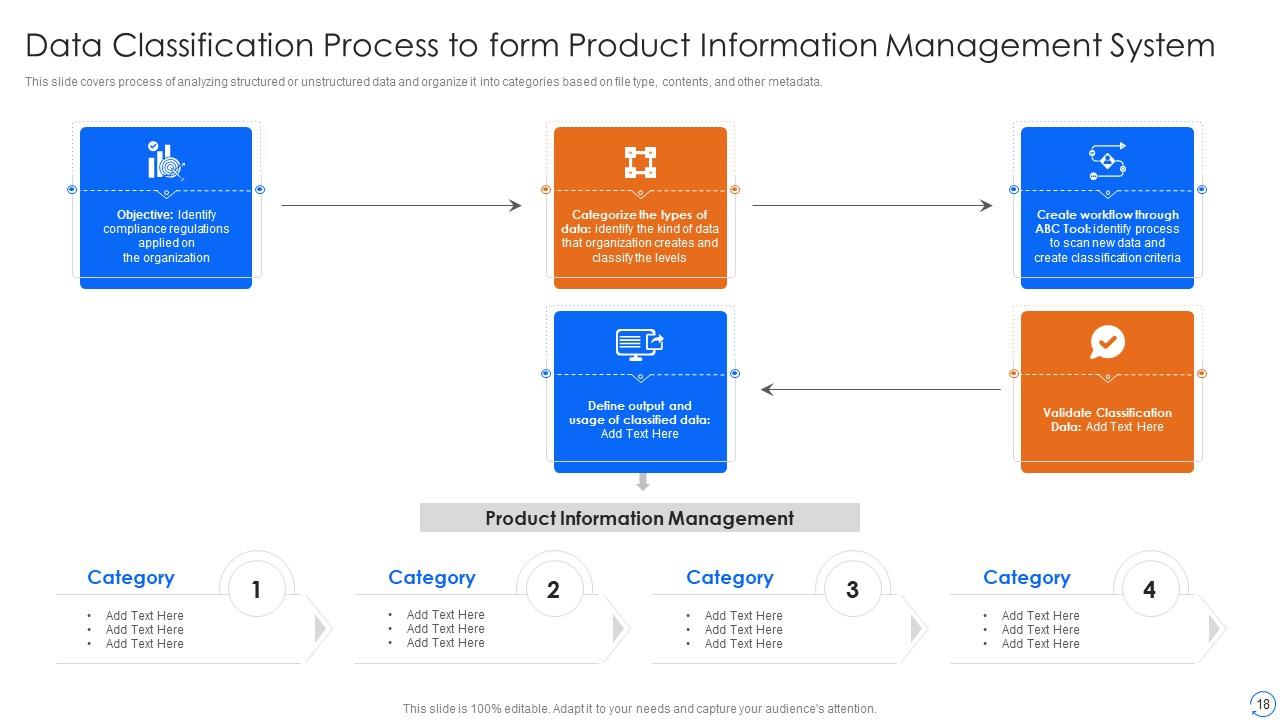
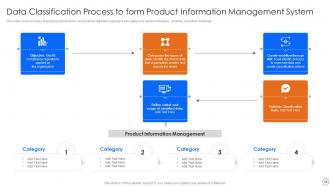
Diapositiva 18 : Esta diapositiva presenta el proceso de clasificación de datos para formar el sistema de gestión de información del producto.
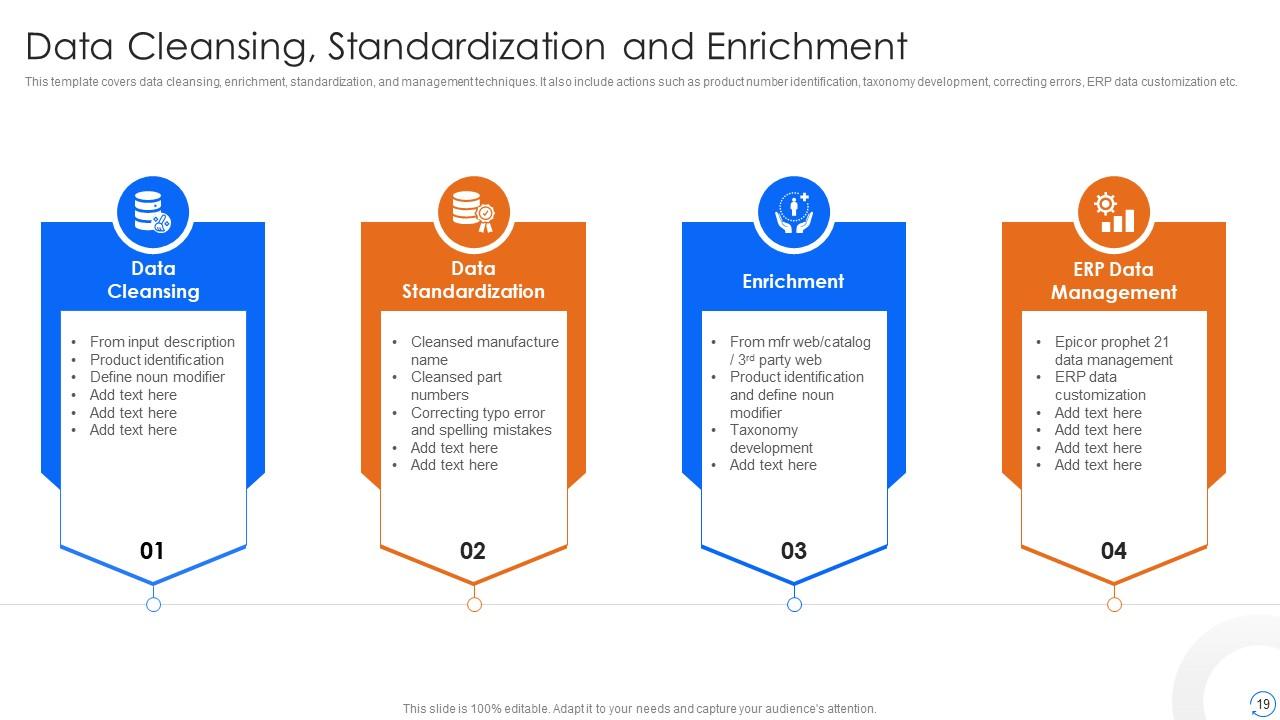
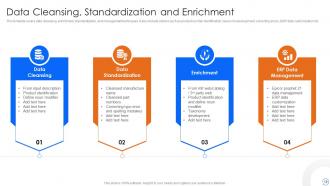
Diapositiva 19 : Esta diapositiva muestra Limpieza, estandarización y enriquecimiento de datos.
Diapositiva 20 : esta diapositiva destaca el título de los temas que se cubrirán a continuación en la plantilla.
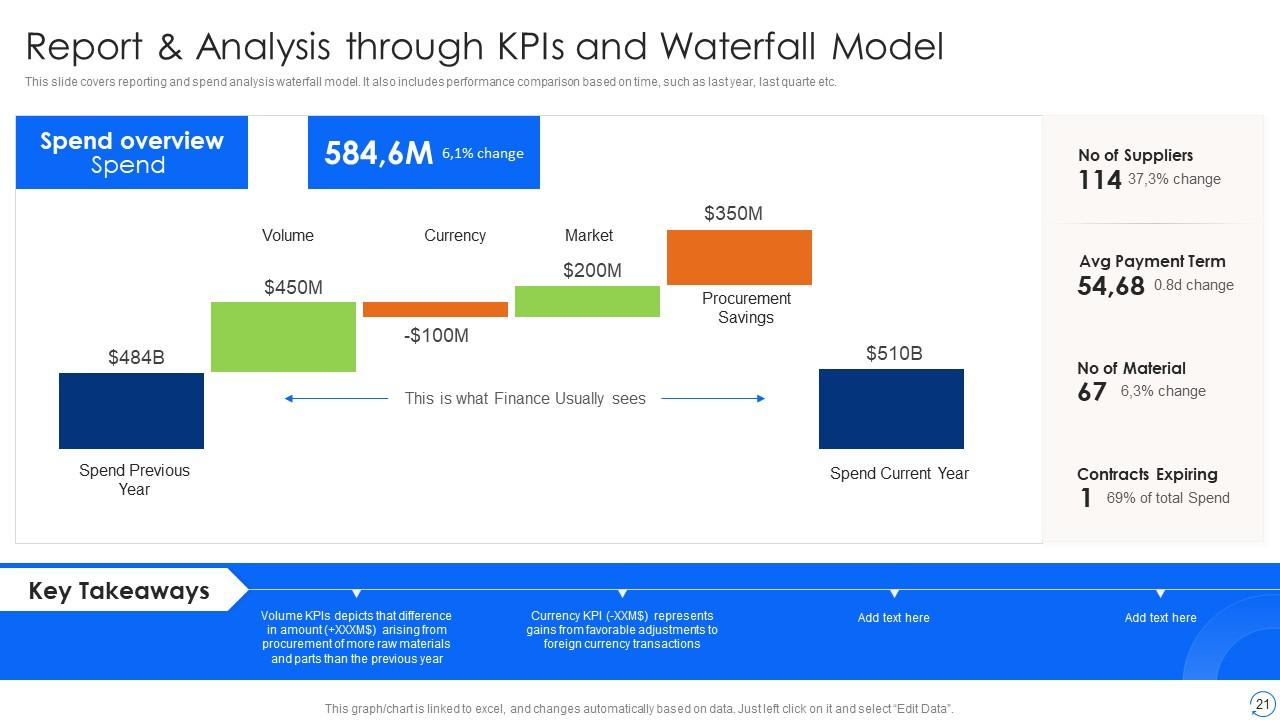
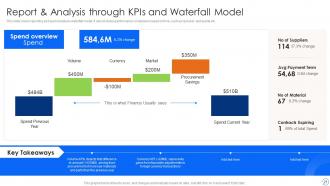
Diapositiva 21 : Esta diapositiva representa Informe y análisis a través de KPI y modelo de cascada.
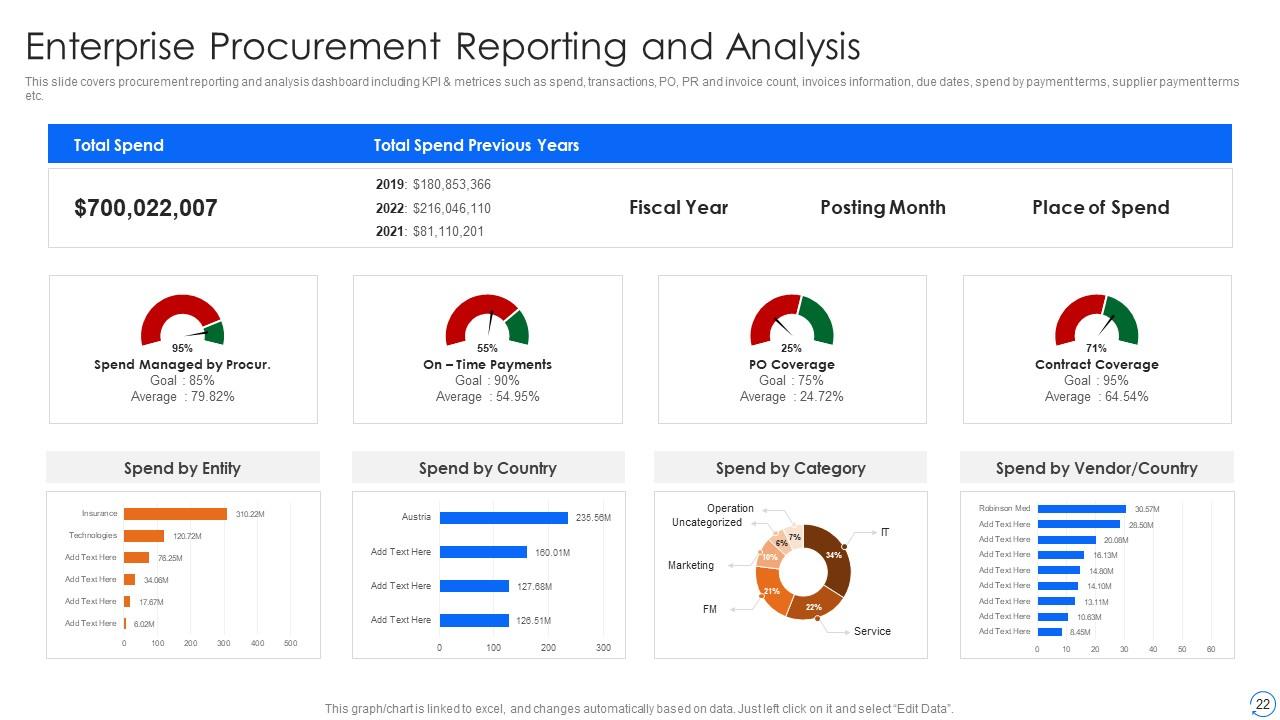
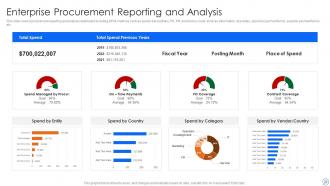
Diapositiva 22 : Esta diapositiva muestra el Informe y análisis de compras empresariales.
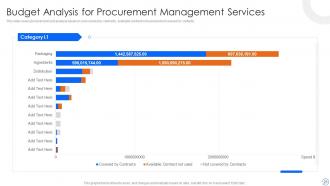
Diapositiva 23 : Esta diapositiva presenta el análisis presupuestario para los servicios de gestión de adquisiciones.
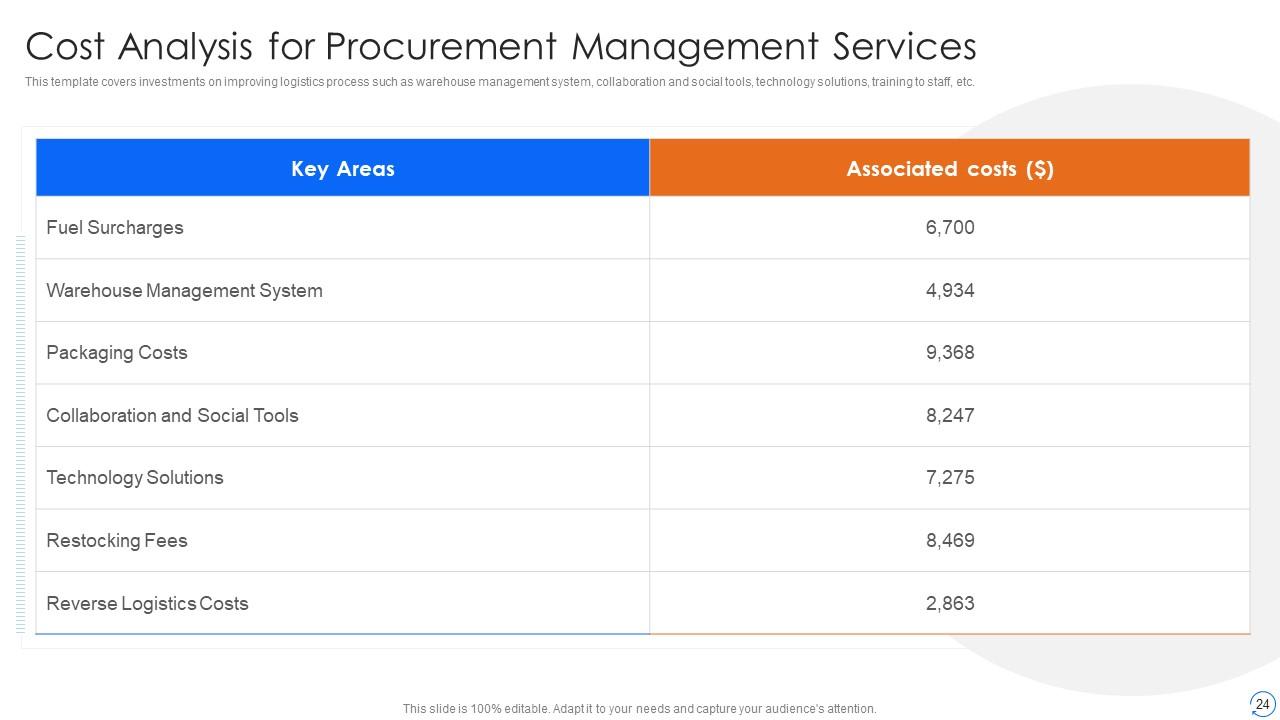
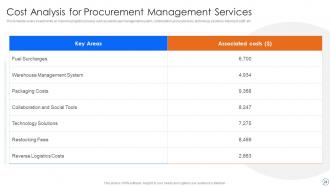
Diapositiva 24 : esta diapositiva muestra el análisis de costos para los servicios de gestión de adquisiciones.
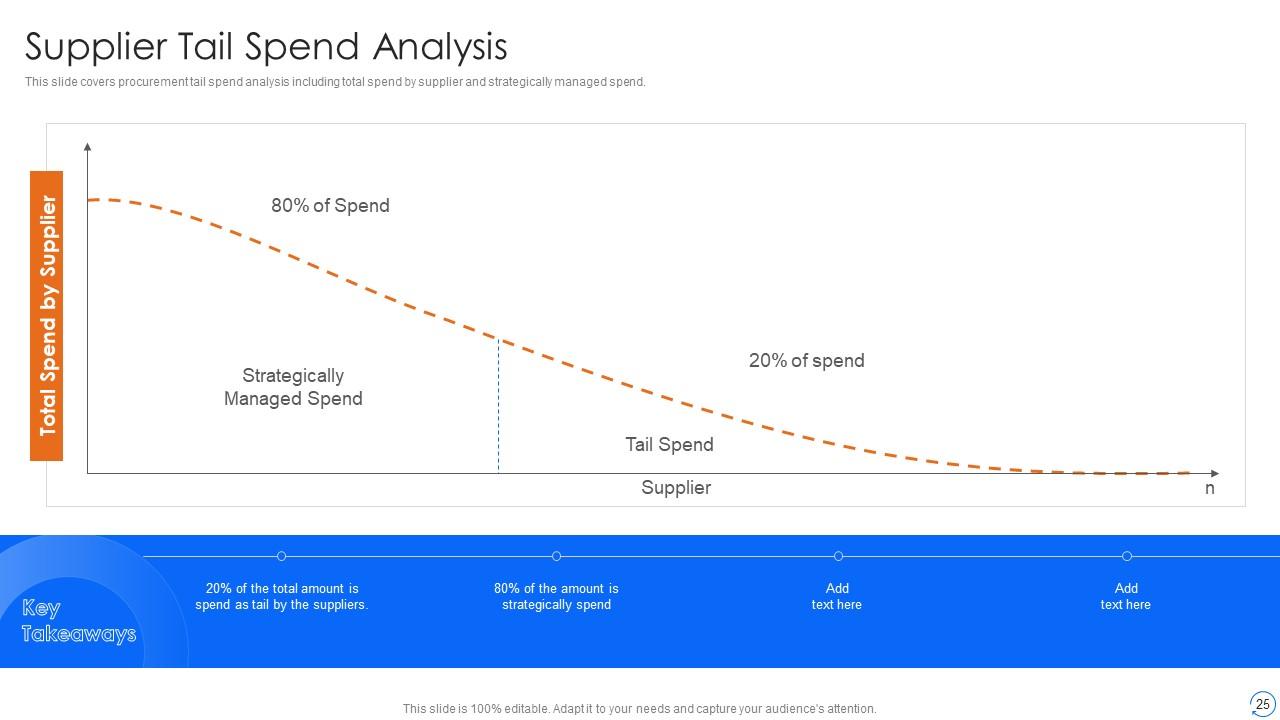
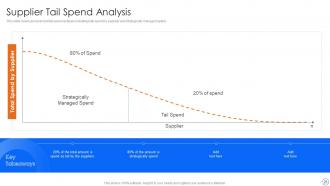
Diapositiva 25 : Esta diapositiva cubre el análisis de gastos finales de adquisiciones, incluido el gasto total por proveedor y el gasto administrado estratégicamente.
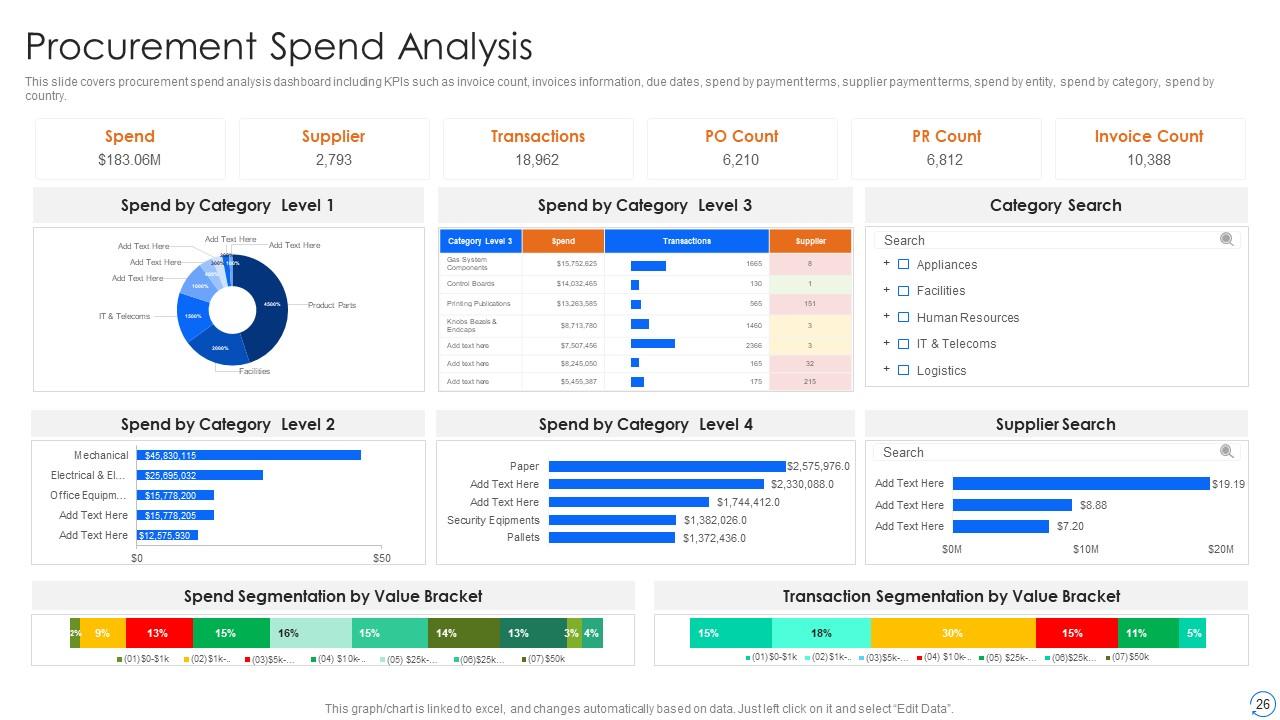
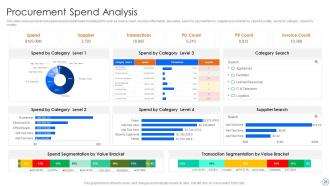
Diapositiva 26 : esta diapositiva muestra el panel de análisis de gastos de adquisición que incluye KPI, como el recuento de facturas, la información de las facturas, las fechas de vencimiento, etc.
Diapositiva 27 : esta diapositiva resalta el título de los temas que se cubrirán a continuación en la plantilla.
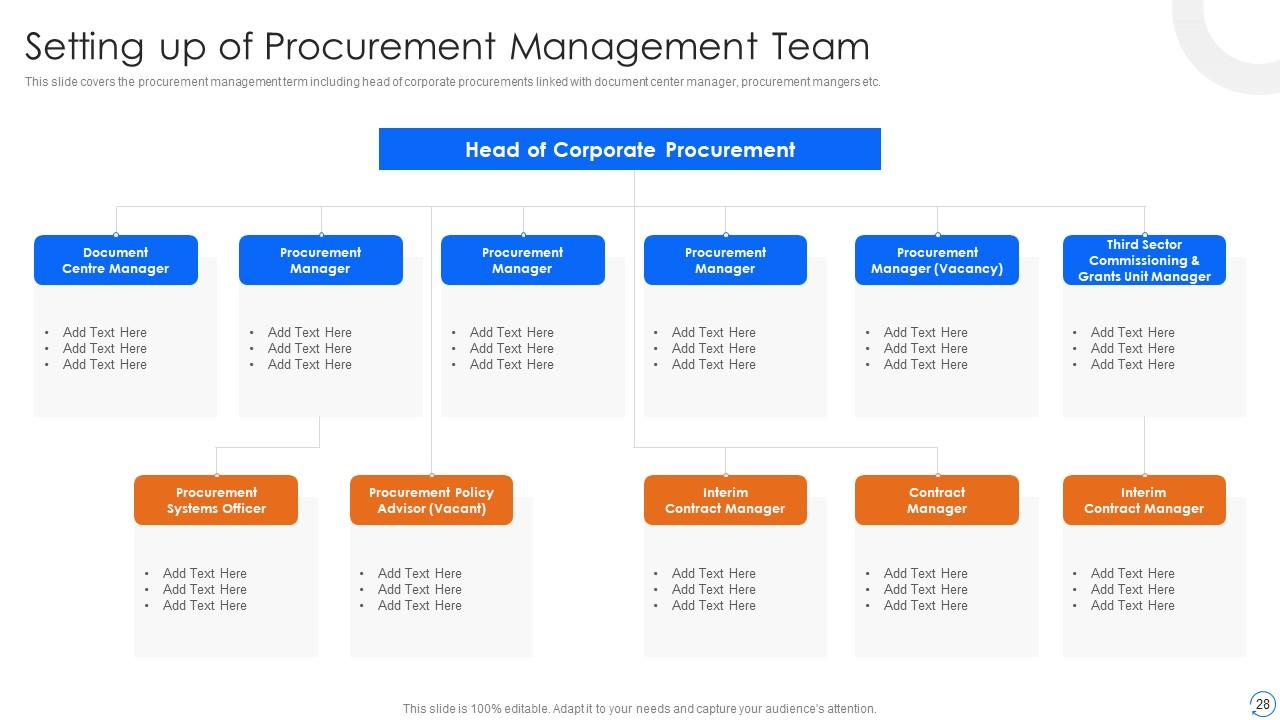
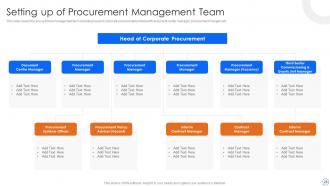
Diapositiva 28 : Esta diapositiva representa la creación del equipo de gestión de adquisiciones.
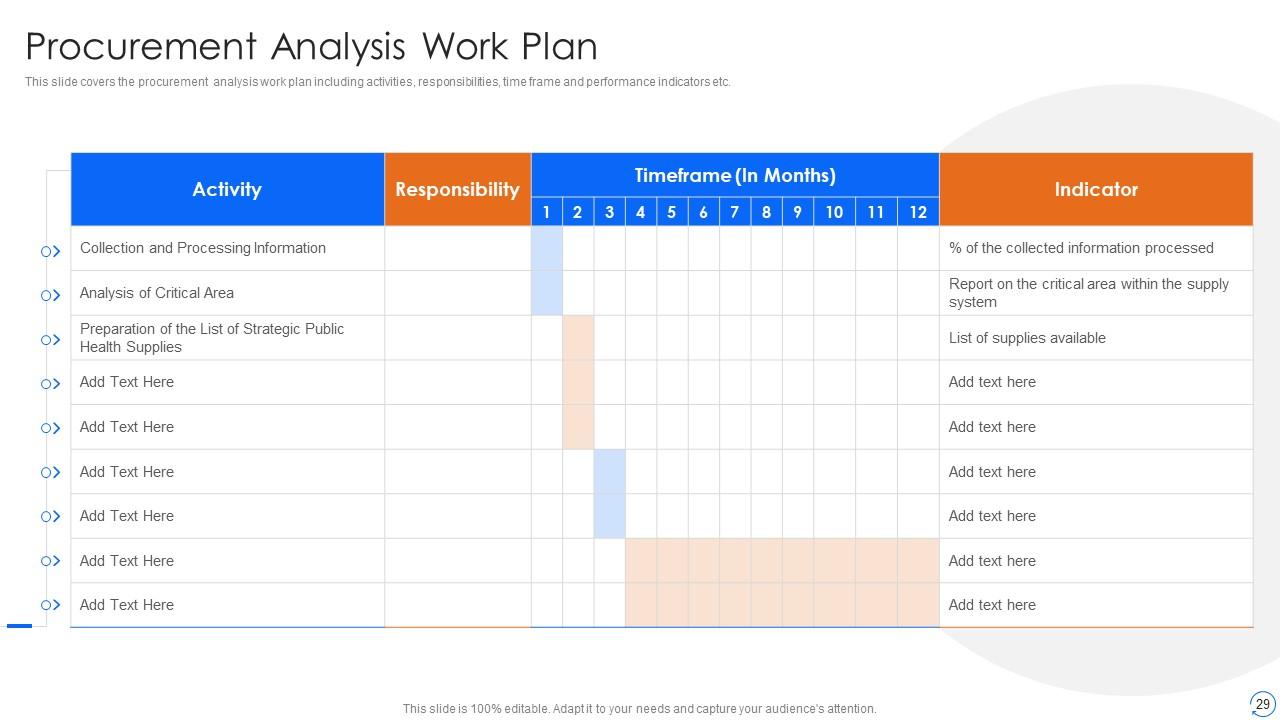
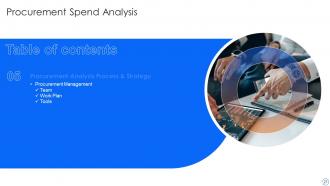
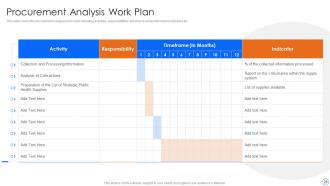
Diapositiva 29 : Esta diapositiva cubre el plan de trabajo de análisis de adquisiciones, incluidas las actividades, las responsabilidades, el marco de tiempo y los indicadores de desempeño.
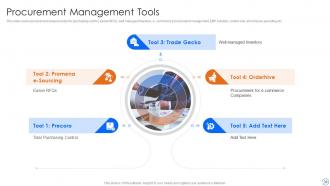
Diapositiva 30 : esta diapositiva muestra herramientas de análisis de adquisiciones para el control de compras, RFQ más fáciles, inventario bien administrado, etc.
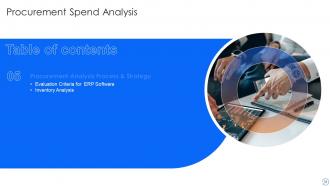
Diapositiva 31 : esta diapositiva destaca el título de los temas que se cubrirán a continuación en la plantilla.
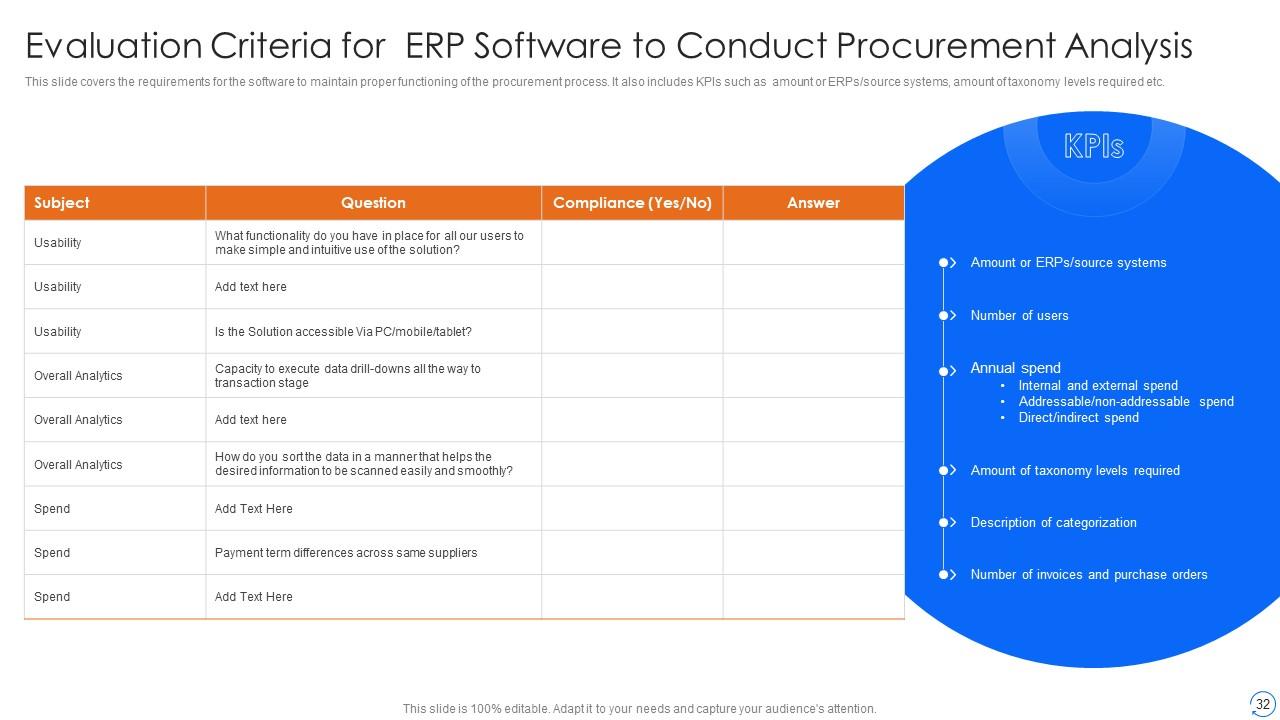
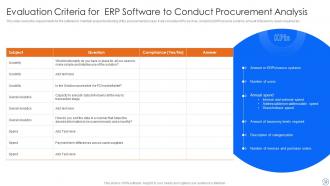
Diapositiva 32 : Esta diapositiva muestra los criterios de evaluación del software ERP para realizar análisis de adquisiciones.
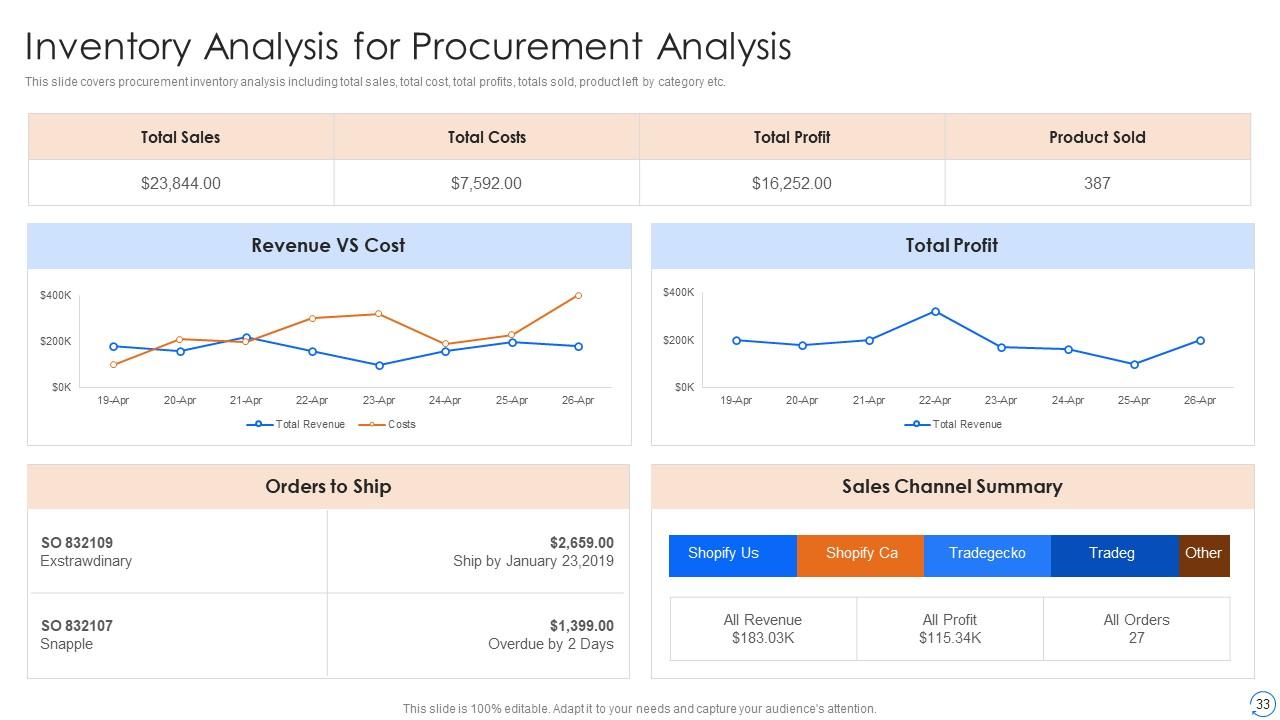
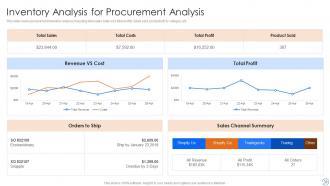
Diapositiva 33 : Esta diapositiva presenta el Análisis de inventario para el Análisis de adquisiciones.
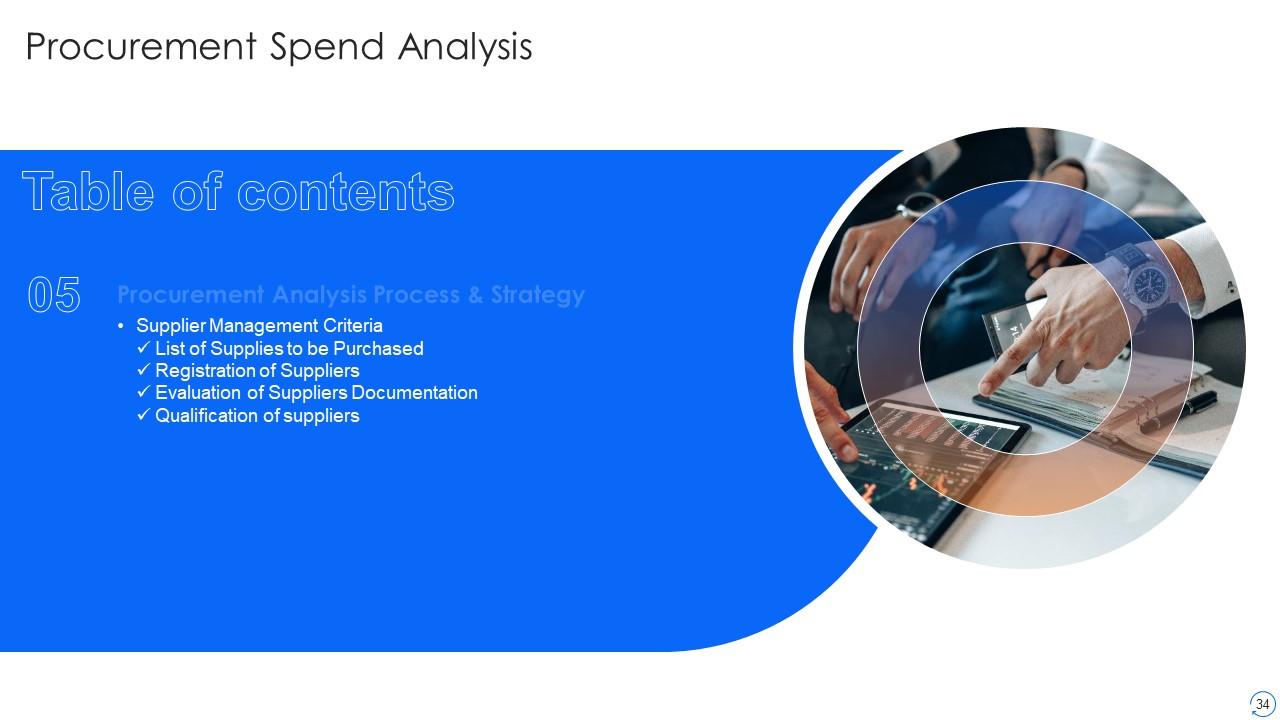
Diapositiva 34 : esta diapositiva resalta el título de los temas que se cubrirán a continuación en la plantilla.
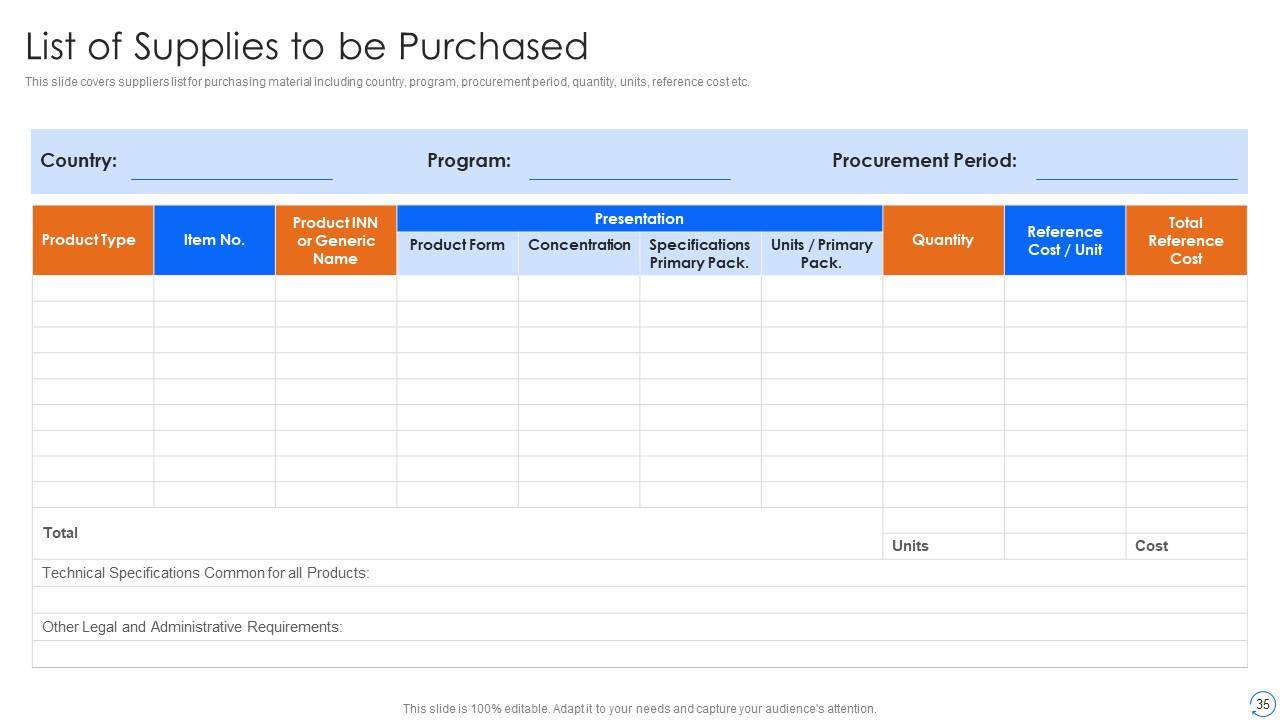
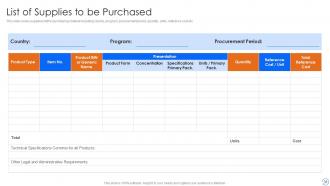
Diapositiva 35 : Esta diapositiva cubre la lista de proveedores para la compra de material, incluido el país, el programa, el período de adquisición, etc.
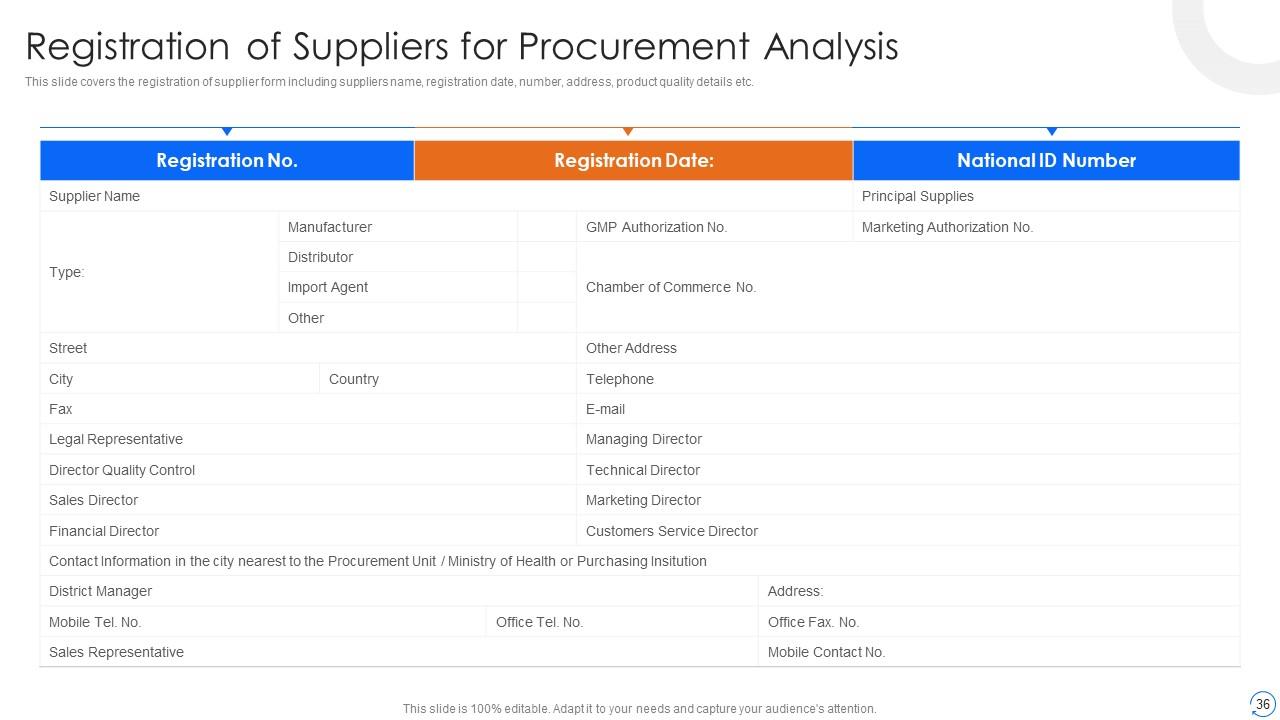
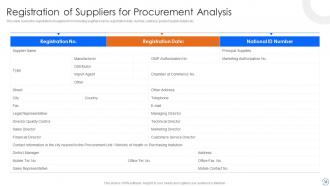
Diapositiva 36 : Esta diapositiva muestra el registro de proveedores para el análisis de adquisiciones.
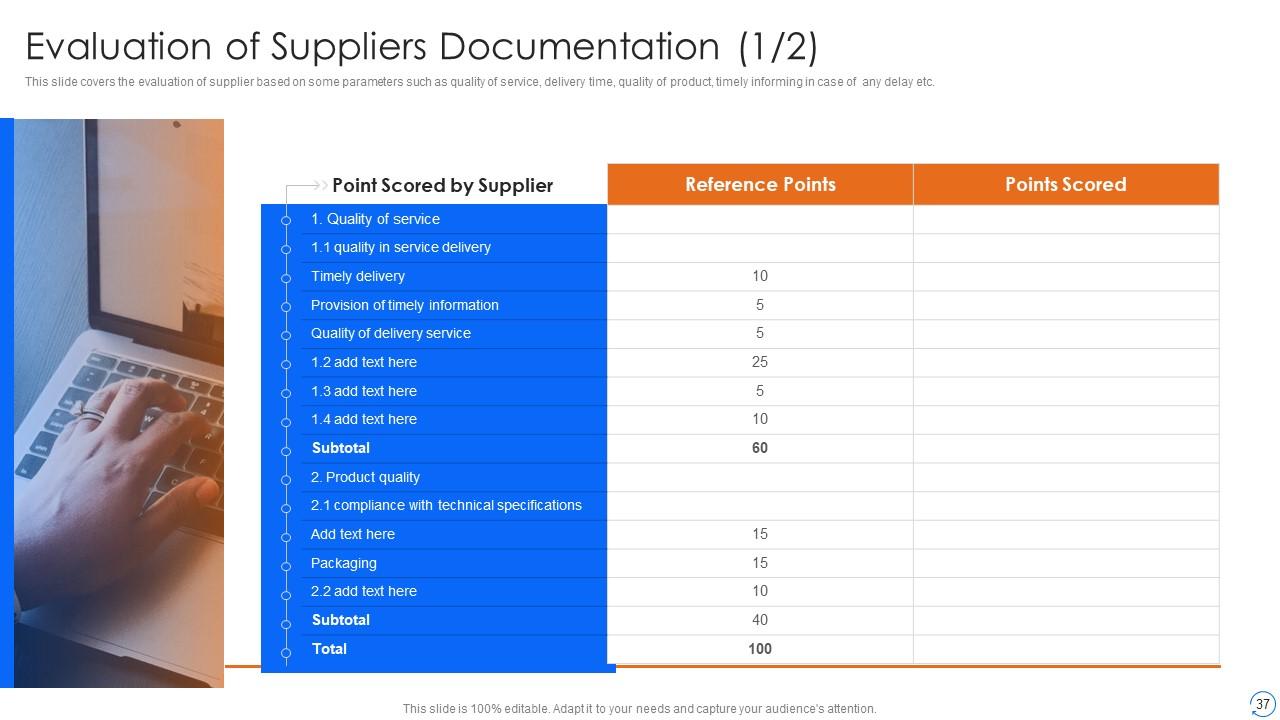
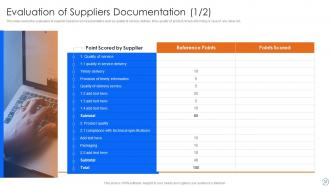
Diapositiva 37 : Esta diapositiva cubre la evaluación del proveedor en función de algunos parámetros.
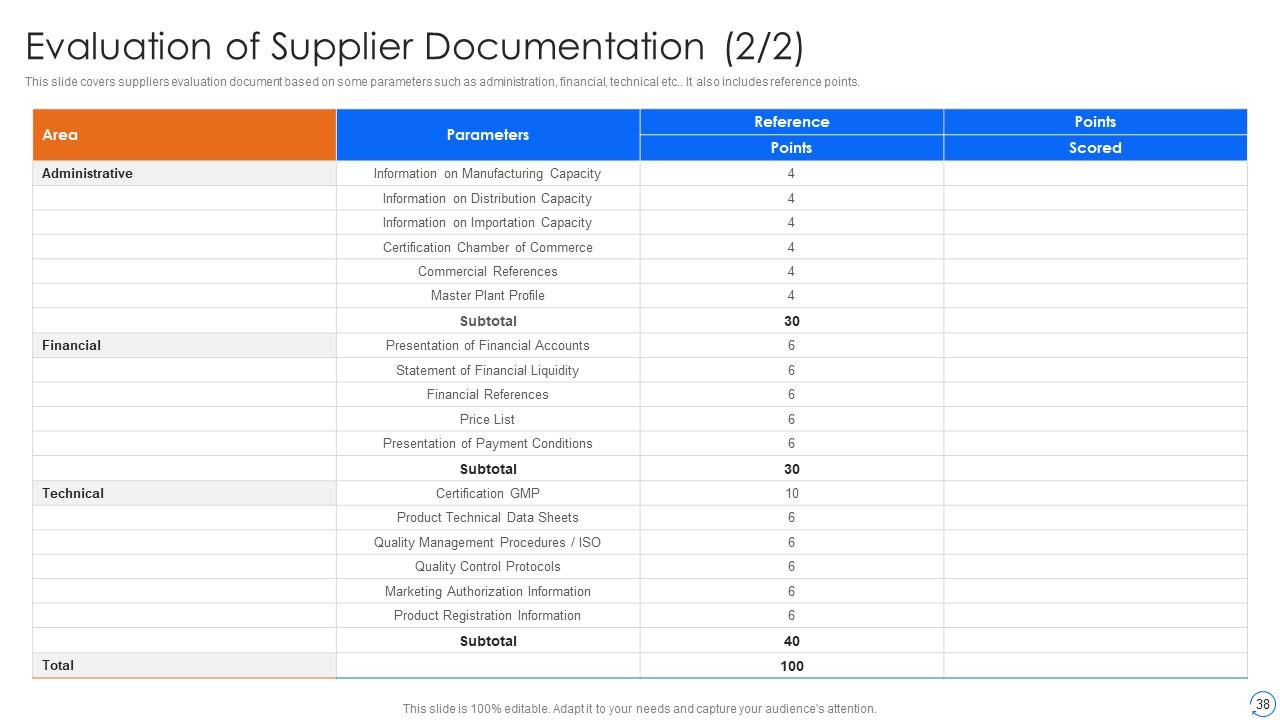
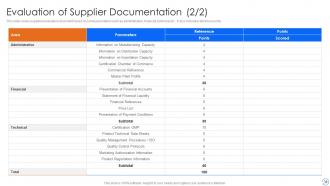
Diapositiva 38 : Esta es otra diapositiva que continúa con la Evaluación de la documentación del proveedor.
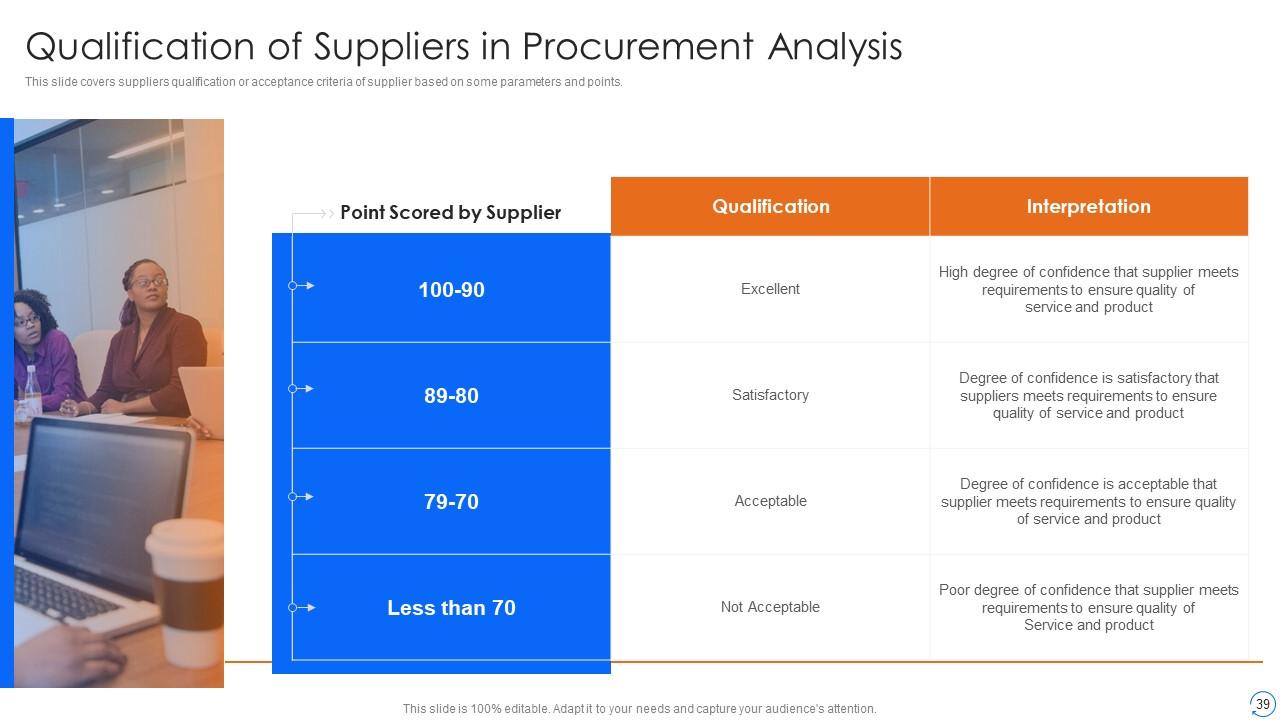
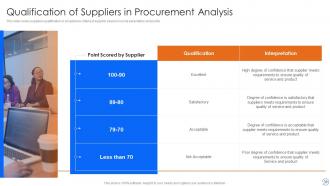
Diapositiva 39 : Esta diapositiva representa la calificación de los proveedores en el análisis de adquisiciones.
Diapositiva 40 : esta diapositiva destaca el título de los temas que se cubrirán a continuación en la plantilla.
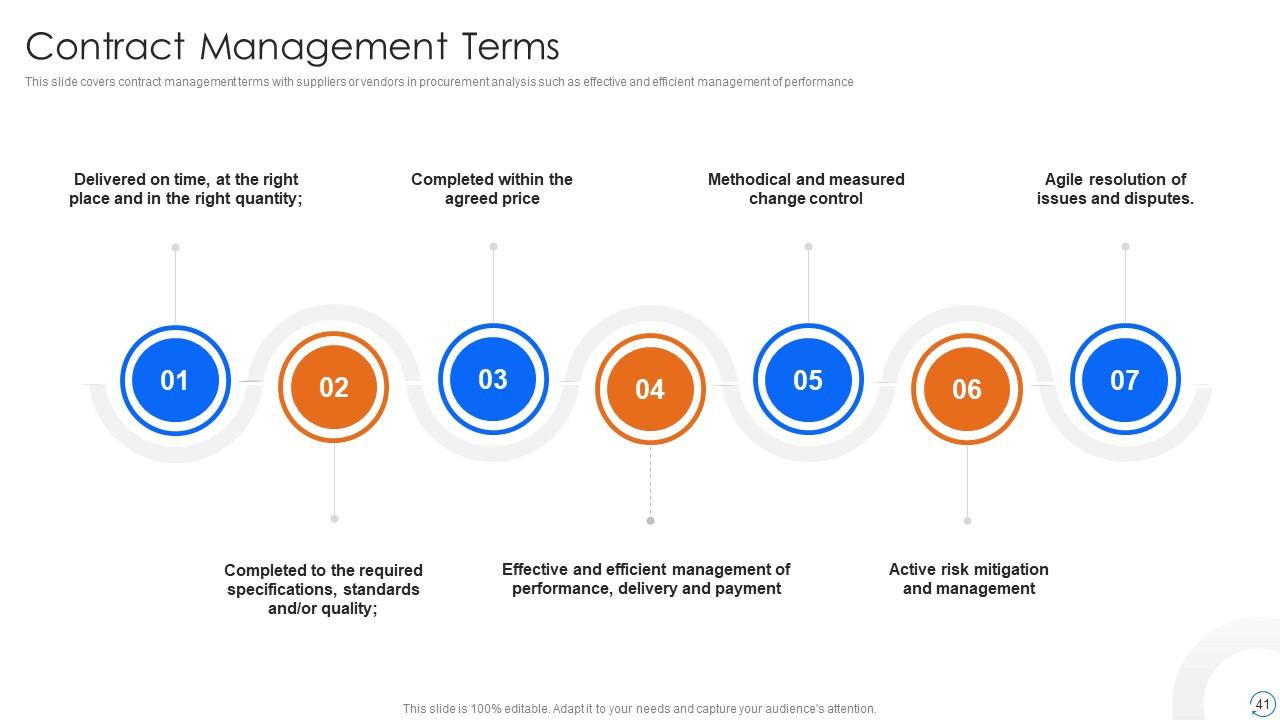
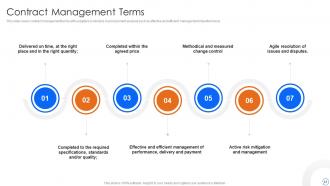
Diapositiva 41 : Esta diapositiva cubre los términos de gestión de contratos con proveedores o vendedores en el análisis de adquisiciones.
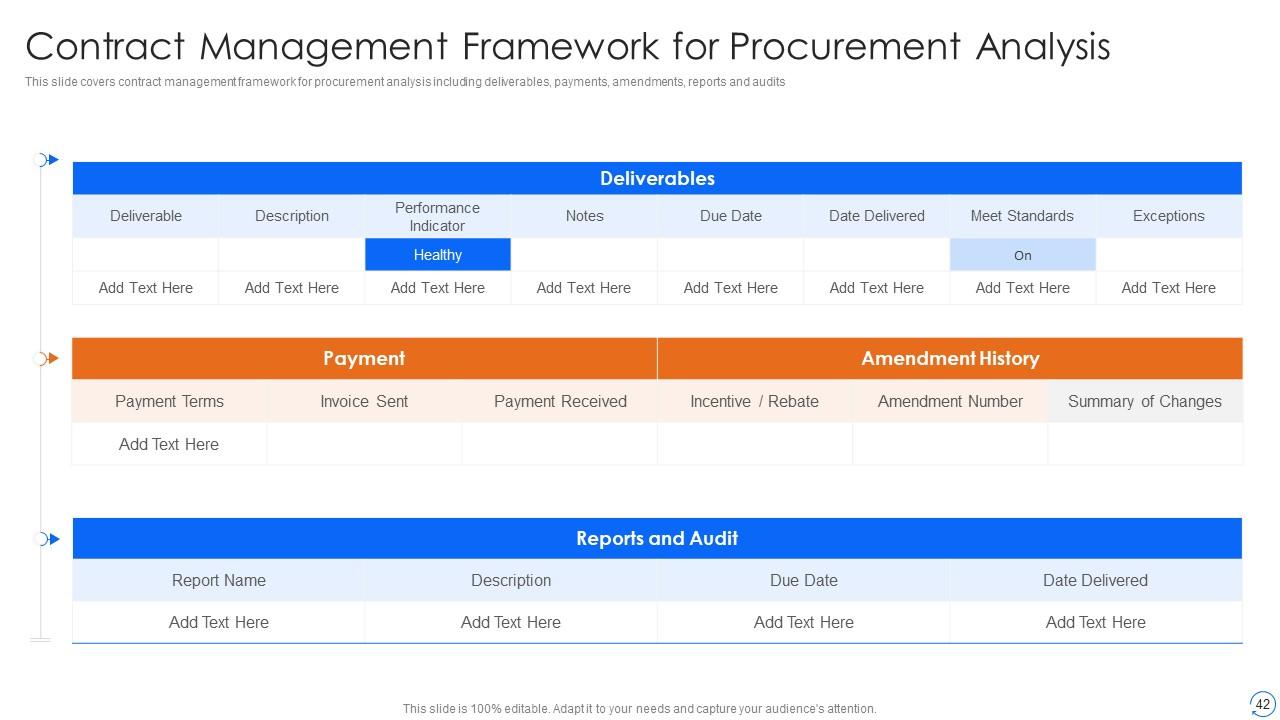
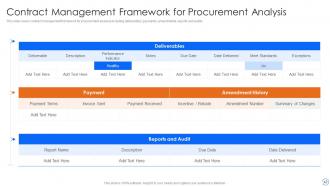
Diapositiva 42 : Esta diapositiva muestra el marco de gestión de contratos para el análisis de adquisiciones.
Diapositiva 43 : esta diapositiva destaca el título de los temas que se cubrirán a continuación en la plantilla.
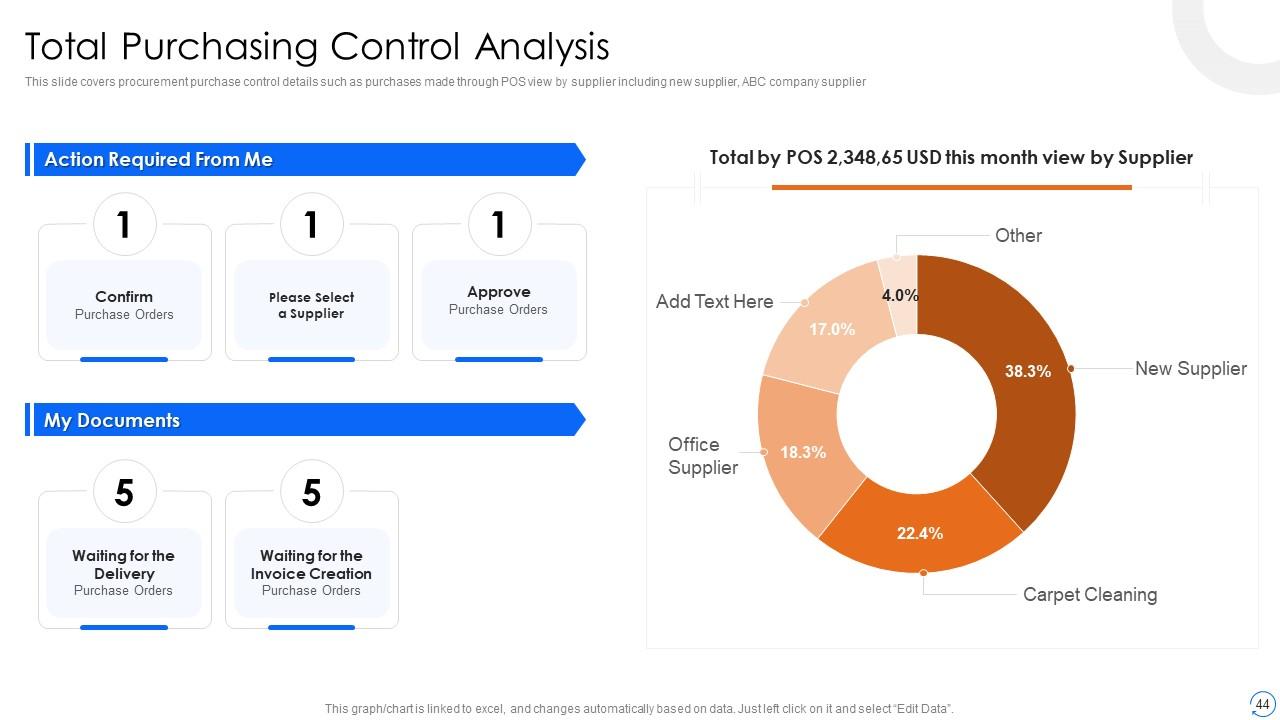
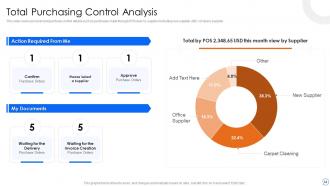
Diapositiva 44 : esta diapositiva cubre los detalles del control de compras, como las compras realizadas a través de POS.
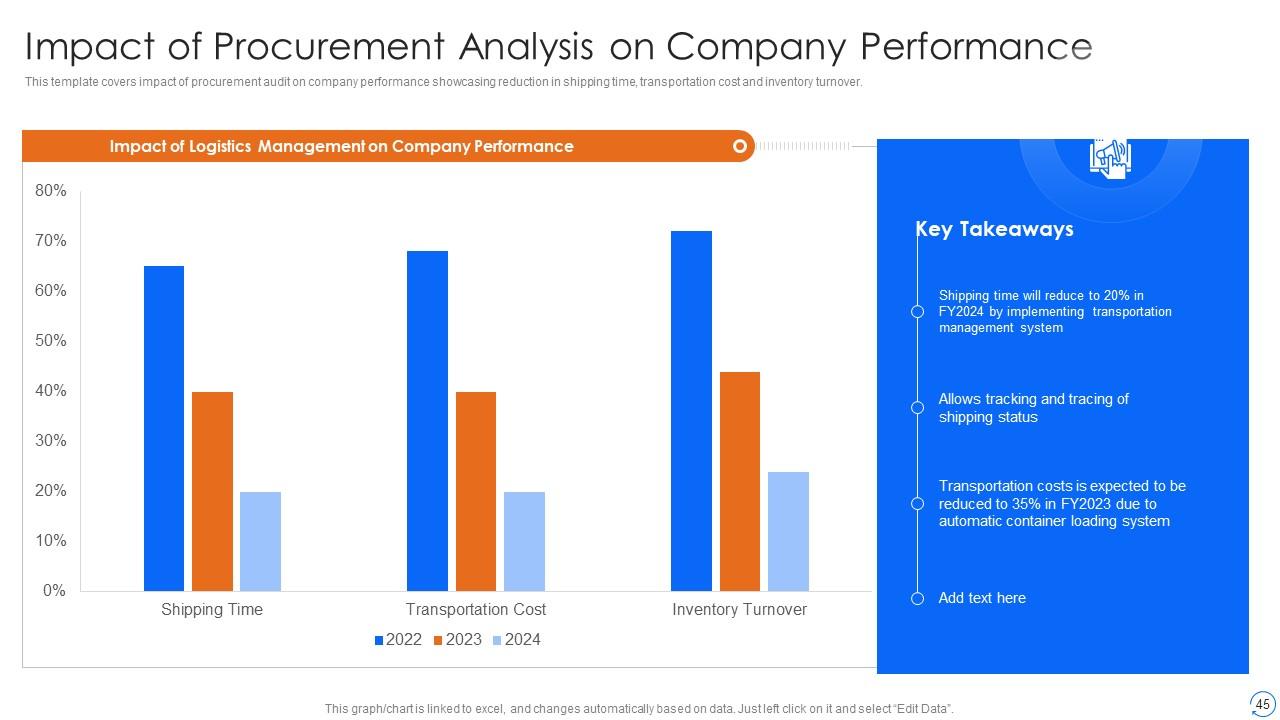
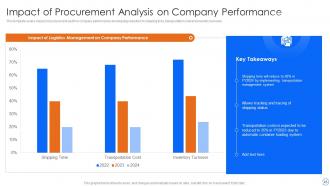
Diapositiva 45 : Esta diapositiva muestra el impacto del análisis de adquisiciones en el desempeño de la empresa.
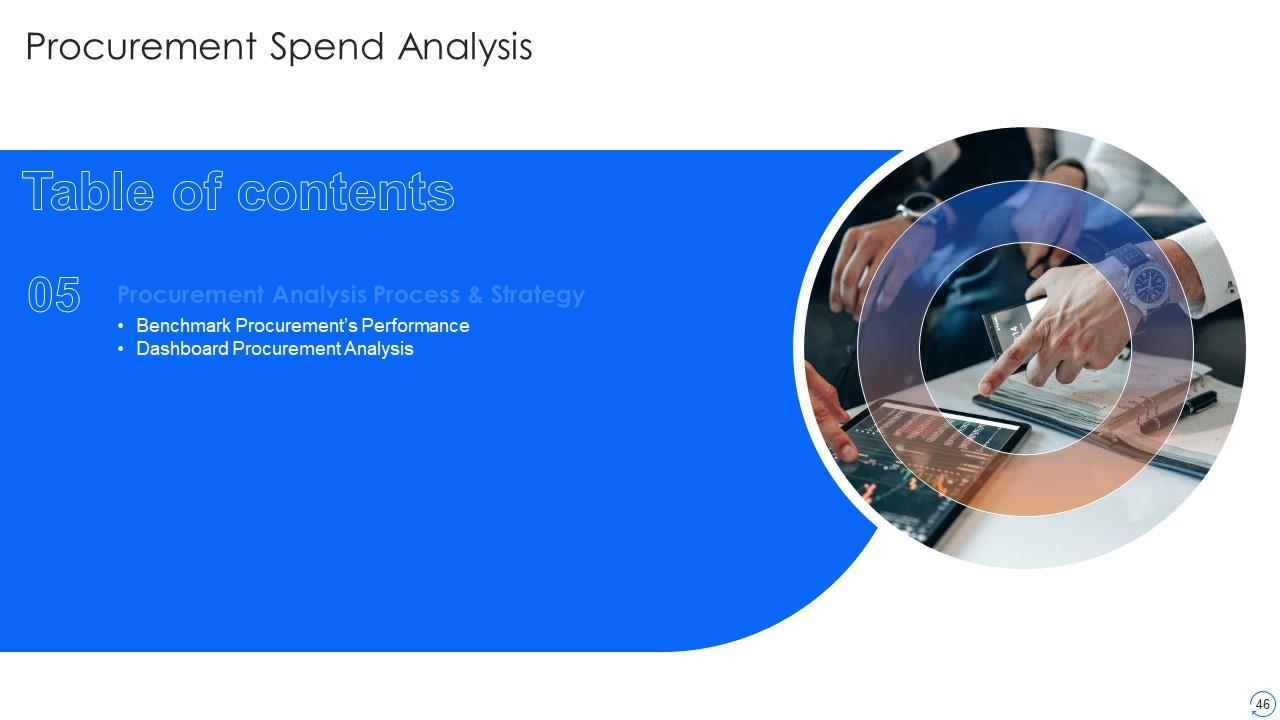
Diapositiva 46 : esta diapositiva destaca el título de los temas que se cubrirán a continuación en la plantilla.
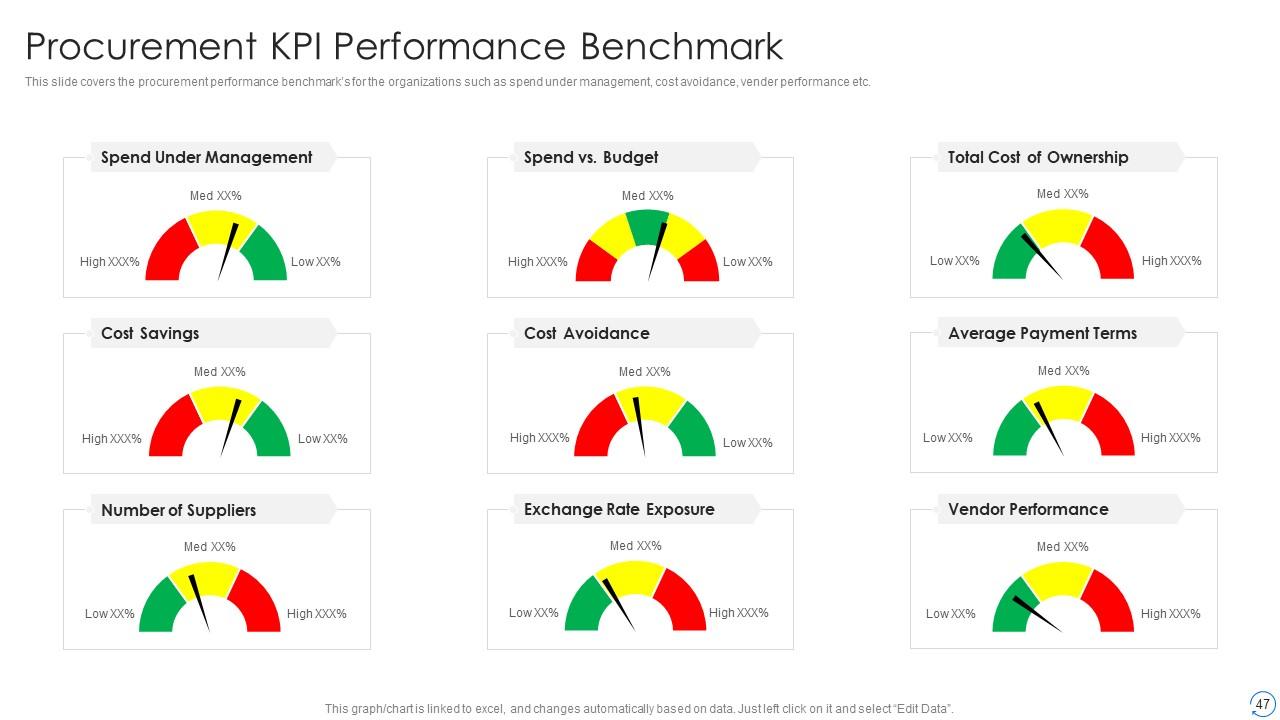
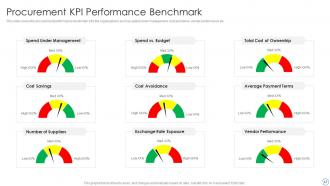
Diapositiva 47 : Esta diapositiva presenta el punto de referencia de rendimiento de KPI de adquisiciones.
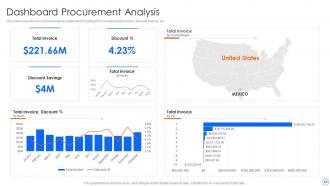
Diapositiva 48 : Esta diapositiva cubre el panel de análisis de adquisiciones, incluidos los KPI, incluidas las facturas totales, los ahorros en descuentos, etc.
Diapositiva 49 : esta diapositiva muestra iconos para el análisis de gastos de adquisición.
Diapositiva 50 : esta diapositiva se titula Diapositivas adicionales para avanzar.
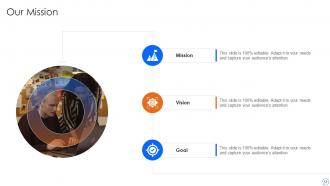
Diapositiva 51 : Esta es la diapositiva Nuestra misión con imágenes y texto relacionados.
Diapositiva 52 : Esta es la diapositiva Nuestro equipo con nombres y designación.
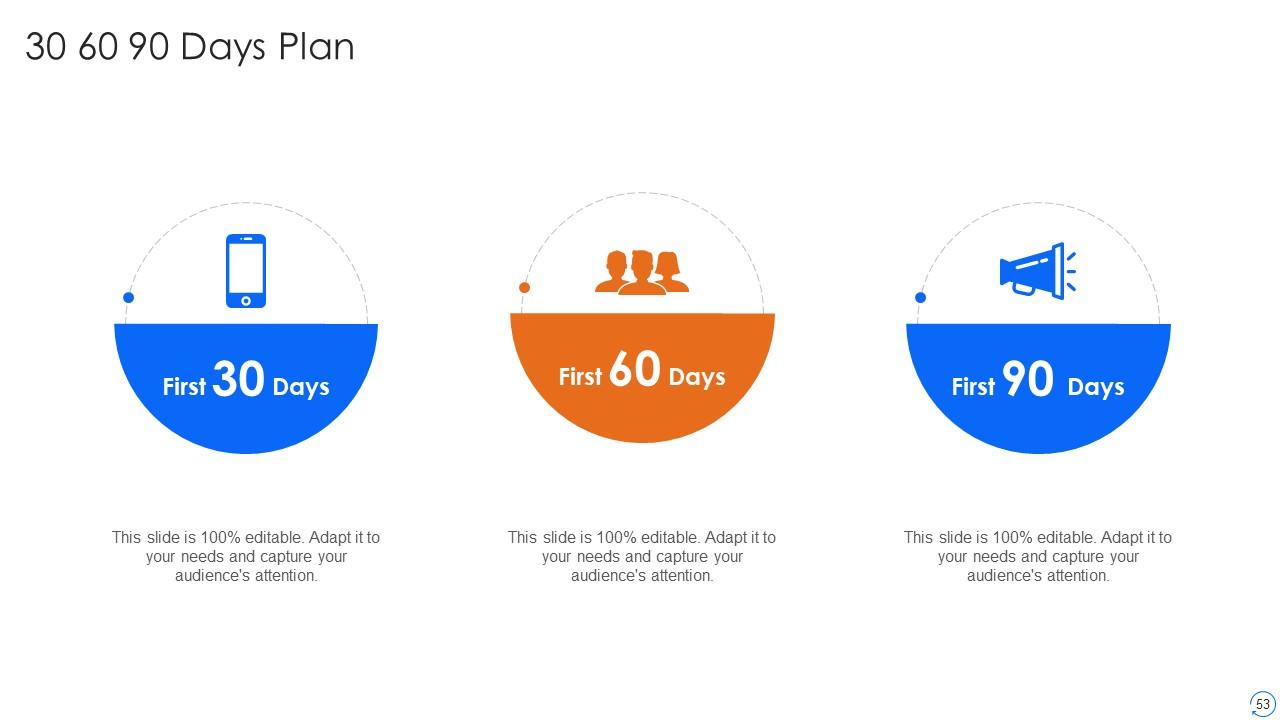
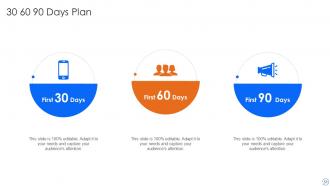
Diapositiva 53 : esta diapositiva proporciona un plan de 30 60 90 días con cuadros de texto.
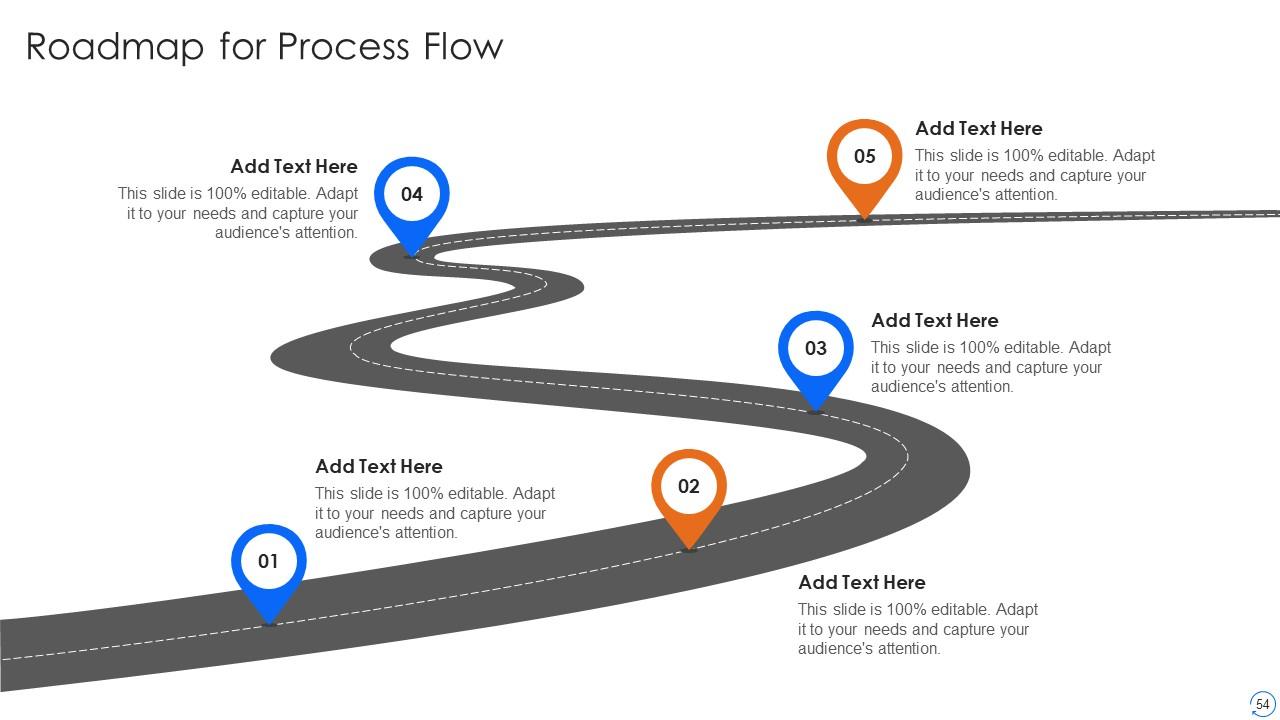
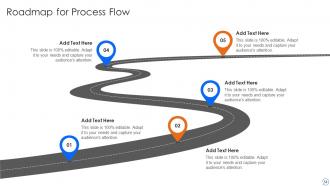
Diapositiva 54 : esta diapositiva muestra la hoja de ruta para el flujo de procesos.
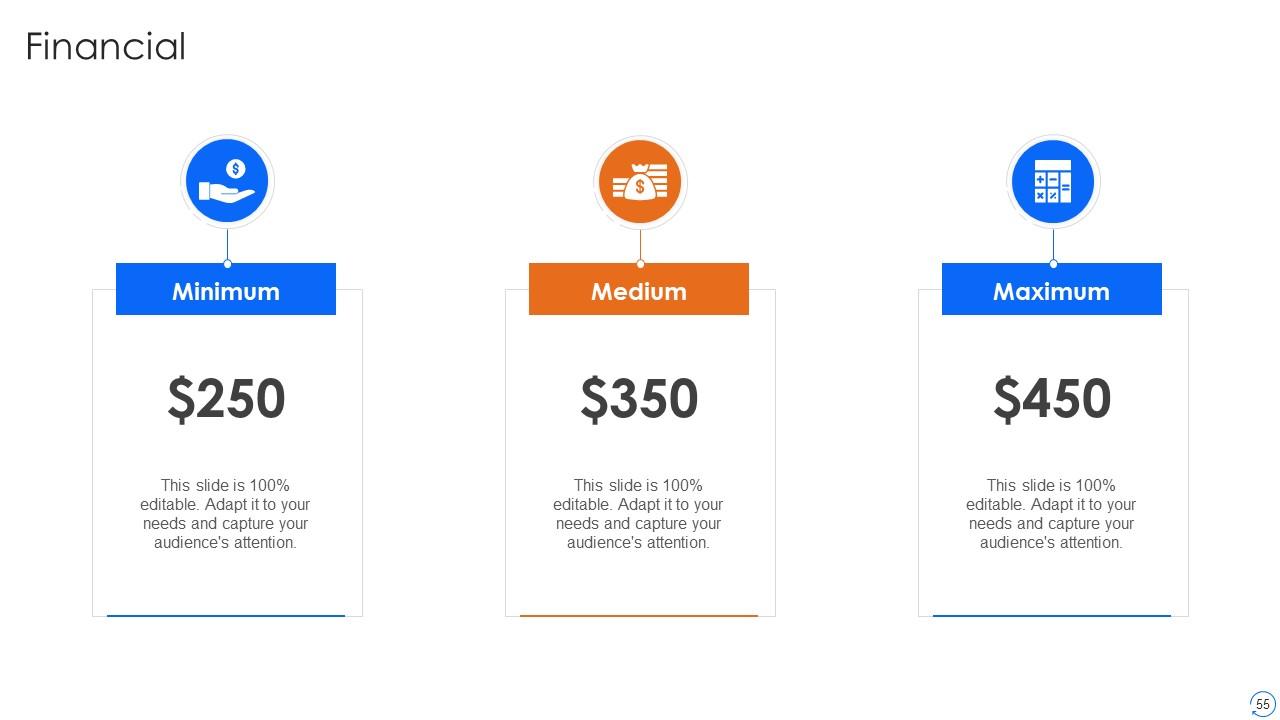
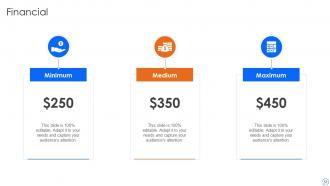
Diapositiva 55 : Esta es una diapositiva financiera. Muestre sus cosas relacionadas con las finanzas aquí.
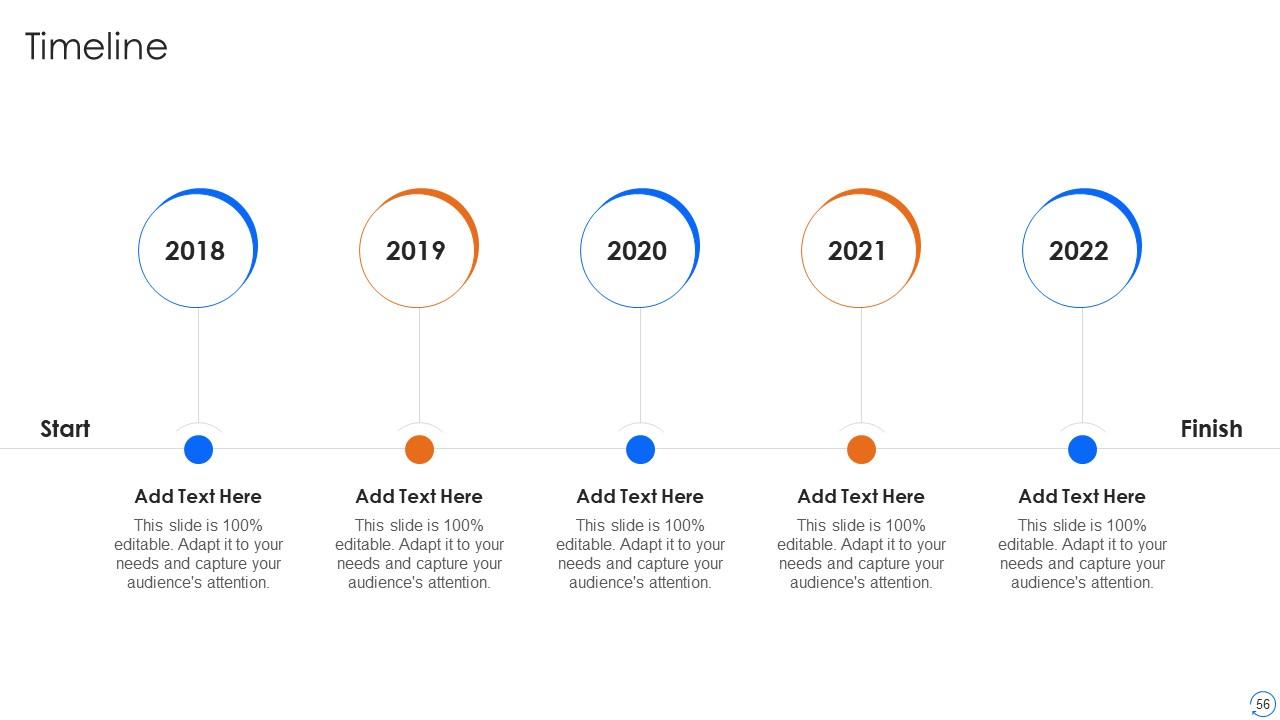
Diapositiva 56 : esta es otra diapositiva para mostrar datos financieros.
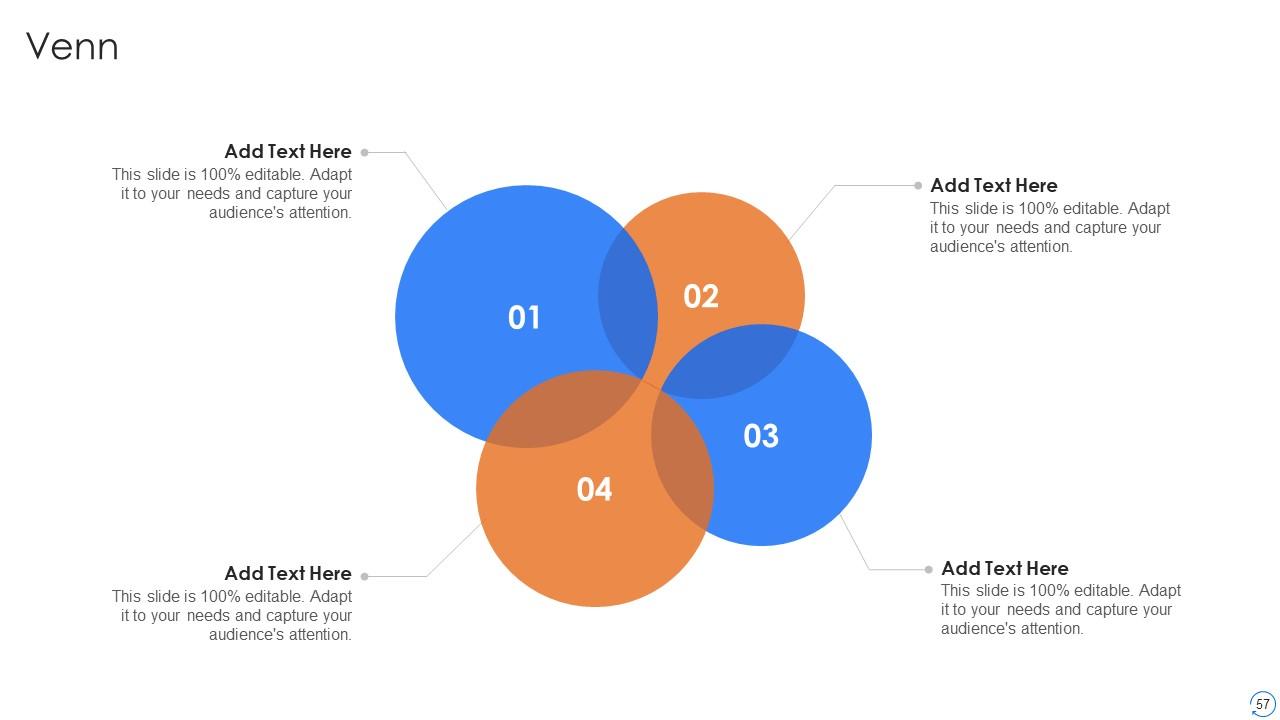
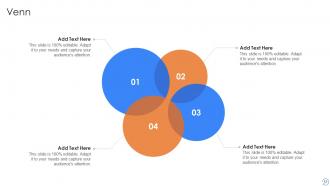
Diapositiva 57 : Esta diapositiva muestra el diagrama de Venn con cuadros de texto.
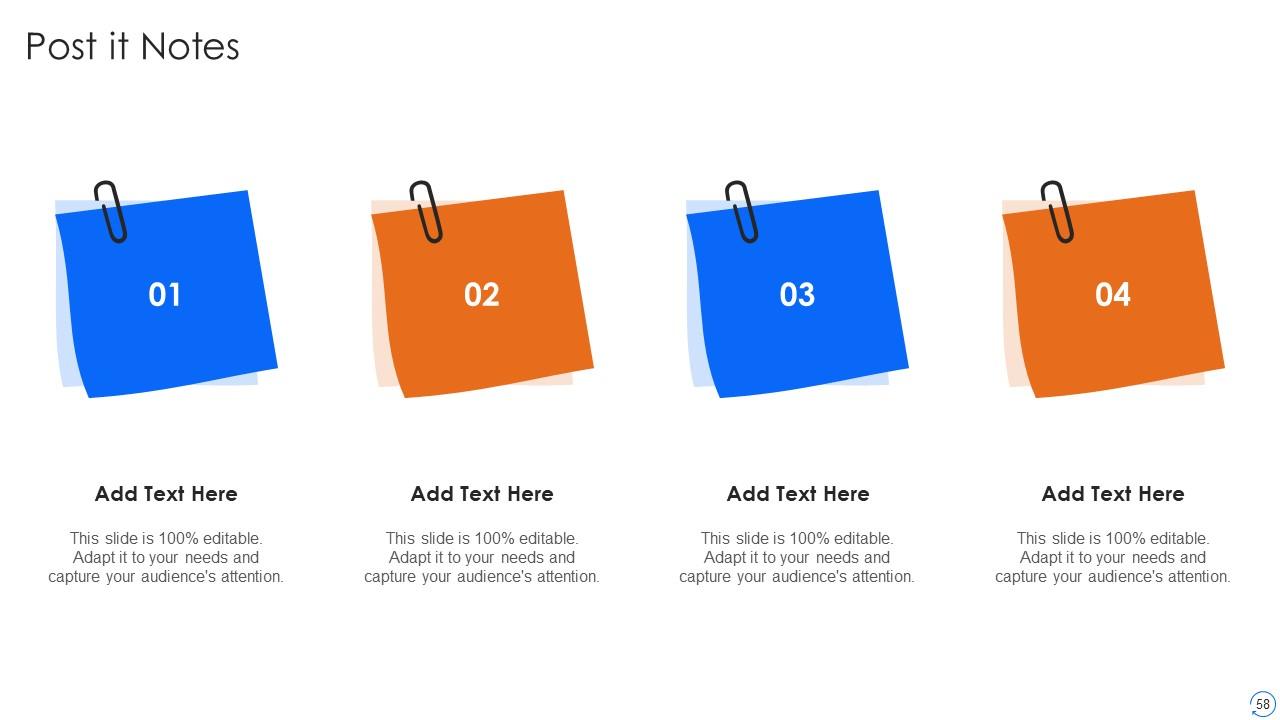
Diapositiva 58 : Esta diapositiva muestra Post-It Notes. Publique sus notas importantes aquí.
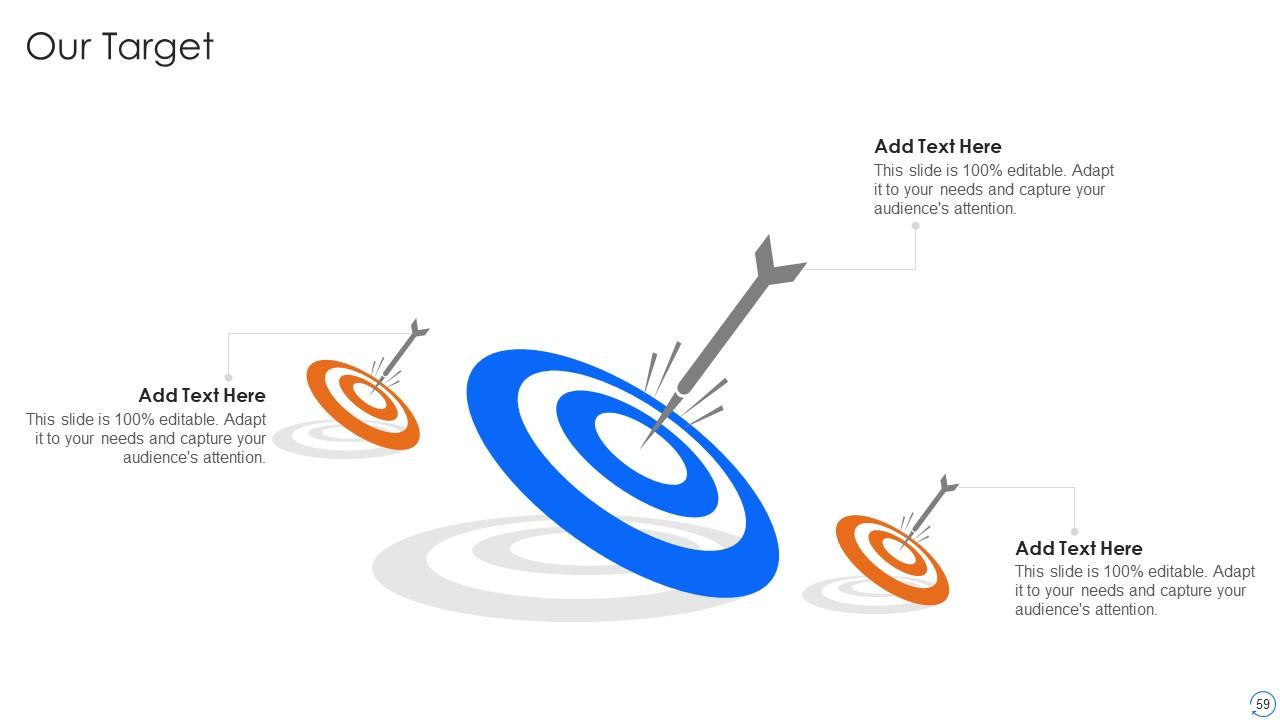
Diapositiva 59 : Esta es la diapositiva Nuestro objetivo. Indique sus objetivos aquí.
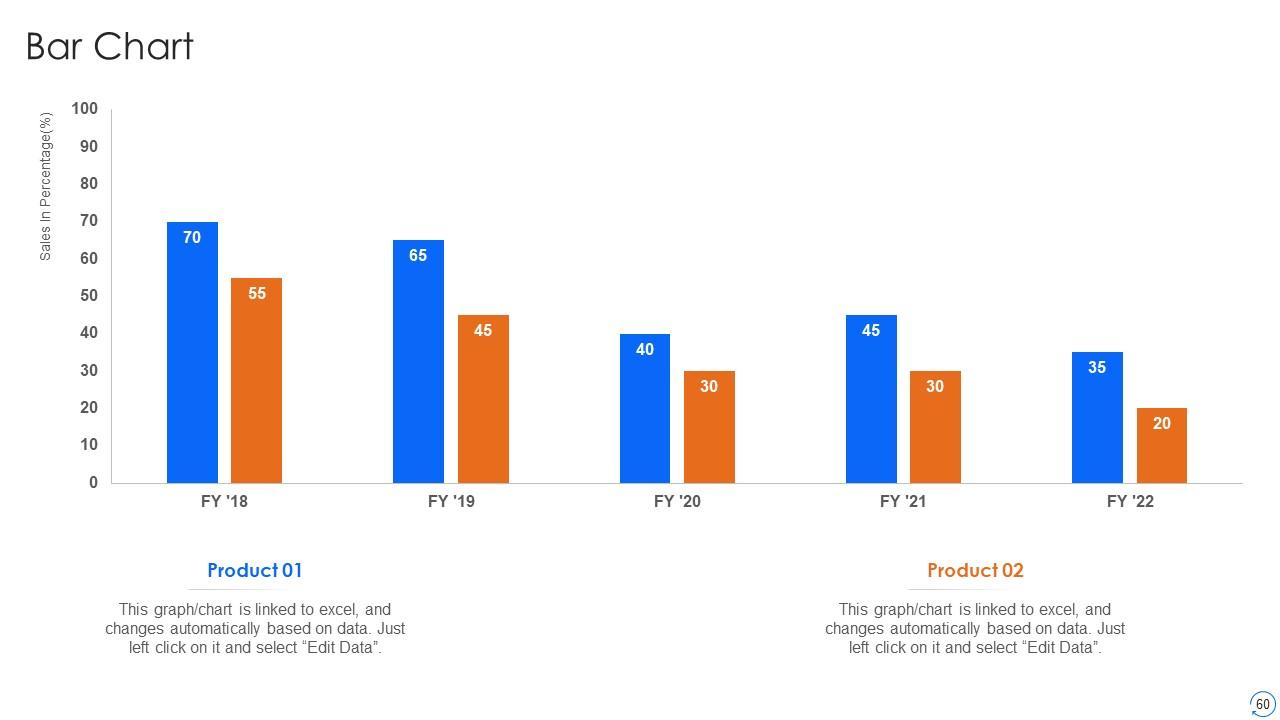
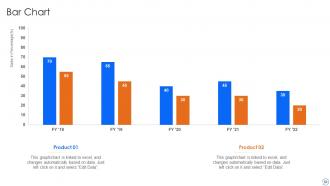
Diapositiva 60 : Esta diapositiva presenta un gráfico de barras con una comparación de dos productos.
Diapositiva 61 : Esta es una diapositiva de agradecimiento con dirección, números de contacto y dirección de correo electrónico.
Análisis de gastos de adquisición Diapositivas de presentación de Powerpoint con las 66 diapositivas:
Utilice nuestras diapositivas de presentación de Powerpoint de análisis de gastos de adquisiciones para ayudarlo de manera efectiva a ahorrar su valioso tiempo. Están listos para encajar en cualquier estructura de presentación.
-
Thrilled to see several customizable templates catering various verticals and industries.
-
I faced no difficulty while searching for the slide I wanted. Honestly, the website’s interface is easy to use and can be navigated easily!
