


Produktmarketing-Framework für den Service-Start PowerPoint-Präsentation mit Folien Go To Market
Um ein Framework für den Service-Start zu verbessern, haben wir ein vorgefertigtes PPT-Beispiel entworfen. Jetzt müssen Sie nur noch auf unser Beispiel einer PPT-Präsentation klicken und es herunterladen, um alle wichtigen Aspekte beim Starten eines neuen Dienstes abzudecken. Mithilfe unserer PowerPoint-Show können Sie Ihre Vertriebs- und Marketingmitarbeiter über den Entwurf Ihres Produktplanungs- und Entwicklungsprozesses informieren. Dort können Sie dieses PPT-Modell nutzen, um den Markt und die Marktbedürfnisse für ein besseres Verständnis der Marktchancen für neue Produkte zu veranschaulichen. Darüber hinaus unterstützt eine ansprechende visuelle Kommunikation bei der Einführung von Diensten die Anwerbung neuer Unternehmen, um Partnerschaften einzugehen. Um mehr zu erreichen, besteht unser Präsentations-Deck aus Vorlagenfolien wie Kundenbedarfsanalyse, SWOT-Analyse, Marketing-Mix, Notfallplan usw. Kurz gesagt, Komplettpakete für Produktmanager und Marketingmanager, die alles an einem Ort haben. Es gab noch nie eine bessere Chance, auf die Strecke zu kommen. Laden Sie also schnell unser vorgefertigtes Produktmarketing-Framework für das vollständige PowerPoint-Dia-Deck für den Servicestart herunter. Zeigen Sie intensive Entschlossenheit mit unserem Produktmarketing-Framework für das vollständige Powerpoint-Deck mit Service-Start mit Folien. Zeigen Sie, dass Sie ehrgeizig sind.














-

- Google Slides is a new FREE Presentation software from Google.
- All our content is 100% compatible with Google Slides.
- Just download our designs, and upload them to Google Slides and they will work automatically.
- Amaze your audience with SlideTeam and Google Slides.
-

Want Changes to This PPT Slide? Check out our Presentation Design Services
-

- WideScreen Aspect ratio is becoming a very popular format. When you download this product, the downloaded ZIP will contain this product in both standard and widescreen format.
-

- Some older products that we have may only be in standard format, but they can easily be converted to widescreen.
- To do this, please open the SlideTeam product in Powerpoint, and go to
- Design ( On the top bar) -> Page Setup -> and select "On-screen Show (16:9)” in the drop down for "Slides Sized for".
- The slide or theme will change to widescreen, and all graphics will adjust automatically. You can similarly convert our content to any other desired screen aspect ratio.
Compatible With Google Slides

Get This In WideScreen
You must be logged in to download this presentation.


Do you want to remove this product from your favourites?
Funktionen dieser PowerPoint-Präsentationsfolien:
Komplettes Paket mit 49 Folienvorlagen. Bereit für Launch Manager und Business Strategy Planer. Hochauflösende Vorlagen entwerfen weit über dem Boden. Vollständig bearbeitbare Grafiken, Text, Schriftarten, Farben, Hintergrund und Layout. Innovative farbenfrohe Vergleichstabellen, Grafiken und Diagramme. Einfaches Einfügen von Firmenlogo, Marke, Animation und mehr. Mit allen modernen Software-Geräten problemlos abgestimmt. Kann problemlos in PDF- und JPG-Formate geändert werden. Die Phasen in diesem Prozess sind Geschäft, Wachstum, Erfolg, Strategie, Planung, Management.

People who downloaded this PowerPoint presentation also viewed the following :
Inhalt dieser Powerpoint-Präsentation
Folie 1 : Diese Folie stellt das Produktmarketing-Framework für die Diensteinführung vor. Geben Sie Ihren Firmennamen an und starten Sie selbstbewusst.
Folie 2 : Dies ist eine Agenda-Folie. Geben Sie hier Ihre Agenden an.
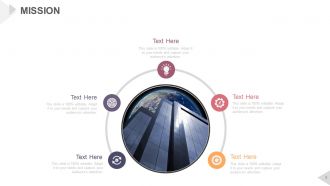
Folie 3 : Dies ist unsere Missionsfolie mit Bildern. Geben Sie hier Ihre Missionsaspekte an.
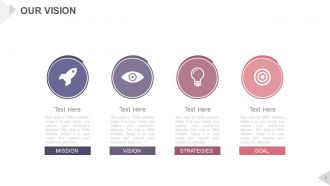
Folie 4 : Dies ist unsere Vision-Folie. Staatsauftrag, Vision, Ziele, Strategien hier.
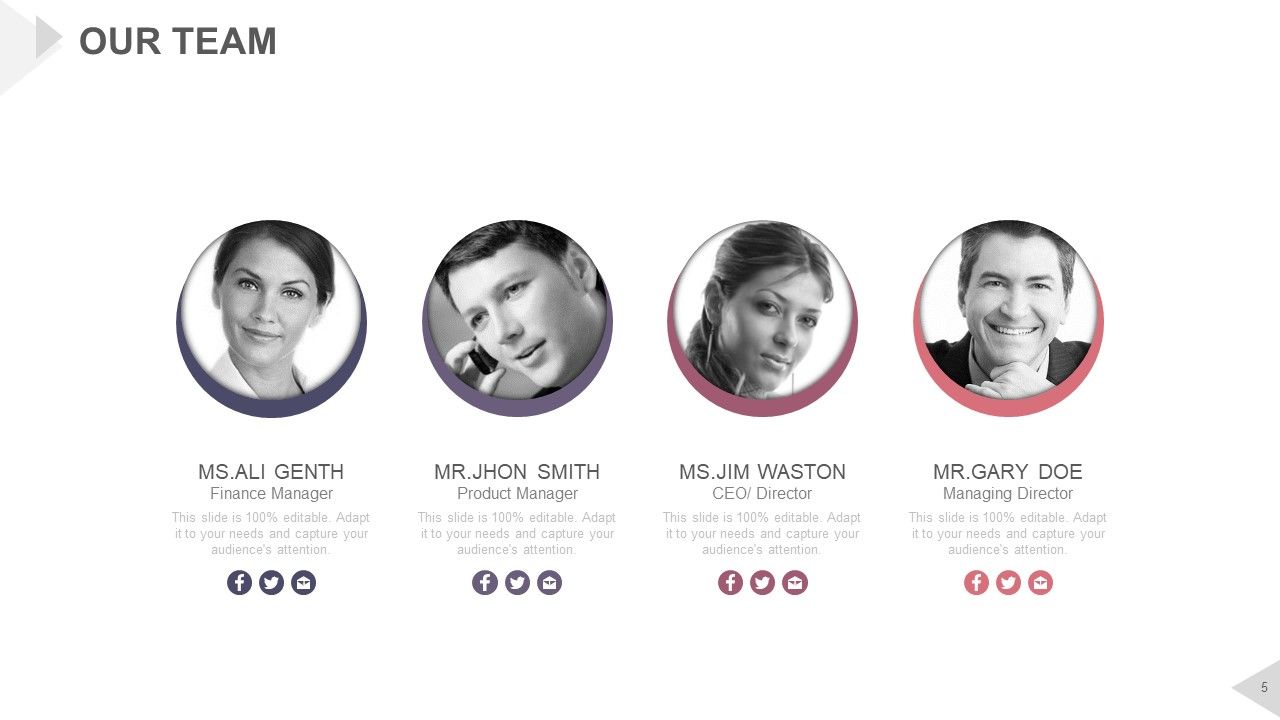
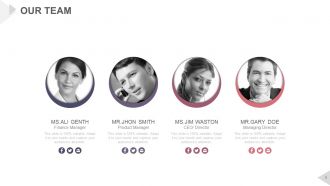
Folie 5 : Dies ist die Folie unseres Teams mit Bildfeldern zum Ausfüllen von Name und Bezeichnung.
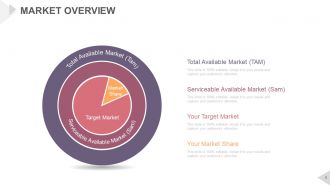
Folie 6 : Diese Folie präsentiert MARKTÜBERSICHT, bestehend aus: Gesamter verfügbarer Markt (TAM), nutzbarer verfügbarer Markt (Sam), Ihr Zielmarkt, Ihr Marktanteil, Marktanteil, Zielmarkt.
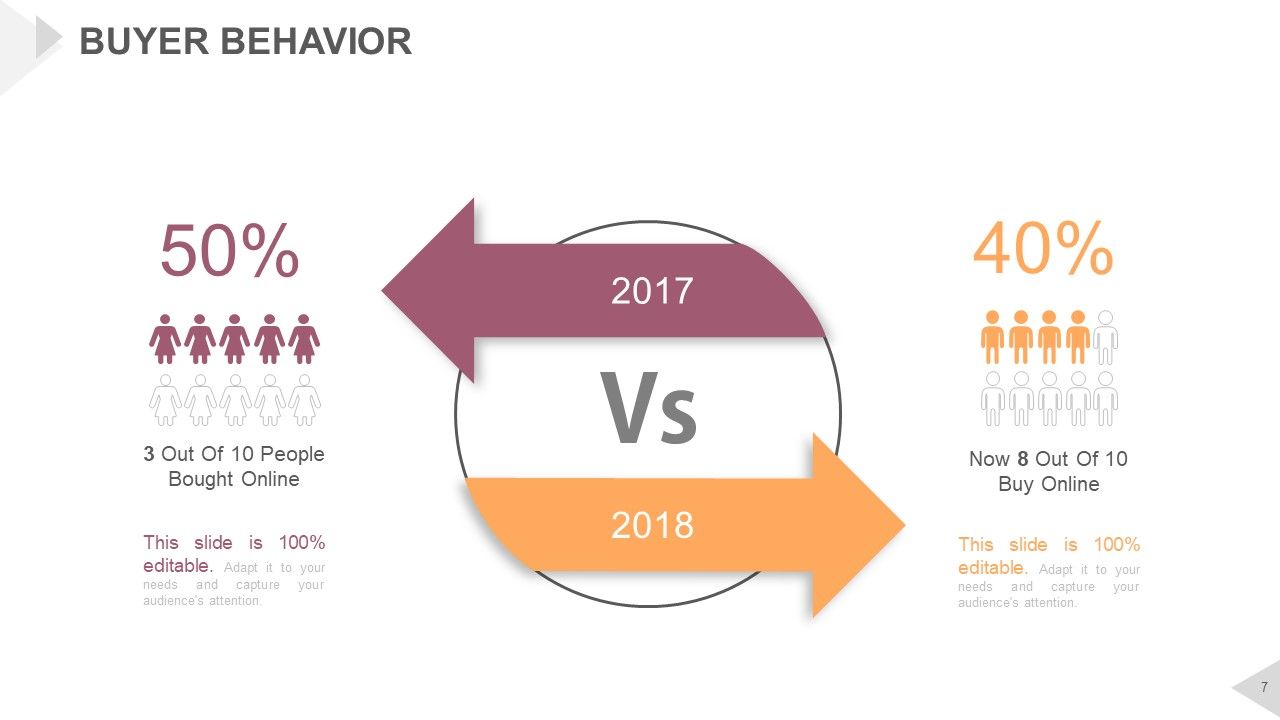
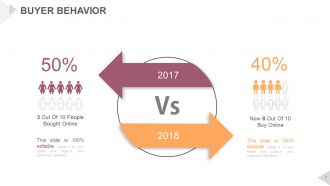
Folie 7 : Diese Folie zeigt das Käuferverhalten des Kunden. Geben Sie hier Kundenaspekte an.
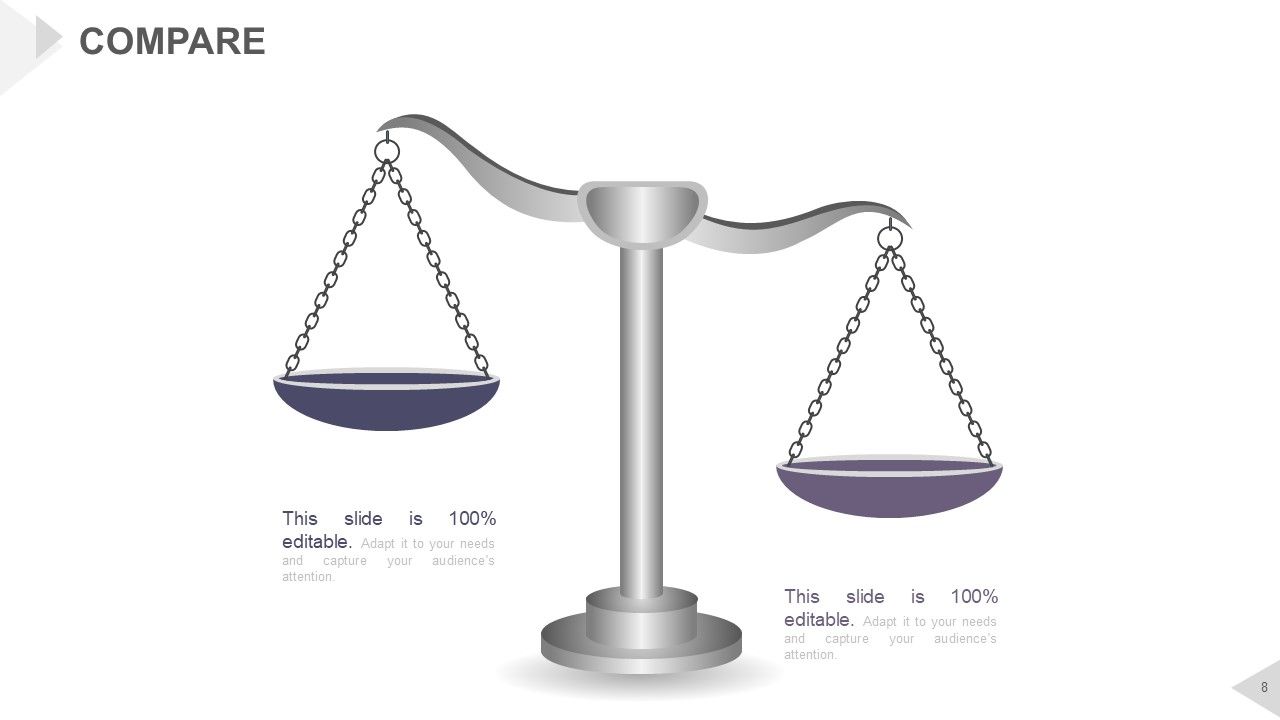
Folie 8 : Diese Folie zeigt Vergleichsbilder einer Ausgleichswaage. Vergleich anzeigen usw. hier.
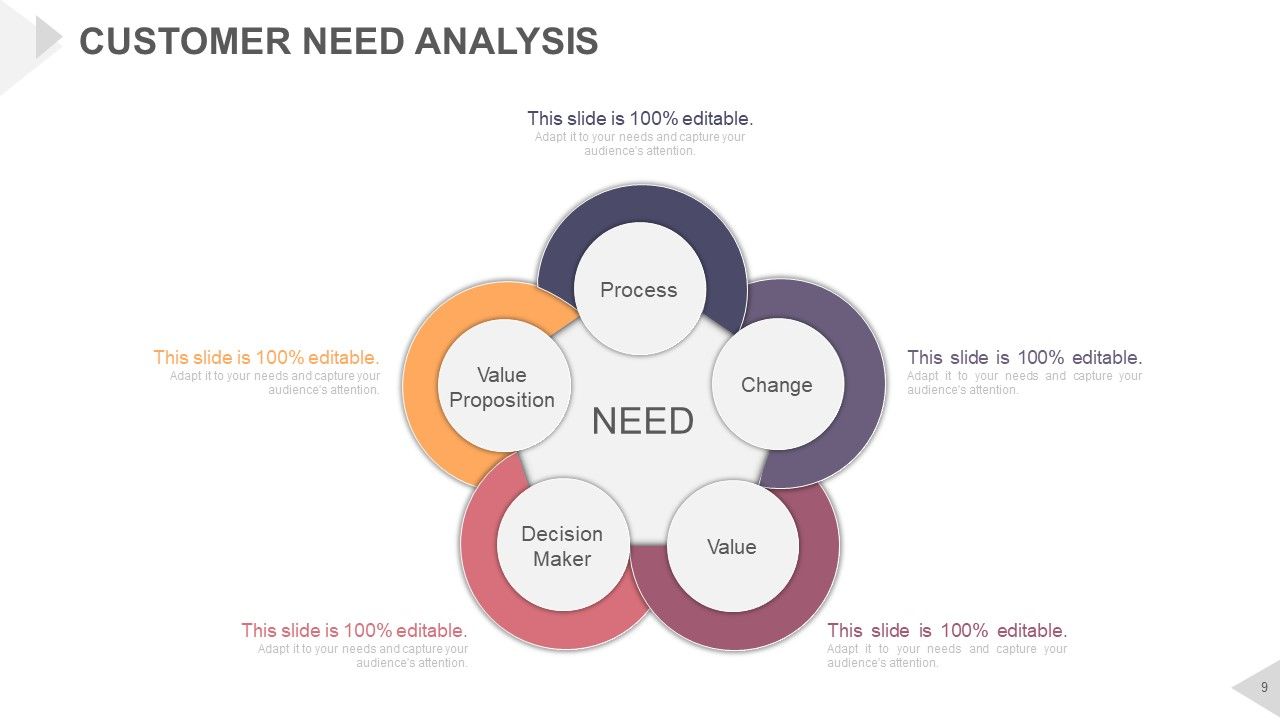
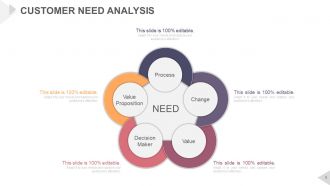
Folie 9 : Diese Folie zeigt die Kundenbedarfsanalyse mit Prozess, Veränderung, Wert, Entscheidungsträger, Wertversprechen.
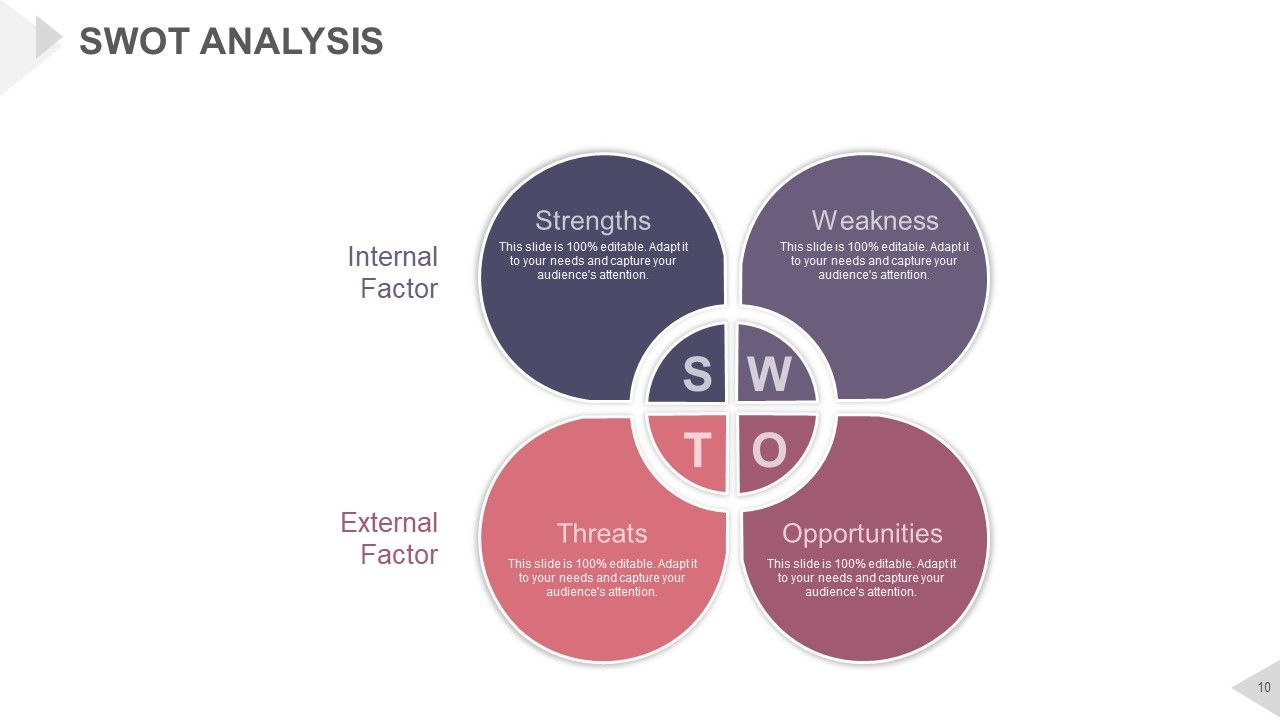
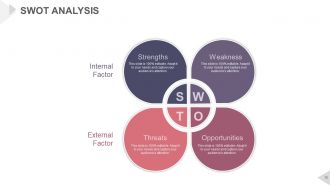
Folie 10 : Diese Folie präsentiert eine SWOT-ANALYSE als interner Faktor und externer Faktor.
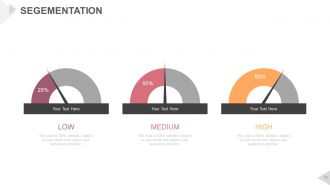
Folie 11 : Diese Folie zeigt die Segmentierung in Bezug auf Hoch, Mittel und Niedrig.
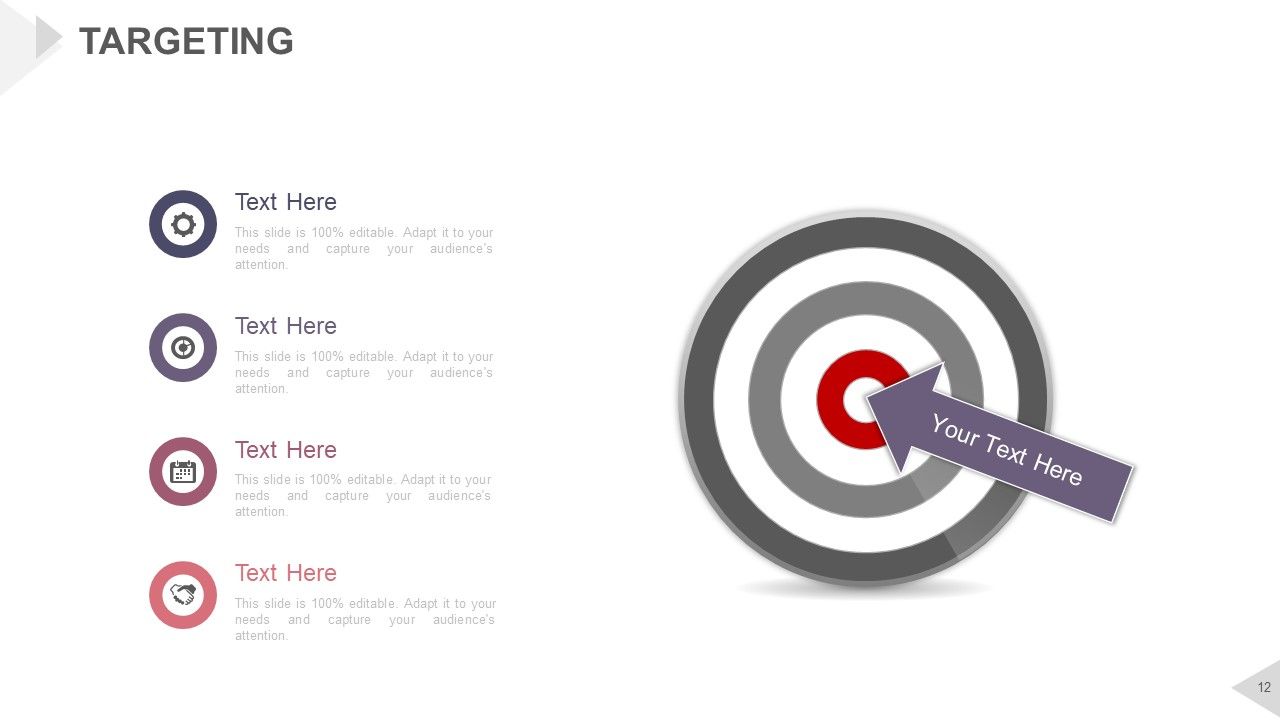
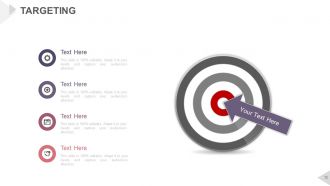
Folie 12 : Diese Folie zeigt das Targeting. Geben Sie hier Aspekte der Kundenansprache etc. an.
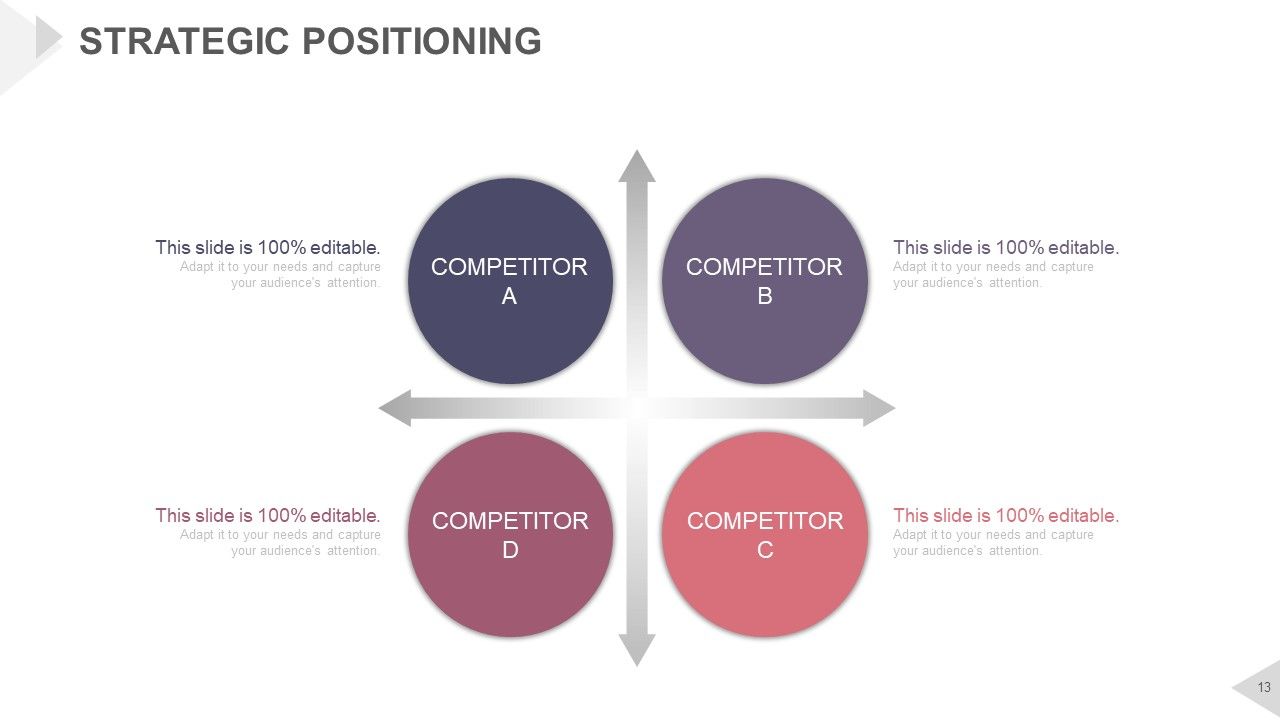
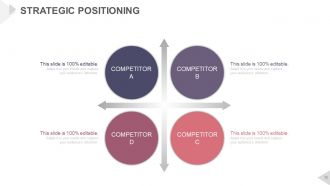
Folie 13 : Diese Folie zeigt die strategische Positionierung in Matrixform.
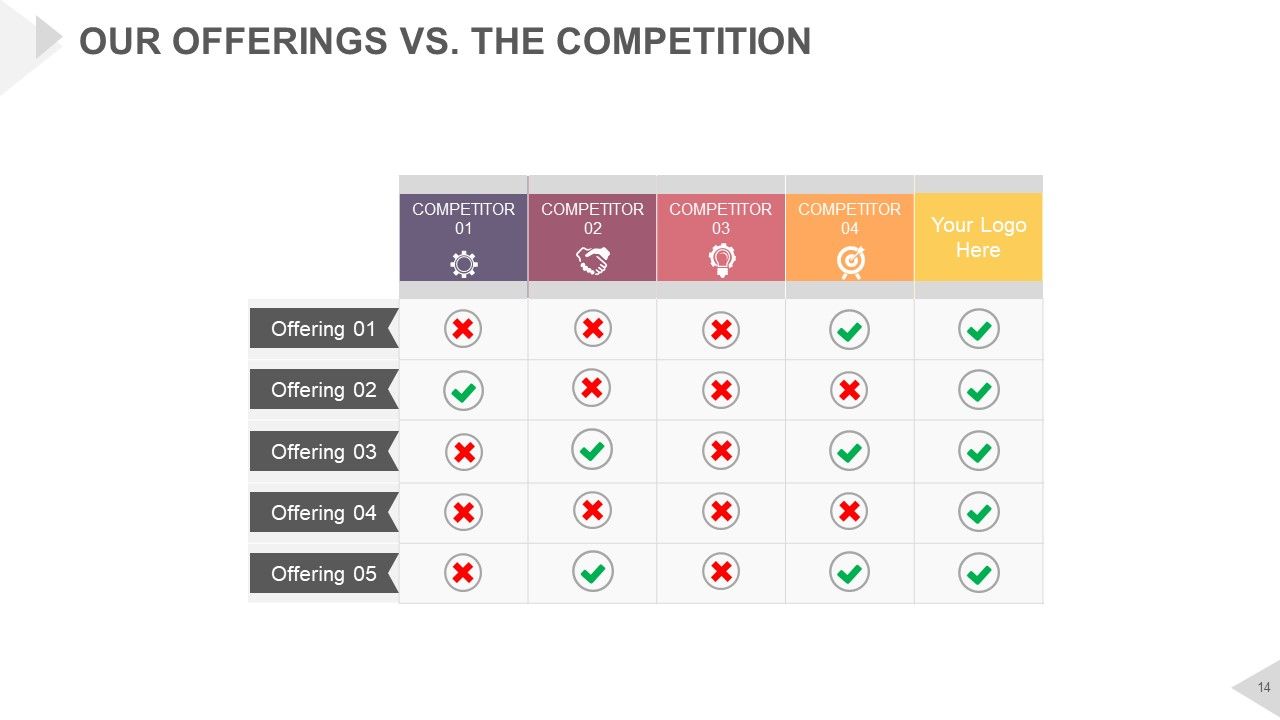
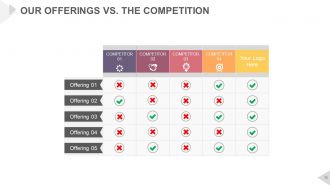
Folie 14 : Diese Folie präsentiert Unsere Angebote im Vergleich zu The Compaetition. Nennen Sie diese Aspekte hier.
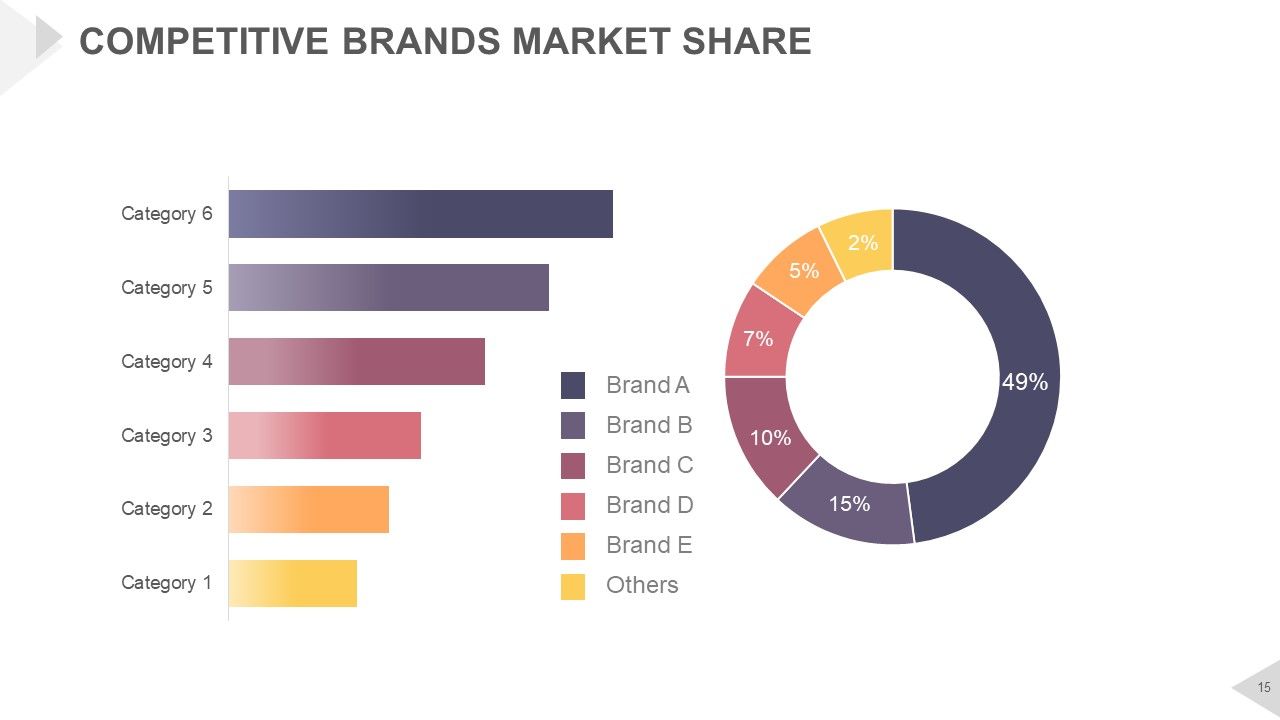
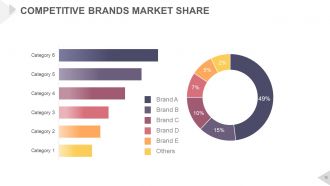
Folie 15 : Diese Folie zeigt den Marktanteil von Wettbewerbsmarken.
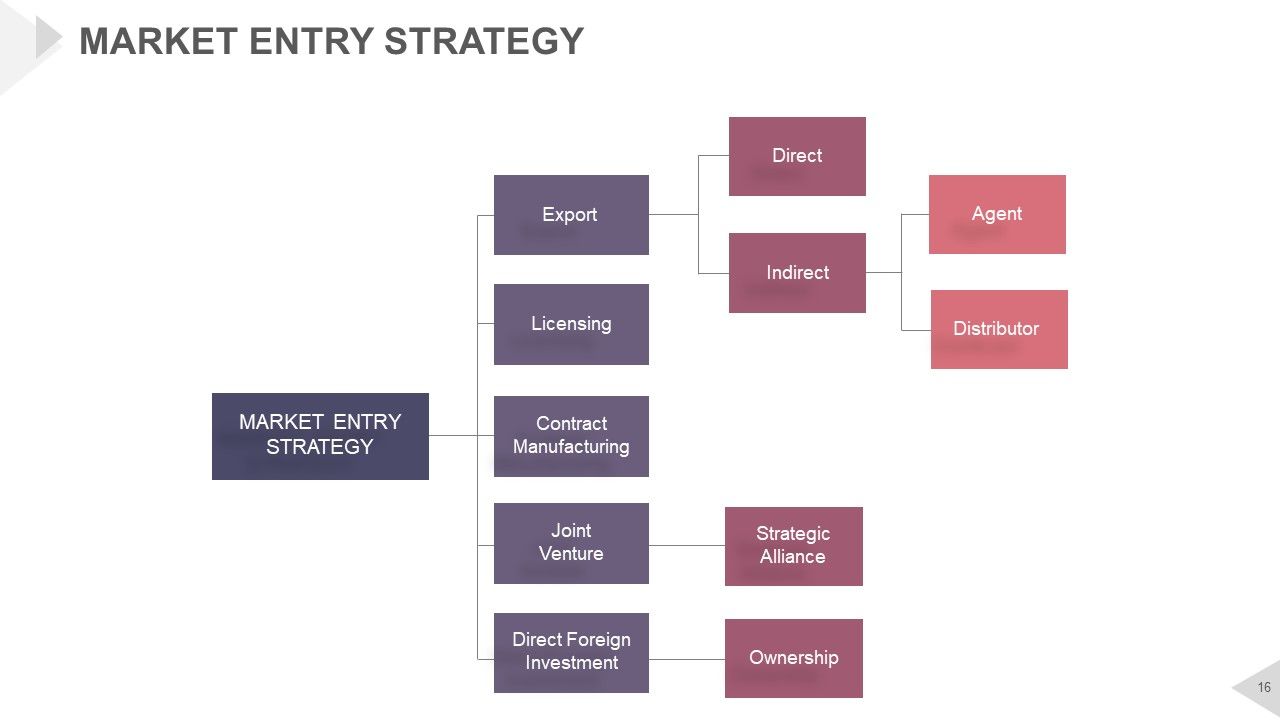
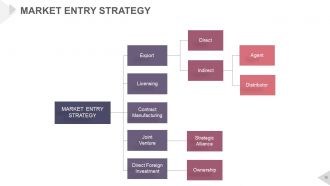
Folie 16 : Diese Folie zeigt die Markteintrittsstrategie mit den folgenden Punkten – Strategische Allianz, Eigentum, Agent, Vertriebspartner, Direkt, Indirekt, Export, Lizenzierung, Auftragsfertigung, Direkte Auslandsinvestitionen, Joint Venture.
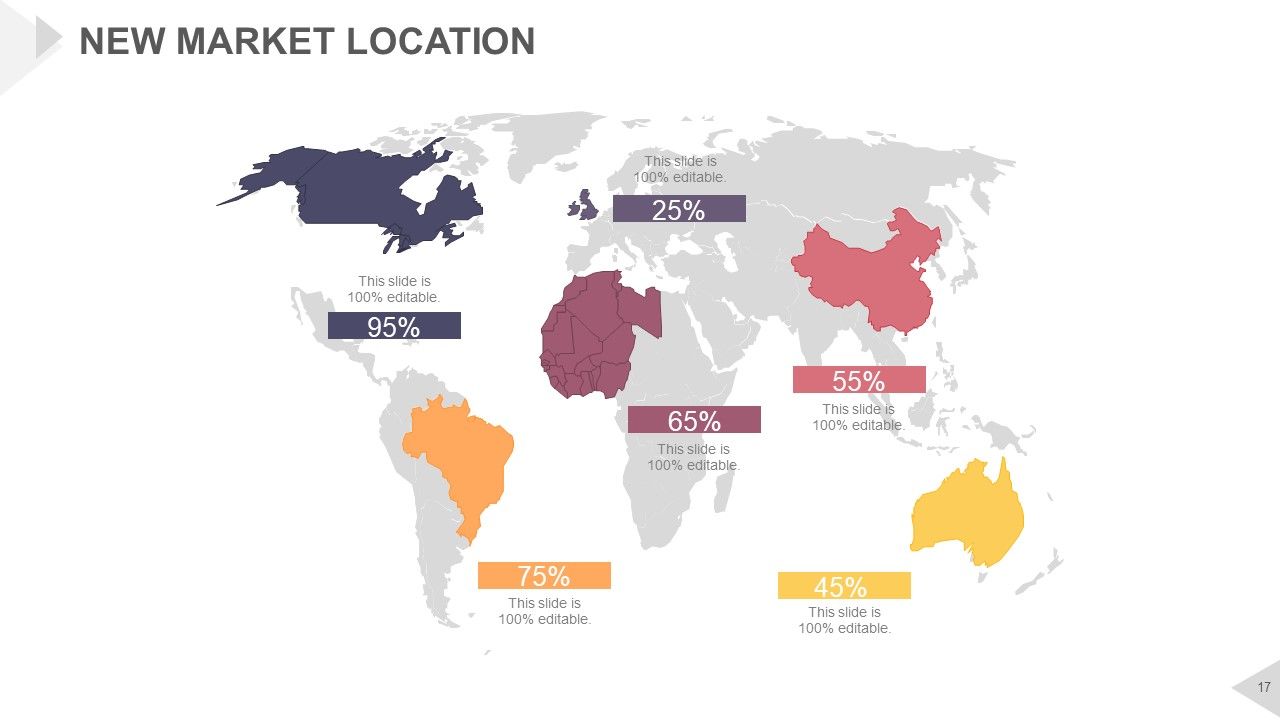
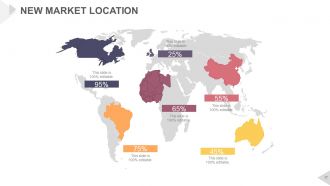
Folie 17 : Diese Folie zeigt den Standort des neuen Marktes im Weltkartenbild.
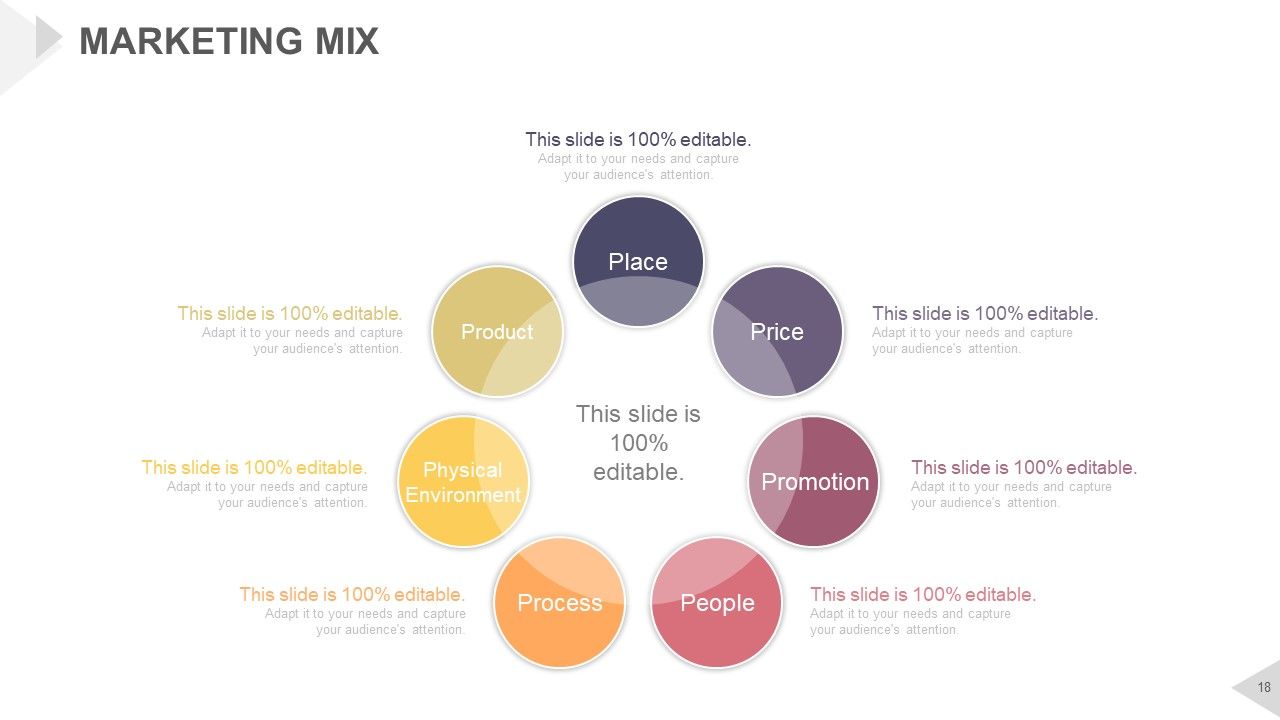
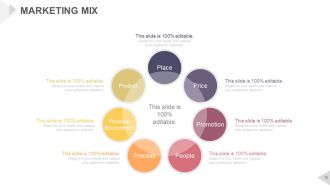
Folie 18 : Diese Folie präsentiert den Marketing-Mix: Ort, Preis, Werbung, Menschen, Prozess, physische Umgebung, Produkt.
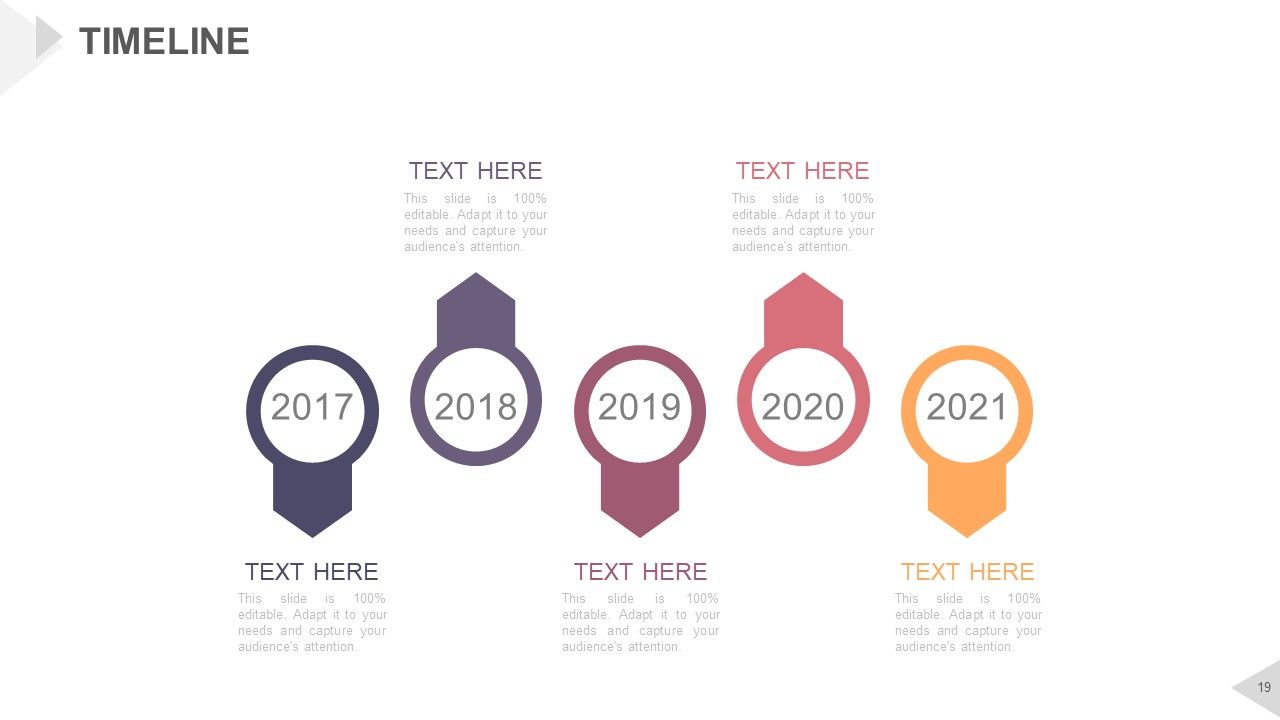
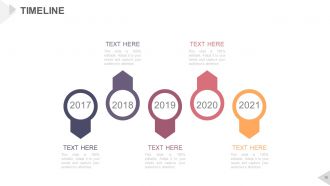
Folie 19 : Dies ist eine Timeline-Bildfolie, die Wachstumsfaktoren, Meilensteine usw. zeigt.
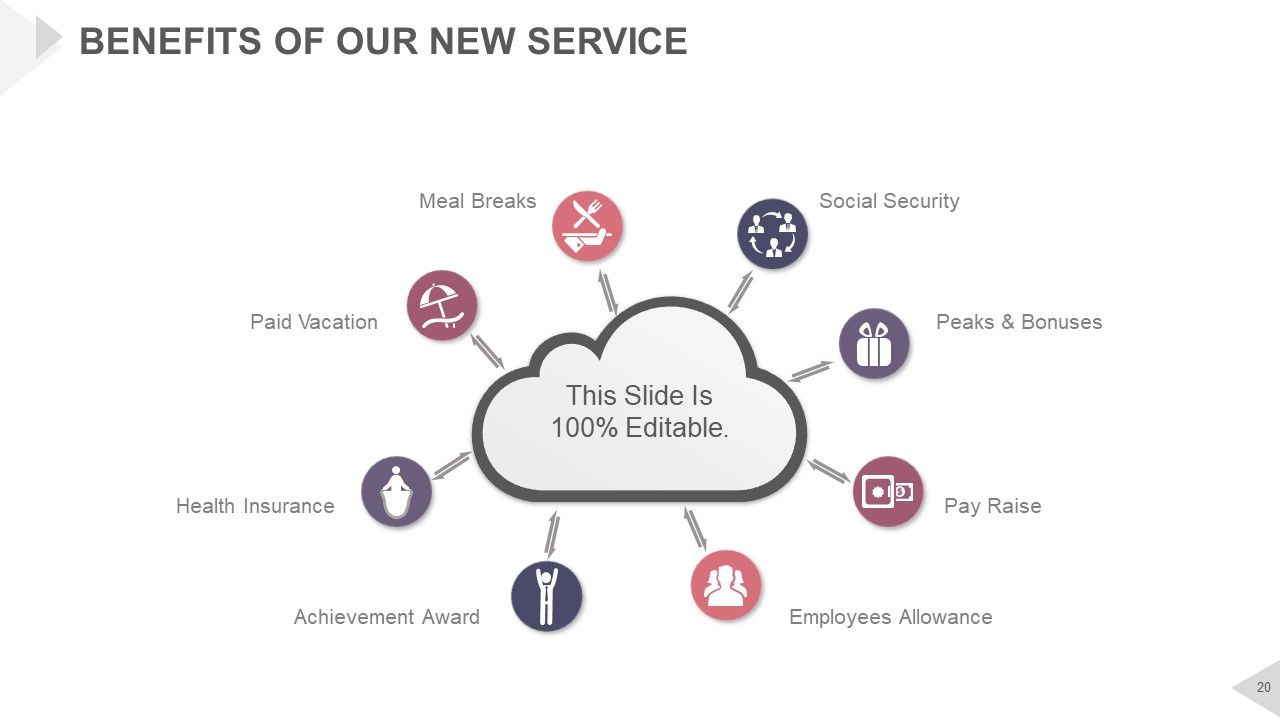
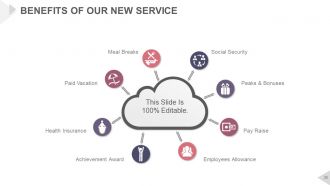
Folie 20 : Diese Folie zeigt die Vorteile unseres neuen Service mit den folgenden Punkten: Krankenversicherung, bezahlter Urlaub, Essenspausen, Sozialversicherung, Spitzen und Boni, Gehaltserhöhung, Mitarbeiterzulage, Leistungsprämie.
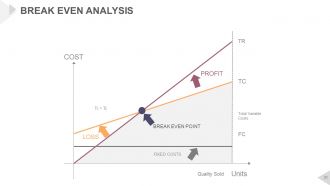
Folie 21 : Diese Folie zeigt das Break Even Analysis-Diagramm.
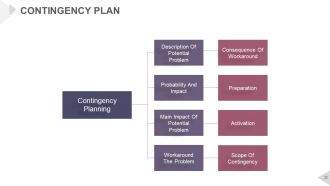
Folie 22 : Diese Folie stellt einen KONTINGENTSPLAN dar, der Folgendes umfasst: Beschreibung der potenziellen Problemwahrscheinlichkeit und der Auswirkungen Hauptauswirkungen einer potenziellen Problemumgehung Die Problemfolge der Problemumgehungsvorbereitung Aktivierungsumfang des Notfalls
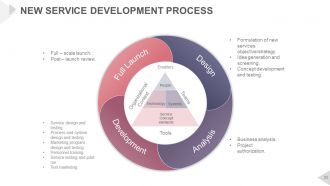
Folie 23 : Diese Folie stellt einen neuen Serviceentwicklungsprozess mit den folgenden Inhalten vor: Entwicklung: Servicedesign und -test, Prozess- und Systemdesign und -test, Marketingprogrammdesign und -test, Personalschulung, Servicetest und Pilotlauf, Testmarketing. Analyse: Geschäftsanalyse, Projektgenehmigung, Formulierung von neuen Servicezielen/Strategien, Ideengenerierung und -screening, Konzeptentwicklung und -test, Full Launch: Full-Scale Launch, Post-Launch Review. Teams, Enabler, Tools, Organisationskontext, Menschen, Servicekonzeptelemente, Systeme, Technologie, Design.
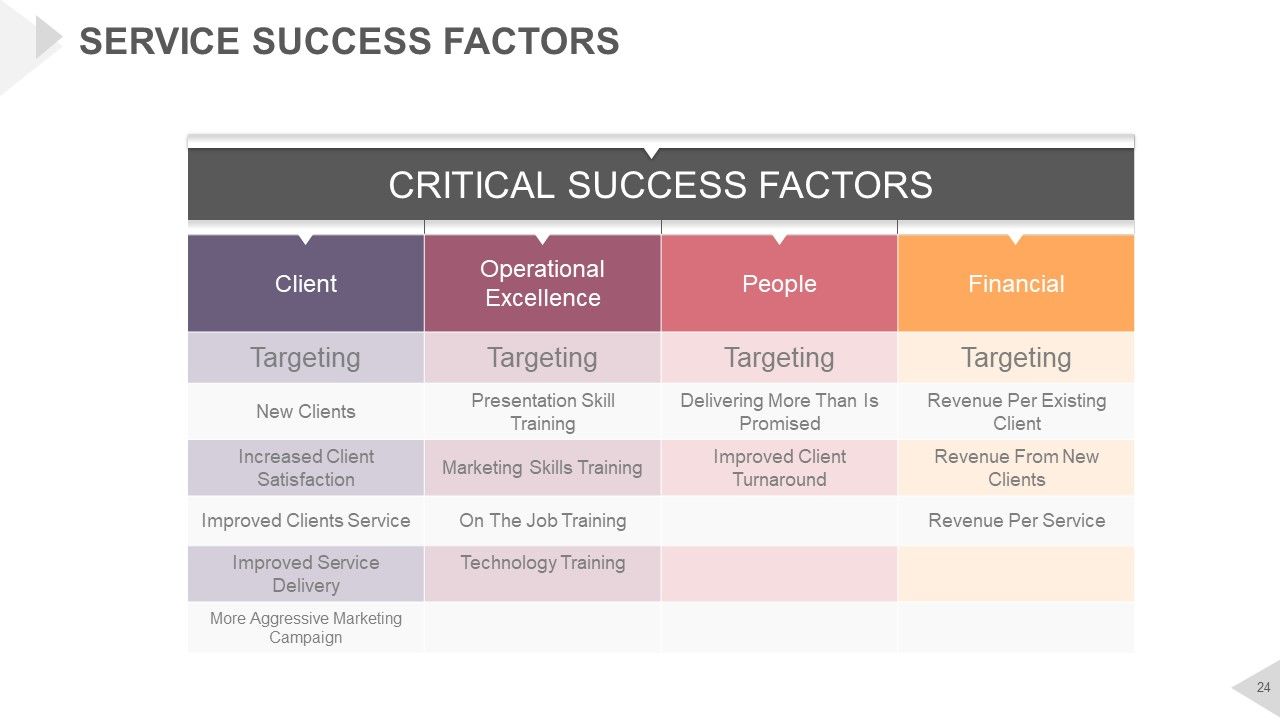
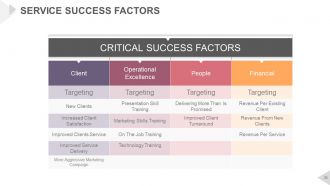
Folie 24 : Diese Folie zeigt die Service-Erfolgsfaktoren in Tabellenform.
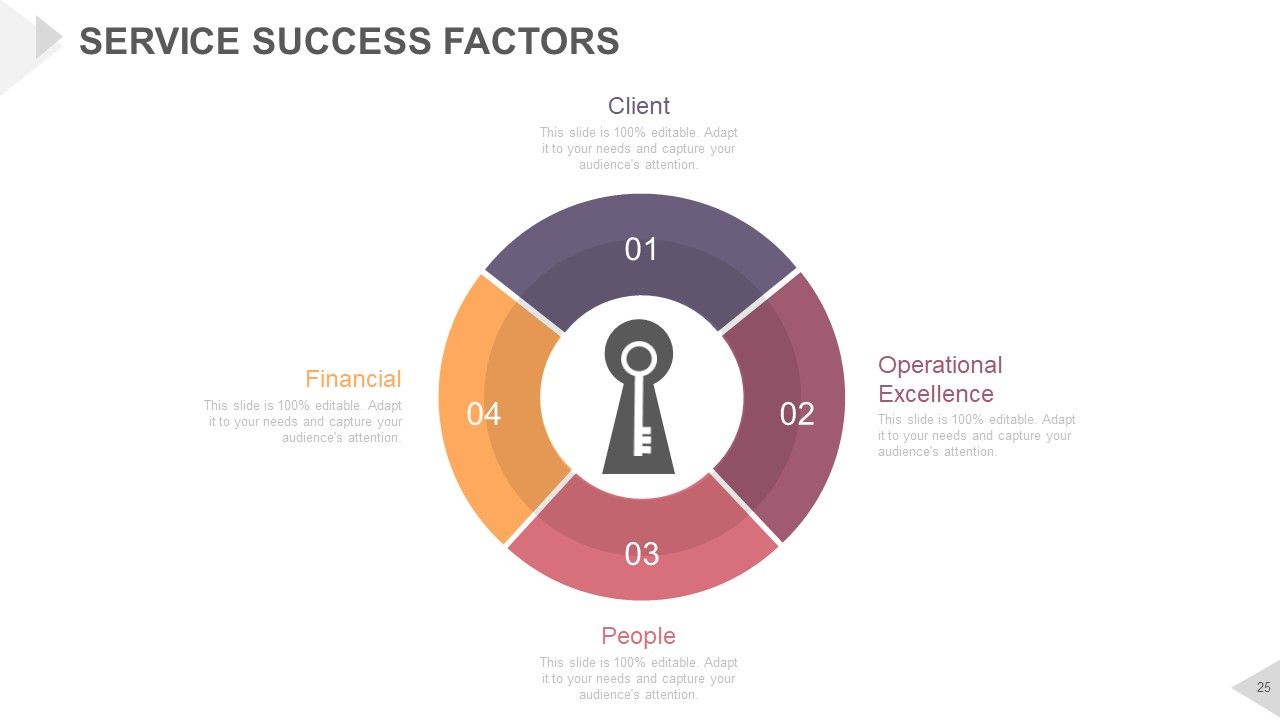
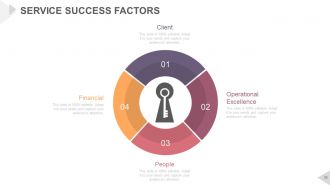
Folie 25 : Diese Folie zeigt Service-Erfolgsfaktoren mit Kunden, operativer Exzellenz, Finanzen und Mitarbeitern.
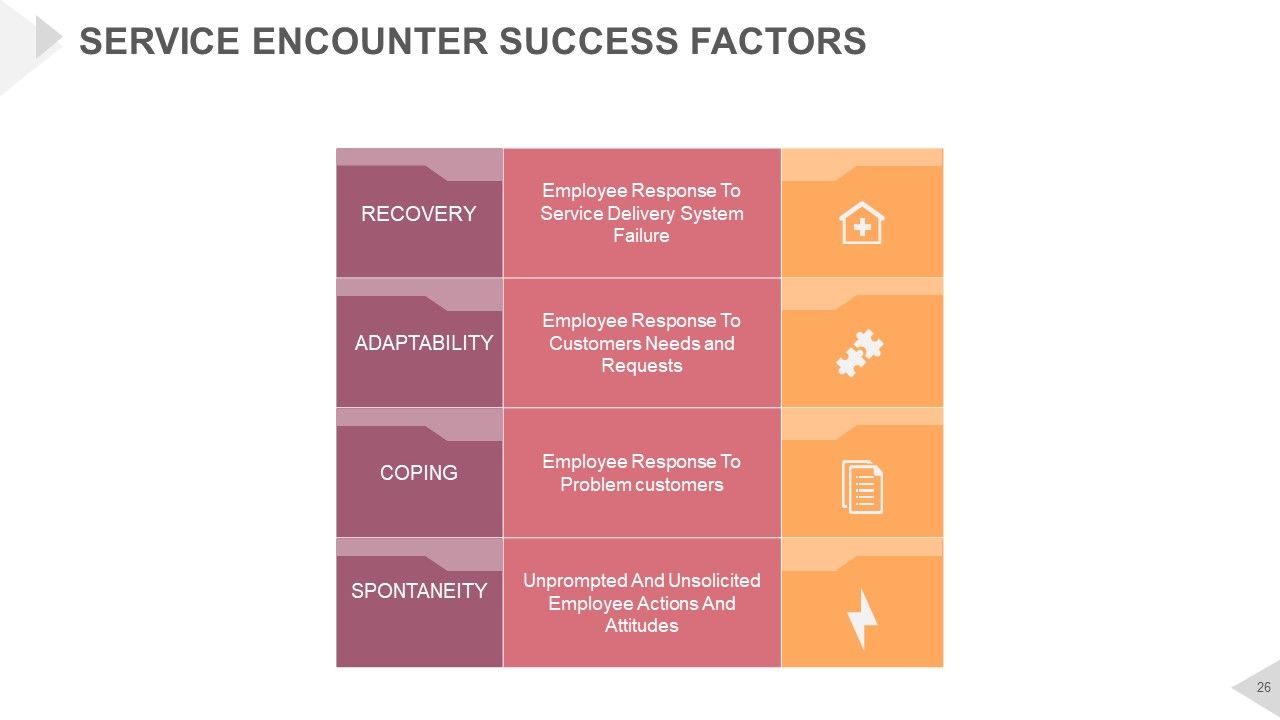
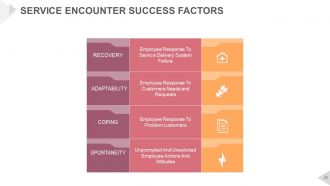
Folie 26 : Diese Folie zeigt die Erfolgsfaktoren von Service-Begegnungen in Tabellenform.
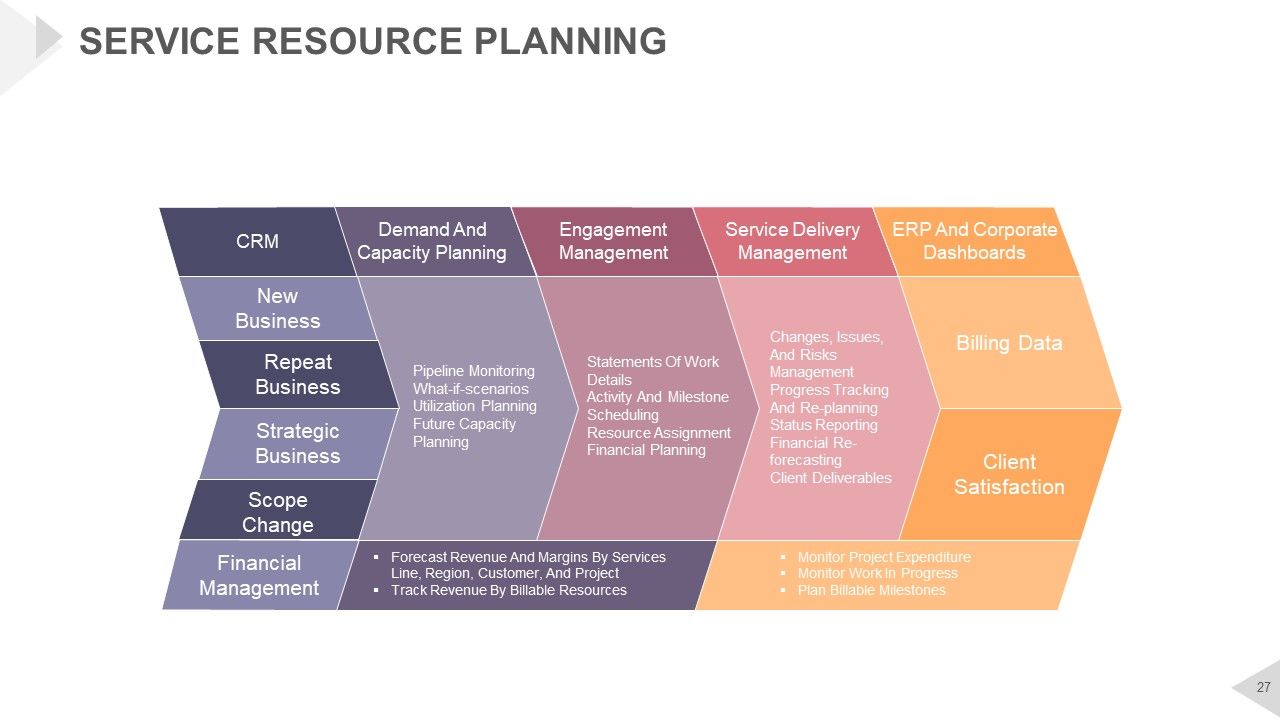
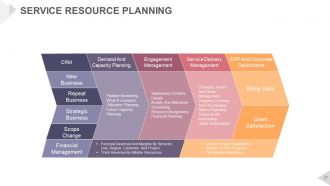
Folie 27 : Diese Folie zeigt Serviceressourcenplanung mit CRM, Bedarfs- und Kapazitätsplanung, Engagement-Management, Servicebereitstellungs-Management, ERP- und Unternehmens-Dashboards, Pipeline-Überwachung, Was-wäre-wenn-Szenarien, Auslastungsplanung, zukünftige Kapazitätsplanung, Leistungsbeschreibungen , Aktivitäts- und Meilensteinplanung, Ressourcenzuweisung, Finanzplanung, Änderungs-, Problem- und Risikomanagement, Fortschrittsverfolgung und Neuplanung, Statusberichterstattung, Finanzielle Neuprognose, Kundenleistungen, Rechnungsdaten, Kundenzufriedenheit, Neugeschäft, Wiederholungsgeschäfte, Umfangsänderung, strategisches Geschäft, Finanzmanagement, Projektausgaben überwachen, laufende Arbeiten überwachen, abrechenbare Meilensteine planen, Einnahmen und Margen nach Servicelinie, Region, Kunde und Projekt prognostizieren und Einnahmen nach abrechenbaren Ressourcen nachverfolgen.
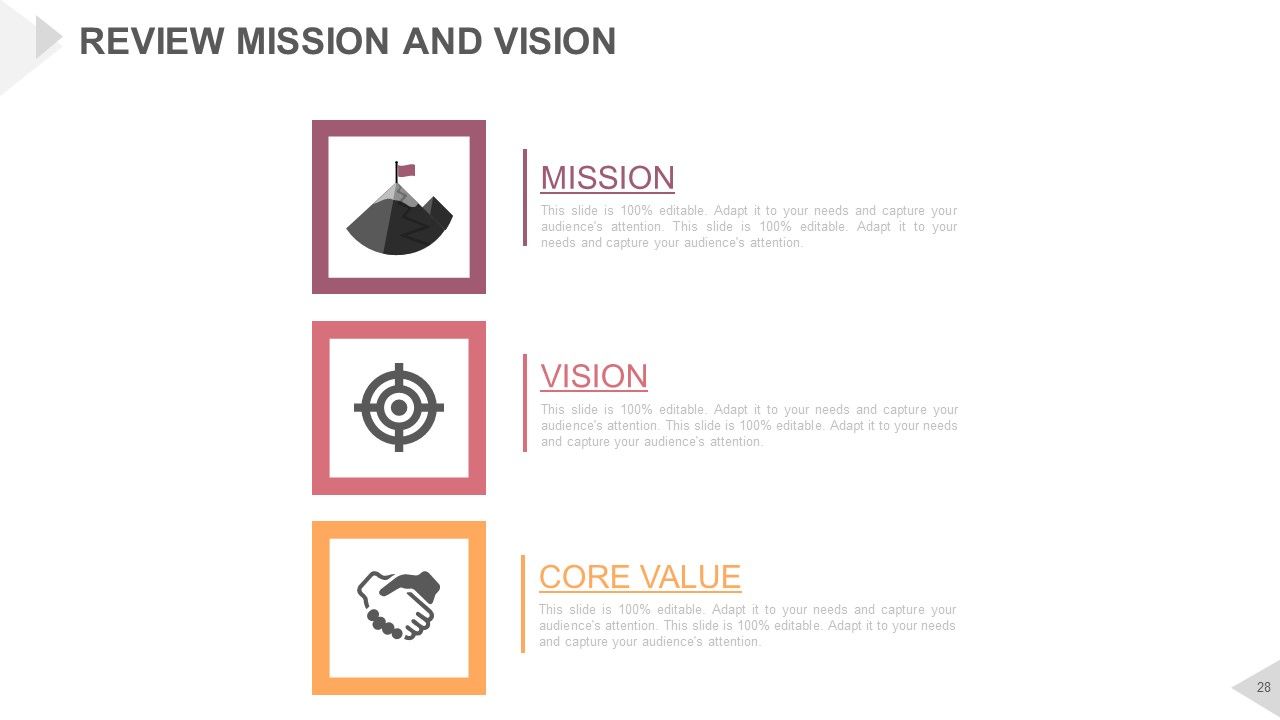
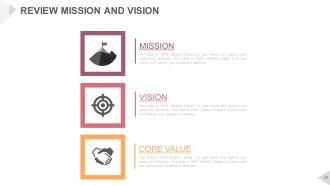
Folie 28 : Diese Folie stellt die Mission und Vision von Review vor. Überprüfen Sie sie hier.
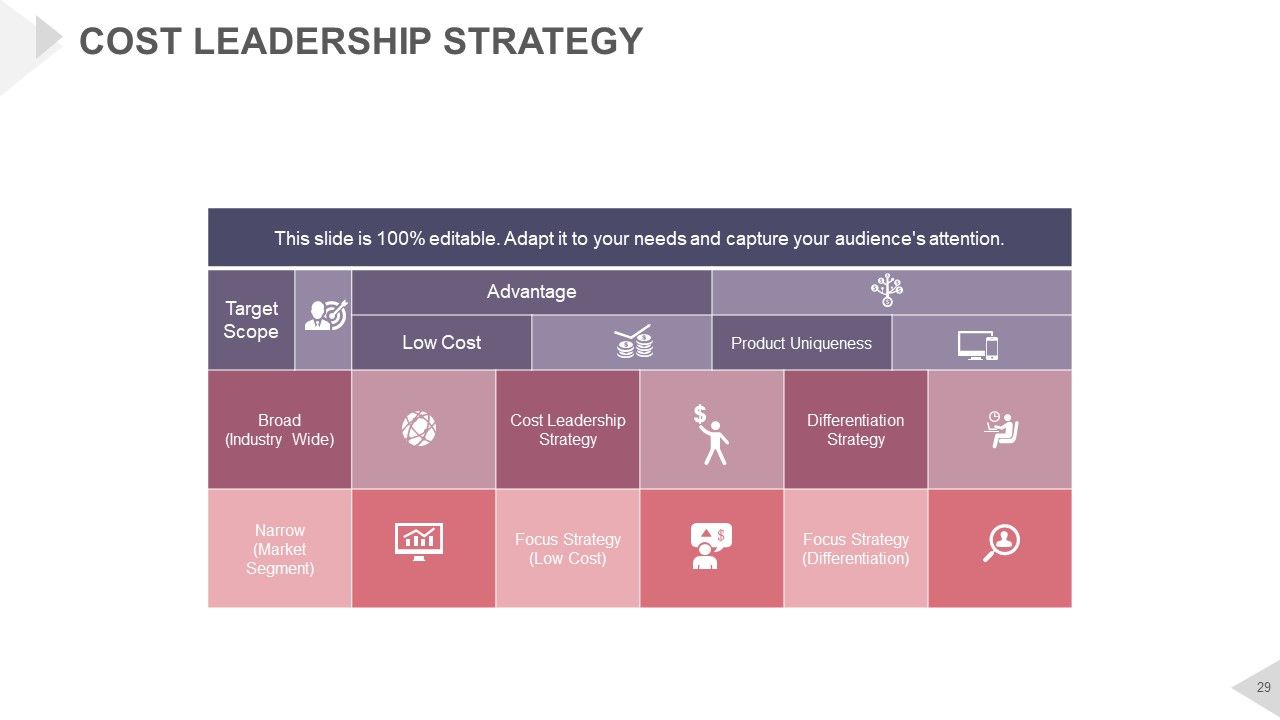
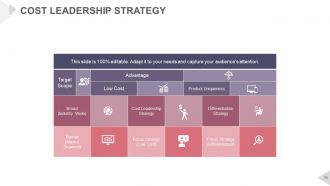
Folie 29 : Diese Folie präsentiert die Kostenführerschaftsstrategie in Blöcken.
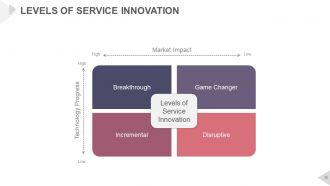
Folie 30 : Diese Folie zeigt die Ebenen der Serviceinnovation in Matrixform, bestehend aus: Durchbruch, disruptiv, inkrementell, bahnbrechend in Bezug auf technologischen Fortschritt, hohe niedrige Marktauswirkung.
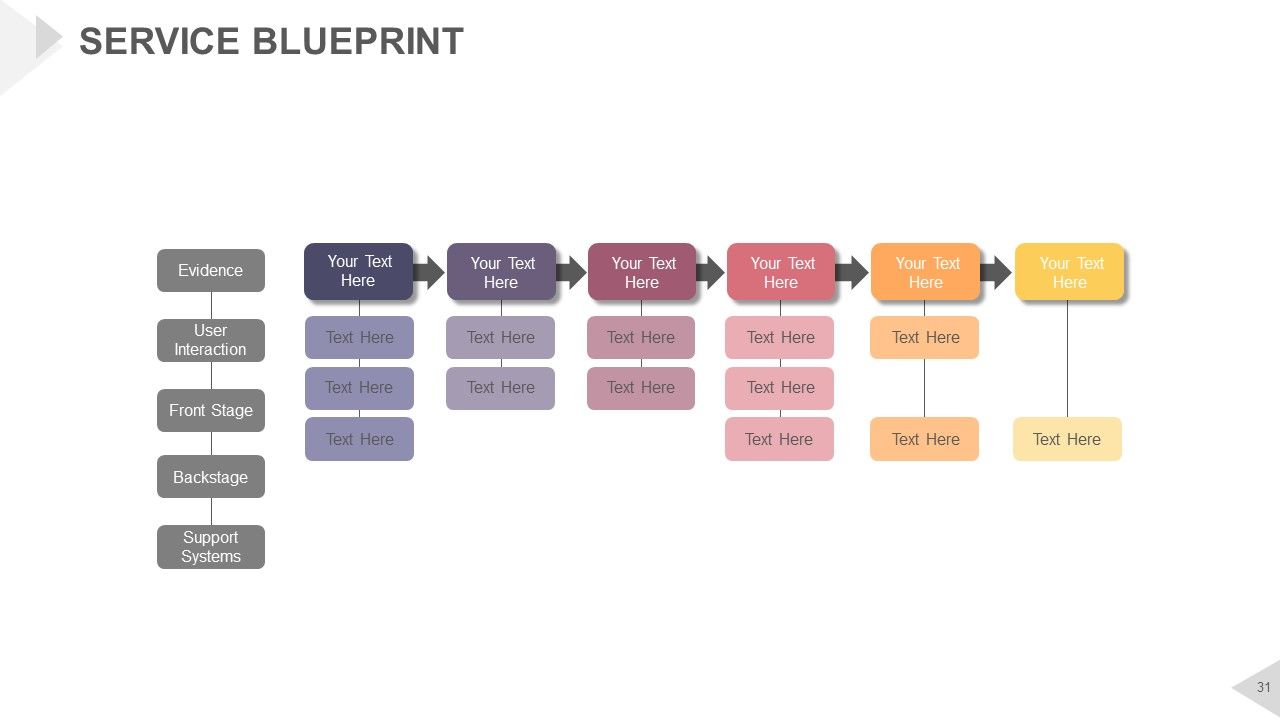
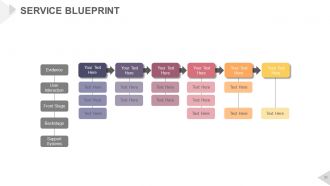
Folie 31 : Diese Folie stellt einen Service Blueprint vor, der – Beweise, Front Stage, Backstage, Support-Systeme, Benutzerinteraktion enthält
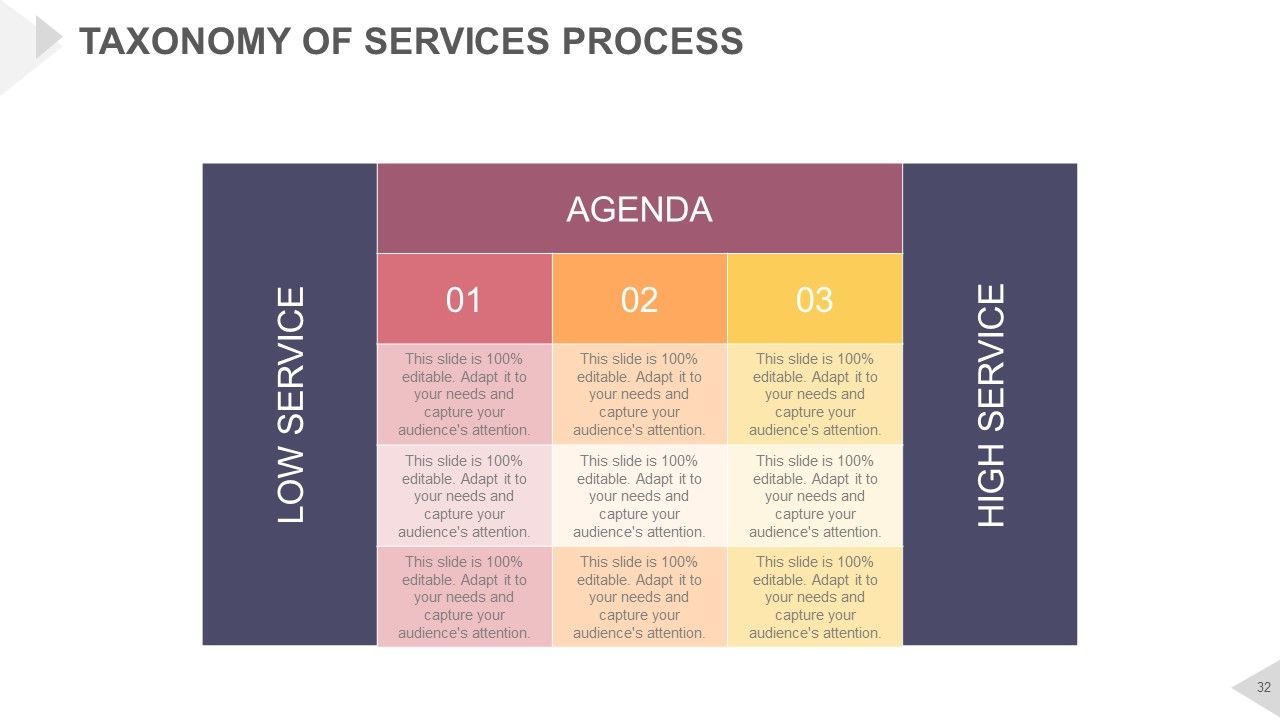
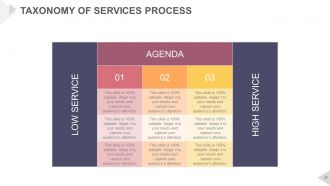
Folie 32 : Diese Folie zeigt die Taxonomie des Serviceprozesses mit niedrigem und hohem Service.
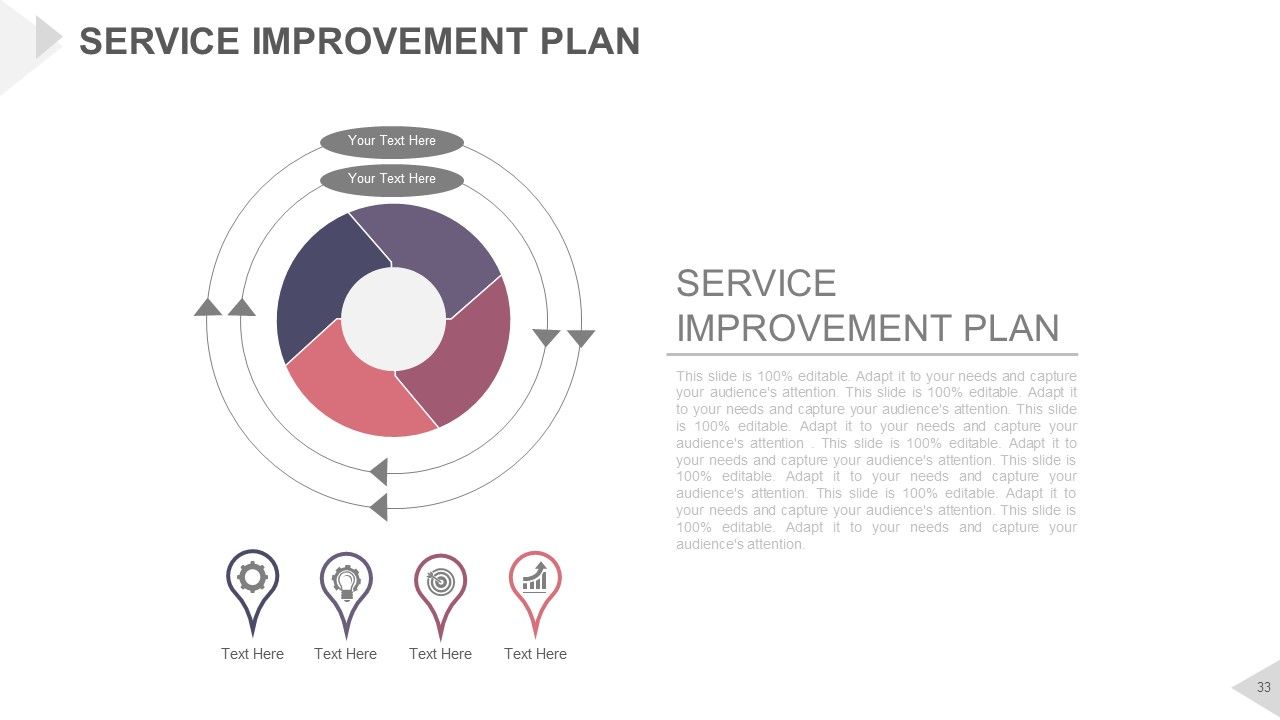
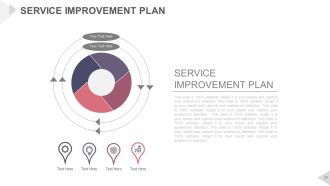
Folie 33 : Diese Folie präsentiert einen Service-Verbesserungsplan mit Bildern zur Präsentation.
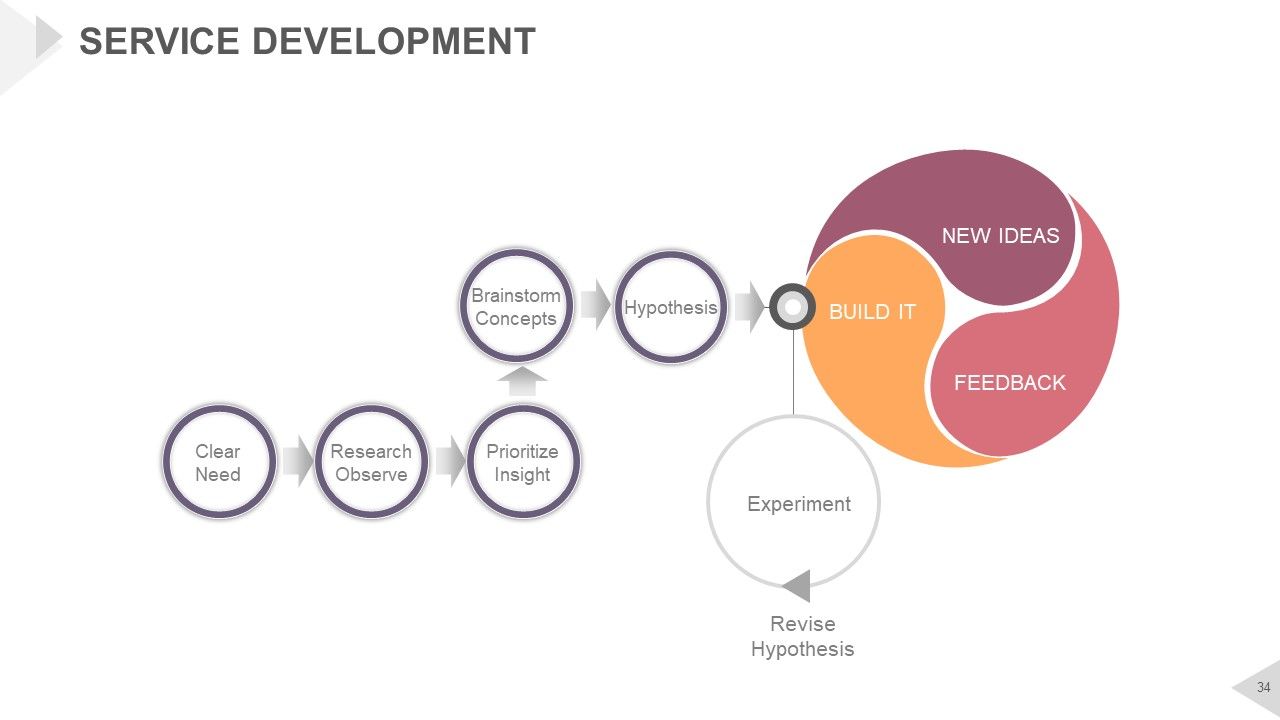
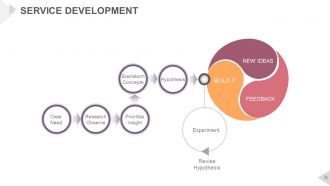
Folie 34 : Diese Folie zeigt die Serviceentwicklung mit: Bedarf klären, Forschungsbeobachtung, Einsicht priorisieren, Ideen entwickeln, Hypothesen, neue Ideen, Feedback, Entwicklung, Experiment, Hypothese überarbeiten.
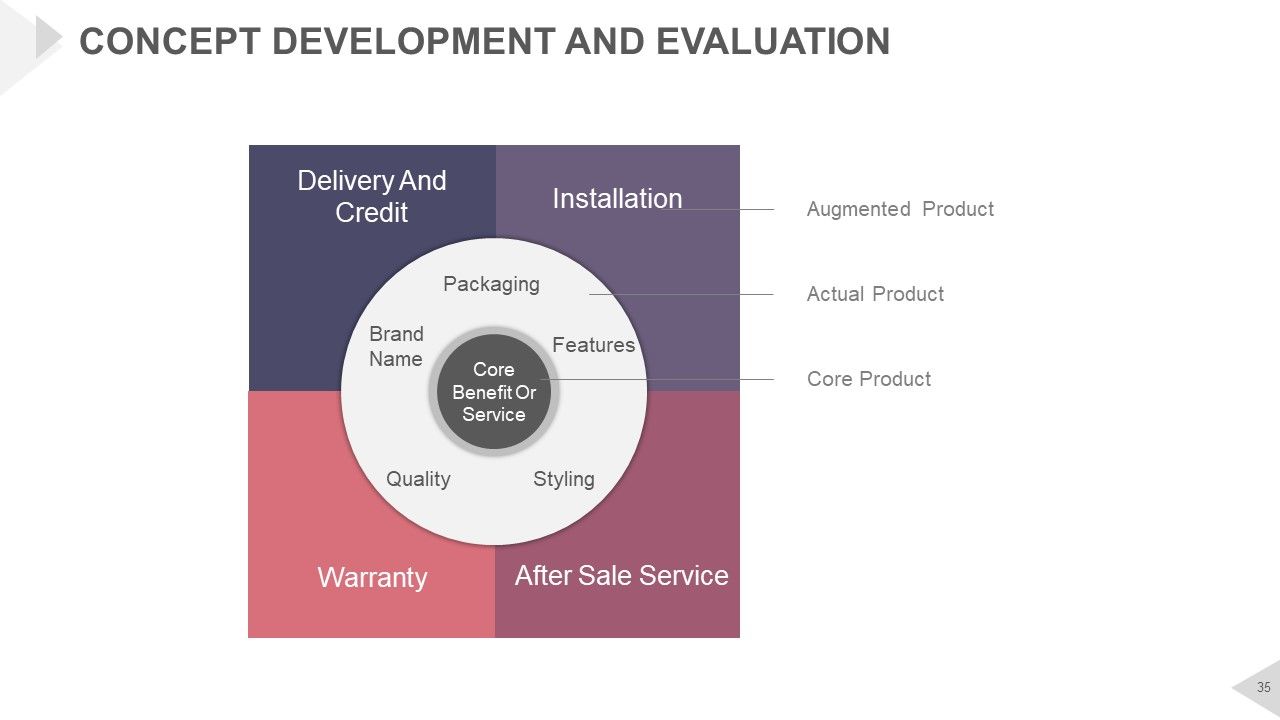
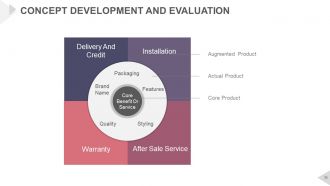
Folie 35 : Diese Folie zeigt Konzeptentwicklung und Bewertung mit Garantie, Kundendienst, Installation, Lieferung und Gutschrift, Markenname, Qualität, Verpackung, Funktionen, Styling, Hauptnutzen oder Service, erweitertes Produkt, tatsächliches Produkt, Hauptprodukt.
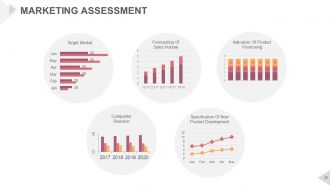
Folie 36 : Diese Folie präsentiert Marketingbewertungsdiagramme zum Zielmarkt, Prognosen des Verkaufsvolumens, Angabe der Produktpositionierung, Reaktion der Konkurrenz, Spezifikation der Entwicklung neuer Produkte.
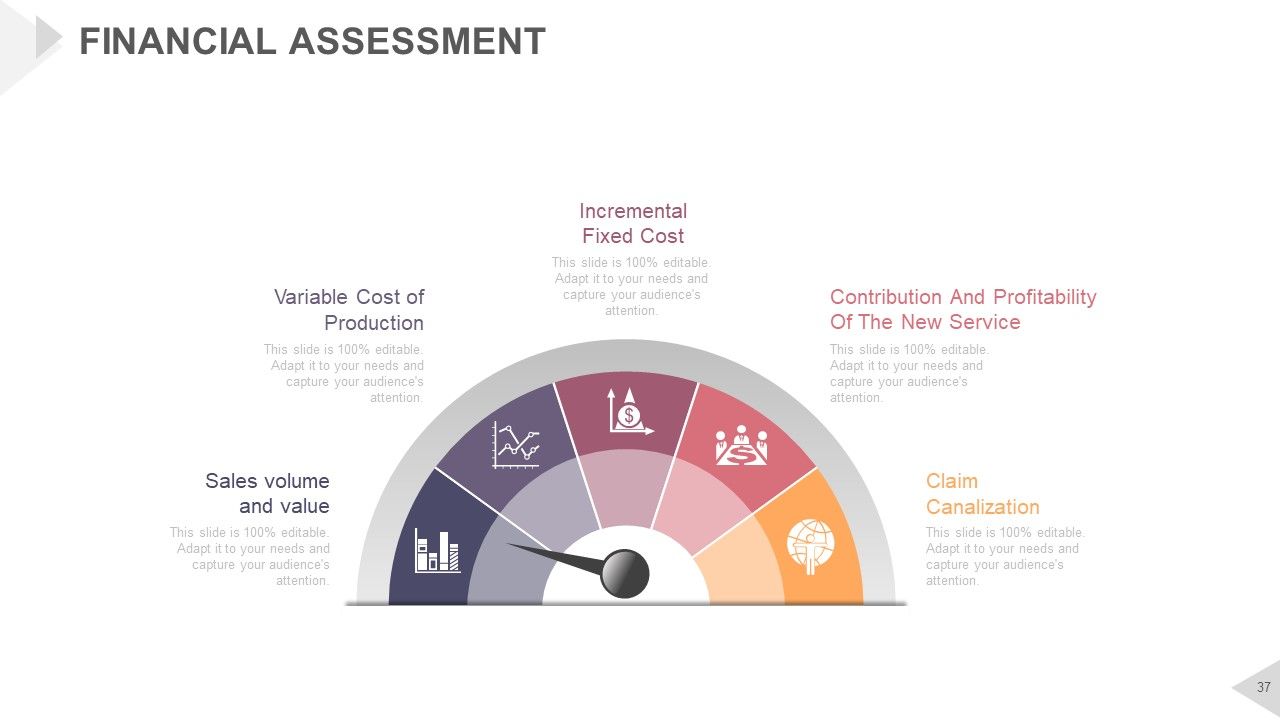
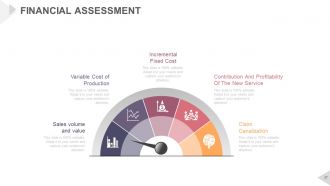
Folie 37 : Diese Folie zeigt die finanzielle Bewertung, die Folgendes umfasst: Anspruchskanalisierung, variable Produktionskosten, Verkaufsvolumen und -wert, inkrementelle Fixkosten, Beitrag und Rentabilität des neuen Dienstes.
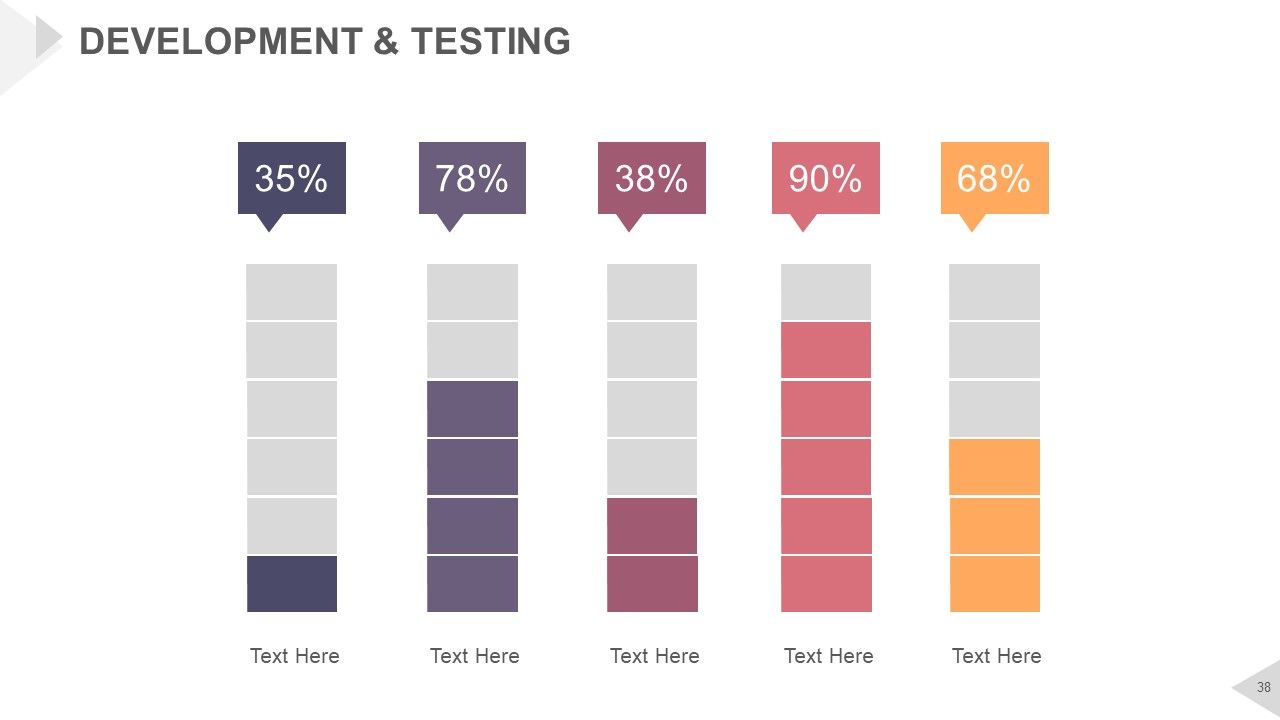
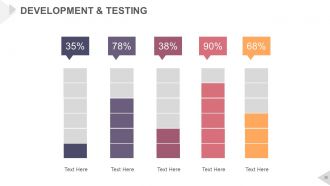
Folie 38 : Diese Folie zeigt Entwicklung und Test in einer kreativen Balkendiagrammform.
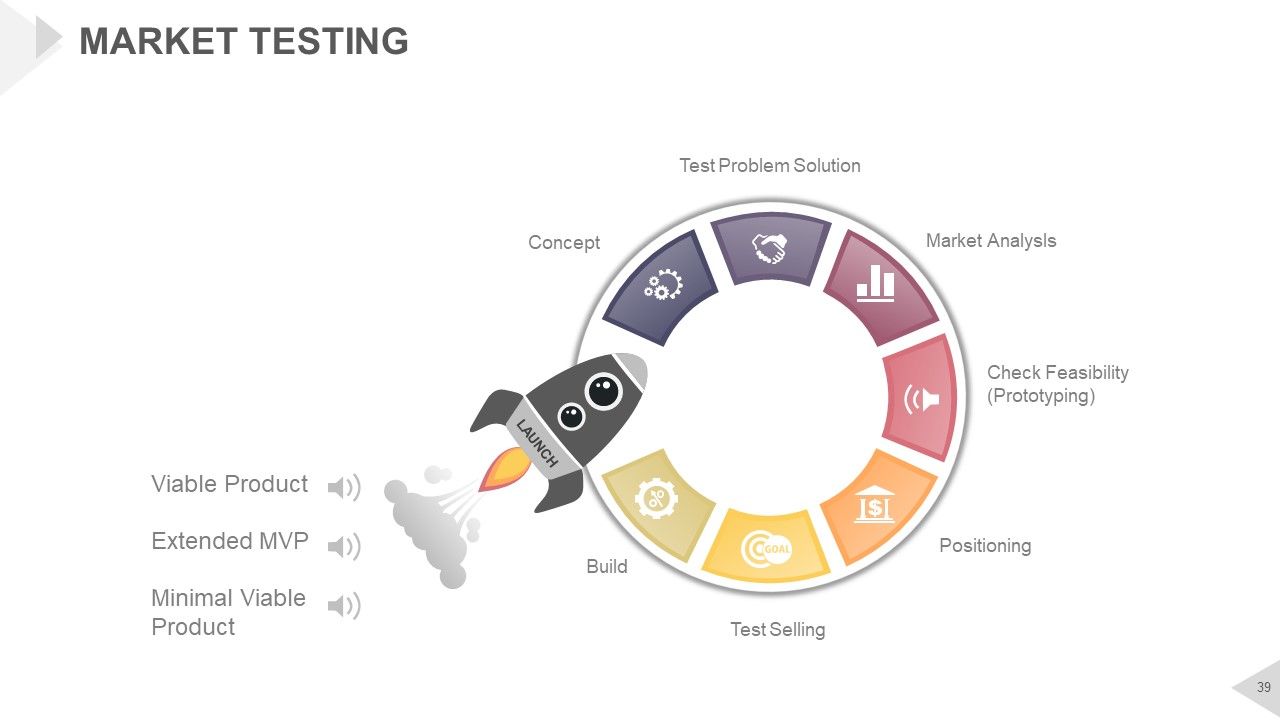
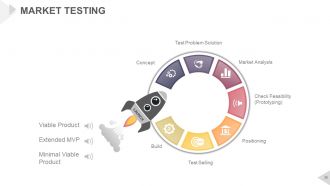
Folie 39 : Diese Folie zeigt Markttests mit den folgenden Inhalten - Viable Product, Extended MVP, Minimal Viable Product, Concept, Test Problem Solution, Market Analysis, Check Machbarkeit, (Prototyping), Positionierung, Test Selling, Build, LAUNCH.
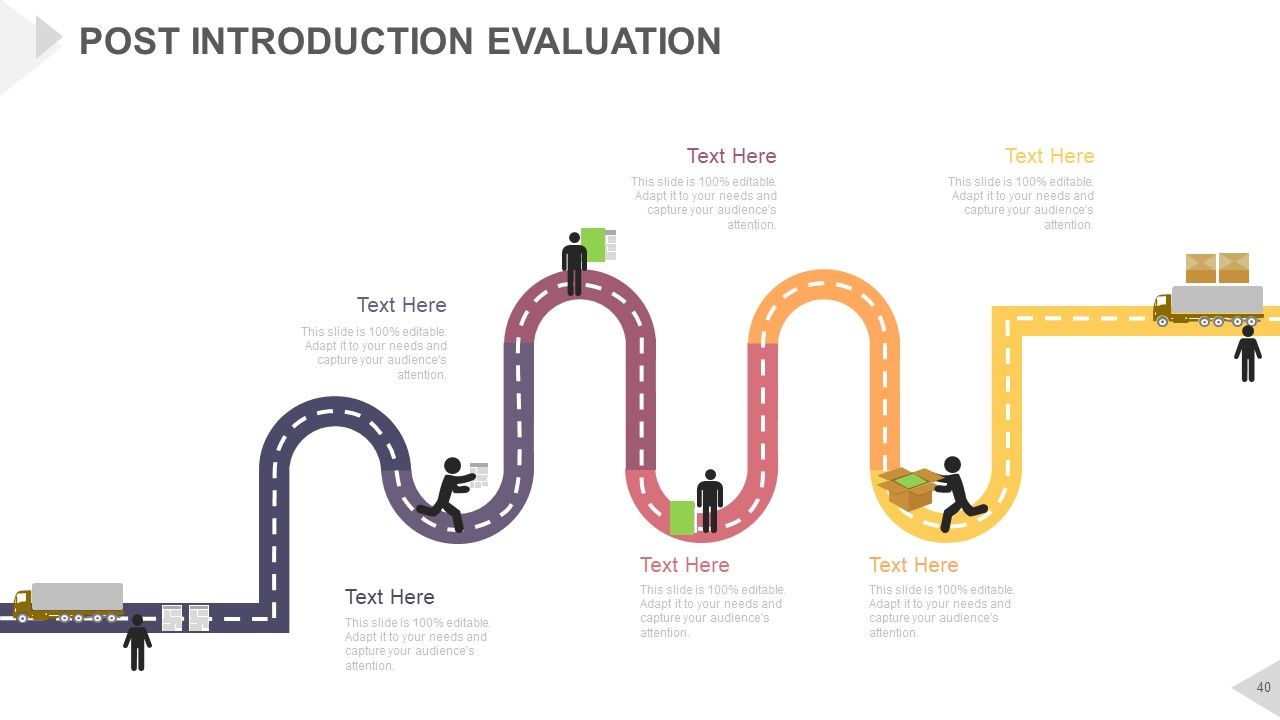
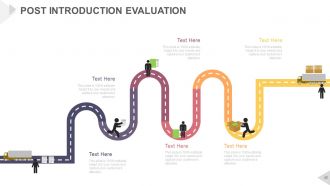
Folie 40 : Diese Folie zeigt die Bewertung nach der Einführung in Form einer Roadmap.
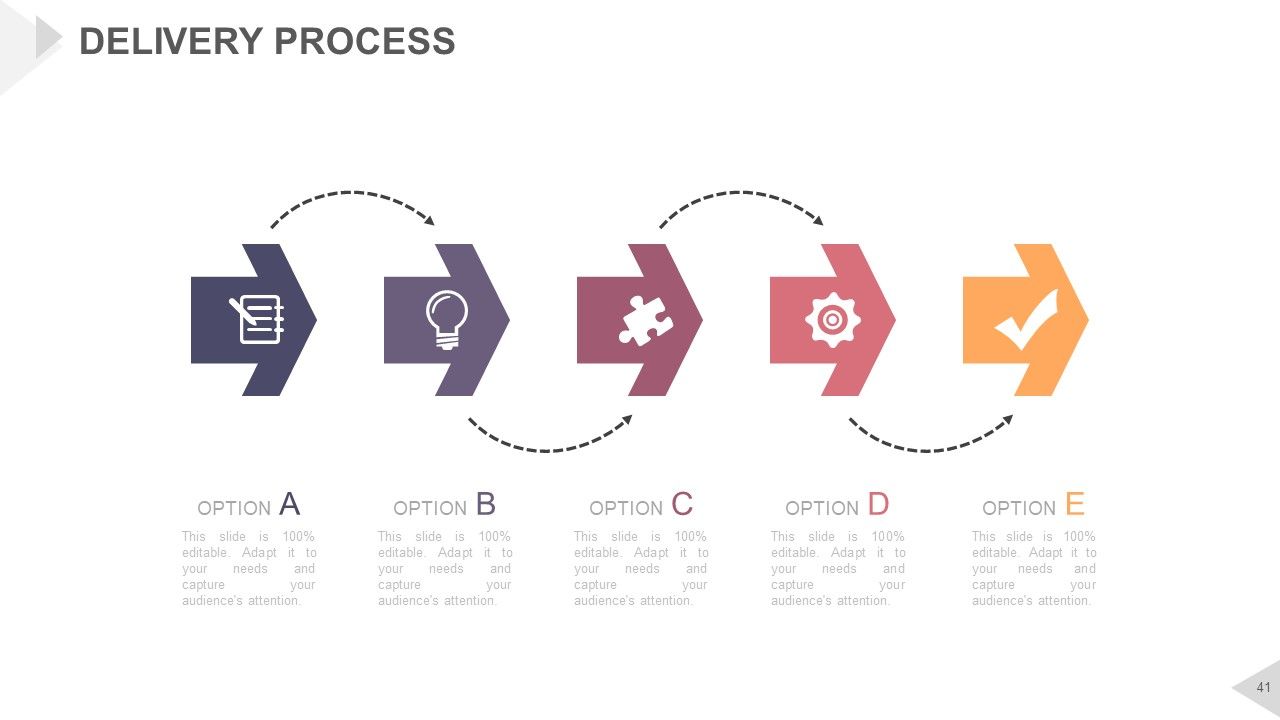
Folie 41 : Diese Folie zeigt den Lieferprozess in kreativen Pfeil- und Symbolbildern.
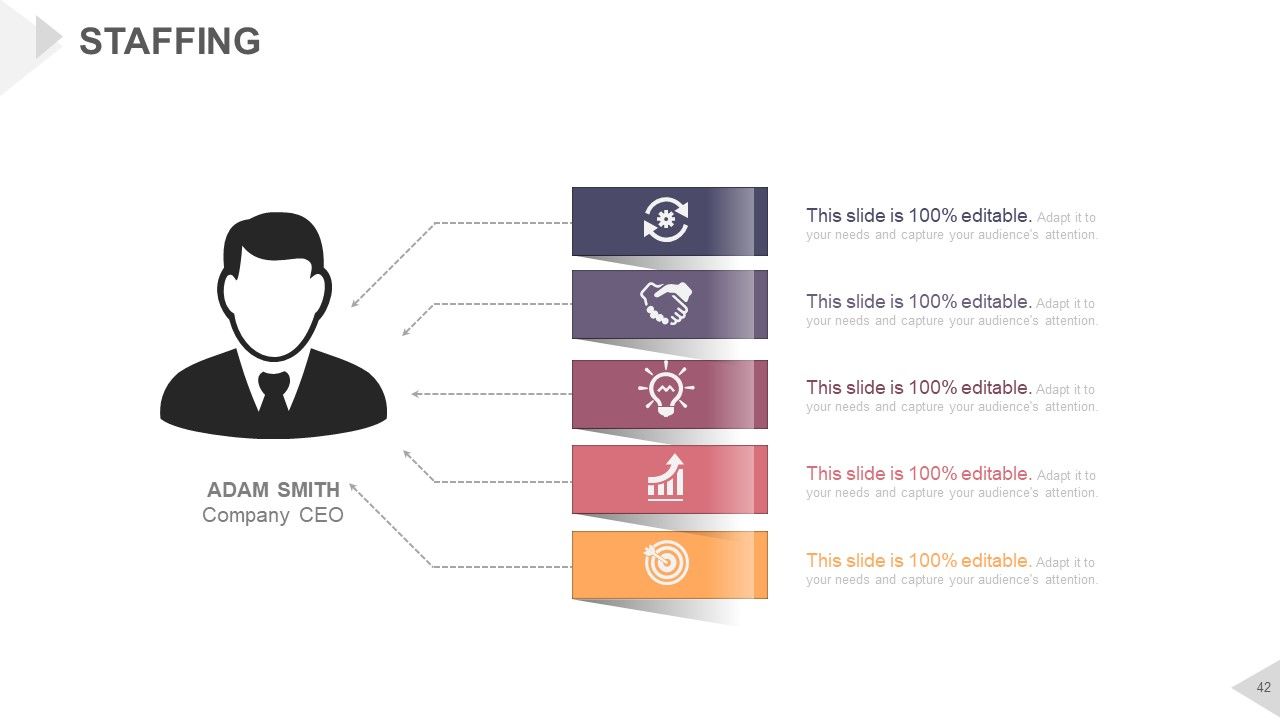
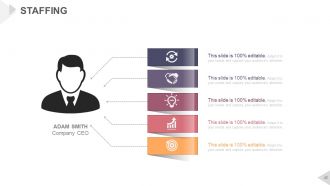
Folie 42 : Dies ist eine Stellenbesetzungsfolie. Präsentieren Sie Mitglieder, Mitarbeiter auf kreative Weise.
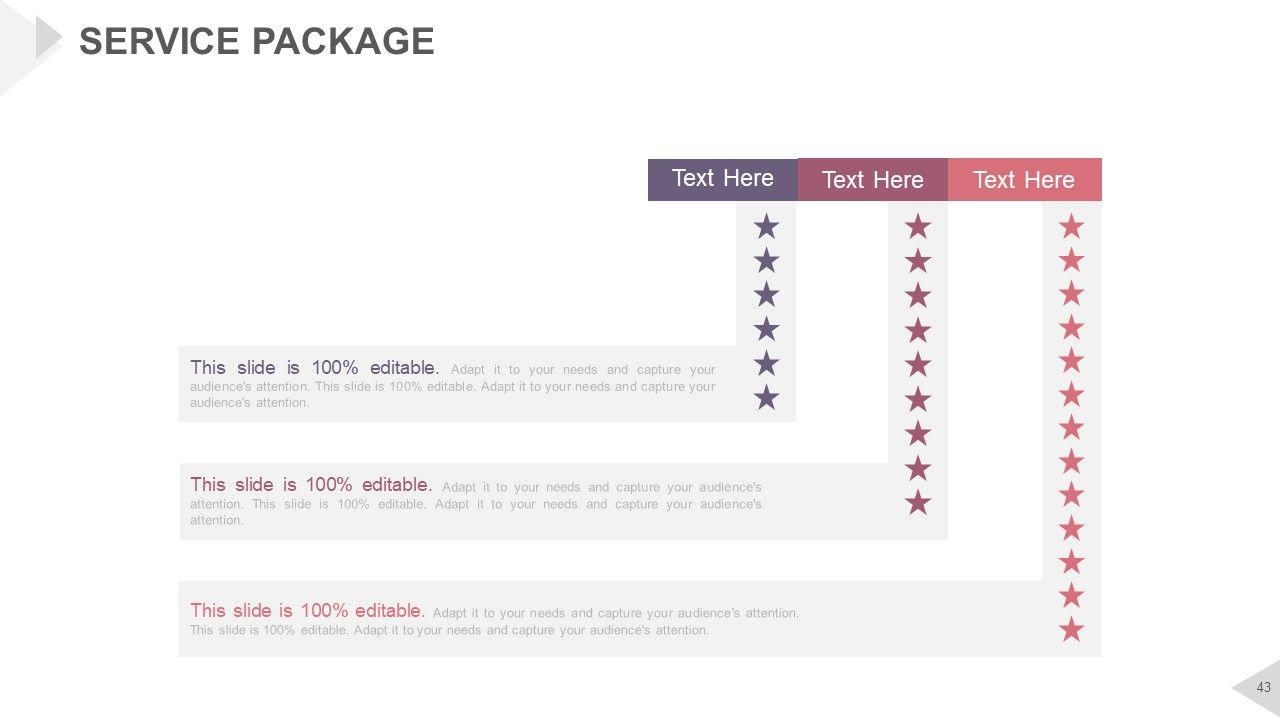
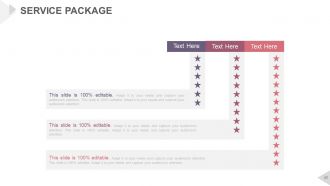
Folie 43 : Diese Folie zeigt eine Servicepakettabelle.
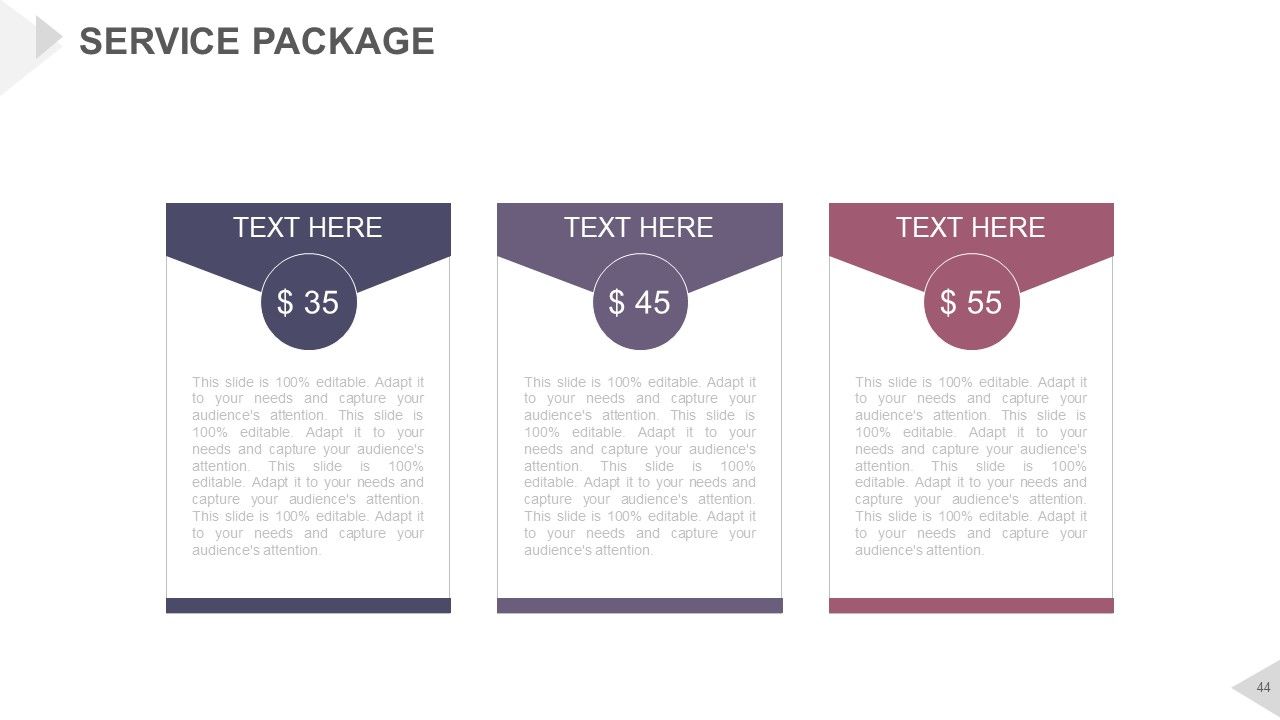
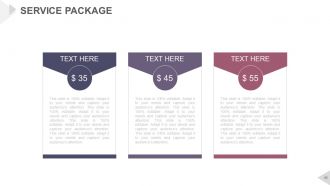
Folie 44 : Diese Folie zeigt eine weitere Servicepaket-Tabelle.
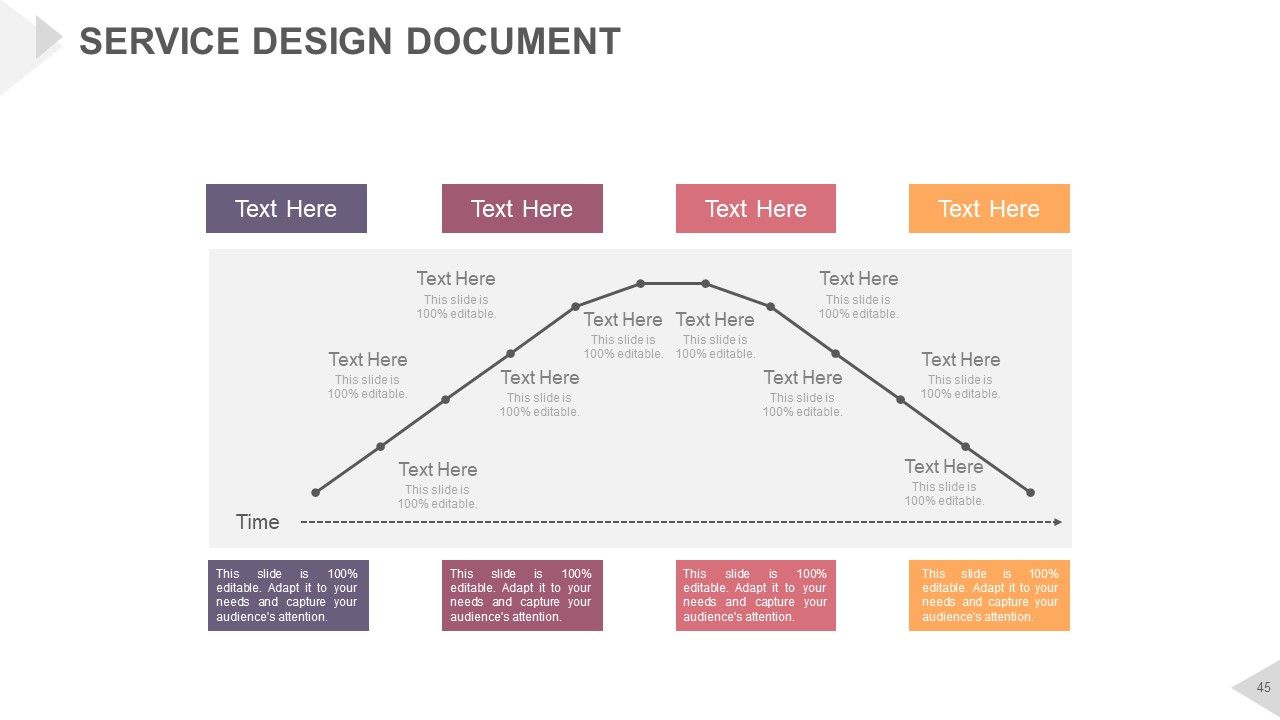
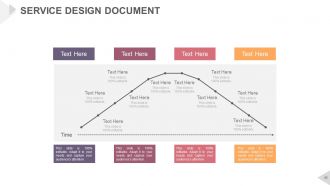
Folie 45 : Diese Folie zeigt das Diagramm des Service-Design-Dokuments.
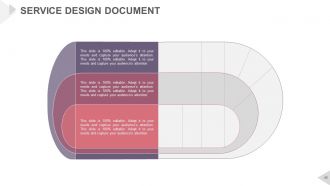
Folie 46 : Diese Folie zeigt das Service-Design-Dokument.
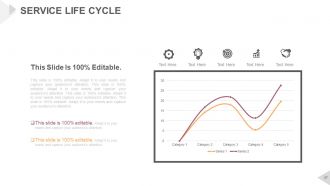
Folie 47 : Diese Folie zeigt das Diagramm zum Servicelebenszyklus.
Folie 48 : Dies ist eine Geschäftszitate-Folie, um die Botschaft, Überzeugungen usw. des Unternehmens zu vermitteln.
Folie 49 : Dies ist eine Dankesfolie mit Adresse# Hausnummer, Stadt, Bundesland, Kontaktnummern, E-Mail-Adresse.
Produktmarketing-Framework für Service-Launch PowerPoint-Präsentation mit Folien Gehen Sie zum Markt mit allen 49 Folien:
Erhalten Sie reichlich Applaus mit unserem Produktmarketing-Framework für Service Launch Komplettes Powerpoint-Deck mit Folien. Erhalten Sie Auszeichnungen für individuelle Brillanz.
-
Great designs, Easily Editable.
-
Professional and unique presentations.
