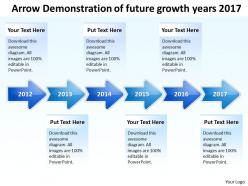
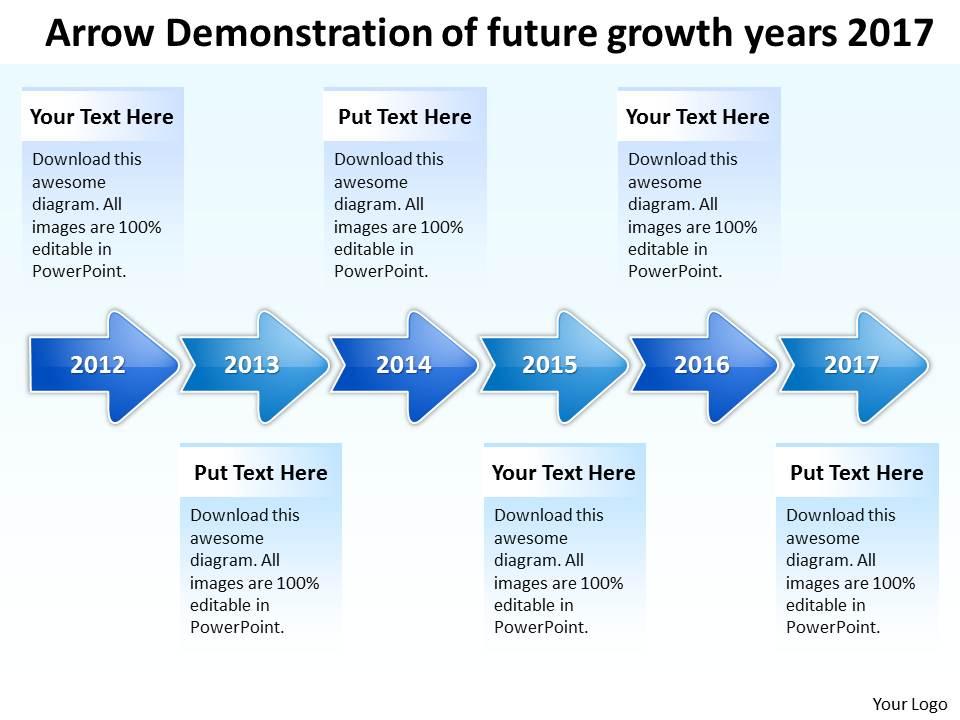
Hoja de ruta del producto Cronología Flecha Demostración de los años de crecimiento futuro Plantillas de PowerPoint 2017 Diapositivas
Try Before you Buy Download Free Sample Product
Audience
Editable
of Time
Eleve sus presentaciones al siguiente nivel. Hoja de ruta del producto Cronología Flecha Demostración de los años de crecimiento futuro 2017 Plantillas de PowerPoint Las diapositivas son fáciles de usar.
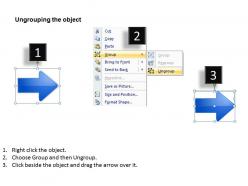
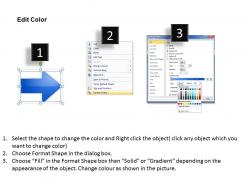
Características de estas diapositivas de presentación de PowerPoint:
Nos enorgullece presentar nuestras diapositivas de plantillas de PowerPoint de la hoja de ruta del producto, línea de tiempo, demostración de los años de crecimiento futuro 2017. El control estadístico de procesos se desarrolló como un sistema de retroalimentación que ayuda a prevenir defectos en lugar de permitir que ocurran defectos. Este gráfico también podría distinguir los dos tipos de variación entre sí, lo que permitiría eliminar las causas especiales y reducir la variación de causa común.
People who downloaded this PowerPoint presentation also viewed the following :
Hoja de ruta del producto Línea de tiempo Flecha Demostración de los años de crecimiento futuro 2017 Plantillas de PowerPoint Diapositivas con las 5 diapositivas:
Demasiado preocupado por su próxima presentación. Nuestro producto Hoja de ruta Cronología Flecha Demostración de crecimiento futuro Años 2017 Plantillas de PowerPoint Las diapositivas le permiten preocuparse por cosas más importantes que el diseño.
FAQs for Product roadmap timeline arrow demonstration of future growth years 2017
Key components include strategic objectives, feature releases, development milestones, resource allocation timelines, and stakeholder dependencies. These elements work together by aligning cross-functional teams, setting realistic expectations, and providing clear visibility into product evolution, with many organizations finding that comprehensive roadmaps streamline decision-making and enhance strategic planning effectiveness.
**INPUT**: How do you determine the ideal time frame for your product roadmap? **OUTPUT**: Determining ideal product roadmap timeframes involves balancing market dynamics, development complexity, resource availability, and strategic objectives while considering customer feedback cycles. Most organizations find that quarterly sprints with annual strategic horizons work effectively, though rapidly evolving sectors like fintech and healthcare often require more flexible approaches, ultimately enabling faster pivots and competitive responsiveness. [Word count: 55 words]
Best practices for prioritizing features include customer impact analysis, business value assessment, technical feasibility evaluation, competitive differentiation potential, and resource allocation considerations. These strategic approaches enable product teams to balance user needs with business objectives, market demands, and development constraints, with many organizations finding that data-driven prioritization frameworks ultimately deliver faster market response and stronger competitive positioning.
Visual elements enhance product roadmap timeline clarity by incorporating color coding for different feature categories, progress indicators showing completion status, and milestone markers highlighting key deliverables and deadlines. These design components streamline stakeholder communication, enable quick status assessments across development phases, and facilitate better resource allocation decisions, with many product teams finding that visual roadmaps significantly improve cross-functional alignment and strategic planning efficiency.
**INPUT**: What tools and software are most effective for creating a product roadmap timeline? **OUTPUT**: Effective product roadmap timeline tools include Aha!, ProductPlan, Roadmunk, Monday.com, and Asana, each offering strategic planning and visualization capabilities. These platforms streamline roadmap creation by enabling cross-team collaboration, real-time updates, and stakeholder alignment, with many organizations finding that integrated timeline features ultimately enhance product strategy communication and accelerate development cycles.
Product roadmap timelines should be updated quarterly or bi-annually, with additional reviews triggered by significant market changes, customer feedback, or strategic pivots. This regular cadence enables organizations to maintain alignment with evolving business priorities, respond to competitive pressures, and incorporate stakeholder insights, while many product teams finding that consistent updates enhance cross-functional collaboration and deliver more strategic outcomes.
Stakeholder feedback serves as a critical input for prioritizing features, validating market assumptions, and ensuring product-market alignment throughout the roadmap development process. Through regular surveys, user interviews, and stakeholder meetings, product teams can identify emerging needs, refine feature specifications, and adjust timelines, ultimately delivering solutions that resonate with target audiences while maintaining competitive advantage.
Balancing short-term goals with long-term vision requires strategic milestone mapping, prioritizing initiatives that deliver immediate value while advancing broader objectives, and maintaining flexible frameworks that adapt to market changes. Through iterative planning cycles, organizations streamline resource allocation, enhance customer satisfaction with quick wins, and ultimately build sustainable competitive advantage, with many companies finding that quarterly reviews enable both tactical execution and visionary progress.
**INPUT**: What metrics should you track to ensure the roadmap is on schedule? **OUTPUT**: Key metrics include milestone completion rates, sprint velocity, feature delivery timelines, resource utilization rates, and scope creep indicators. These tracking mechanisms enable product teams to identify bottlenecks, adjust resource allocation, and maintain strategic alignment, with many organizations finding that consistent metric monitoring ultimately delivers faster time-to-market and enhanced stakeholder confidence.
A product roadmap timeline supports agile development by providing strategic direction while maintaining sprint flexibility, enabling iterative planning, continuous stakeholder alignment, and adaptive prioritization based on user feedback. Through quarterly milestones and regular review cycles, development teams can pivot quickly while staying focused on long-term objectives, ultimately delivering faster feature releases and enhanced customer experiences.
Effective roadmap communication strategies include tailored messaging for each audience, regular cross-functional meetings, visual timeline tools, milestone-based updates, and consistent feedback loops. Through strategic presentation formats, teams can align priorities, track dependencies, and maintain transparency across departments, with many organizations finding that customized stakeholder dashboards and quarterly reviews ultimately deliver improved coordination and faster product delivery.
Handling market condition changes requires flexible roadmap frameworks that incorporate regular market assessment, stakeholder feedback loops, and agile prioritization mechanisms. Through quarterly reviews and real-time analytics, companies like retail chains and financial services adapt feature priorities, reallocate resources, and pivot development focus, ultimately maintaining competitive positioning while delivering relevant customer value.
Common pitfalls include overcommitting to unrealistic deadlines, failing to account for dependencies between features, underestimating development complexity, neglecting stakeholder input, and treating roadmaps as unchangeable contracts. These challenges can derail product launches across industries, with many organizations finding that building buffer time, maintaining flexibility, and conducting regular reviews ultimately delivers more predictable outcomes and sustainable development cycles.
Customer insights integrate into roadmap development through user research analysis, feedback loop implementation, behavioral data evaluation, and direct stakeholder interviews. Through systematic collection and analysis, product teams can prioritize features that address real user pain points, validate assumptions with actual usage patterns, and align development cycles with customer value expectations, ultimately delivering products that resonate with market demands and drive sustainable growth.
Linear formats work best for simple products with sequential development phases, while swimlane roadmaps excel for complex products requiring cross-functional coordination across multiple teams or product lines. Gantt charts prove most effective for products with strict timelines and dependencies, particularly in manufacturing or enterprise software, with many organizations finding that hybrid approaches combining these formats deliver enhanced visibility and strategic alignment across stakeholders.
-
Great quality slides in rapid time.
-
Great experience, I would definitely use your services further.