Plataforma completa de diapositivas PPT de gestión de producción

Rating:
100%
Production management ppt slides complete deck
Slide 1 of 86
Favourites Favourites

Try Before you Buy Download Free Sample Product

Audience Impress Your
Audience
Editable 100%
Editable
Time Save Hours
of Time
The Biggest Sale is ending soon in
0
0
:
0
0
:
0
0
Rating:
100%

Características de estas diapositivas de presentación de PowerPoint:

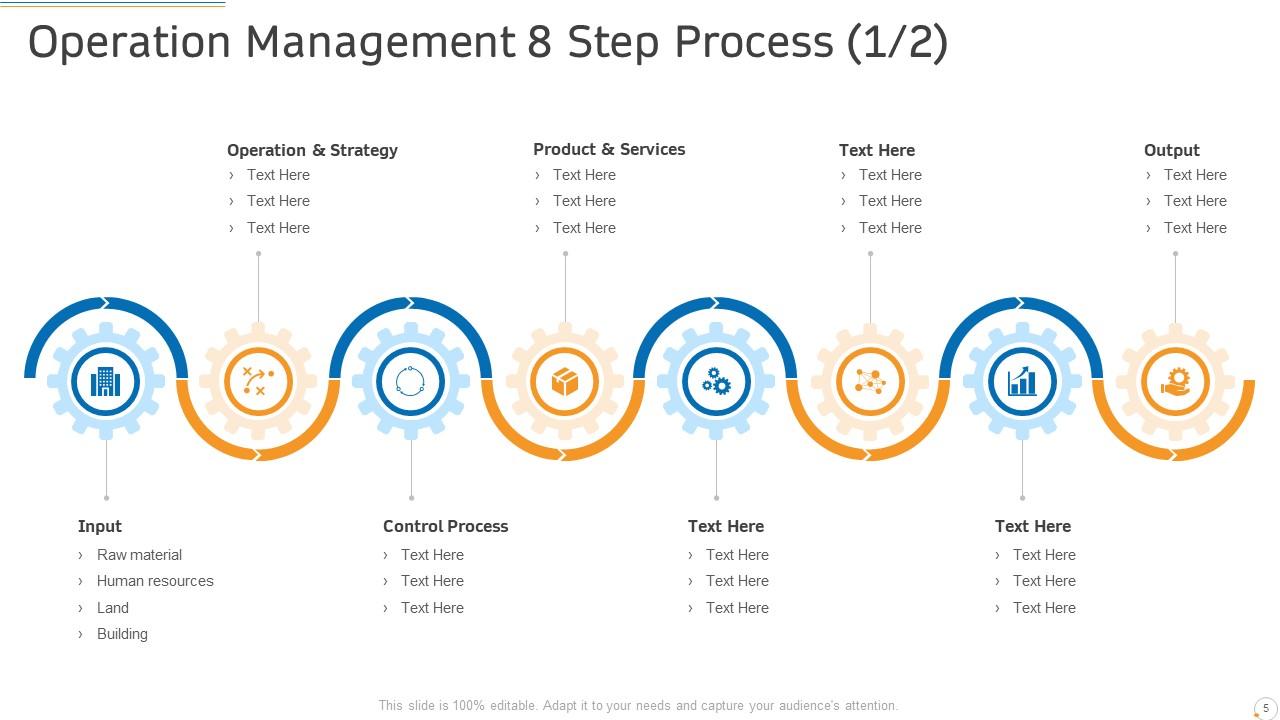
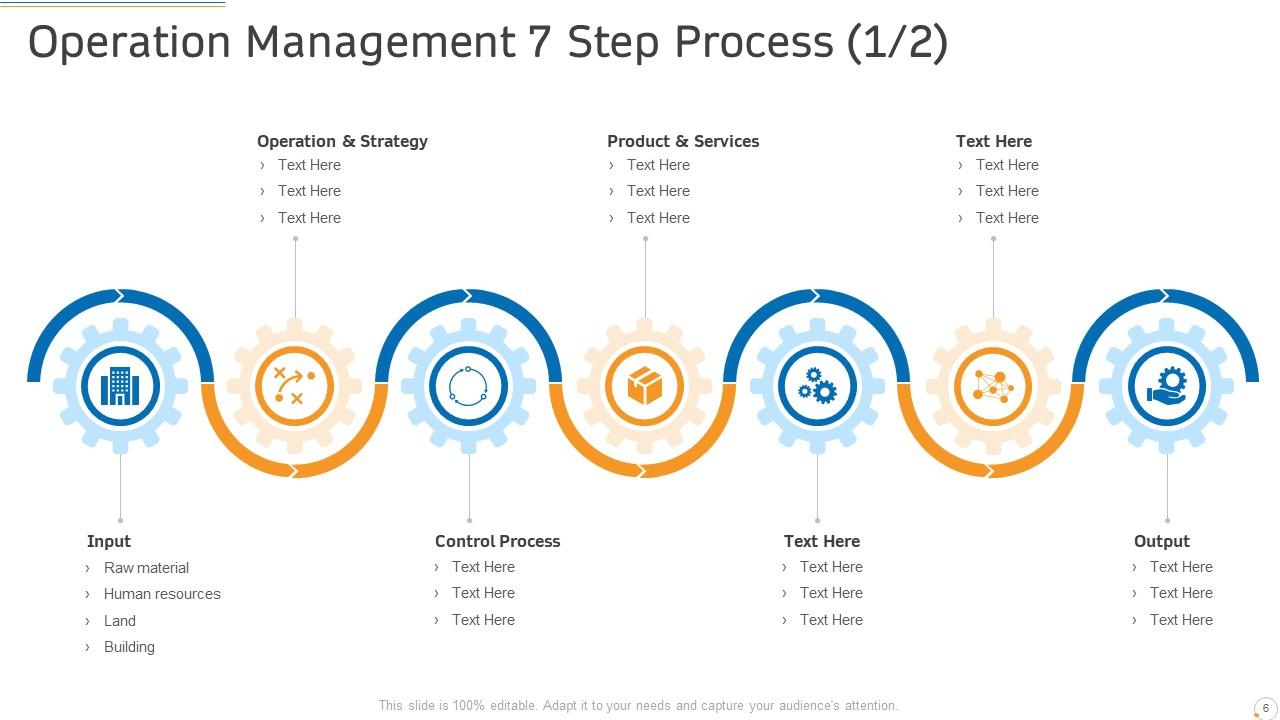
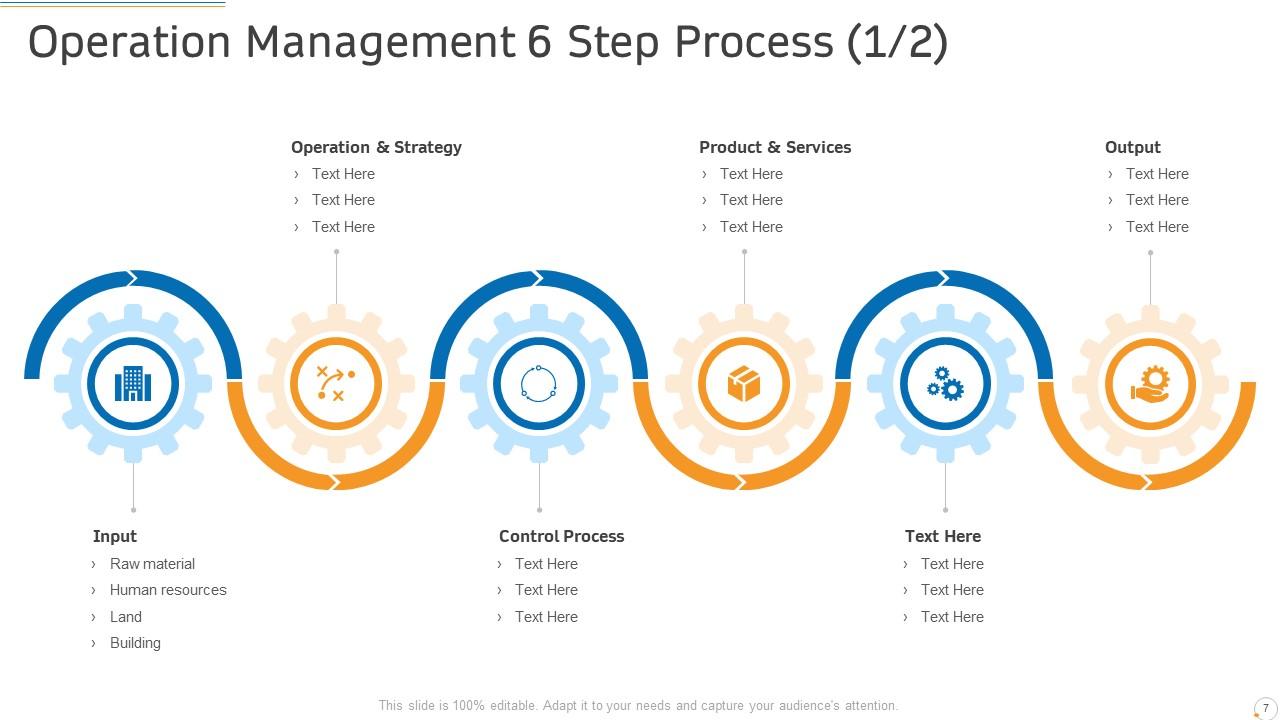
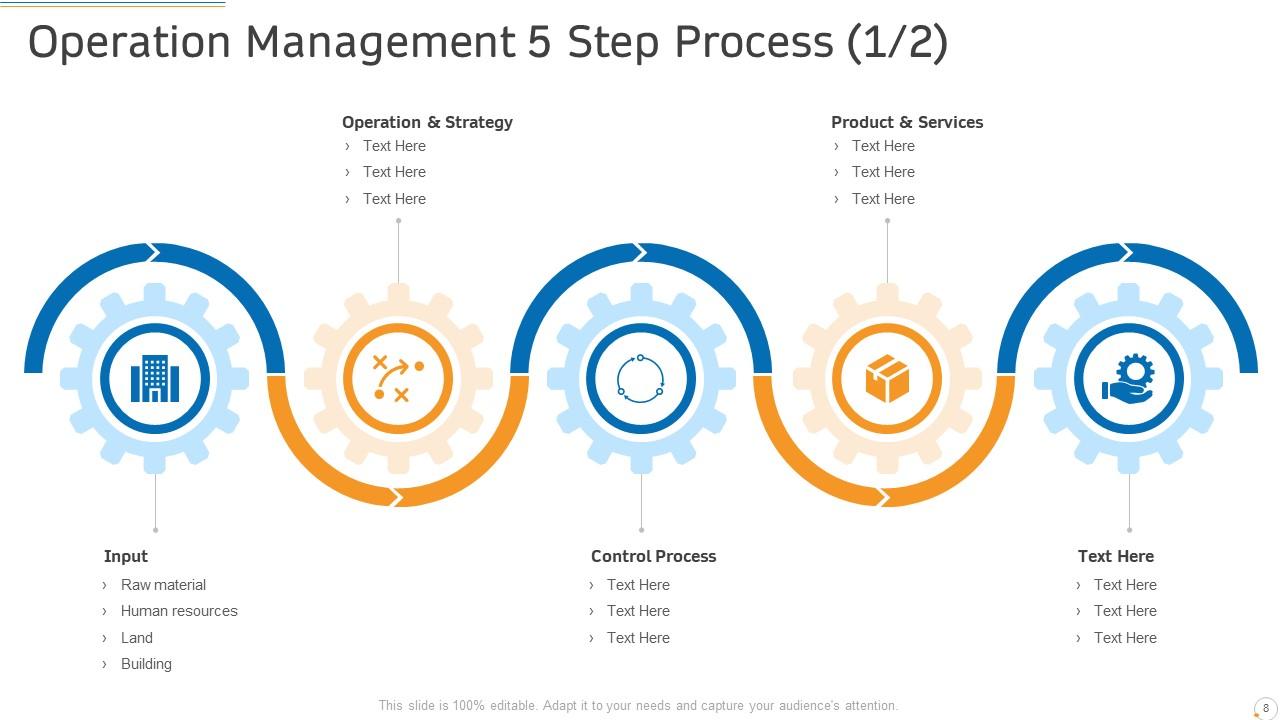
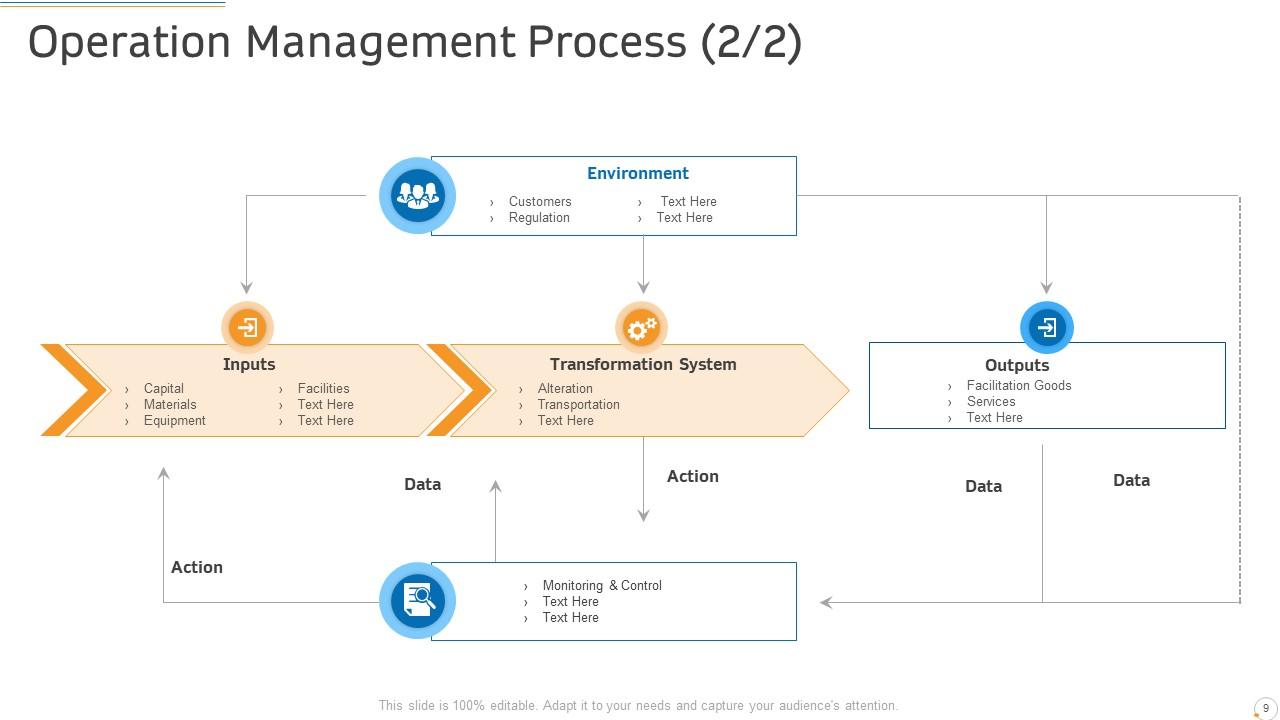
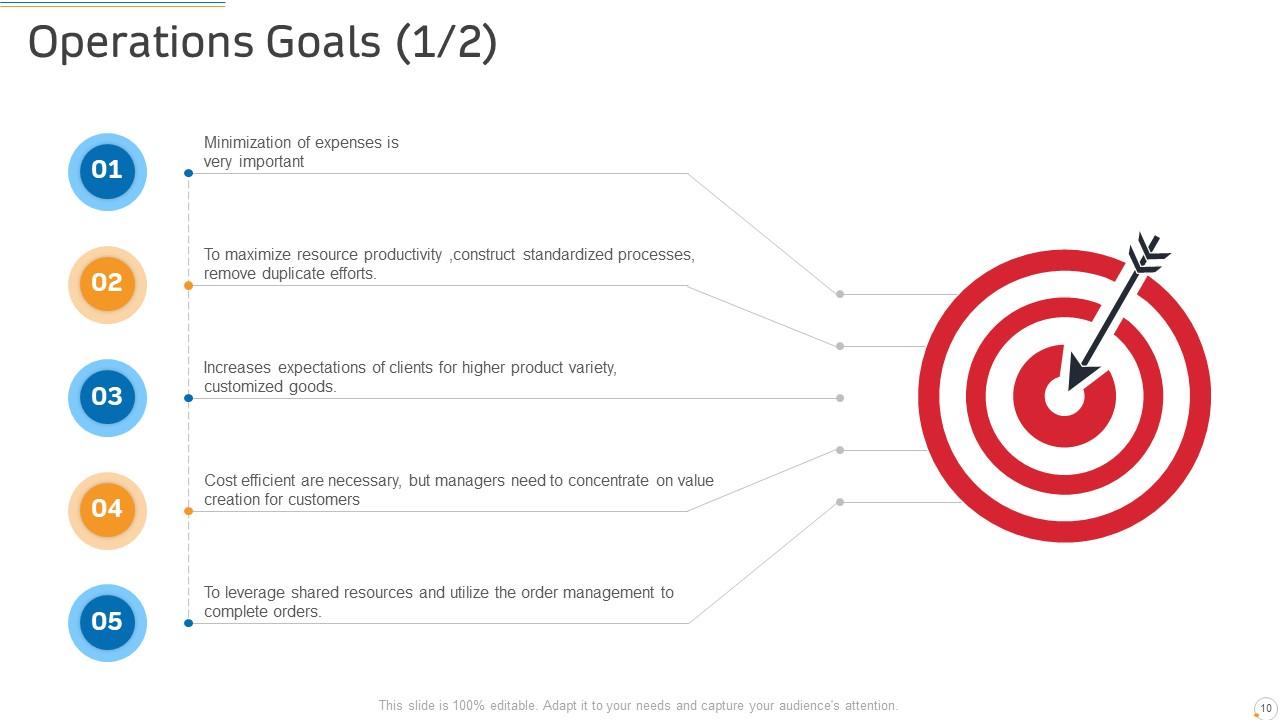
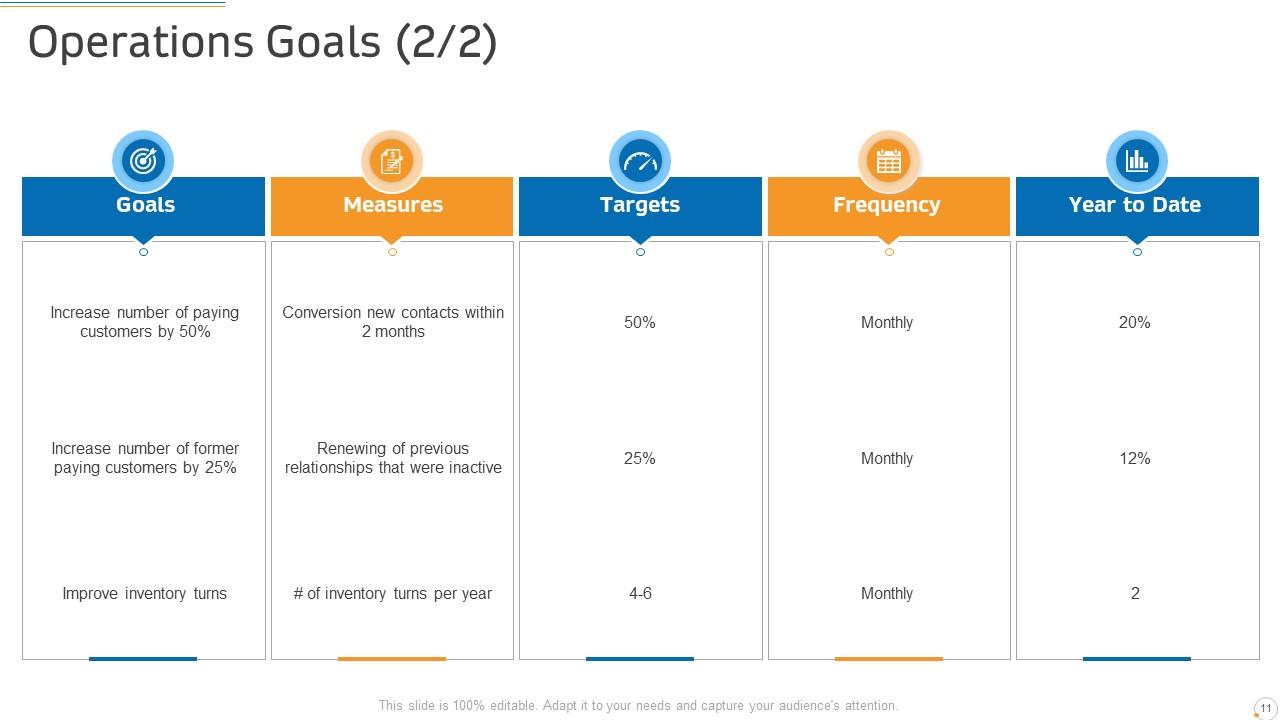
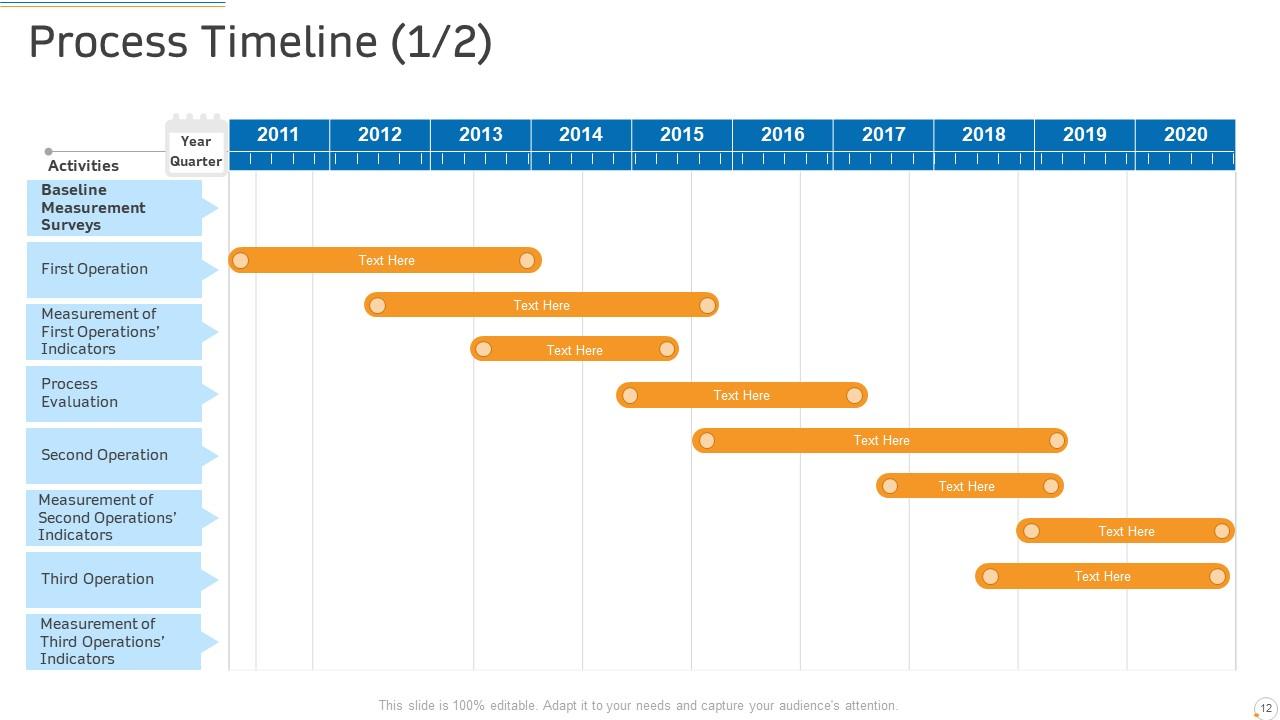
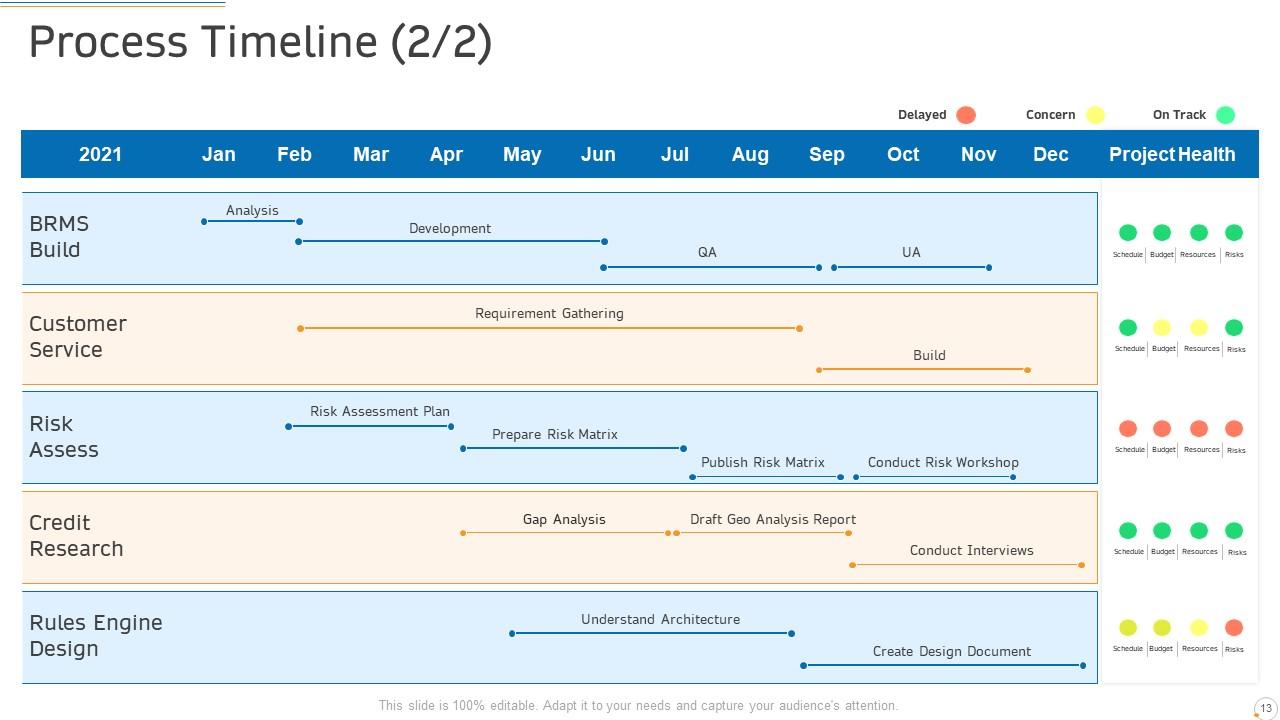
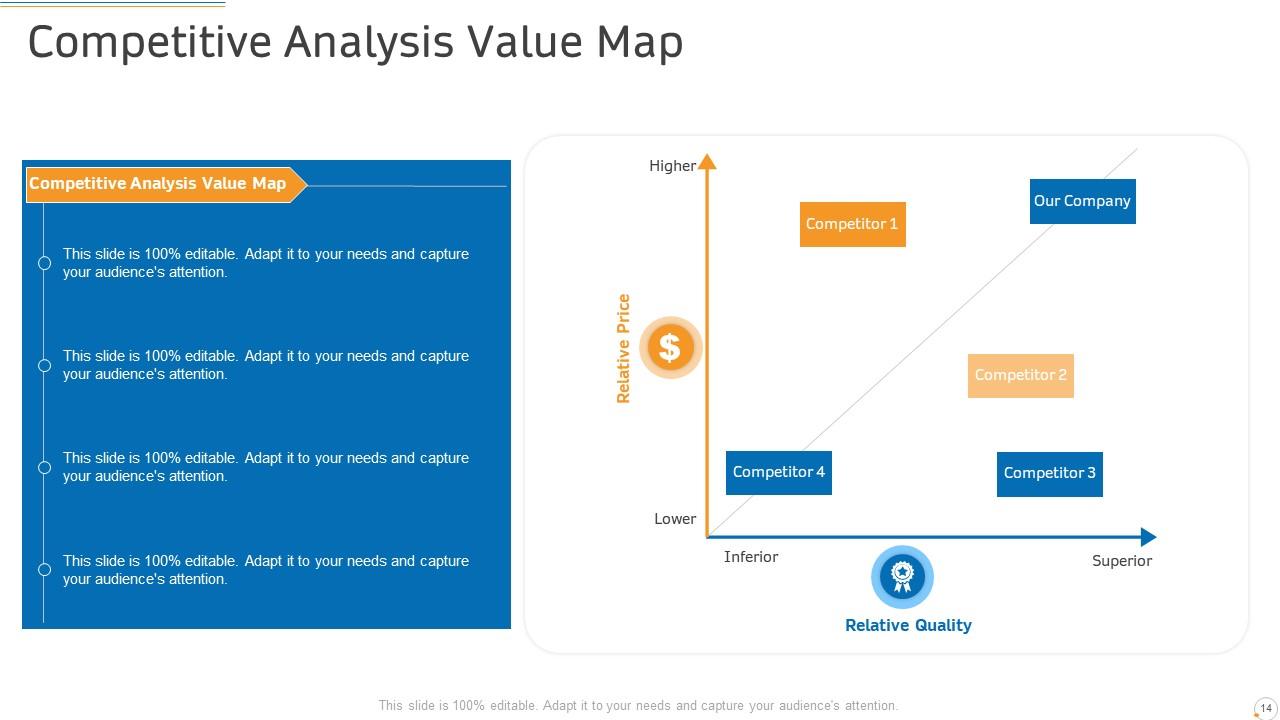
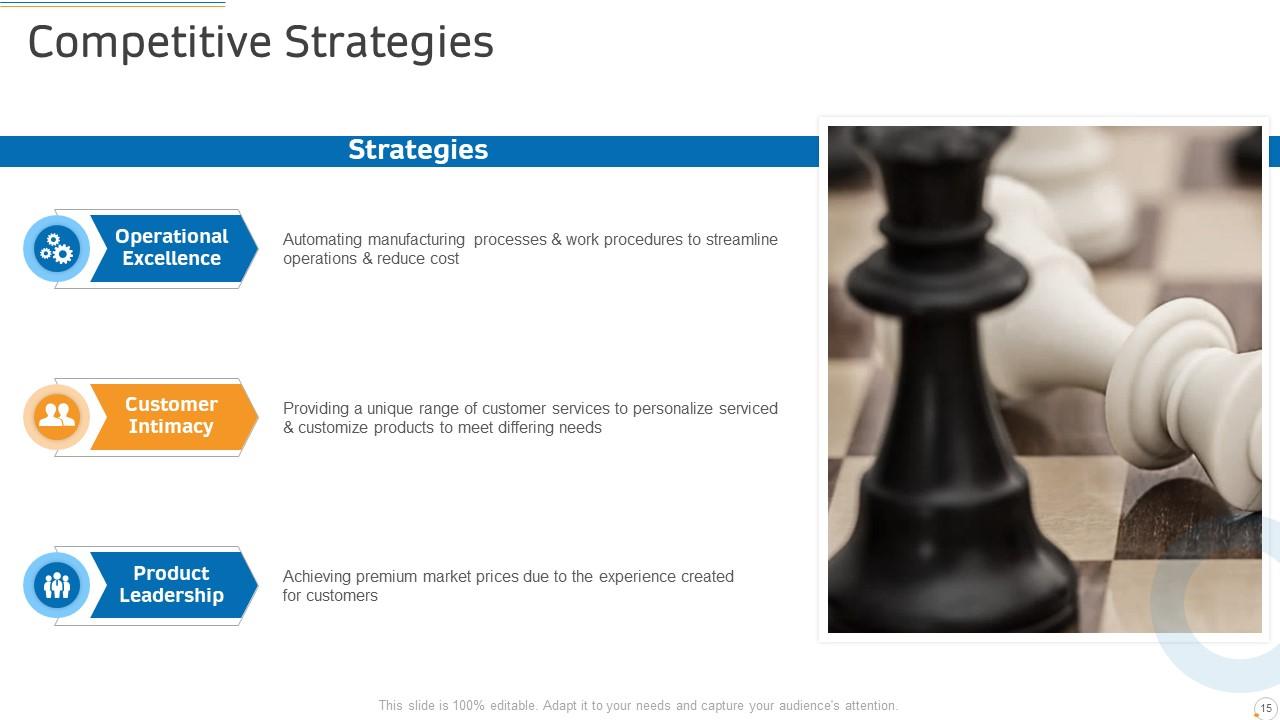
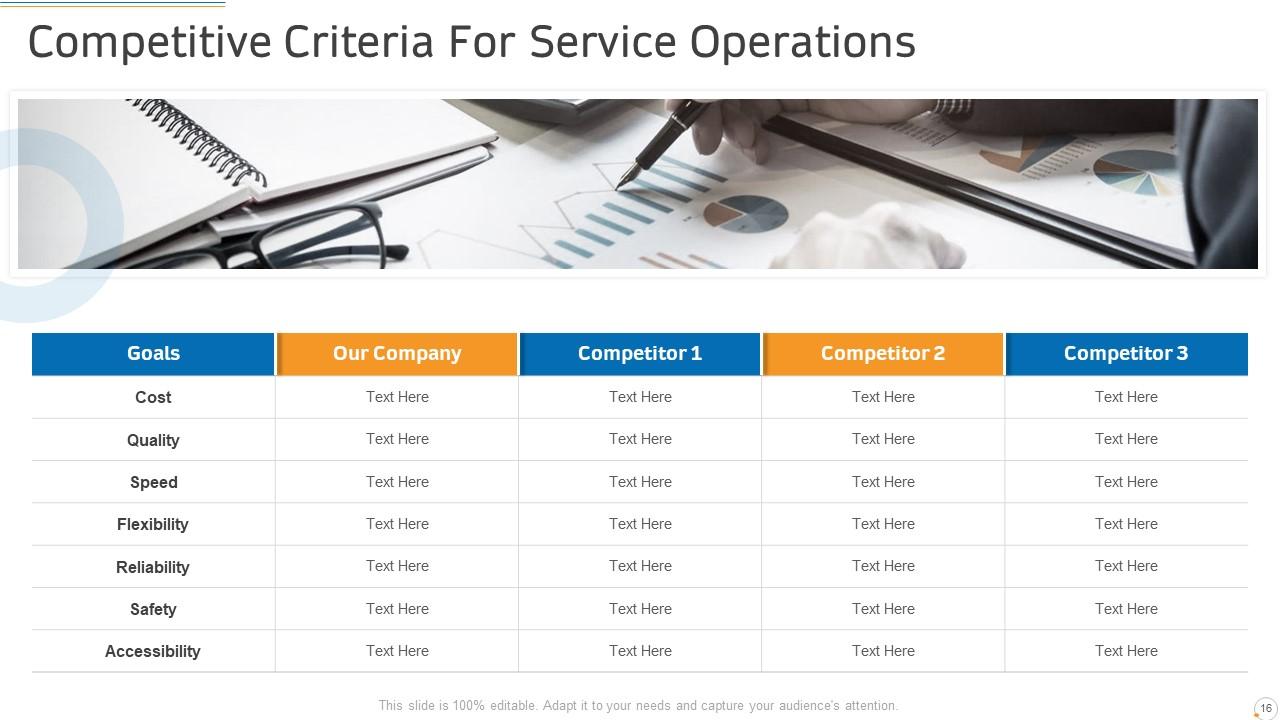
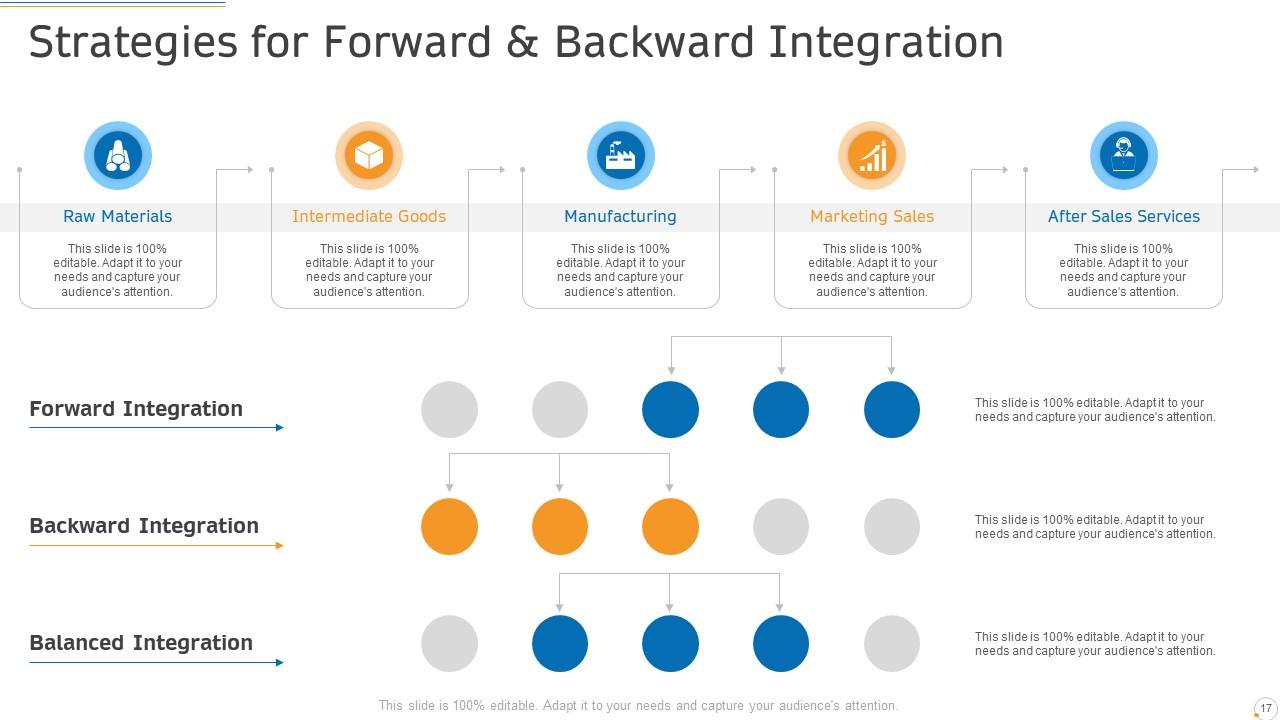
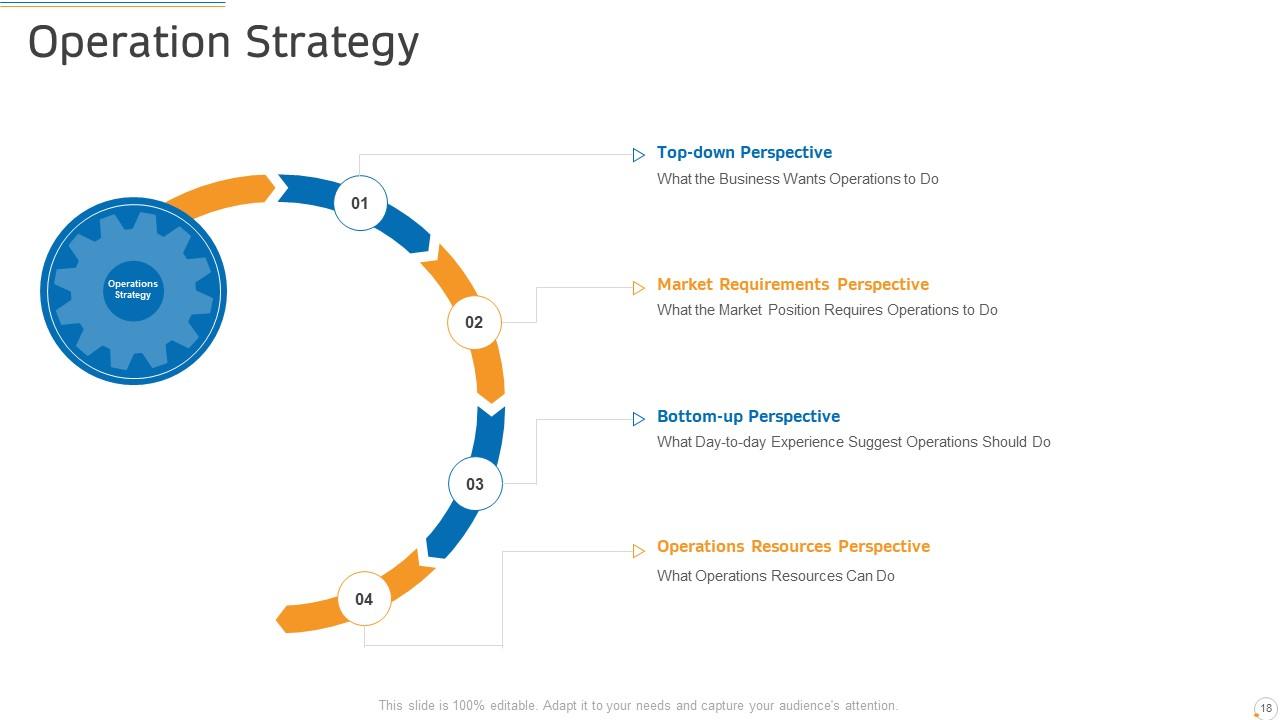
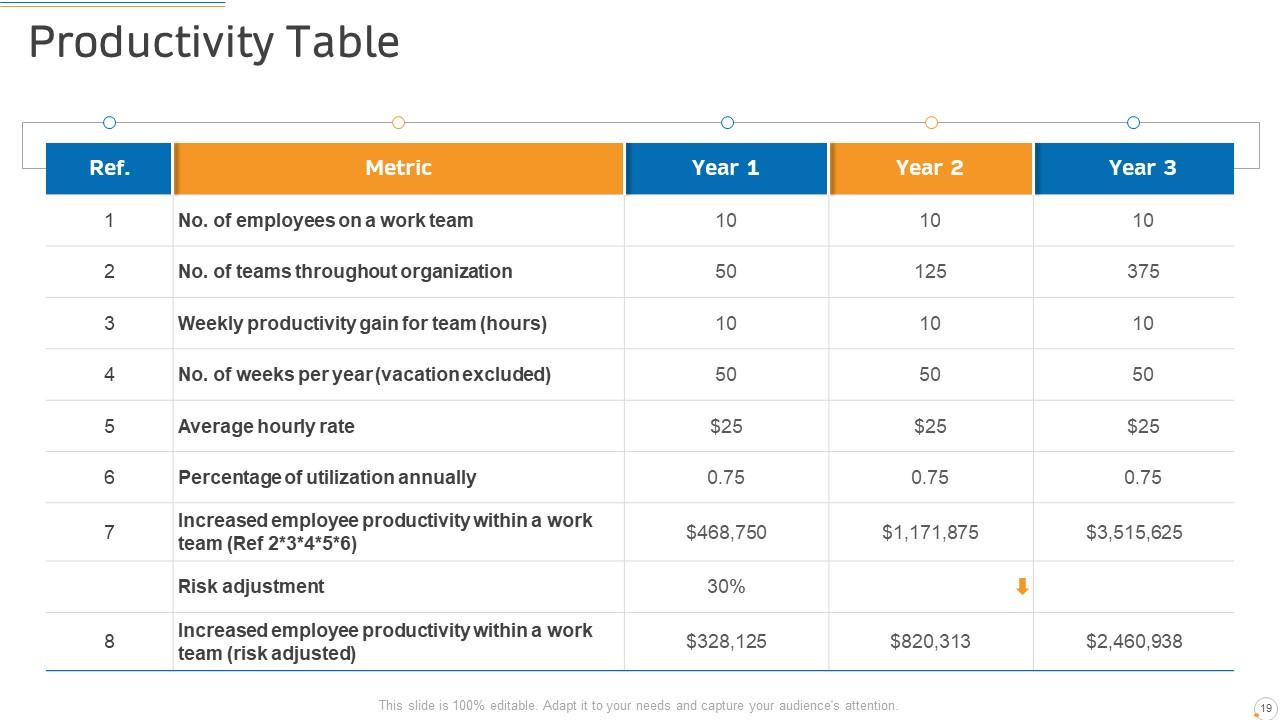
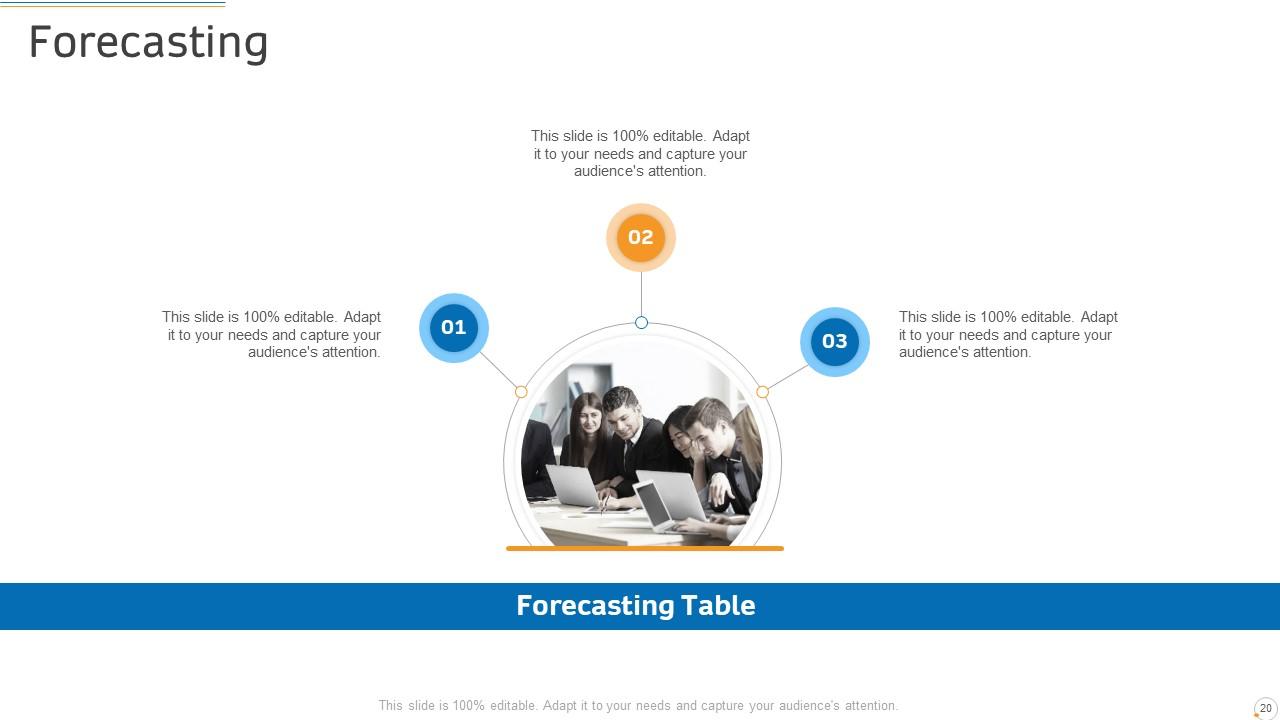
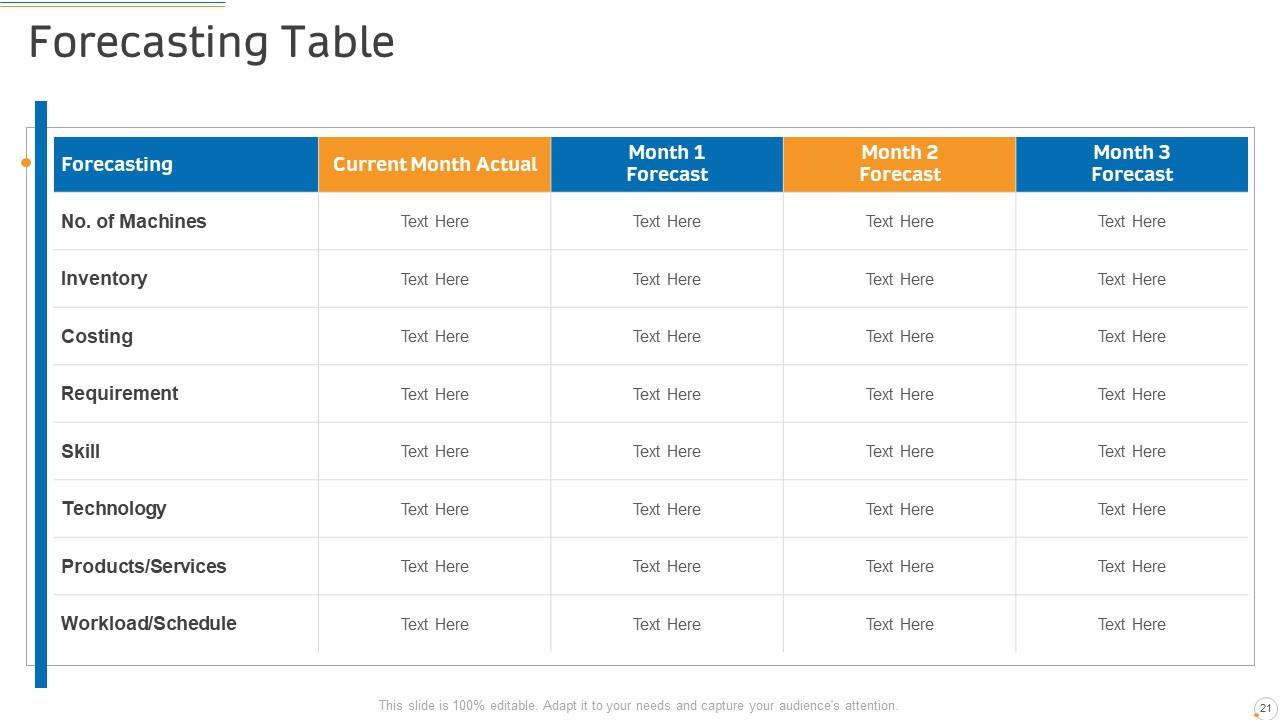
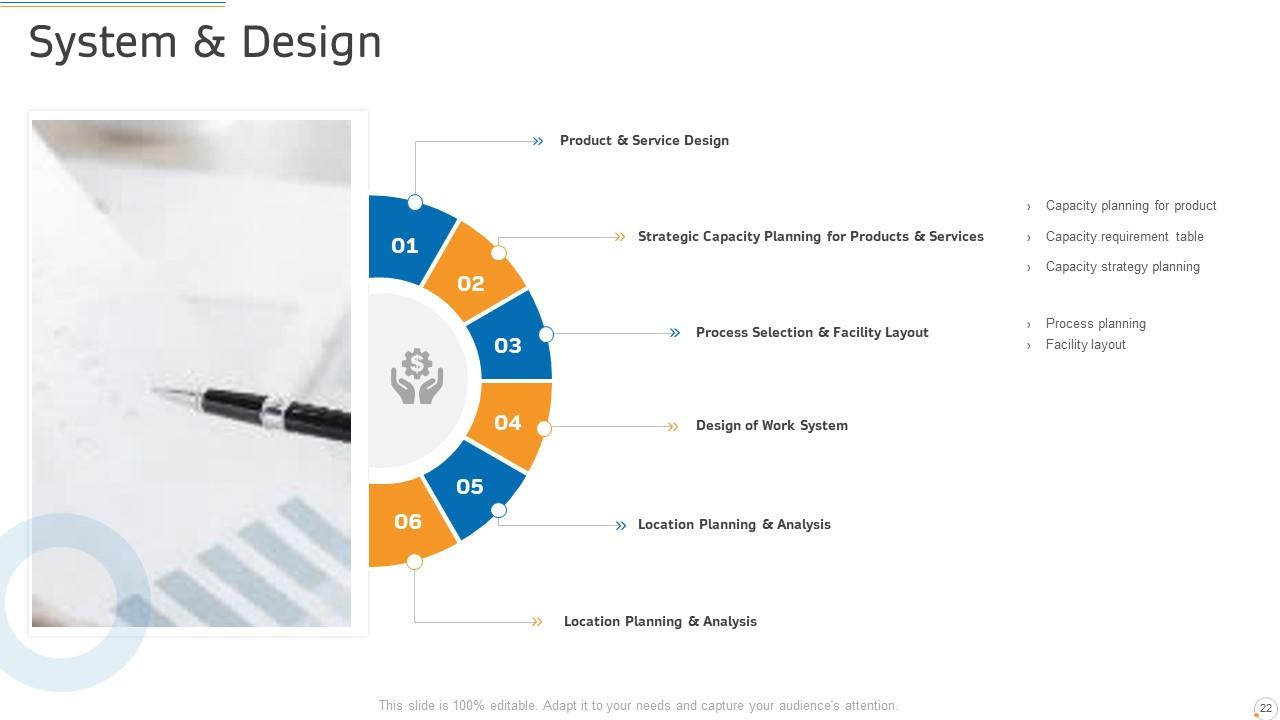
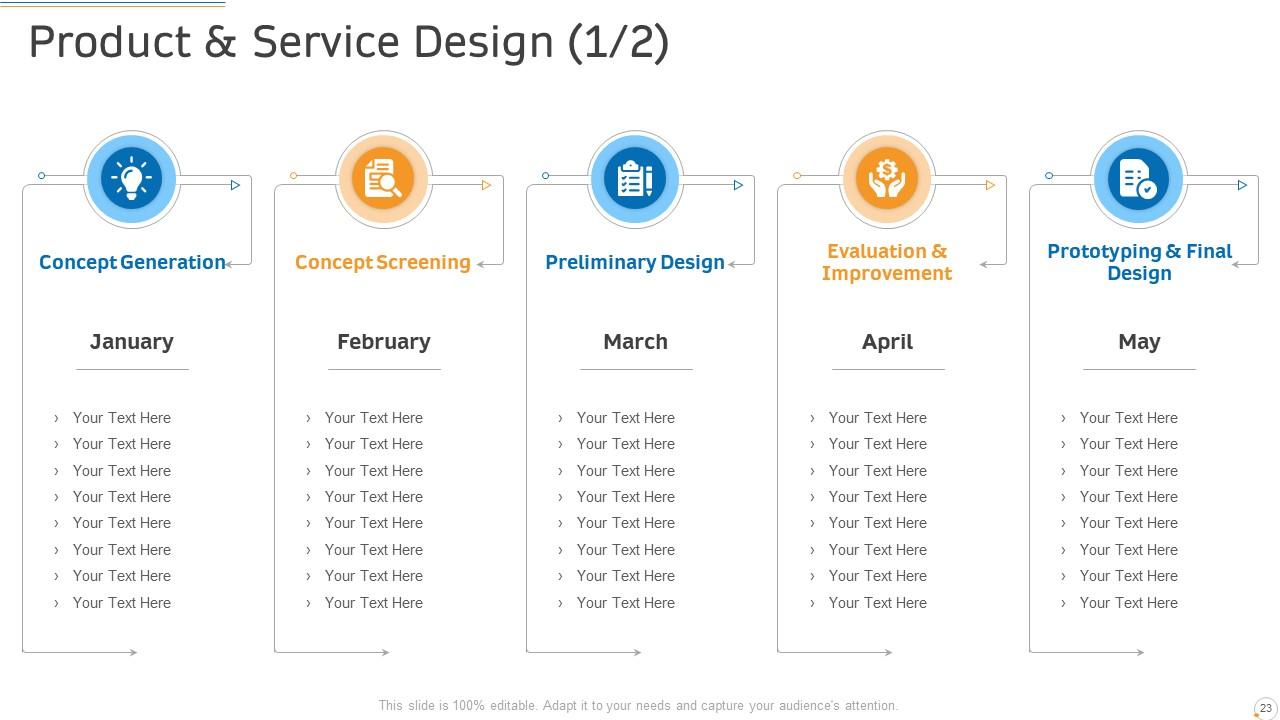
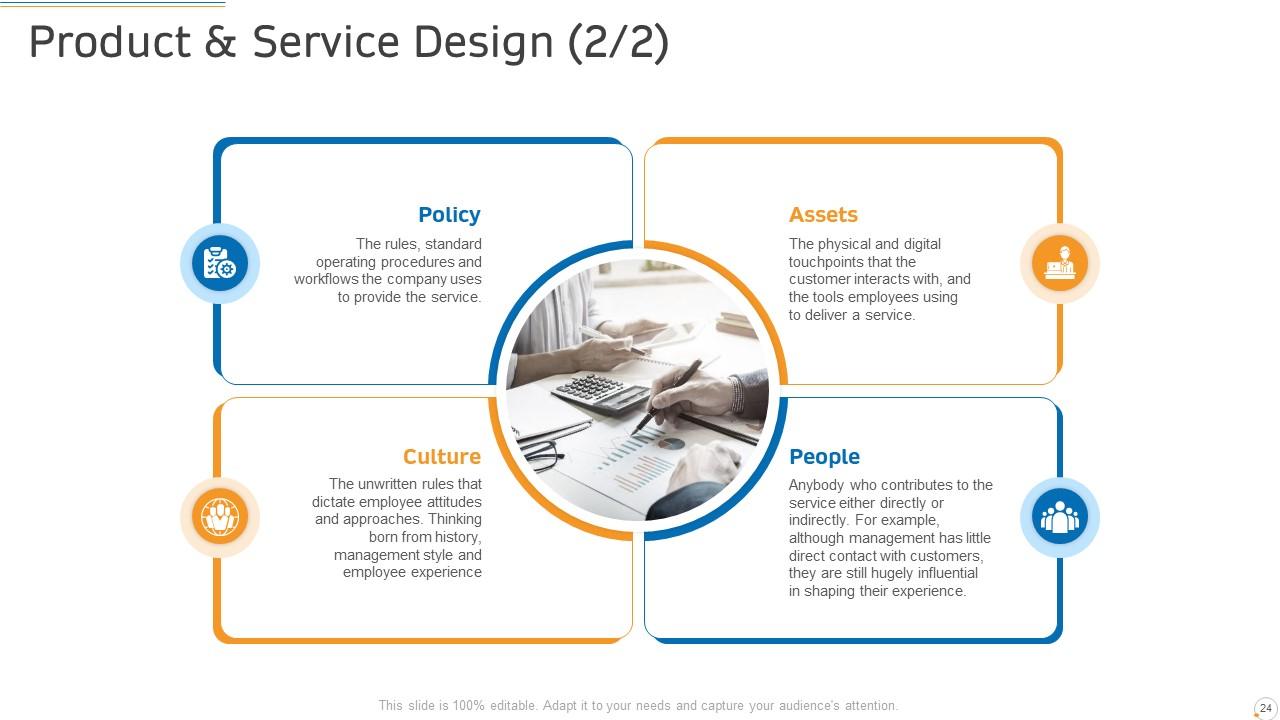
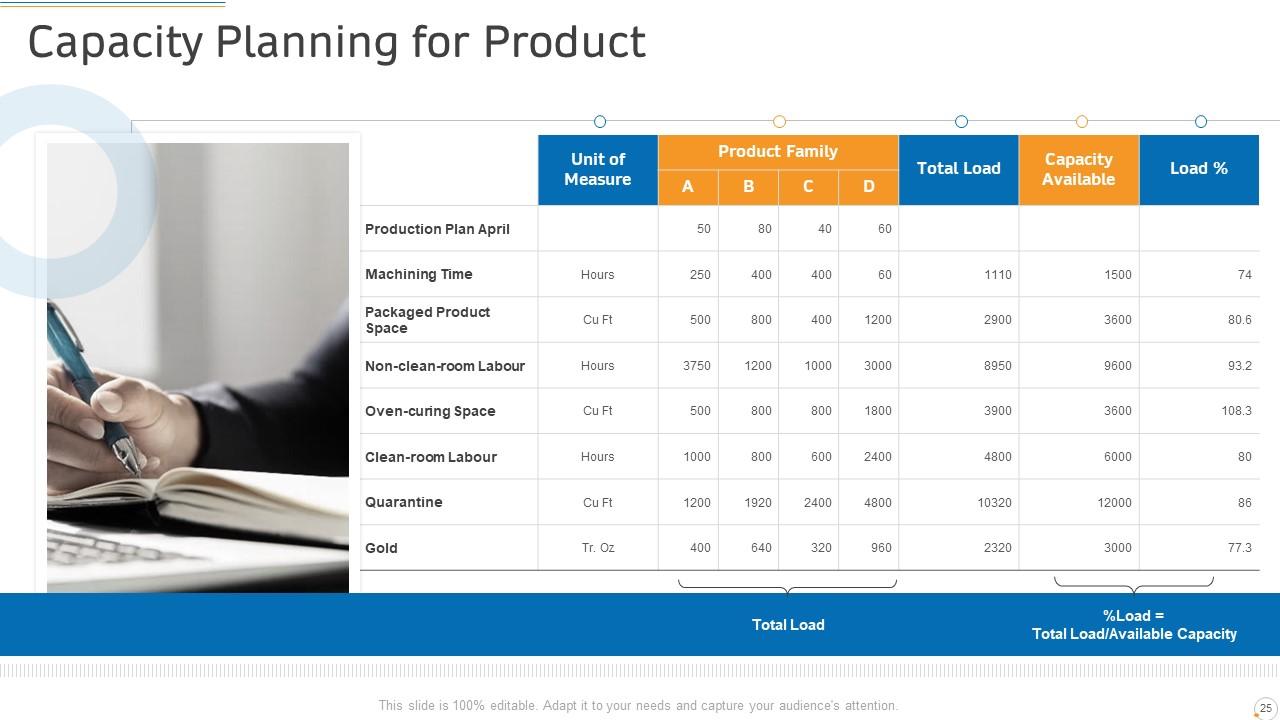
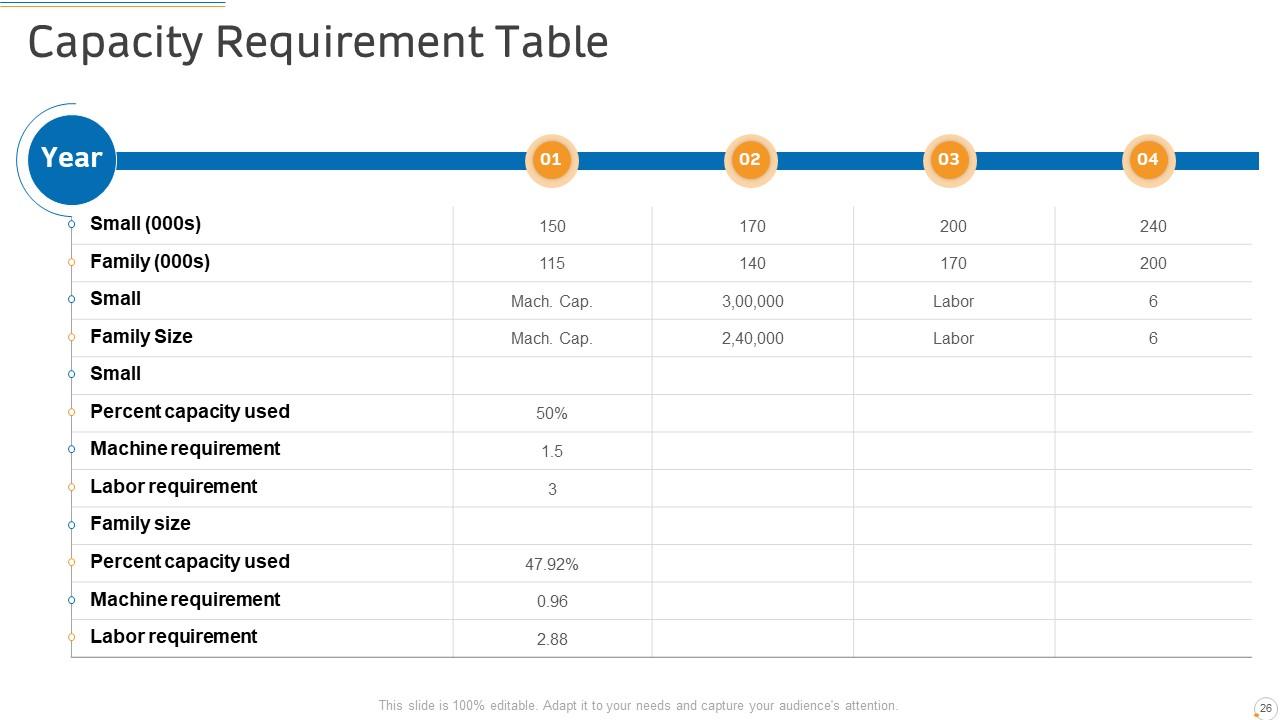
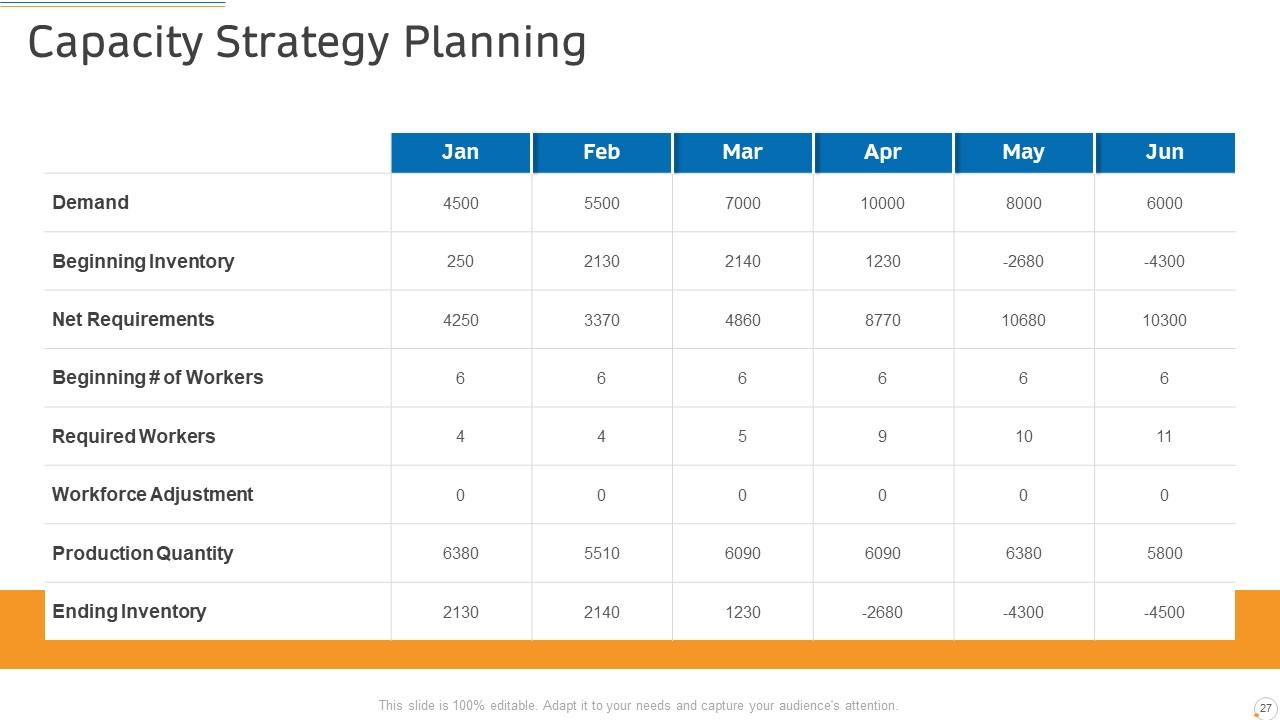
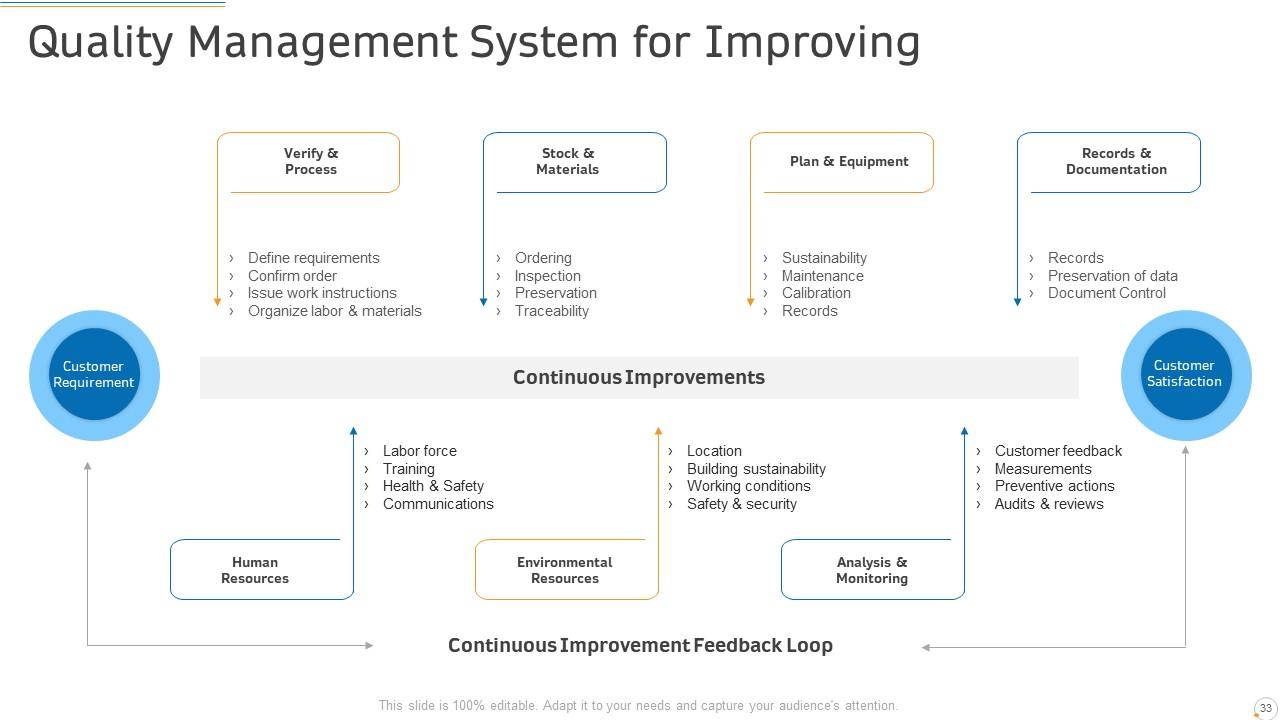
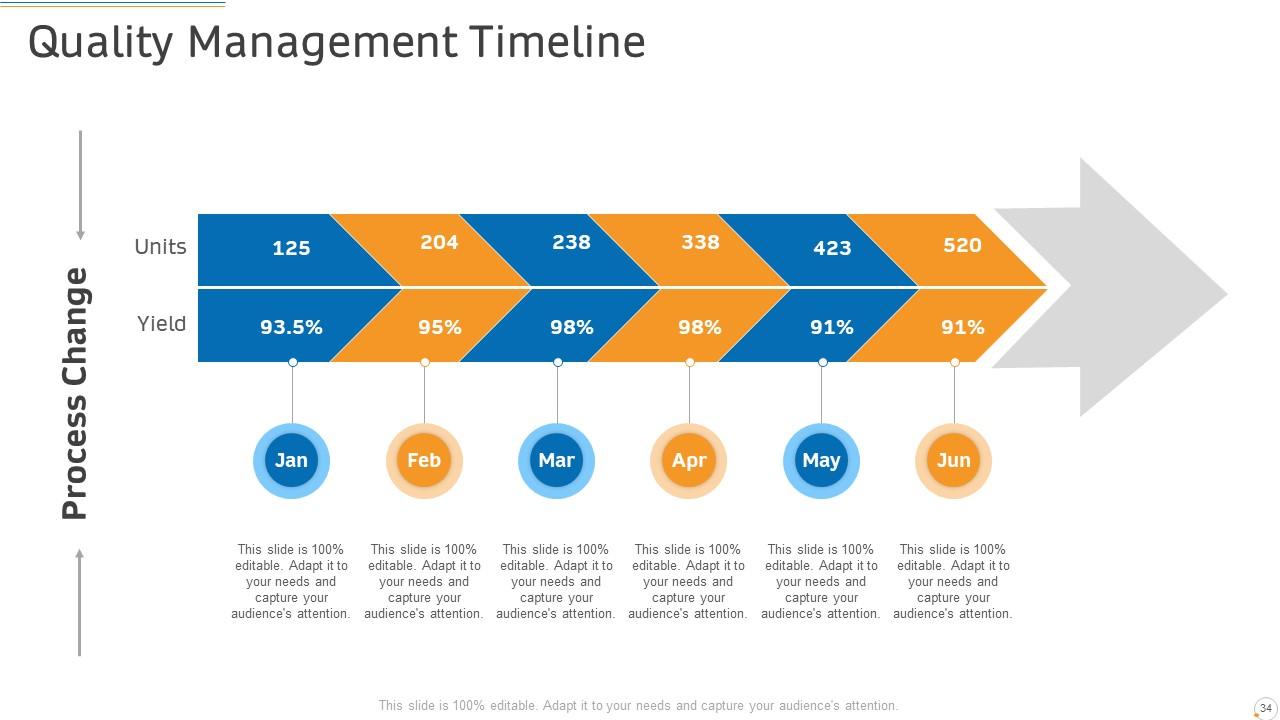
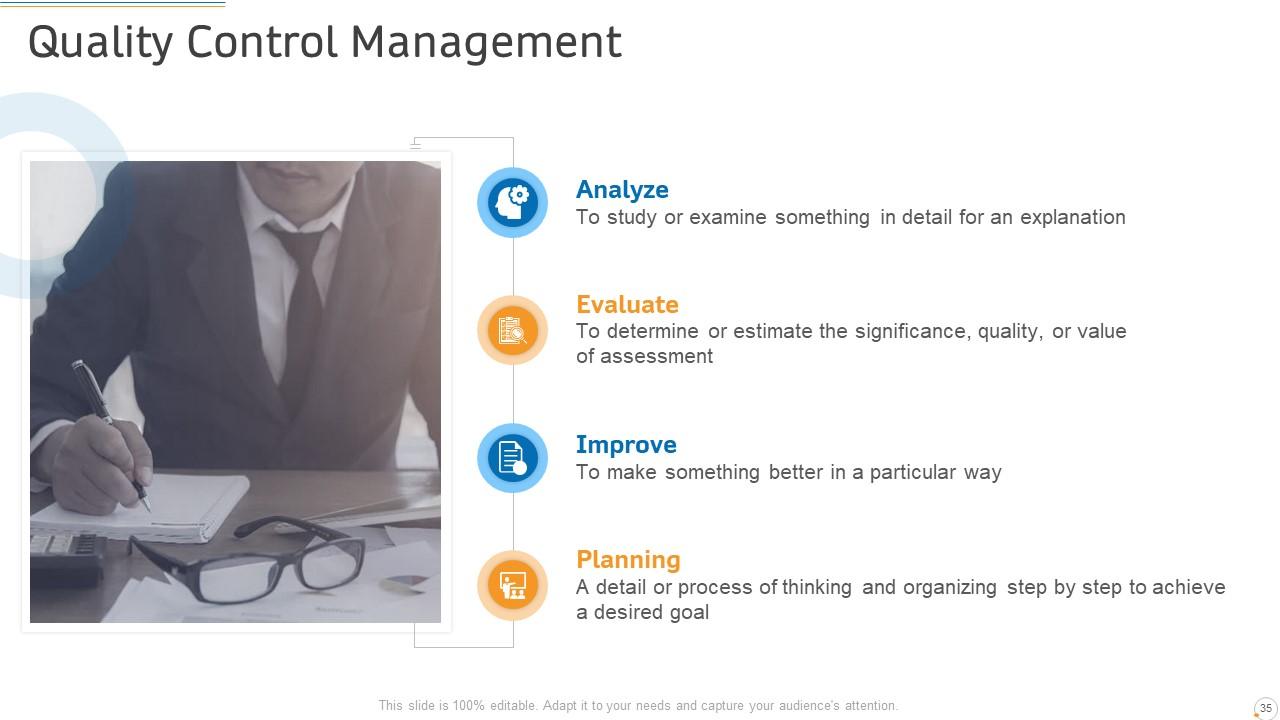
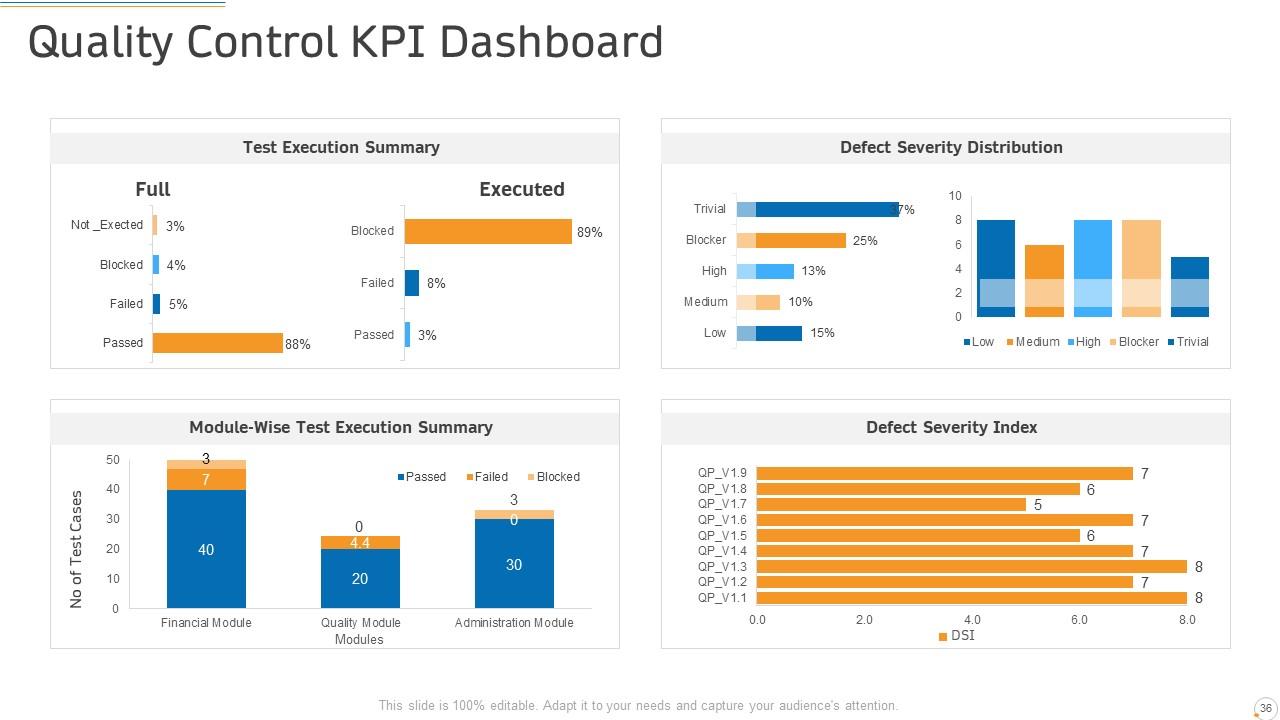
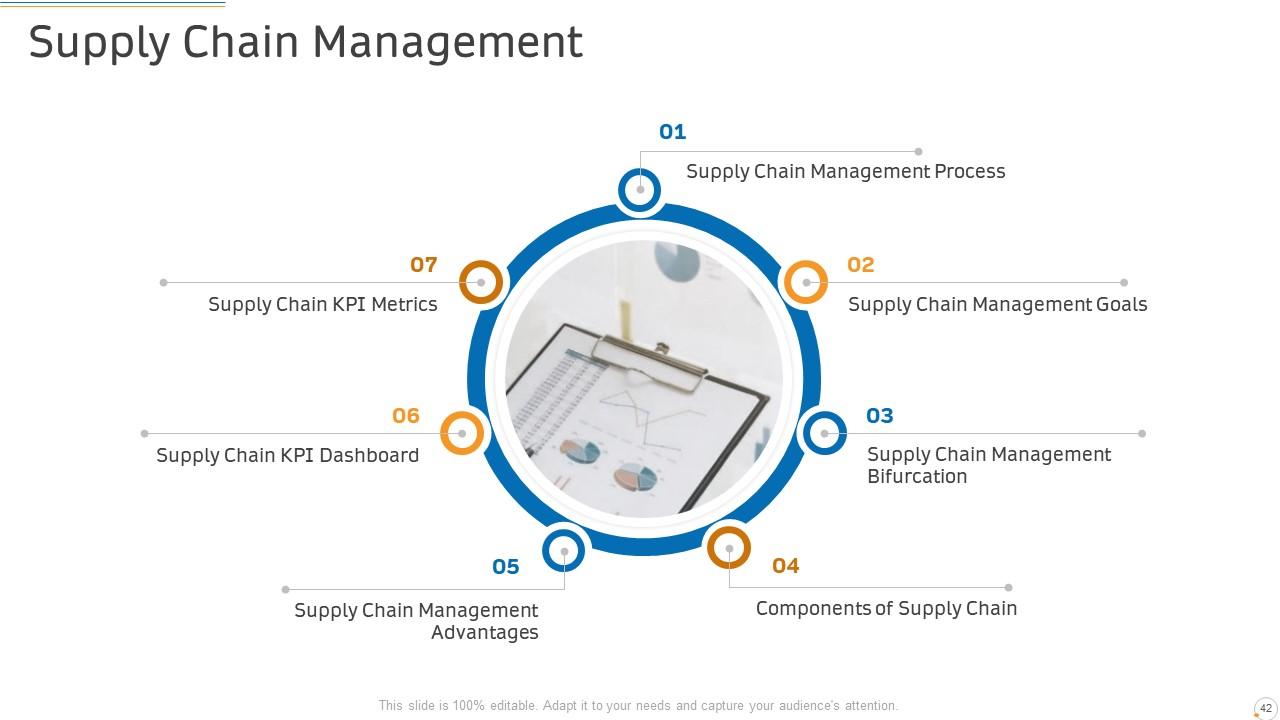
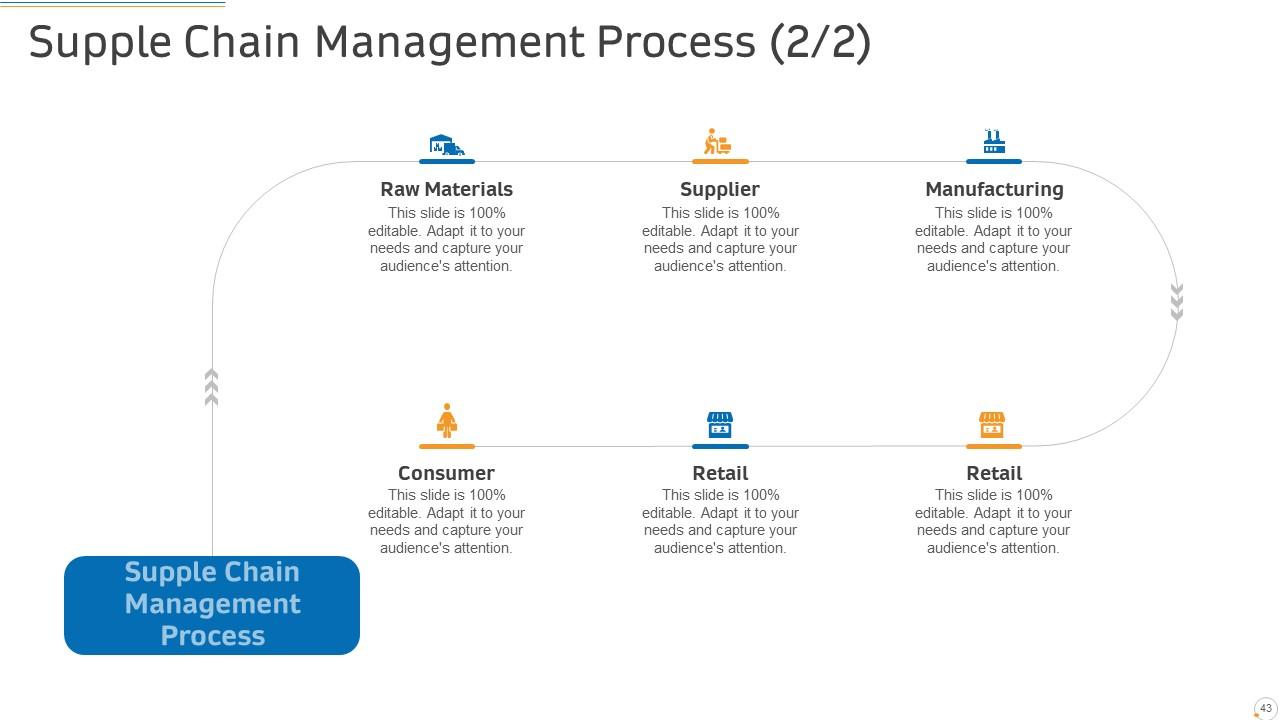
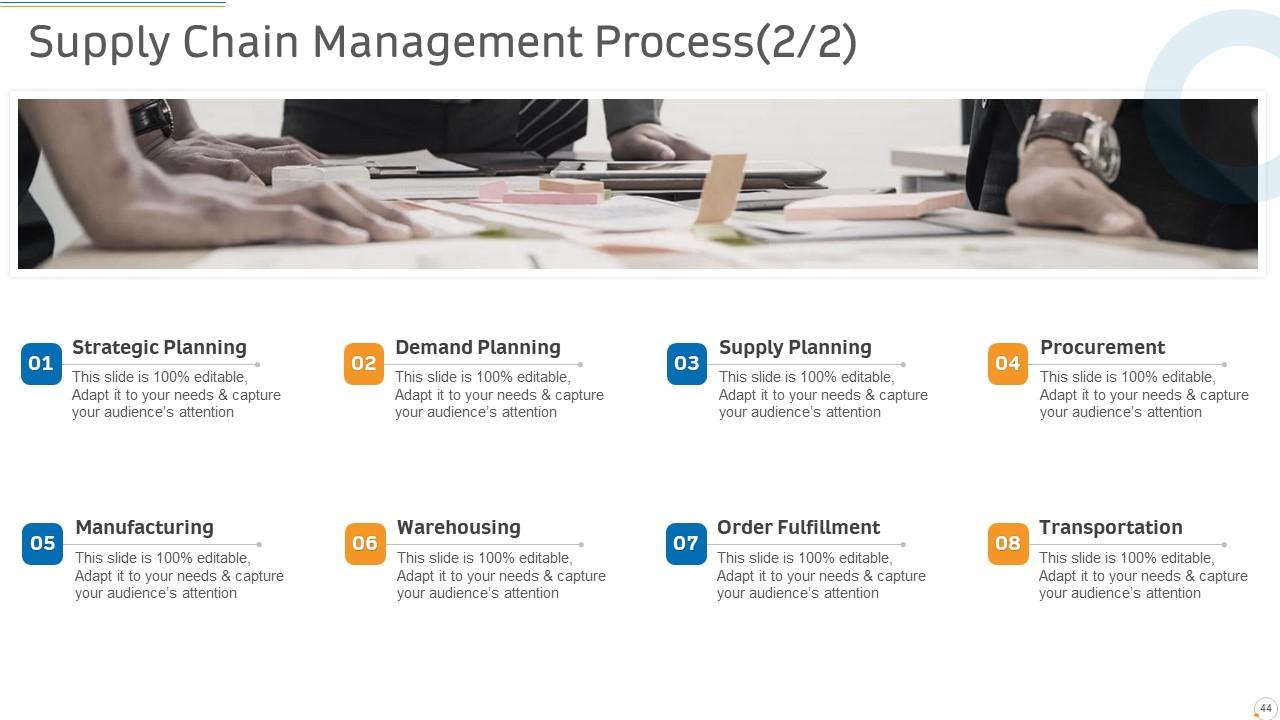
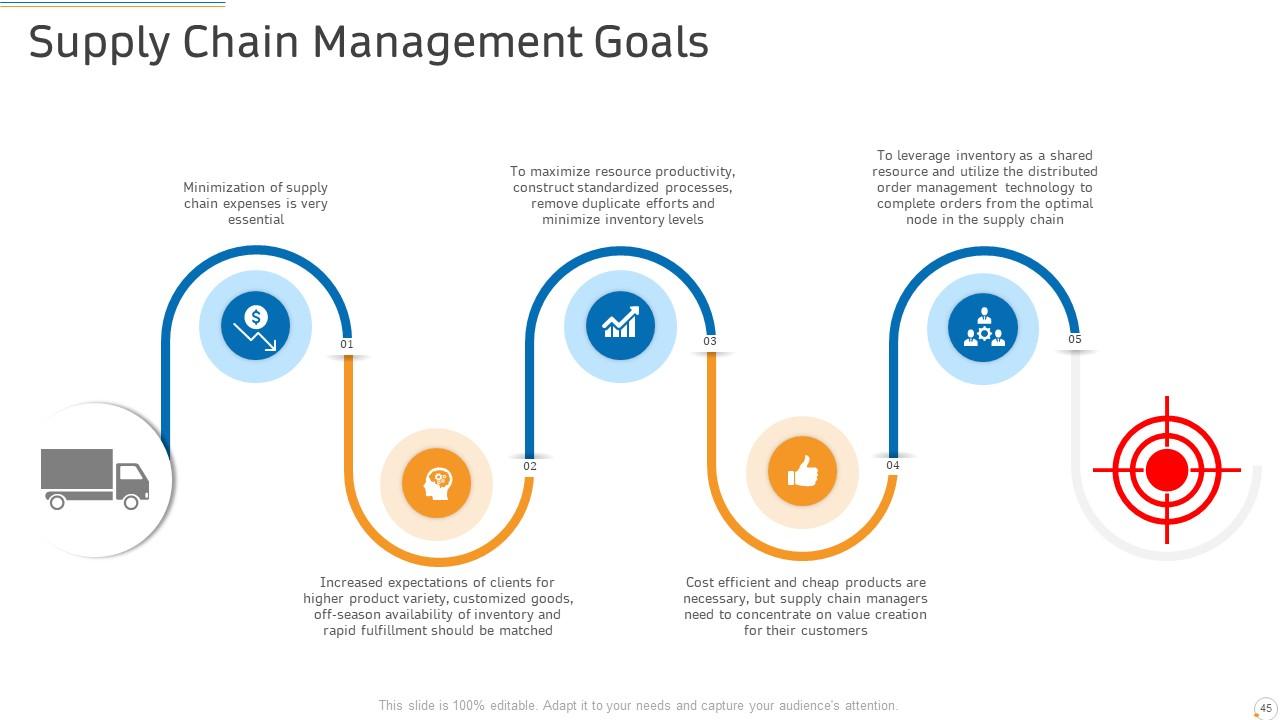
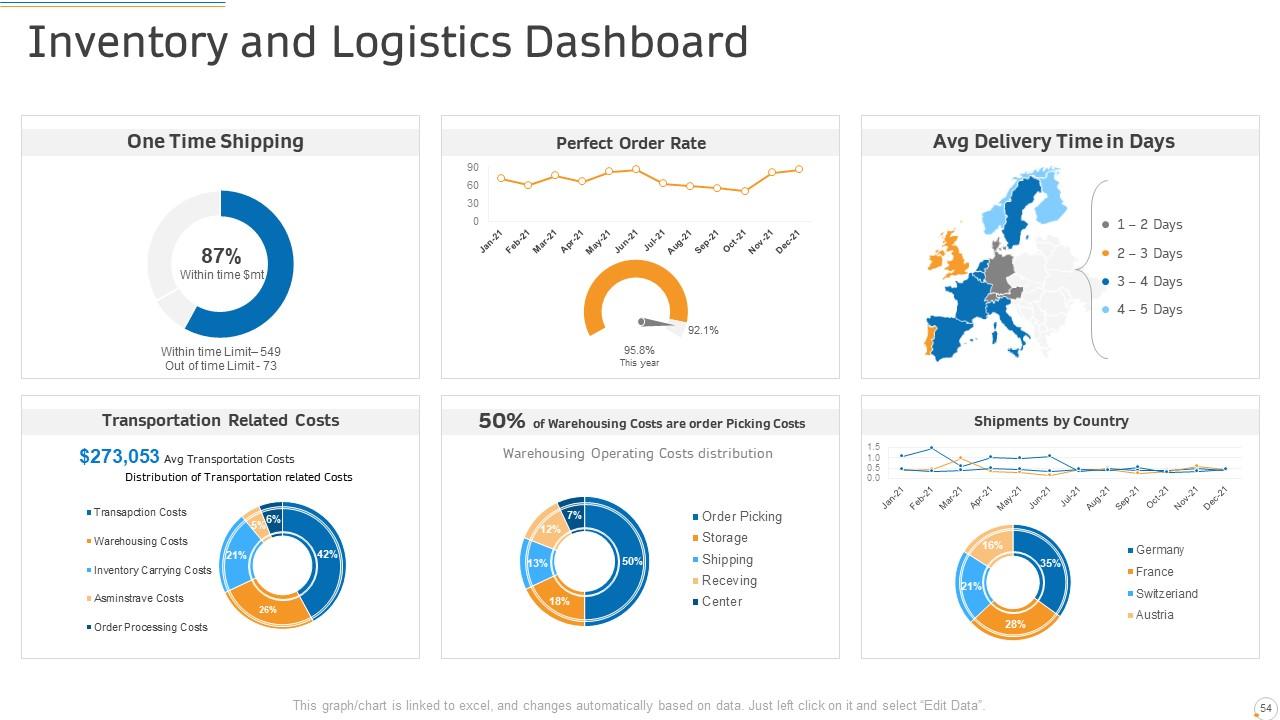
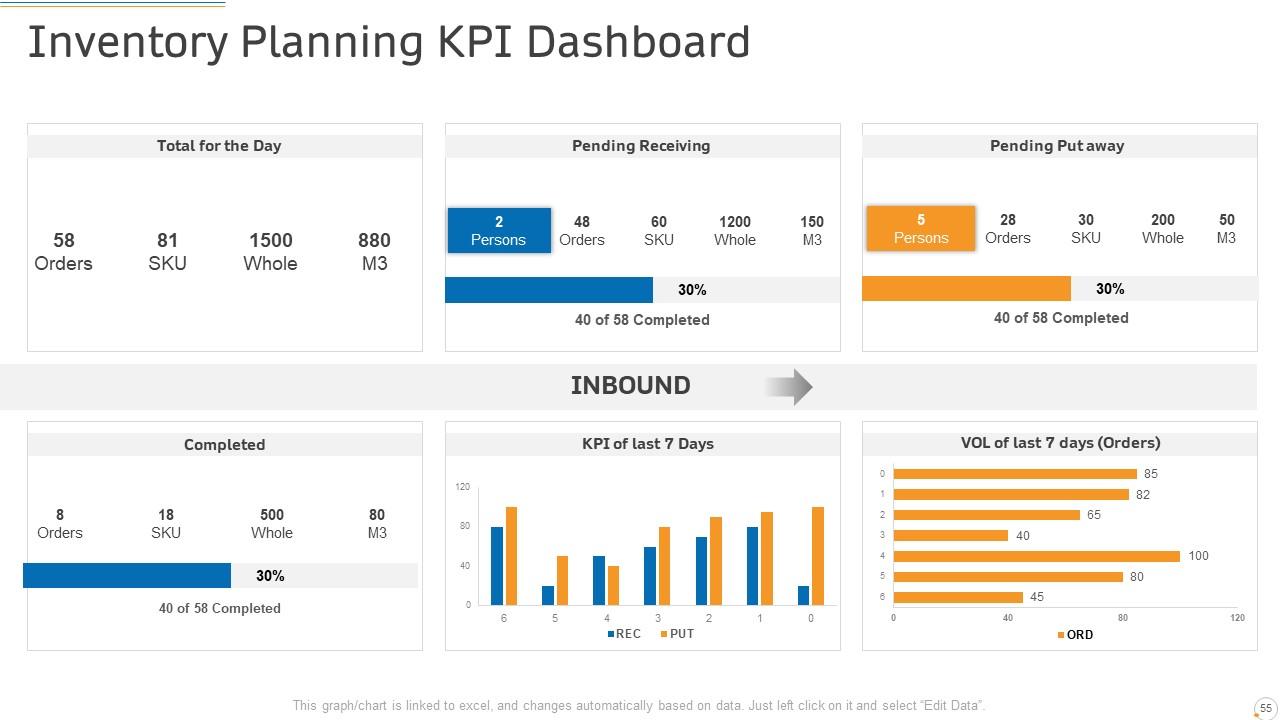
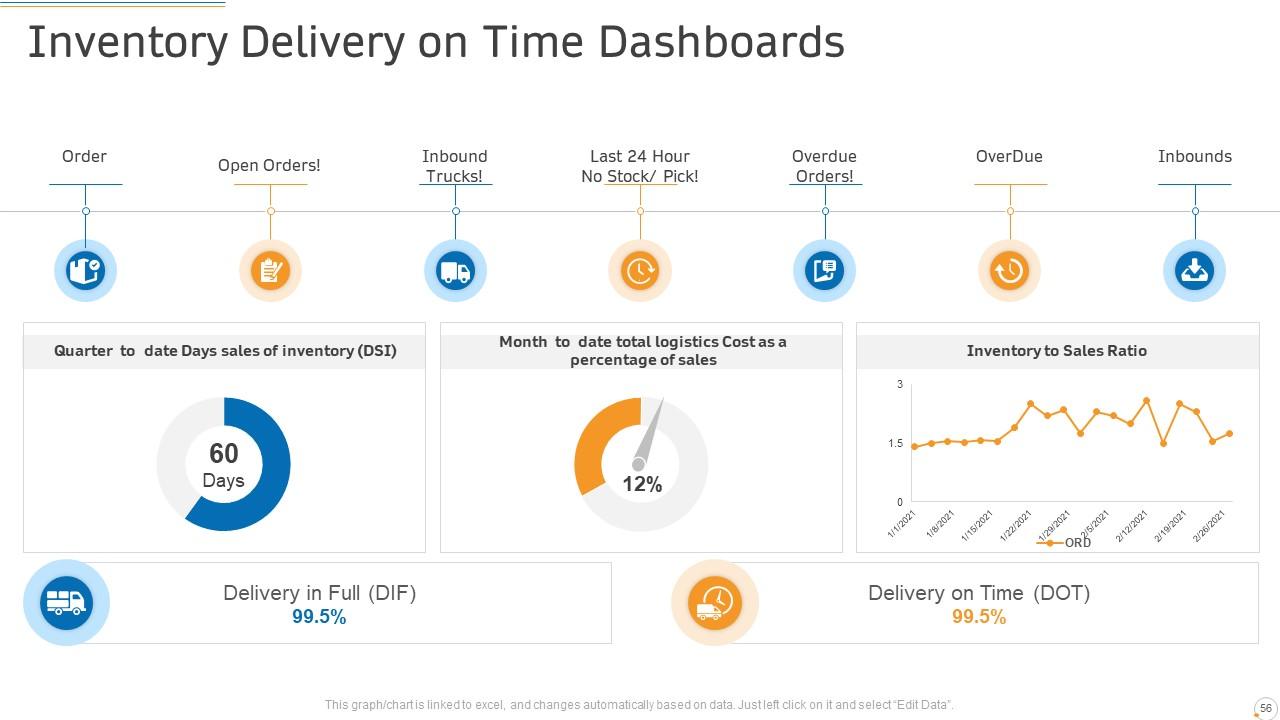
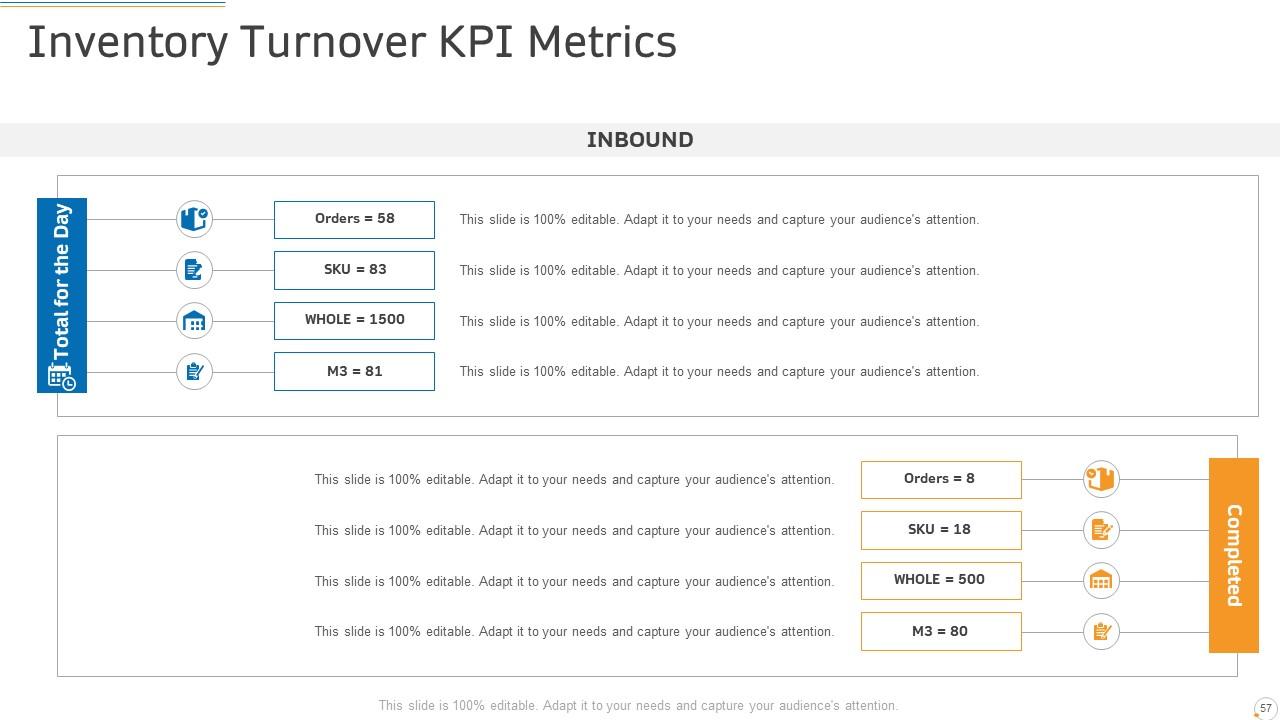
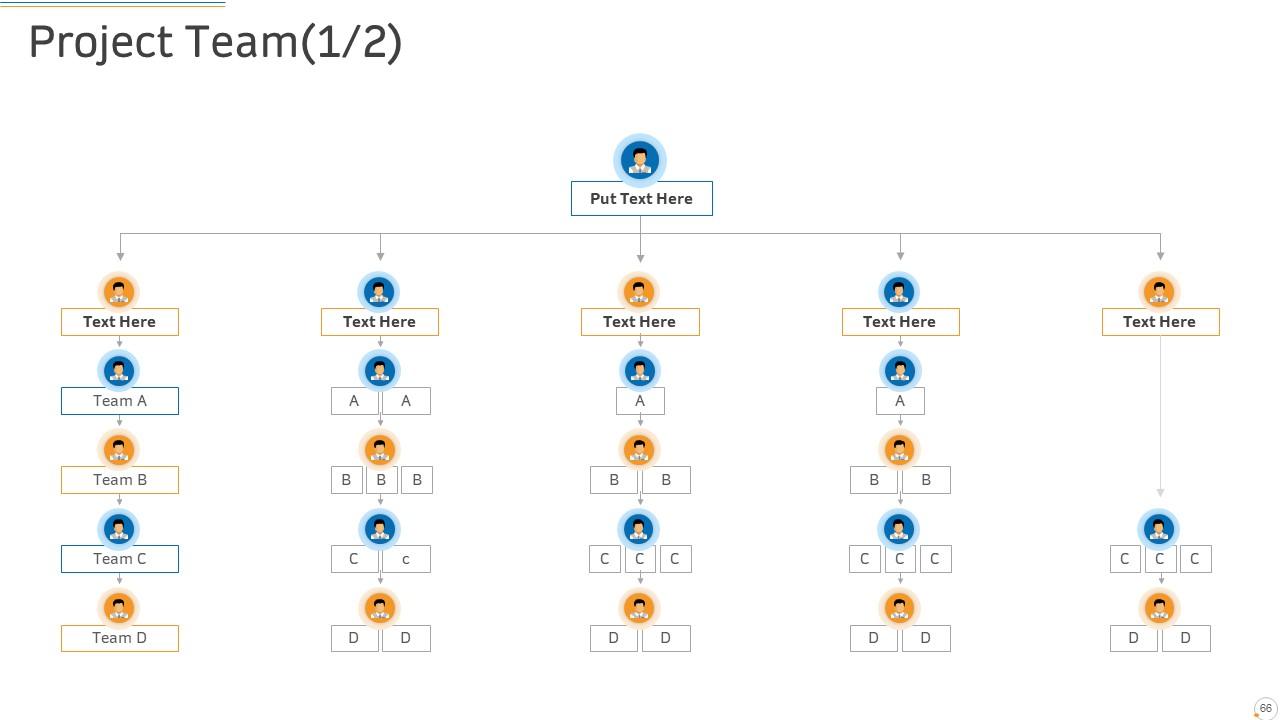
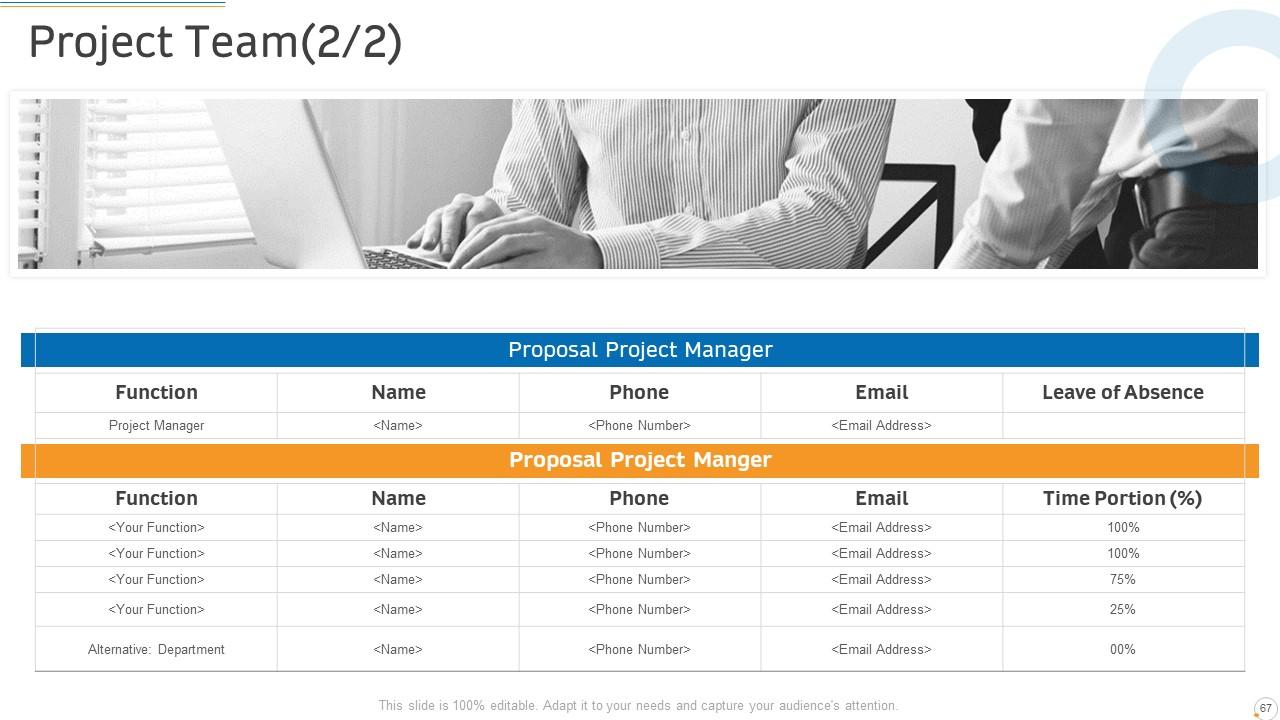
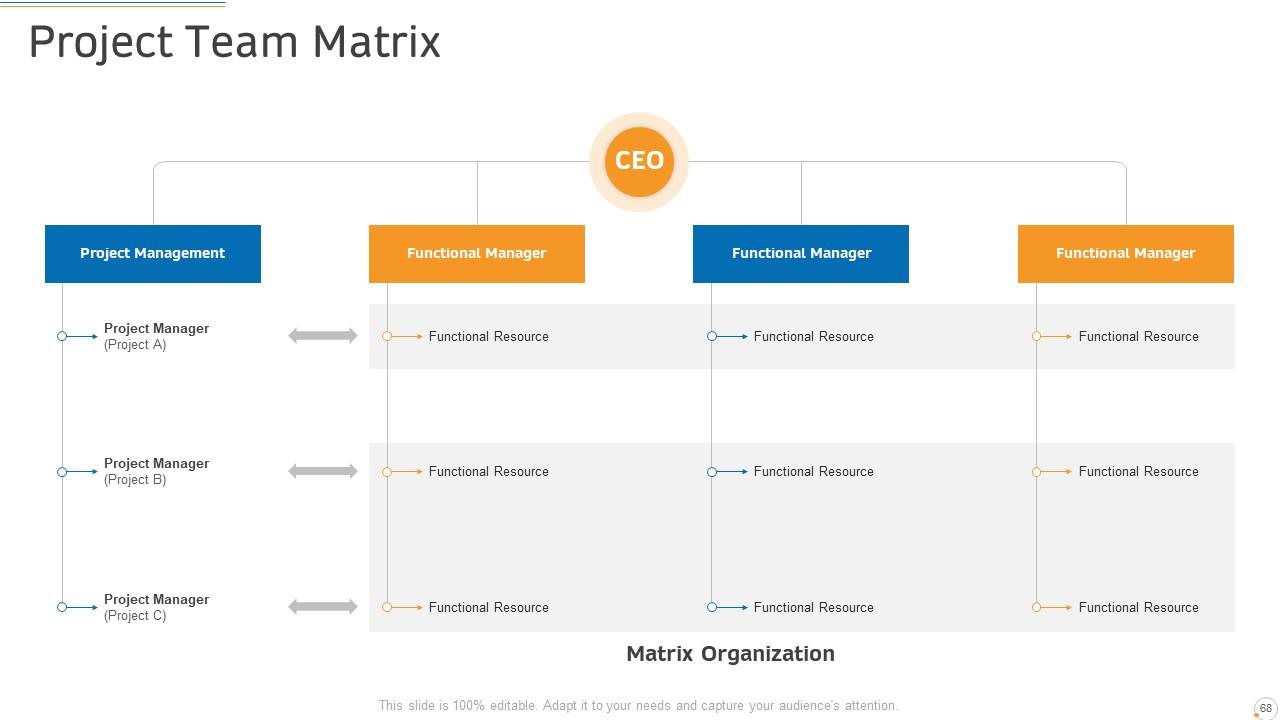
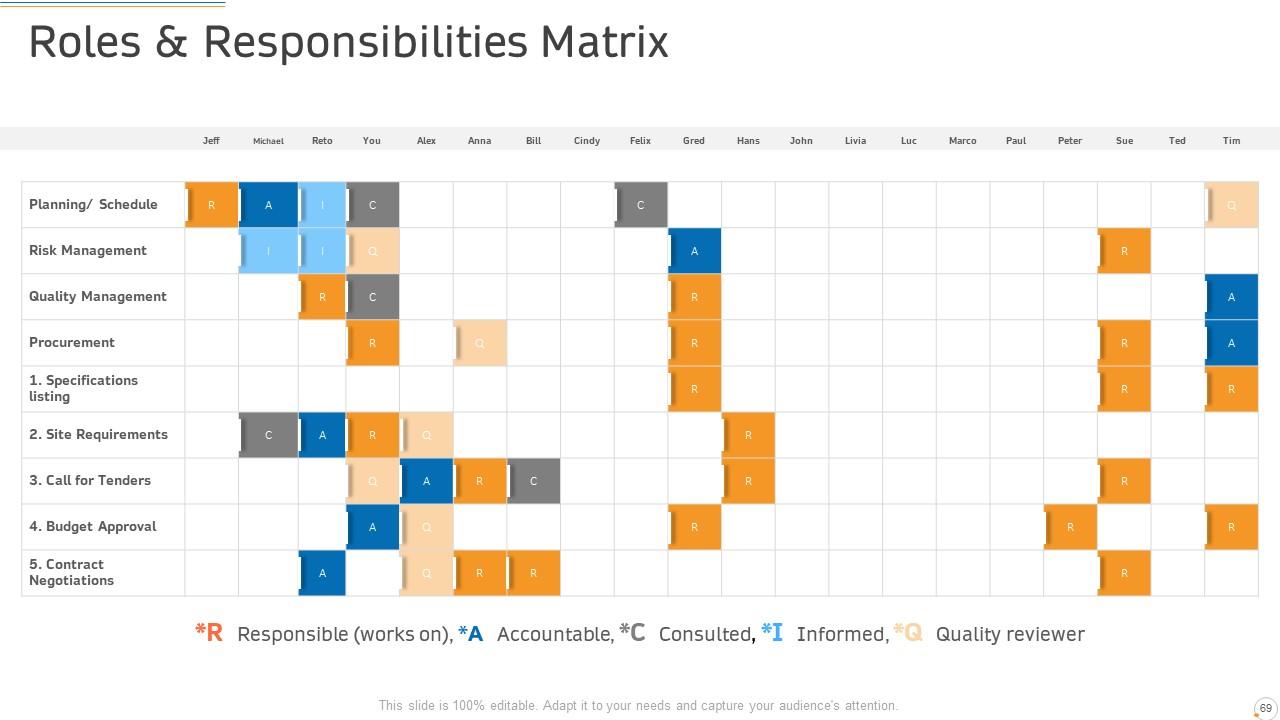
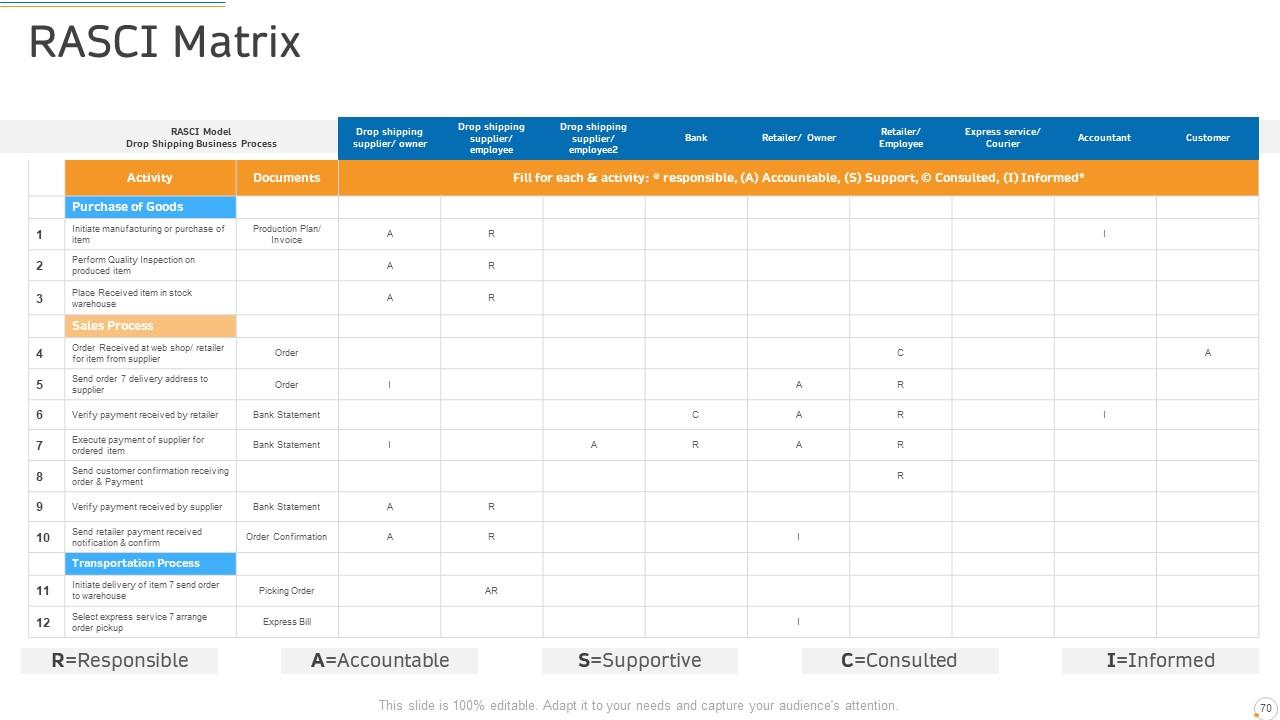
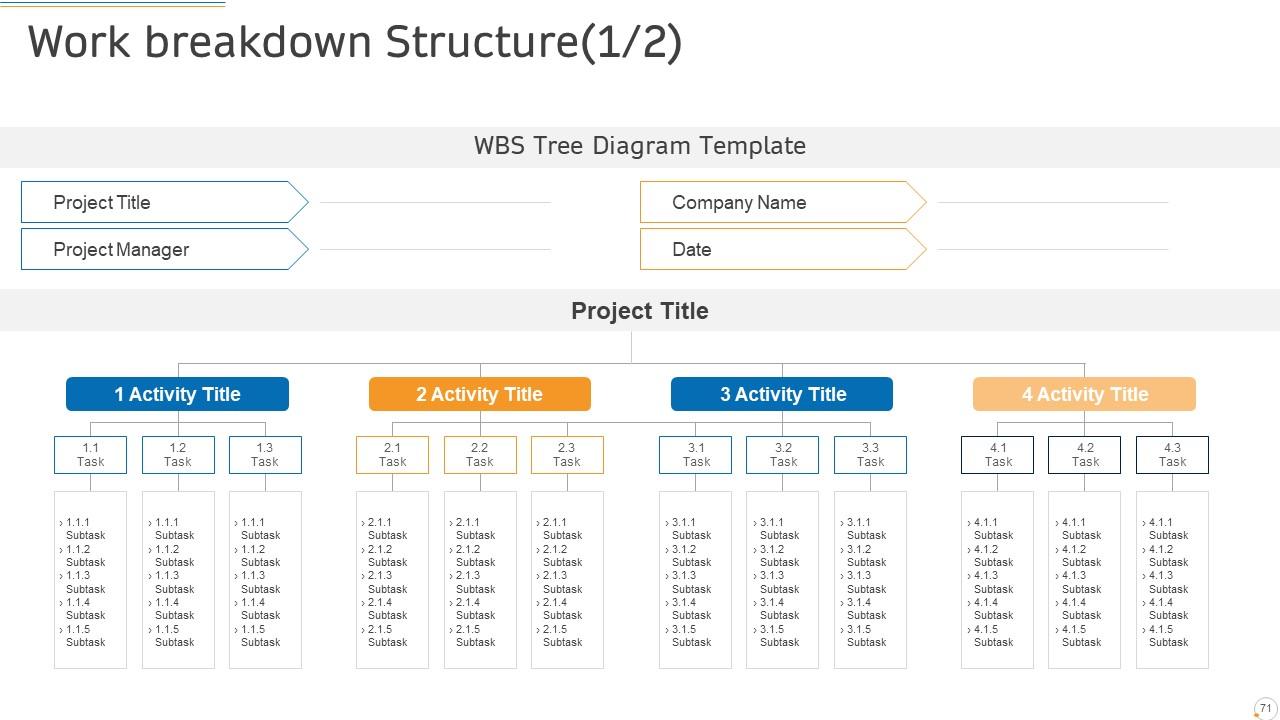
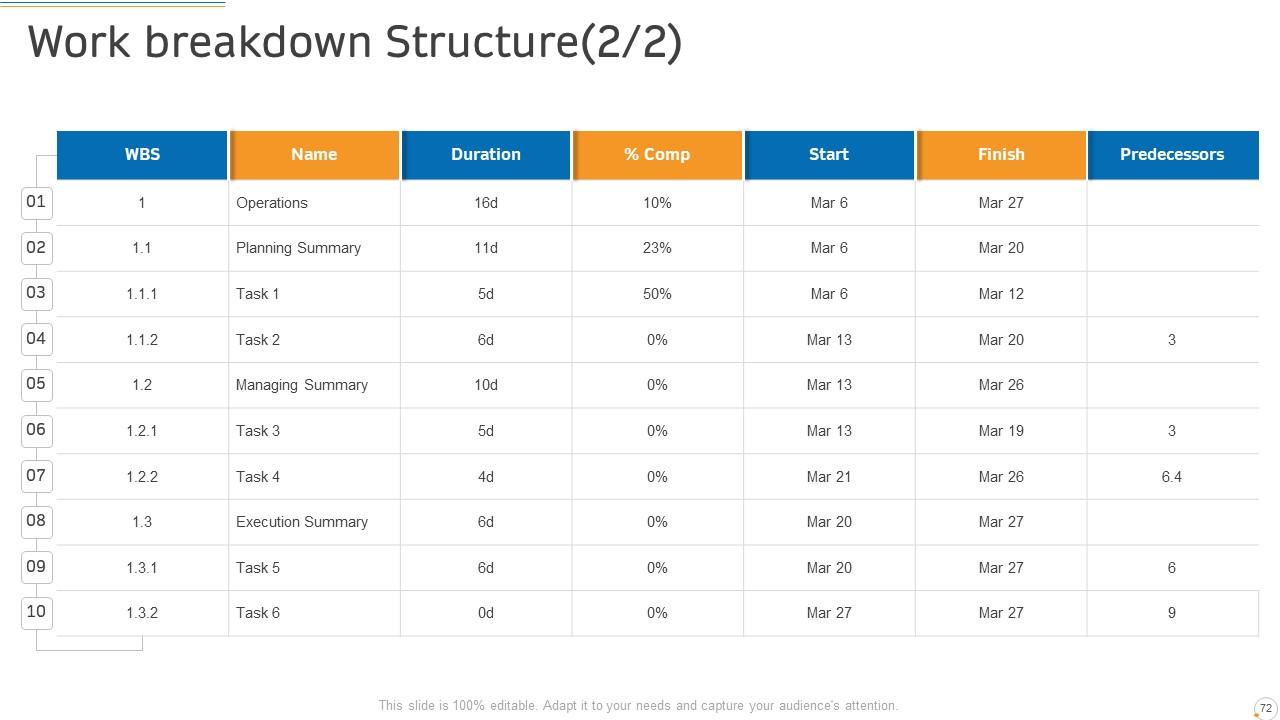
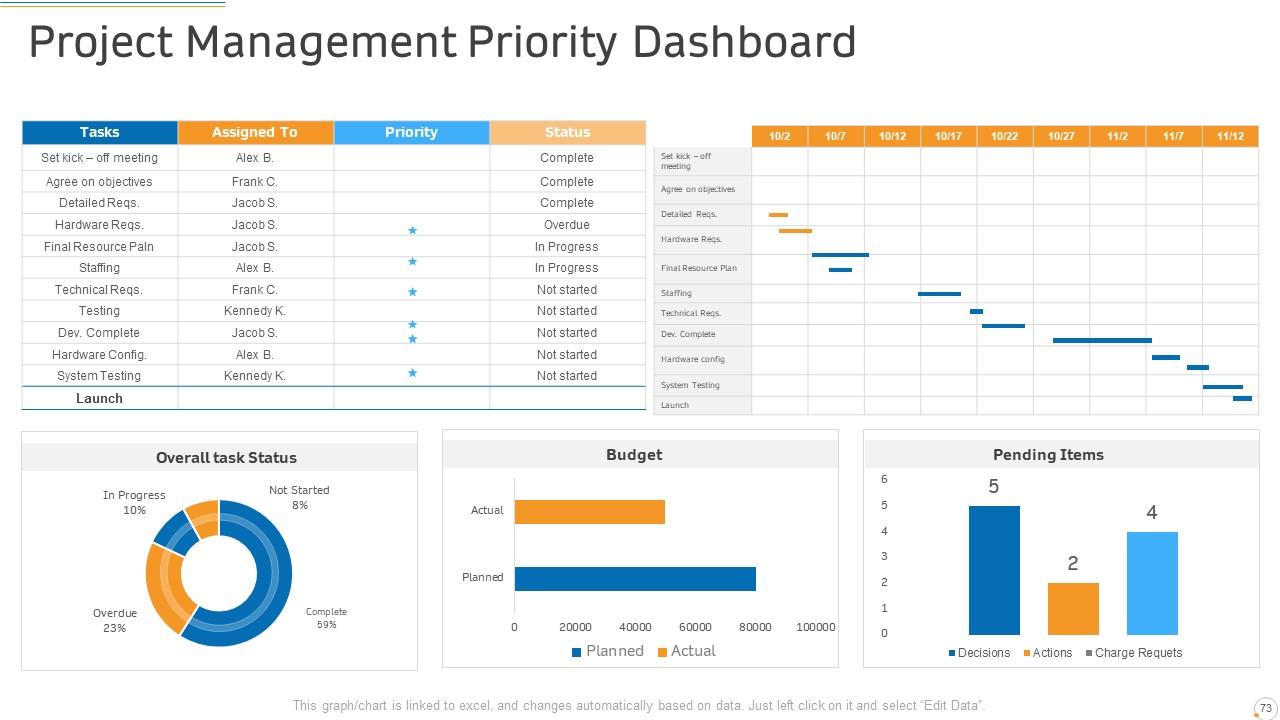
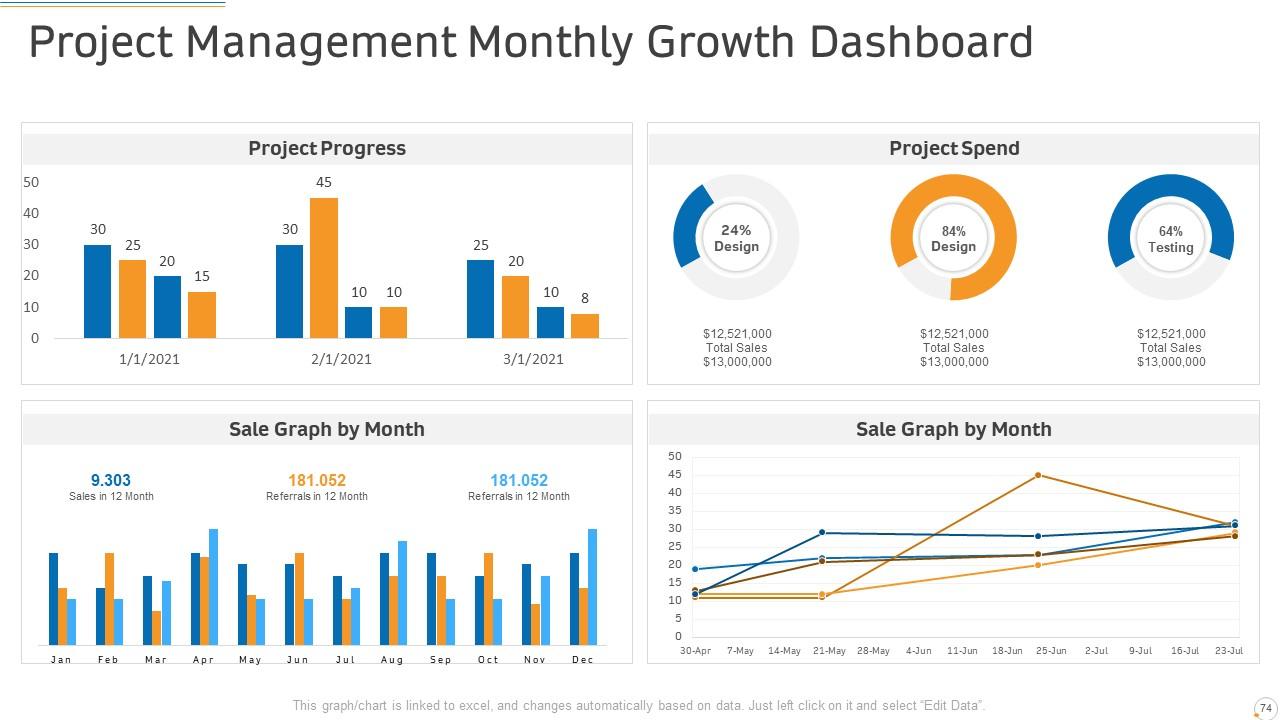
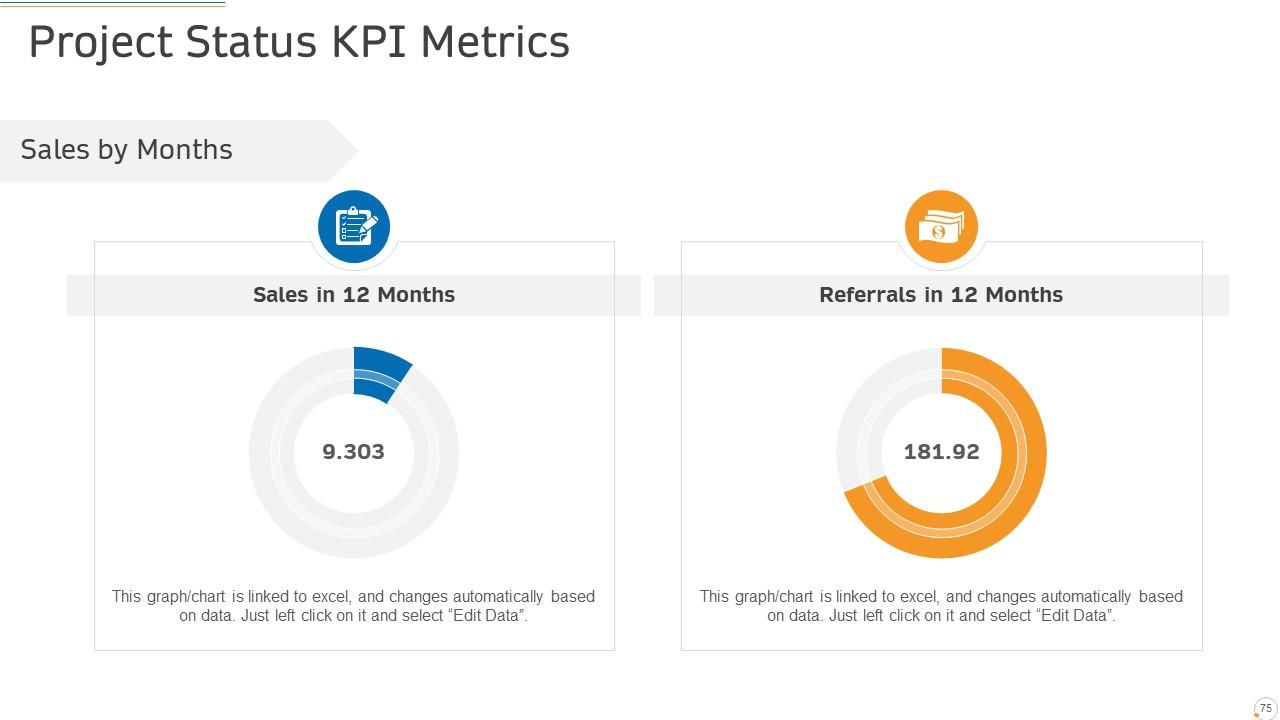
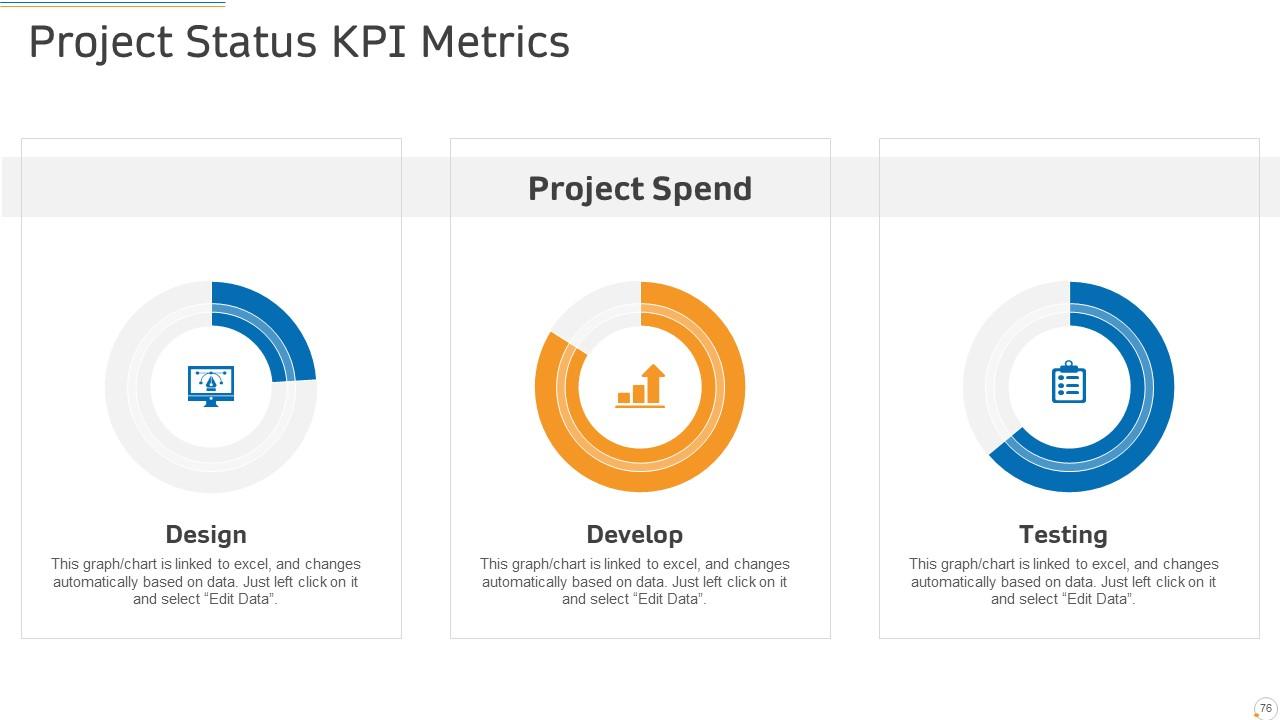
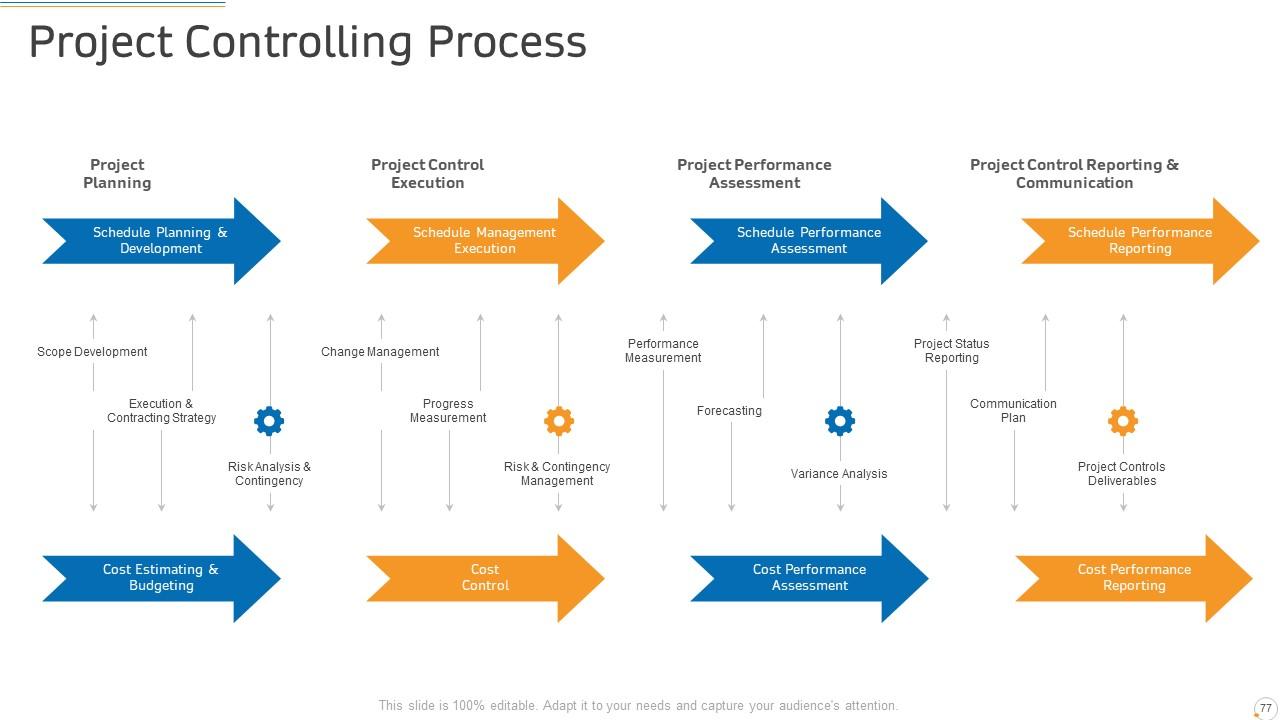
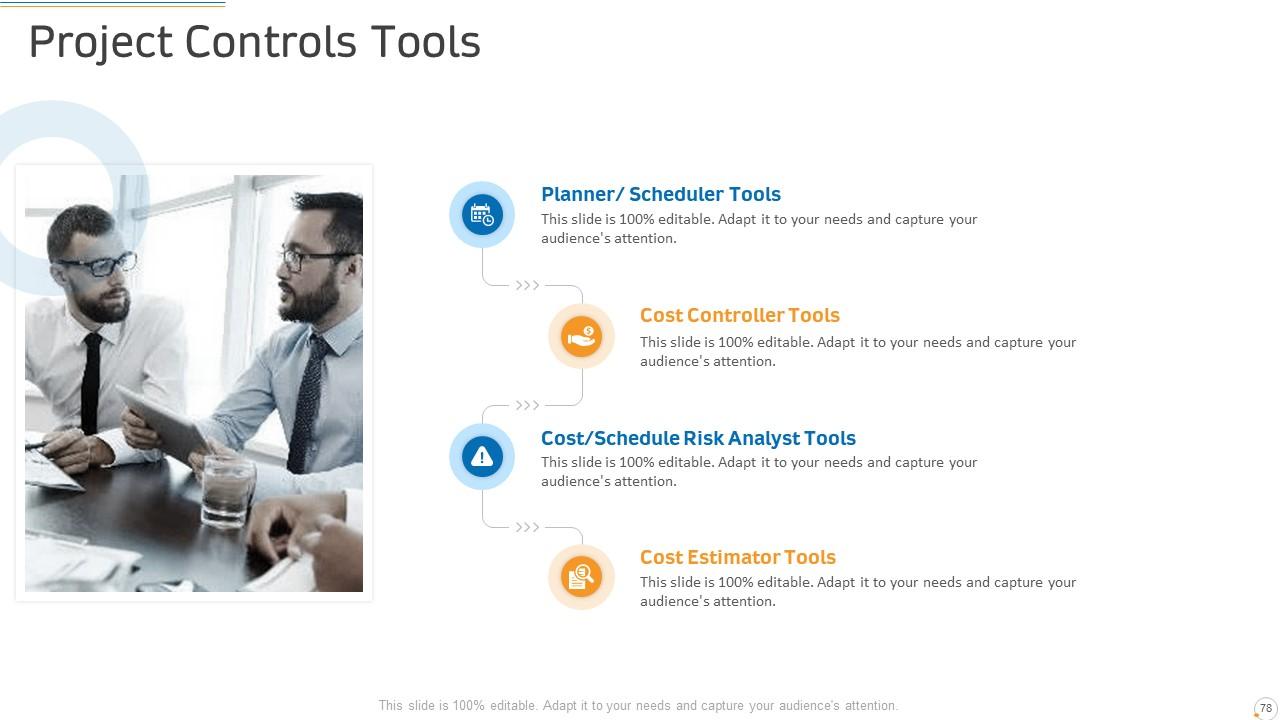
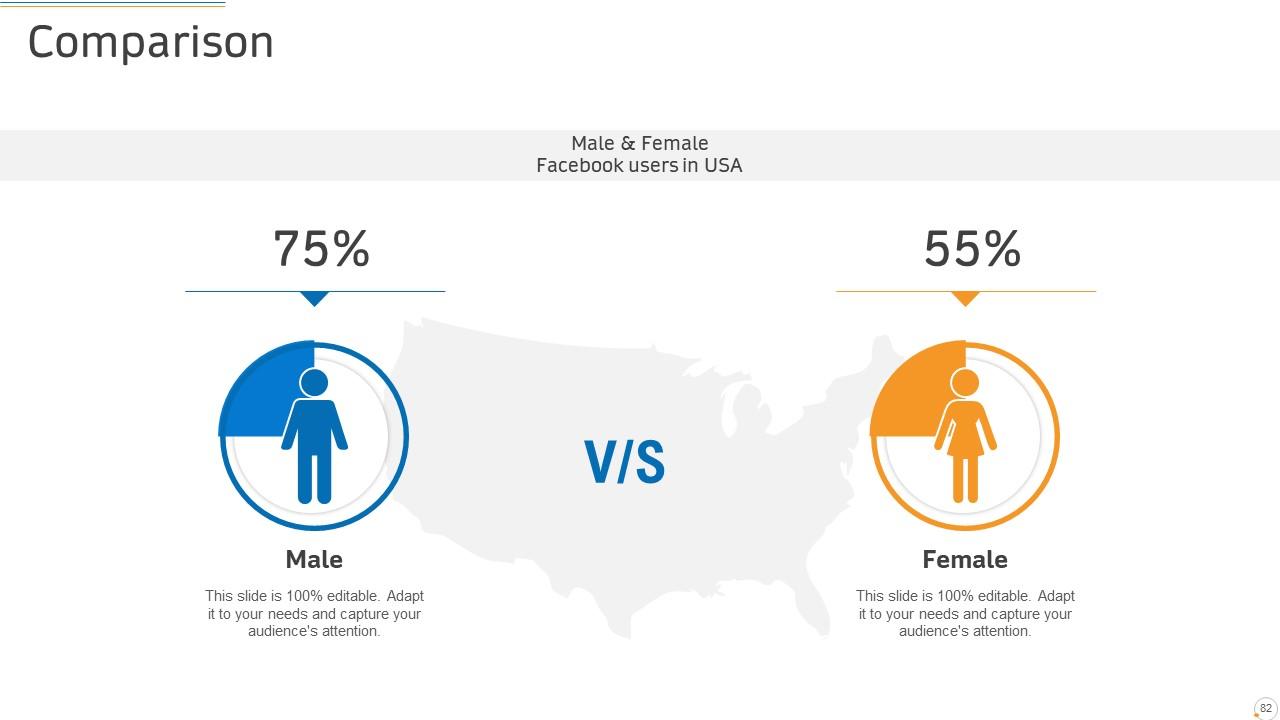
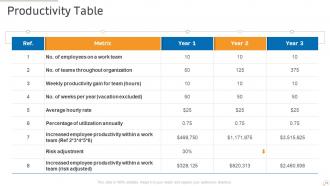
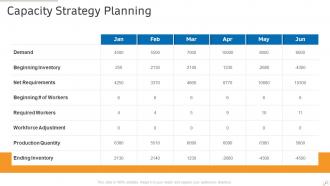
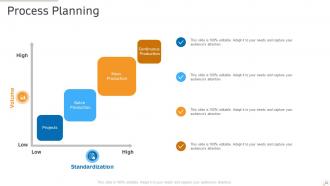
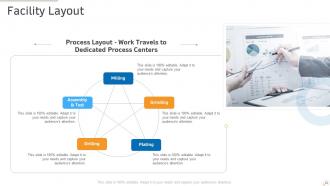
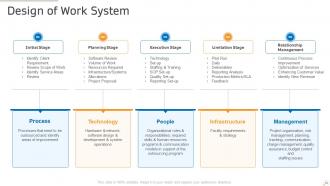
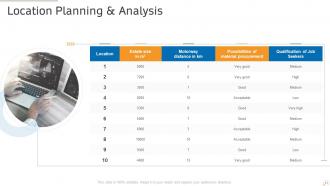
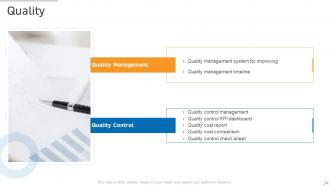
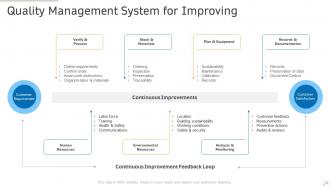
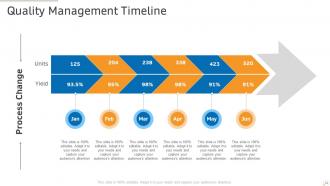
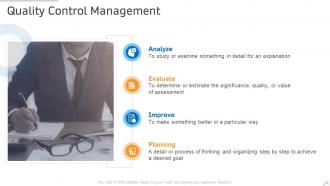
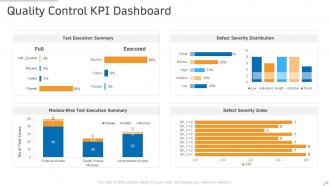
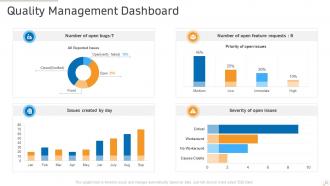
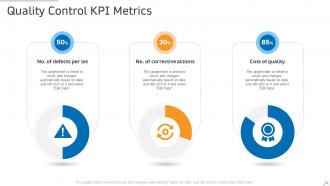
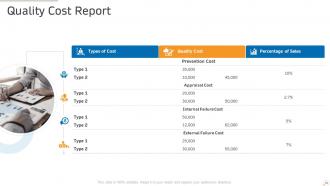
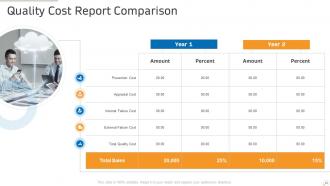
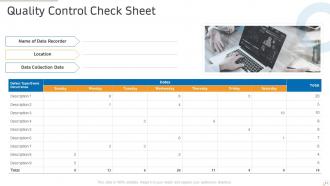
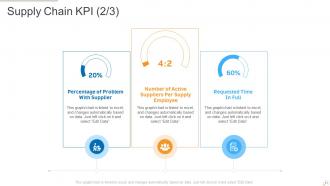
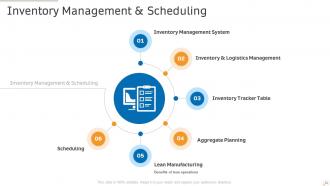
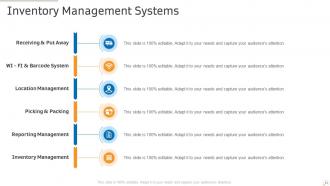
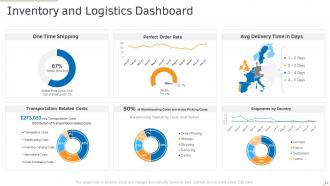
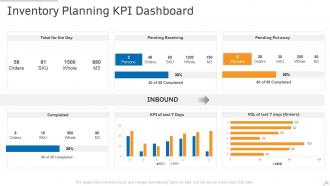
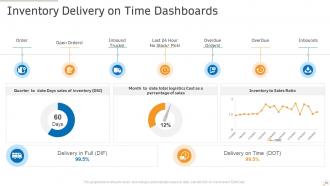
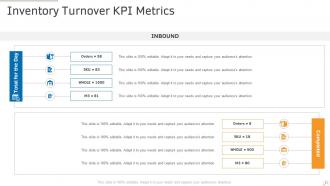
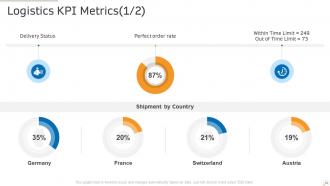
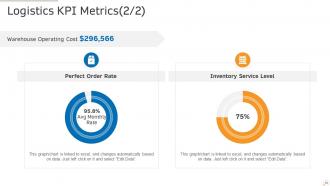
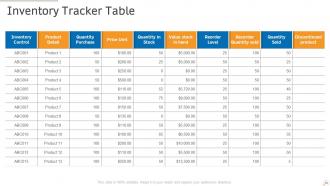
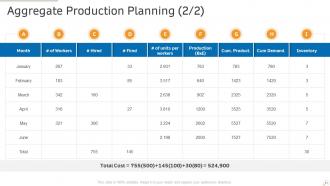
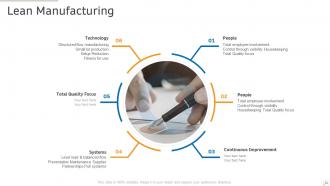
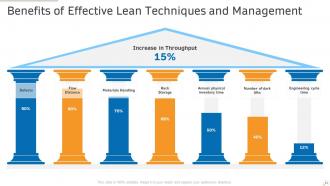
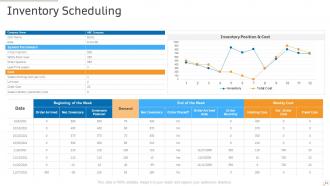
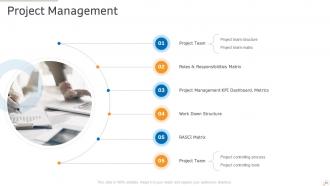
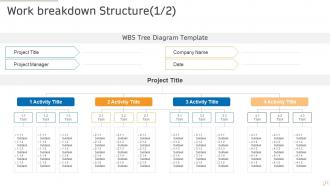
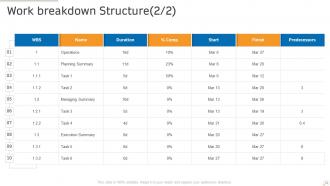
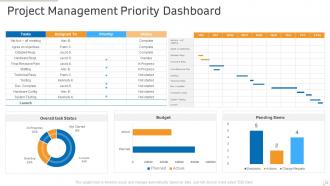
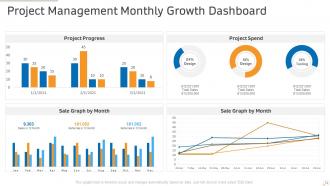
Encante a su audiencia con esta cubierta completa de diapositivas PPT de gestión de producción. Aumente su umbral de presentación implementando esta plantilla bien diseñada. Actúa como una gran herramienta de comunicación debido a su contenido bien investigado. También contiene iconos estilizados, gráficos, elementos visuales, etc., que lo convierten en un captador de atención inmediato. Con ochenta y seis diapositivas, esta plataforma completa es todo lo que necesita para llamar la atención. Todas las diapositivas y su contenido pueden modificarse para adaptarse a su entorno empresarial único. No solo eso, otros componentes y gráficos también se pueden modificar para agregar toques personales a este conjunto prefabricado.
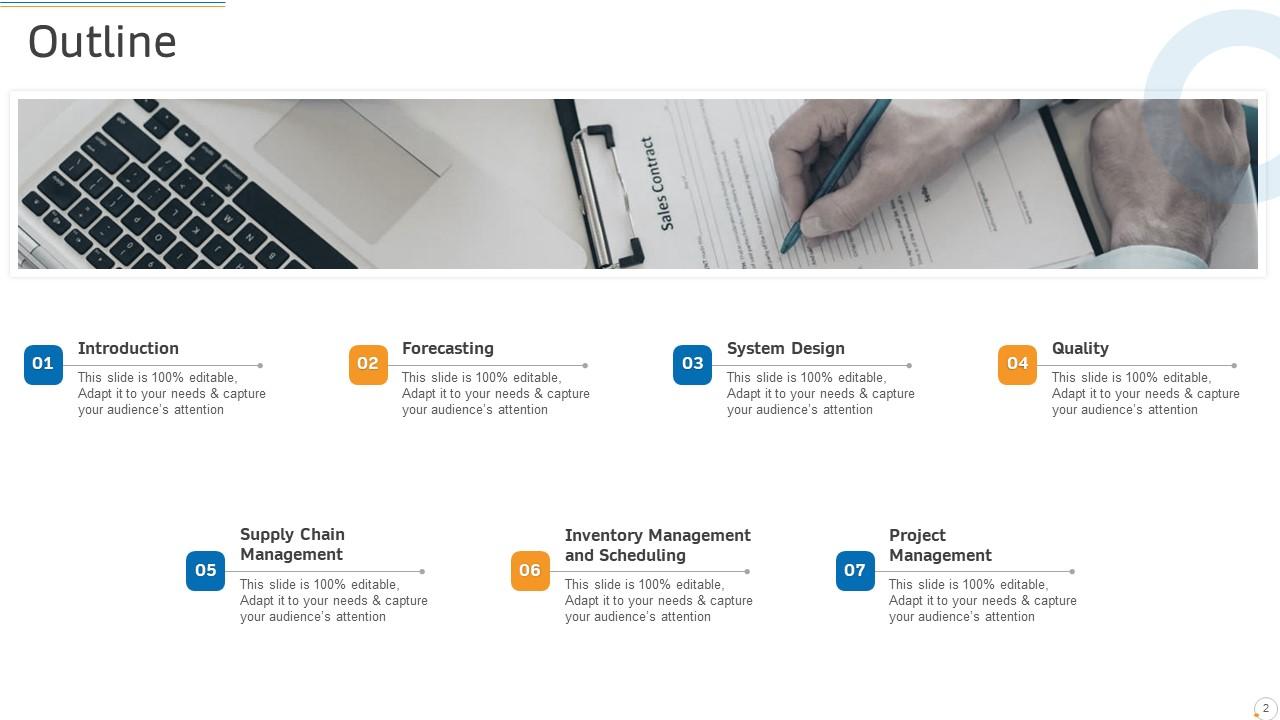
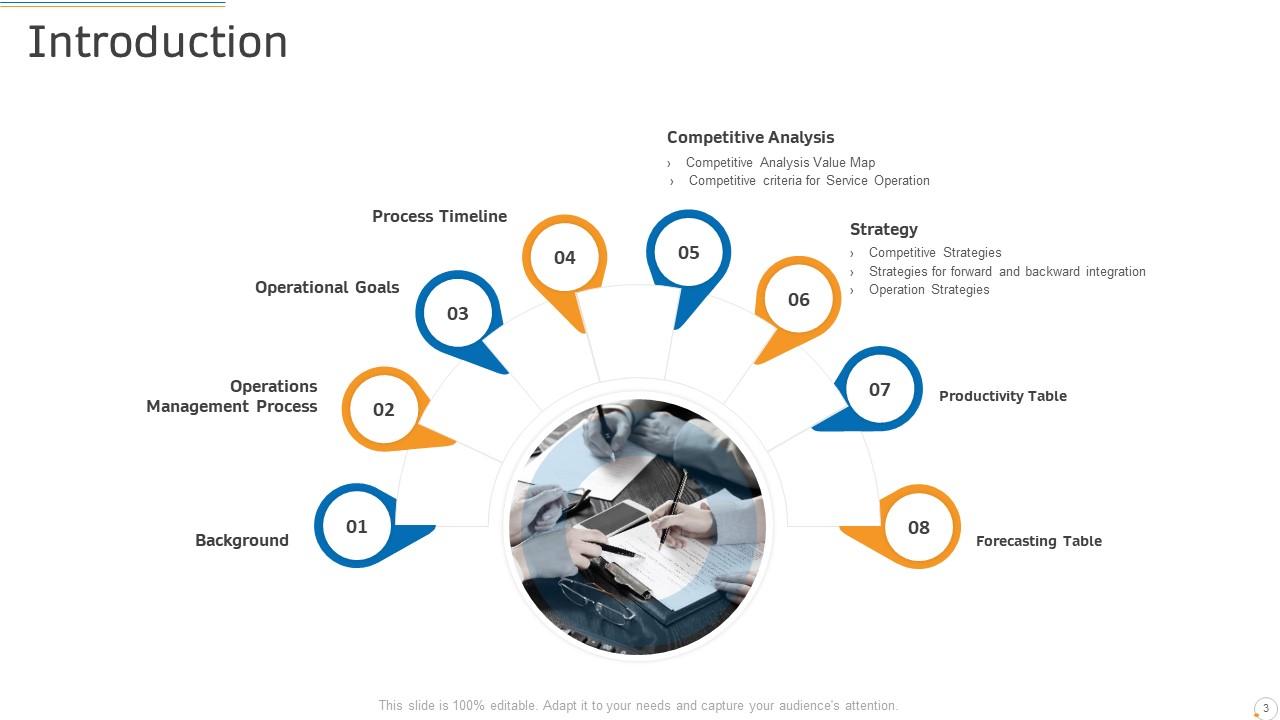
Contenido de esta presentación de Powerpoint

FAQs for Production management ppt

Ok so first thing - map out your workflow and find the biggest bottlenecks, that's where you'll see quick wins. Focus on lean manufacturing and cutting waste everywhere: extra inventory, overproduction, waiting around, defects. Quality control is massive because fixing problems early beats dealing with disasters later. I know standardizing processes sounds super boring but honestly it's what separates the pros from everyone else. Oh and do preventive maintenance instead of just fixing stuff when it breaks. Keep your supply chain people happy too - those relationships matter more than you'd think. Continuous improvement and demand forecasting round it out.

Honestly, tech integration is a game changer for production stuff. It automates all the boring repetitive tasks and gives you real-time data so you're not flying blind. Your teams can actually coordinate properly, inventory tracking becomes way less of a nightmare, and you'll catch equipment issues before they totally screw you over. Cloud systems are great because everyone sees the same info at once - no more annoying back-and-forth calls about schedules. I'd start with just one thing though, maybe inventory or scheduling, because jumping into everything at once usually overwhelms people. Once your team gets the hang of it, then you can expand.

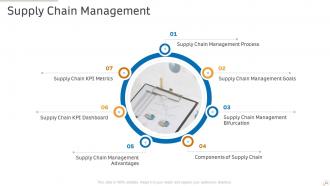
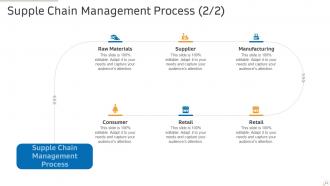
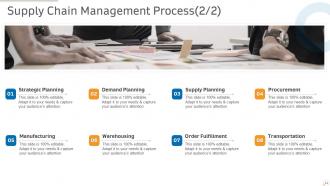
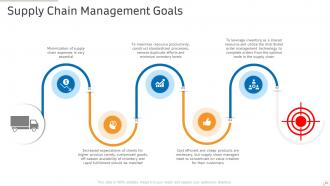
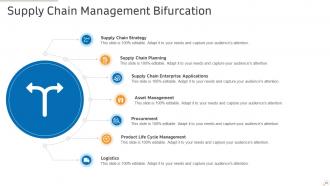
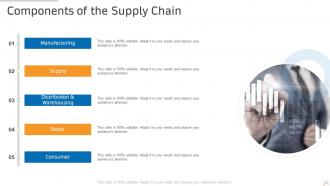
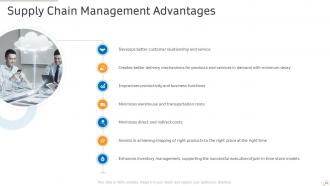
Look, supply chain management is basically what keeps your production from falling apart. You need the right stuff showing up when you need it - otherwise you're scrambling for materials or drowning in inventory that's eating your cash. It's like being the middleman between your suppliers and production schedule. Better relationships with suppliers = way more predictable operations. Honestly, most people underestimate how much this impacts everything else. Start by figuring out who your critical suppliers are, then build some backup plans for your most important components. Trust me on this one.

Look, production planning and control are literally what make or break your whole operation. Get it right and you're minimizing waste, keeping inventory balanced, hitting deadlines. Screw it up? Total chaos - bottlenecks everywhere, customers pissed off, cash flow goes to hell. I've seen companies tank because they couldn't get this basic stuff down. Your profit margins take a beating too. Short bursts work better than long sentences sometimes. Honestly, just invest in decent planning tools and track your KPIs religiously. It'll save your sanity and actually help every single department perform better.

Honestly, the hardest part is getting people on board - everyone's stuck in their old routines even when they suck. Training costs a ton upfront too. Your suppliers become make-or-break since you're relying on just-in-time delivery. One late truck? Your whole system's screwed. Quality issues hit way harder without extra inventory sitting around to cover up problems. Oh, and keeping everyone motivated for continuous improvement is exhausting - it never really ends. I'd start with like one small area first to show it actually works before going all-in.

Dude, you're probably sitting on a goldmine of data already. Most factories collect tons of stuff but never actually dig into it - which is honestly kind of crazy when you think about it. Start tracking your equipment downtime, defects, cycle times, all that. Patterns will jump out that you'd never catch from daily reports. Predictive analytics can help you see maintenance issues coming and forecast demand better. Don't go crazy though - pick one process first and build from there. Real-time dashboards are clutch for monitoring KPIs, but seriously, start small or you'll overwhelm yourself.

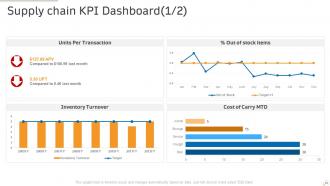
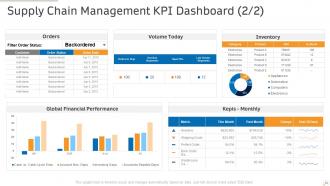
Okay so the big ones you need are OEE, throughput, quality rates, and cycle time. OEE is seriously the best metric out there - combines availability, performance, and quality into one clean number. Track your scrap rates and downtime too, plus labor productivity. Cost per unit and on-time delivery matter since they hit your profits directly. Honestly, if you're just starting out? Focus on OEE and throughput first. Those two will show you where the real problems are hiding. You can always add the other stuff once you've got those dialed in.

Honestly, going green is reshaping everything in production right now. First thing - audit where you're at environmentally, then grab the easy wins like better shipping routes or renewable energy. Material sourcing gets tricky since you're suddenly weighing sustainability against cost (total pain initially). But here's the thing: customers actually want this stuff now, plus regulations aren't getting any looser. Your waste reduction and energy choices hit compliance AND profit margins. I'd say start small - maybe one supplier switch or process tweak - then build from there. It's messier than the old way but pays off.

Start with statistical process control - track your defect rates and use control charts to catch problems early. Don't just inspect at the end when you can't fix anything without major cost. Set up checkpoints during critical stages instead. Six Sigma's pretty solid if your team's willing to learn it (though honestly some places go overboard with it). You've gotta audit your suppliers too since garbage in equals garbage out. Keep your equipment calibrated and maintained - saves tons of headaches later. Pick one method first, nail it down, then add more techniques gradually.

Dude, training your crew is huge for production quality and speed. Better trained workers = fewer screws ups and less downtime. They'll catch issues before they become big problems too. I actually saw one place drop their waste by like 30% after revamping their training - pretty wild numbers. Don't just do it once when people start though. That's where most places mess up. Figure out what's causing your biggest headaches on the floor first, then build your training around fixing those specific things. Makes way more sense than generic stuff nobody remembers.

So JIT is getting stuff delivered right when you need it - not weeks early. Cuts down on storage costs big time since you're not hoarding inventory that might go bad. Honestly scared me at first because there's zero cushion if something goes wrong! Cash flow gets way better though, plus you need less warehouse space. Responding to customer demand becomes super quick too. Your suppliers have to be totally reliable - that's non-negotiable. Oh and the scheduling has to be perfect. I'd test it on just one product first before doing everything.

So basically you go from doing everything yourself to watching over the automated stuff and jumping in when things go wrong. Way less micromanaging each step. You'll spend more time looking at data patterns and figuring out how to make workflows better. Honestly, it's kind of nice once you adjust to it - though the transition feels weird at first. Your planning gets more predictive because you're getting actual real-time data instead of guessing. Less time putting out fires, more time on improving processes. I'd start with whatever tasks you do over and over - that's usually the low-hanging fruit for automation.

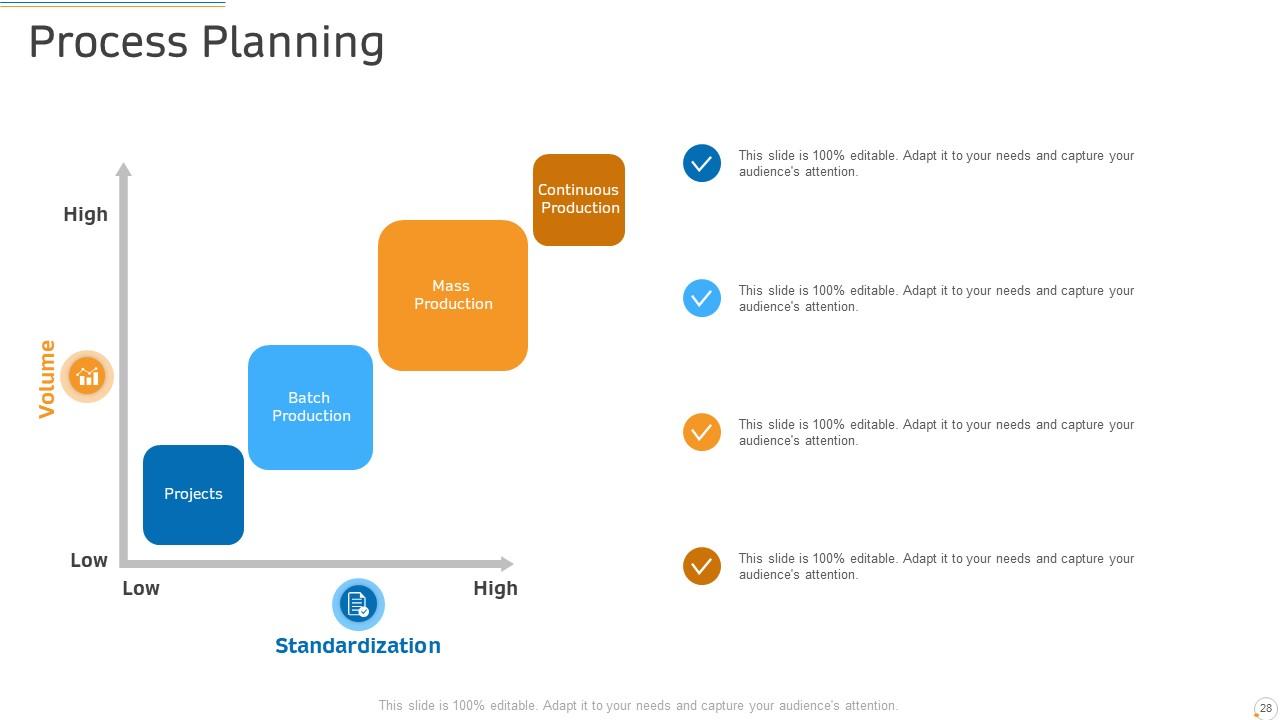
So basically, batch production is when you make stuff in chunks - like a bakery doing 50 loaves, then switching to muffins or whatever. Continuous production never stops running, think oil refineries that go 24/7 (and when they break down, it's a total disaster). Batch lets you switch between different products easily, but continuous is way more efficient for cranking out massive volumes. Honestly, it comes down to what you're making. Need variety? Go batch. Making tons of the same thing? Continuous will save you money.

Honestly, good communication just tears down all those annoying silos that wreck team productivity. Clear priorities and deadlines mean people actually collaborate instead of working against each other - which happens way more than it should, tbh. Trust builds naturally when everyone's on the same page. You'll get fewer mix-ups, quicker problem-solving, and team members who actually flag issues before they blow up. The trick is making it two-way communication, not just managers talking down to everyone. Regular check-ins where people can openly share updates and concerns? That's your starting point right there.

Honestly, you'll want to focus on AI automation and predictive maintenance first - those give the biggest bang for your buck. Digital twins are everywhere now (virtual copies of your production line so you can test stuff without breaking anything). Supply chain resilience is obviously huge after the past few years of chaos. IoT sensors are connecting everything in real-time, which is pretty cool actually. There's also this massive shift toward sustainable practices and circular economy stuff. Oh, and carbon-neutral operations are becoming non-negotiable. I'd say pick whatever matches your biggest headache right now and just start there.

Ratings and Reviews

100% of 100
Review Form
Write a review
Most Relevant Reviews
  1. 100%

    by Dante Wells

    Excellent Designs.

1 Item

per page: