Slides de apresentação em PowerPoint de conclusão do projeto

Rating:
100%
Slide 1 of 30
Favourites Favourites

Try Before you Buy Download Free Sample Product

Audience Impress Your
Audience
Editable 100%
Editable
Time Save Hours
of Time
The Biggest Sale is ending soon in
0
0
:
0
0
:
0
0
Rating:
100%

Recursos desses slides de apresentação em PowerPoint:

Apresentando slides de apresentação em PowerPoint de conclusão do projeto. O deck PPT inclui um conjunto de 30 slides de PowerPoint e layouts profissionais. A apresentação é 100% editável em PowerPoint. Altere as fontes, o texto e a cor de acordo com seus requisitos., Você pode baixar o PPT na proporção de aspecto widescreen (16: 9) e padrão (4: 3). A apresentação PPT contém tabelas e gráficos editáveis, cronogramas, roteiros e outros modelos profissionais do PowerPoint, bem como ícones.

Conteúdo desta apresentação em PowerPoint

Slide 1 : Este slide apresenta a Conclusão do Projeto com uma imagem de fundo.
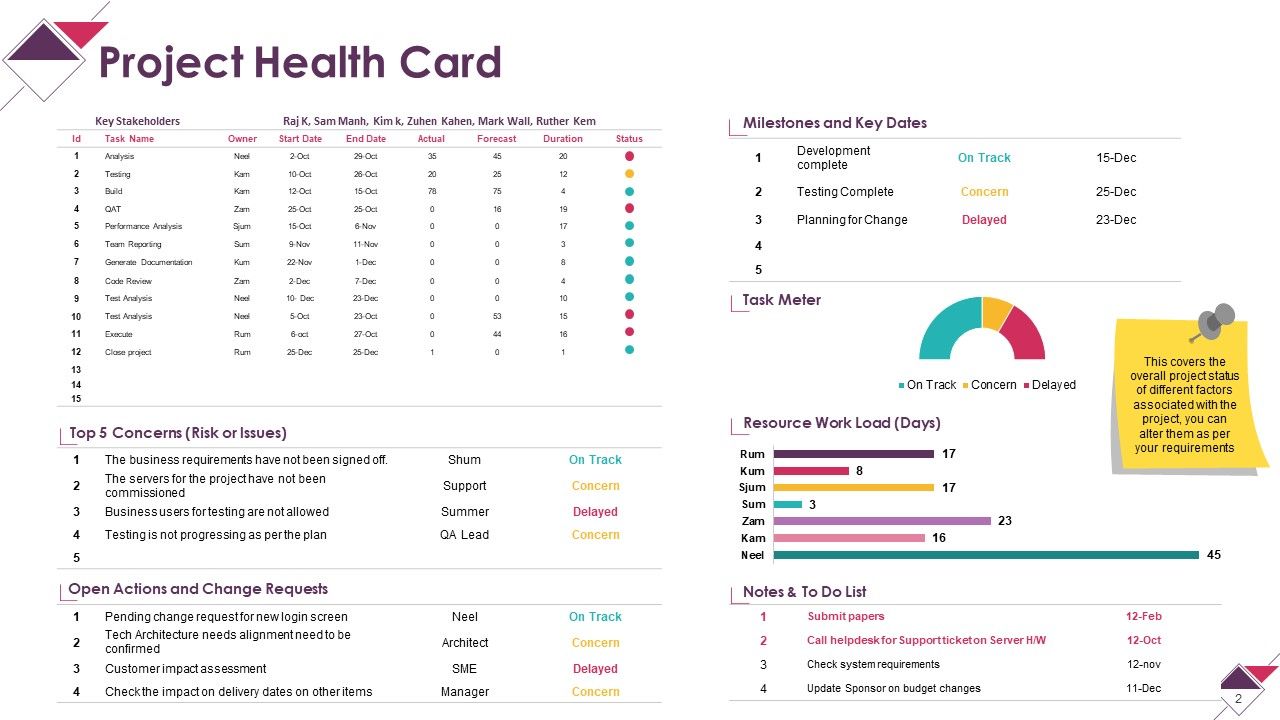
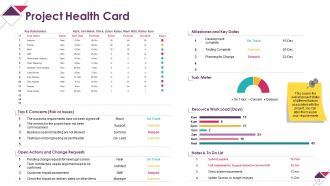
Slide 2 : Este slide mostra um cartão de integridade do projeto com medidor de tarefas, marcos e datas importantes, carga de trabalho de recursos (dias), notas e lista de tarefas pendentes, ações abertas e solicitações de mudança, 5 principais preocupações (risco ou problemas).
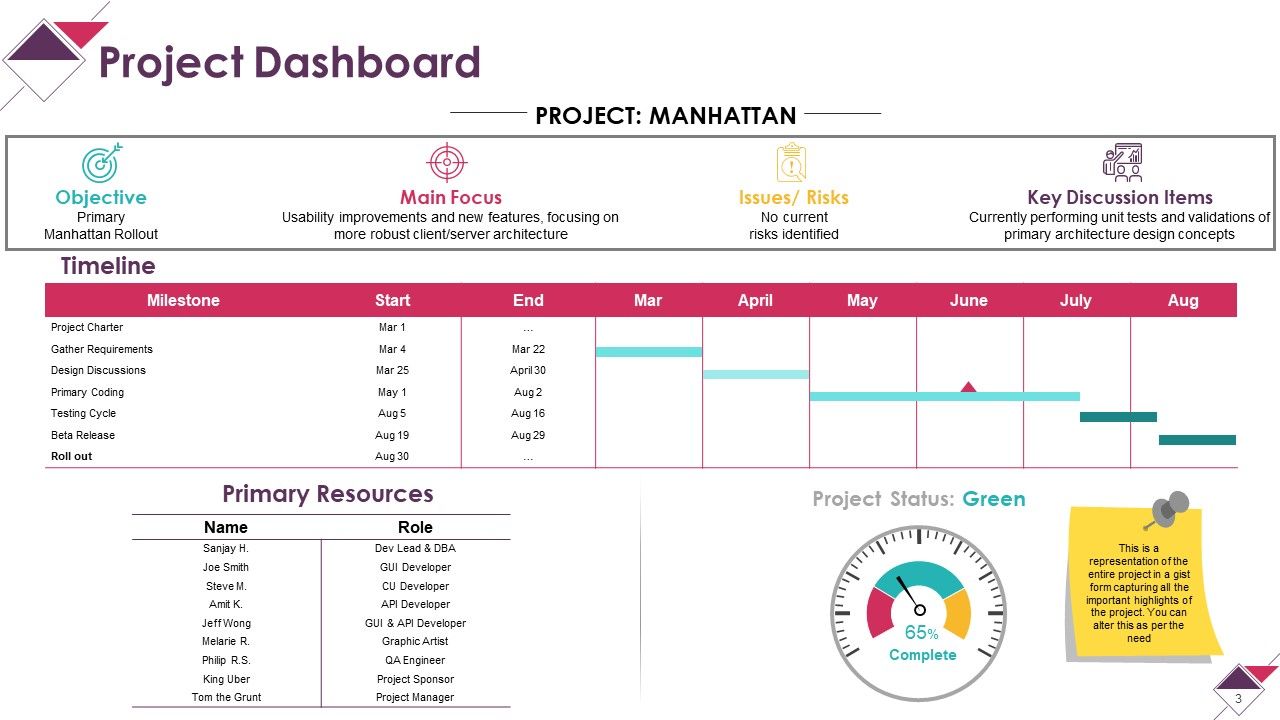
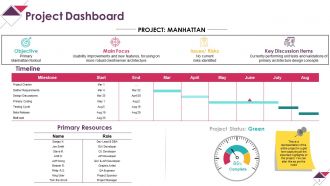
Slide 3 : Este slide apresenta um Painel do Projeto com - Recursos Principais, Objetivo, Foco Principal, Problemas / Riscos, Principais Itens de Discussão, Linha do Tempo.
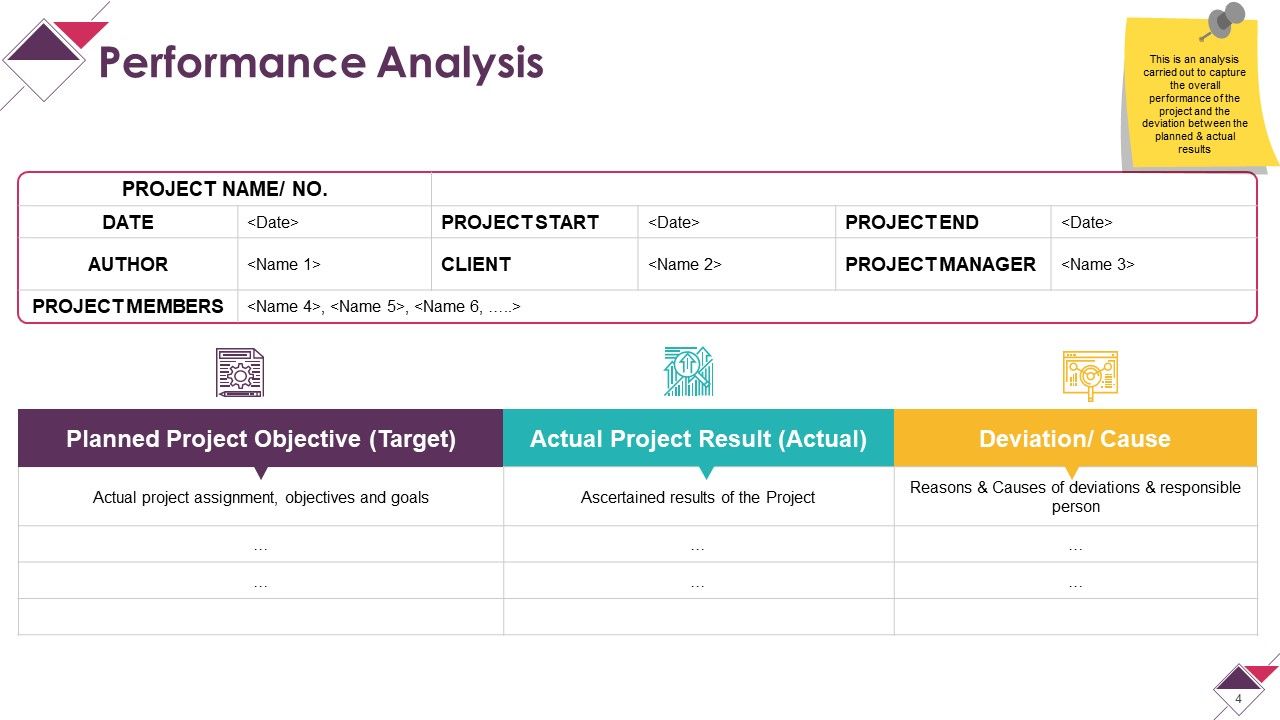
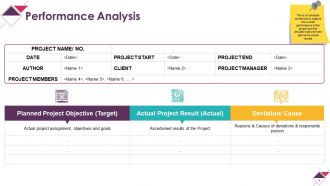
Slide 4 : Este slide apresenta uma Análise de Desempenho com Objetivo do Projeto Planejado (Meta), Resultado Real do Projeto (Real), Desvio / Causa. Esta é uma análise realizada para capturar o desempenho geral do projeto e o desvio entre os resultados planejados e reais.
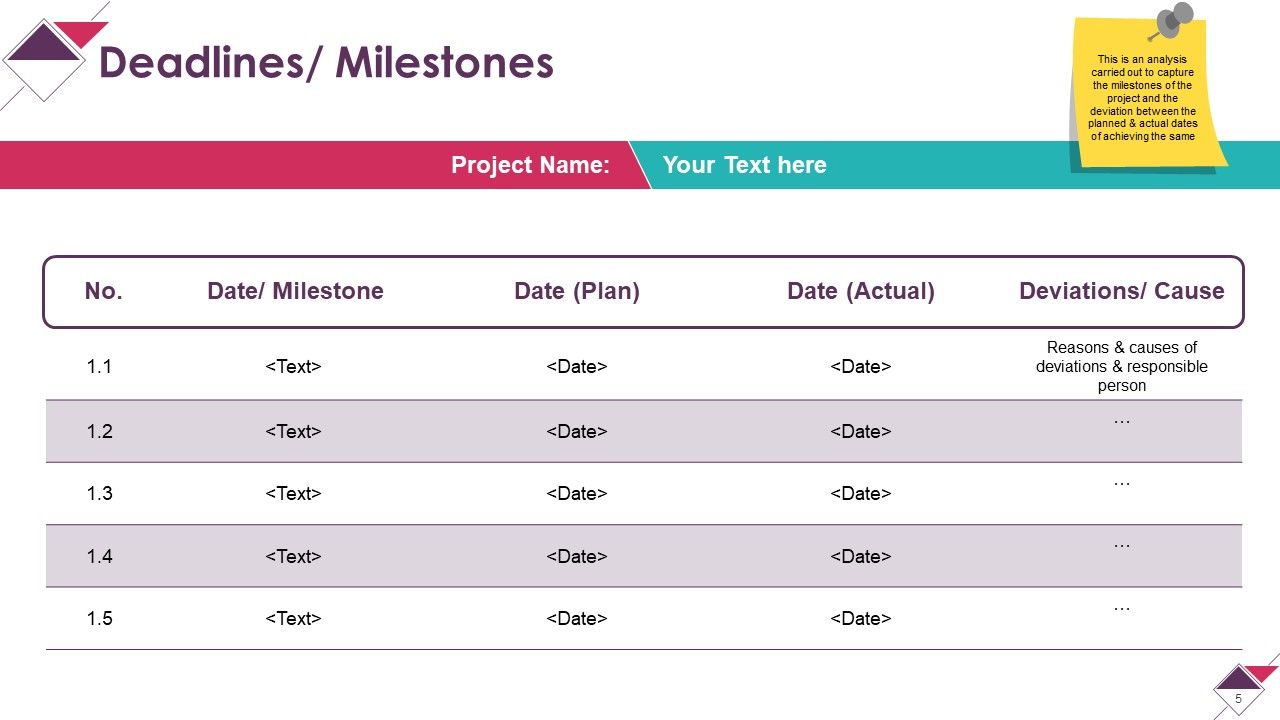
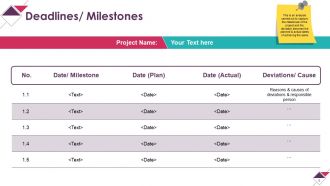
Slide 5 : Este slide apresenta Prazos / Marcos com- Data / Marco, Data (Plano), Data (Real), Desvios / Causa, Nome do Projeto. Esta é uma análise realizada para capturar os marcos do projeto e o desvio entre as datas planejadas e reais para alcançá-los
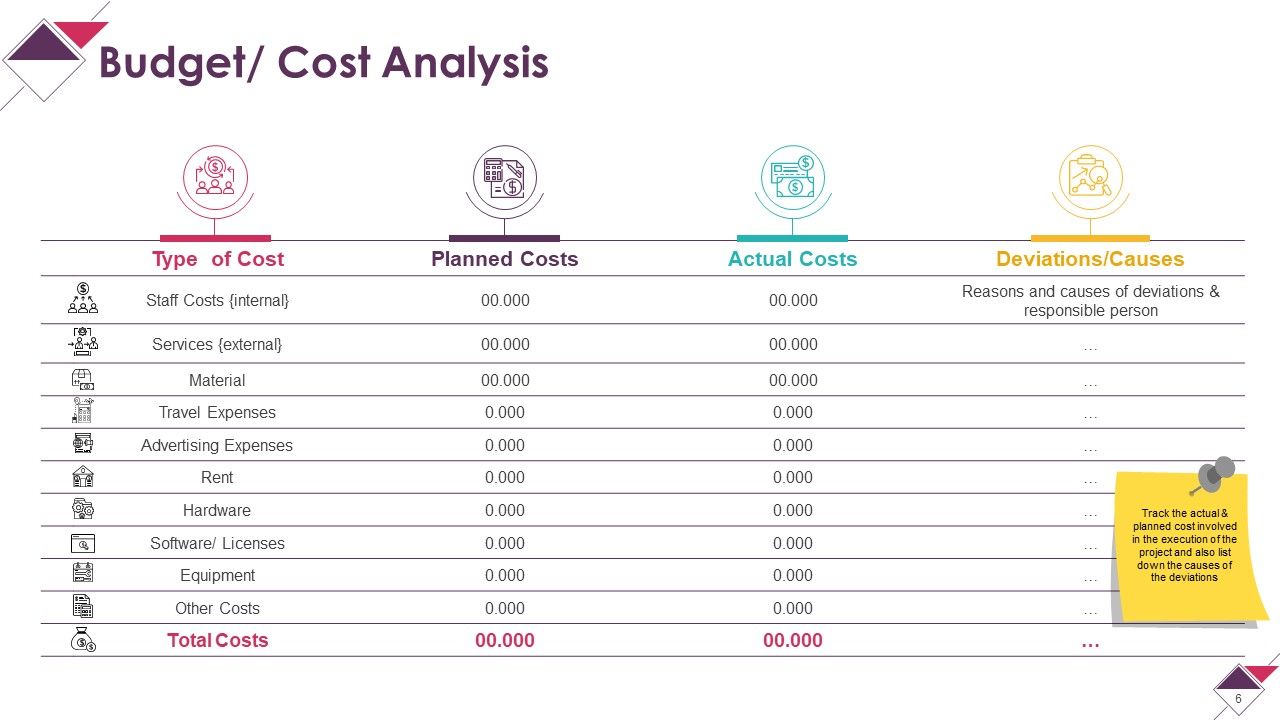
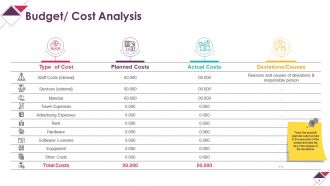
Slide 6 : Este slide apresenta a Análise de Orçamento / Custo. Acompanhe o custo real e planejado envolvido na execução do projeto e também liste as causas dos desvios.
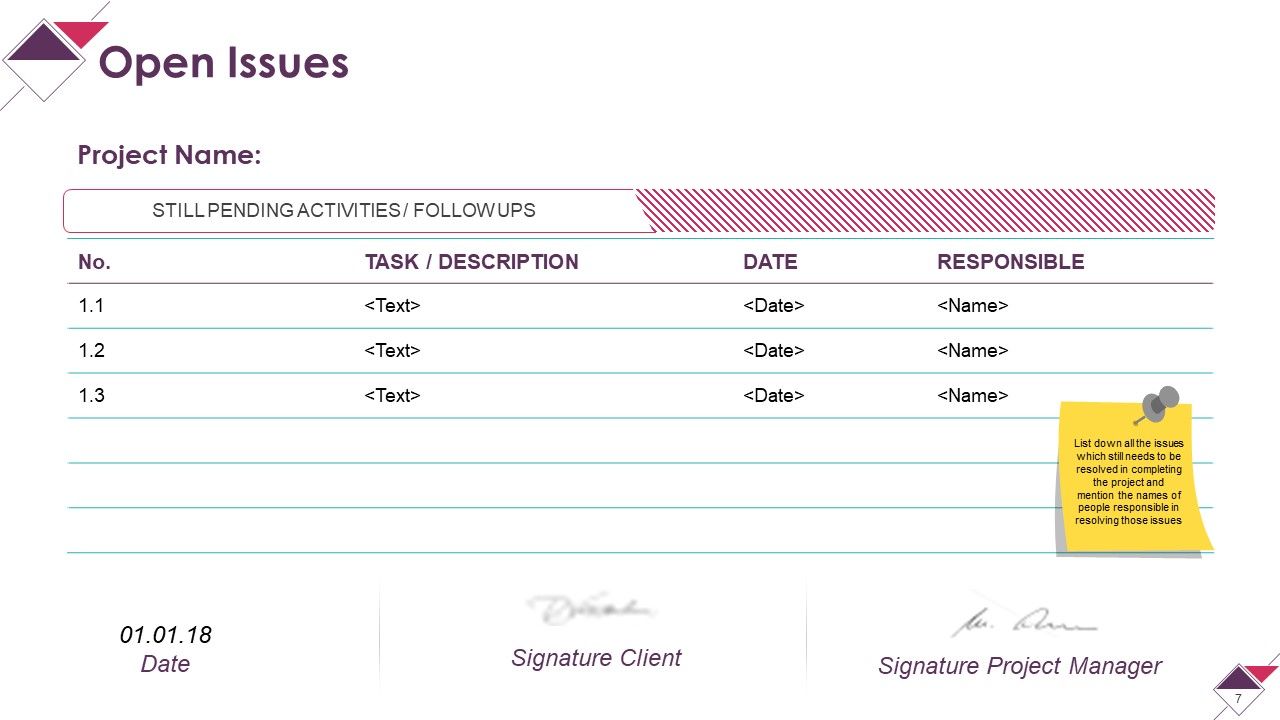
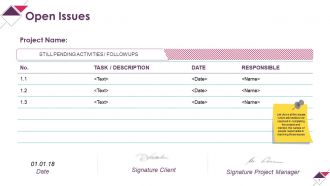
Slide 7 : Este slide exibe Problemas em aberto com - Nome do projeto, Data, Responsável por resolver os problemas. Liste todos os problemas que ainda precisam ser resolvidos para a conclusão do projeto e mencione os nomes das pessoas responsáveis pela resolução desses problemas.
Slide 8 : Este é um slide de imagem do Coffee Break para parar. Esta é uma imagem representativa e pode ser substituída por sua própria imagem.
Slide 9 : Este slide é intitulado Gráfico e gráficos
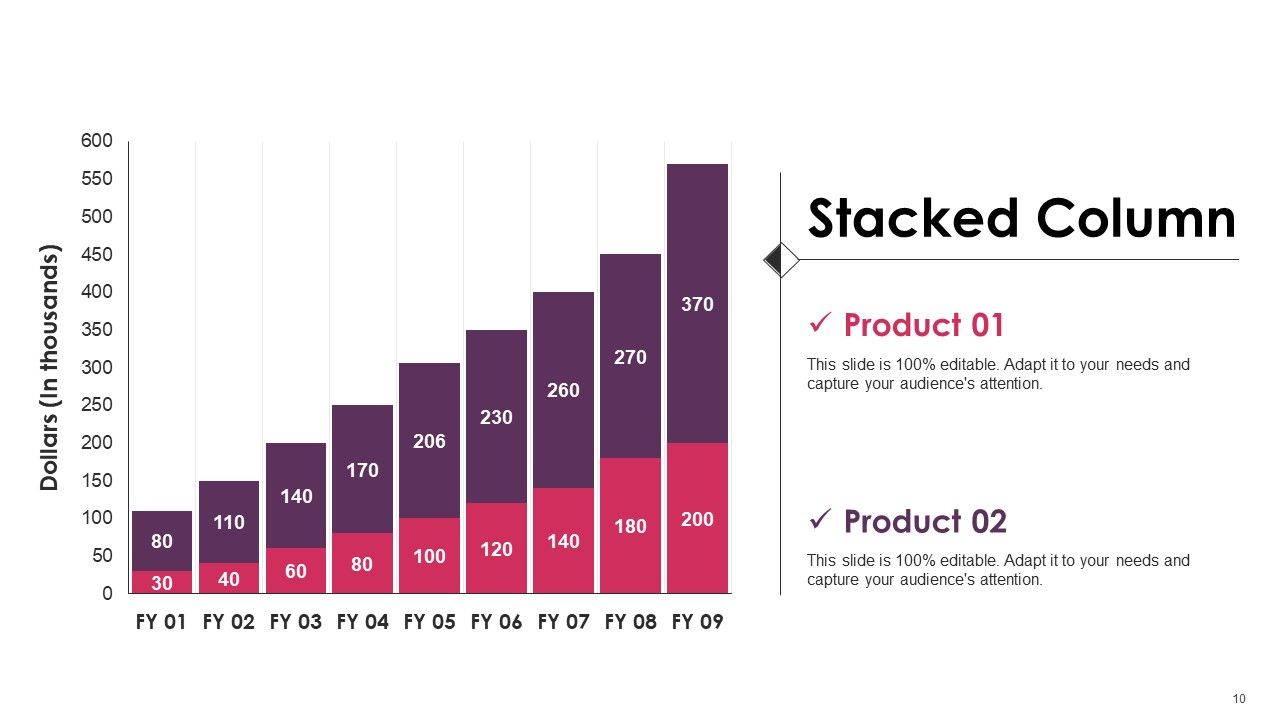
Slide 10 : Este slide apresenta uma coluna empilhada para comparação de produto / entidade.
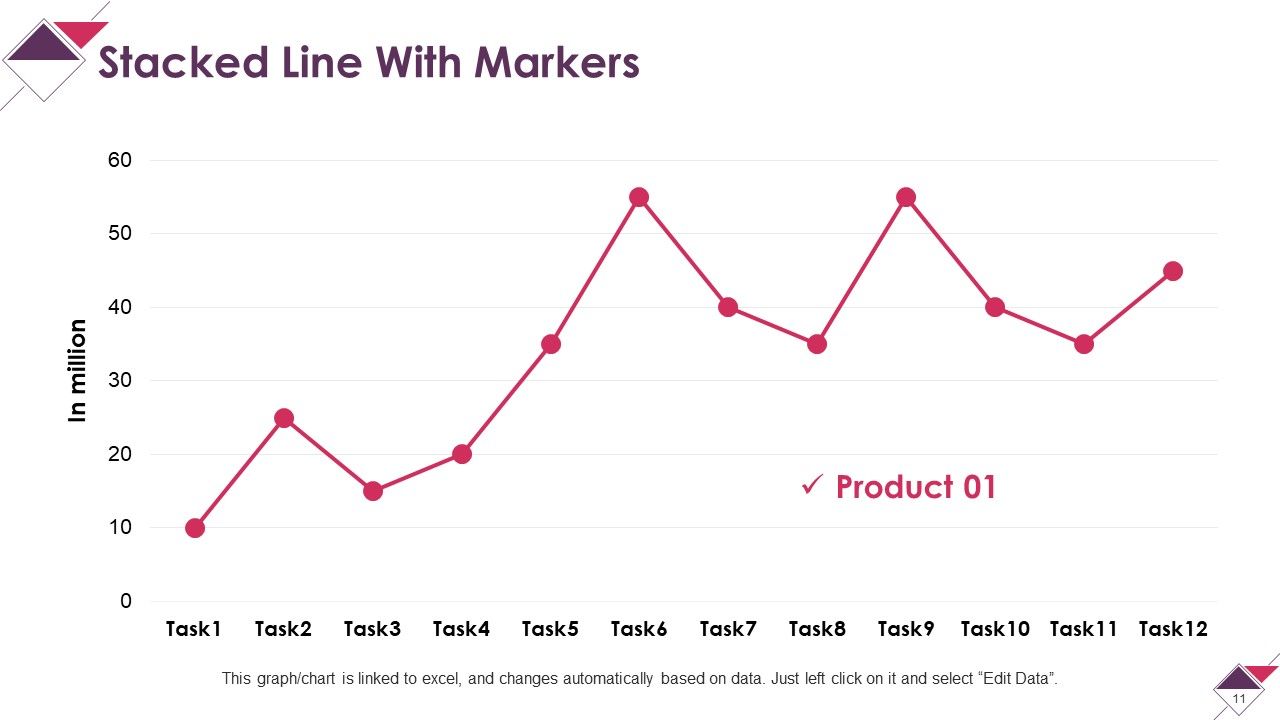
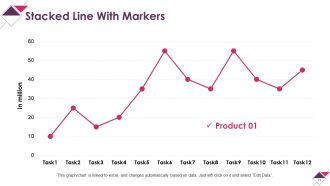
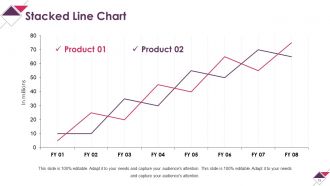
Slide 11 : Este slide apresenta uma Linha Empilhada com marcadores para crescimento ou posicionamento de produto / entidade.
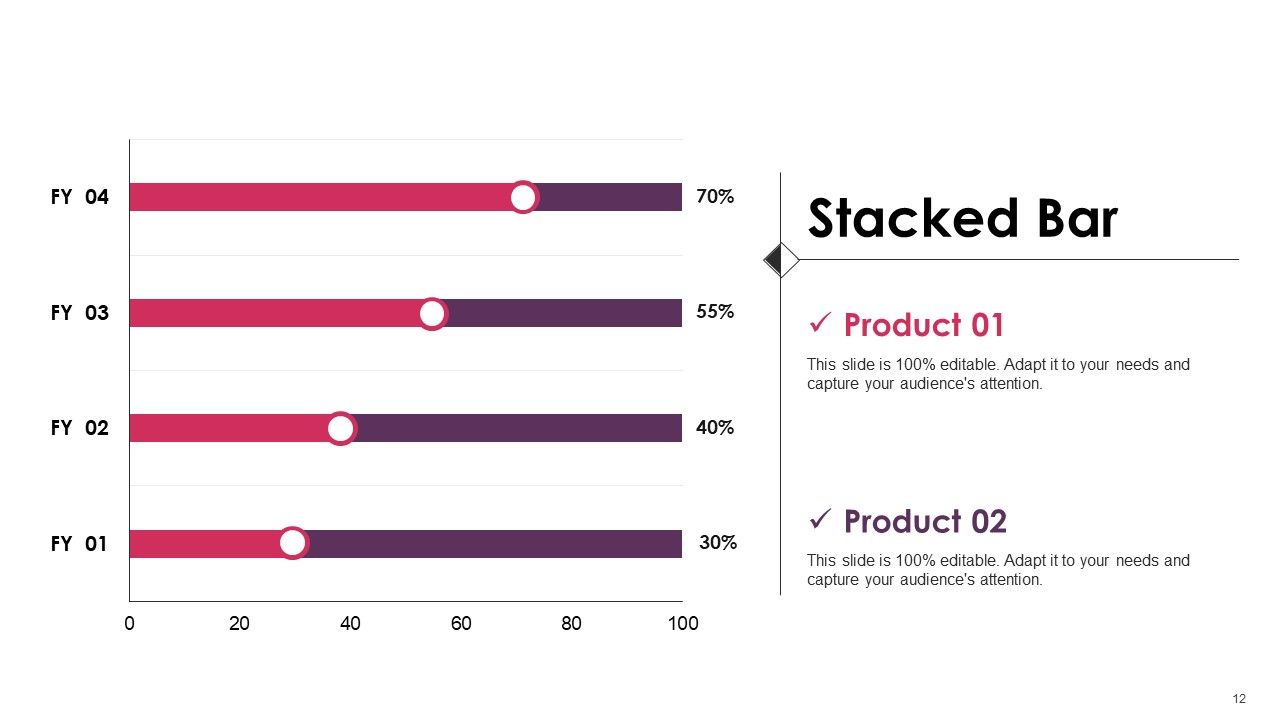
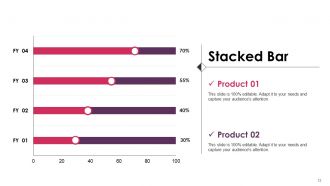
Slide 12 : Este slide apresenta um gráfico de barras empilhadas para comparação de produto / entidade.
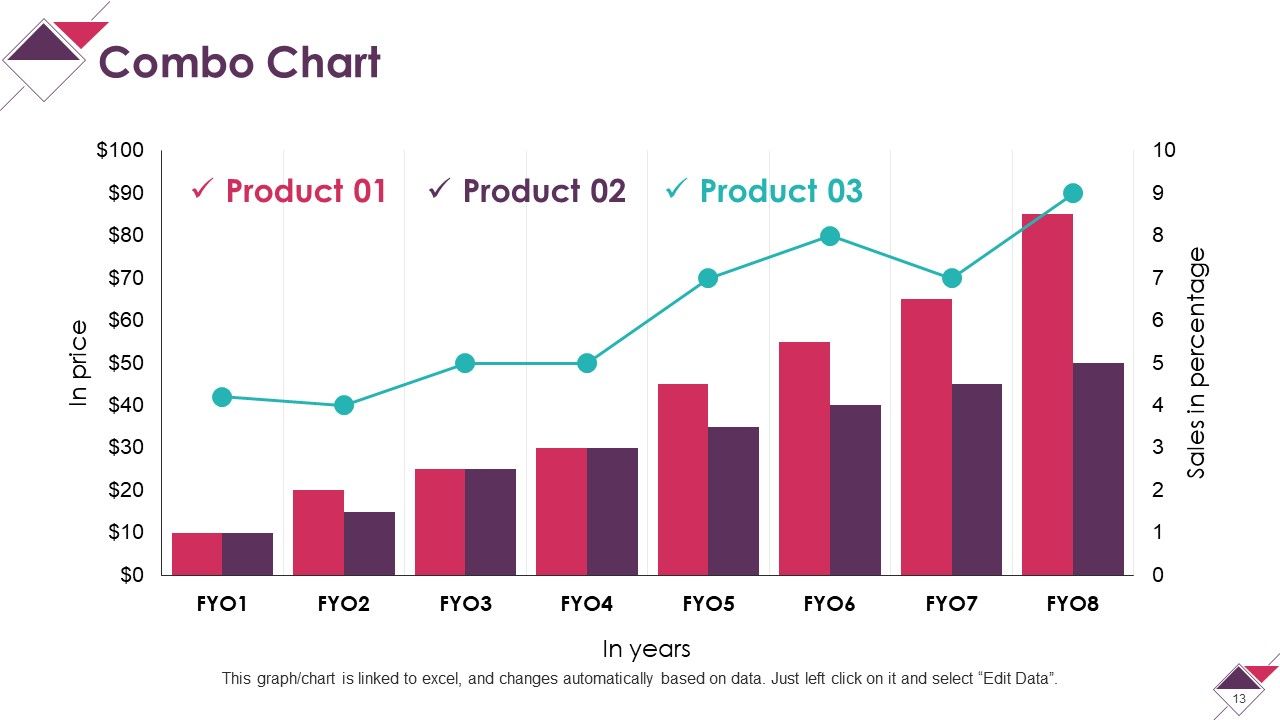
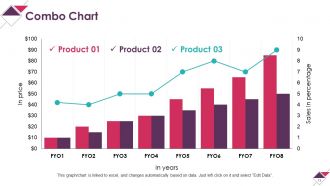
Slide 13 : Este slide apresenta um gráfico de combinação para comparação de produto / entidade.
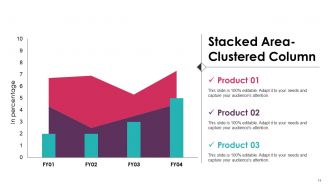
Slide 14 : Este slide apresenta uma coluna Stacked Area Clustered para comparação de produto / entidade.
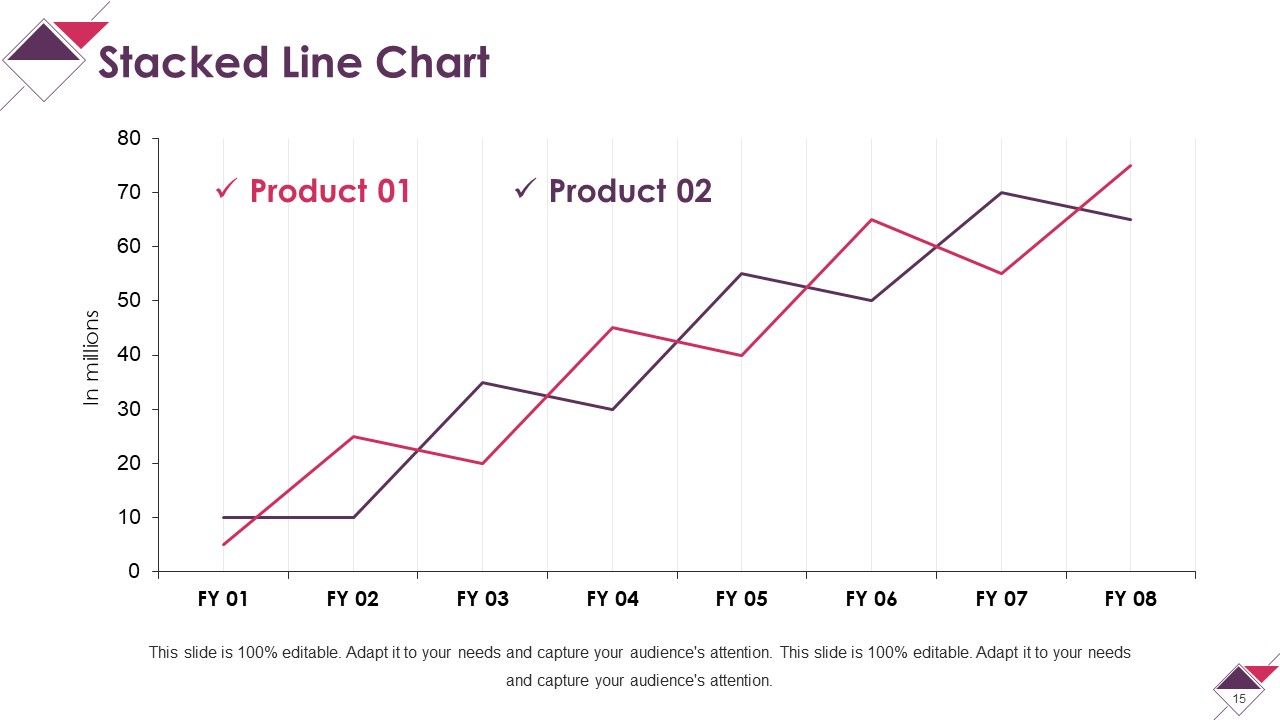
Slide 15 : Este slide apresenta um gráfico de linhas empilhadas para mostrar o crescimento ou posicionamento do produto / entidade.
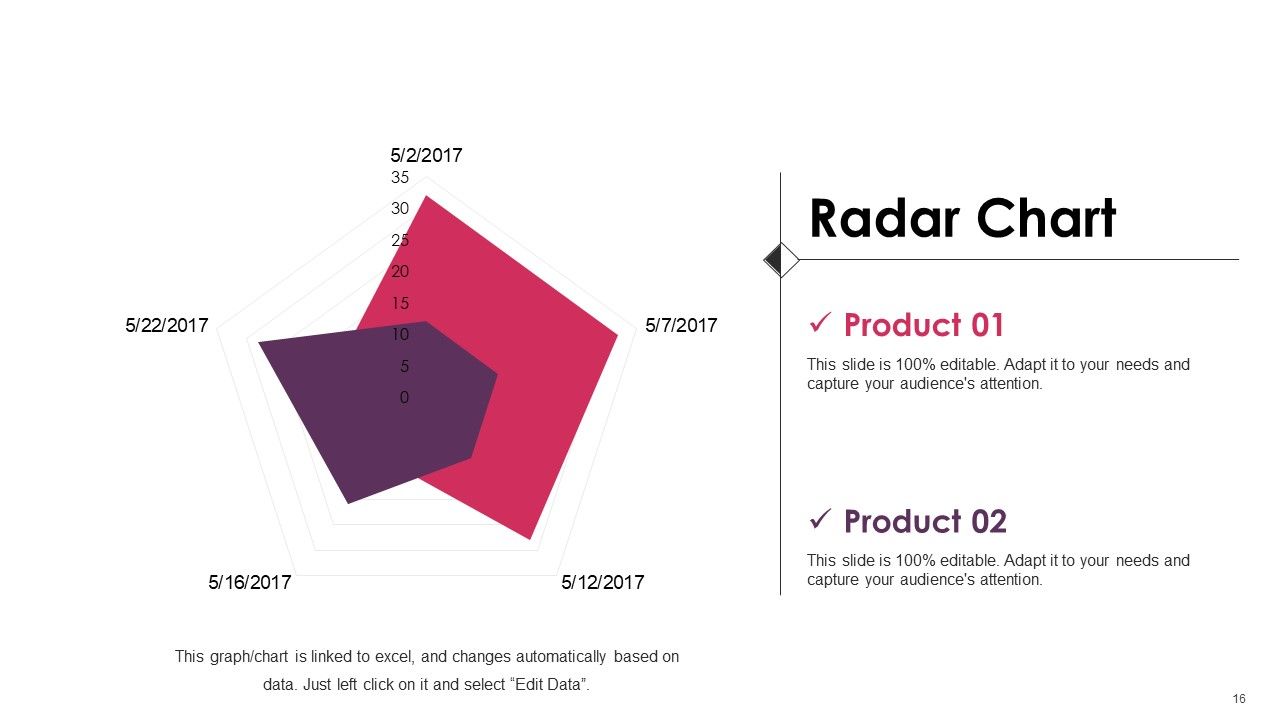
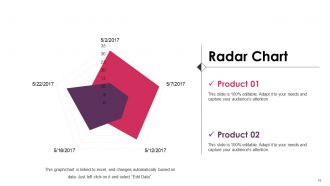
Slide 16 : Este slide apresenta um gráfico de radar para comparação de produto / entidade.
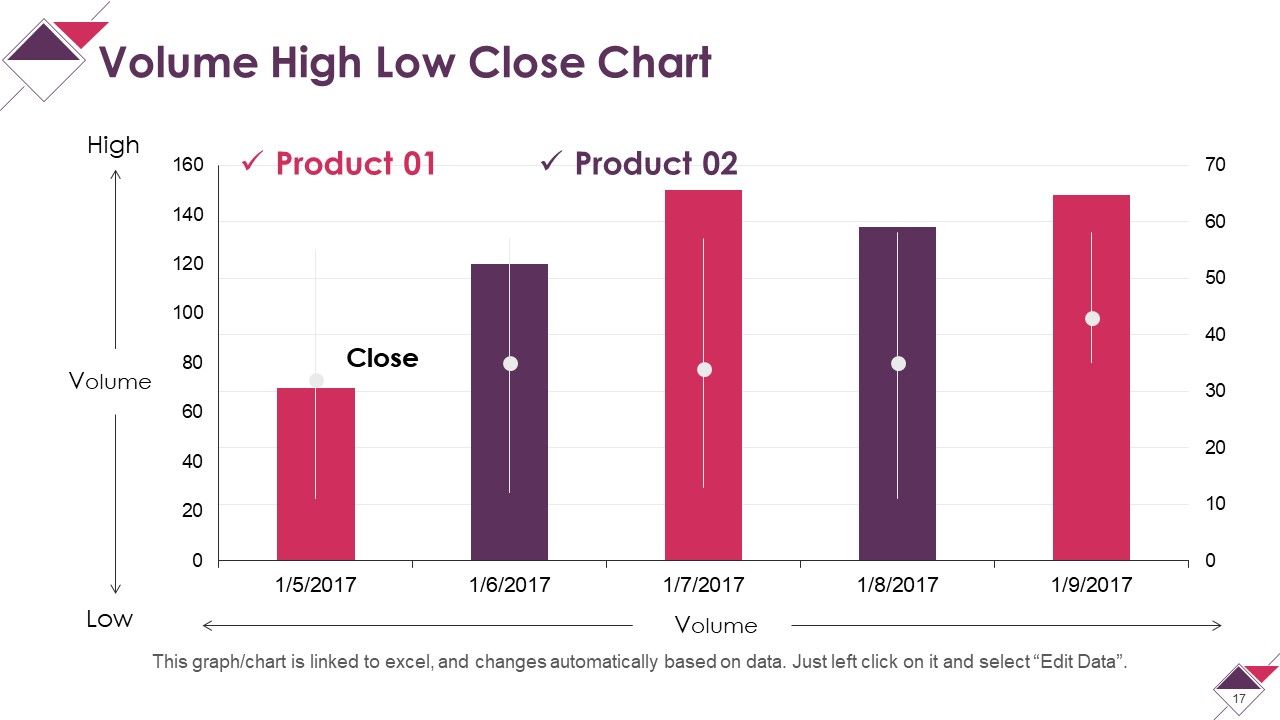
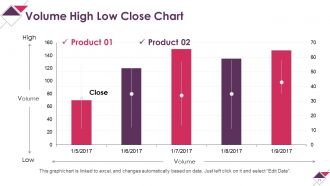
Slide 17 : Este slide mostra o Gráfico de Fechamento de Volume Alto Baixo para comparação de produtos diferentes.
Slide 18 : Este slide é intitulado Slides adicionais para prosseguir.
Slide 19 : Este slide mostra Nossa Missão. Declare sua missão aqui.
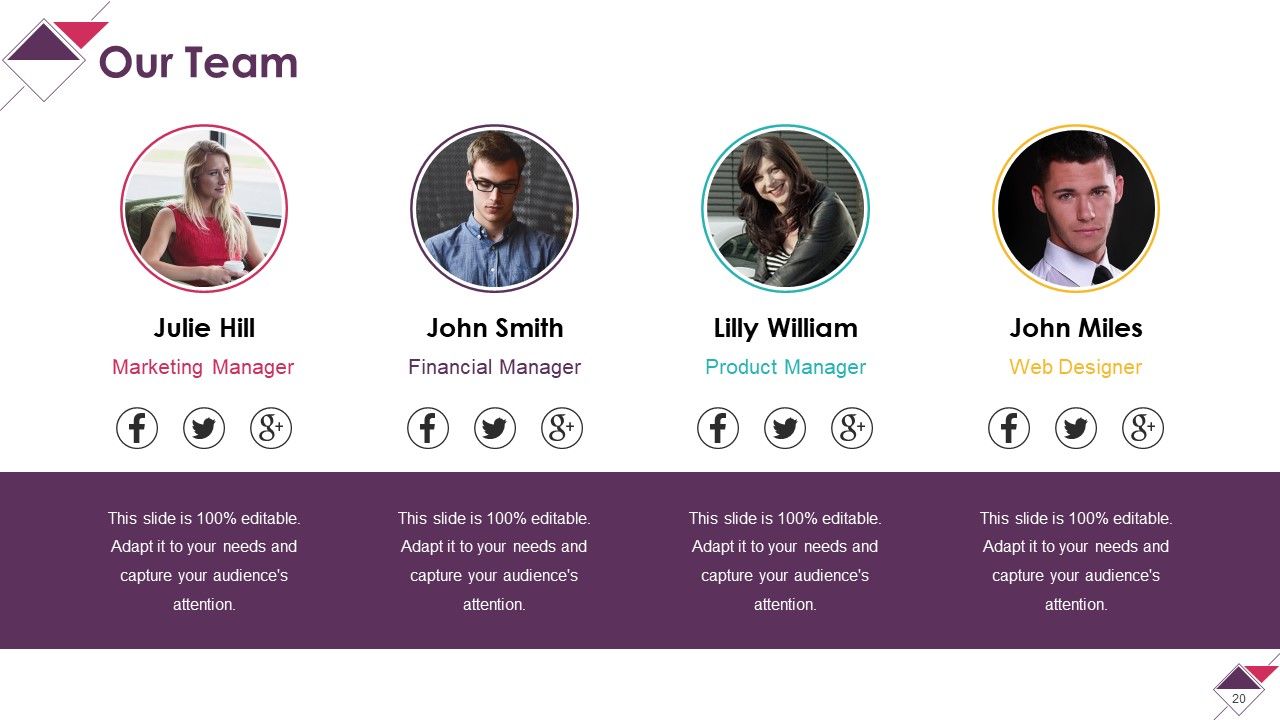
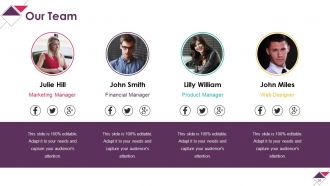
Slide 20 : Este slide apresenta Nossa Equipe com caixas de nome, designação e imagem.
Slide 21 : Este é um slide sobre nossa empresa. Indique as especificações da empresa / equipe aqui.

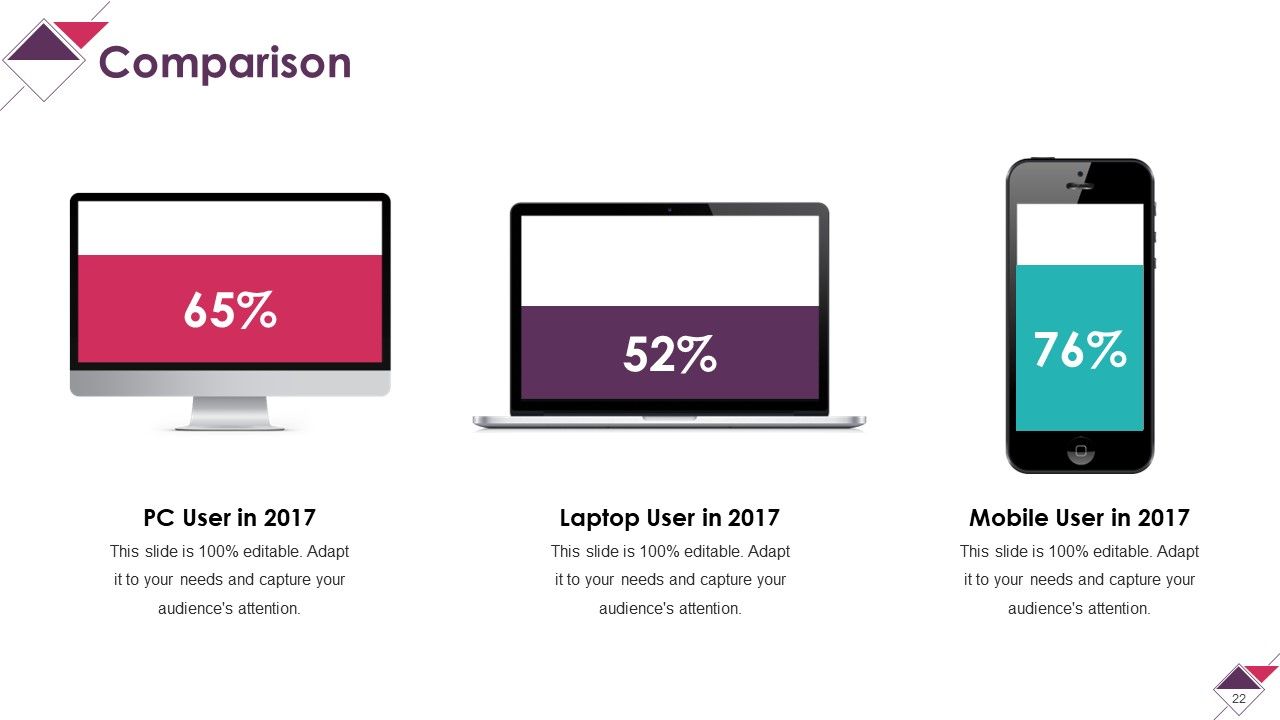
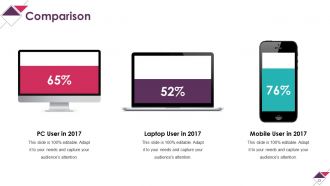
Slide 22 : Este slide mostra um slide de comparação com usuários de celulares, laptops e computadores.
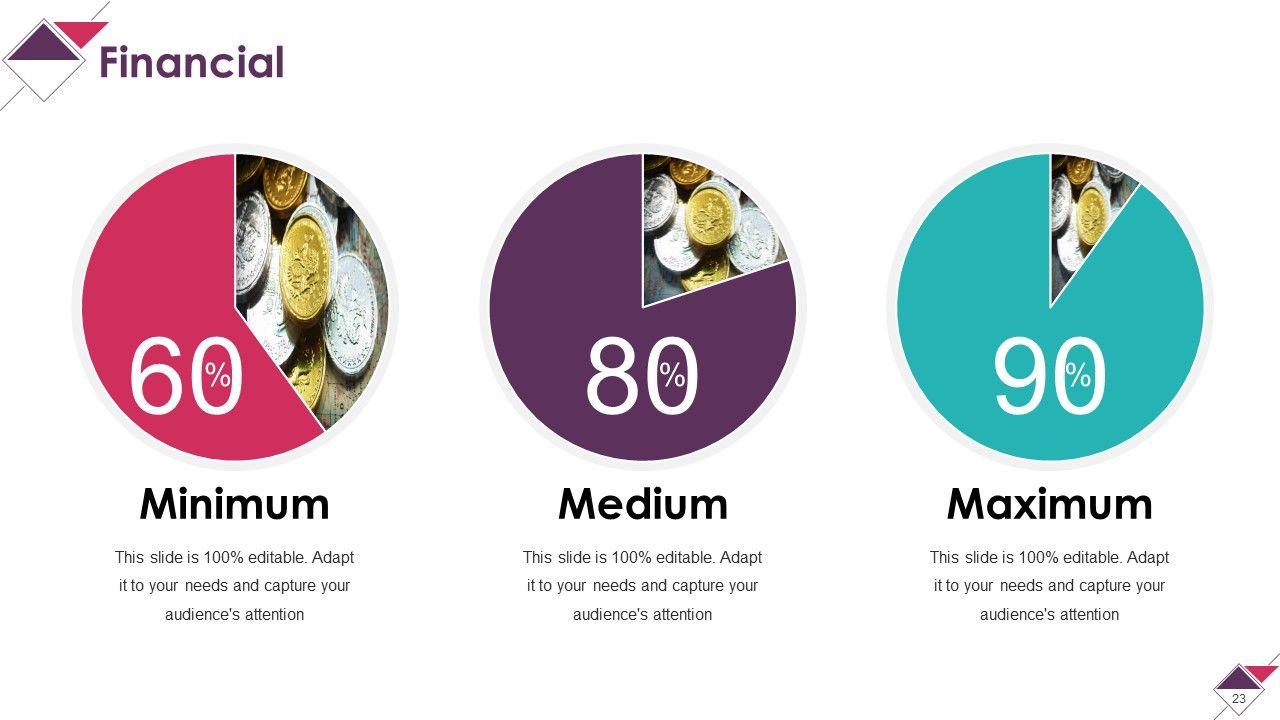
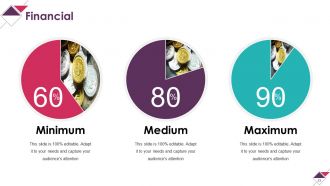
Slide 23 : Este slide mostra a pontuação financeira em termos de mínimo, médio e máximo. Indique aqui os aspectos financeiros.
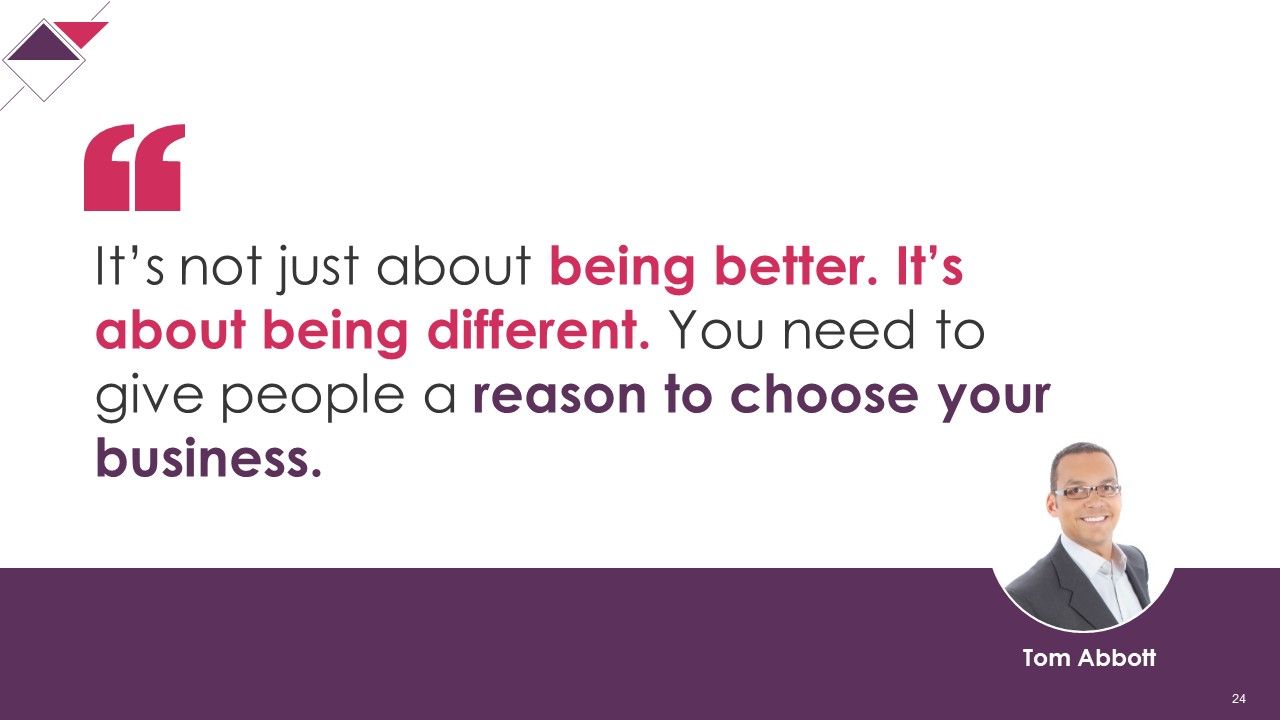
Slide 24 : Este é um slide de cotações. Declare sua mensagem, crenças ou qualquer coisa que você queira transmitir aqui.
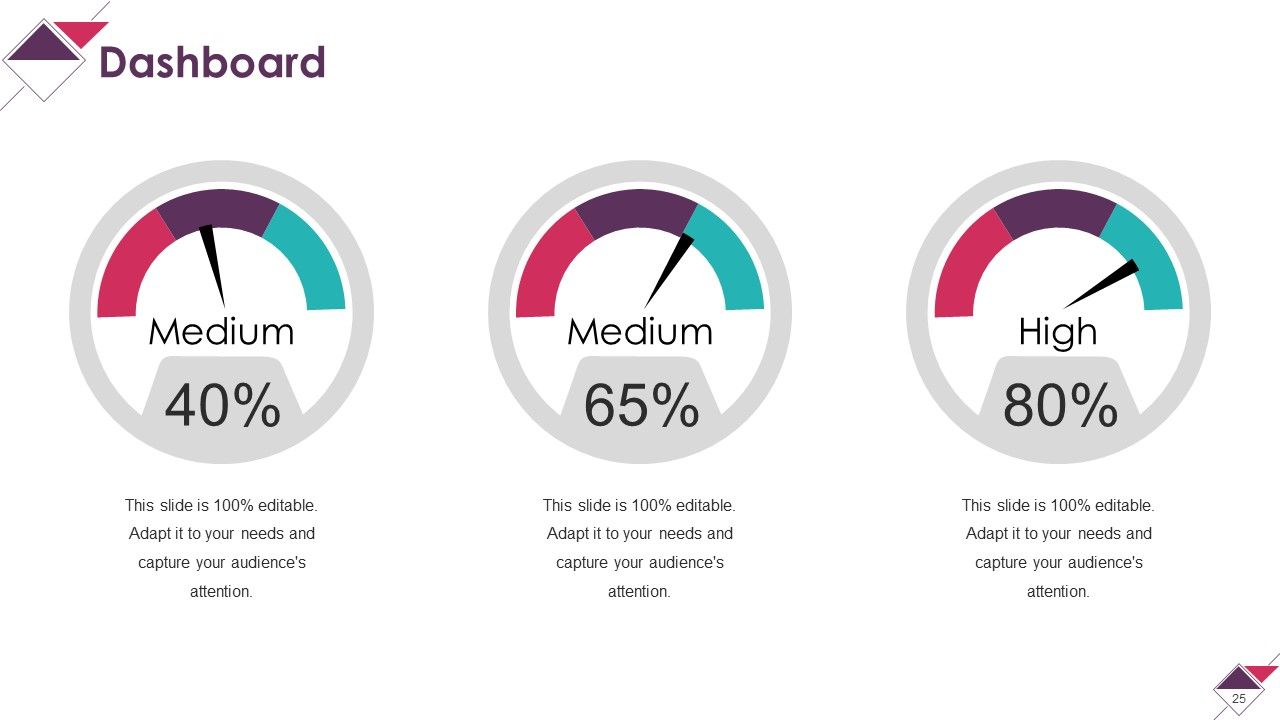
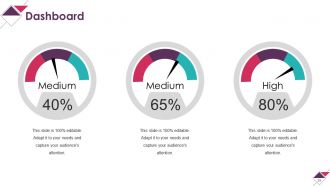
Slide 25 : Este slide apresenta um painel com pontuações média e alta.
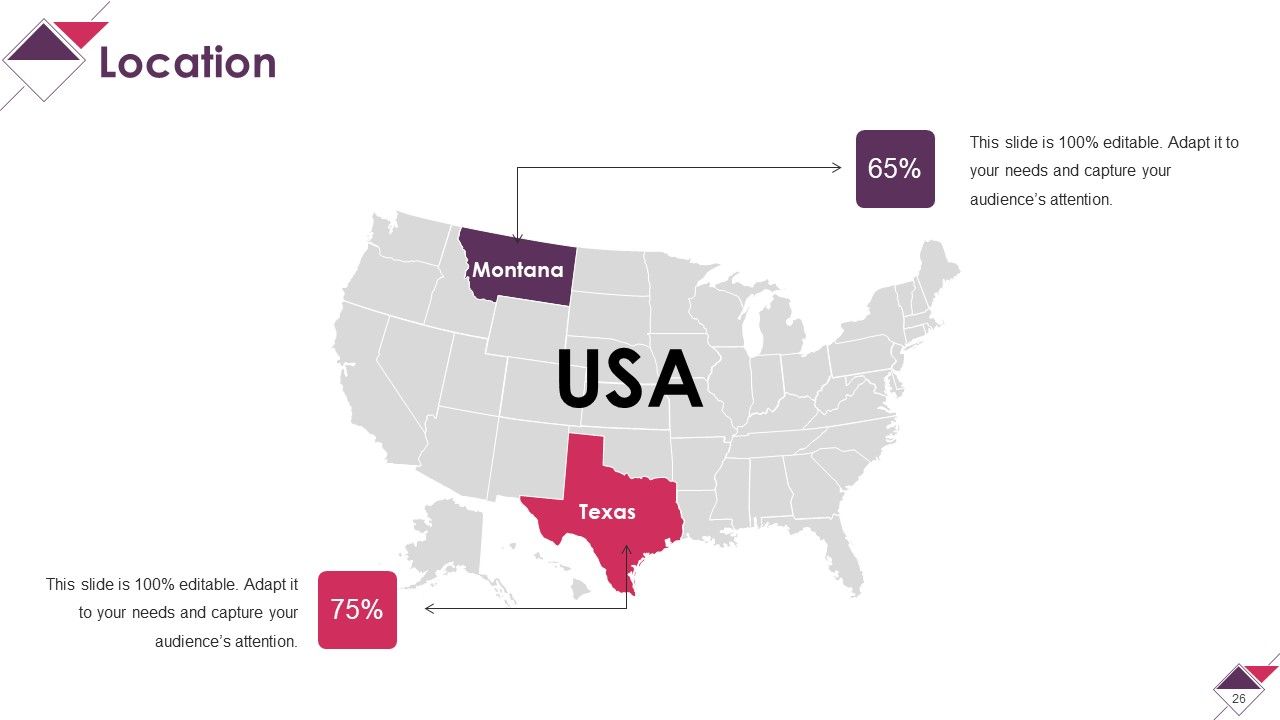
Slide 26 : Este é um slide de localização da imagem dos EUA para mostrar a presença americana, o crescimento etc.
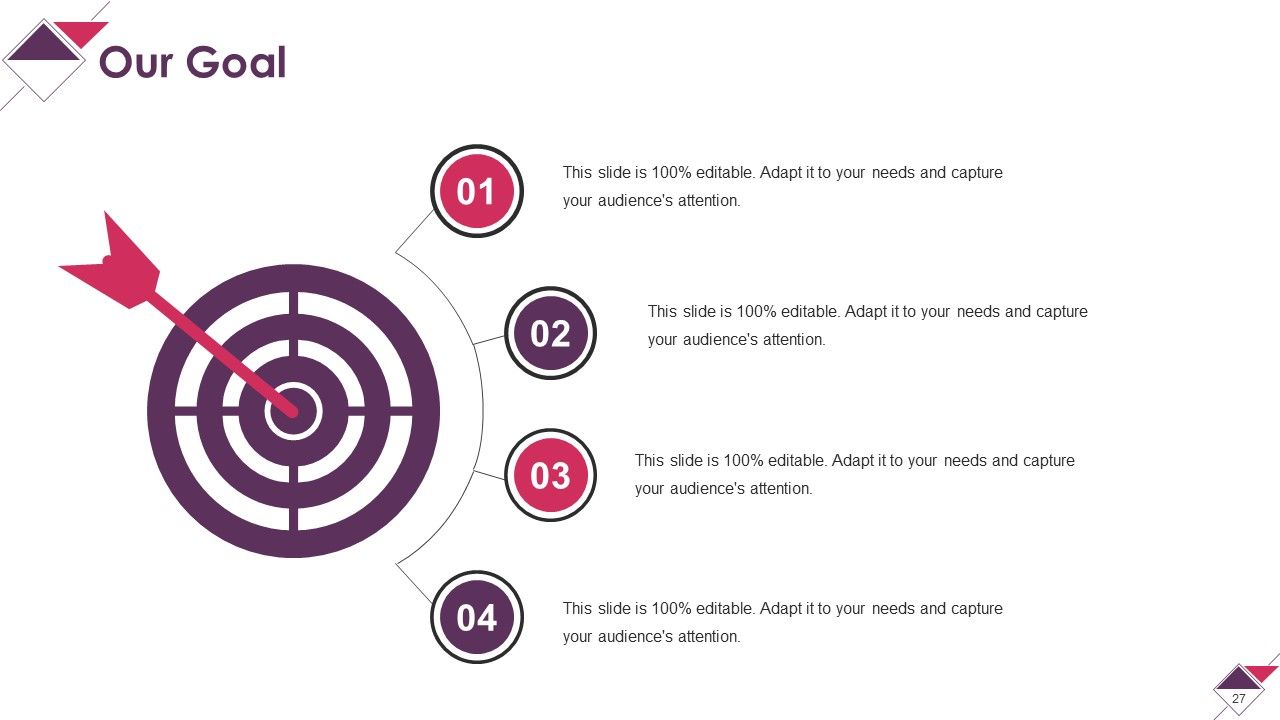
Slide 27 : Este é o slide da nossa meta. Declare seus objetivos aqui.
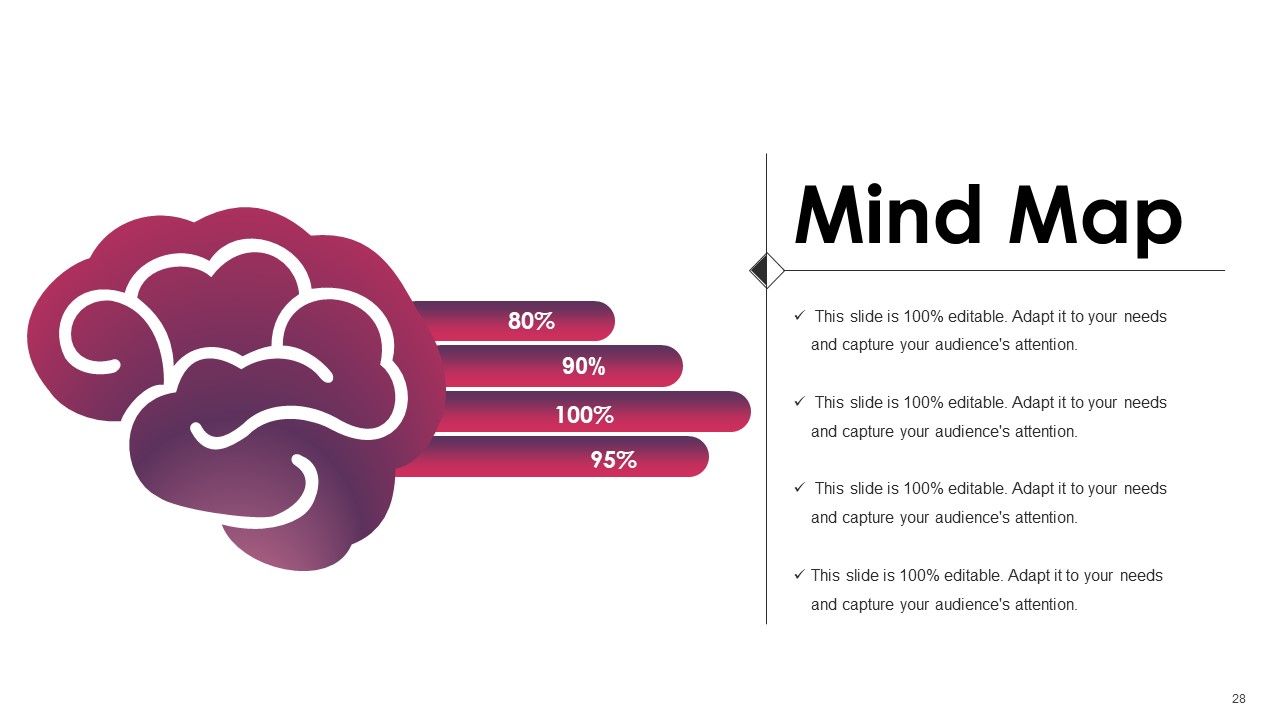
Slide 28 : Este é um slide do Mapa Mental para especificações de estado, informações etc.
Slide 29 : Esta é uma lupa para indicar especificações de dados, informações etc.
Slide 30 : Este é um slide de agradecimento com endereço #, rua, cidade, estado, números de contato, endereço de e-mail.

FAQs for Project Conclusion

So for wrapping up projects well, you need three things. First, summarize what actually got done - wins AND failures. Document lessons learned too (this part's annoying but super helpful later). Then set up proper handoffs with maintenance notes and next steps. Honestly, most people half-ass the handoff part and it shows. Don't be that person who disappears leaving cryptic code comments. Write it like you're explaining to someone who's smart but wasn't there for the chaos. Future teammates will actually know what's going on instead of spending weeks decoding your decisions.

Honestly, just pull up your original project charter and go line by line against your conclusions. I literally keep that initial goals doc open the whole time I'm writing - saves me from going off track. Check what you actually delivered vs what you promised. Any gaps? Either own up to them or reframe to show you hit the main targets even if things changed. Actually, pivots aren't bad if you can explain why they made sense. The worst thing is pretending everything went exactly as planned when it didn't. Just be real about how the project evolved.

Definitely get stakeholder feedback before wrapping up your project - they'll spot stuff you're blind to at this point. What leadership cares about is probably way different from what end users focus on, so their input helps you hit the right notes for everyone. Plus they validate your results and catch gaps you missed. I'd say reach out at least a week early (learned that one the hard way). They're great at pointing out what actually worked vs what flopped, and honestly? Sometimes their "lessons learned" become the most valuable part of your whole conclusion.

Stick to your top 3-5 insights - beyond that, people just tune out. Bundle similar stuff together rather than going through a laundry list. Start with your biggest "aha" moments first. When I'm figuring out what to include, I literally ask myself what I'd actually want to remember about this project in six months. Skip the obvious things everyone already knows. Focus on what genuinely surprised you or shifted how you think about the whole thing. Oh, and don't just state your learnings - add a quick "so what does this mean?" after each one. Like how it'll actually change what you do next time.

Honestly, treat your conclusion like you're telling someone what actually went down. Lead with your biggest win or weirdest finding - whatever made you go "whoa, didn't see that coming." Then walk through how your original plan played out in reality. I always mention something that went sideways because, let's be real, nothing ever goes perfectly and people appreciate the honesty. Ditch the fluffy language. Give them actual numbers instead of saying it was "successful" - like what does that even mean? Oh, and definitely end with concrete takeaways they can actually use next time.

Pick 3-5 metrics that actually matter to whoever's paying attention. Start with the obvious stuff - did you hit deadlines, stay on budget, meet quality targets? User adoption rates are huge if it's that kind of project. ROI calculations look impressive when you can pull them off. Don't sleep on the softer stuff either - customer satisfaction surveys and stakeholder feedback can be just as powerful, even though they're trickier to measure. Oh, and any efficiency gains or cost savings you managed to squeeze out. The trick is telling a coherent story instead of just dumping random numbers on people.

Yeah, so definitely be upfront about what went sideways, but don't make it sound like a pity party. Nobody wants to read through a laundry list of complaints. Just quickly mention the issue, then jump into what you actually learned from it or how your team figured things out. Focus more on the problem-solving part than the mess itself - that's way more interesting anyway. The whole point is showing you can bounce back and adapt. Oh, and definitely wrap up by talking about how you'll use these lessons going forward. Shows you're thinking ahead instead of just documenting disasters.

Honestly, just go with a simple three-part structure - what you got done, what you learned, and where to go next. Lead with your main results and whether you hit your goals. The lessons learned part is where it gets interesting though - don't sugarcoat the stuff that went wrong because that's usually way more useful than the wins. Then wrap up with concrete next steps so whoever reads this can actually run with it. Oh, and definitely use bullet points instead of huge paragraphs. Nobody wants to wade through a wall of text when they're trying to figure out what happened.

Seriously, throw some visuals in there. Charts with your before/after numbers hit way harder than paragraphs of text. Nobody's got time to read through dense blocks when they could just glance at a clean dashboard instead. Timelines work great for showing milestones, and infographics are perfect for summarizing your big wins. Executives especially love this stuff - they can spot the ROI instantly without digging through details. Oh, and honestly? That one killer visual you create will probably be the only thing people remember from your whole presentation anyway.

Okay so the biggest thing - don't just rehash your intro or list out what you already covered. That's so boring. Instead, pull everything together and explain what it actually means. I hate when people get all wishy-washy with "more research is needed" unless they have real specific ideas. Oh, and never drop random new info in your conclusion - it just confuses people. Focus on the implications of your findings. Answer the "so what?" question. Your reader should walk away knowing exactly what to do next or what the key point is. Make it actionable, you know?

Think of your project wrap-up as notes for future you. Document what bombed and what actually worked - like, be real about it. I've watched teams mess up the exact same way over and over because nobody bothered writing this stuff down. Capture the messy details: process fixes needed, budget reality checks, timeline lessons, how stakeholders acted. Don't just pat yourself on the back for wins. Get specific metrics and feedback while it's all still fresh in your head. Then actually dig into these notes when you're planning next time - otherwise what's the point?

Okay so basically it's your chance to actually sit down and figure out what went right and what was a total mess. Your team can spot those annoying patterns that keep happening - like why Steve always disappears during crunch time lol. Don't skip celebrating the good stuff either, because honestly everyone forgets that part. The quiet people usually have the best takes on what really happened, so make sure they speak up. You'll learn tons about how you all communicate (or don't) and what resources you actually need next time. It's weirdly therapeutic.

Think of it like telling a story, not reading a manual. Start with what actually changed for people or the business, then dive into the cool tech stuff that made it happen. I always picture it like revealing how a magic trick works - everyone wants the behind-the-scenes, but the "wow" moment hooks them first. Focus on *why* you picked certain approaches instead of listing every implementation detail. Honestly, that's where you lose people anyway. Wrap up by tying those technical wins back to real impact. Works way better than the usual specs-and-metrics dump.

Honestly, your industry's doing data validation completely backwards right now. Manual checks everywhere when you could automate most of it - such a waste. Meanwhile you're missing the patterns that actually tell you something useful. We tested real-time validation and it could slash processing time by 40% across the board. That's huge, obviously. The catch? You need to invest upfront in new tools and training people. Maybe start with a small pilot in your next sprint to see how it works - I wouldn't go all-in right away though.

Oh man, this is such a real thing! Your team's cultural backgrounds totally shift how they read project results. Some cultures want you to spell everything out with hard data. Others expect you to pick up on subtle cues and implications - like, they're reading between the lines constantly. Then there's the whole respect thing where certain teammates won't challenge conclusions even if they disagree (which is honestly frustrating). Time perspective varies too - some focus on what happened now vs. long-term impact. I'd present your conclusions in different formats and actually ask people directly what they think. Saves you from those awkward "wait, we're not on the same page" moments later.

Ratings and Reviews

100% of 100
Review Form
Write a review
Most Relevant Reviews
  1. 100%

    by Donny Elliott

    Design layout is very impressive.
  2. 100%

    by Colton Fisher

    Awesomely designed templates, Easy to understand.

2 Item(s)

per page: