

Property taxes tax assessment ppt powerpoint presentation slides shapes cpb




Try Before you Buy Download Free Sample Product
 Impress Your
 Audience
 100%
100% Editable
 Save Hours
 of Time


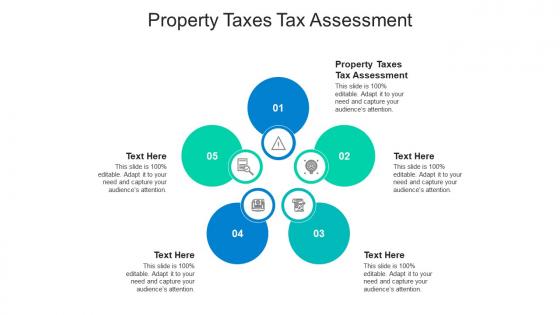
Our Property Taxes Tax Assessment Ppt Powerpoint Presentation Slides Shapes Cpb are topically designed to provide an attractive backdrop to any subject. Use them to look like a presentation pro.
People who downloaded this PowerPoint presentation also viewed the following :
Property taxes tax assessment ppt powerpoint presentation slides shapes cpb with all 2 slides:
Use our Property Taxes Tax Assessment Ppt Powerpoint Presentation Slides Shapes Cpb to effectively help you save your valuable time. They are readymade to fit into any presentation structure.

FAQs for Property taxes tax assessment ppt powerpoint presentation
Property tax rates are determined by assessed property value, local tax levy amounts, exemptions and deductions, millage rates set by authorities, and budget requirements of various taxing entities. These components work together through assessment processes, budget allocations, and rate calculations, with many municipalities finding that balancing revenue needs with taxpayer burden creates competitive advantages in attracting residents and businesses.
Local governments utilize property tax revenue to fund essential community services including public education, police and fire protection, road maintenance, parks and recreation, and municipal utilities. These funds enable communities to maintain infrastructure, enhance public safety, and deliver quality educational services, with many municipalities finding that property taxes provide stable, predictable revenue streams for long-term planning and service expansion.
Common property tax exemptions include homestead exemptions for primary residences, senior citizen discounts, veteran benefits, disability accommodations, and non-profit organization relief. These programs streamline tax burdens by reducing assessed values, capping annual increases, and providing direct credits, with many municipalities finding that strategic exemptions enhance community stability while maintaining essential revenue streams for public services.
Property owners can dispute assessments through formal appeals processes, gathering comparable property sales data, hiring professional appraisers, and presenting evidence of property defects or market changes. These strategies enable homeowners and commercial property investors to challenge inflated valuations systematically, ultimately reducing tax burdens and improving cash flow, with many finding that thorough documentation and professional support significantly enhance their chances of successful assessment reductions.
Property tax policy significantly influences real estate market trends by affecting affordability, investment decisions, property values, and regional competitiveness. Higher property taxes can deter buyers and reduce demand, while tax incentives and abatements often stimulate development in targeted areas, with many municipalities finding that strategic tax policies ultimately drive market activity, shape neighborhood development patterns, and influence long-term property appreciation rates.
Property taxes differ significantly across property types, with residential properties typically receiving homestead exemptions and favorable assessment rates, while commercial properties face higher rates based on income-generating potential. Industrial properties often encounter the steepest tax rates due to their specialized infrastructure and business use, though many municipalities offer strategic incentives to attract manufacturing investments, ultimately creating competitive advantages for economic development and job creation.
Property tax serves as a crucial funding mechanism for local economic development through infrastructure improvements, public services enhancement, and strategic planning initiatives that attract businesses and residents. Many municipalities leverage property tax revenues to finance development projects, upgrade transportation networks, and create business incentives, ultimately fostering economic growth while increasing property values and generating sustainable revenue cycles for continued community investment.
Understanding property tax assessments helps prospective homebuyers evaluate total ownership costs, compare neighborhood tax rates, and identify potential assessment appeals that could reduce future payments. These assessments reveal property value trends, municipal service quality, and long-term financial commitments, with many buyers finding that thorough tax research prevents budget surprises and enhances negotiating power during purchase discussions.
Property owners can minimize tax liabilities through assessment appeals, homestead exemptions, agricultural designations, energy-efficient improvements, and strategic timing of renovations. These approaches enable significant cost reductions by challenging overvaluations, qualifying for available credits, and optimizing property classifications, with many residential and commercial owners finding substantial annual savings through proactive tax planning strategies.
Property tax law changes affect renters through adjusted rental prices, as landlords typically pass increased tax costs to tenants via higher rents, while tax reductions may stabilize or lower rental rates. These fluctuations impact tenant retention, housing affordability, and neighborhood demographics, with many rental markets finding that significant tax changes ultimately influence long-term lease agreements and rental demand patterns.
Failing to pay property taxes leads to penalties, interest charges, tax liens, and ultimately foreclosure proceedings for both homeowners and investors. While homeowners face potential loss of primary residence and credit damage, investors encounter portfolio disruption, cash flow interruption, and strategic complications, with many finding that proactive tax planning and reserve funds help maintain long-term investment stability.
State and federal laws establish foundational frameworks for local property tax regulations through constitutional guidelines, assessment standards, exemption criteria, and collection procedures. While local governments retain primary authority over property taxation, they must operate within state-mandated assessment ratios, federal fair housing requirements, and constitutional equal protection standards, ultimately ensuring consistent practices across jurisdictions while maintaining local fiscal autonomy.
Property tax increases can significantly alter community demographics by reducing housing affordability for middle and lower-income families, often leading to displacement and gentrification. These changes typically result in decreased economic diversity, with many municipalities finding that while higher property values generate increased revenue for public services, they simultaneously create barriers to homeownership and force longtime residents to relocate to more affordable areas.
Property taxes serve as a primary funding mechanism for public education and infrastructure projects by generating steady revenue streams for local governments, school districts, and municipal authorities. Through this taxation system, communities finance essential services like schools, roads, bridges, and public facilities, with many districts finding that higher property values directly correlate with enhanced educational resources and improved infrastructure development.
Property tax policy trends include enhanced assessment accuracy through technology, expanded exemption programs for vulnerable populations, payment flexibility options, and strategic economic development incentives. These adaptations help municipalities maintain revenue stability while supporting community resilience, with many jurisdictions finding that balanced approaches ultimately deliver sustainable tax bases and improved taxpayer compliance during economic uncertainty.
-
Innovative and Colorful designs.