


Public Relations Powerpoint Presentation Slides Strategy CD V
Our Public Relations template is a powerful tool to help organizations communicate effectively with stakeholders and enhance their reputation. The PPT covers techniques for public relations, stakeholder communication, and internal communication, emphasizing the crucial role of public relations in building and maintaining a positive image for the organization in the eyes of the public. Stakeholder communication ensures effective communication with investors, customers, suppliers, and other stakeholders, while internal communication facilitates smooth communication within the organization. Crisis communication is highlighted as vital for managing and mitigating negative impacts during crises. Additionally, the Stakeholder Communication template also includes a well-designed social media communication framework to enhance the organizations reach and engagement with the target audience, and event communication to create awareness about products, services, and initiatives. Utilizing this comprehensive deck, organizations can enhance their reputation, build stakeholder trust, and drive business success. Get instant access to the valuable tool for effective communication strategies.
Our Public Relations template is a powerful tool to help organizations communicate effectively with stakeholders and enhanc..








































-

- Google Slides is a new FREE Presentation software from Google.
- All our content is 100% compatible with Google Slides.
- Just download our designs, and upload them to Google Slides and they will work automatically.
- Amaze your audience with SlideTeam and Google Slides.
-

Want Changes to This PPT Slide? Check out our Presentation Design Services
-

- WideScreen Aspect ratio is becoming a very popular format. When you download this product, the downloaded ZIP will contain this product in both standard and widescreen format.
-

- Some older products that we have may only be in standard format, but they can easily be converted to widescreen.
- To do this, please open the SlideTeam product in Powerpoint, and go to
- Design ( On the top bar) -> Page Setup -> and select "On-screen Show (16:9)” in the drop down for "Slides Sized for".
- The slide or theme will change to widescreen, and all graphics will adjust automatically. You can similarly convert our content to any other desired screen aspect ratio.
Compatible With Google Slides

Get This In WideScreen
You must be logged in to download this presentation.


Do you want to remove this product from your favourites?
PowerPoint presentation slides
This complete deck covers various topics and highlights important concepts. It has PPT slides which cater to your business needs. This complete deck presentation emphasizes Public Relations Powerpoint Presentation Slides Strategy CD V and has templates with professional background images and relevant content. This deck consists of total of seventy four slides. Our designers have created customizable templates, keeping your convenience in mind. You can edit the color, text and font size with ease. Not just this, you can also add or delete the content if needed. Get access to this fully editable complete presentation by clicking the download button below.

People who downloaded this PowerPoint presentation also viewed the following :
Content of this Powerpoint Presentation
Slide 1: This slide introduces Public relations. Commence by stating Your Company Name.
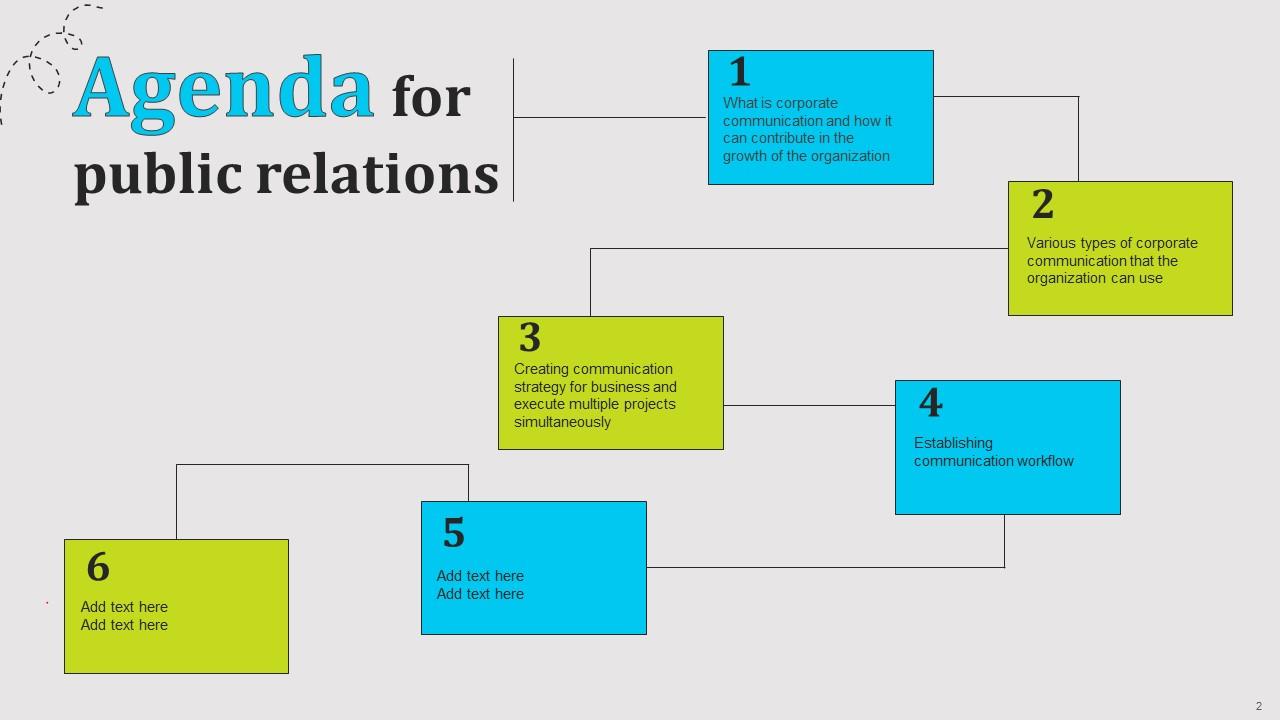
Slide 2: This slide depicts the Agenda of the presentation.
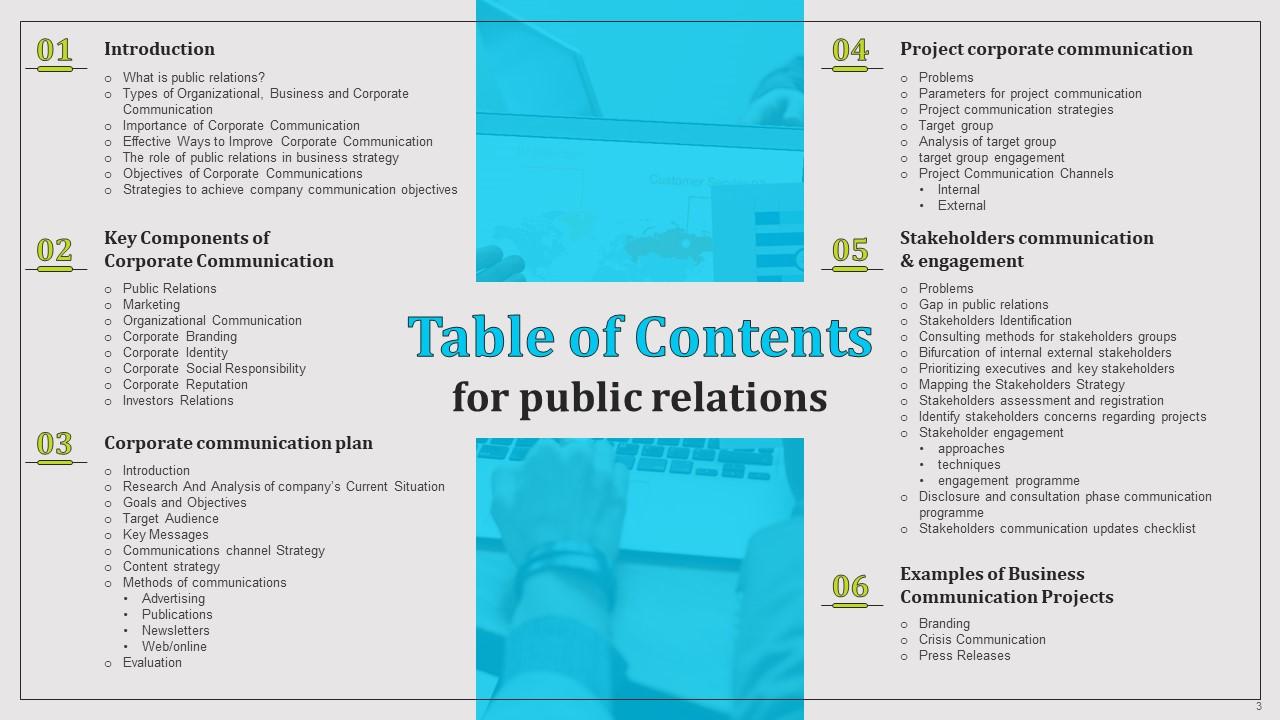
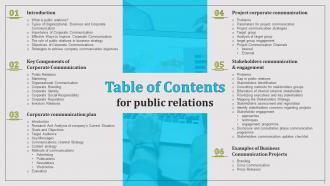
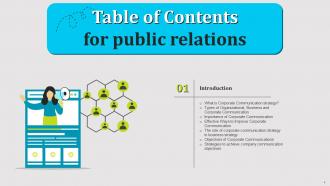
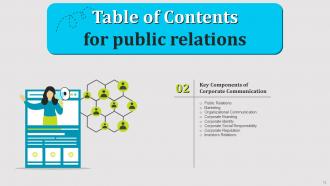
Slide 3: This slide incorporates the Table of contents.
Slide 4: This slide highlights the Title for the Topics to be covered further.
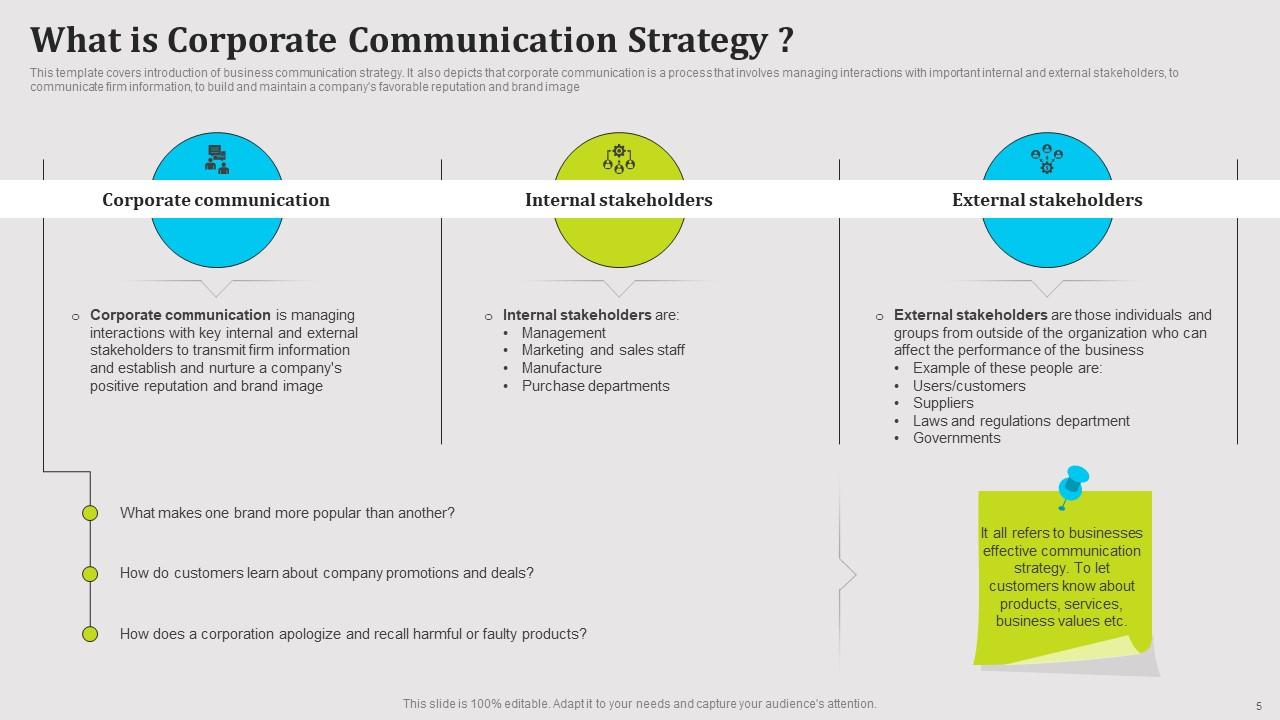
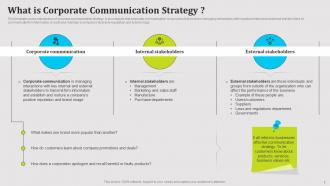
Slide 5: This template covers introduction of business communication strategy.
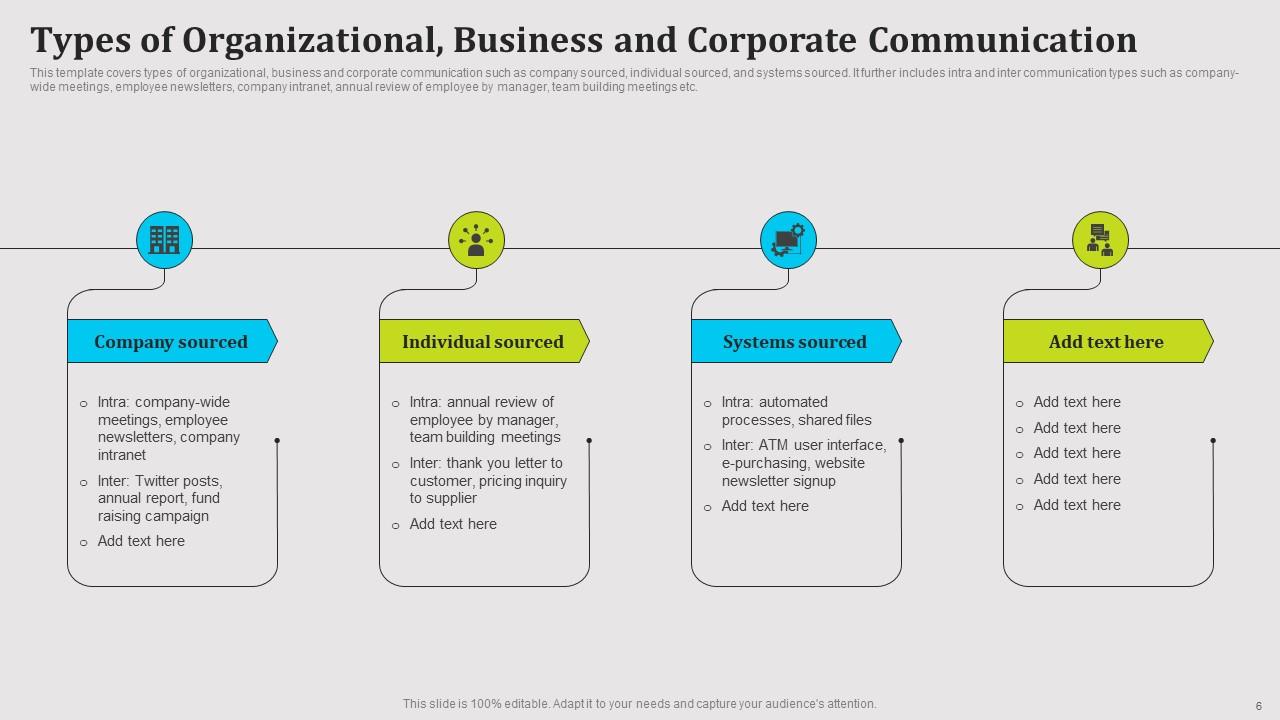
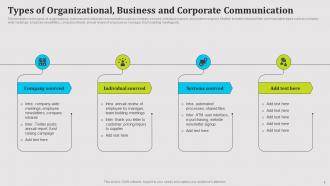
Slide 6: This slide states the types of organizational, business and corporate communication.
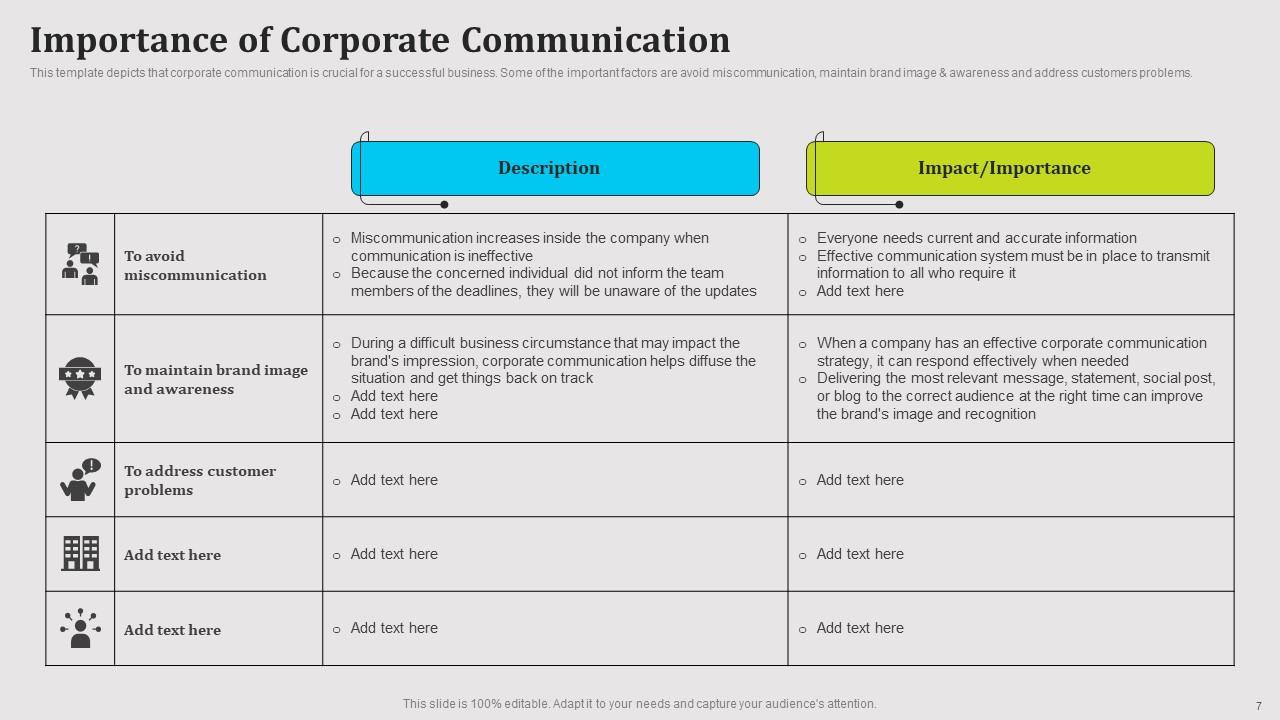
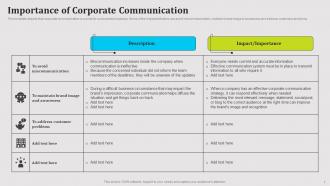
Slide 7: This slide depicts that corporate communication is crucial for a successful business.
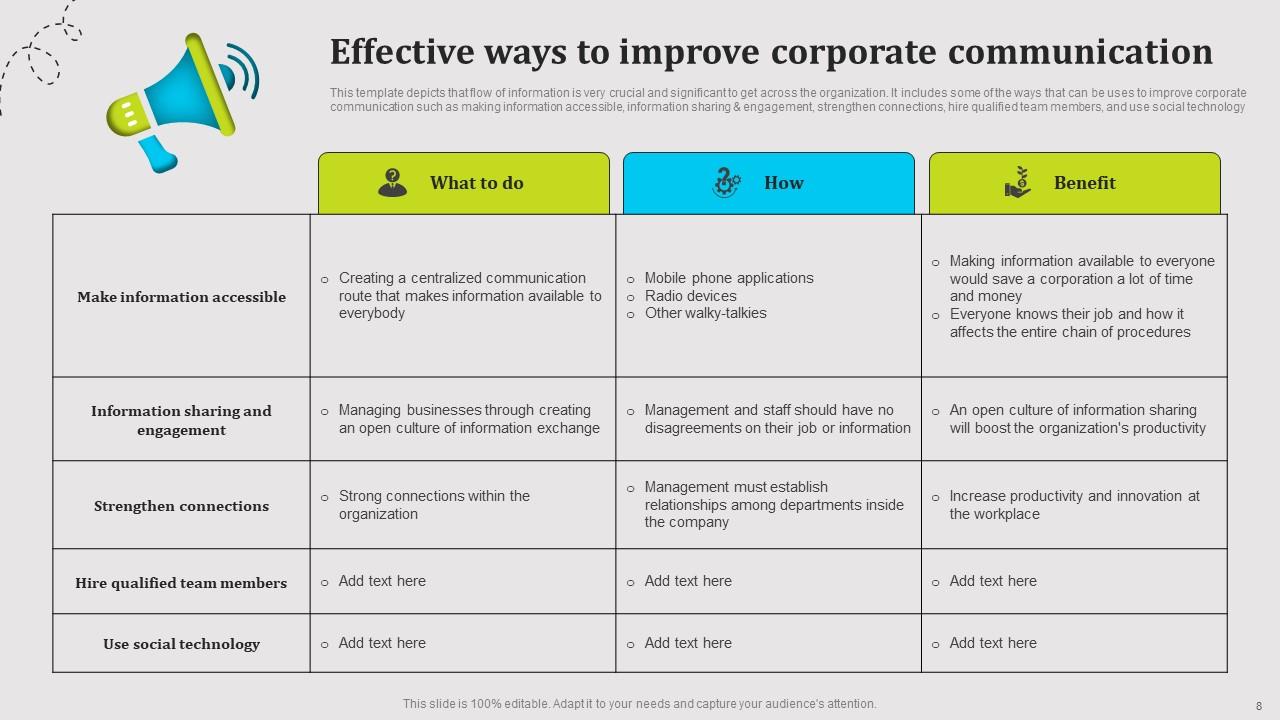
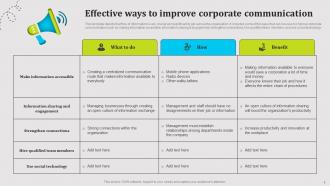
Slide 8: This template depicts the Effective ways to improve corporate communication.
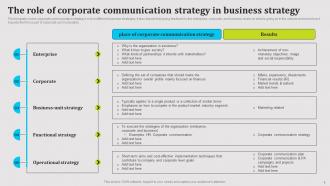
Slide 9: This slide exhibits the role of corporate communication strategy in business strategy.
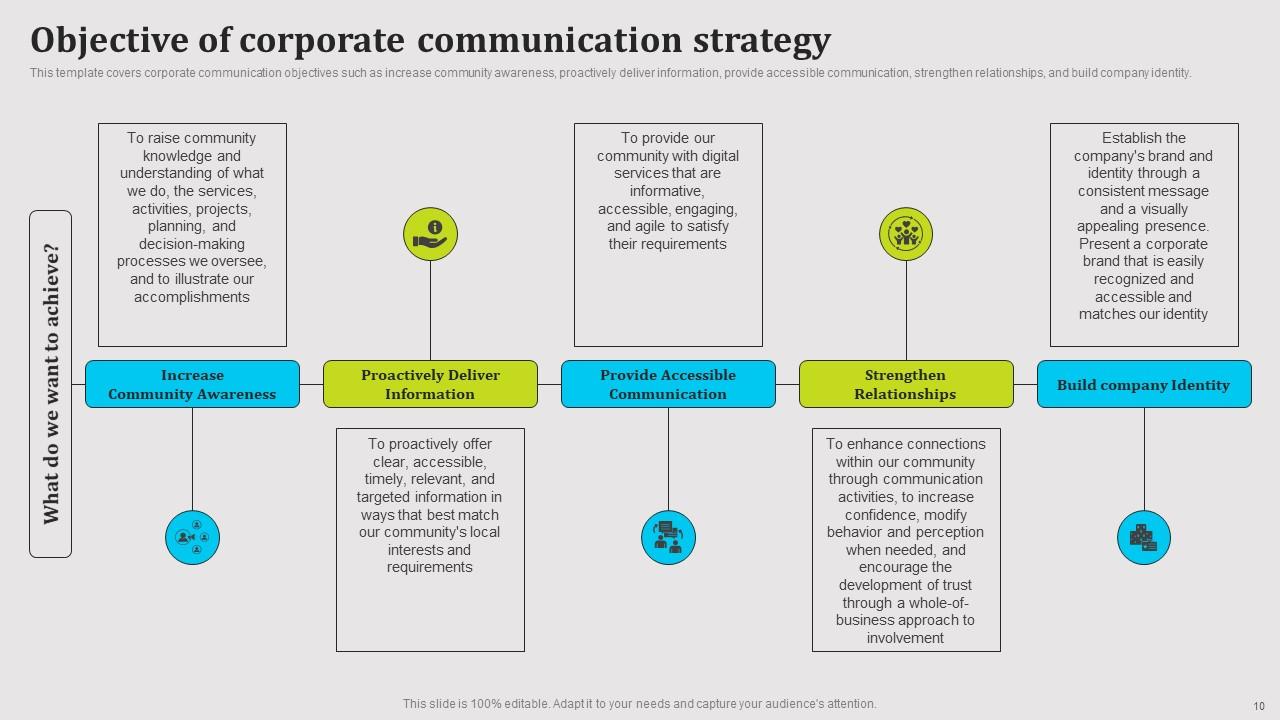
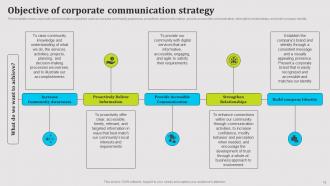
Slide 10: This slide displays the Objective of corporate communication strategy.
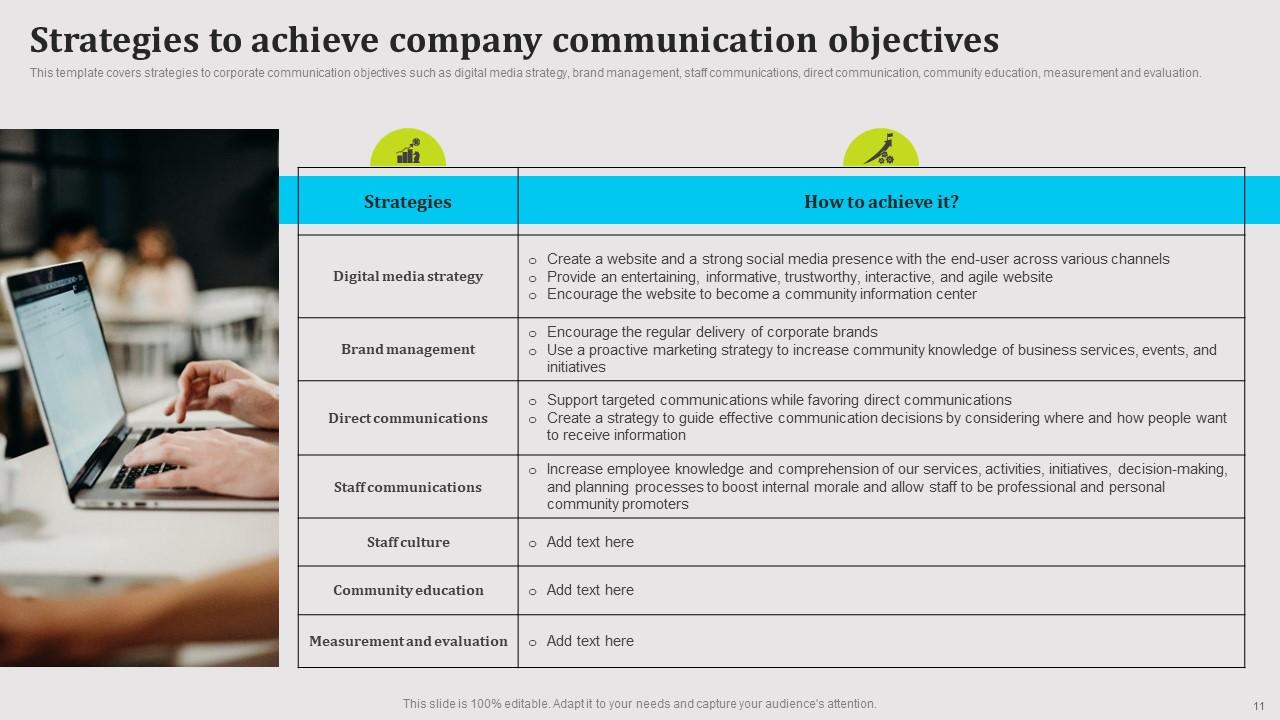
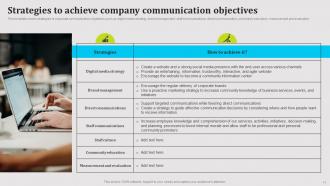
Slide 11: This slide showcases the Strategies to achieve company communication objectives.
Slide 12: This slide mentions the Heading for the Contents to be discussed next.
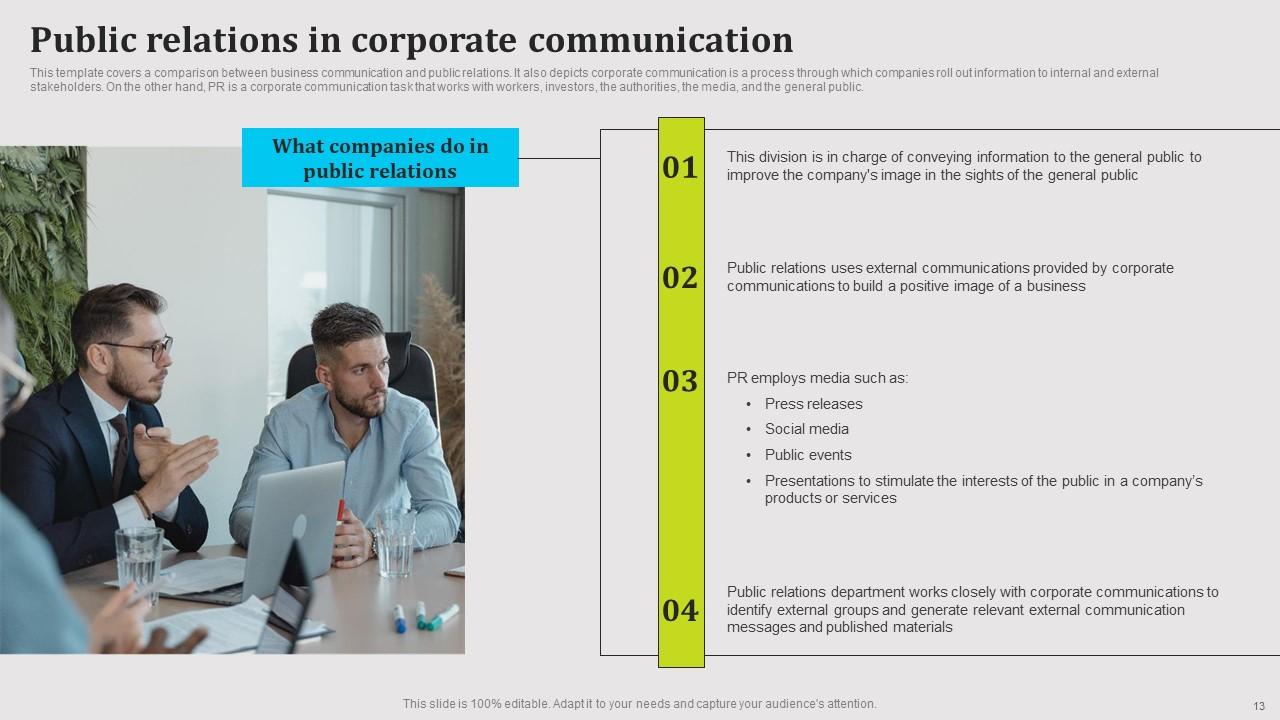
Slide 13: This template covers a comparison between business communication and public relations.
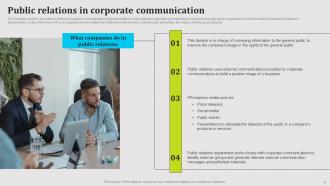
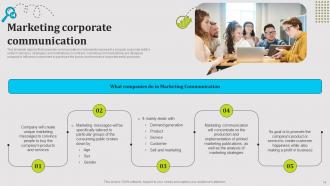
Slide 14: This slide illustrates the Marketing corporate communication.
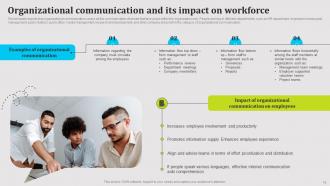
Slide 15: This slide portrays the Organizational communication and its impact on workforce.
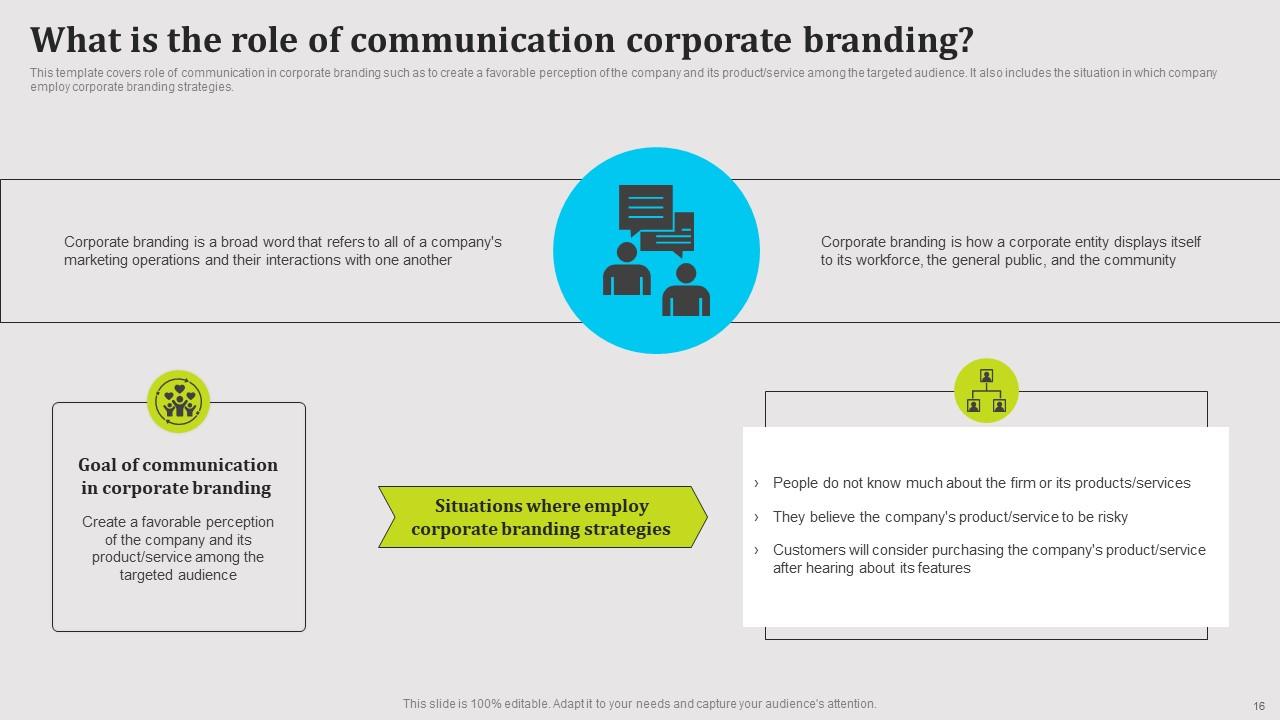
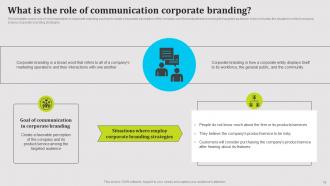
Slide 16: This template incorporates the role of communication in corporate branding.
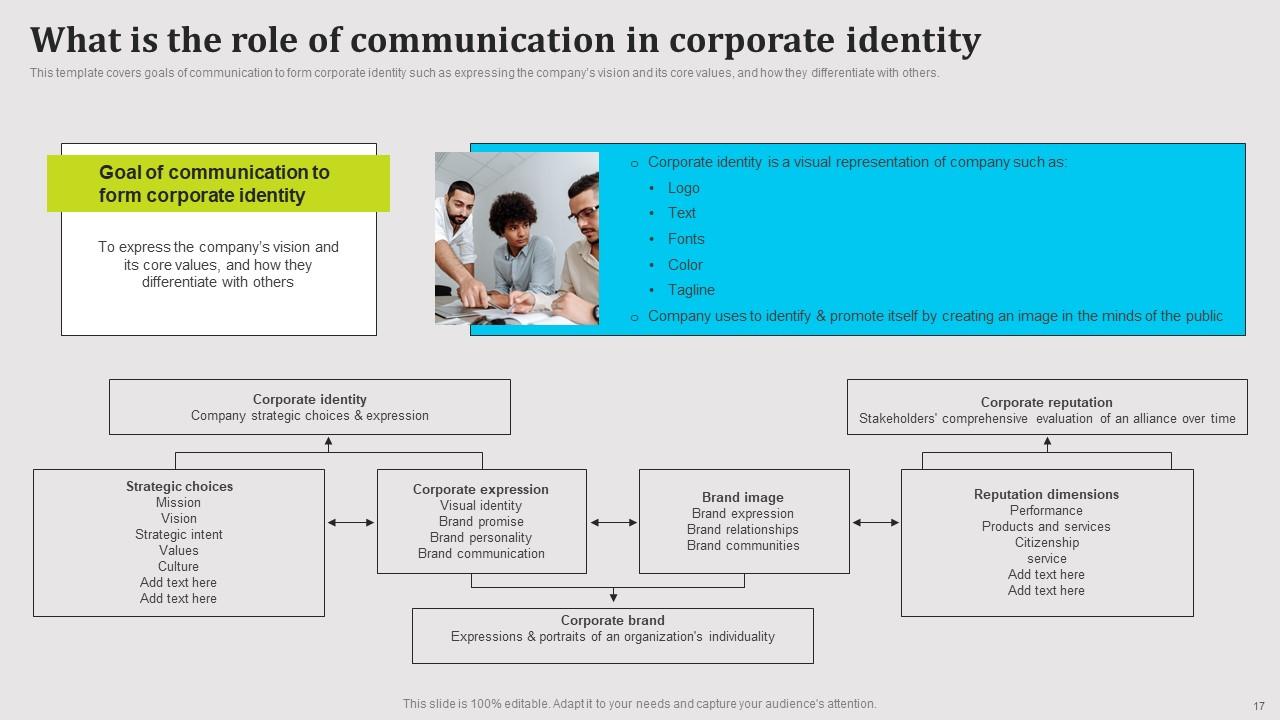
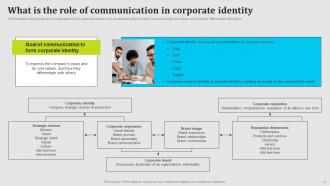
Slide 17: This slide states the goals of communication to form corporate identity.
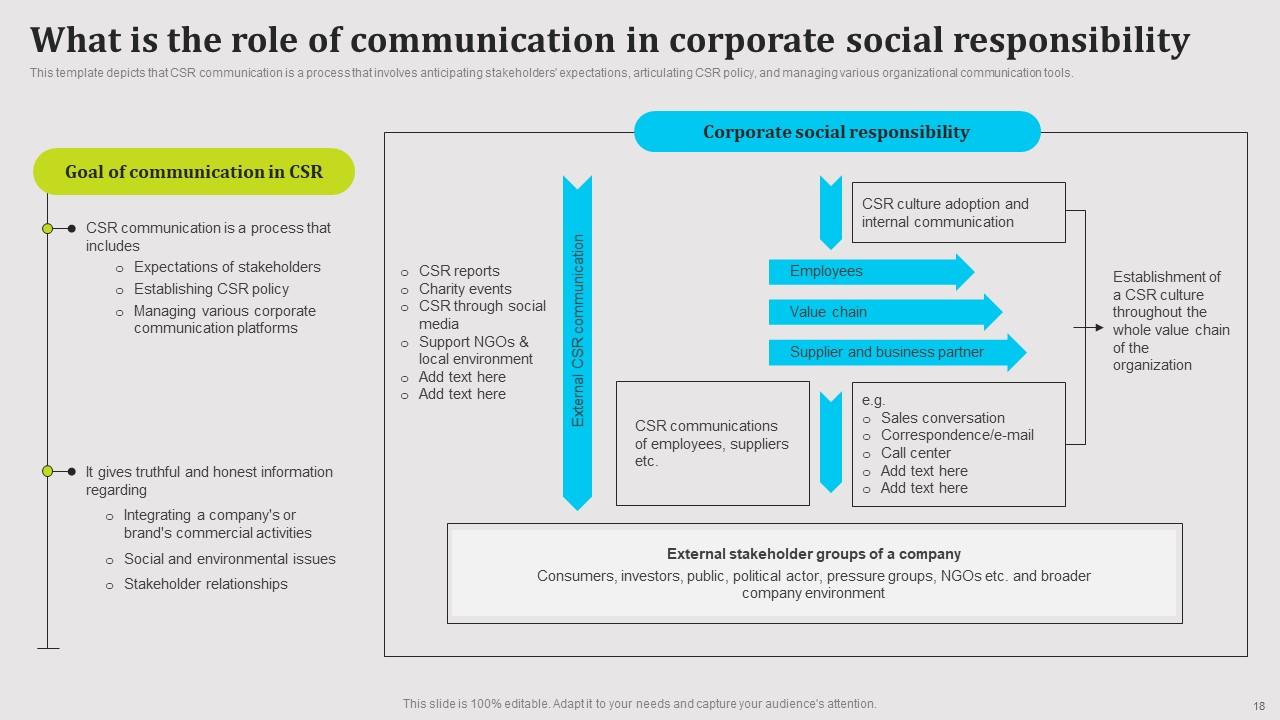
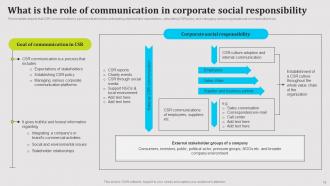
Slide 18: This slide depicts the role of communication in corporate social responsibility.
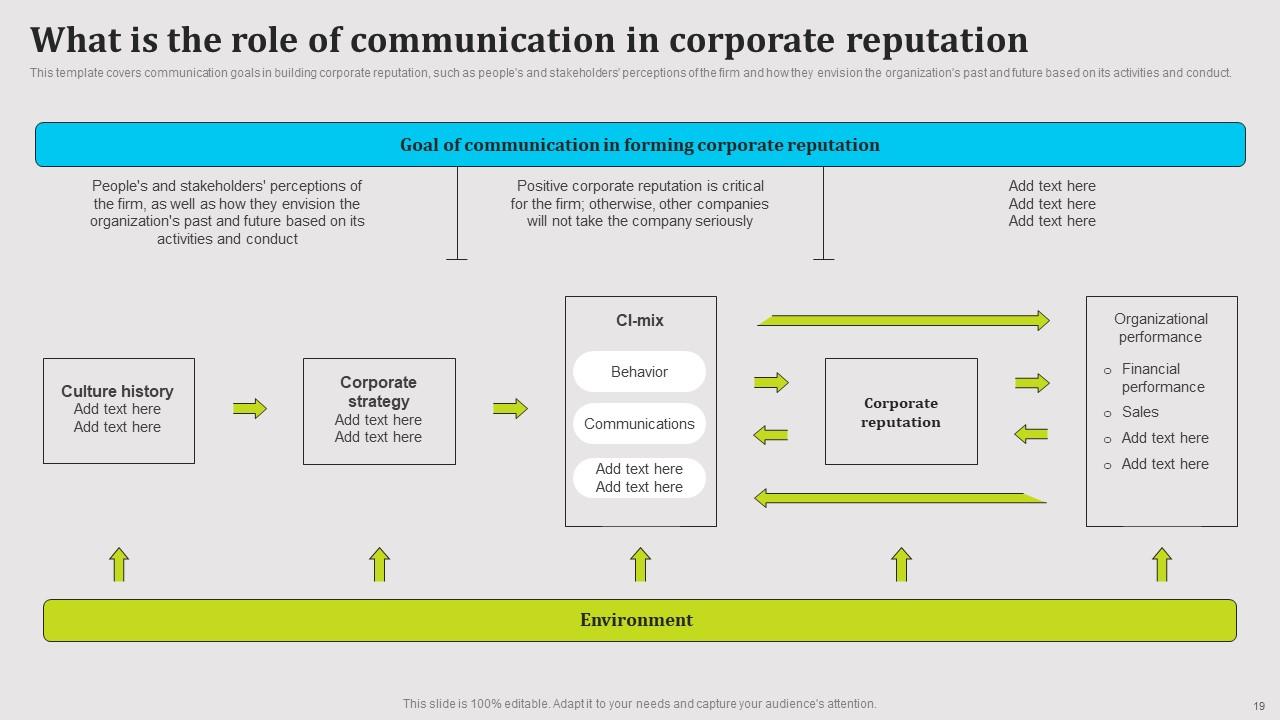
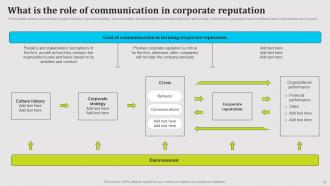
Slide 19: This template highlights the communication goals in building corporate reputation.
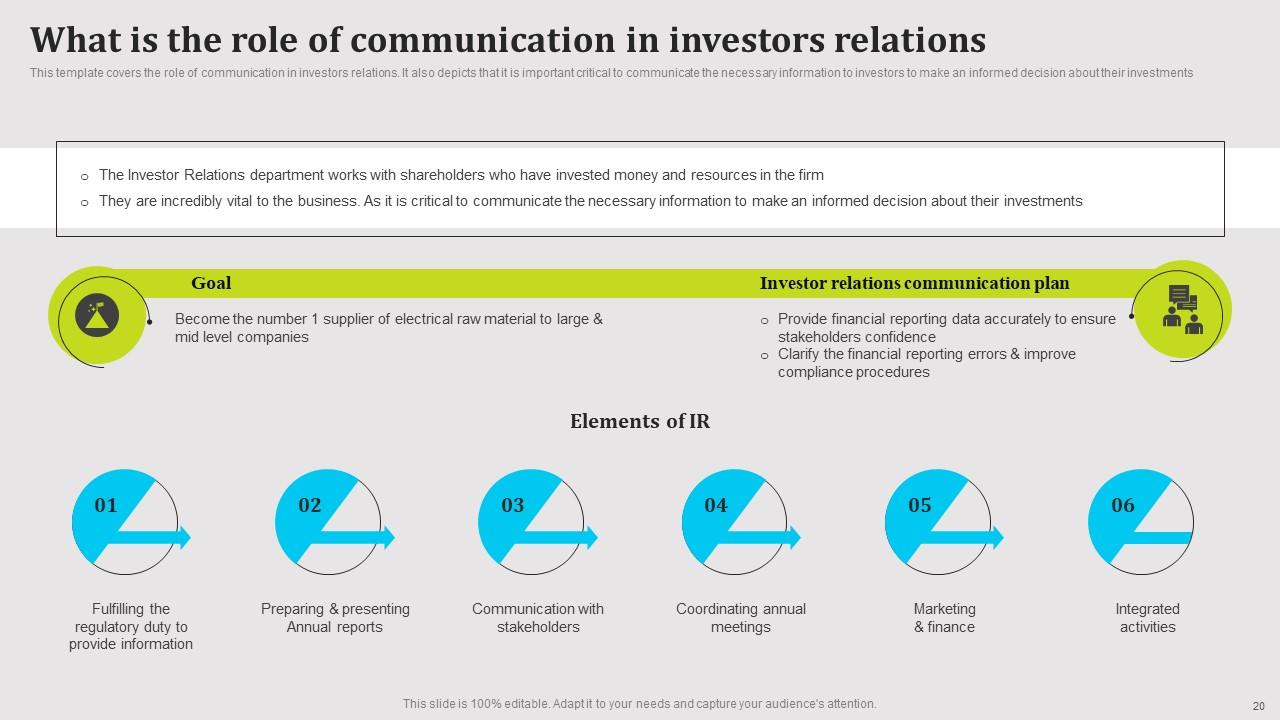
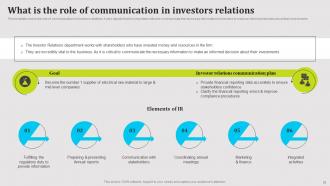
Slide 20: This template exhibits the role of communication in investors relations.
Slide 21: This slide showcases the Title for the Ideas to be discussed next.
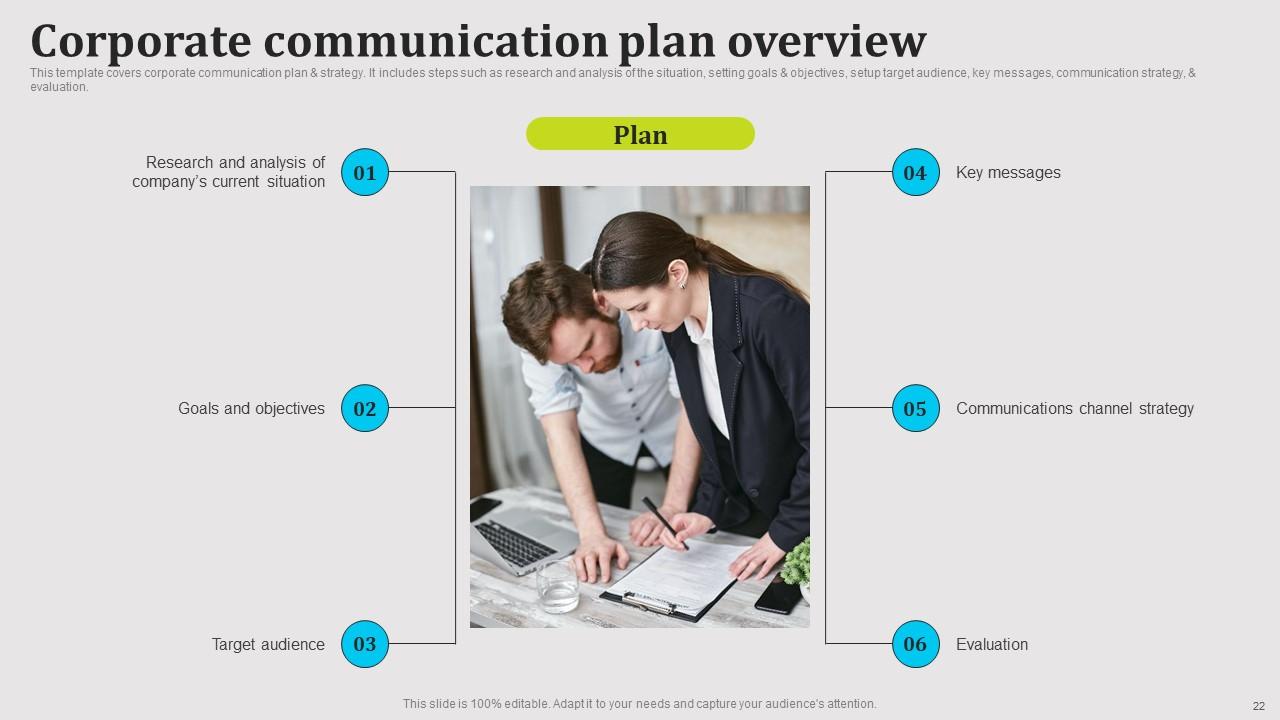
Slide 22: This slide presents the Corporate communication plan overview.
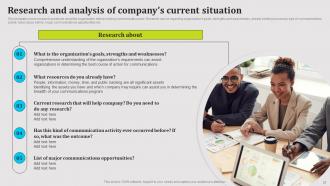
Slide 23: This slide shows the Research and analysis of company’s current situation.
Slide 24: This template covers corporate goals and communication objectives.
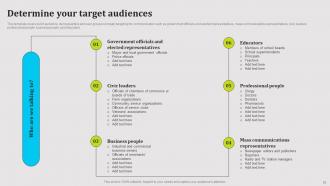
Slide 25: This slide talks about Determining your target audiences.
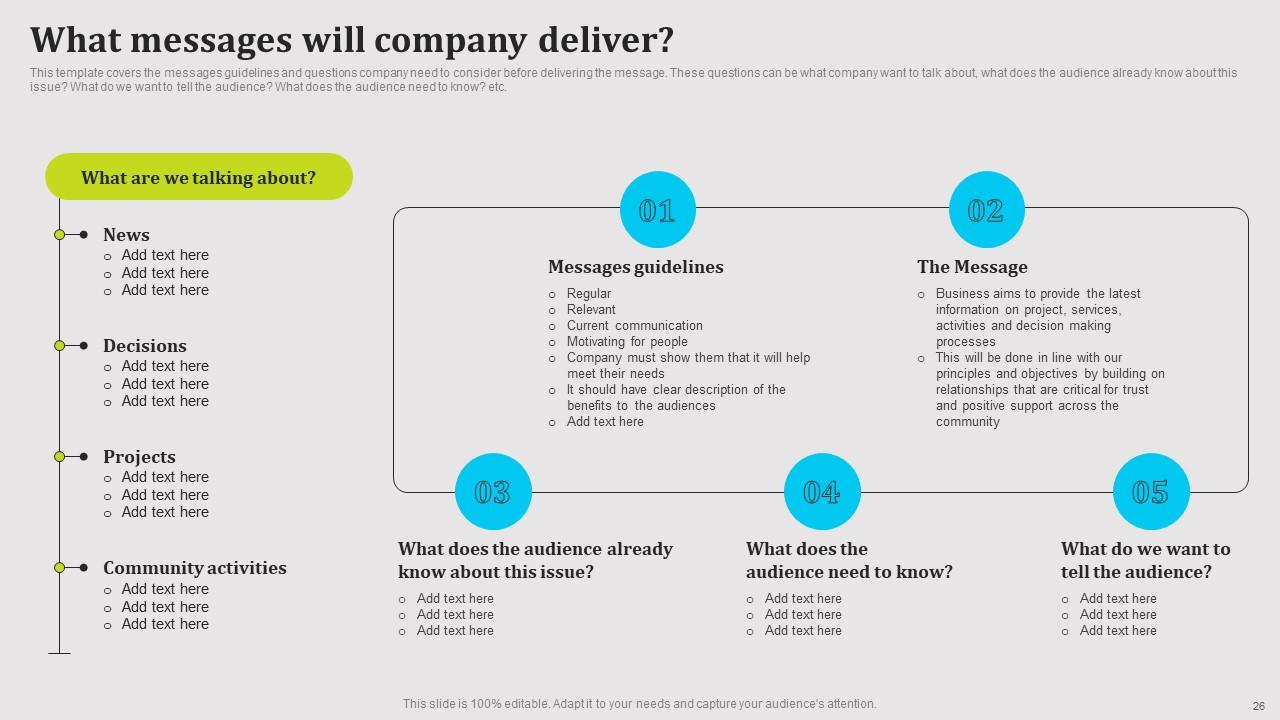
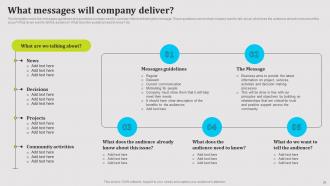
Slide 26: This template showcases the messages guidelines and questions company need to consider before delivering the message.
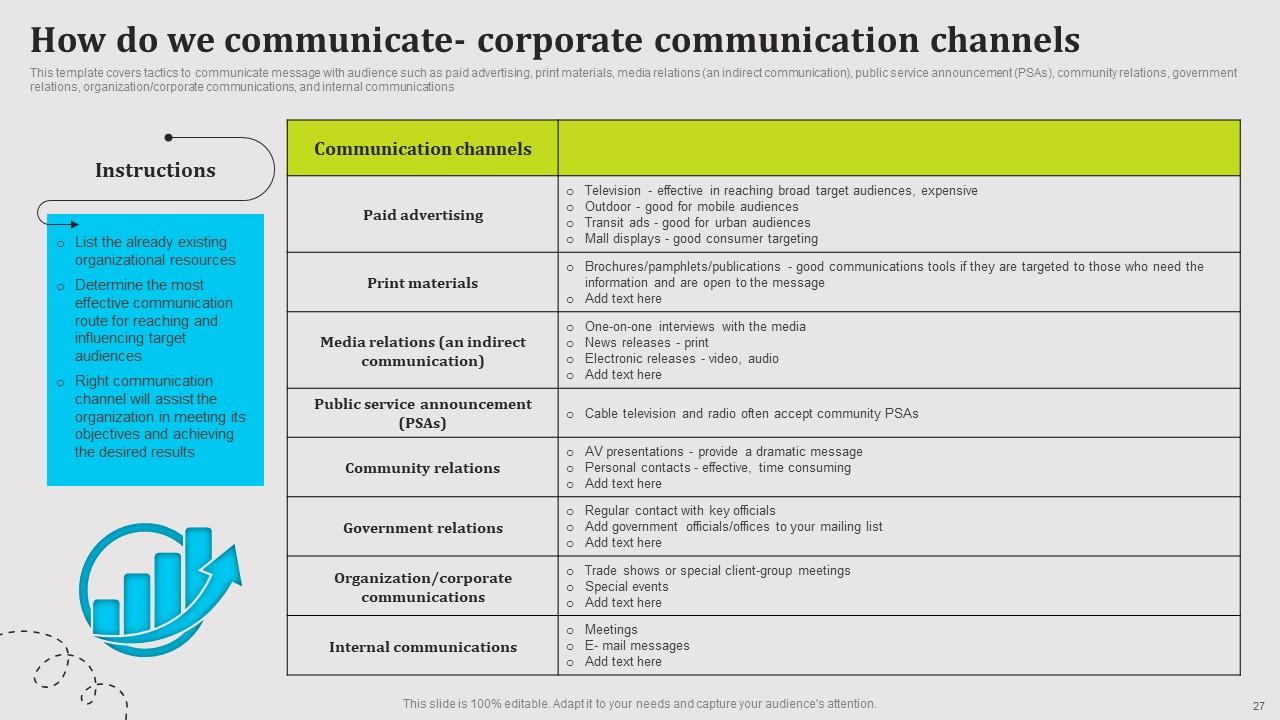
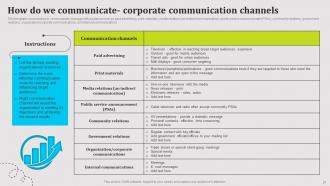
Slide 27: This template incorporates the tactics to communicate message with audience such as paid advertising, print materials, etc.
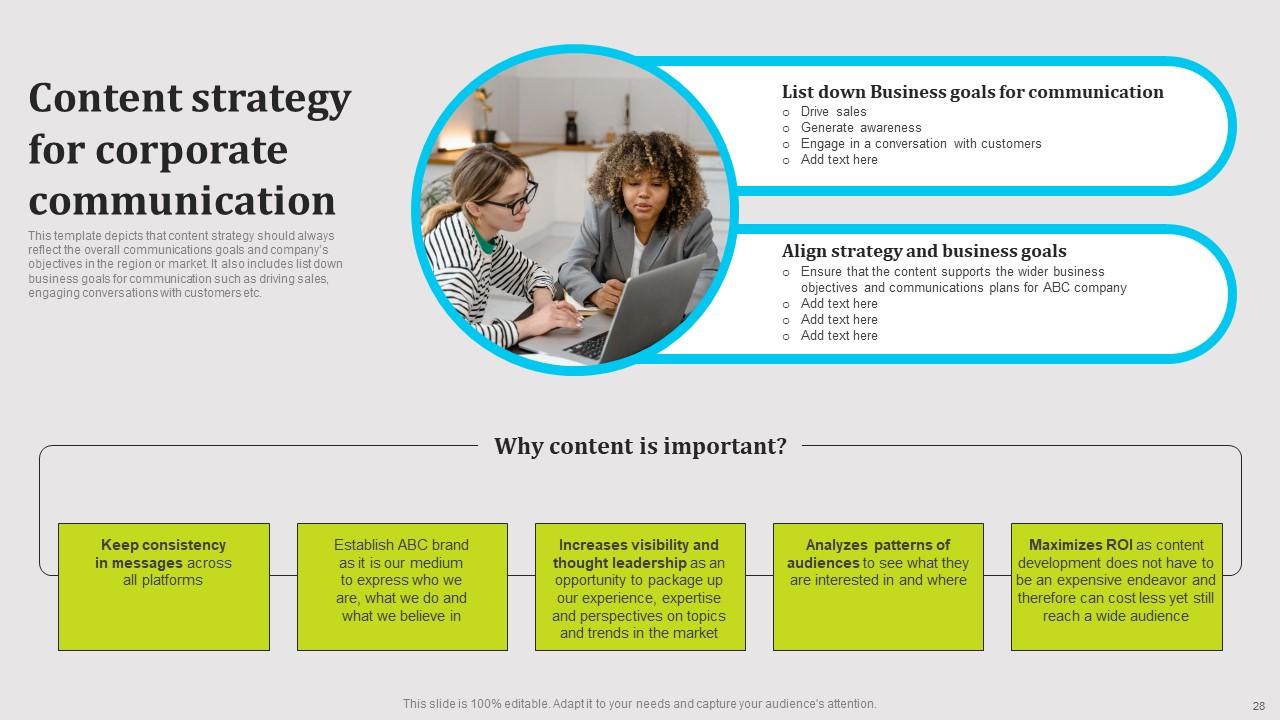
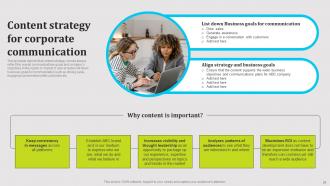
Slide 28: This slide displays the Content strategy for corporate communication.
Slide 29: This slide reveals the Heading for the Ideas to be covered next.
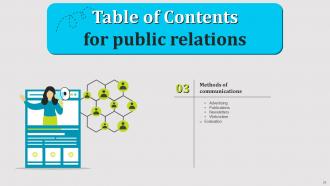
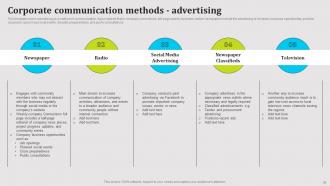
Slide 30: This template contains advertising as a method of communication.
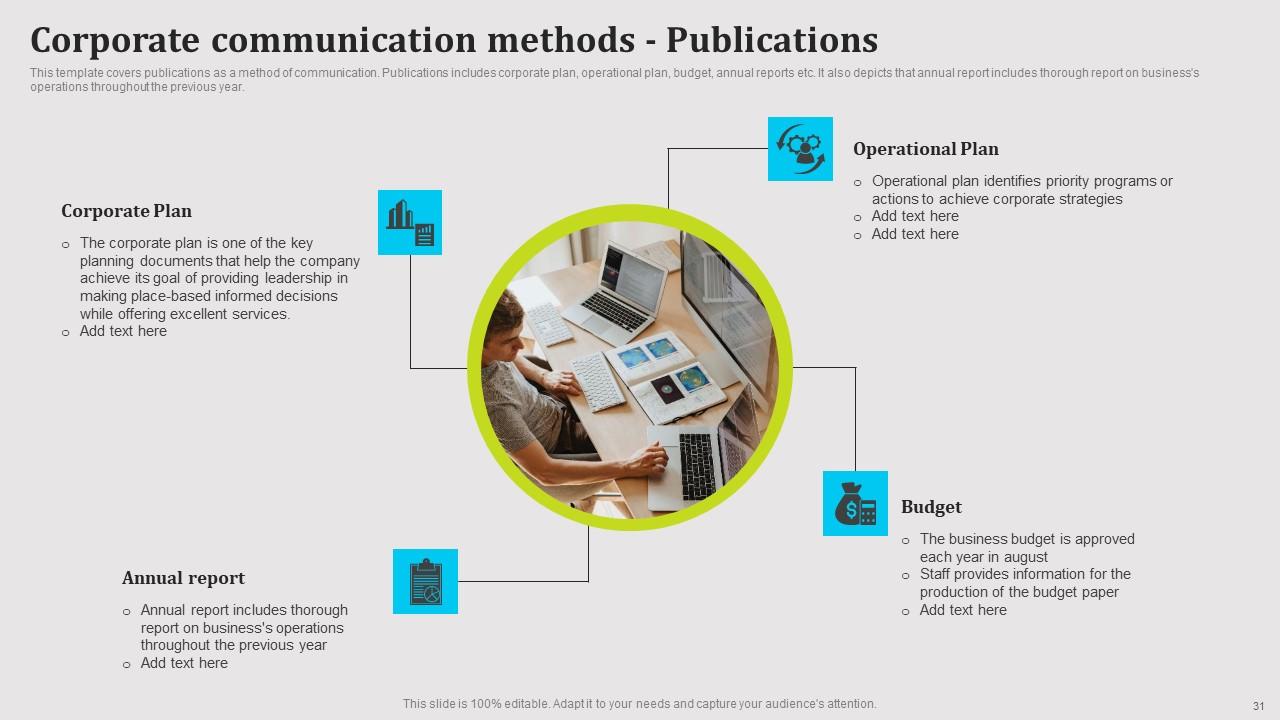
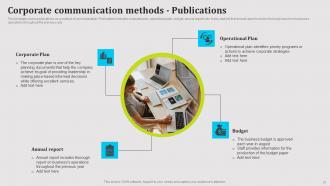
Slide 31: This slide elucidates publications as a method of communication.
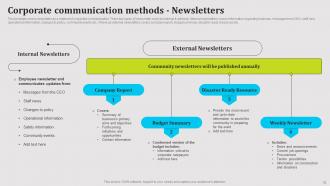
Slide 32: This template presents newsletter as a method of corporate communication.
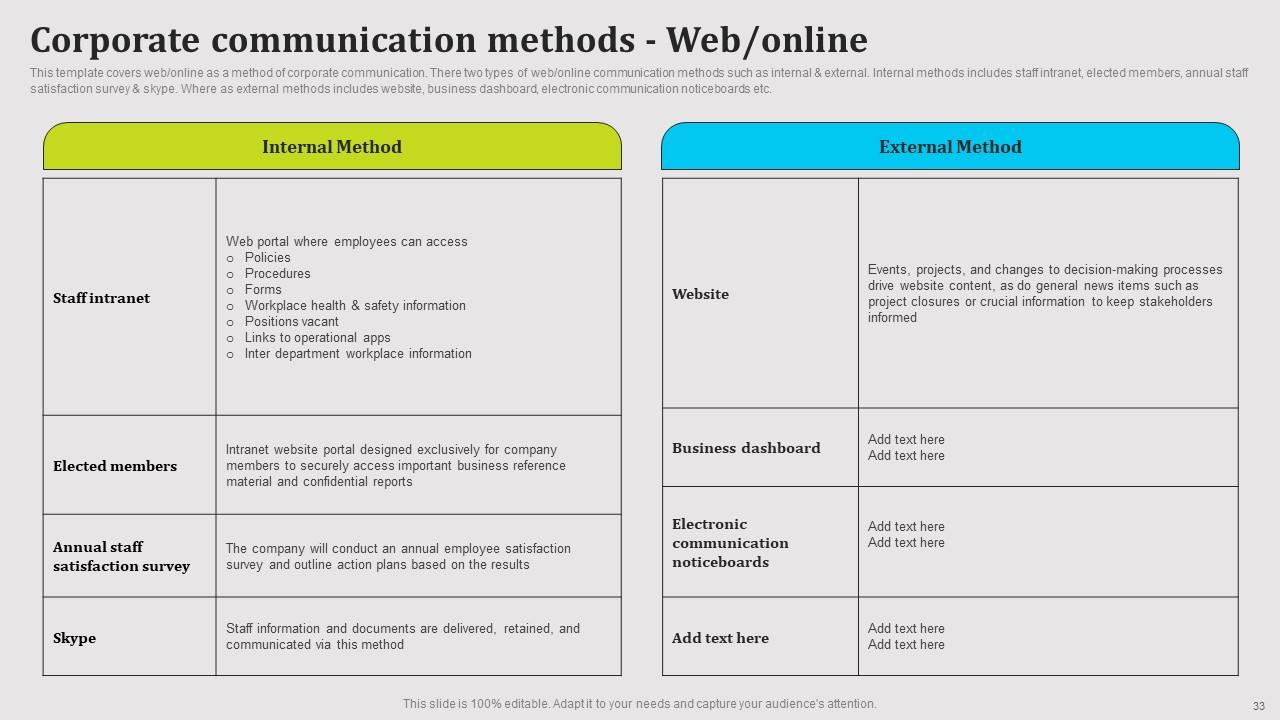
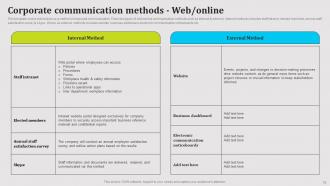
Slide 33: This template exhibits web/online as a method of corporate communication. T
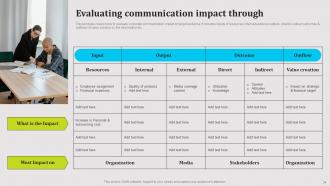
Slide 34: This slide deals with Evaluating communication impact.
Slide 35: This slide mentions the Title for the Components to be discussed next.
Slide 36: This template covers information regarding statistics associated to organizational communication in terms of project failures, communication plans, employee performance, etc.
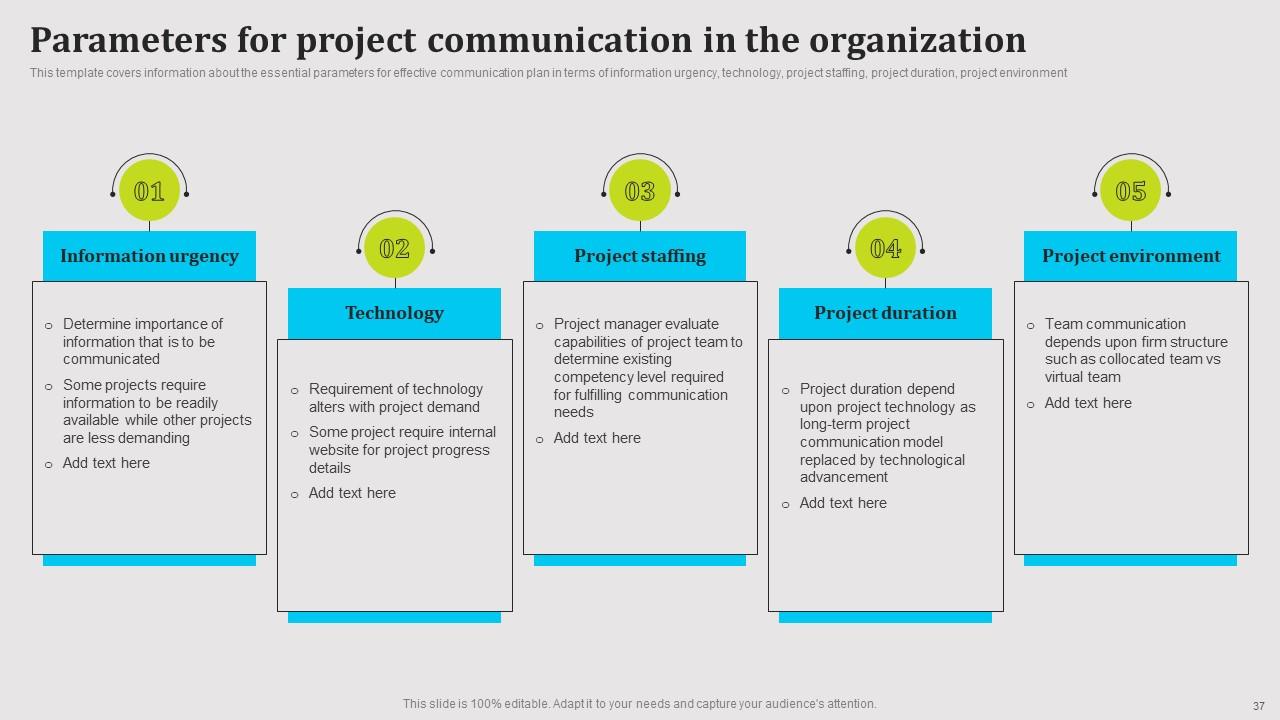
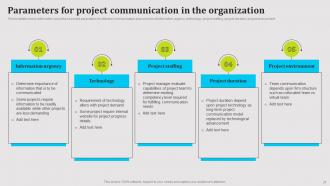
Slide 37: This slide lists the Parameters for project communication in the organization.
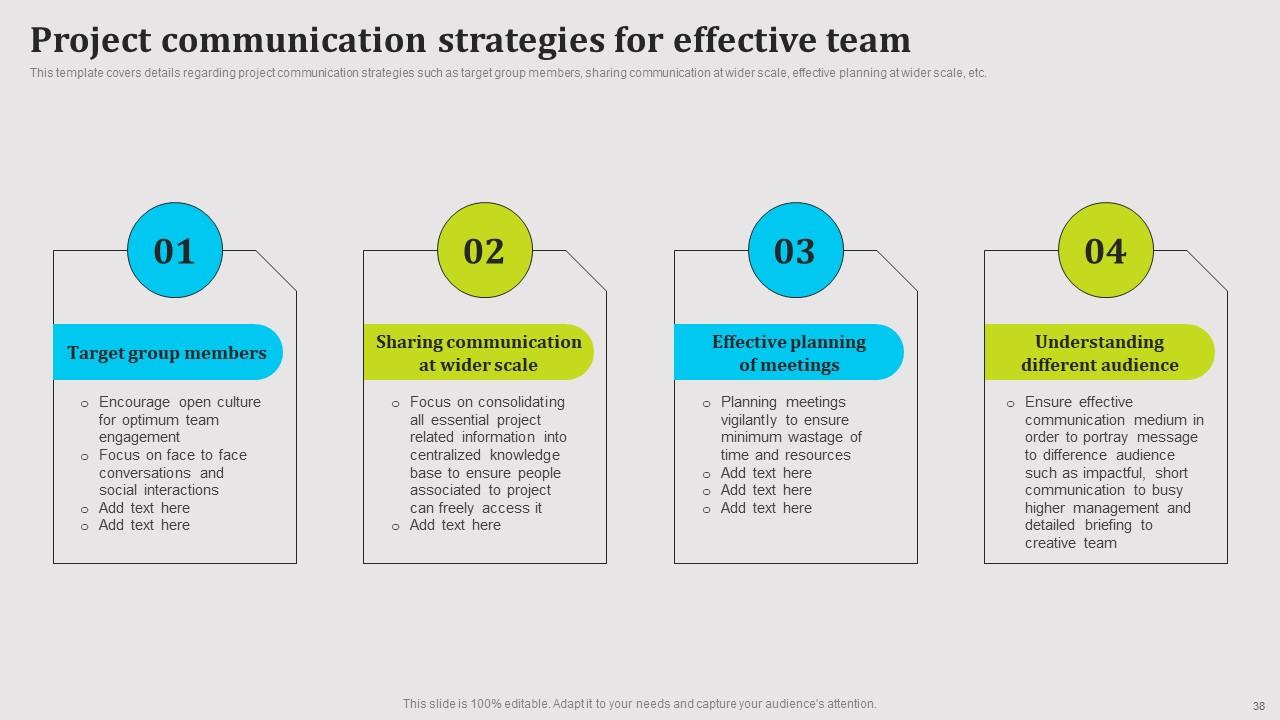
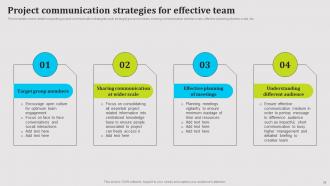
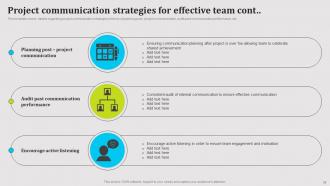
Slide 38: This slide focuses on Project communication strategies for effective team.
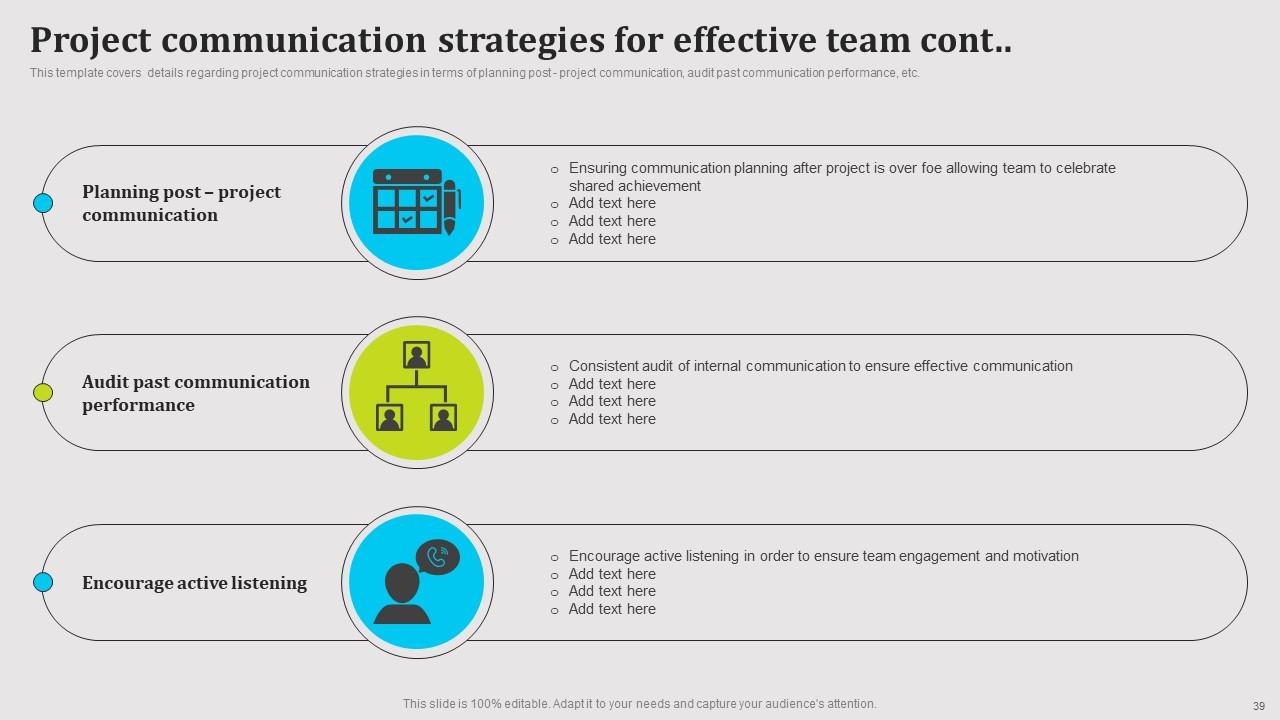
Slide 39: This slide continues the Project communication strategies for effective team.
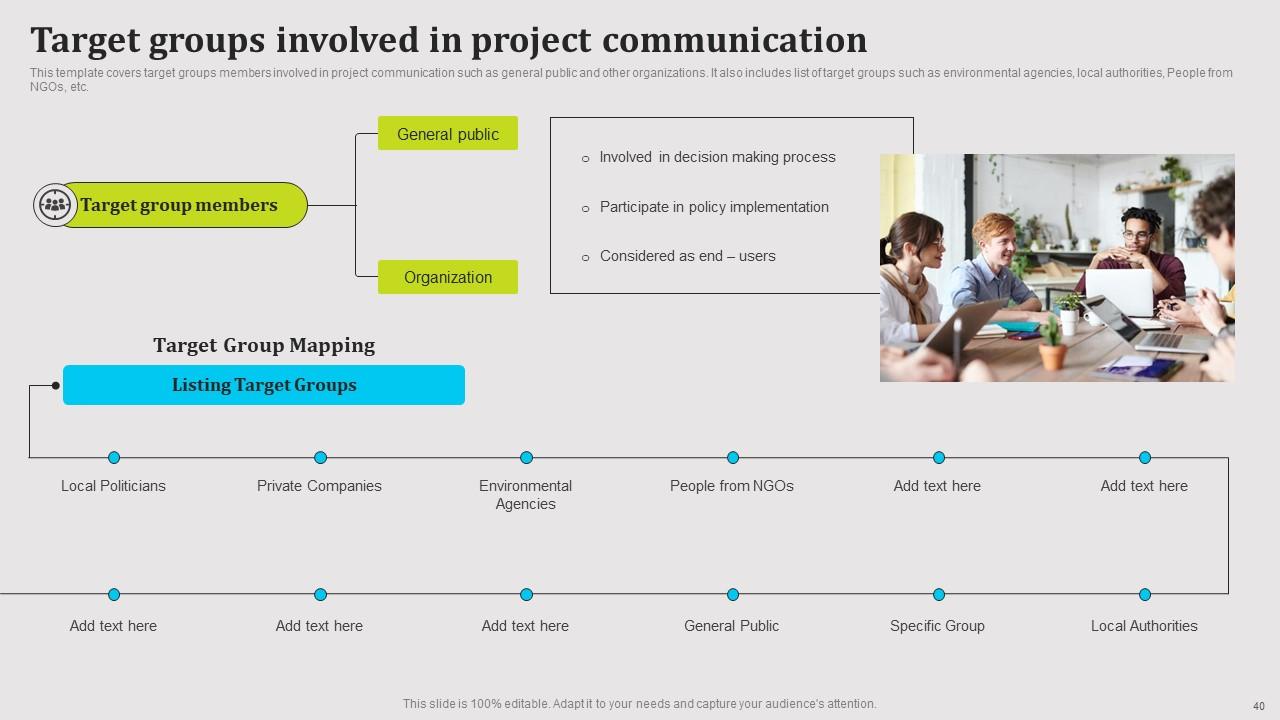
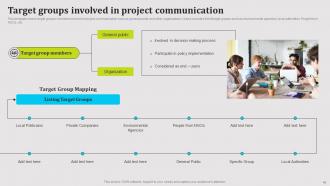
Slide 40: This template focuses on target groups members involved in project communication.
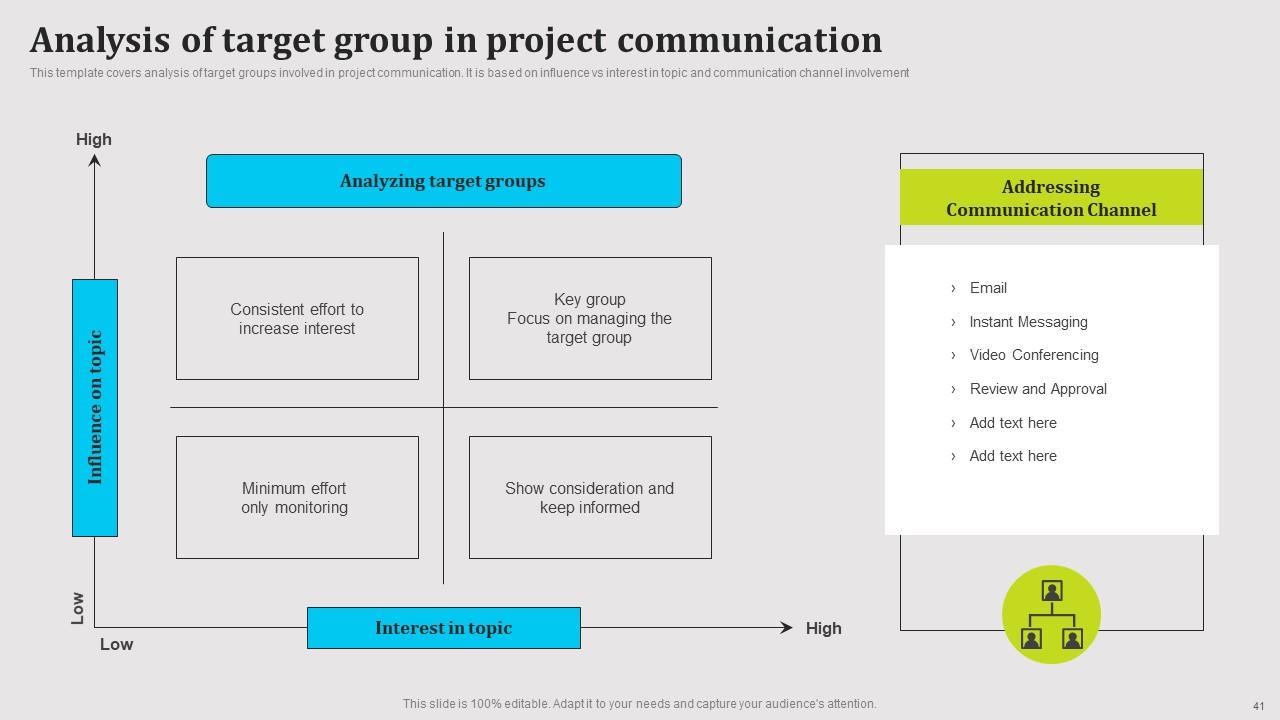
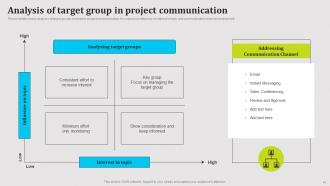
Slide 41: This slide exhibits the Analysis of target group in project communication.
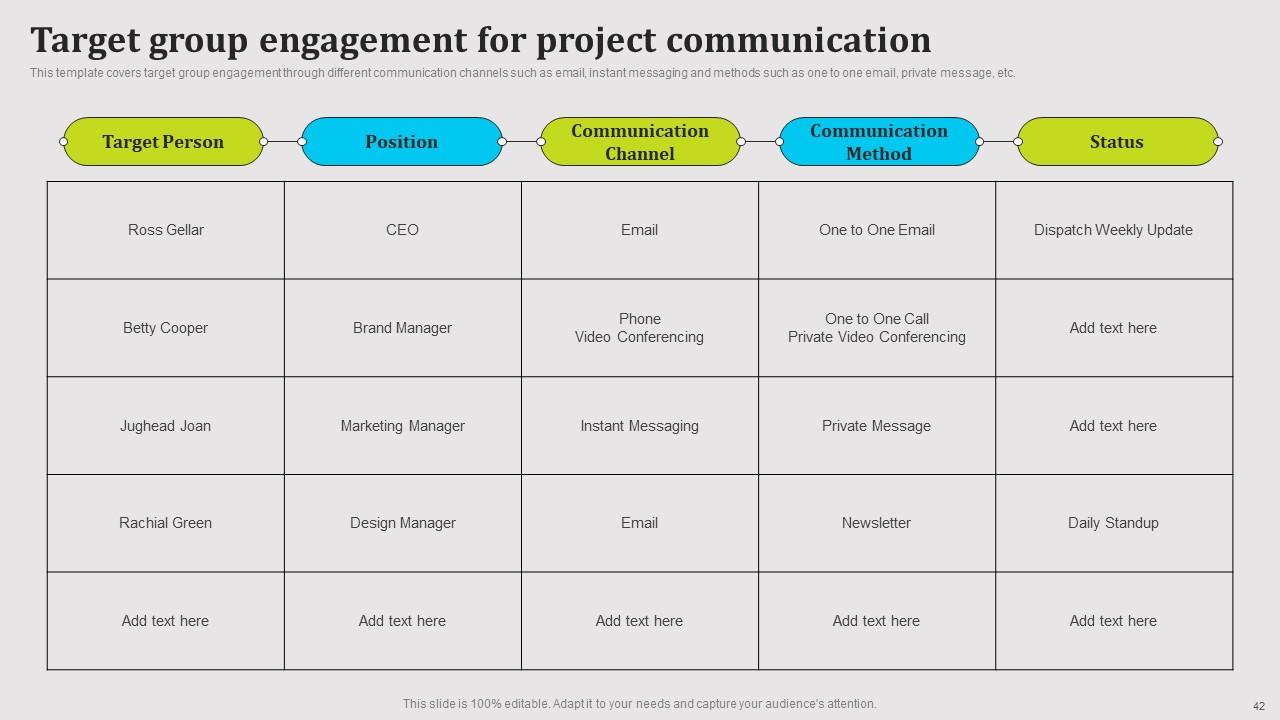
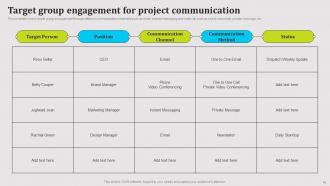
Slide 42: This slide incorporates the Target group engagement for project communication.
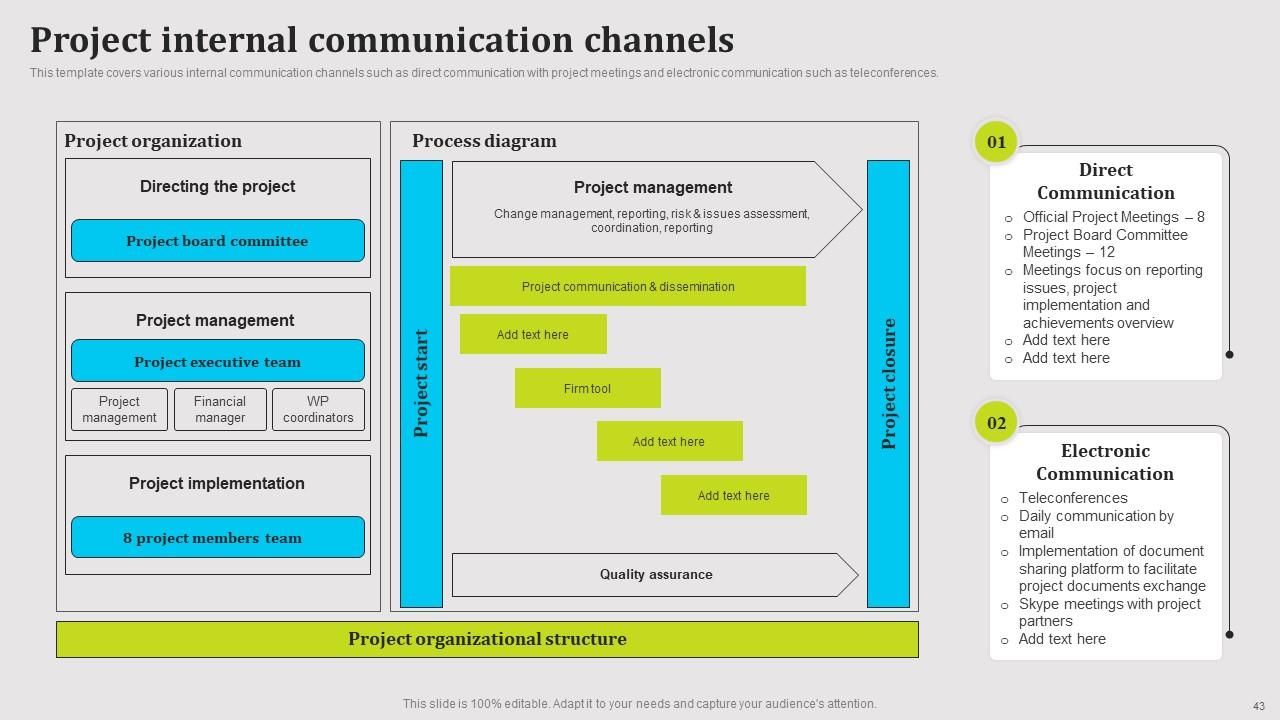
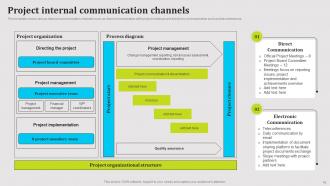
Slide 43: This slide deals with Project internal communication channels.
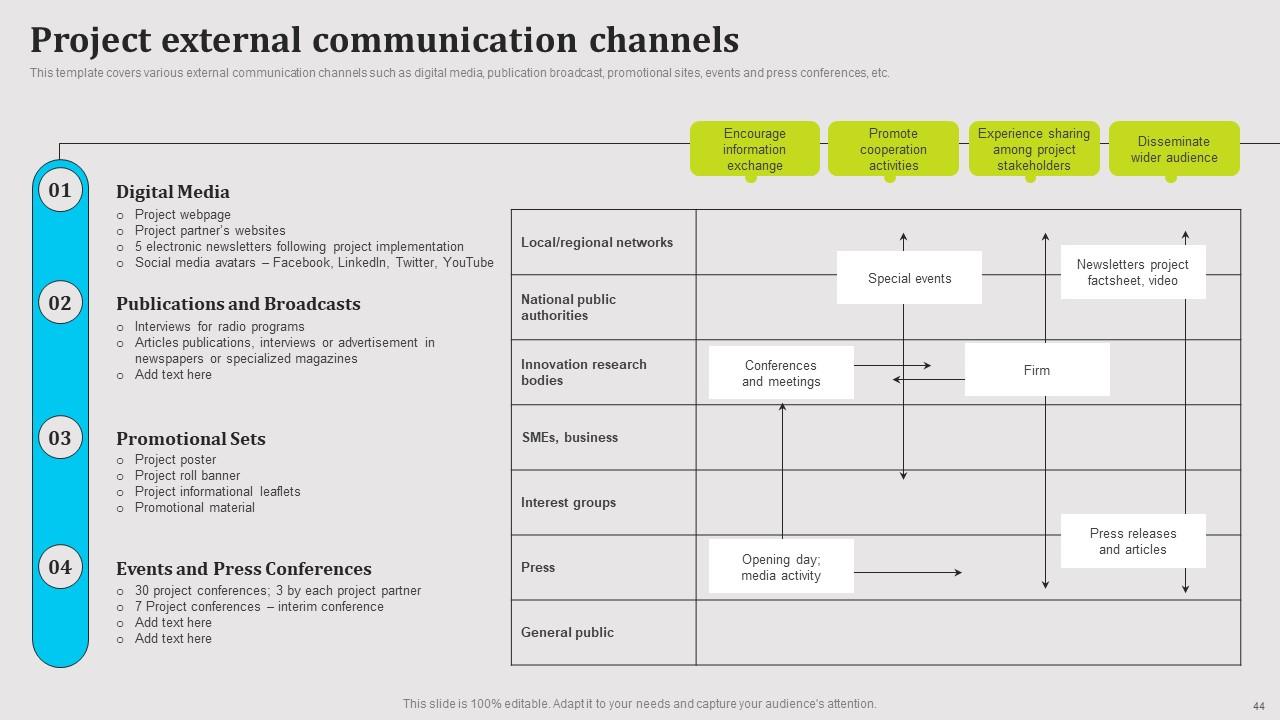
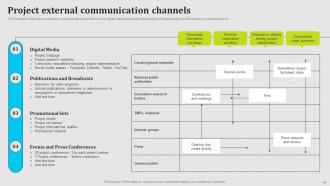
Slide 44: This slide talks about the Project external communication channels.
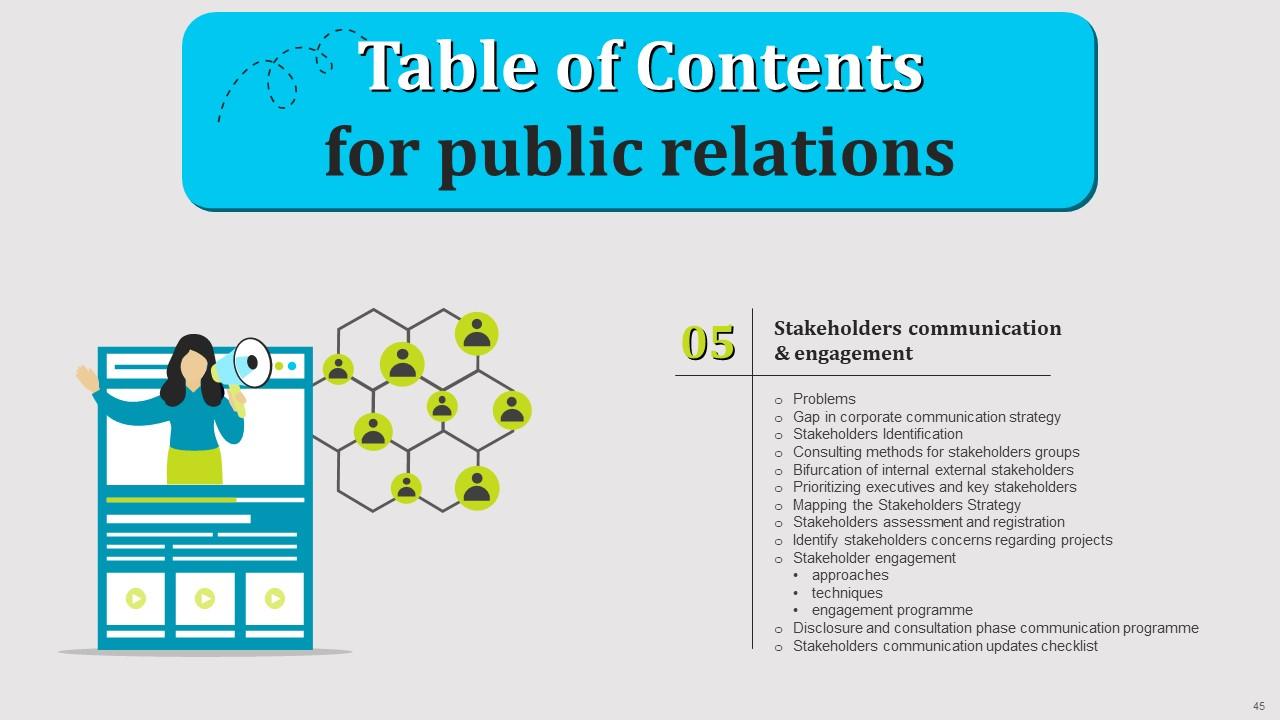
Slide 45: This slide presents the Heading for the Topics to be covered in the following template.
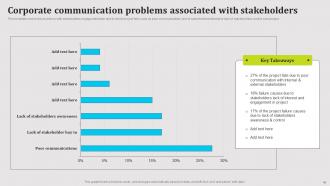
Slide 46: This template showcases the problems with stakeholders engagement plan due to which project fails.
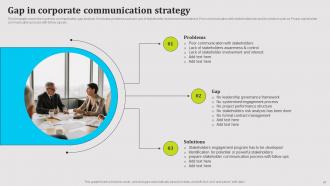
Slide 47: This slide template elucidates the Gap in corporate communication strategy.
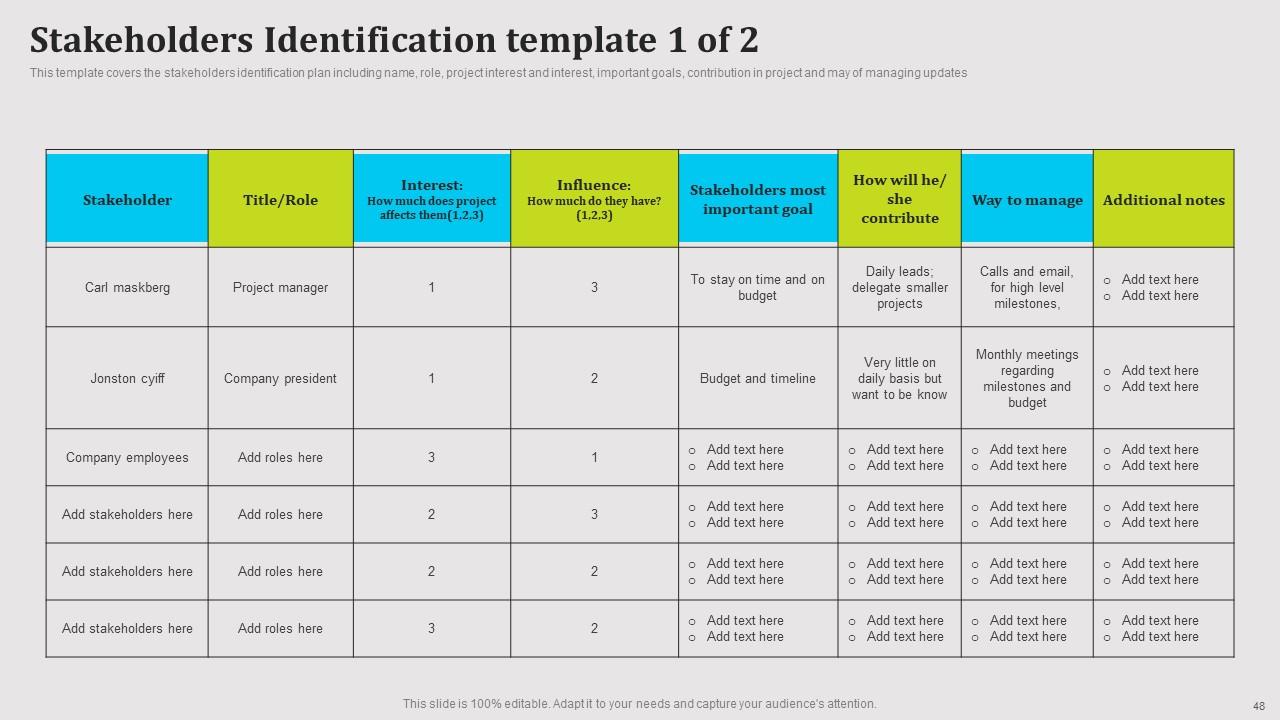
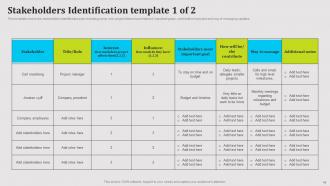
Slide 48: This template covers the stakeholders identification plan including name, role, project interest and interest, etc.
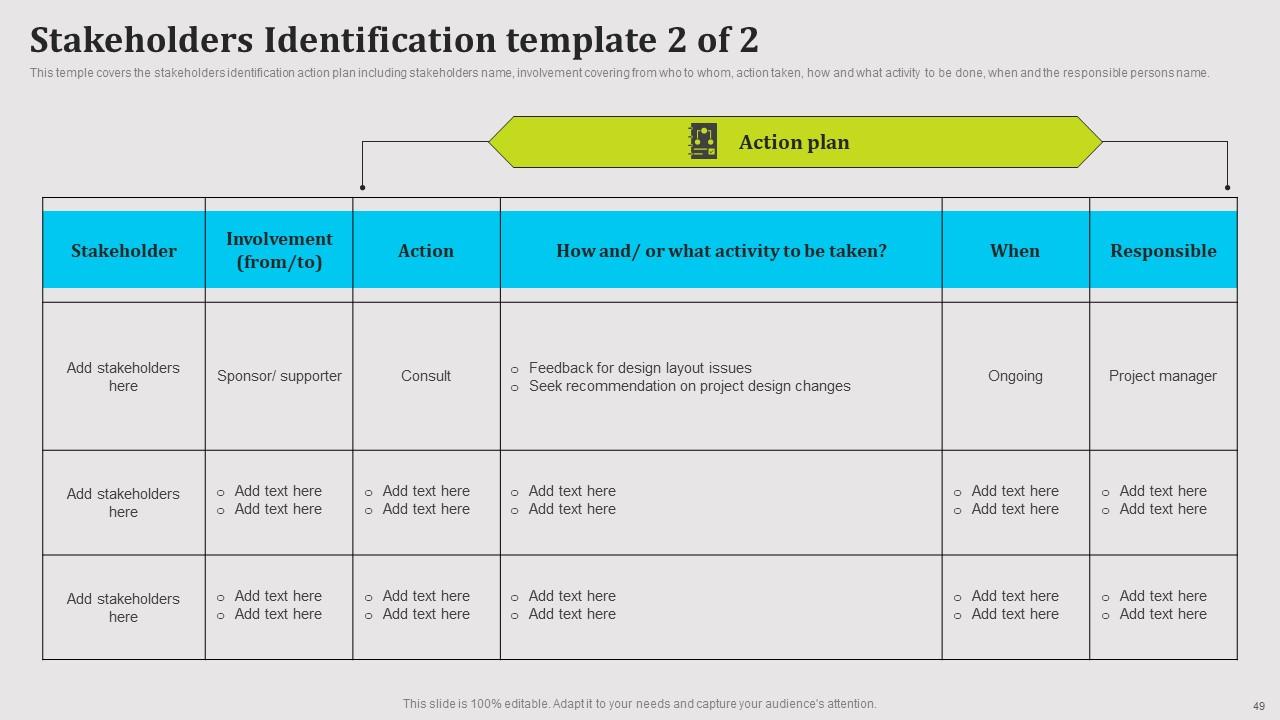
Slide 49: This temple covers the stakeholders identification action plan including stakeholders name, involvement covering from who to whom, action taken, etc.
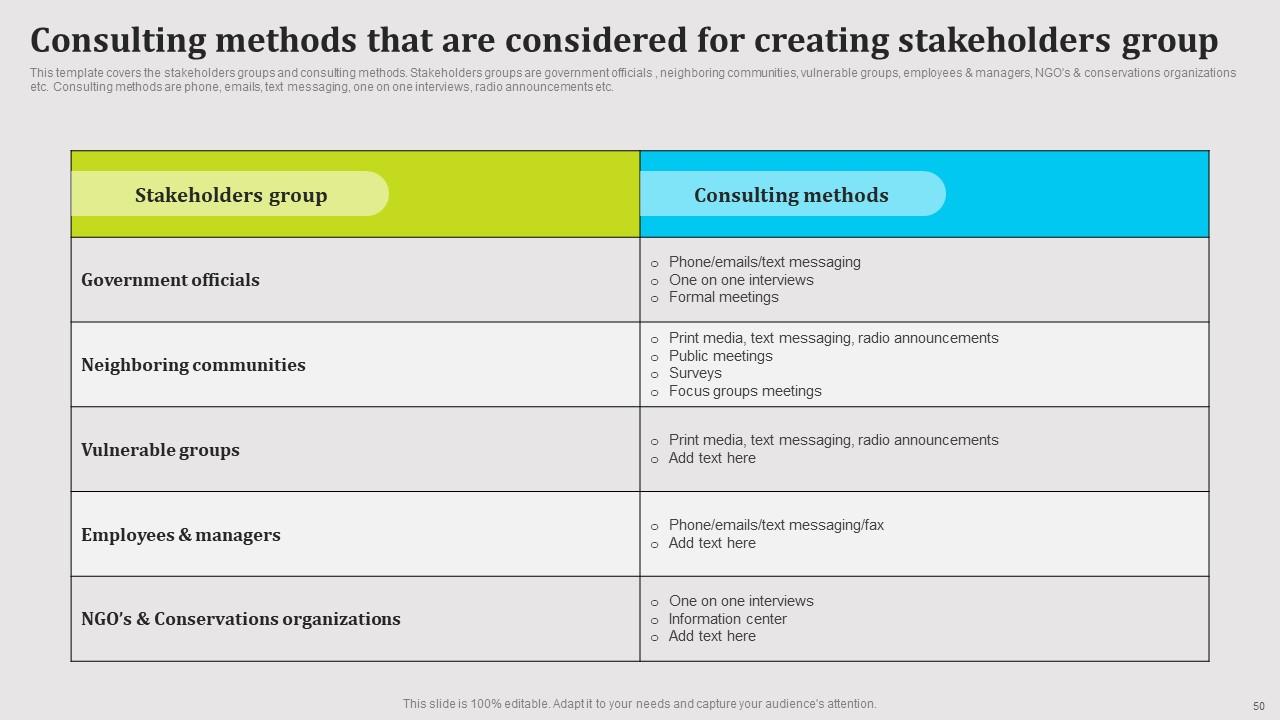
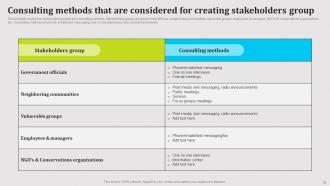
Slide 50: This slide focuses on the Consulting methods that are considered for creating stakeholders group.
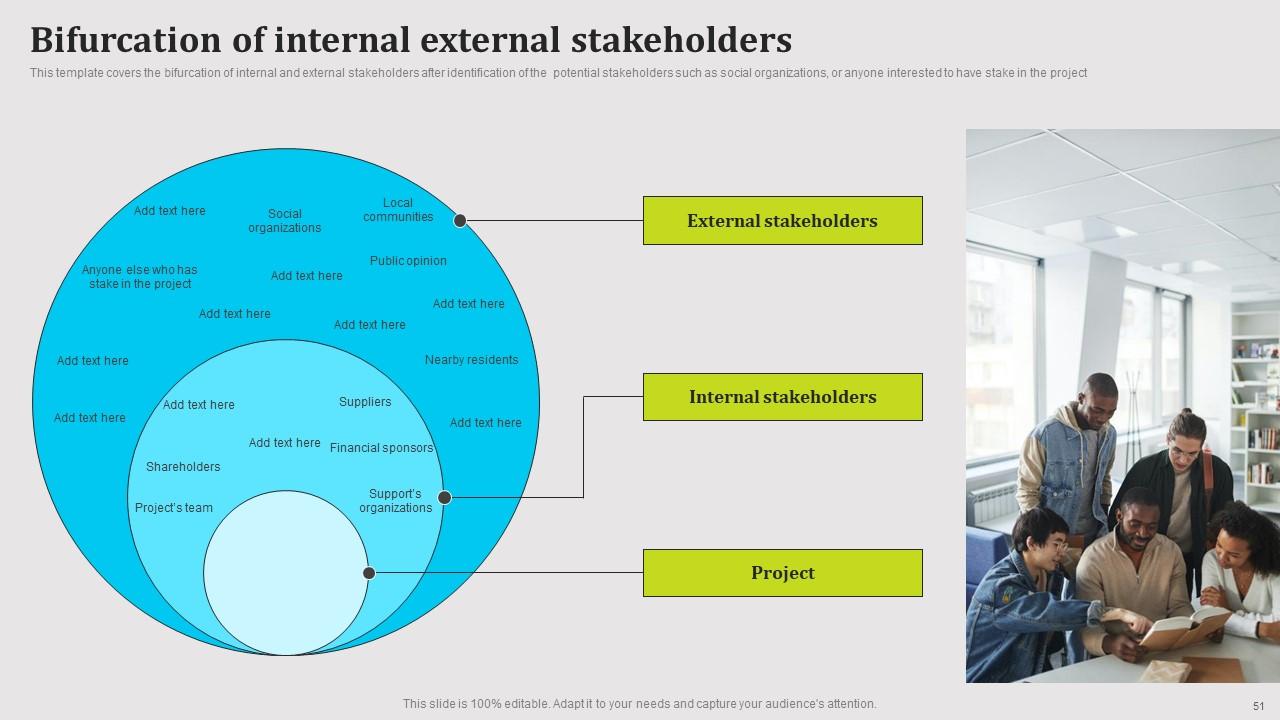
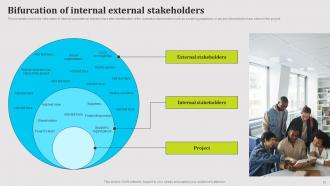
Slide 51: This slide reveals the Bifurcation of internal external stakeholders.
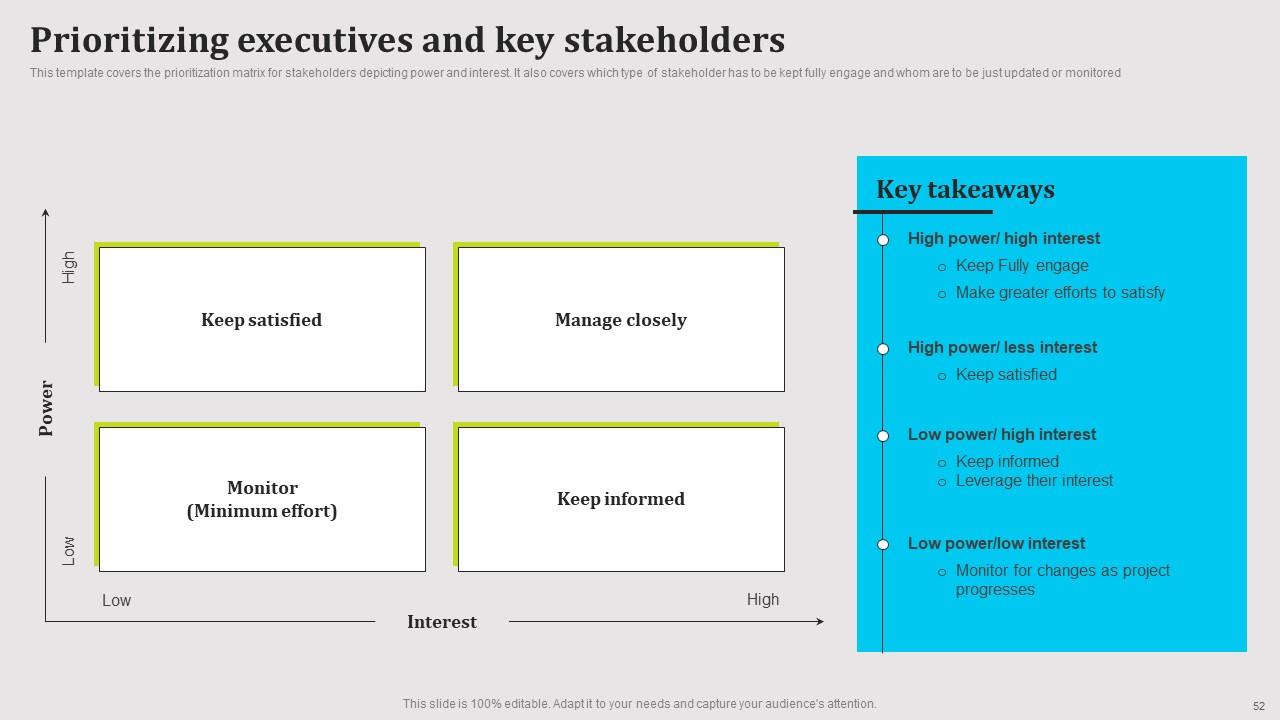
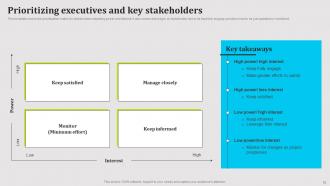
Slide 52: This template incorporates the prioritization matrix for stakeholders depicting power and interest.
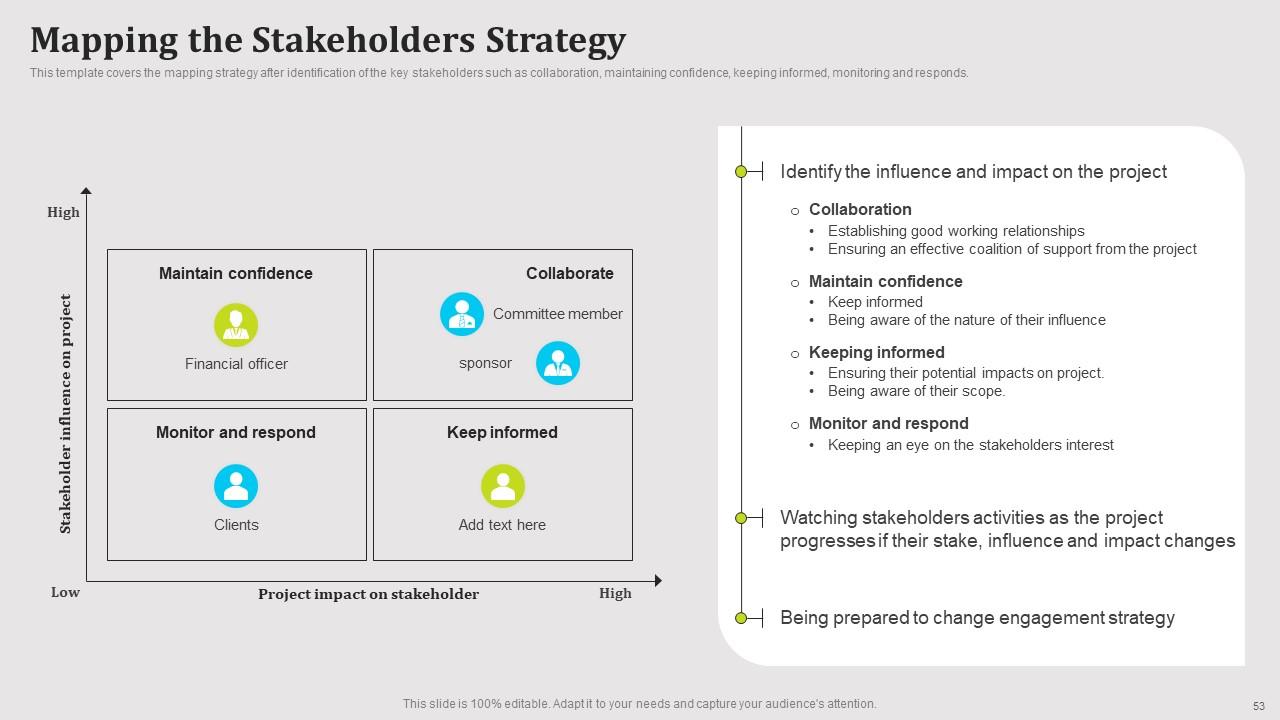
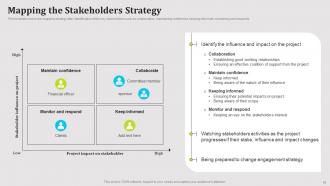
Slide 53: This slide talks about Mapping the Stakeholders Strategy.
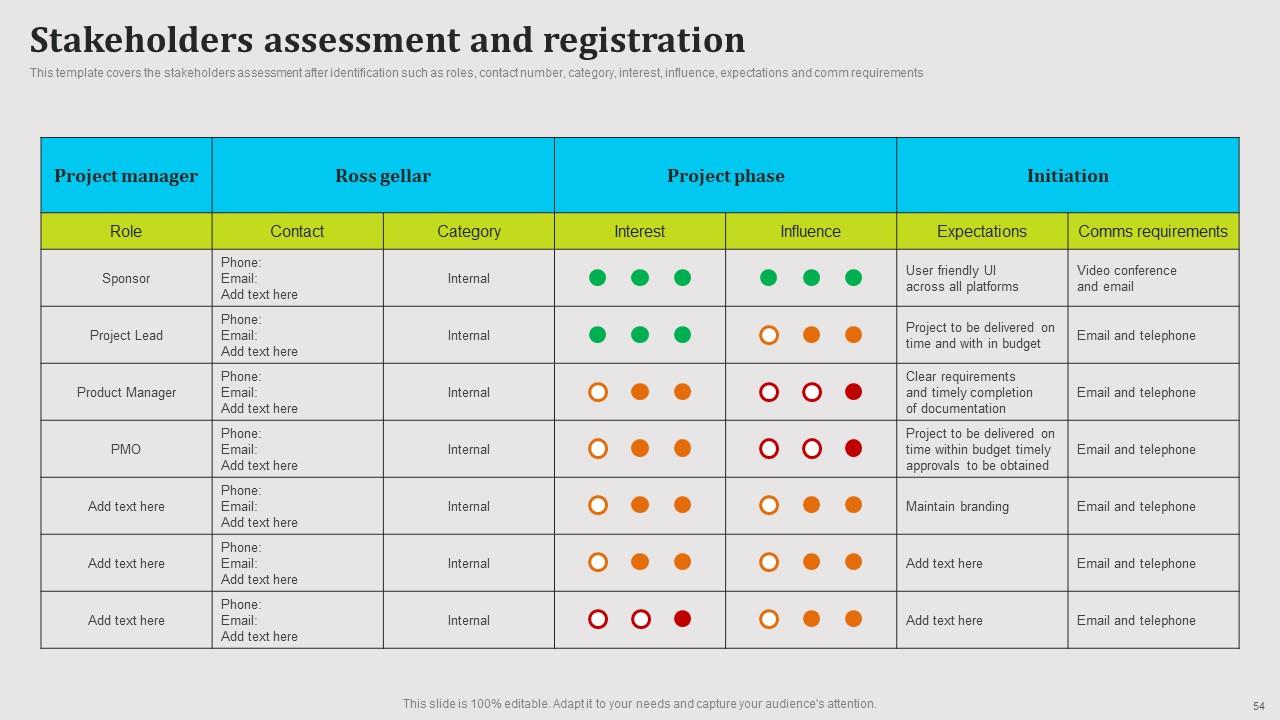
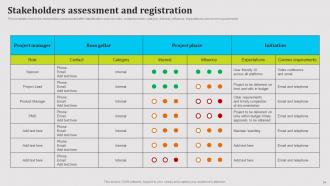
Slide 54: This slide exhibits Stakeholders assessment and registration.
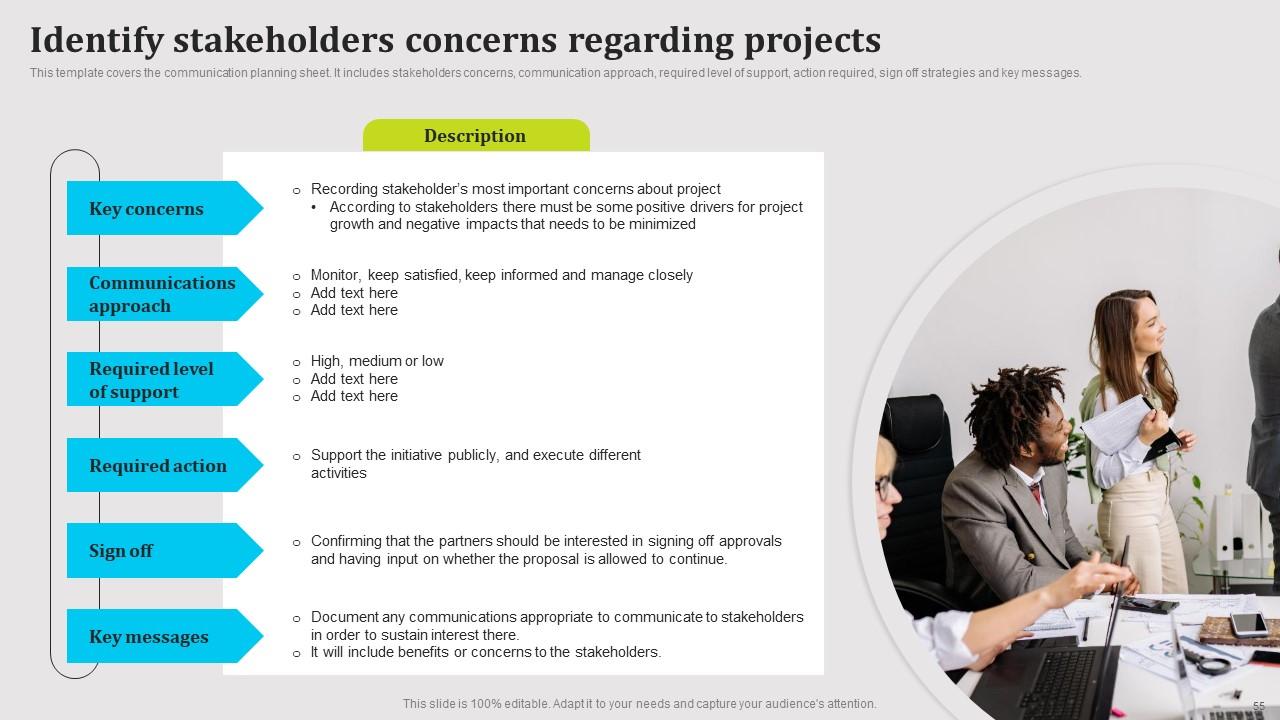
Slide 55: This template covers the communication planning sheet.
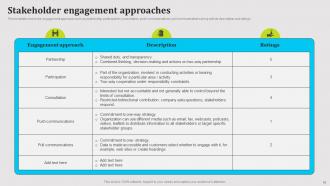
Slide 56: This template showcases the engagement approach such as partnership, participation, etc.
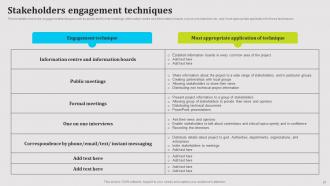
Slide 57: This slide deals with Stakeholders engagement techniques.
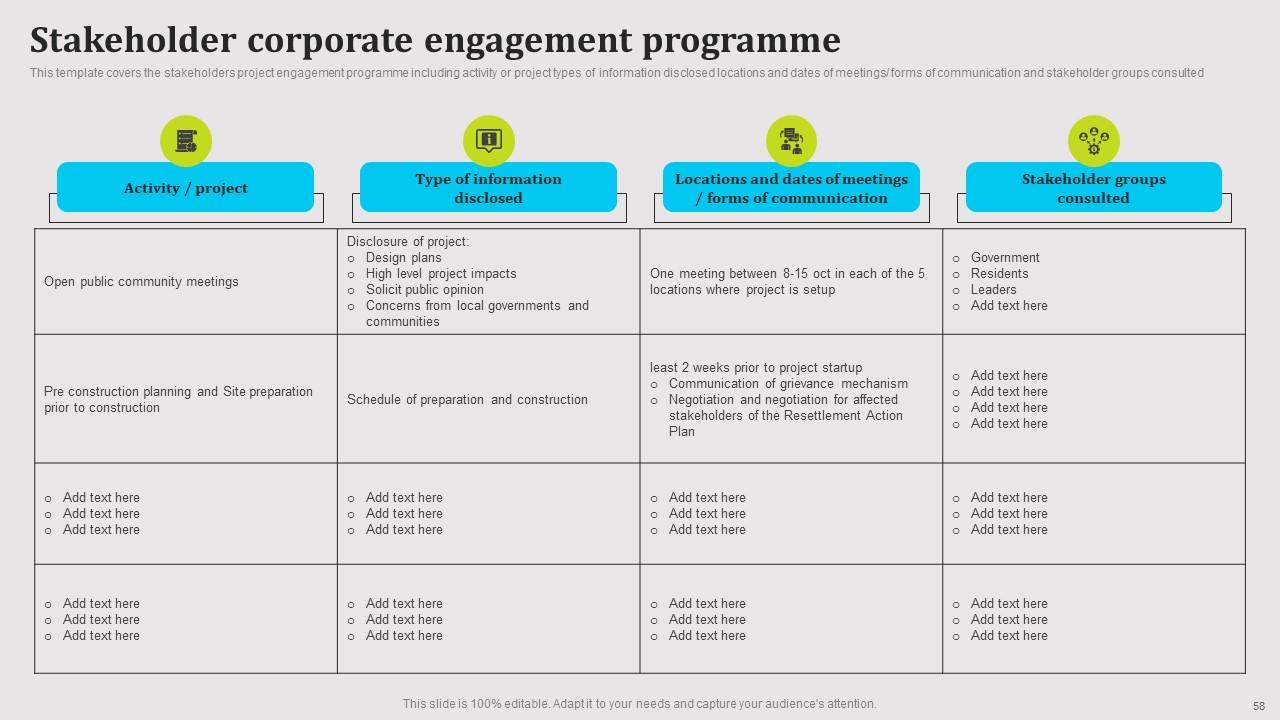
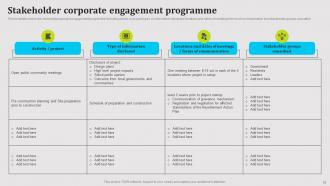
Slide 58: This slide represents the Stakeholder corporate engagement programme.
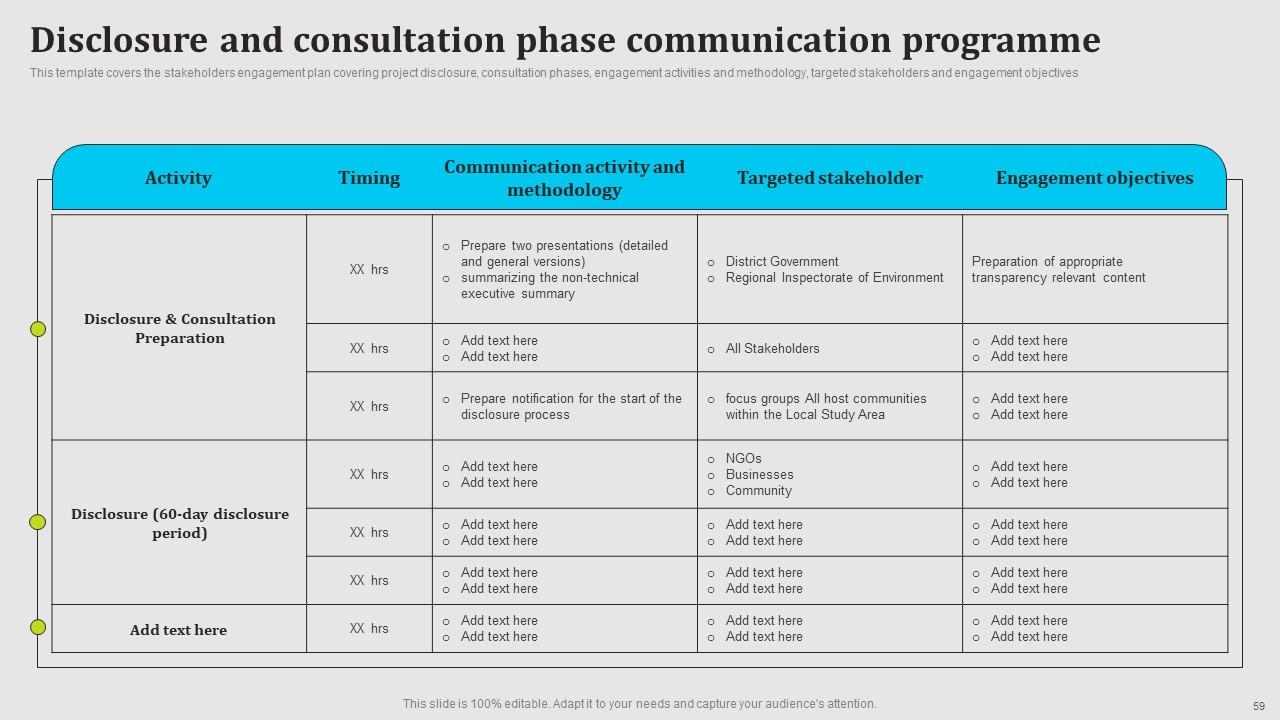
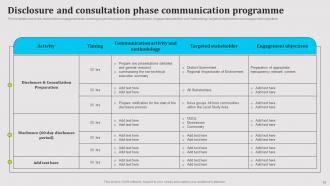
Slide 59: This slide provides information about the Disclosure and consultation phase communication programme.
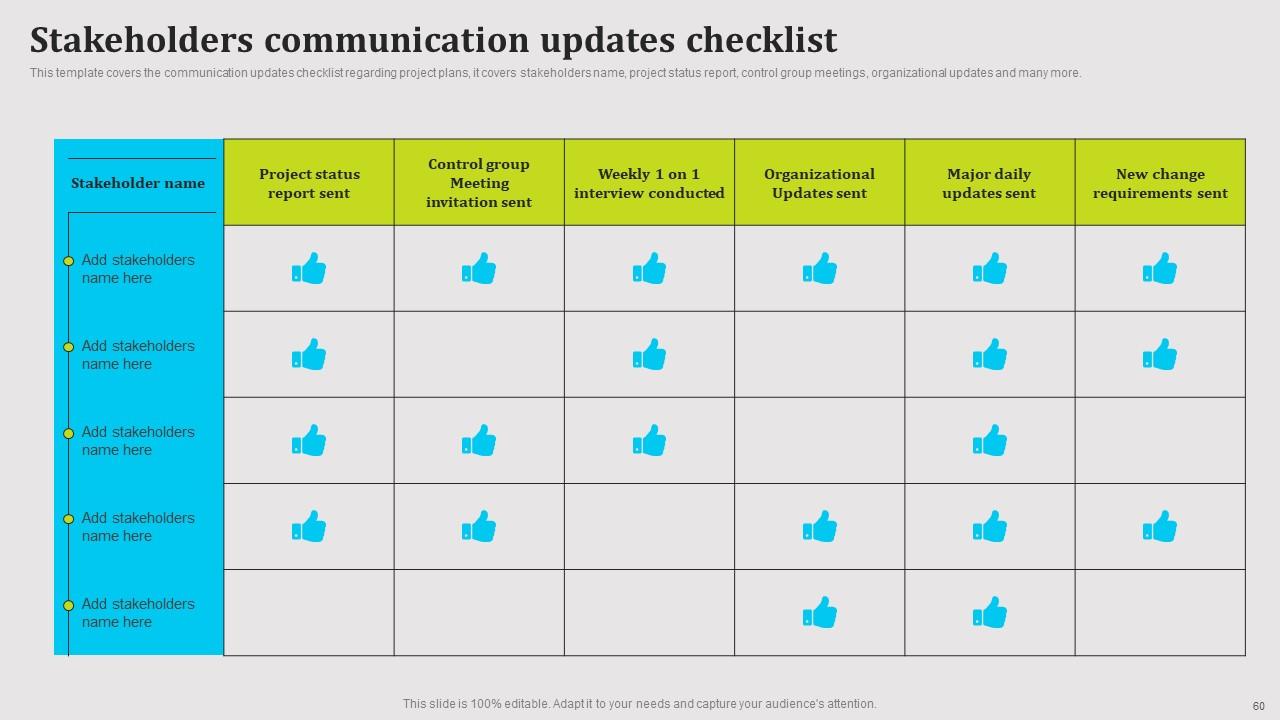
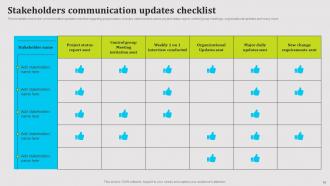
Slide 60: This slide elucidates the Stakeholders communication updates checklist.
Slide 61: This slide presents the Title for the Topics to be discussed further.
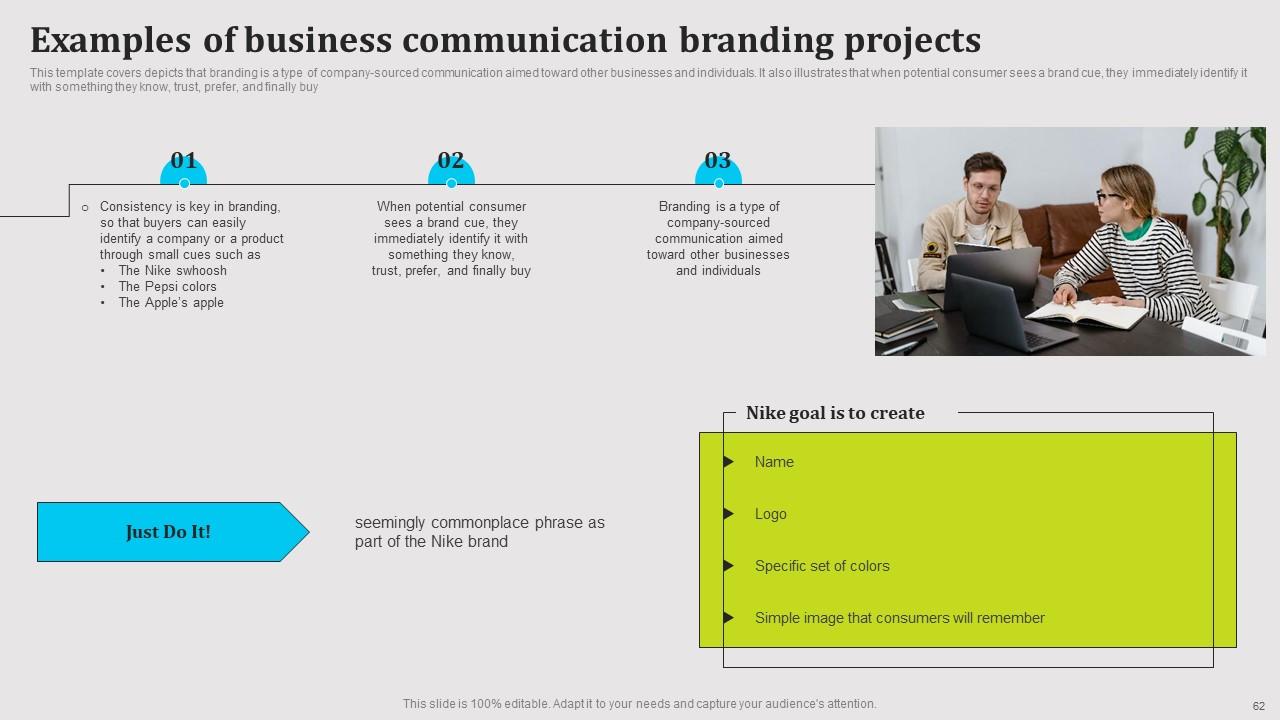
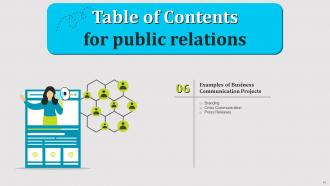
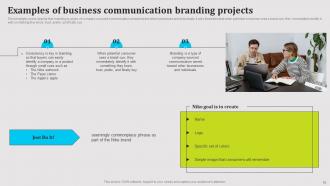
Slide 62: This slide portrays the Examples of business communication branding projects.
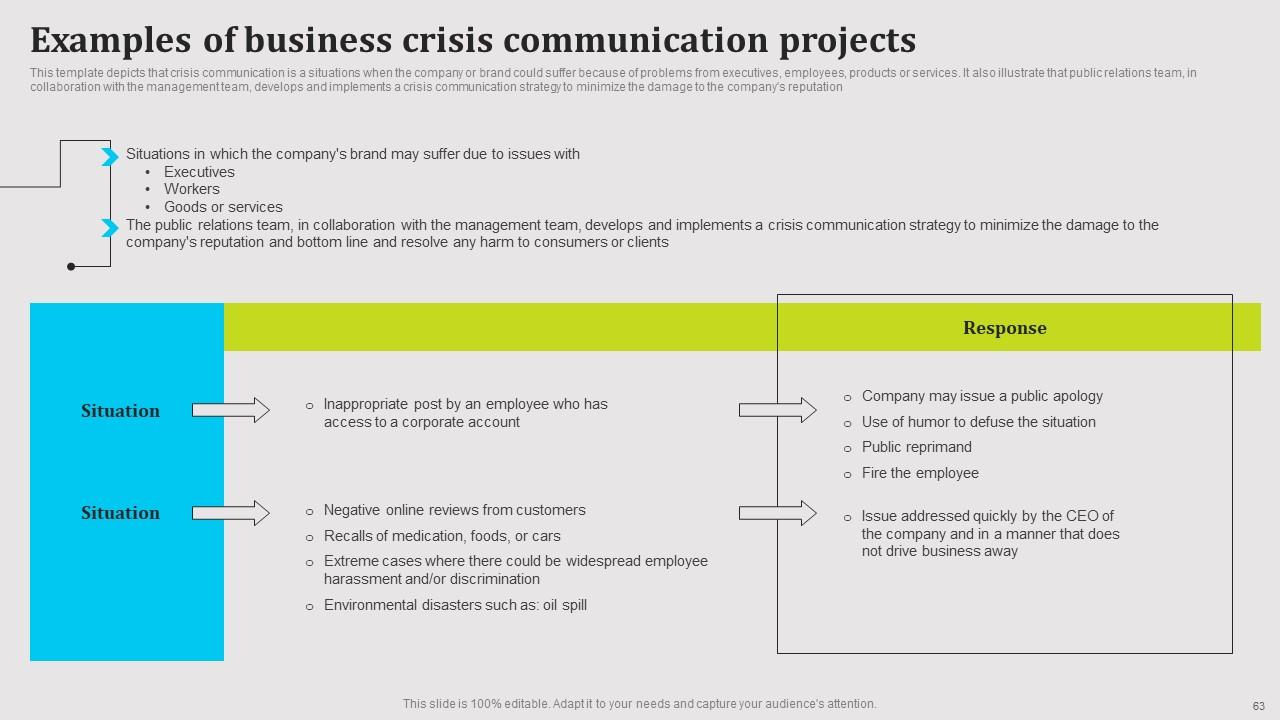
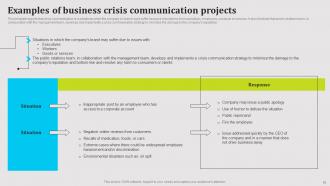
Slide 63: This slide depicts the Examples of business crisis communication projects.
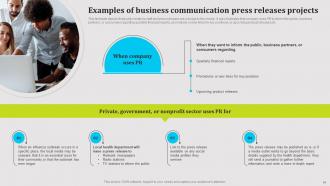
Slide 64: This slide reveals the Examples of business communication press releases projects.
Slide 65: This is the Icons slide containing all the Icons used in the plan.
Slide 66: This slide elucidates Additional information.
Slide 67: This slide is used for showcasing the organization's Vision & Mission.
Slide 68: This is the 30 60 90 Days Plan sldie for efficient planning.
Slide 69: This slide contains the Post it Notes for reminders and deadlines.
Slide 70: This is the Venn diagram slide.
Slide 71: This slide reveals the Company Timeline.
Slide 72: This slide is used for the purpose of Comparison.
Slide 73: This slide represents the Roadmap of the firm.
Slide 74: This is the Thank you slide for acknowledgement.
Public Relations Powerpoint Presentation Slides Strategy CD V with all 79 slides:
Use our Public Relations Powerpoint Presentation Slides Strategy CD V to effectively help you save your valuable time. They are readymade to fit into any presentation structure.
-
The team is highly dedicated and professional. They deliver their work on time and with perfection.
-
“Excellent service from the customer support team when I wanted a slide that was a bit different from those on their standard menu. Super helpful.”
