


Slides de apresentação em PowerPoint de análise de investimento imobiliário
Você está procurando uma apresentação em PowerPoint de análise de investimento imobiliário para compartilhar seu incrível plano de negócios no setor imobiliário? Sem problemas! Para ajudá-lo aqui, estamos apresentando uma apresentação de slides pronta para destacar os fatores a serem considerados ao investir em imóveis. Além disso, antes de lançar seu próximo plano de negócios de propriedade usando modelos de apresentação incluídos neste exemplo de PPT, você pode ilustrar a análise de localização de um imóvel. Esta apresentação de slides do PowerPoint também ajuda a sublinhar características significativas das finanças de um plano de negócios, a fim de convencer os compradores em potencial a aceitar o negócio. Indo além, este exemplo de apresentação PPT ajuda as empresas de investimento imobiliário a se apresentarem, bem como a desvendar seus serviços. Para tornar nosso modelo PPT mais preciso, incluímos slides de apresentação exclusivos como imóveis - tamanho do mercado, atividade do mercado imobiliário, tendências imobiliárias, crescimento das vendas imobiliárias, aluguéis de imóveis e muito mais. Em suma, com o nosso Powerpoint de análise de investimento imobiliário pré-projetado, você está a um passo de transformar sua análise em uma comunicação visual incrível. Influencie suas impressões com nossos slides de apresentação em PowerPoint de análise de investimento imobiliário. Faça com que as pessoas se sintam bem com os dias que virão.
Você está procurando uma apresentação em PowerPoint de análise de investimento imobiliário para compartilhar seu incrível ..
































-

- Google Slides is a new FREE Presentation software from Google.
- All our content is 100% compatible with Google Slides.
- Just download our designs, and upload them to Google Slides and they will work automatically.
- Amaze your audience with SlideTeam and Google Slides.
-

Want Changes to This PPT Slide? Check out our Presentation Design Services
-

- WideScreen Aspect ratio is becoming a very popular format. When you download this product, the downloaded ZIP will contain this product in both standard and widescreen format.
-

- Some older products that we have may only be in standard format, but they can easily be converted to widescreen.
- To do this, please open the SlideTeam product in Powerpoint, and go to
- Design ( On the top bar) -> Page Setup -> and select "On-screen Show (16:9)” in the drop down for "Slides Sized for".
- The slide or theme will change to widescreen, and all graphics will adjust automatically. You can similarly convert our content to any other desired screen aspect ratio.
Compatible With Google Slides

Get This In WideScreen
You must be logged in to download this presentation.


Do you want to remove this product from your favourites?
Recursos destes slides de apresentação em PowerPoint:
Apresentação idealmente construída para um agente imobiliário, investidor imobiliário, analista de investimentos, gerente de ativos, etc. Um conjunto completo de 58 modelos de slides para destacar completamente o tópico. Nenhum problema de pixelate. Todos os projetos PPT são de alta resolução. Sem restrições de espaço para adicionar títulos de texto, subtítulos e logotipos. Bem compatível com slides do Google. Simplesmente processe para converter para os formatos PDF e JPG. As etapas neste processo são propriedade, empréstimo hipotecário, compra e venda de terrenos, venda a descoberto, investimento, arrendatário, posse da terra.

People who downloaded this PowerPoint presentation also viewed the following :
Conteúdo desta apresentação em PowerPoint
Slide 1 : Este slide apresenta a Análise de Investimento Imobiliário. Informe o nome da sua empresa e comece.
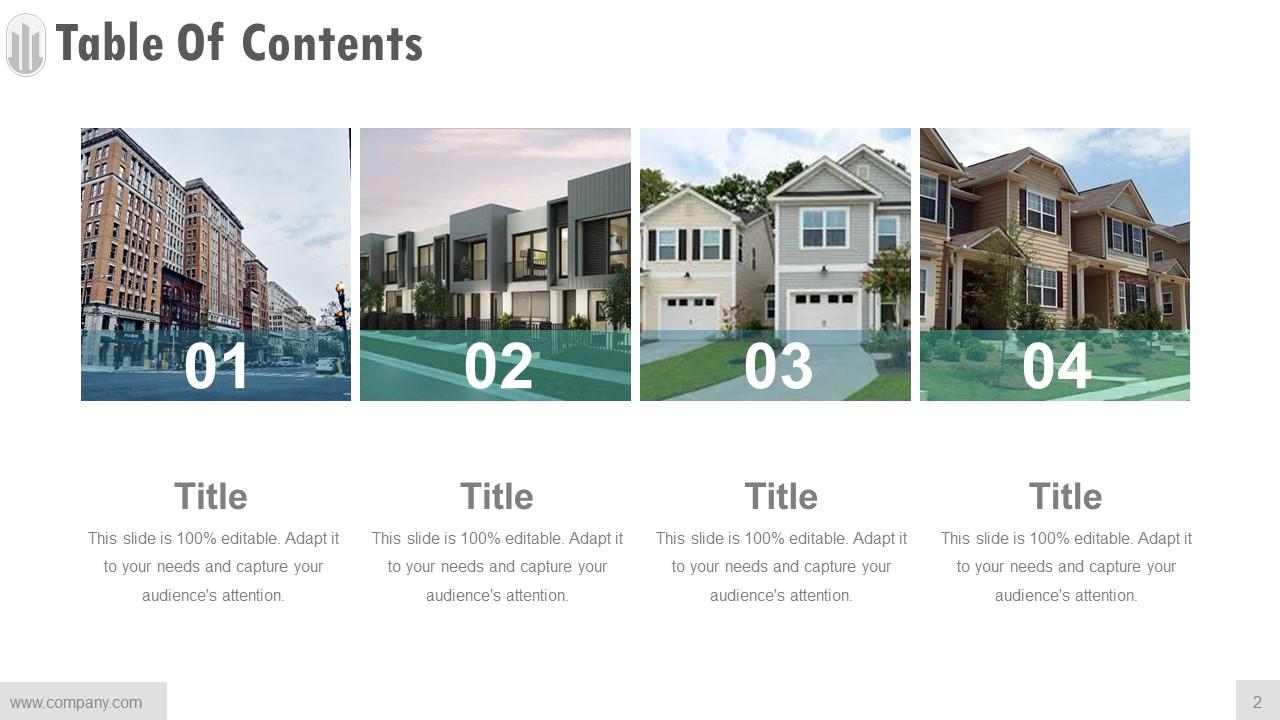
Slide 2 : Este slide apresenta o Índice.
Slide 3 : Este slide apresenta a Agenda. Você pode adicionar a agenda da empresa e usá-la.
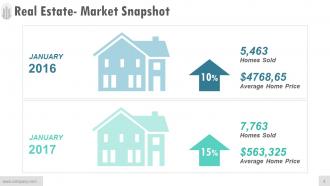
Slide 4 : Este slide mostra um panorama do mercado imobiliário.
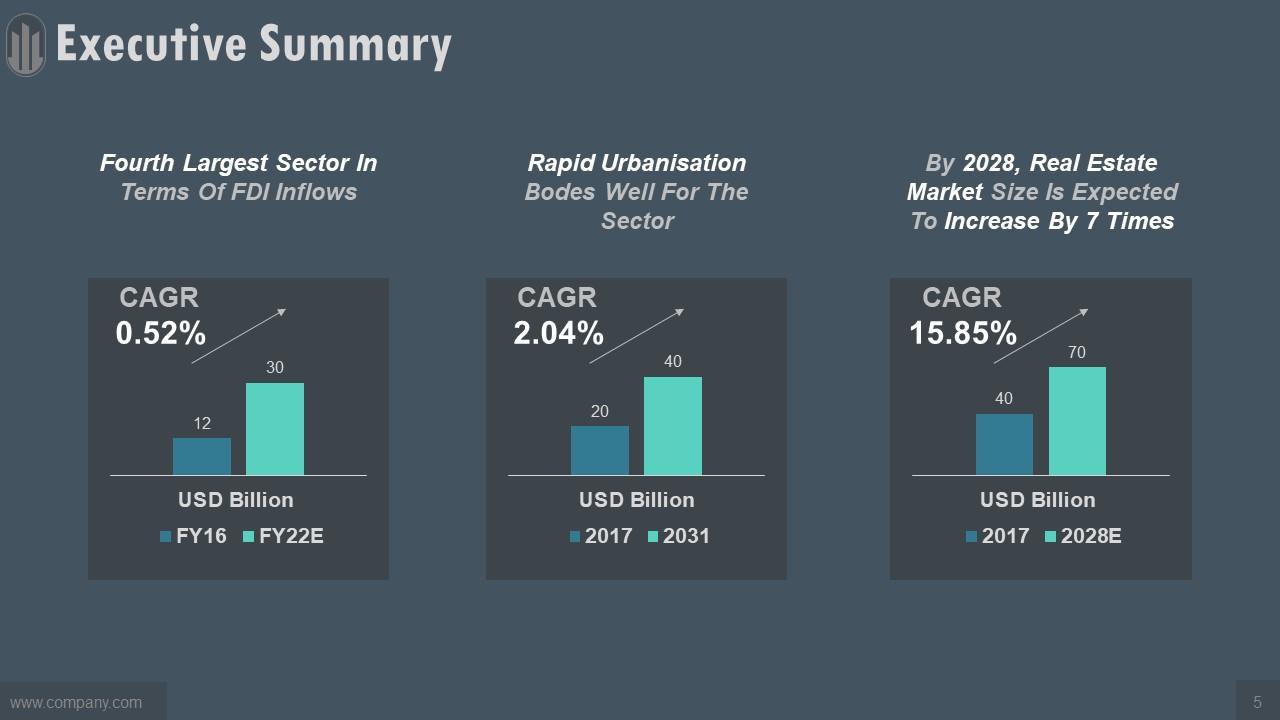
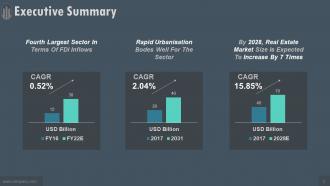
Slide 5 : Este slide apresenta o Resumo Executivo.
Slide 6 : Este slide apresenta o tamanho do mercado imobiliário.
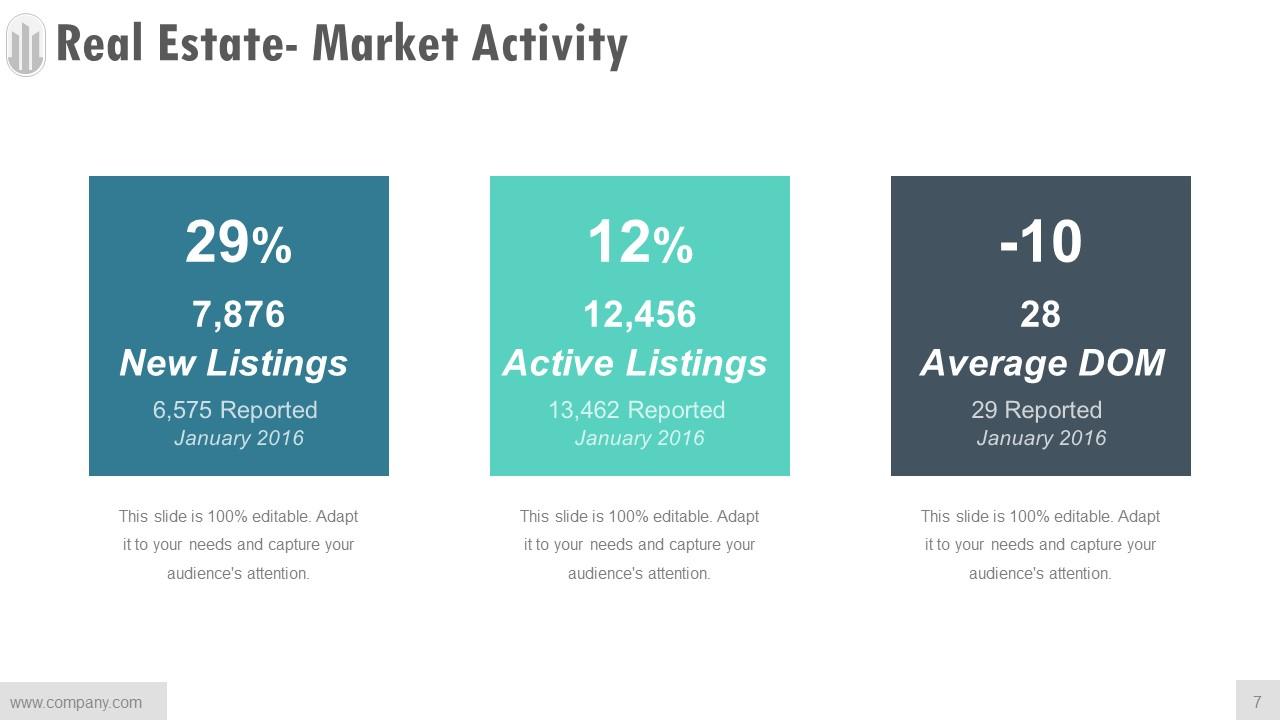
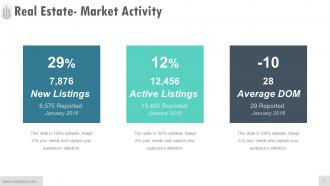
Slide 7 : Este slide mostra a Atividade do Mercado Imobiliário.
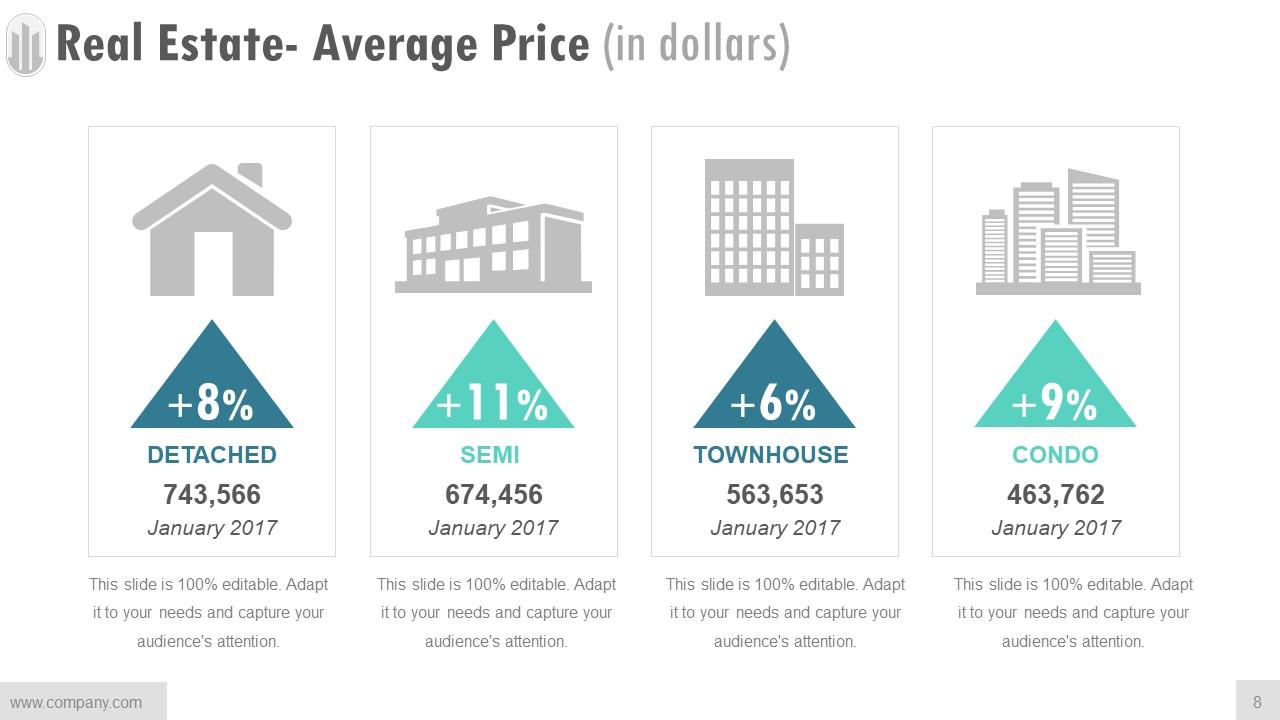
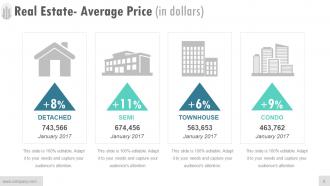
Slide 8 : Este slide mostra Imóveis - Preço médio (em dólares).
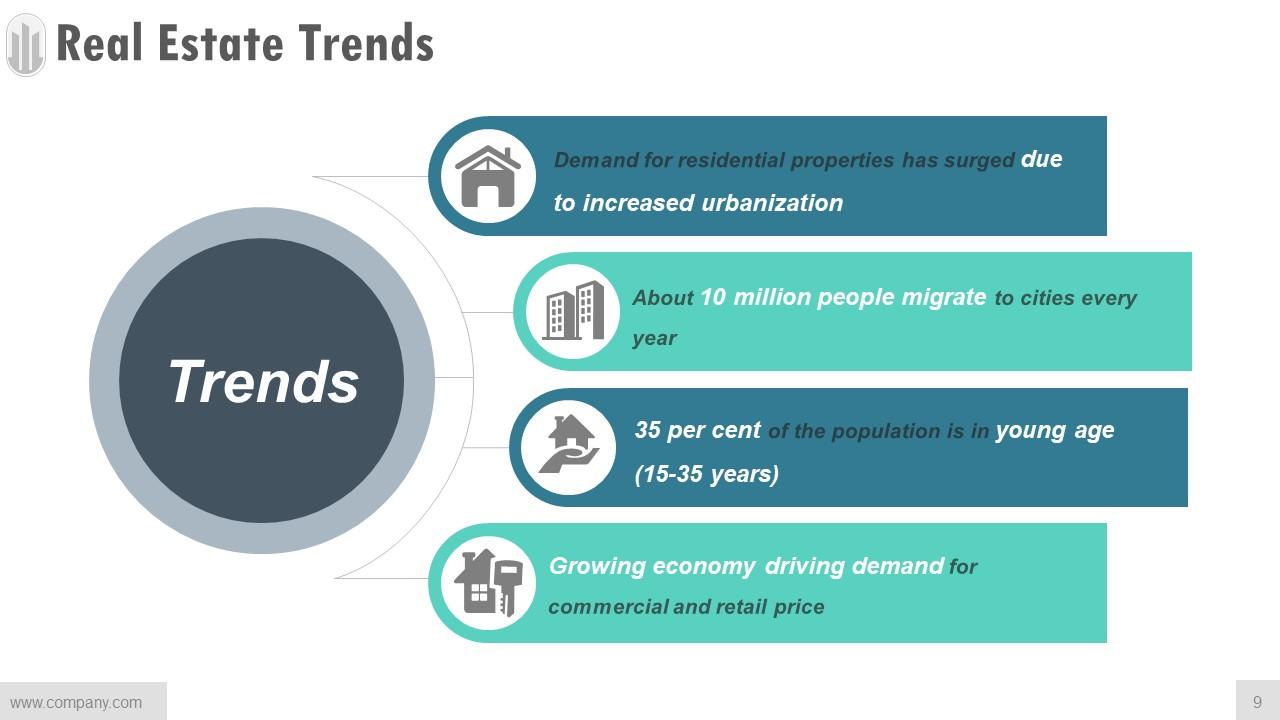
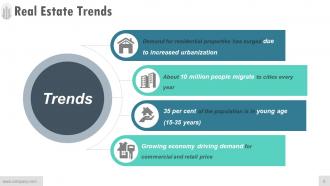
Slide 9 : Este slide apresenta Tendências imobiliárias, que também mostra quatro categorias diferentes que você pode usar.
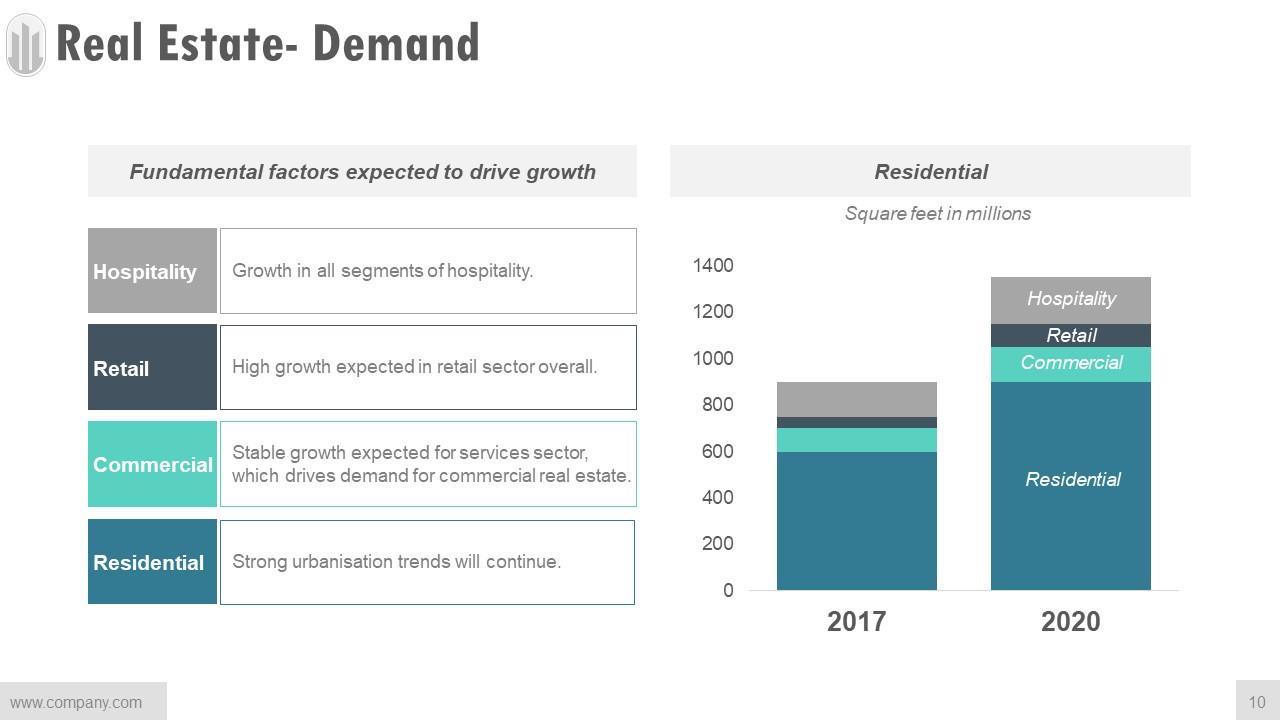
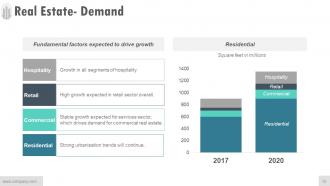
Slide 10 : Este slide mostra a demanda por imóveis. Você pode adicionar os estágios e usá-los.
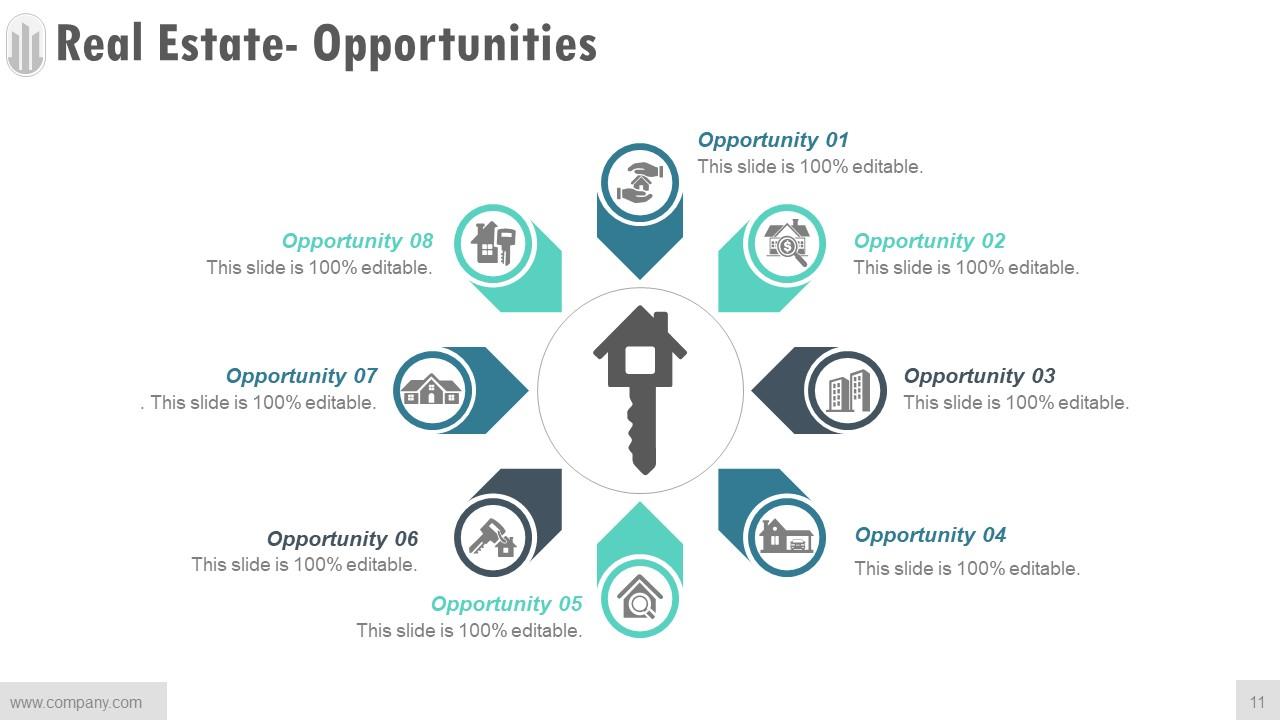
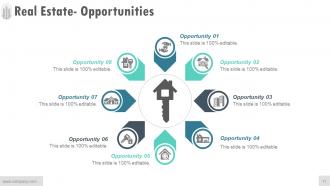
Slide 11 : Este slide apresenta o Imobiliário - Oportunidades.
Slide 12 : Este slide mostra o Imobiliário - Principais Investimentos. Adicione os principais investimentos.
Slide 13 : Este slide apresenta o Suporte à Política Imobiliária. Indique a Política de Apoio e use-a.
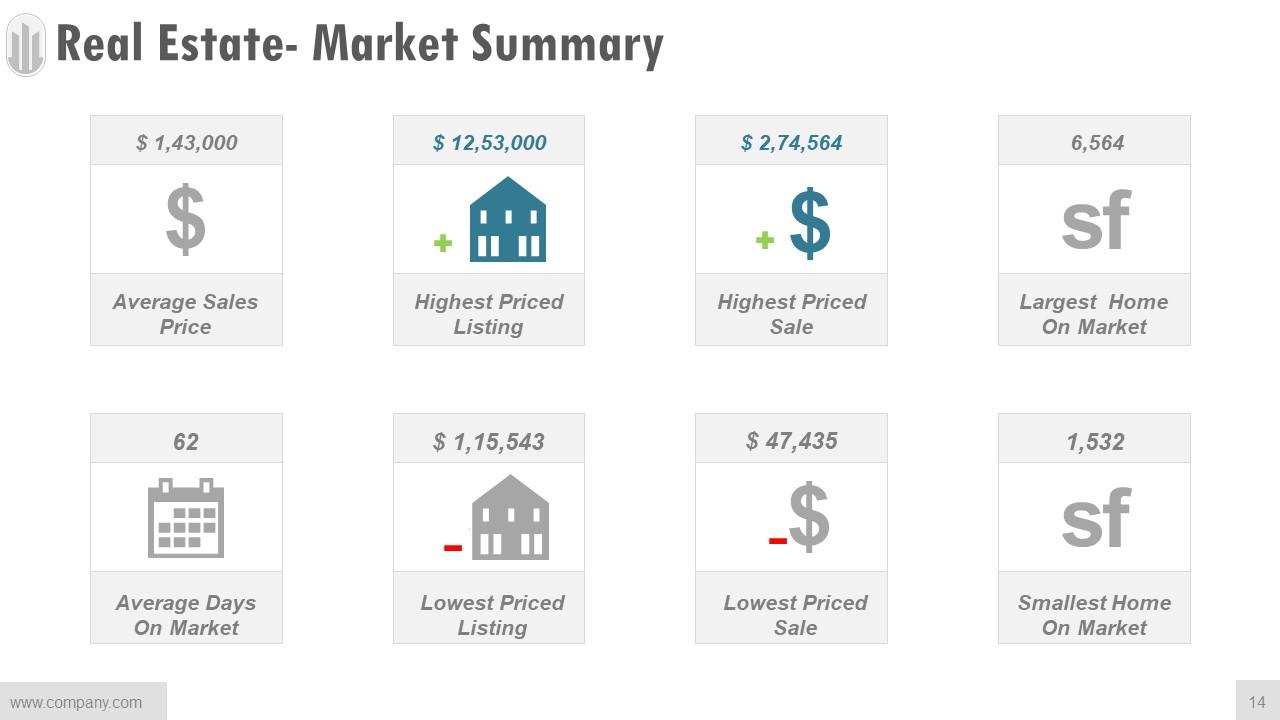
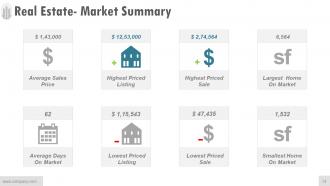
Slide 14 : Este slide mostra o Resumo do Mercado Imobiliário.
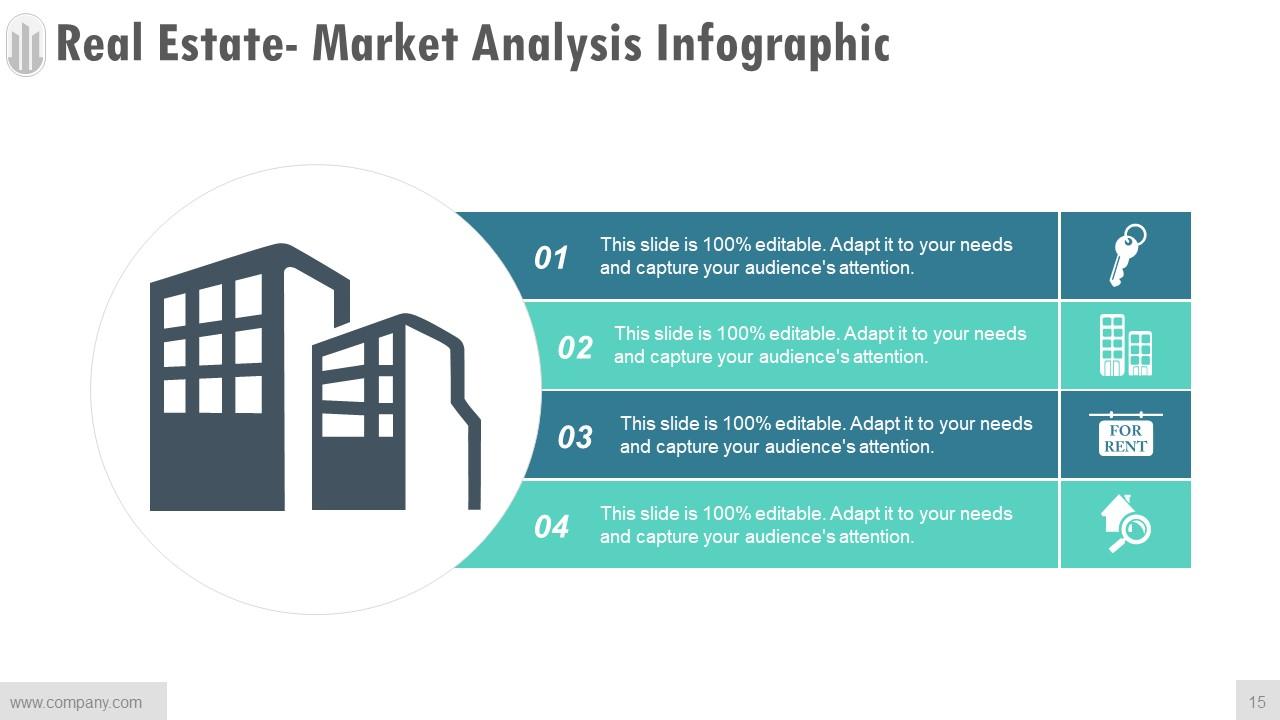
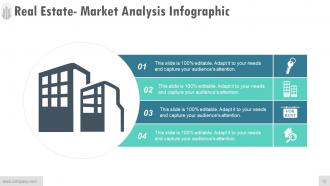
Slide 15 : Este slide apresenta o Infográfico de Análise de Mercado Imobiliário.
Slide 16 : Este slide mostra o panorama do mercado imobiliário.
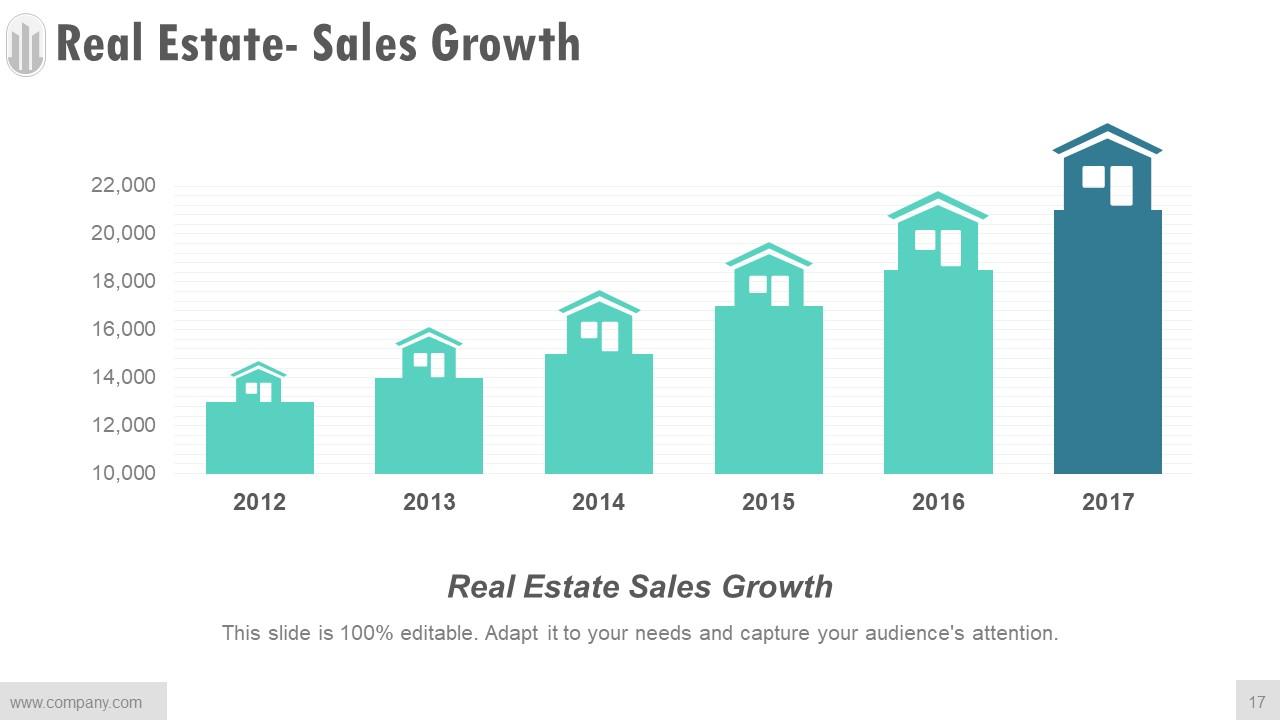
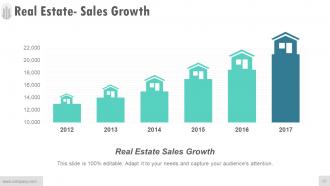
Slide 17 : Este slide apresenta o crescimento das vendas de imóveis.
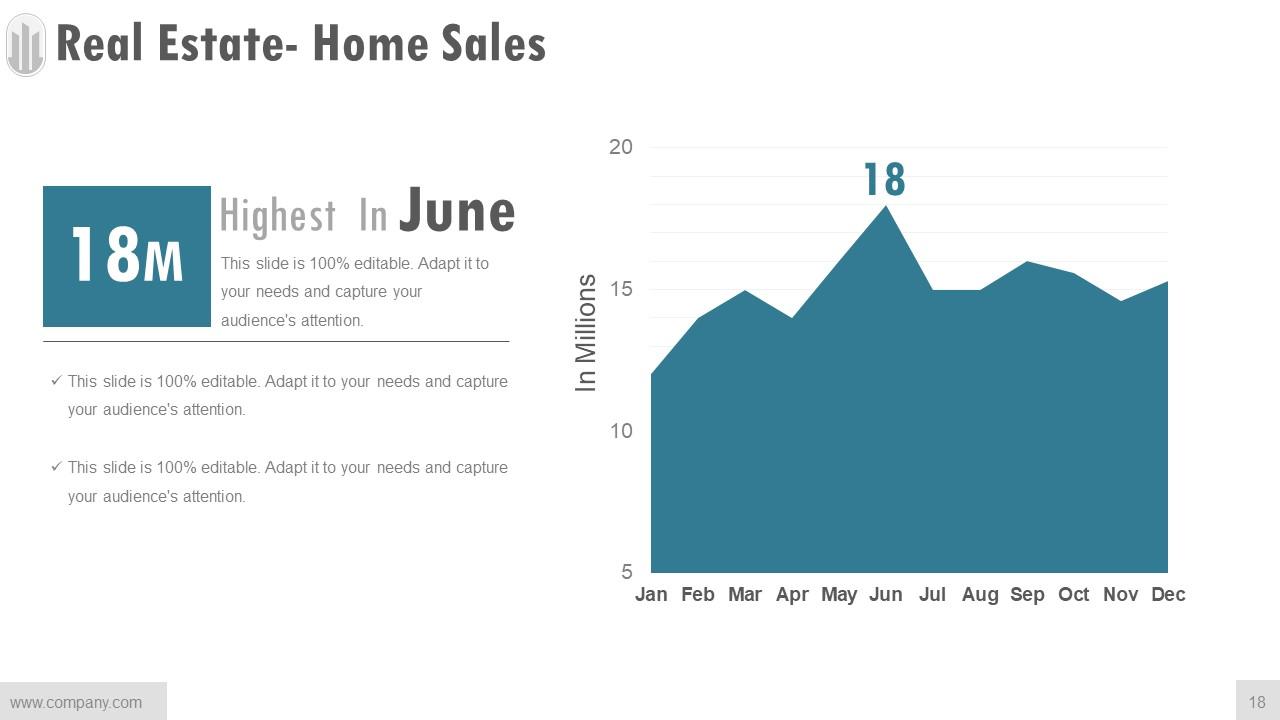
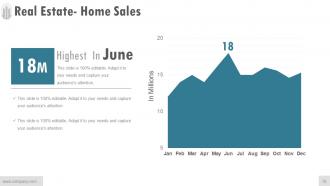
Slide 18 : Este slide apresenta Imóveis - Venda de casas.
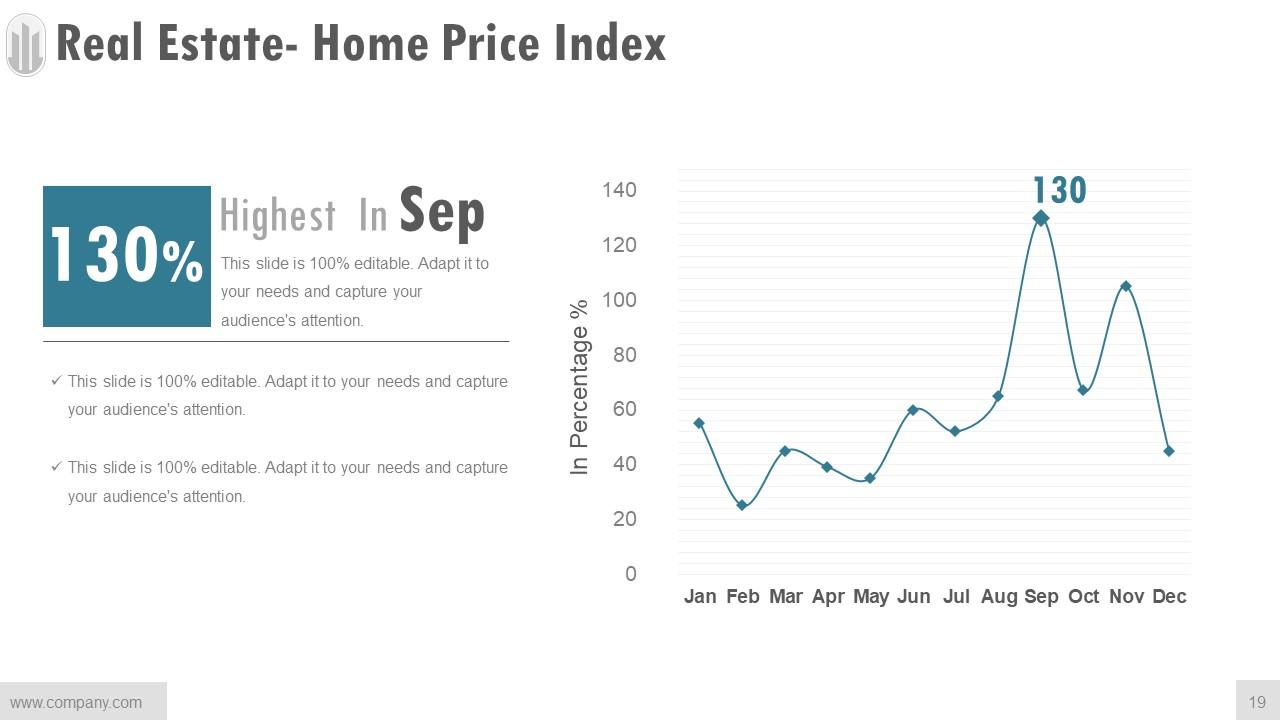
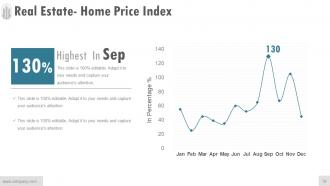
Slide 19 : Este slide mostra o Índice de Preços de Imóveis - Casas.
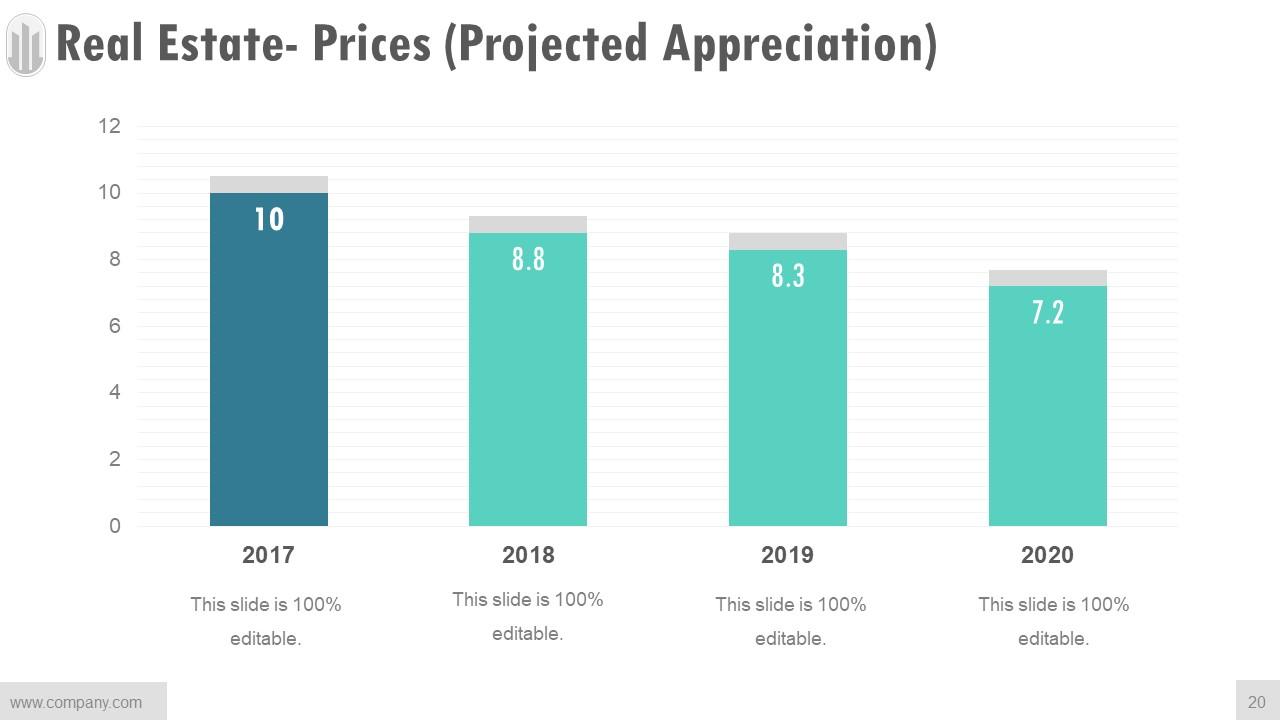
Slide 20 : Este slide apresenta os Preços dos Imóveis (Valorização Projetada).
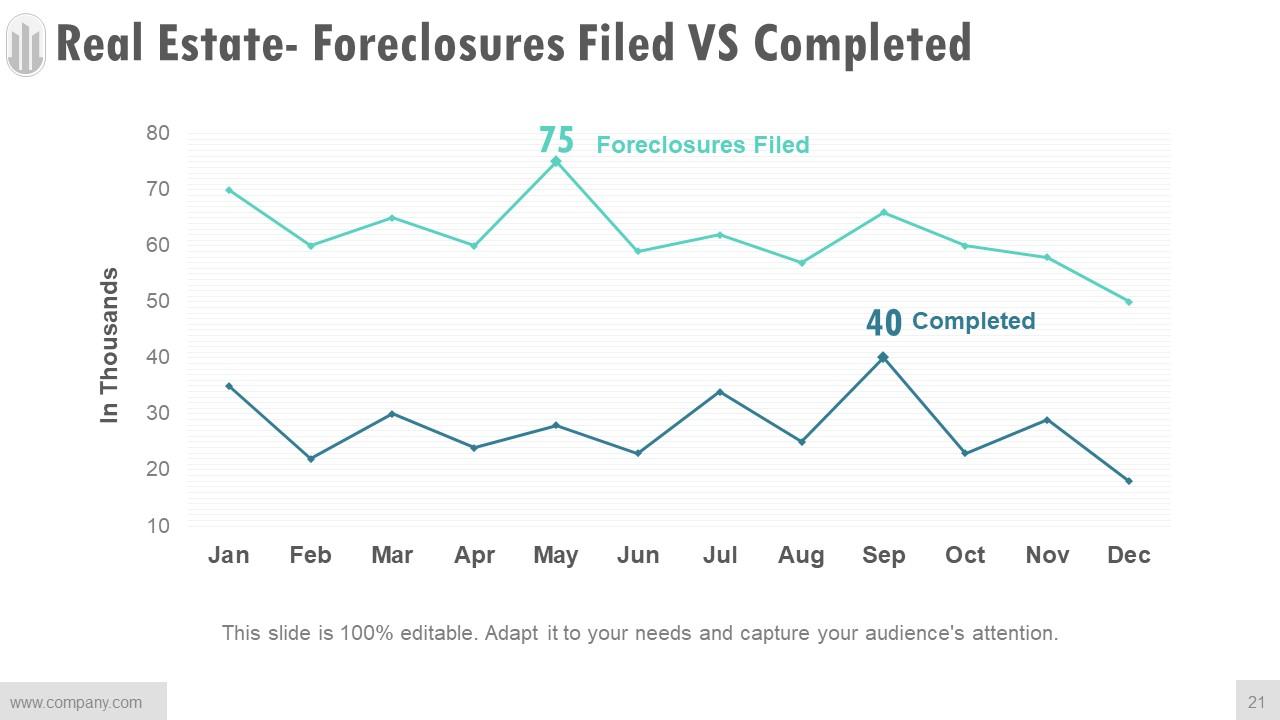
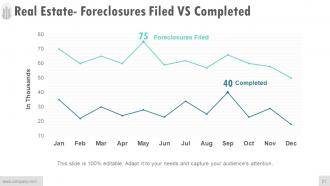
Slide 21 : Este slide mostra Imóveis - Execuções hipotecárias arquivadas VS concluídas.
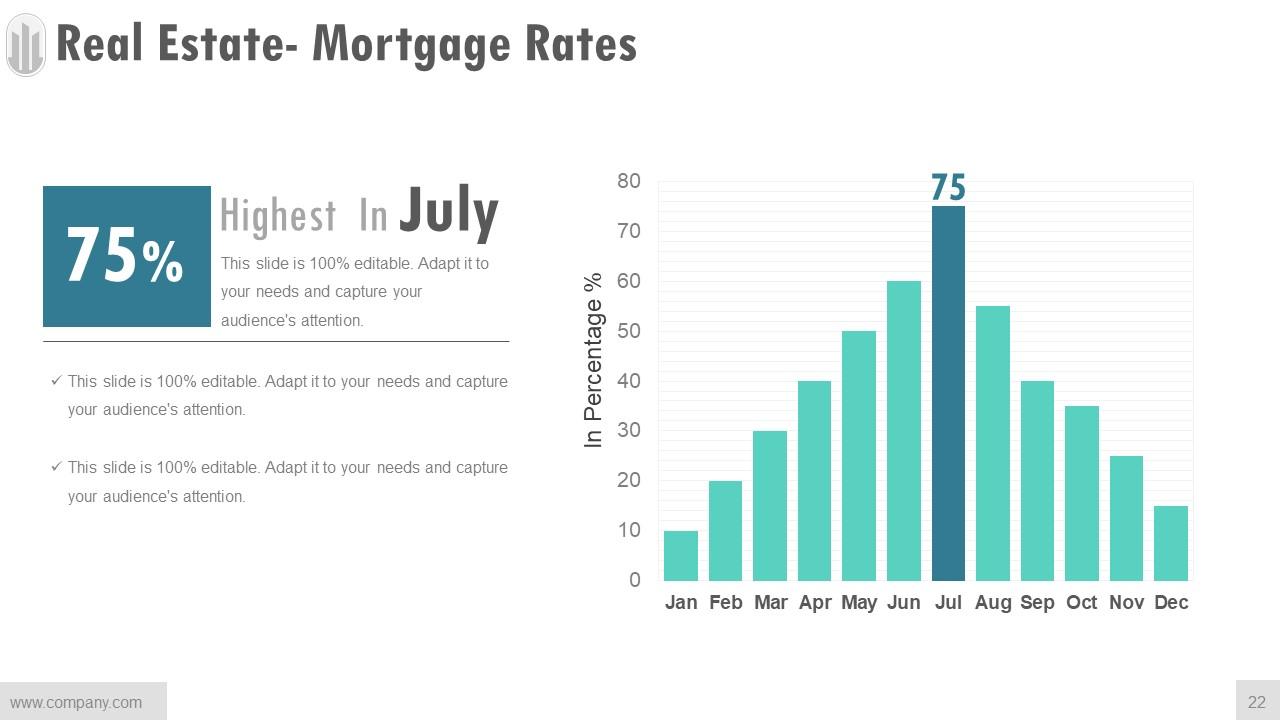
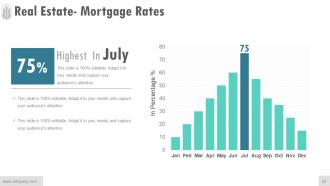
Slide 22 : Este slide apresenta Imobiliário - Taxas de hipoteca.
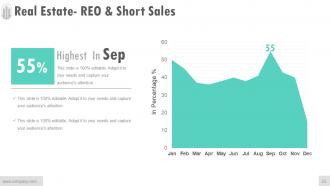
Slide 23 : Este slide mostra Imóveis - REO e Vendas a descoberto.
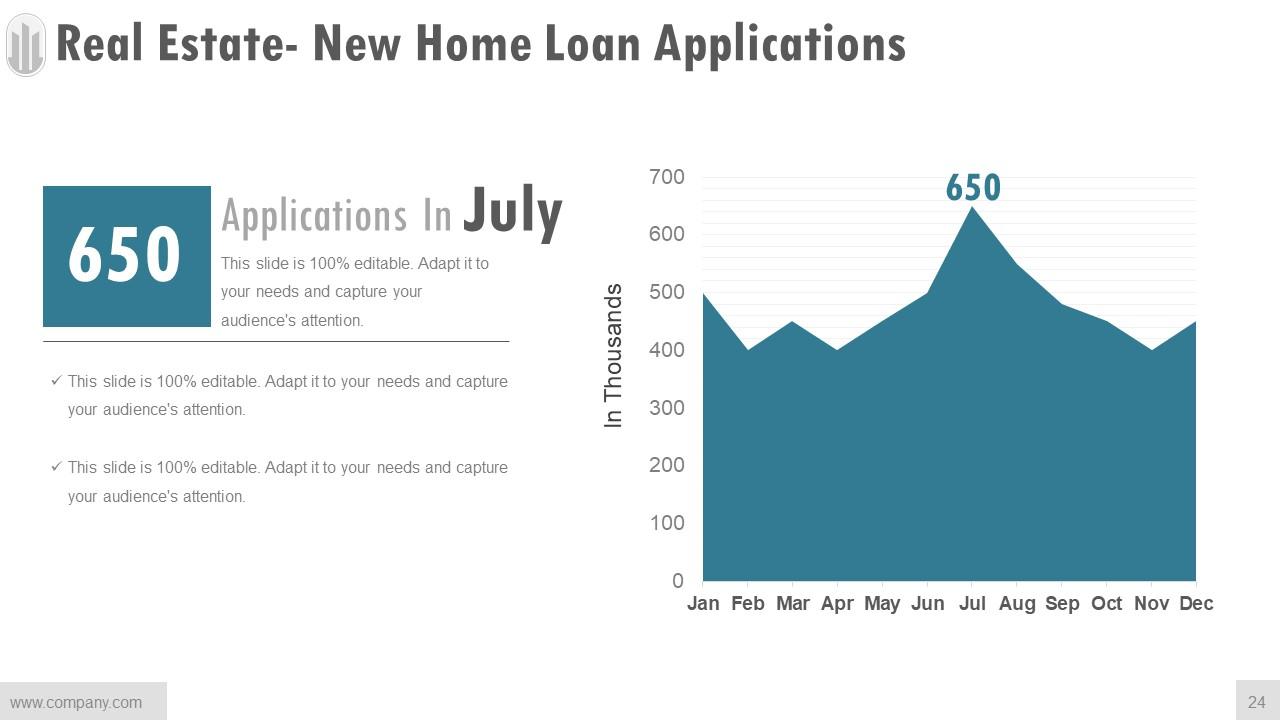
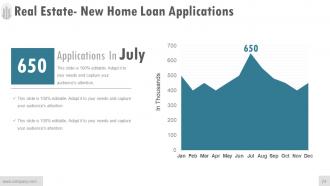
Slide 24 : Este slide mostra Imóveis - Novos aplicativos de empréstimo à habitação.
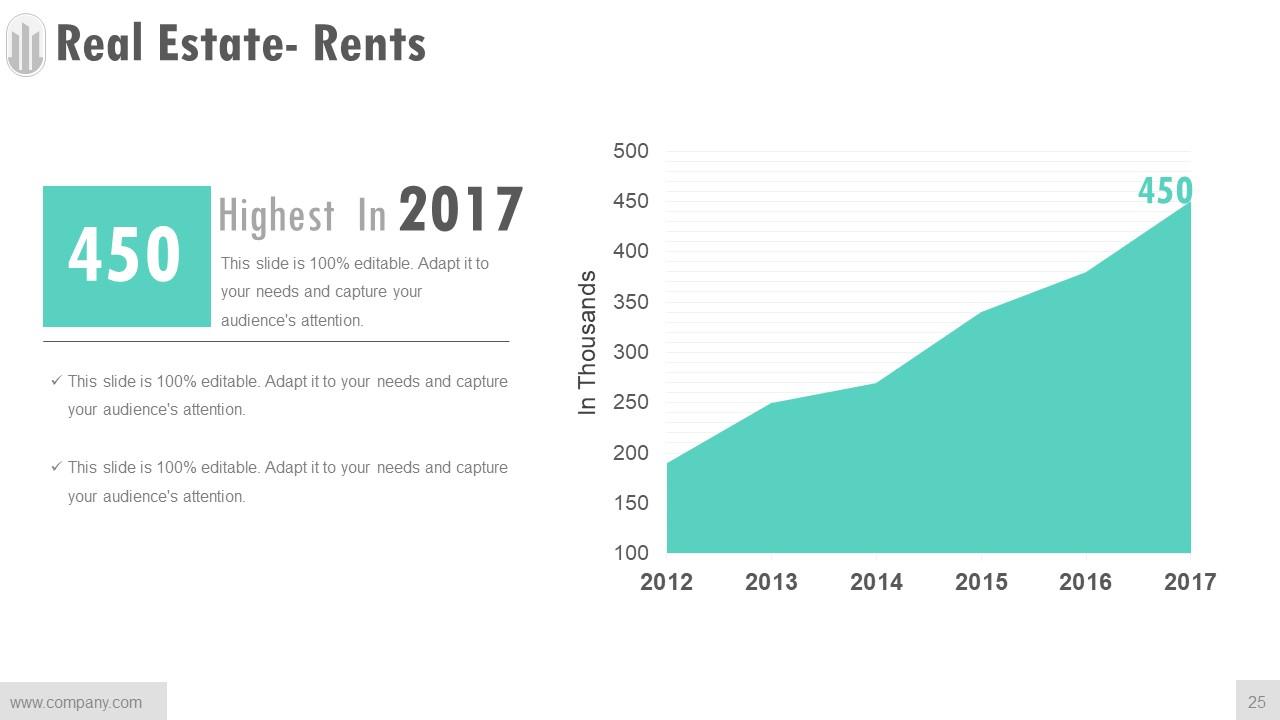
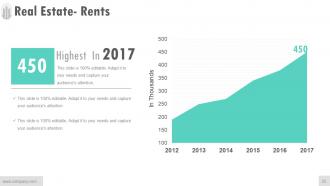
Slide 25 : Este slide apresenta Imóveis - Aluguel.
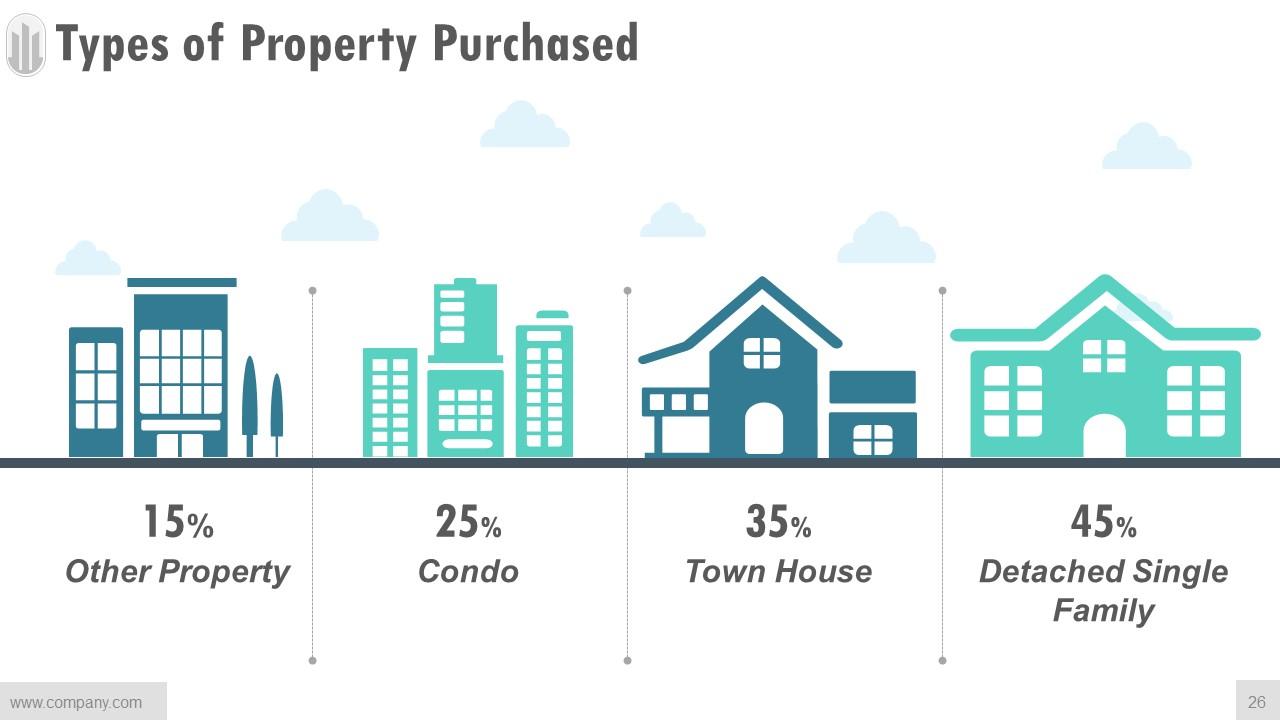
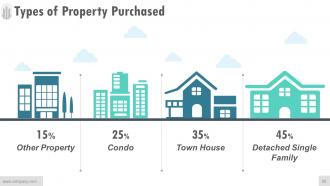
Slide 26 : Este slide mostra os tipos de propriedade adquirida com estes parâmetros - Outra propriedade, Individual, Família, Condomínio, Casa geminada,
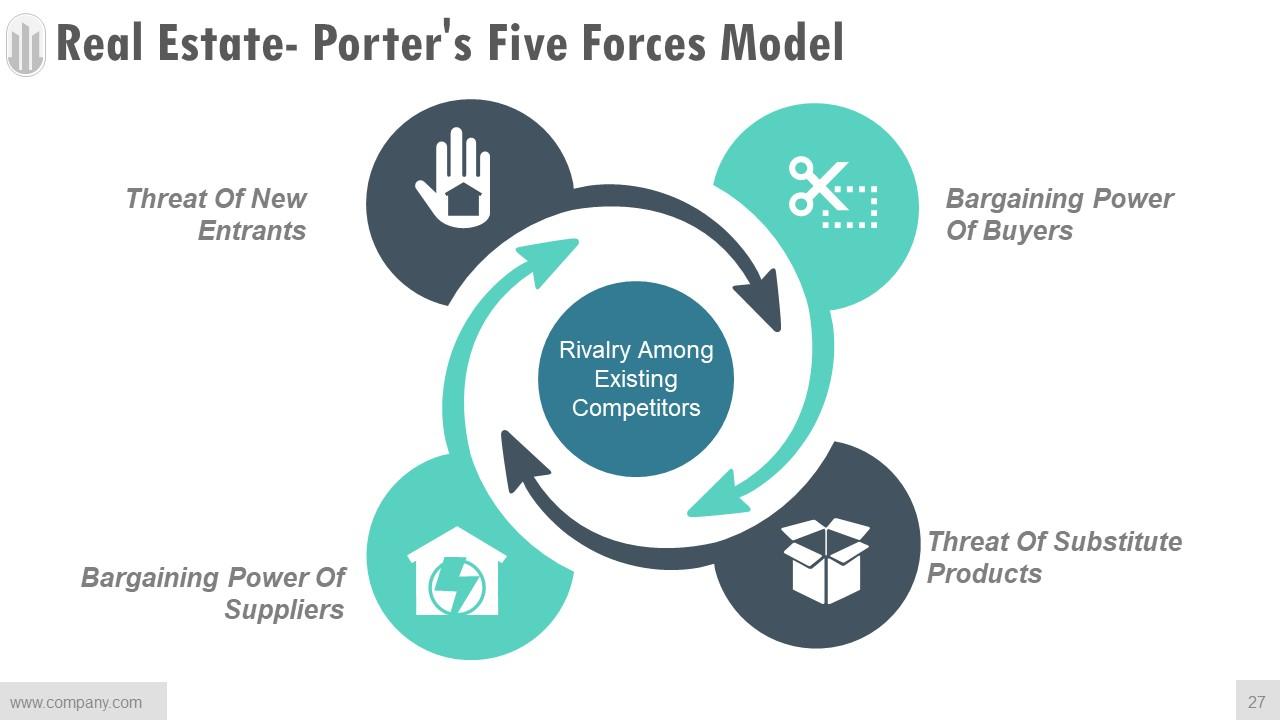
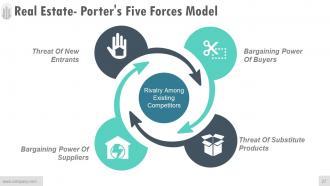
Slide 27 : Este slide mostra Imóveis - Modelo das Cinco Forças de Porter com estes dos cinco parâmetros - Rivalidade entre Concorrentes Existentes, Poder de Negociação de Compradores, Ameaça de Novos Entrantes, Ameaça de Produtos Substitutos, Poder de Negociação de Fornecedores.
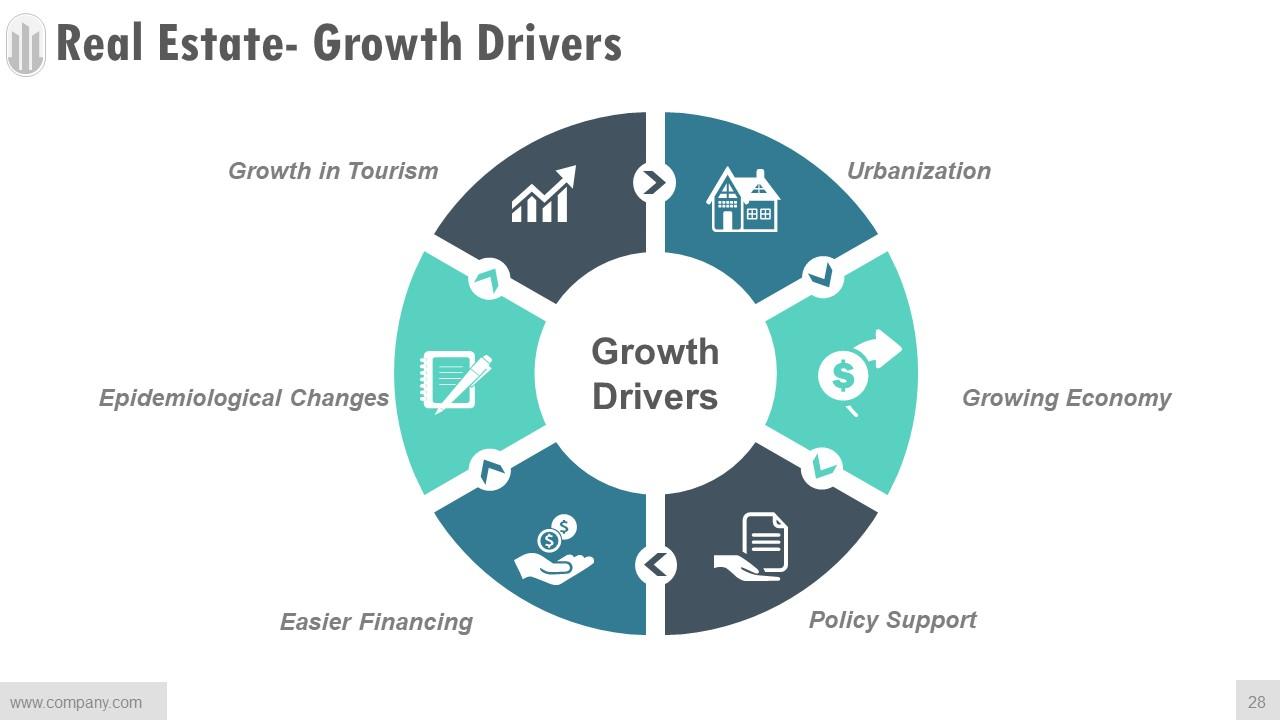
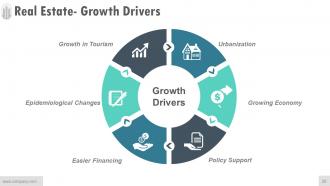
Slide 28 : Este slide mostra Imóveis - Drivers de crescimento com estes dos parâmetros - Urbanização, Economia em crescimento, Apoio a políticas, Financiamento mais fácil, Mudanças epidemiológicas, Crescimento no turismo, Drivers de crescimento.
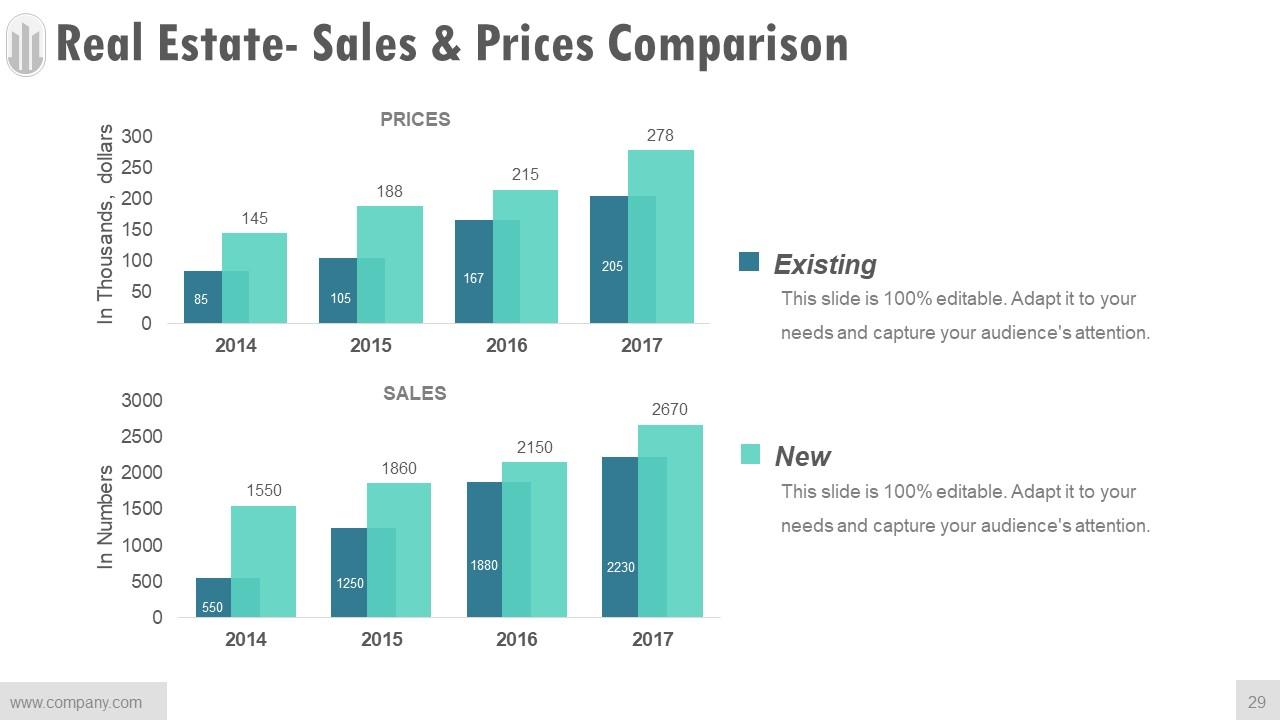
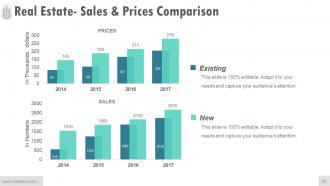
Slide 29 : Este slide mostra Real Estate - Comparação de Vendas e Preços.
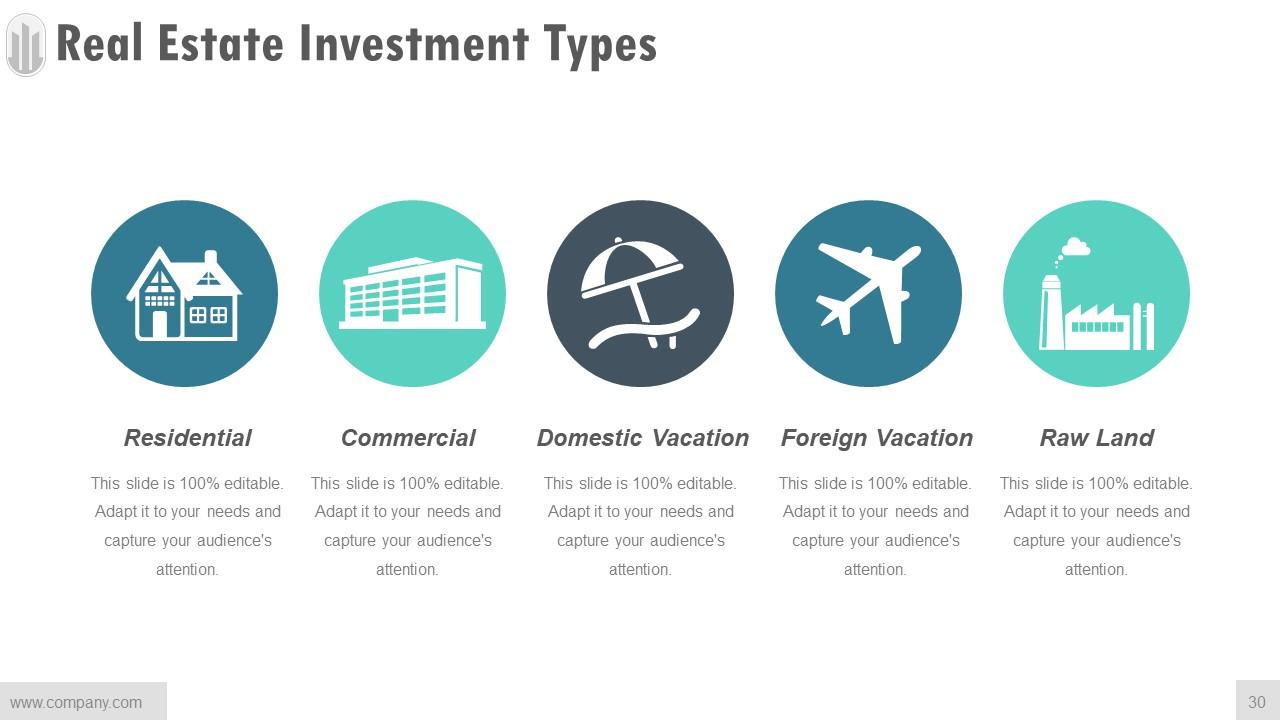
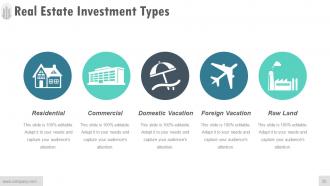
Slide 30 : Este slide mostra os Tipos de Investimento Imobiliário com estas cinco categorias principais - Terra Bruta, Férias no Exterior, Férias Domésticas, Comercial, Residencial.
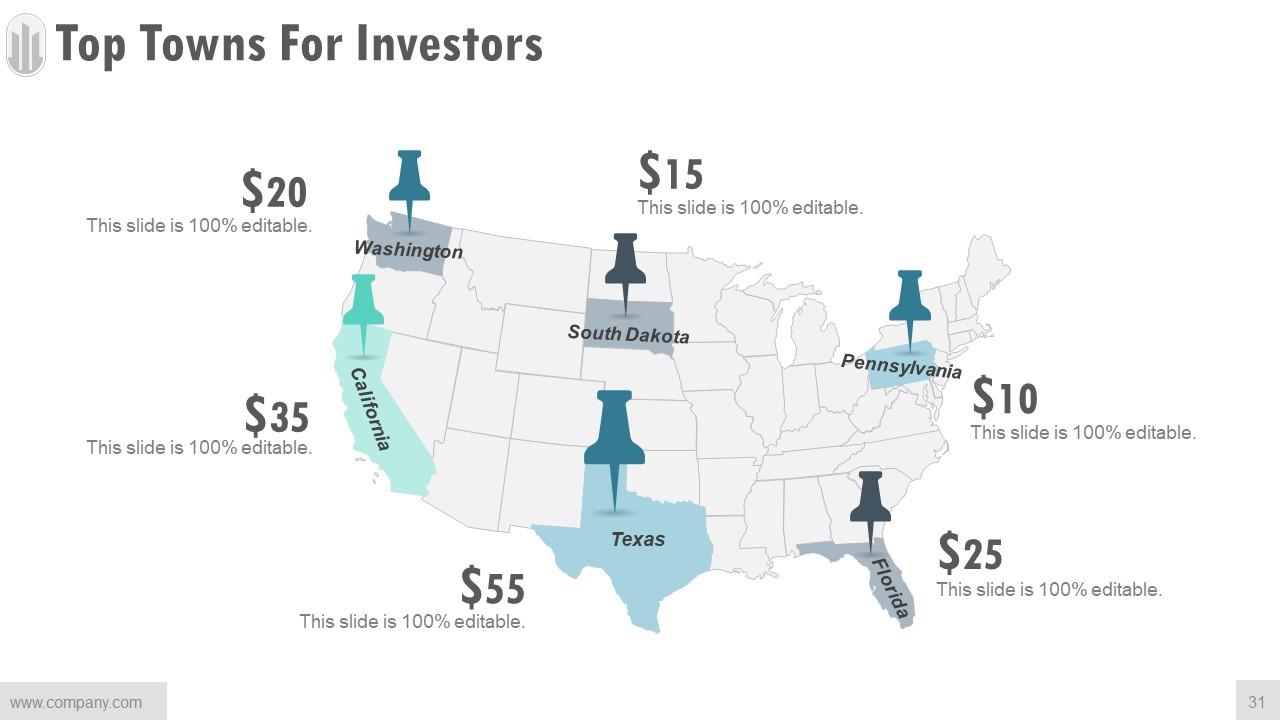
Slide 31 : Este slide mostra as principais cidades para investidores. Você pode adicionar os dados e usá-los.
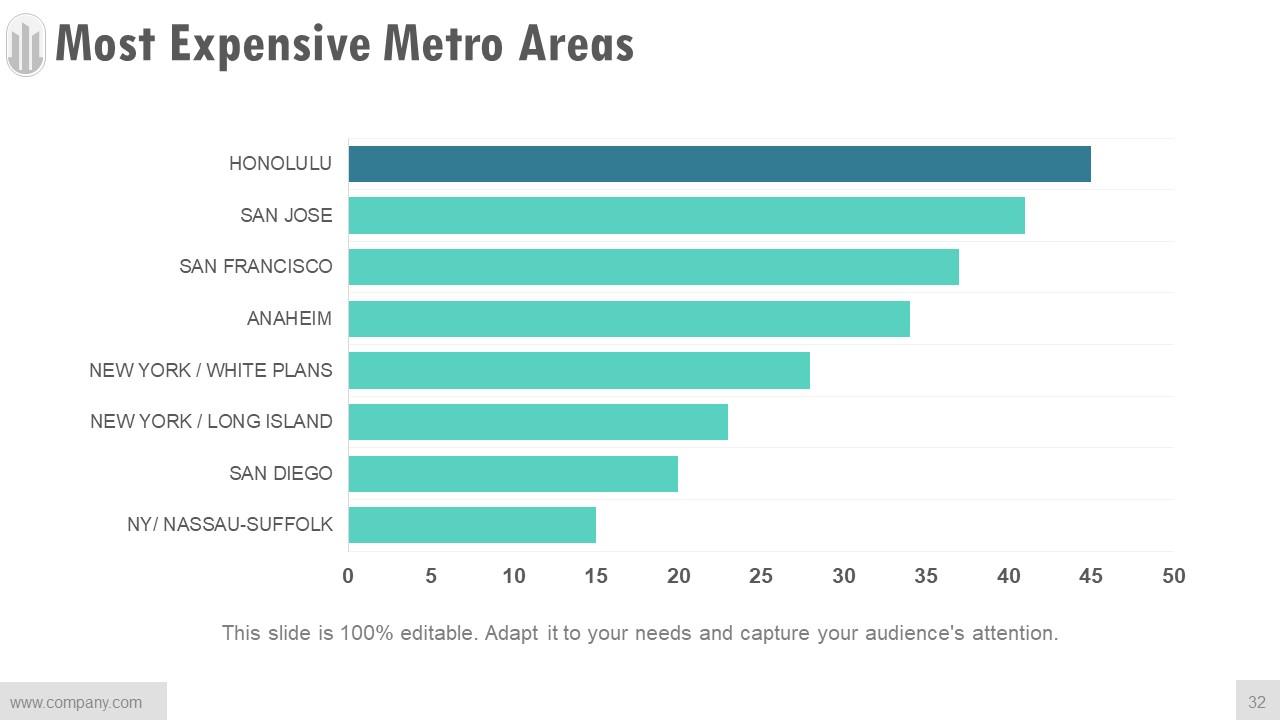
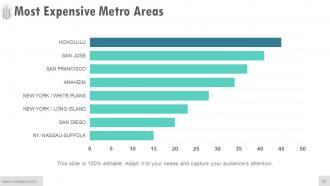
Slide 32 : Este slide mostra as áreas metropolitanas mais caras.
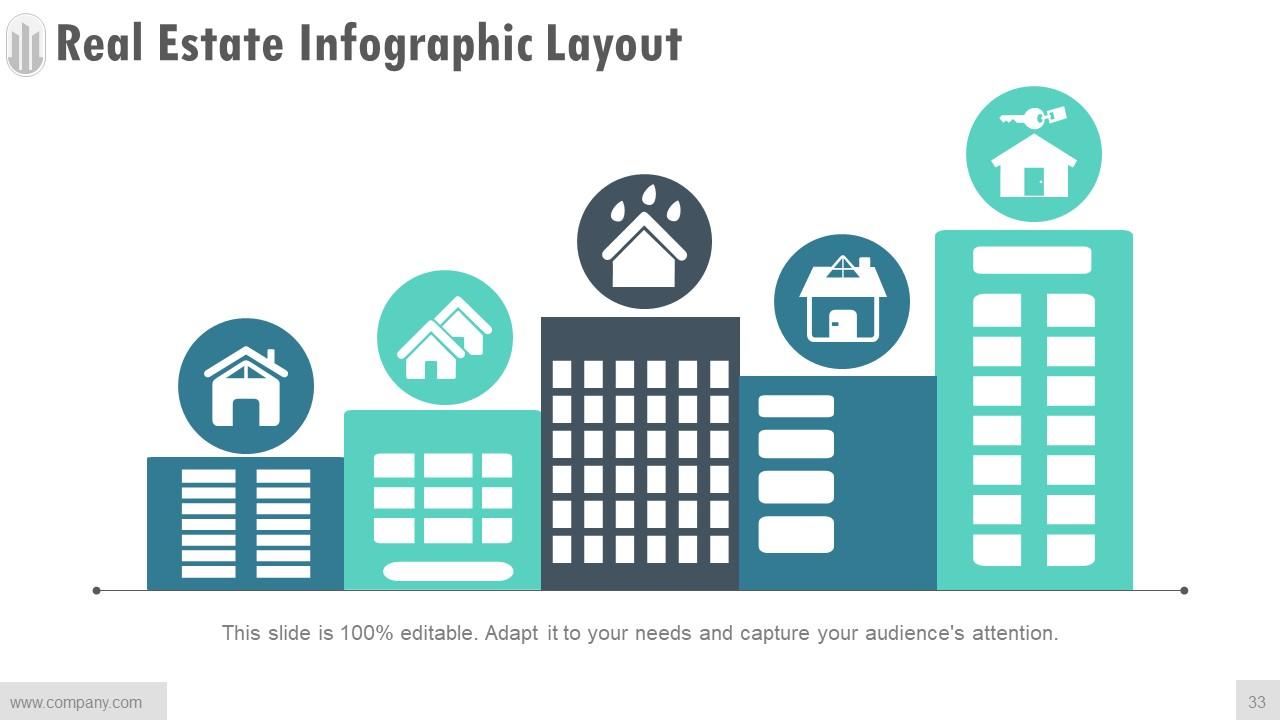
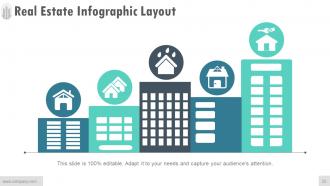
Slide 33 : Este slide apresenta o Layout de Infográfico de Imóveis.
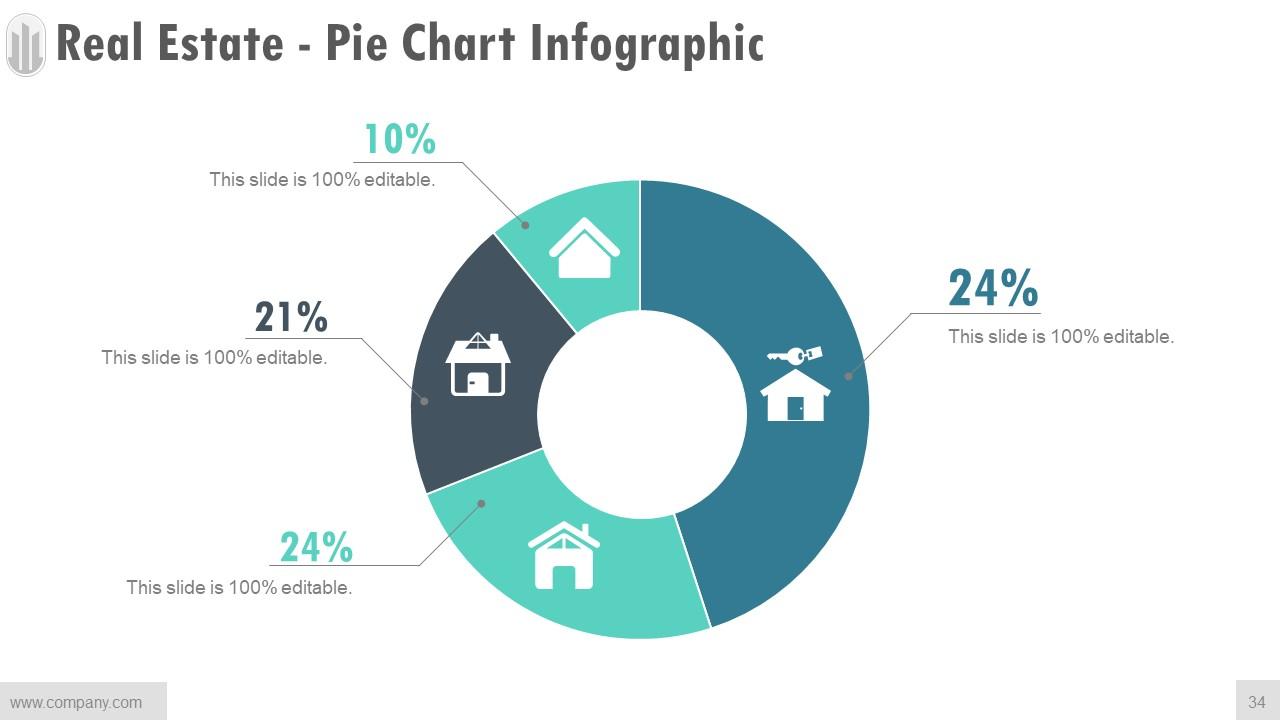
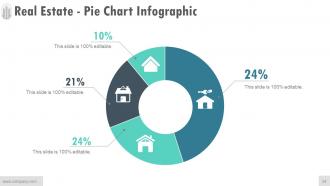
Slide 34 : Este slide mostra Imóveis - Infográfico de gráfico de pizza.
Slide 35 : Este slide mostra o Conjunto de ícones de imóveis.
Slide 36 : Este slide apresenta slides adicionais.
Slide 37 : Este é um slide de Visão, Missão e Metas. Declare-os aqui.
Slide 38 : Este é um slide da Nossa Equipe com nome, imagem e caixas de texto para colocar as informações necessárias
Slide 39 : Este é um slide Sobre nós, mostrando Nossa Empresa, Cliente de Valor e Serviços Premium como exemplos
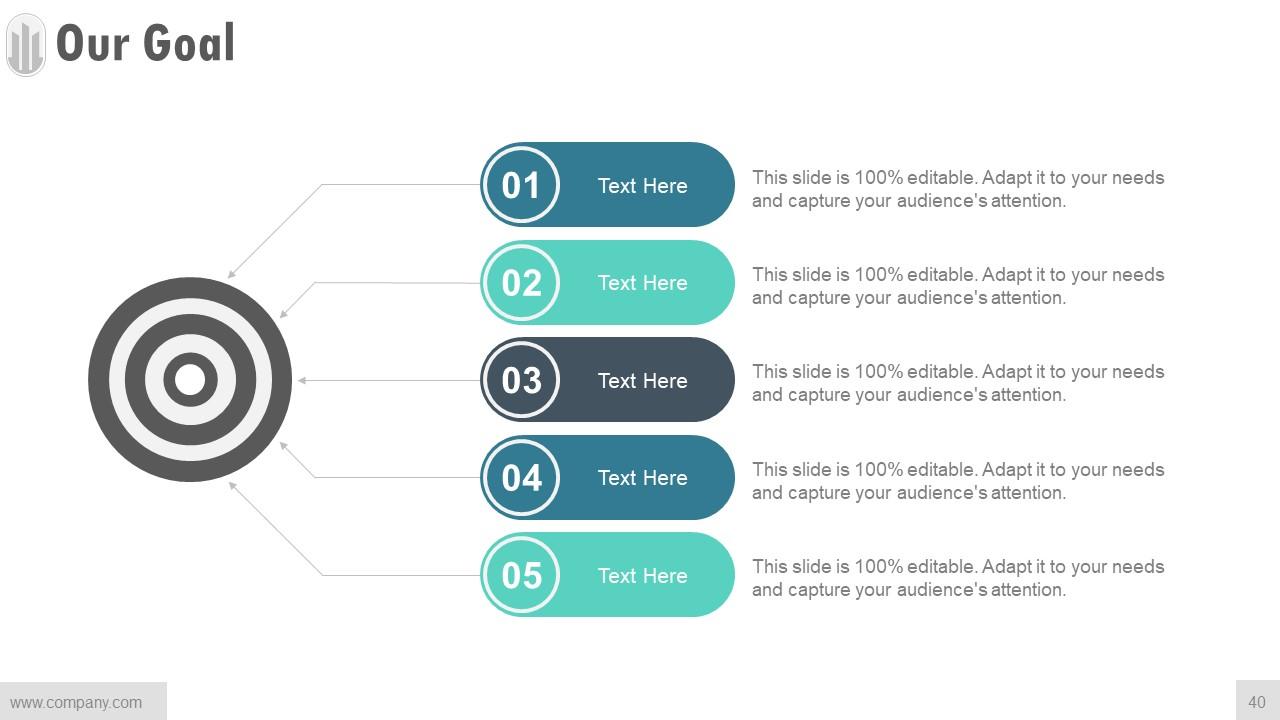
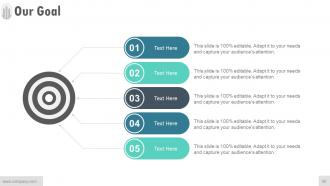
Slide 40 : Este é um slide Nosso Objetivo. Declare-os aqui.
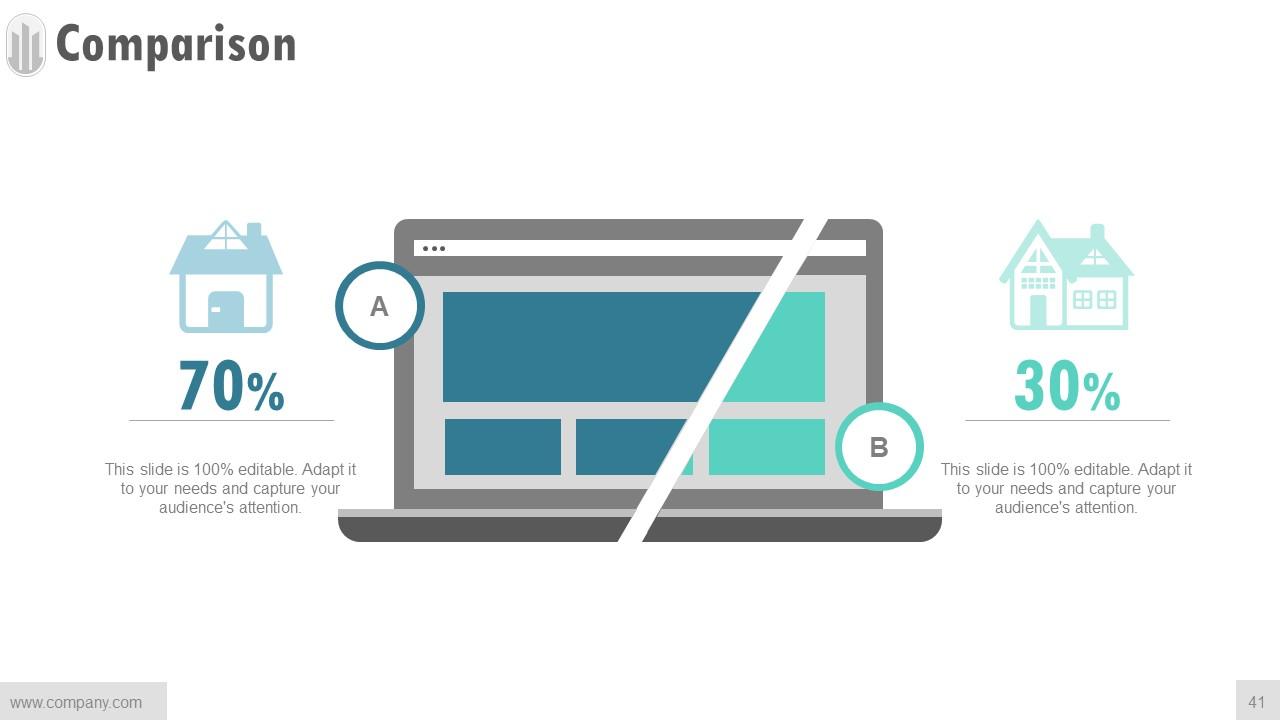
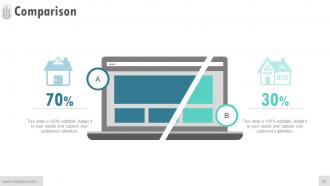
Slide 41 : Este slide mostra a comparação de fatores positivos x fatores negativos com imagens de polegar para cima e polegar para baixo.
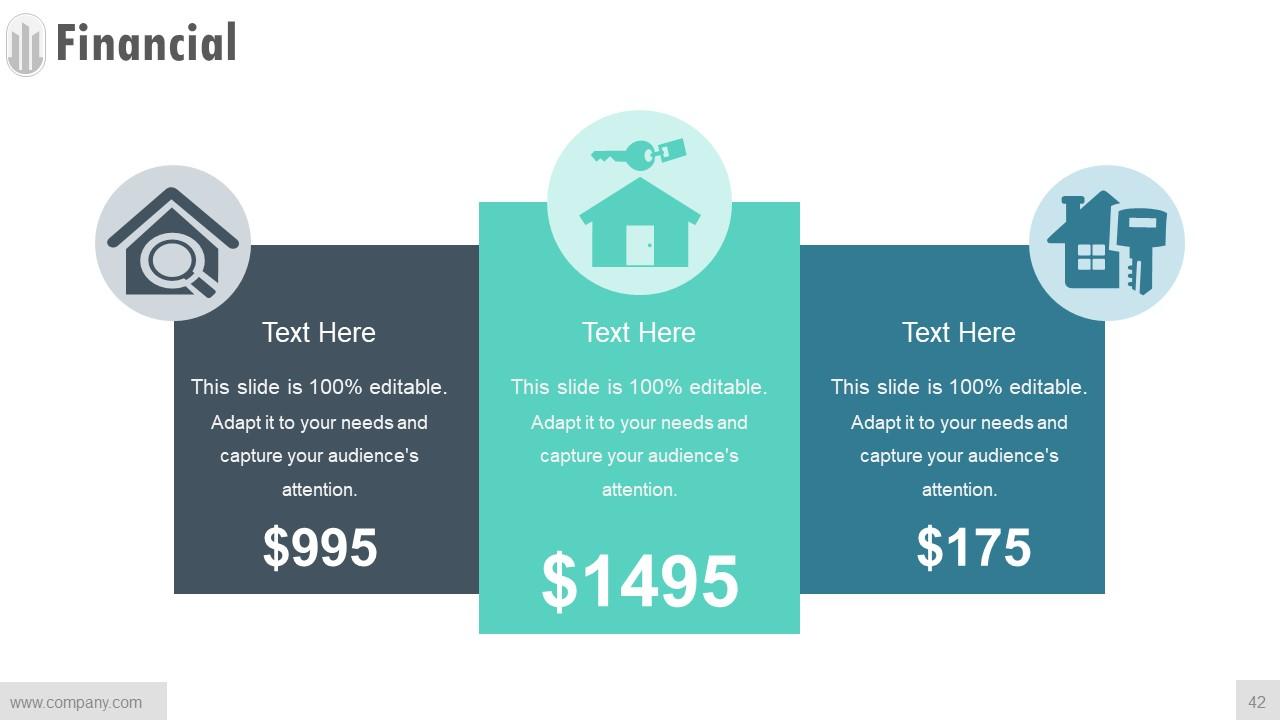
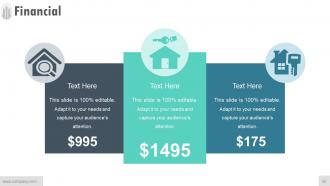
Slide 42 : Este é um slide de Pontuação Financeira para mostrar os aspectos financeiros aqui.
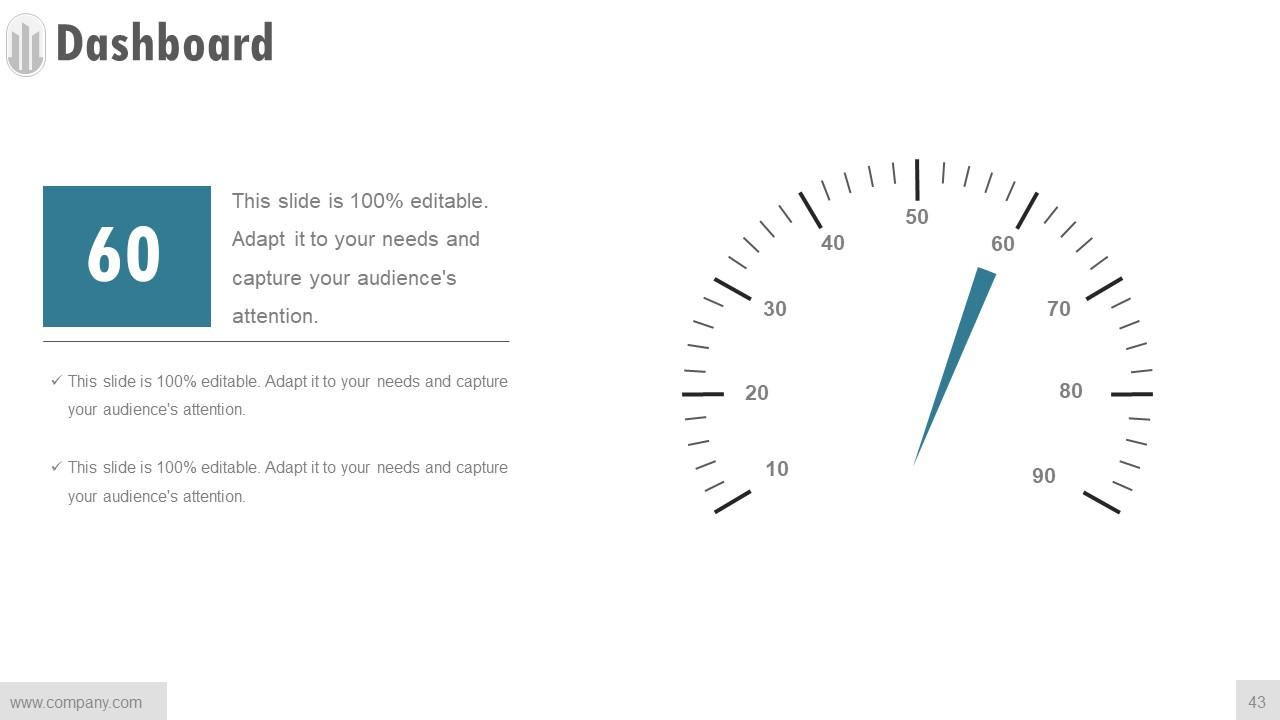
Slide 43 : Este é um slide do Painel para mostrar - Sistema Estratégico, Sucesso, Processo de Metas, Revisão de Vendas, Estudo de Comunicação.
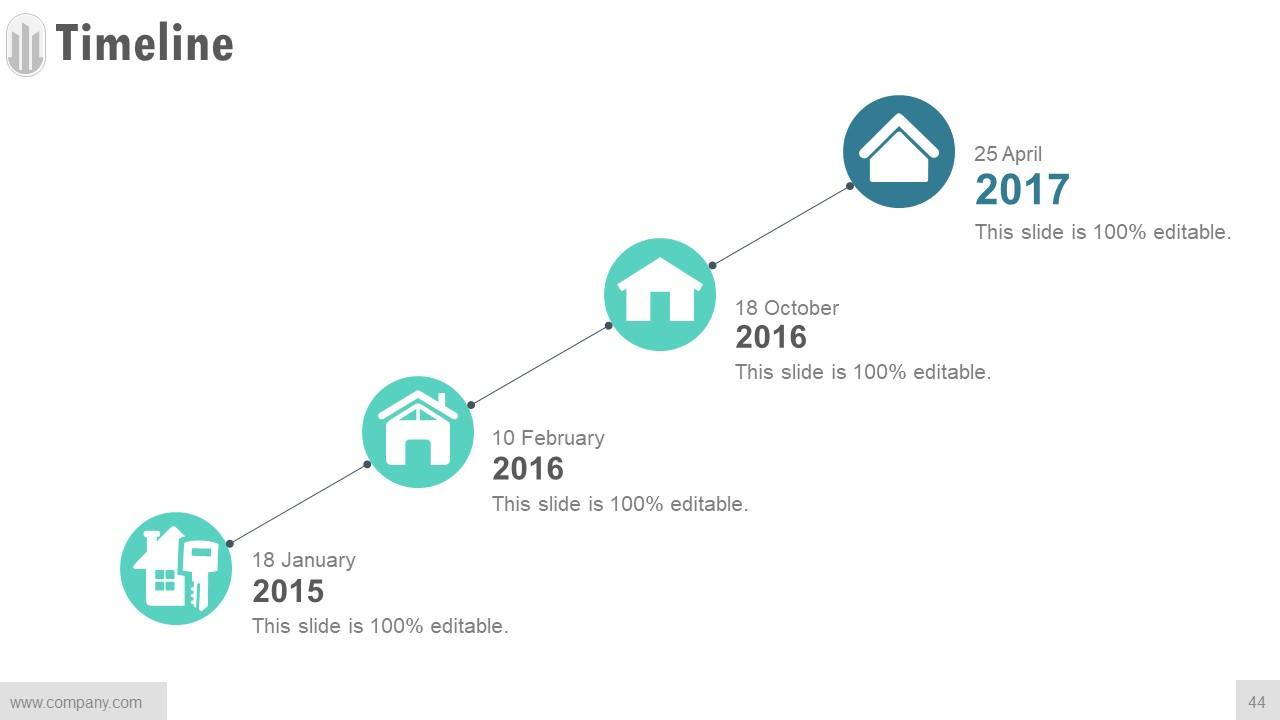
Slide 44 : Este é um slide de Cronogramas para mostrar - Plano, Orçamento, Cronograma, Revisão.
Slide 45 : Este é um slide de jornal para destacar algo ou adicionar memeorabilia.
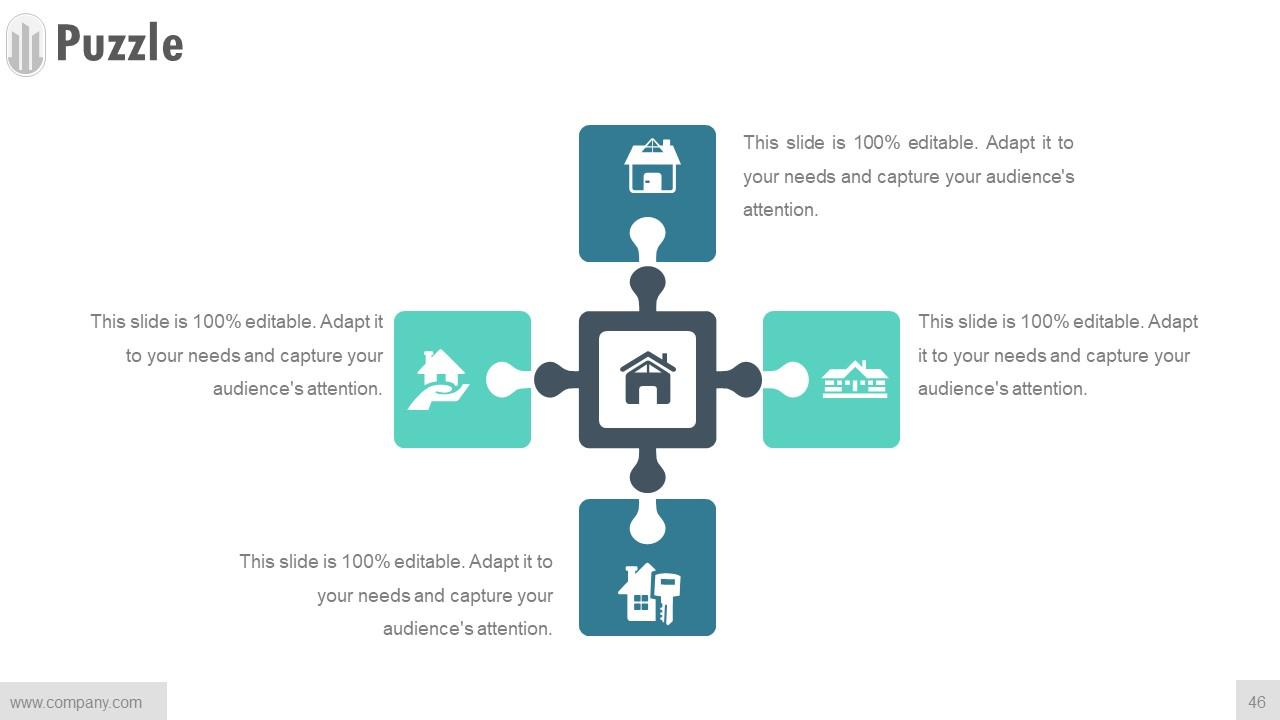
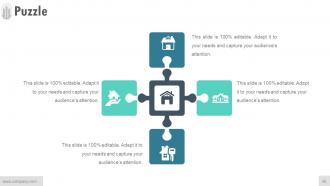
Slide 46 : Este slide apresenta um slide PUZZLE com os seguintes subtítulos - Integridade e Julgamento, Crítico e Tomada de Decisão, Liderança, Agilidade.
Slide 47 : Este é um slide de destino. Declare seus alvos aqui.
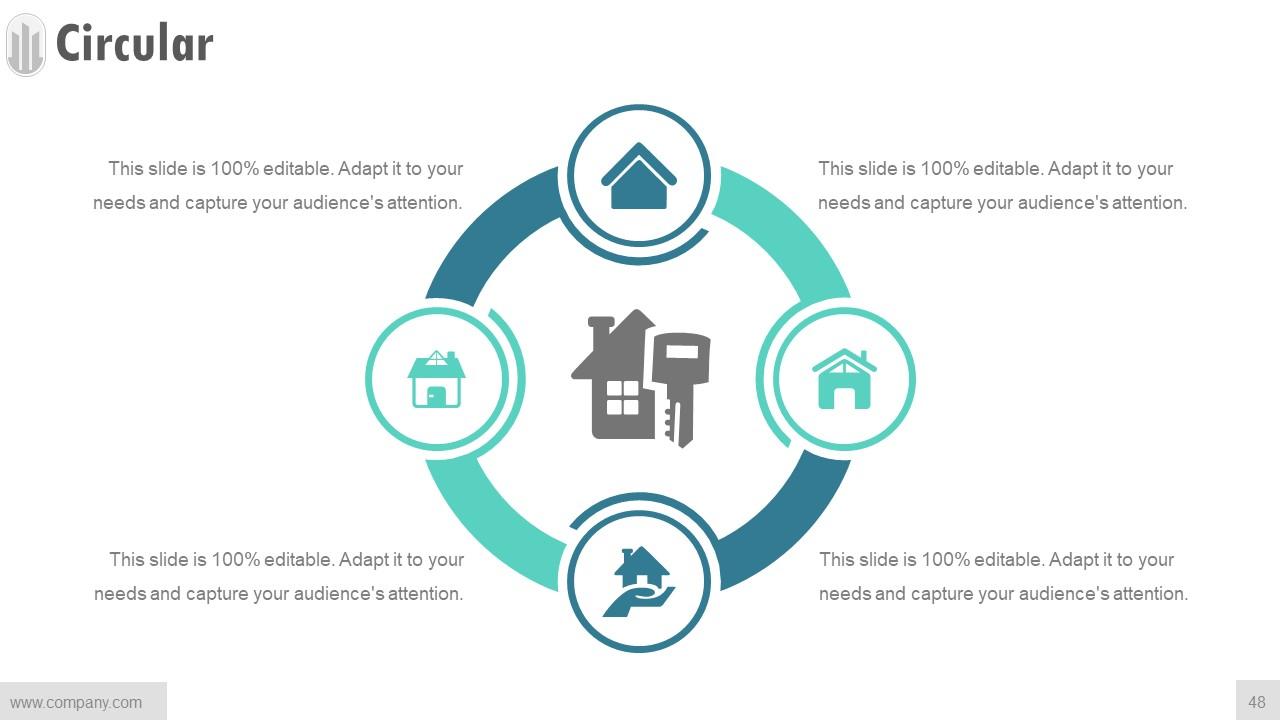
Slide 48 : Este é um slide circular para mostrar informações, especificações, etc.
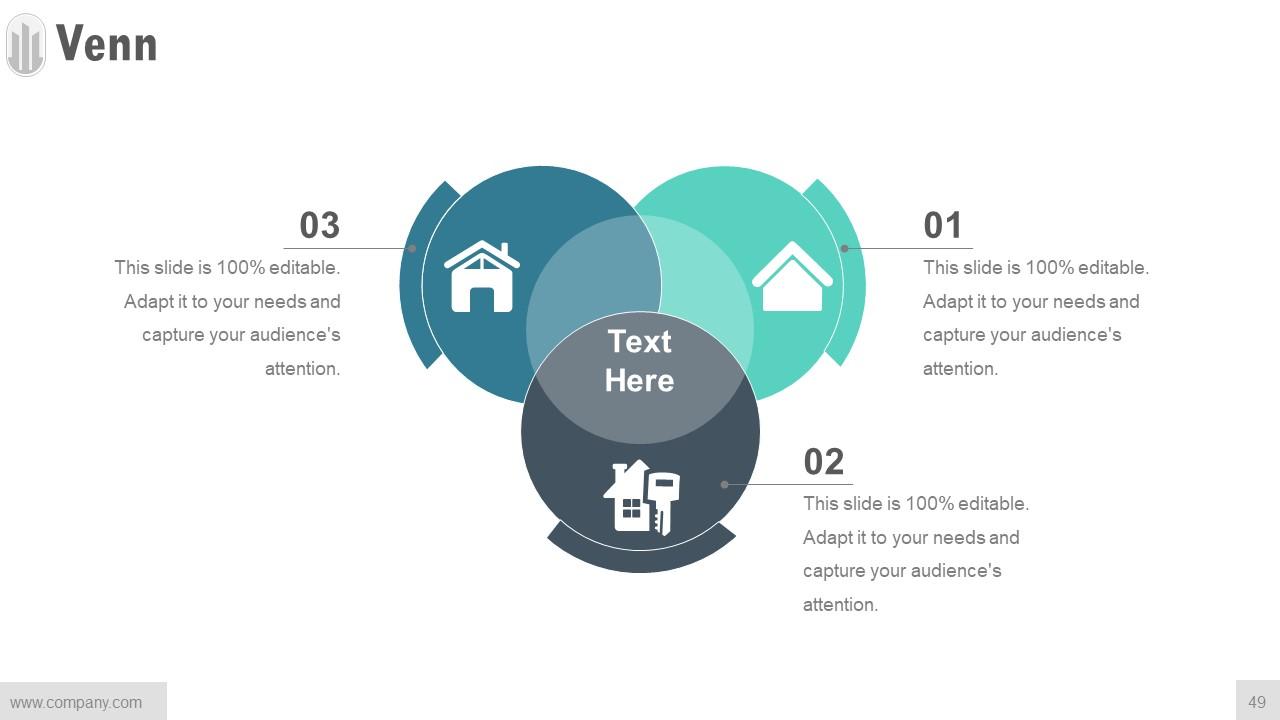
Slide 49 : Este é um slide de imagem circular para mostrar informações, especificações, etc.
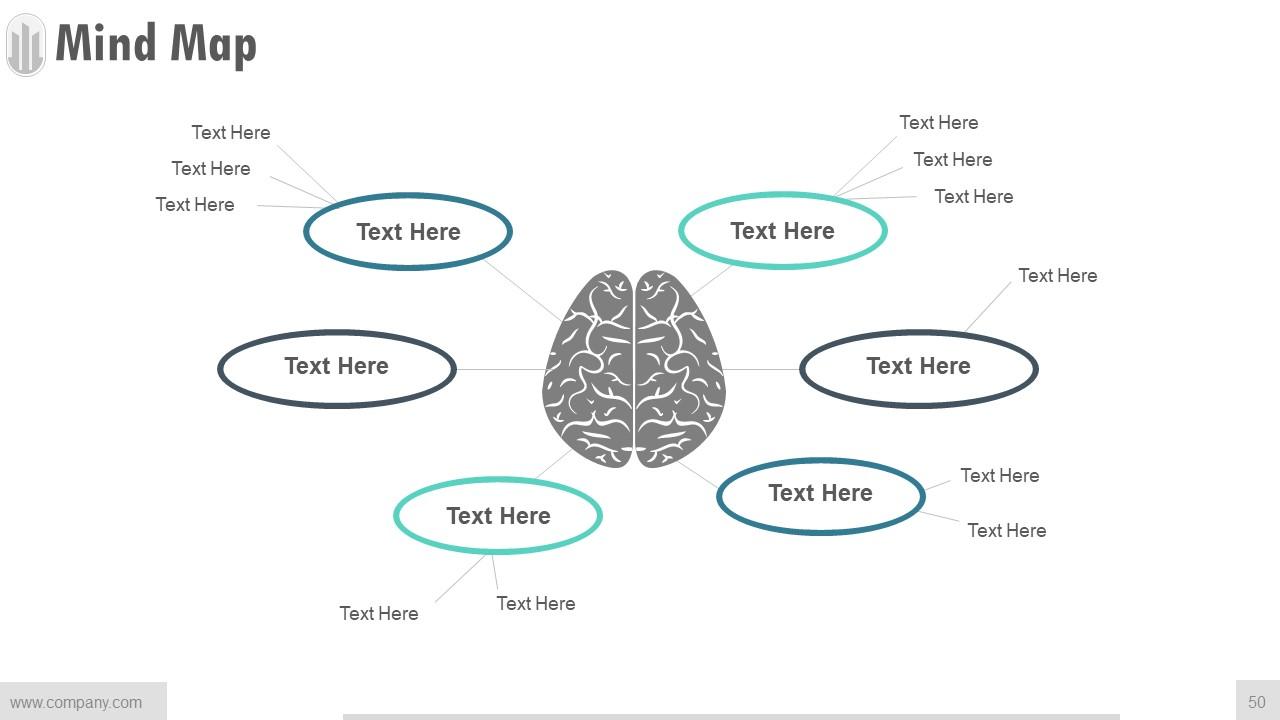
Slide 50 : Este slide mostra um mapa mental para representar entidades.
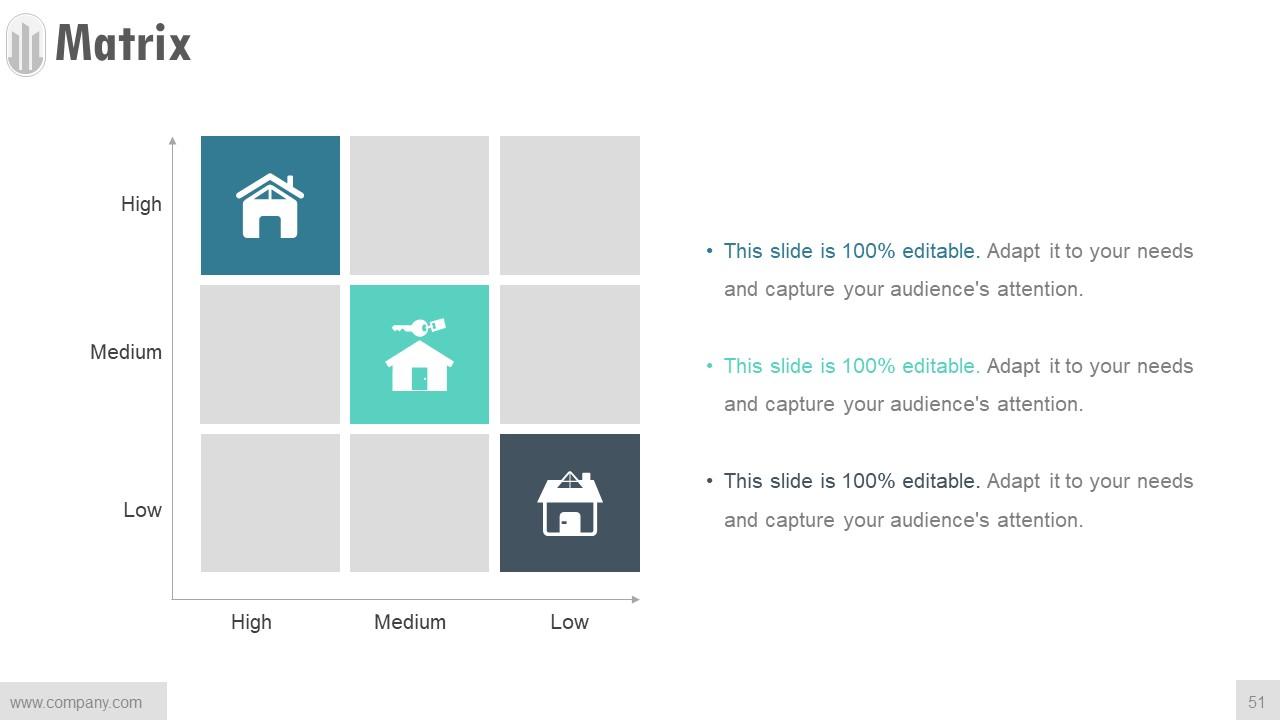
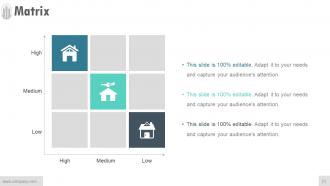
Slide 51 : Este slide mostra uma matriz em termos de altos e baixos.
Slide 52 : Este é um slide de LEGO com caixas de texto para mostrar informações.
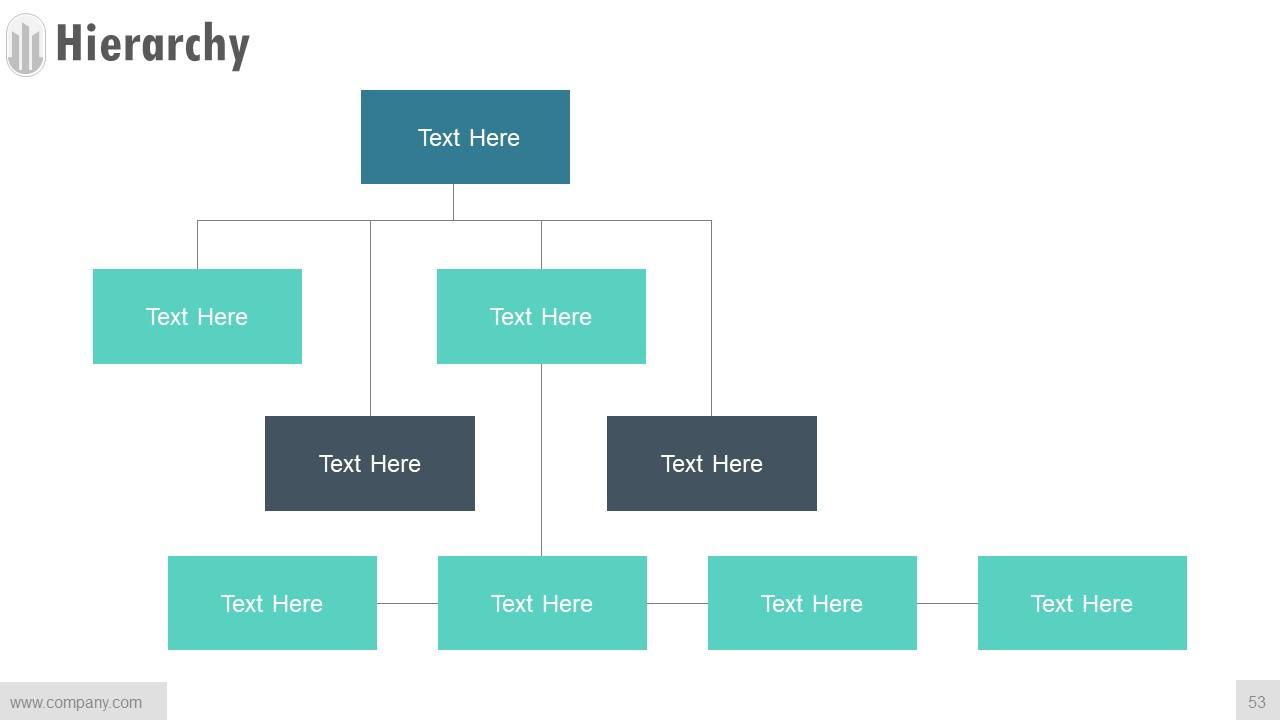
Slide 53 : Este é um slide de Hierarquia que mostra - Gerente da Cadeia de Suprimentos, Conselho da Cadeia de Suprimentos, Sourcing, Engenheiro de Qualidade do Fornecedor, Aquisições, Logística e Gestão, Gestão de Fornecedores, Aluno, Gestão de Contratos.
Slide 54 : Este é um slide de imagem Bulbo ou Ideia para mostrar informações, aspectos inovadores, etc.
Slide 55 : Este é um slide de imagem de lupa para mostrar informações, aspectos do escopo, etc.
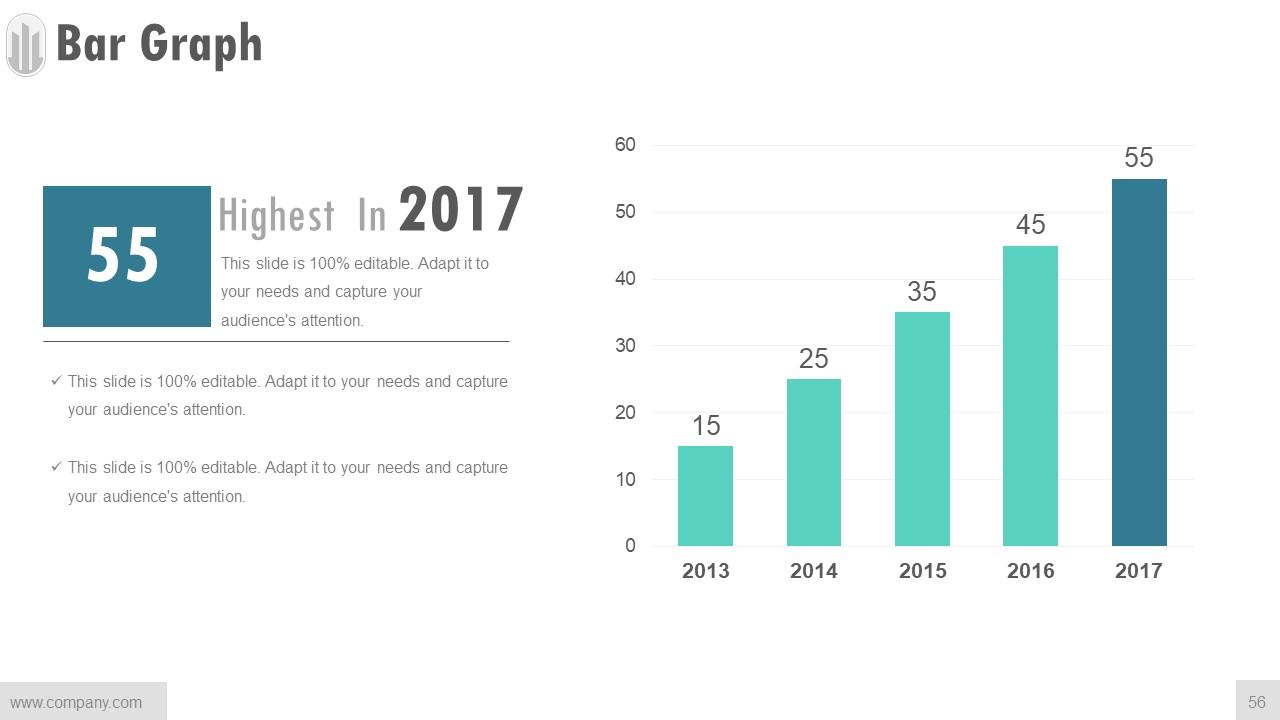
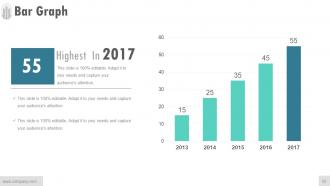
Slide 56 : Este é um slide de imagem de gráfico de barras para mostrar a comparação de produtos, crescimento, etc.
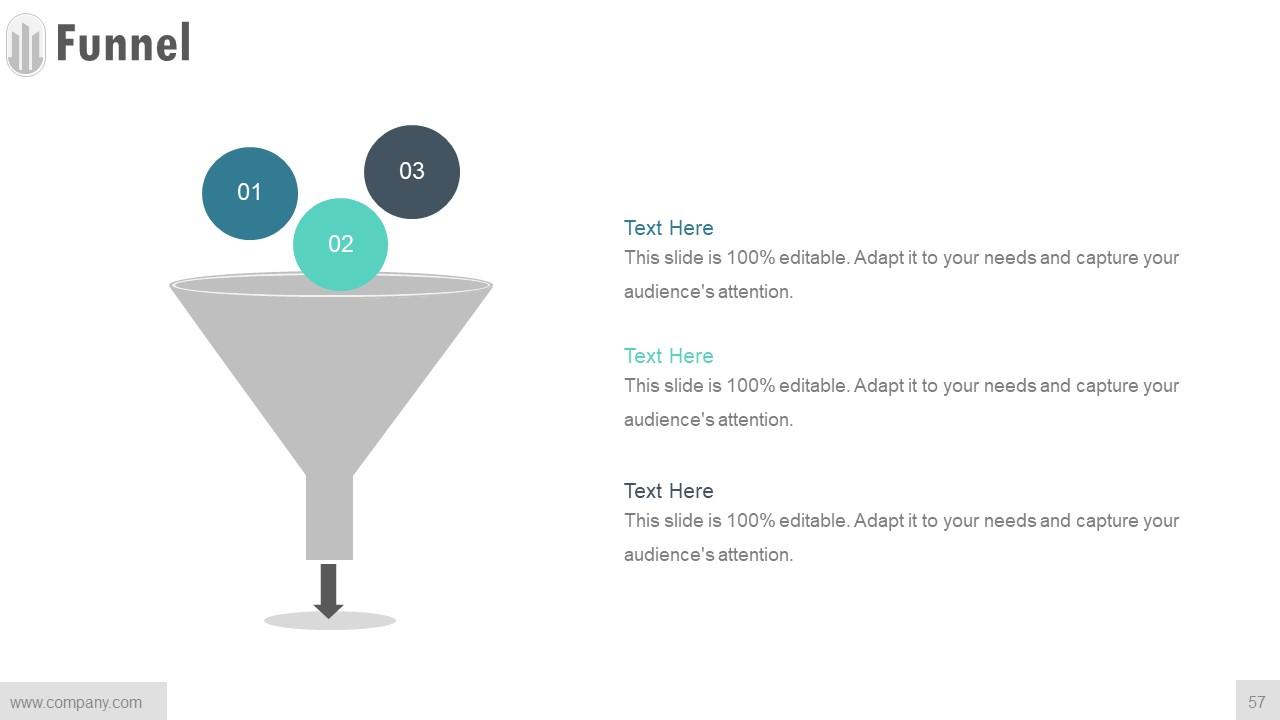
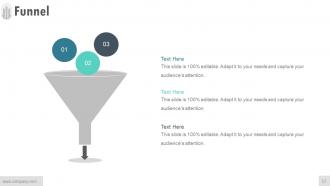
Slide 57 : Este é um slide de imagem de funil que mostra: frases de chamariz, Acessibilidade, Experiência do usuário, Esquemas de cores, Engajamento, Simplicidade.
Slide 58 : Esta é uma imagem de slide de agradecimento com endereço, e-mail e número de contato.
Análise de investimento imobiliário Slides de apresentação em PowerPoint com todos os 58 slides:
Obtenha os melhores cérebros disponíveis com nossos slides de apresentação em PowerPoint de análise de investimento imobiliário. Ajuda a balançar a isca.
-
Professional and unique presentations.
-
Innovative and Colorful designs.
