Recruitment Training Plan For Employee And Managers Powerpoint Presentation Slides
Try Before you Buy Download Free Sample Product
Audience
Editable
of Time
Recruitment training is a form of ongoing education that assists recruiters in being more effective in their duties and progressing in their careers. The goal of recruiting training is to improve the skills and capabilities of newly hired applicants. Check out our competently designed template on Recruitment Training Plan for Employee and Managers that will determine the current situation of the companys selection process, identify the critical requirements of the new recruitment training program, analyze the efficiency of the companys selection process and take required steps to improve the efficiency. This template provides the details on the companys current selection process, the companys employee on boarding program, current issues in the recruitment process, and potential solutions for eliminating the problems. This module also covers details on recruitment training programs, employee skill gap analysis, and company hiring budget analysis. Additionally, this template provides information on the employee recruitment process model, analysis of key recruitment metrics, important actions to improve recruitment outcomes, schedule, and agenda of recruiting training plan and recruiting training strategies and methods. Also, this presentation provides information on key metrics using dashboards. Get access now.
People who downloaded this PowerPoint presentation also viewed the following :
Content of this Powerpoint Presentation
Slide 1: This slide introduces Recruitment Training Plan for Employee and Managers. State Your Company Name and begin.
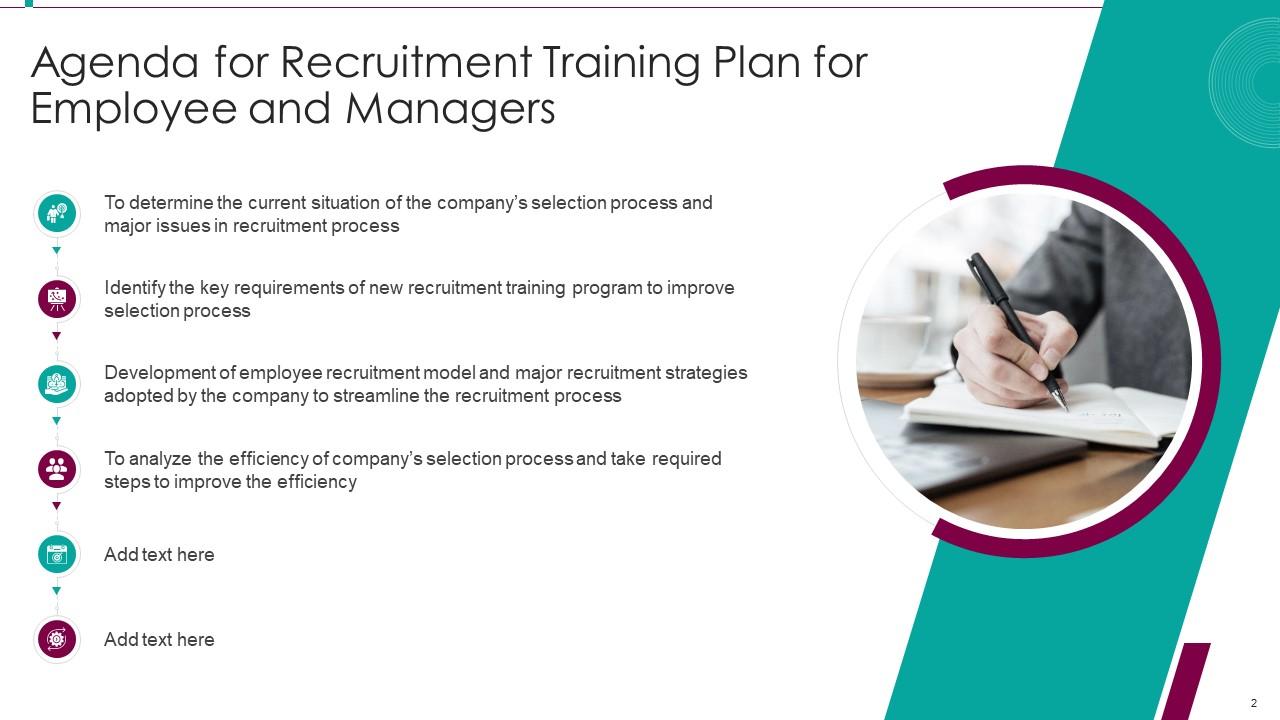
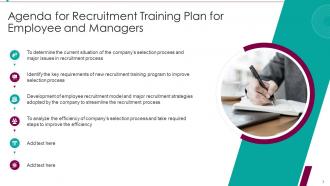
Slide 2: This slide states Agenda of the presentation.
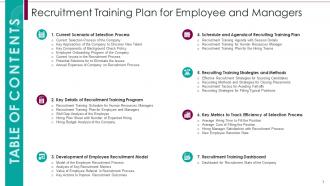
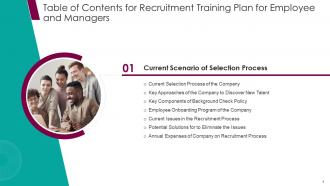
Slide 3: This slide presents Table of Content for the presentation.
Slide 4: This slide displays seven topics under 'Current Scenario of Selection Process' to be covered in the template.
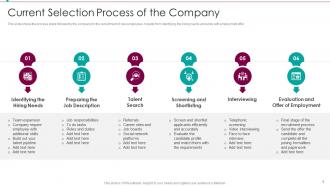
Slide 5: This slide shows the steps followed by the company for the recruitment of new employees.
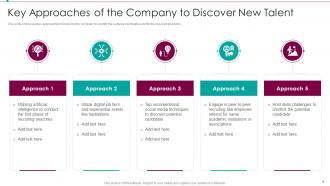
Slide 6: This slide shows various approaches followed by the company to identify the suitable candidates and fill the required positions
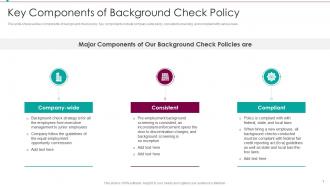
Slide 7: This slide shows various components of background check policy.
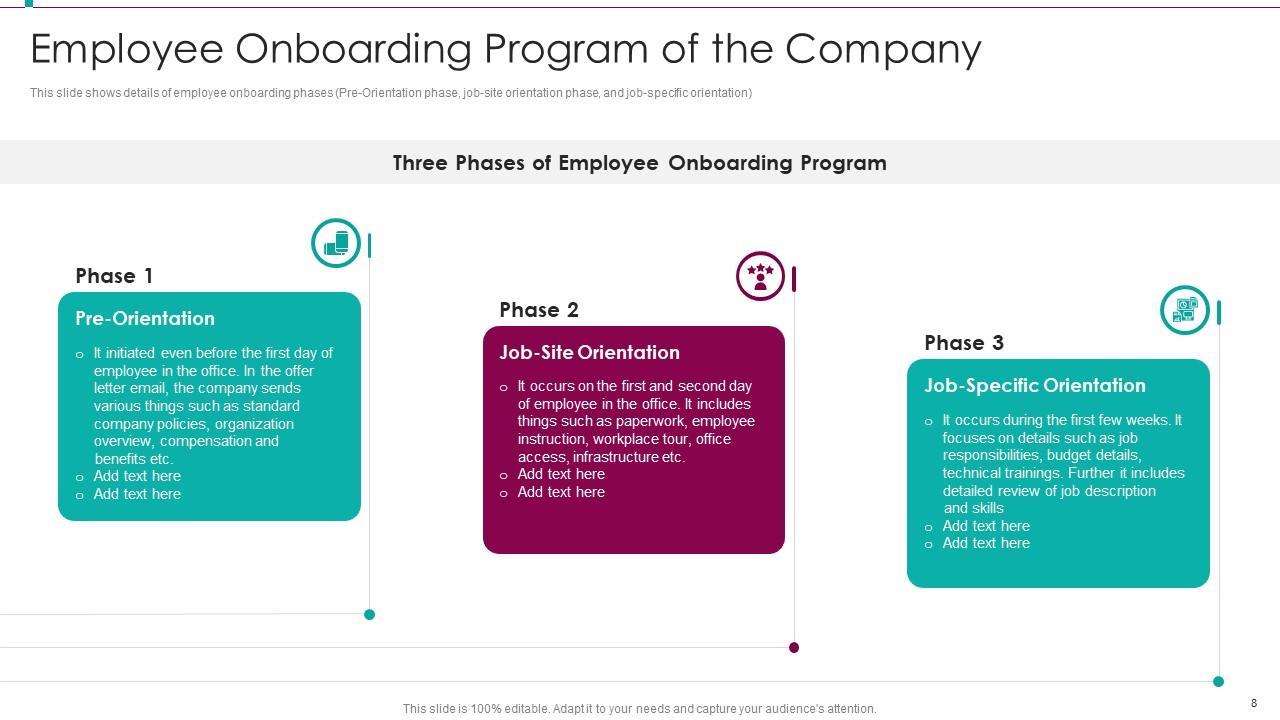
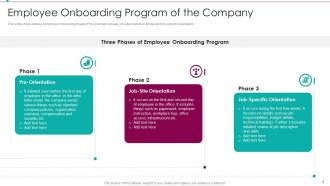
Slide 8: This slide shows details of employee onboarding phases.
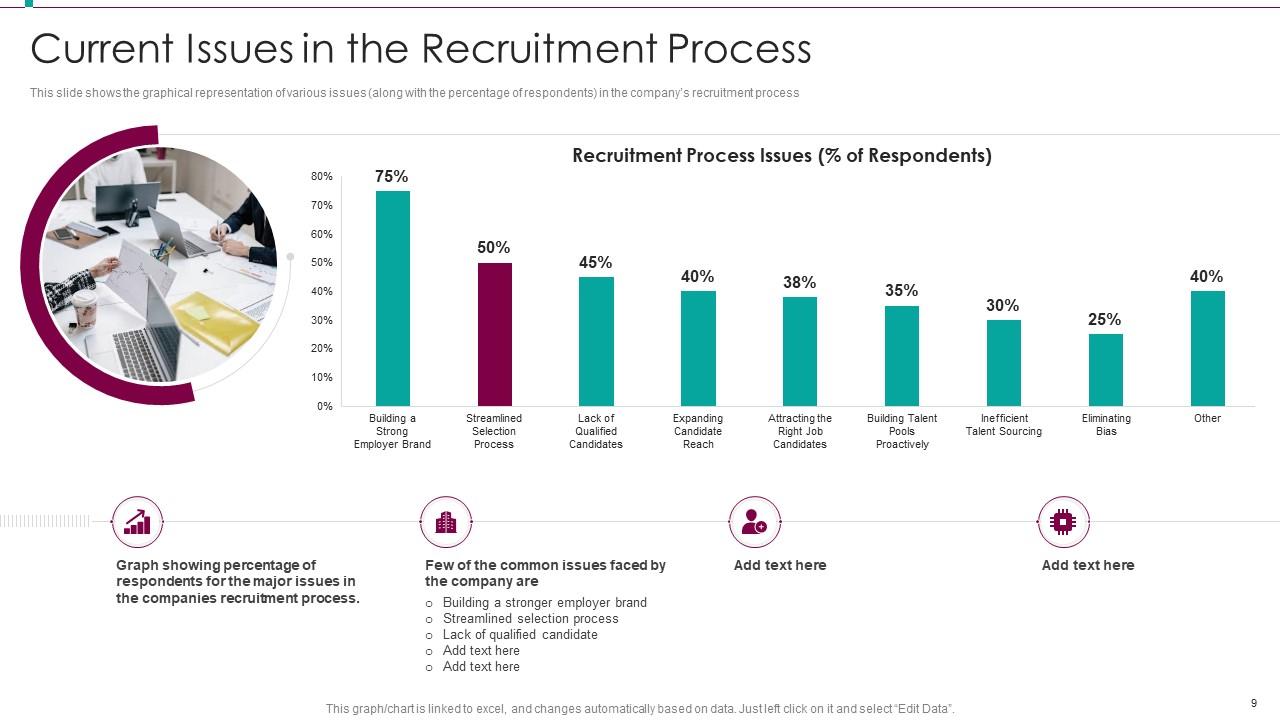
Slide 9: This slide shows the graphical representation of various issues in the company’s recruitment process.This graph is linked to excel.
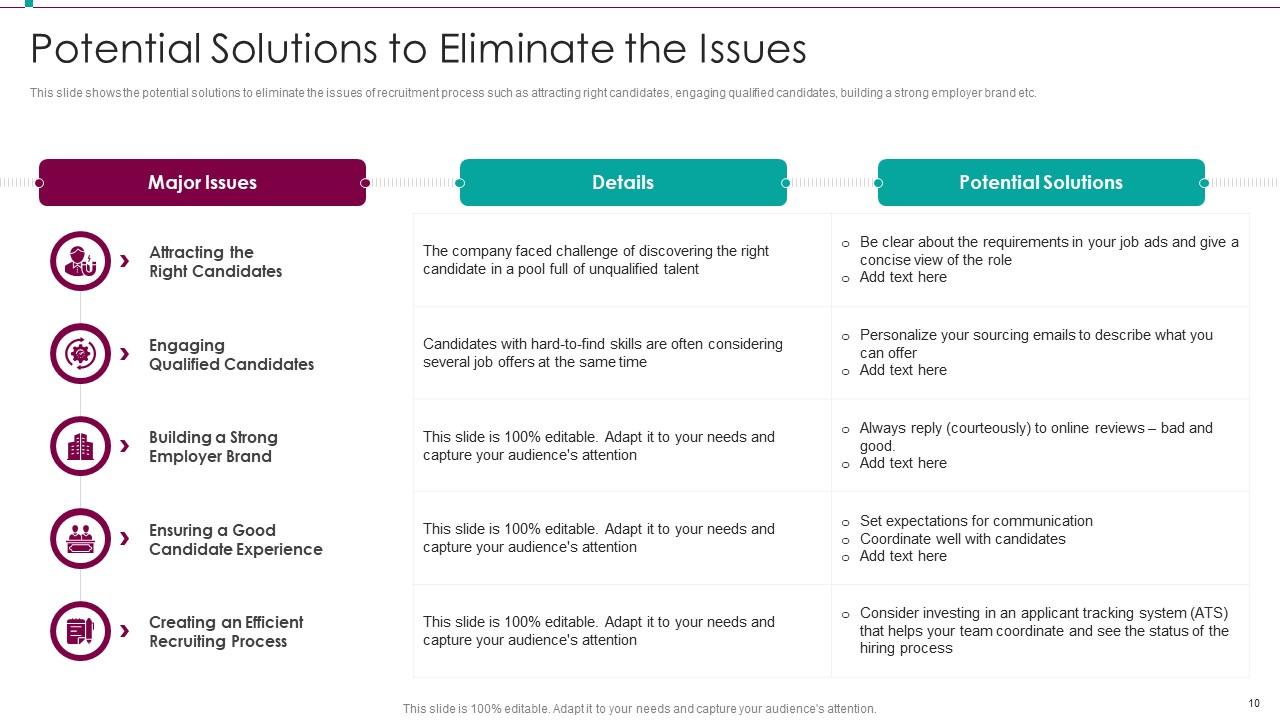
Slide 10: This slide shows the potential solutions to eliminate the issues of recruitment process.
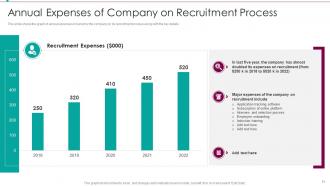
Slide 11: This slide shows the graph of annual expenses incurred by the company on its recruitment process.This graph is linked to excel.
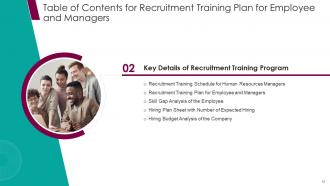
Slide 12: This slide displays five topics under 'Key Details of Recruitment Training Program' to be covered in the template.
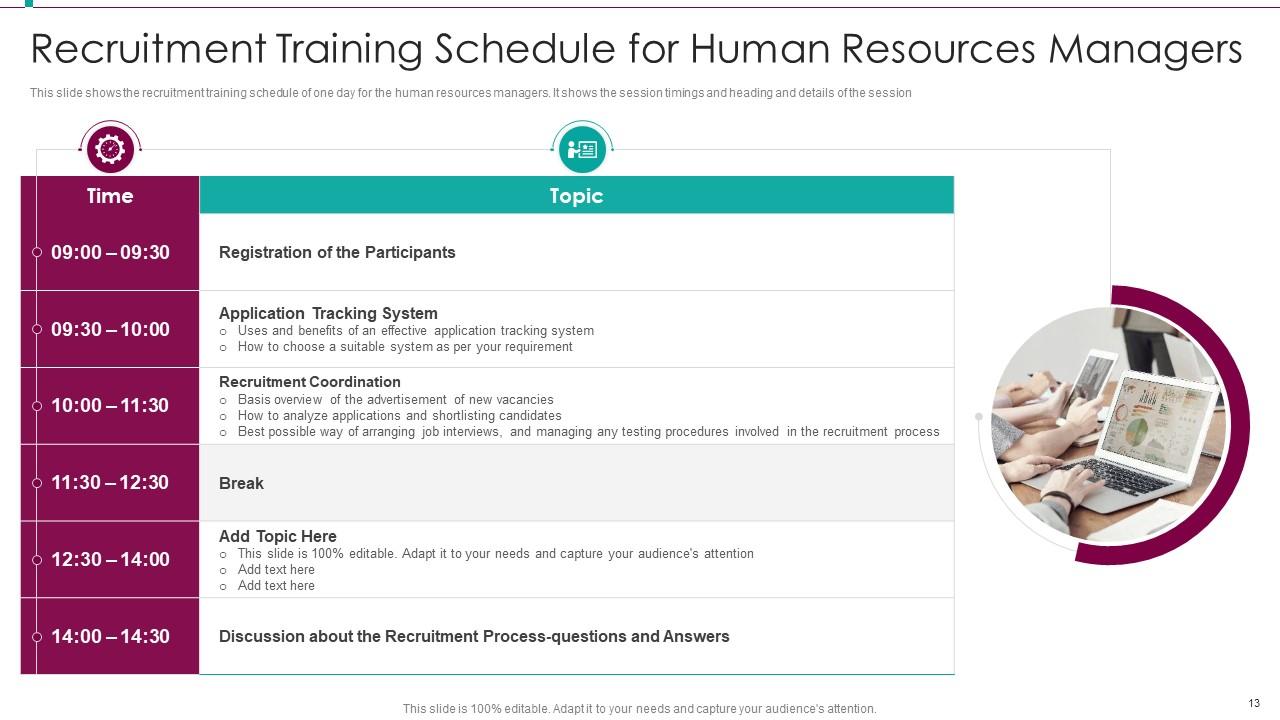
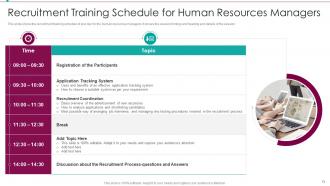
Slide 13: This slide shows the recruitment training schedule of one day for the human resources managers.
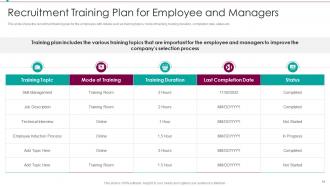
Slide 14: This slide shows the recruitment training plan for the employees with details such as training topics etc.
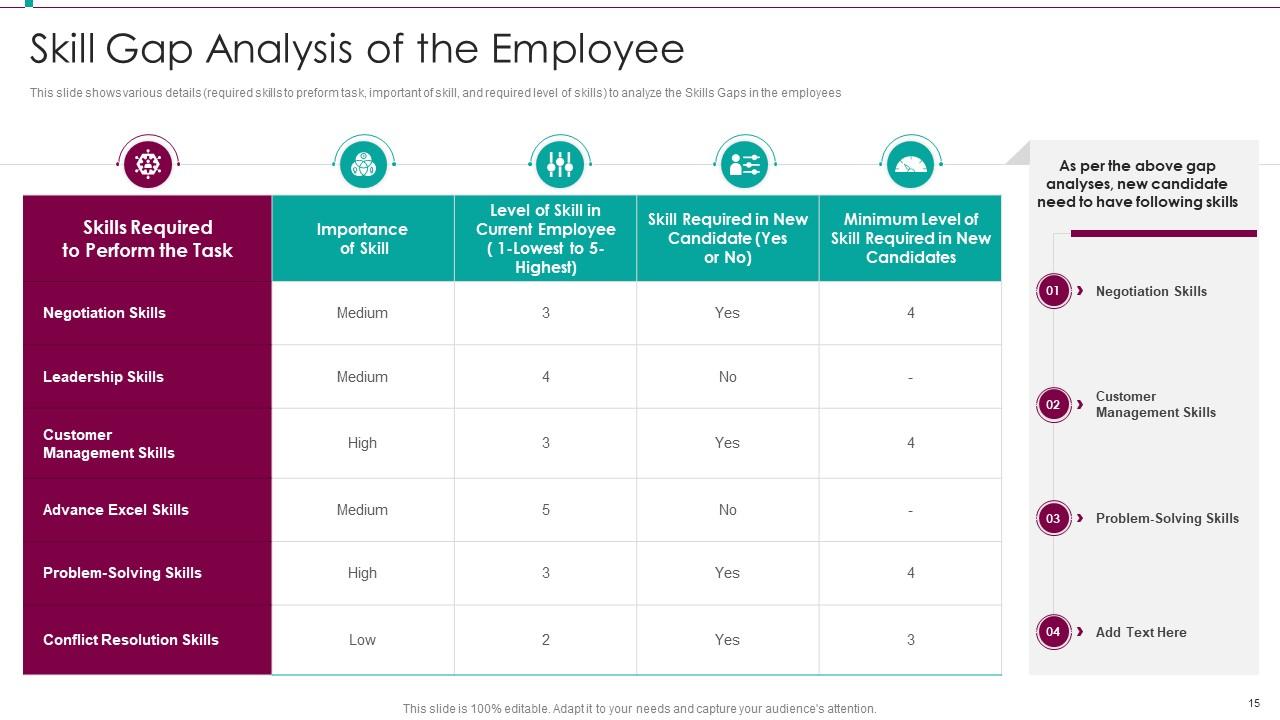
Slide 15: This slide shows various details to analyze the Skills Gaps in the employees.
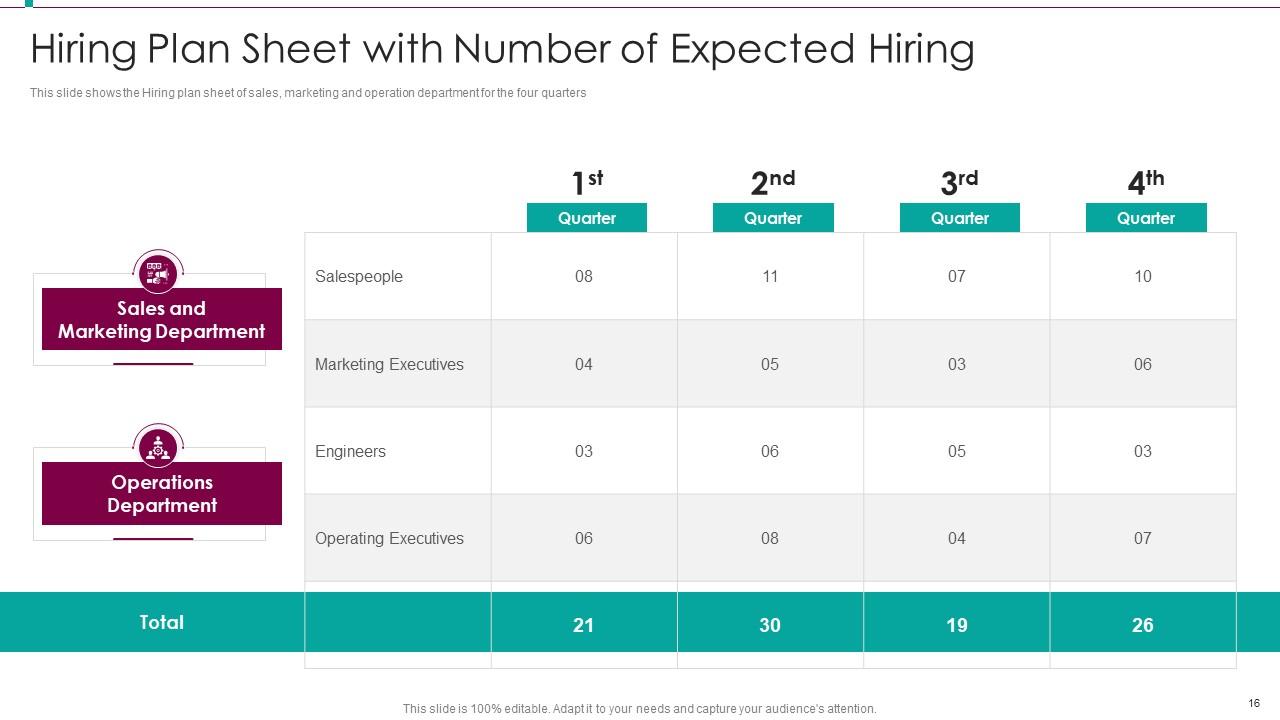
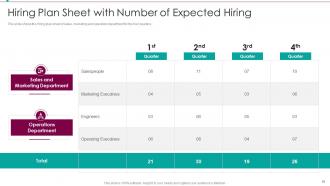
Slide 16: This slide shows the Hiring plan sheet of sales, marketing and operation department for the four quarters.
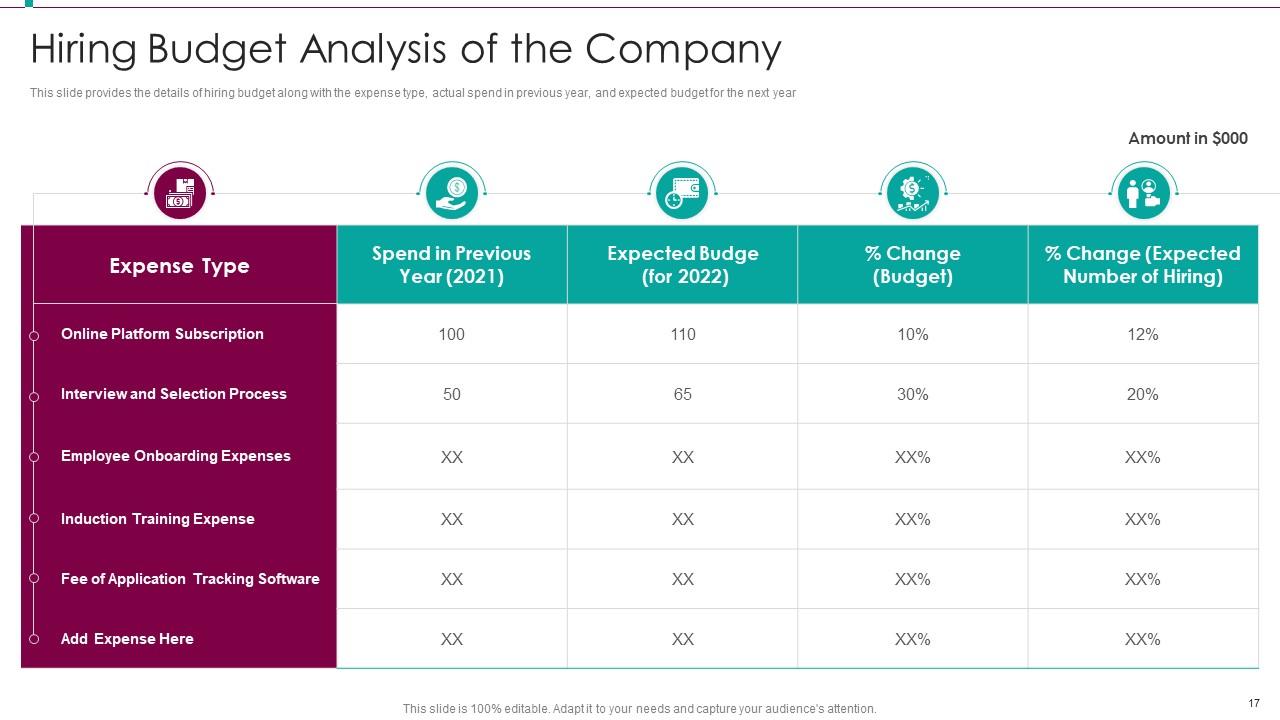
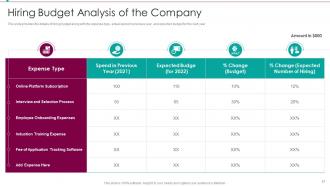
Slide 17: This slide provides the details of hiring budget along with the expense type etc.
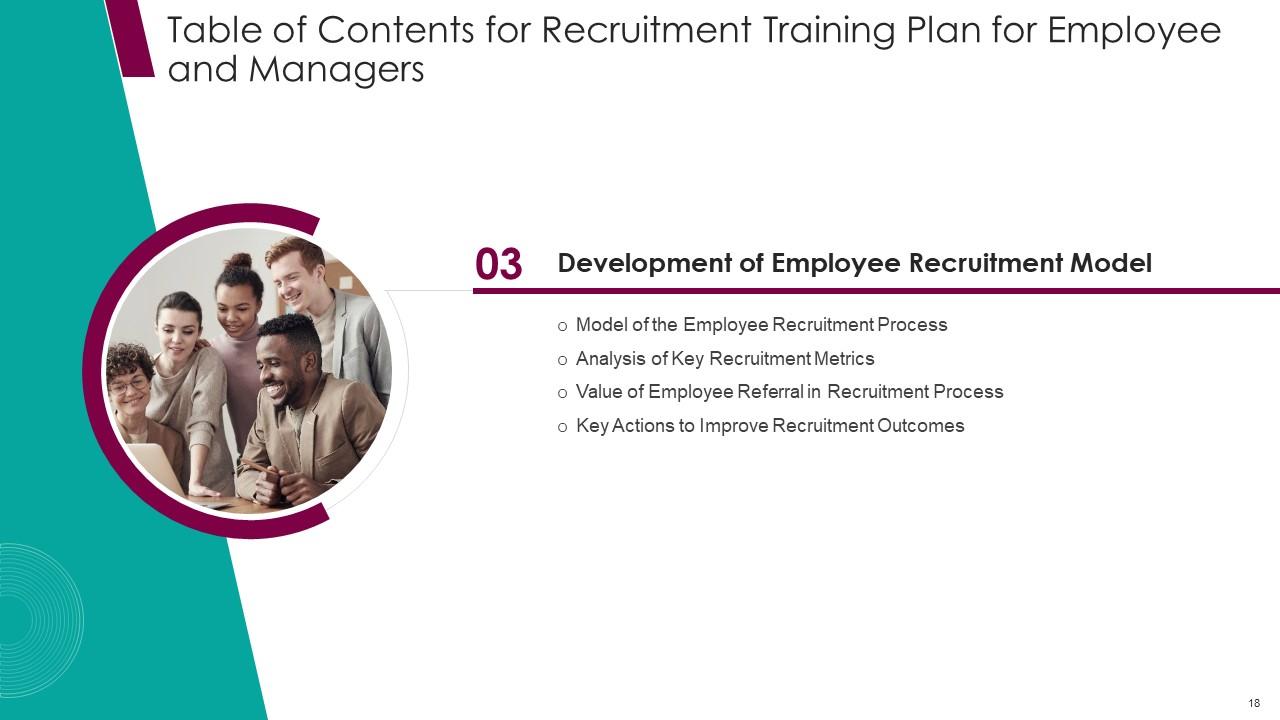
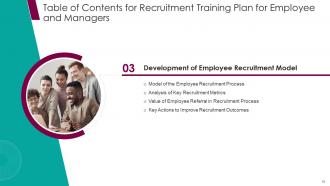
Slide 18: This slide displays four topics under 'Development of Employee Recruitment Model' to be covered in the template.
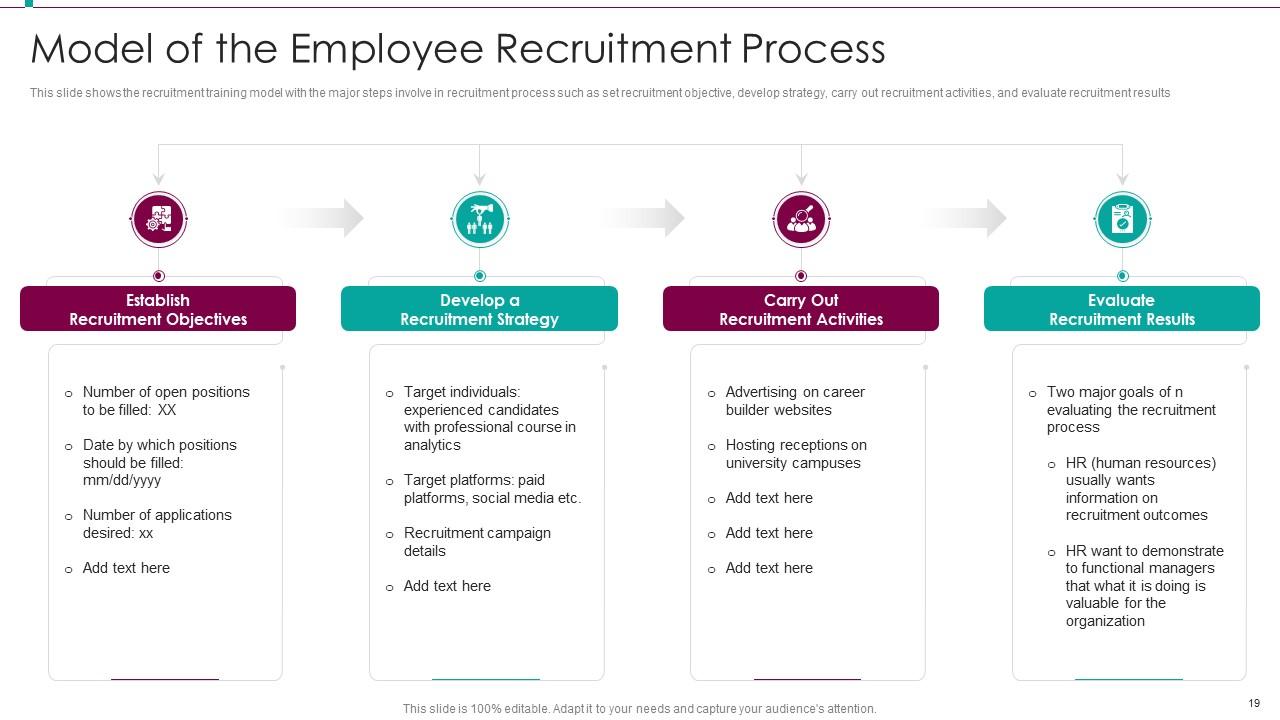
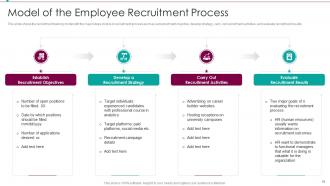
Slide 19: This slide shows the recruitment training model with the major steps involve in recruitment process.
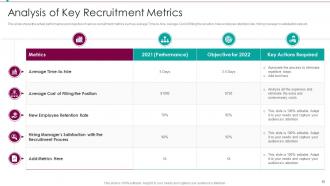
Slide 20: This slide shows the actual performance and objective of various recruitment metrics such as Average Time-to-hire tc.
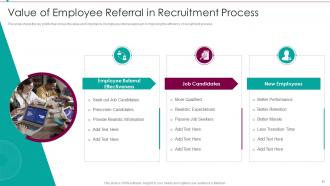
Slide 21: This slide presents the key points that shows the value and importance of employee referral approach in improving the efficiency of recruitment process
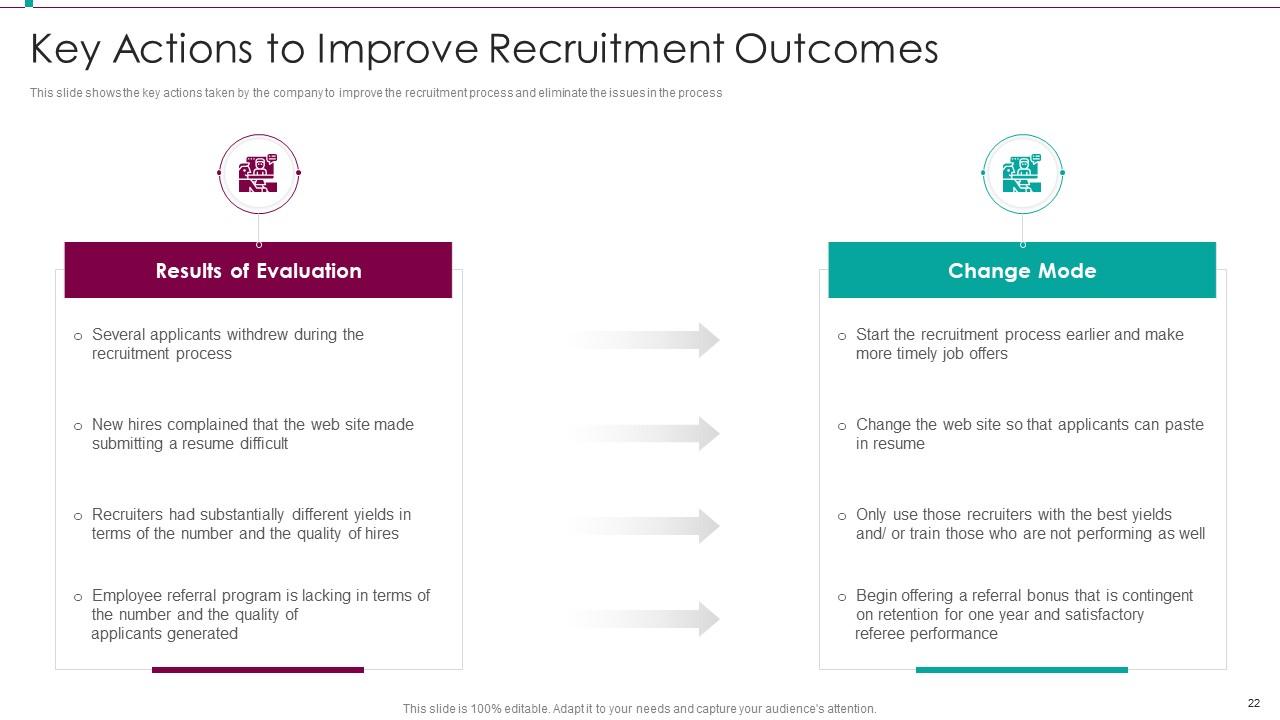
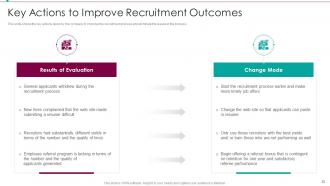
Slide 22: This slide shows the key actions taken by the company to improve the recruitment process.
Slide 23: This slide displays three topics under 'Schedule and Agenda of Recruiting Training Plan' to be covered in the template.
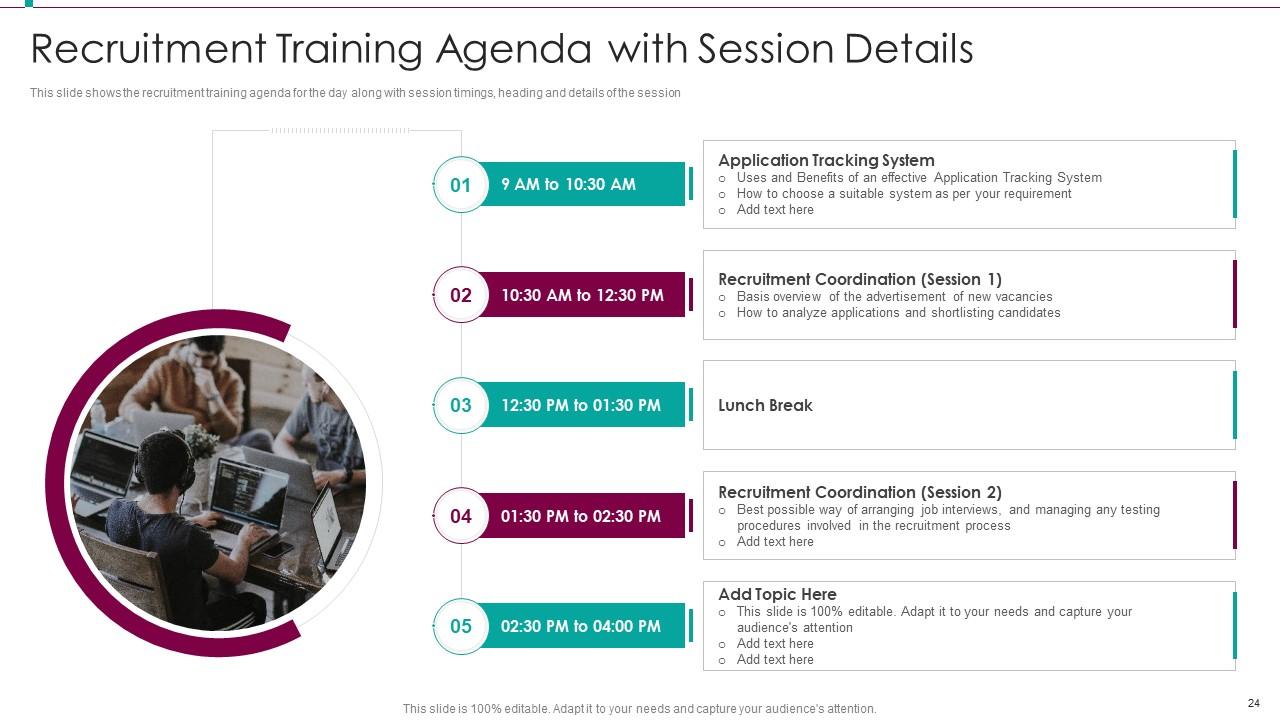
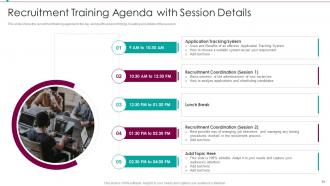
Slide 24: This slide shows the recruitment training agenda for the day along with session timings, heading etc.
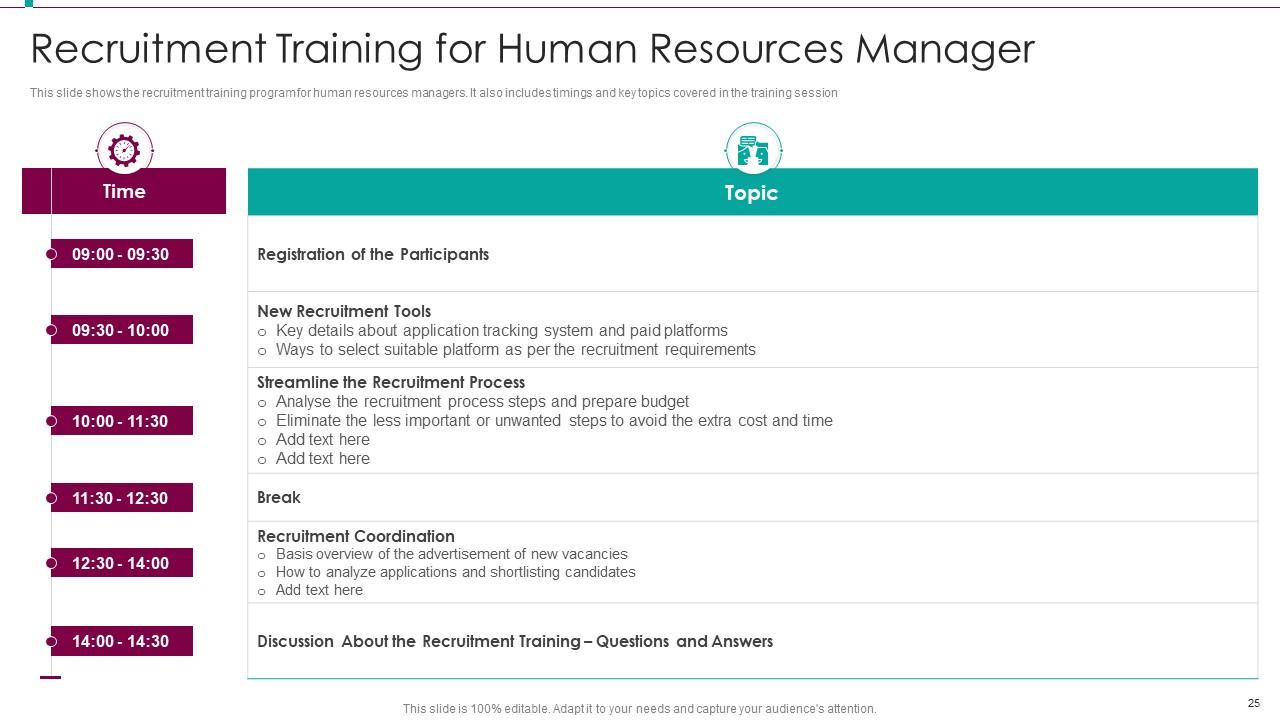
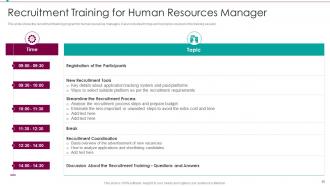
Slide 25: This slide shows the recruitment training program for human resources managers.
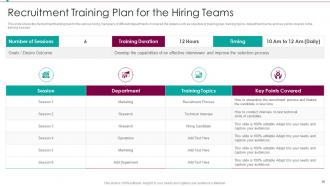
Slide 26: This slide shows the Recruitment training plan for the various hiring managers of different departments.
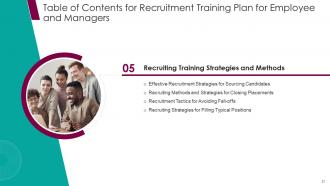
Slide 27: This slide displays four topics under 'Recruiting Training Strategies and Methods' to be covered in the template.
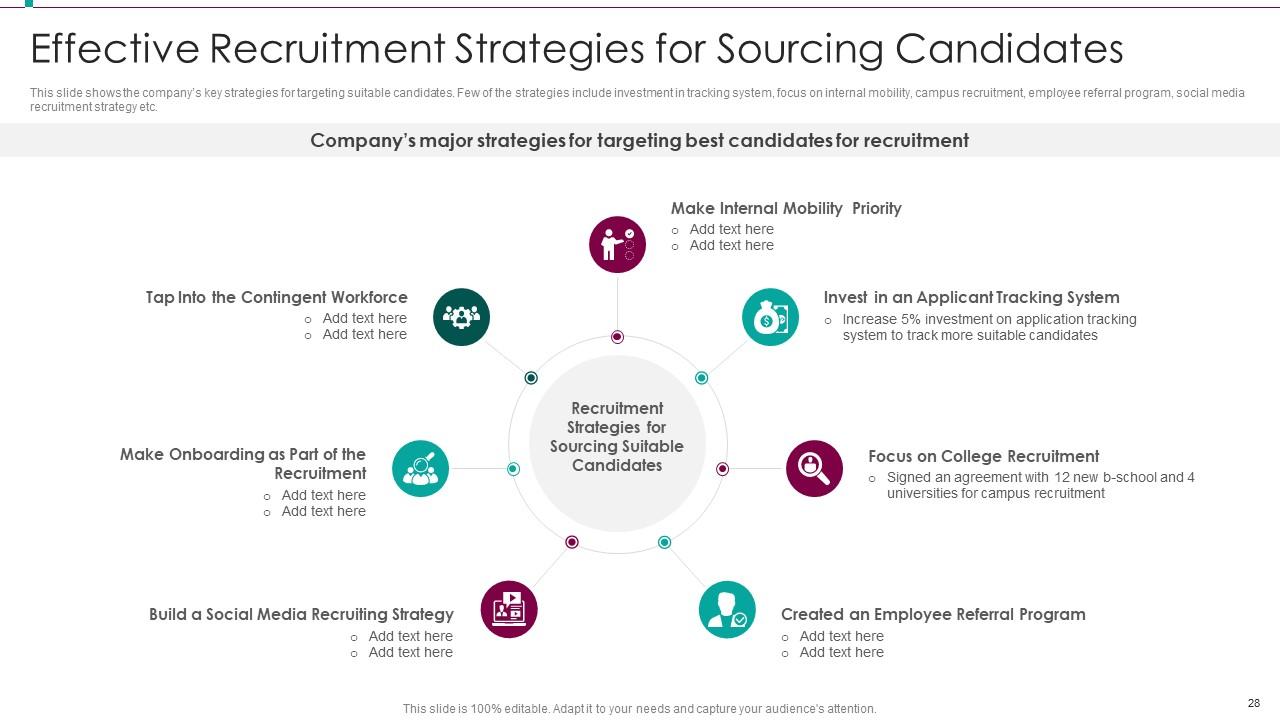
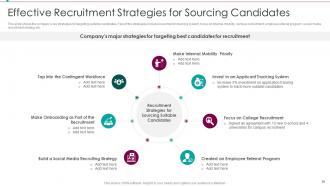
Slide 28: This slide shows the company’s key strategies for targeting suitable candidates.
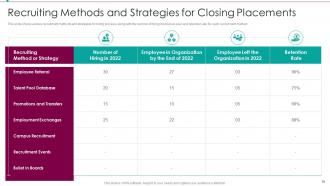
Slide 29: This slide shows various recruitment methods and strategies for hiring process.
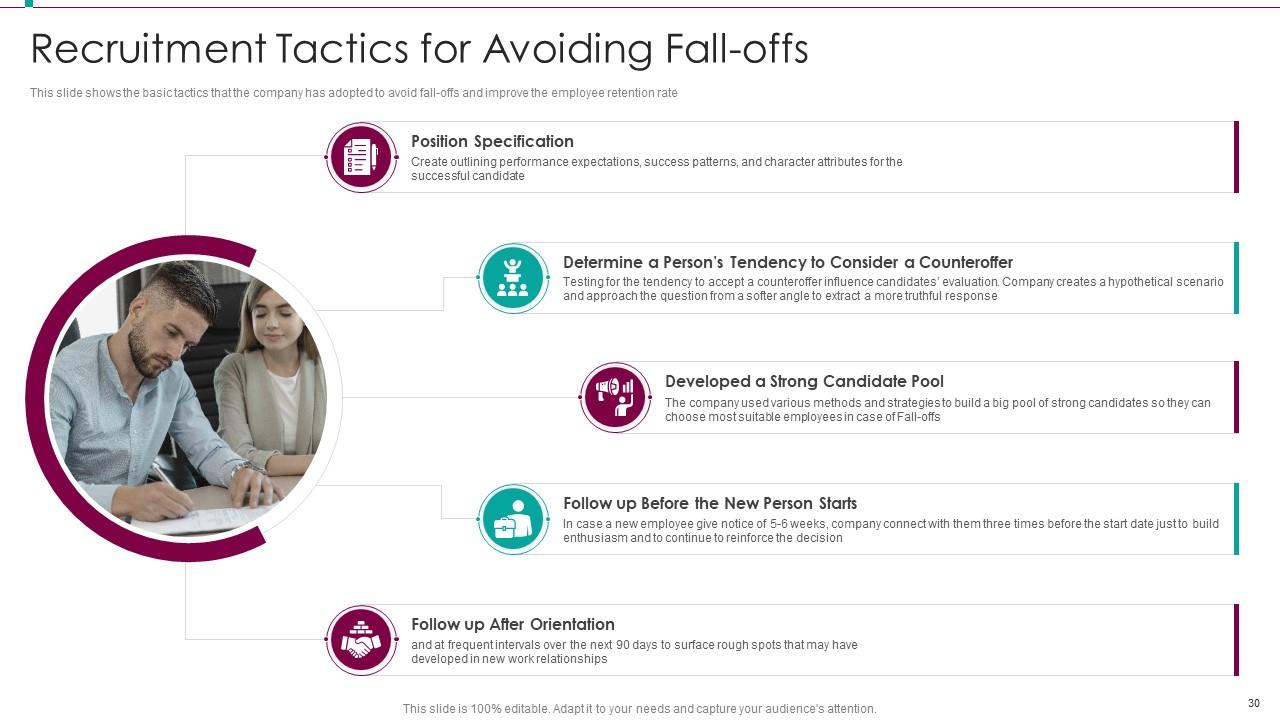
Slide 30: This slide shows the basic tactics that the company has adopted to avoid fall-offs and improve the employee retention rate.
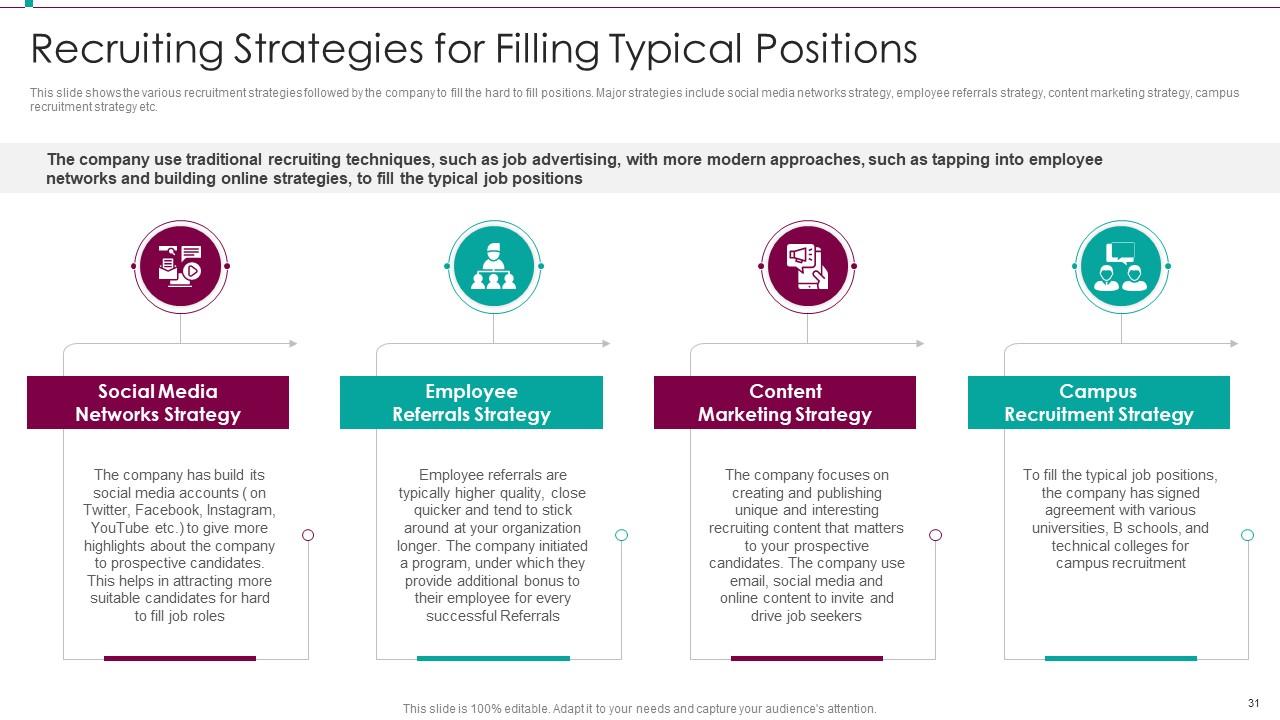
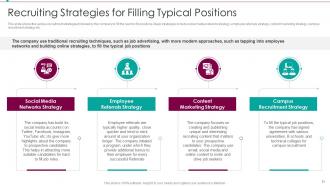
Slide 31: This slide shows the various recruitment strategies followed by the company to fill the hard to fill positions.
Slide 32: This slide displays four topics under 'Key Metrics to Track Efficiency of Selection Process' to be covered in the template.
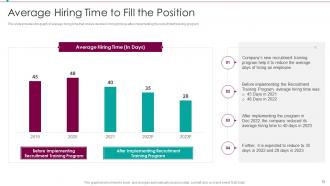
Slide 33: This slide provides the graph of average hiring time. This graph/chart is linked to excel.
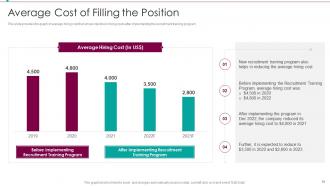
Slide 34: This slide provides the graph of average hiring cost. This graph/chart is linked to excel.
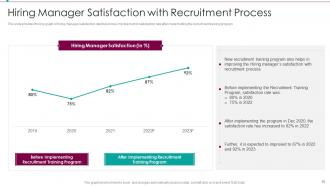
Slide 35: This slide provides the line graph of hiring manager satisfaction rate.This graph/chart is linked to excel.
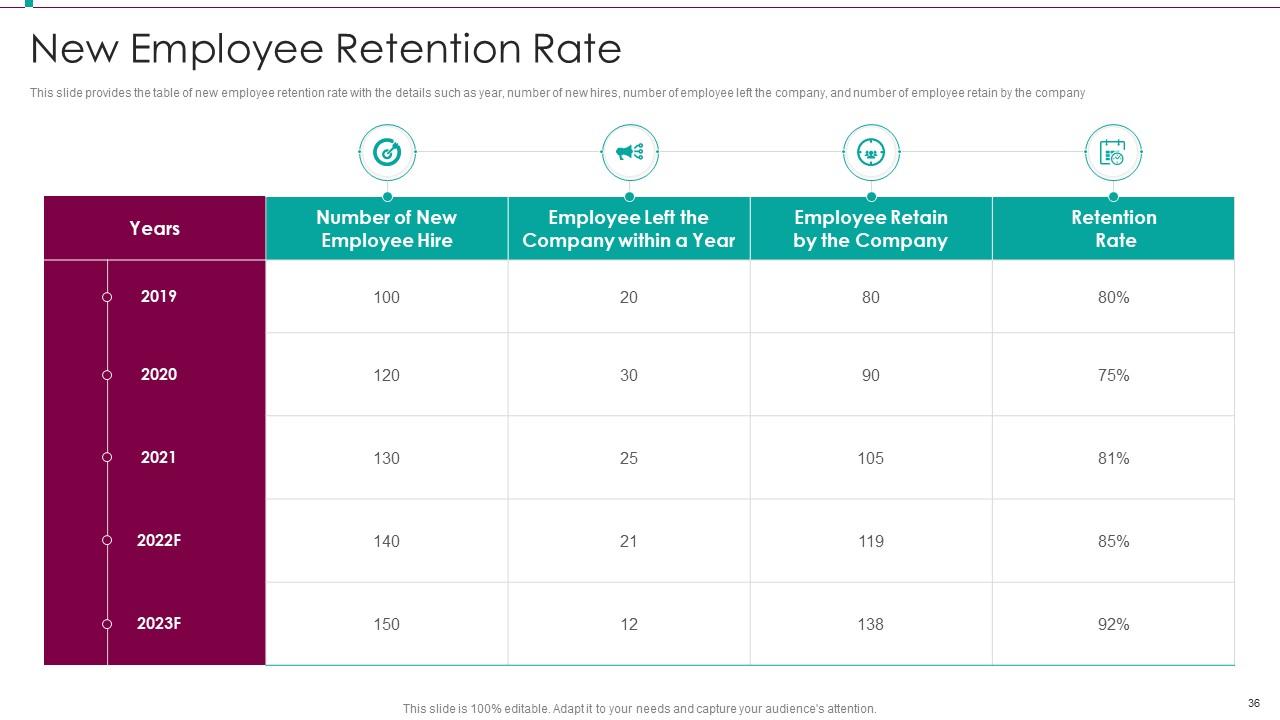
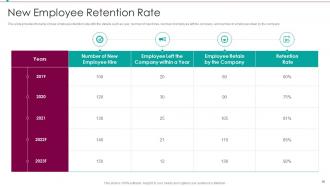
Slide 36: This slide provides the table of new employee retention rate with the details such as year, number of new hires etc.
Slide 37: This slide displays a topic under 'Recruitment Training Dashboard' to be covered in the template.
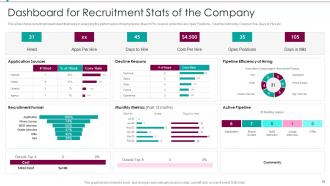
Slide 38: This slide shows the various recruitment statistics of the company.
Slide 39: This slide displays Icons for Recruitment Training Plan for Employee and Managers.
Slide 40: This slide is titled as Additional Slides for moving forward.
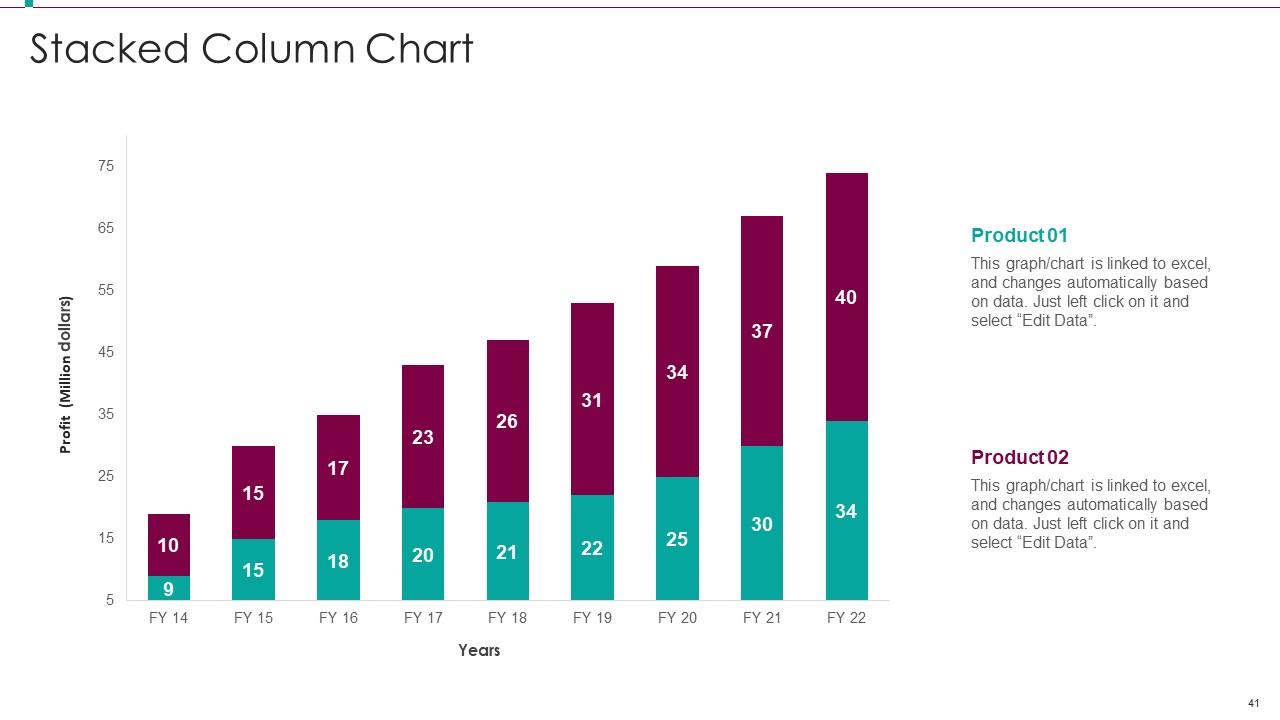
Slide 41: This slide represents Stacked Column chart with two products comparison.
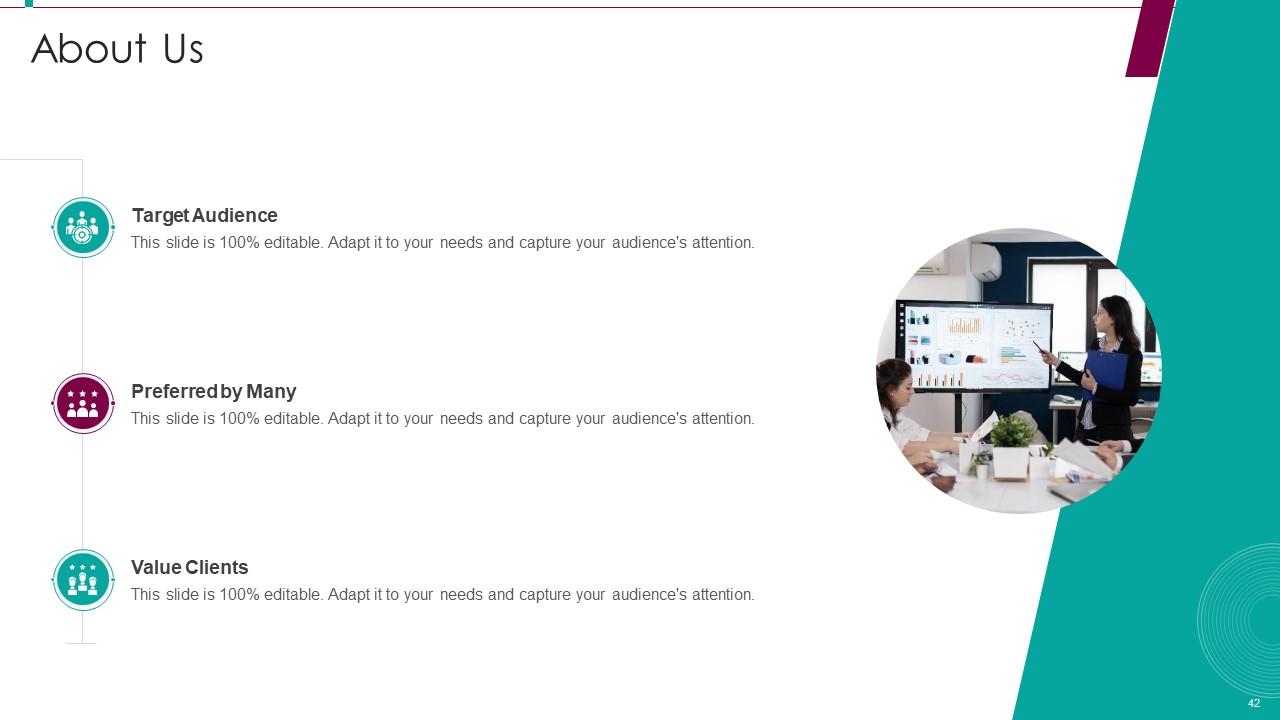
Slide 42: This is About Us slide to show company specifications etc.
Slide 43: This is Our Team slide with names and designation.
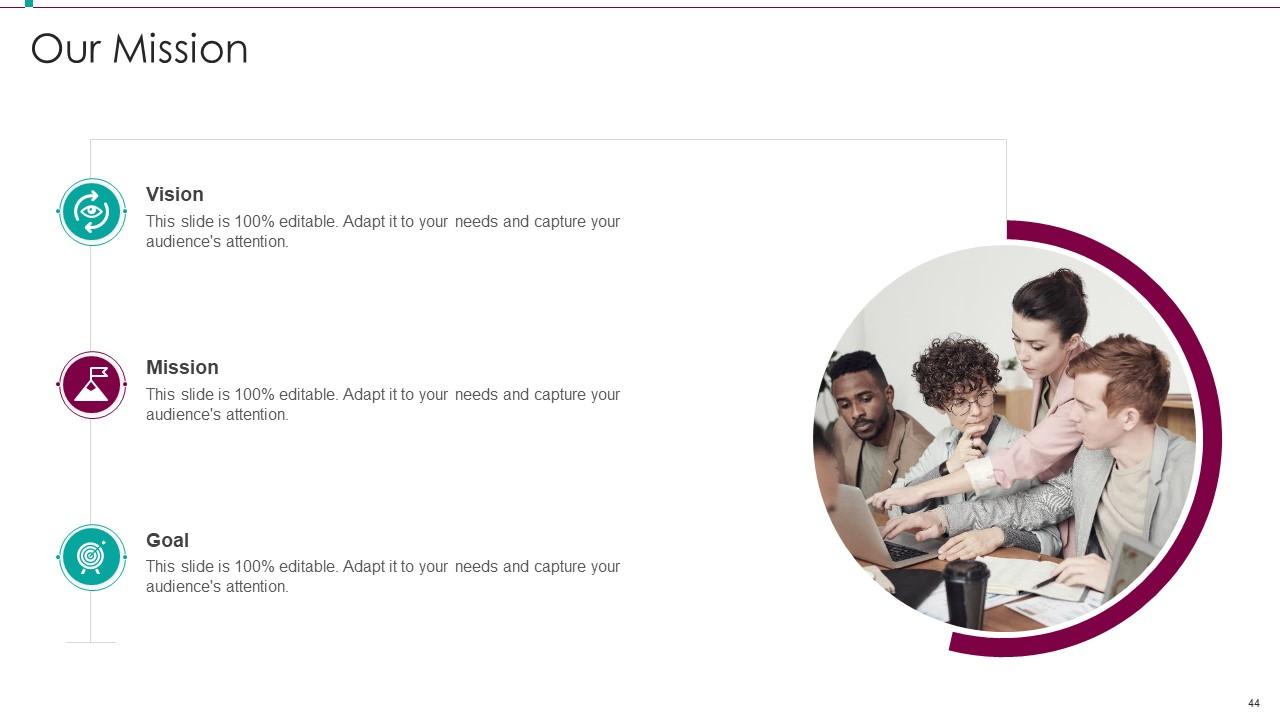
Slide 44: This is Our Mission slide with related imagery and text.
Slide 45: This is a Financial slide. Show your finance related stuff here.
Slide 46: This slide shows Post It Notes. Post your important notes here.
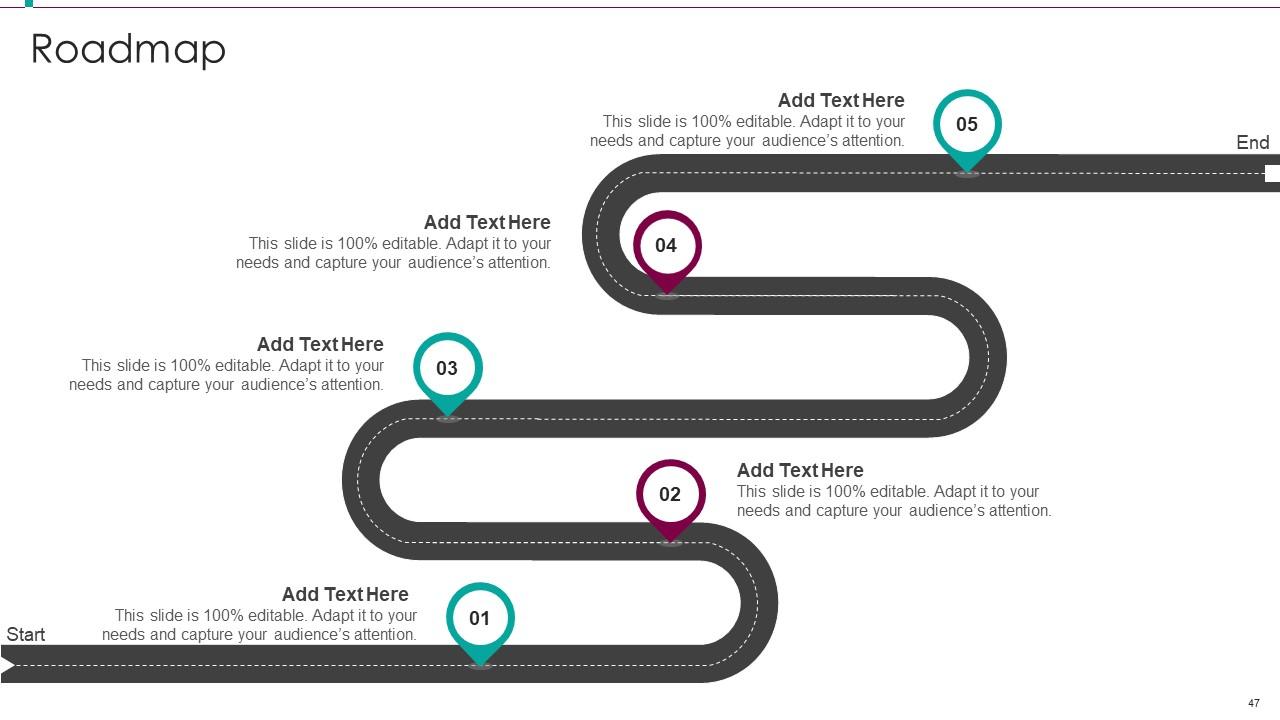
Slide 47: This slide presents Roadmap with additional textboxes.
Slide 48: This is a Timeline slide. Show data related to time intervals here.
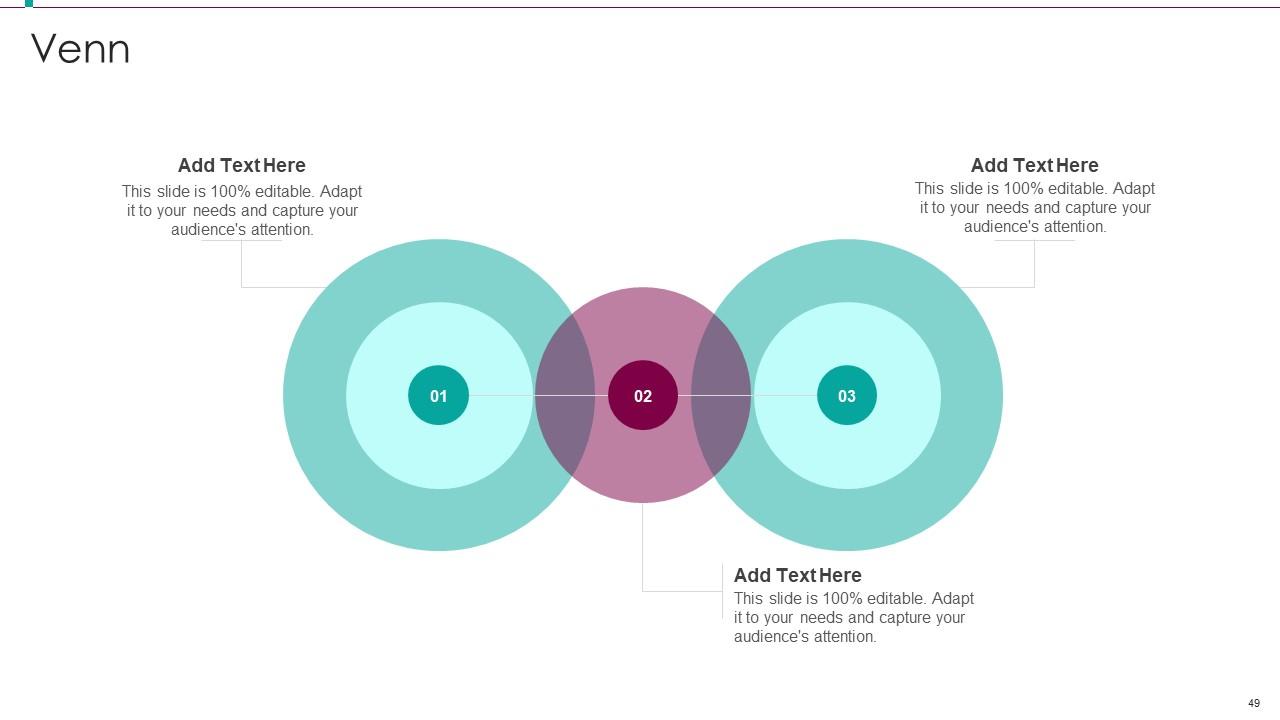
Slide 49: This slide depicts Venn diagram with text boxes.
Slide 50: This is a Thank You slide with address, contact numbers and email address.
Recruitment Training Plan For Employee And Managers Powerpoint Presentation Slides with all 55 slides:
Use our Recruitment Training Plan For Employee And Managers Powerpoint Presentation Slides to effectively help you save your valuable time. They are readymade to fit into any presentation structure.
FAQs for Recruitment Training Plan For Employee And Managers
Focus on four things: sourcing (where to find people), interviewing skills, your hiring process, and legal stuff. Sourcing trips up most newbies - it's way more than job board posts. Get them practicing real interview scenarios, not just reading about it. Oh, and don't forget time for learning your ATS system - that thing can be a nightmare if you're not trained properly. I'd do a 30-60-90 day plan with clear checkpoints. Pair them with someone experienced for the first couple weeks too. Trust me, they'll need it.
Skip the generic interview training stuff - that's useless. Build scenarios around real situations your recruiters will face at YOUR company. Startup that values scrappy people? Train them to spot resourceful candidates over the perfectly polished ones (who honestly might be terrible fits anyway). Get your leadership involved so recruiters hear directly what actually matters for your culture. Oh, and this part's crucial - give them feedback on whether the people they're hiring are working out. Otherwise you'll never know if your training is even working.
Oh man, recruitment training is ALL about tech these days. You'll be doing AI simulations for mock interviews, learning bias training modules online, getting familiar with ATS systems - the whole nine yards. Way better than those soul-crushing PowerPoint sessions from before though! Video interview platforms, candidate tracking software, analytics dashboards... there's honestly a lot to absorb. My advice? Find programs that still include actual human practice time. I mean, soft skills matter just as much as knowing which button to click, you know?
Honestly, data analytics is a game changer for recruitment training. Track stuff like time-to-hire and interview-to-offer ratios - you'll see which training actually makes your recruiters better instead of just hoping it works. Knowledge gaps become super obvious too. Like, maybe your team sucks at technical screening but rocks candidate engagement. Set up dashboards so recruiters can check their own progress against real hiring results. Way better than flying blind, and honestly most companies don't do this enough even though the data's right there.
Get them shadowing experienced recruiters for at least a week first - don't throw them in headfirst. Pair each newbie with a buddy mentor (seriously, this cuts turnover like crazy). Let them actually play around with your ATS and sourcing tools, not just watch demos. Daily check-ins are huge during month one. Oh, and give them clear 30-60-90 day targets so they're not guessing what good looks like. A progress checklist helps too - people love checking boxes off. Makes them feel like they're actually getting somewhere instead of just floundering around.
Track the obvious stuff first - time-to-fill rates, quality of hire, diversity numbers. Those metrics actually tell you something concrete. But here's what I've learned: asking your recruiters straight up how confident they feel post-training? That feedback hits different. Check if candidates are giving better interview feedback too. Are hiring managers less annoyed with who you're sending them? Set up some basic monthly tracking - doesn't need to be fancy. Then every quarter, dig deeper to see what's trending and tweak your training. The patterns usually jump out at you pretty quick.
Start with interviewing basics and bias training - that's your foundation. Active listening is massive too, like actually hearing what people aren't saying out loud. Then tackle sourcing strategies and Boolean search skills for LinkedIn (honestly, half of recruiting is just knowing how to search properly). Job descriptions matter way more than people think - ditch the corporate buzzword soup and write stuff humans actually want to read. Assessment frameworks come next. Once your team gets the people side down, layer in the technical sourcing tricks. The soft skills have to come first though.
Honestly, ditch the PowerPoints and get them doing real stuff. Mock phone screens work great - have them practice those awkward conversations when candidates ghost you or ask for way too much money. Role-playing is huge here. I'd also set up fake job reqs where they actually have to source candidates from scratch. The best thing I've seen though? Having newbies shadow experienced recruiters on actual calls. That's where they really pick stuff up. Oh, and throw in practice interviews with feedback sessions. Start small with maybe one scenario per training, then ramp it up. Way better than sitting through slides about "best practices" or whatever.
Honestly, role-playing interview scenarios works great - way better than just lecturing at people. Break things up with group work on case studies, throw in some quizzes. Recent hires are gold for this stuff, they actually get excited sharing their stories (which is kinda sweet). Don't go over 90 minutes or you'll lose everyone. Build in time for them to talk about their own recruiting challenges. Quick problem-solving scenarios at the start of each session really help too. The whole point is getting them involved instead of just sitting there zoning out.
Honestly? I'd say every 2-3 months right now - the market's been absolutely insane. Quarterly used to be fine but things move too fast these days. Your team's gotta stay on top of remote work trends, salary shifts, all that stuff. New platforms pop up constantly and what worked six months ago might be dead now. Oh, and definitely do quick updates when you notice your recruiters all complaining about the same issues - that's usually a sign something's changed. Just set a calendar reminder so you don't forget. Treat it like any other business review that actually matters.
Honestly, I'd mix a few different approaches. Do before/after assessments to see the obvious knowledge jumps. Then hit them with follow-up quizzes maybe 3-4 weeks later - that's when you'll catch what actually stuck versus what they crammed and forgot. Role-playing is clutch since it shows if they can actually apply the stuff, not just regurgitate it. Quick pulse surveys work too, or just casual check-ins during regular meetings. Don't rely on just one method though - you need like 2-3 to get the real picture of what's working.
Honestly, you can't just slap a diversity module onto existing training and expect results. Build it into everything instead. Get your team doing unconscious bias training first - they need to spot their own blind spots when screening resumes. Structured interviews with standardized criteria actually make a difference too. Way too many places do one measly hour-long session and think they're covered. Focus on real scenarios they'll face daily, like writing inclusive job posts or figuring out where to advertise roles. Give them tools they can actually use right away.
Honestly? Getting buy-in is the worst part - hiring managers think they're already pros at interviewing. Time's always an issue too since everyone's drowning in open roles. People forget the training super fast if they don't use it regularly, which is annoying but predictable. Leadership will definitely push back on budget (classic move). Different departments doing their own thing makes consistency nearly impossible. Oh, and some managers just hate being told how to do something they've been doing for years. Start with a small pilot group first and get some solid wins before going company-wide.
Honestly, collect feedback right when training wraps up, then again at 3 months - that's when you'll see what actually worked. Ask simple stuff: what was confusing, which examples clicked, what they wanted more of. The immediate feedback is pretty basic though. The good stuff comes from those follow-up chats once they've been recruiting for a while. I'd track what knowledge gaps keep popping up and tweak your materials from there. Also, notice which trainers consistently get better reviews? Have them share what they're doing differently. Set up quarterly reviews where you actually use this feedback to update things instead of just filing it away somewhere.
Honestly, the worst mistake is making training way too generic - you gotta customize it for your actual roles and company vibe. Don't dump everything into one massive session either. People's brains just shut off after like an hour, trust me. Focus on real interviewing skills, not just the boring legal stuff (though you need that too obviously). Test it with a small group first before going all-in. Oh, and unconscious bias training is huge - way more important than most companies realize. Get feedback from your managers throughout so you're not just guessing what works.
-
Well-designed and informative templates. Absolutely brilliant!
-
The PPTs are extremely simple to modify. Thank you for providing the slides that are ready to be used. They assist me in saving a lot of time.