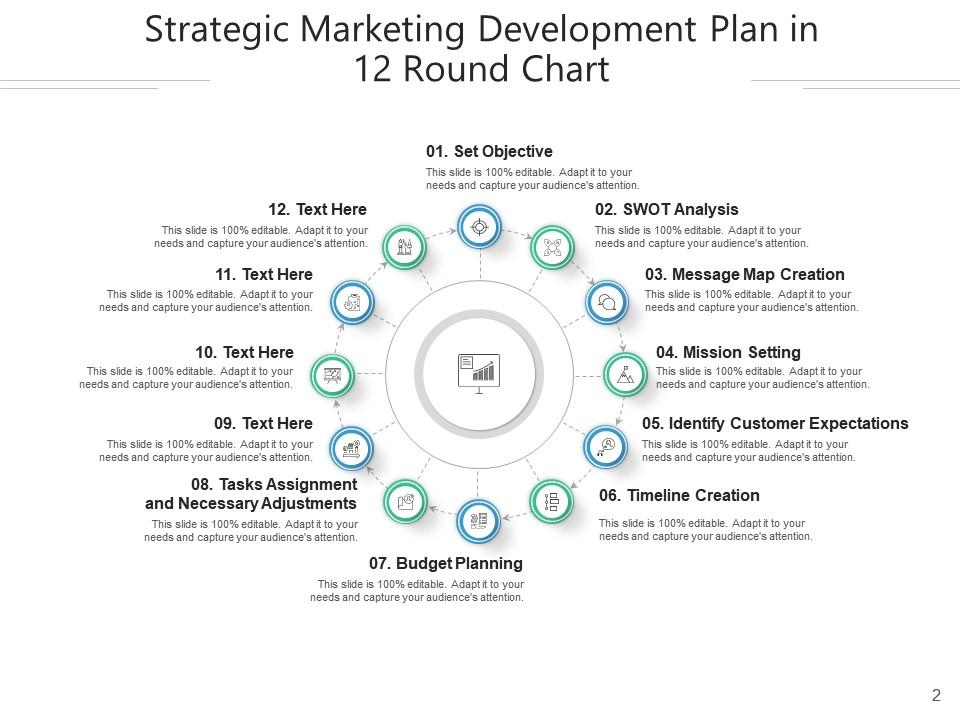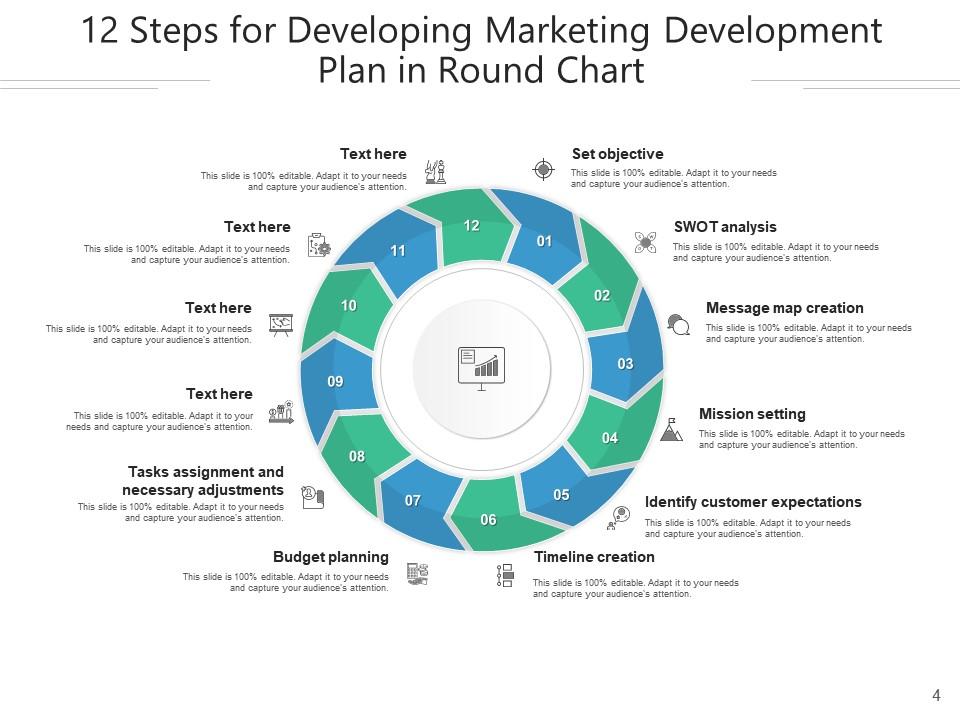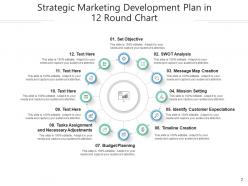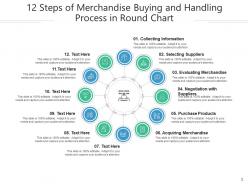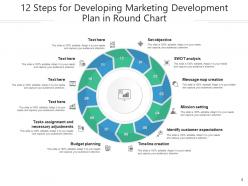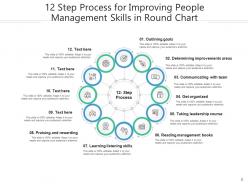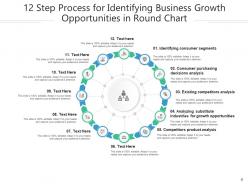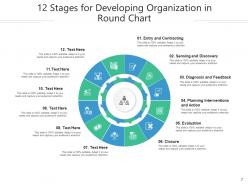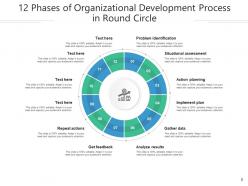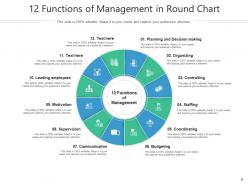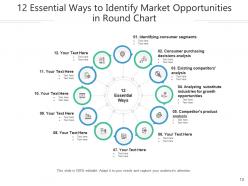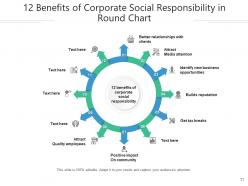
Tableau rond 12 Mission de planification de l'analyse du développement marketing stratégique

Rating:
89%
Round Chart 12 Strategic Marketing Development Analysis Planning Assignment
Slide 1 of 12
Favourites Favourites

Try Before you Buy Download Free Sample Product

Audience Impress Your
Audience
Editable 100%
Editable
Time Save Hours
of Time
The Biggest Sale is ending soon in
0
0
:
0
0
:
0
0
Rating:
89%

Caractéristiques de ces diapositives de présentation PowerPoint :

Engagez les acheteurs et renforcez la notoriété de la marque en vous présentant à l'aide de cet ensemble préfabriqué. Cette affectation de planification d'analyse de développement marketing stratégique du tableau 12 est un excellent outil pour se connecter avec votre public car elle contient un contenu et des graphiques de haute qualité. Cela aide à transmettre vos pensées d'une manière bien structurée. Il vous aide également à obtenir un avantage concurrentiel en raison de sa conception et de son esthétique uniques. En plus de cela, vous pouvez utiliser cette conception PPT pour présenter des informations et éduquer votre public sur divers sujets. Avec douze diapositives, c'est un excellent design à utiliser pour vos prochaines présentations. Non seulement c'est rentable, mais aussi facilement pliable en fonction de vos besoins et exigences. En tant que tel, la couleur, la police ou tout autre élément de conception peuvent être modifiés. Il est également disponible en téléchargement immédiat dans différents formats tels que PNG, JPG, etc. Alors, sans plus tarder, téléchargez-le maintenant.

FAQs for Round Chart 12 Strategic Marketing Development

Strategic marketing analysis includes market research, competitor assessment, customer segmentation, SWOT analysis, and performance metrics evaluation. These components work together by identifying market opportunities, understanding competitive positioning, and defining target audiences, with many organizations finding that this comprehensive approach ultimately delivers improved campaign effectiveness, better resource allocation, and sustainable competitive advantage in increasingly dynamic markets.

Market segmentation enhances targeted marketing by dividing broader markets into distinct customer groups based on demographics, behaviors, preferences, and purchasing patterns, enabling more precise messaging and resource allocation. This strategic approach allows companies across retail, healthcare, and financial services to deliver personalized campaigns, improve conversion rates, and maximize ROI, ultimately driving stronger customer engagement and competitive advantage.

Effective competitive analysis tools include SEMrush, Ahrefs, SimilarWeb, SpyFu, and Brandwatch, along with social media monitoring platforms and market research databases. These technologies streamline competitor research by tracking digital marketing strategies, identifying content gaps, and analyzing market positioning, with many organizations finding that comprehensive tool combinations deliver deeper insights, faster strategic responses, and ultimately stronger competitive advantage in increasingly crowded markets.

Customer insights influence strategic marketing decisions by revealing consumer preferences, behavioral patterns, purchasing motivations, and market opportunities that guide campaign development and resource allocation. Through data analytics and feedback analysis, organizations refine targeting strategies, optimize messaging approaches, and enhance customer experiences, with many retail and financial services companies finding that insight-driven decisions deliver significantly higher conversion rates and competitive advantage.

SWOT analysis identifies internal strengths and weaknesses alongside external opportunities and threats, enabling marketers to craft strategic approaches that leverage competitive advantages while addressing vulnerabilities. Through this framework, organizations align marketing initiatives with market realities, optimize resource allocation, and develop positioning strategies that capitalize on opportunities, ultimately delivering more targeted campaigns and sustainable competitive differentiation.

Data analytics improves market trend understanding by processing vast datasets, identifying patterns through predictive modeling, and providing real-time consumer behavior insights. Through advanced analytics platforms, businesses can track purchasing patterns, seasonal fluctuations, and emerging preferences across demographics, while competitive intelligence tools reveal market shifts, ultimately enabling strategic positioning and faster response to opportunities.

Customer needs assessment methods include surveys, focus groups, customer interviews, behavioral analytics, social media monitoring, and competitive analysis. These approaches enable organizations to gather comprehensive insights by examining purchasing patterns, feedback trends, and market positioning, with many retail and service companies finding that combining multiple methods delivers deeper customer understanding and more targeted marketing strategies.

The digital landscape transforms traditional marketing analysis by enabling real-time data collection, multi-channel attribution tracking, and predictive analytics capabilities that replace static, retrospective methods. Through advanced analytics platforms, marketers can now measure customer journeys across touchpoints, optimize campaigns instantaneously, and leverage AI-driven insights, ultimately delivering more precise targeting and significantly higher ROI than conventional approaches.

Essential metrics for evaluating marketing strategy success include conversion rates, customer acquisition cost, return on investment, customer lifetime value, and brand awareness metrics. These measurements enable organizations to assess campaign effectiveness, optimize resource allocation, and demonstrate tangible business impact, with many companies finding that comprehensive analytics ultimately deliver improved competitive positioning and sustainable growth.

Organizations identify and mitigate marketing risks through comprehensive market research, competitor analysis, customer feedback monitoring, financial forecasting, and regulatory compliance assessments. These strategic approaches enable businesses to anticipate market shifts, budget constraints, and brand reputation threats, with many companies finding that proactive risk management ultimately delivers improved campaign performance and competitive advantage.

Best practices for leveraging customer feedback in strategic planning include systematic data collection across multiple touchpoints, segmentation analysis by customer demographics and behavior patterns, integration with market research insights, and regular feedback loop cycles. These approaches enable organizations to identify emerging market opportunities, refine product development strategies, and enhance service delivery, with many retail and financial services companies finding that structured feedback integration significantly improves customer retention and competitive positioning.

Emerging technologies revolutionize strategic marketing analysis by enabling real-time data processing, predictive analytics, AI-driven customer insights, automated segmentation, and personalized campaign optimization. Through machine learning and advanced analytics platforms, organizations streamline market research, enhance targeting precision, and accelerate decision-making processes, ultimately delivering competitive advantage and significantly improved ROI.

Ethical data collection considerations include obtaining explicit consent, ensuring data transparency, protecting customer privacy, maintaining data security, and providing opt-out options. These practices streamline compliance with regulations like GDPR while building customer trust, with many organizations finding that transparent data practices ultimately enhance brand reputation and customer loyalty in an increasingly privacy-conscious marketplace.

Businesses can adapt their marketing strategies by shifting budget allocation to cost-effective digital channels, repositioning messaging to emphasize value and necessity, and diversifying target audiences to capture emerging market segments. Through data-driven analysis and flexible campaign structures, companies streamline marketing spend while maintaining brand visibility, ultimately delivering sustained customer engagement and competitive positioning during economic uncertainty.

Brand positioning is the strategic process of establishing a distinct, valuable place in consumers' minds relative to competitors, serving as the foundation for all marketing decisions and communications. Through effective positioning, companies differentiate their offerings, command premium pricing, and build customer loyalty, with successful brands like Apple and Tesla demonstrating how clear positioning drives market leadership and sustainable competitive advantage.

Ratings and Reviews

89% of 100
Review Form
Write a review
Most Relevant Reviews
  1. 100%

    by Don Hansen

    Great product with effective design. Helped a lot in our corporate presentations. Easy to edit and stunning visuals.
  2. 100%

    by Cody Bell

    Easily Editable.
  3. 80%

    by Darius Webb

    Graphics are very appealing to eyes.
  4. 80%

    by Cliff Jimenez

    Use of different colors is good. It's simple and attractive.
  5. 80%

    by Dana Owens

    Out of the box and creative design.
  6. 100%

    by Williams Nelson

    Very unique and reliable designs.
  7. 80%

    by Dustin Perkins

    Appreciate the research and its presentable format.

7 Item(s)

per page: