

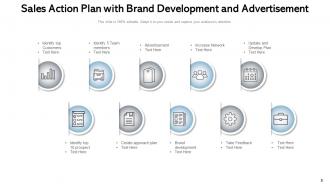
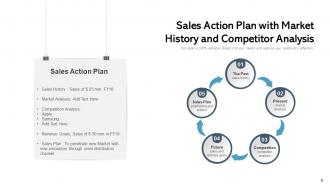
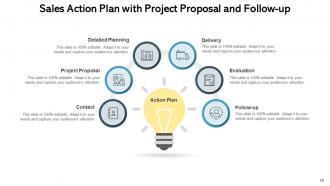
Sale Action Plan Planning Arrow Proposal Advertisement Development Analysis Evaluation





Try Before you Buy Download Free Sample Product
 Impress Your
 Audience
 100%
100% Editable
 Save Hours
 of Time


Our Sale Action Plan Planning Arrow Proposal Advertisement Development Analysis Evaluation are topically designed to provide an attractive backdrop to any subject. Use them to look like a presentation pro.
People who downloaded this PowerPoint presentation also viewed the following :
Sale Action Plan Planning Arrow Proposal Advertisement Development Analysis Evaluation with all 12 slides:
Use our Sale Action Plan Planning Arrow Proposal Advertisement Development Analysis Evaluation to effectively help you save your valuable time. They are readymade to fit into any presentation structure.
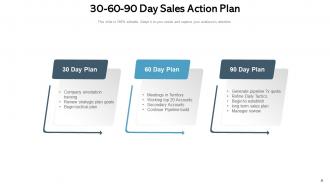
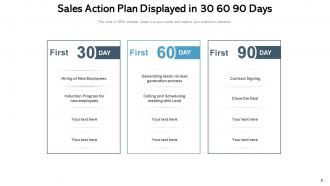
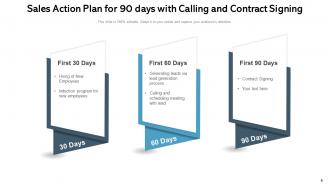
FAQs for Sale Action Plan Planning Arrow Proposal Advertisement
Look, you need four main things: know your audience, nail your value prop, map out your sales steps, and track the right numbers. Most teams just improvise their way through calls which is honestly why they suck at closing. Document who you're targeting and why they'd pick you over everyone else. Your process should be so clear that even the new guy can follow it without screwing up. Track conversion rates and how fast deals move - not just final revenue numbers. Oh, and don't try to build from scratch. Write down what you're doing now first, then fix the broken parts.
Look, segmentation is basically about ditching the spray-and-pray approach. Why send everyone the same boring pitch when different customers care about completely different things? Budget-conscious folks want to hear about cost savings, while growth-mode companies are all about efficiency gains. Most teams are still mass-blasting identical messages though - honestly drives me crazy. When you actually segment and speak to what each group cares about, your conversion rates jump because people think "finally, someone gets it." Start with maybe 2-3 segments and tweak your opener for each one.
Look, market research is literally everything for your sales strategy. Without it you're just guessing who wants your stuff and how much they'll pay. First thing - dig into your current customer data if you have any. Then grab some industry reports and actually talk to people (I know, scary but worth it). You need to figure out where your ideal customers are hanging out and what problems keep them up at night. Don't forget to spy on competitors too - see what they're charging and saying. It's tedious work but saves you from embarrassing yourself later.
Check your CRM for patterns - which company sizes or industries actually close deals? Most sales teams have tons of useful data just sitting there collecting dust. Track your email opens and call success rates too. Meeting-to-close ratios will show you what's really working vs what feels like it should work. Honestly, I'd pick just one metric that hits your quota directly and focus there first. Don't try to optimize everything at once or you'll go crazy. The timing patterns in your sales cycle are probably more predictable than you think.
Timing is everything here. Wait until they're already happy with their main purchase, then suggest stuff that actually makes sense together. I learned this the hard way - nobody wants random add-ons that don't fit! Bundle related items at checkout or show them upgrades that fix problems they mentioned. "Other customers loved this with their order" works way better than being pushy about price. Honestly, I've seen too many people mess this up by focusing on what THEY want to sell instead of what actually helps. Track which combos work best - that data is gold.
Look, your CRM is where all the magic happens with sales data. It shows you buying patterns, hot leads, perfect timing for follow-ups - the whole nine yards. Without it? You're basically throwing darts in the dark and hoping something sticks. The reports help you spot your most profitable customers so you can focus your energy there instead of chasing dead ends. Plus you'll actually know what people want before they even ask. My advice - dig into those customer segments first, then craft your outreach around what actually works.
Honestly, just get them in the same room talking regularly. Wild idea, right? Weekly check-ins where marketing shows lead quality numbers and sales explains what's actually closing deals. Both teams need the same goals instead of competing scorecards - that stuff never works. Build one customer journey map together, not separately. Here's what really helped us though: having marketing people jump on actual sales calls sometimes. They hear the real objections and it clicks. Oh, and start with defining your ideal customer together in one meeting this week. Skip the fancy frameworks for now.
Track the basics first - revenue growth, conversion rates, sales cycle length. But here's the thing: those just show what already happened. What you really need are the predictive metrics. Number of qualified leads, pipeline velocity, customer acquisition cost vs lifetime value. Don't sleep on the soft stuff either - customer satisfaction and repeat purchases matter way more than people think. Honestly though, pick maybe 3-5 metrics max that actually fit your goals. I've seen too many people get buried under tons of data that doesn't help them make decisions.
Dude, customer feedback is basically your secret weapon for sales. When people tell you what they actually care about, you can tweak your whole approach - different pitch angle, better timing, focus on features that matter. It's honestly like getting the answers before a test. Plus you'll start noticing trends, like maybe your demo sucks or you're handling price pushback wrong. The trick is grabbing feedback from every deal, not just the disasters. Set up something simple to capture what you learn from wins and losses. Review it monthly and boom - your game gets tighter.
Dude, emotional intelligence is basically reading between the lines with prospects. You pick up on their tone, body language, spot when they're actually excited vs just being polite. Then you can pivot your pitch accordingly. Like if someone's hesitating about price, maybe they're really worried about justifying it to their team - totally different objection to handle. People feel way more connected when you actually get what they're feeling, not just what they're saying. Honestly changed my whole game. Try really listening on your next few calls and watch how differently they respond when you acknowledge the vibe.
Don't try being everything to everyone - pick your ideal customer and stick with them. Your sales team has the real insights, so actually ask them what's working. Vanity metrics are pretty but useless tbh. Track what actually moves the needle. Also, copying another company's playbook rarely works because your market's different. Way different usually. Make sure you're solving problems customers genuinely care about, not just listing features. Start simple - call up existing customers and ask why they chose you originally. That conversation alone will teach you more than most strategy sessions.
Dude, AI is basically doing all the boring stuff now so you can actually talk to people. There's tools that tell you which leads will probably buy, others that follow up automatically. Some even listen to your calls and give tips - honestly pretty creepy but also helpful? The predictions are getting scary accurate. Focus on using it for data crunching and repetitive tasks while you handle the real relationship stuff. You know, building trust and figuring out what they actually need. Don't go crazy though - pick one tool first instead of changing everything.
Start with research - figure out what this new audience actually wants and how they buy stuff. Your current messaging probably won't work, so you'll need to tweak everything to match their vibe. Finding local partners is honestly huge for credibility and saves you from looking like a total outsider. Don't go all-in right away though. Test things small first - try different channels, see what sticks. Your pricing might be completely off too depending on what competitors are charging there. Oh, and local purchasing power matters way more than you'd think. Scale up whatever works, ditch what doesn't.
Honestly, most companies just throw generic sales training at everyone and then act shocked when it doesn't work. You've got to match your training to whatever sales approach you're actually using. Consultative selling? Focus on discovery questions and figuring out what customers really need. More transactional stuff? Drill those objection responses until they're automatic. Role-playing scenarios should mirror your actual customer situations too - not some made-up nonsense. I'd start by taking a hard look at your current strategy, then build training around the specific behaviors that'll actually move the needle. Makes way more sense than the spray-and-pray approach most places use.
Dude, stories are everything in sales. People remember them way better than just rattling off features and specs. When you share how another client tackled the same mess they're dealing with, suddenly they can picture themselves getting that win too. Numbers still count, obviously. But stories build trust and handle objections without feeling pushy. I always keep 3-4 solid stories ready - different ones for different problems. Keep 'em short and focused on the actual results. Honestly, it's probably the easiest way to make your pitch stick.
-
Awesome use of colors and designs in product templates.
-
Appreciate the research and its presentable format.
-
Attractive design and informative presentation.
-
Very unique and reliable designs.
-
Out of the box and creative design.