


Verkaufsleistung Powerpoint-Präsentationsfolien
Verbessern Sie die Fähigkeiten des Vertriebsteams, Produkte und Dienstleistungen zu verkaufen, indem Sie gebrauchsfertige PowerPoint-Präsentationsfolien zur Verkaufsleistung verwenden. Überwachen und führen Sie Vertriebsmitarbeiter mit den richtigen Verkaufstechniken mit PPT-Präsentationsvorlagen für die Verkaufsleistung. Bilden Sie Vertriebsmitarbeiter aus, um Ziele zu setzen und diese zu erreichen, um die Kunden zufrieden zu stellen. Integrieren Sie eine inhaltsfertige Verkaufsleistungsanalyse PowerPoint-Präsentation, die aus Vorlagen besteht, wie z. Verkaufs-KPI-Leistung, Verkaufsaktivitäten-Dashboard, Verkaufs-KPI-Tracker und mehr. Verbessern Sie den Prozess der Zielsetzung und Planung, des Feedbacks, der Entwicklung von Fähigkeiten und der Leistungsüberprüfung mit PowerPoint-Präsentationslayouts für die Verkaufsleistung. Behalten Sie Informationen wie Verkaufsquoten, Gebiete, Leistungsprämien, Stellenbewertung, Prognosen und mehr im Auge. Verwenden Sie leicht verständliche PPT-Präsentationsfolien zur Verkaufsleistung, um verkaufsförderndes Verhalten zu fördern und zu fördern. Mit unseren Powerpoint-Präsentationsfolien zur Verkaufsleistung sind Sie schneller dabei. Sie helfen Ihnen, Zeit zu gewinnen.














You must be logged in to download this presentation.


Do you want to remove this product from your favourites?
 Impress your
 audience
 100%
100% Editable
 Save Hours
 of Time
Funktionen dieser PowerPoint-Präsentationsfolien:
Präsentation der Verkaufsleistung PowerPoint-Deck. Dieses Deck besteht aus 35 PowerPoint-Vorlagen. Unsere PowerPoint-Profis haben passende Diagramme, Layouts, Vorlagen und Icons zum Thema eingearbeitet. Das Beste daran ist, dass diese Vorlagen vollständig anpassbar sind. Bearbeiten Sie Farbe, Text und Symbol nach Ihren Wünschen. Klicken Sie unten auf die Download-Schaltfläche, um das fertige PPT-Deck für die Verkaufsleistung in die Hände zu bekommen.

People who downloaded this PowerPoint presentation also viewed the following :
Inhalt dieser Powerpoint-Präsentation
Folie 1 : Diese Folie stellt die Verkaufsleistung vor. Geben Sie Ihren Firmennamen an und legen Sie los.
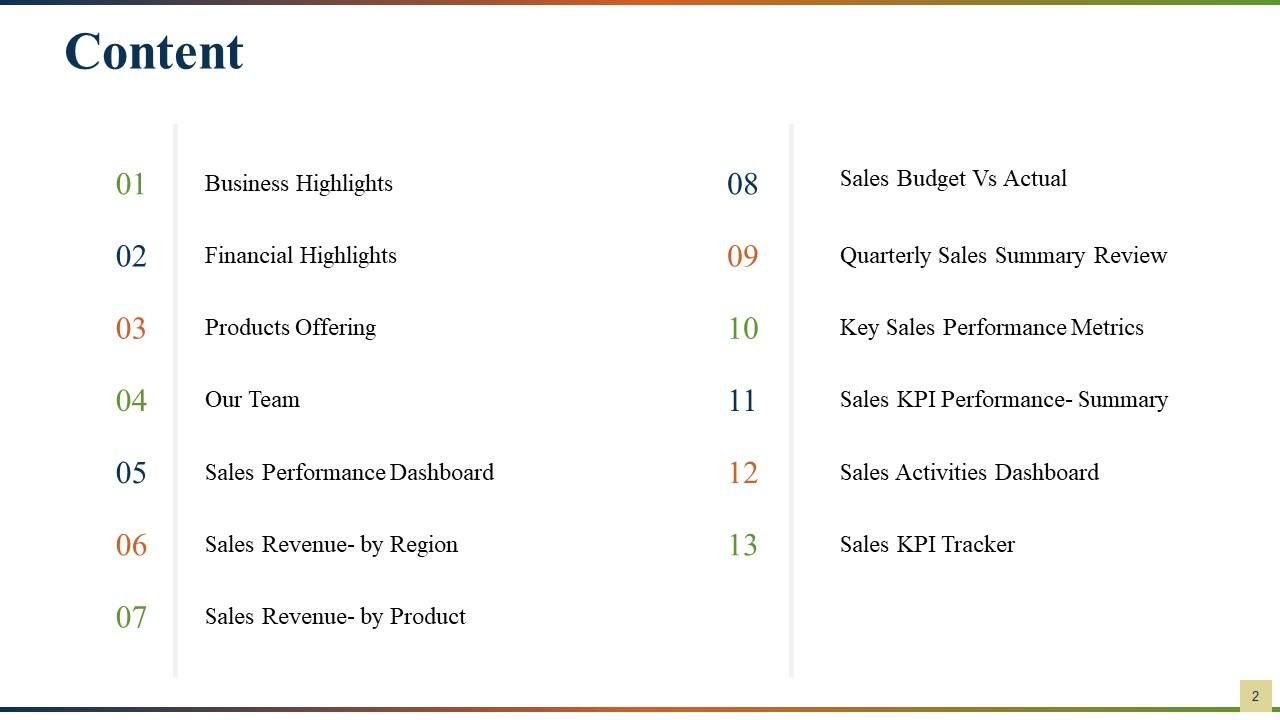
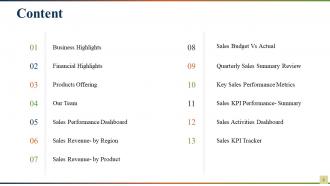
Folie 2 : Diese Folie zeigt den Inhalt. Die Bestandteile sind: 01: Geschäftshighlights 02: Finanzielle Highlights 03: Produktangebot 04: Unser Team 05: Vertriebsleistungs-Dashboard 06: Umsatzerlöse – nach Region 07: Umsatzerlöse – nach Produkt 08: Verkaufsbudget vs. Ist 09: Vierteljährliche Umsatzzusammenfassung Rückblick 10: Wichtige Vertriebsleistungskennzahlen 11: Vertriebs-KPI-Leistung – Zusammenfassung 12: Vertriebsaktivitäten-Dashboard 13: Vertriebs-KPI-Tracker
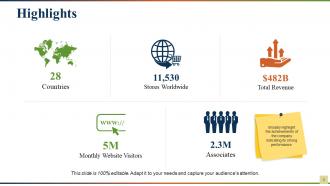
Folie 3 : Diese Folie zeigt Highlights. Heben Sie im Großen und Ganzen die Leistungen des Unternehmens hervor, die auf seine starke Leistung hinweisen. Die Punkte sind - Gesamtumsatz, Partner, Länder, Geschäfte weltweit, monatliche Website-Besucher.
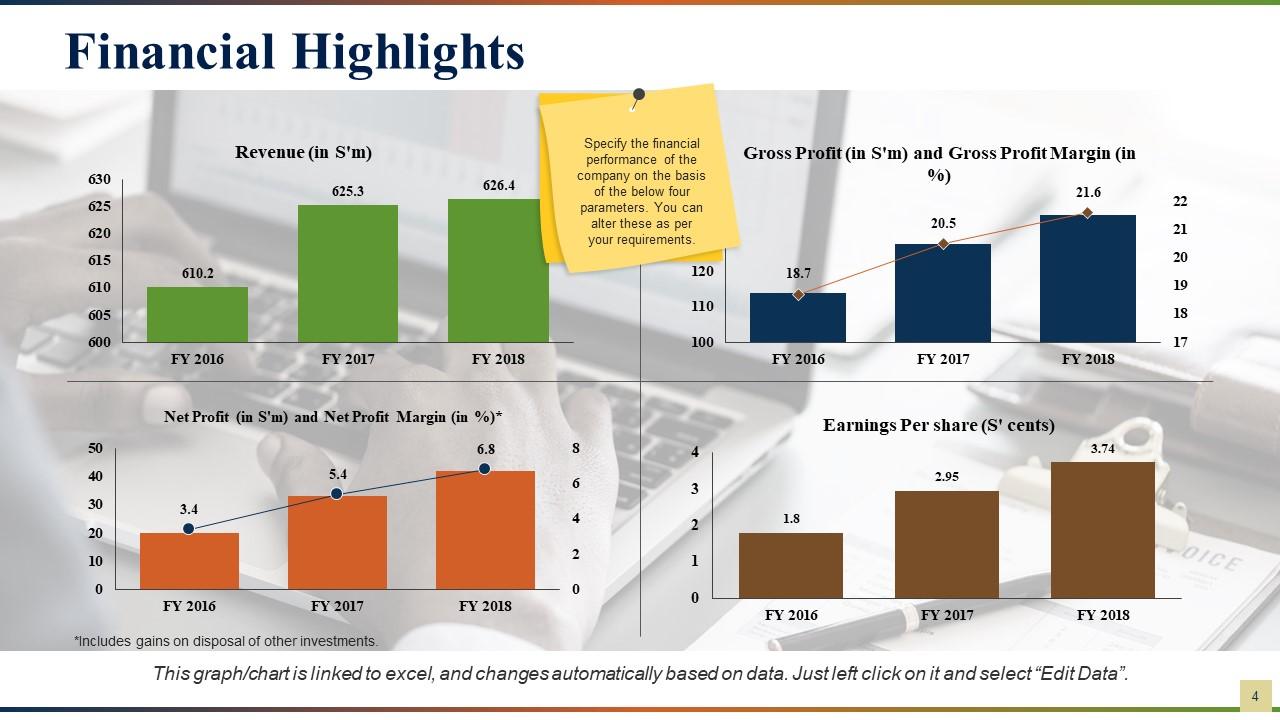
Folie 4 : Diese Folie zeigt Finanzielle Highlights. Bestimmen Sie die finanzielle Leistungsfähigkeit des Unternehmens anhand der folgenden vier Parameter. Diese können Sie nach Ihren Wünschen ändern.
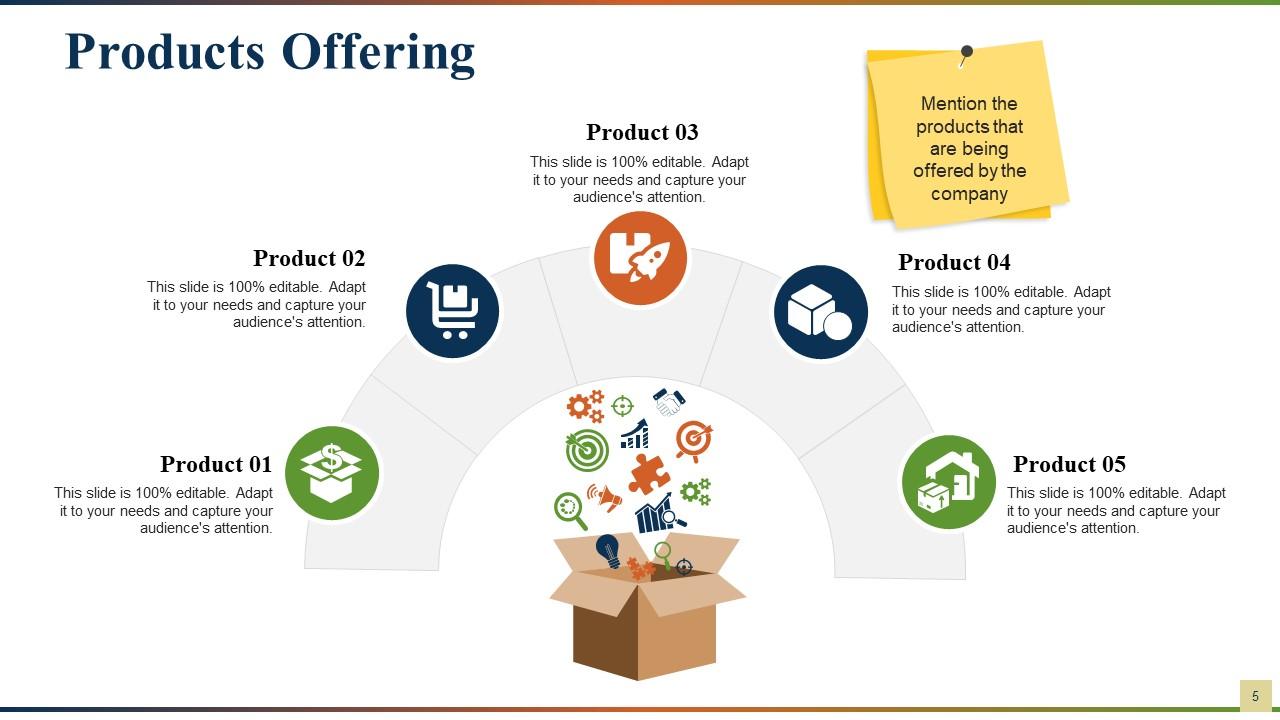
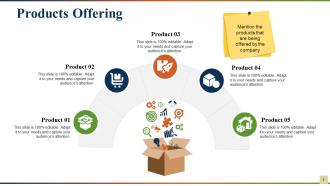
Folie 5 : Diese Folie präsentiert das Produktangebot. Erwähnen Sie die Produkte, die das Unternehmen anbietet.
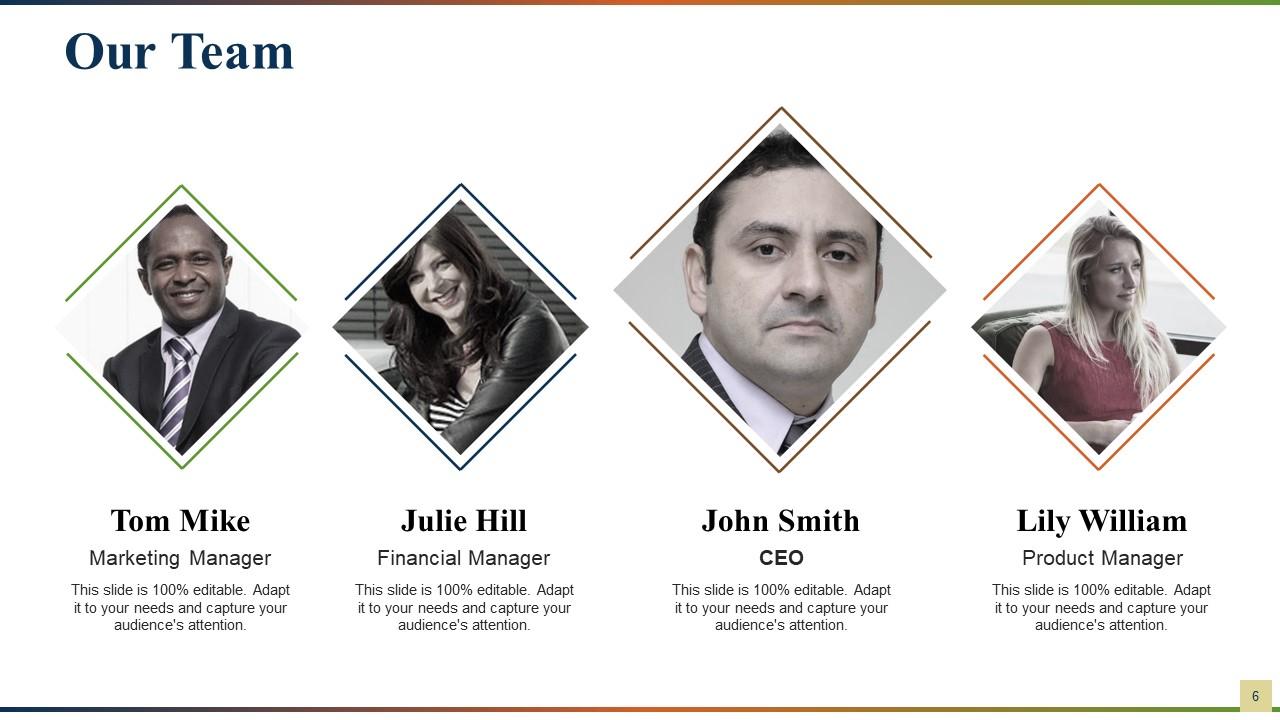
Folie 6 : Diese Folie präsentiert unser Team mit Namen, Bezeichnung und Bildfeldern.
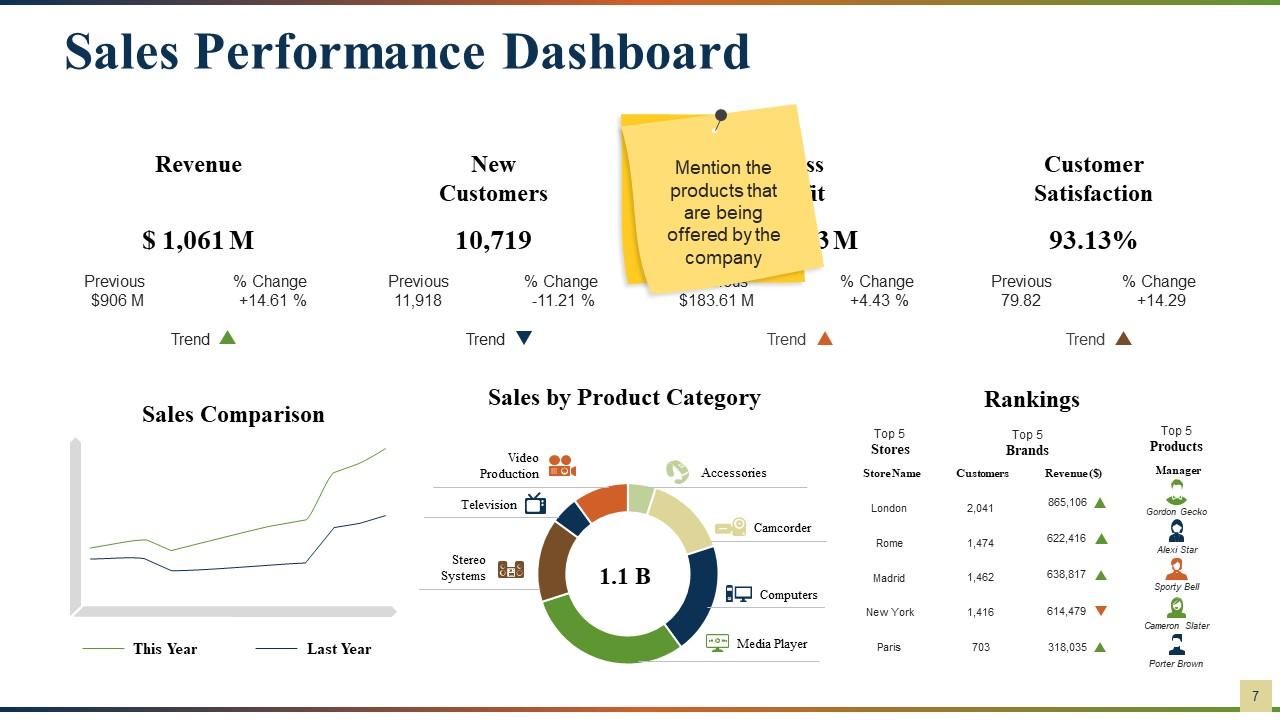
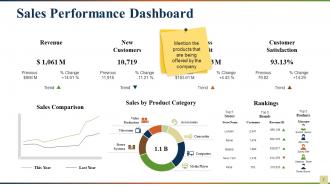
Folie 7 : Diese Folie zeigt ein Dashboard zur Vertriebsleistung.
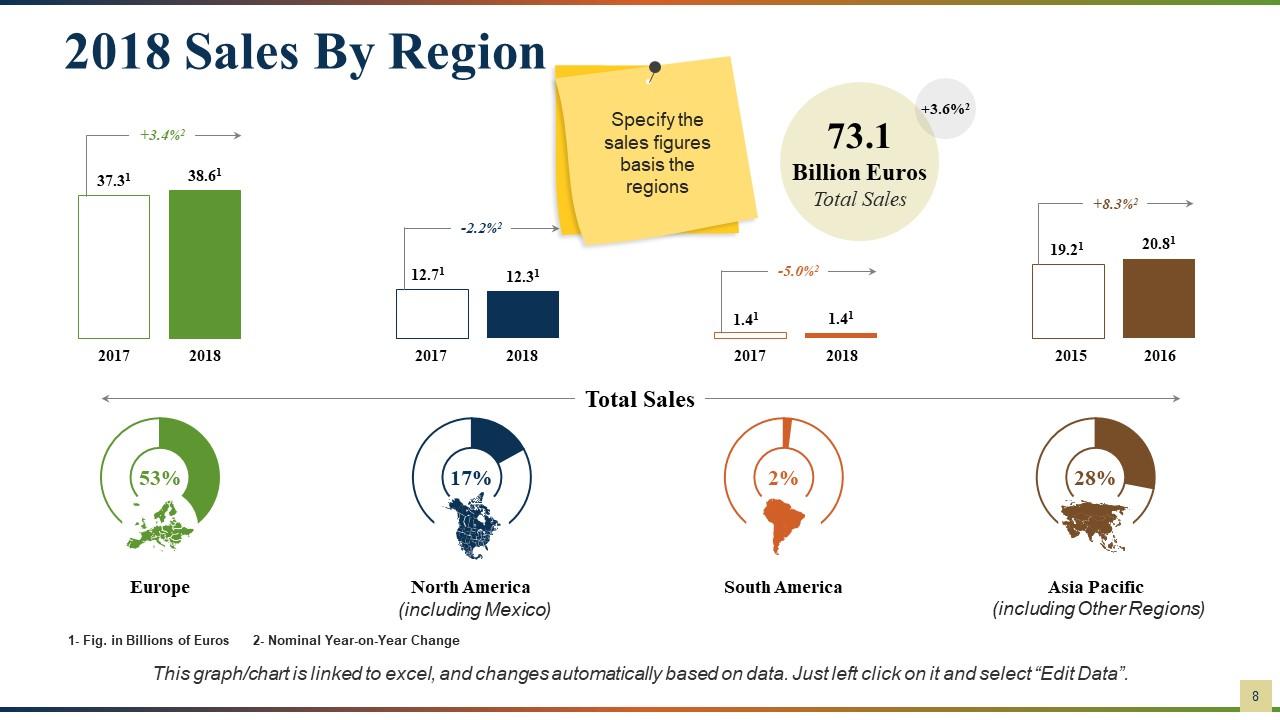
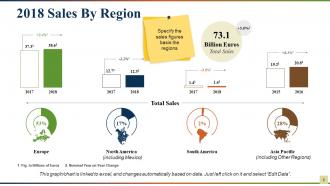
Folie 8 : Diese Folie zeigt Verkäufe nach Region. Geben Sie die Verkaufszahlen auf Basis der Regionen an.
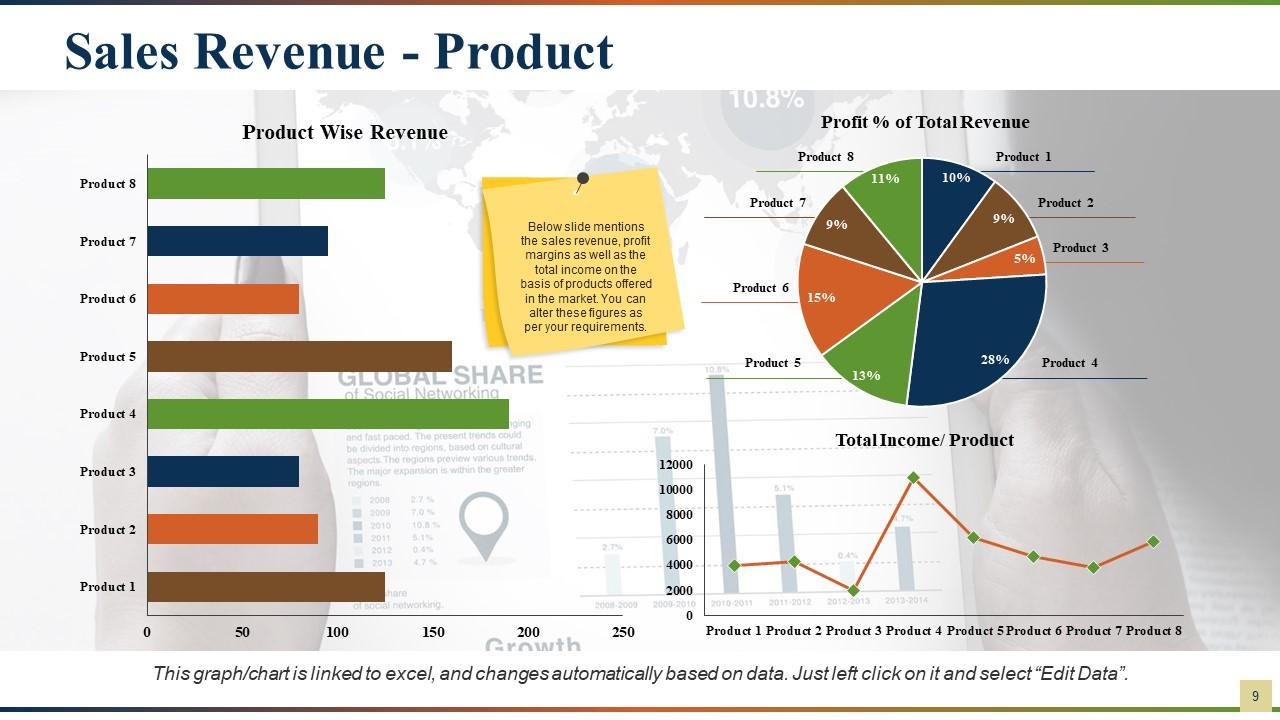
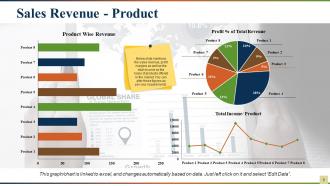
Folie 9 : Diese Folie stellt den Verkaufserlös - produktbezogen dar. Die untere Folie erwähnt den Verkaufserlös, die Gewinnspannen sowie das Gesamteinkommen auf der Grundlage der auf dem Markt angebotenen Produkte. Sie können diese Zahlen nach Ihren Wünschen ändern.
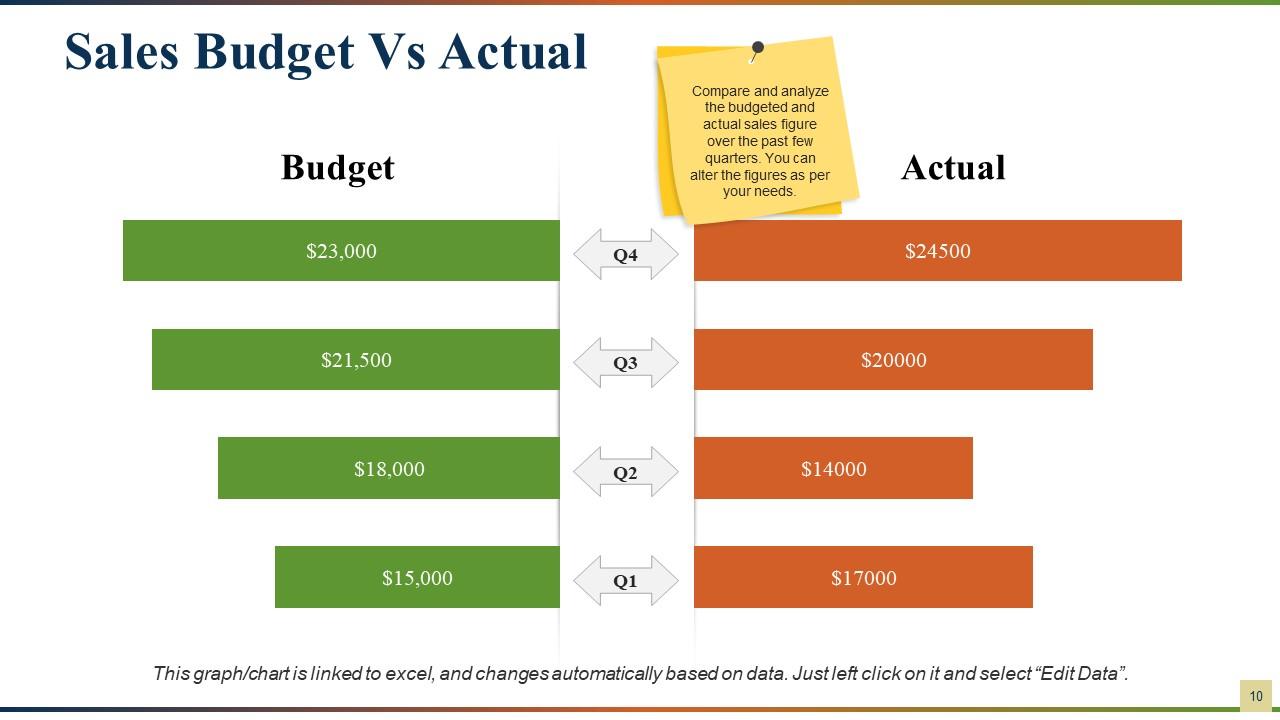
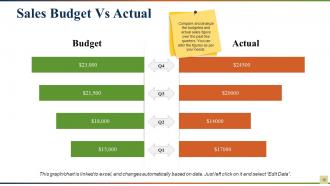
Folie 10 : Diese Folie zeigt Verkaufsbudget vs. Ist. Vergleichen und analysieren Sie die budgetierten und tatsächlichen Verkaufszahlen der letzten Quartale. Sie können die Zahlen nach Ihren Wünschen ändern.
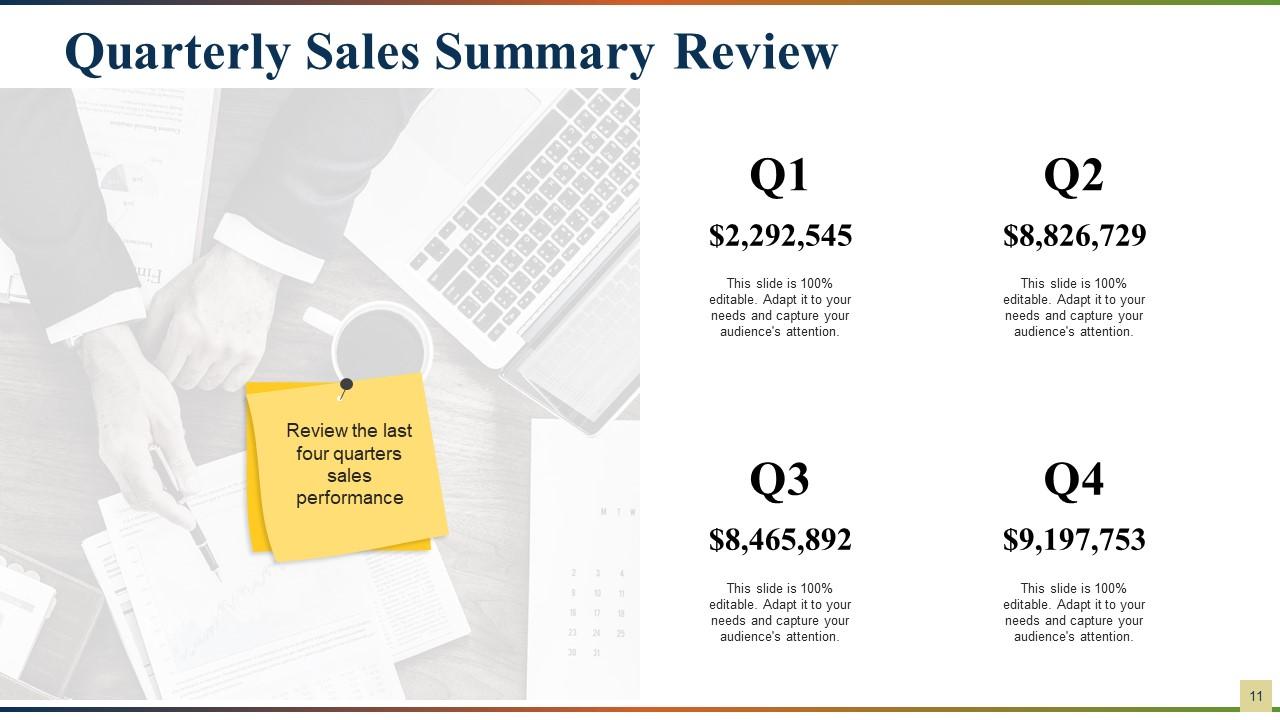
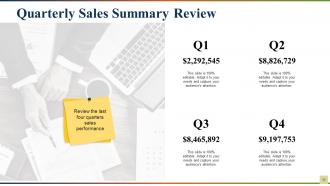
Folie 11 : Diese Folie zeigt eine vierteljährliche Zusammenfassung der Verkäufe für 4 Quartale.
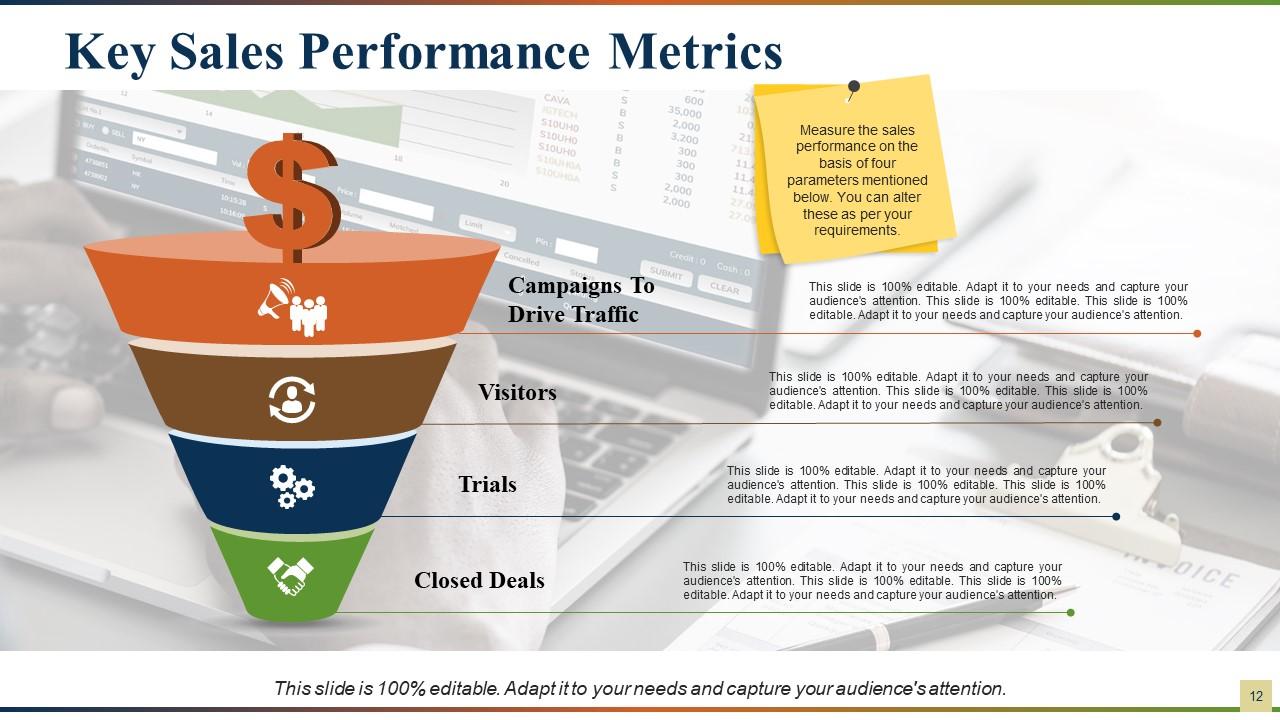
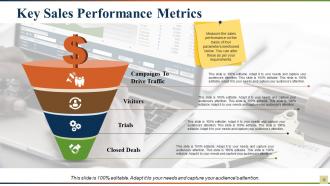
Folie 12 : Diese Folie präsentiert die wichtigsten Kennzahlen zur Verkaufsleistung. Sie sind wie folgt: Kampagnen zur Steigerung des Traffics, Besucher, Testversionen, abgeschlossene Geschäfte. Messen Sie die Vertriebsleistung anhand von vier unten genannten Parametern. Diese können Sie nach Ihren Wünschen ändern.
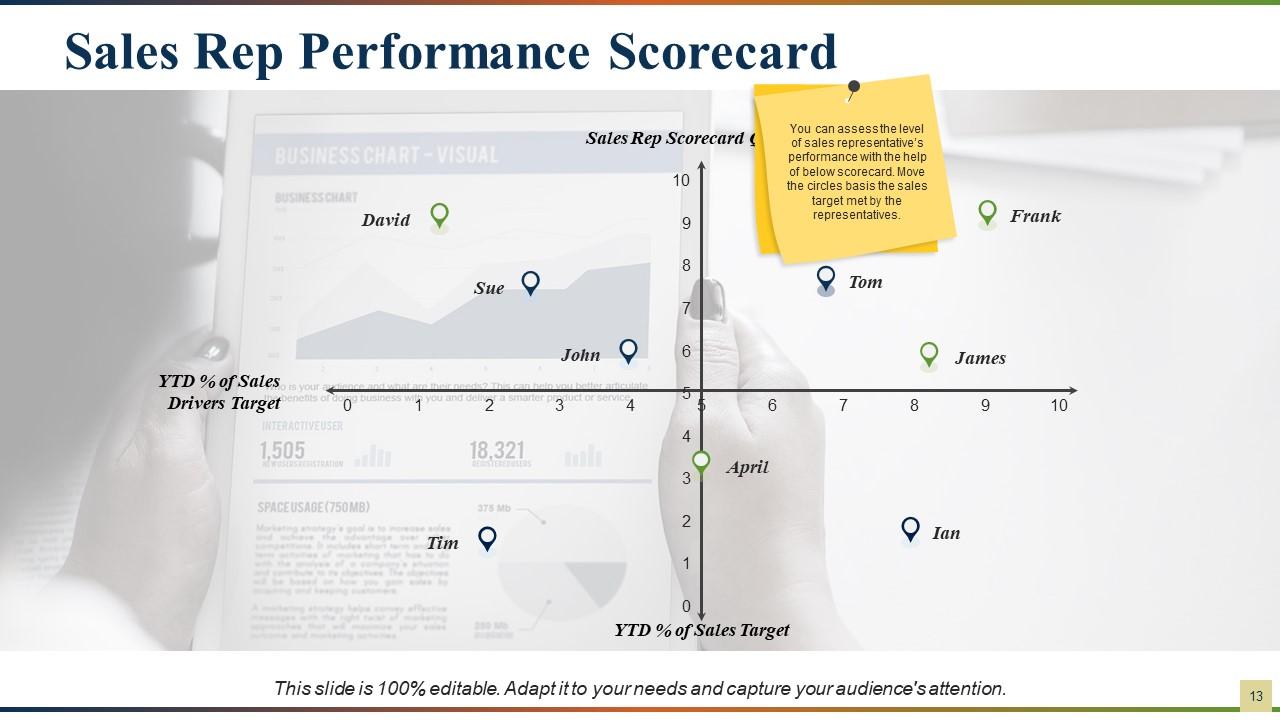
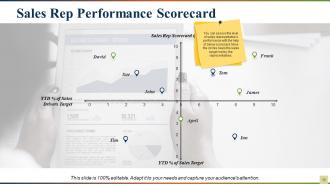
Folie 13 : Diese Folie zeigt eine Leistungsbewertungskarte für Vertriebsmitarbeiter. Sie können das Leistungsniveau des Vertriebsmitarbeiters mit Hilfe der folgenden Scorecard beurteilen. Verschieben Sie die Kreise auf Basis des von den Vertretern erreichten Verkaufsziels.
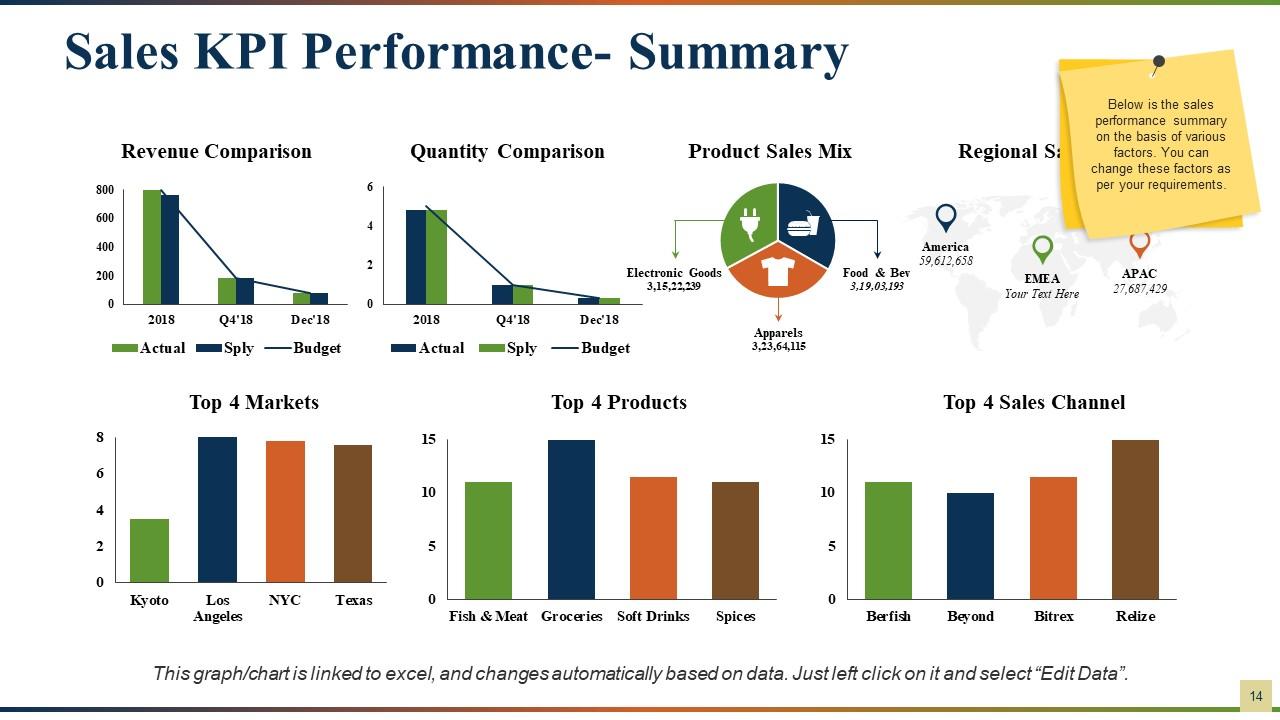
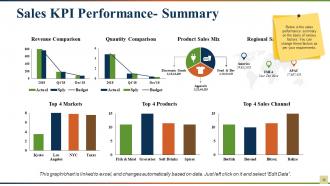
Folie 14 : Diese Folie präsentiert eine Zusammenfassung der Verkaufs-KPI-Leistung mit den folgenden Punkten: Mengenvergleich, Umsatzvergleich, Produktumsatzmix, Regionaler Umsatzmix, Top-4-Produkte, Top-4-Vertriebskanal, Top-4-Märkte. Nachfolgend finden Sie die Zusammenfassung der Verkaufsleistung auf der Grundlage verschiedener Faktoren. Sie können diese Faktoren gemäß Ihren Anforderungen ändern.
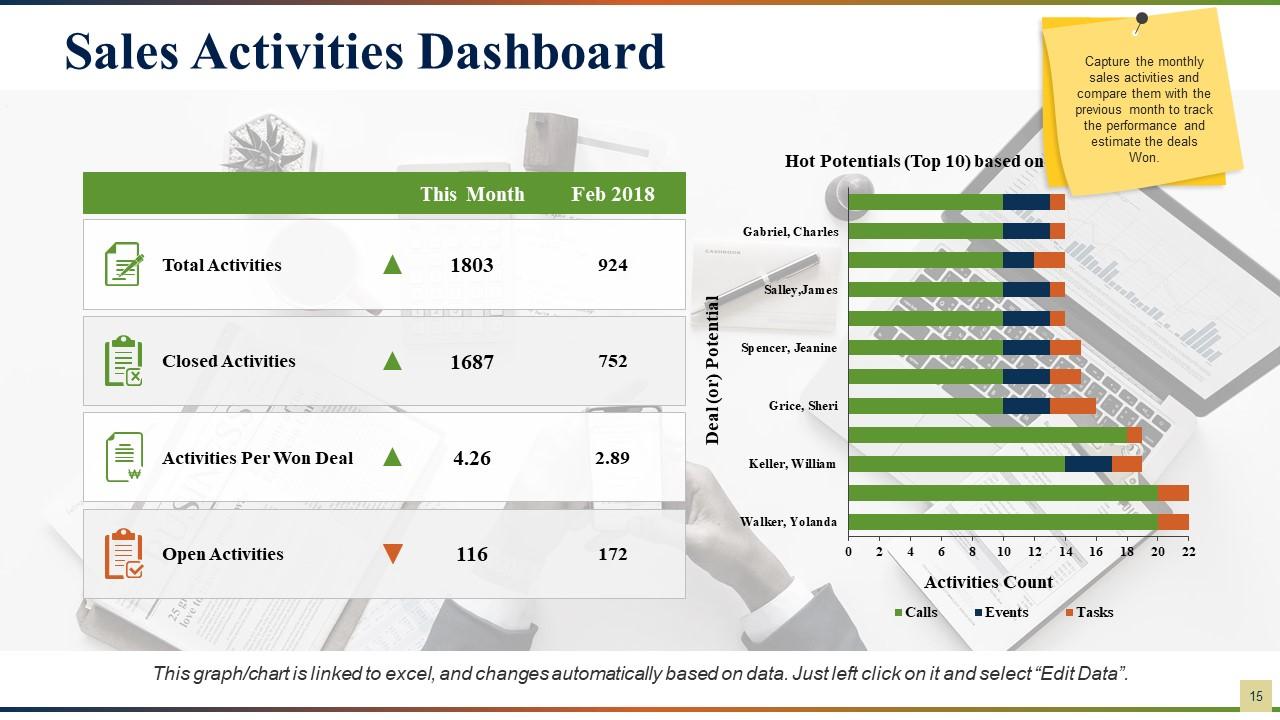
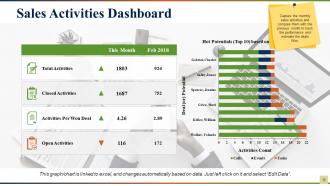
Folie 15 : Diese Folie zeigt ein Verkaufsaktivitäten-Dashboard mit: Offene Aktivitäten, Geschlossene Aktivitäten, Gesamtaktivitäten, Aktivitäten pro gewonnenem Deal. Erfassen Sie die monatlichen Verkaufsaktivitäten und vergleichen Sie sie mit dem Vormonat, um die Leistung zu verfolgen und die gewonnenen Deals zu schätzen.
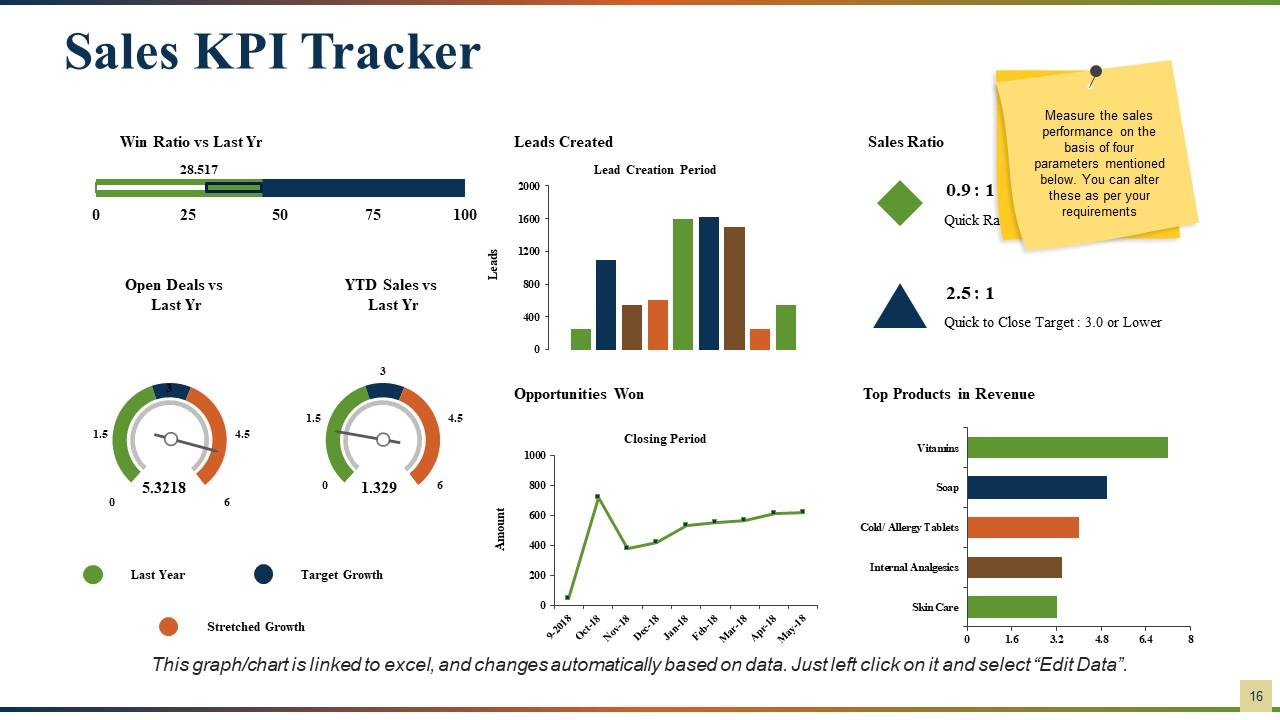
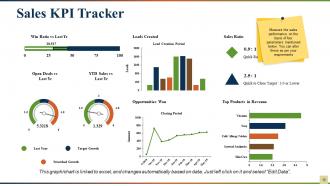
Folie 16 : Diese Folie zeigt den Sales-KPI-Tracker mit erstellten Leads, gewonnenen Opportunities, Top-Produkten im Umsatz, Verkaufsverhältnis, letztes Jahr, angestrebtes Wachstum, ausgedehntes Wachstum, offene Deals im Vergleich zum letzten Jahr. Messen Sie die Vertriebsleistung anhand von vier unten genannten Parametern. Sie können diese nach Ihren Wünschen ändern
Folie 17 : Dies ist eine Kaffeepause-Folie zum Anhalten.
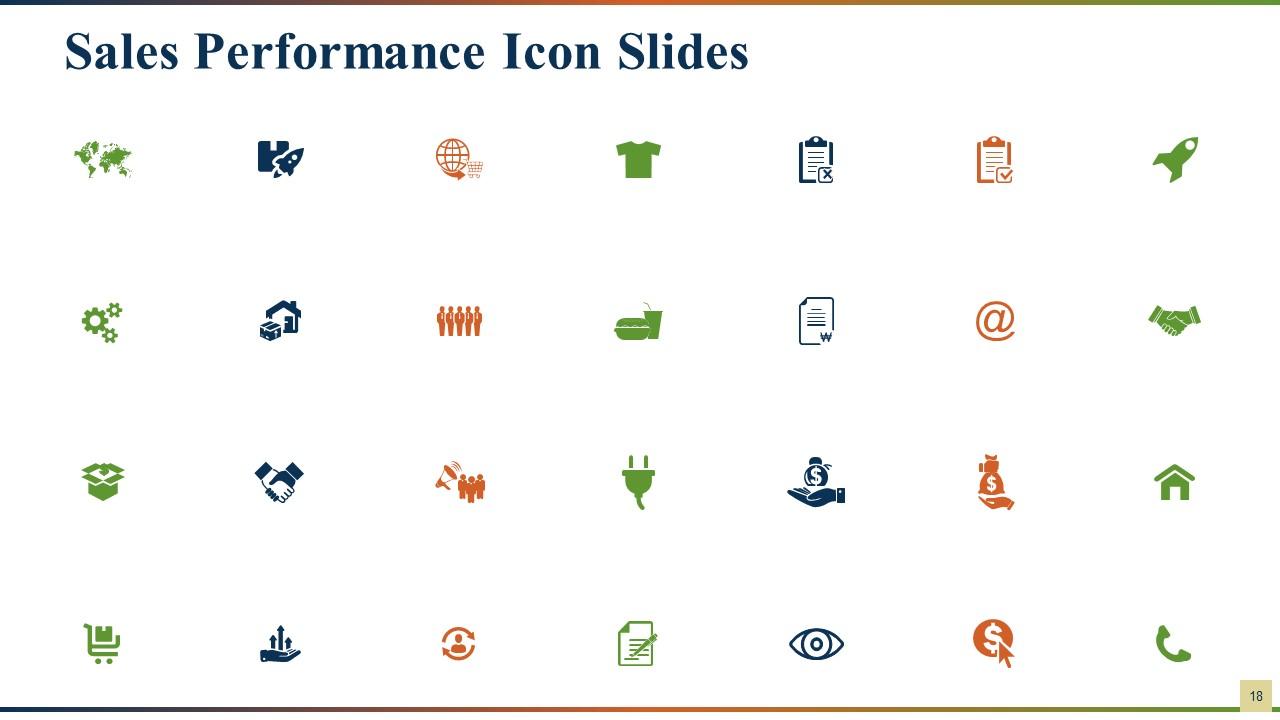
Folie 18 : Diese Folie zeigt Verkaufsleistungssymbole. Verwenden Sie sie nach Ihren Anforderungen.
Folie 19 : Diese Folie trägt den Titel Charts & Graphs, um vorwärts zu gehen.
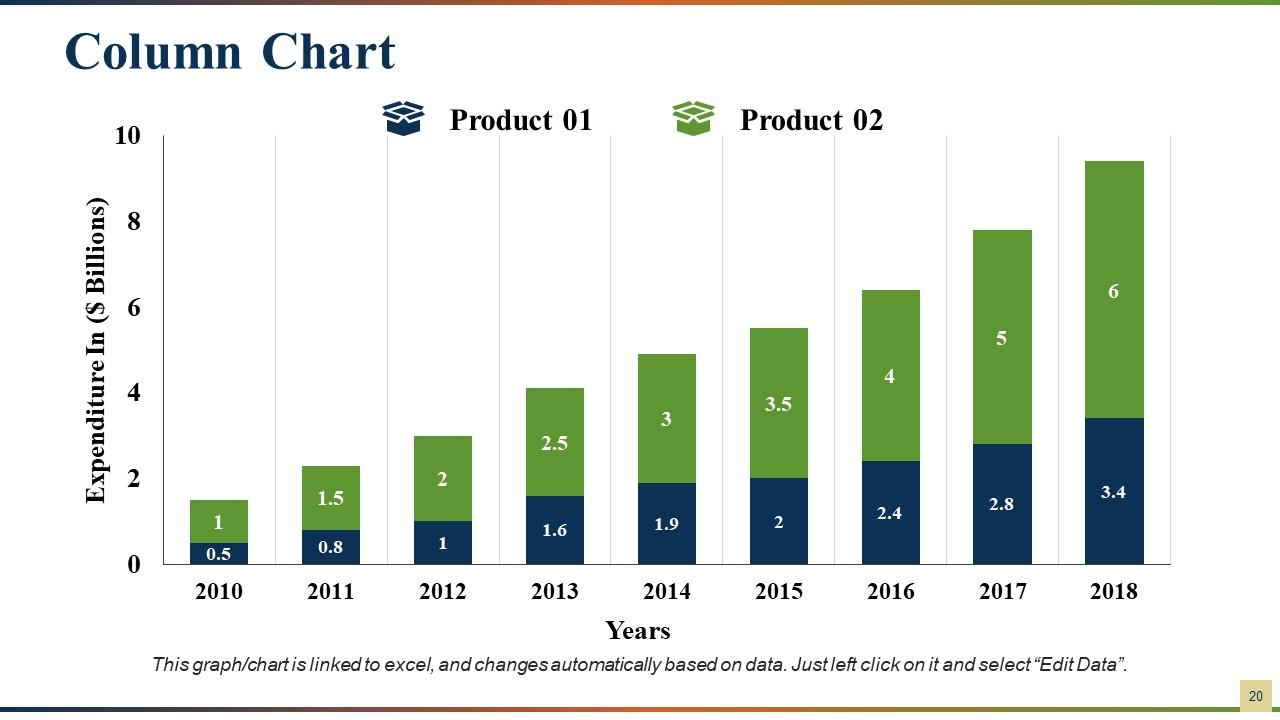
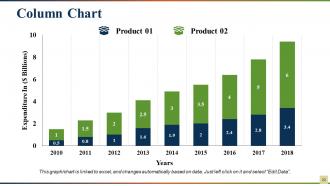
Folie 20 : Dies ist eine Säulendiagrammfolie zum Anzeigen des Produktvergleichs.
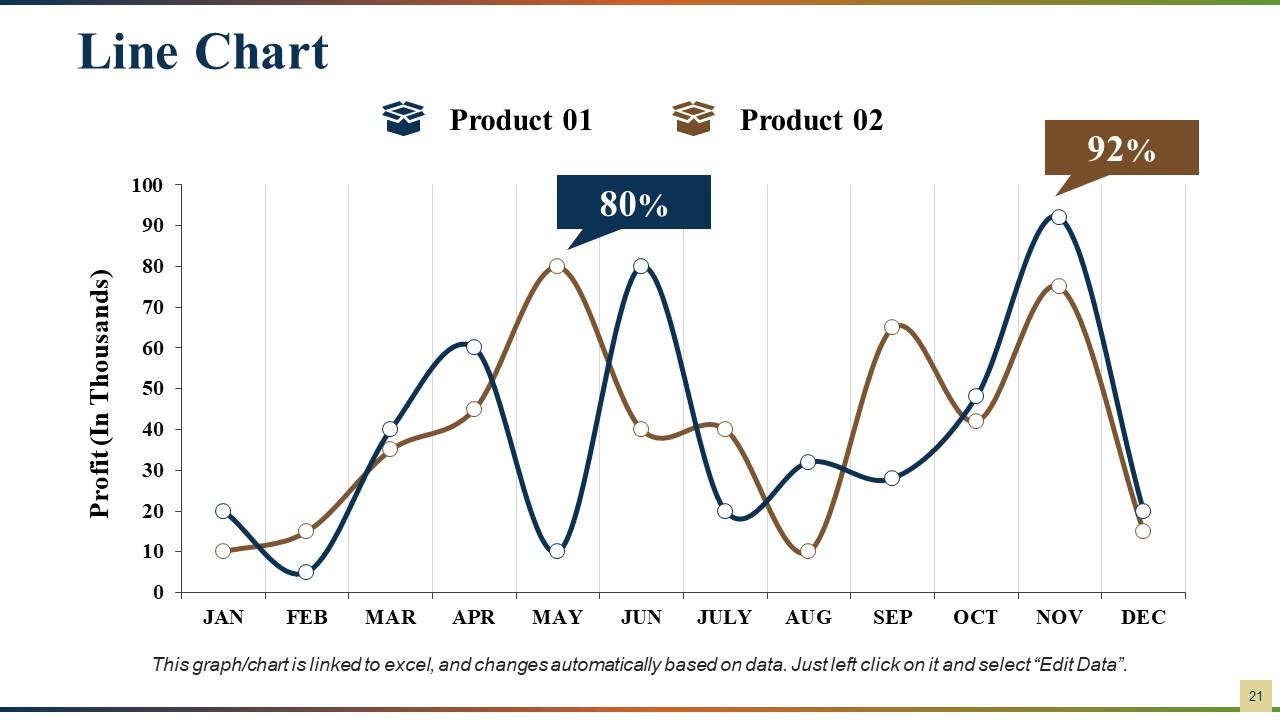
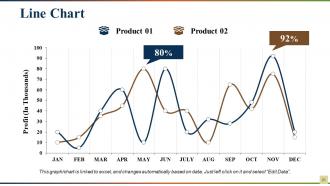
Folie 21 : Dies ist eine Liniendiagrammfolie zum Anzeigen des Produktvergleichs.
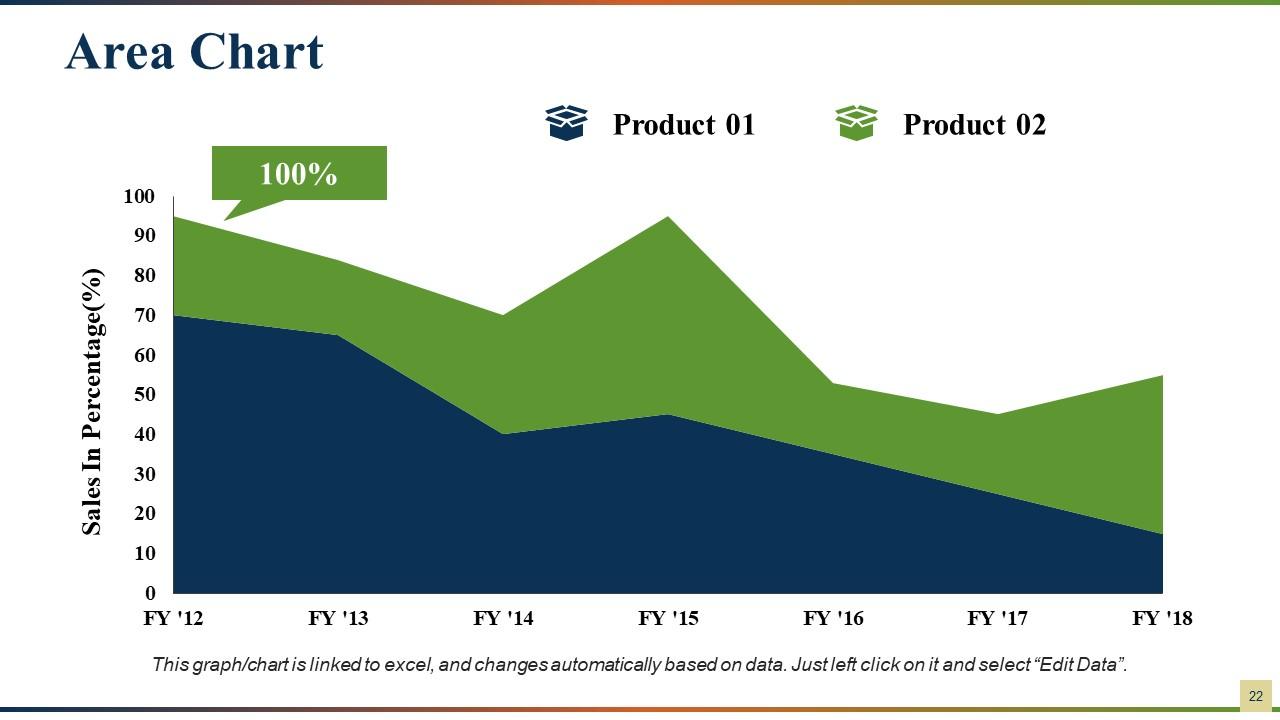
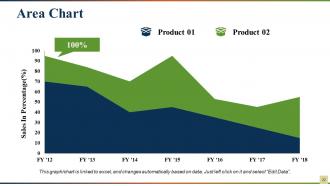
Folie 22 : Dies ist eine Flächendiagrammfolie zum Anzeigen des Produktvergleichs.
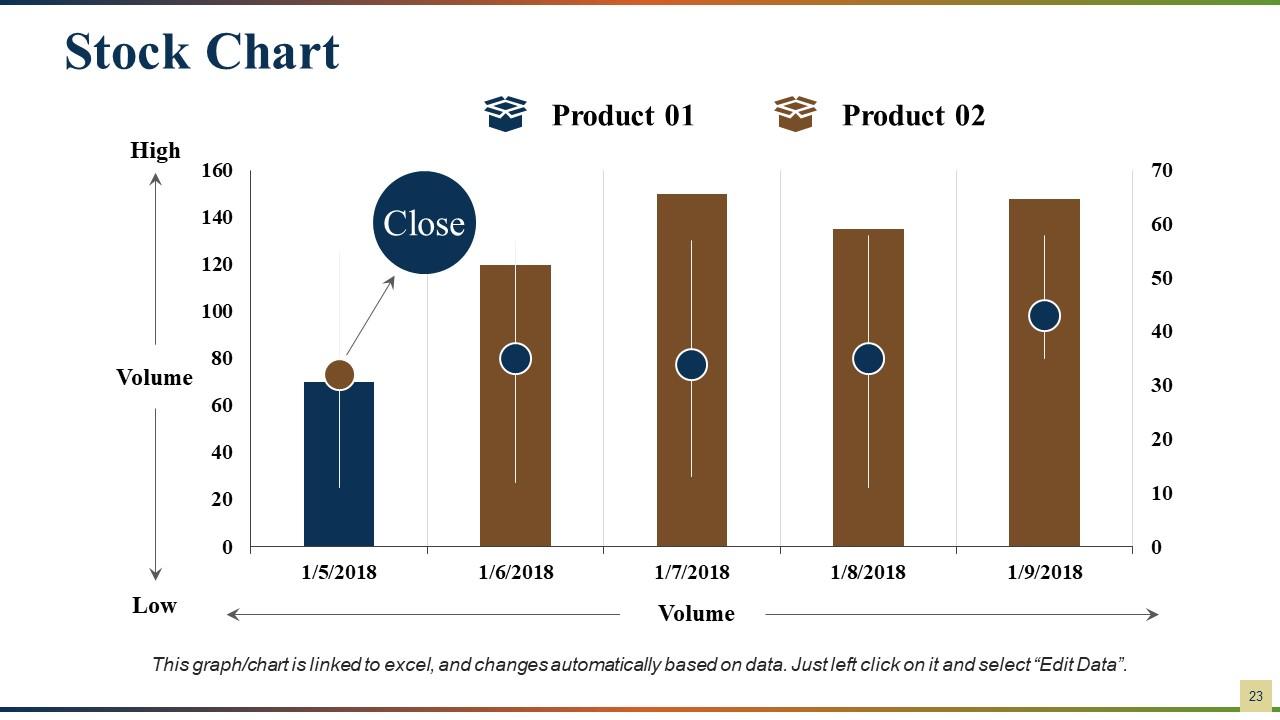
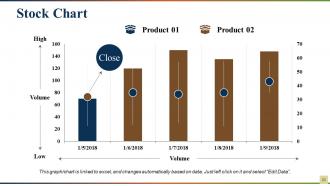
Folie 23 : Dies ist eine Aktienchart-Folie, die den Produktvergleich in Bezug auf Hoch und Tief zeigt.
Folie 24 : Diese Folie trägt den Titel Zusätzliche Folien, um vorwärts zu gehen.
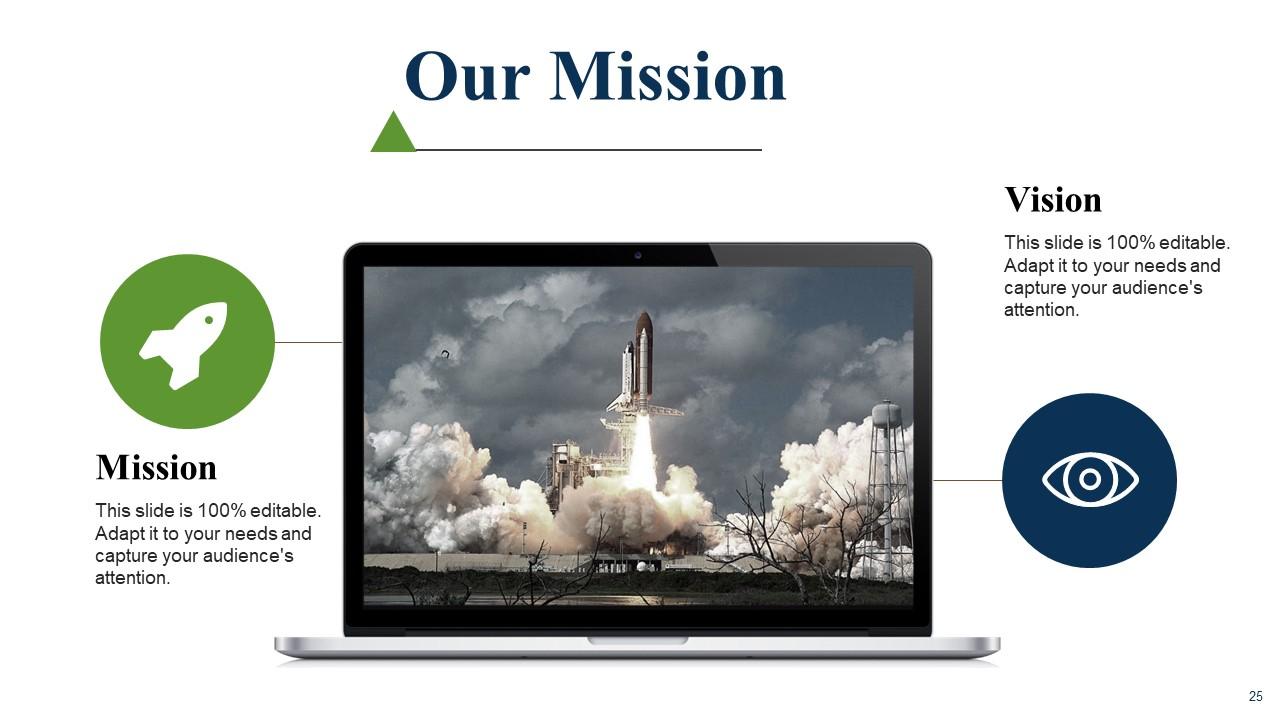
Folie 25 : Dies ist unsere Missionsfolie mit Vision und Mission.
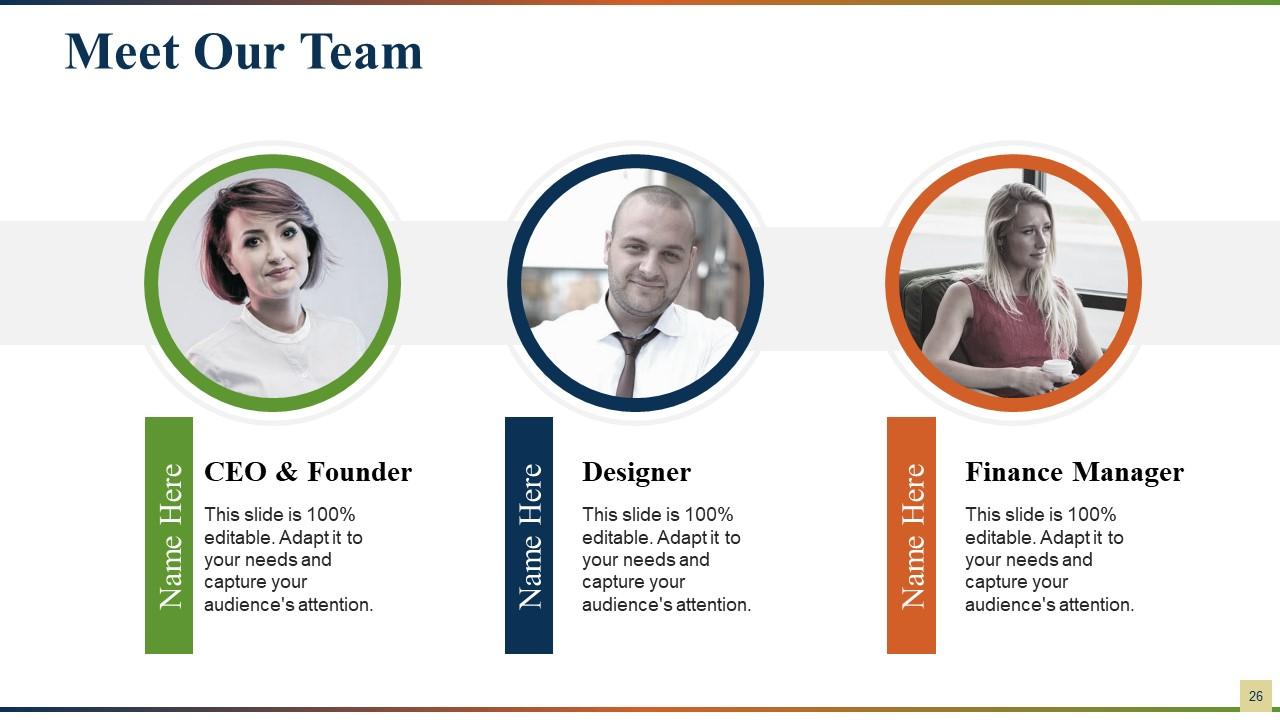
Folie 26 : Dies ist die Folie „Meet unser Team“ mit Namen, Bezeichnung und Bildfeldern.
Folie 27 : Dies ist eine Über uns-Folie. Geben Sie hier die Firmen-/Teamspezifikationen an.
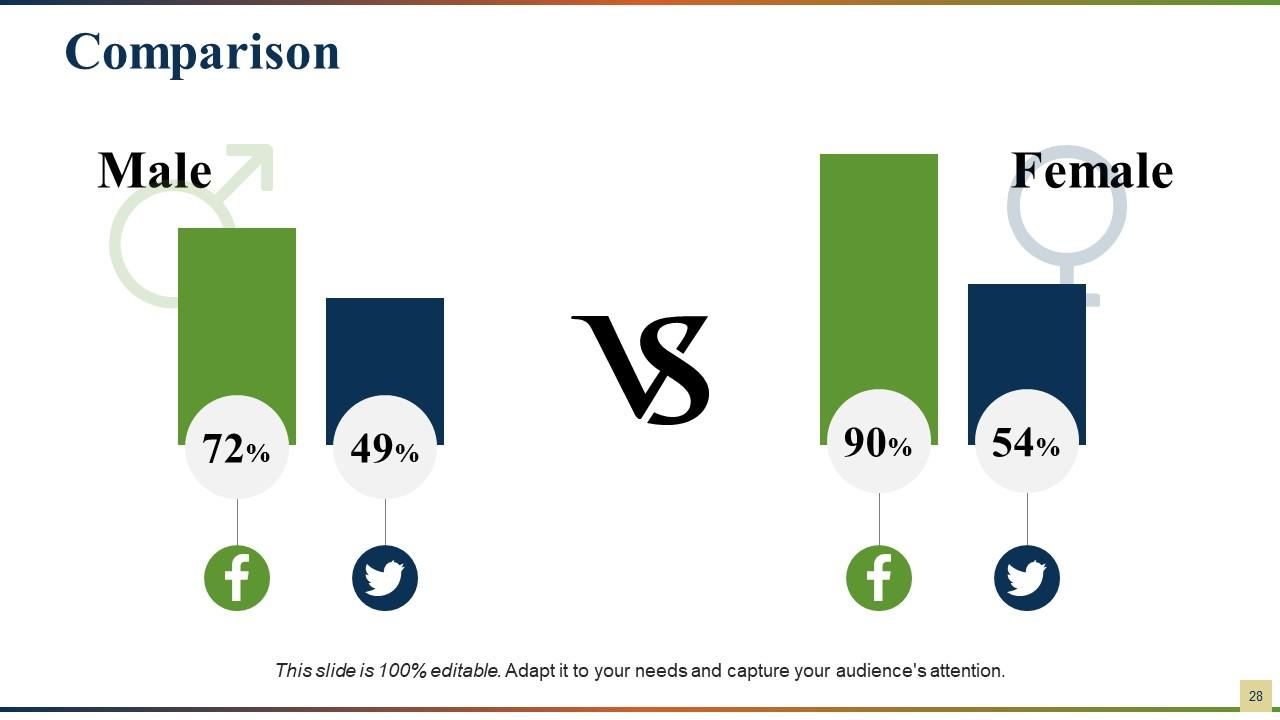
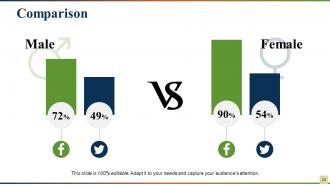
Folie 28 : Dies ist eine Vergleichsfolie zwischen Männern und Frauen.
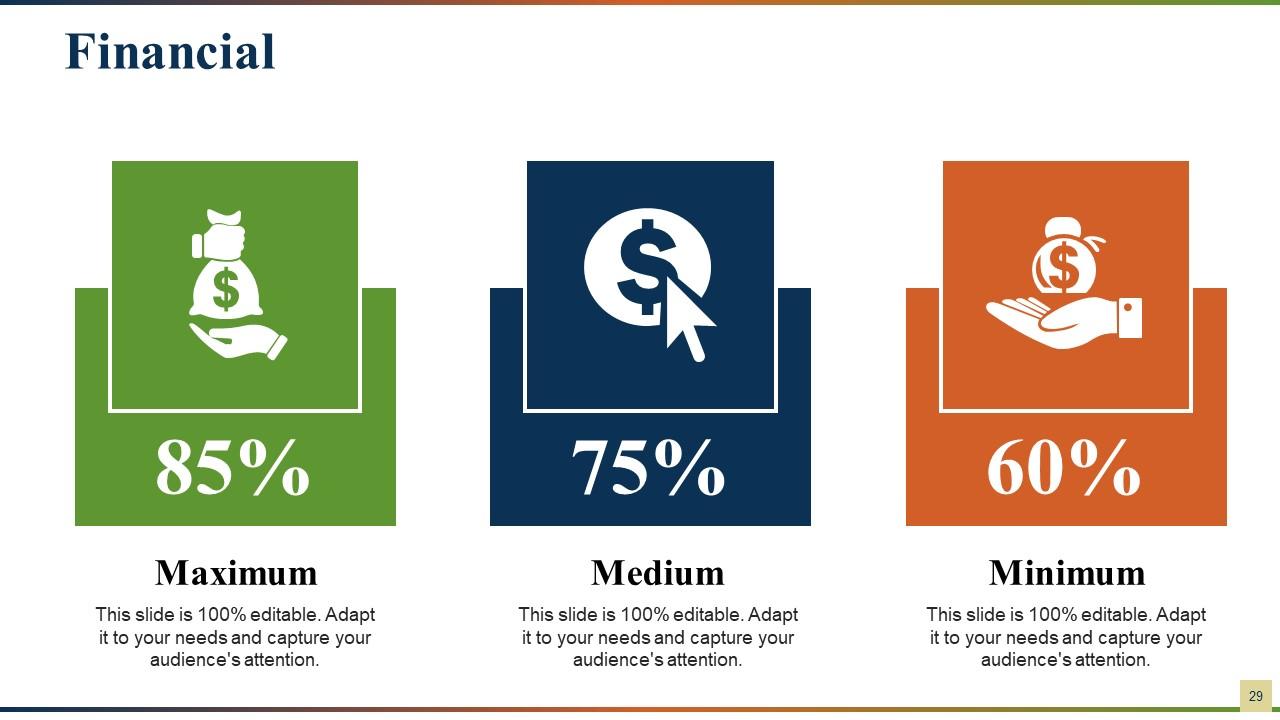
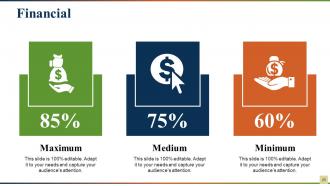
Folie 29 : Dies ist eine Folie zum Finanzergebnis in Bezug auf Maximum, Mittel und Minimum.
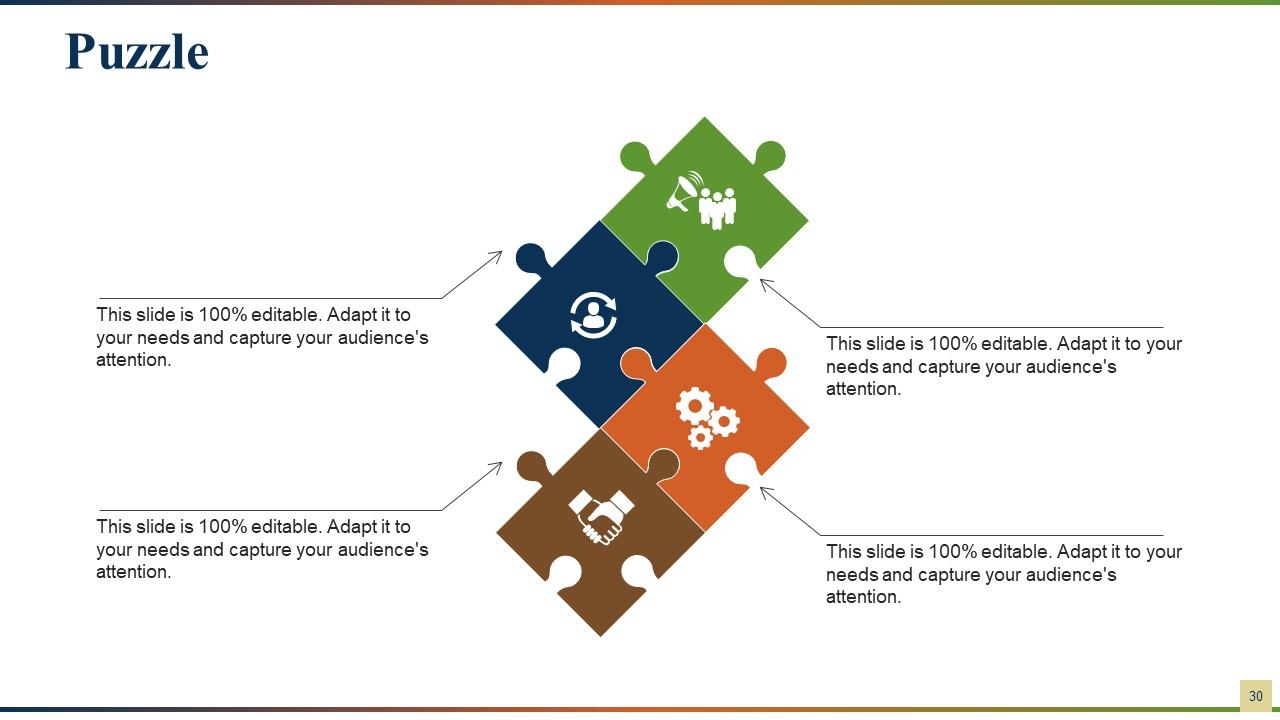
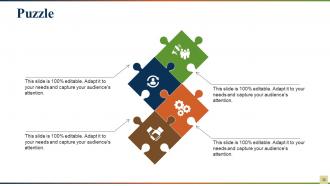
Folie 30 : Dies ist eine Puzzle-Folie. Staatliche Informationen, Spezifikationen hier.
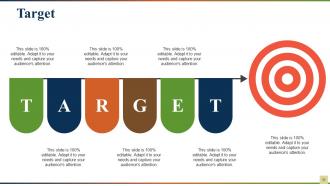
Folie 31 : Dies ist eine Zielfolie. Geben Sie hier Ihre Ziele an.
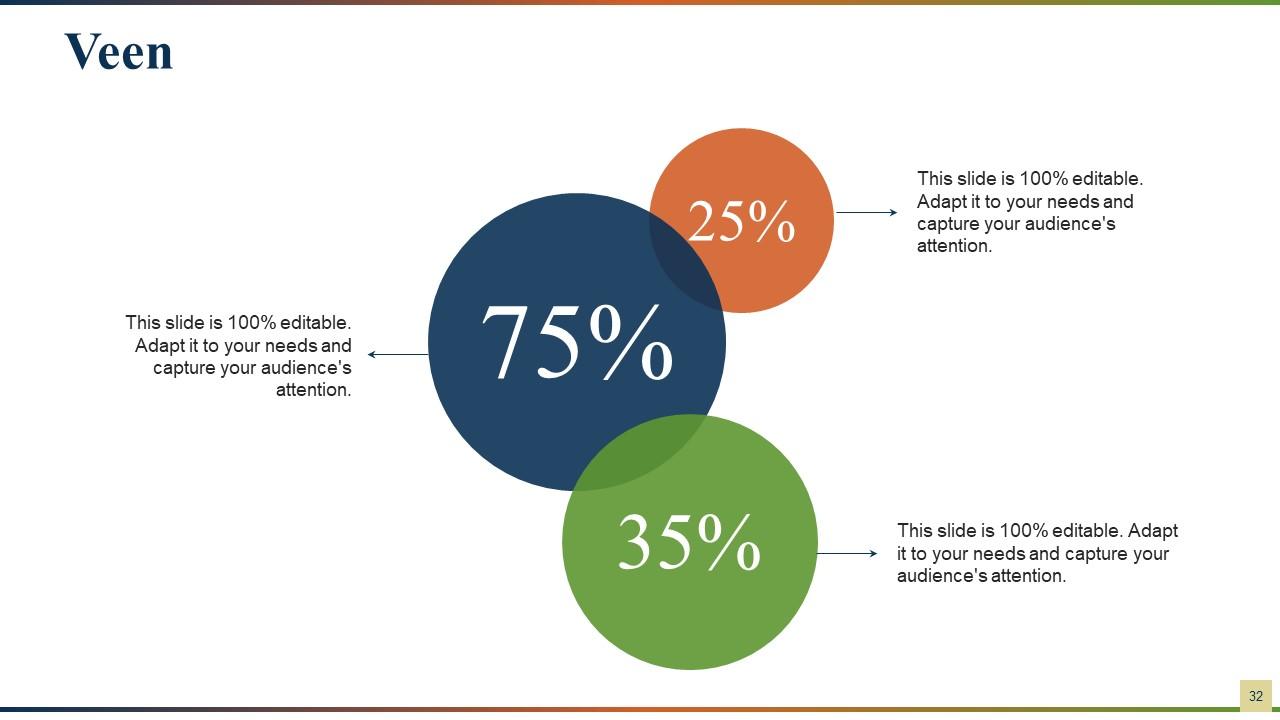
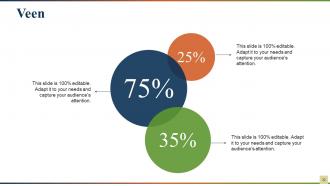
Folie 32 : Dies ist eine Venn-Diagrammfolie. Staatliche Informationen, Spezifikationen hier.
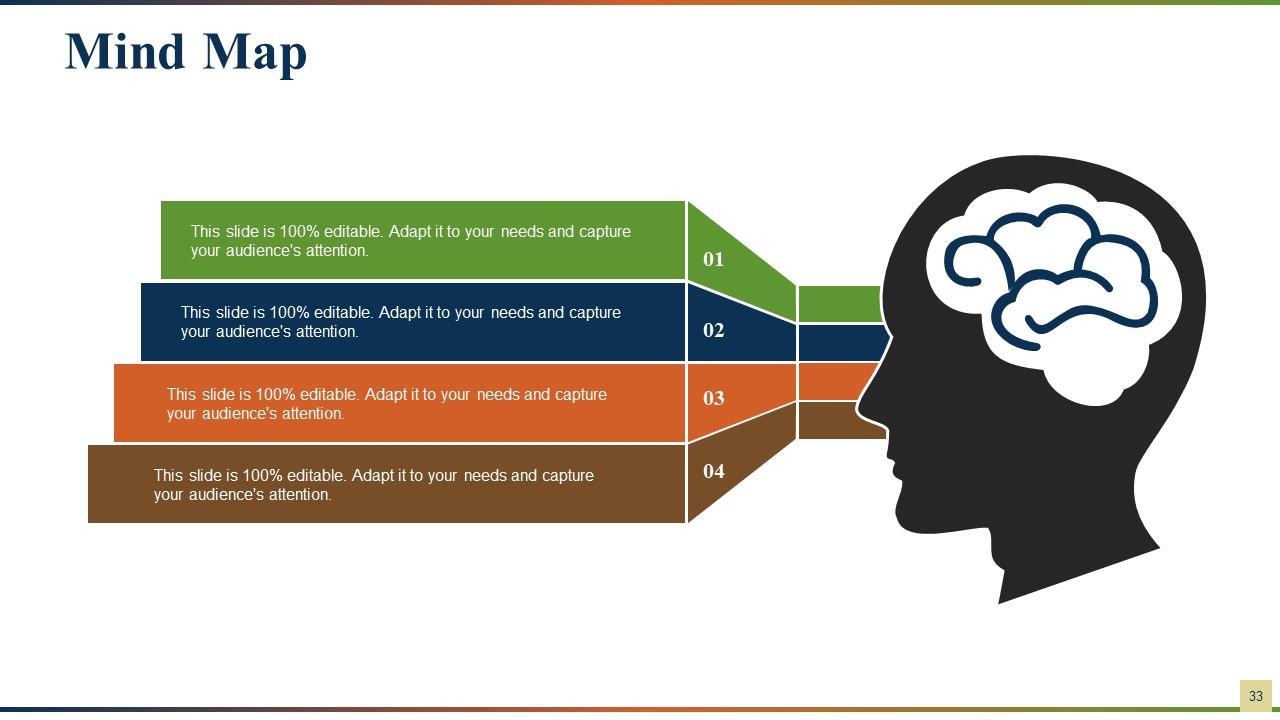
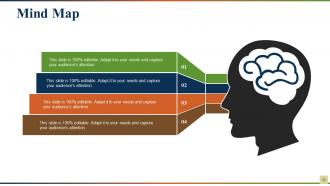
Folie 33 : Dies ist eine Mindmap-Folie. Staatliche Informationen, Spezifikationen hier.
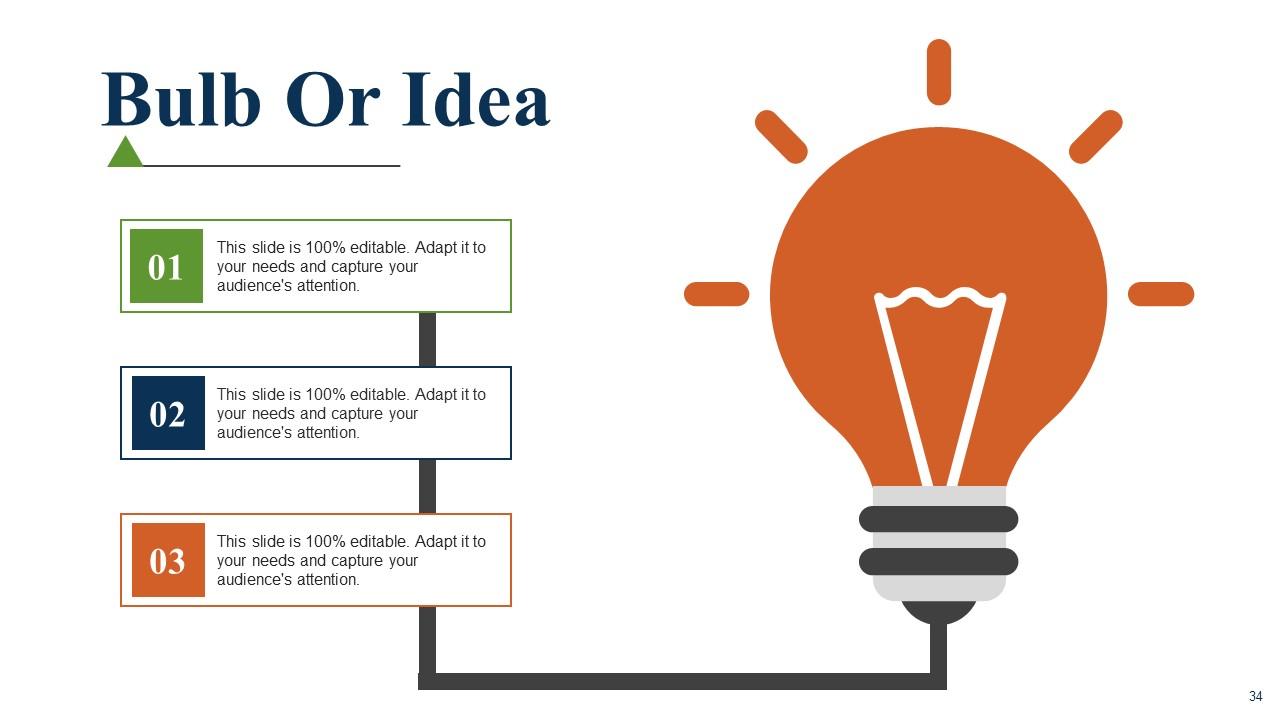
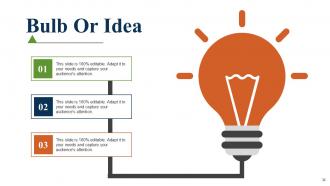
Folie 34 : Dies ist eine Bulb/Ideen-Folie. Nennen Sie hier Informationen, Spezifikationen, innovative Aspekte.
Folie 35 : Dies ist eine Dankeschön-Folie mit E-Mail-Adresse, Kontaktnummern und Adresse.
Sales Performance Powerpoint-Präsentationsfolien mit allen 35 Folien:
Bestehen Sie darauf, mit unseren Powerpoint-Präsentationsfolien zur Verkaufsleistung eine einwandfreie Darstellung Ihrer Person zu geben. Es sorgt für einen tadellosen Job.
-
Visually stunning presentation, love the content.
-
Thanks for all your great templates they have saved me lots of time and accelerate my presentations. Great product, keep them up!
-
Excellent
