


Plantilla Ppt Deck Deck de Elevador de Financiamiento de Inversores de Salesforce
Esta presentación de PowerPoint ilustra la Plataforma de Elevador de Financiamiento de Inversionistas de Salesforce. Las empresas de SaaS pueden optimizar nuestro pitch deck seleccionado profesionalmente para comunicar detalles comerciales significativos a los inversores potenciales. Este módulo muestra la descripción general de la empresa, su misión y valores. Además, este PPT aclara los detalles de los desafíos que enfrentan las empresas en la implementación de CRM, las soluciones que ofrece Salesforce, los servicios de Salesforce y sus Beneficios y otros servicios que ofrece Salesforce. Este pitch deck de Salesforce también muestra cómo funcionan los productos de Salesforce. Además, el esquema de esta presentación ilustra el panorama competitivo de la empresa Salesforce, el modelo comercial de Salesforce y Salesforce for Subscription Business. Este PPT también cubre los detalles de la participación de mercado potencial y las proyecciones de crecimiento de la empresa de fuerza de ventas. Por último, destaca la ventaja competitiva, el cronograma de desarrollo de la fuerza de ventas, el resumen financiero, el equipo y los principales clientes de la compañía de la fuerza de ventas. Es una herramienta ingeniosa para todas las organizaciones. Úselo para mostrar sus servicios y presentar un desembolso estratégico de sus actividades comerciales. Esta plataforma completa ayuda a dar una visión general rápida de la viabilidad de la empresa. También se enfoca en varios temas de interés, por lo que es una herramienta completa que puede descargar y usar. Aproveche esta plataforma de presentación de PowerPoint para discutir sus planes y visión de negocios de una manera impresionante. También puede usar esta plataforma para dar una demostración rápida de su producto y su USP que se puede compartir en Google Slides o PowerPoint. Este mazo completo viene en un formato editable y dos relaciones de aspecto, aumentando así su aplicabilidad y visibilidad. También actúa como un refuerzo visual para hacer sentir su presencia en la industria.
Esta presentación de PowerPoint ilustra la Plataforma de Elevador de Financiamiento de Inversionistas de Salesforce. Las em..











-

- Google Slides is a new FREE Presentation software from Google.
- All our content is 100% compatible with Google Slides.
- Just download our designs, and upload them to Google Slides and they will work automatically.
- Amaze your audience with SlideTeam and Google Slides.
-

Want Changes to This PPT Slide? Check out our Presentation Design Services
-

- WideScreen Aspect ratio is becoming a very popular format. When you download this product, the downloaded ZIP will contain this product in both standard and widescreen format.
-

- Some older products that we have may only be in standard format, but they can easily be converted to widescreen.
- To do this, please open the SlideTeam product in Powerpoint, and go to
- Design ( On the top bar) -> Page Setup -> and select "On-screen Show (16:9)” in the drop down for "Slides Sized for".
- The slide or theme will change to widescreen, and all graphics will adjust automatically. You can similarly convert our content to any other desired screen aspect ratio.
Compatible With Google Slides

Get This In WideScreen
You must be logged in to download this presentation.


Do you want to remove this product from your favourites?
Características de estas diapositivas de presentación de PowerPoint:
Esta plantilla de PPT de plataforma de lanzamiento de elevador de financiación de inversores de Salesforce de diseño intuitivo y en profundidad. Es una herramienta ingeniosa para todas las organizaciones. Úselo para exhibir sus servicios y presentar un desembolso estratégico de sus actividades comerciales. Esta baraja completa ayuda a dar una descripción general rápida de la viabilidad de la empresa. También se dirige a varios temas de interés, por lo que es una herramienta completa que puede descargar y usar. Aproveche esta presentación de PowerPoint para discutir sus planes de negocios y su visión de una manera impresionante. También puede usar esta plataforma para hacer una demostración rápida de su producto y su PVU que se puede compartir en Presentaciones de Google o PowerPoint. Esta baraja completa viene en formato editable y en dos proporciones, aumentando así su aplicabilidad y visibilidad. También actúa como un refuerzo visual para hacer sentir su presencia en la industria.

People who downloaded this PowerPoint presentation also viewed the following :
Contenido de esta presentación de Powerpoint
Diapositiva 1 : Este es un Pitch Deck de Salesforce Investor Funding Elevator.
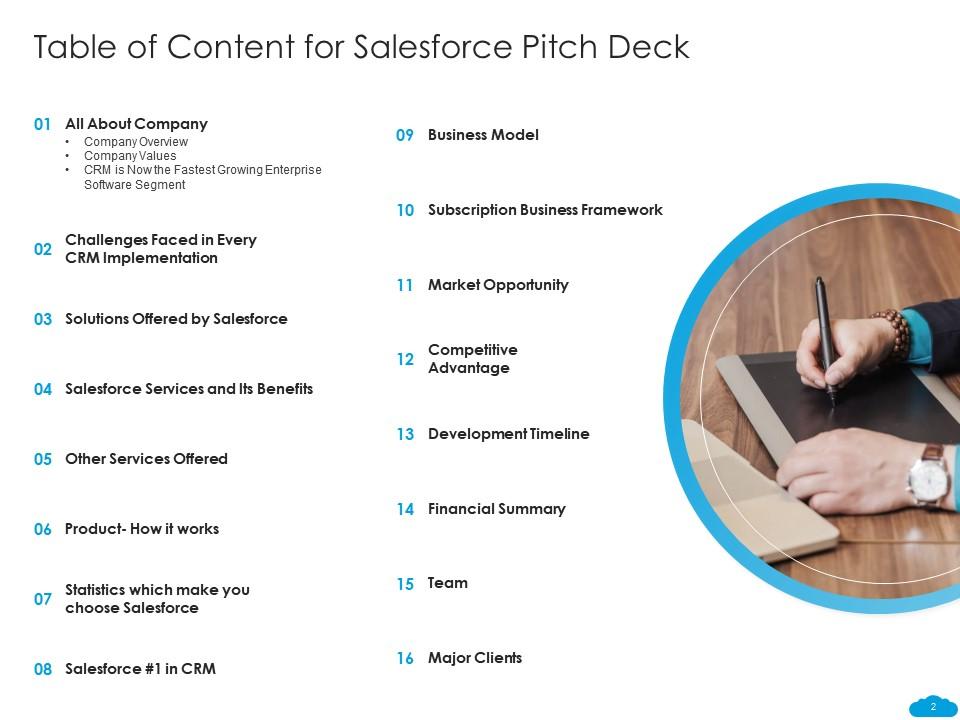
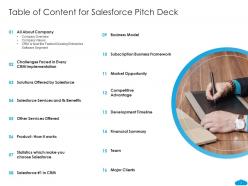
Diapositiva 2 : esta es la diapositiva de tabla de contenido que enumera todos los elementos cubiertos en la plataforma.
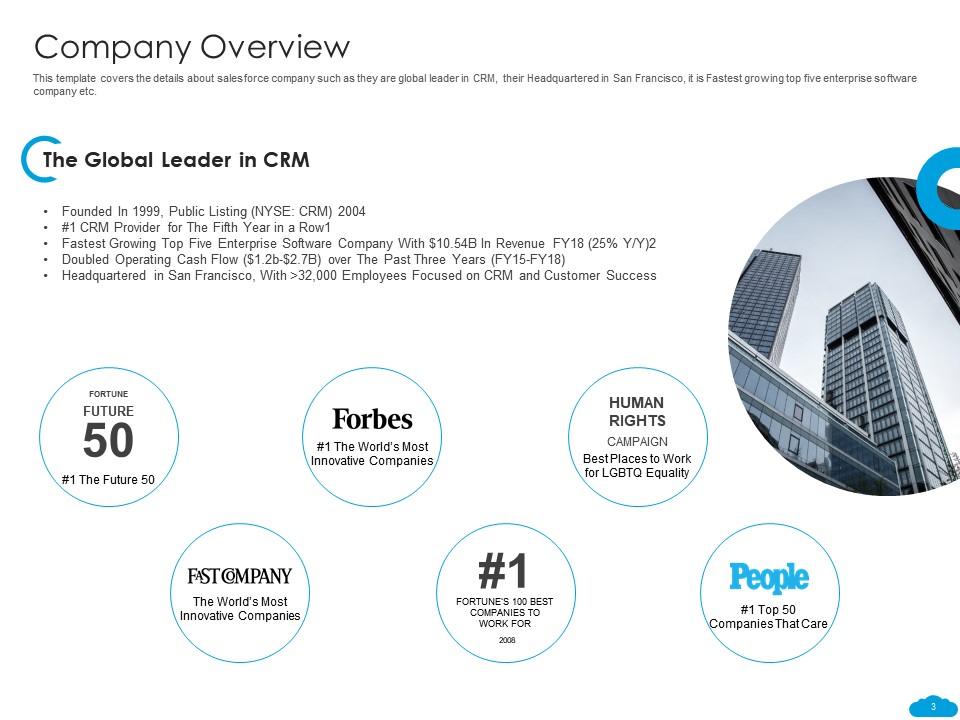
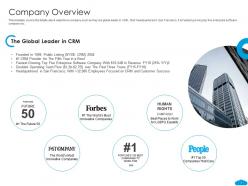
Diapositiva 3 : esta plantilla cubre los detalles sobre la empresa Salesforce, como líder mundial en CRM, su sede central en San Francisco, es la empresa de software empresarial de las cinco principales con el crecimiento más rápido, etc.
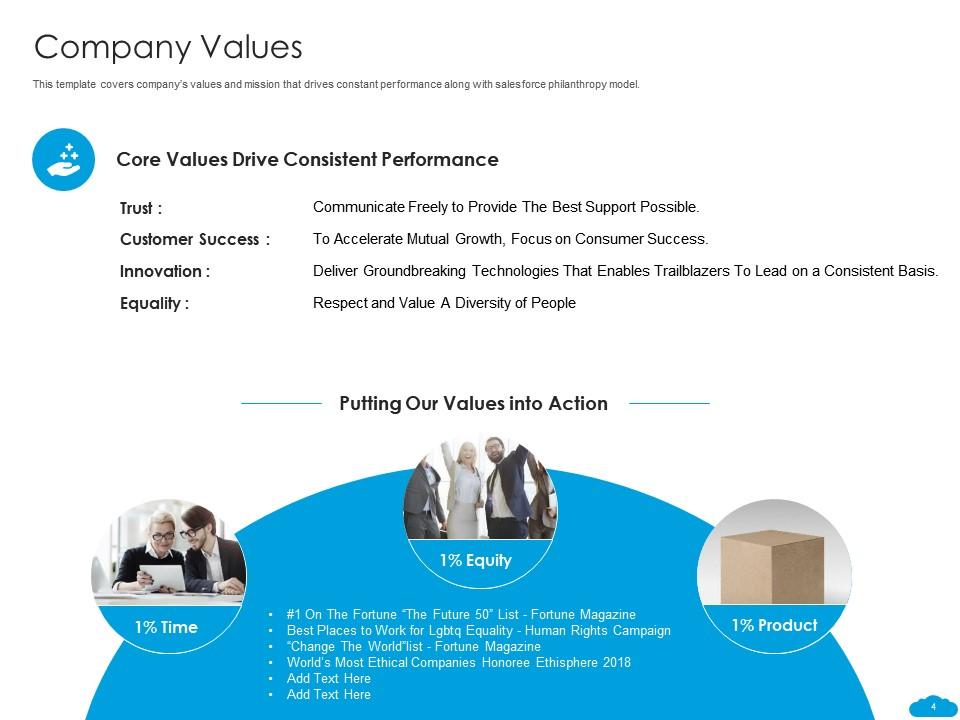
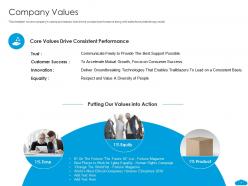
Diapositiva 4 : Esta plantilla cubre los valores y la misión de la empresa que impulsa el rendimiento constante junto con el modelo de filantropía de la fuerza de ventas.
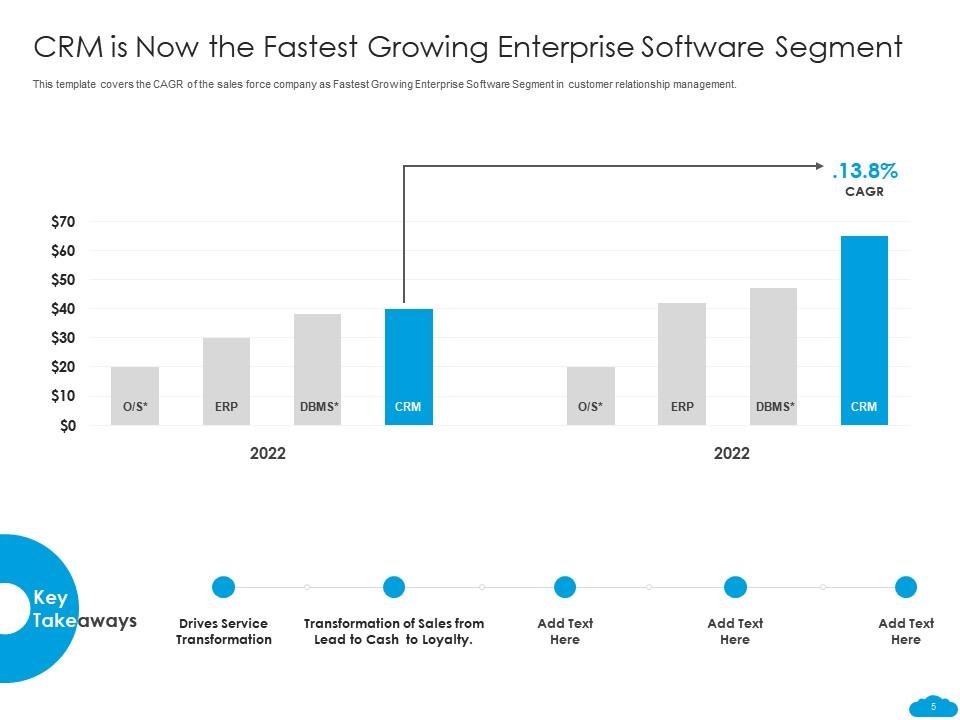
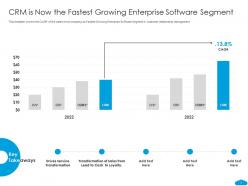
Diapositiva 5 : Esta plantilla cubre la CAGR de la empresa de la fuerza de ventas como el segmento de software empresarial de más rápido crecimiento en la gestión de relaciones con los clientes.
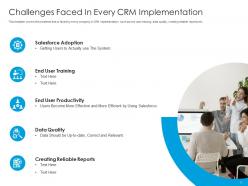
Diapositiva 6 : esta plantilla cubre los problemas que enfrenta cada empresa en la implementación de CRM, como la capacitación del usuario final, la calidad de los datos, la creación de informes confiables, etc.
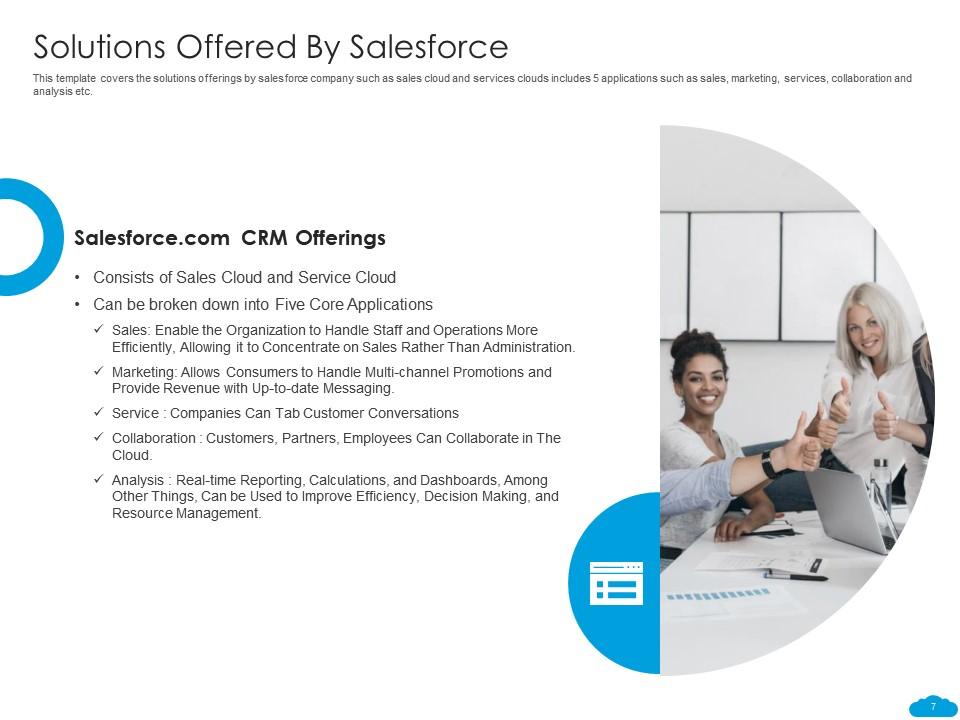
Diapositiva 7 : esta plantilla cubre las ofertas de soluciones de la empresa Salesforce, como la nube de ventas y las nubes de servicios, e incluye 5 aplicaciones, como ventas, marketing, servicios, colaboración y análisis, etc.
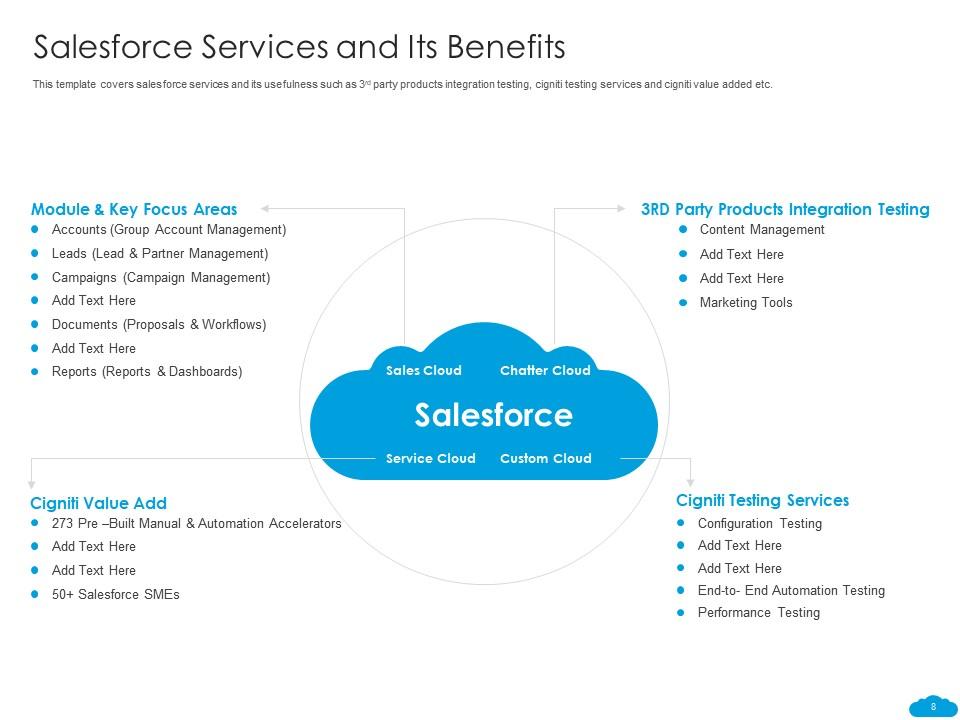
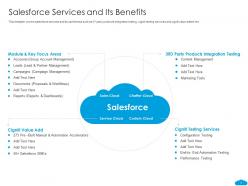
Diapositiva 8 : esta plantilla cubre los servicios de Salesforce y su utilidad, como las pruebas de integración de productos de terceros, los servicios de prueba de cigniti y el valor agregado de cigniti, etc.
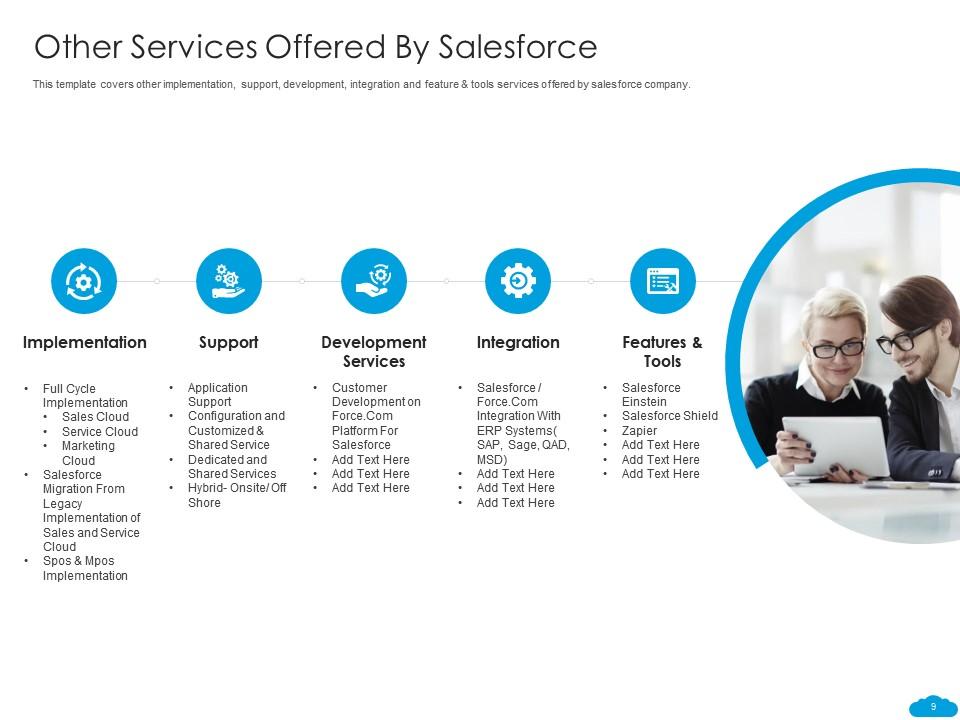
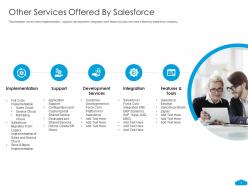
Diapositiva 9 : esta plantilla cubre otros servicios de implementación, soporte, desarrollo, integración y funciones y herramientas ofrecidos por la empresa Salesforce.
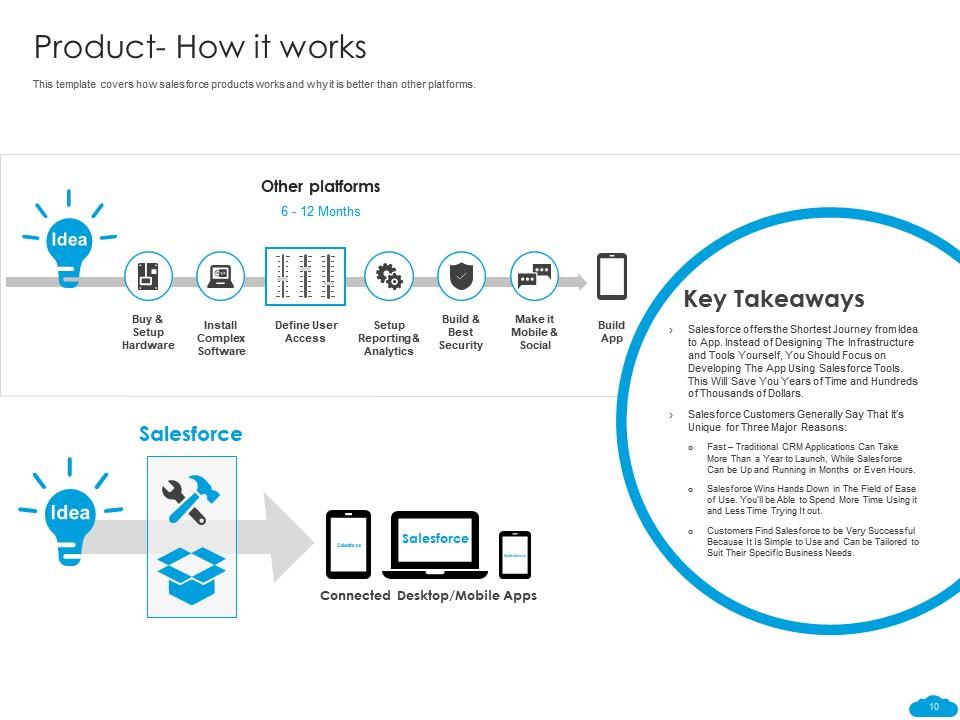
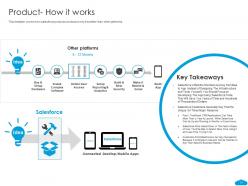
Diapositiva 10 : esta plantilla explica cómo funcionan los productos de Salesforce y por qué es mejor que otras plataformas.
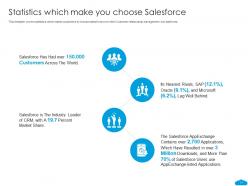
Diapositiva 11 : Esta plantilla cubre las estadísticas que hacen que los clientes elijan Salesforce en lugar de otras plataformas de herramientas de gestión de relaciones con los clientes.
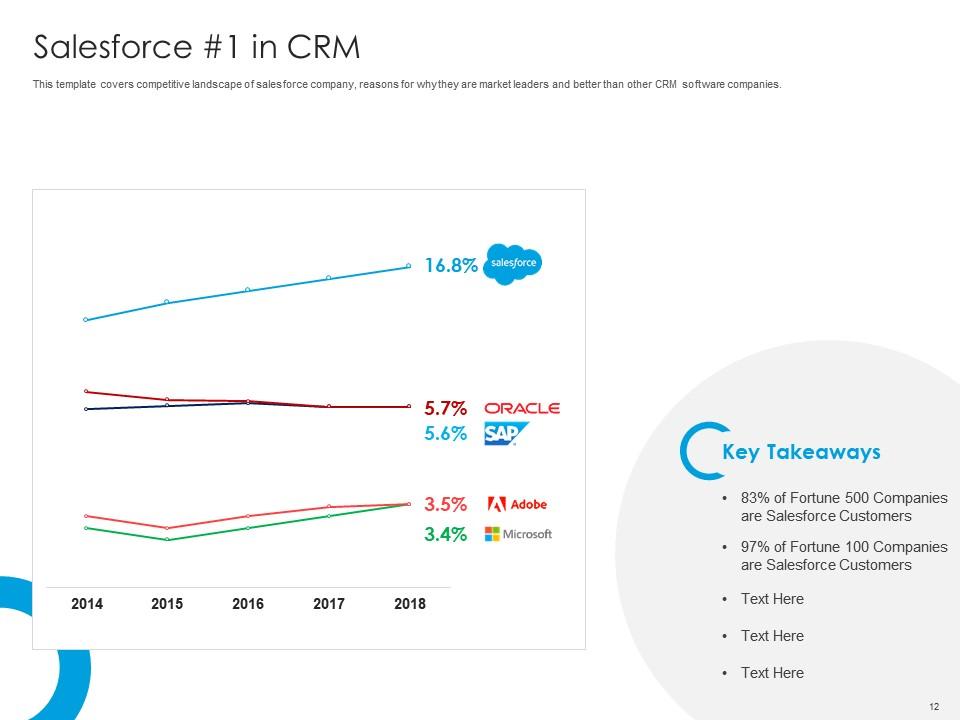
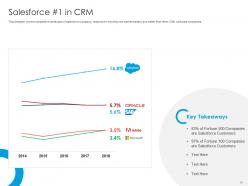
Diapositiva 12 : Esta plantilla cubre el panorama competitivo de la empresa de Salesforce, las razones por las que son líderes del mercado y mejores que otras empresas de software de CRM.
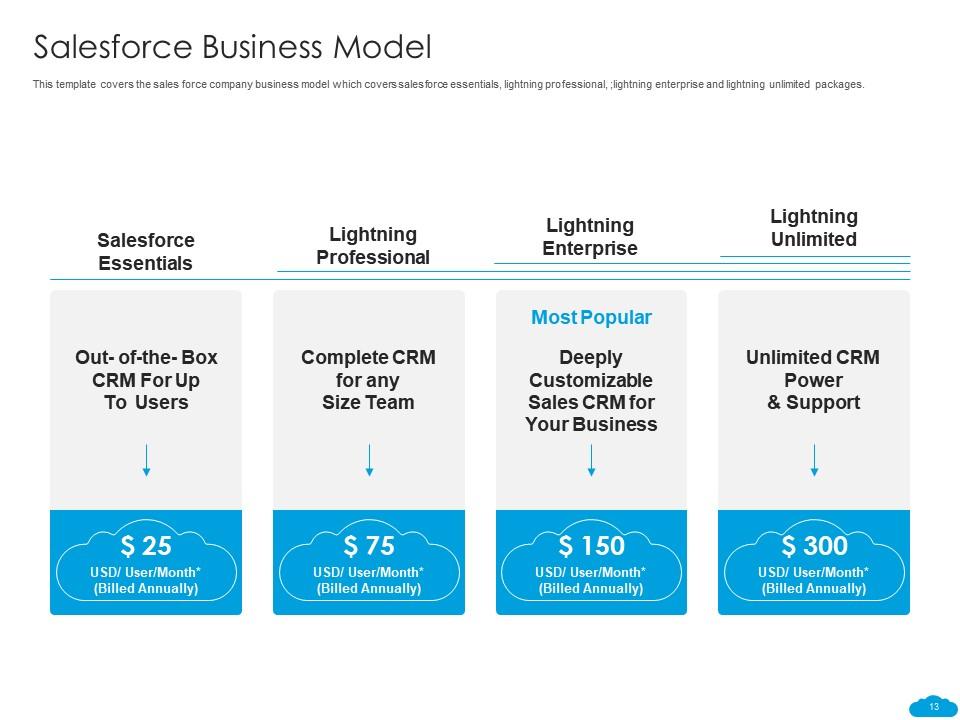
Diapositiva 13 : Esta plantilla cubre el modelo de negocio de la empresa de la fuerza de ventas que cubre los paquetes esenciales de la fuerza de ventas, Lightning Professional, Lightning Enterprise y Lightning Unlimited.
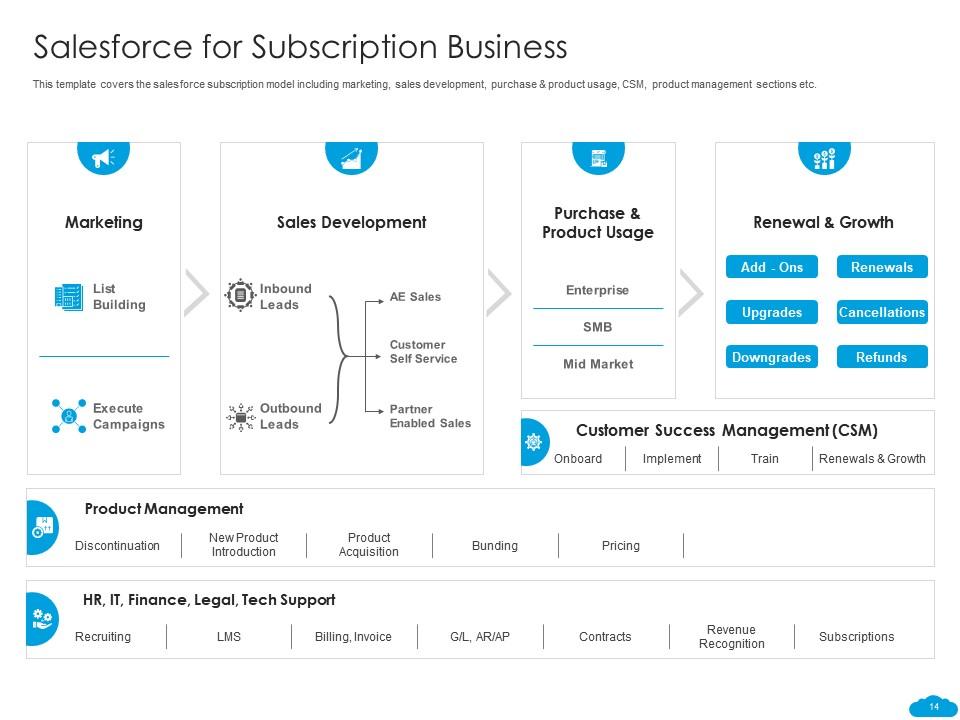
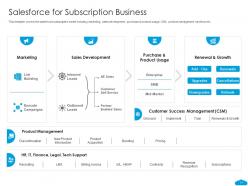
Diapositiva 14 : esta plantilla cubre el modelo de suscripción de Salesforce, incluidas las secciones de marketing, desarrollo de ventas, compras y uso de productos, CSM, gestión de productos, etc.
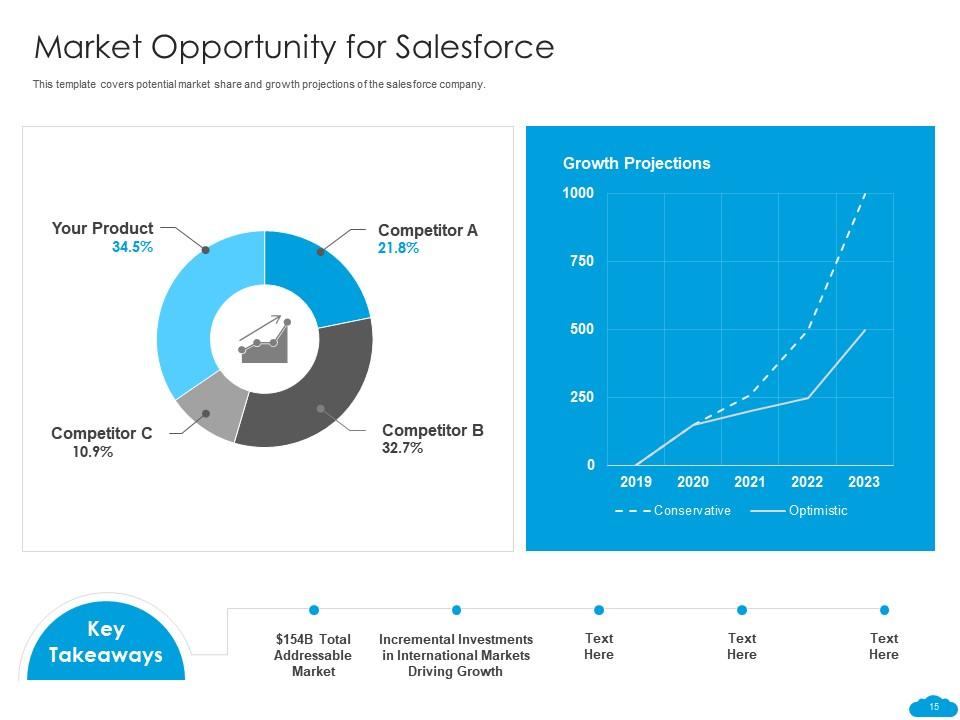
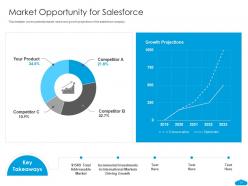
Diapositiva 15 : Esta plantilla cubre la participación de mercado potencial y las proyecciones de crecimiento de la empresa de fuerza de ventas.
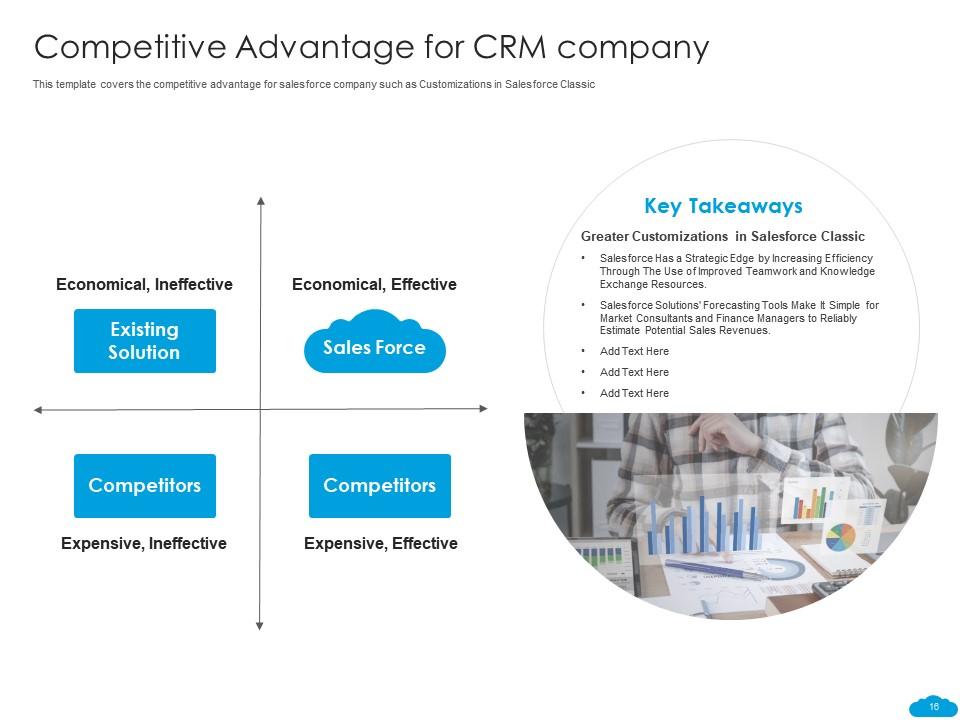
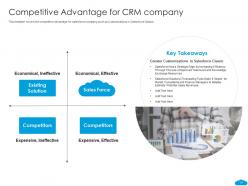
Diapositiva 16 : esta plantilla cubre la ventaja competitiva para la empresa de Salesforce, como las personalizaciones en Salesforce Classic
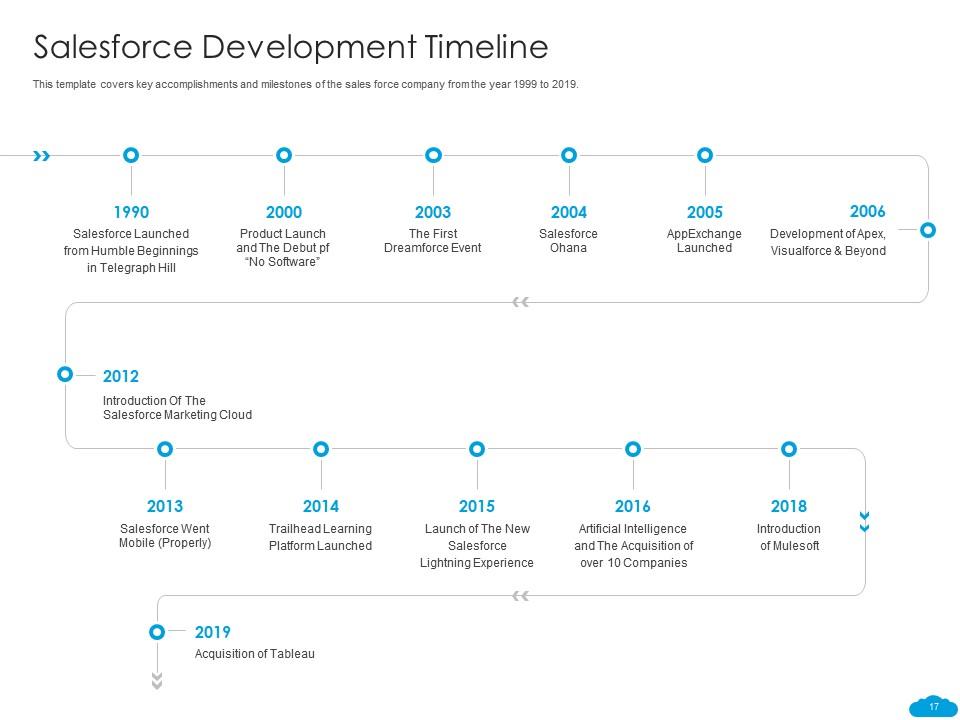
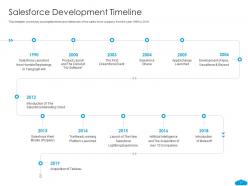
Diapositiva 17 : Esta plantilla cubre logros e hitos clave de la fuerza de ventas de la empresa desde el año 1999 hasta el 2019.
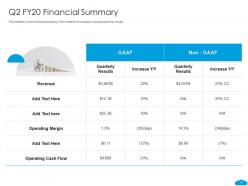
Diapositiva 18 : esta plantilla cubre el resumen financiero de la empresa de fuerza de ventas, incluidos los resultados trimestrales.
Diapositiva 19 : esta plantilla es útil para que la empresa demuestre su equipo de profesionales cubriendo su nombre y cargo.
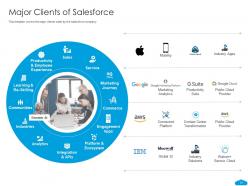
Diapositiva 20 : Esta plantilla cubre los principales clientes atendidos por la empresa de fuerza de ventas.
Diapositiva 21 : Esta es una diapositiva de icono. Úselo según sus necesidades.
Diapositiva 22 : Esta es una diapositiva adicional.
Diapositiva 23 : Esta es la diapositiva Nuestro equipo con nombre y designación para completar.
Diapositiva 24 : Esta es la diapositiva del Plan de 30 60 90 días que se puede usar para formular planes sólidos.
Diapositiva 25 : Esta es la diapositiva Nuestra misión, nuestra visión para exponer su misión, visión, etc.
Diapositiva 26 : esta es una diapositiva del Diagrama de Venn que se puede usar para presentar la diferencia entre 3 elementos.
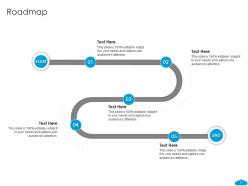
Diapositiva 27 : esta es una diapositiva de hoja de ruta que se puede usar para mostrar la secuencia cronológica de eventos.
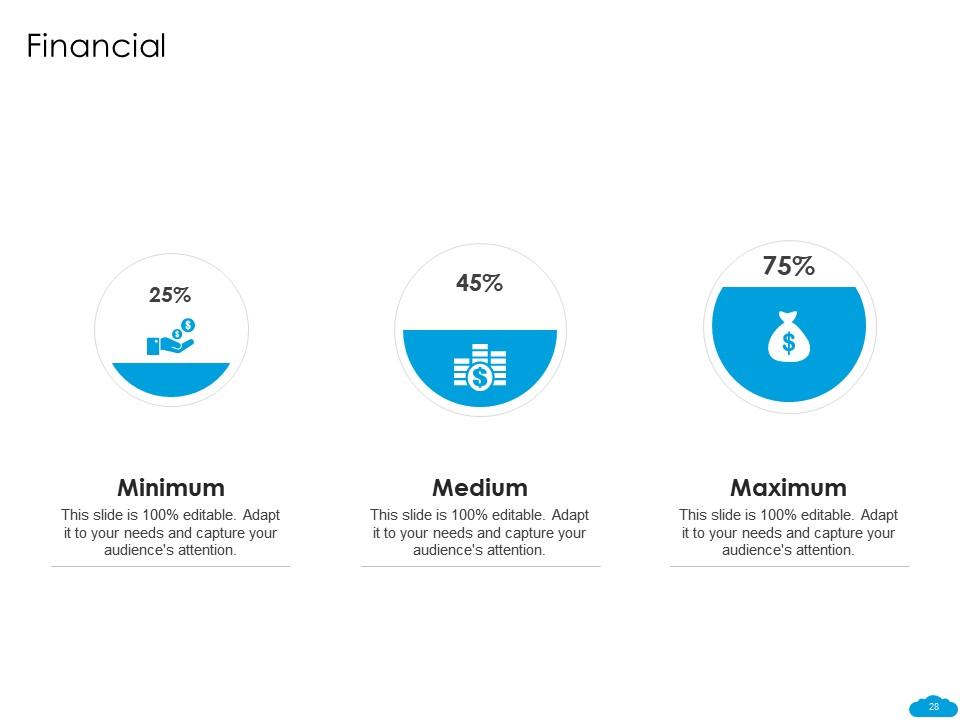
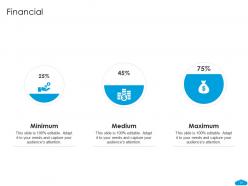
Diapositiva 28 : esta es la diapositiva de puntajes financieros. Indique sus aspectos financieros, etc. aquí.
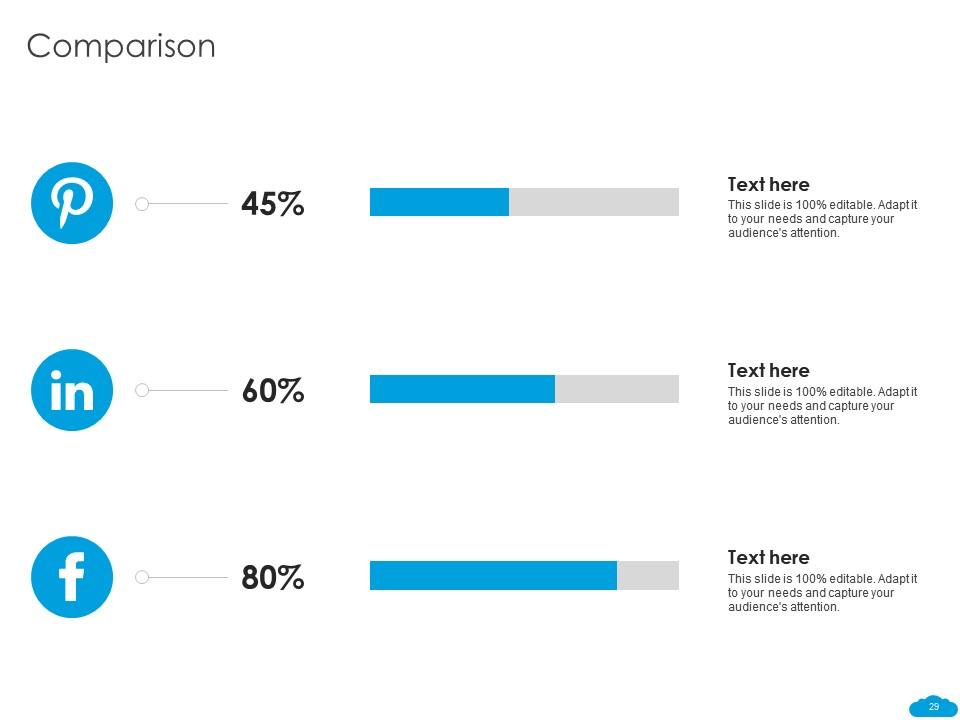
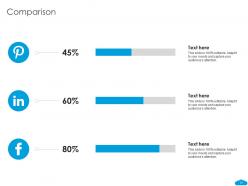
Diapositiva 29 : esta es una diapositiva de comparación que se puede utilizar para realizar un análisis comparativo entre diferentes elementos.
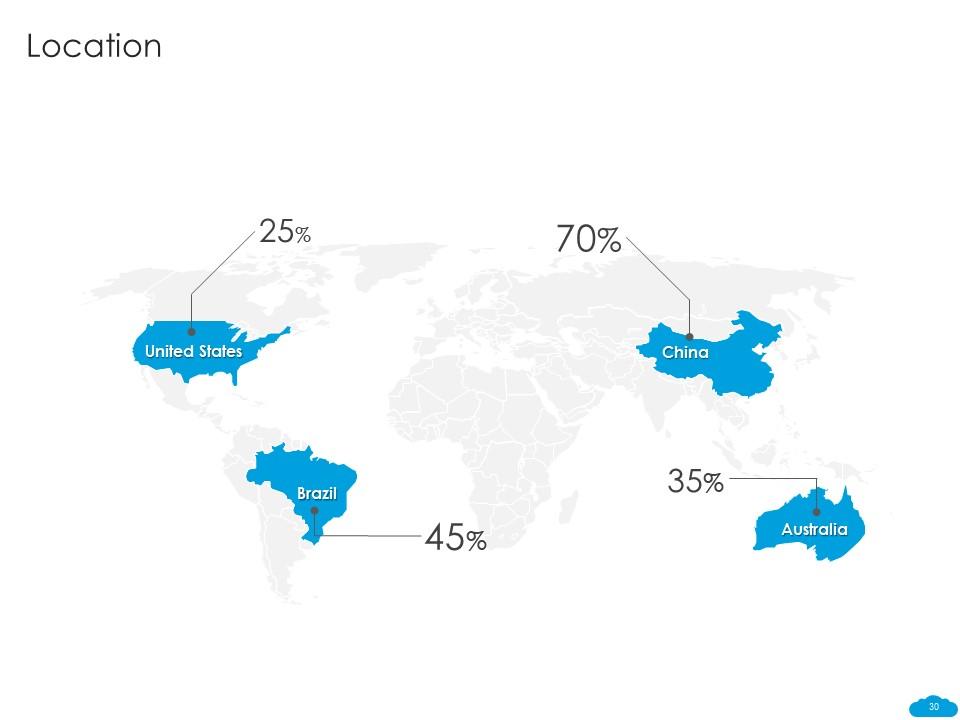
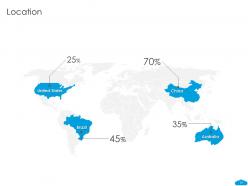
Diapositiva 30 : Esta es nuestra diapositiva de ubicación/presencia global en una imagen de mapa mundial.
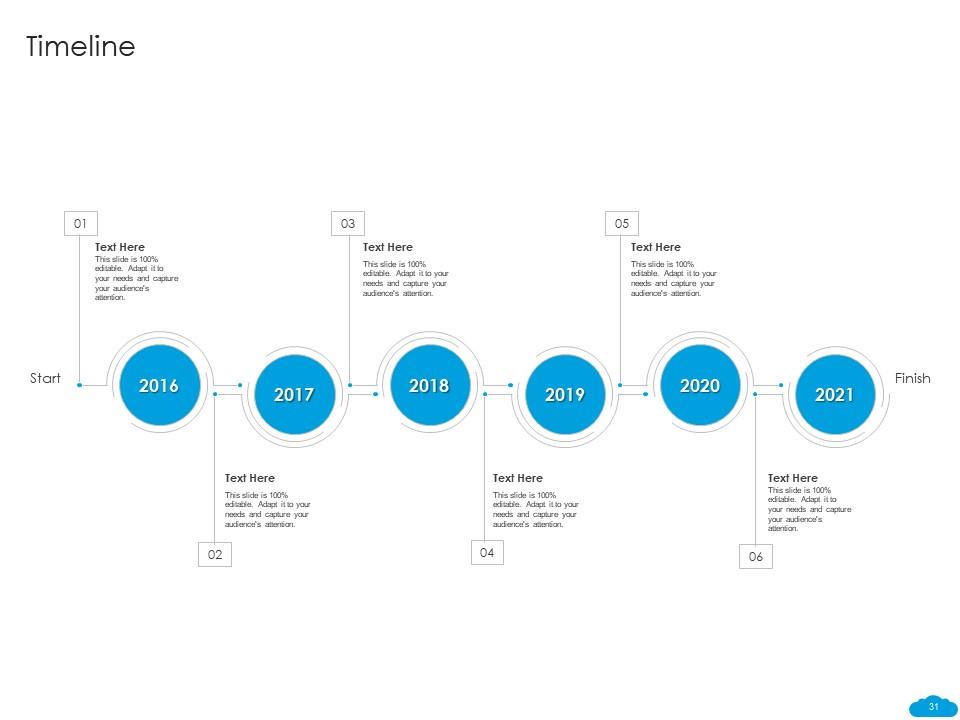
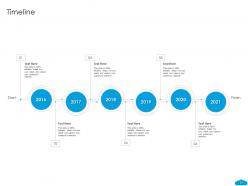
Diapositiva 31 : esta es una diapositiva de línea de tiempo que se puede usar para mostrar una serie de eventos.
Diapositiva 32 : Esta es una diapositiva de agradecimiento por reconocimiento. Puede compartir sus datos de contacto aquí.
Salesforce Investor Funding Elevator Pitch Deck Ppt Plantilla con las 32 diapositivas:
Utilice nuestra plantilla Ppt de plataforma de presentación de elevador de financiamiento de inversores de Salesforce para ayudarlo a ahorrar su valioso tiempo de manera efectiva. Están listos para encajar en cualquier estructura de presentación.
-
Informative presentations that are easily editable.
-
Very well designed and informative templates.
-
Easily Understandable slides.
-
Very unique and reliable designs.
-
Visually stunning presentation, love the content.
