


Diapositivas de presentación de PowerPoint de planificación de escenarios
Nuestras diapositivas de presentación de PowerPoint de planificación de escenarios están diseñadas por temas para proporcionar un telón de fondo atractivo para cualquier tema. Úselos para lucir como un profesional de presentaciones.
Nuestras diapositivas de presentación de PowerPoint de planificación de escenarios están diseñadas por temas para proporci..































-

- Google Slides is a new FREE Presentation software from Google.
- All our content is 100% compatible with Google Slides.
- Just download our designs, and upload them to Google Slides and they will work automatically.
- Amaze your audience with SlideTeam and Google Slides.
-

Want Changes to This PPT Slide? Check out our Presentation Design Services
-

- WideScreen Aspect ratio is becoming a very popular format. When you download this product, the downloaded ZIP will contain this product in both standard and widescreen format.
-

- Some older products that we have may only be in standard format, but they can easily be converted to widescreen.
- To do this, please open the SlideTeam product in Powerpoint, and go to
- Design ( On the top bar) -> Page Setup -> and select "On-screen Show (16:9)” in the drop down for "Slides Sized for".
- The slide or theme will change to widescreen, and all graphics will adjust automatically. You can similarly convert our content to any other desired screen aspect ratio.
Compatible With Google Slides

Get This In WideScreen
You must be logged in to download this presentation.


Do you want to remove this product from your favourites?
Características de estas diapositivas de presentación de PowerPoint:
Presentar este conjunto de diapositivas con el nombre - Diapositivas de presentación de PowerPoint de planificación de escenarios. Esta plataforma PPT muestra sesenta y cuatro diapositivas con una investigación en profundidad. Nuestra plataforma de presentación de diapositivas de presentación de PowerPoint de planificación de escenarios orientada a temas es una herramienta útil para planificar, preparar, documentar y analizar el tema con un enfoque claro. Proporcionamos una plataforma lista para usar con todo tipo de temas relevantes, subtemas, plantillas, cuadros y gráficos, descripciones generales, plantillas de análisis. Muestra todo tipo de infografías de plantillas editables para una presentación de diapositivas de presentación de PowerPoint de planificación de escenarios inclusiva y completa. Puede modificar el color, la fuente, los tipos de fuente y el tamaño de fuente de la plantilla según sus requisitos. Se puede convertir a varios formatos como PDF, JPG y PNG.

People who downloaded this PowerPoint presentation also viewed the following :
Contenido de esta presentación de Powerpoint
Diapositiva 1 : esta diapositiva presenta la planificación de escenarios. Indique el nombre de su empresa y comience.
Diapositiva 2 : Esta es una diapositiva de Agenda. Exprese sus agendas aquí.
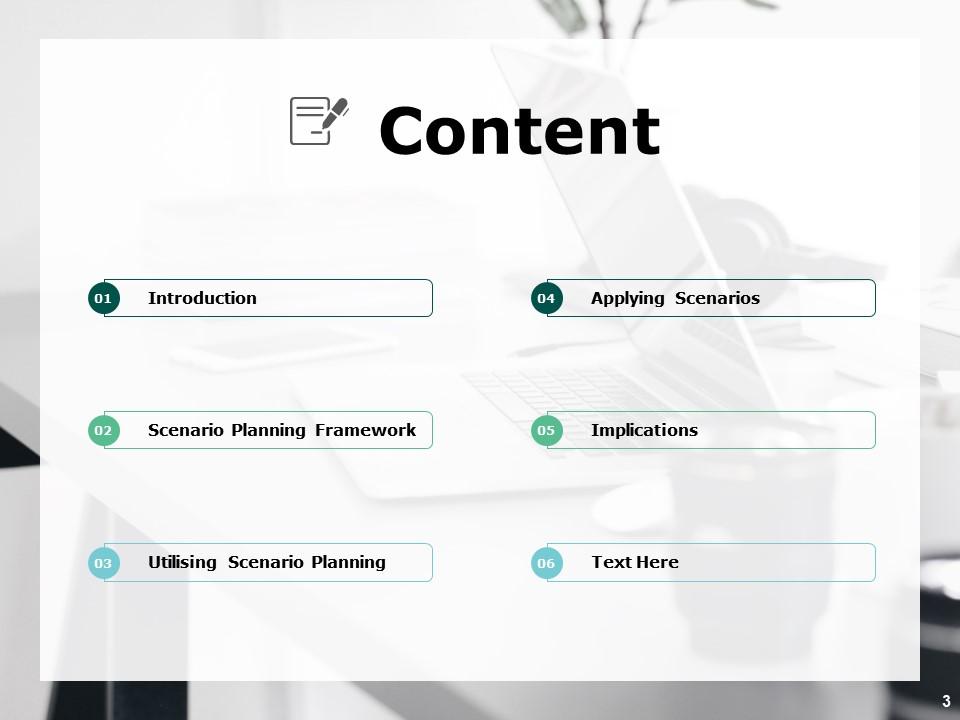
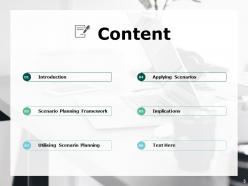
Diapositiva 3 : esta diapositiva muestra el contenido de la presentación.
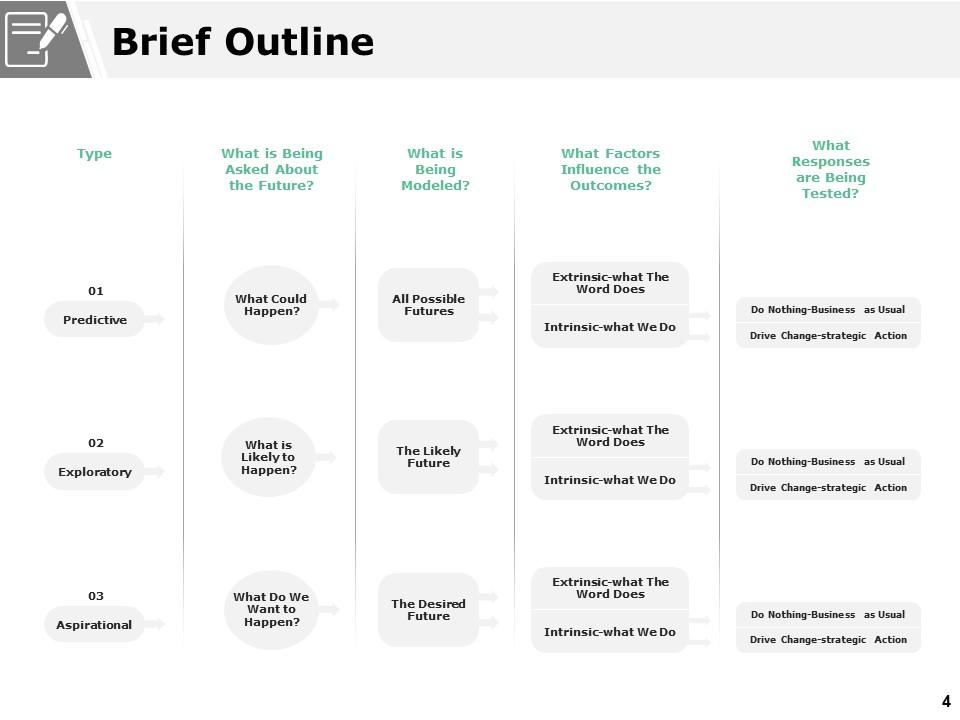
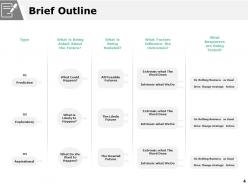
Diapositiva 4 : Esta diapositiva proporciona un breve resumen del proyecto con categorías como: predictivo, exploratorio, aspiracional.
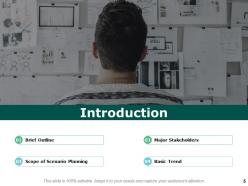
Diapositiva 5 : Esta es una diapositiva de Introducción que describe temas como: Breve descripción, Alcance de la planificación del escenario, Principales partes interesadas, Tendencia básica.
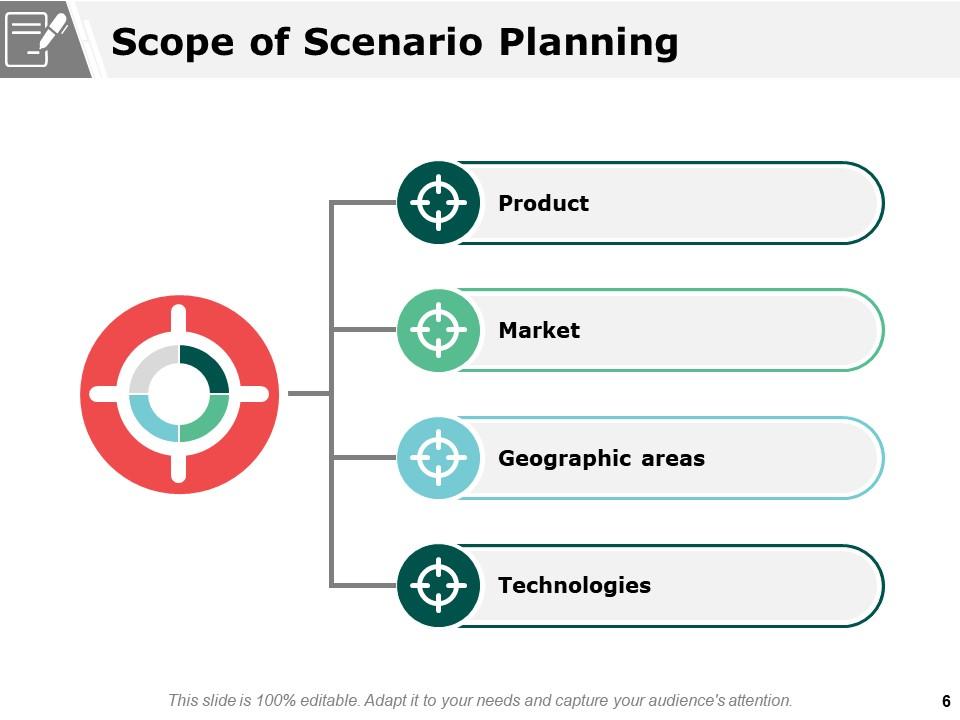
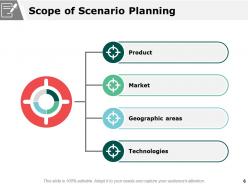
Diapositiva 6 : Esta diapositiva muestra el alcance de la planificación del escenario describiendo: mercado, áreas geográficas, tecnologías, producto.
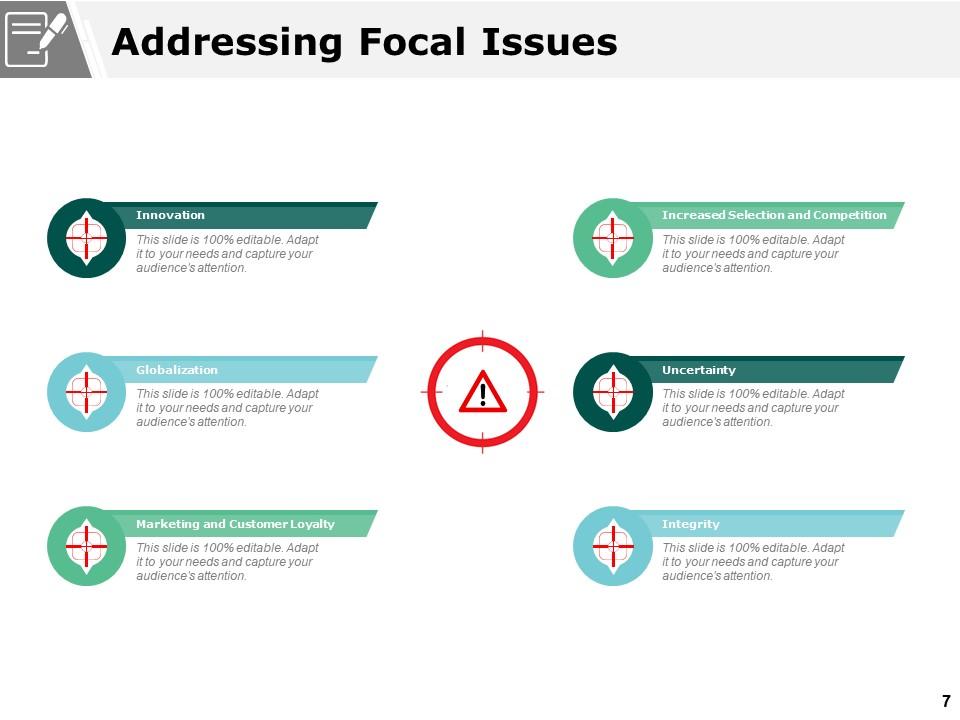
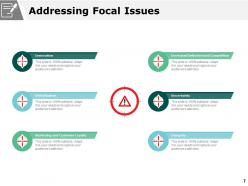
Diapositiva 7 : Esta diapositiva presenta Cómo abordar los problemas centrales a través del marketing y la lealtad del cliente, la globalización, la innovación, la integridad, la incertidumbre, una mayor selección y competencia.
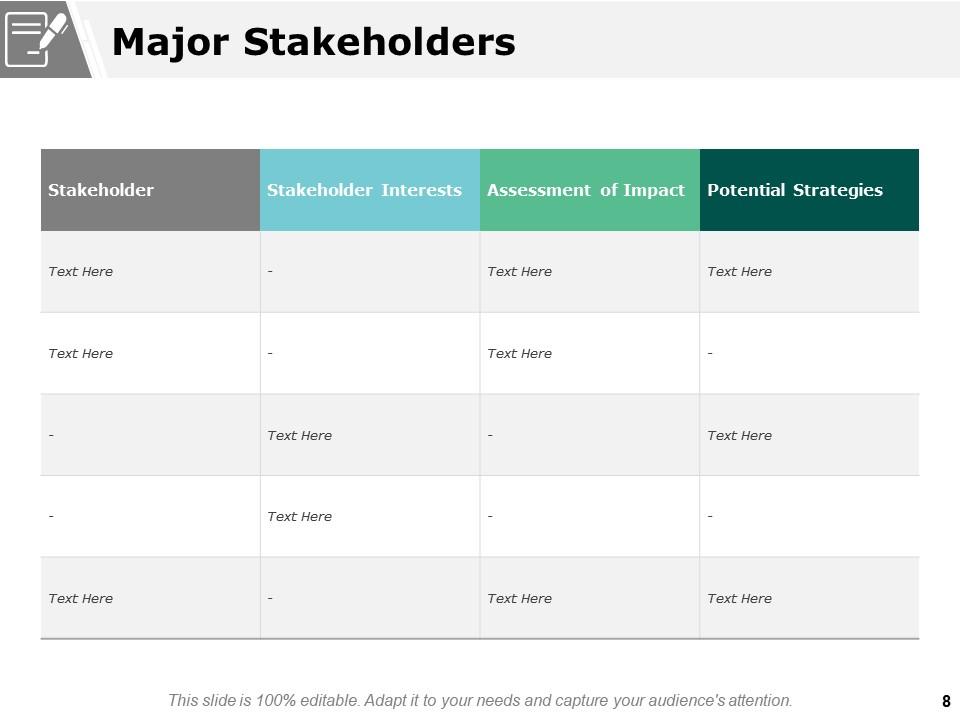
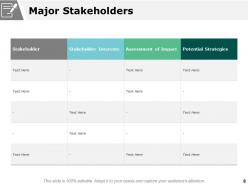
Diapositiva 8 : Esta diapositiva muestra las principales partes interesadas en forma de tabla.
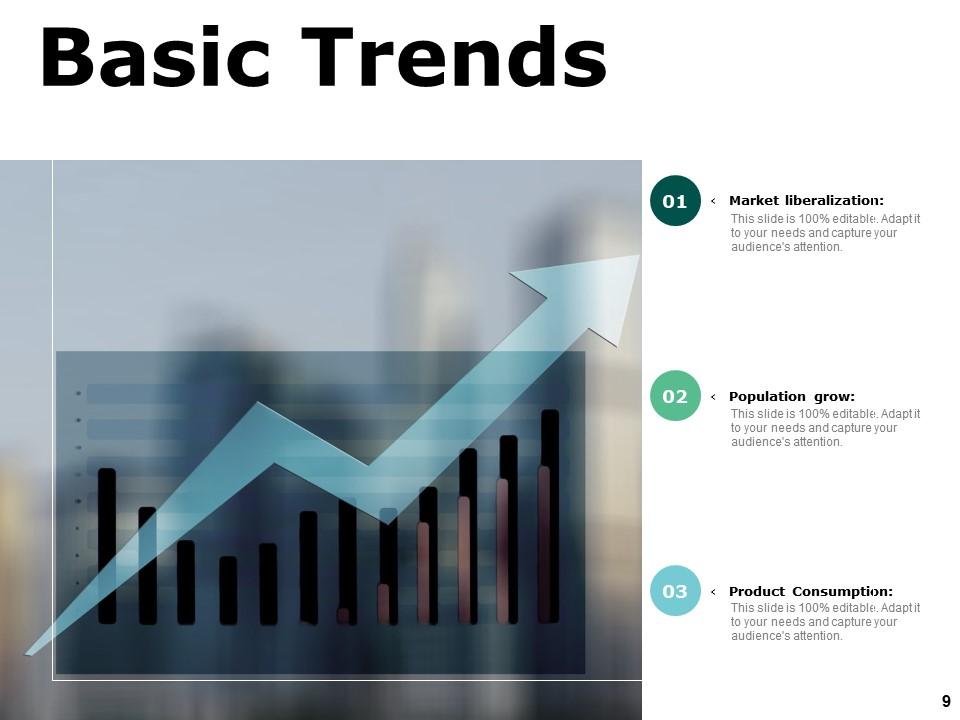
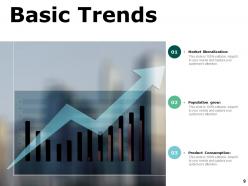
Diapositiva 9 : Esta diapositiva muestra tendencias básicas como: liberalización del mercado, consumo de productos, crecimiento de la población.
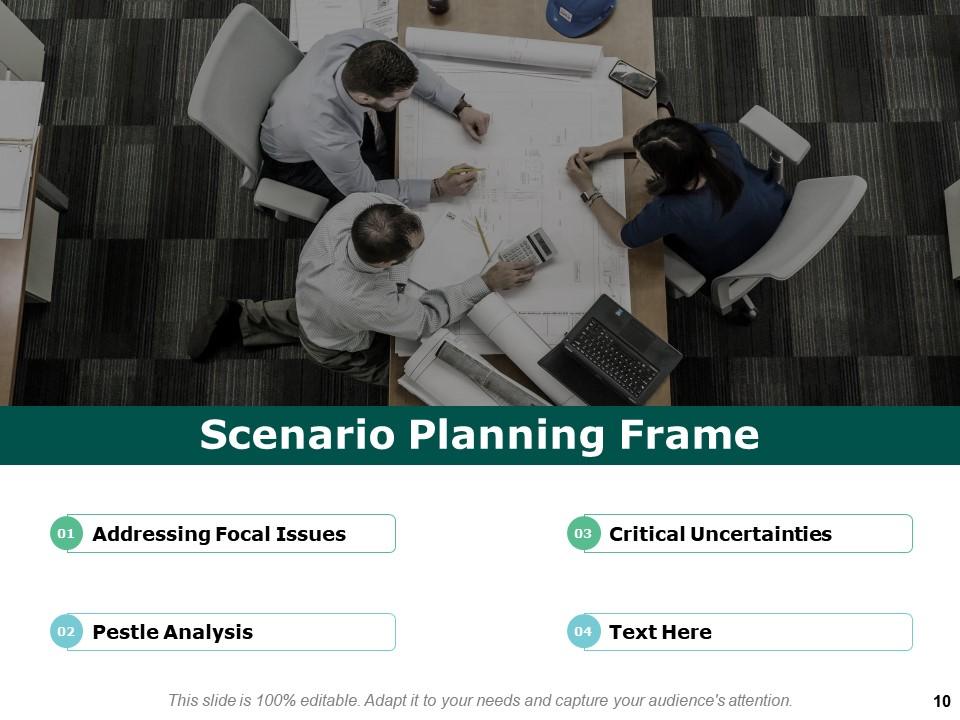
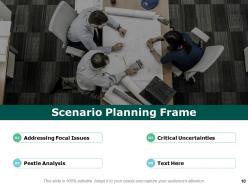
Diapositiva 10 : Esta diapositiva representa el marco de planificación del escenario que describe: análisis de mortero, tratamiento de problemas focales, incertidumbres críticas, etc.
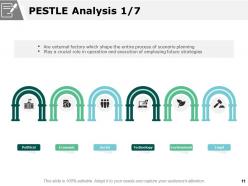
Diapositiva 11 : Esta diapositiva muestra el análisis PESTLE con iconos relacionados.
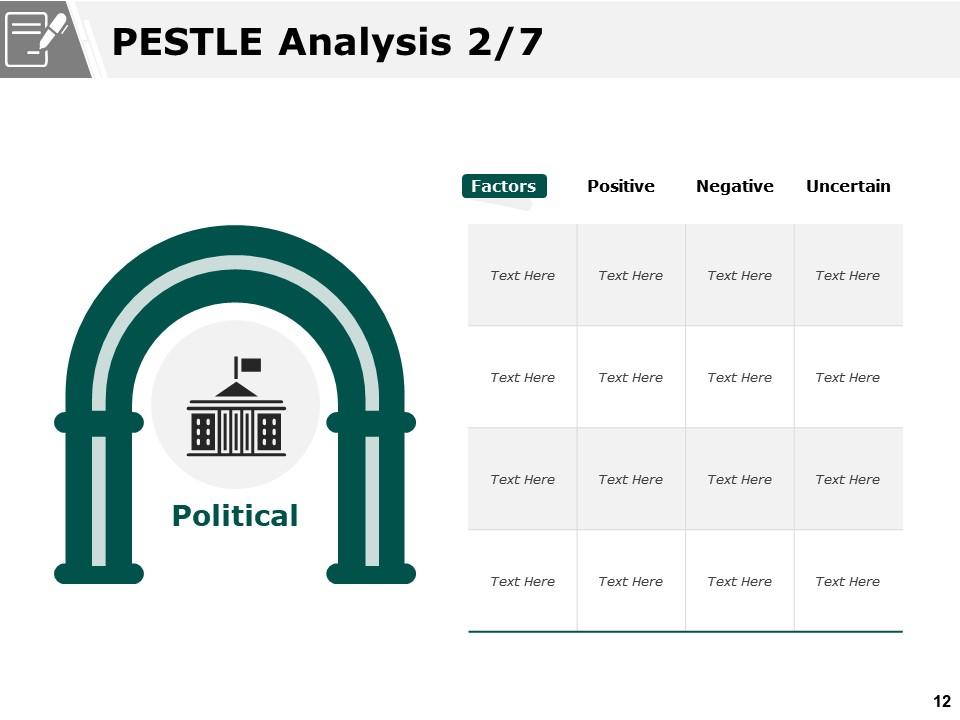
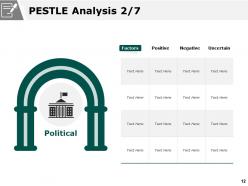
Diapositiva 12 : Esta diapositiva presenta el análisis PESTLE que describe los factores políticos.
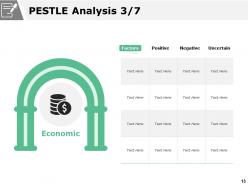
Diapositiva 13 : Esta diapositiva muestra el análisis PESTLE que describe los factores económicos.
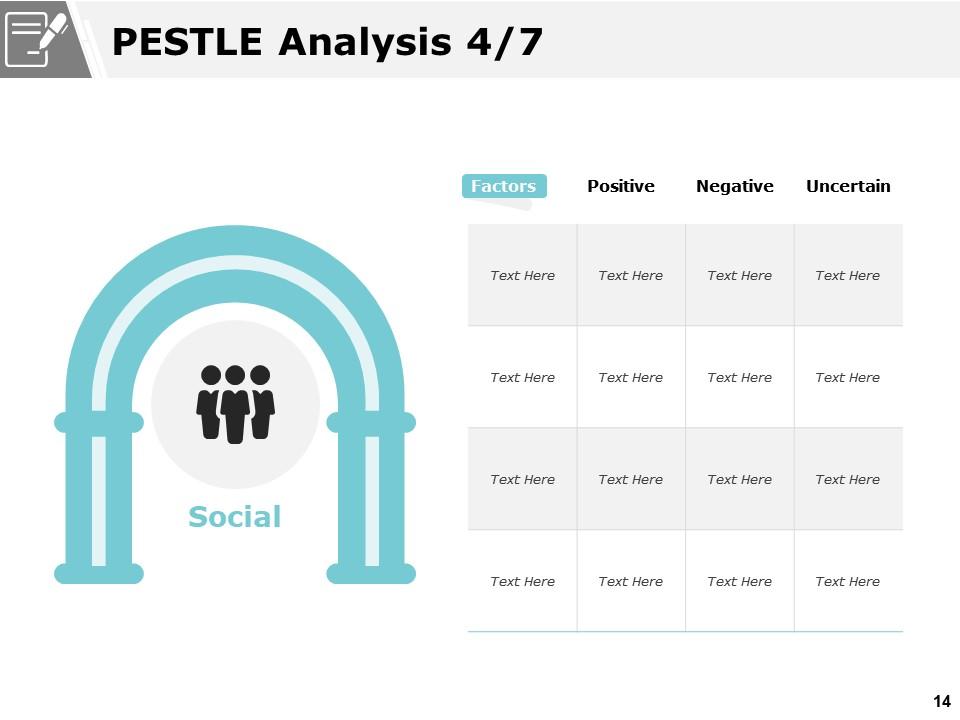
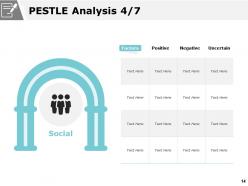
Diapositiva 14 : Esta diapositiva representa el análisis PESTLE con factores sociales.
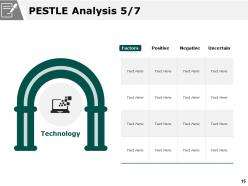
Diapositiva 15 : Esta diapositiva muestra el análisis PESTLE con factores tecnológicos.
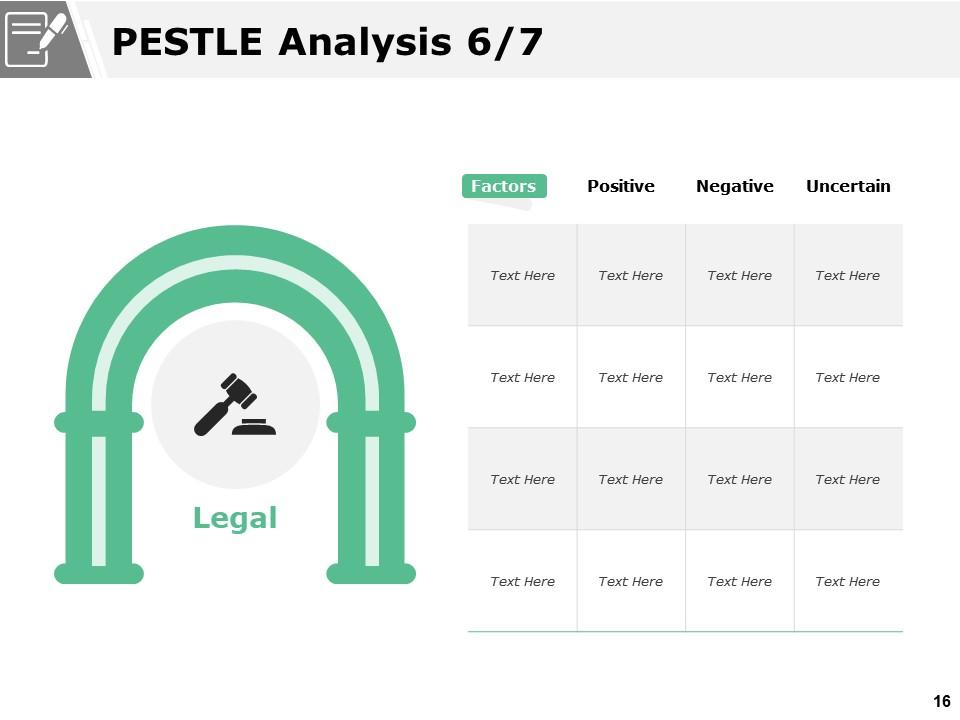
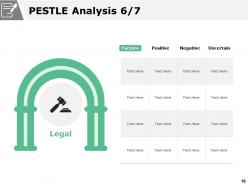
Diapositiva 16 : Esta diapositiva muestra el análisis PESTLE con factores legales.
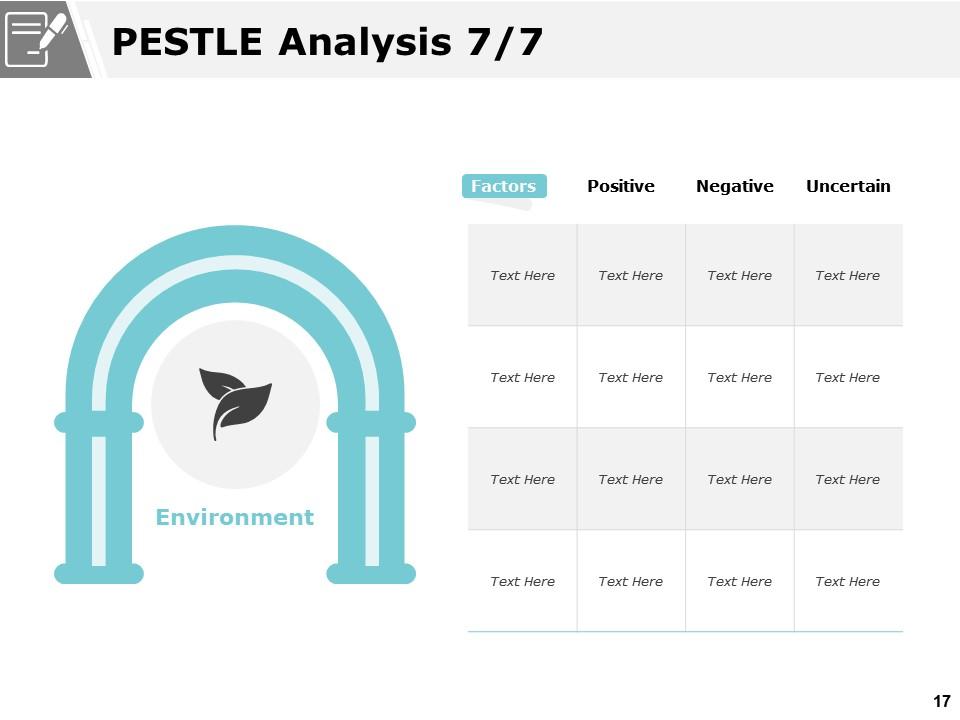
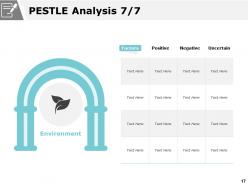
Diapositiva 17 : Esta diapositiva presenta el análisis PESTLE con factores ambientales.
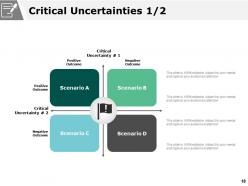
Diapositiva 18 : Esta diapositiva muestra las incertidumbres críticas en forma de matriz.
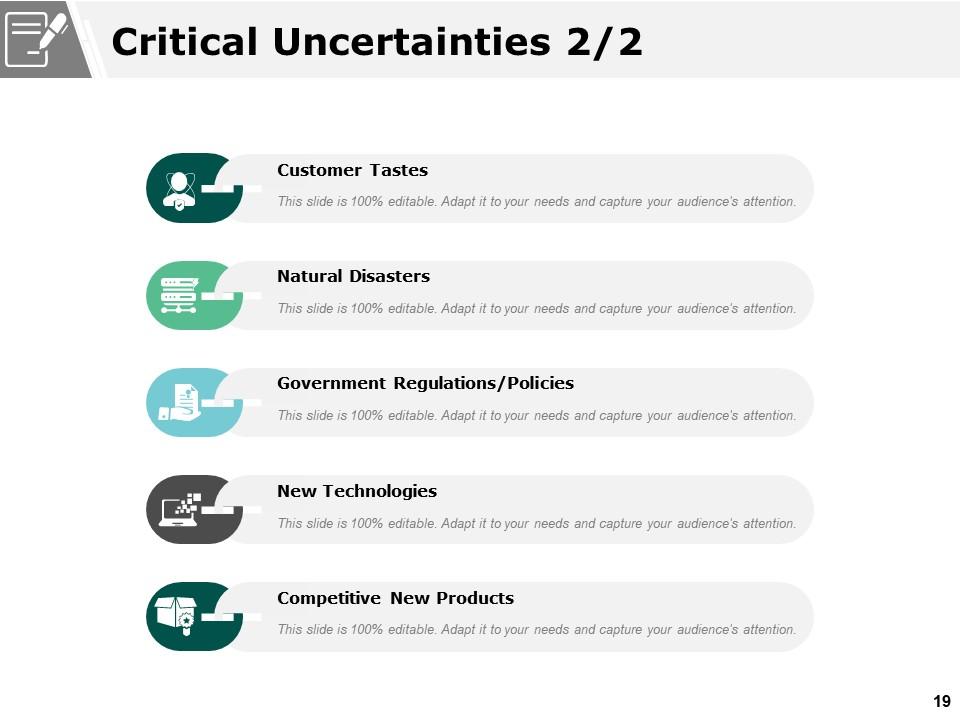
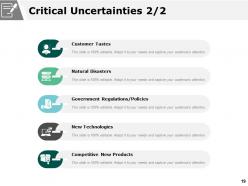
Diapositiva 19 : Esta es otra diapositiva sobre incertidumbres críticas que describe: regulaciones / políticas gubernamentales, desastres naturales, gustos de los clientes, nuevas tecnologías, nuevos productos competitivos.
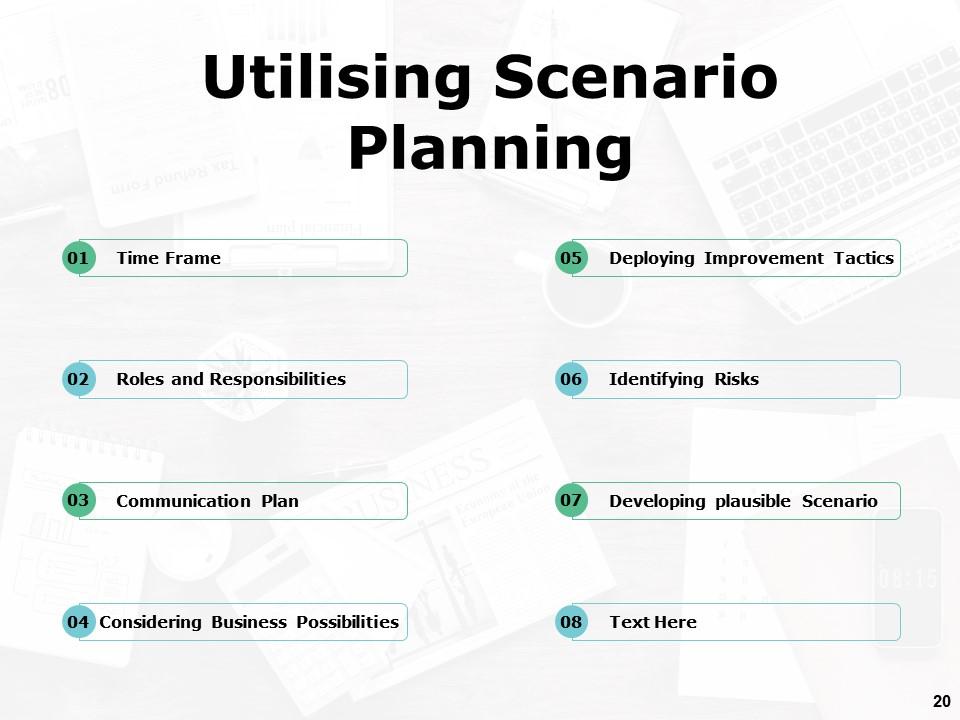
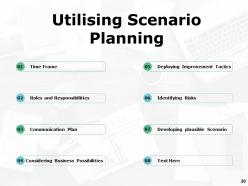
Diapositiva 20 : Esta diapositiva presenta la utilización de la planificación de escenarios con categorías como: consideración de las posibilidades comerciales, marco de tiempo, implementación de tácticas de mejora, roles y responsabilidades, identificación de riesgos, plan de comunicación, desarrollo de escenarios plausibles.
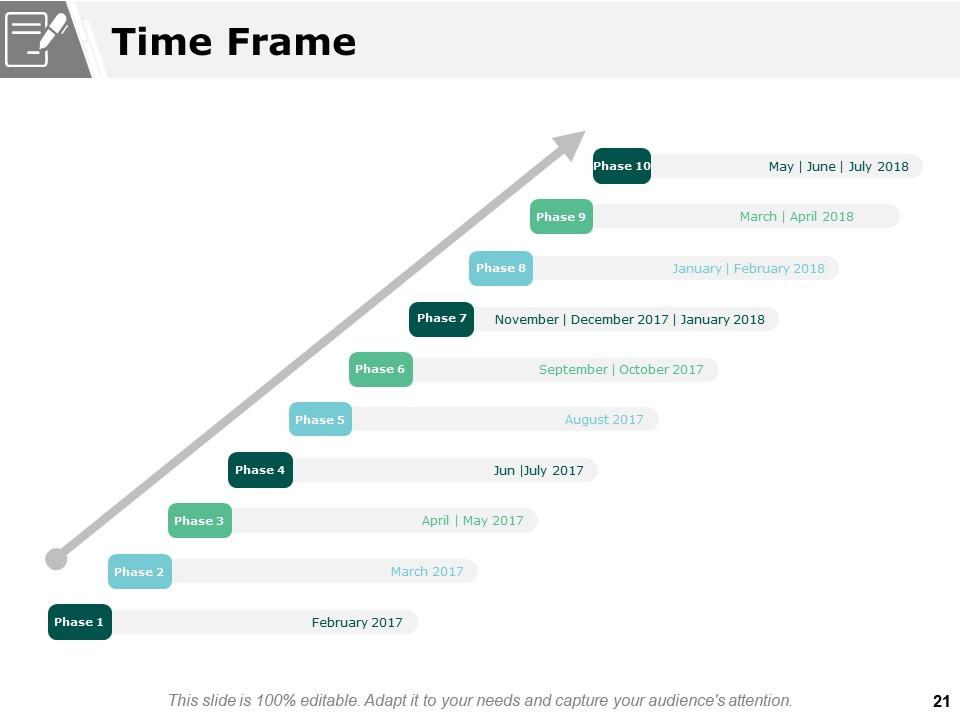
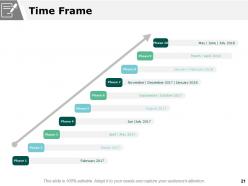
Diapositiva 21 : Esta diapositiva muestra el marco de tiempo con 10 fases. Úselo según los requisitos.
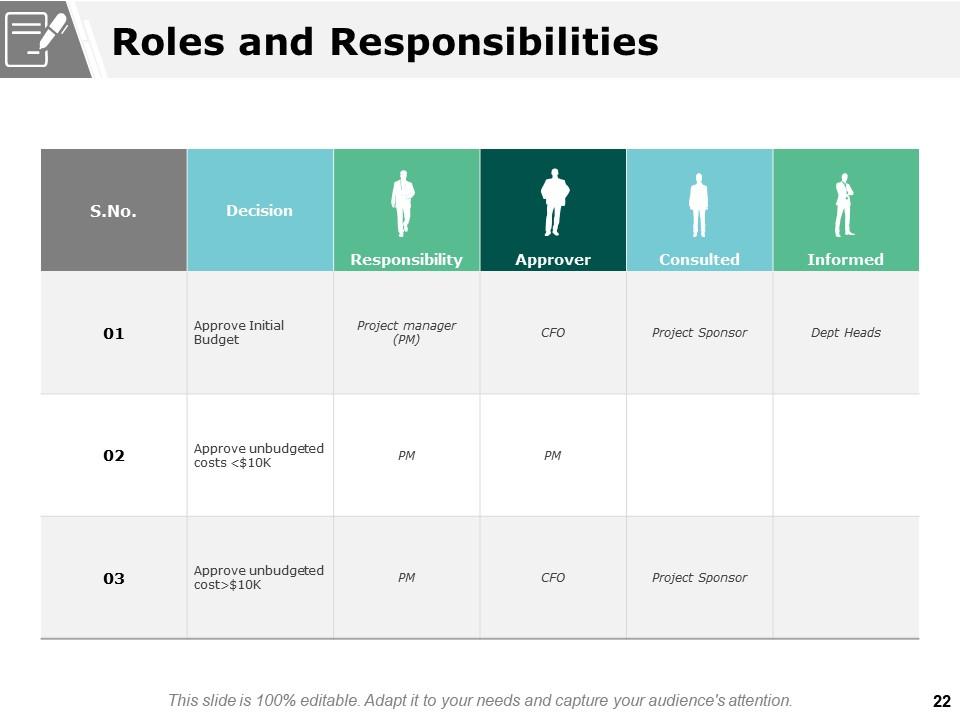
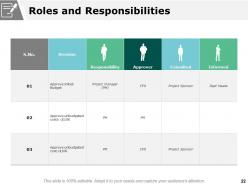
Diapositiva 22 : Esta diapositiva representa las funciones y responsabilidades en forma de tabla.
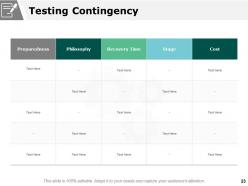
Diapositiva 23 : Esta diapositiva muestra la prueba de contingencia en forma de tabla.
Diapositiva 24 : Esta diapositiva muestra la supervisión y el mantenimiento de cambios entre varios factores.
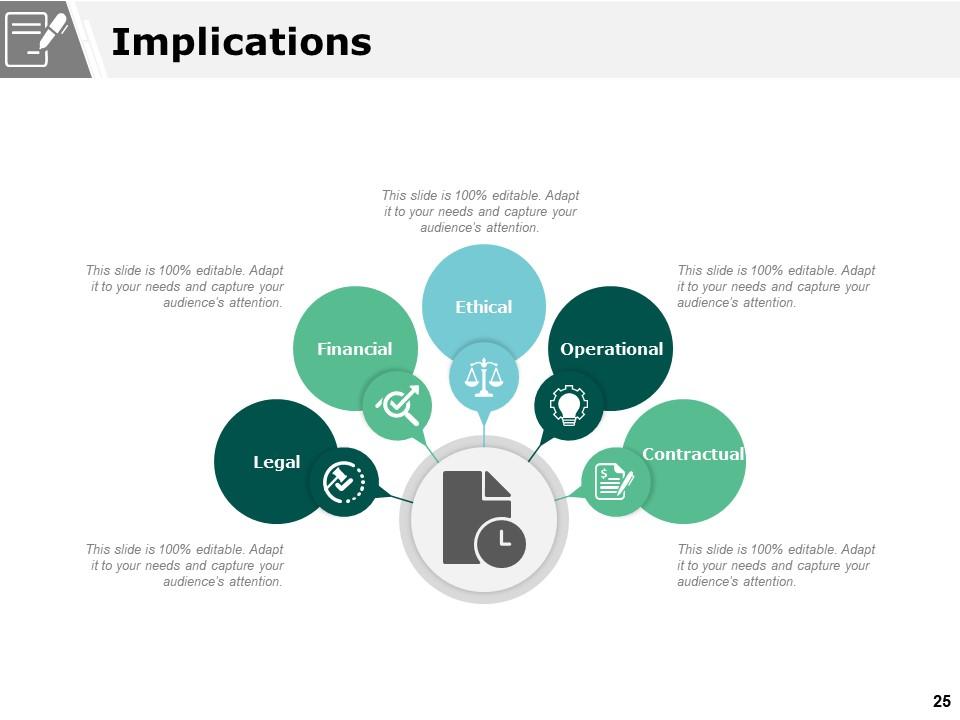
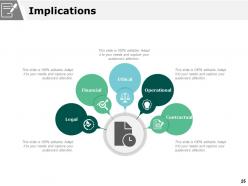
Diapositiva 25 : Esta diapositiva presenta las implicaciones que describen: legales, financieras, éticas, operativas, contractuales.
Diapositiva 26 : Esta es otra diapositiva sobre Implicaciones.
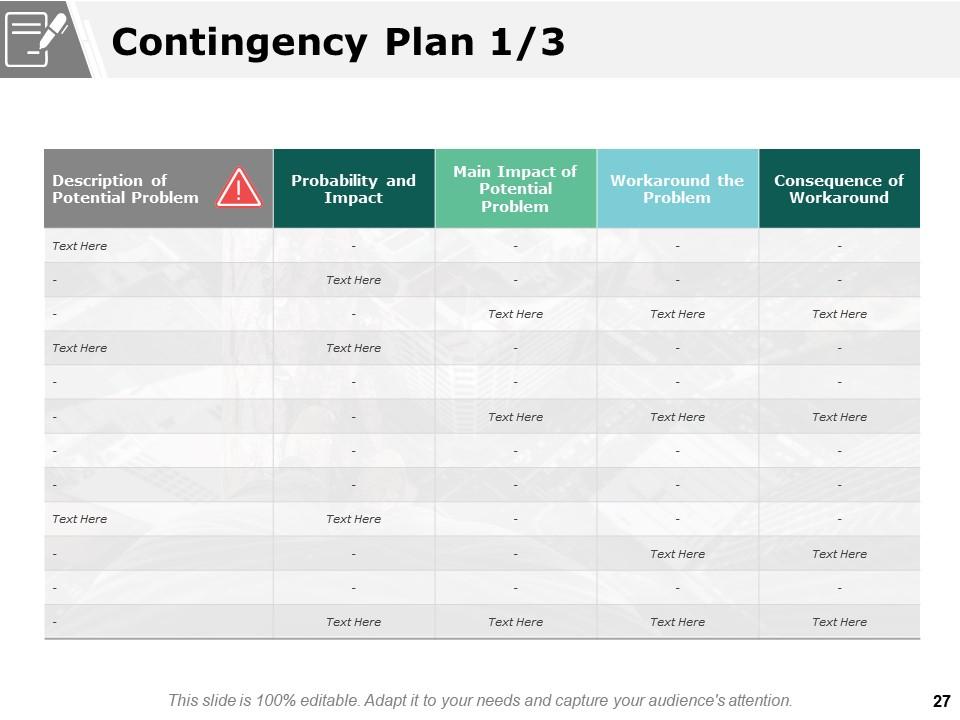
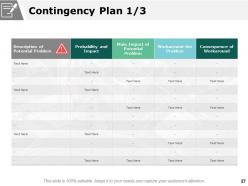
Diapositiva 27 : Esta diapositiva muestra el Plan de contingencia en forma de tabla.
Diapositiva 28 : Esta es otra diapositiva sobre el plan de contingencia que describe el escenario, la estrategia de respuesta, el plan de implementación, el plan de apoyo operativo, el plan de preparación, el presupuesto.
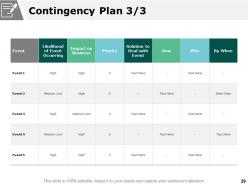
Diapositiva 29 : Esta es otra diapositiva Plan de contingencia en forma de tabla.
Diapositiva 30 : Esta diapositiva presenta el análisis de cambios comerciales con el diagrama de flujo relacionado.
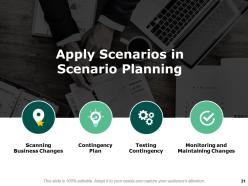
Diapositiva 31 : Esta diapositiva muestra la aplicación de escenarios en la planificación de escenarios con categorías como: escaneo de cambios comerciales, plan de contingencia, prueba de contingencia, monitoreo y mantenimiento de cambios.
Diapositiva 32 : Esta diapositiva muestra las proyecciones financieras en forma de tabla.
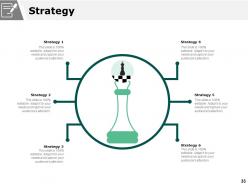
Diapositiva 33 : esta diapositiva muestra la estrategia con cuadros de texto relacionados.
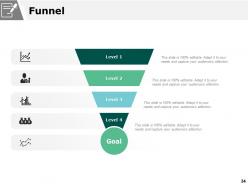
Diapositiva 34 : esta es una diapositiva de embudo con diferentes niveles. Úselo según los requisitos.
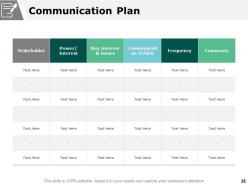
Diapositiva 35 : Esta diapositiva presenta el Plan de comunicación en forma de tabla.
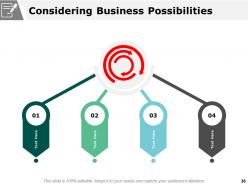
Diapositiva 36 : Esta diapositiva muestra Consideración de las posibilidades comerciales con un diagrama relacionado.
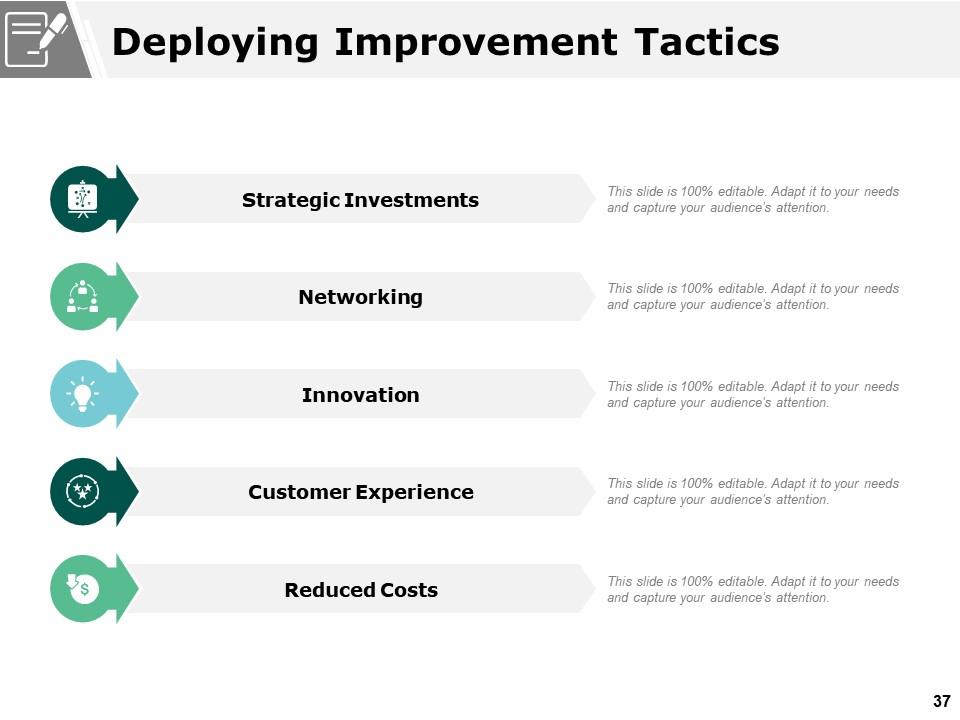
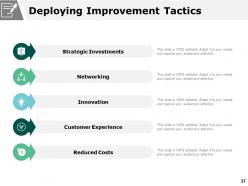
Diapositiva 37 : Esta diapositiva muestra la implementación de tácticas de mejora que describen: inversiones estratégicas, creación de redes, innovación, experiencia del cliente, costos reducidos.
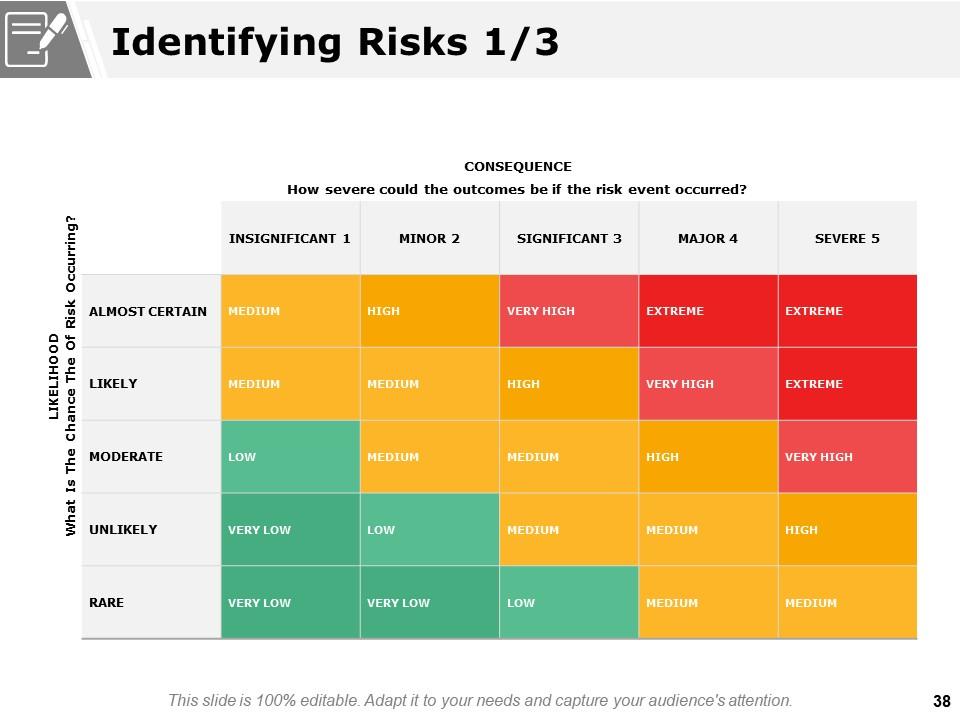
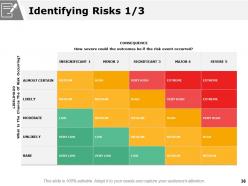
Diapositiva 38 : Esta diapositiva presenta la identificación de riesgos con el nivel de consecuencias y probabilidad.
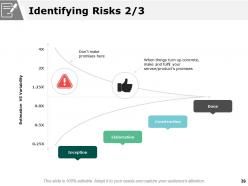
Diapositiva 39 : Esta es otra diapositiva sobre Identificación de riesgos en forma gráfica.
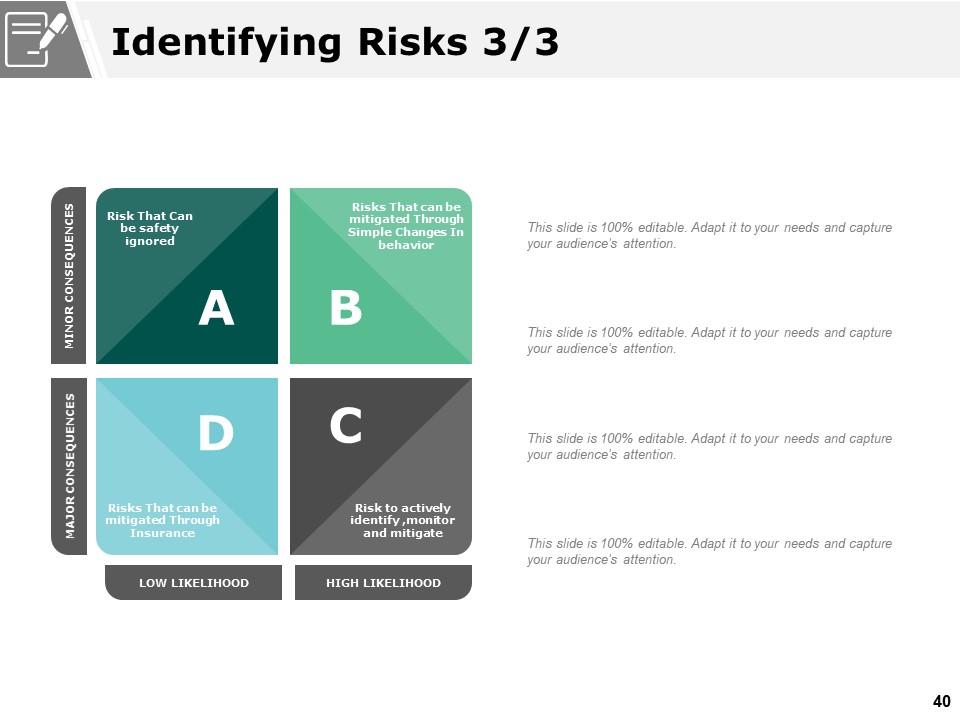
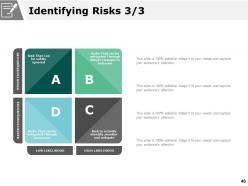
Diapositiva 40 : Esta es otra diapositiva sobre Identificación de riesgos en forma de matriz.
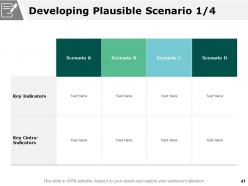
Diapositiva 41 : Esta diapositiva muestra el desarrollo de un escenario plausible.
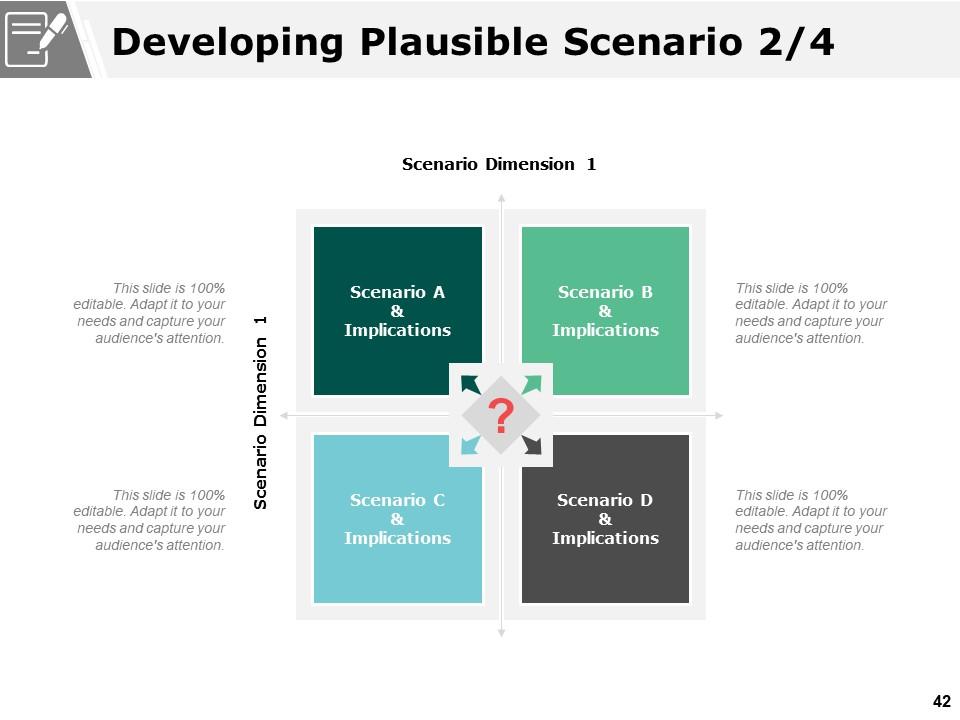
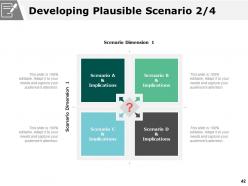
Diapositiva 42 : Esta es otra diapositiva sobre el desarrollo de escenarios plausibles.
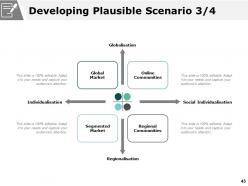
Diapositiva 43 : Esta es otra diapositiva sobre el desarrollo de escenarios plausibles.
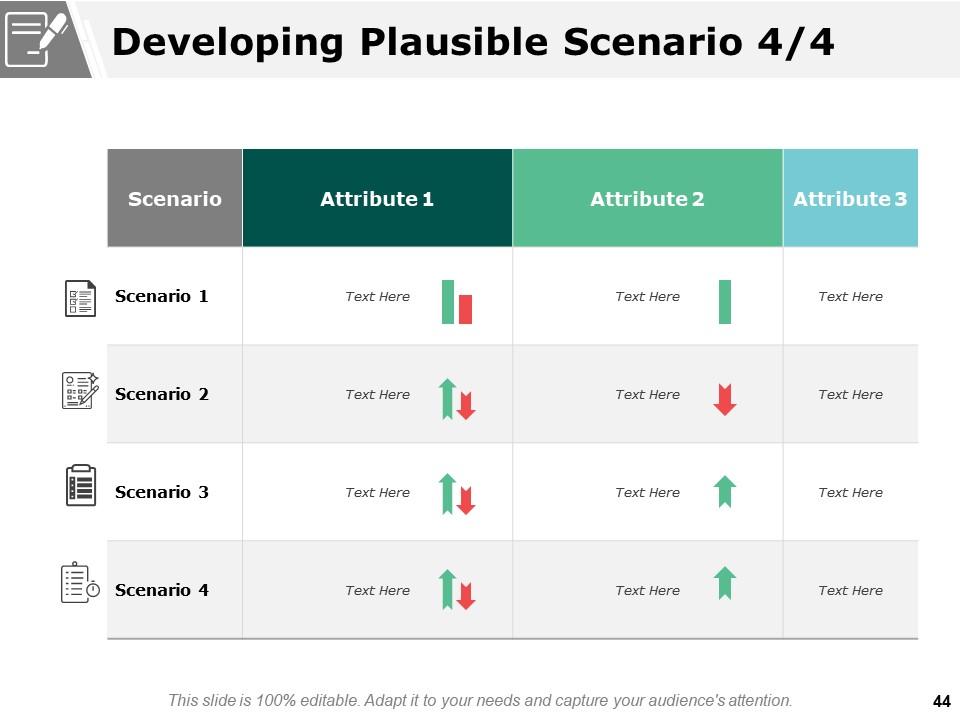
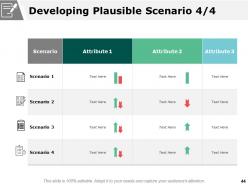
Diapositiva 44 : Esta es otra diapositiva sobre el desarrollo de escenarios plausibles.
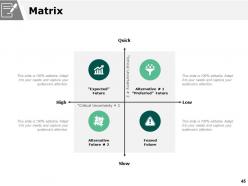
Diapositiva 45 : Esta es una diapositiva de matriz que describe: futuro preferido, futuro esperado, futuro temido, futuro alternativo.
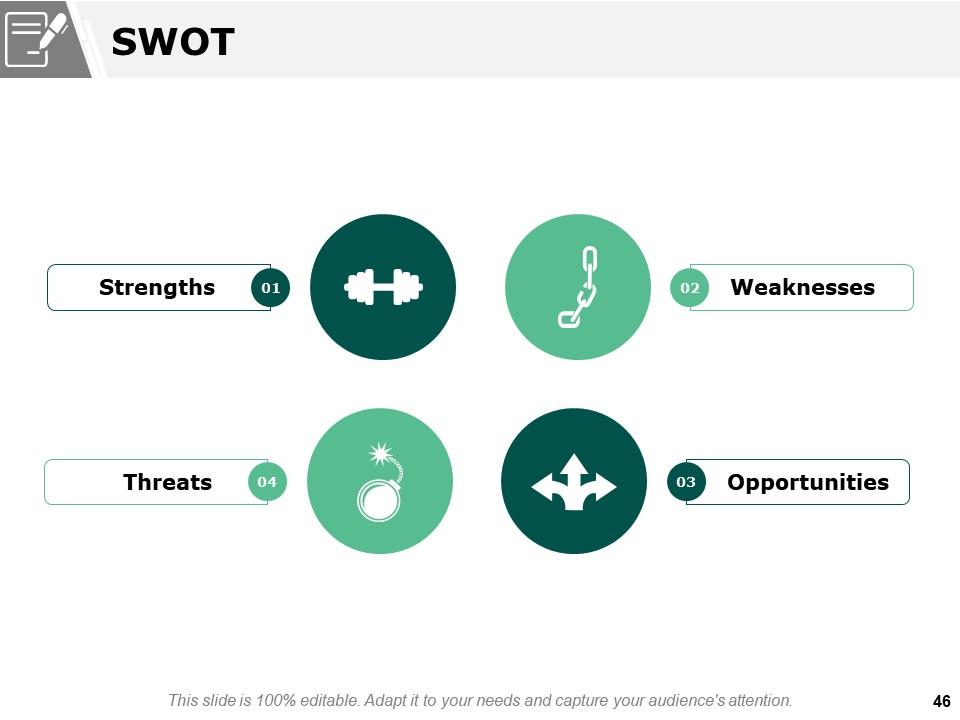
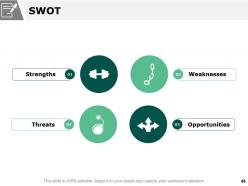
Diapositiva 46 : Esta es una diapositiva FODA que describe: oportunidades, amenazas, debilidades, fortalezas.
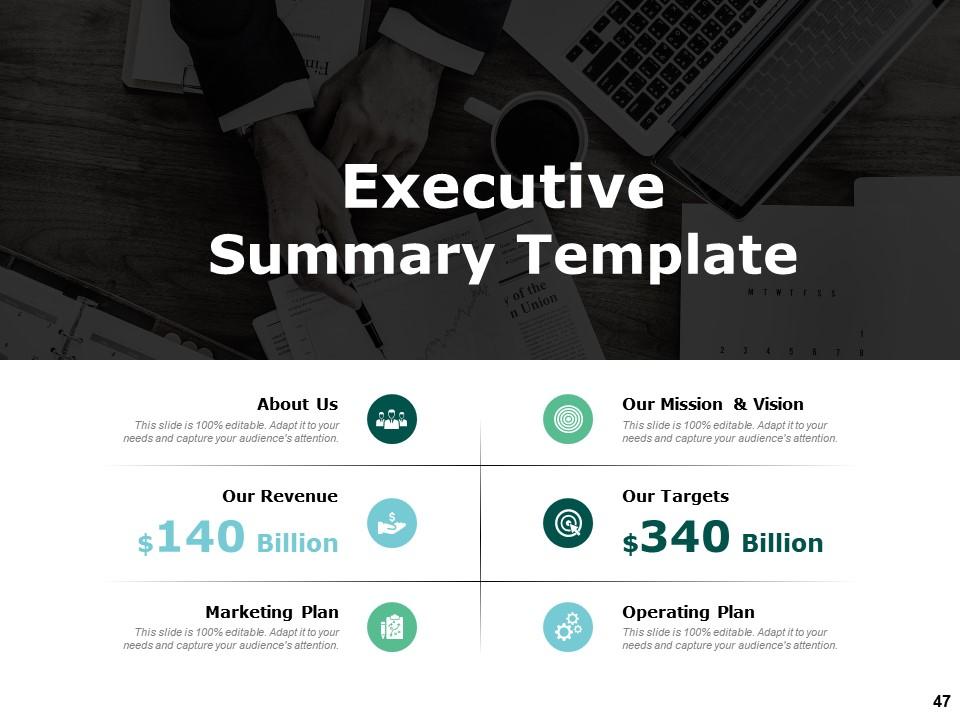
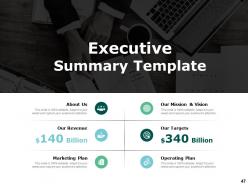
Diapositiva 47 : Esta diapositiva muestra la Plantilla de resumen ejecutivo con imágenes y texto relacionados.
Diapositiva 48 : esta diapositiva se titula Diapositivas adicionales para avanzar.
Diapositiva 49 : Esta es una diapositiva de Siluetas para mostrar información específica de las personas, etc.
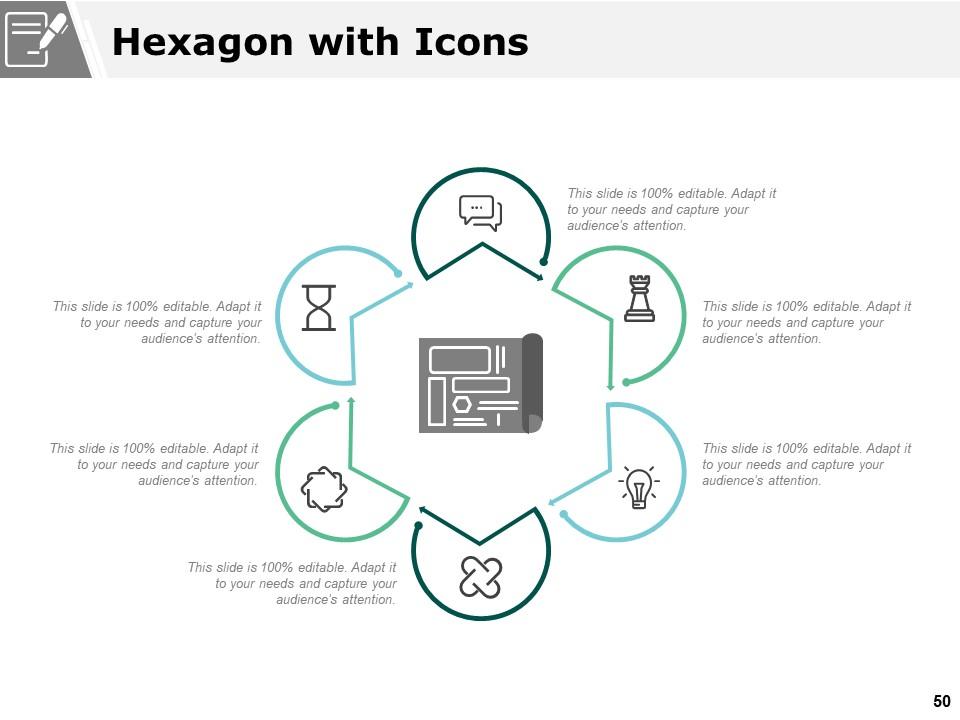
Diapositiva 50 : Esta diapositiva muestra el hexágono con iconos.
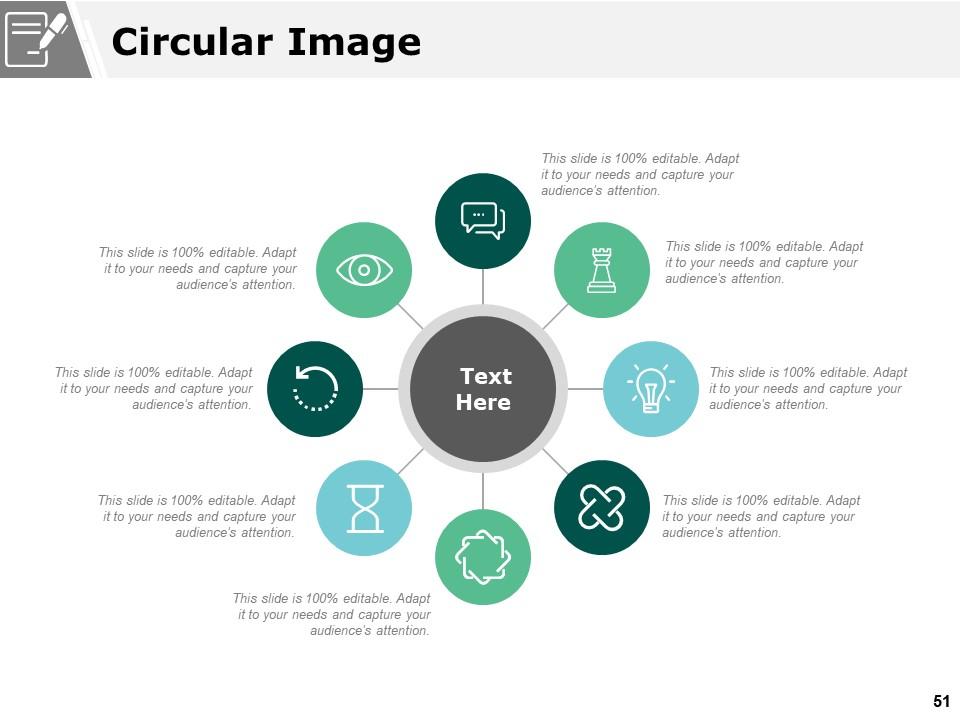
Diapositiva 51 : esta diapositiva presenta una imagen circular con cuadros de texto.
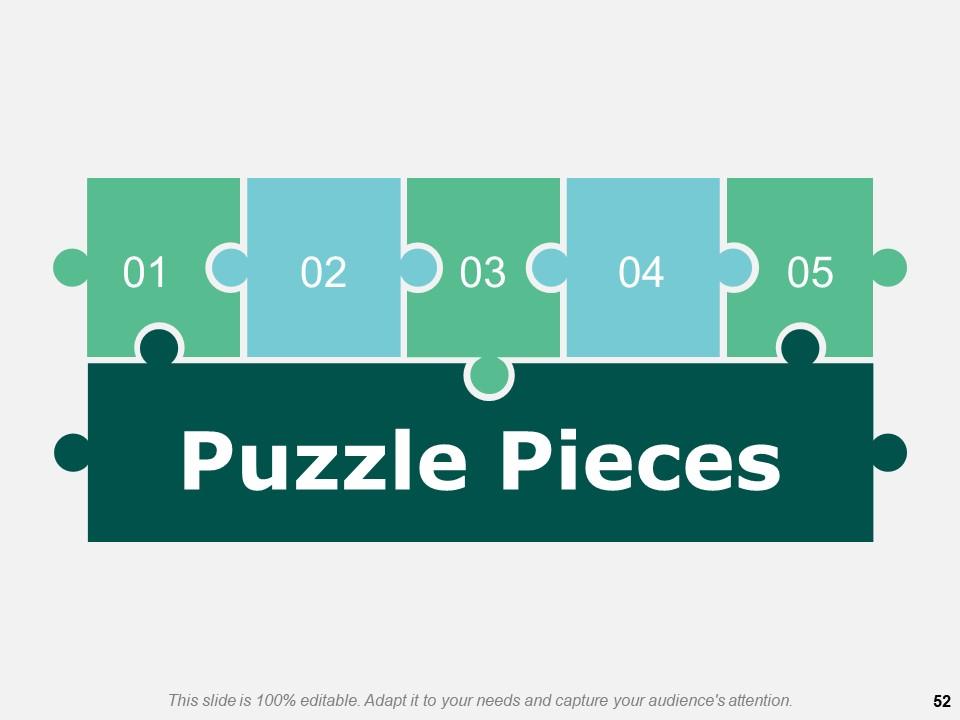
Diapositiva 52 : esta diapositiva muestra piezas de rompecabezas con cuadros de texto.
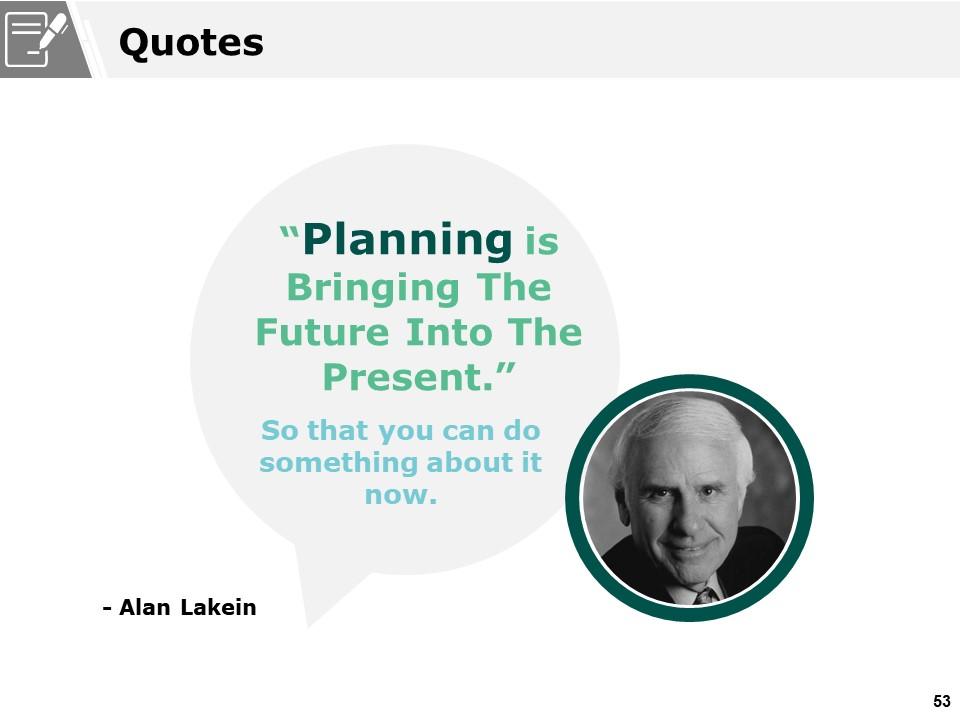
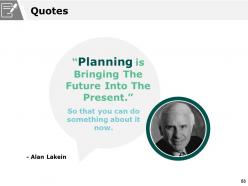
Diapositiva 53 : Esta es una diapositiva de Citas para transmitir mensajes, creencias, etc.
Diapositiva 54 : Esta es la diapositiva Acerca de nuestra empresa para mostrar las especificaciones de la empresa, etc.
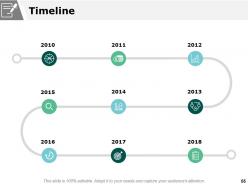
Diapositiva 55 : esta es una diapositiva de la línea de tiempo para mostrar información relacionada con el período de tiempo.
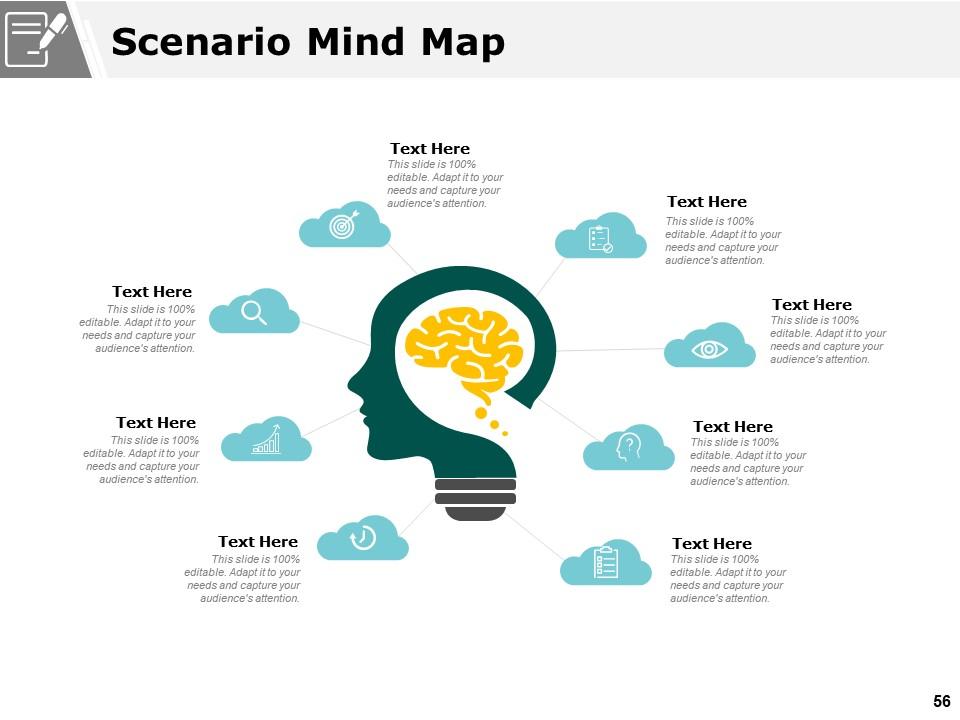
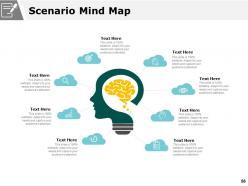
Diapositiva 56 : Esta diapositiva muestra el mapa mental del escenario para representar entidades.
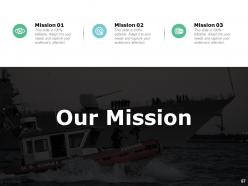
Diapositiva 57 : Esta es la diapositiva Nuestra misión con imágenes y cuadros de texto relacionados.
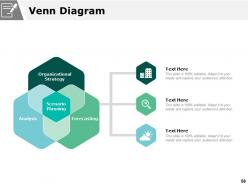
Diapositiva 58 : esta diapositiva muestra el diagrama de Venn con cuadros de texto.
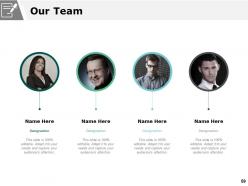
Diapositiva 59 : Esta es la diapositiva de Nuestro equipo con nombres y designaciones.
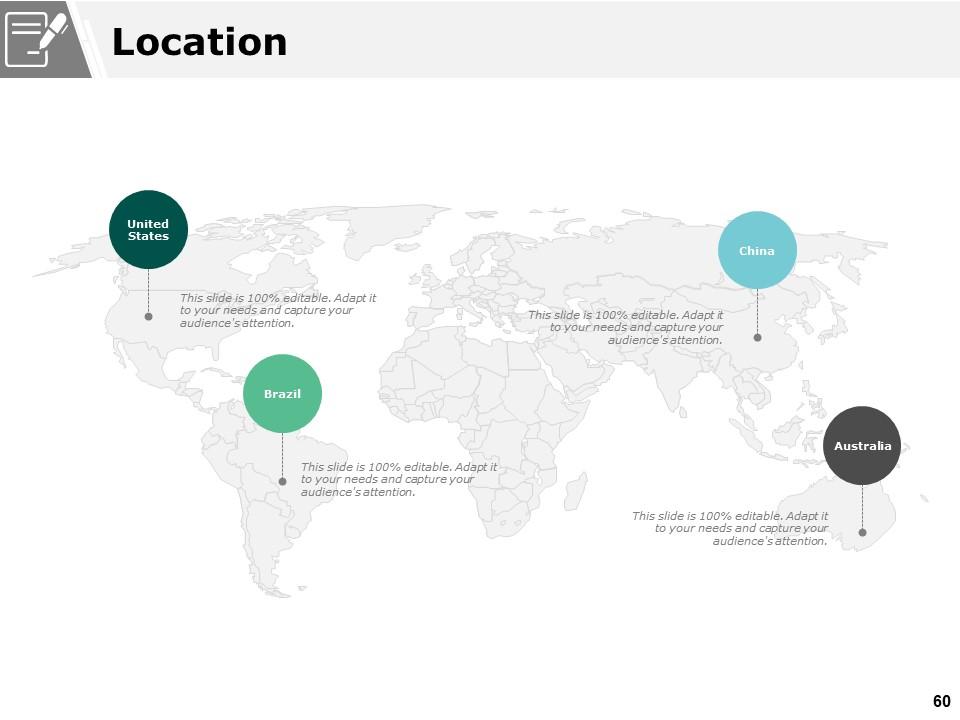
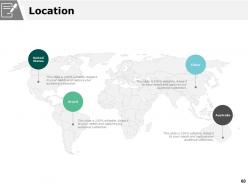
Diapositiva 60 : Esta es una diapositiva de Ubicación con mapas para mostrar datos relacionados con diferentes ubicaciones.
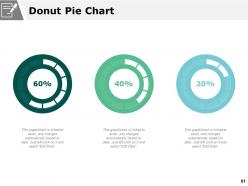
Diapositiva 61 : Esta diapositiva muestra el gráfico circular de anillos con datos en porcentaje.
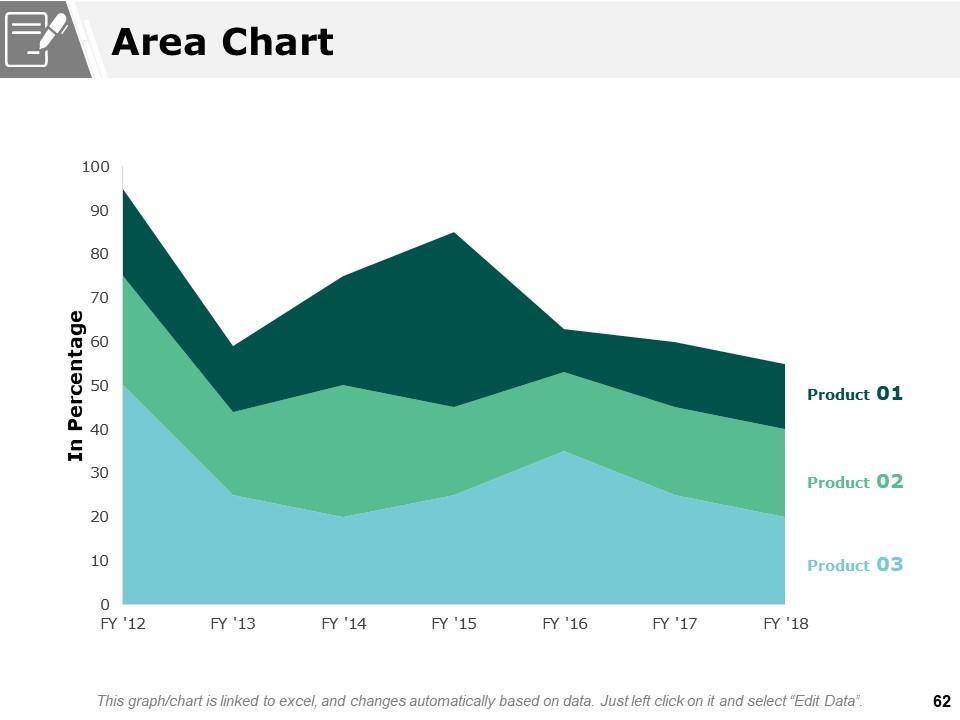
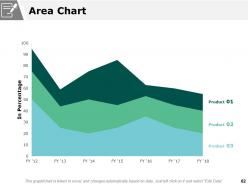
Diapositiva 62 : Esta diapositiva presenta el gráfico de áreas con una comparación de tres productos.
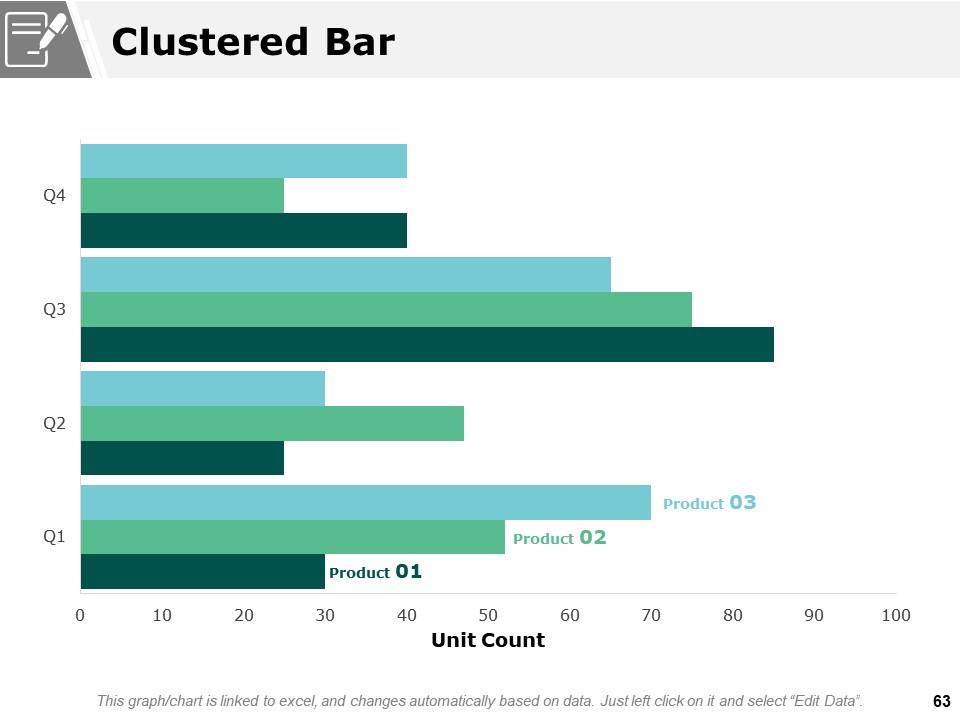
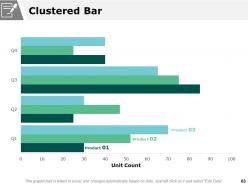
Diapositiva 63 : Esta diapositiva muestra un gráfico de barras agrupadas con una comparación de tres productos.
Diapositiva 64 : Esta es una diapositiva de Contáctenos con dirección, números de contacto y dirección de correo electrónico.
Diapositivas de presentación de PowerPoint de planificación de escenarios con las 64 diapositivas:
Utilice nuestras diapositivas de presentación de PowerPoint de planificación de escenarios para ayudarle a ahorrar su valioso tiempo de manera eficaz. Están listos para adaptarse a cualquier estructura de presentación.
-
Excellent Designs.
