Papéis e responsabilidades do Scrum Master Slides de apresentação em Powerpoint de TI

Rating:
80%
Scrum master roles and responsibilities it powerpoint presentation slides
Slide 1 of 30
Favourites Favourites

Try Before you Buy Download Free Sample Product

Audience Impress Your
Audience
Editable 100%
Editable
Time Save Hours
of Time
The Biggest Sale is ending soon in
0
0
:
0
0
:
0
0
Rating:
80%

Recursos desses slides de apresentação do PowerPoint:

Este deck completo abrange vários tópicos e destaca conceitos importantes. Possui slides PPT que atendem às suas necessidades de negócios. Esta apresentação de deck completa enfatiza os papéis e responsabilidades do Scrum Master, slides de apresentação em Powerpoint de TI e tem modelos com imagens de fundo profissionais e conteúdo relevante. Este deck é composto por um total de trinta slides. Nossos designers criaram modelos personalizáveis, pensando na sua conveniência. Você pode editar a cor, o texto e o tamanho da fonte com facilidade. Não apenas isso, você também pode adicionar ou excluir o conteúdo, se necessário. Tenha acesso a esta apresentação completa totalmente editável clicando no botão de download abaixo.
People who downloaded this PowerPoint presentation also viewed the following :

Conteúdo desta apresentação em PowerPoint

Slide 1 : Este slide exibe o título, ou seja, 'Funções e responsabilidades do Scrum Master (TI)' e o nome da sua empresa.
Slide 2 : Este slide apresenta a agenda.
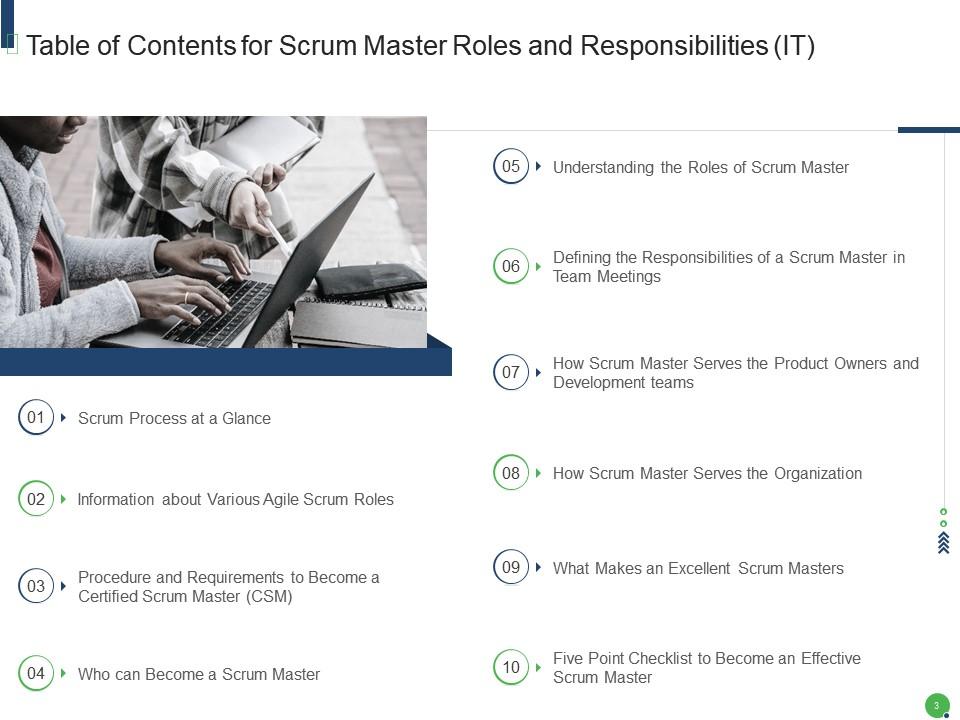
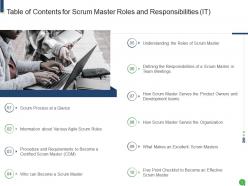
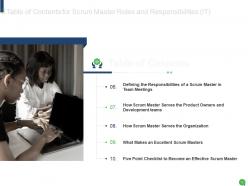
Slide 3 : Este slide apresenta o índice.
Slide 4 : Este slide mostra o título dos primeiros cinco tópicos a serem abordados na proposta.
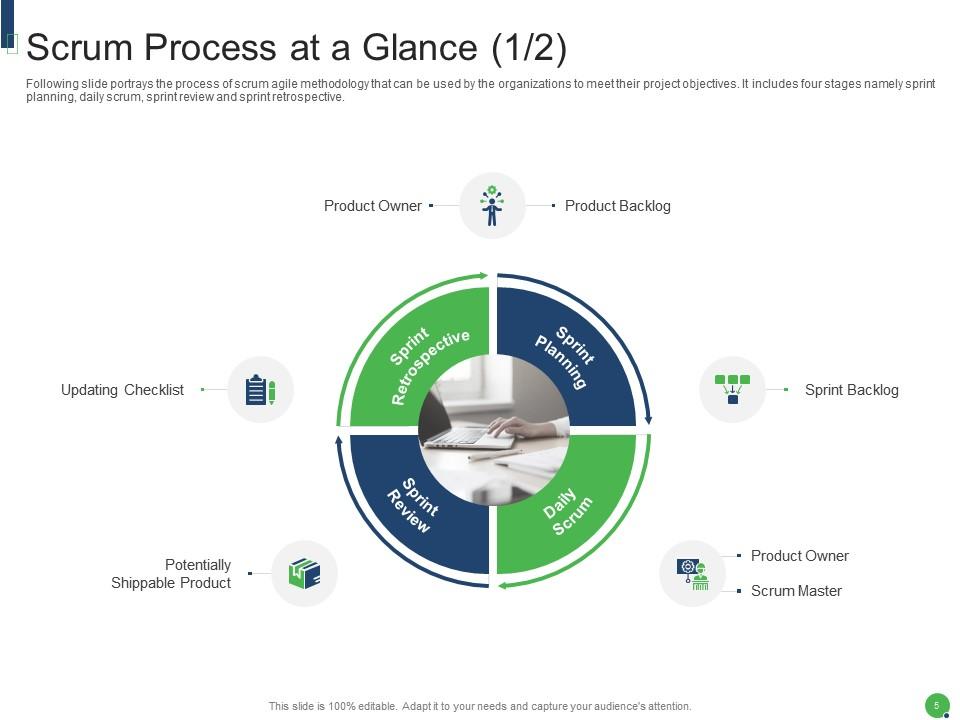
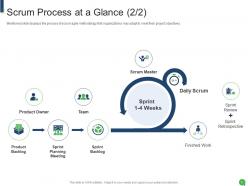
Slide 5 : Este slide retrata o processo de metodologia ágil scrum que pode ser usado pelas organizações para atingir os objetivos de seus projetos.
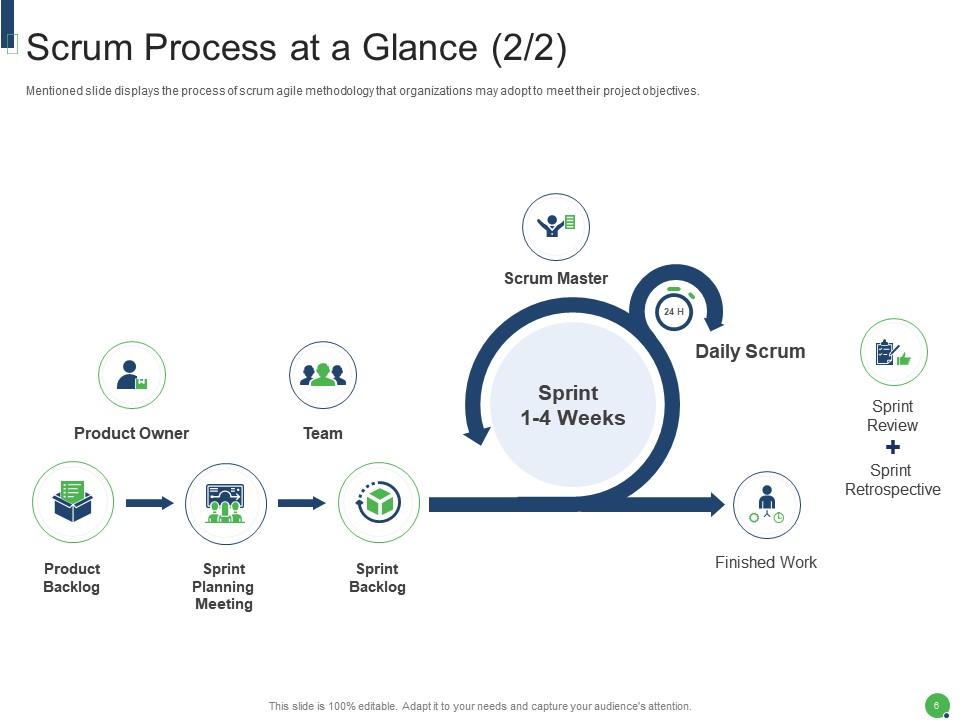
Slide 6 : Este slide mostra o processo de metodologia ágil scrum que as organizações podem adotar para atingir seus objetivos de projeto.
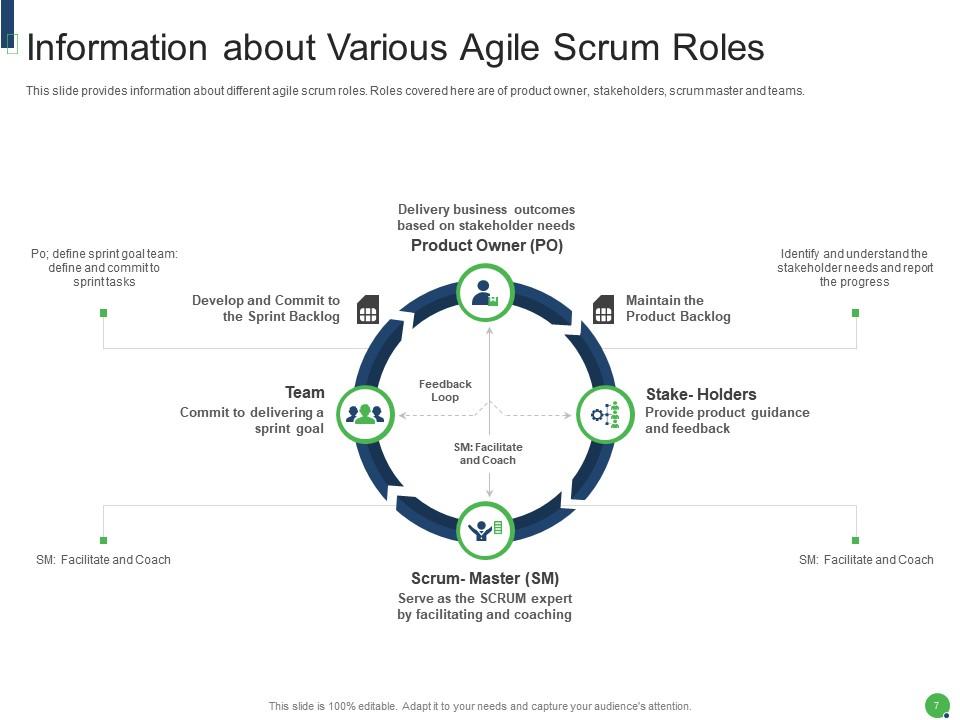
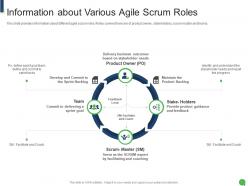
Slide 7 : Este slide fornece informações sobre as diferentes funções do Agile Scrum.
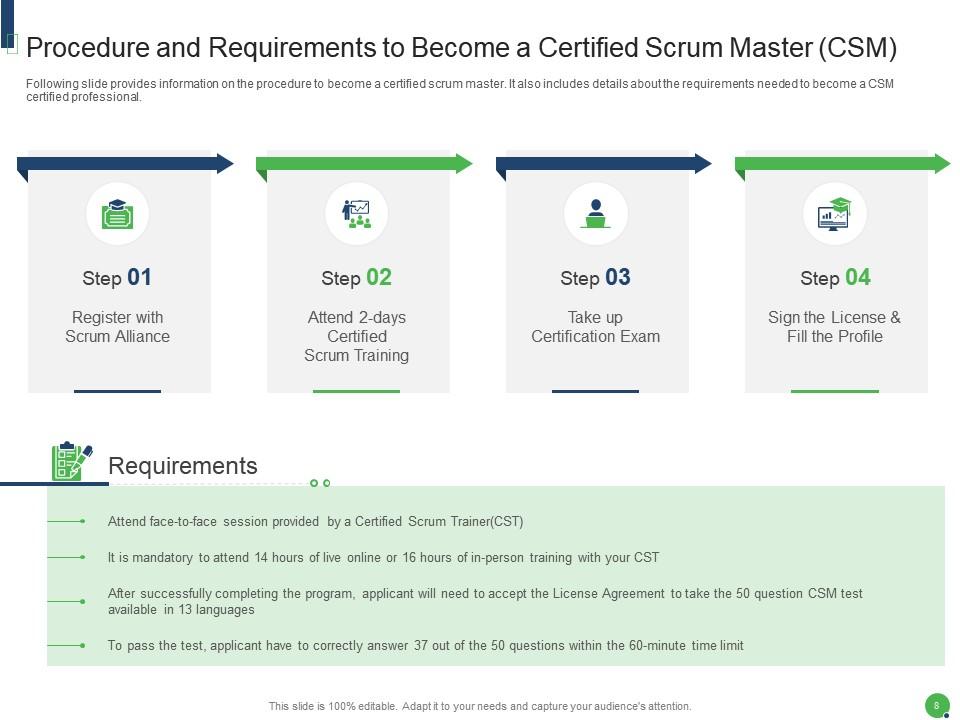
Slide 8 : Este slide fornece informações sobre o procedimento para se tornar um scrum master certificado.
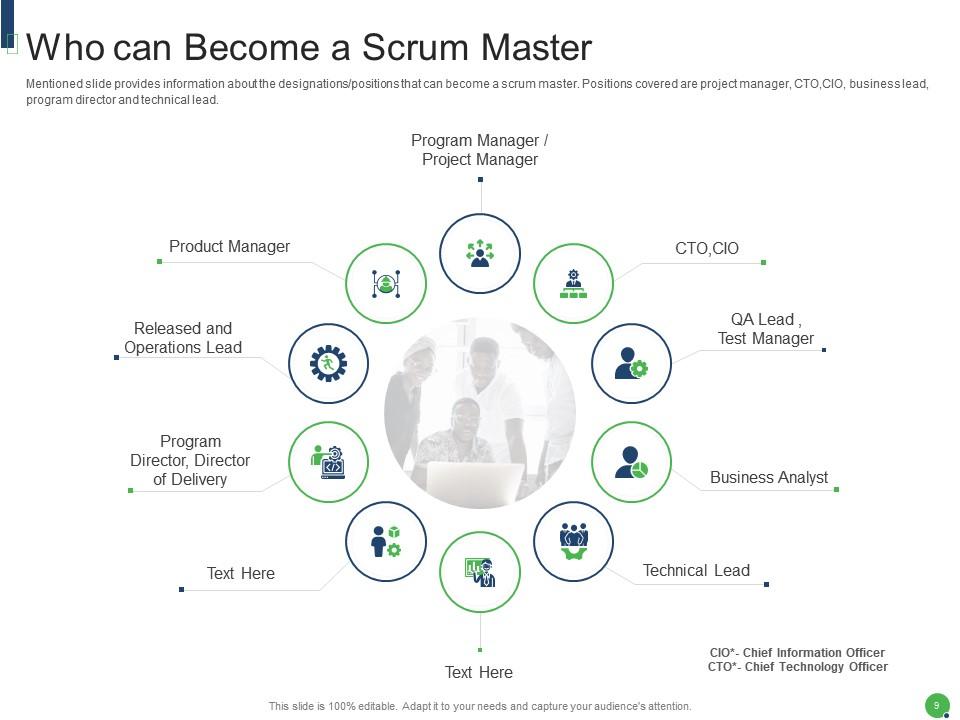
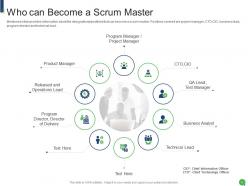
Slide 9 : Este slide fornece informações sobre as designações/posições que podem se tornar um scrum master.
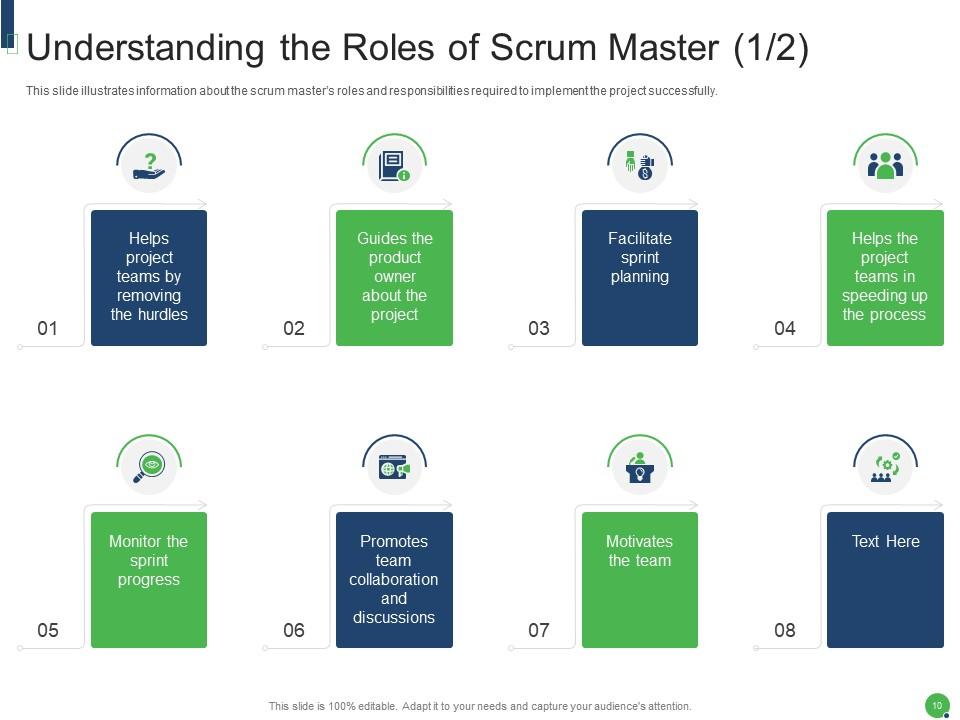
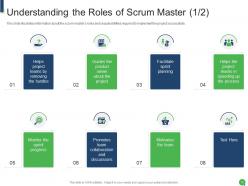
Slide 10 : Este slide ilustra informações sobre os papéis e responsabilidades do scrum master necessários para implementar o projeto com sucesso.
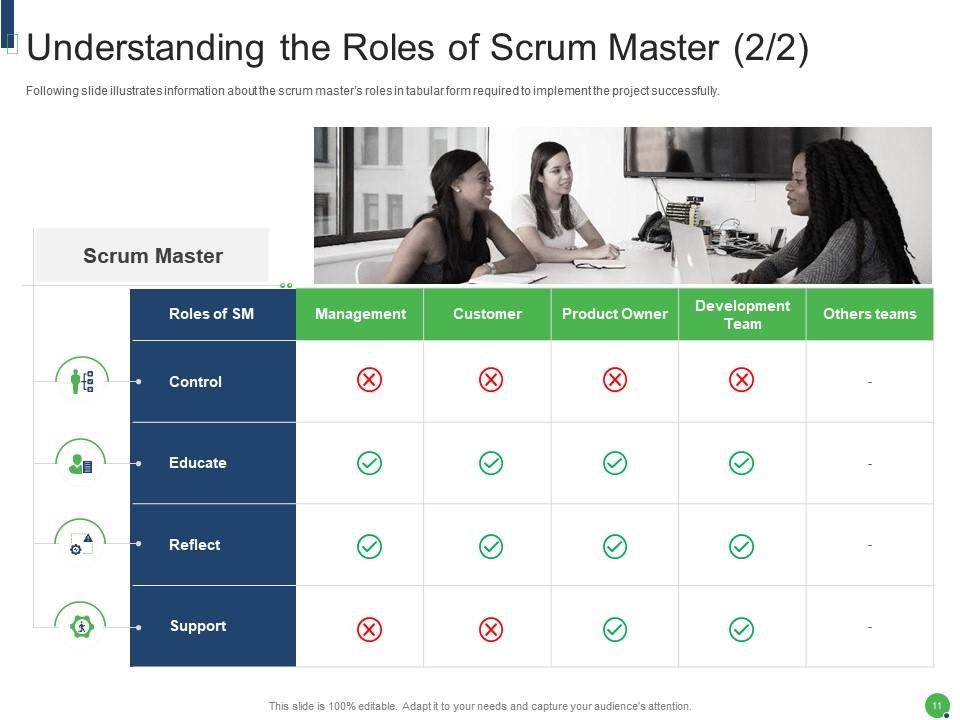
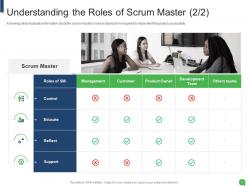
Slide 11 : Este slide ilustra informações sobre as funções do scrum master em forma de tabela necessárias para implementar o projeto com sucesso.
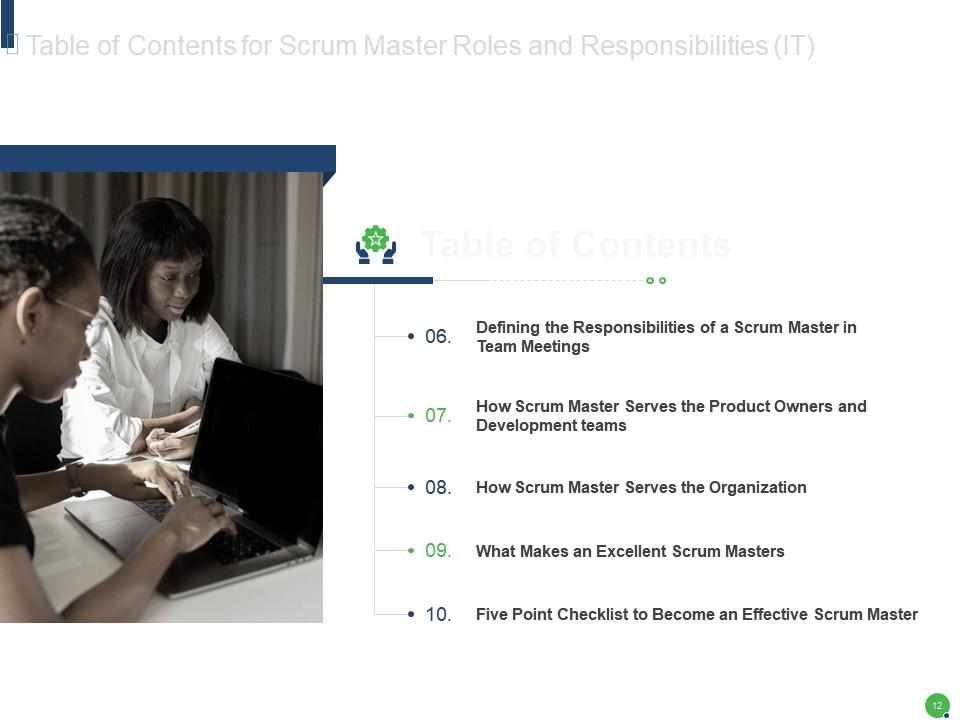
Slide 12 : Este slide mostra o título dos próximos cinco tópicos a serem abordados na proposta.
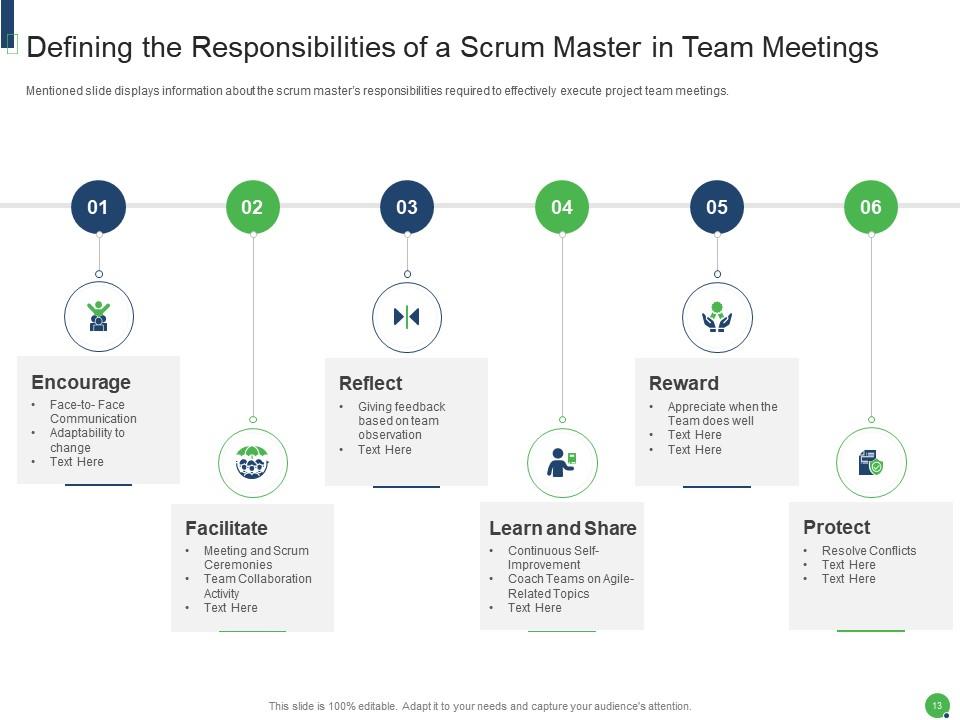
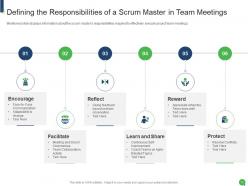
Slide 13 : Este slide exibe informações sobre as responsabilidades do scrum master necessárias para executar efetivamente as reuniões da equipe do projeto.
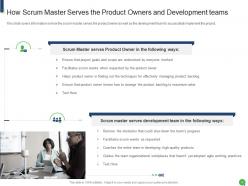
Slide 14 : Este slide cobre informações sobre como o scrum master atende o proprietário do produto, bem como a equipe de desenvolvimento para implementar o projeto com sucesso.
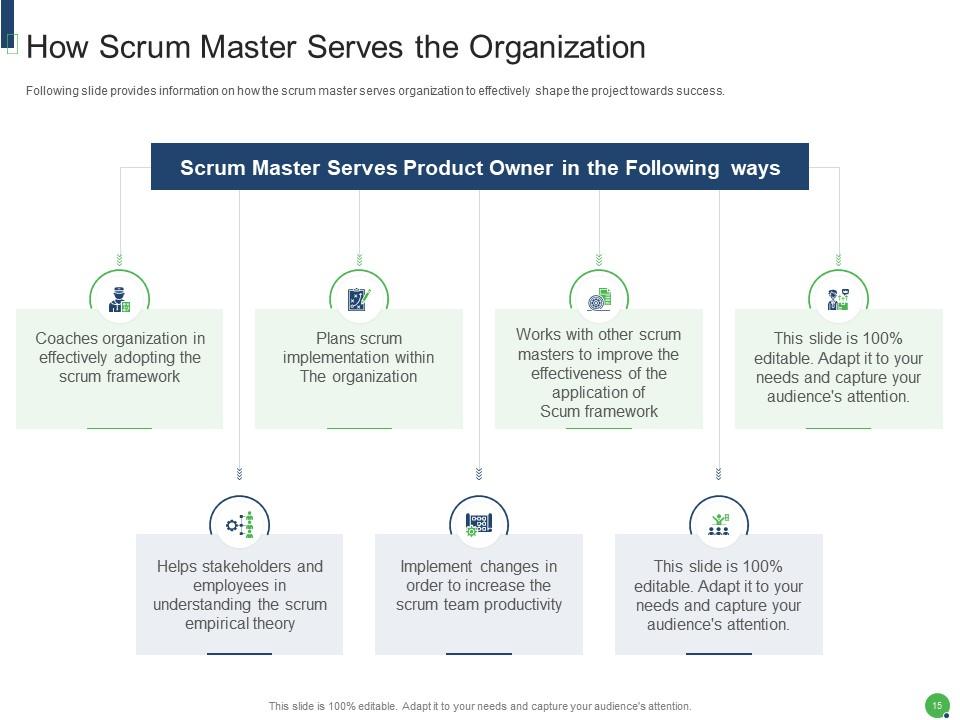
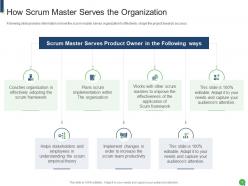
Slide 15 : Este slide fornece informações sobre como o scrum master serve à organização para moldar efetivamente o projeto em direção ao sucesso.
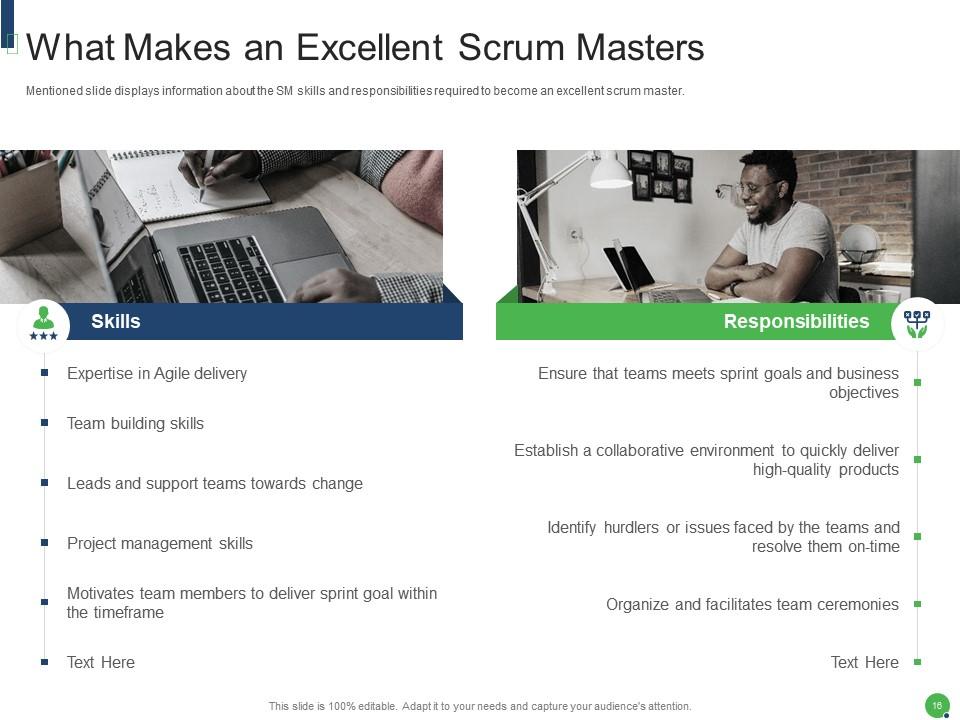
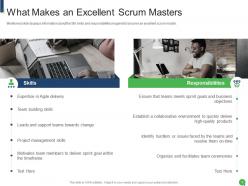
Slide 16 : Este slide mostra informações sobre as habilidades e responsabilidades do SM necessárias para se tornar um excelente scrum master.
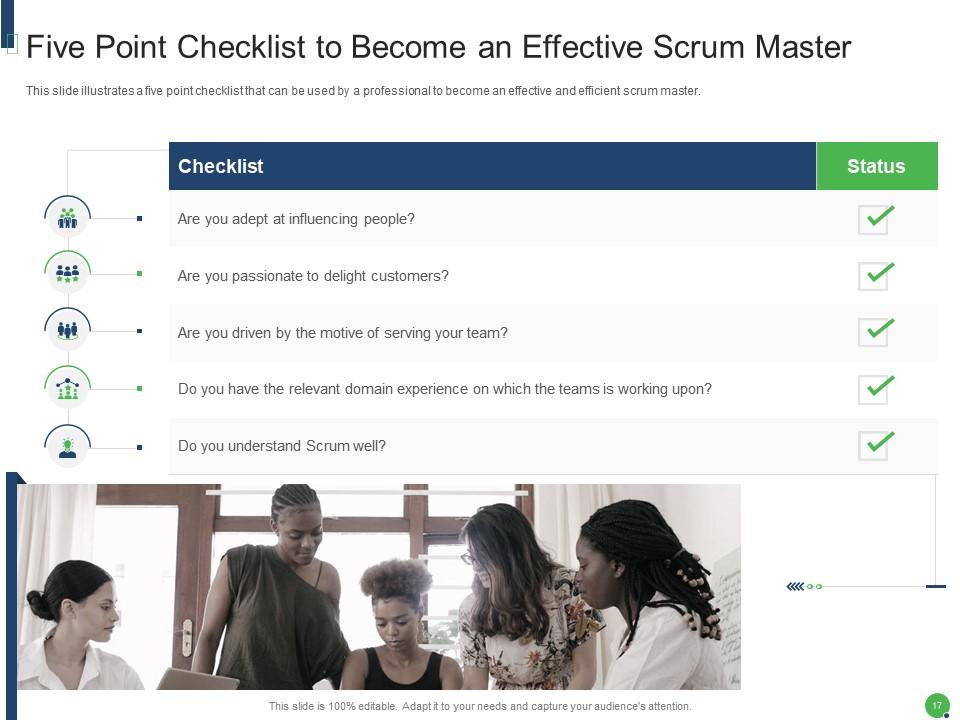
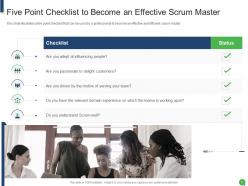
Slide 17 : Este slide ilustra uma lista de verificação de cinco pontos que pode ser usada por um profissional para se tornar um scrum master eficaz e eficiente.
Slide 18 : Este é o slide dos ícones.
Slide 19 : Este slide apresenta o título para slides adicionais.
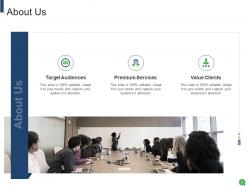
Slide 20 : Este slide mostra sobre sua empresa, público-alvo e os valores de seus clientes.
Slide 21 : Este slide apresenta a visão, missão e objetivos da sua empresa.
Slide 22 : Este slide mostra postagens de experiências anteriores de clientes.
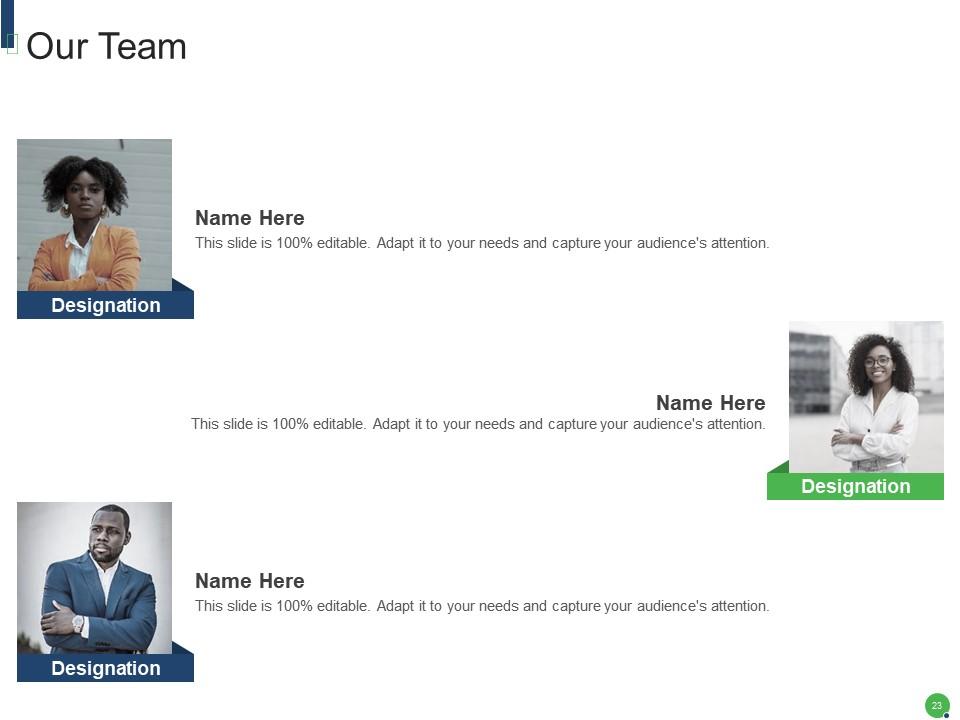
Slide 23 : Este slide exibe detalhes dos membros da equipe, como nome, designação, etc.
Slide 24 : Este slide mostra o quebra-cabeça.
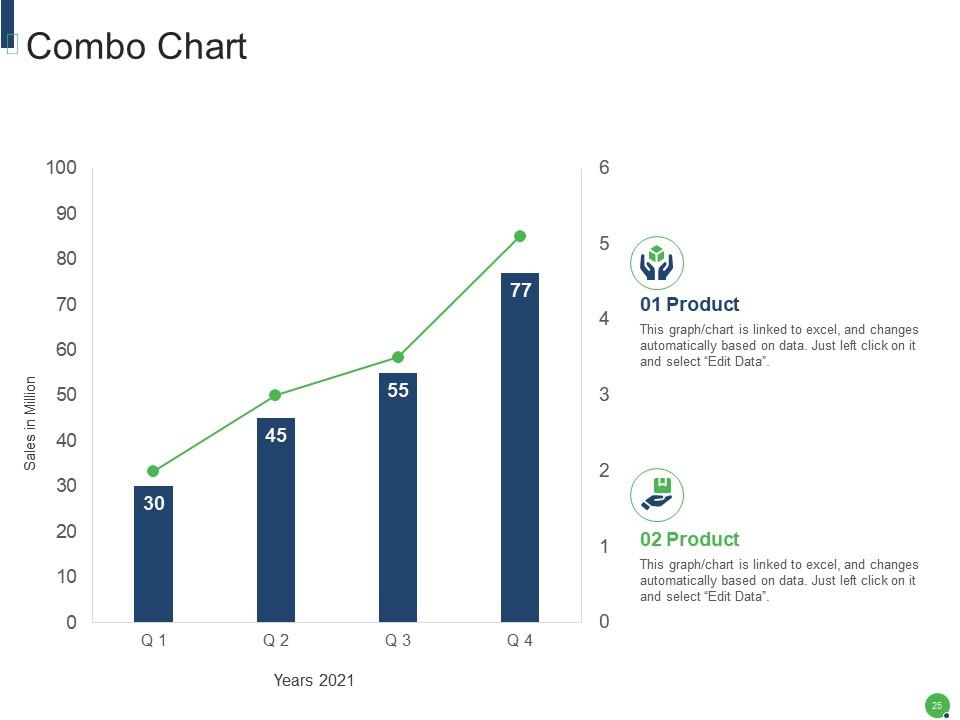
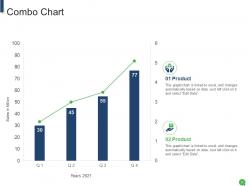
Slide 25 : Este slide apresenta gráficos de combinação de vendas anuais para diferentes produtos. Os gráficos estão vinculados ao Excel.
Slide 26 : Este slide mostra venn.
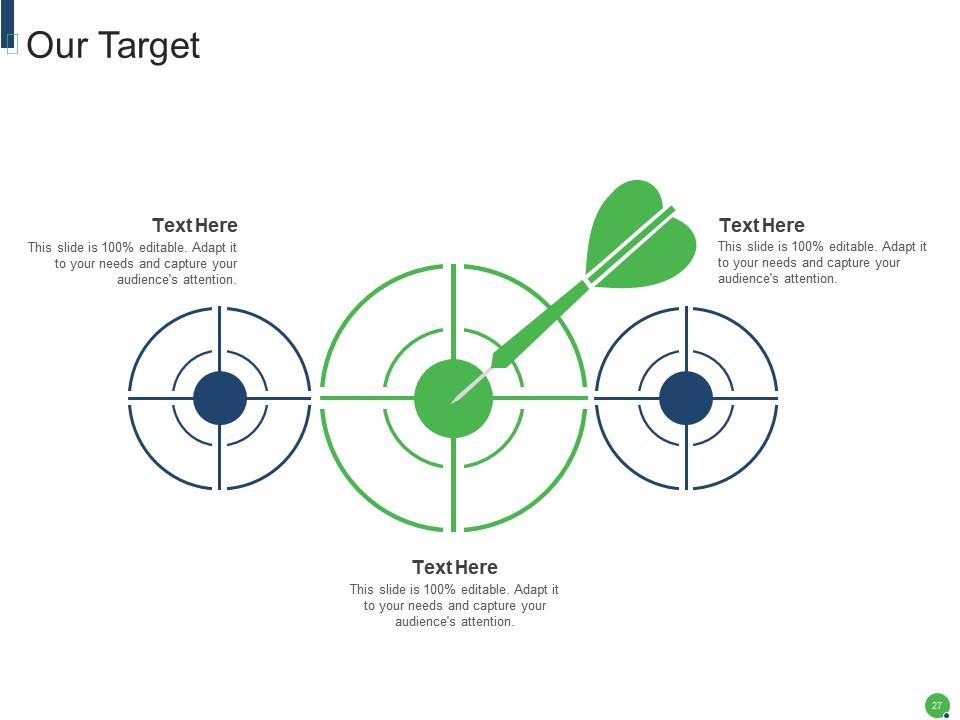
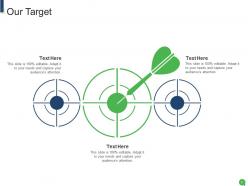
Slide 27 : Este slide mostra as metas.
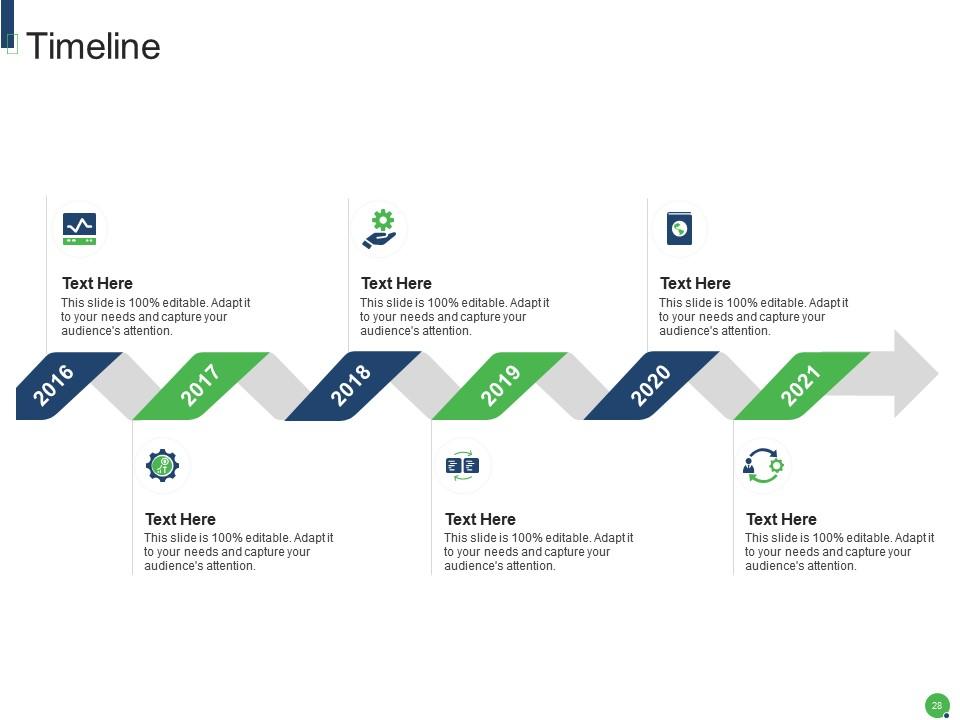
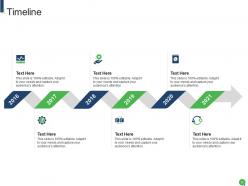
Slide 28 : Este slide mostra a linha do tempo anual.
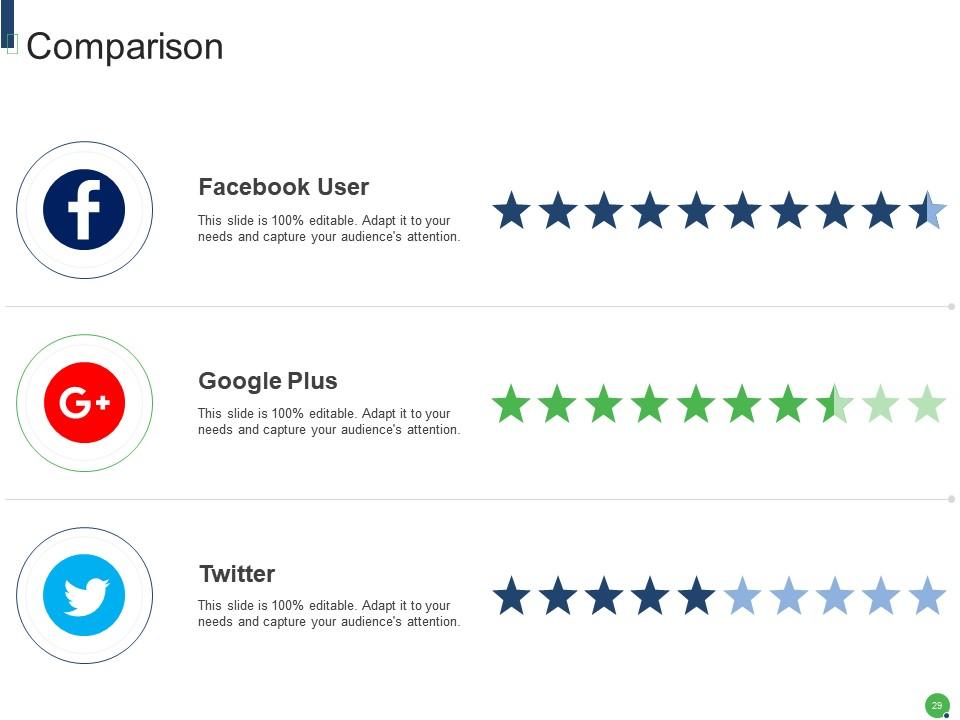
Slide 29 : Este slide apresenta a comparação de produtos com base em seleções.
Slide 30 : Este é o slide de agradecimento e contém detalhes de contato da empresa, como endereço do escritório, número de telefone etc.

FAQs for Scrum master roles and responsibilities it

So basically you're like the team's blocker-remover-in-chief. Run the daily standups, sprint planning, all that good stuff. But here's the thing - you're coaching, not managing. Don't micromanage anyone! Your job is helping them self-organize while you deal with outside BS that tries to distract them. When conflicts happen (and they will), jump in to help sort things out. I always think the best approach is asking "what's in your way?" instead of telling people what to do. You're there to serve the team, not boss them around. Makes way more sense that way.

Honestly, start by just watching how your team talks to each other right now. Your standups are key - don't let them turn into boring status reports, but actually dig into blockers when people bring them up. I've watched so many Scrum Masters phone it in during these meetings, it's painful. Listen hard in retros and help translate when teammates aren't getting each other. You'll need to block out distractions from higher-ups while keeping everyone looped in with stakeholders. Model the communication you want to see, and don't be afraid to call it out when info gets stuck somewhere.

Oh yeah, so the Scrum Master doesn't actually do the prioritizing - that's totally the Product Owner's thing. But you can help them get better at it! Run those backlog refinement sessions, teach stakeholders how to give useful feedback instead of just random requests. I've found that shielding the PO from constant "can we just squeeze this one thing in" requests is huge. Coach them on story mapping or whatever prioritization method works. Help gather technical info from the dev team too - like dependencies and estimates. Basically make their job easier so they can prioritize well.

Talk to each person separately first - way easier to get honest answers that way. Then bring everyone together once you know what's really going on. Most of the time it's not actually about the work stuff they're arguing about, it's like personality clashes or someone feeling overloaded. Retrospectives catch this drama early if you're paying attention. Try asking "why" five times in a row to get past the surface-level complaints. Stay neutral though! Focus on what the team's trying to accomplish together instead of picking favorites.

So you're basically the team's Agile coach now. Help them actually understand the *why* behind standups and retros - not just checking boxes. Teams love to phone it in at first, trust me. Run those ceremonies, clear blockers when they come up, and shield your people from random interruptions during sprints. Model what you want to see. Be transparent and collaborative. Show them continuous improvement isn't just buzzword BS. Honestly though? Start by making your meetings actually useful instead of mandatory time-wasters. That's where most Scrum Masters mess up.

So as Scrum Master, you're basically the facilitator during Sprint Planning - not the one deciding what gets built. Keep discussions moving when they get stuck. Watch those timeboxes too. Help the PO present backlog items clearly and make sure the dev team gets the acceptance criteria. I've watched way too many planning sessions turn into total chaos without decent facilitation - it's painful. You'll also spot impediments early and help knock them out before sprint work starts. Oh, and don't micromanage. Just keep things productive.

Honestly, just focus on clearing roadblocks fast and getting people talking better. Figure out what's actually slowing your team down right now - could be fuzzy requirements, some conflict nobody wants to address, or stakeholders dragging their feet on decisions. Too many Scrum Masters get obsessed with running perfect ceremonies (which, whatever), but the real impact comes from coaching people to work together and fix their own problems. I've watched teams completely turn around once they started identifying their biggest pain points and knocking them out systematically. Self-organizing teams don't just happen overnight though.

Velocity and burndown charts are your best friends here - they'll show you story points per sprint and how you're tracking. Cycle time is gold though, tells you exactly where things get stuck. Team happiness stuff matters way more than people think, so do those retrospective surveys. Track how often you actually hit sprint goals too. Oh and impediment resolution time - that one's sneaky important. I'd honestly pick maybe 3-4 max because you'll go crazy otherwise. The soft stuff like whether people actually speak up in standups? That's your real indicator. Start simple with velocity and satisfaction surveys, then build from there.

So basically, Scrum Masters run those retrospective meetings where everyone actually talks about what's broken instead of pretending everything's fine. They're good at turning complaints into real action items that actually get done - not just talked about for five minutes then forgotten. Your Scrum Master should be like that friend who's always asking "but could we do this better though?" They'll help you try new stuff and see if it works. The whole point is creating a space where people can have those awkward conversations about what's not working. Oh, and definitely start tracking just one small thing this sprint to see if you're improving.

Oh man, the biggest pain is dealing with resistance to change and team drama. Plus stakeholders constantly wanting to skip stuff "just this once." The worst part though? Everyone expects you to be a project manager instead of actually coaching - drives me nuts! My advice: educate don't dictate, and use retrospectives for real conversations. Shield your team from outside pressure when you can. When people want shortcuts, show them how doing Scrum right actually makes things faster later. Pick one small thing to improve at a time and make sure you celebrate those wins.

Honestly, think of yourself as the meeting guide, not the boss barking orders. Before each one, I always make sure everyone knows what we're trying to accomplish - saves so much time later. When discussions go sideways (they absolutely will), jump in and redirect. Get everyone talking, not just the usual suspects. Quick tip that's helped me tons: after each ceremony, spend like 2 minutes asking what sucked and what didn't. The goal? Make these meetings so good people would actually complain if you canceled them. That's when you know you've nailed it.

Here's what's worked for me: ask open-ended questions instead of just giving answers - helps people figure stuff out themselves. Pair programming is huge for mentoring. During retrospectives, turn them into mini learning sessions. One-on-ones are perfect for spotting what skills each person wants to grow. Then you can point them toward the right resources or training. Oh, and lunch-and-learns are actually pretty popular if you can swing it. Sometimes bringing in outside speakers works too. Really though, you're just clearing the path so they can learn. Maybe start by asking everyone what they'd like to work on next sprint?

You're basically the middleman between your team and all the stakeholders breathing down everyone's necks. Protect your devs from random interruptions - seriously, nothing kills productivity like constant "quick questions." Set up regular check-ins instead so stakeholders feel looped in without deriving your sprint. Run demos, collect feedback, and brace yourself for explaining why scope changes aren't free. Half your job is teaching people how Scrum actually works since most think it's just "agile meetings." Oh, and manage expectations early because stakeholders love assuming everything's possible by next week. Stay ahead of communication before problems blow up.

Honestly, impediment removal is where you'll make or break your team's momentum. Jump on blockers immediately - doesn't matter if it's tech debt, missing resources, or some bureaucratic nightmare. I once watched a whole sprint tank because nobody wanted to bug the finance team about a simple purchase order (ugh). Talk about blockers regularly with your team. Keep a running list everyone can see. Don't hesitate to be the squeaky wheel with stakeholders when you need to. Building connections across different departments pays off huge when you're scrambling to unblock something. Track how long it takes you to resolve stuff - the data actually helps prove your worth.

Honestly, skip the usual "what went wrong" drill - dig into why patterns keep happening instead. Make sure people feel safe to actually speak up, not just give polite feedback. I've watched so many retros become pointless venting sessions! Try different formats so it doesn't get stale. Focus on picking maybe 2 concrete things to experiment with, then actually check if they worked next sprint. The whole point is turning those insights into real changes, otherwise you're basically running group therapy (which isn't cheap btw).

Ratings and Reviews

80% of 100
Review Form
Write a review
Most Relevant Reviews
  1. 80%

    by Colton Fisher

    Wonderful templates design to use in business meetings.
  2. 80%

    by Oscar Davis

    Great experience, I would definitely use your services further.
  3. 80%

    by Dusty Hoffman

    Excellent Designs.

3 Item(s)

per page: