


Secure Access Service Edge SASE Powerpoint Presentation Slides




Try Before you Buy Download Free Sample Product
 Impress Your
 Audience
 100%
100% Editable
 Save Hours
 of Time


Access our meticulously crafted Secure Access Service Edge SASE PowerPoint presentation, providing a concise overview of the Secure Access Service Edge security model. This comprehensive deck covers the architecture, operational principles, framework components, use cases, implementation process, and comparative analysis of SASE against other technologies. Our SASE Security presentation emphasizes the significance of the SASE model and its role in the digital workspace. Additionally, it offers an in-depth exploration of SASE framework components, including Software Defined Wide Area Network SD-WAN, Secure Web Gateway SWG, Zero Trust Network Access ZTNA, Cloud Access Security Broker CASB, and Firewall as a Service FWaaS. Our SASE architecture PPT includes a thorough comparison of SASE with alternative technologies like SD-WAN, SWGs, and UTM. It provides insights into budget considerations for implementation and outlines a training program. Furthermore, our SASE Network Security module offers a performance-tracking dashboard and showcases practical use cases of Secure Access Service Edge across different domains. Do not miss the opportunity to access this valuable resource.
People who downloaded this PowerPoint presentation also viewed the following :
Content of this Powerpoint Presentation
Slide 1: This slide introduces Secure Access Service Edge (SASE). Commence by stating Your Company Name.
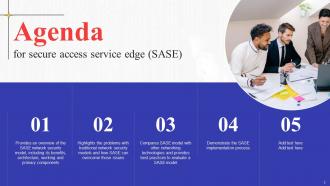
Slide 2: This slide depicts the Agenda of the presentation.
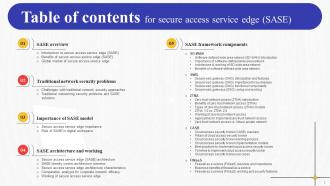
Slide 3: This slide includes the Table of contents.
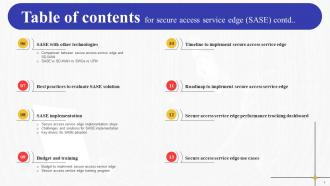
Slide 4: This slide continues the Table of contents.
Slide 5: This slide highlights the Title for the Topics to be covered further.
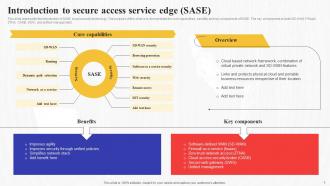
Slide 6: This slide represents the introduction of SASE cloud security technology.
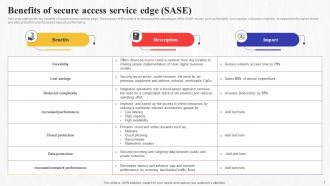
Slide 7: This slide outlines the key benefits of secure access service edge.
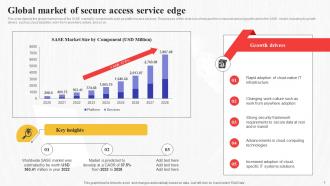
Slide 8: This slide depicts the global market size of the SASE market by components such as platforms and services.
Slide 9: This slide showcases the Heading for the Contents to be discussed next.
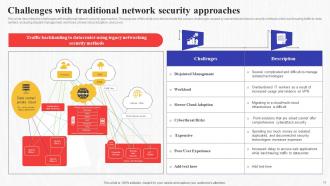
Slide 10: This slide describes the challenges with traditional network security approaches.
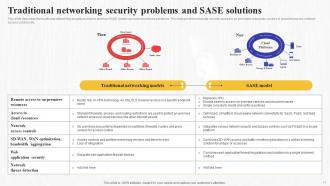
Slide 11: This slide presents the traditional networking security problems and how SASE model can overcome those problems.
Slide 12: This slide depicts the Title for the Ideas to be covered further.
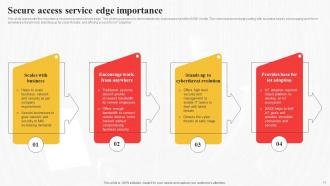
Slide 13: This slide represents the importance of secure access service edge.
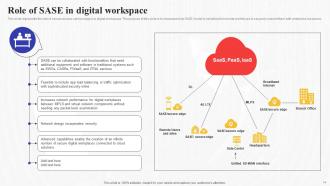
Slide 14: This slide represents the role of secure access service edge in a digital workspace.
Slide 15: This slide depicts the Heading for the Ideas to be discussed next.
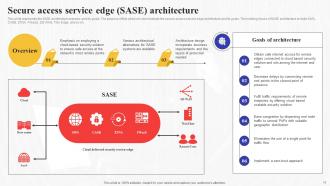
Slide 16: This slide represents the SASE architecture overview and its goals.
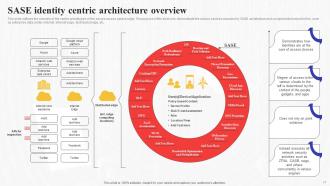
Slide 17: This slide outlines the overview of the centric architecture of the secure access service edge.
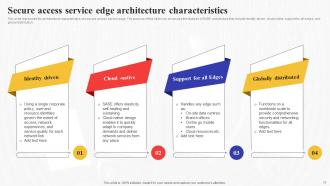
Slide 18: This slide presents the architectural characteristics of a secure access service edge.
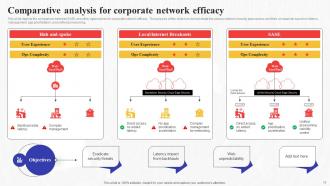
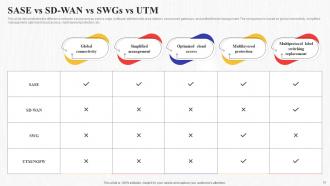
Slide 19: This slide depicts the comparison between SASE and other approaches for corporate network efficacy.
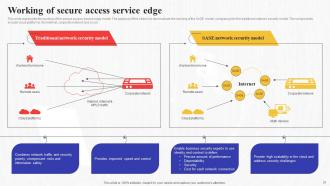
Slide 20: This slide reveals the working of the secure access service edge model.
Slide 21: This slide shows the Title for the Contents to be covered in the upcoming template.
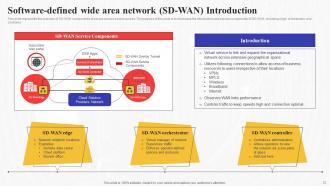
Slide 22: This slide represents the overview of SD-WAN components of secure access service access.
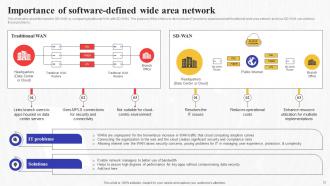
Slide 23: This slide talks about the need for SD-WAN by comparing traditional WAN with SD-WAN.
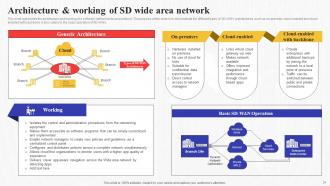
Slide 24: This slide presents the architecture and working of a software-defined wide area network.
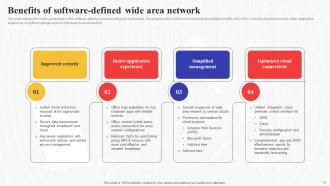
Slide 25: This slide outlines the various advantages of the software-defined wide-area network to businesses.
Slide 26: This slide depicts the Heading for the Topics to be discussed further.
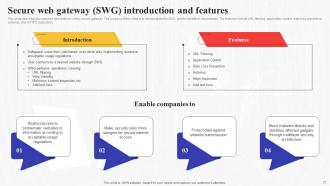
Slide 27: This slide describes the overview and features of the secure gateway.
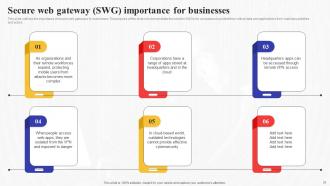
Slide 28: This slide outlines the importance of secure web gateways to businesses.
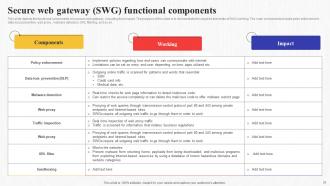
Slide 29: This slide depicts the functional components of a secure web gateway, including their impact.
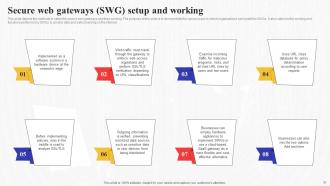
Slide 30: This slide shows the methods to setup the secure web gateways and their working.
Slide 31: This slide displays the Title for the Topics to be covered next.
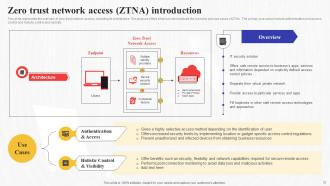
Slide 32: This slide reveals the overview of zero trust network access, including its architecture.
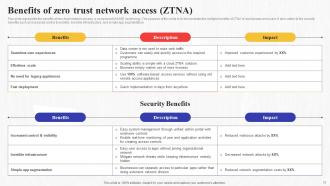
Slide 33: This slide represents the benefits of zero trust network access, a component of SASE technology.
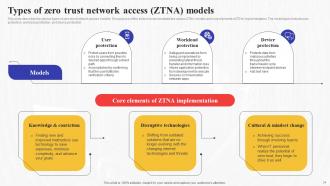
Slide 34: This slide describes the various types of zero-trust network access models.
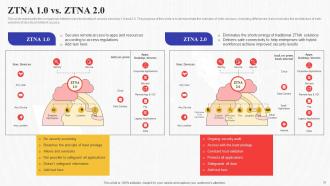
Slide 35: This slide displays the comparison between zero trust network access versions 1.0 and 2.0.
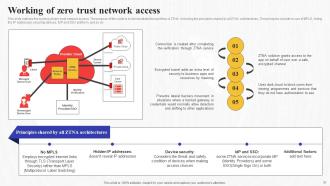
Slide 36: This slide outlines the working of zero trust network access.
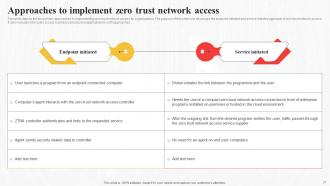
Slide 37: This slide depicts the two primary approaches to implementing zero-trust network access for organizations.
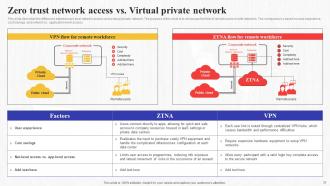
Slide 38: This slide describes the difference between zero trust network access and a virtual private network.
Slide 39: This slide includes the Heading for the Contents to be discussed further.
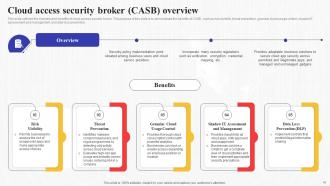
Slide 40: This slide outlines the overview and benefits of cloud access security broker.
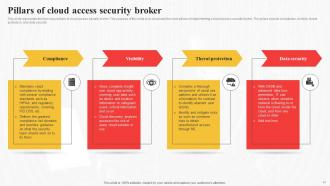
Slide 41: This slide represents the four major pillars of cloud access security broker.
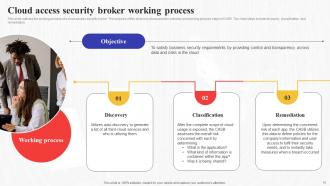
Slide 42: This slide outlines the working process of a cloud access security broker.
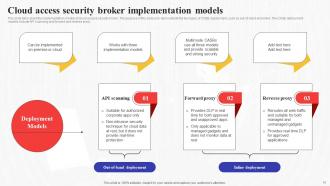
Slide 43: This slide talks about the implementation models of cloud access security broker.
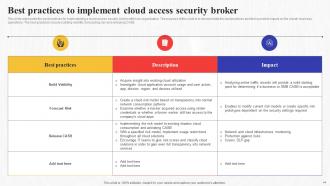
Slide 44: This slide states the best practices for implementing a cloud access security broker within an organization.
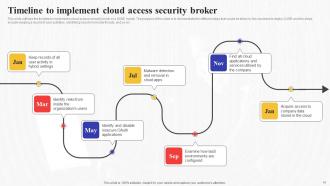
Slide 45: This slide outlines the timeline to implement a cloud access security broker in a SASE model.
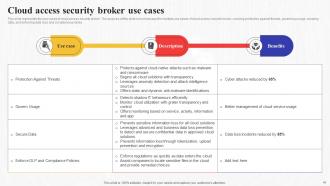
Slide 46: This slide represents the use cases of cloud access security broker.
Slide 47: This slide displyas the Title for the Ideas to be covered next.
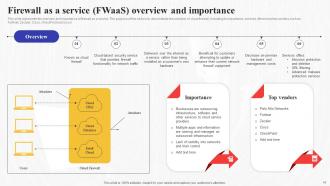
Slide 48: This slide portrays the overview and importance of firewall as a service.
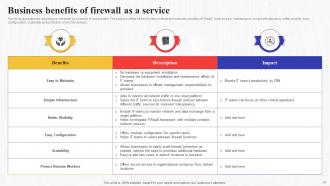
Slide 49: This slide illustrates the advantages of firewall as a service to businesses.
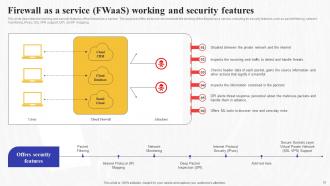
Slide 50: This slide describes the working and security features of the firewall as a service.
Slide 51: This slide shows the Heading for the Ideas to be discussed further.
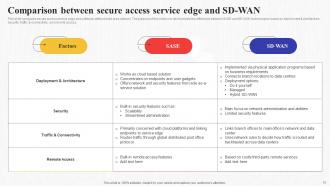
Slide 52: This slide compares secure access service edge and software-defined wide area network.
Slide 54: This slide includes the Title for the Contents to be covered in the upcoming template.
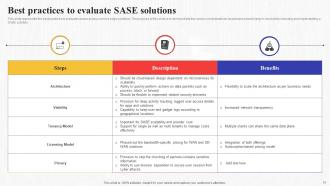
Slide 55: This slide represents the best practices to evaluate secure access service edge solutions.
Slide 56: This slide contains the Heading for the Topics to be discussed further.
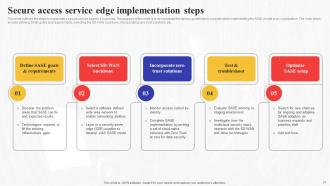
Slide 57: This slide outlines the steps to implement a secure service edge in a business.
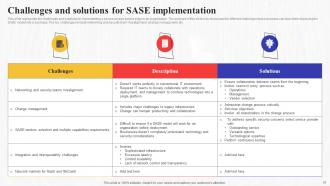
Slide 58: This slide represents the challenges and solutions for implementing a secure access service edge in an organization.
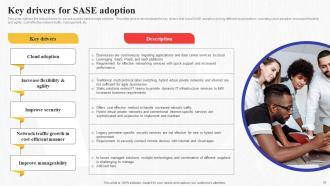
Slide 59: This slide outlines the critical drivers for secure access service edge adoption.
Slide 60: This slide depicts the Title for the Topics to be covered next.
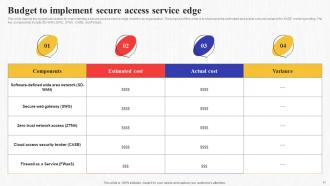
Slide 61: This slide showcases the budget calculation for implementing a secure access service edge model in an organization.
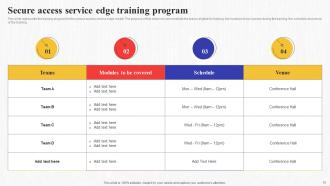
Slide 62: This slide represents the training program for the secure access service edge model.
Slide 62: This slide reveals the Heading for the Contents to be discussed further.
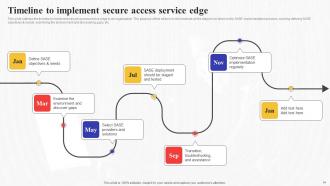
Slide 64: This slide outlines the timeline to implement secure access service edge in an organization.
Slide 65: This slide displays the Title for the Ideas to be covered in teh upcoming template.
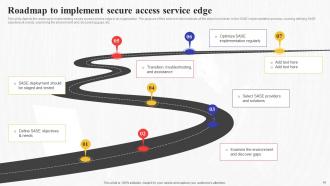
Slide 66: This slide depicts the roadmap to implementing secure access service edge in an organization.
Slide 67: This slide presents the Heading for the Ideas to be discussed further.
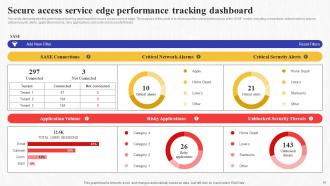
Slide 68: This slide demonstrates the performance tracking dashboard for secure access service edge.
Slide 69: Thi slide shows the Title for the Contents to be covered next.
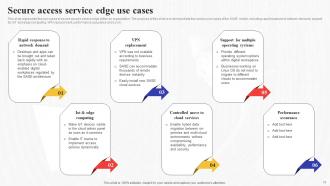
Slide 70: This slide represents the use cases of secure access service edge within an organization.
Slide 71: This is the Icons slide containing all the Icons used in the plan.
Slide 72: This slide is used for depicting some Additional information.
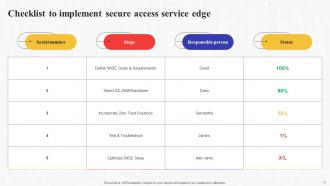
Slide 73: This slide reveals the Checklist to implement Secure Access Service Edge.
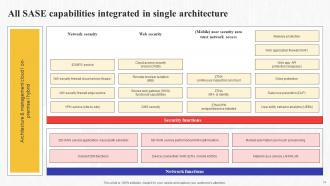
Slide 74: This slide displays the All SASE capabilities integrated in single architecture.
Slide 75: This is Our team slide. State your team-related information here.
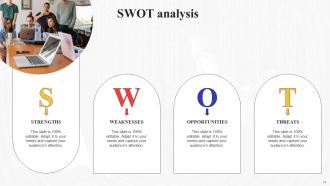
Slide 76: This slide showcases the SWOT analysis.
Slide 77: This is our Venn diagram slide.
Slide 78: This is the Idea generation slide for encouraging fresh ideas.
Slide 79: This is the Quotes slide for motivation.
Slide 80: This is the Thank You slide for acknowledgement.
Secure Access Service Edge SASE Powerpoint Presentation Slides with all 88 slides:
Use our Secure Access Service Edge SASE Powerpoint Presentation Slides to effectively help you save your valuable time. They are readymade to fit into any presentation structure.










FAQs for Secure Access Service Edge SASE
So SASE basically bundles four things together: SD-WAN for your network connections, plus this cloud security stack called SSE that covers web gateways, CASB, and zero trust access. It's like getting your entire network and security setup as one cloud service instead of juggling a million different tools. Honestly, the whole idea is pretty smart - no more point solutions everywhere. Just watch out when you're shopping around because some vendors will claim they do everything but really they've just frankensteined a bunch of acquisitions together. You want someone who built all four components themselves, not cobbled them together after the fact.
So SASE mashes together your network stuff (SD-WAN, routing) with security tools like firewalls and zero trust into one cloud platform. Both functions share the same data plane, which is actually pretty clever - security decisions happen right alongside routing decisions. No more separate boxes that don't talk to each other, thank god. You get consistent policies everywhere, whether users are connecting from the office or some random coffee shop. Honestly beats the old way of trying to figure out where your security gaps are every time someone works remotely.
Oh SASE is pretty cool actually - it mashes together network security and WAN stuff into one cloud service. Your remote people get the same protection and speed whether they're at home or some random Starbucks. The old way was routing everything back through corporate networks which... yeah, total nightmare for speed. With SASE, security happens right at the network edge closest to each user. Way faster cloud app access, better bandwidth, same security rules everywhere. You get enterprise-level protection without all that clunky network mess slowing things down. Game changer for remote teams honestly.
So SASE basically works on two main things - SD-WAN for the networking side and cloud security services. SD-WAN smartly routes all your traffic between branches, remote workers, and cloud apps while keeping performance solid. Then you've got the security stuff (ZTNA, SWG, CASB, FWaaS) protecting everything as it moves around. But here's what's key - it's not just slapping these together. Real SASE means they're actually integrated into one platform, not just bundled separately (which honestly a lot of vendors try to get away with). You'll get way better results when your security policies and network performance work together seamlessly across everything.
So SASE basically takes all your scattered security stuff - firewalls, VPNs, web gateways - and smooshes them into one cloud service. No more routing everyone back to your main office just to access apps (which is honestly brutal for speed). Security happens right where your people are working instead. Remote folks get the same protection as office workers without their internet crawling. It follows users around, not buildings. Honestly beats managing like 15 different tools that barely talk to each other. I'd start by listing what security stuff you're currently paying for and see which ones you could ditch first.
So SASE bundles your network security and connectivity into one cloud service - pretty neat setup. Traffic gets processed at the edge instead of going back through your data center, so performance is way better. Your security policies stick with users no matter where they're working from, which honestly makes remote work so much smoother. You'll probably cut costs too since you won't need all those separate security tools anymore. I'd start by looking at what you've got now and finding the overlap - that's usually where the biggest wins are hiding.
Start with auditing what you've got now - I bet your network's way more complicated than when you first set it up. Figure out your remote work needs and bandwidth patterns first. Does your team actually know cloud stuff? Because SASE lives in the cloud and you'll need people who get it. Budget matters too since this isn't happening overnight. What's actually broken right now? Remote access being a pain? Security holes everywhere? Just sick of managing a million different tools? That'll tell you which SASE features you really need vs the shiny stuff that looks cool but won't solve your problems.
Honestly, the biggest myth is that SASE is just SD-WAN with security tacked on. It's actually a complete rethink of how networking and security work together from the cloud. Mid-size companies get way more value than huge enterprises anyway - they don't have armies of security people to manage everything. Oh, and you definitely don't need to blow up your whole infrastructure at once. That'd be insane. Pick your worst headaches first - like securing branch offices or remote workers - then build from there. I've seen too many companies try to do everything overnight and regret it.
So SASE basically takes Zero Trust and makes it way less of a headache to actually use. You know how you'd normally need like 10 different security tools all fighting each other? This just rolls identity checks, device verification, all that stuff into one system that works everywhere - office, home, wherever. Your security team won't want to quit anymore since they're not juggling a million dashboards. The whole "never trust, always verify" thing just happens automatically at the network edge. Honestly beats the old way of duct-taping solutions together and hoping it works.
Definitely focus on network latency and uptime first - those are your bread and butter. User satisfaction scores matter too, obviously. For security stuff, track how well you're catching threats and how fast you respond to incidents. Bandwidth usage is huge because nobody wants their Zoom calls cutting out mid-sentence (been there, done that). Cost comparison versus your old setup will keep the finance team happy. Oh, and watch adoption rates - if people are sneaking around your new system, that's a red flag. Monthly dashboard reviews with the team work well for catching problems before they blow up.
Honestly, compliance makes picking a SASE vendor way trickier. You've got to be super picky about data residency, encryption standards, all that audit logging stuff. Healthcare and finance are brutal with their requirements - HIPAA, SOX, the works. Your SASE setup has to handle policy enforcement and generate those detailed reports they love. Most enterprise platforms already think about this stuff, which is nice. But seriously, figure out your regulatory needs first before you start shopping around. Trust me, trying to bolt on compliance after the fact? Total pain in the ass.
So the big names are Palo Alto (Prisma SASE), Zscaler, Netskope, and Cato Networks. They're all decent but have different angles. Palo Alto's great if you're already using their firewall stuff - everything plays nice together. Zscaler kills it with cloud-native and zero trust approaches. Netskope is really strong on data protection and seeing what's happening in your cloud apps. Cato's kind of the outlier here - they built their whole platform from the ground up instead of just mashing existing products together, which I actually think is pretty smart. Really depends on what you've got now and if you want everything integrated or prefer picking the best individual pieces.
Oh man, SASE actually makes things way faster for users. Instead of routing everything back to some central datacenter, it handles traffic at the nearest edge point. Your apps respond quicker, especially cloud stuff. Remote workers get the same performance as being in the office - no more VPN nightmares or "you can't access that from home" BS. Users can connect securely from anywhere and it feels exactly the same. Honestly, the latency improvement alone sells it. You should definitely run some before/after tests to show management the real impact. It's pretty impressive when you see the numbers.
So for SASE, you're gonna want Zero Trust Network Access (ZTNA) first - that handles who gets in. CASB monitors your cloud stuff, which honestly saves so much headache later. Secure Web Gateway does the web filtering, DNS filtering blocks sketchy domains upfront. Oh, and definitely get Data Loss Prevention because people will accidentally share sensitive files - happens all the time. You'll also need next-gen firewall features plus sandboxing. The trick is finding ones that actually play nice together instead of running like ten different dashboards.
Start by mapping out what you've got - your network setup and all the systems that'll need to connect. APIs and pre-built connectors are pretty solid now for stuff like Active Directory and firewalls. Way better than they used to be, honestly. Pick a SASE provider that actually plays nice with your current tech stack - don't just go with whoever's cheapest. Run a pilot first though, seriously. Test those integration points before you commit to rolling it out everywhere. I learned that one the hard way on a previous project.
-
I am so thankful for all of the templates I've found on your site. They have saved me hours every week and helped make my presentations come alive. Keep up with these amazing product releases!
-
The PPT layout is great and it has an effective design that helps in presenting corporate presentations. It's easy to edit and the stunning visuals make it an absolute steal!