


Selecting Target Markets And Target Market Strategies Ppt Template Strategy CD V
A target market strategy is a business strategy focused on growing sales and brand awareness within a specific group of consumers. To do this, businesses strategize based on demographics that make up a market, which is an area or group specified for product sales. Check out our professionally Selecting Target Markets and Target-Market Strategies PowerPoint presentation. At first, the PPT introduces target marketing strategies along with their importance, criteria, examples, and process to create such strategies. It also shows the importance of target marketing strategies and strategy canvas for target market positioning. Additionally, our module elaborates on the target marketing process in detail, including current consumer base identification and evaluation of target markets for viability. Furthermore, various types of target marketing strategies are covered in the deck, such as mass marketing, segment marketing, niche marketing, micro marketing, and local marketing. At last, various content, email, and SEO marketing tools are highlighted to help you reach your target audience. Customize this 100 percent editable template through assistance from our highly skilled research or design team. Get access now.
A target market strategy is a business strategy focused on growing sales and brand awareness within a specific group of con..


















-

- Google Slides is a new FREE Presentation software from Google.
- All our content is 100% compatible with Google Slides.
- Just download our designs, and upload them to Google Slides and they will work automatically.
- Amaze your audience with SlideTeam and Google Slides.
-

Want Changes to This PPT Slide? Check out our Presentation Design Services
-

- WideScreen Aspect ratio is becoming a very popular format. When you download this product, the downloaded ZIP will contain this product in both standard and widescreen format.
-

- Some older products that we have may only be in standard format, but they can easily be converted to widescreen.
- To do this, please open the SlideTeam product in Powerpoint, and go to
- Design ( On the top bar) -> Page Setup -> and select "On-screen Show (16:9)” in the drop down for "Slides Sized for".
- The slide or theme will change to widescreen, and all graphics will adjust automatically. You can similarly convert our content to any other desired screen aspect ratio.
Compatible With Google Slides

Get This In WideScreen
You must be logged in to download this presentation.


Do you want to remove this product from your favourites?
PowerPoint presentation slides
Deliver this complete deck to your team members and other collaborators. Encompassed with stylized slides presenting various concepts, this Selecting Target Markets And Target Market Strategies Ppt Template Strategy CD is the best tool you can utilize. Personalize its content and graphics to make it unique and thought-provoking. All the sixty nine slides are editable and modifiable, so feel free to adjust them to your business setting. The font, color, and other components also come in an editable format making this PPT design the best choice for your next presentation. So, download now.

People who downloaded this PowerPoint presentation also viewed the following :
Content of this Powerpoint Presentation
Slide 1: This slide displays the title Selecting Target Markets and Target-Market Strategies
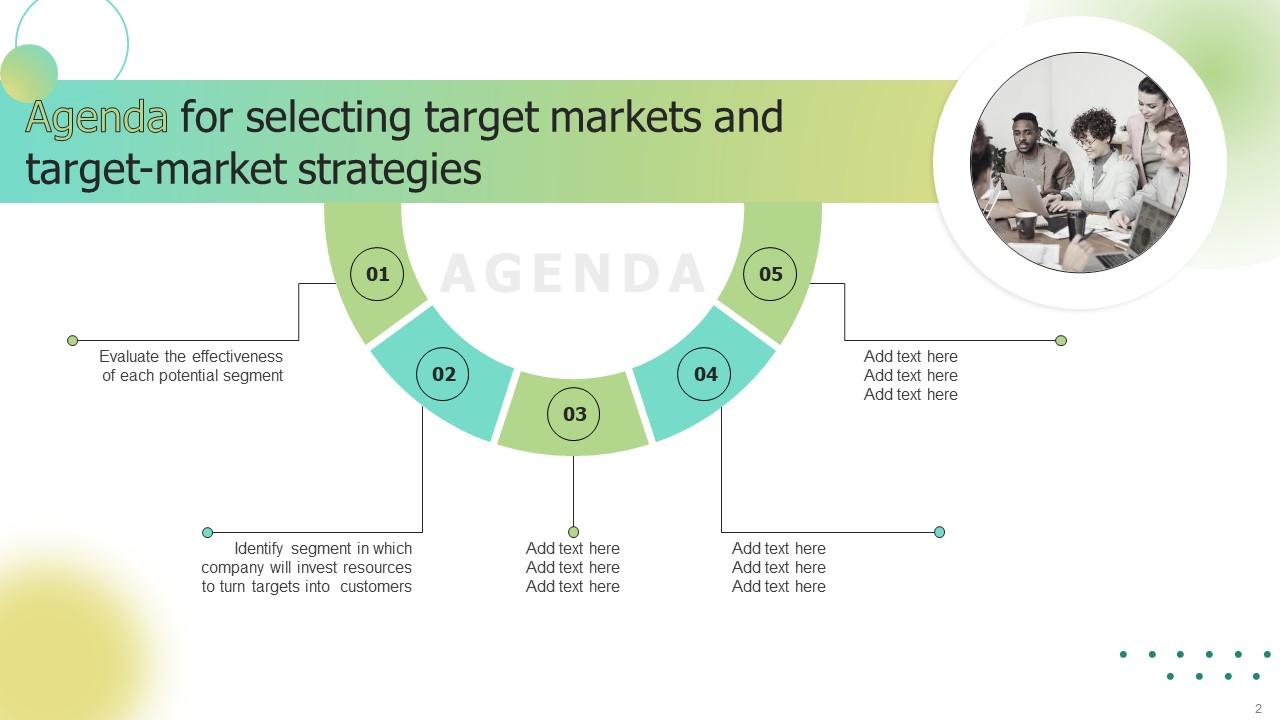
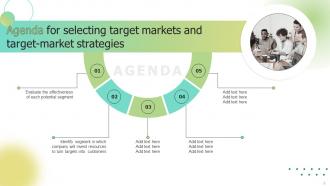
Slide 2: This slide displays the title AGENDA.
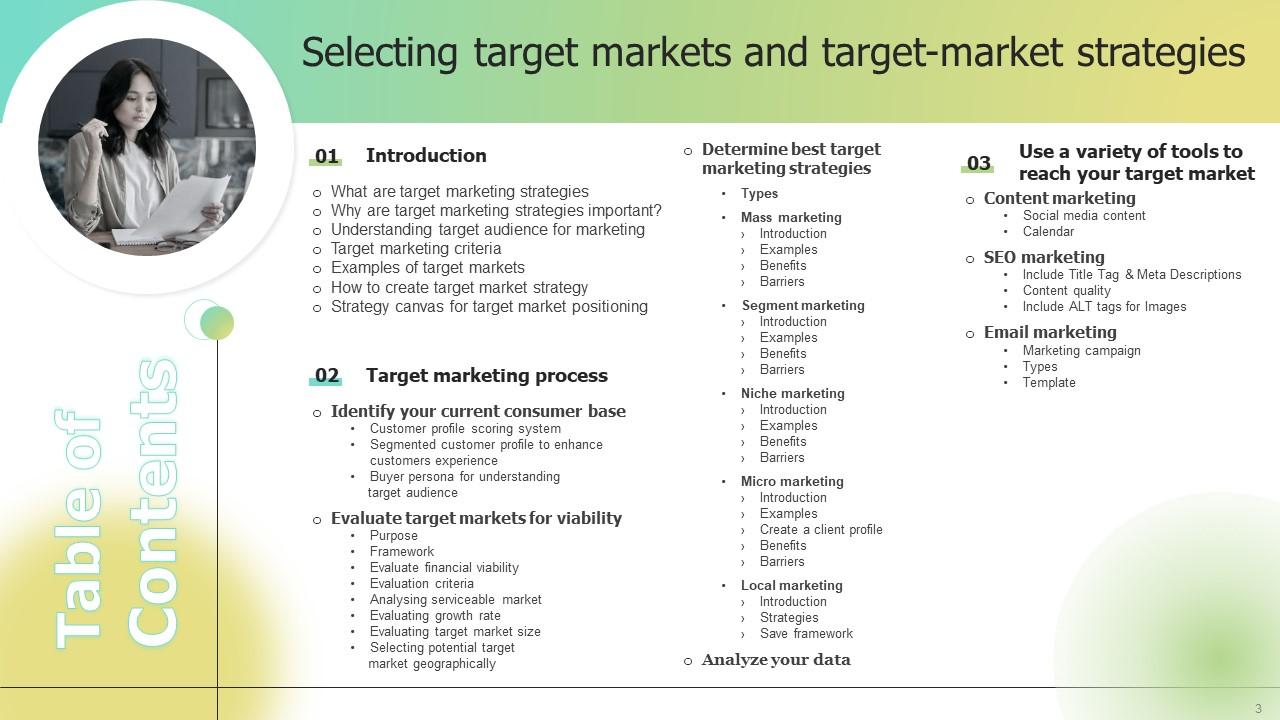
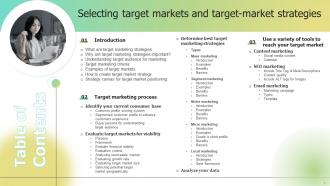
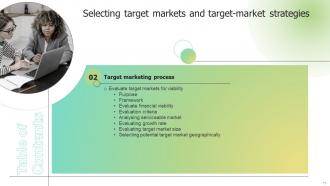
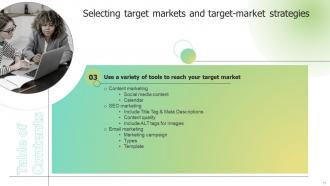
Slide 3: This slide exhibit table of content.
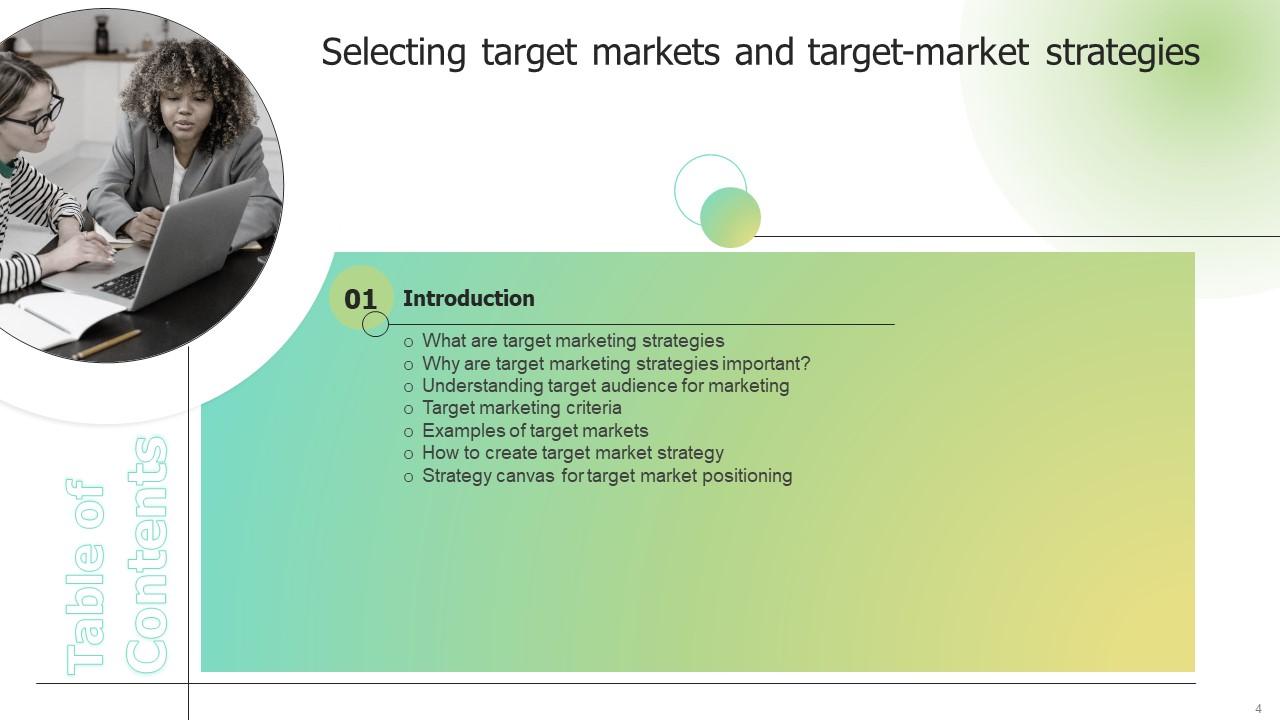
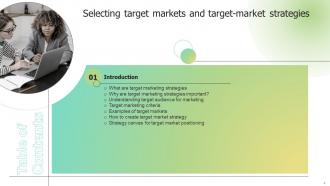
Slide 4: This slide showcase table of content that is to be discuss further.
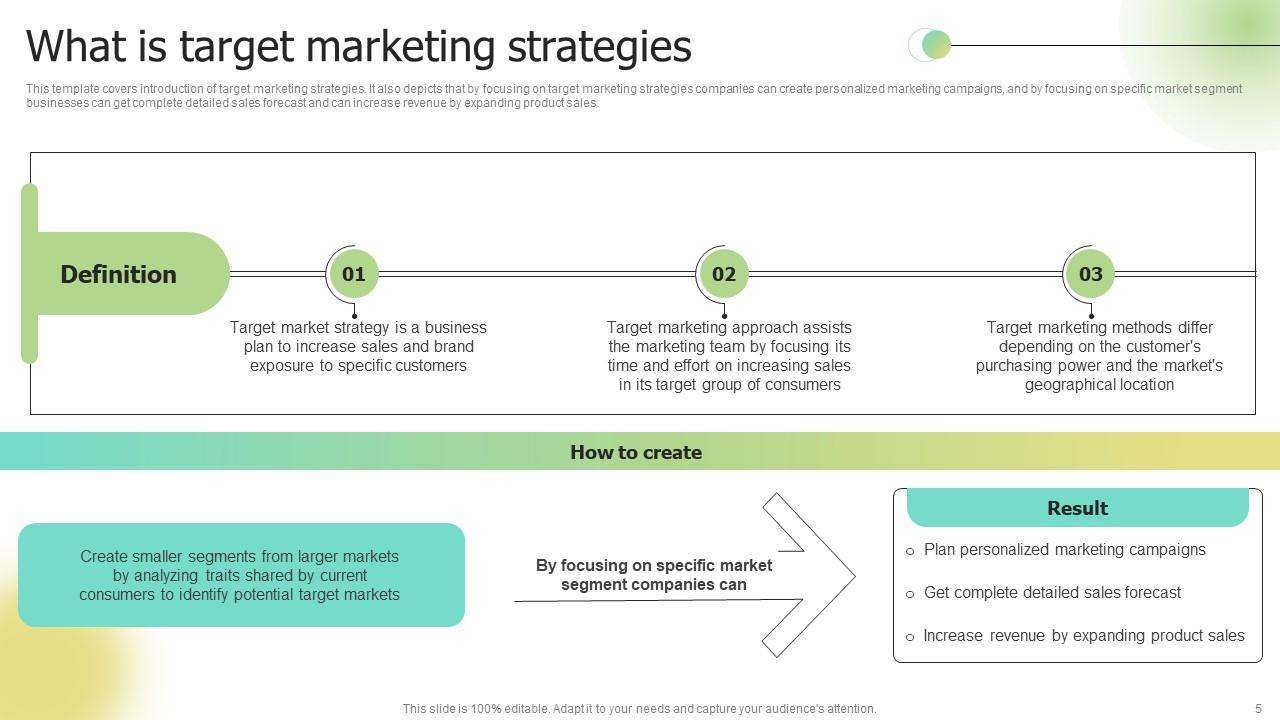
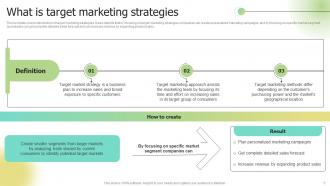
Slide 5: This template covers introduction of target marketing strategies.
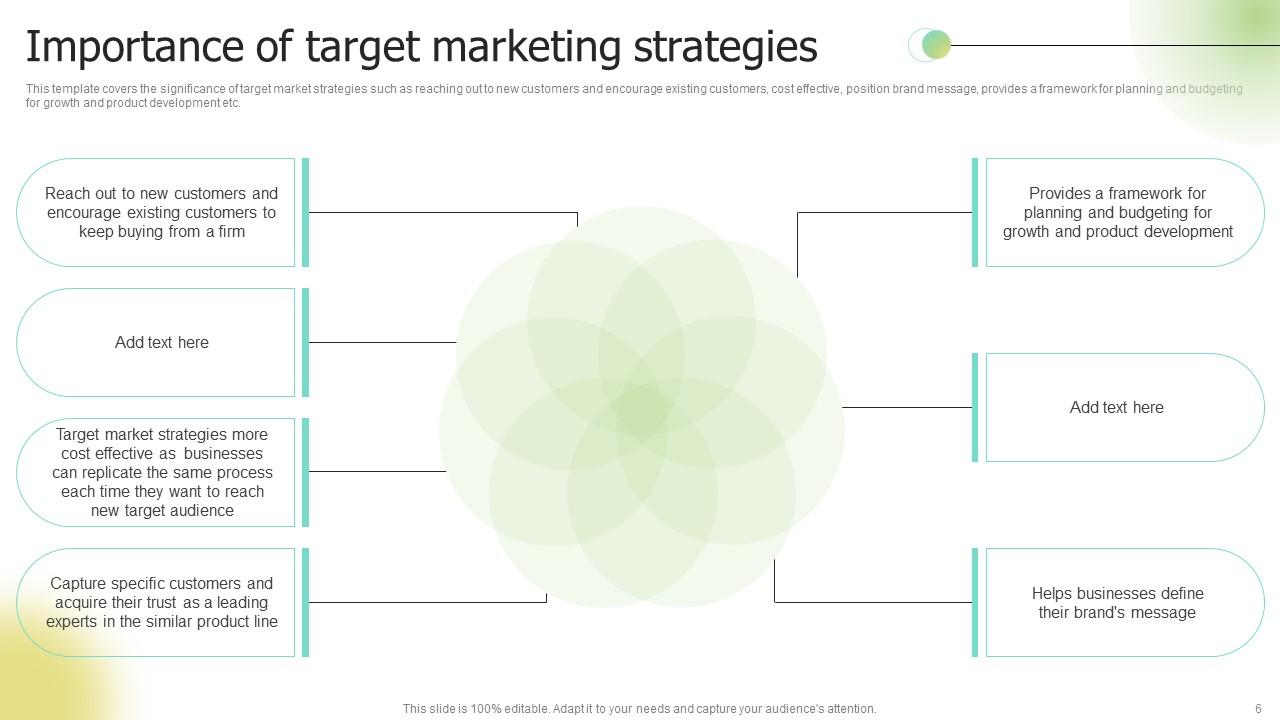
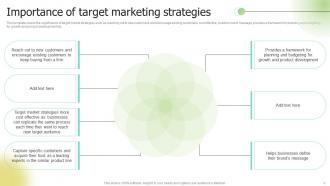
Slide 6: This template covers the significance of target market strategies.
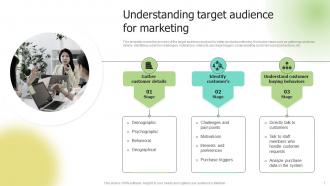
Slide 7: This template covers the process of the target audience analysis for better product positioning.
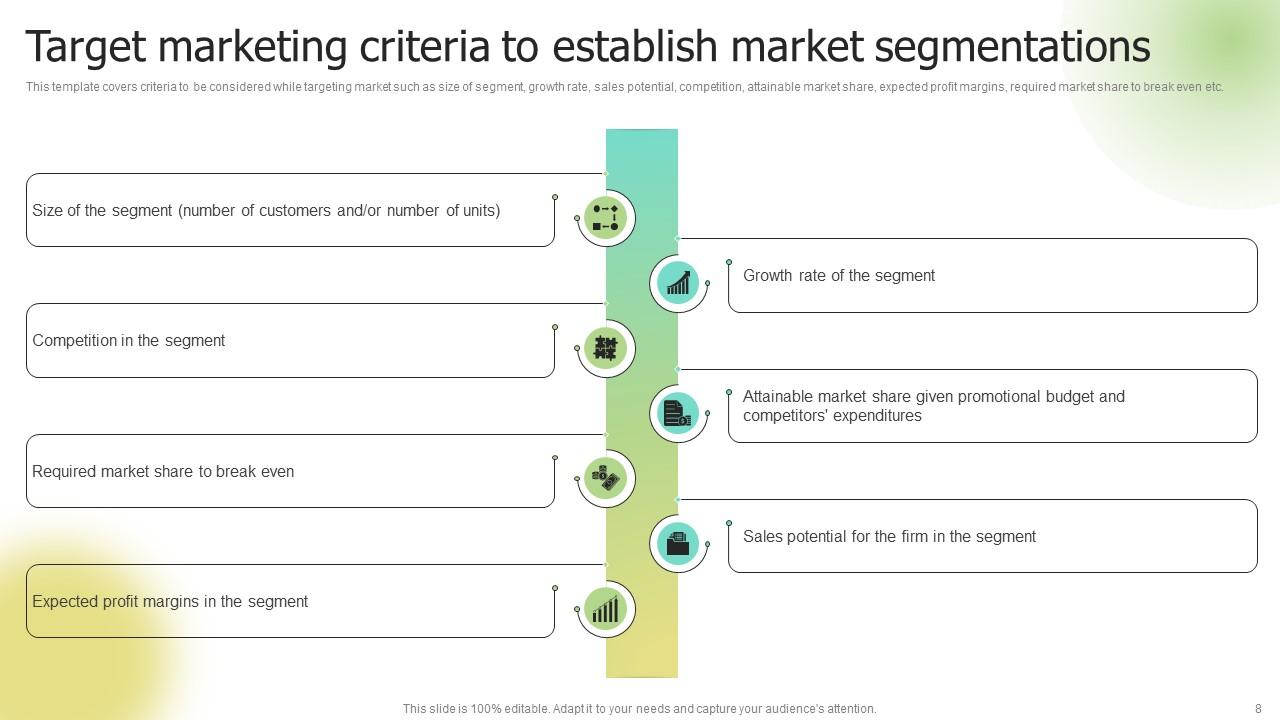
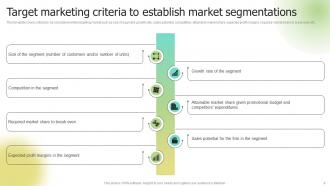
Slide 8: This template covers criteria to be considered while targeting market.
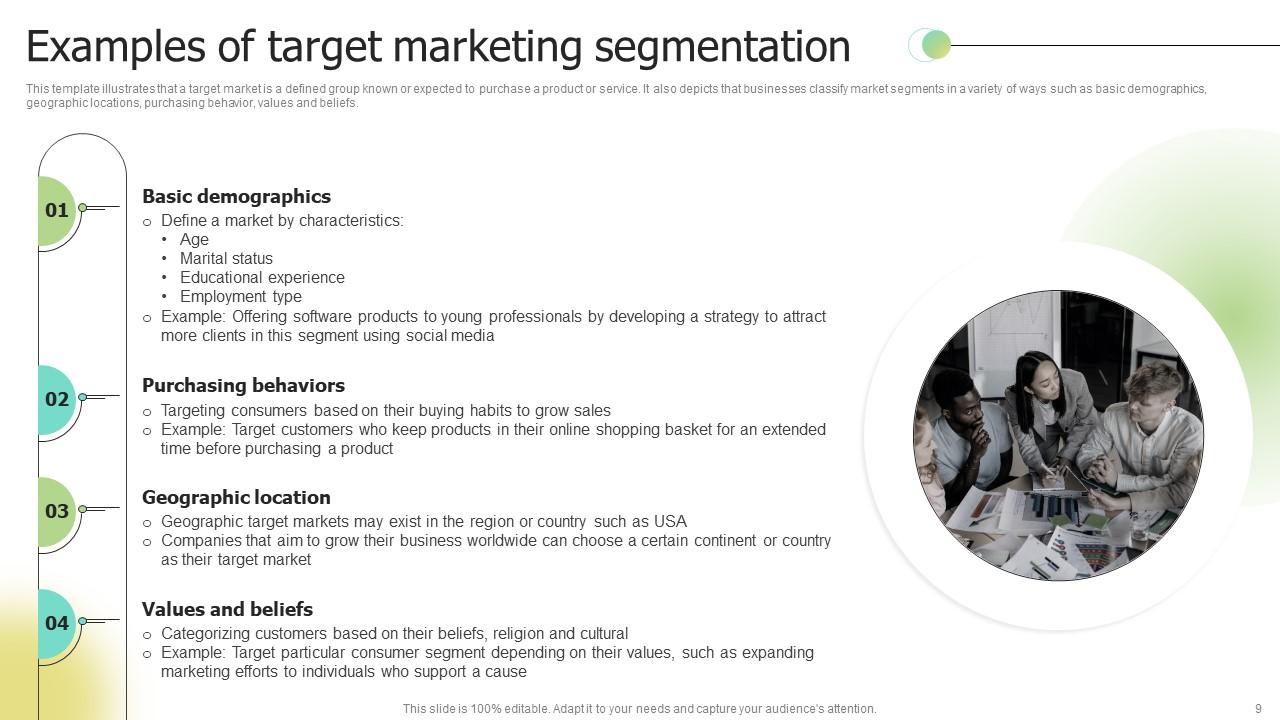
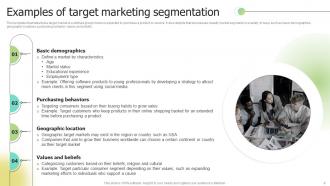
Slide 9: This template illustrates that a target market is a defined group known or expected to purchase a product or service.
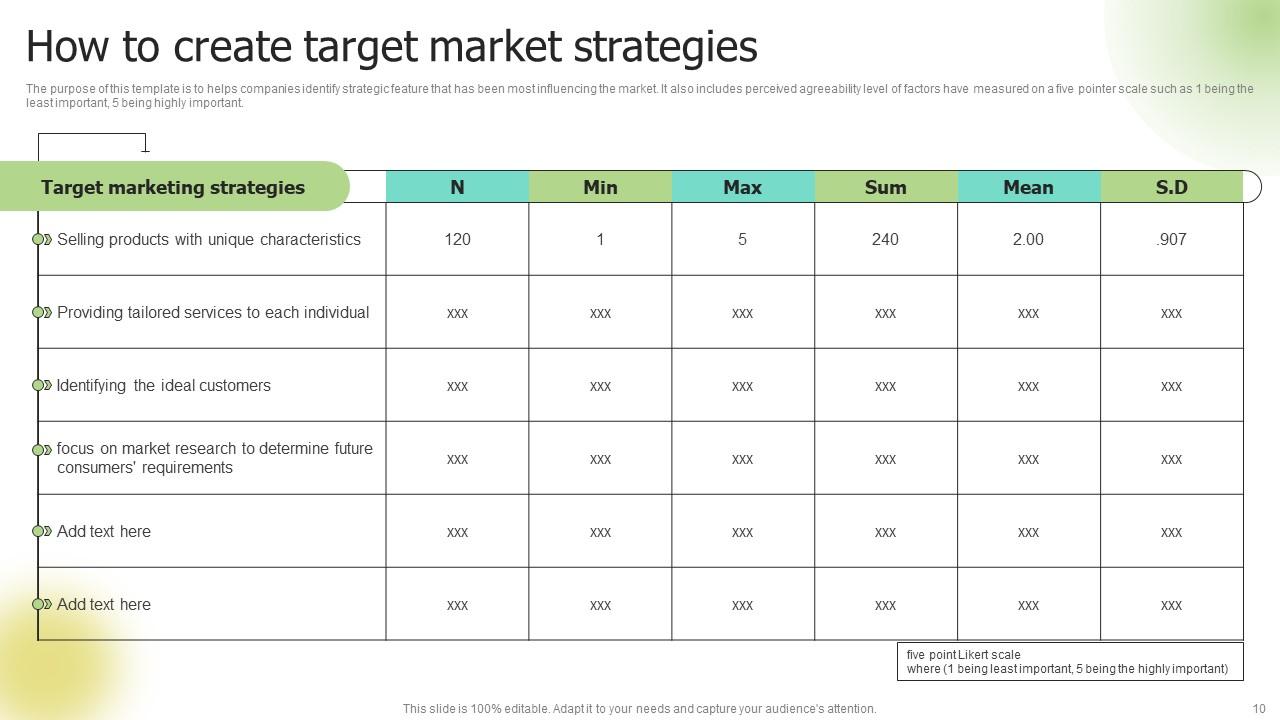
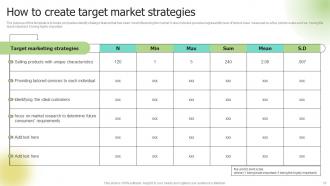
Slide 10: The purpose of this template is to helps companies identify strategic feature that has been most influencing the market.
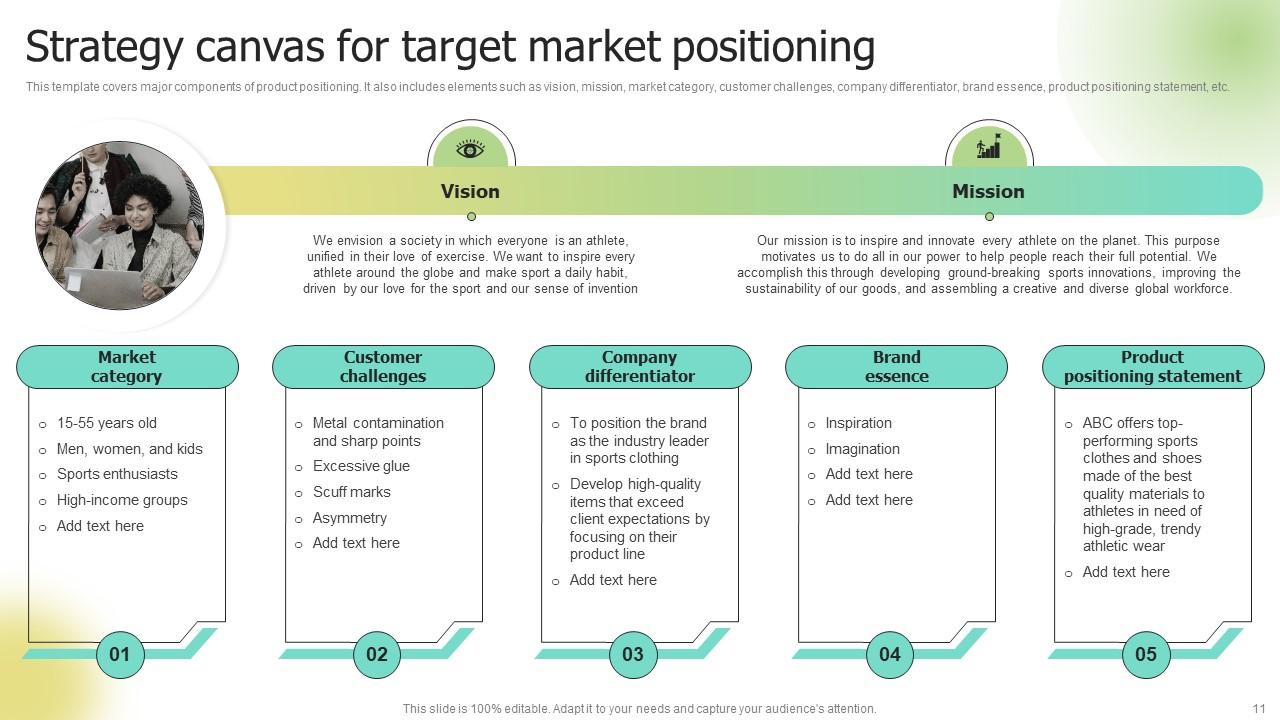
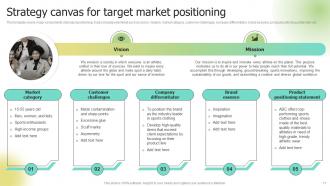
Slide 11: This template covers major components of product positioning.
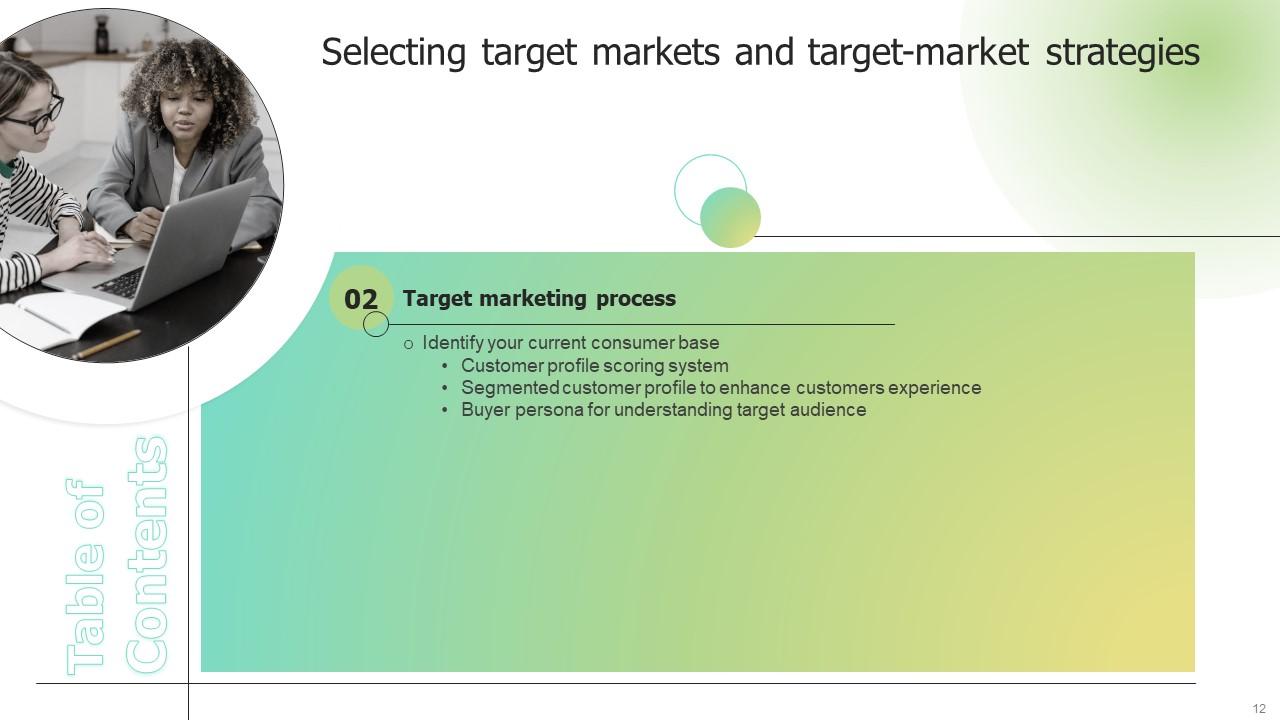
Slide 12: This slide showcase table of content that is to be discuss further.
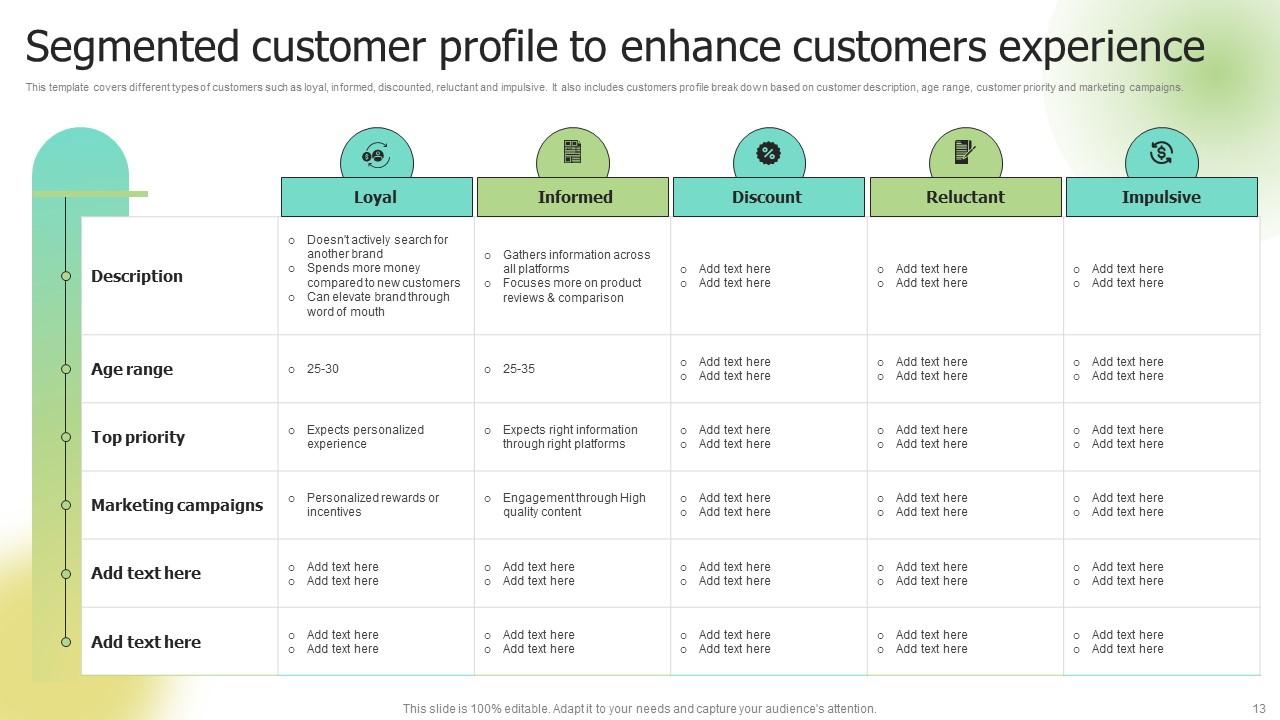
Slide 13: This template covers different types of customers such as loyal, informed, discounted, reluctant and impulsive.
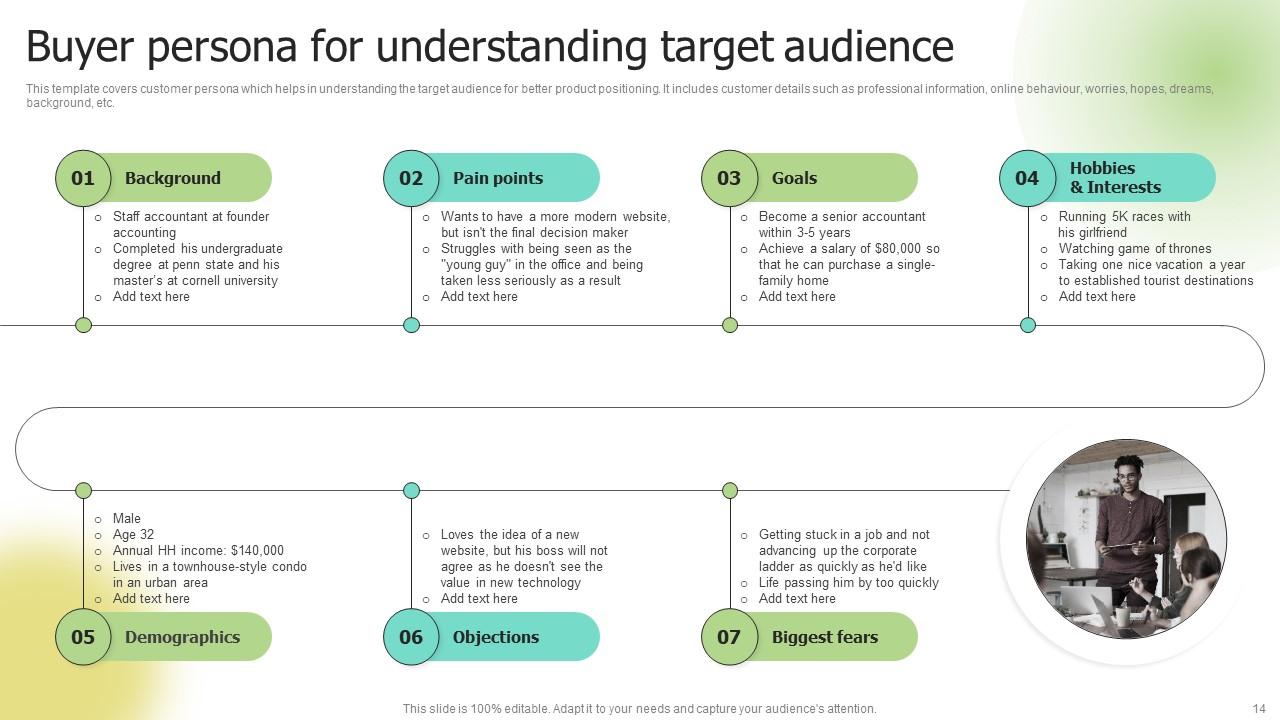
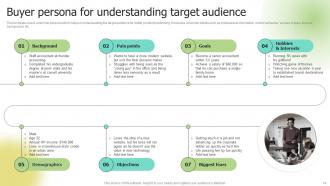
Slide 14: This template covers customer persona which helps in understanding the target audience for better product positioning.
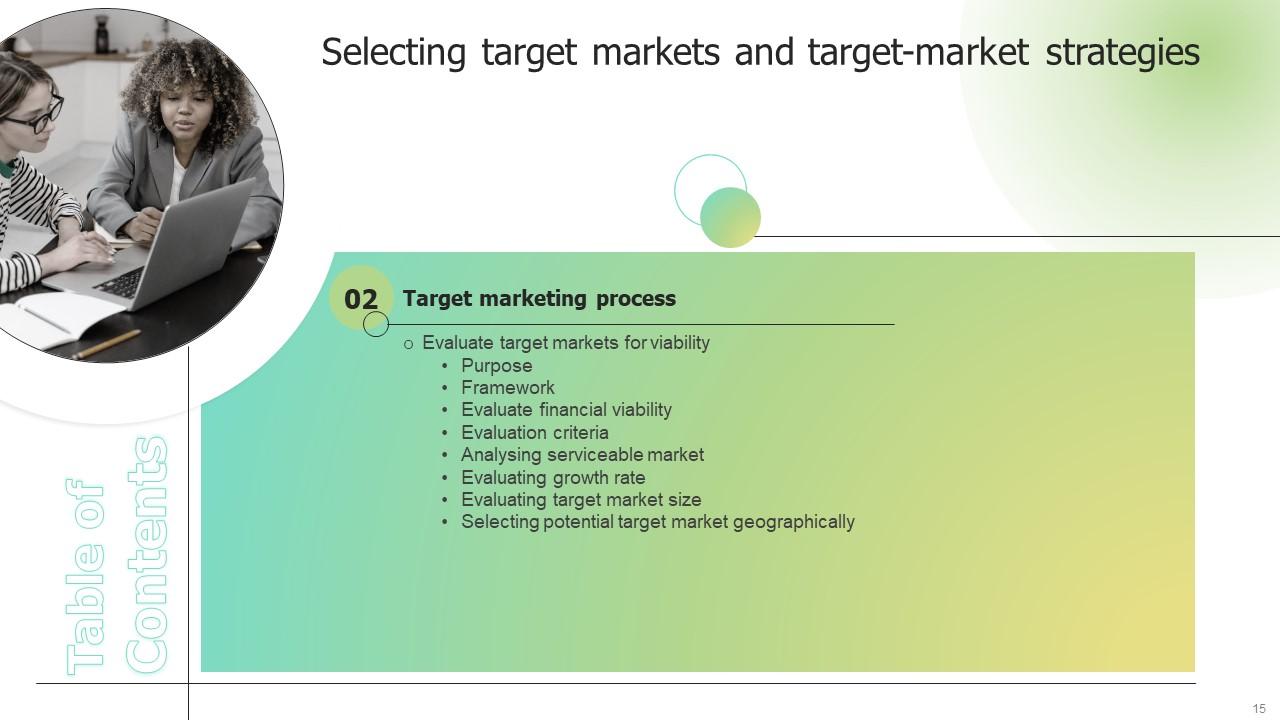
Slide 15: This slide showcase table of content that is to be discuss further.
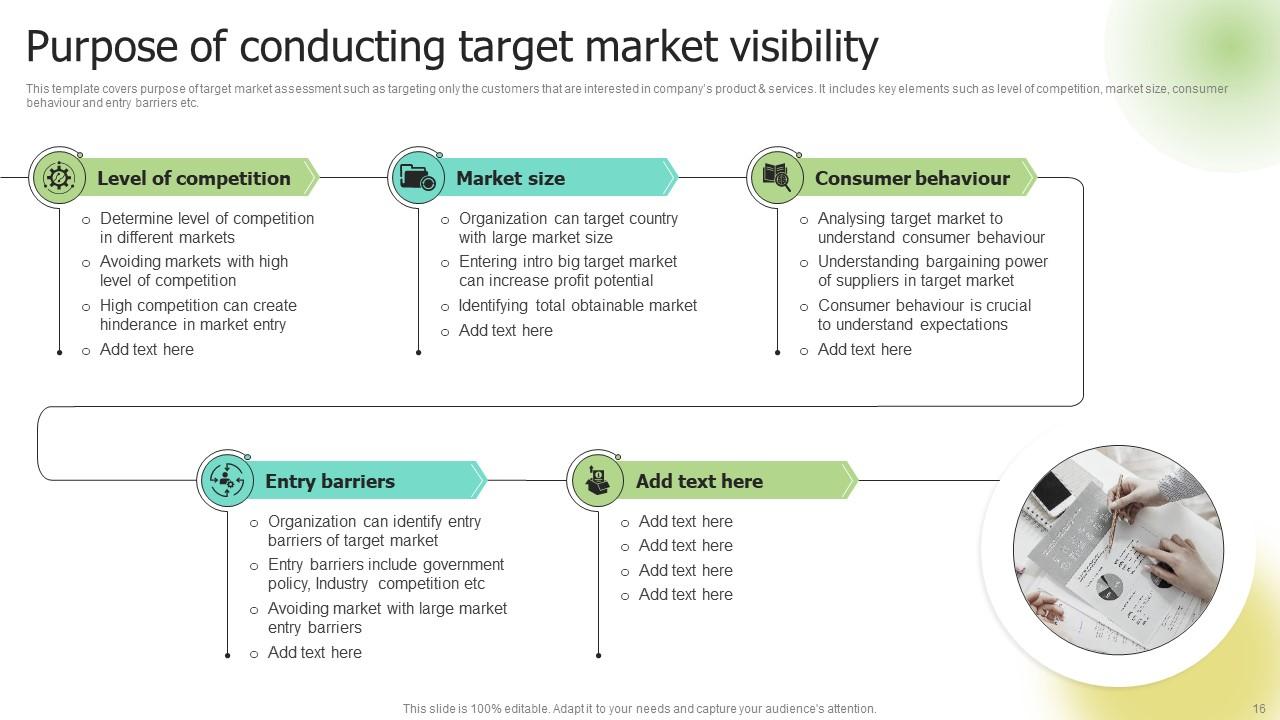
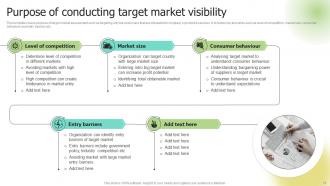
Slide 16: This template covers purpose of target market assessment such as targeting only the customers that are interested in company’s product & services.
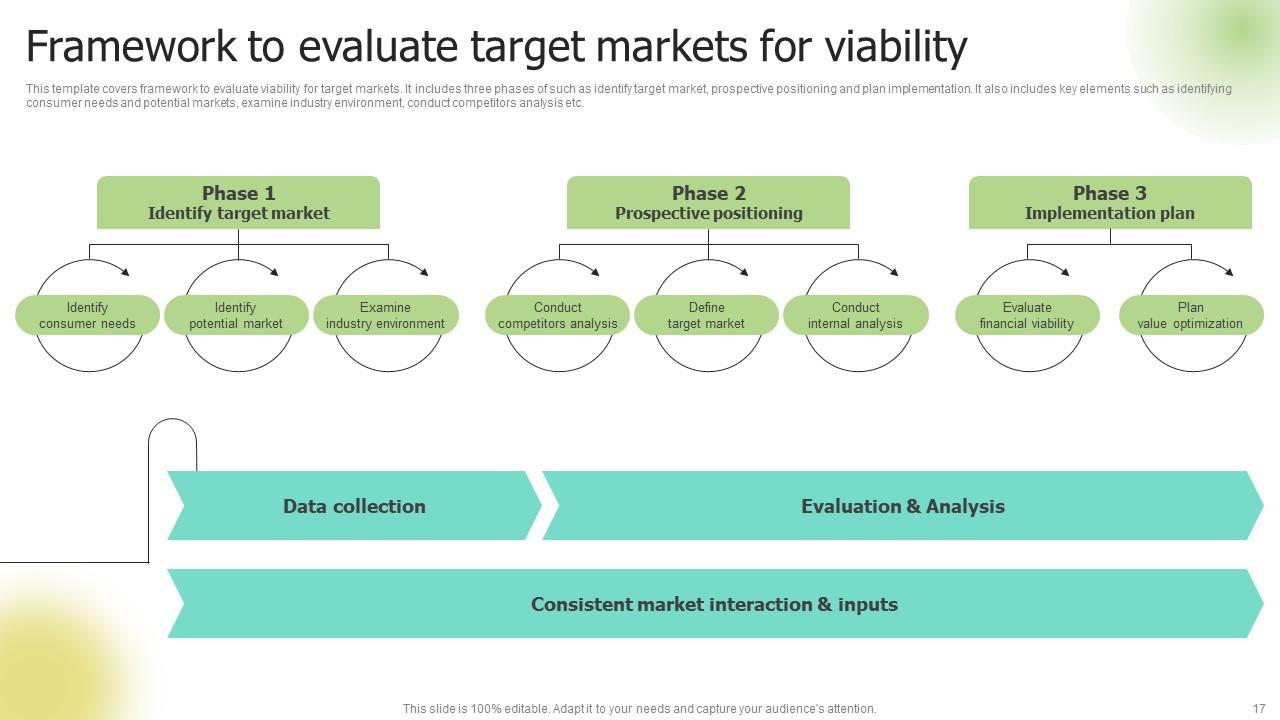
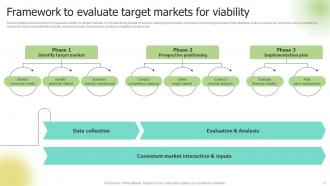
Slide 17: This template covers framework to evaluate viability for target markets.
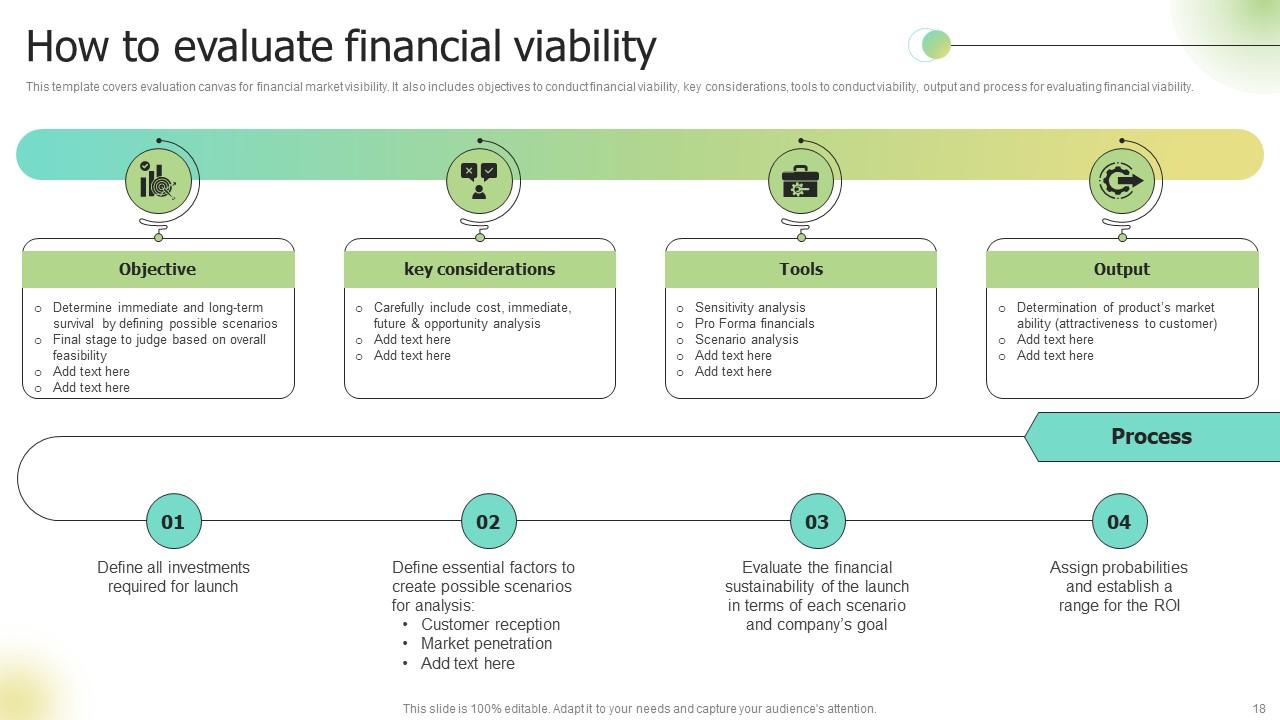
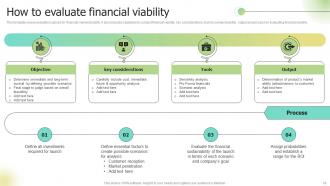
Slide 18: This template covers evaluation canvas for financial market visibility.
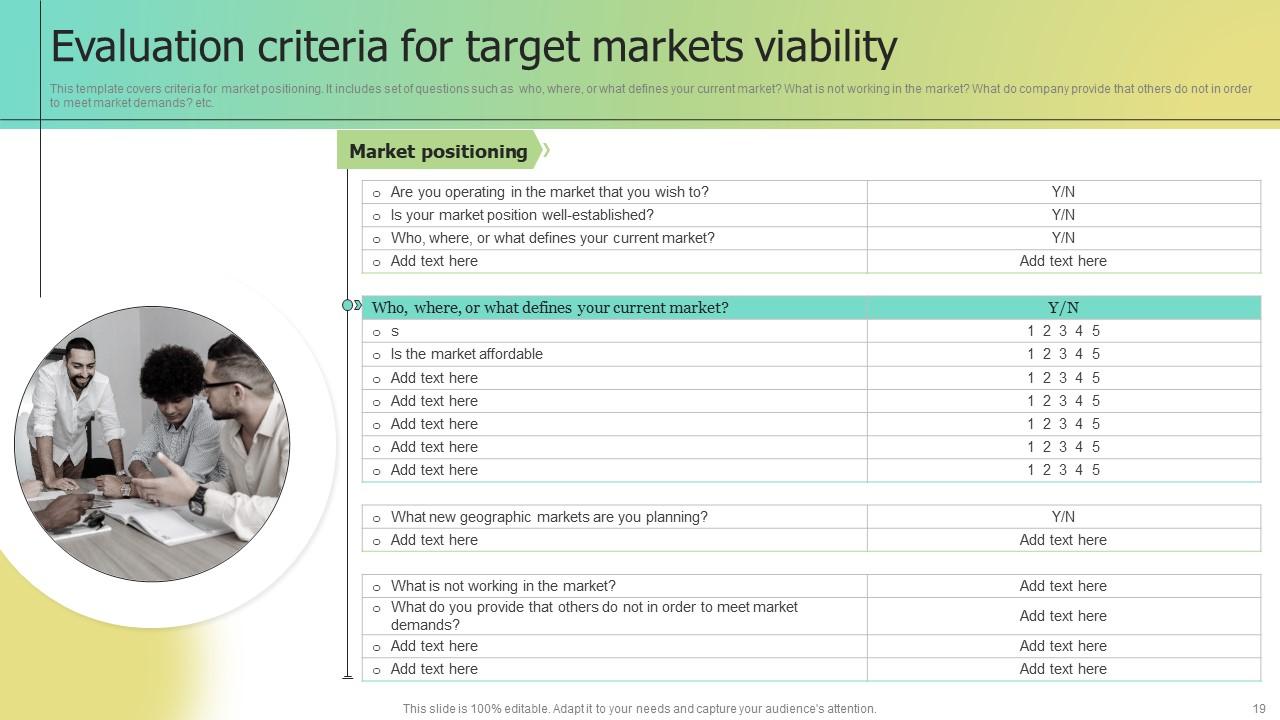
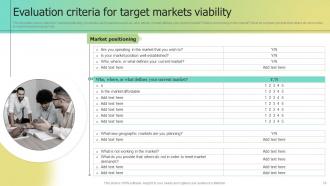
Slide 19: This template covers criteria for market positioning.
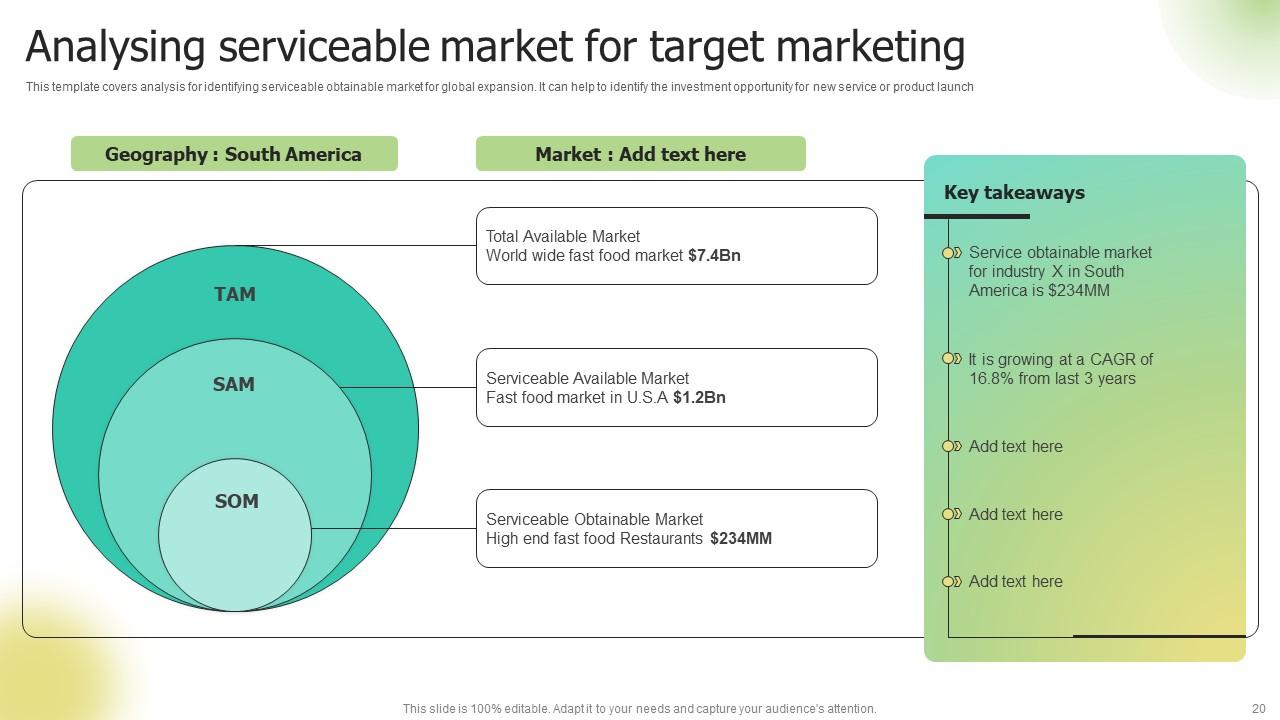
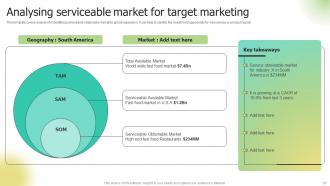
Slide 20: This template covers analysis for identifying serviceable obtainable market for global expansion.
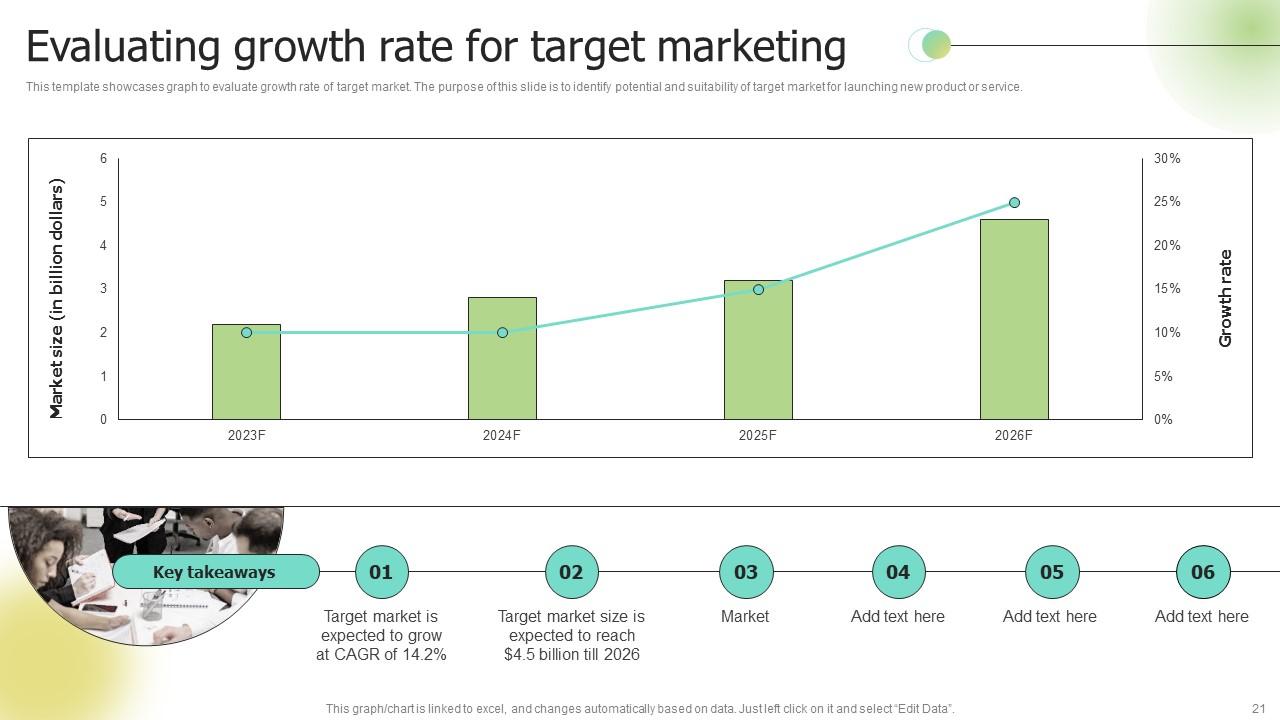
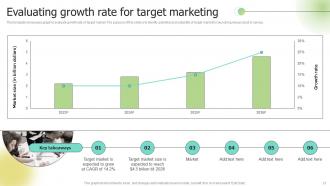
Slide 21: This template showcases graph to evaluate growth rate of target market.
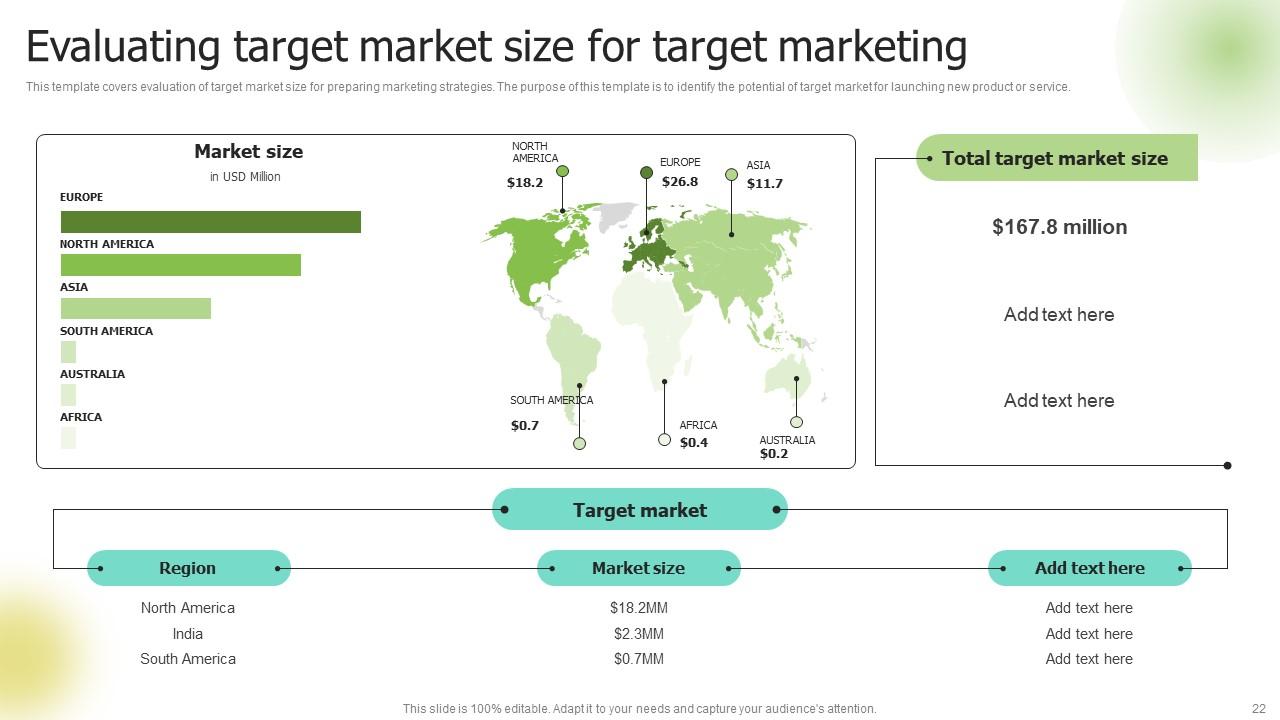
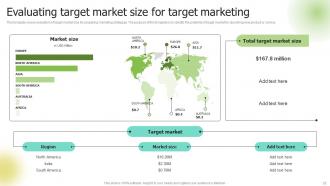
Slide 22: This template covers evaluation of target market size for preparing marketing strategies.
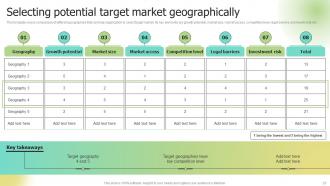
Slide 23: This template covers comparison of different geographies that can help organization to select target market.
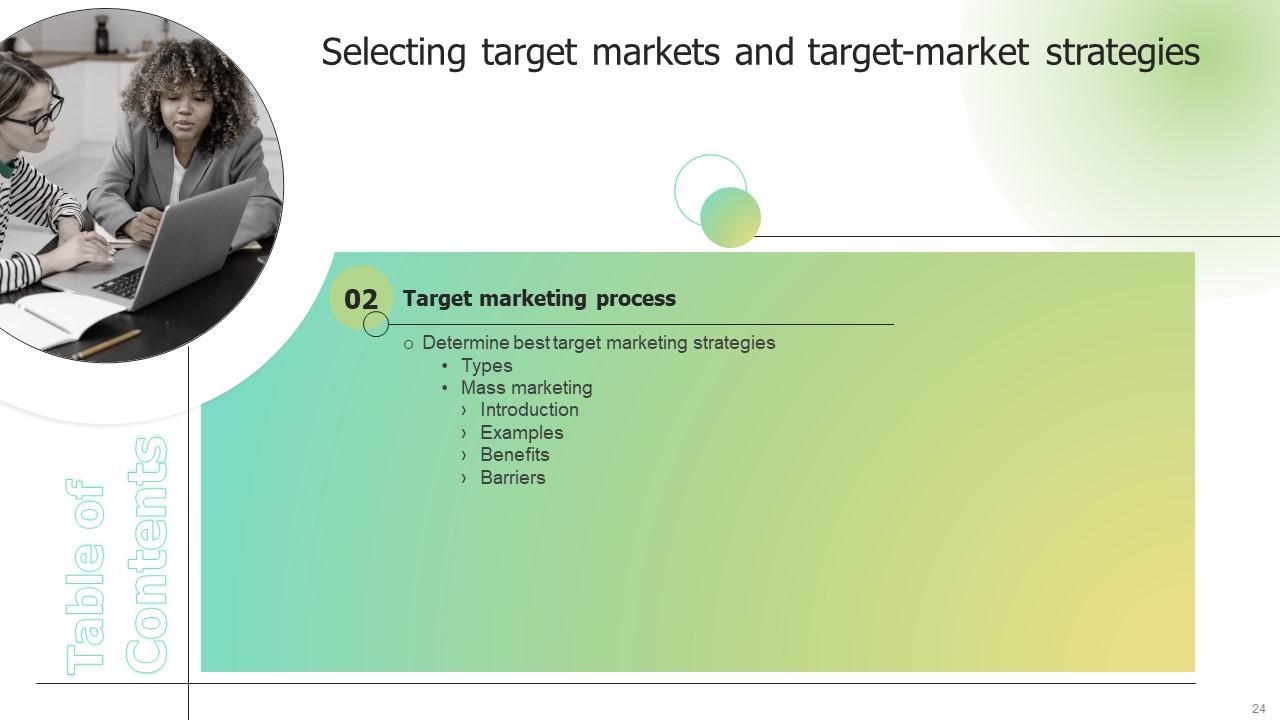
Slide 24: This slide showcase table of content that is to be discuss further.
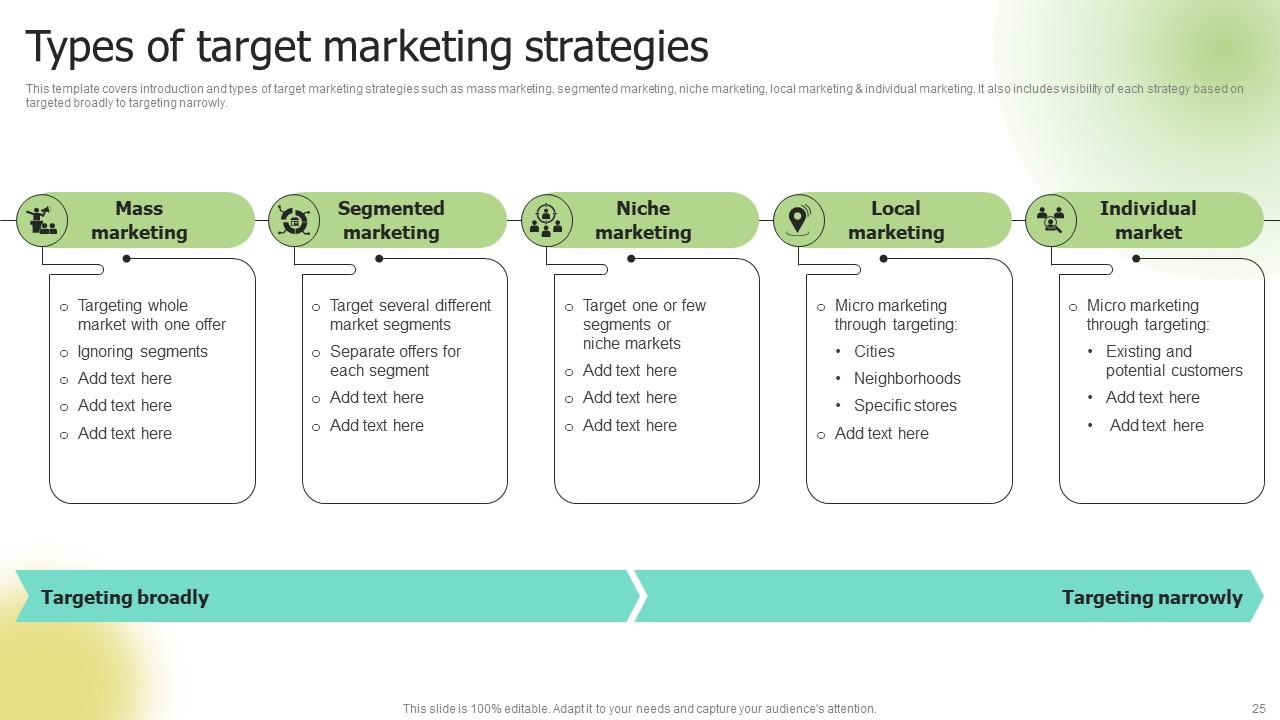
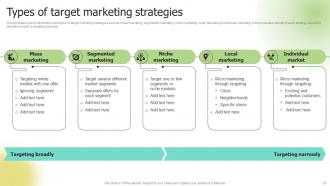
Slide 25: This template covers introduction and types of target marketing strategies.
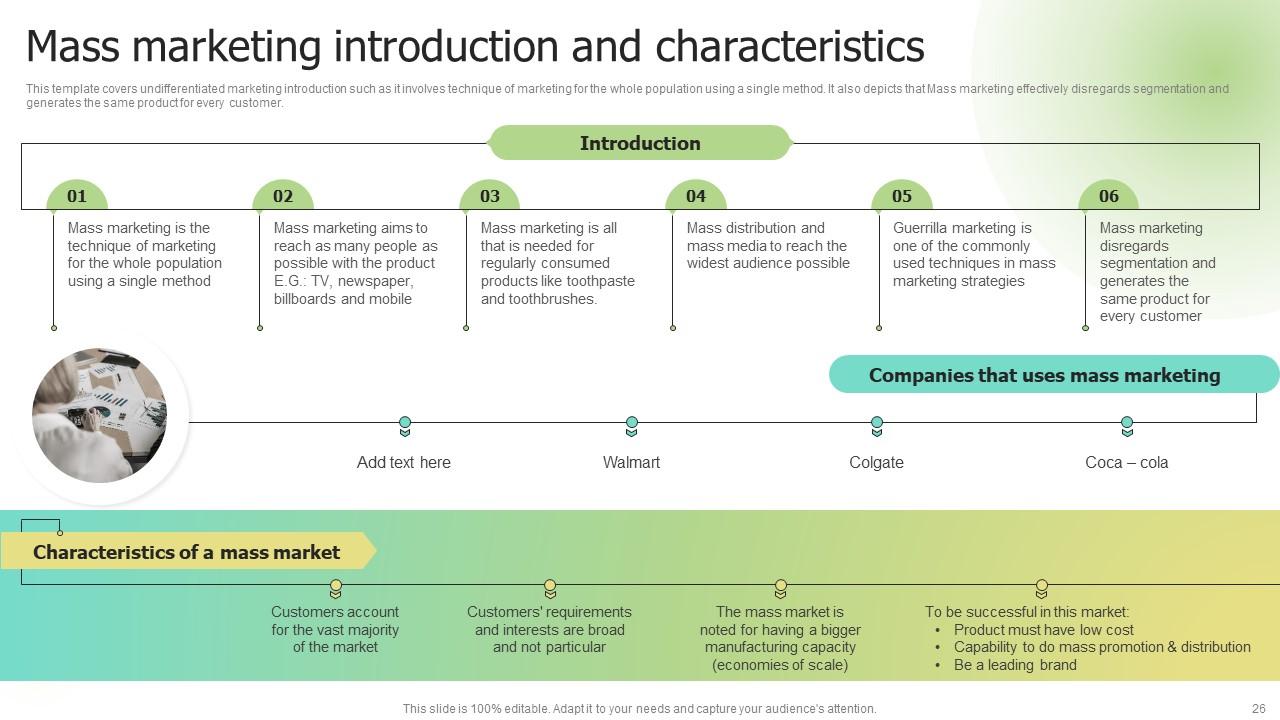
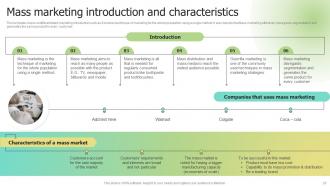
Slide 26: This template covers undifferentiated marketing introduction such as it involves technique of marketing for the whole population using a single method.
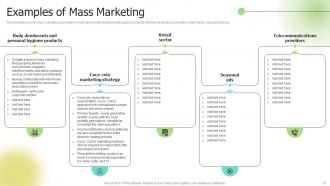
Slide 27: This template covers mass marketing examples for body deodorants and personal hygiene products, telecommunications providers, retail sector, seasonal ads etc.
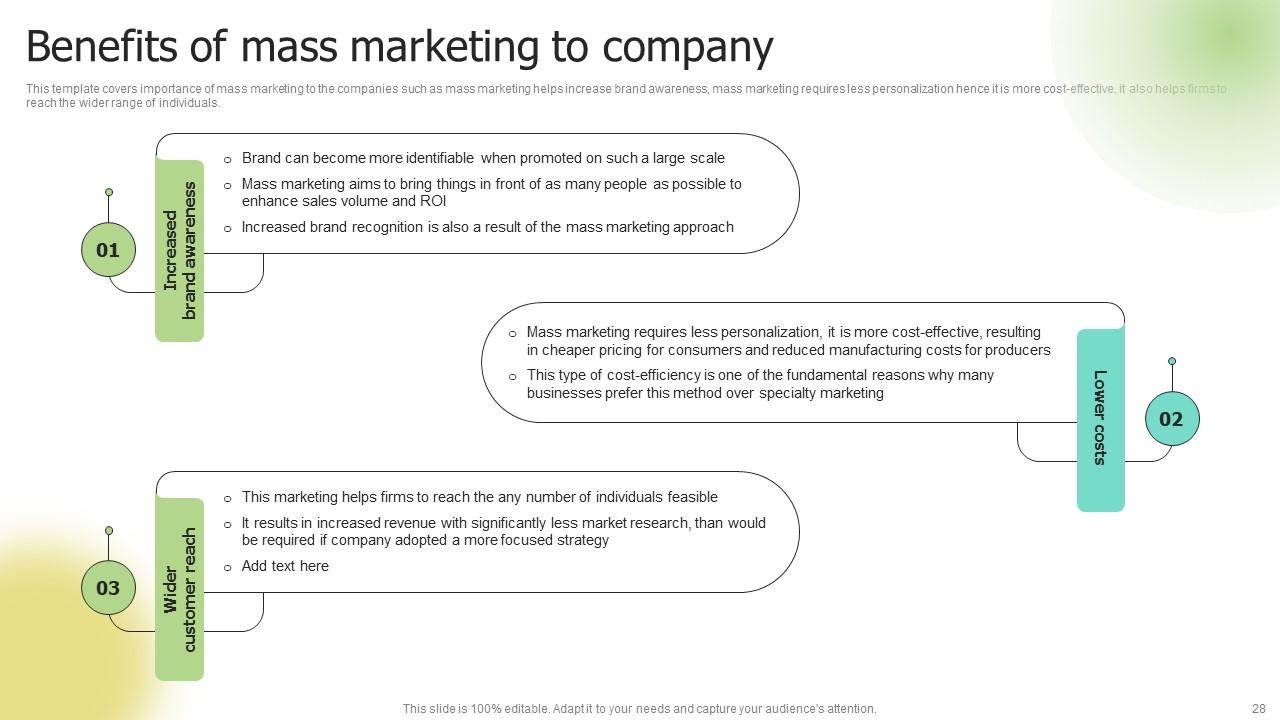
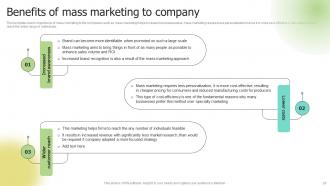
Slide 28: This template covers importance of mass marketing to the companies.
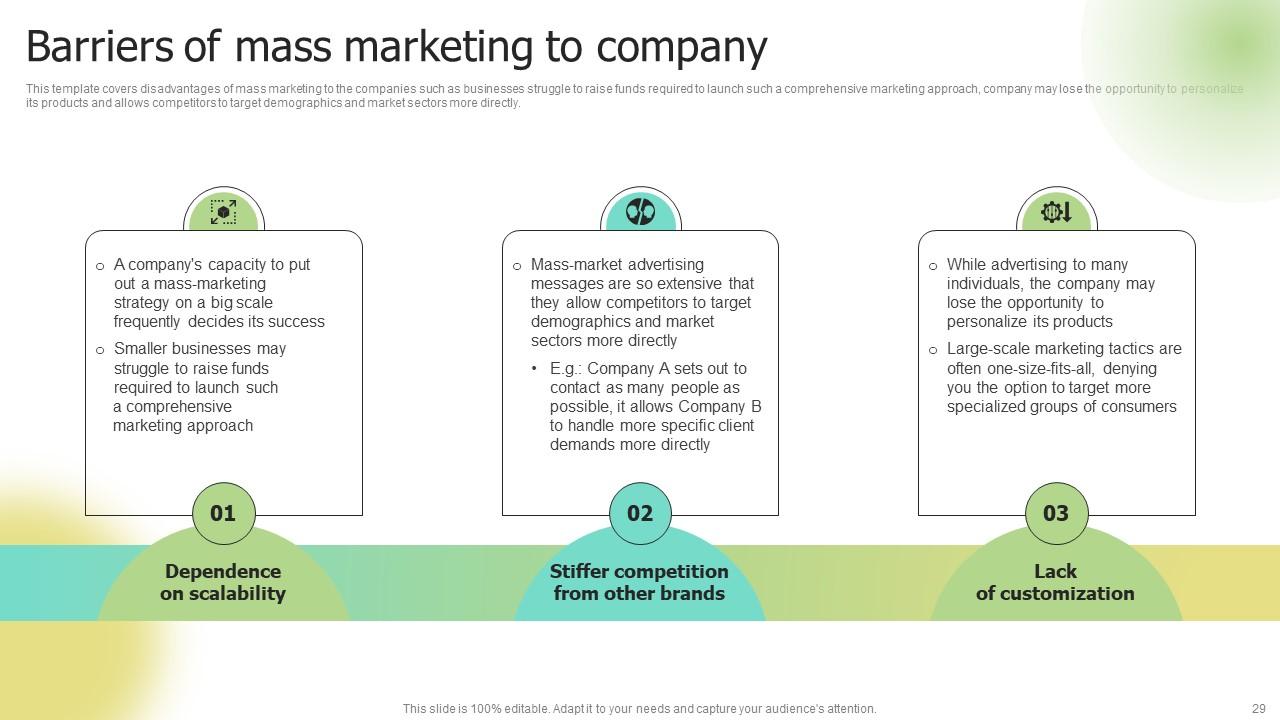
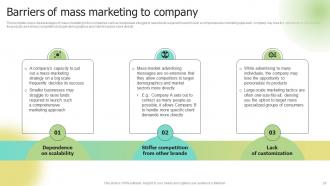
Slide 29: This template covers disadvantages of mass marketing to the companies.
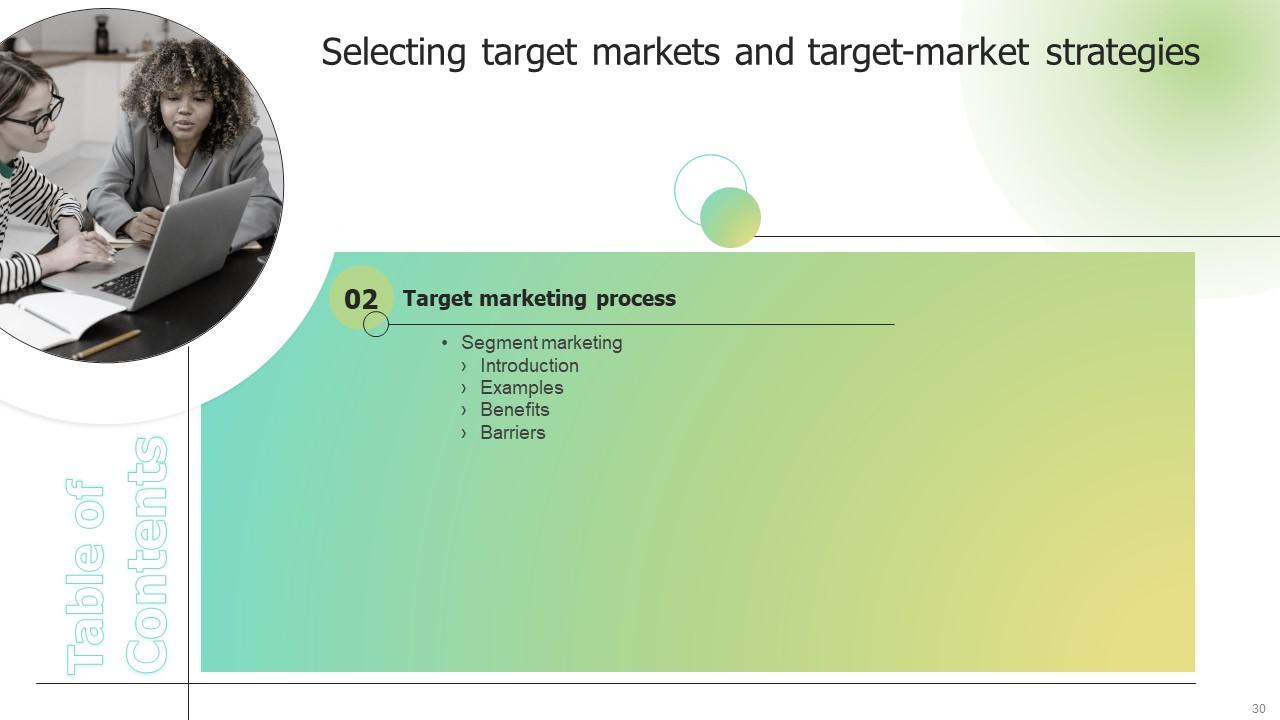
Slide 30: This slide showcase table of content that is to be discuss further.
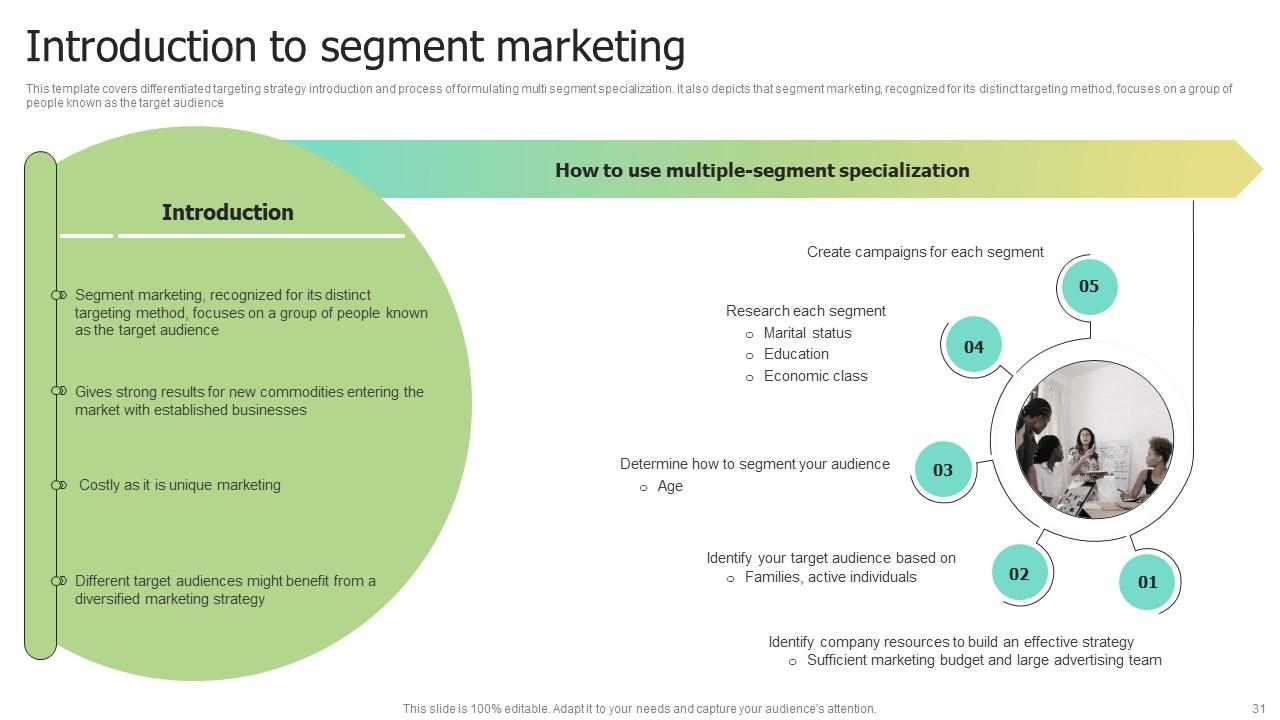
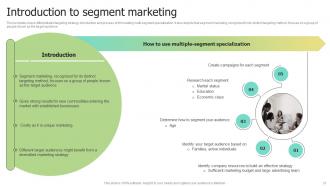
Slide 31: This template covers differentiated targeting strategy introduction and process of formulating multi segment specialization.
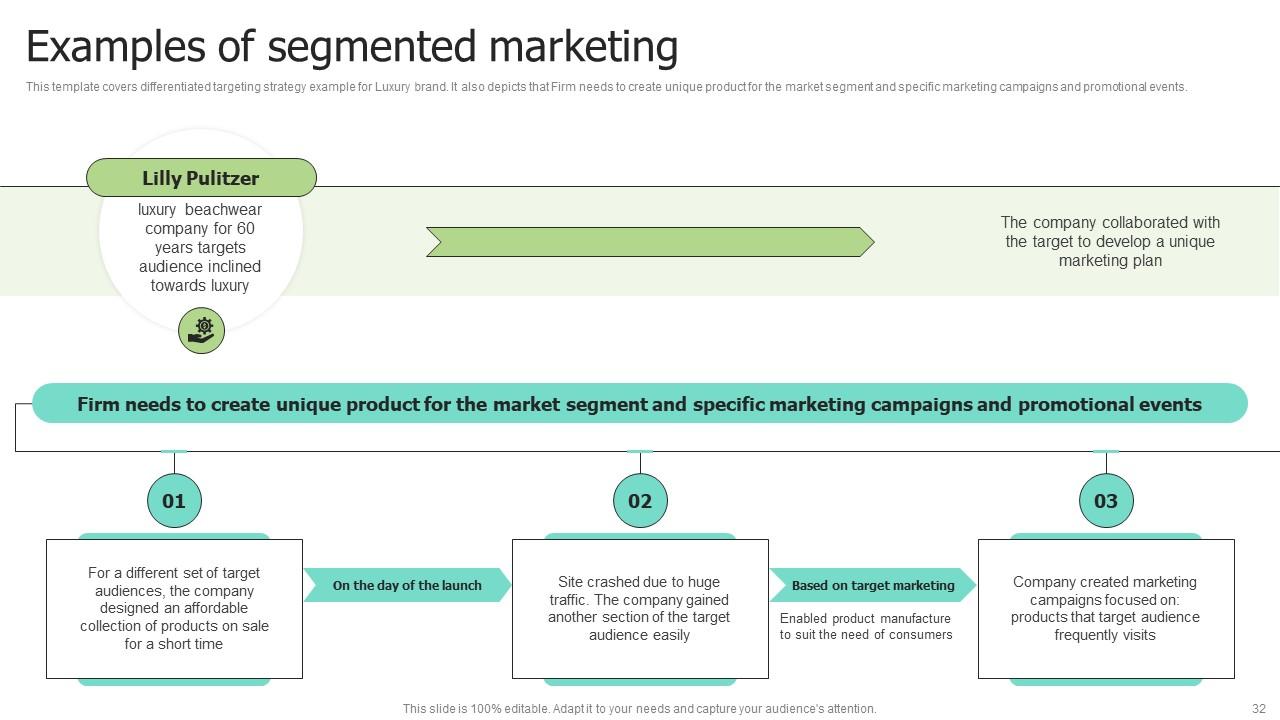
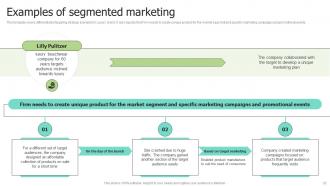
Slide 32: This template covers differentiated targeting strategy example for Luxury brand.
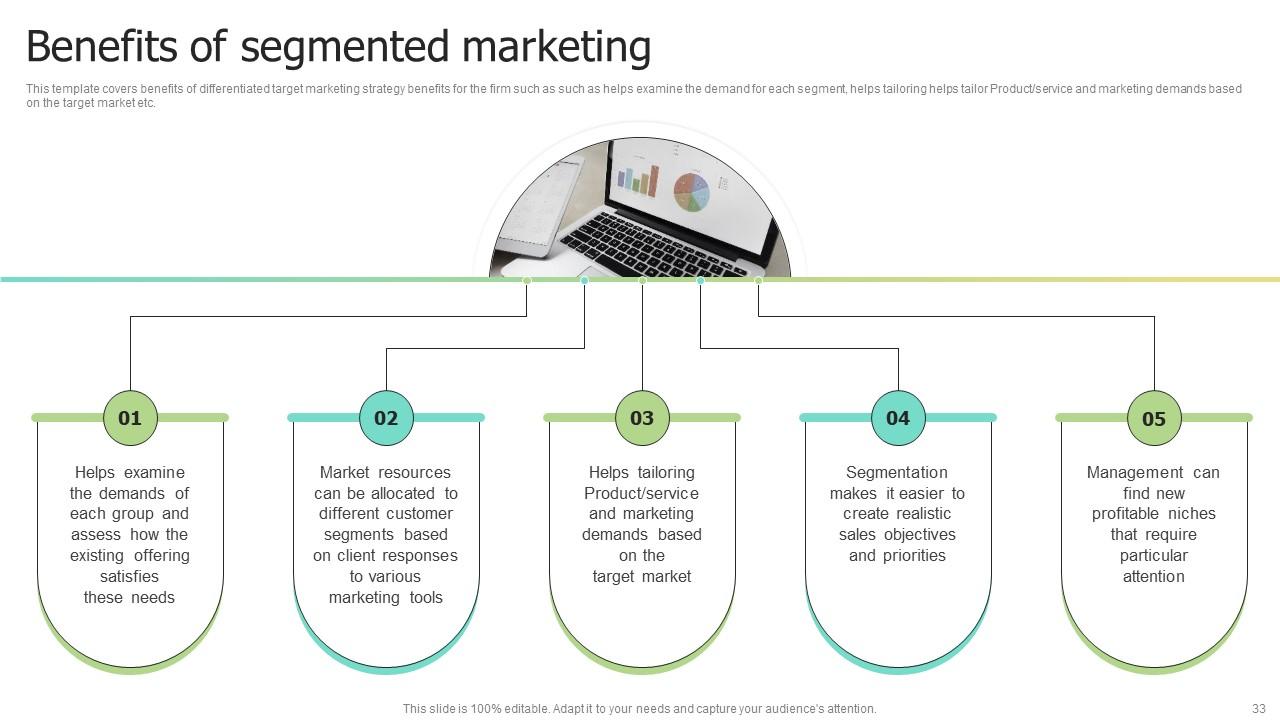
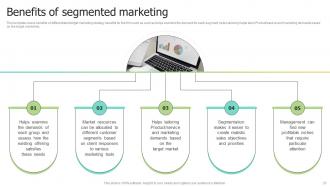
Slide 33: This template covers benefits of differentiated target marketing strategy benefits for the firm.
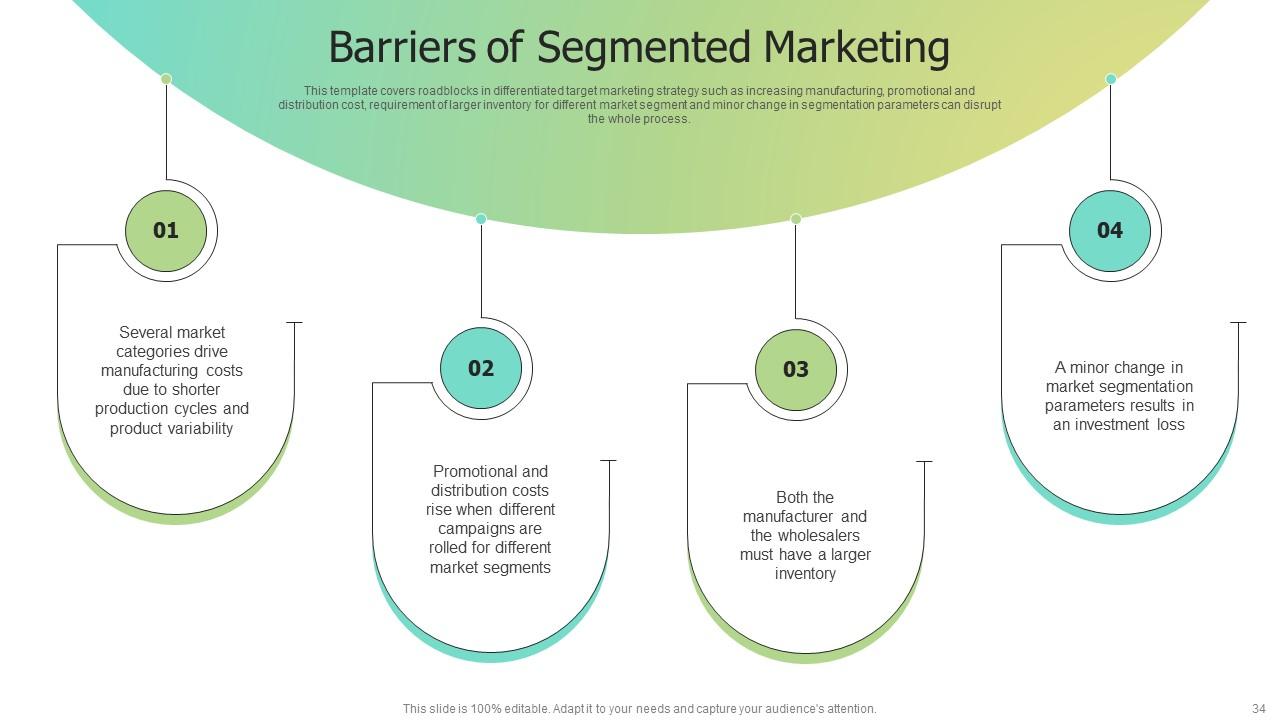
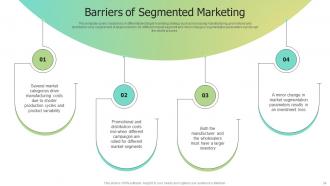
Slide 34: This template covers roadblocks in differentiated target marketing strategy.
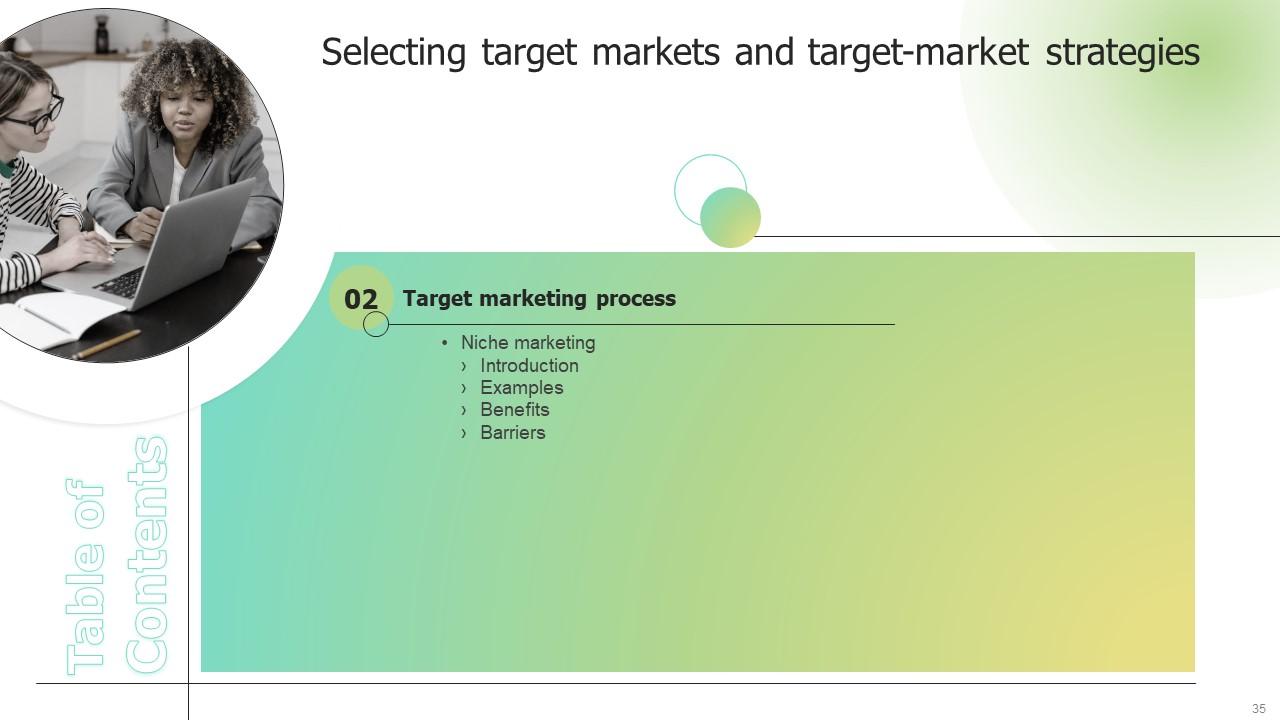
Slide 35: This slide showcase table of content that is to be discuss further.
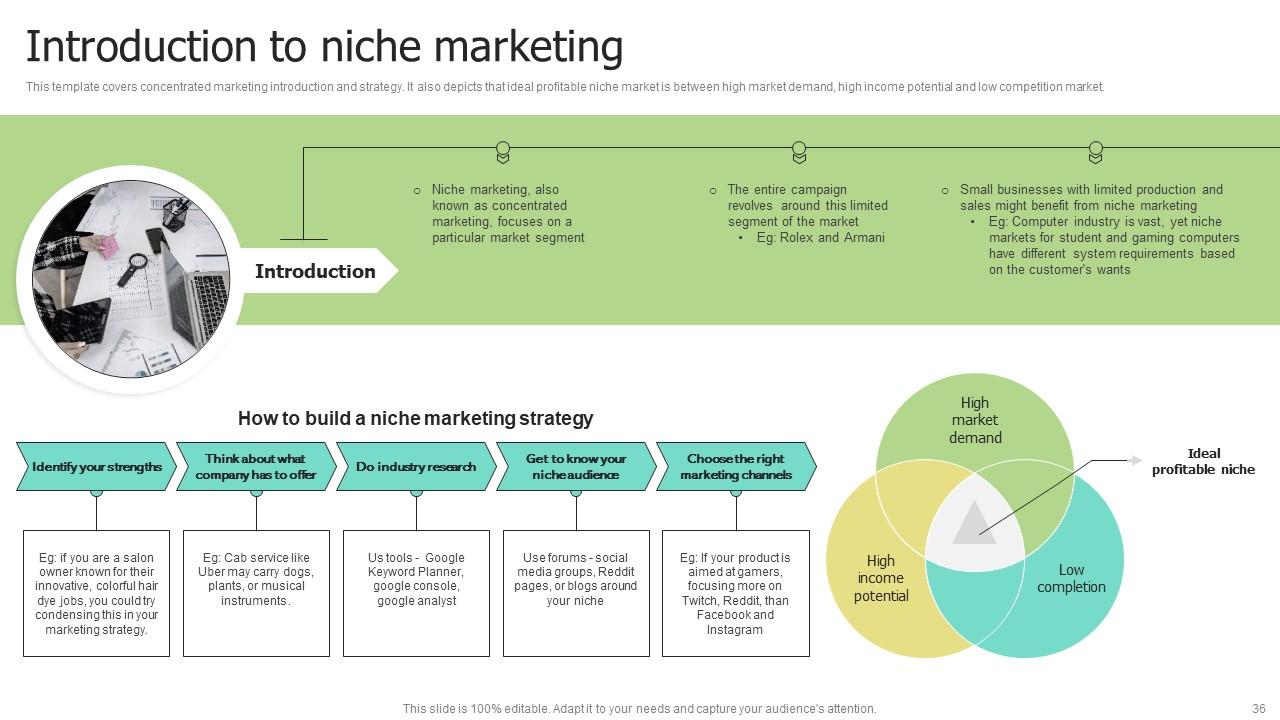
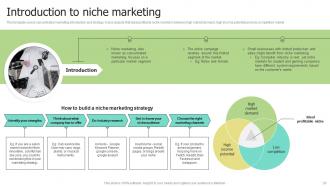
Slide 36: This template covers concentrated marketing introduction and strategy.
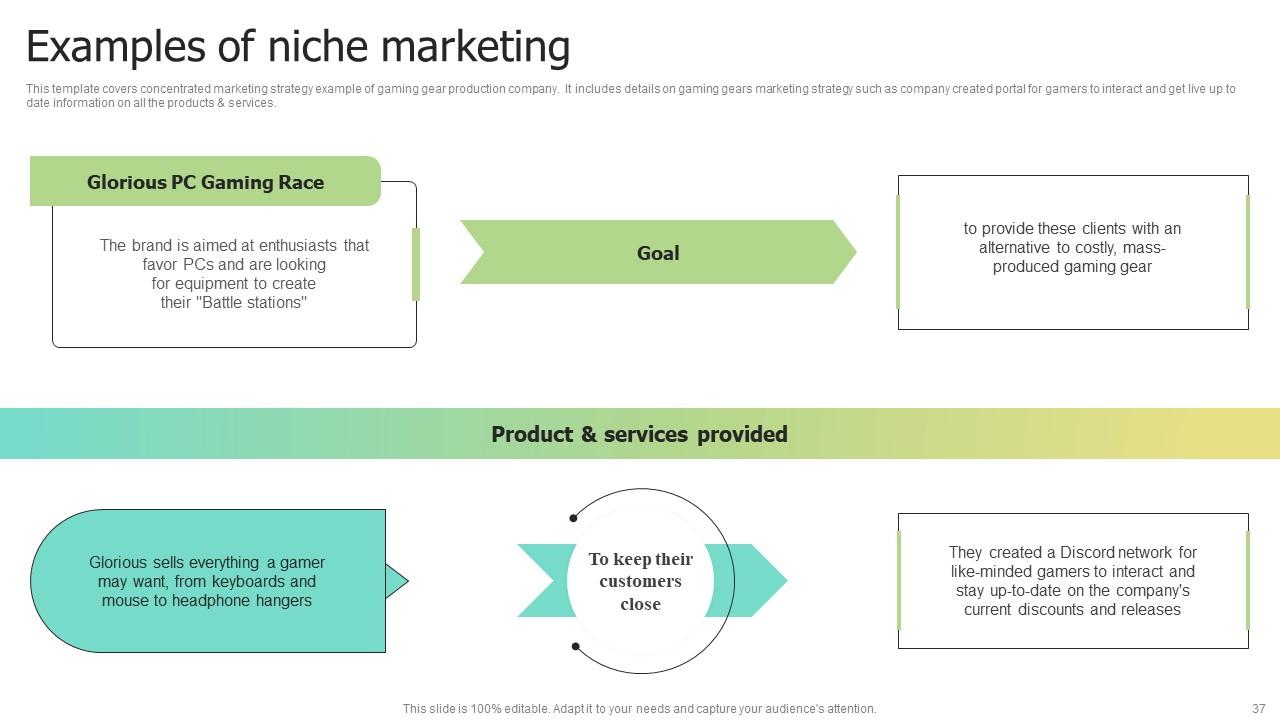
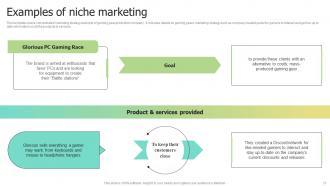
Slide 37: This template covers concentrated marketing strategy example of gaming gear production company.
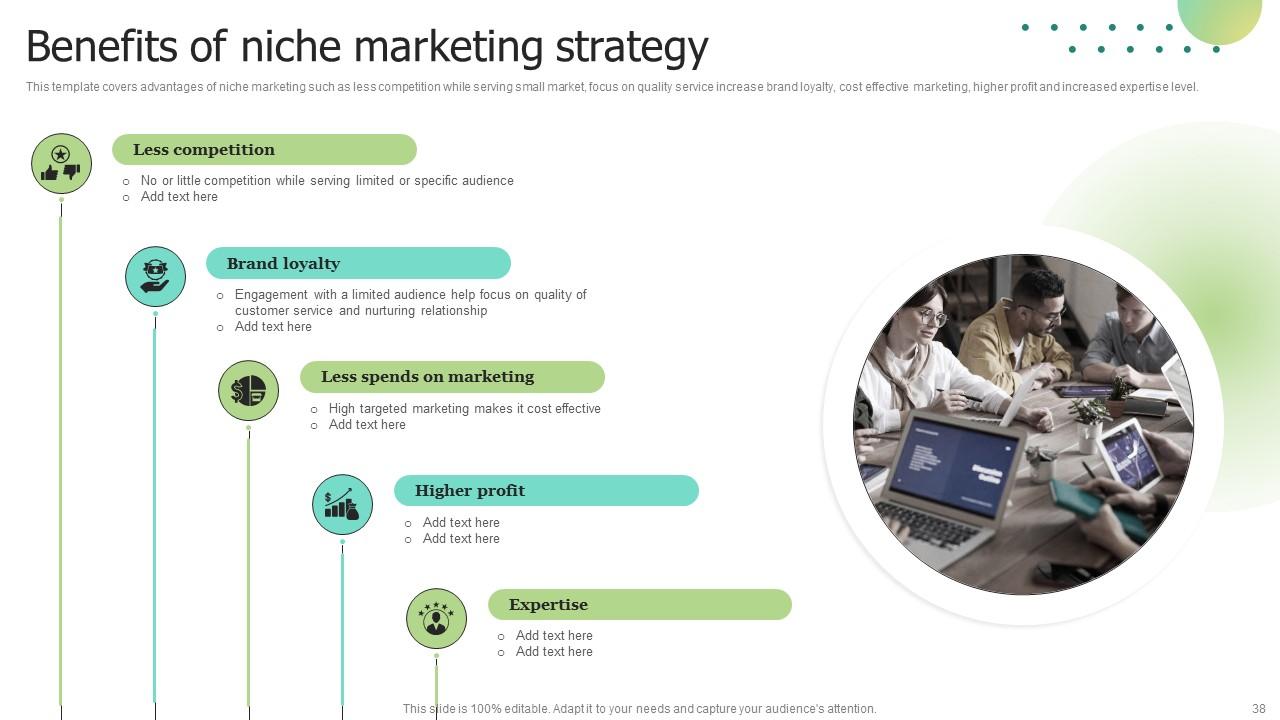
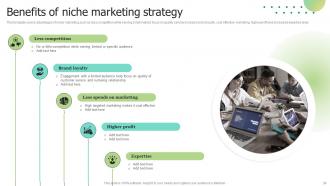
Slide 38: This template covers advantages of niche marketing.
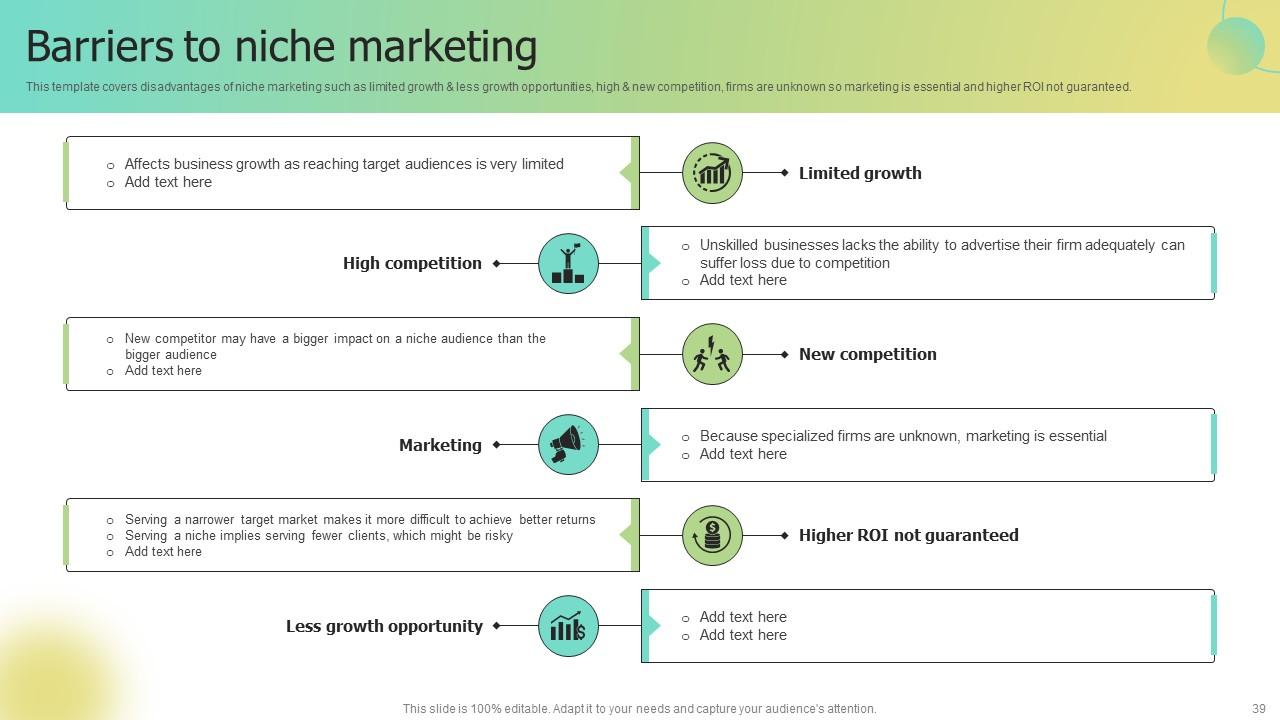
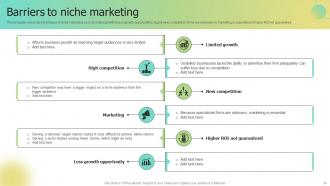
Slide 39: This template covers disadvantages of niche marketing.
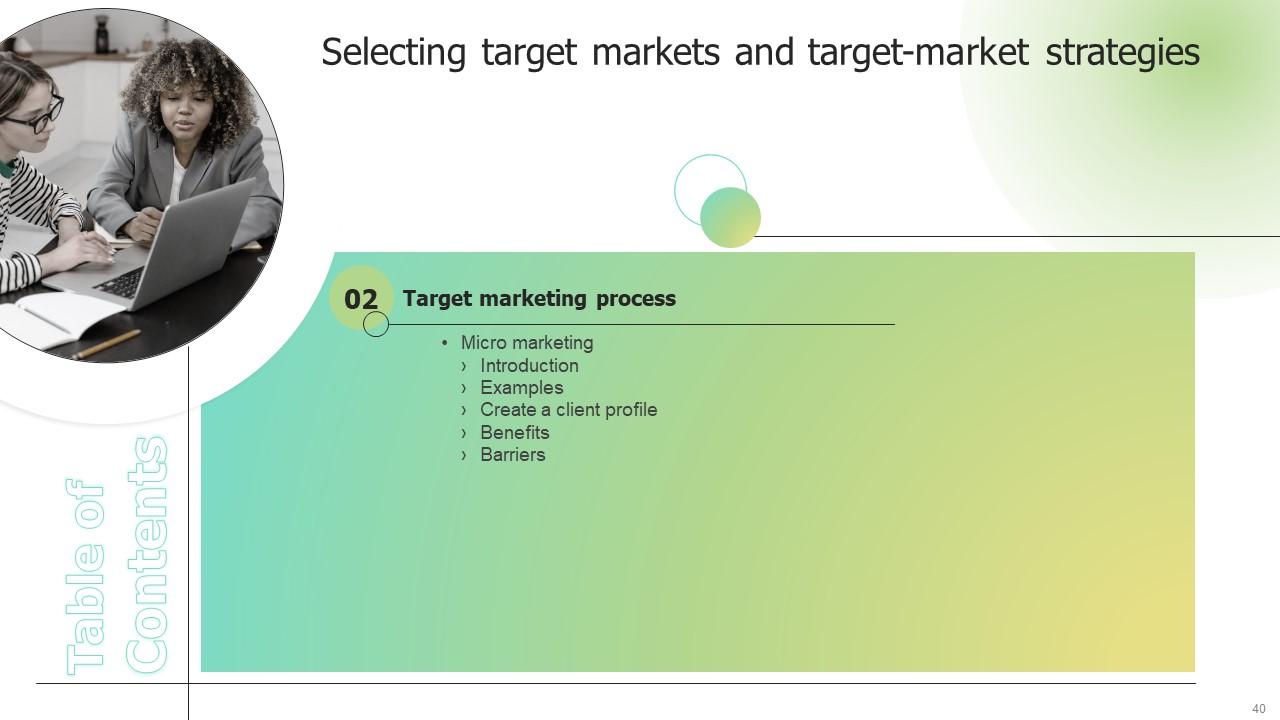
Slide 40: This slide showcase table of content that is to be discuss further.
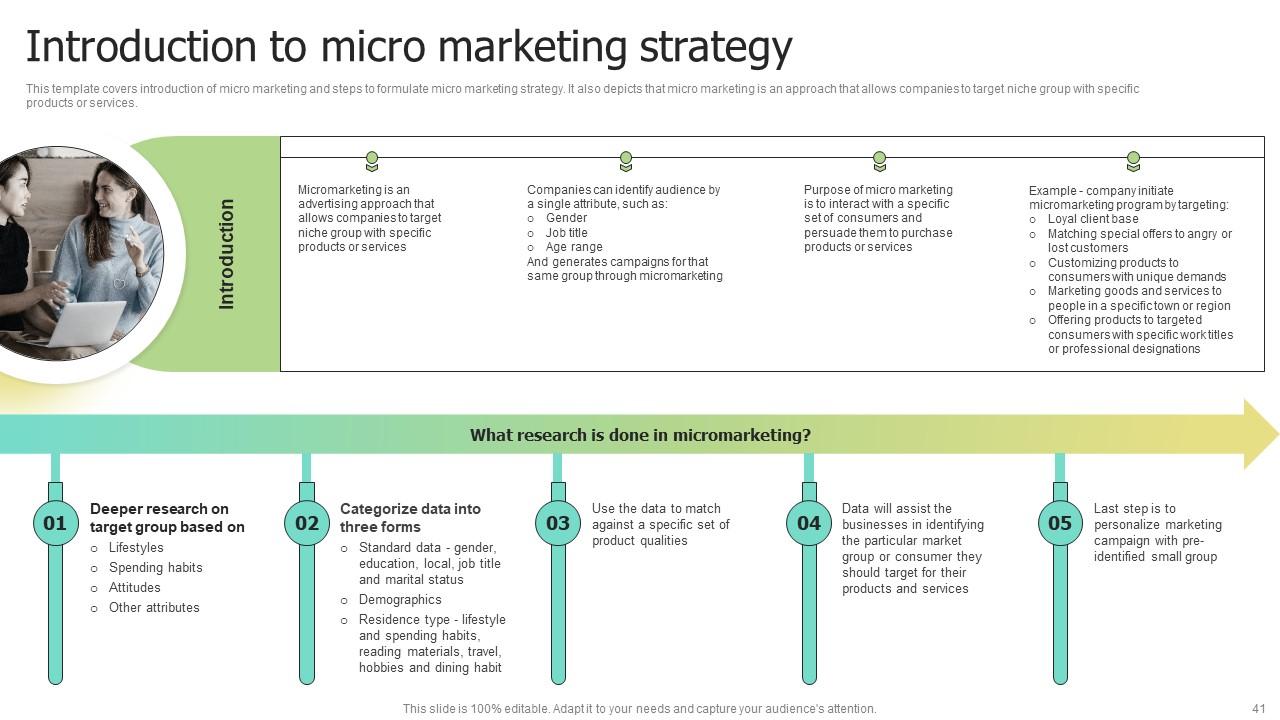
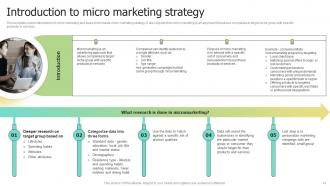
Slide 41: This template covers introduction of micro marketing and steps to formulate micro marketing strategy.
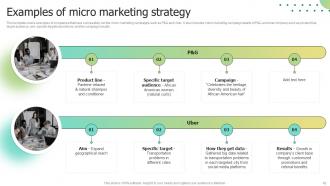
Slide 42: This template covers examples of companies that have successfully run the micro marketing campaigns such as P&G and Uber.
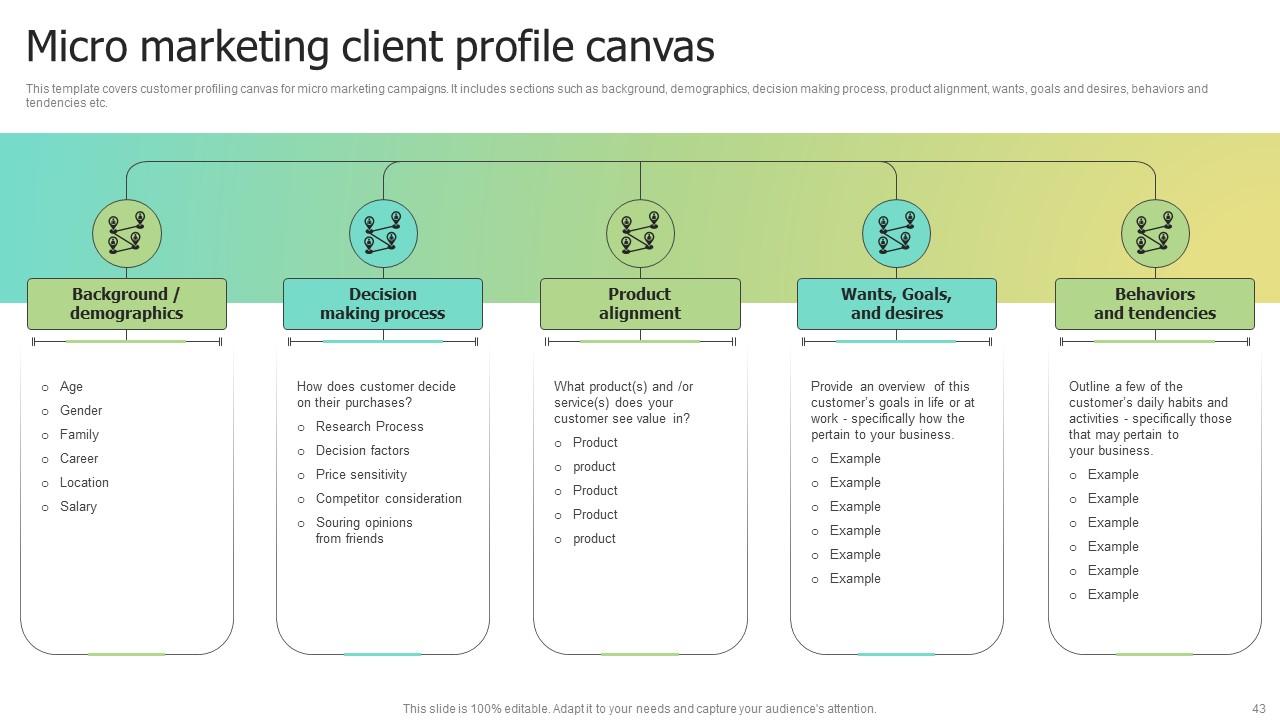
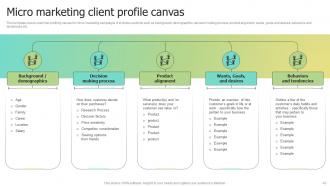
Slide 43: This template covers customer profiling canvas for micro marketing campaigns.
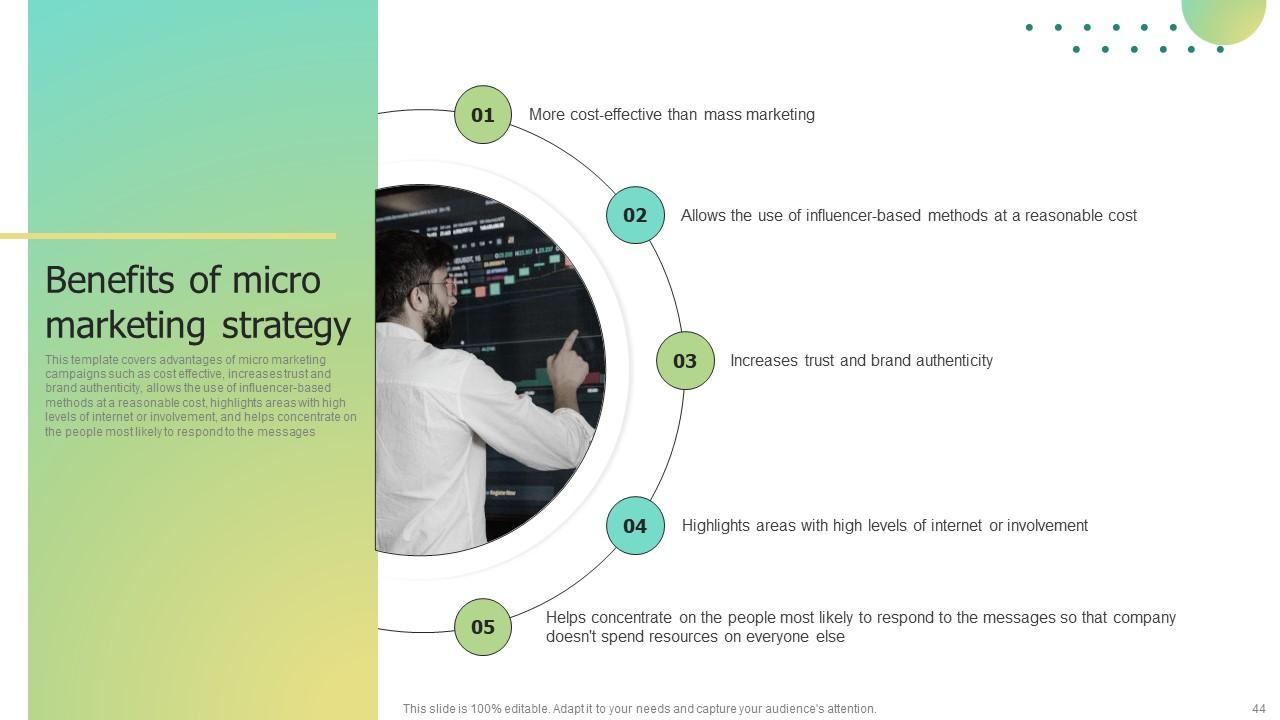
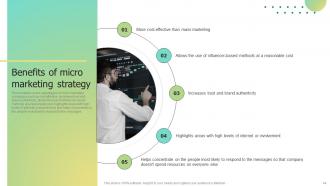
Slide 44: This template covers advantages of micro marketing campaigns such as cost effective, increases trust and brand authenticity.
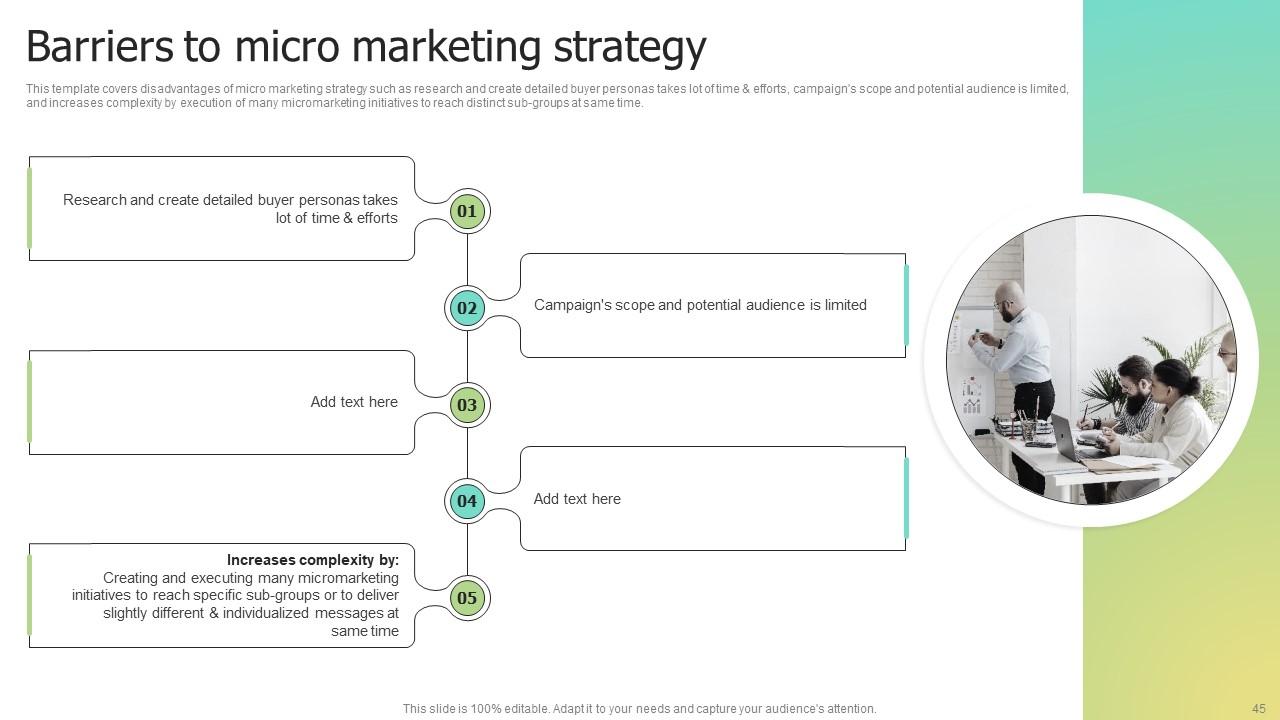
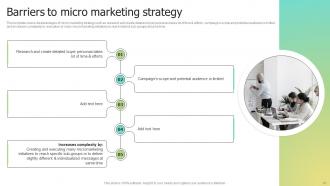
Slide 45: This template covers disadvantages of micro marketing strategy.
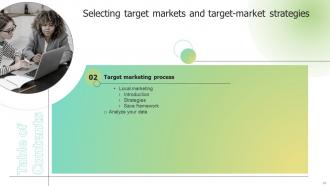
Slide 46: This slide showcase table of content that is to be discuss further.
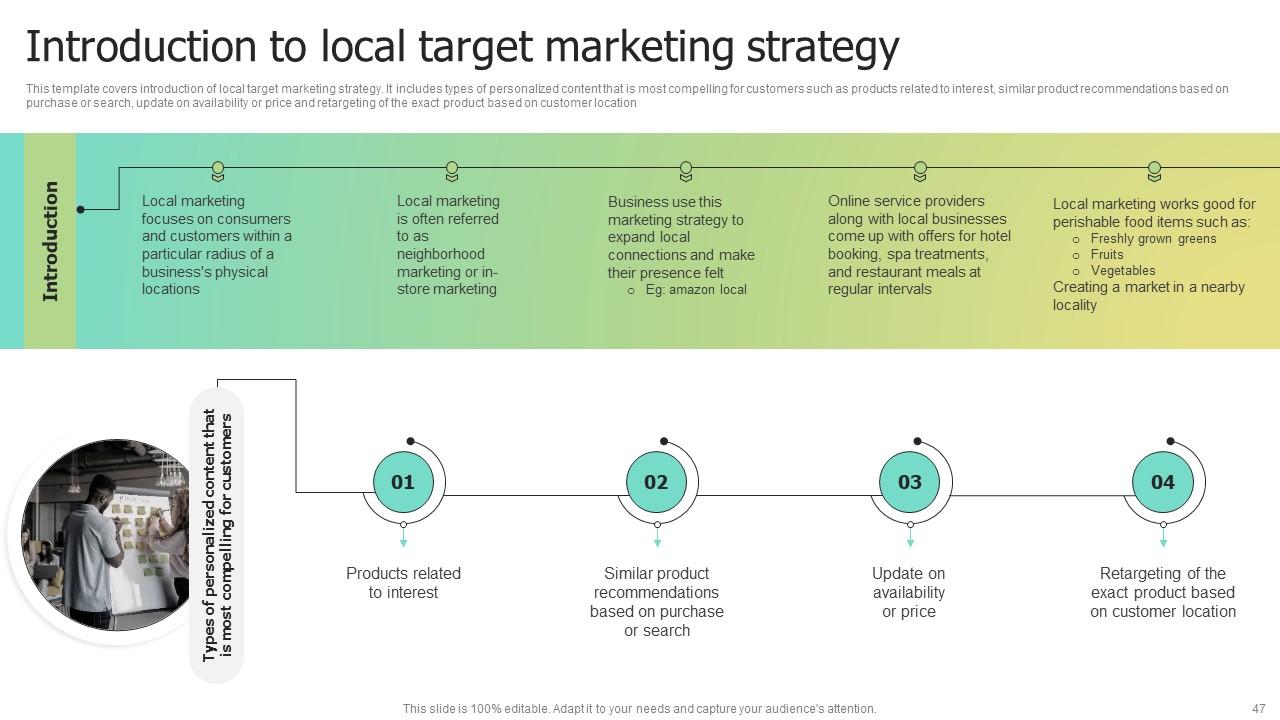
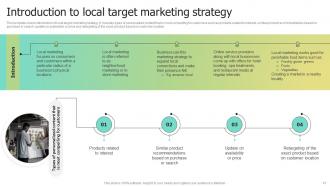
Slide 47: This template covers introduction of local target marketing strategy.
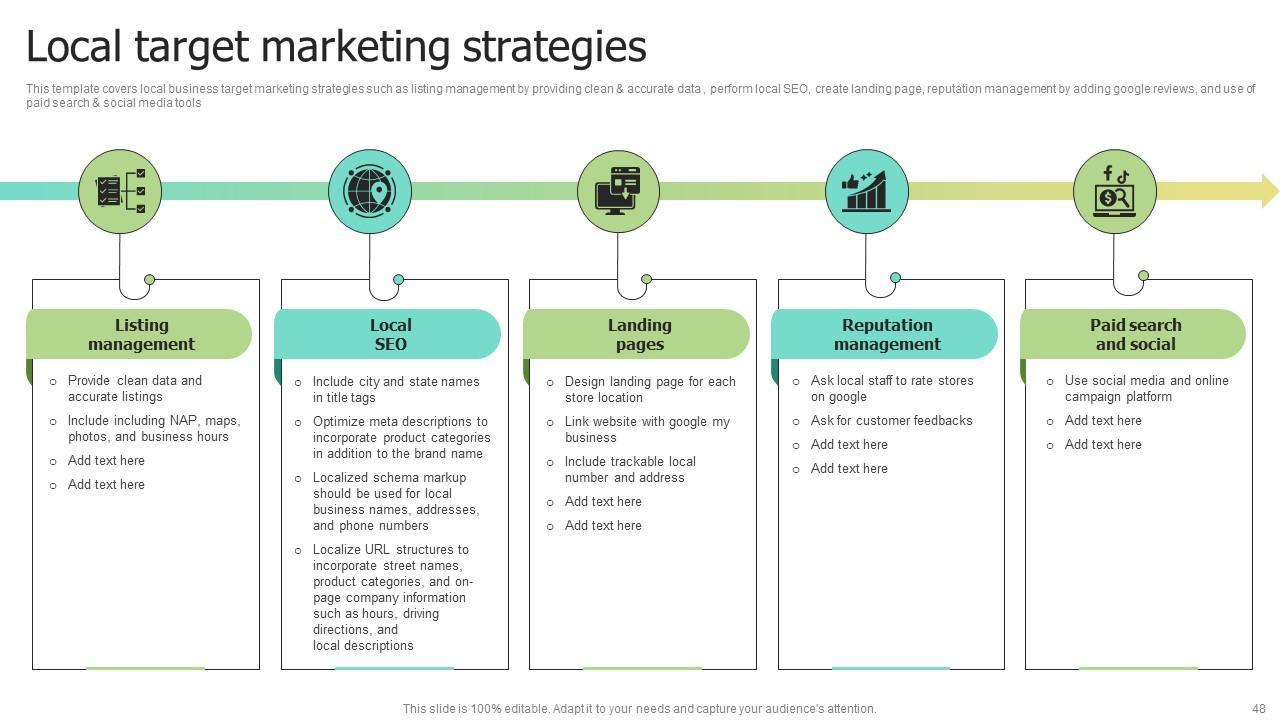
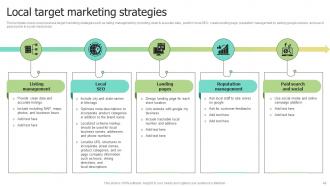
Slide 48: This template covers local business target marketing strategies.
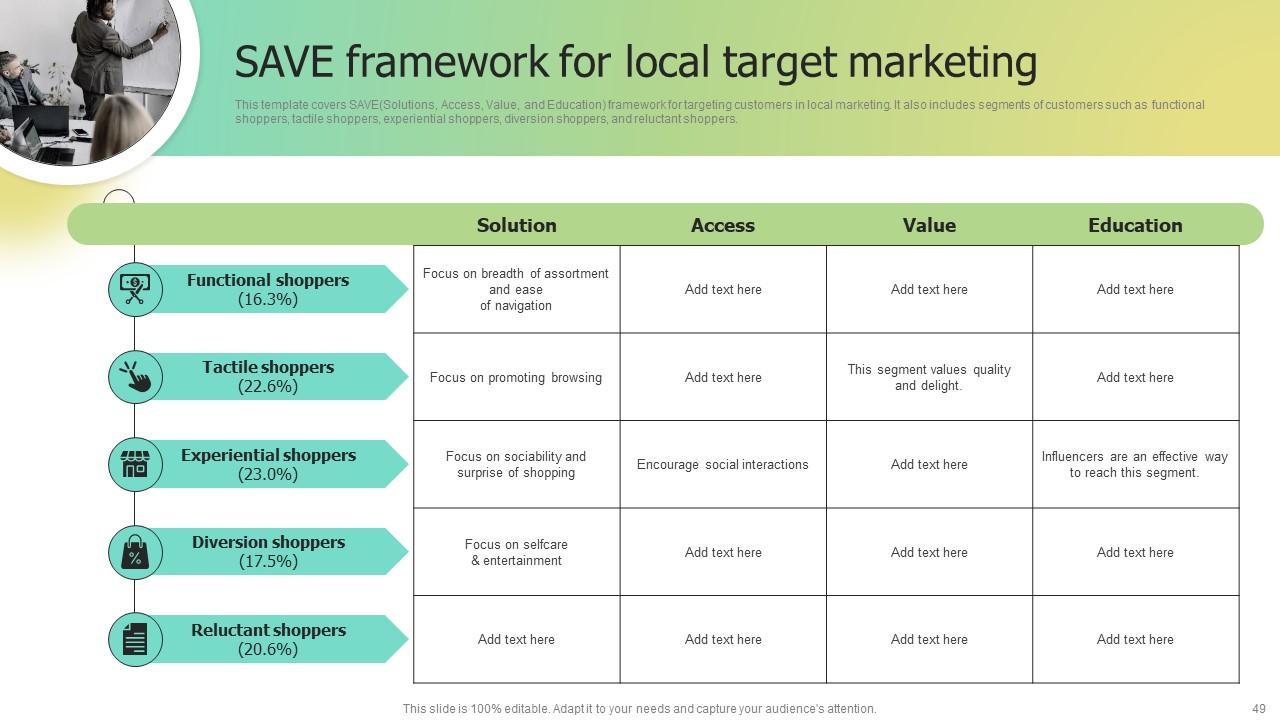
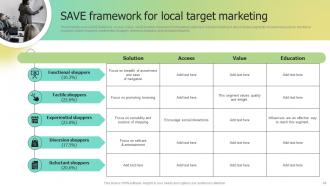
Slide 49: This template covers SAVE(Solutions, Access, Value, and Education) framework for targeting customers in local marketing.
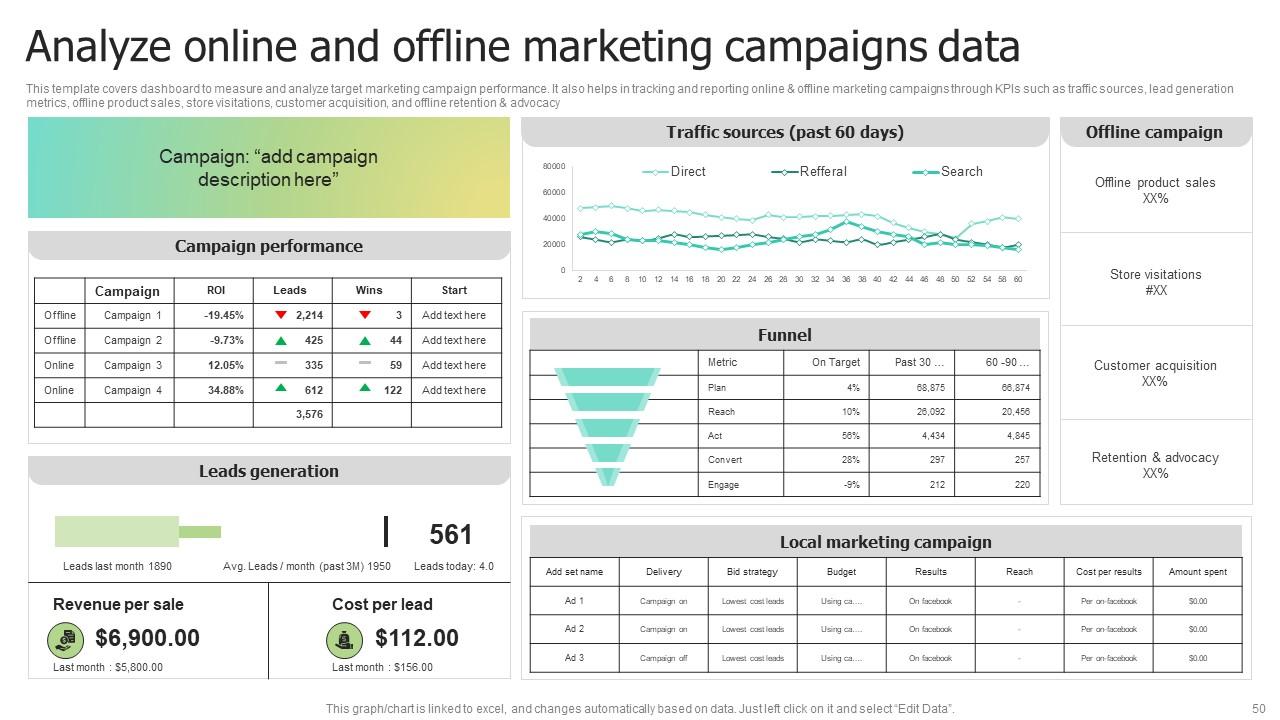
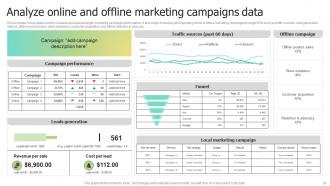
Slide 50: This template covers dashboard to measure and analyze target marketing campaign performance.
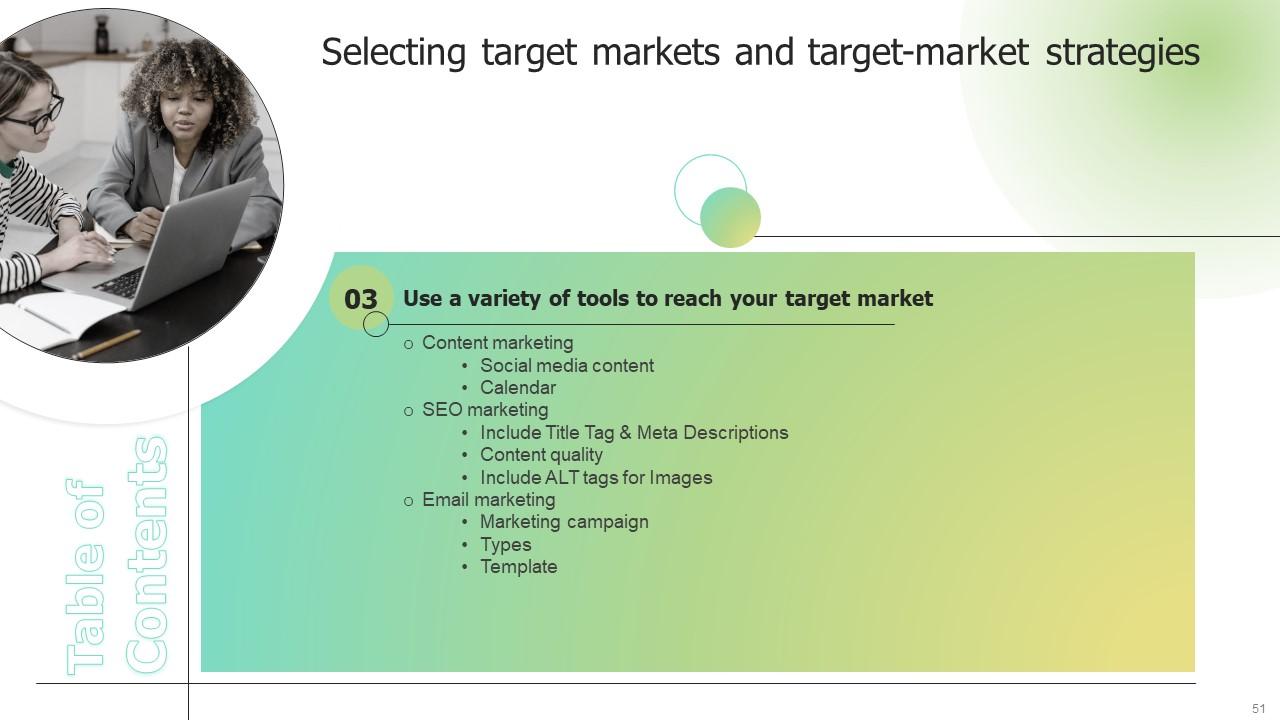
Slide 51: This slide showcase table of content that is to be discuss further.
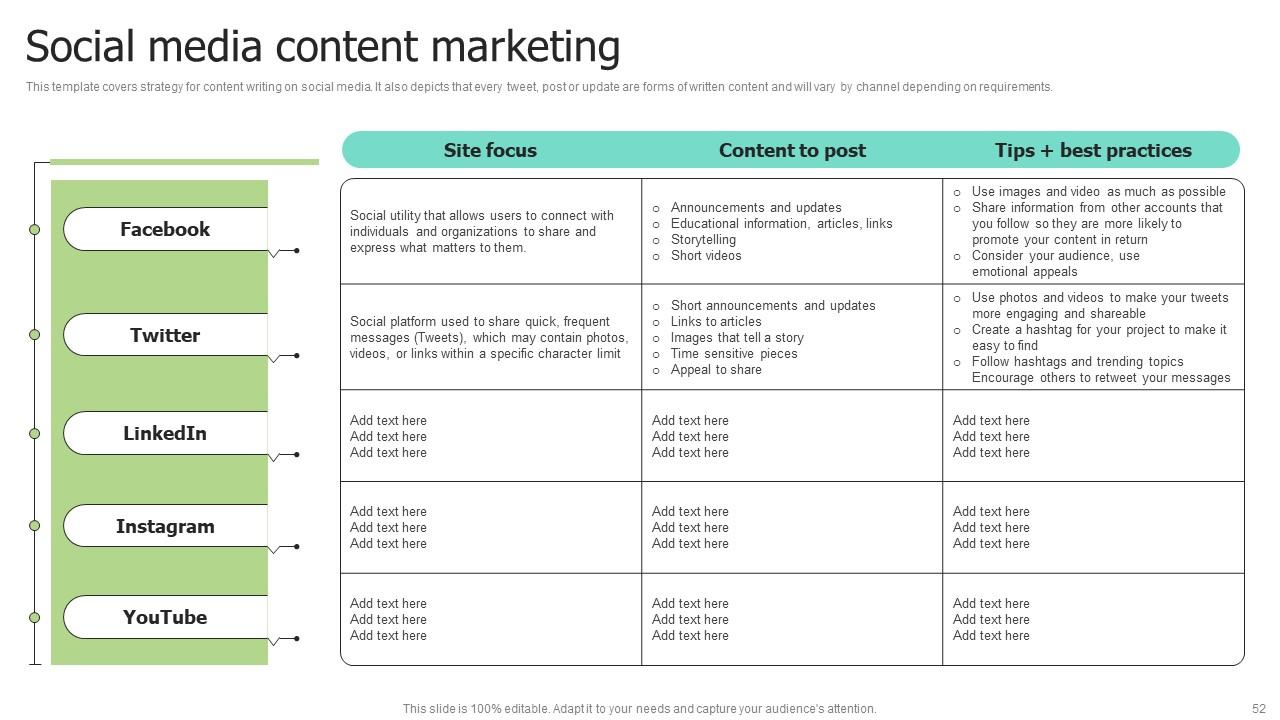
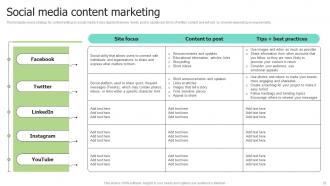
Slide 52: This template covers strategy for content writing on social media.
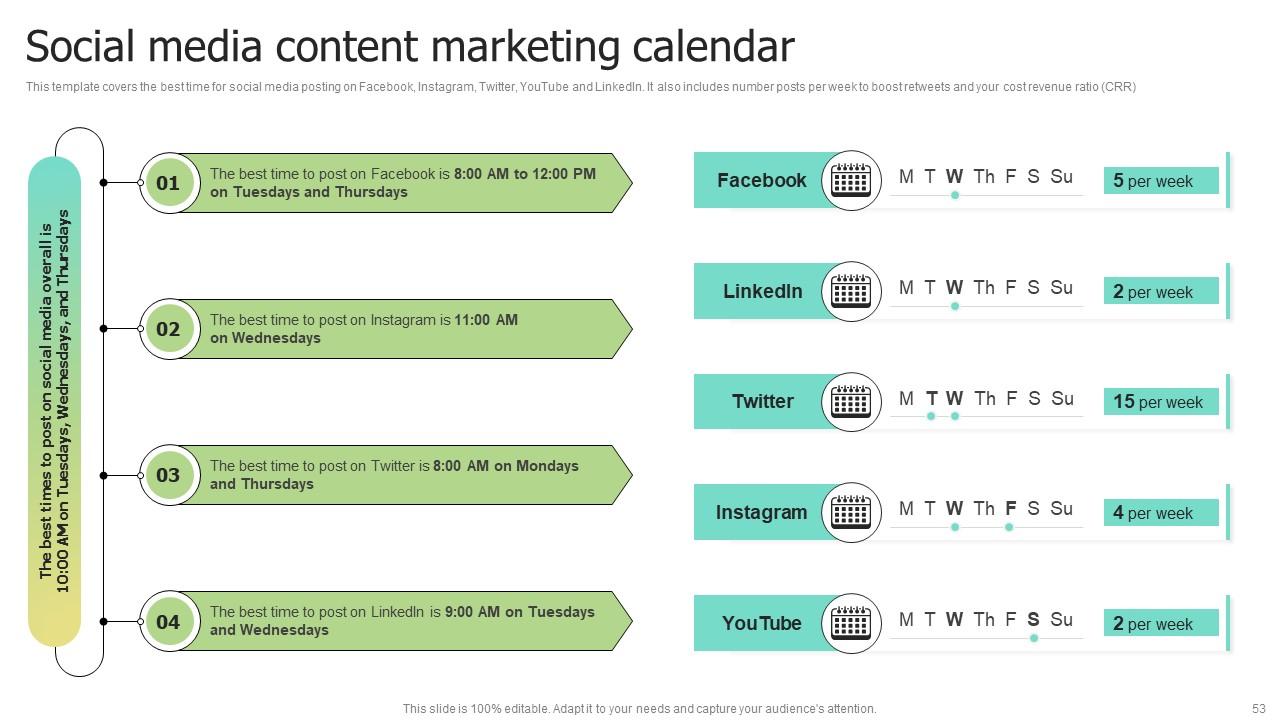
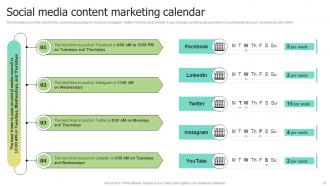
Slide 53: This template covers the best time for social media posting on Facebook, Instagram, Twitter, YouTube and LinkedIn.
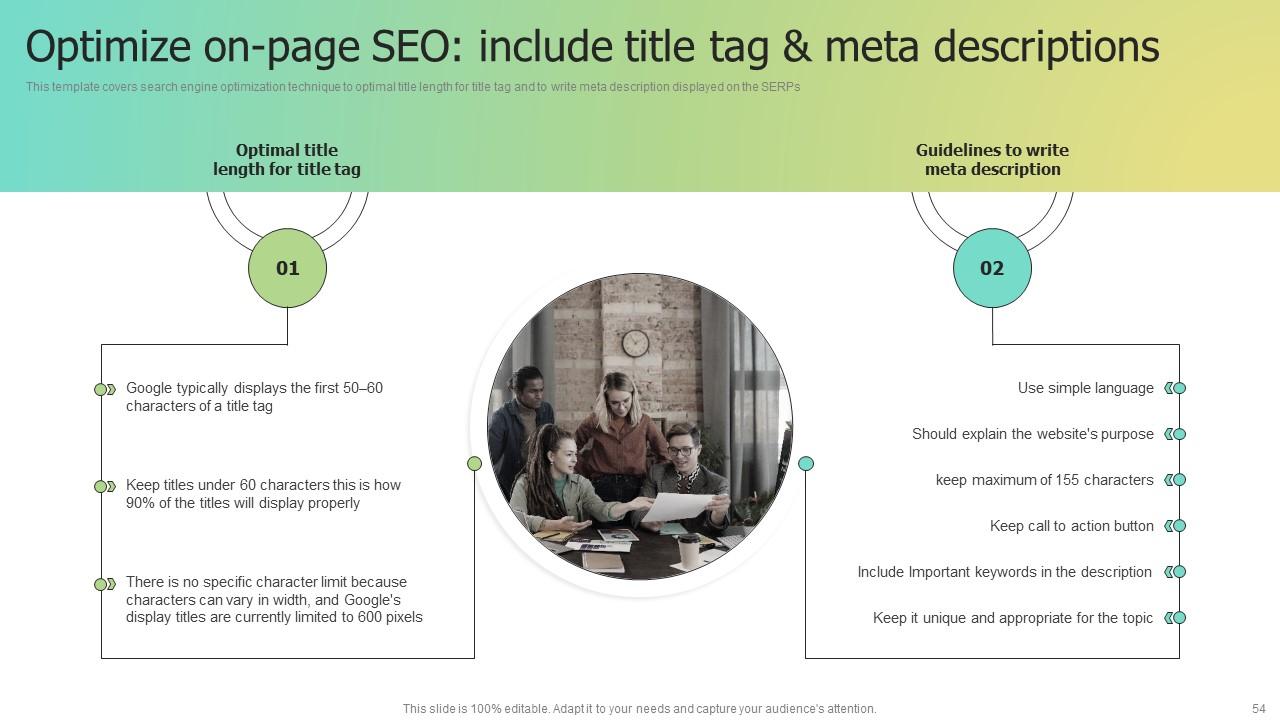
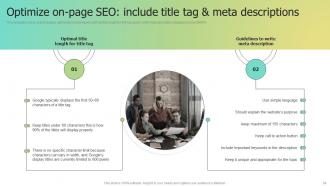
Slide 54: This template covers search engine optimization technique to optimal title length for title tag and to write meta description displayed on the SERPs.
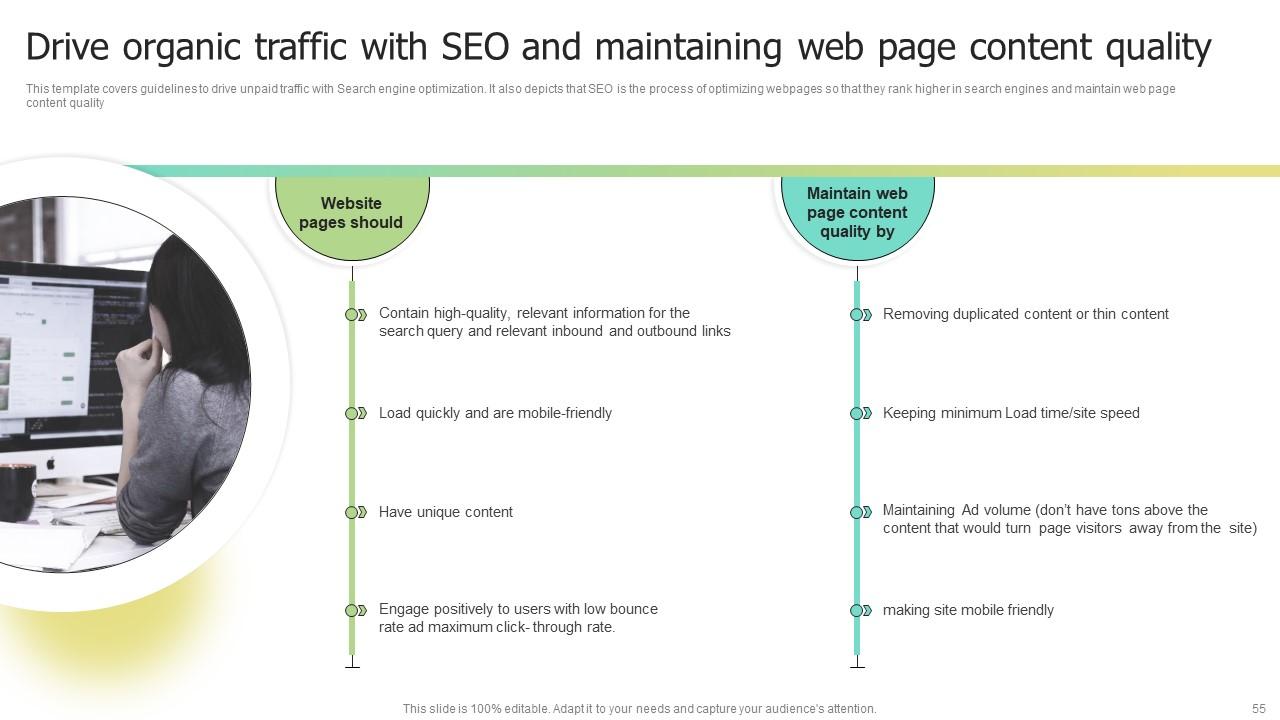
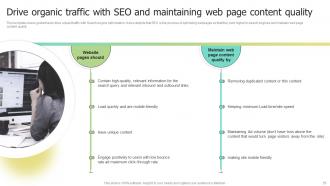
Slide 55: This template covers guidelines to drive unpaid traffic with Search engine optimization.
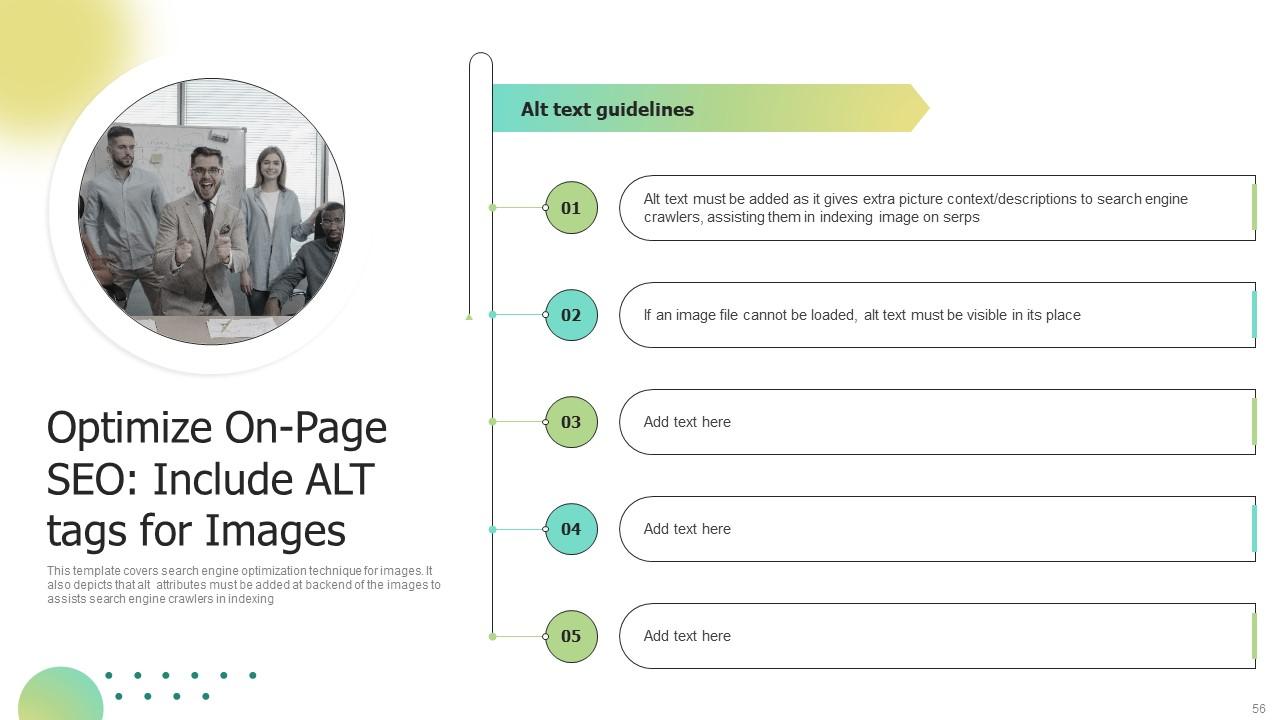
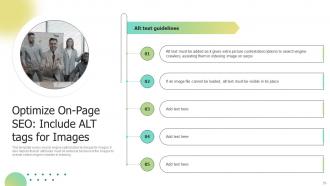
Slide 56: This template covers search engine optimization technique for images.
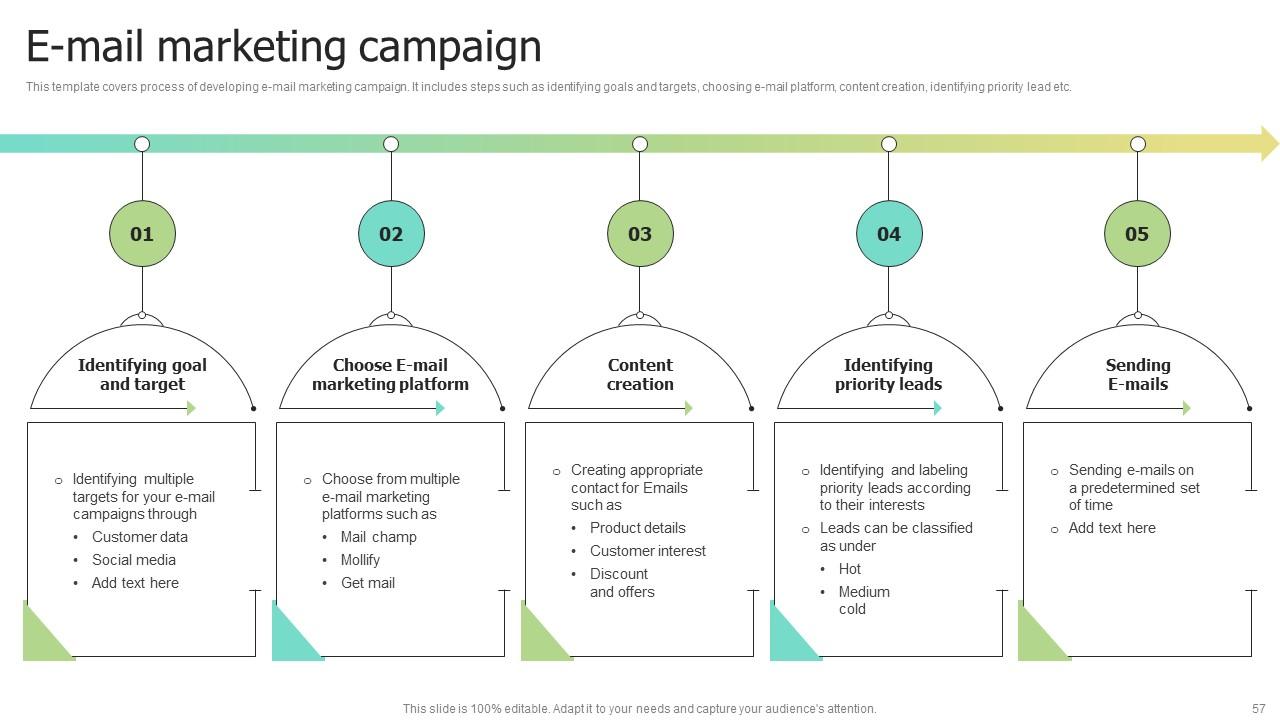
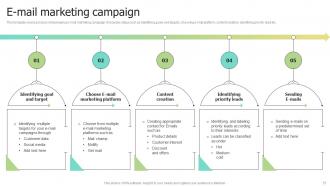
Slide 57: This template covers process of developing e-mail marketing campaign.
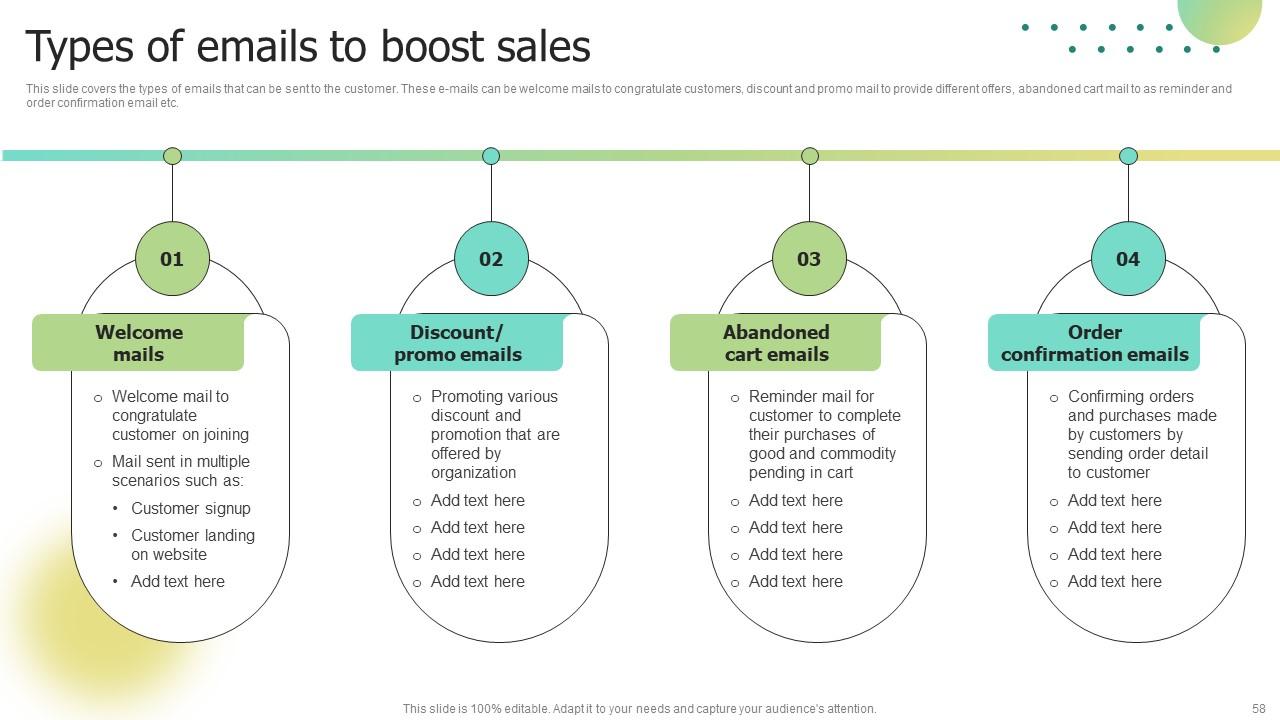
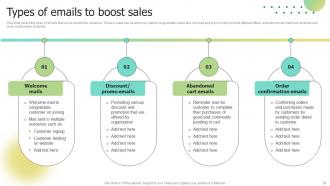
Slide 58: This slide covers the types of emails that can be sent to the customer.
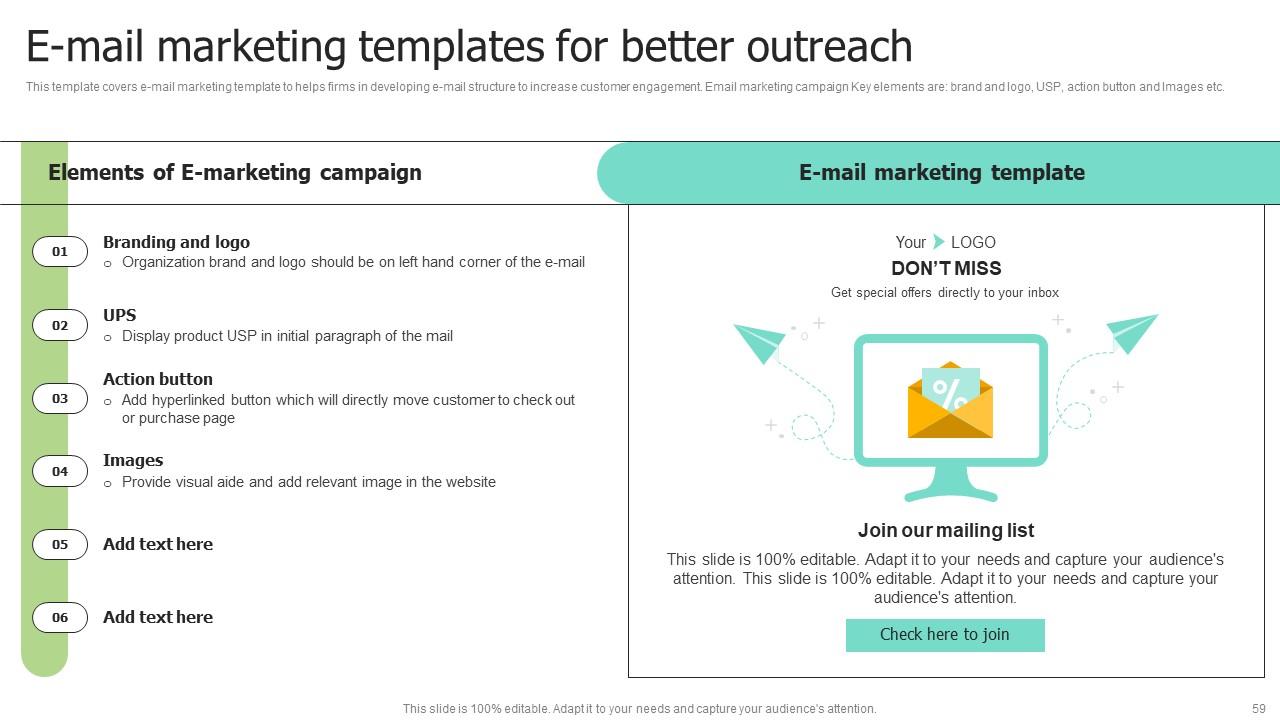
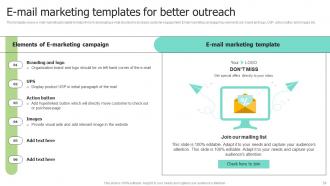
Slide 59: This template covers e-mail marketing template to helps firms in developing e-mail structure to increase customer engagement.
Slide 60: This is the icons slide.
Slide 61: This slide presents title for additional slides.
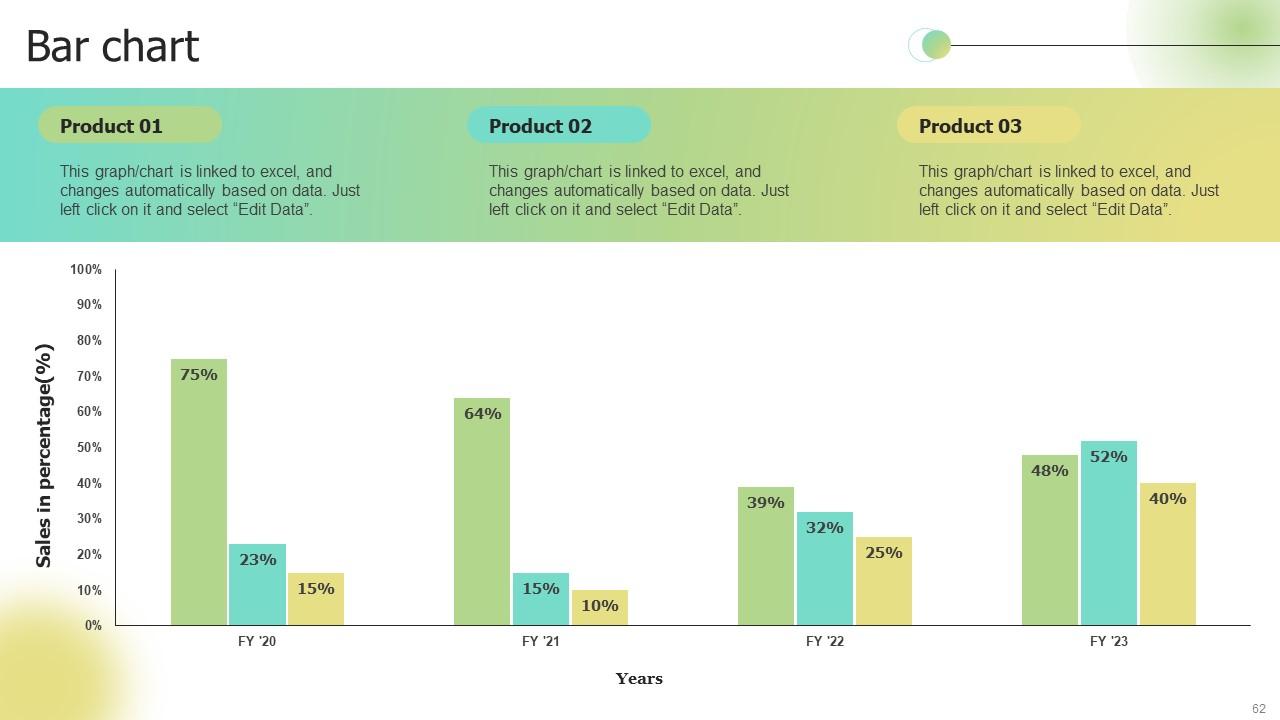
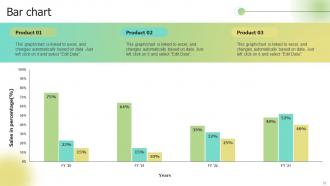
Slide 62: This slide showcase Bar chart for different products.
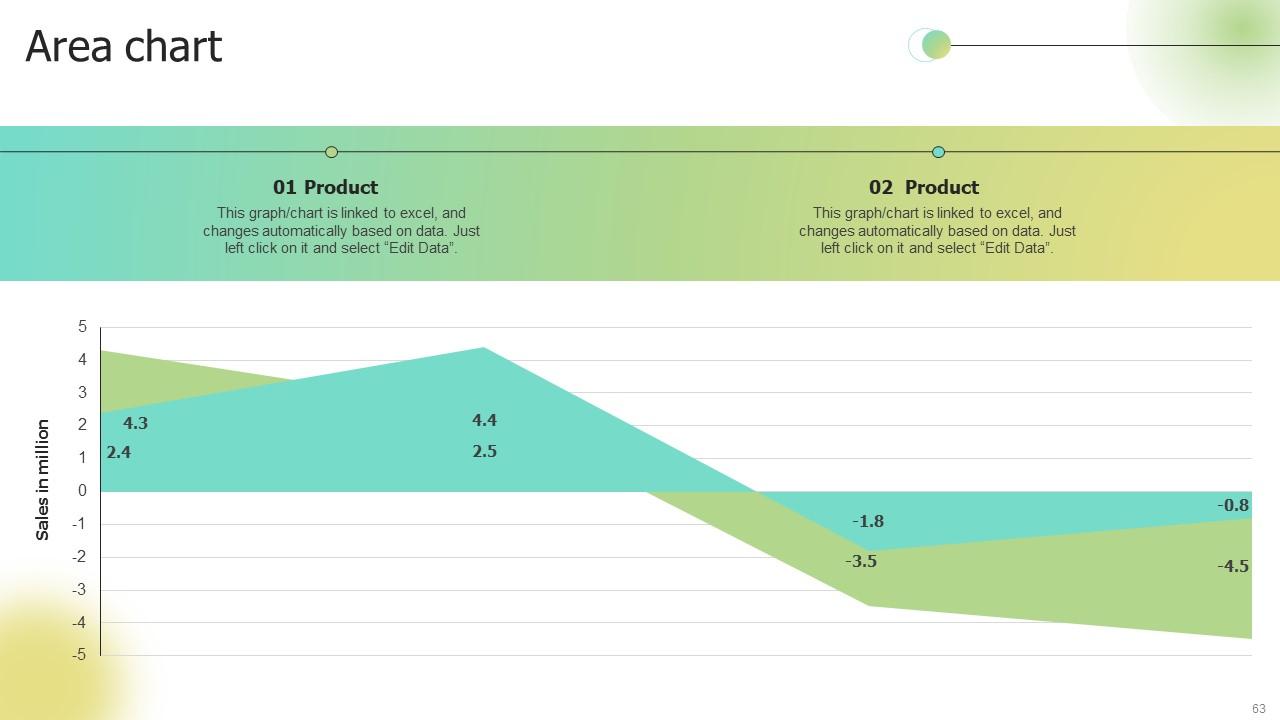
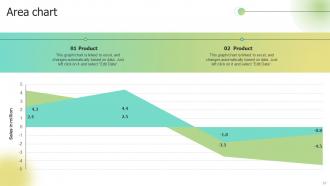
Slide 63: This slide showcase Area chart.
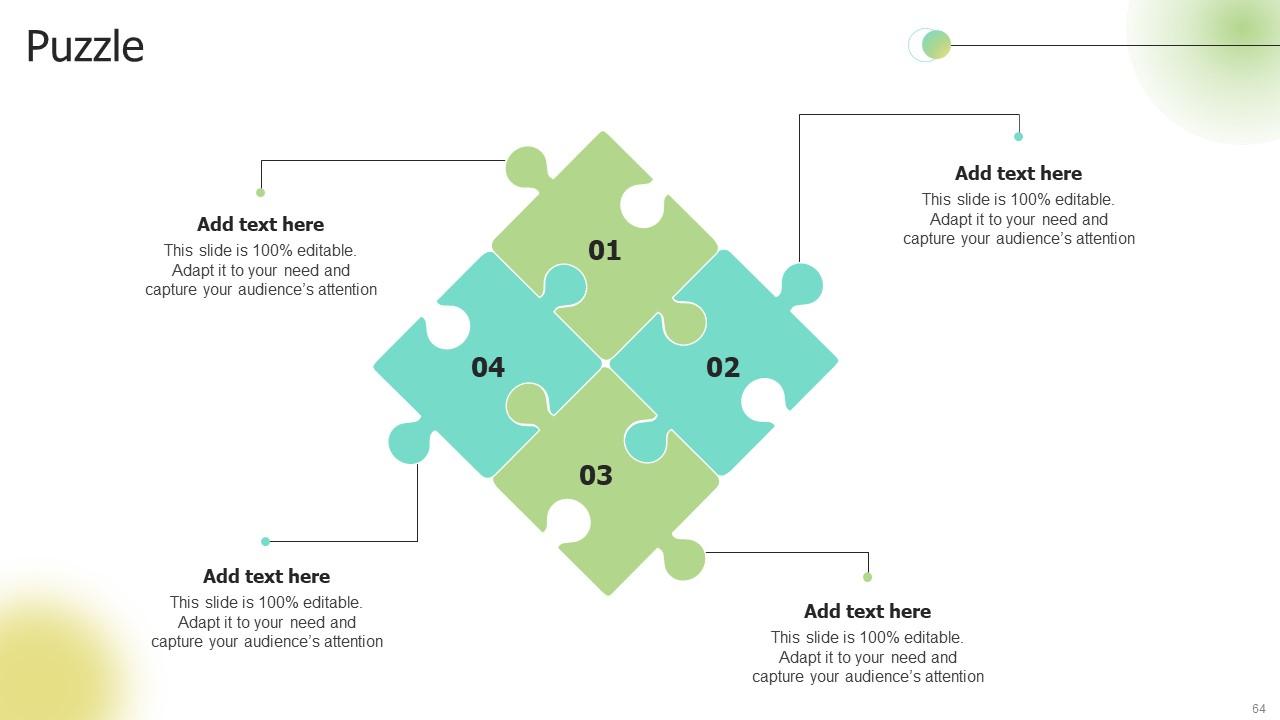
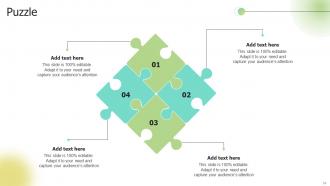
Slide 64: This slide shows puzzle for displaying elements of company.
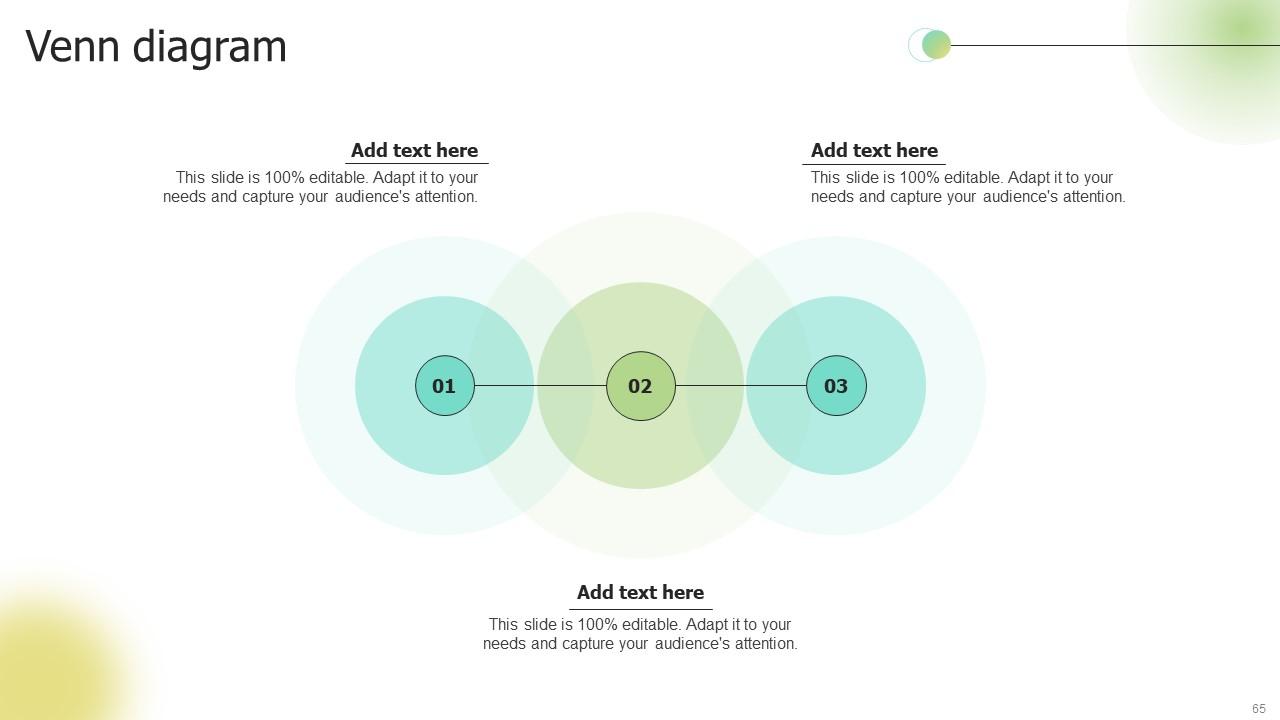
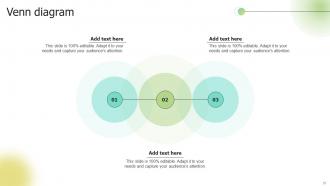
Slide 65: This slide display Venn diagram.
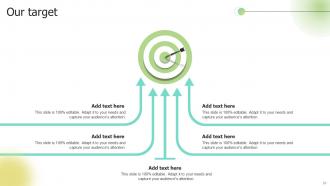
Slide 66: This slide showcase Our target.
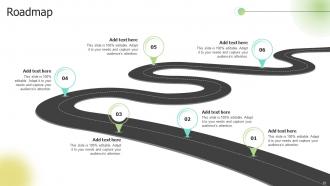
Slide 67: This slide display Roadmap.
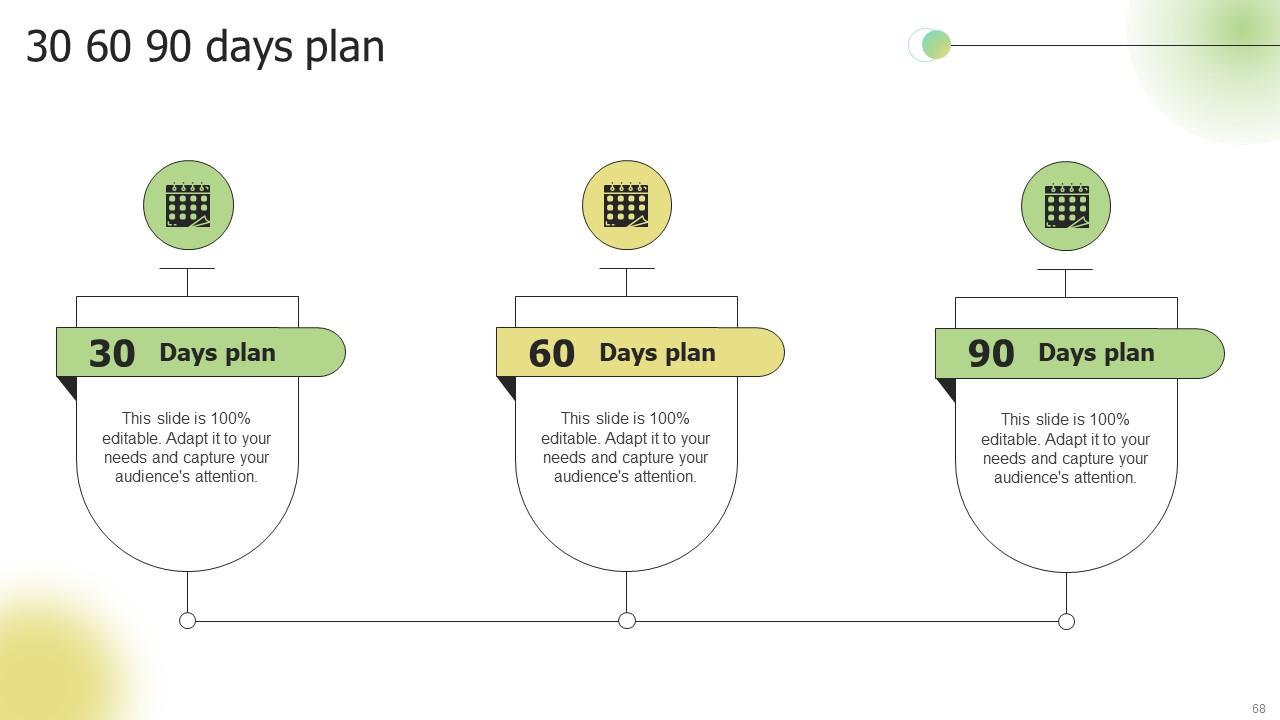
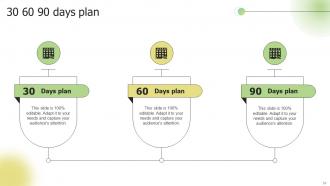
Slide 68: This slide depicts 30-60-90 days plan for projects.
Slide 69: This is thank you slide & contains contact details of company like office address, phone no., etc.
Selecting Target Markets And Target Market Strategies Ppt Template Strategy CD V with all 74 slides:
Use our Selecting Target Markets And Target Market Strategies Ppt Template Strategy CD to effectively help you save your valuable time. They are readymade to fit into any presentation structure.
-
The designs by SlideTeam are honestly the best I have seen so far. Will be definitely coming back for more.
-
Great product, helpful indeed!
