


Présentation de soi en entretien d'embauche Diapositives de présentation PowerPoint
Utilisez nos diapositives de présentation d'auto-introduction en entretien d'embauche pour une présentation impressionnante. Une auto-présentation appropriée est la clé pour faire la première impression, l'utilisation de diapositives d'auto-présentation vous aide à faire une impression durable sur votre public. Présentez-vous Le deck complet PowerPoint comprend des diapositives prêtes à l'emploi telles que le cheminement vers une carrière, l'analyse SWOT, les qualifications personnelles, les réalisations, la formation, l'expérience, l'étude de cas, les compétences linguistiques et les loisirs, etc. Les utilisateurs peuvent présenter leurs compétences et leurs capacités avec ces derniers de manière professionnelle. modèles conçus. Les graphiques de présentation de l'entretien d'embauche contiennent également des modèles haute résolution tels que des histogrammes, des graphiques en aires, des graphiques en courbes, des icônes de clipart, des feuilles de route, etc. expériences. Il aide également à décrire les objectifs de carrière, la conception du portefeuille, la chronologie de l'expérience. Téléchargez des modèles d'auto-présentation pour effectuer une auto-analyse efficacement. Permettez aux gens d'améliorer leurs finances avec nos diapositives de présentation PowerPoint d'auto-introduction en entretien pour un emploi. Ils vous seront reconnaissants de leur bonne fortune.


















-

- Google Slides is a new FREE Presentation software from Google.
- All our content is 100% compatible with Google Slides.
- Just download our designs, and upload them to Google Slides and they will work automatically.
- Amaze your audience with SlideTeam and Google Slides.
-

Want Changes to This PPT Slide? Check out our Presentation Design Services
-

- WideScreen Aspect ratio is becoming a very popular format. When you download this product, the downloaded ZIP will contain this product in both standard and widescreen format.
-

- Some older products that we have may only be in standard format, but they can easily be converted to widescreen.
- To do this, please open the SlideTeam product in Powerpoint, and go to
- Design ( On the top bar) -> Page Setup -> and select "On-screen Show (16:9)” in the drop down for "Slides Sized for".
- The slide or theme will change to widescreen, and all graphics will adjust automatically. You can similarly convert our content to any other desired screen aspect ratio.
Compatible With Google Slides

Get This In WideScreen
You must be logged in to download this presentation.


Do you want to remove this product from your favourites?
Caractéristiques de ces diapositives de présentation PowerPoint :
Présentation de diapositives de présentation PowerPoint lors d'un entretien d'embauche. Cette présentation PowerPoint prête pour le contenu contient 39 diapositives visuellement attrayantes. Les diapositives PPT peuvent être modifiables à 100 %. Vous pouvez modifier les polices, les couleurs et le texte selon vos besoins. Les modèles de présentation peuvent être téléchargés en écran large et en écran standard. La présentation est compatible avec Google Slides. Il peut être facilement converti au format JPG ou PDF.

People who downloaded this PowerPoint presentation also viewed the following :
Contenu de cette présentation Powerpoint
Diapositive 1 : Ceci est une diapositive d'auto-introduction dans l'entretien d'embauche avec des images.
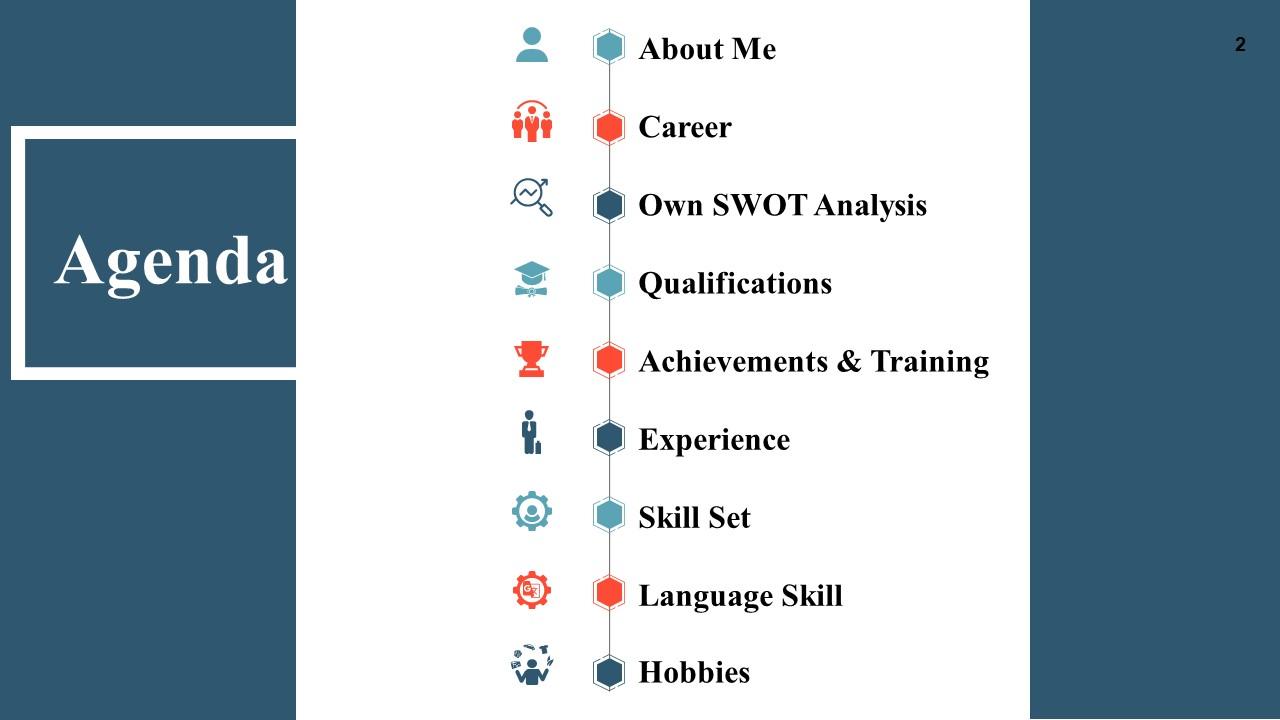
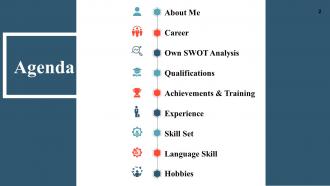
Diapositive 2 : Il s'agit d'une diapositive d'agenda avec le contenu suivant à afficher : À propos de moi, Carrière, Propre analyse SWOT, Qualifications, Réalisations et formation, Expérience, Ensemble de compétences, Compétences linguistiques, Loisirs.
Diapositive 3 : Ceci est une diapositive À PROPOS DE MOI pour énoncer les auto-spécifications en termes personnels et professionnels.
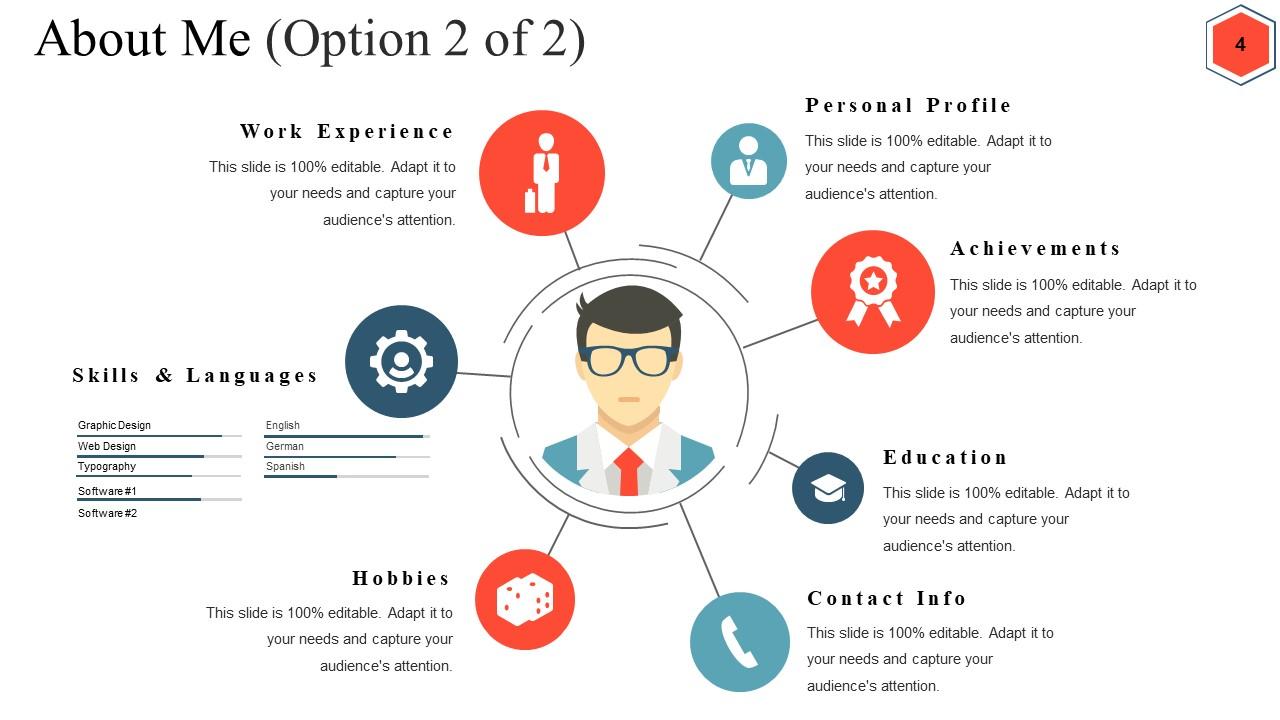
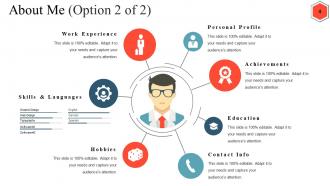
Diapositive 4 : Il s'agit également d'une diapositive À propos de moi (Option 2 sur 2) à afficher : profil personnel, éducation, réalisations, expérience professionnelle, coordonnées, loisirs, compétences et langues.
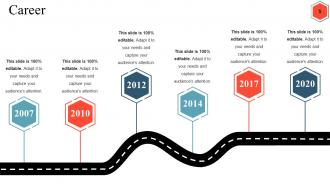
Diapositive 5 : Il s'agit d'une diapositive de chronologie de carrière pour indiquer les aspects liés à votre carrière.
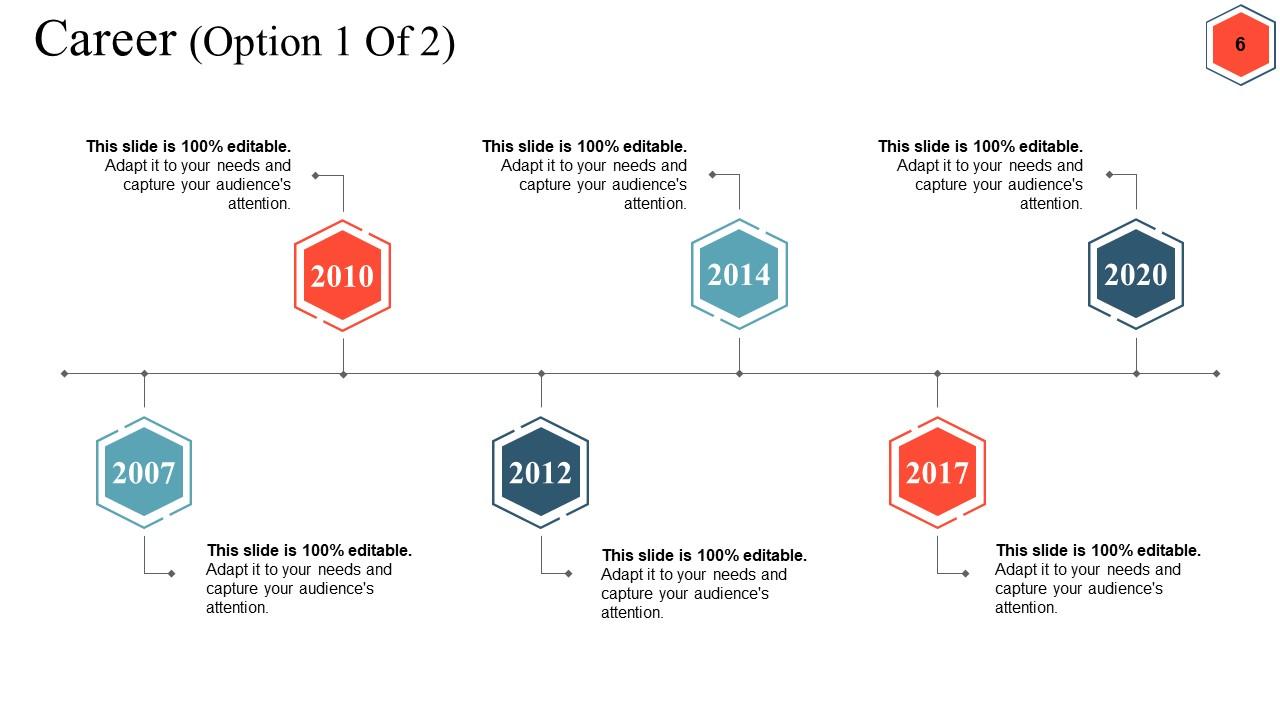
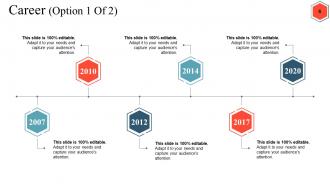
Diapositive 6 : Il s'agit également d'une diapositive Carrière (Option 1 sur 2) présentée sous forme de chronologie. Utilisez selon vos besoins.
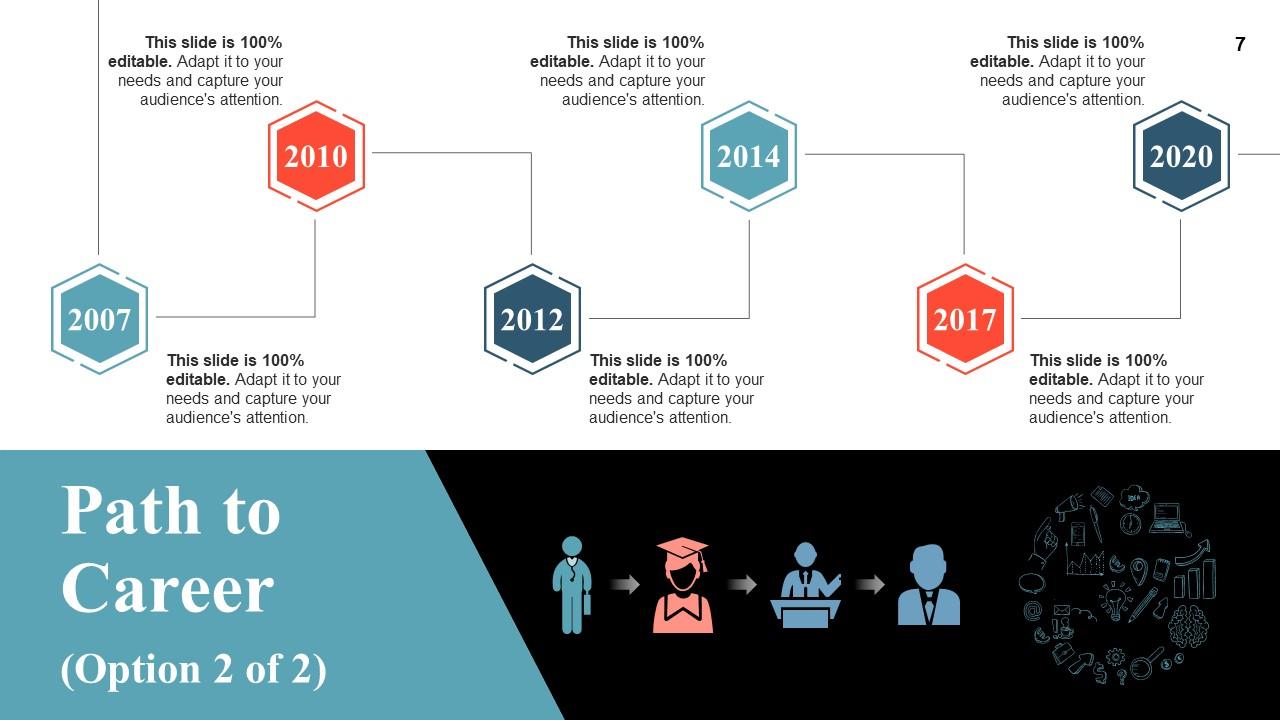
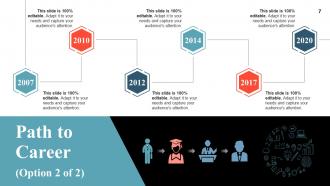
Diapositive 7 : Cette diapositive montre Path to Career sous forme de chronologie. Utilisez-le pour énoncer vos aspects de carrière.
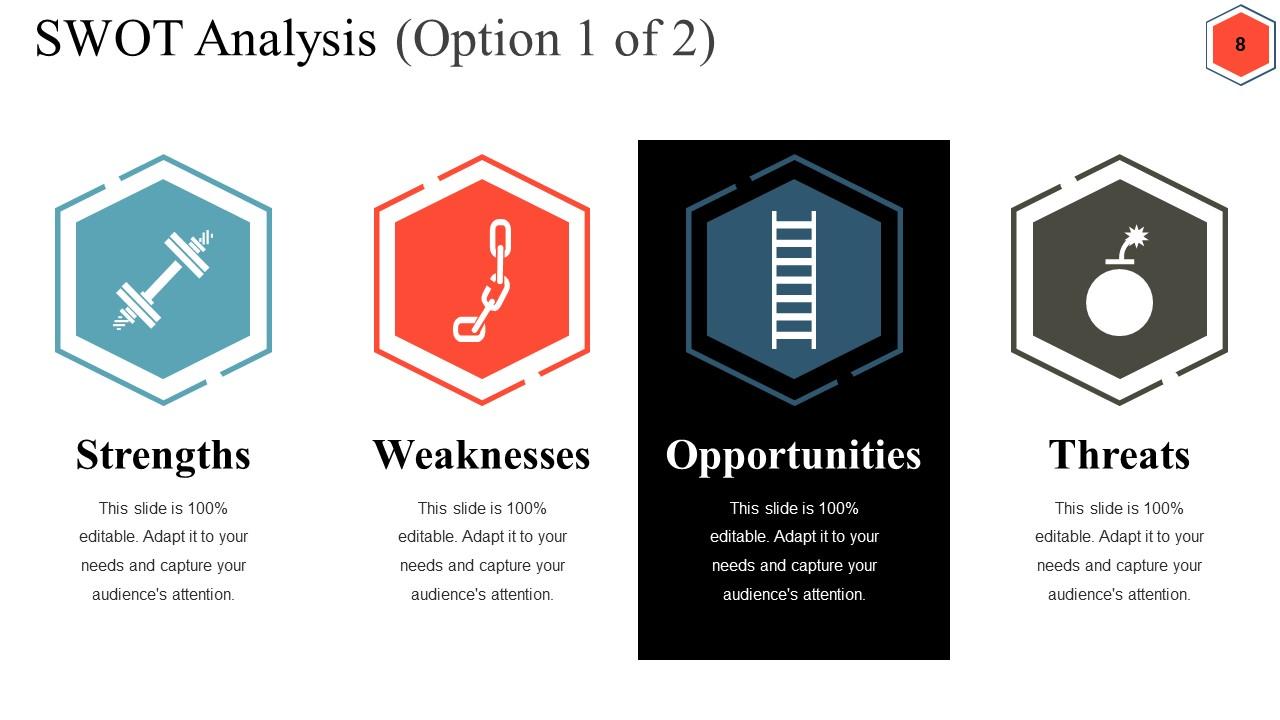
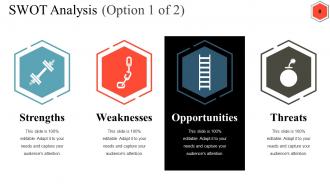
Diapositive 8 : Il s'agit d'une diapositive d'analyse SWOT pour indiquer les forces, les faiblesses, etc.
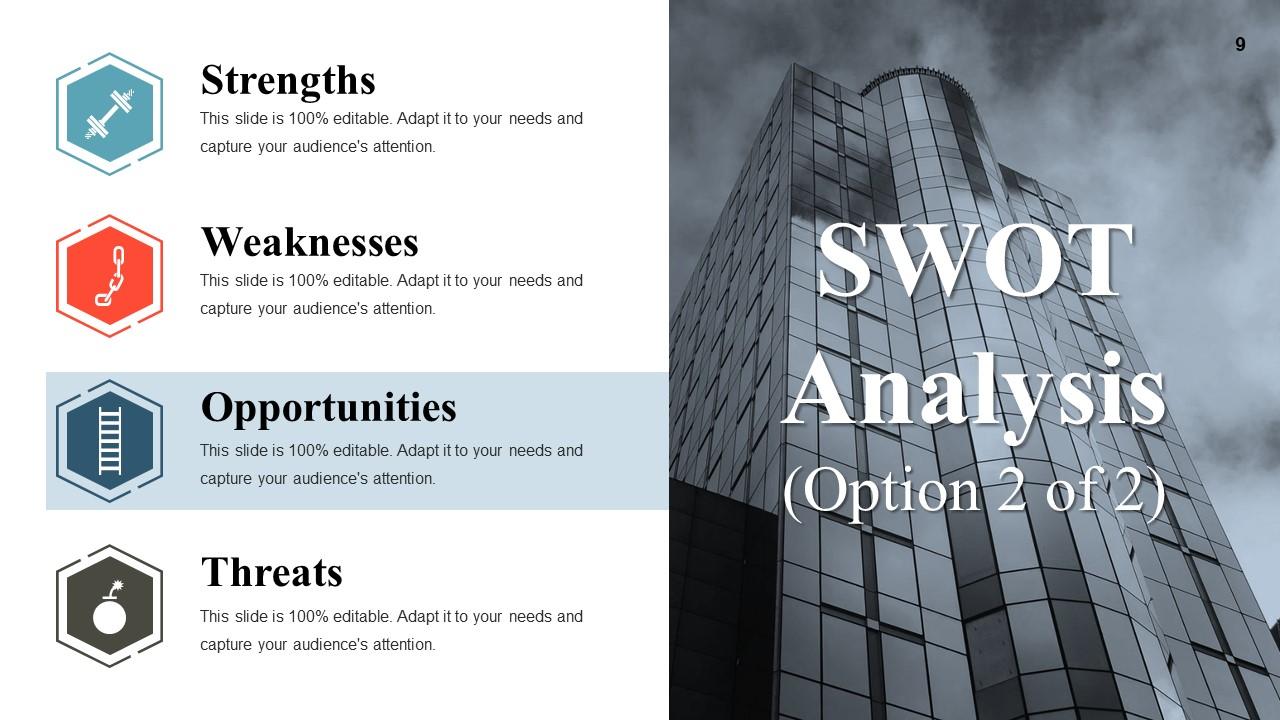
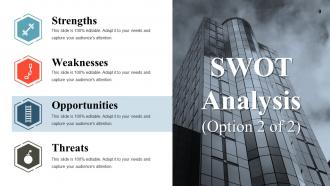
Diapositive 9 : Cette diapositive présente également une analyse SWOT avec les forces, les menaces, etc. à indiquer.
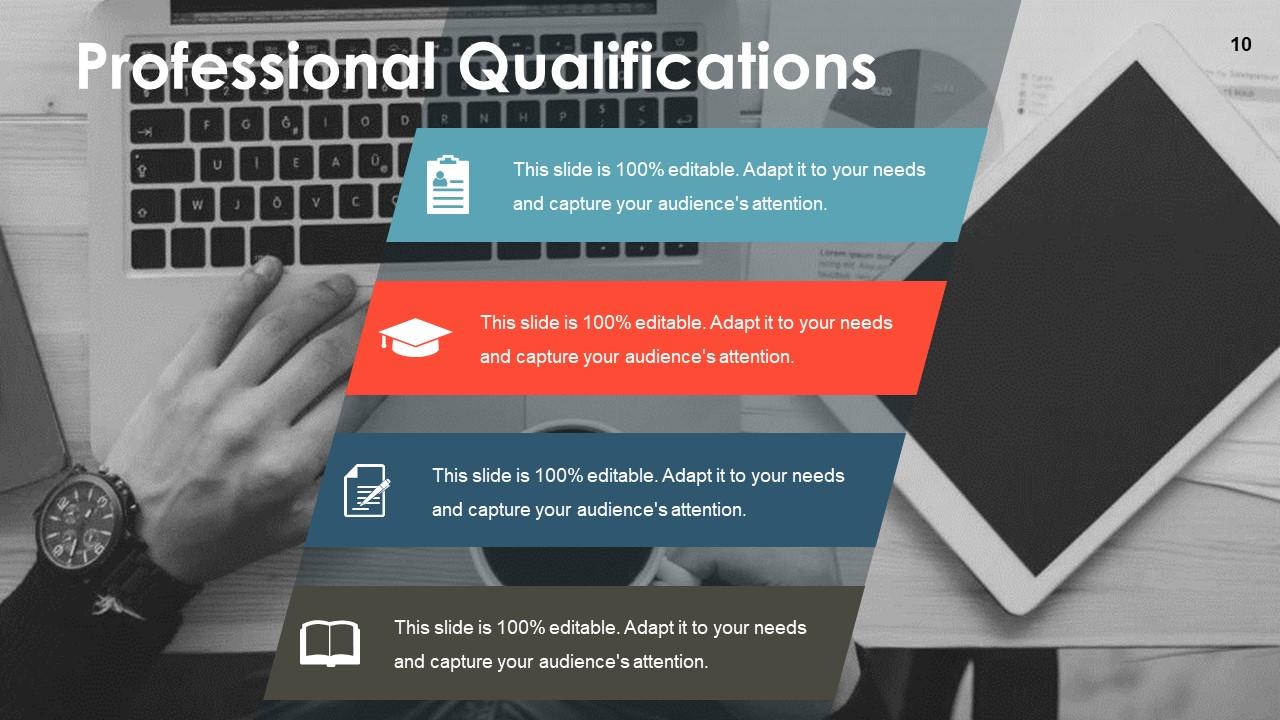
Diapositive 10 : Il s'agit de la diapositive sur les qualifications professionnelles avec des zones de texte. Indiquez ici vos qualifications de manière professionnelle.
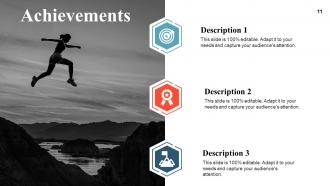
Diapositive 11 : Ceci est une diapositive sur les réalisations avec des images. Vous pouvez ajouter vos réalisations avec description ici.
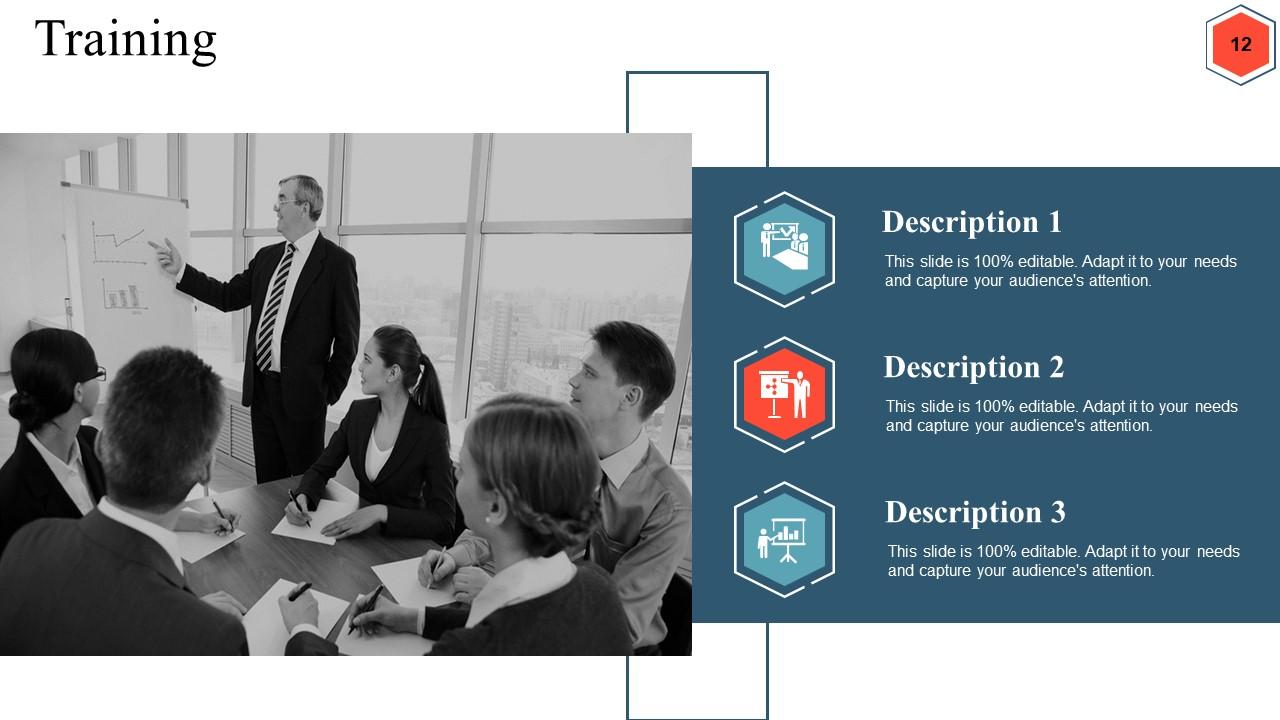
Diapositive 12 : Cette diapositive présente les aspects de la formation avec des descriptions et des images d'icônes.
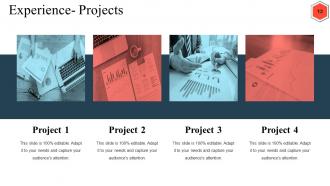
Diapositive 13 : Cette diapositive présente Expérience-Projets. Indiquez-les ici.
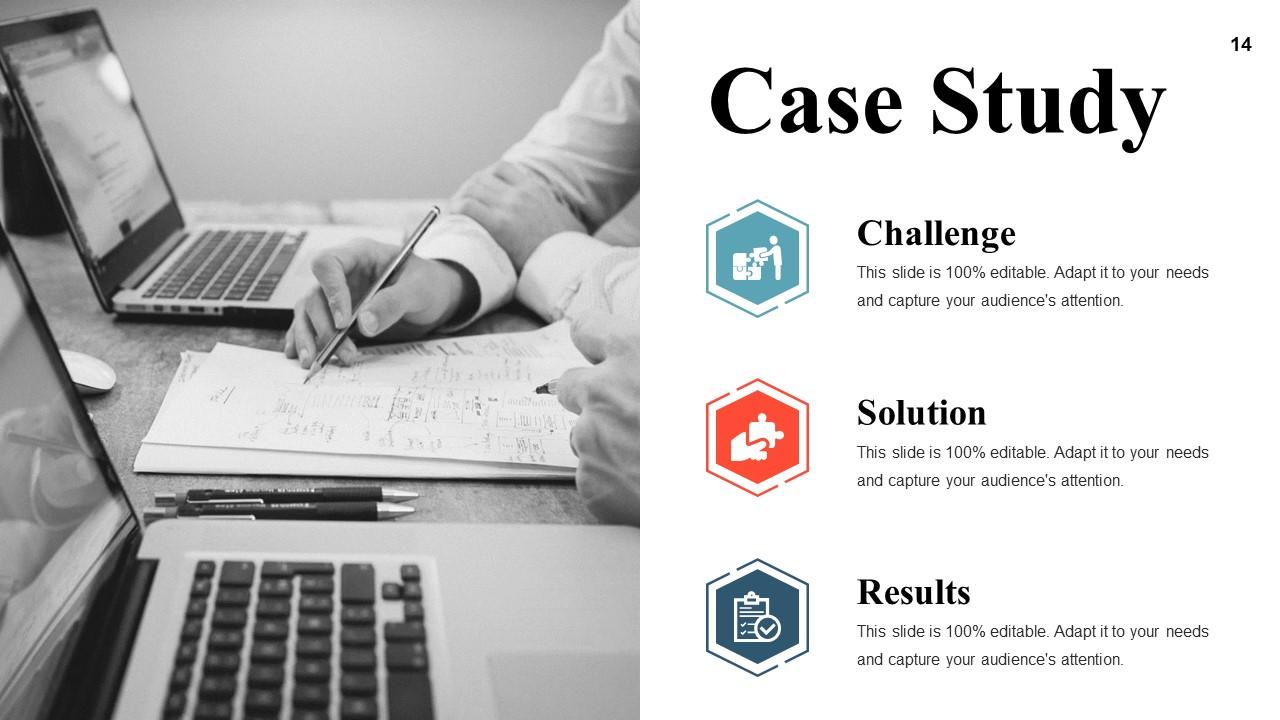
Diapositive 14 : Il s'agit d'une diapositive d'étude de cas présentant la solution, les résultats et le défi.
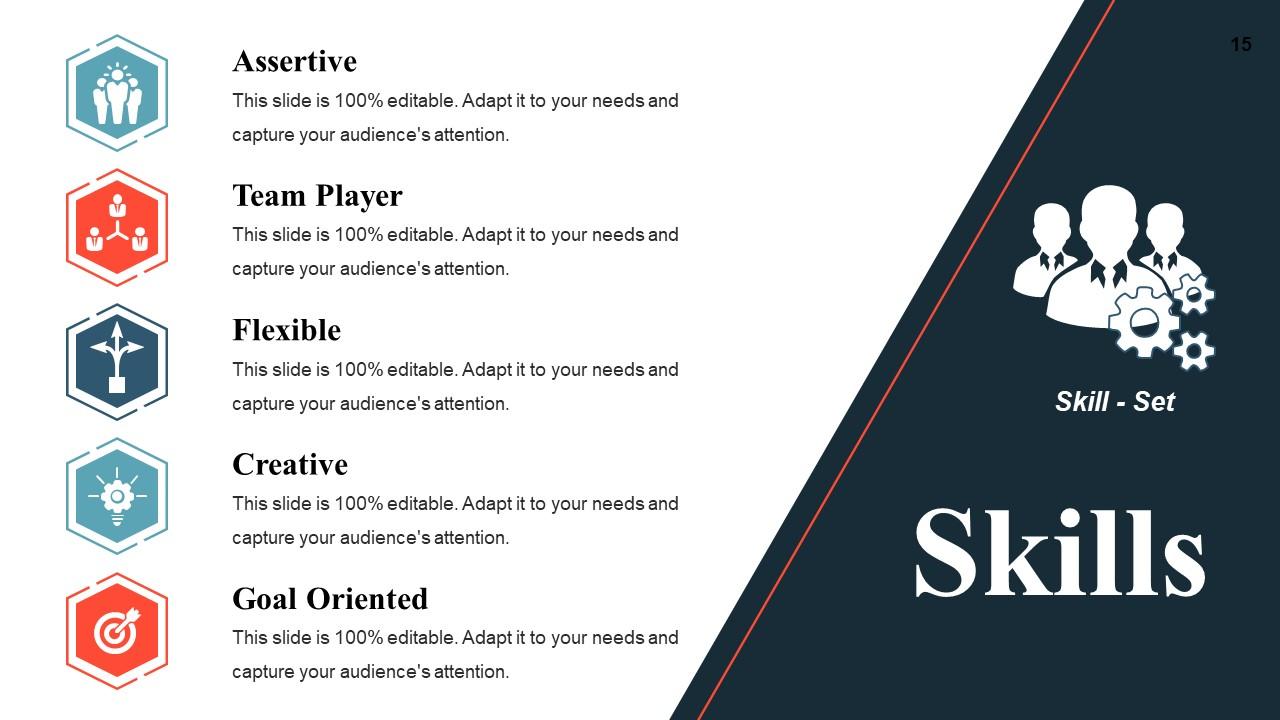
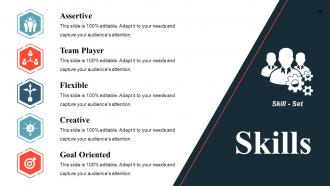
Diapositive 15 : Cette diapositive montre des compétences telles que : créatif, esprit d'équipe, assertif, flexible, axé sur les objectifs.
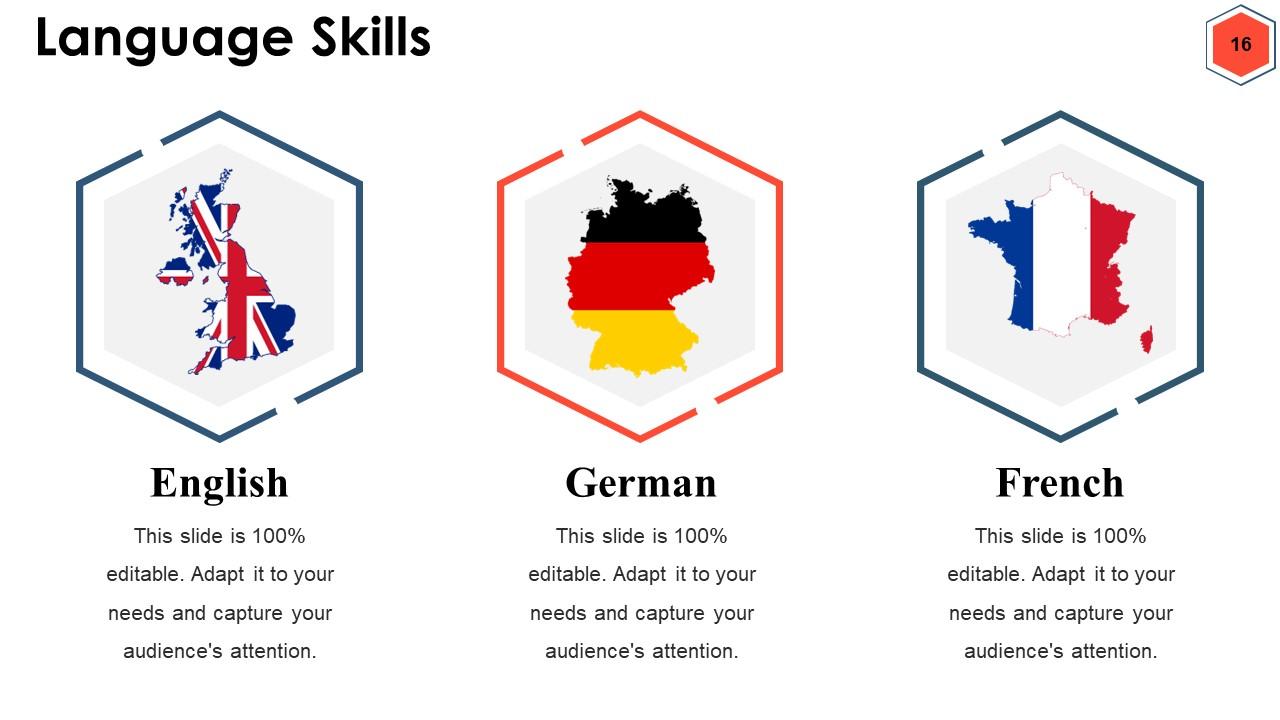
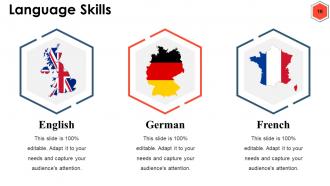
Diapositive 16 : Il s'agit d'une diapositive sur les compétences linguistiques montrant trois langues différentes, vous pouvez en ajouter d'autres selon vos besoins.
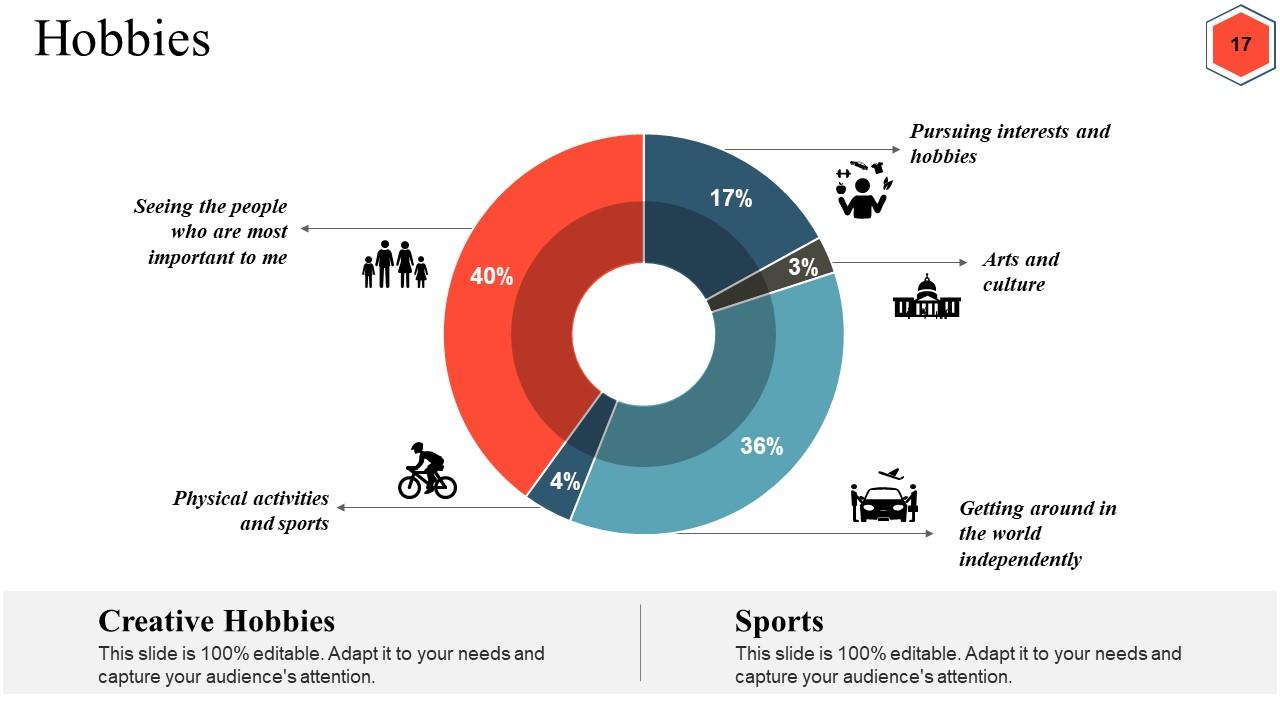
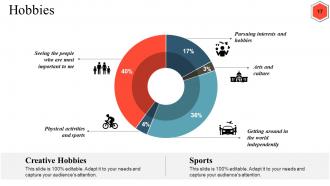
Diapositive 17 : Il s'agit d'une diapositive Hobbies. Nous avons mentionné ici différents passe-temps, que vous pouvez modifier selon vos besoins.
Diapositive 18 : Il s'agit d'une diapositive d'images de pause-café. A modifier selon les besoins.
Diapositive 19 : Ceci est la diapositive d'auto-introduction dans l'entretien pour un emploi. Modifiez les icônes selon les besoins.
Diapositive 20 : Il s'agit également d'une diapositive d'auto-introduction dans l'entretien pour un emploi. Utilisez selon vos besoins.
Diapositive 21 : Cette diapositive passe à Charts & Graph. Modifiez le contenu selon les besoins.
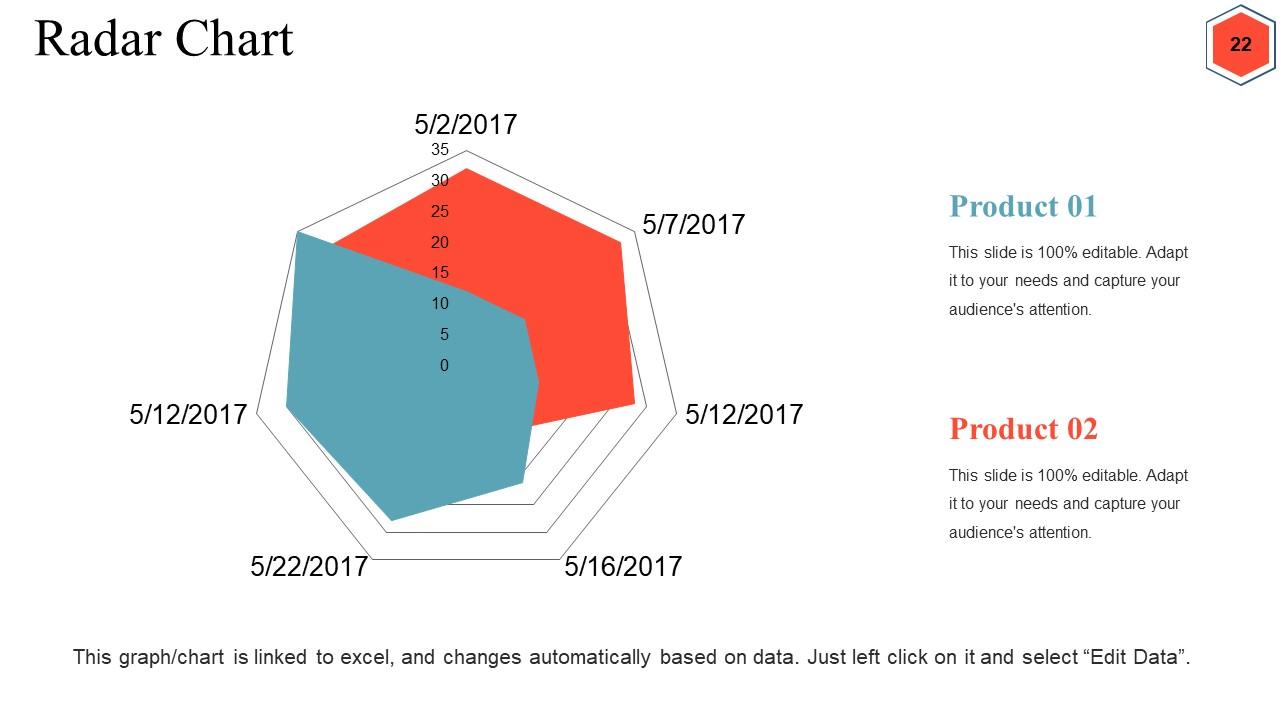
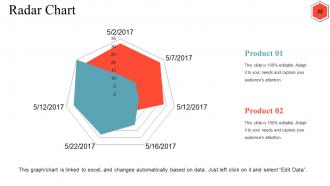
Diapositive 22 : Cette diapositive présente une carte radar. Comparez le produit 01, le produit 02 et utilisez selon les besoins.
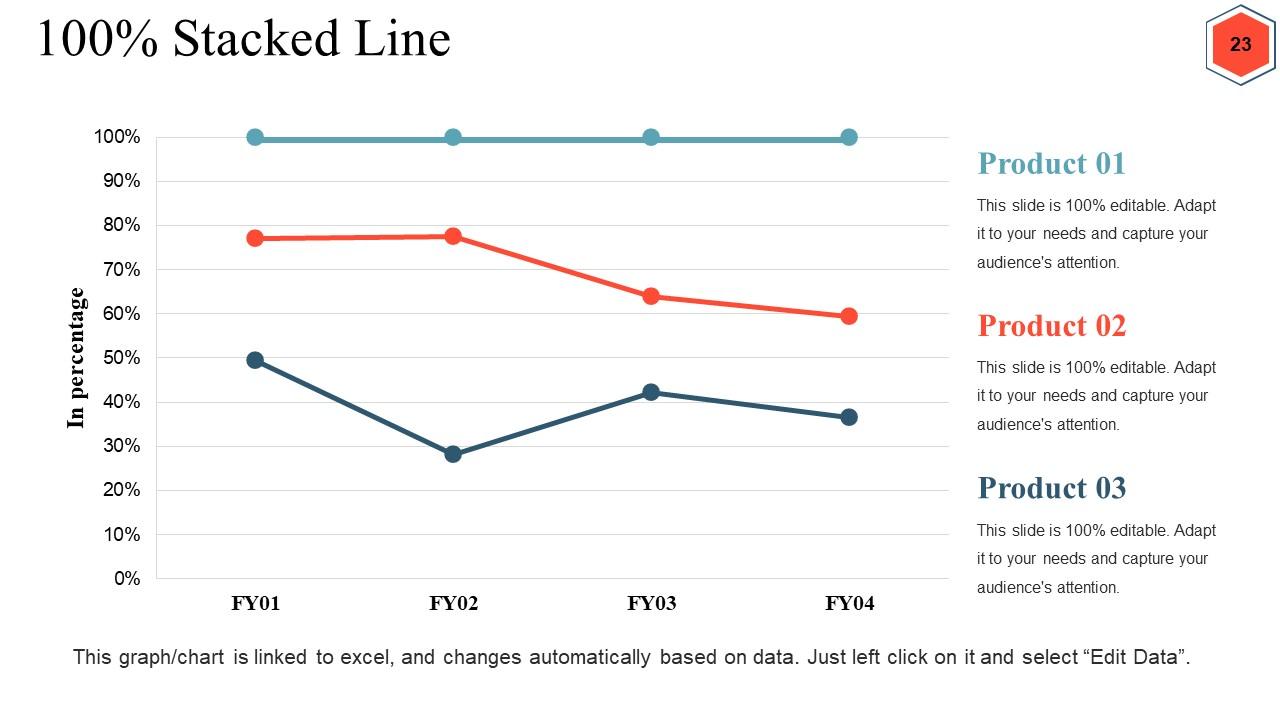
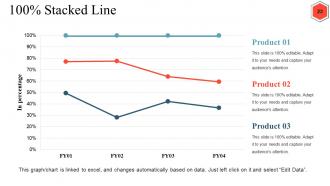
Diapositive 23 : Il s'agit d'une diapositive 100 % Stacked Line. Comparez le produit 01, le produit 02, le produit 03 et utilisez selon les besoins.
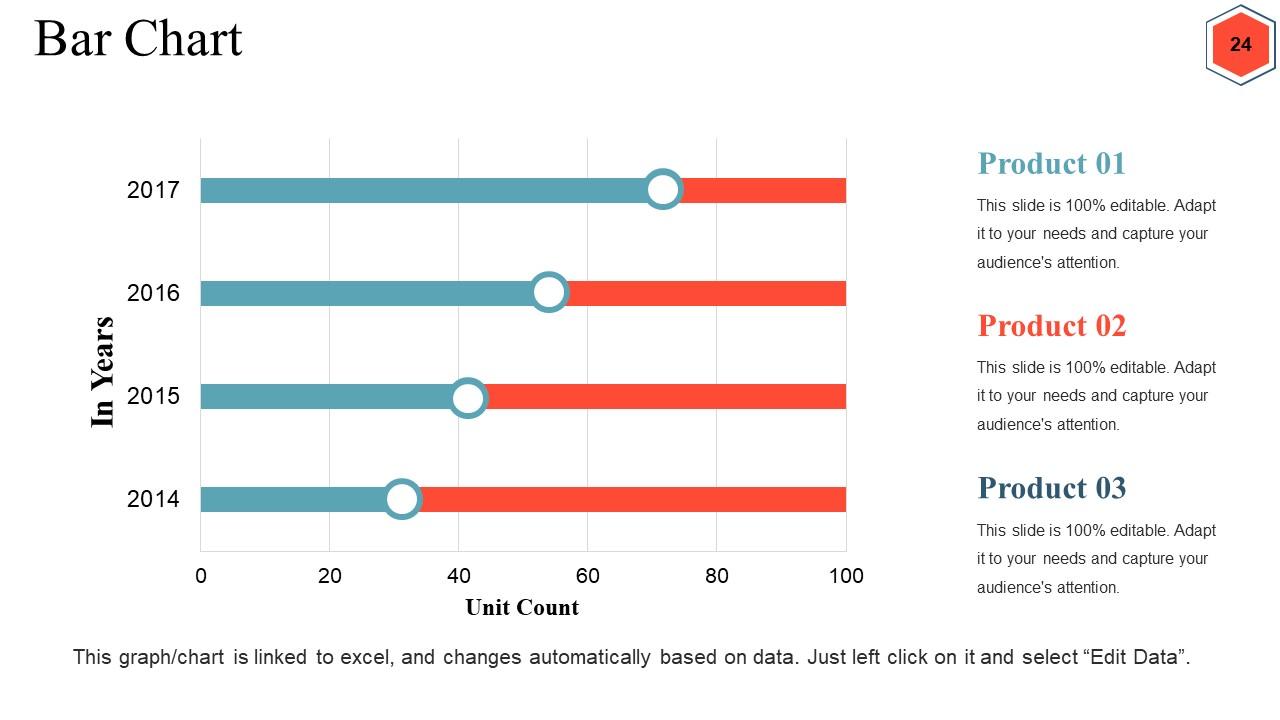
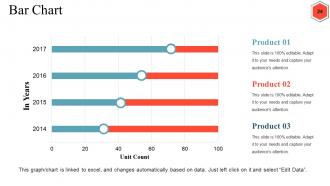
Diapositive 24 : Ceci est une diapositive de graphique à barres pour montrer la croissance du produit/entité, la comparaison, les spécifications, etc.
Diapositive 25 : Cette diapositive s'intitule Diapositives supplémentaires pour avancer. Vous pouvez modifier le contenu de la diapositive selon vos besoins.
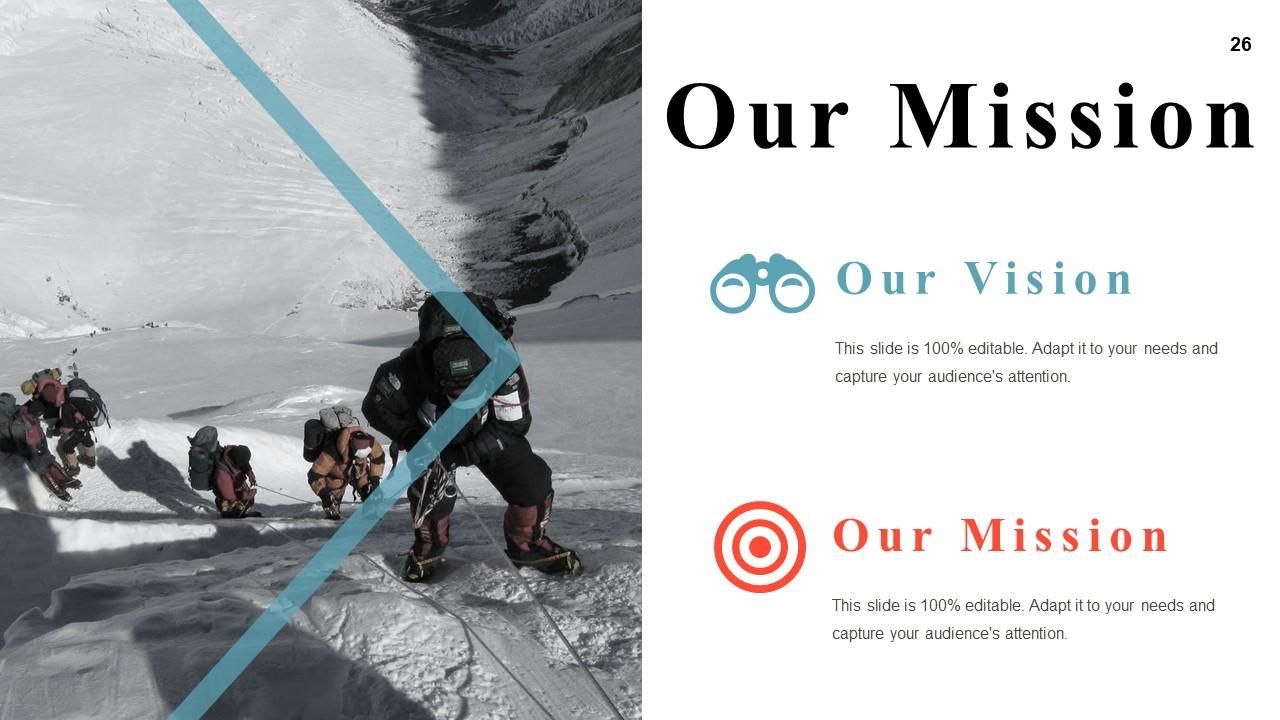
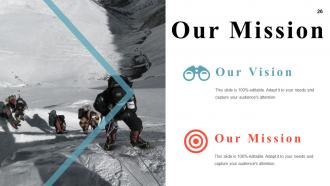
Diapositive 26 : Ceci est la diapositive Notre mission. Présentez votre mission, vision, etc. ici.
Diapositive 27 : Ceci est la diapositive de notre équipe avec le nom et la désignation à remplir.
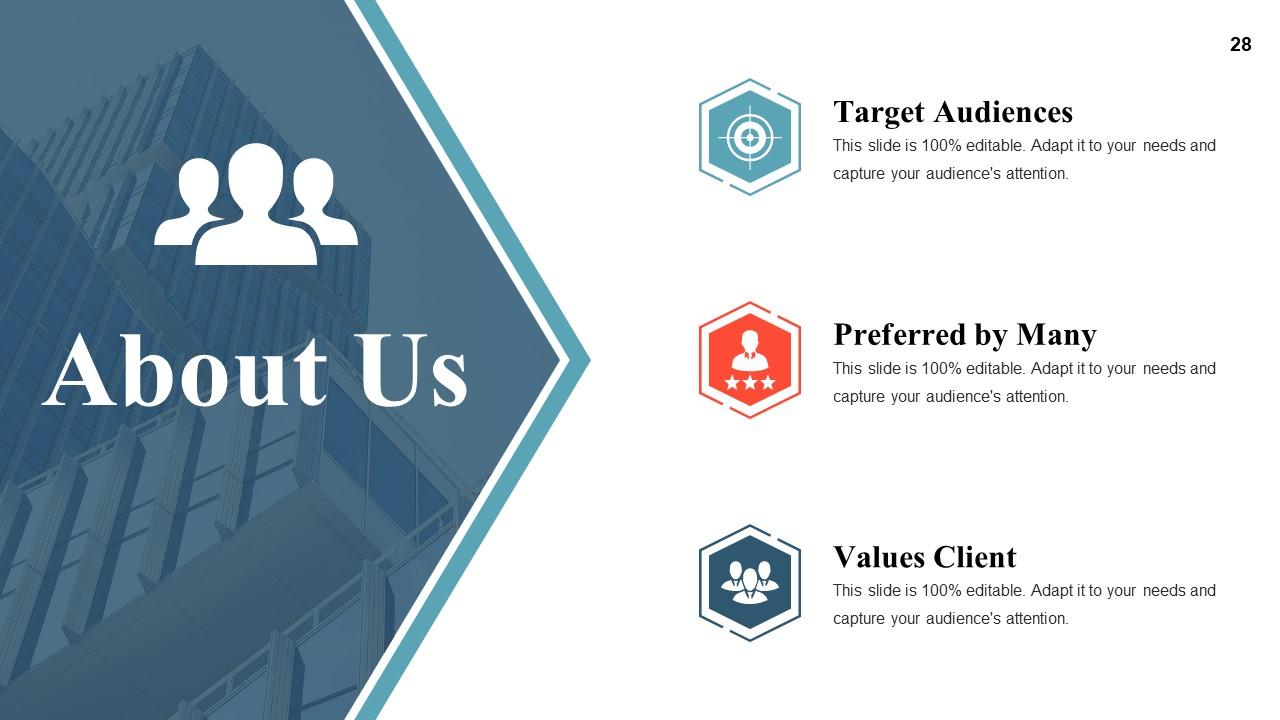
Diapositive 28 : Ceci est une diapositive À propos de nous pour indiquer les spécifications de l'entreprise, etc.
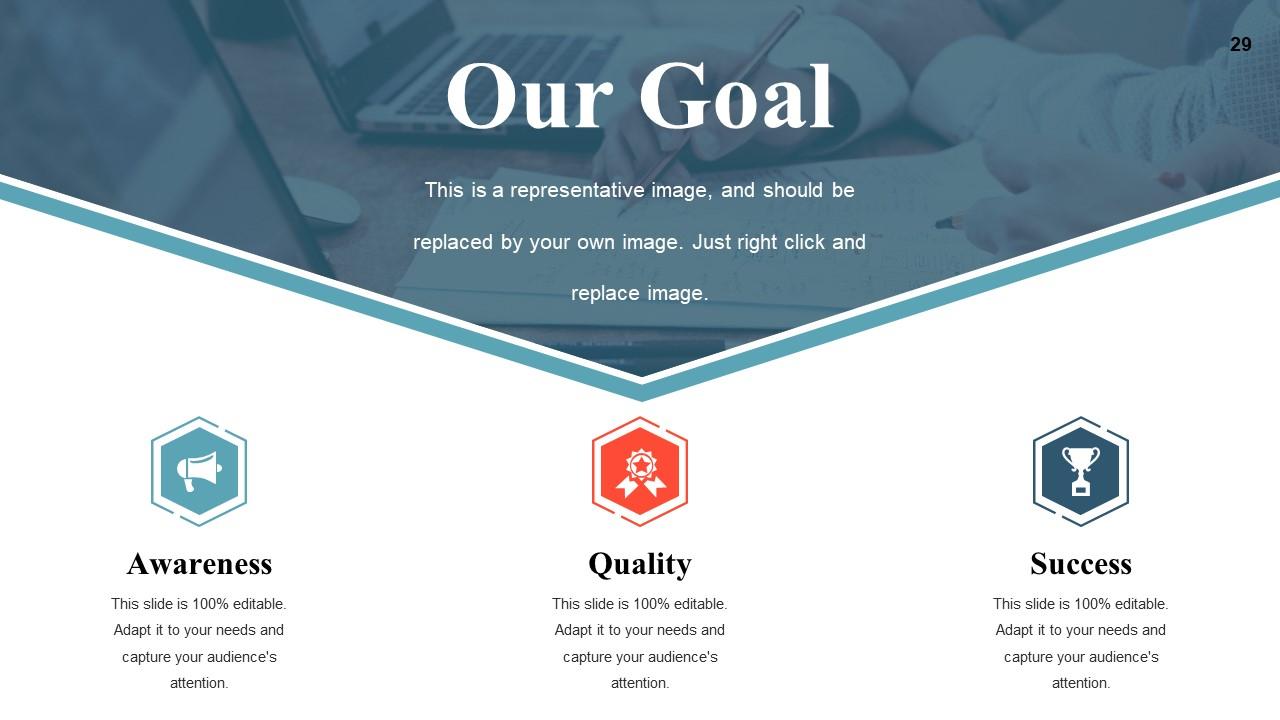
Diapositive 29 : Ceci est la diapositive Notre objectif. Énoncez vos objectifs importants ici.
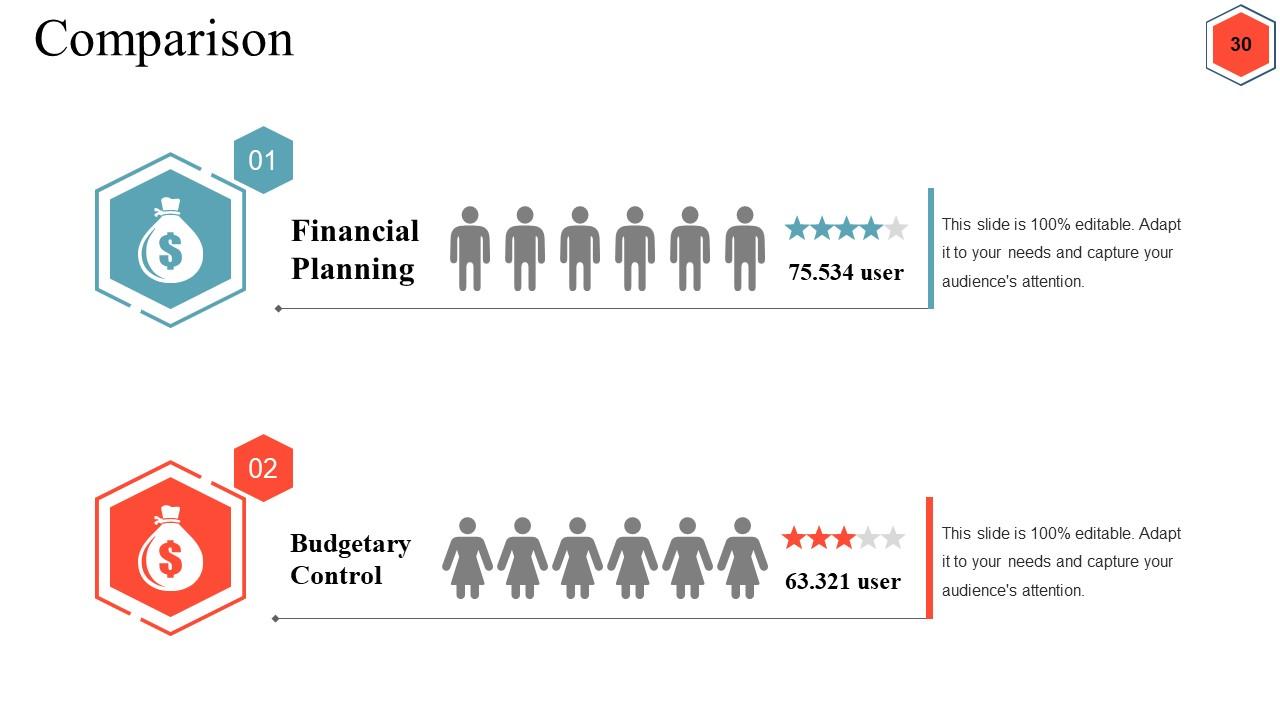
Diapositive 30 : Ceci est une diapositive de comparaison pour comparer la planification financière avec le contrôle budgétaire.
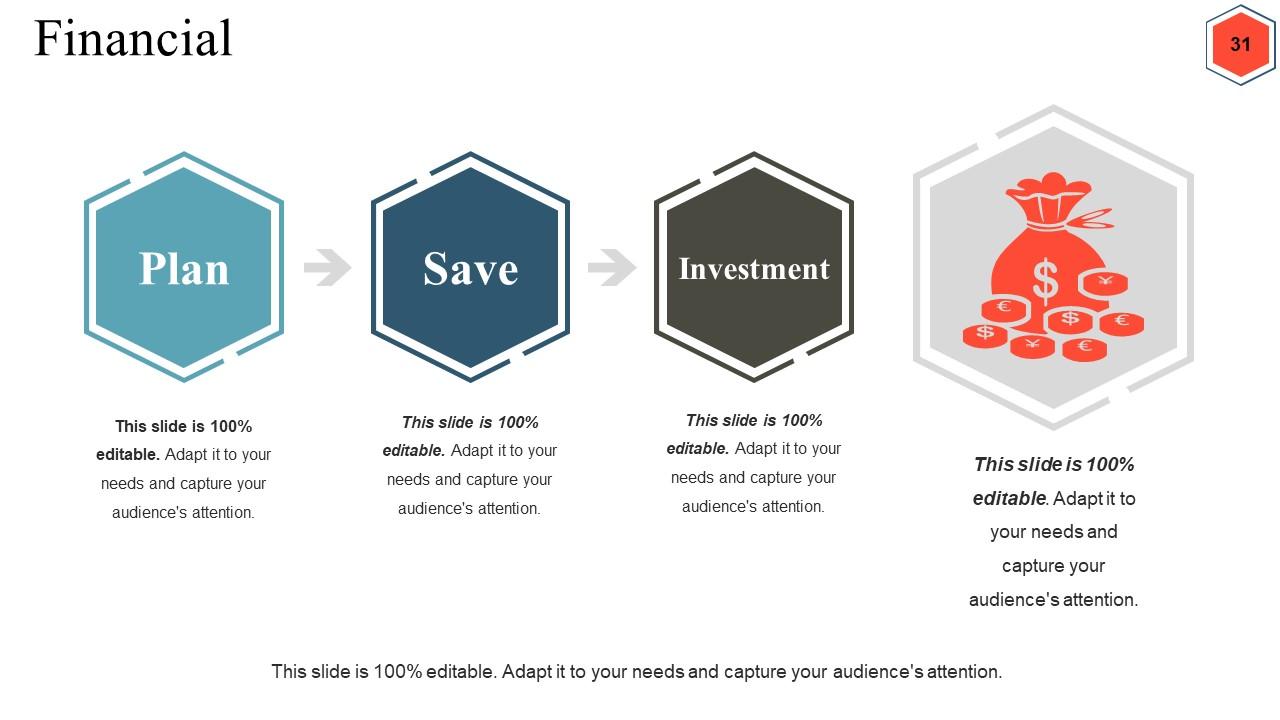
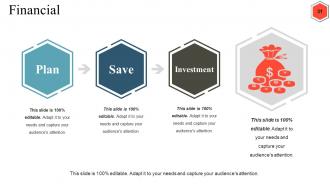
Diapositive 31 : Ceci est une diapositive financière pour indiquer les aspects financiers, etc.
Diapositive 32 : Ceci est une diapositive de citations pour mettre en évidence ou indiquer quelque chose de spécifique.
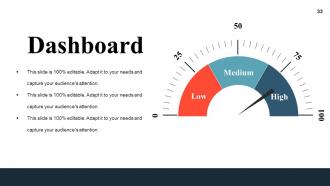
Diapositive 33 : Il s'agit d'une diapositive de tableau de bord pour indiquer les aspects faibles, moyens et élevés, les KPI, les métriques, etc.
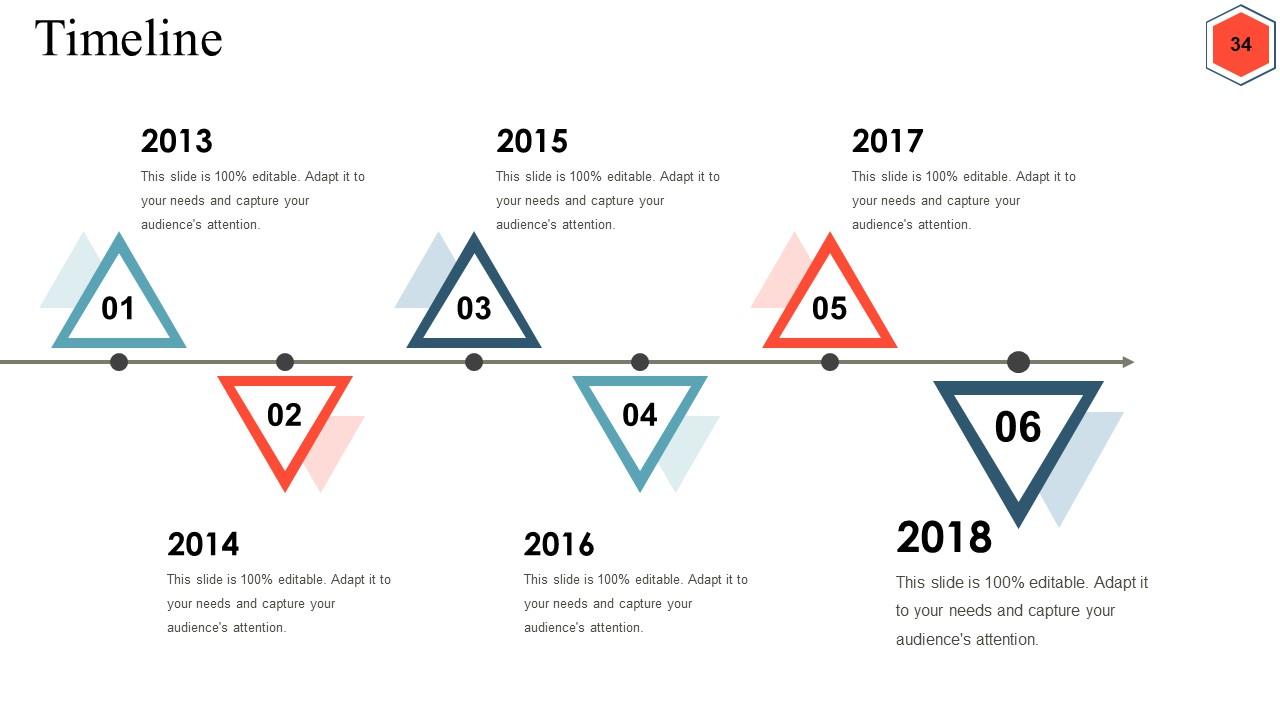
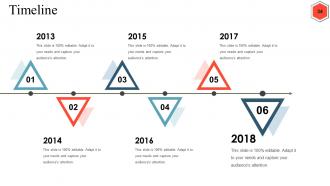
Diapositive 34 : Il s'agit d'une diapositive chronologique pour présenter les dates importantes, le parcours, l'évolution, les jalons, etc.
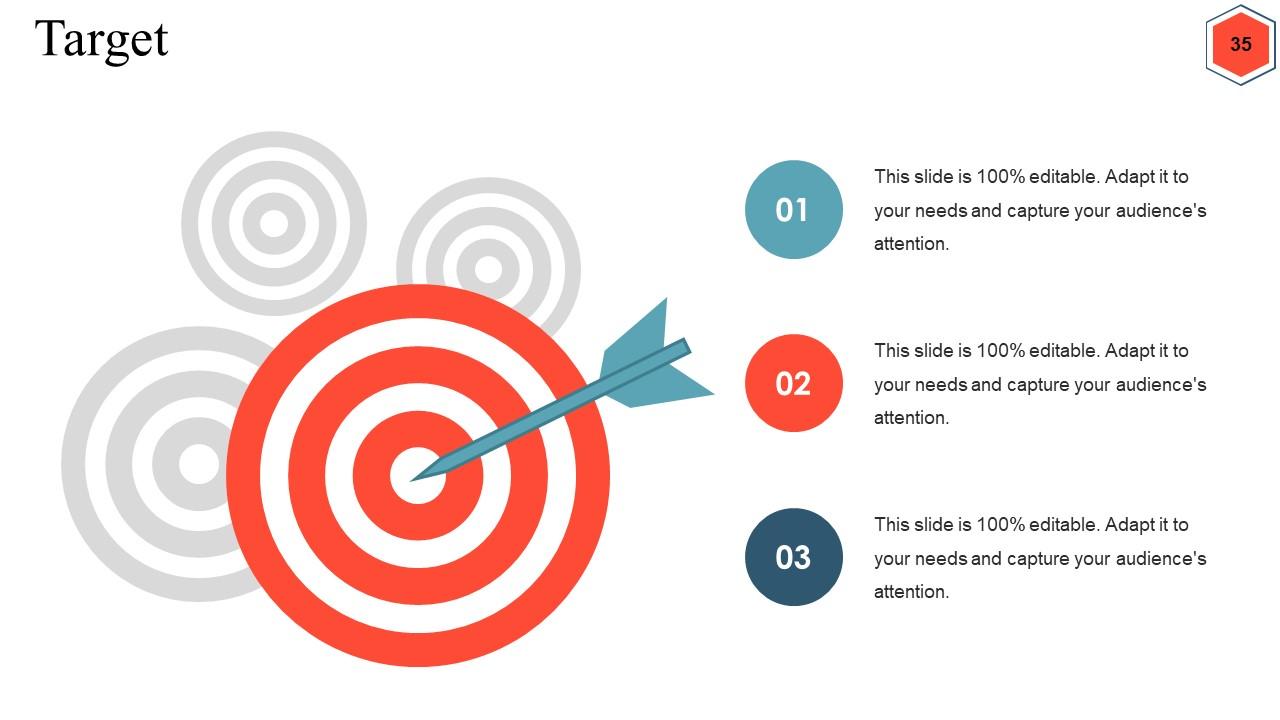
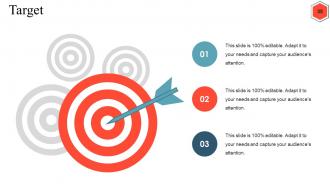
Diapositive 35 : Il s'agit d'une diapositive d'image cible. Indiquez les cibles, etc. ici.
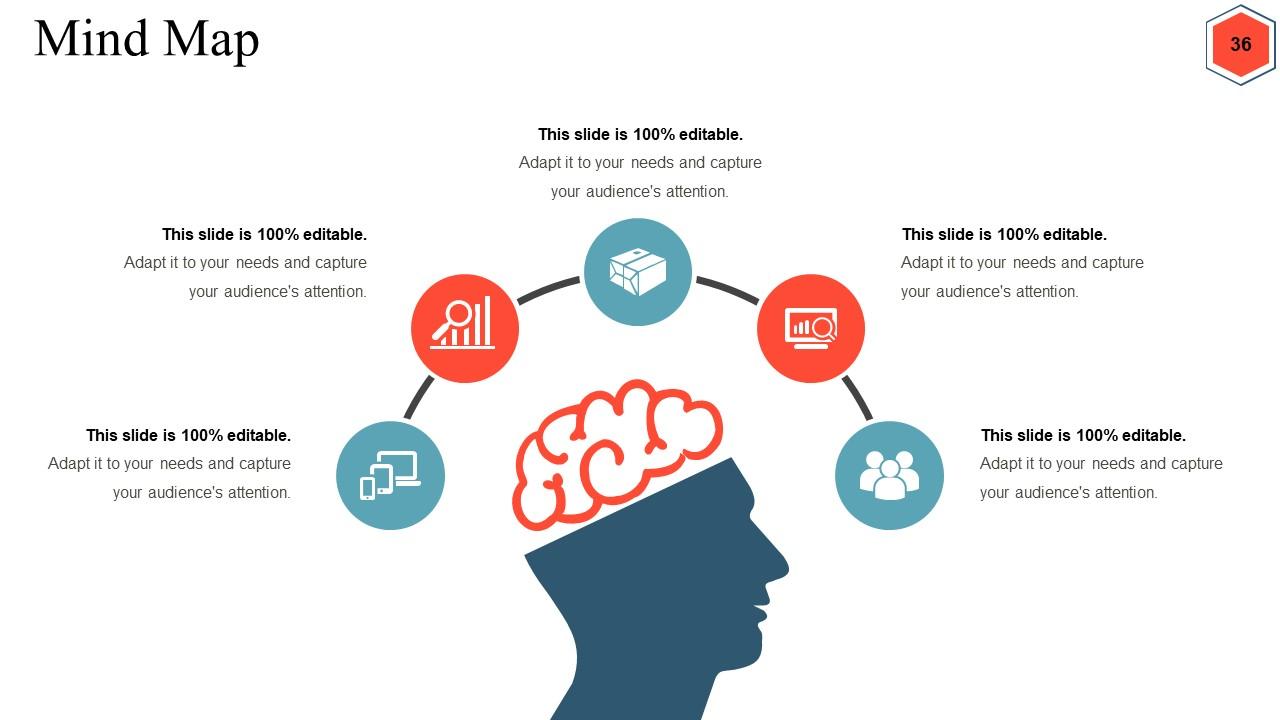
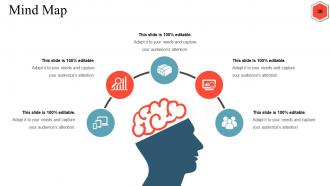
Diapositive 36 : Il s'agit d'une diapositive d'image de carte mentale pour afficher des informations, des spécifications, etc.
Diapositive 37 : Il s'agit d'une diapositive d'image d'ampoule à tête humaine Generate Idea pour afficher des informations, des spécifications d'innovation, etc.
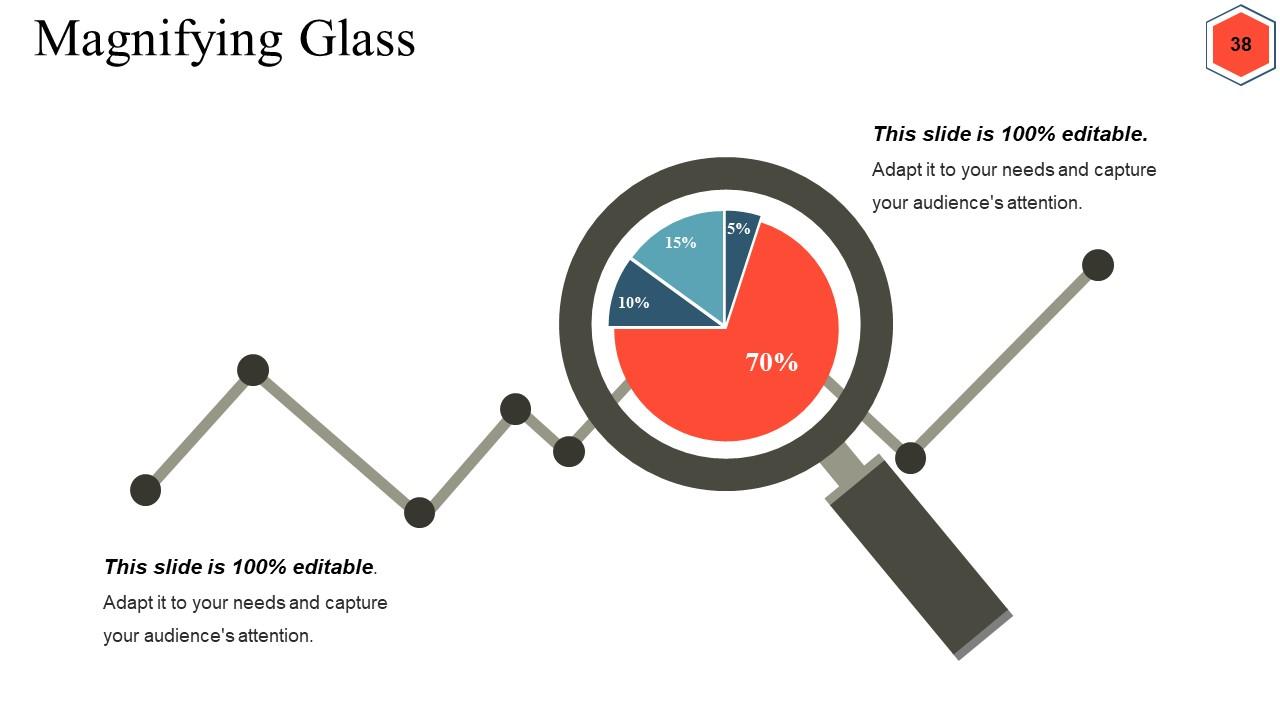
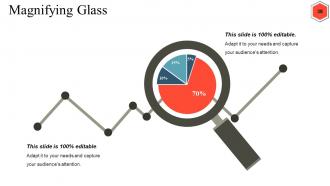
Diapositive 38 : Cette diapositive montre une image en forme de loupe avec des zones de texte. Indiquez les informations, etc. ici.
Diapositive 39 : Il s'agit d'une diapositive de remerciement avec le numéro de rue de l'adresse, la ville, l'état, le numéro de contact, l'adresse e-mail.
Auto-introduction dans l'entretien pour l'emploi Diapositives de présentation Powerpoint avec les 39 diapositives :
Nos diapositives de présentation PowerPoint d'auto-introduction dans l'entretien d'embauche découragent les arguments douteux. Ils évitent de courtiser la controverse.
FAQs
A brief personal and professional introduction, highlighting your skills, qualifications, achievements, and work experience.
You can use a timeline slide to present your career history and milestones in a clear and organized way.
A SWOT analysis slide can help you identify your strengths, weaknesses, opportunities, and threats, which can be useful in preparing for job interviews and showcasing your self-awareness.
You can use a language skills slide to demonstrate your proficiency in different languages and highlight your ability to communicate effectively with diverse audiences.
An achievements slide can help you showcase your accomplishments and demonstrate your skills and capabilities to potential employers.
-
attractive product design.
-
attractive product design.
-
attractive product design.
-
Illustrative design with editable content. Exceptional value for money. Highly pleased with the product.
-
Unique and attractive product design.
