Sensor Technology Powerpoint PPT Template Bundles
Try Before you Buy Download Free Sample Product
Audience
Editable
of Time
Our Sensor Technology Powerpoint PPT Template Bundles are topically designed to provide an attractive backdrop to any subject. Use them to look like a presentation pro.
People who downloaded this PowerPoint presentation also viewed the following :
Sensor Technology Powerpoint PPT Template Bundles with all 22 slides:
Use our Sensor Technology Powerpoint PPT Template Bundles to effectively help you save your valuable time. They are readymade to fit into any presentation structure.
FAQs for Sensor Technology Powerpoint
Honestly, the biggest changes are how tiny sensors have gotten while being way smarter. They've got AI built right in now, plus edge computing so they don't need to constantly ping the cloud. Battery life is insane too - we're talking years on one charge. IoT connectivity has made wireless networks actually reliable for once. Materials are way tougher now, especially if you're dealing with brutal environments. For your new projects, I'd definitely start with the smart, low-power stuff first. Game changer.
So sensors just take physical stuff and turn it into electrical signals your computer can actually understand. Like thermocouples measure voltage changes when temperature shifts, pressure sensors use materials that create current when you squeeze them, motion ones pick up magnetic field changes or acceleration. Pretty cool how that works, honestly. You'll find temperature sensors in HVAC and medical gear, pressure ones are literally everywhere - car tires, industrial machines, you name it. Motion sensors run phone screens, security systems, all that. Just make sure the sensitivity range matches what you're doing or your data's gonna be useless.
Dude, IoT basically makes your boring old sensors way smarter. They can actually talk to each other now instead of just sitting there measuring stuff by themselves. Real-time data goes straight to the cloud, which honestly feels kind of sci-fi still. You get predictive maintenance, remote monitoring, pattern recognition across thousands of devices - stuff that was impossible before. The crazy part? Your existing sensors probably just need connectivity to become IoT endpoints. That's where all the money is. Suddenly you're optimizing entire processes and catching problems before they happen.
So basically sensors turn your whole city into this massive data network that optimizes stuff in real-time. Traffic lights adjust automatically to cut down congestion. Air quality monitors send out pollution warnings. Streetlights dim when nobody's walking around - saves tons of energy apparently. Water systems catch leaks immediately, which honestly saves cities crazy amounts of money. You can track noise levels, how crowded areas get, even if bridges are structurally sound. The trick is getting all these sensors connected through one central system so the city can actually react smart to what's going on.
Honestly, compatibility is gonna be your biggest nightmare. Most legacy systems weren't built for modern sensors, so expect hardware mismatches and protocol conflicts everywhere. Your network might crash from all the data - I've watched it happen and it's brutal. Software updates will be a pain too. Power and space become issues fast. Oh, and don't forget training everyone on new interfaces (that's always fun). My advice? Test everything small first. Pick one area, see what breaks, then figure out your game plan from there.
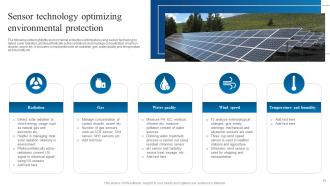
Honestly, sensors have changed everything for environmental monitoring. Instead of those slow manual samples, you get real-time data on air quality, water pollution, soil - whatever you need. The crazy part is how cheap and tiny they've gotten, so you can scatter hundreds across an area. My friend deployed a whole network last year and the data quality blew me away. Plus they connect to IoT systems, so if something goes wrong you'll know immediately. Definitely check out wireless sensor networks if you're doing any environmental work - way better than the old methods and saves so much time.
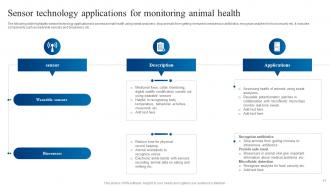
Honestly, wearable sensors are pretty cool - they monitor your patients 24/7 instead of just getting snapshots during appointments. Heart rate, blood pressure, glucose, sleep patterns, all that stuff gets tracked continuously. You'll catch issues way earlier before they blow up into bigger problems. My cousin's Apple Watch actually detected her irregular heartbeat last year, which was wild. The best part? Patients get way more invested when they can see their own data in real time. I'd say start with whatever metrics matter most for your patient population - don't try to track everything at once or you'll get overwhelmed with data.
Dude, sensor security is honestly a mess right now. Most IoT devices ship with terrible default passwords or zero encryption - I've seen baby monitors you can just access from anywhere, it's wild. Your biggest risks are unauthorized access and data breaches, plus privacy stuff since these things collect location data, biometrics, all that personal info. Data gets intercepted during transmission too. Third parties love getting their hands on this stuff because sensor data reveals way more about people than they think. You gotta use strong authentication, encrypt everything (stored and transmitted), and actually update firmware when patches come out.
So basically ML turns your boring sensors into something actually smart. Raw numbers become pattern detection and failure predictions - way more useful than drowning in data logs. The coolest part? Real-time anomaly detection that'll flag weird stuff automatically instead of you hunting through everything manually. Honestly, the difference is pretty dramatic once you see it working. My advice? Start simple with one sensor type and try basic pattern recognition first. You'll get hooked once you realize how much noise it filters out on its own.
Look, the biggest problem is you're basically building Big Brother - people can't go anywhere without being tracked. Public anonymity used to be a thing, you know? Plus these systems are biased as hell and misidentify minorities way more often. Nobody consents to this either since you can't just avoid public spaces. It's pretty dystopian if you ask me. If you're stuck doing this anyway, at least have clear policies about what data you're collecting. Don't hoard everything. And actually oversee the damn thing properly.
Honestly? Healthcare and automotive are crushing it with sensors right now. Medical devices can monitor patients way better, and cars are basically rolling computers with all their safety tech. Manufacturing's huge too - factories are using IoT sensors to optimize everything. Oh, and don't sleep on agriculture. Farmers are getting crazy good yields with soil sensors and crop monitoring stuff. Even retail's jumping in for inventory tracking. If you're thinking investments or job moves, I'd look at companies in those spaces. They're dumping tons of cash into sensor tech.
Think of sensors as your factory's eyes and ears - they're constantly watching temps, pressure, vibrations, all that stuff. Your systems can react instantly without anyone babysitting them, which honestly saves so much time. Nobody wants to manually check thousands of readings every hour, right? Catches issues before they turn into expensive disasters too. Over time you'll spot bottlenecks and weird inefficiencies in your data. I'd start by figuring out your most critical processes first, then see where sensors could replace those tedious manual checks.
So basically it's all about sensor fusion now - mixing LiDAR, cameras, radar, ultrasonic stuff together for backup safety. LiDAR costs have crashed hard, like from luxury car prices down to under $500. Pretty crazy drop. AI keeps getting better at processing all that data instantly, which is huge. Companies are building solid-state sensors that last longer and take up way less space. Oh and if you're thinking investments, honestly I'd focus more on the software companies that interpret multiple sensors rather than just hardware makers. That's where the real money is.
Dude, you absolutely have to stay on top of calibration and maintenance - your sensors will drift like crazy without it. Think of it like your car's speedometer slowly going wonky. I've seen people ignore this stuff and their data becomes totally useless. Most critical sensors need calibration every 6-12 months, but honestly? Check what your manufacturer says first. Regular maintenance catches the physical problems before they screw up your readings or cause complete failures. Set up a schedule based on your specific conditions and sensor specs. Track performance trends too - you'll start seeing patterns that help optimize timing.
Dude, MEMS sensors are getting ridiculously tiny now - millimeter-scale stuff that does what big components used to handle. Energy harvesting is where it's at though. These sensors pull power from vibrations, light, heat differences, whatever's around. No more battery swaps! Some run on just microwatts which honestly blows my mind. Wireless networks are way more efficient too. If you're doing any deployments soon, I'd definitely go with energy harvesting first. The maintenance savings alone will pay for itself - trust me on that one.
-
Definitely a time saver! Predesigned and easy-to-use templates just helped me put together an amazing presentation.
-
SlideTeam’s pool of 2Million+ PPTs has really benefited my team, everyone from the IT department to HR. We are lucky to have crossed ways with them.