


Plantilla ppt de plataforma de lanzamiento de inversión de serie B
La inversión de serie B para una puesta en marcha es significativa y lleva las cosas al siguiente nivel. Dichos fondos se utilizan para hacer crecer la empresa y prepararse para el éxito a mayor escala. Los inversores buscan rondas de la serie B como una inversión rentable, ya que estas empresas ofrecen rendimientos estables o están listas para la etapa de desarrollo. Aquí hay una plataforma de lanzamiento diseñada profesionalmente sobre la inversión de la Serie B que hará crecer su negocio y cumplirá con los niveles de demanda. El pitch deck muestra el proceso de financiación de la serie B, incluido un resumen para posibles inversores con detalles sobre su declaración de misión, el crecimiento constante de las ganancias y los ingresos, la propuesta de valor de la ronda. Brinda información sobre el valor del cliente, el rendimiento impresionante, las cohortes de crecimiento, el desarrollo del equipo y la competencia de capital única de los fondos de los inversores para recaudar capital para la financiación de la serie B. El pitch deck sirve para deslizarse sobre el posicionamiento potencial de los inversores, el posicionamiento único del producto presentado en rondas, las iniciativas futuras de la empresa, la obtención de capital para la financiación de la serie B. Obtenga acceso a la mejor plataforma de lanzamiento del mercado sobre inversiones de la Serie B y hable con nuestro equipo de expertos para todas sus consultas. ¡Reserve una demostración gratuita ahora! Descargue esta plantilla 100% editable y personalícela con nuestros analistas de investigación en función de sus necesidades.
La inversión de serie B para una puesta en marcha es significativa y lleva las cosas al siguiente nivel. Dichos fondos se ..
















-

- Google Slides is a new FREE Presentation software from Google.
- All our content is 100% compatible with Google Slides.
- Just download our designs, and upload them to Google Slides and they will work automatically.
- Amaze your audience with SlideTeam and Google Slides.
-

Want Changes to This PPT Slide? Check out our Presentation Design Services
-

- WideScreen Aspect ratio is becoming a very popular format. When you download this product, the downloaded ZIP will contain this product in both standard and widescreen format.
-

- Some older products that we have may only be in standard format, but they can easily be converted to widescreen.
- To do this, please open the SlideTeam product in Powerpoint, and go to
- Design ( On the top bar) -> Page Setup -> and select "On-screen Show (16:9)” in the drop down for "Slides Sized for".
- The slide or theme will change to widescreen, and all graphics will adjust automatically. You can similarly convert our content to any other desired screen aspect ratio.
Compatible With Google Slides

Get This In WideScreen
You must be logged in to download this presentation.


Do you want to remove this product from your favourites?
Características de estas diapositivas de presentación de PowerPoint:
Proporcione a sus inversores información esencial sobre su proyecto y empresa con esta influyente plantilla Ppt de plataforma de presentación de inversión de la serie B. Esta es una plantilla PPT de plataforma de lanzamiento en profundidad que cubre toda la información y estadísticas extensas de su organización. Desde modelos de ingresos hasta estadísticas básicas, se agregan tablas y gráficos únicos para que su presentación sea más informativa y estratégicamente avanzada. Esto le brinda una ventaja competitiva y una gran cantidad de espacio para exhibir sus marcas USP. Aparte de esto, las veintinueve diapositivas añadidas a esta plataforma ayudan a proporcionar un desglose de varias facetas y fundamentos clave. Incluyendo la historia de su empresa, estrategias de marketing, tracción, etc. La mayor ventaja de esta plantilla es que es flexible para cualquier dominio empresarial, ya sea comercio electrónico, revolución de TI, etc., para introducir un nuevo producto o introducir cambios en el existente. Por lo tanto, descargue esta plataforma completa ahora en formato PNG, JPG o PDF.

People who downloaded this PowerPoint presentation also viewed the following :
Contenido de esta presentación de Powerpoint
Diapositiva 1 : Esta diapositiva presenta el Pitch Deck de inversión de la Serie B. Indique el nombre de su empresa y comience.
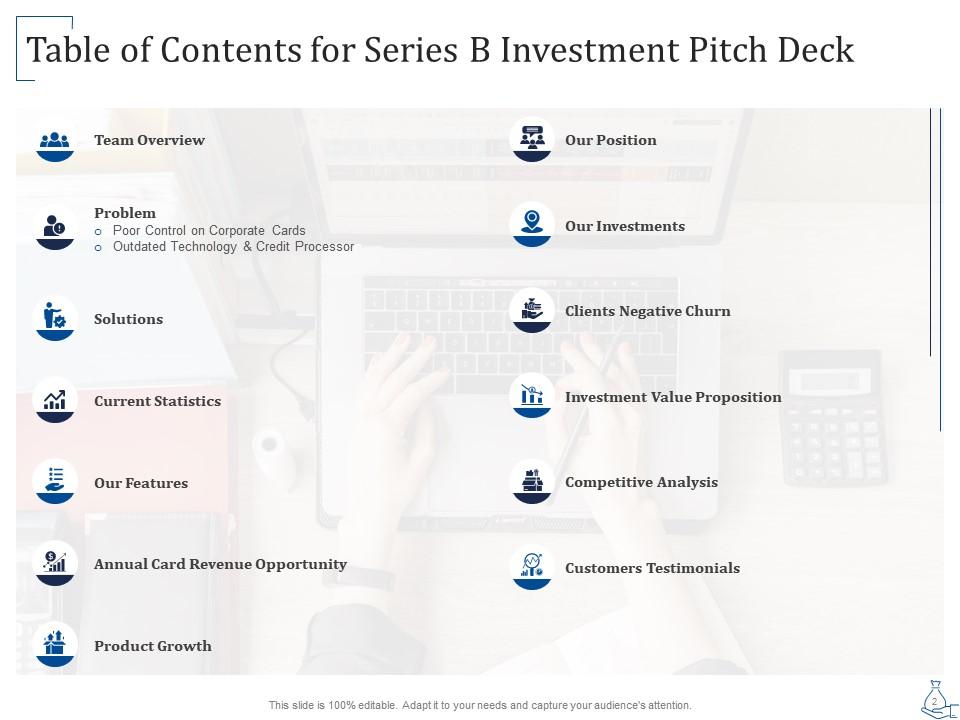
Diapositiva 2 : esta diapositiva muestra la tabla de contenido de la presentación.
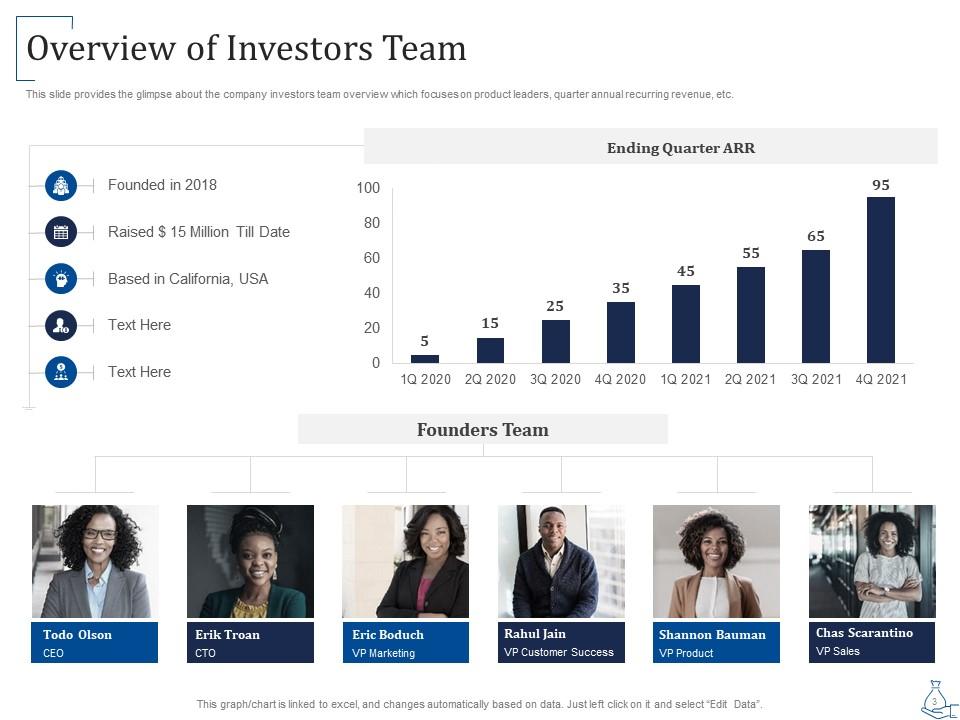
Diapositiva 3 : esta diapositiva brinda una idea general de la descripción general del equipo de inversores de la empresa.
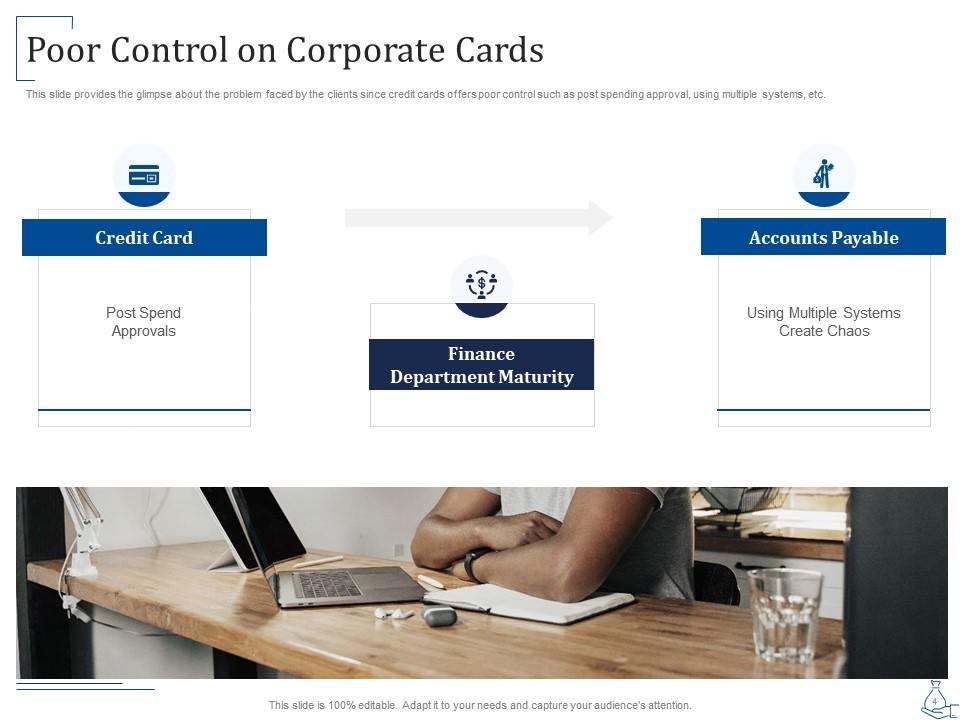
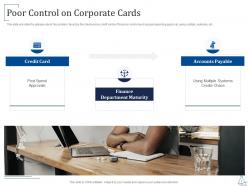
Diapositiva 4 : Esta diapositiva presenta el problema que enfrentan los clientes ya que las tarjetas de crédito ofrecen un control deficiente.
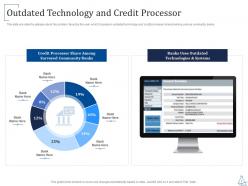
Diapositiva 5 : esta diapositiva muestra el problema que enfrenta el usuario que se centra en la tecnología obsoleta y el procesador de crédito compartido entre varios bancos comunitarios.
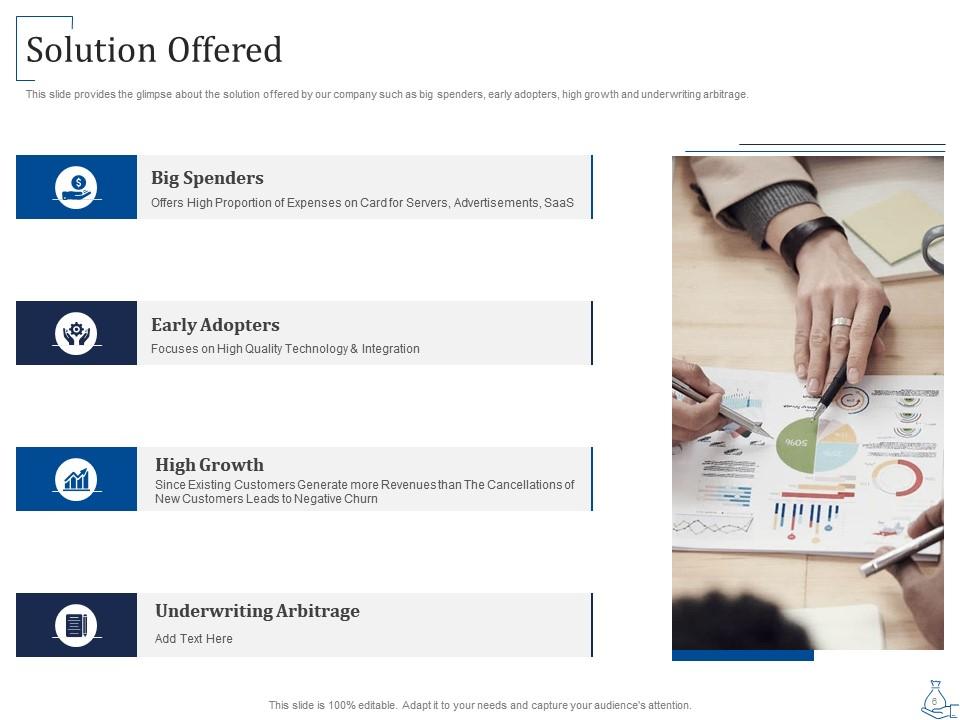
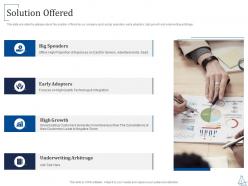
Diapositiva 6 : esta diapositiva representa la solución que ofrece nuestra empresa, como grandes consumidores, primeros usuarios, alto crecimiento y arbitraje de suscripción.
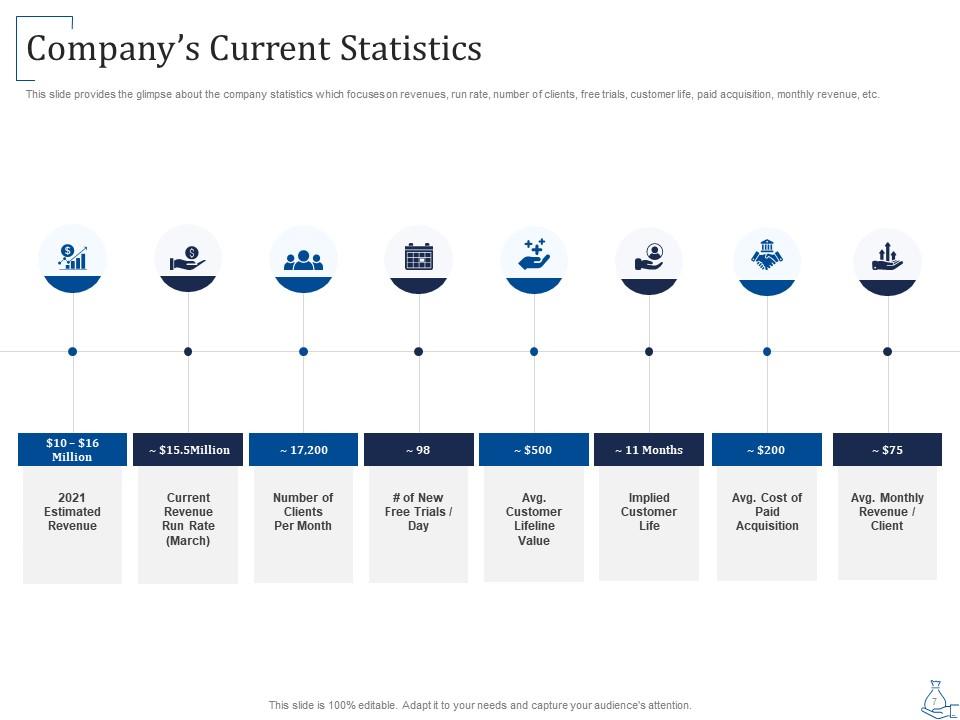
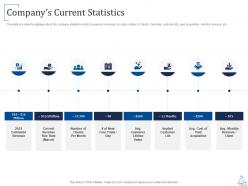
Diapositiva 7 : esta diapositiva muestra las estadísticas de la empresa que se centran en los ingresos, la tasa de ejecución, la cantidad de clientes, etc.
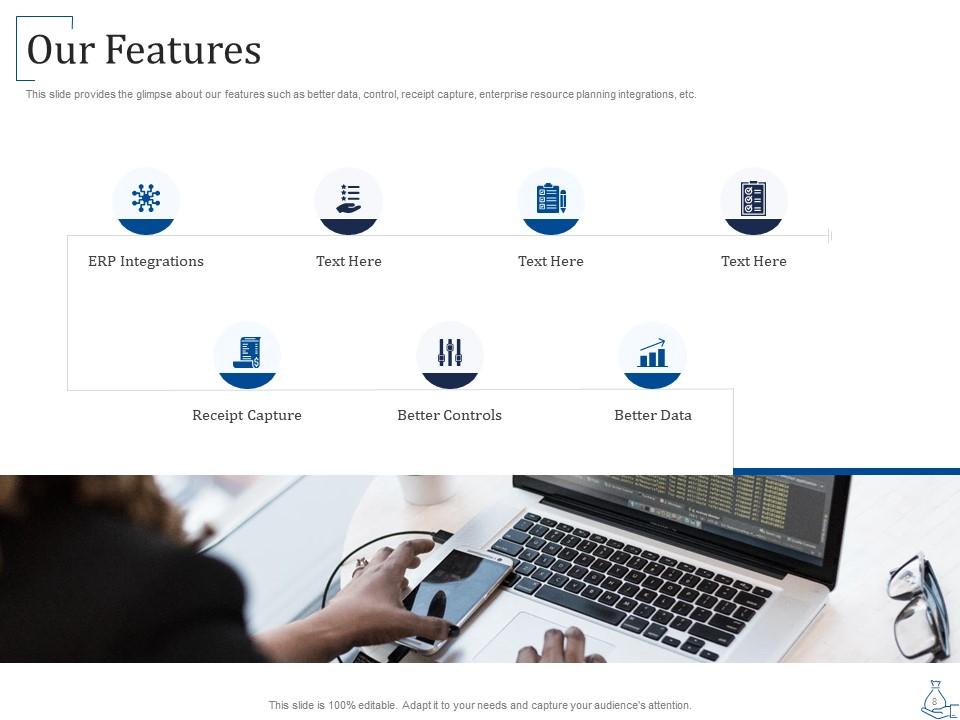
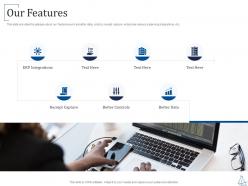
Diapositiva 8 : esta diapositiva muestra funciones como mejores datos, control, captura de recibos, integraciones de planificación de recursos empresariales, etc.
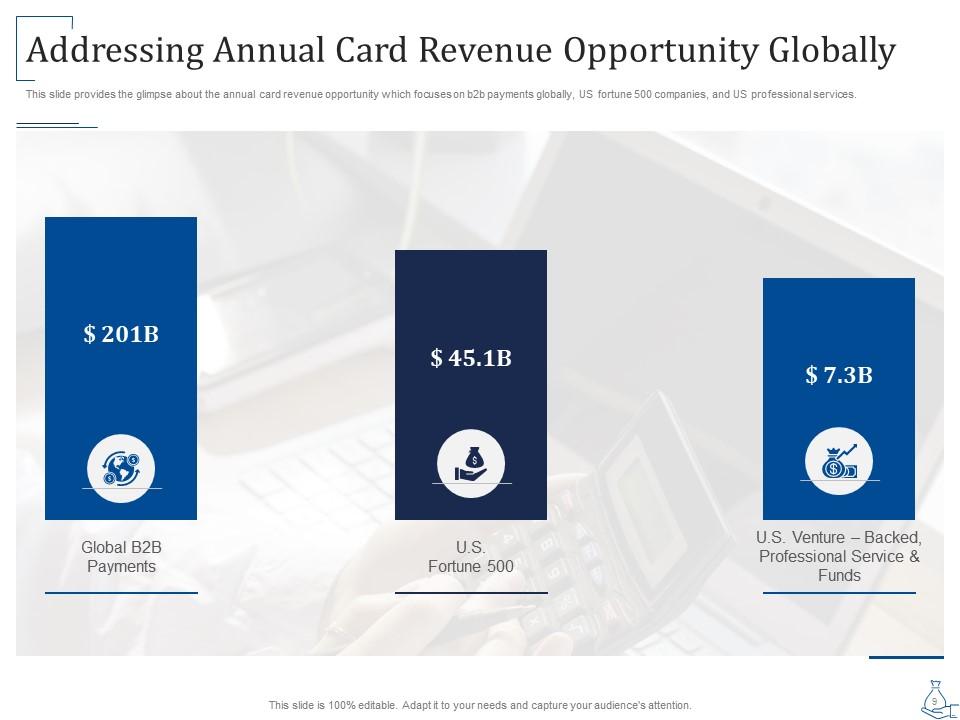
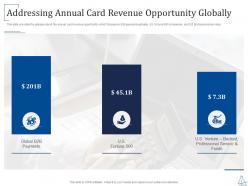
Diapositiva 9 : Esta diapositiva representa un vistazo a la oportunidad de ingresos anuales de tarjetas.
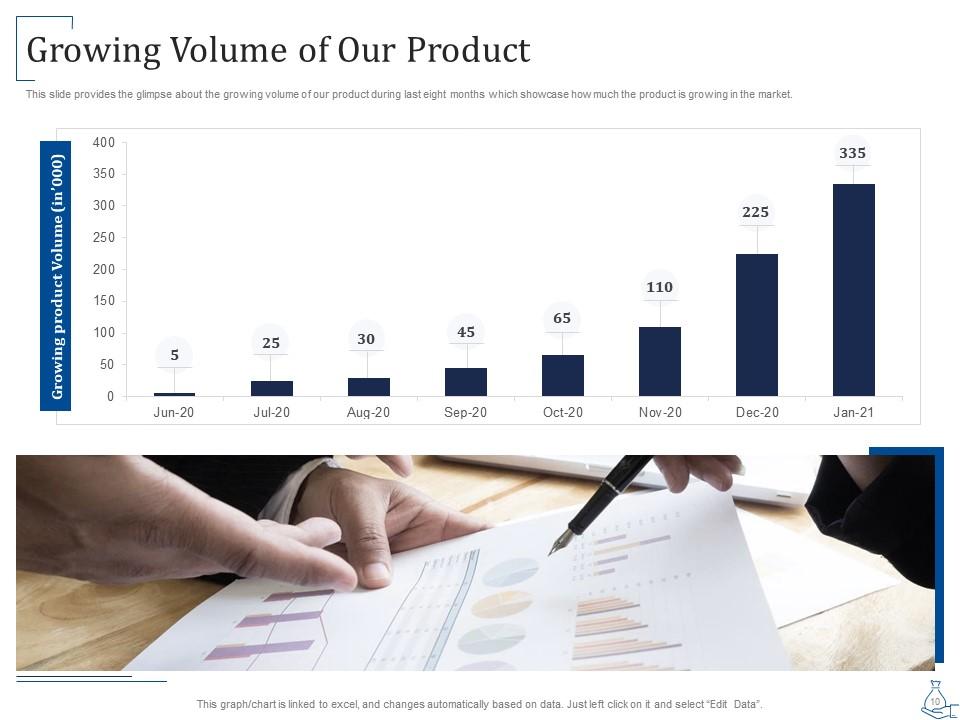
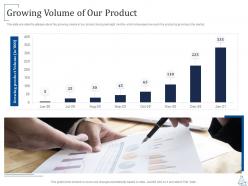
Diapositiva 10 : Esta diapositiva muestra el volumen creciente de nuestro producto durante los últimos ocho meses.
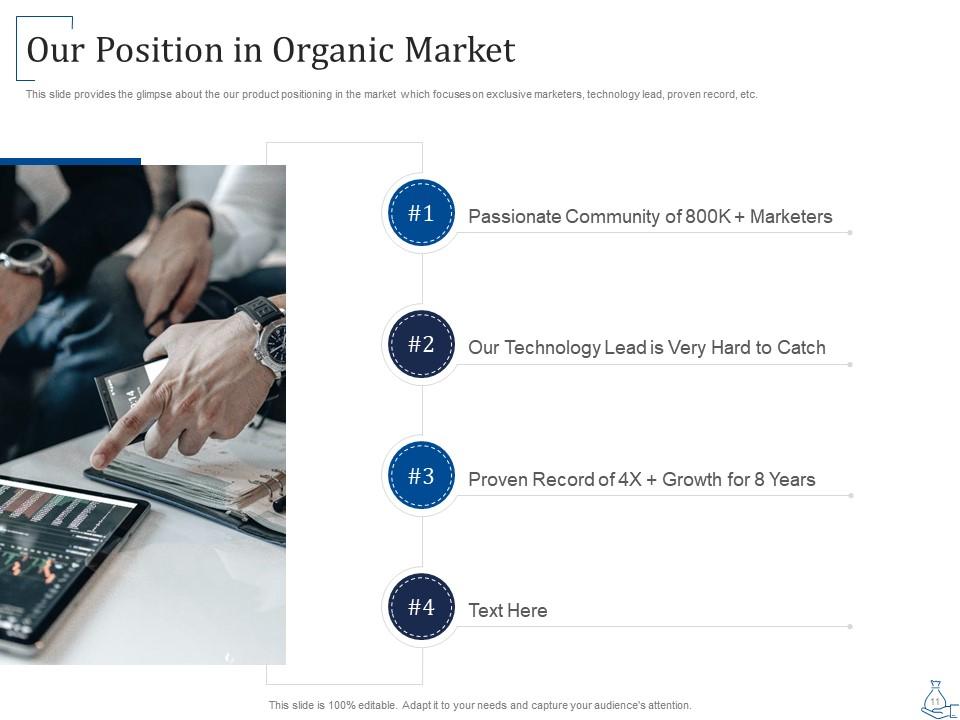
Diapositiva 11 : Esta diapositiva presenta el posicionamiento de nuestro producto en el mercado, que se centra en comercializadores exclusivos, líderes tecnológicos, historial comprobado, etc.
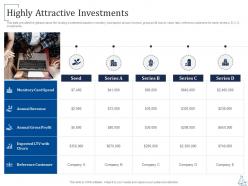
Diapositiva 12 : esta diapositiva muestra las inversiones de financiación en función del gasto de la tarjeta de monitoreo, los ingresos anuales, la ganancia bruta, etc.
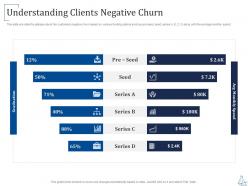
Diapositiva 13 : esta diapositiva representa la rotación negativa de los clientes en función de varias opciones de financiamiento.
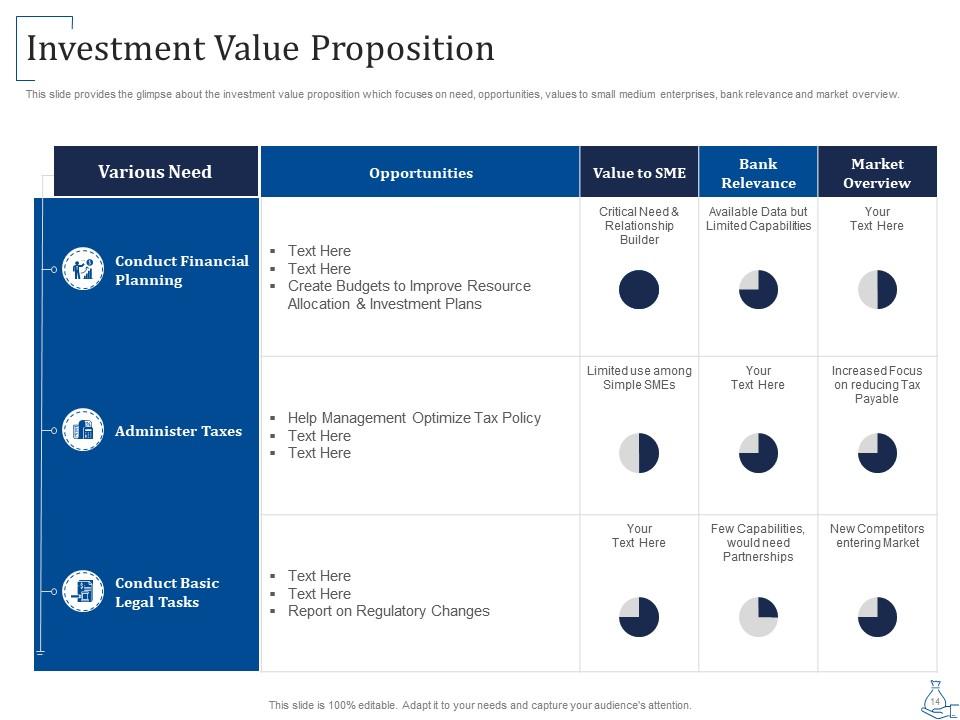
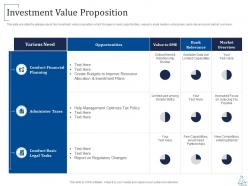
Diapositiva 14 : Esta diapositiva brinda una idea de la propuesta de valor de la inversión.
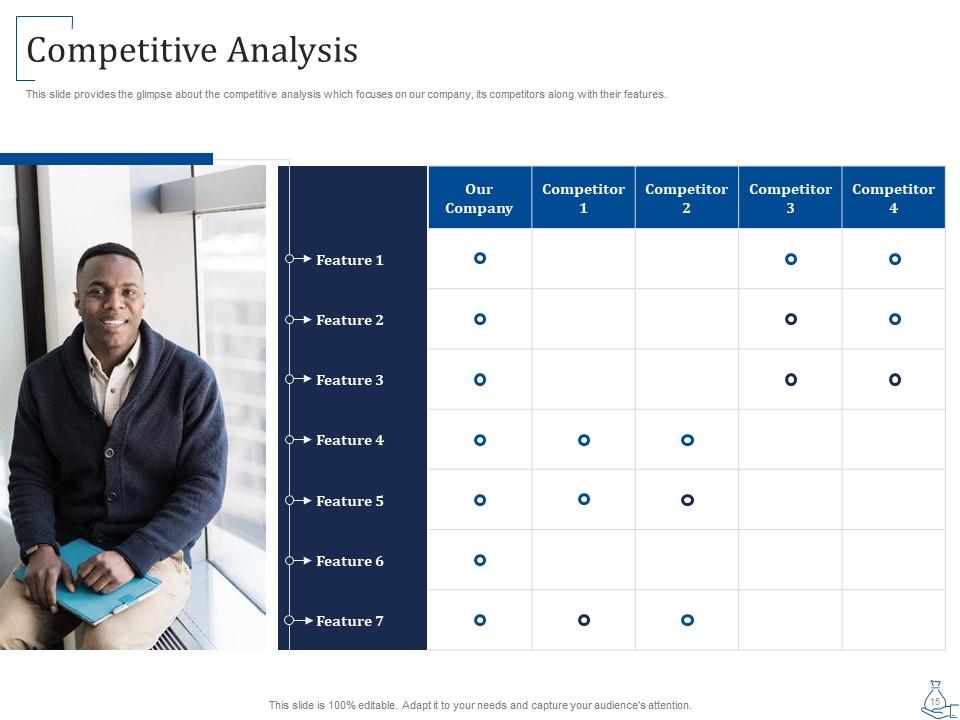
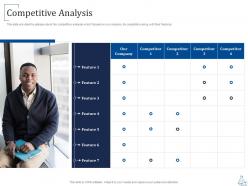
Diapositiva 15 : Esta diapositiva presenta un vistazo al análisis competitivo que se enfoca en nuestra empresa, sus competidores y sus características.
Diapositiva 16 : esta diapositiva muestra testimonios de clientes en los que los clientes comparten su experiencia al usar nuestros productos.
Diapositiva 17 : esta diapositiva muestra los íconos para la plataforma de presentación de inversiones de la Serie B.
Diapositiva 18 : esta diapositiva se titula Diapositivas adicionales para avanzar.
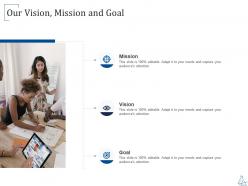
Diapositiva 19 : Esta es la diapositiva Nuestra misión con imágenes y texto relacionados.
Diapositiva 20 : Esta es la diapositiva Acerca de nosotros para mostrar las especificaciones de la empresa, etc.
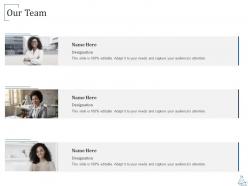
Diapositiva 21 : Esta es la diapositiva Nuestro equipo con nombres y designación.
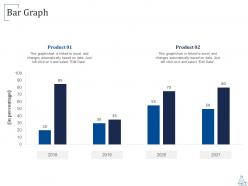
Diapositiva 22 : esta diapositiva muestra un gráfico de barras con una comparación de dos productos.
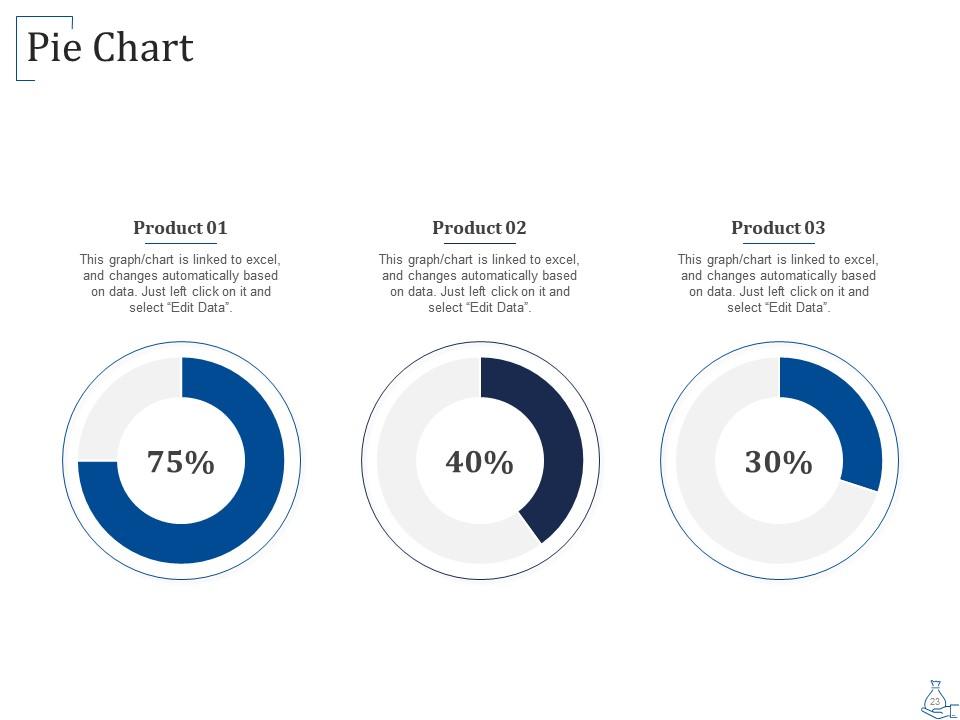
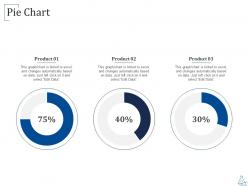
Diapositiva 23 : esta diapositiva muestra un gráfico circular con datos en porcentaje.
Diapositiva 24 : esta es una diapositiva de generación de ideas para exponer una nueva idea o resaltar información, especificaciones, etc.
Diapositiva 25 : Esta diapositiva muestra Post-It Notes. Publique sus notas importantes aquí.
Diapositiva 26 : esta es una diapositiva con citas para transmitir mensajes, creencias, etc.
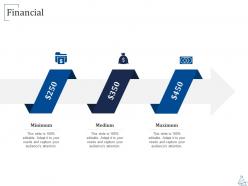
Diapositiva 27 : Esta es una diapositiva financiera. Muestre sus cosas relacionadas con las finanzas aquí.
Diapositiva 28 : Esta diapositiva muestra el diagrama de Venn con cuadros de texto.
Diapositiva 29 : Esta es una diapositiva de agradecimiento con dirección, números de contacto y dirección de correo electrónico.
Plantilla Ppt de Pitch Deck de inversión de la Serie B con las 29 diapositivas:
Utilice nuestra plantilla Ppt de la plataforma de presentación de inversiones de la Serie B para ayudarlo de manera efectiva a ahorrar su valioso tiempo. Están listos para encajar en cualquier estructura de presentación.
-
Excellent products for quick understanding.
-
Very unique and reliable designs.
-
Innovative and Colorful designs.
-
Use of different colors is good. It's simple and attractive.
-
Very unique and reliable designs.
