Services Sales Pitch Deck Ppt Template
Try Before you Buy Download Free Sample Product
Audience
Editable
of Time
Sales Deck Präsentation ist ein wirksames Werkzeug zur Unterstützung von Verkaufsgesprächen, die ein Verkäufer potenziellen Interessenten präsentiert. Es bietet Details zur Serviceübersicht, die ein Wertversprechen bei der Nutzung von Kundenbeziehungen bietet und potenzielle Kunden zum Kauf bei der Firma führt. Schauen Sie sich unser effizient gestaltetes Pitch-Deck zum Dienstleistungsvertrieb an, das einen Überblick über das Unternehmen als Dienstleister in Bezug auf den Unternehmenshintergrund, das Leitbild, den Fortschritt des Unternehmens mit wichtigen Fakten und Serviceleistungen auf globaler Ebene bietet. Geschäftliche Herausforderungen, mit denen potenzielle Kunden konfrontiert sind, und einheitliche Lösungen werden in Folien dargestellt. Das Pitch-Deck bietet Details zum Geschäftsmodell des Dienstanbieters und erfindet sein abonnementbasiertes Modell neu. Es enthält Details zu verschiedenen Service-Preispaketen für Kunden. Das Potenzial des Dienstleisterunternehmens wird durch die finanzielle Leistung, die erreichten wichtigen Meilensteine und die Kundengeschichte bestimmt, die sich mit der Fähigkeit des Unternehmens zur Erbringung von Dienstleistungen befasst. Das Pitch Deck bietet Folien, die die zukünftigen potenziellen Dienstleistungen des Unternehmens darstellen, die von dem Unternehmen in der Zukunft verwaltet werden. Das bestehende Kundenportfolio wird mit kritischen Mitgliedern präsentiert, die an der Unternehmensführung beteiligt sind. Erhalten Sie jetzt Zugang zu diesem zu 100 Prozent editierbaren Pitch-Deck.

Merkmale dieser PowerPoint-Präsentationsfolien:
Bieten Sie Ihren Investoren mit dieser Ppt-Vorlage für ein einflussreiches Sales Pitch Deck wichtige Einblicke in Ihr Projekt und Unternehmen. Dies ist eine ausführliche Pitch-Deck-PPT-Vorlage, die alle umfangreichen Informationen und Statistiken Ihrer Organisation abdeckt. Von Umsatzmodellen bis hin zu grundlegenden Statistiken werden einzigartige Diagramme und Grafiken hinzugefügt, um Ihre Präsentation informativer und strategisch fortschrittlicher zu gestalten. Dies verschafft Ihnen einen Wettbewerbsvorteil und viel Platz, um den USP Ihrer Marke zu präsentieren. Abgesehen davon helfen alle neunundzwanzig Folien, die diesem Deck hinzugefügt wurden, eine Aufschlüsselung der verschiedenen Facetten und Schlüsselgrundlagen bereitzustellen. Einschließlich der Geschichte Ihres Unternehmens, Marketingstrategien, Traktion usw. Der größte Vorteil dieser Vorlage besteht darin, dass sie für jeden Geschäftsbereich geeignet ist, sei es E-Commerce, IT-Revolution usw., um ein neues Produkt einzuführen oder Änderungen vorzunehmen bestehende. Laden Sie sich deshalb jetzt dieses komplette Deck in Form von PNG, JPG oder PDF herunter.
People who downloaded this PowerPoint presentation also viewed the following :
Inhalt dieser Powerpoint-Präsentation
Folie 1 : Diese Folie stellt das Sales Pitch Deck für Dienstleistungen vor. Geben Sie Ihren Firmennamen an und beginnen Sie.
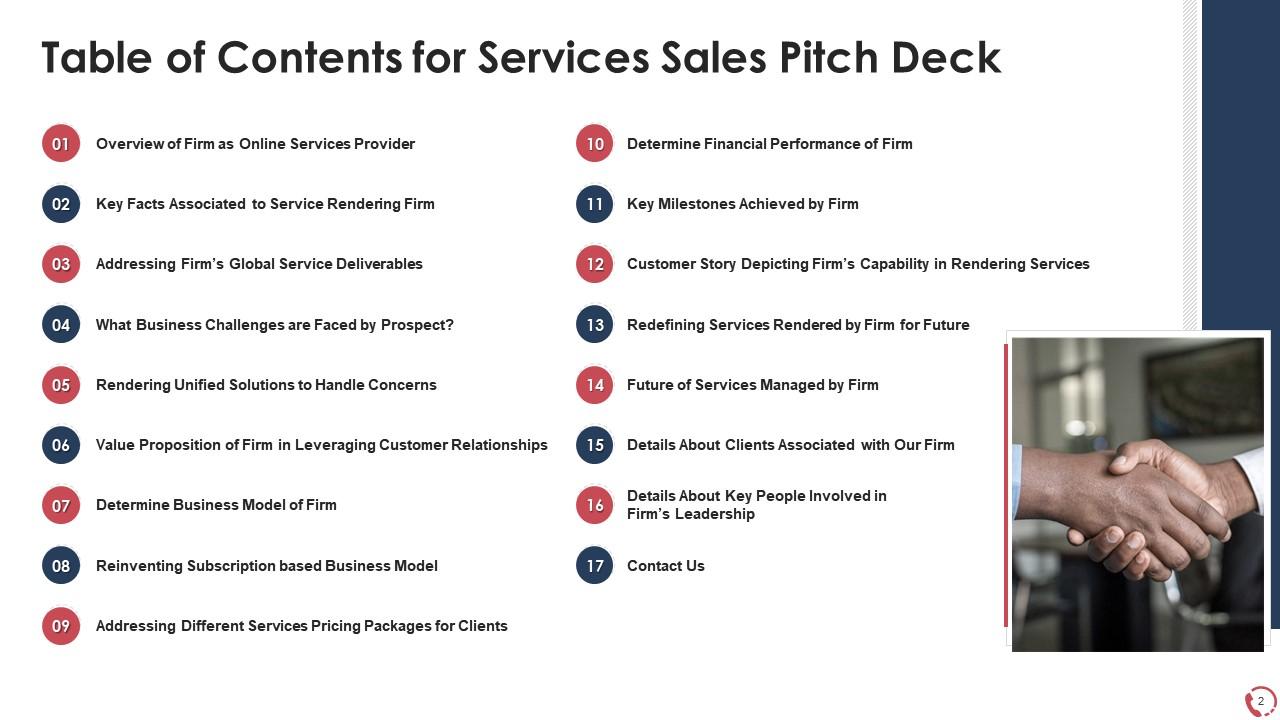
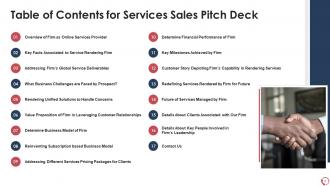
Folie 2 : Diese Folie zeigt das Inhaltsverzeichnis der Präsentation.
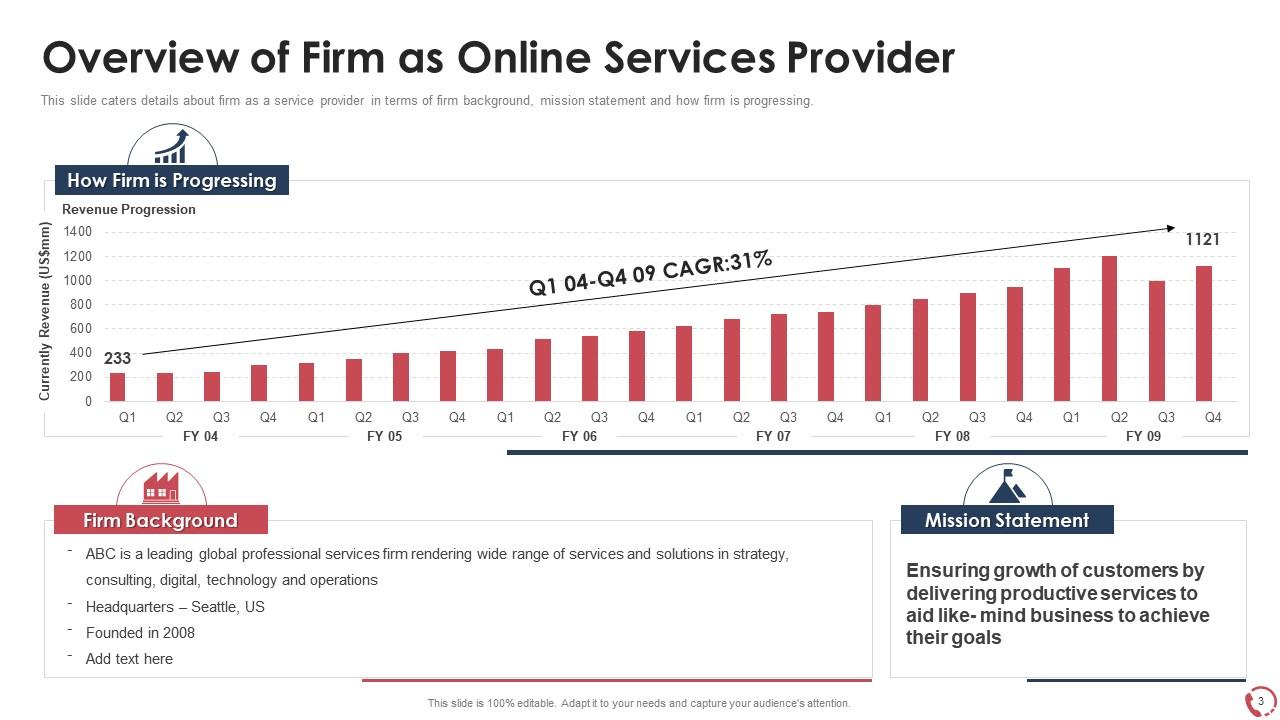
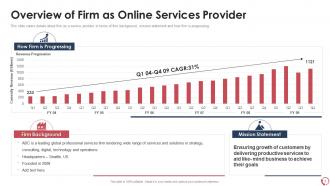
Folie 3 : Diese Folie stellt das Unternehmen als Dienstleister in Bezug auf den Unternehmenshintergrund, das Leitbild und die Entwicklung des Unternehmens vor.
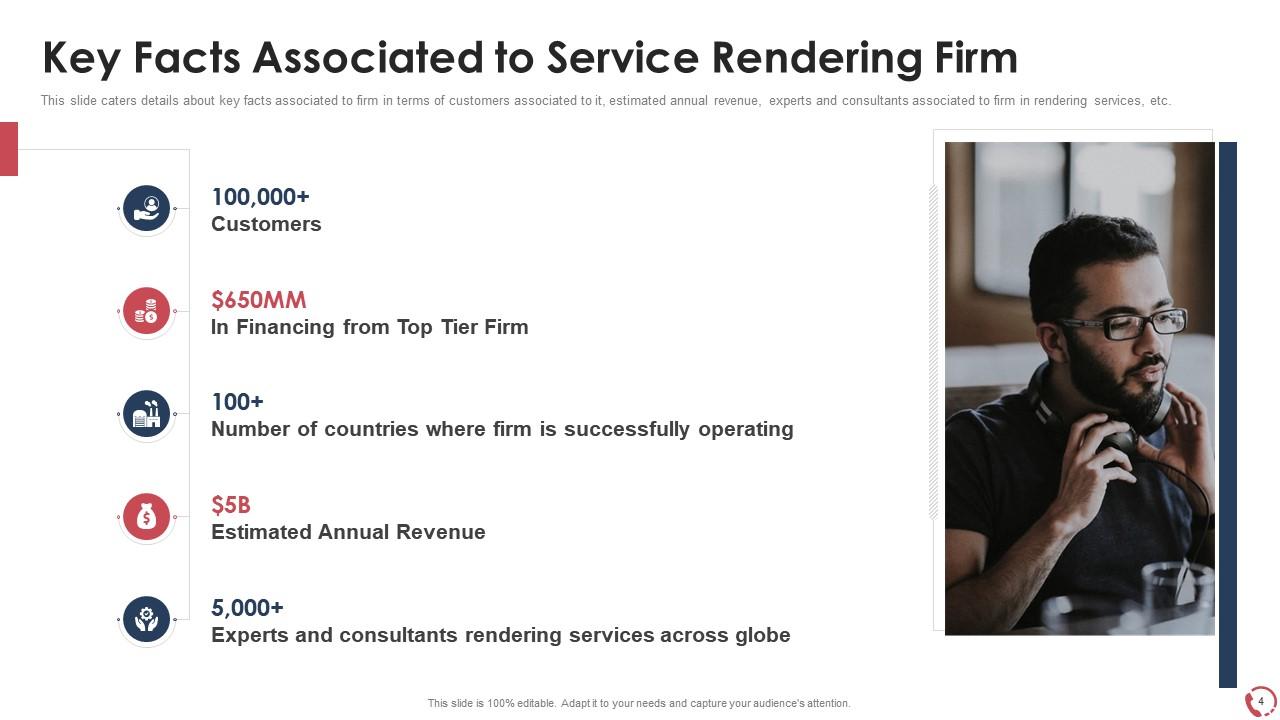
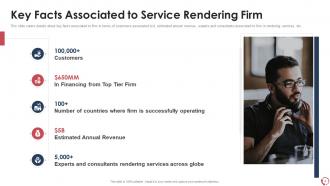
Folie 4 : Diese Folie zeigt Details zu Schlüsselfakten im Zusammenhang mit dem Unternehmen in Bezug auf Kunden.
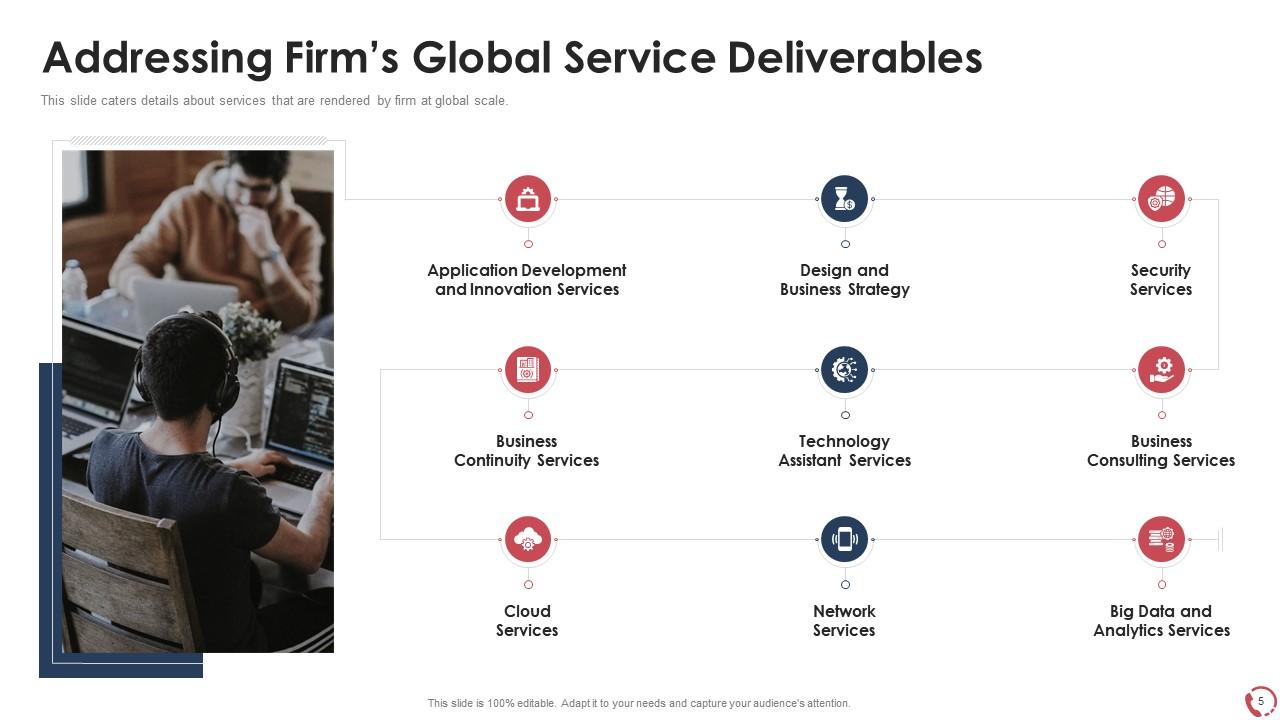
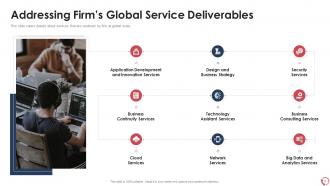
Folie 5 : Diese Folie enthält Details zu Dienstleistungen, die von Unternehmen auf globaler Ebene erbracht werden.
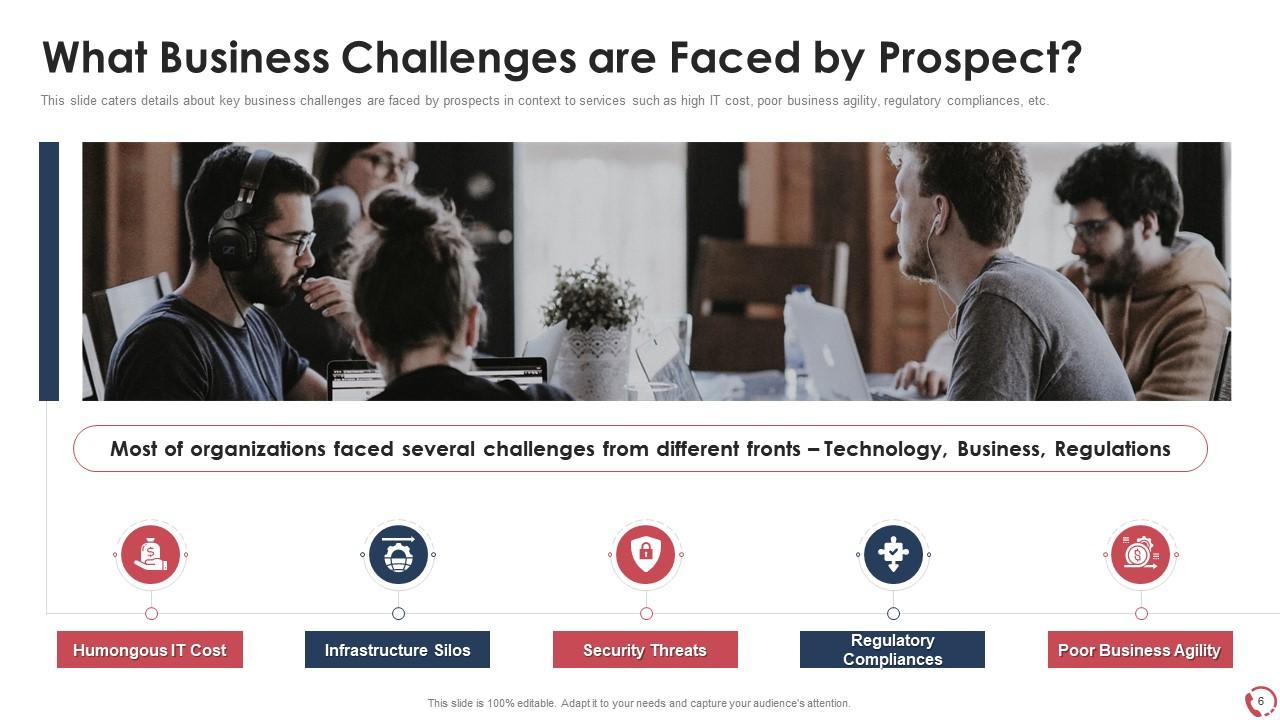
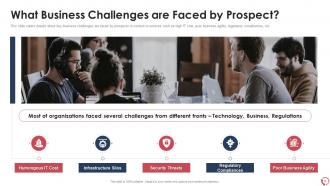
Folie 6 : Diese Folie zeigt Details zu den wichtigsten geschäftlichen Herausforderungen, denen potenzielle Kunden gegenüberstehen.
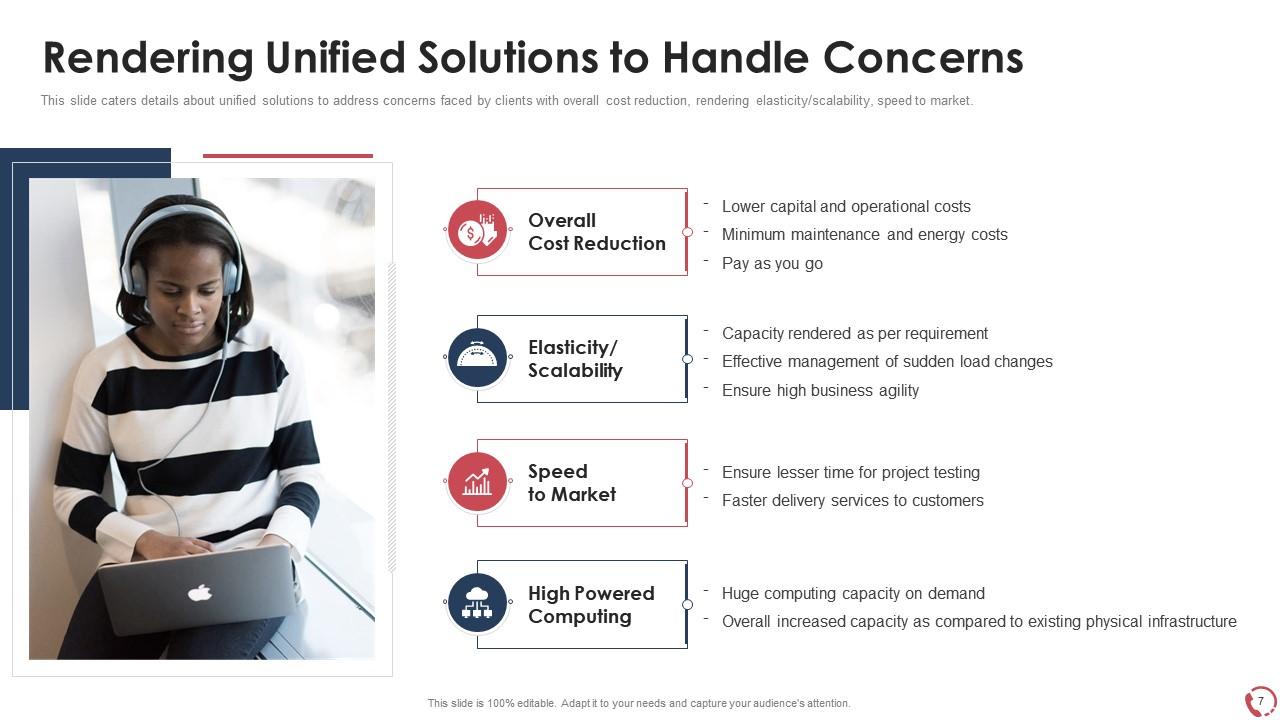
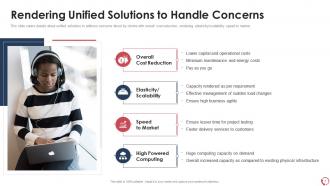
Folie 7 : Diese Folie zeigt vereinheitlichte Lösungen, um Bedenken von Kunden auszuräumen.
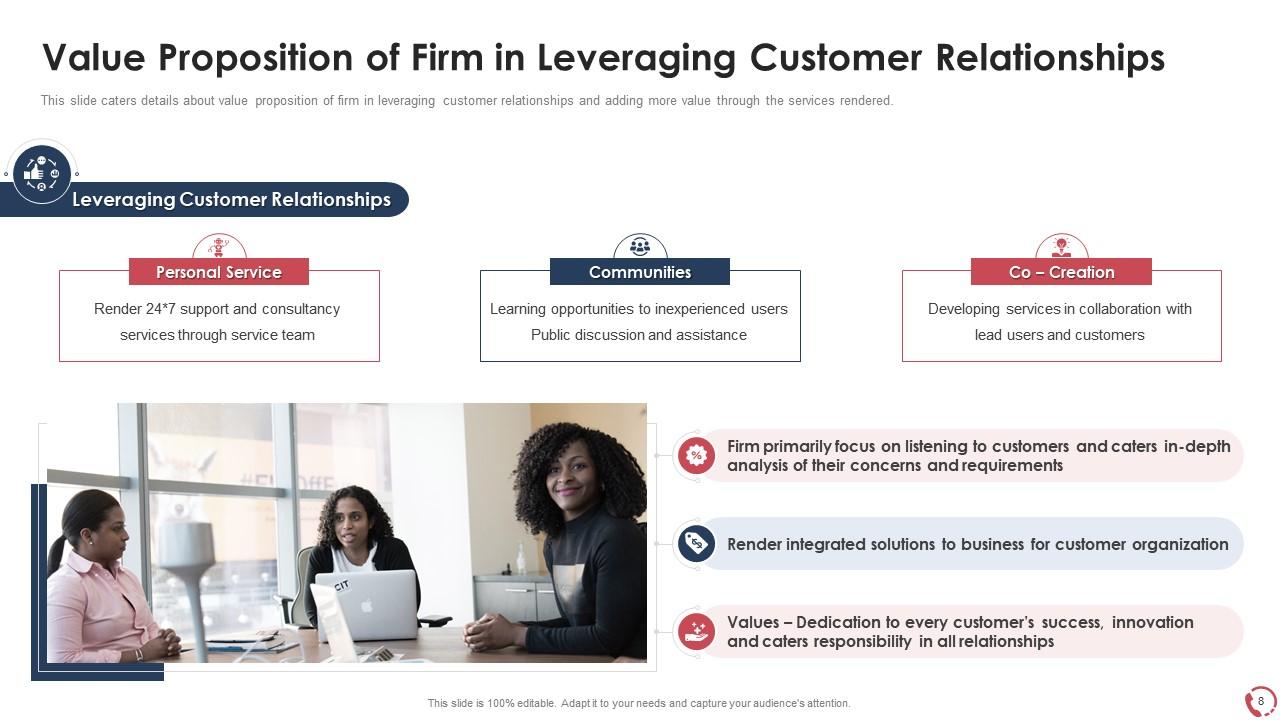
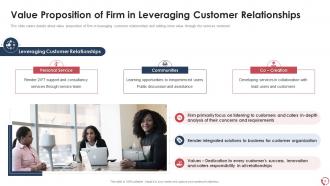
Folie 8 : Diese Folie präsentiert das Wertversprechen des Unternehmens bei der Nutzung von Kundenbeziehungen.
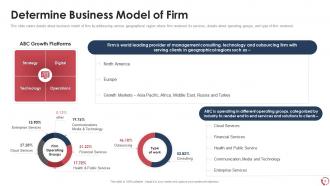
Folie 9 : Diese Folie zeigt das Geschäftsmodell des Unternehmens anhand verschiedener geografischer Regionen.
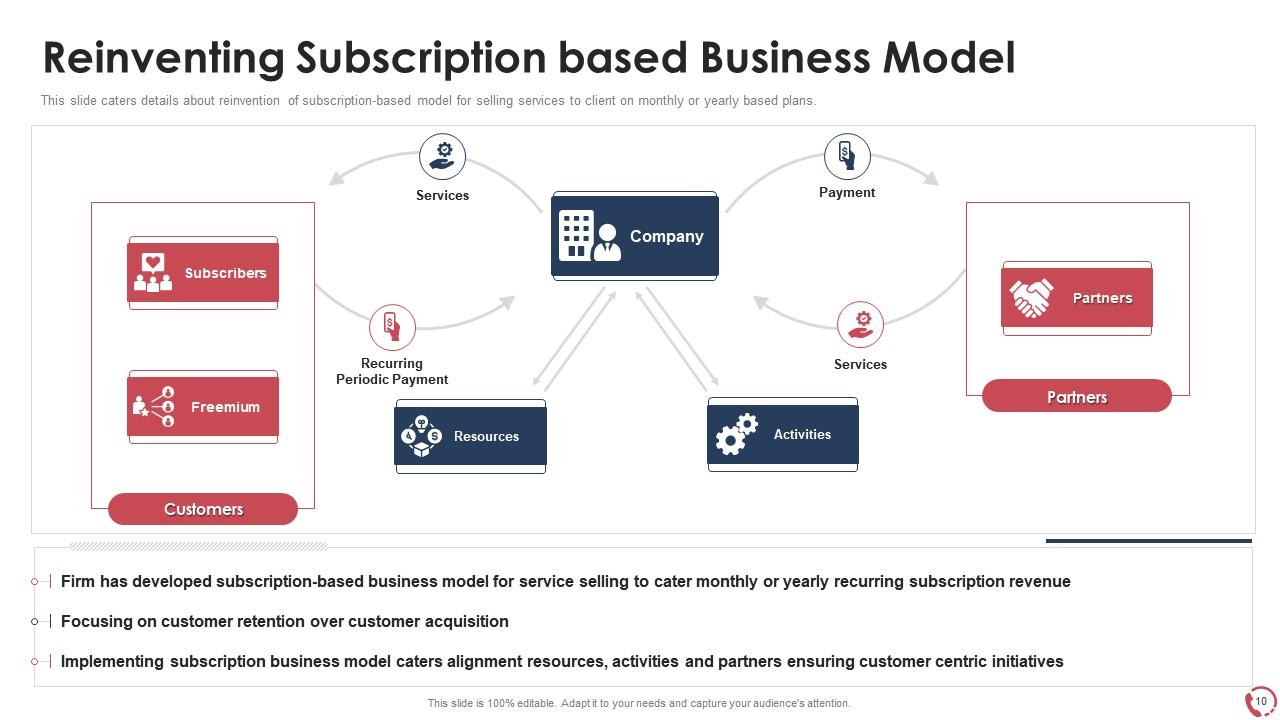
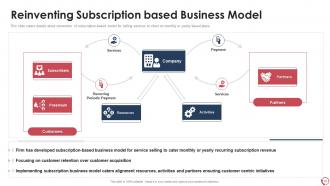
Folie 10 : Diese Folie stellt die Neuerfindung des abonnementbasierten Modells für den Verkauf von Dienstleistungen an Kunden dar.
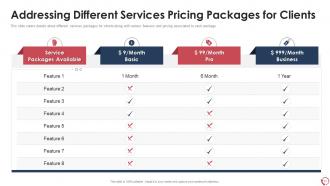
Folie 11 : Diese Folie zeigt Details zu verschiedenen Servicepaketen für Kunden zusammen mit verschiedenen Funktionen.
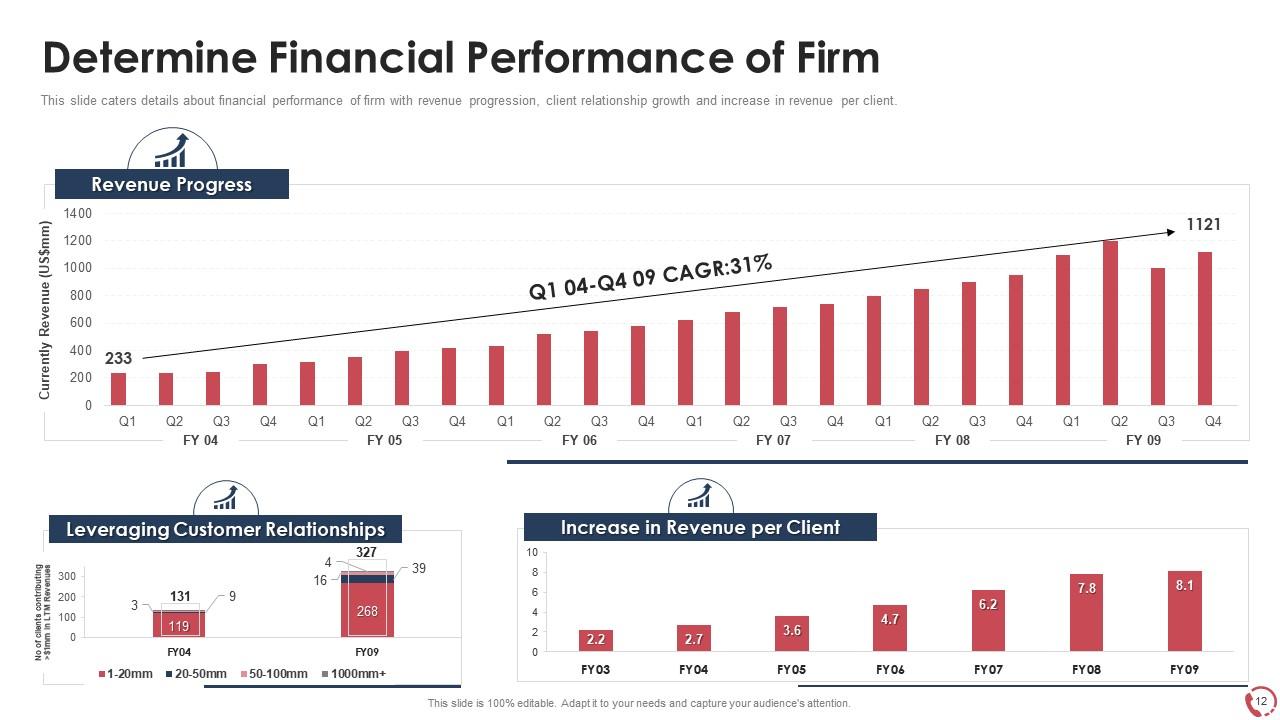
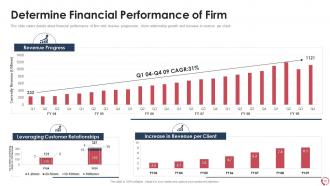
Folie 12 : Diese Folie zeigt die finanzielle Leistung des Unternehmens mit Umsatzentwicklung, Kundenbeziehung usw.
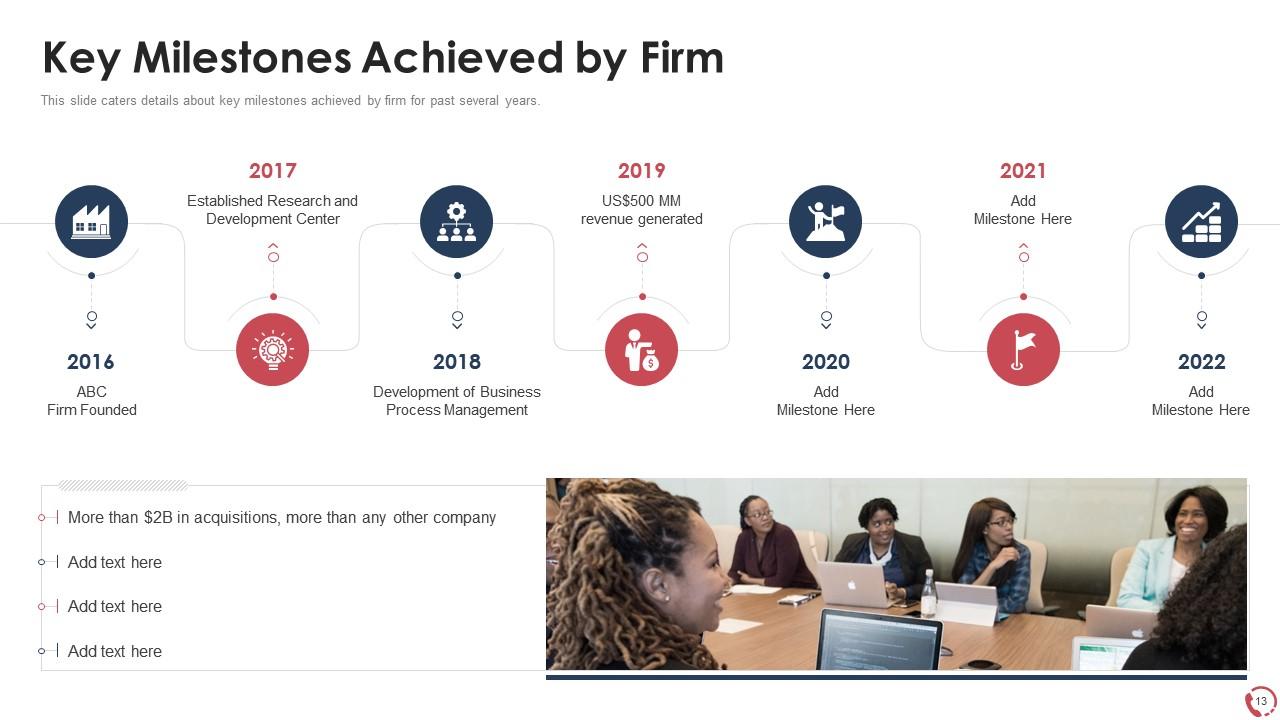
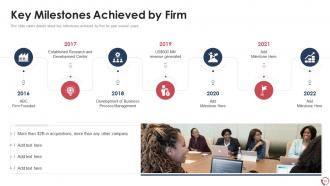
Folie 13 : Diese Folie enthält Einzelheiten zu wichtigen Meilensteinen, die das Unternehmen in den vergangenen Jahren erreicht hat.
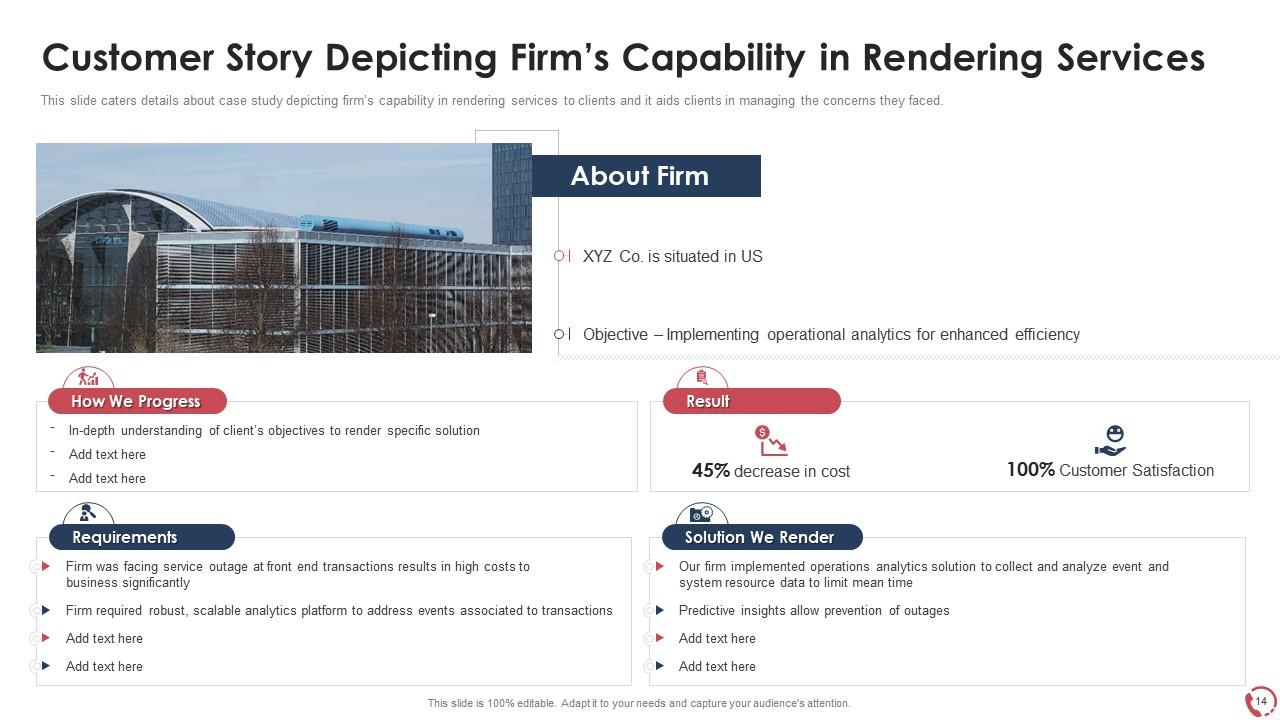
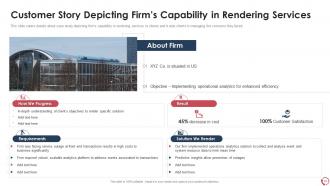
Folie 14 : Diese Folie zeigt die Kundengeschichte, die die Fähigkeit des Unternehmens bei der Bereitstellung von Dienstleistungen darstellt.
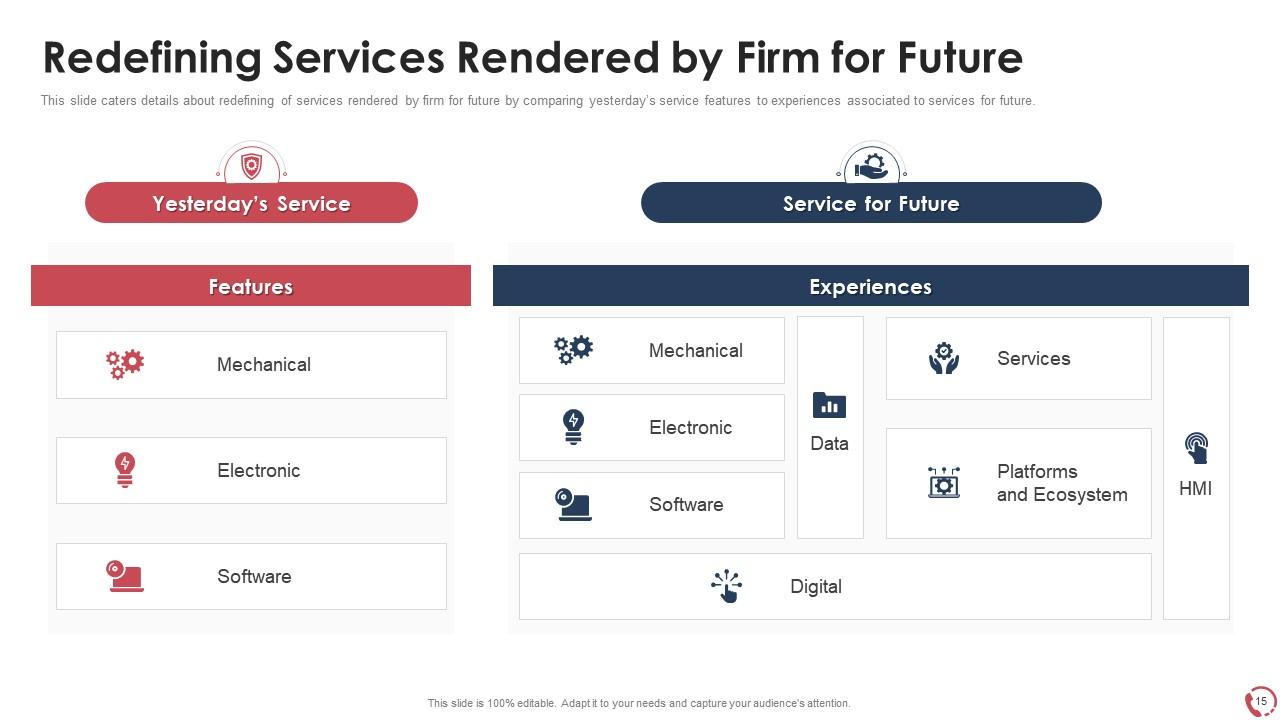
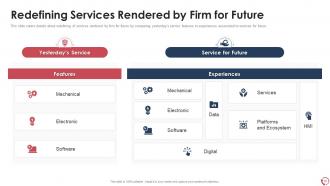
Folie 15 : Diese Folie stellt Details über die Neudefinition der von Unternehmen erbrachten Dienstleistungen für die Zukunft dar, indem die Leistungsmerkmale von gestern verglichen werden.
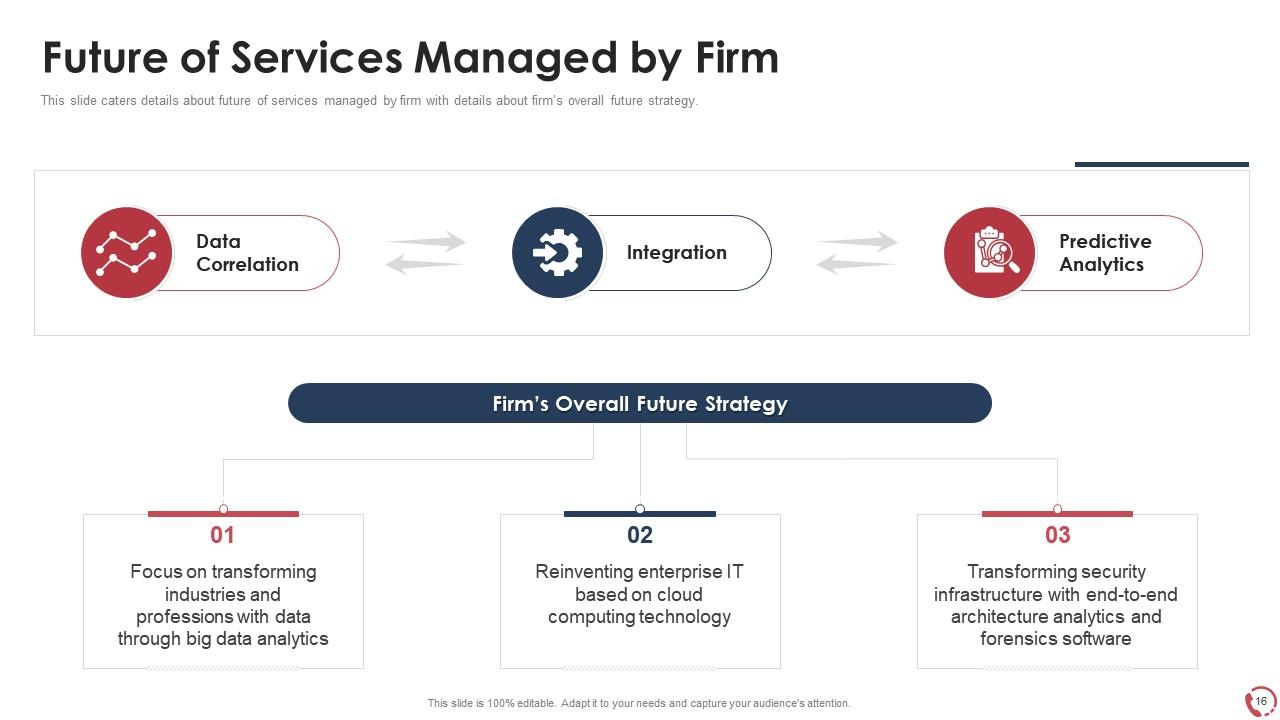
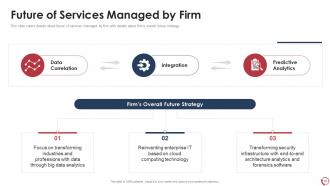
Folie 16 : Diese Folie zeigt die Zukunft der von der Firma verwalteten Dienstleistungen mit Einzelheiten zur zukünftigen Gesamtstrategie der Firma.
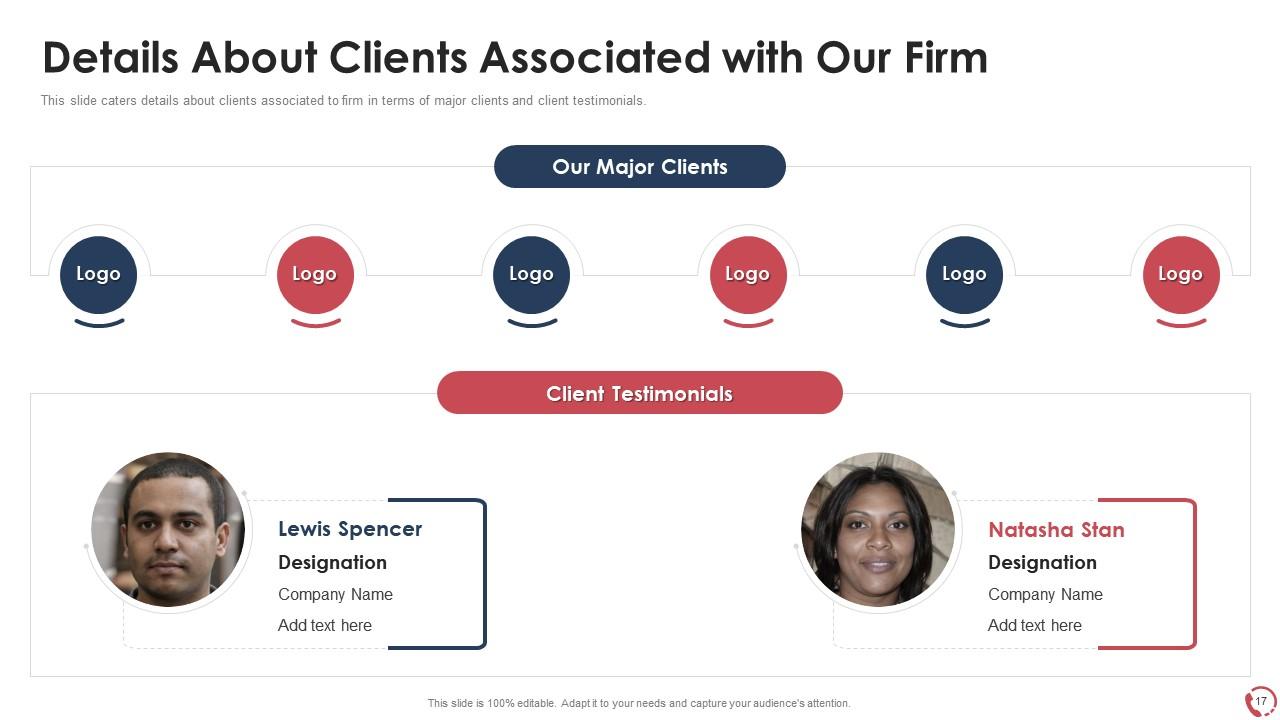
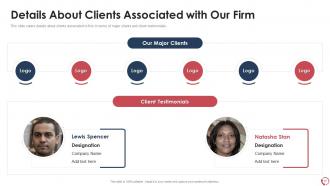
Folie 17 : Diese Folie zeigt Details zu Kunden, die mit der Firma verbunden sind, in Bezug auf Hauptkunden und Kundenreferenzen.
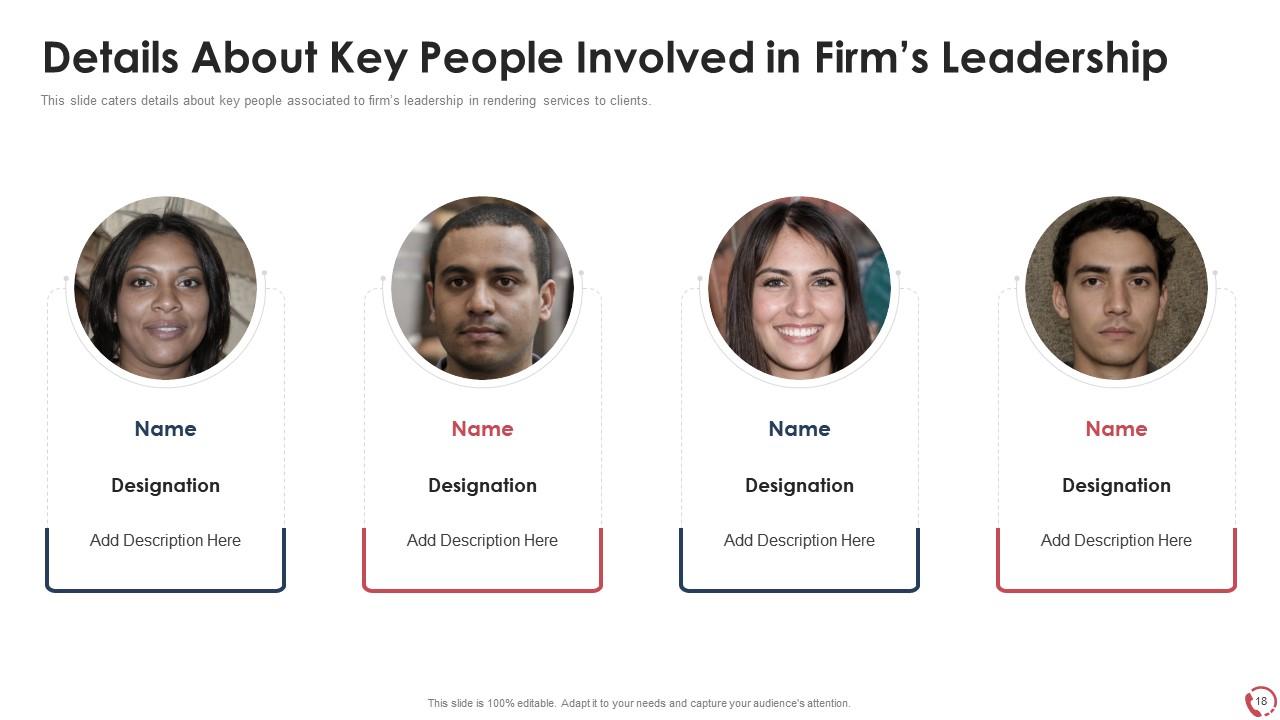
Folie 18 : Diese Folie enthält Details zu Schlüsselpersonen, die an der Unternehmensführung beteiligt sind.
Folie 19 : Dies ist eine Kontaktfolie mit Adresse, Kontaktnummern und E-Mail-Adresse.
Folie 20 : Diese Folie zeigt Icon for Services Sales Pitch Deck.

Folie 21 : Diese Folie trägt den Titel „Zusätzliche Folien“, um voranzukommen.
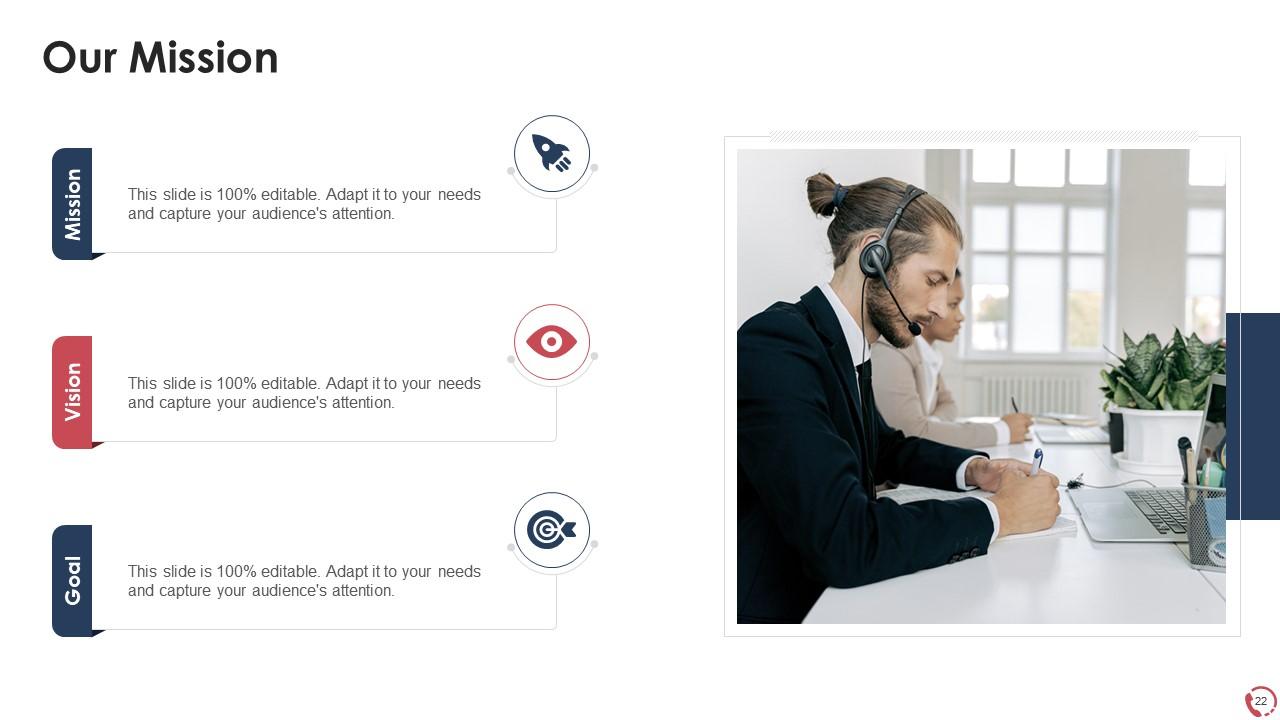
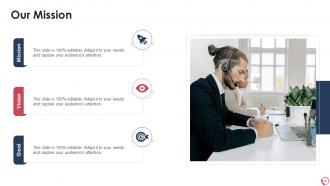
Folie 22 : Dies ist unsere Missionsfolie mit zugehörigen Bildern und Texten.
Folie 23 : Dies ist die Folie „Über uns“, um Unternehmensspezifikationen usw. anzuzeigen.
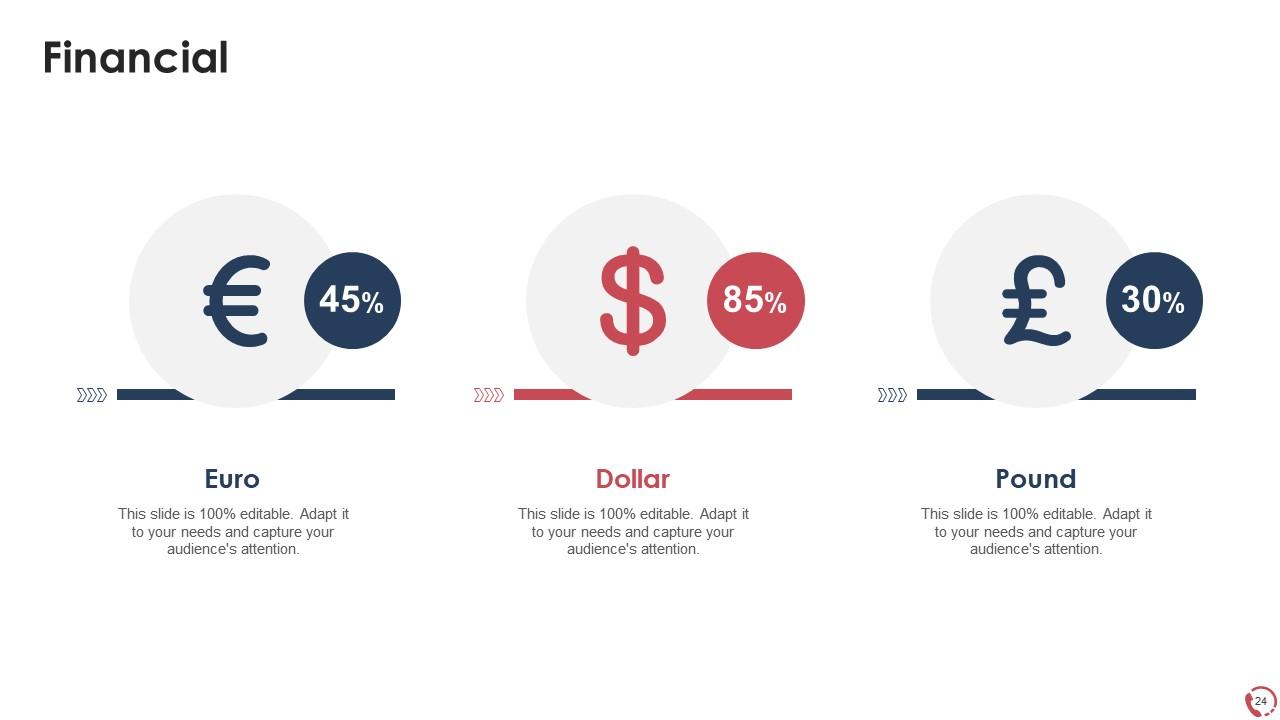
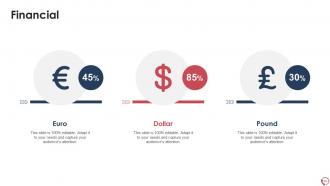
Folie 24 : Dies ist eine Finanzfolie. Zeigen Sie hier Ihre finanzbezogenen Sachen.
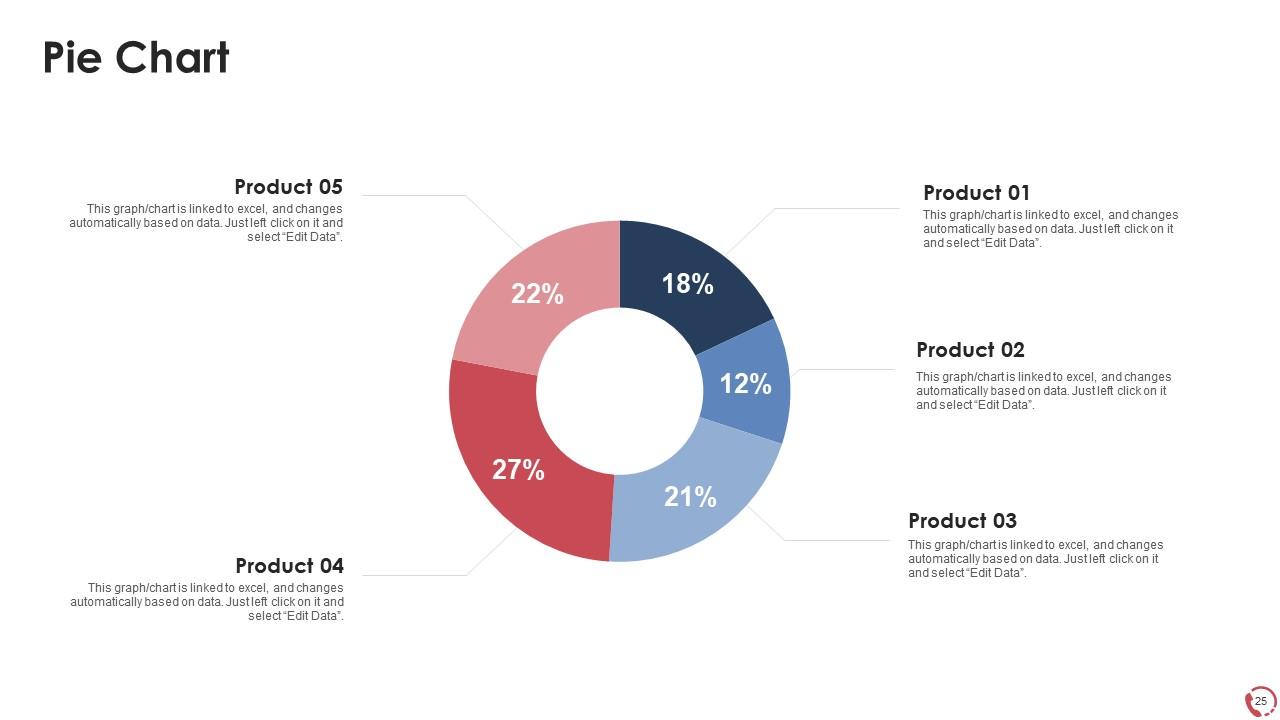
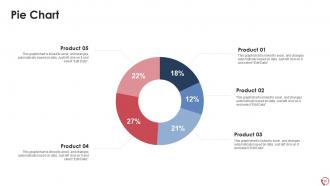
Folie 25 : Diese Folie zeigt ein Tortendiagramm mit Daten in Prozent.
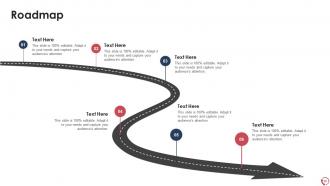
Folie 26 : Diese Folie zeigt die Roadmap mit zusätzlichen Textfeldern.
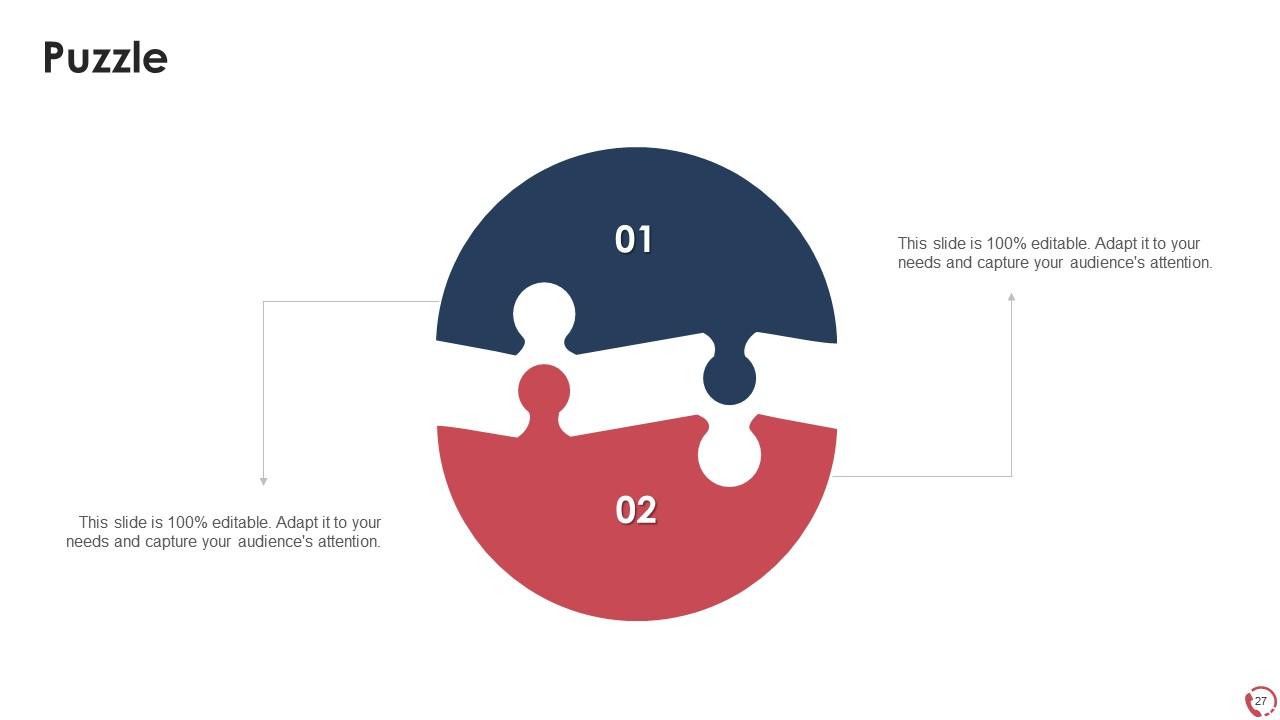
Folie 27 : Diese Folie zeigt Puzzle mit zugehörigen Symbolen und Text.
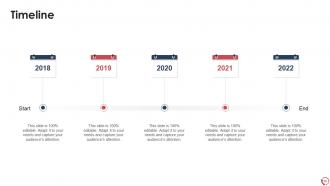
Folie 28 : Dies ist eine Timeline-Folie. Zeigen Sie hier Daten zu Zeitintervallen an.
Folie 29 : Dies ist eine Dankeschön-Folie mit Adresse, Kontaktnummern und E-Mail-Adresse.
Services Sales Pitch Deck Ppt-Vorlage mit allen 34 Folien:
Verwenden Sie unsere Ppt-Vorlage für Verkaufspräsentationen für Dienstleistungen, um Ihnen effektiv dabei zu helfen, Ihre wertvolle Zeit zu sparen. Sie sind gebrauchsfertig und passen in jede Präsentationsstruktur.
FAQs for Services sales pitch
Okay so first thing - lead with their actual problem, not some generic intro slide. Then jump into how you'd tackle it differently than everyone else. Case studies are huge here, like seriously don't skip this part. I've watched so many people bomb because they couldn't prove they've done this before. Talk about your team's background and why you're not just another consultant. Oh and definitely end with concrete next steps plus what it'll cost - none of that "let's discuss pricing later" nonsense. Keep it tight though, maybe 8-10 slides tops. Focus on what they'll actually get out of this, not a laundry list of services.
Skip the boring company stats and open with how you transformed an actual client. Your prospect should be the hero, you're just the guide helping them win. Honestly, I've watched so many pitches die because they're just feature dumps. Instead, tell them "here's how we took Company X from drowning in problem Y to crushing goal Z." Sprinkle in real quotes and before/after moments. Each section should loop back to their potential success story. Those narrative arcs just hit different than bullet points ever will.
Keep it clean with tons of white space - makes everything look way more expensive. Stick to maybe 2-3 colors max and don't go crazy with fonts. Charts beat bullet points every single time, trust me on this. I swear half the decks I see are just text walls that put everyone to sleep. One idea per slide, and make your text big enough so people in the back can actually read it. Oh, and test it on a projector first - learned that one the hard way when my "perfect" slides turned into a blurry mess during the actual pitch.
Honestly, you just gotta swap out the examples and pain points for each audience. Healthcare folks care about compliance and patient outcomes, right? Tech startups want scalability and getting to market fast. I keep the same basic structure but change all the case studies to match their industry. Use their lingo (but don't go overboard - sounds fake). Your success stories should mirror what they actually deal with. I usually keep 2-3 versions ready for my main targets. Way less work than starting over each time, and you'll hit their specific problems instead of generic stuff that doesn't land.
Honestly, data is what separates you from all the other consultants making empty promises. Numbers don't lie - executives eat that stuff up. You'll want to throw in client success stories, industry benchmarks, maybe some solid ROI figures that actually back up what you're claiming. Without real metrics, you're just another person talking about "digital transformation" or whatever buzzword is trending. Case study results work great too. I always lead with whatever number will make their ears perk up most - could be cost savings, revenue growth, doesn't matter as long as it hits home for your specific audience.
Drop testimonials right after you mention each big benefit - boom, instant proof with real voices. Get specific numbers like "40% revenue boost" instead of fluffy "amazing results" garbage. For case studies, stick to problem-solution-outcome but keep them short because honestly? People zone out fast during presentations. Client names and titles are clutch for credibility if you can swing permissions. Oh, and definitely open with your best testimonial upfront. You'll hook them before they start checking their phones. Trust me on this one - I've sat through way too many boring pitches where they buried the good stuff.
Biggest mistake? Making it all about YOU instead of their problems. Lead with what's bugging them, then show your solution. Also, resist the urge to list every single service you offer - honestly, seeing 47 capabilities on one slide makes my eyes glaze over. Keep the story simple and ditch those awful stock photos. They scream "generic consultant." Oh, and be upfront about pricing ranges from the start. I know it feels scary, but being mysterious about costs just creates weird tension later. End with super clear next steps so they know exactly what happens if they're interested.
Honestly? Interactive stuff is a game-changer for sales decks. Try clickable prototypes or those ROI calculators where they punch in their actual numbers - way more engaging than just talking at them. I've seen some wild "choose your adventure" style presentations where prospects click different paths based on what matters most to them. Pretty genius, actually. Before/after sliders work great too, especially for showing transformations. The whole point is getting them involved instead of just sitting there. Oh, and don't go crazy with it - pick maybe one or two interactive elements that actually help tell your story. Otherwise it's just flashy for no reason.
Definitely share your screen and go slow - people's attention spans are terrible on video calls. Big fonts are crucial since everyone's squinting at different devices. I bombed a presentation once because nobody could see my text! Test everything beforehand and have a backup ready. Chat feature is your friend - ask questions during the presentation, not just at the end. Oh, and pause way more than feels natural. Virtual crowds need extra time to process stuff. Send the slides afterward with your contact info. Trust me on the pausing thing - it feels awkward but works.
Honestly, just ask them straight up after you present - I know it feels weird but you'll get solid info about what clicked and what didn't. Watch how fast they respond to your follow-ups too. Engaged people actually get back to you quickly. Do they book next meetings within a week? Request proposals? Introduce you to their team? Those are good signs. But here's the thing - track everything in a simple spreadsheet. Which deck versions actually turn into deals? I've been surprised by what works versus what I thought would work. The conversion data doesn't lie.
Keep it to 10-15 slides tops. I've sat through way too many 30-slide death marches - they're brutal. Here's what works: one main point per slide, and ask yourself "so what?" about each one. Can't answer why it matters? Delete it. Your flow should hit: problem, your solution, proof you can actually pull this off, then what's next. Oh, and definitely prep some backup slides for when they start drilling into details during Q&A. You want them talking, not zoning out while you drone on. Short presentations get better conversations going anyway.
Dude, CTAs are what separate actual closers from people who just give nice presentations. You don't want prospects walking away thinking "neat slides" and then doing absolutely nothing. Be super specific about next steps - schedule that follow-up, sign the contract, whatever. Don't just dump them at the end either, sprinkle them throughout because honestly? People's attention spans are trash. Make them pop visually and sound decisive: "Let's kick off your pilot next Tuesday" hits way harder than some weak "please contact us" nonsense. Oh, and give multiple response options so you're not missing easy wins.
Honestly? Just stick with PowerPoint or Google Slides for pitch decks. Clients can actually open them without issues, which matters more than you'd think. Canva's solid if design isn't your thing - though yeah, some templates scream "I used Canva." Keynote's beautiful if your whole team's on Mac (big if). Figma works too but might be overkill. Here's what I'd do: nail your content first, worry about the fancy stuff later. Whatever you pick, make sure everyone can edit it and it exports to PDF cleanly. Nothing worse than a deck that breaks right before a meeting.
Start with your brand guidelines - same colors, fonts, logo stuff. Can't tell you how many pitches I've seen that look like they're from totally different companies! Your messaging should match what's already on your website. Same tone, same key phrases people know you for. Otherwise prospects get this weird disconnect vibe. Get someone from marketing to eyeball it before you present. Honestly, they'll catch stuff you missed. Your pitch deck should feel like it naturally flows from everything else you do, not some random slideshow you threw together last minute.
Okay so first thing - practice out loud a bunch, your mirror won't judge you. I actually record myself because you catch all the "ums" and weird pauses you don't notice otherwise. Time each section too so you're not rushing at the end. The transitions between slides are where people usually mess up, so drill those especially. Know your key stats and client stories really well so if someone asks random questions, you can roll with it. Oh and practice handling pushback with coworkers first - way less awkward than figuring it out live. Your opening needs to sound natural, not like you memorized a script. Day of, get there early to test the tech and maybe do some vocal exercises or whatever works for you.
-
Best way of representation of the topic.
-
Best Representation of topics, really appreciable.