


Princípios e conceitos do Seis Sigma Apresentação em PowerPoint com slides
Você quer levar a metodologia do Seis Sigma apresentada no PowerPoint para o próximo nível? Basta verificar nosso deck de apresentação para explicar completamente sua abordagem de seis sigma ou simplesmente o que é seis sigma? Ao utilizar este exemplo PPT, você pode motivar seus funcionários a irem para a formação de equipes de modo a melhorar o desempenho geral de seus processos de negócios. Além disso, com a ajuda de nossa apresentação de slides PPT, você pode identificar facilmente vários defeitos e sugerir medidas para remover e manter o gerenciamento de qualidade em tempo hábil. Há mais coisas que você pode abordar com este modelo PPT, como vários níveis de seis sigma, design para seis sigma, ferramentas e técnicas de melhoria de processos enxutos seis sigma. Bem, tendo tudo isso em mente, conceitualizamos layouts de apresentação criativos como roteiro seis sigma, processo seis sigma, o processo DAMIC, voz do cliente são apenas alguns para citar aqui. Resumindo, ao baixar nossos princípios e conceitos de seis sigma completos, você não só economiza seu tempo, mas também obtém a melhor amostra de PPT pronta. Faça seu público cantar na mesma folha. Nossos Princípios e Conceitos Seis Sigma Completo Powerpoint Deck com Slides pode criar harmonia.
Você quer levar a metodologia do Seis Sigma apresentada no PowerPoint para o próximo nível? Basta verificar nosso deck de ..








-

- Google Slides is a new FREE Presentation software from Google.
- All our content is 100% compatible with Google Slides.
- Just download our designs, and upload them to Google Slides and they will work automatically.
- Amaze your audience with SlideTeam and Google Slides.
-

Want Changes to This PPT Slide? Check out our Presentation Design Services
-

- WideScreen Aspect ratio is becoming a very popular format. When you download this product, the downloaded ZIP will contain this product in both standard and widescreen format.
-

- Some older products that we have may only be in standard format, but they can easily be converted to widescreen.
- To do this, please open the SlideTeam product in Powerpoint, and go to
- Design ( On the top bar) -> Page Setup -> and select "On-screen Show (16:9)” in the drop down for "Slides Sized for".
- The slide or theme will change to widescreen, and all graphics will adjust automatically. You can similarly convert our content to any other desired screen aspect ratio.
Compatible With Google Slides

Get This In WideScreen
You must be logged in to download this presentation.


Do you want to remove this product from your favourites?
Recursos destes slides de apresentação em PowerPoint:
Total de 60 slides de modelo de alta resolução abordando detalhadamente os fundamentos do Six Sigma. Conjunto completo para gerente de projeto, controladores de qualidade e pensadores estratégicos. Fácil de substituir o texto fictício pelo nome da empresa, logotipo ou marca registrada. Fundo, cor e fonte da apresentação editáveis manualmente. Liberdade total de espaço oferecida ao usuário para inserção de qualquer tipo de texto. Processo de download simples que até um novato pode fazer o download facilmente. As etapas desse processo são estatísticas, planejamento, análise, seis sigma.

People who downloaded this PowerPoint presentation also viewed the following :
Conteúdo desta apresentação em PowerPoint
Slide 1 : Este slide apresenta os SEIS PRINCÍPIOS E CONCEITOS SIGMA. Indique o nome da empresa aqui para começar.
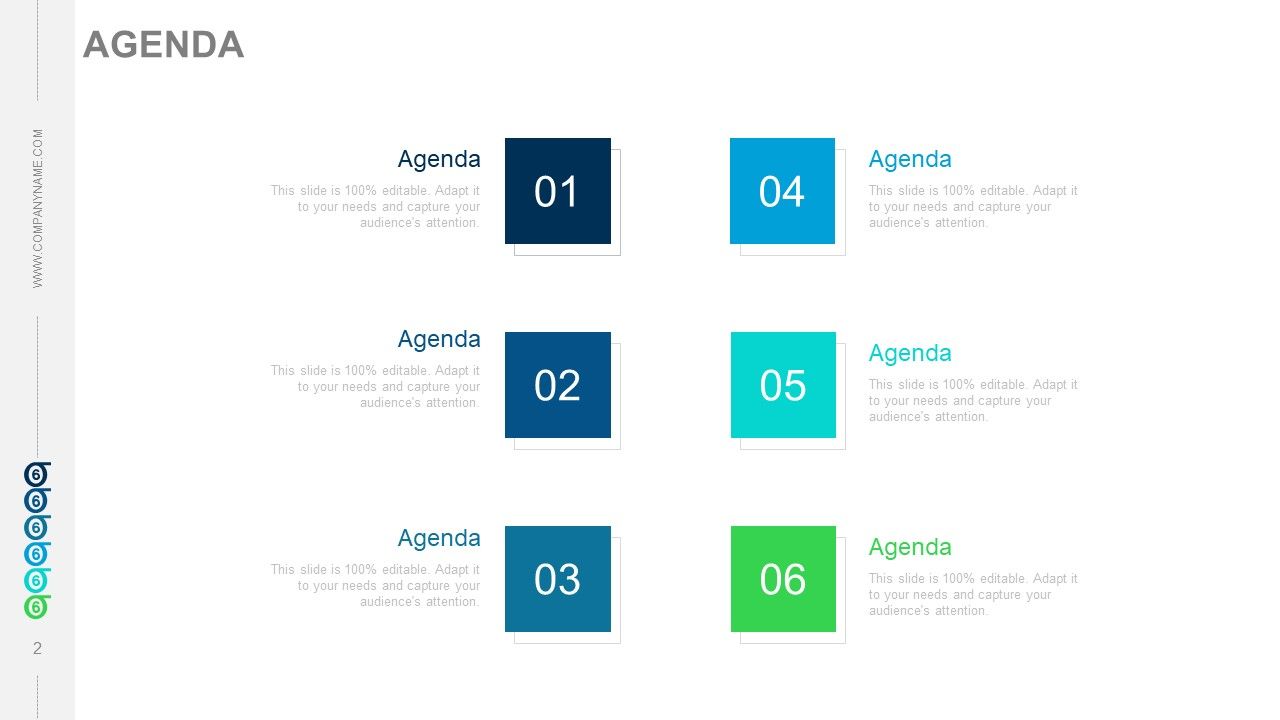
Slide 2 : Este é um slide da agenda. Declare sua agenda etc. aqui.
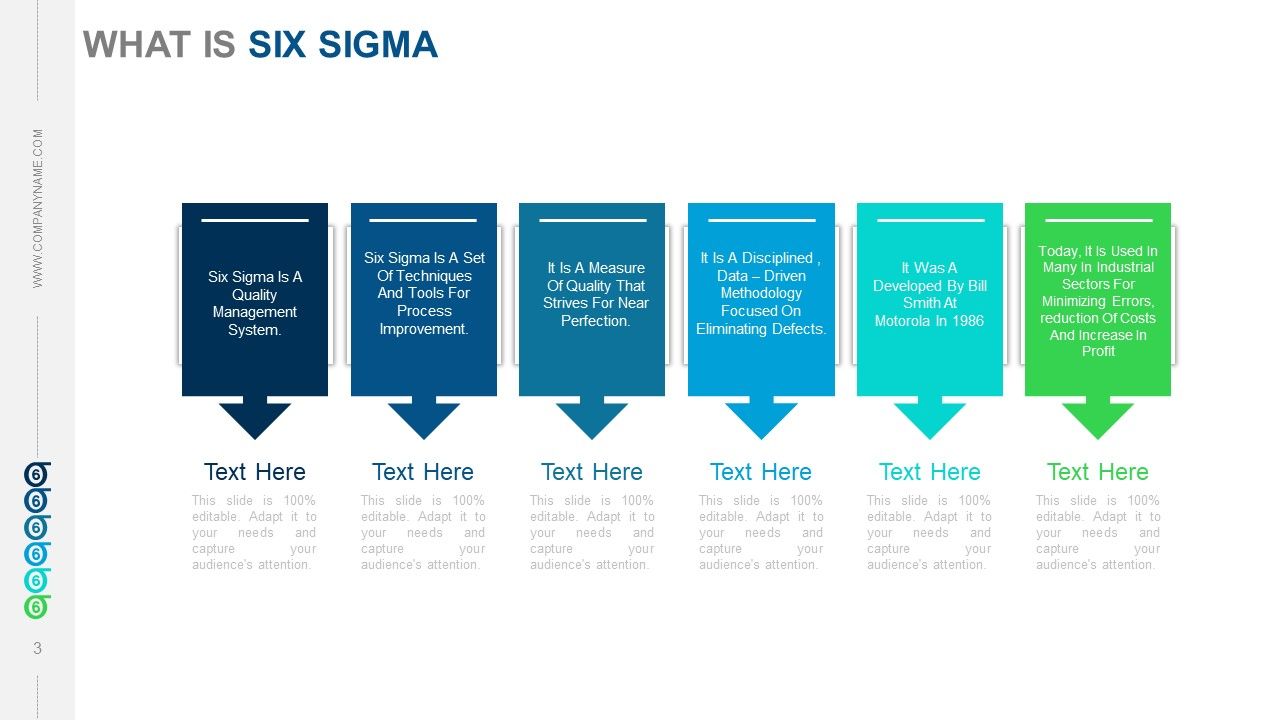
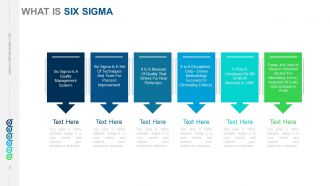
Slide 3 : Este slide mostra o que é Seis Sigma nos seguintes pontos - Seis Sigma é um sistema de gestão da qualidade, Seis Sigma é um conjunto de técnicas e ferramentas para melhoria de processos, é uma medida de qualidade que busca a perfeição próxima, é Metodologia Disciplinada, Orientada a Dados e Focada na Eliminação de Defeitos, foi desenvolvida por Bill Smith na Motorola em 1986, hoje é utilizada em diversos setores industriais para minimizar erros, reduzir custos e aumentar o lucro.
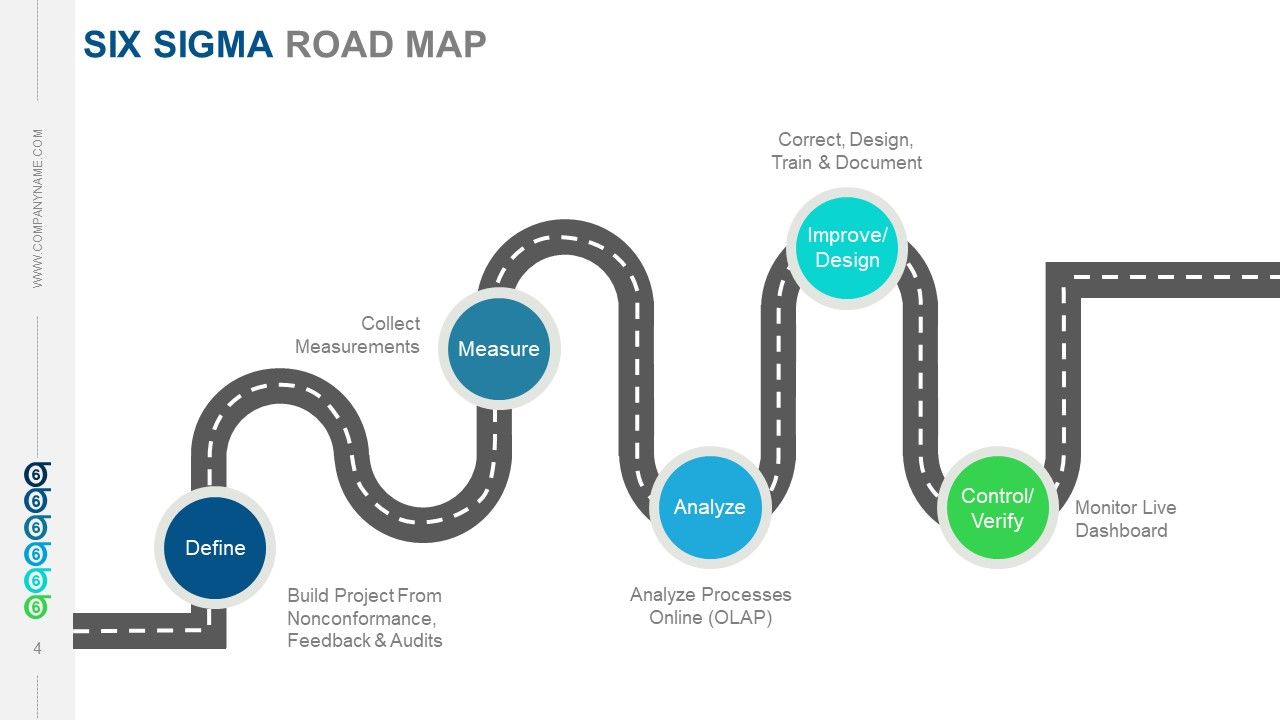
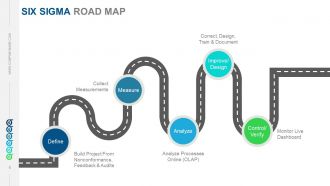
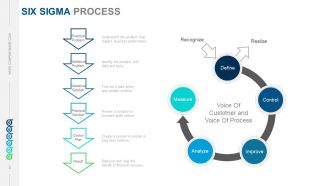
Slide 4 : Este slide exibe um Roteiro Seis Sigma com - Definir, Medir, Analisar, Controlar / Verificar, Melhorar / Projetar.
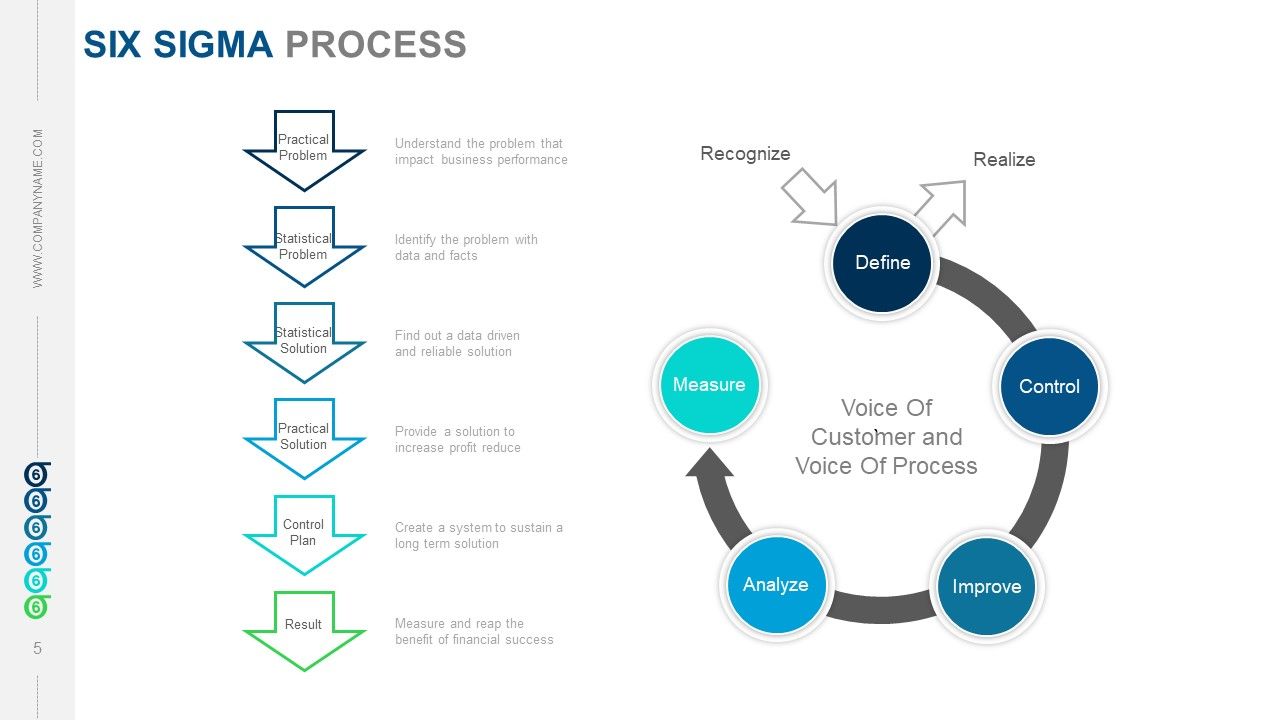
Slide 5 : Este slide exibe o Processo Seis Sigma em uma forma circular com imagens de alvo.
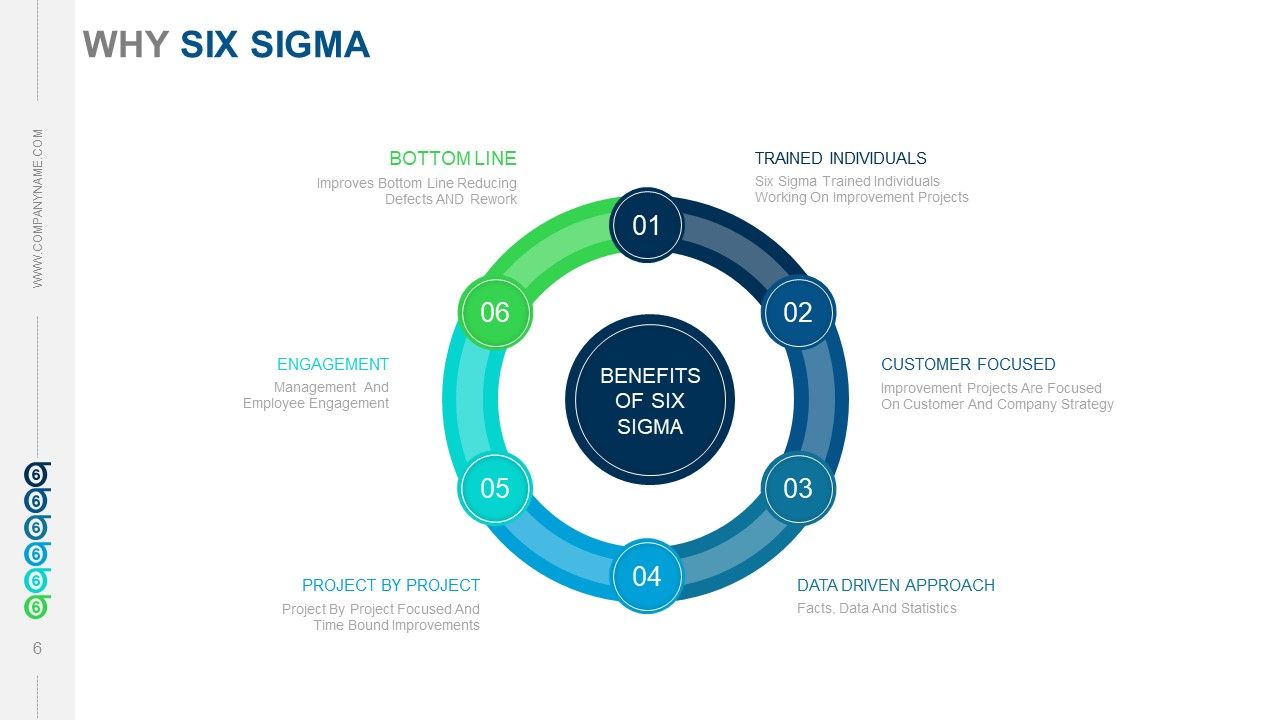
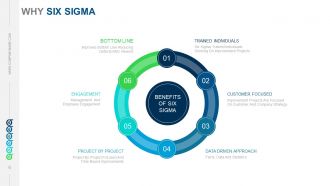
Slide 6 : É por isso que o Six Sigma desliza em uma forma circular. Ele declara principalmente os benefícios do Seis Sigma, que incluem: Foco no Cliente, Engajamento, Resultado, Indivíduos Treinados, Abordagem Orientada a Dados, Projeto por Projeto.
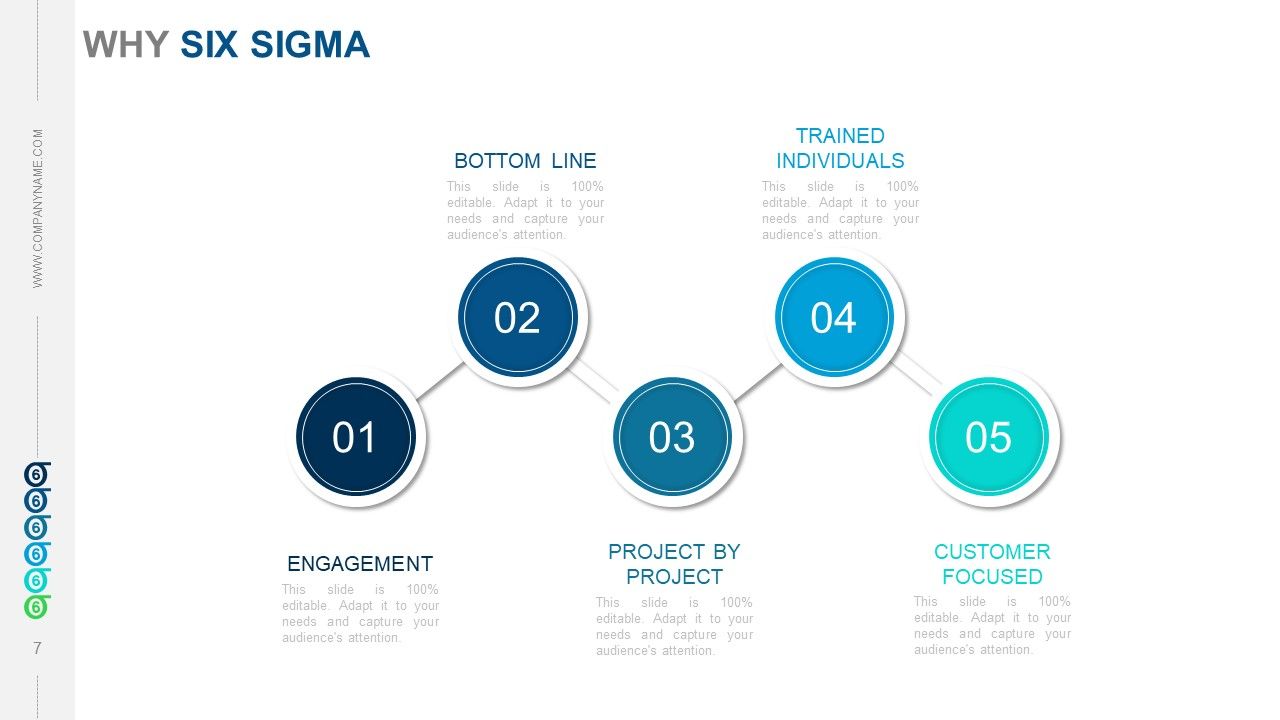
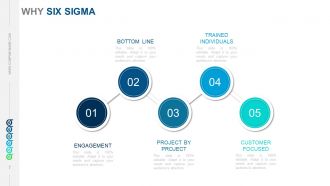
Slide 7 : Este é outro motivo de apresentação de slides do Seis Sigma - Foco no Cliente, Engajamento, Resultado, Indivíduos Treinados, Abordagem Orientada a Dados, Projeto por Projeto.
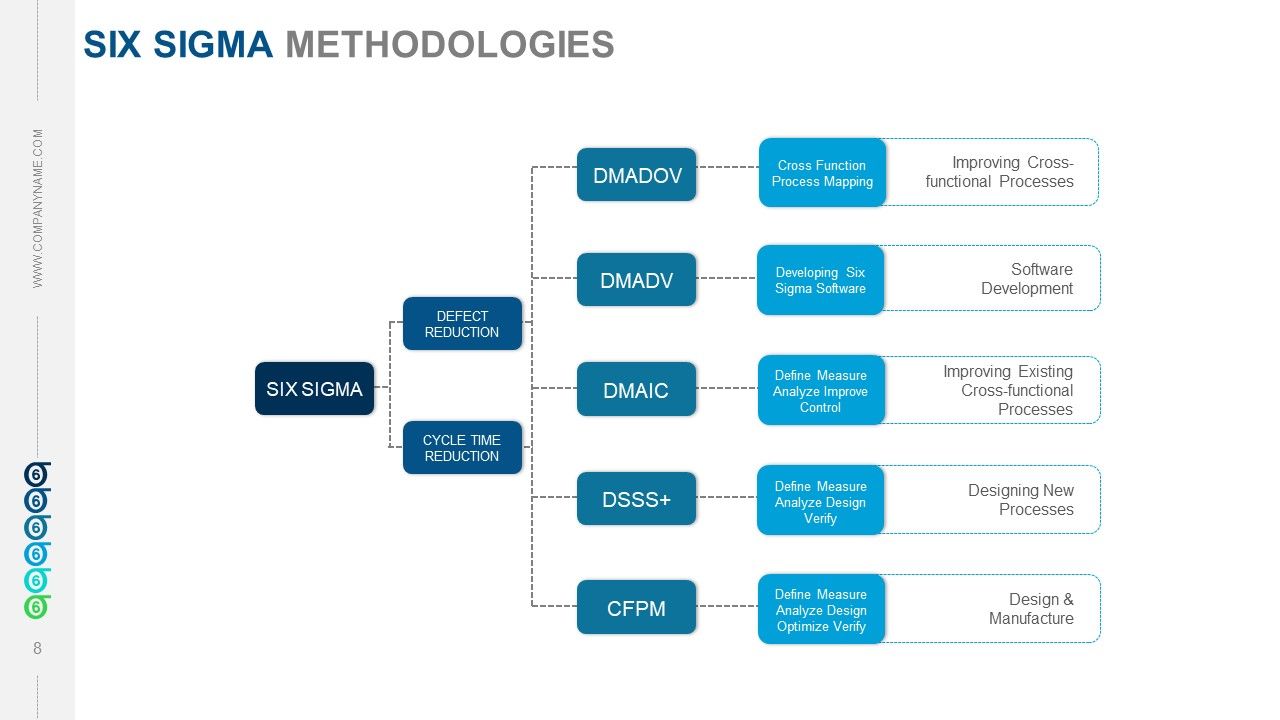
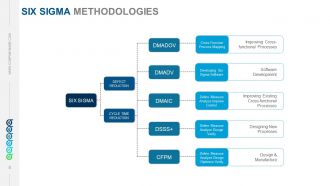
Slide 8 : Este slide mostra as Metodologias Seis Sigma em um diagrama de árvore dividido em- REDUÇÃO DE DEFEITO, REDUÇÃO DE TEMPO DE CICLO.
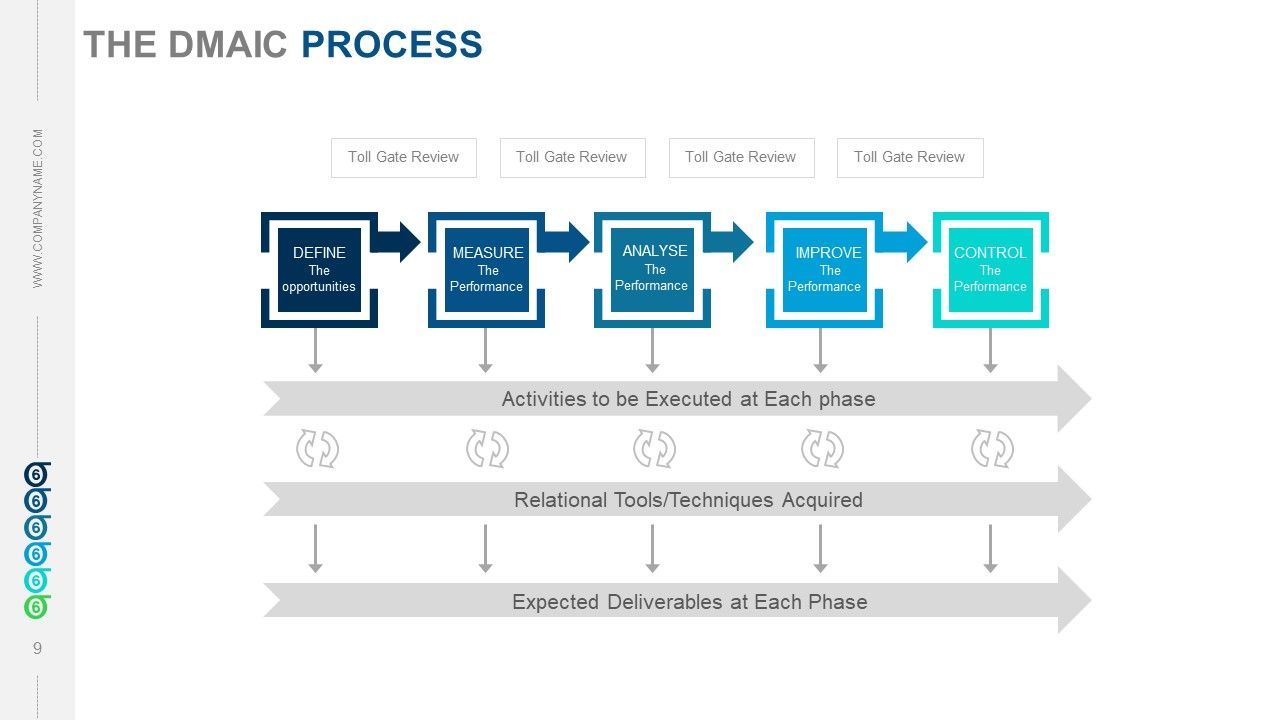
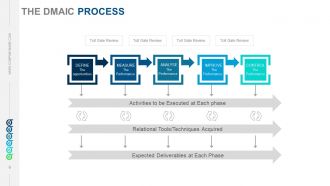
Slide 9 : Este slide mostra O Processo DMAIC AS- DEFINIR As oportunidades MEDIR O Desempenho ANALISAR O Desempenho MELHORAR O Desempenho CONTROLE O Desempenho. Atividades a serem executadas em cada fase com ferramentas / técnicas relacionais adquiridas e resultados esperados em cada fase com revisão de porta de pedágio.
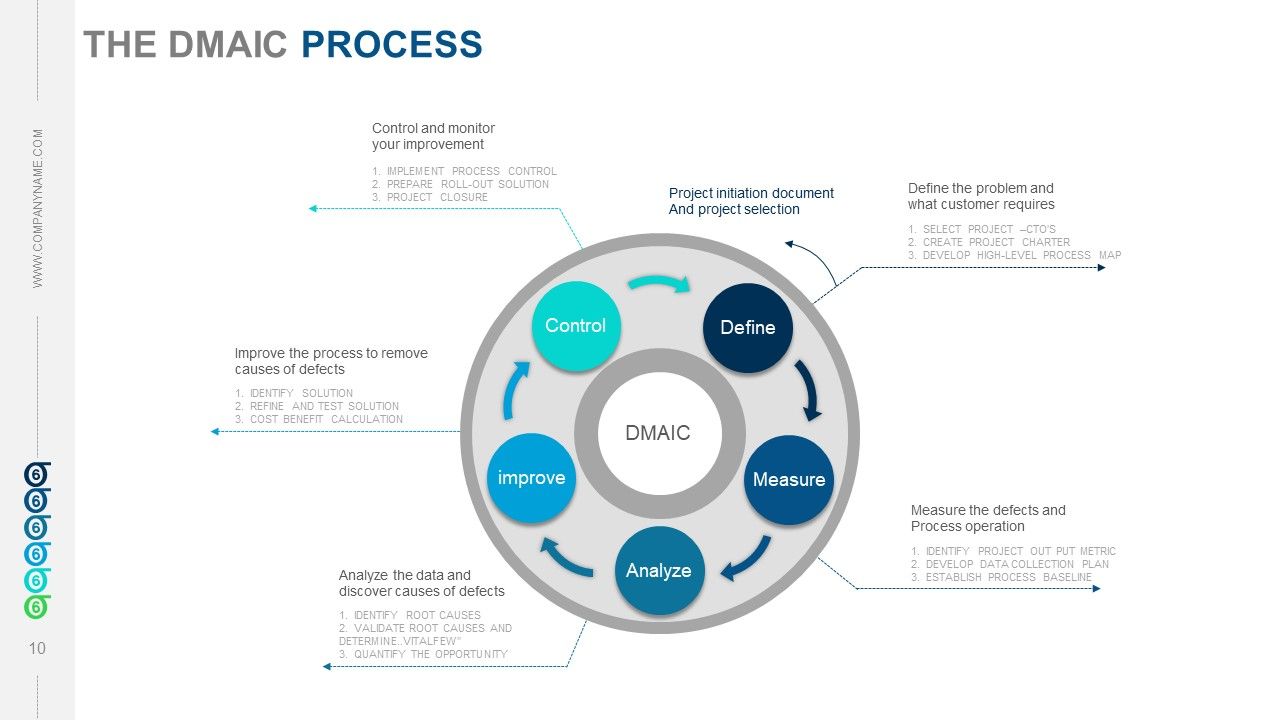
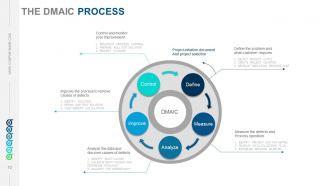
Slide 10 : Este é outro slide O processo DMAIC em um modelo / diagrama de fluxo circular.
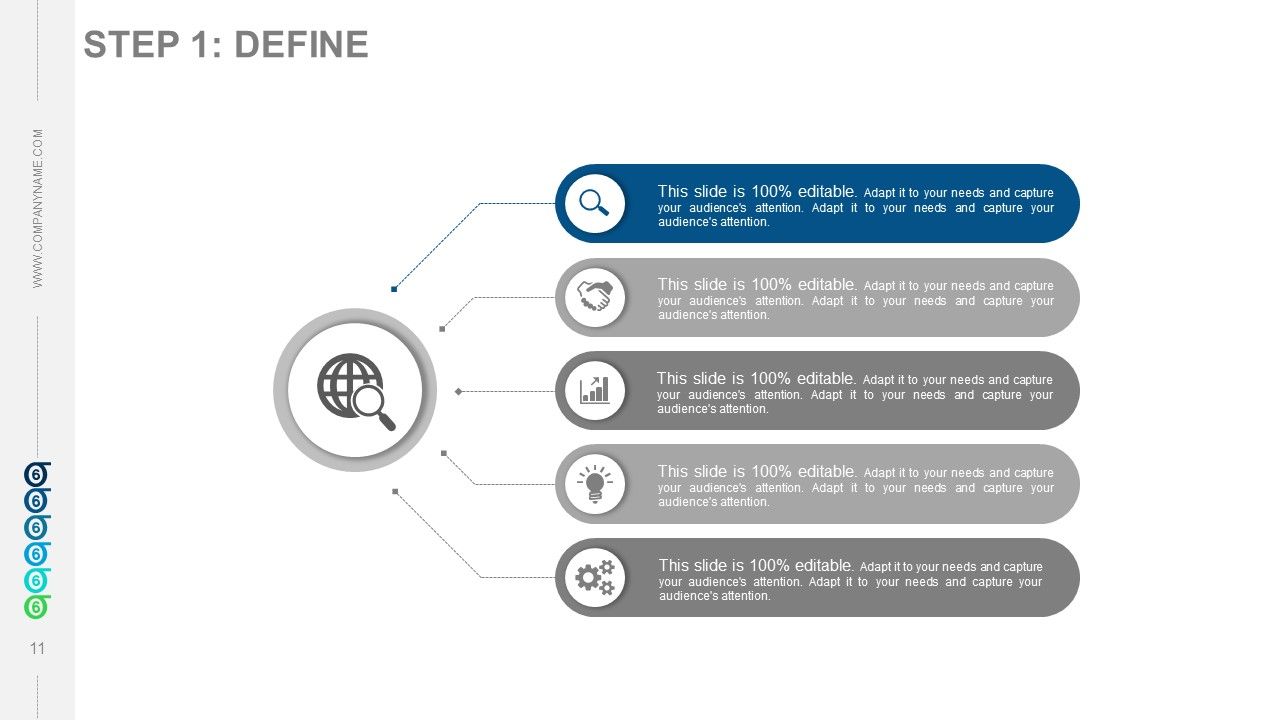
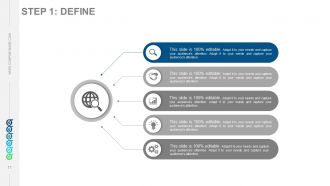
Slide 11 : Este slide mostra a ETAPA 1: DEFINIR o processo DMAIC.
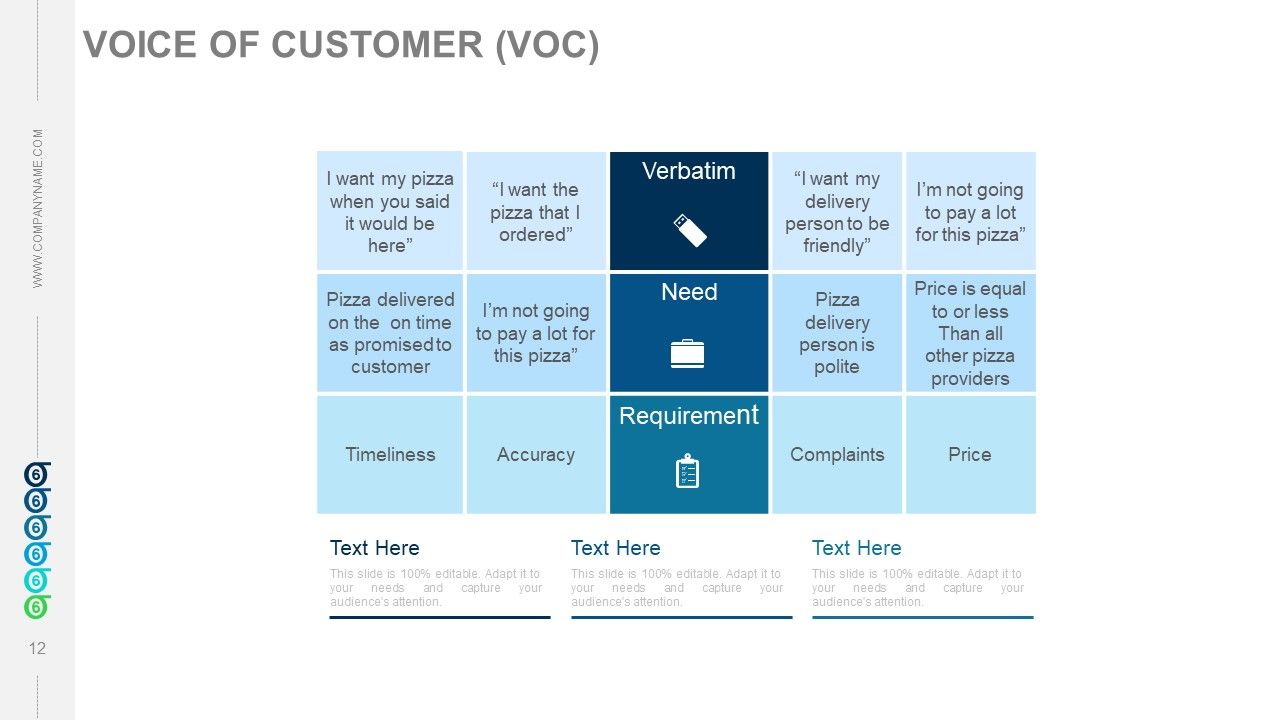
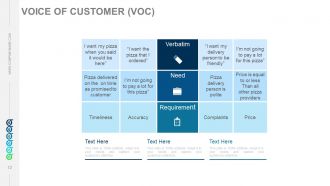
Slide 12 : Este slide mostra a Voz do Cliente (VOC) em uma forma tabular com os seguintes subtítulos - Ao pé da letra, Necessidade, Requisito.
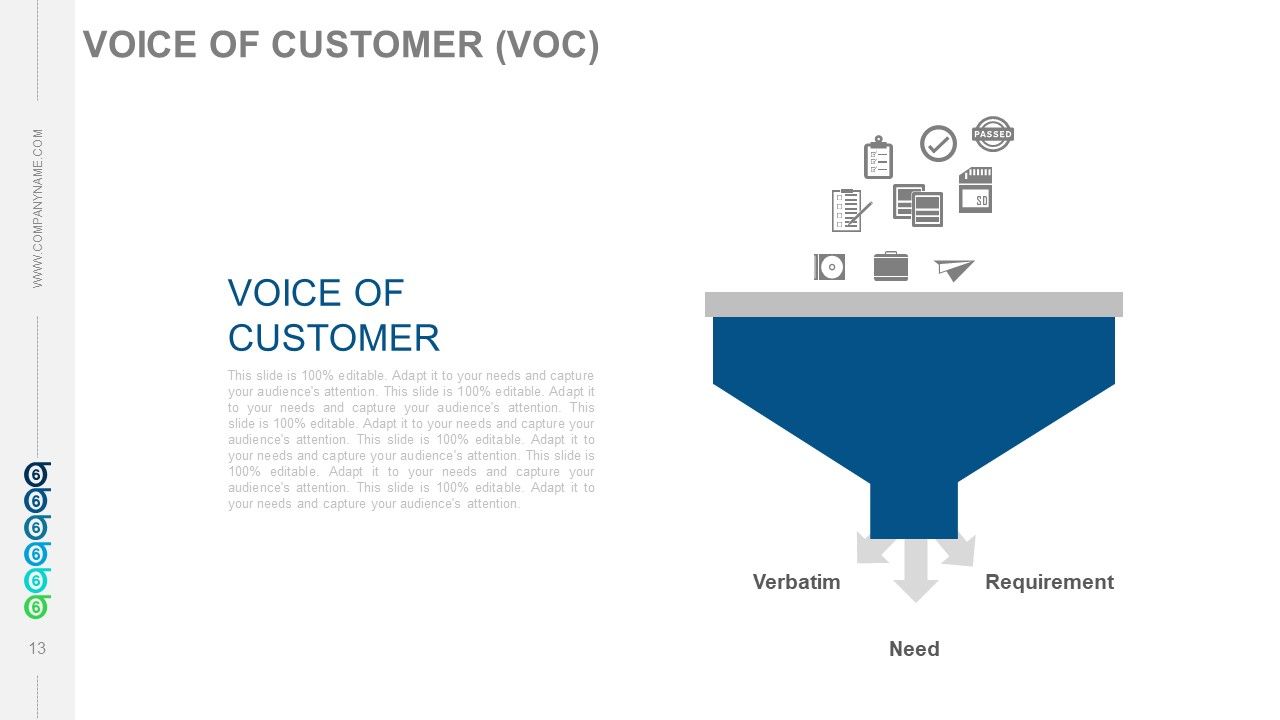
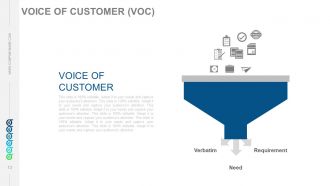
Slide 13 : Este é outro slide de Voz do Cliente (VOC) em formato de funil.
Slide 14 : Este também é o slide Voice Of Customer (VOC) com caixas de texto e imagens de flechas.
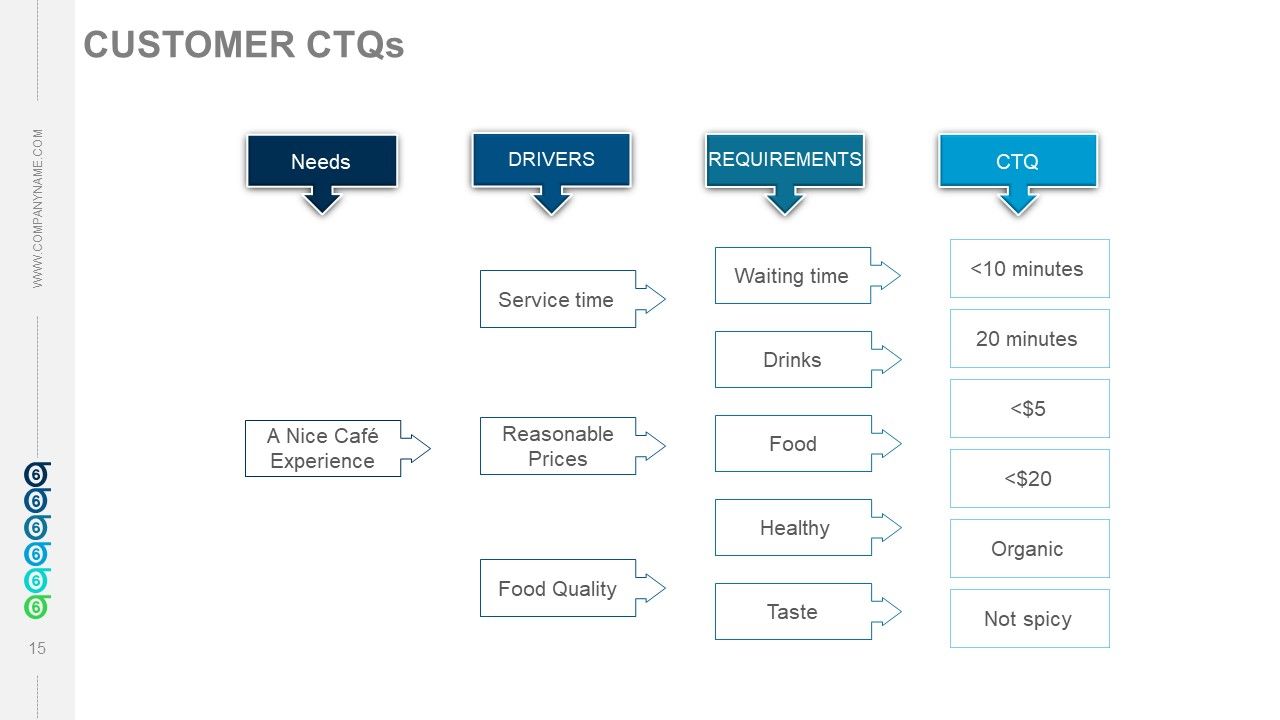
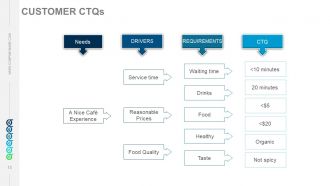
Slide 15 : Este slide mostra os CTQs do cliente com os seguintes subtítulos - Necessidades, Motivadores, Requisitos, CTQ.
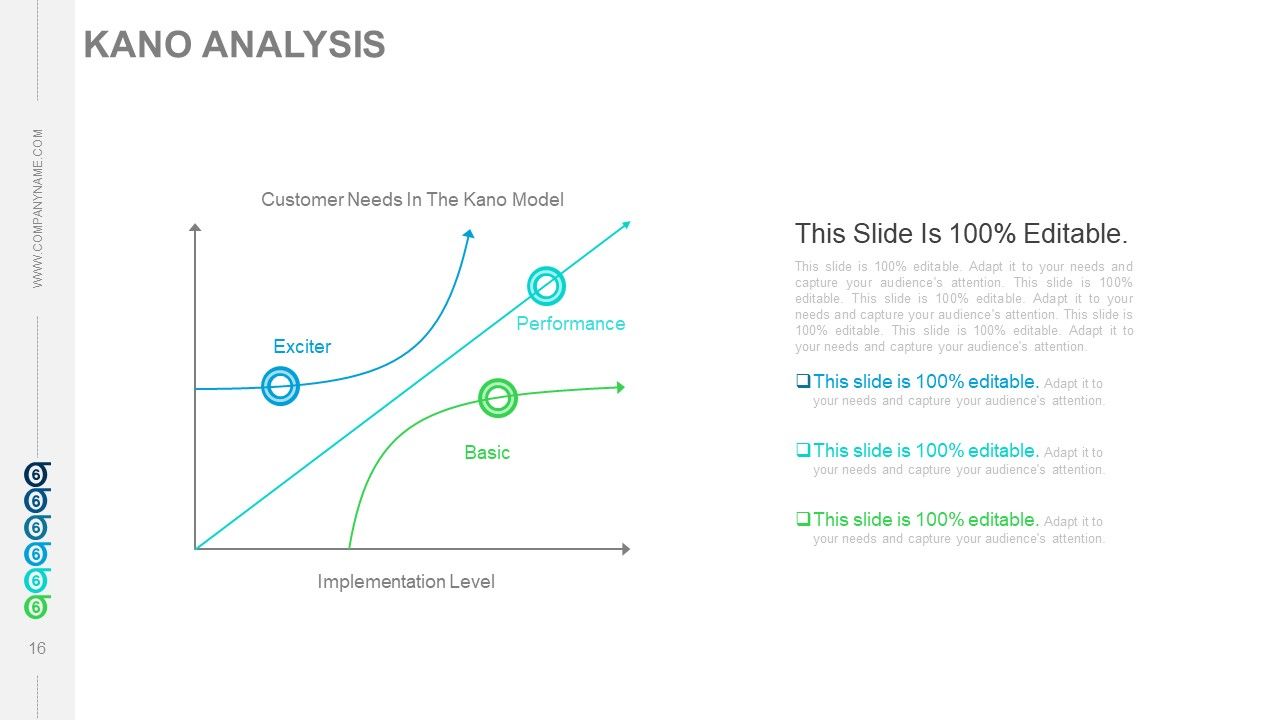
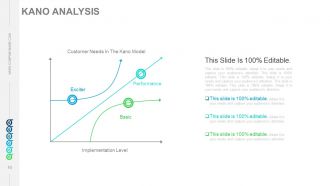
Slide 16 : Este slide apresenta uma análise de Kano com as necessidades do cliente no gráfico do modelo Kano.
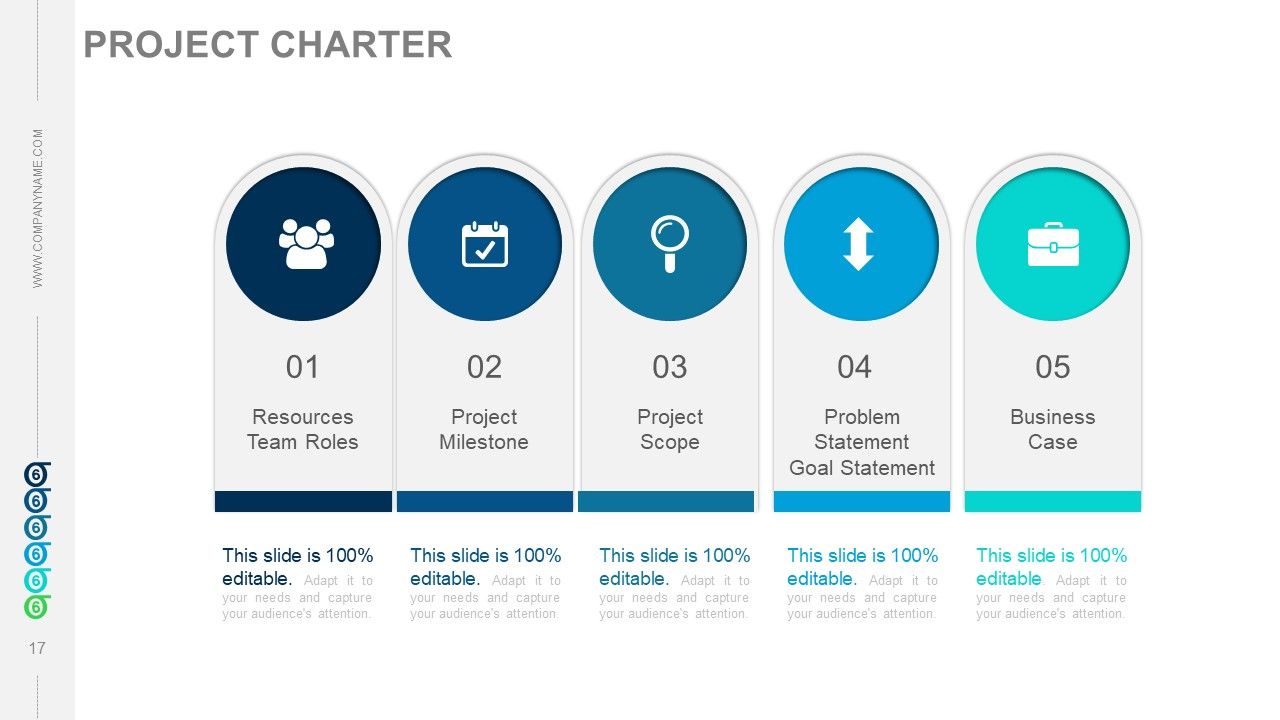
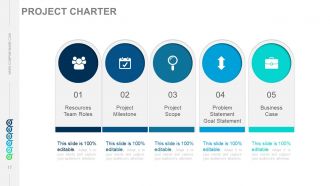
Slide 17 : Este slide apresenta um Termo de Abertura do Projeto com - Funções da Equipe de Recursos, Marco do Projeto, Escopo do Projeto, Declaração do Problema, Declaração de Meta, Caso de Negócio.
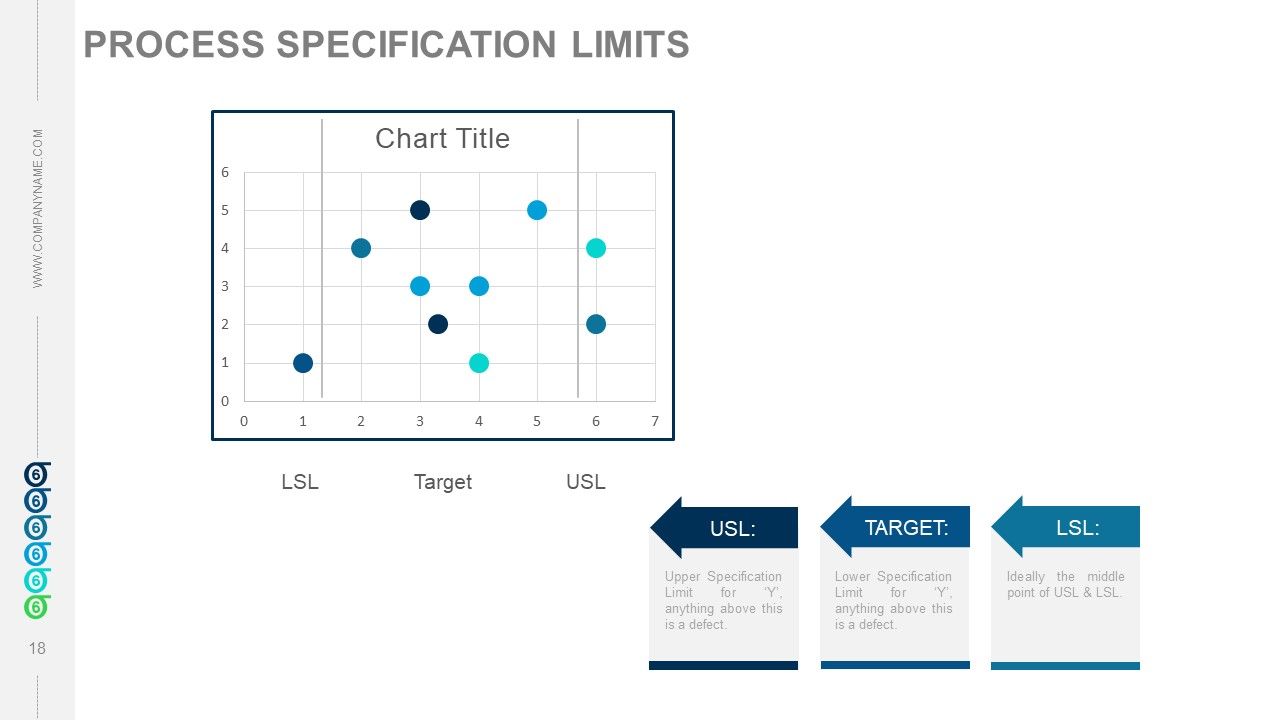
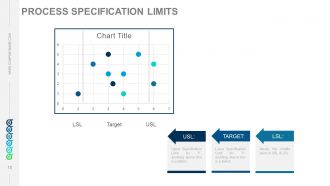
Slide 18 : Este slide exibe os Limites de Especificação do Processo com gráficos e imagens de flechas.
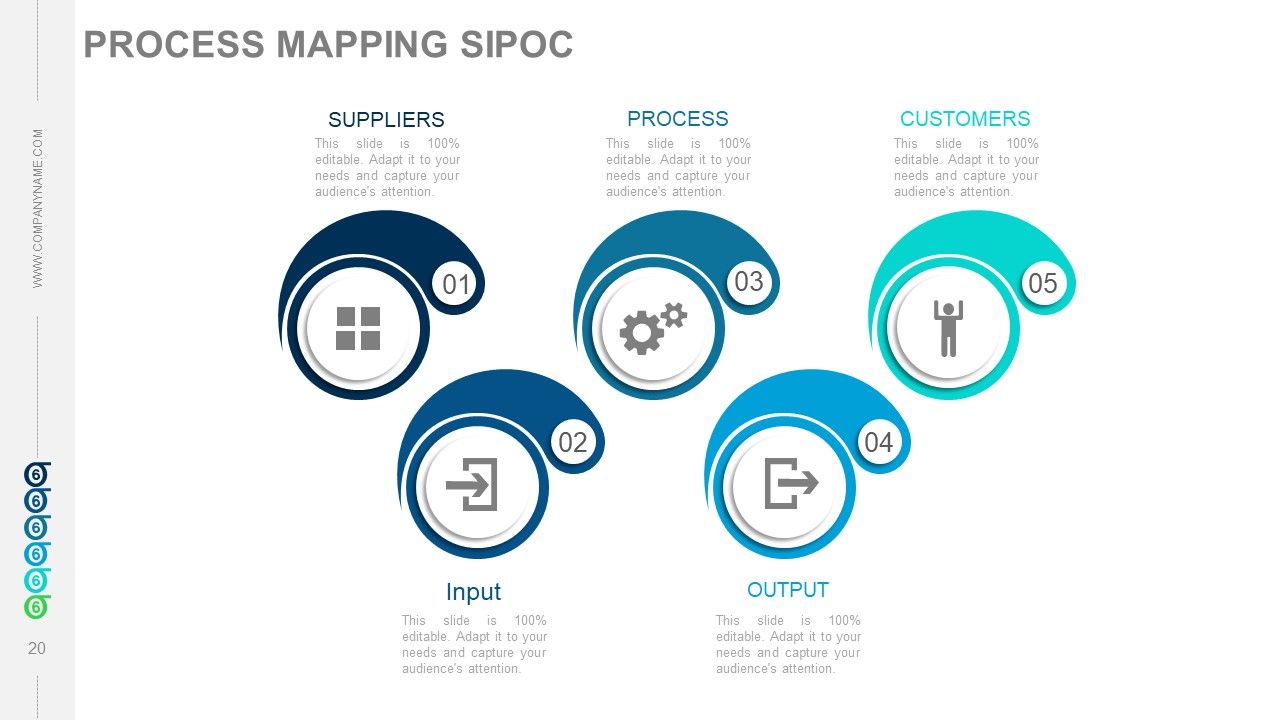
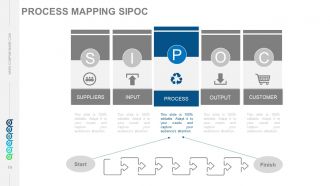
Slide 19 : Este slide exibe SIPOC de Mapeamento de Processo que consiste em - Fornecedores, Entrada, Processo, Saída, Clientes.
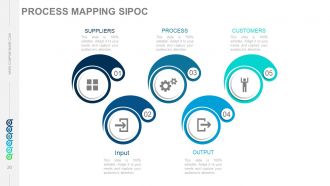
Slide 20 : Este é outro slide SIPOC de mapeamento de processos com seus respectivos ícones.
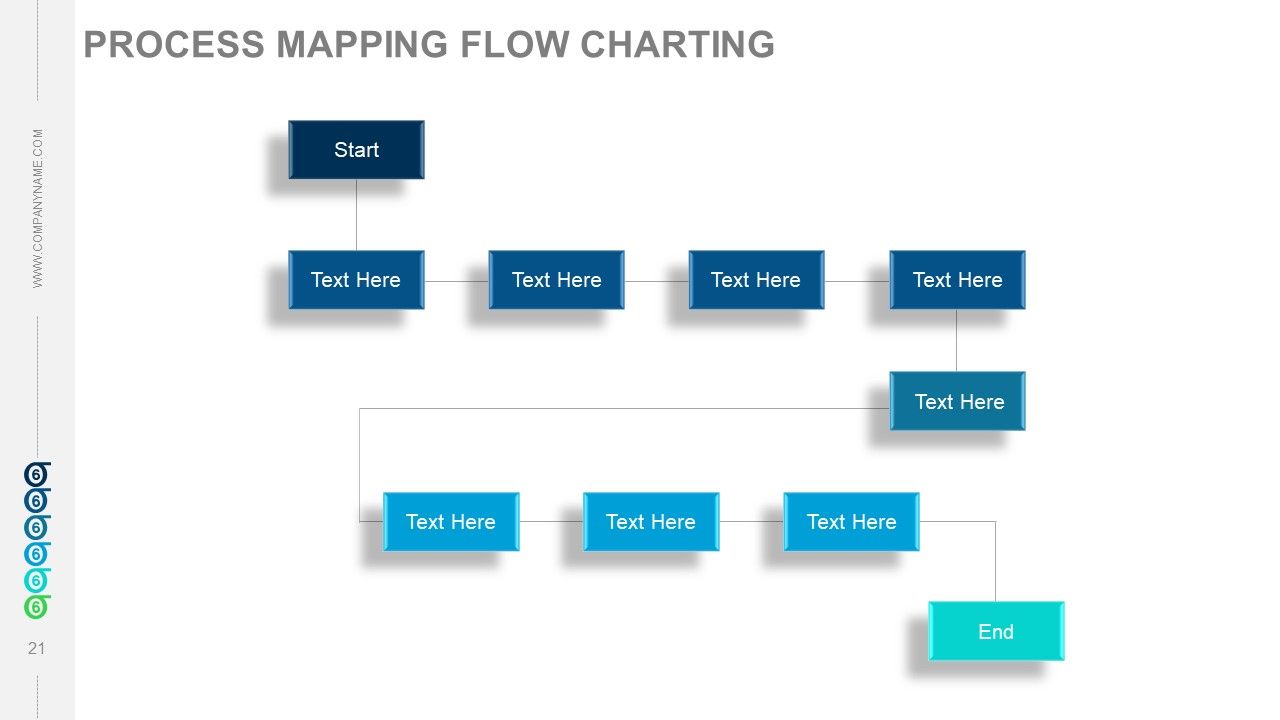
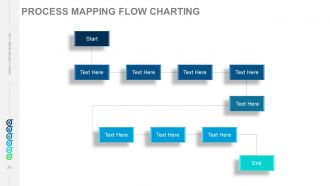
Slide 21 : Este slide mostra o fluxograma de mapeamento de processos com caixas de texto inicial e final a serem preenchidas conforme a necessidade.
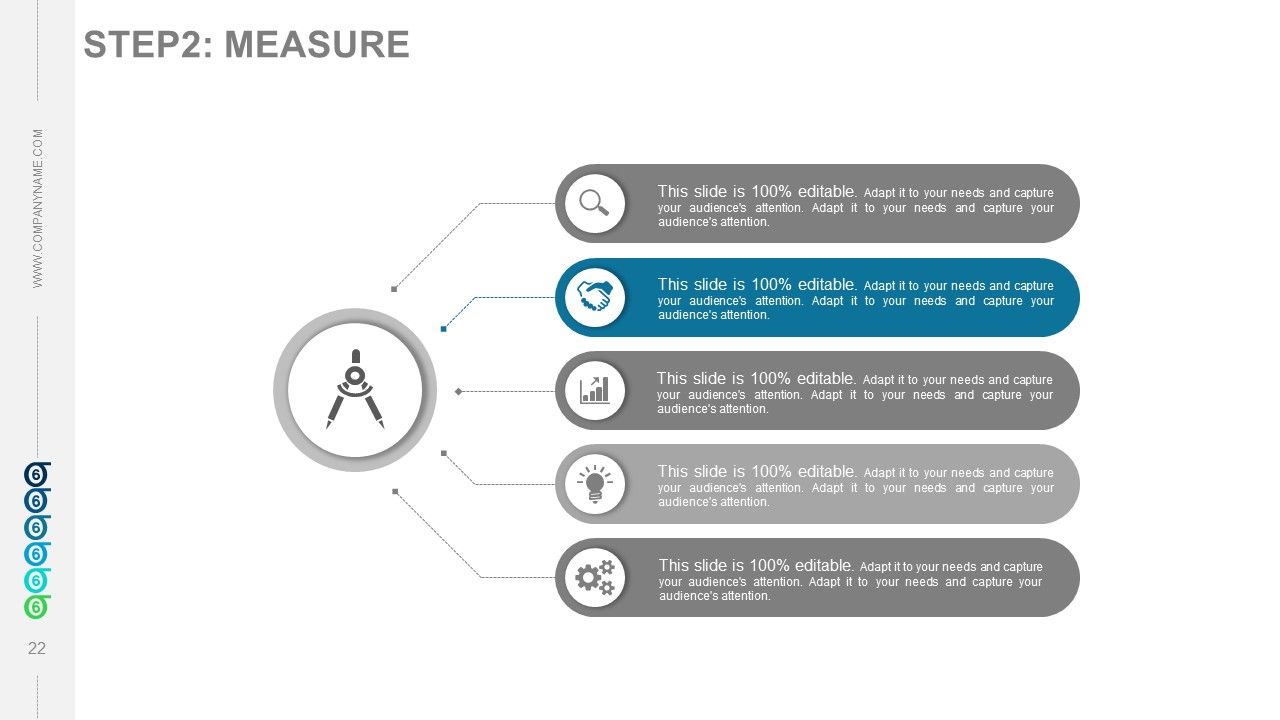
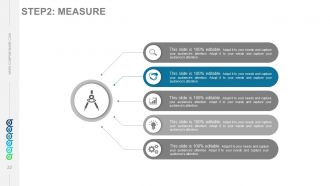
Slide 22 : Este slide exibe a ETAPA 2: MEDIDA do processo DMAIC.
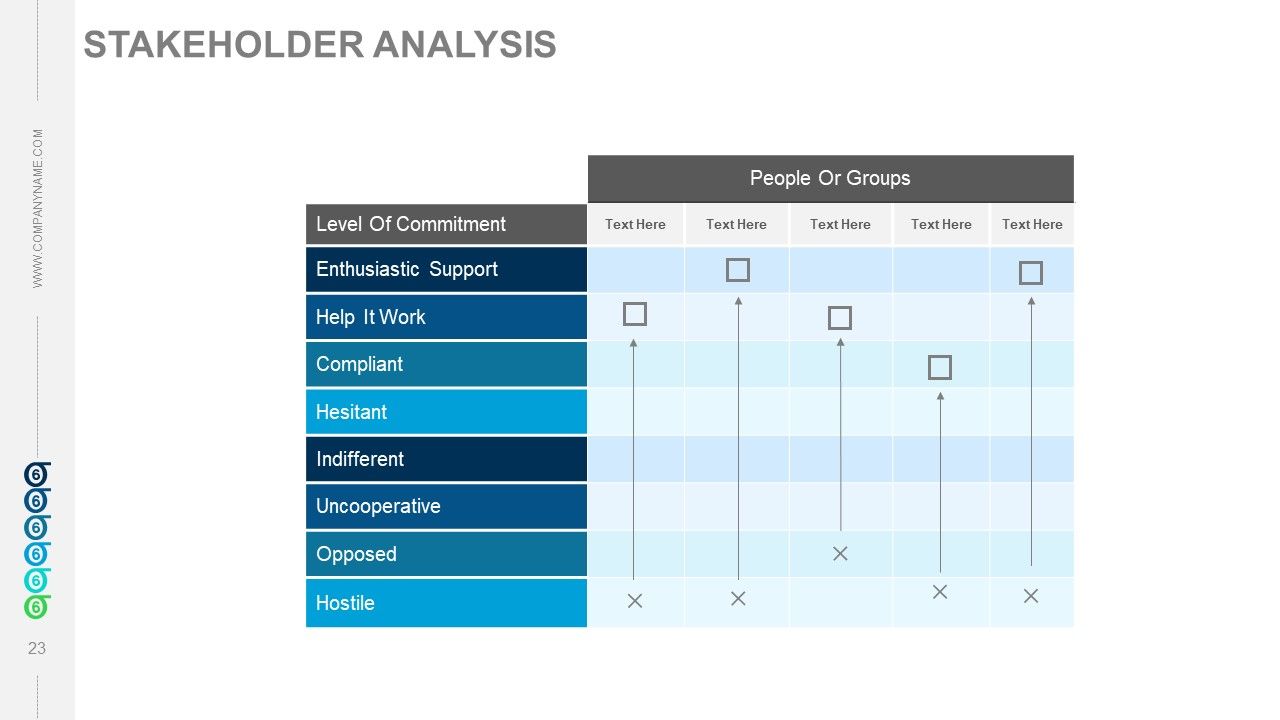
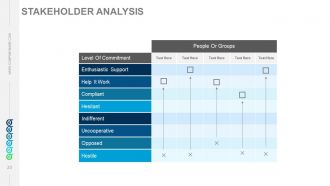
Slide 23 : Este slide mostra a ANÁLISE DOS INTERESSADOS com os seguintes pontos - Nível de comprometimento, Apoio entusiástico, Ajuda para o trabalho, Compatível, Hesitante, Indiferente, Não cooperativo, Oposto, Hostil.
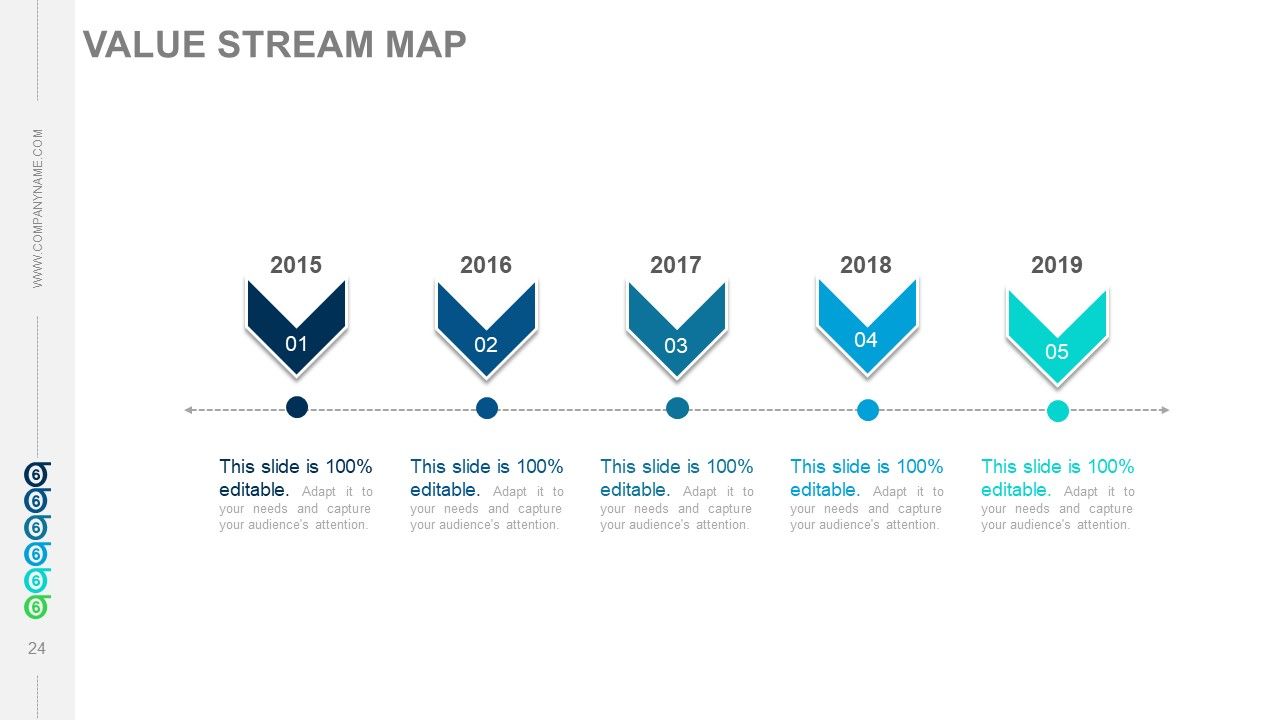
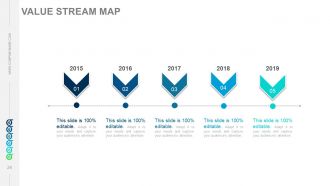
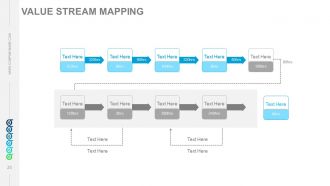
Slide 24 : Este slide apresenta um Mapa do Fluxo de Valor. Apresente informações, especificações, etc. aqui.
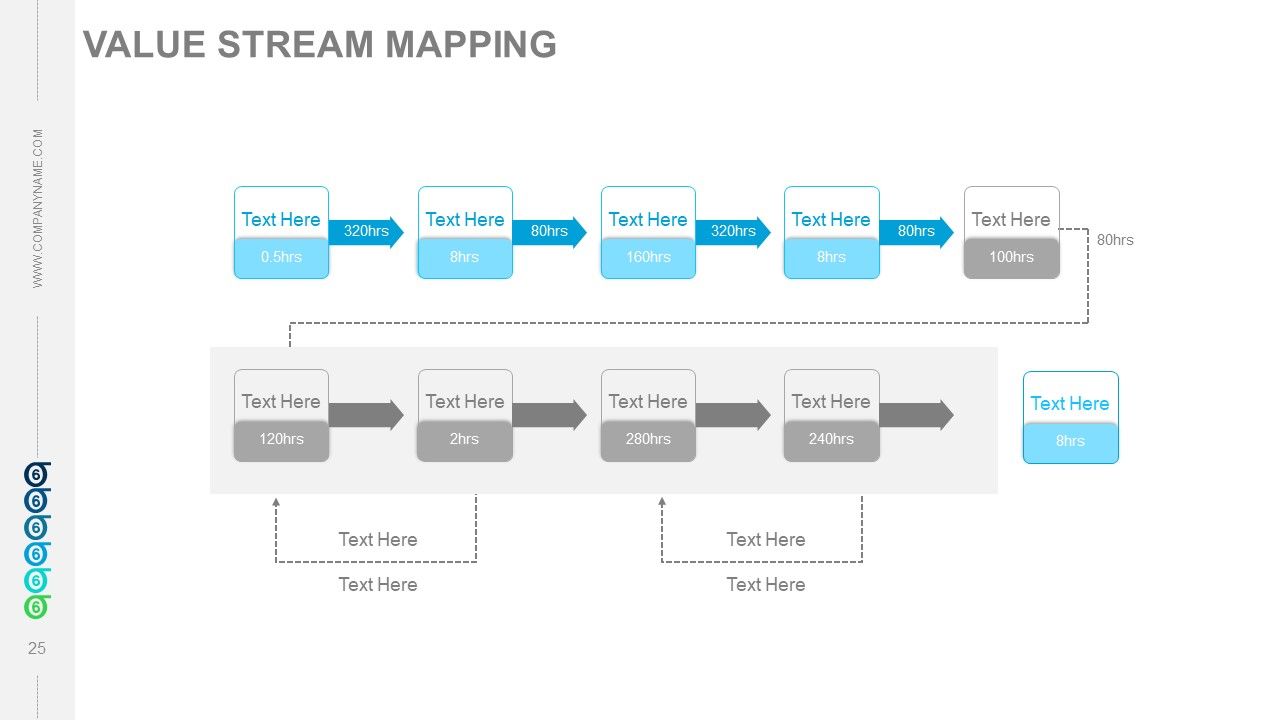
Slide 25 : Este é o slide Mapeamento do Fluxo de Valor com imagens de setas.
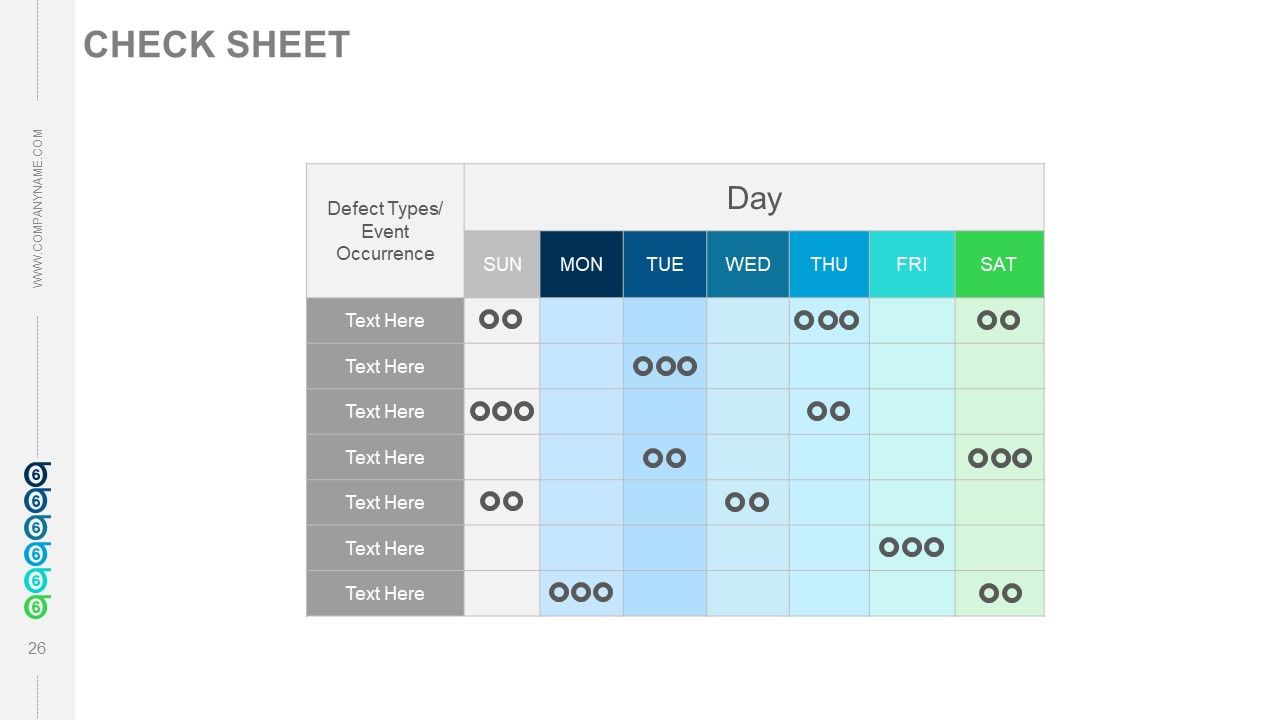
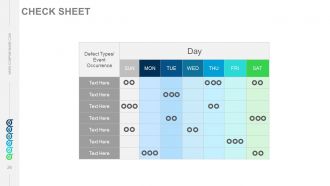
Slide 26 : Este é um slide de Folha de Verificação. Apresente informações, especificações, etc. aqui.
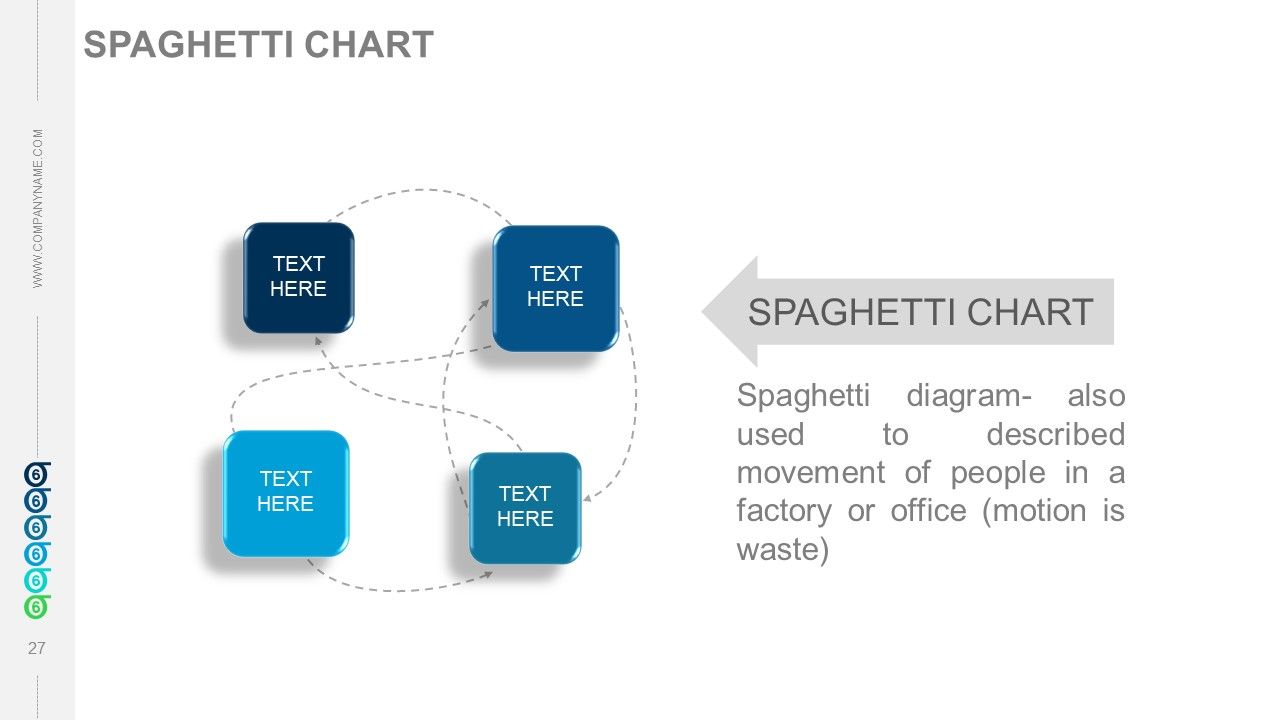
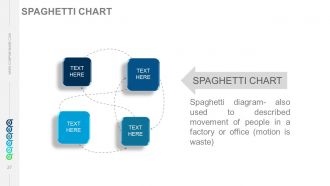
Slide 27 : Este é um slide do Gráfico de Espaguete para mostrar informações, especificações, etc.
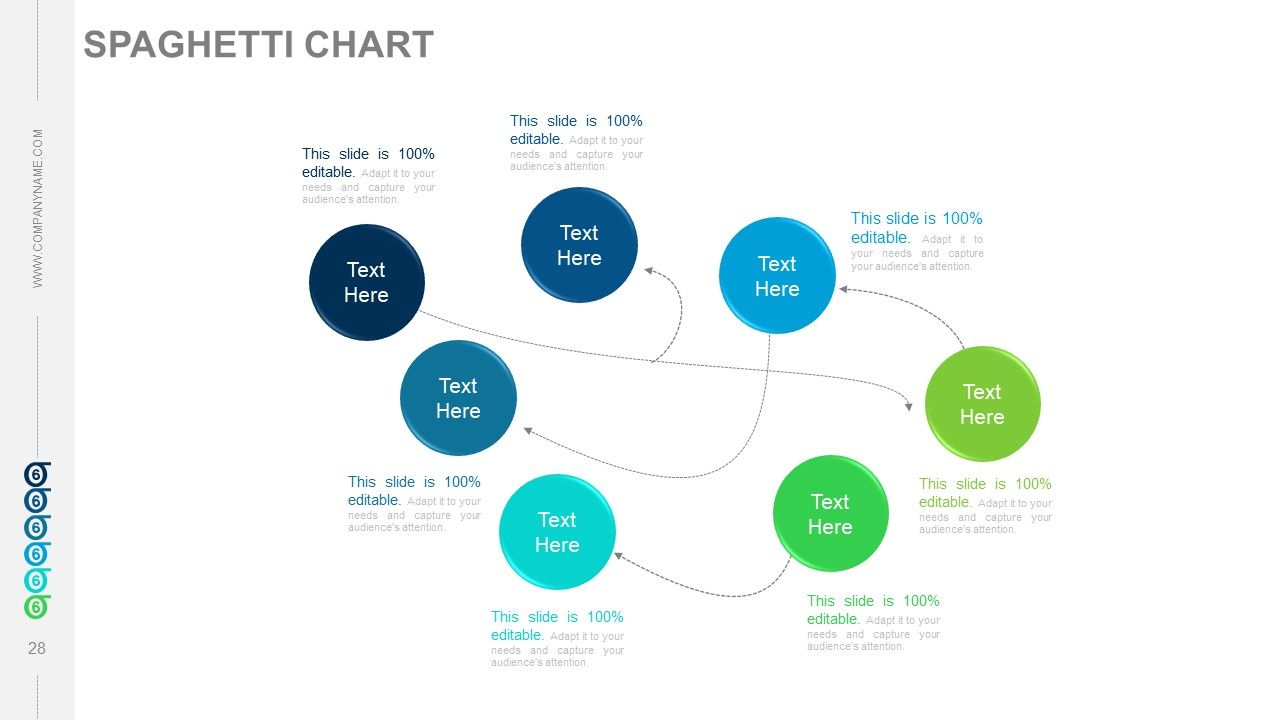
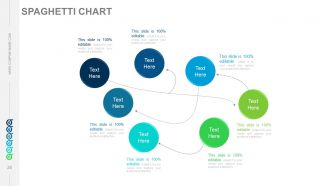
Slide 28 : Este é outro slide do Spaghetti Chart.
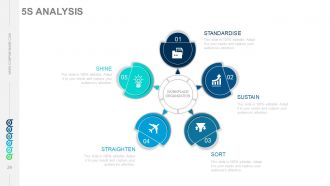
Slide 29 : Este slide exibe 5s Analsyis listados como- Padronizar, Sustentar, Endireitar, Brilhar, Classificar.
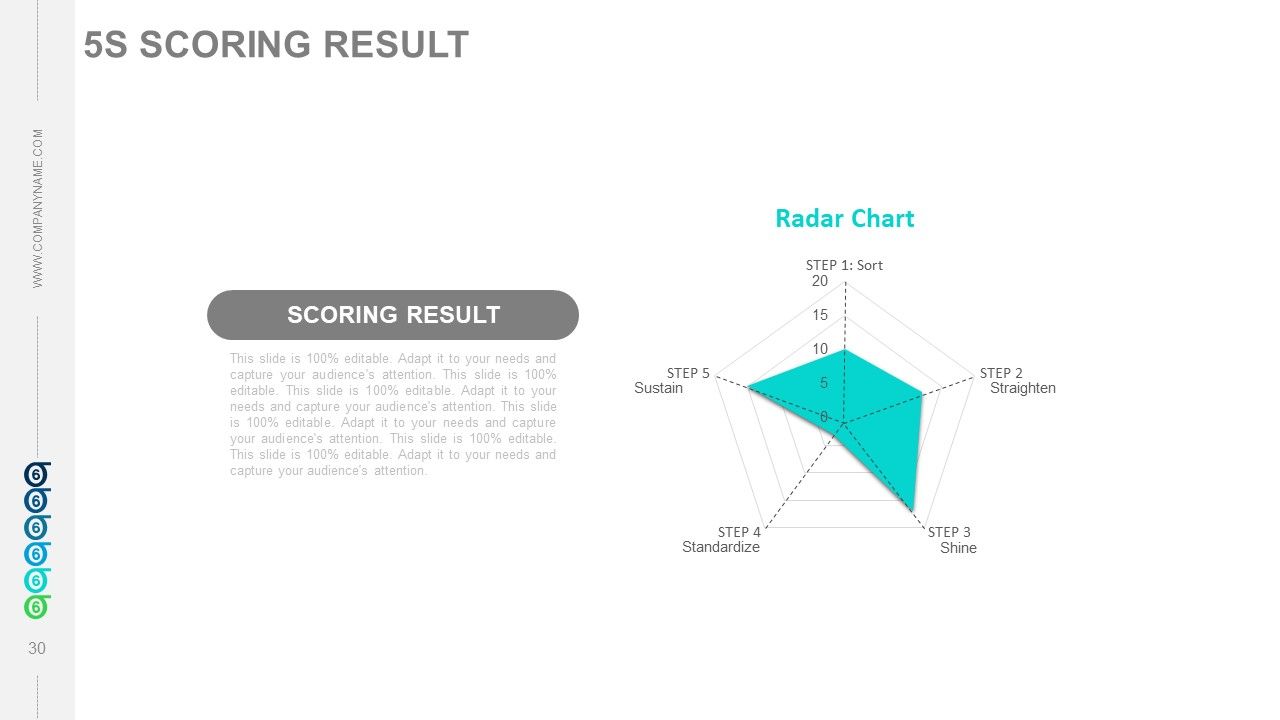
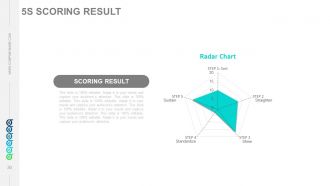
Slide 30 : Este slide apresenta o resultado da pontuação 5s em um formulário de gráfico de radar.
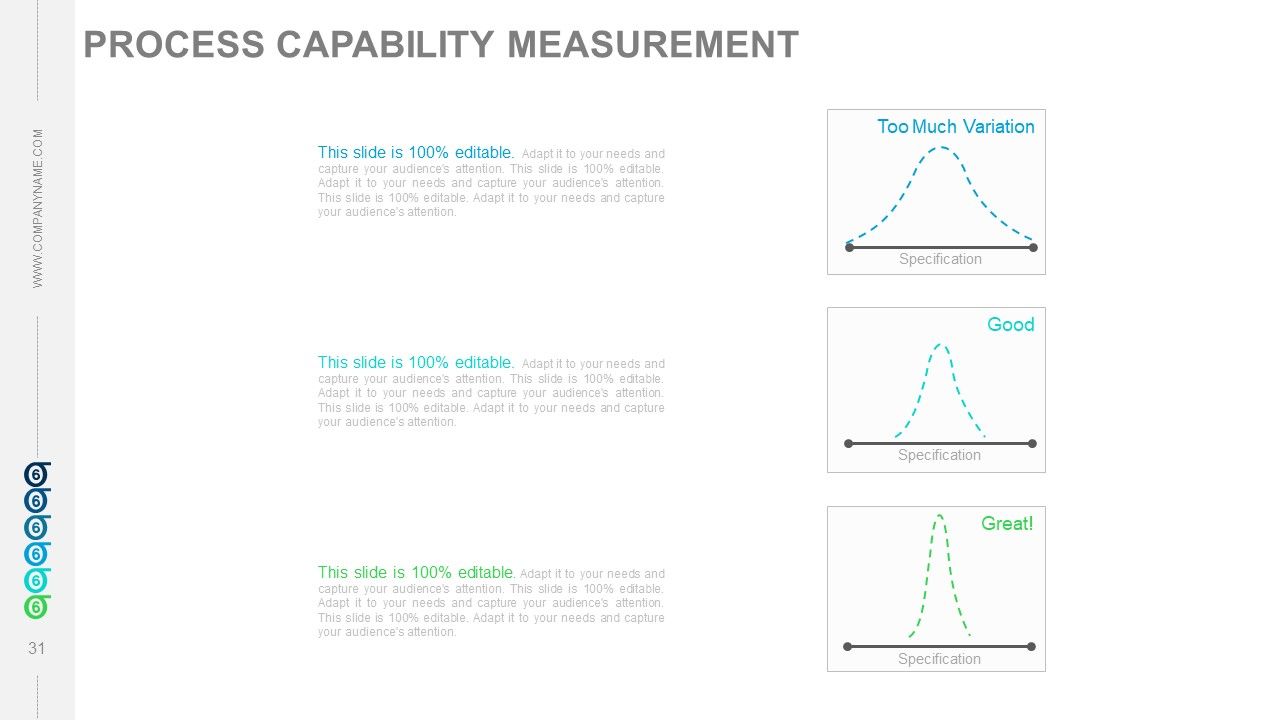
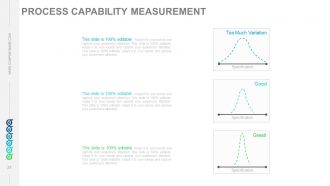
Slide 31 : Este slide mostra a medição da capacidade do processo em termos de especificação com variação excessiva, bom e ótimo! como parâmetros.
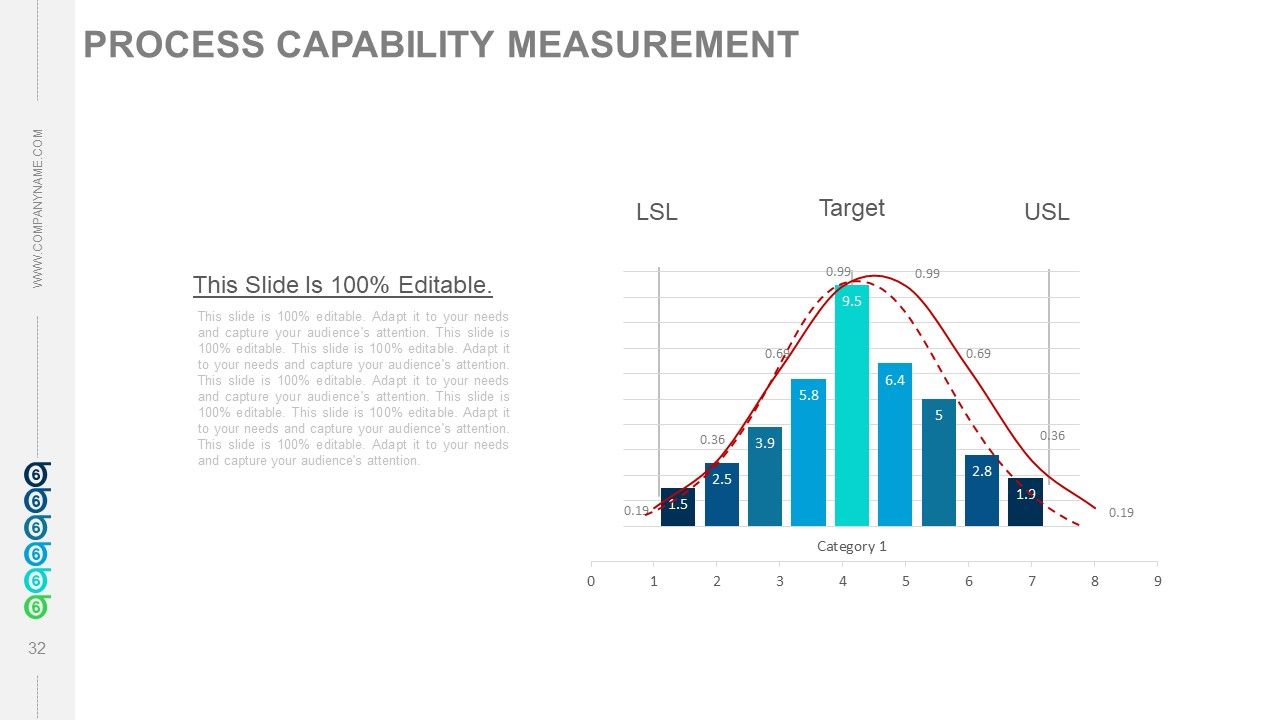
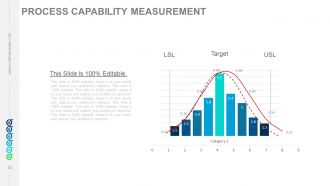
Slide 32 : Este é outro slide de Medição da capacidade do processo.
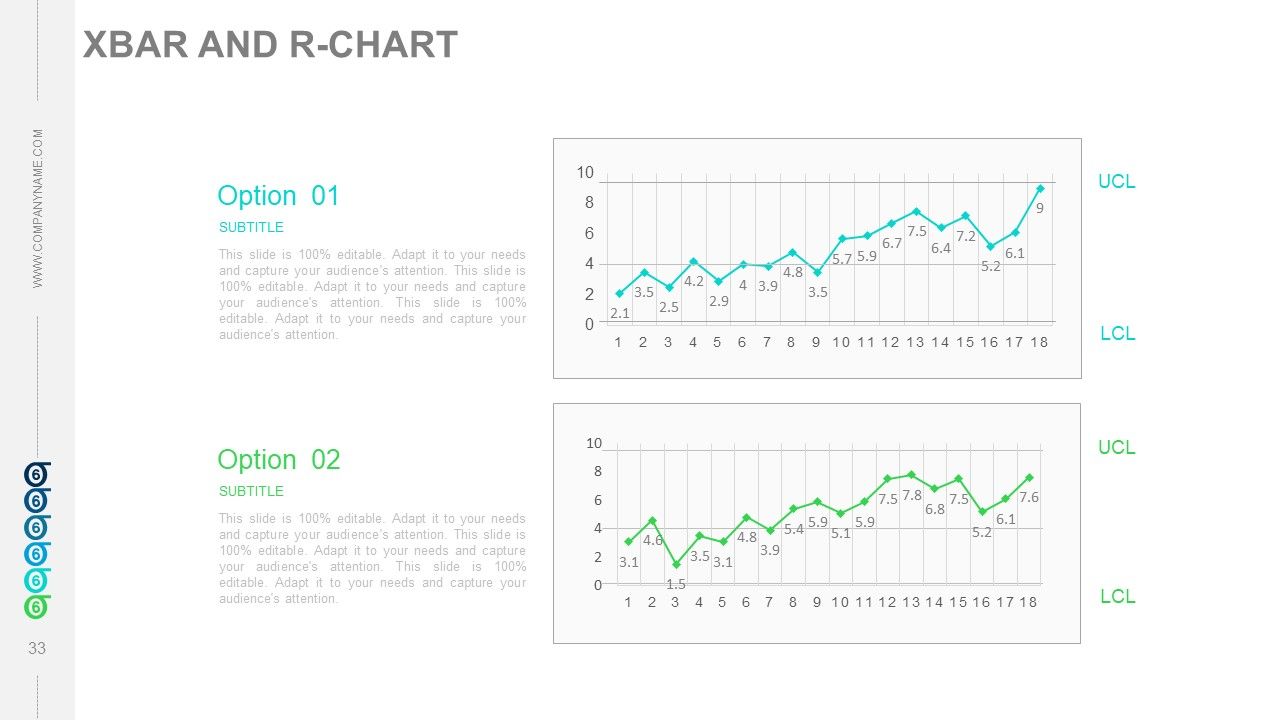
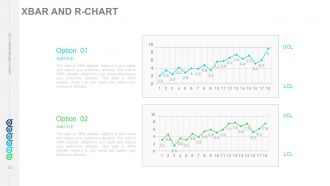
Slide 33 : Este slide mostra um XBAR e um R-CHART. Apresente informações, especificações, etc. aqui.
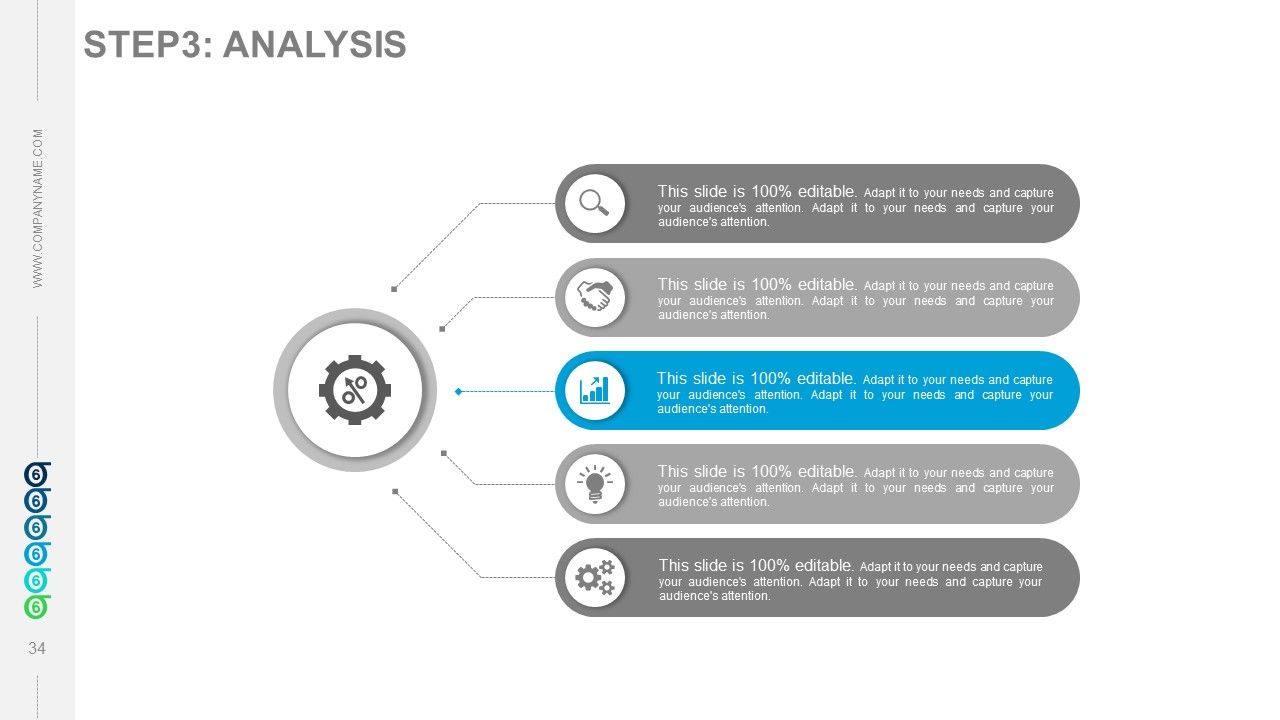
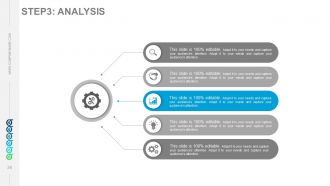
Slide 34 : Este slide apresenta o PASSO 3: ANÁLISE do processo DMAIC.
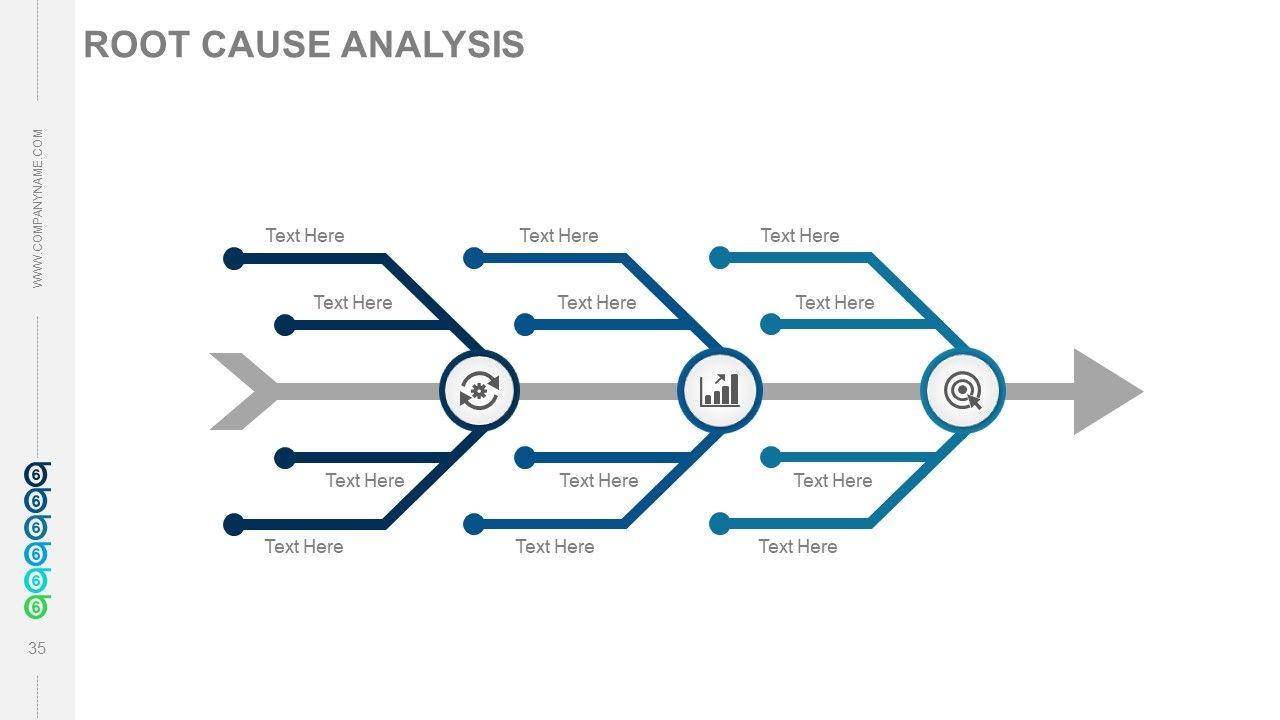
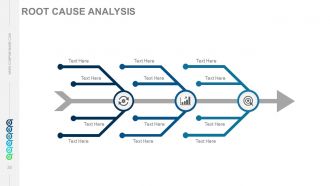
Slide 35 : Este slide apresenta uma análise de causa raiz na forma de diagrama espinha de peixe.
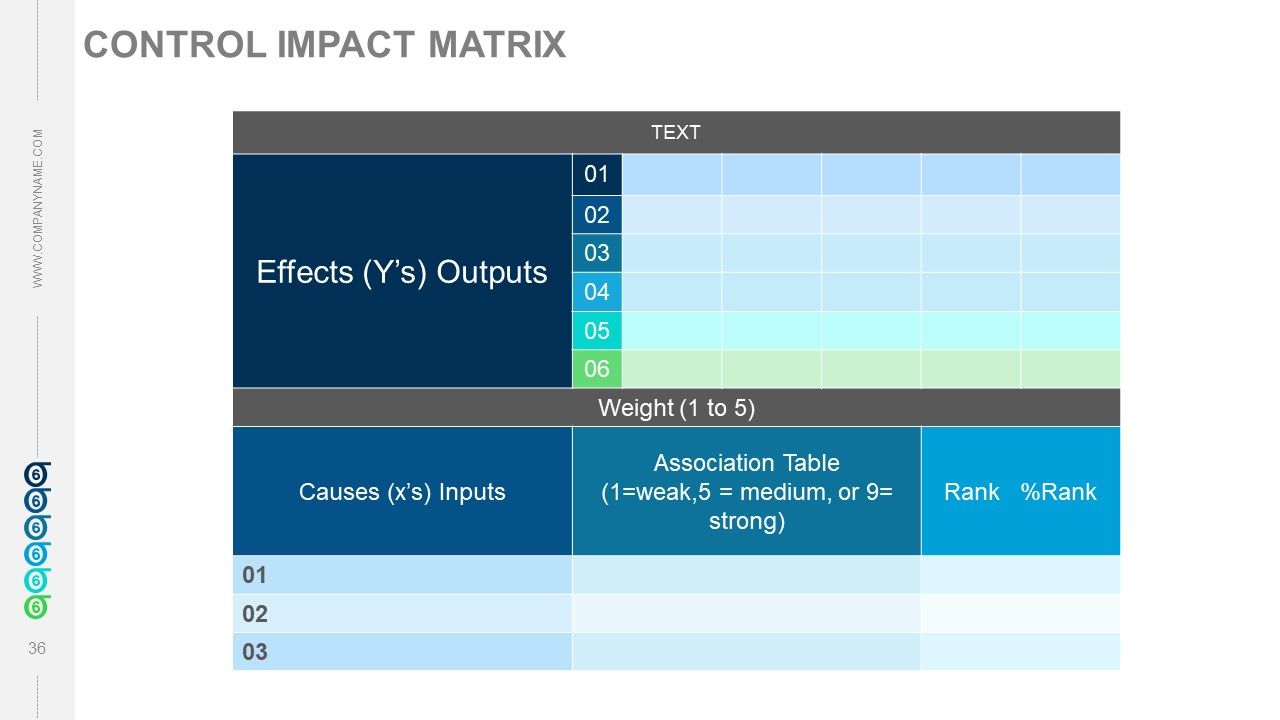
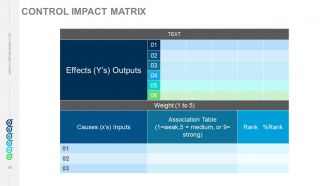
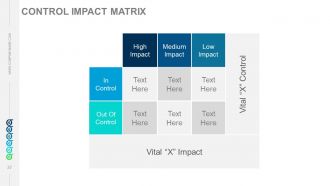
Slide 36 : Este slide apresenta uma Matriz de Impacto de Controle.
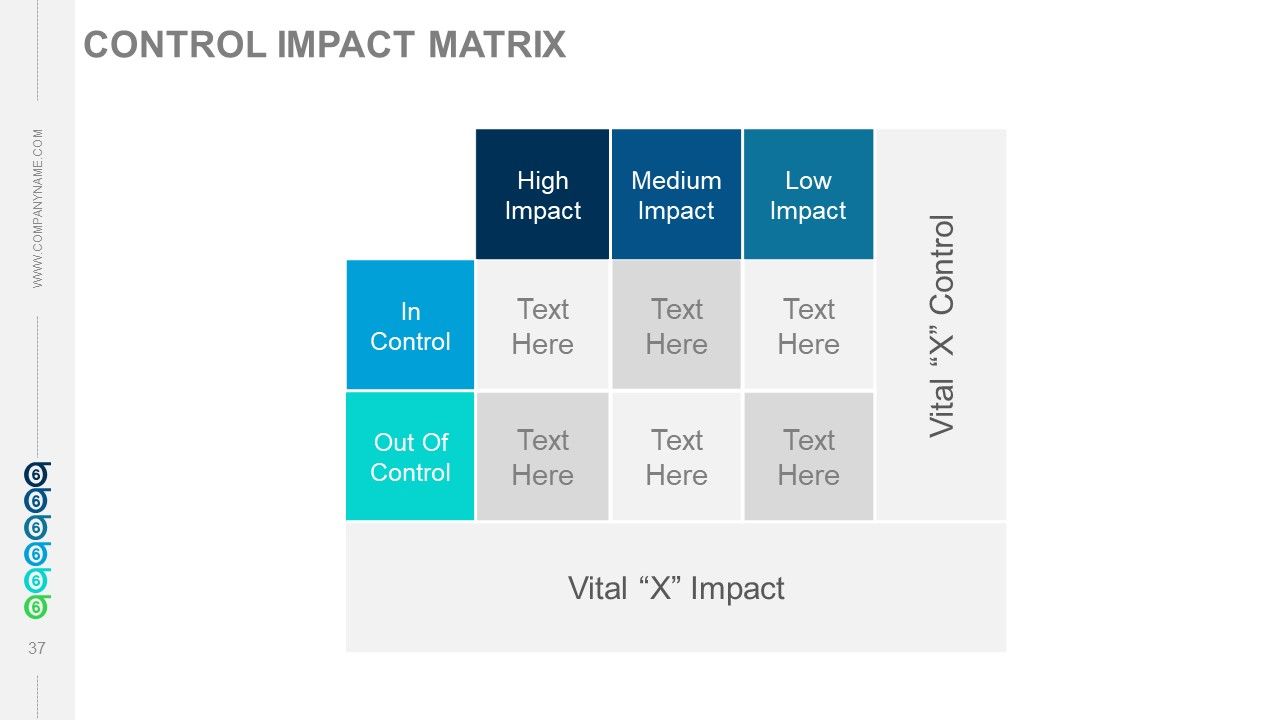
Slide 37 : Este é outro slide apresentando a Matriz de Impacto de Controle.
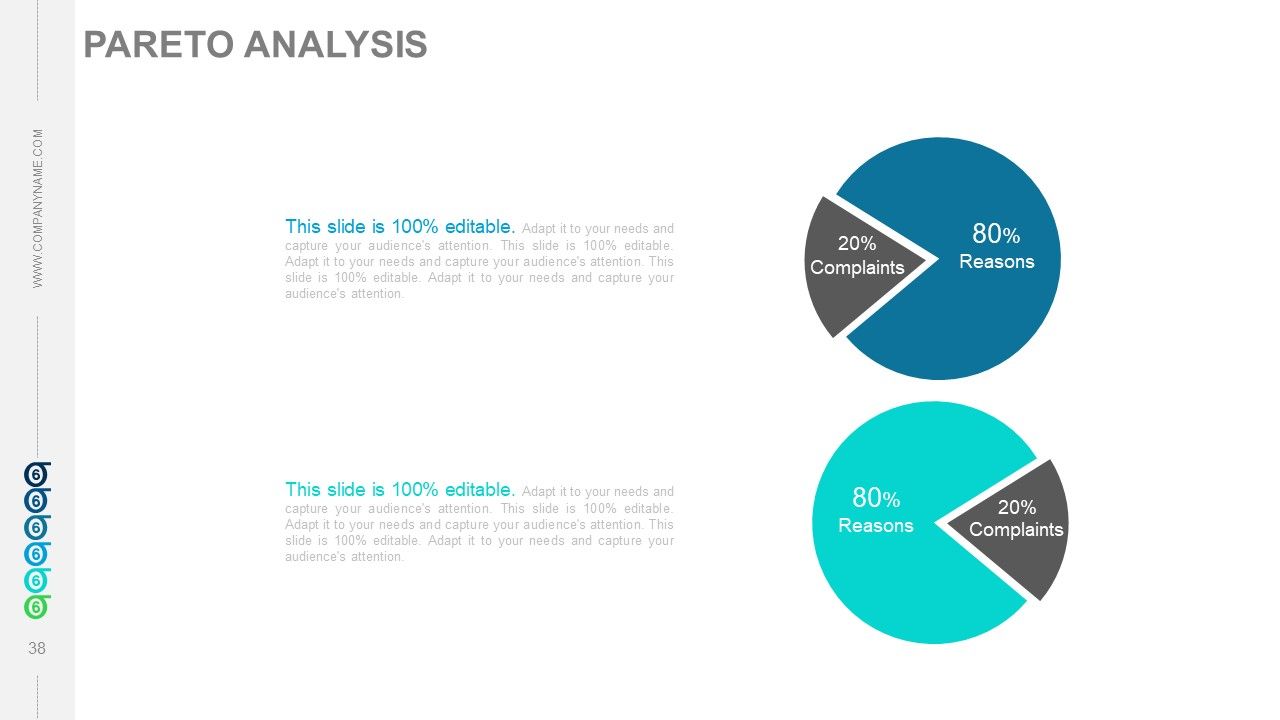
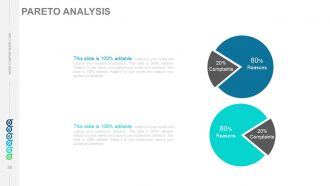
Slide 38 : Este slide mostra uma Análise de Pareto com Razões e Reclamações.
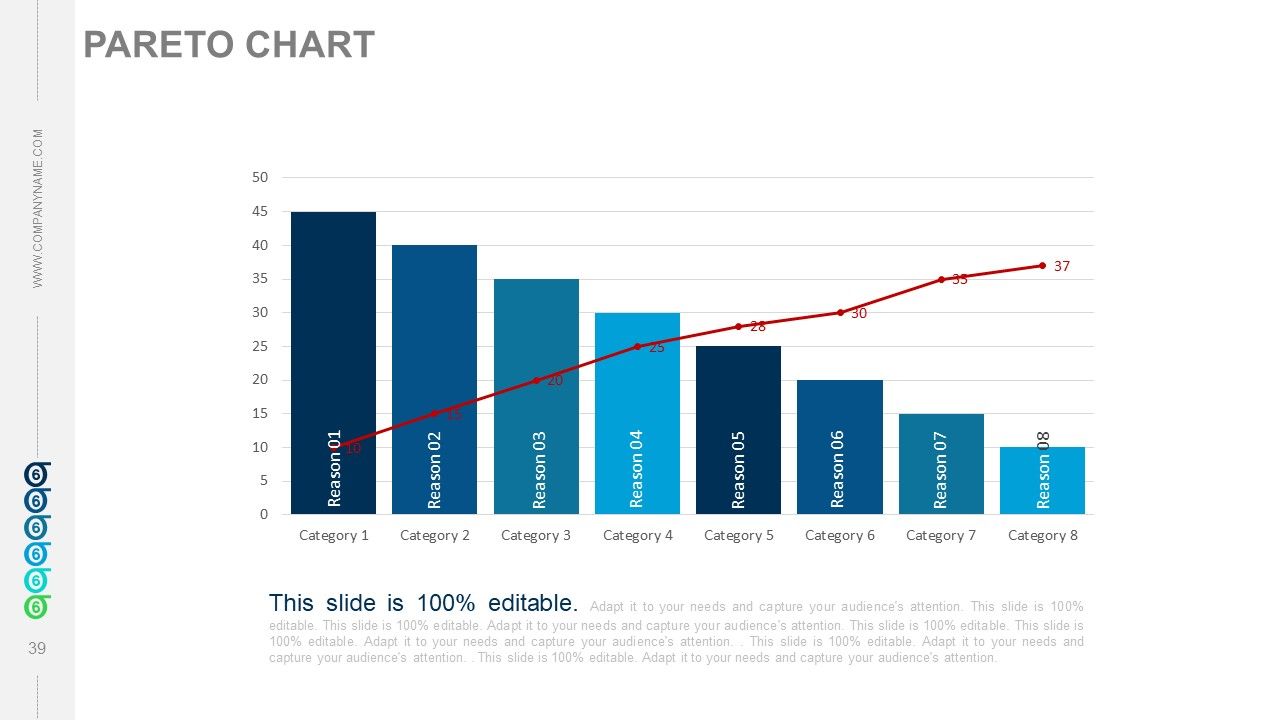
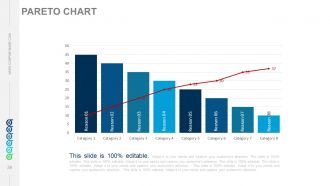
Slide 39 : Este slide mostra um Gráfico de Pareto.
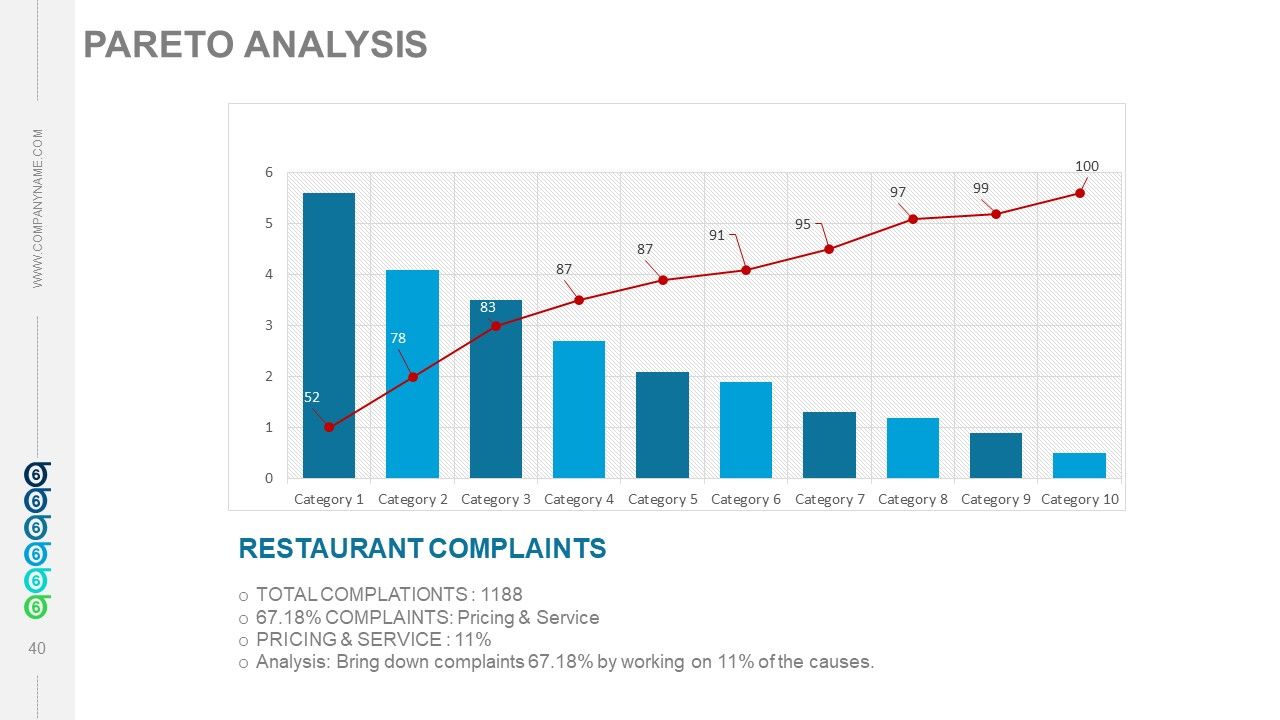
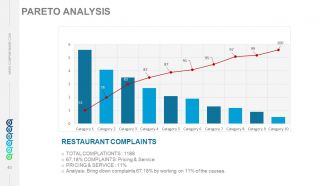
Slide 40 : Este é outro slide de Análise de Pareto.
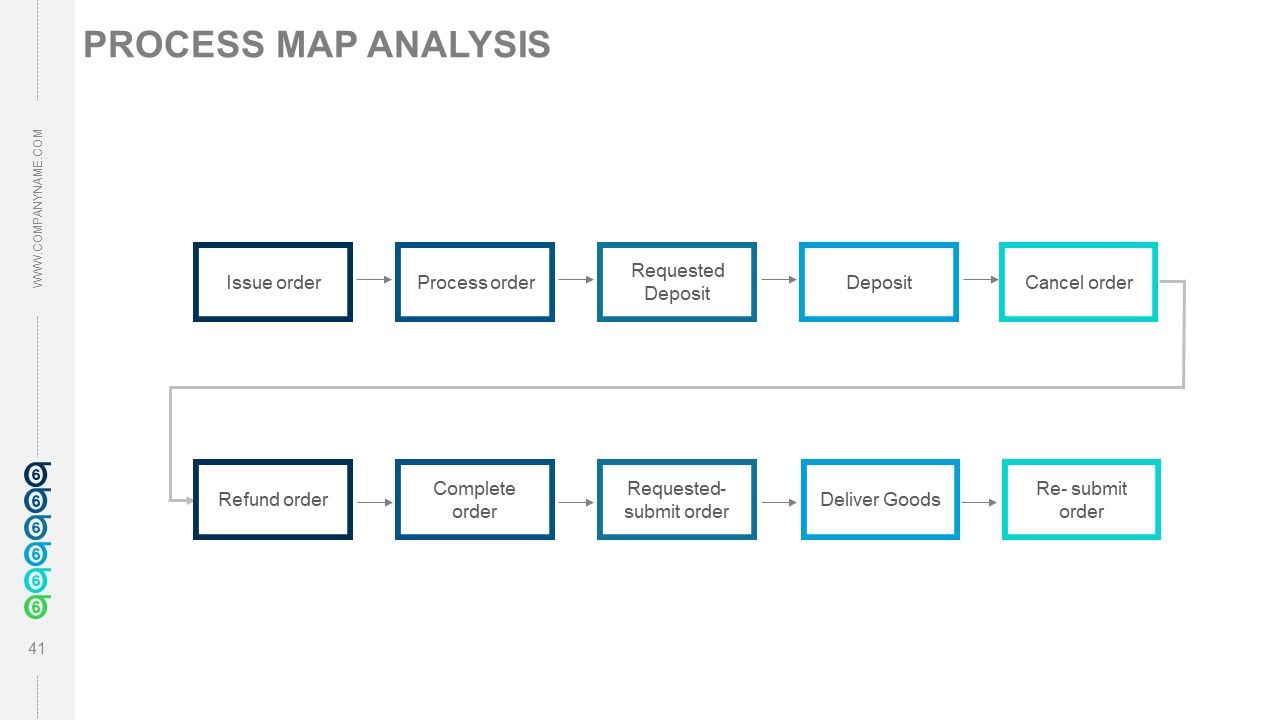
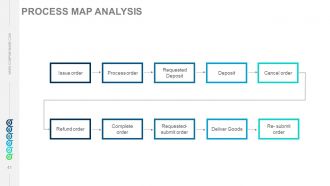
Slide 41 : Este slide mostra a Análise do Mapa do Processo com - Emitir pedido, Cancelar pedido, Entregar mercadorias, Processar pedido, Reembolsar pedido, Solicitado- enviar pedido, Depósito solicitado, Pedido completo, Reenviar pedido, Depósito.
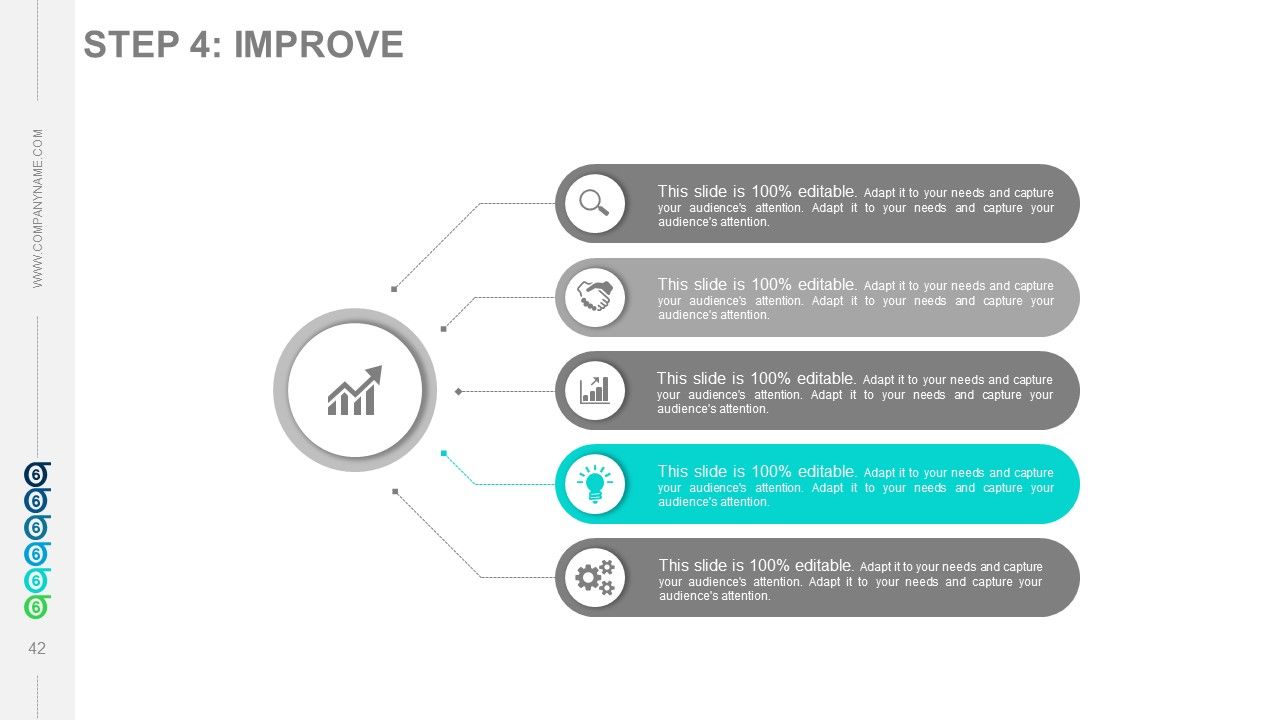
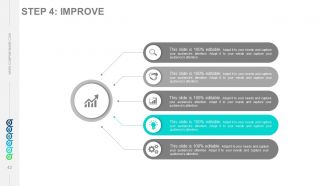
Slide 42 : Este slide apresenta o PASSO 4: Melhorar o processo DMAIC.
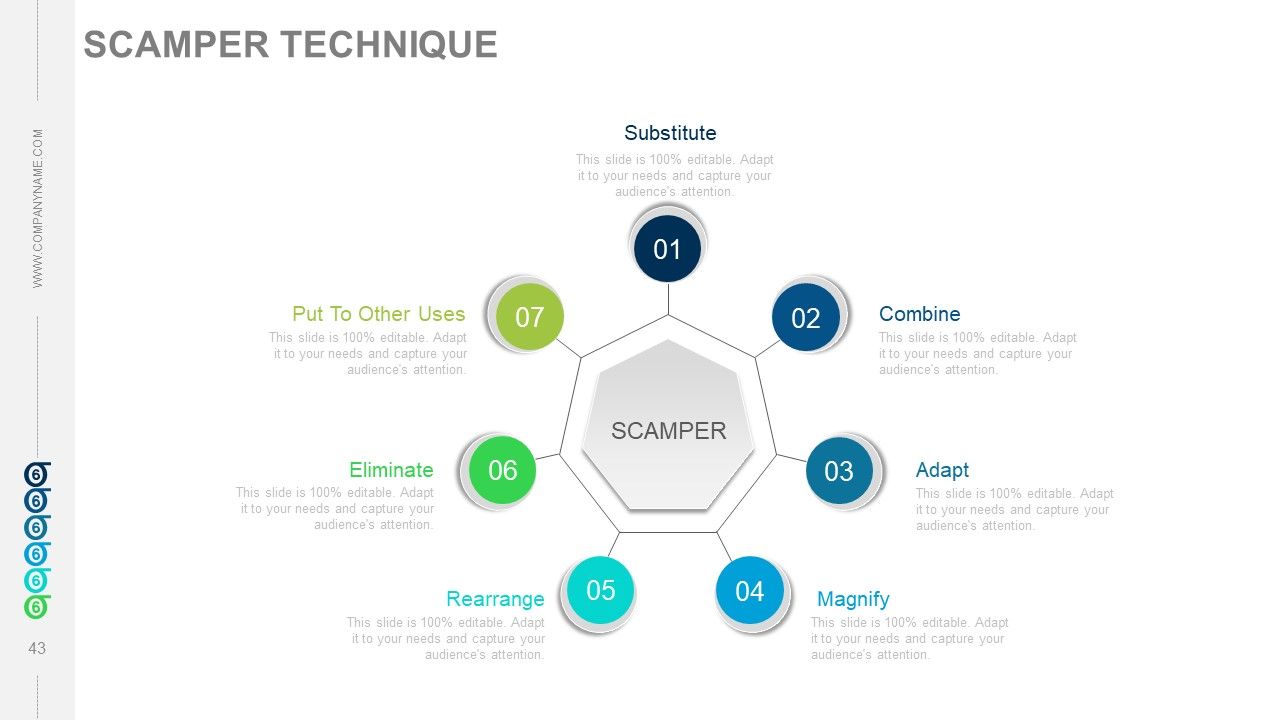
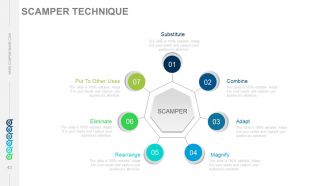
Slide 43 : Este slide mostra a Técnica de Scamper, que inclui: Combinar, Substituir, Adaptar, Ampliar, Reorganizar, Eliminar e Colocar em Outros Usos.
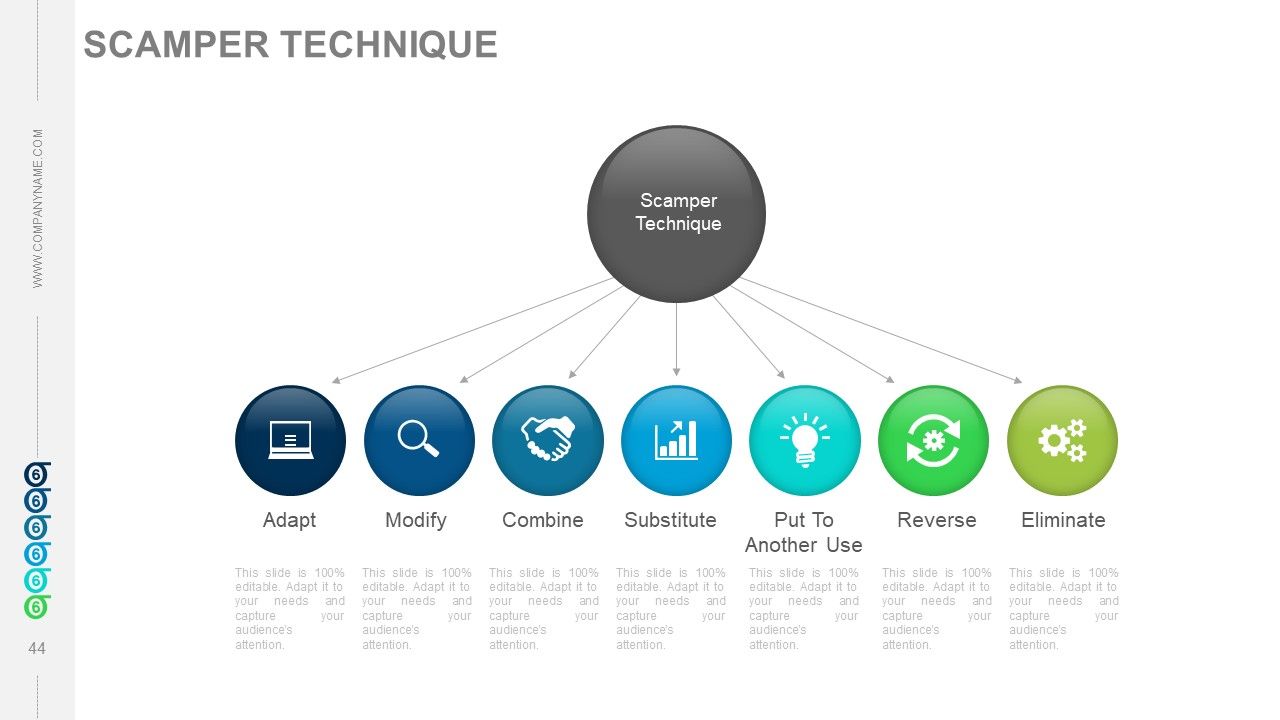
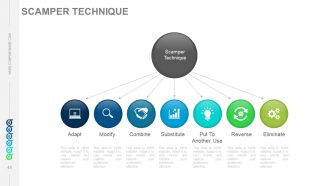
Slide 44 : Este é outro slide da Técnica de Scamper com caixas de texto a serem preenchidas conforme a necessidade.
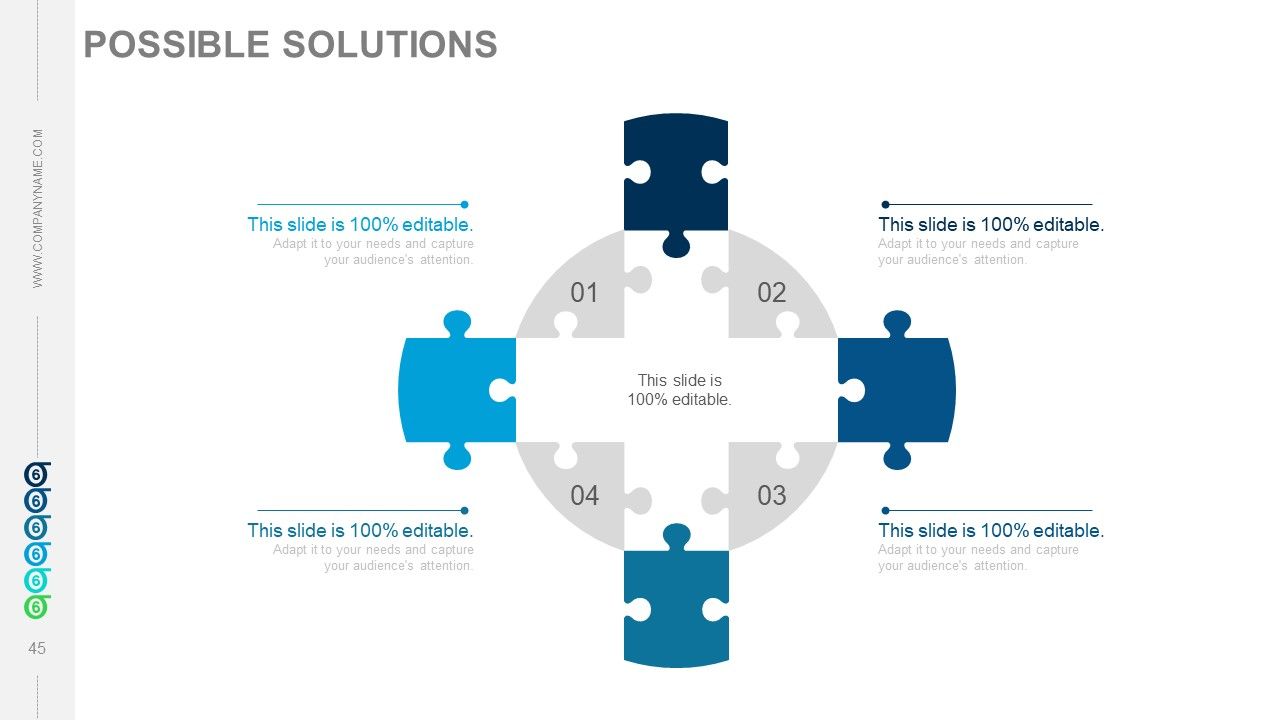
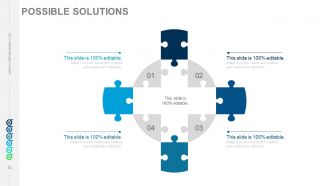
Slide 45 : Este slide mostra possíveis soluções com imagens de quebra-cabeças.
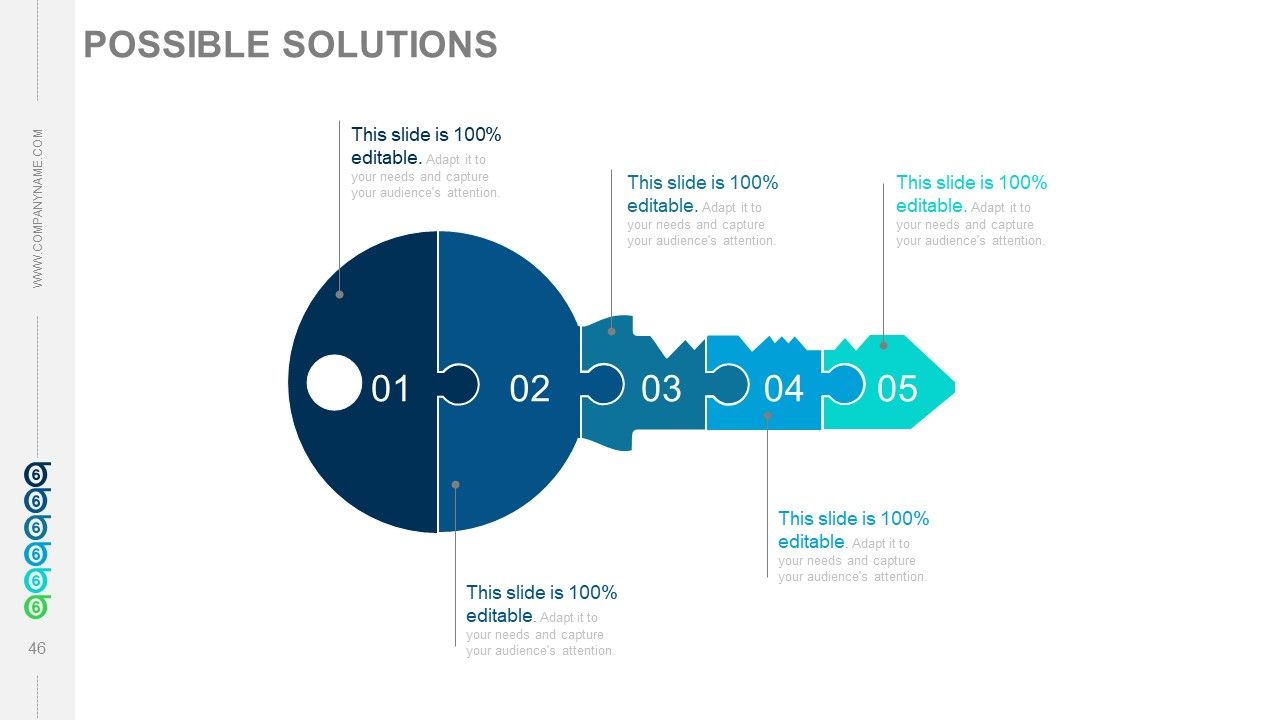
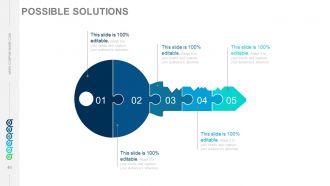
Slide 46 : Este é outro slide de Soluções Possíveis com imagens criativas importantes.
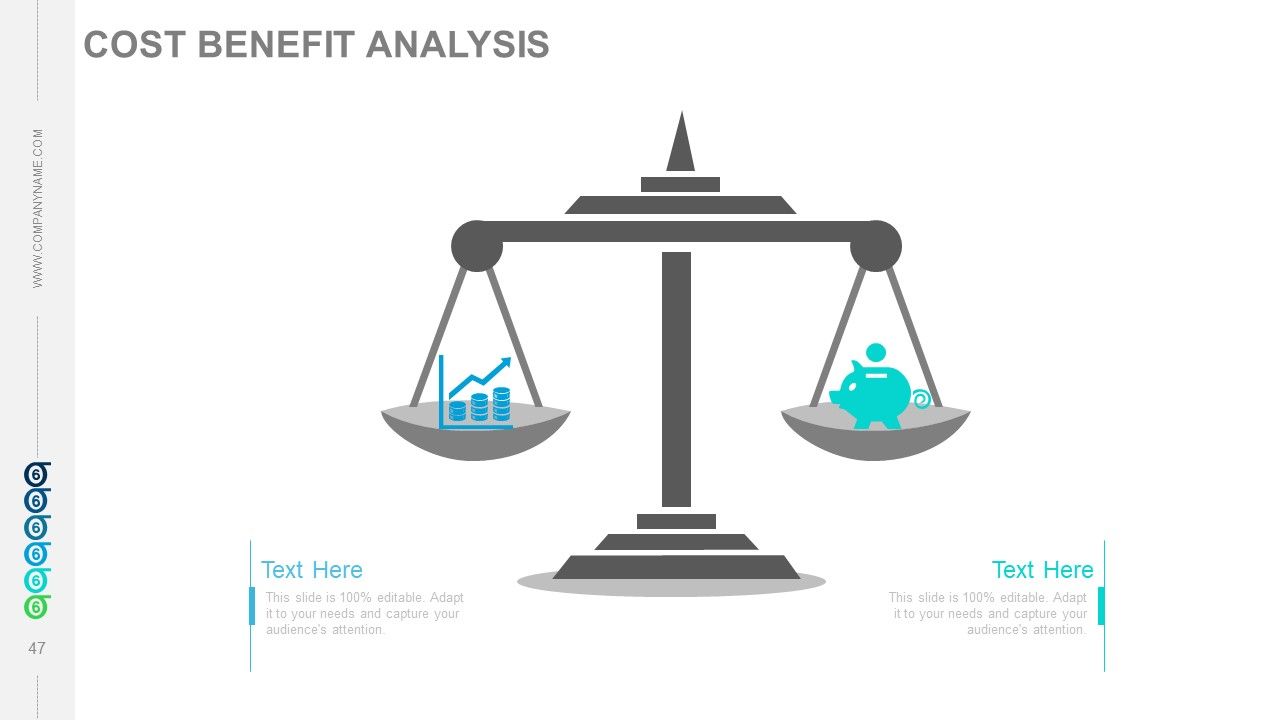
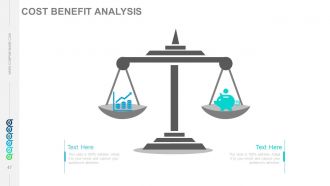
Slide 47 : Este slide mostra a Análise de Custo-Benefício em forma de imagem em escala de equilíbrio.
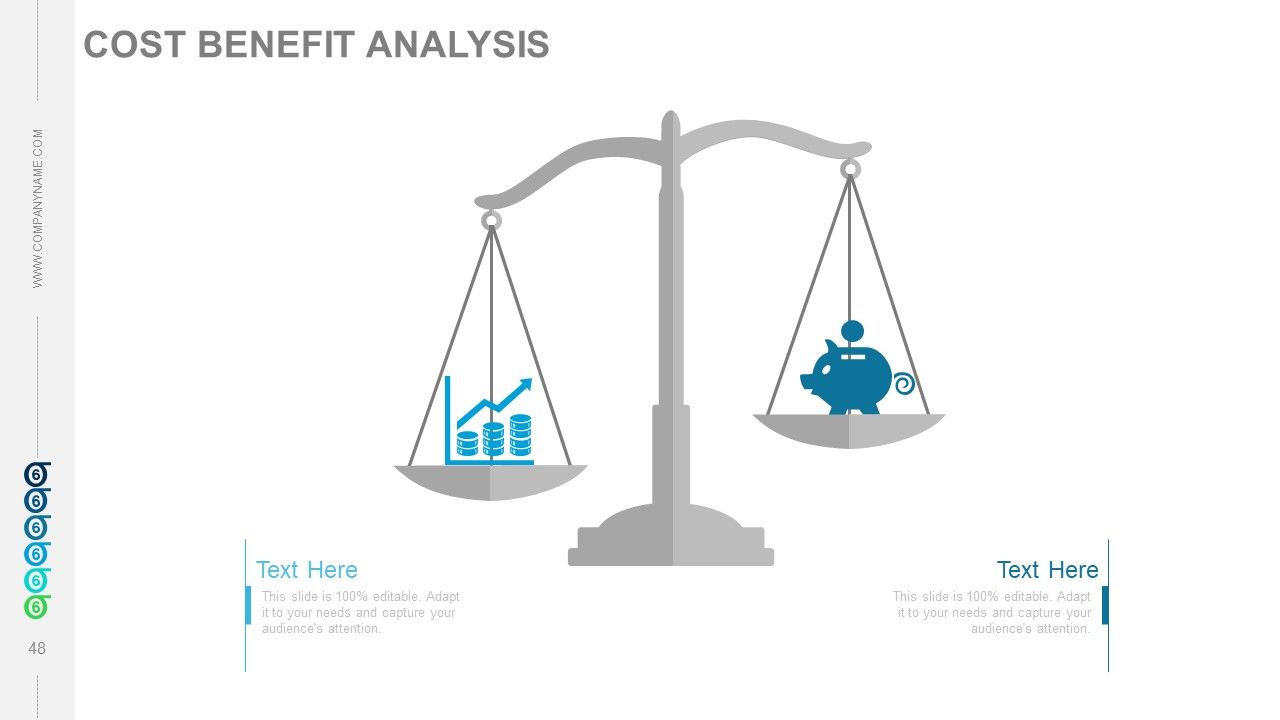
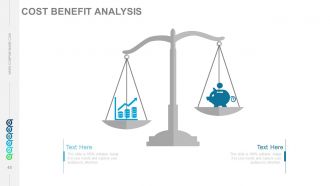
Slide 48 : Este é outro slide de Análise de Custo-Benefício com caixas de texto e imagens criativas.
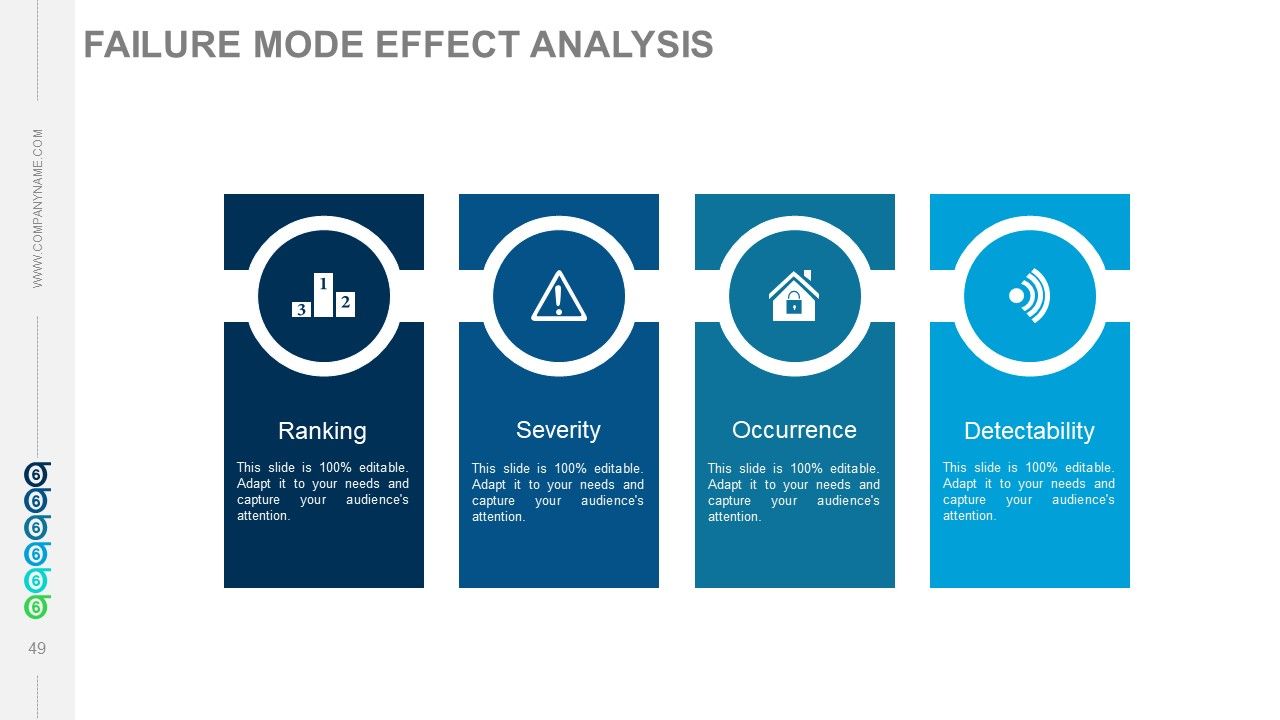
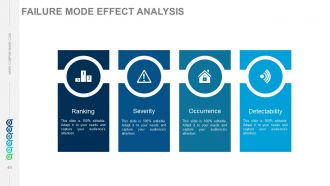
Slide 49 : Este slide apresenta a Análise do Efeito do Modo de Falha com os seguintes pontos - Classificação, Gravidade, Ocorrência, Detectabilidade.
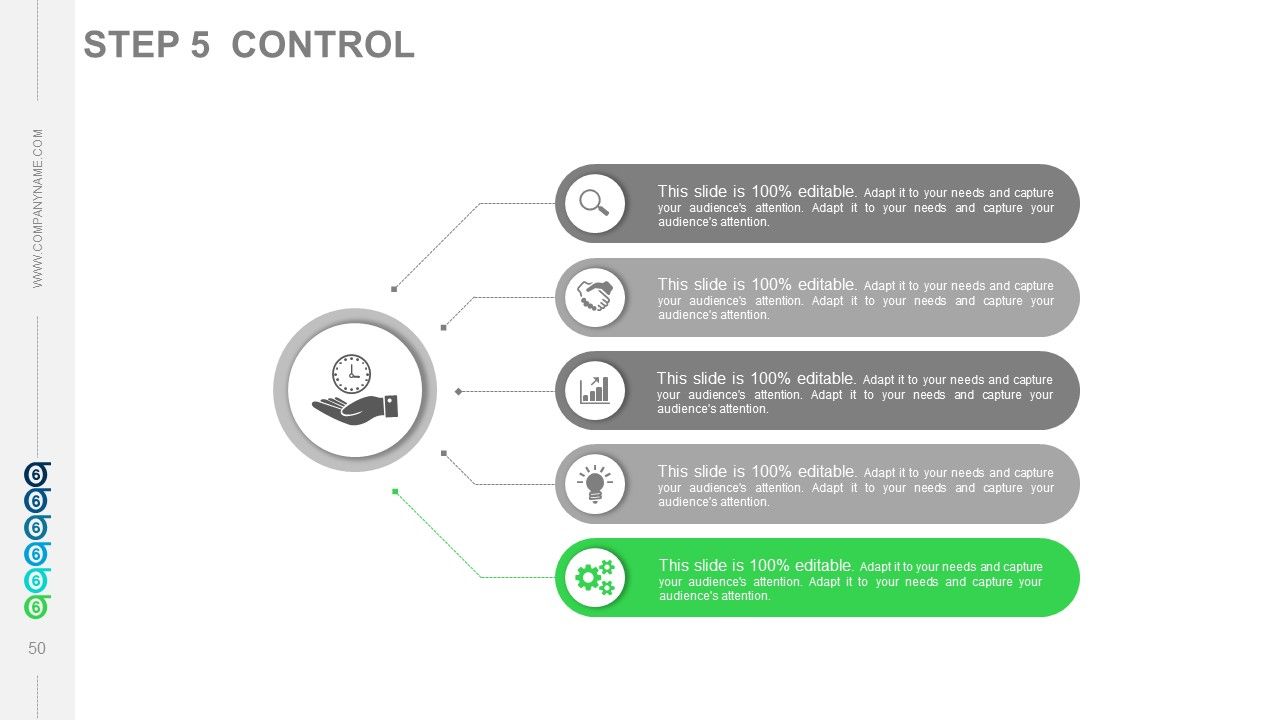
Slide 50 : Este slide mostra o PASSO 5, Controle do processo DMAIC.
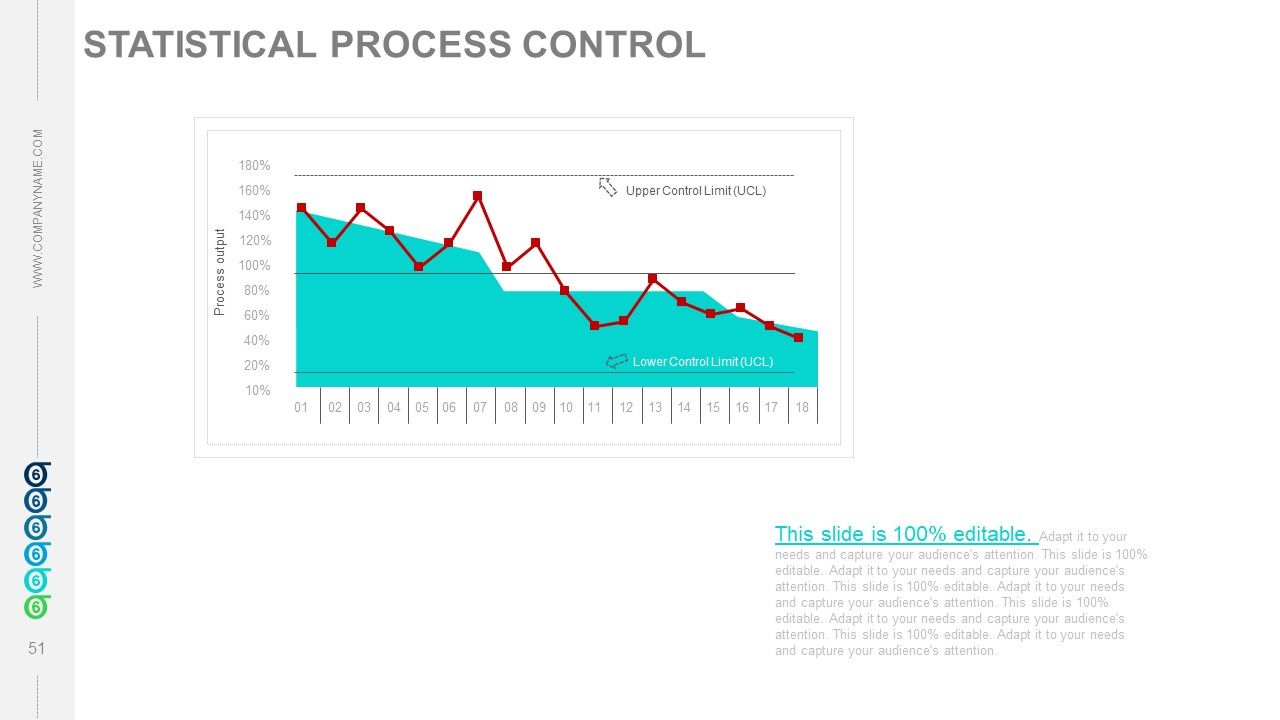
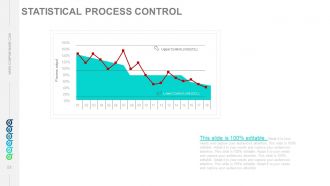
Slide 51 : Este slide apresenta o Controle Estatístico do Processo em forma de gráfico de barras com Limite de Controle Superior (UCL), Limite de Controle Inferior (UCL), Saída do processo.
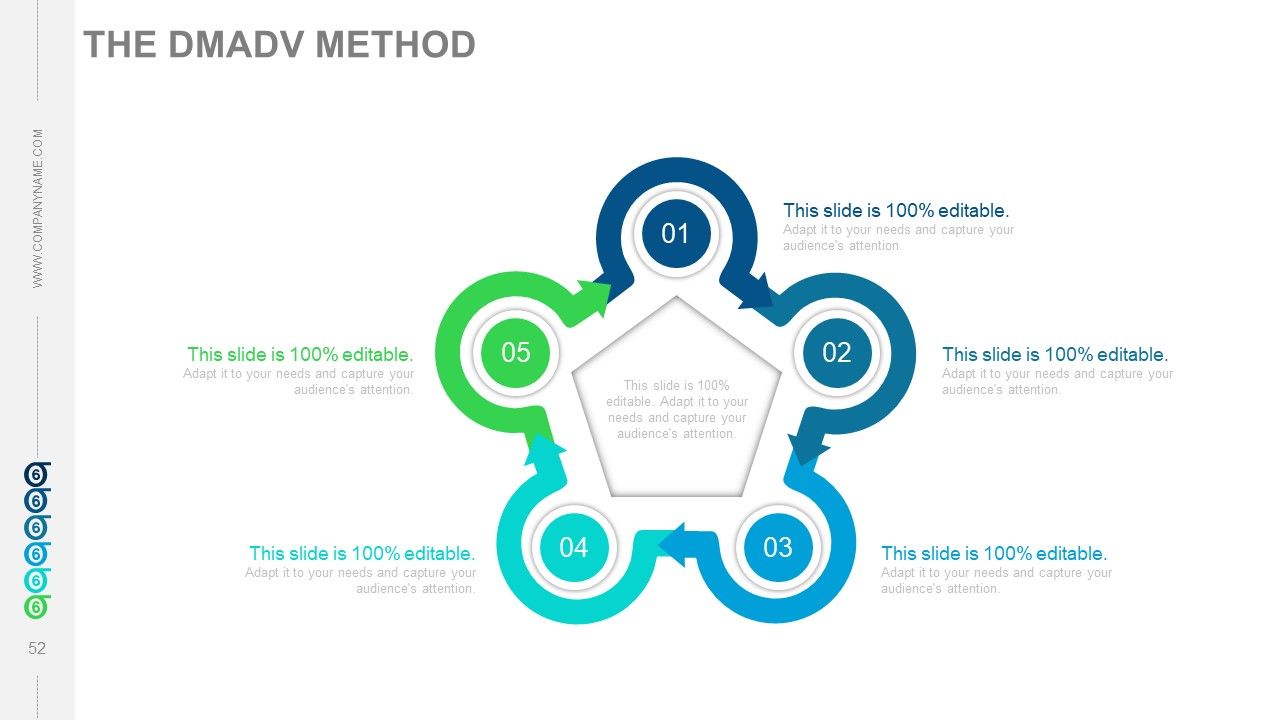
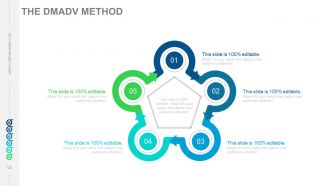
Slide 52 : Este slide apresenta o método DMADV. Apresente informações, especificações, etc. aqui.
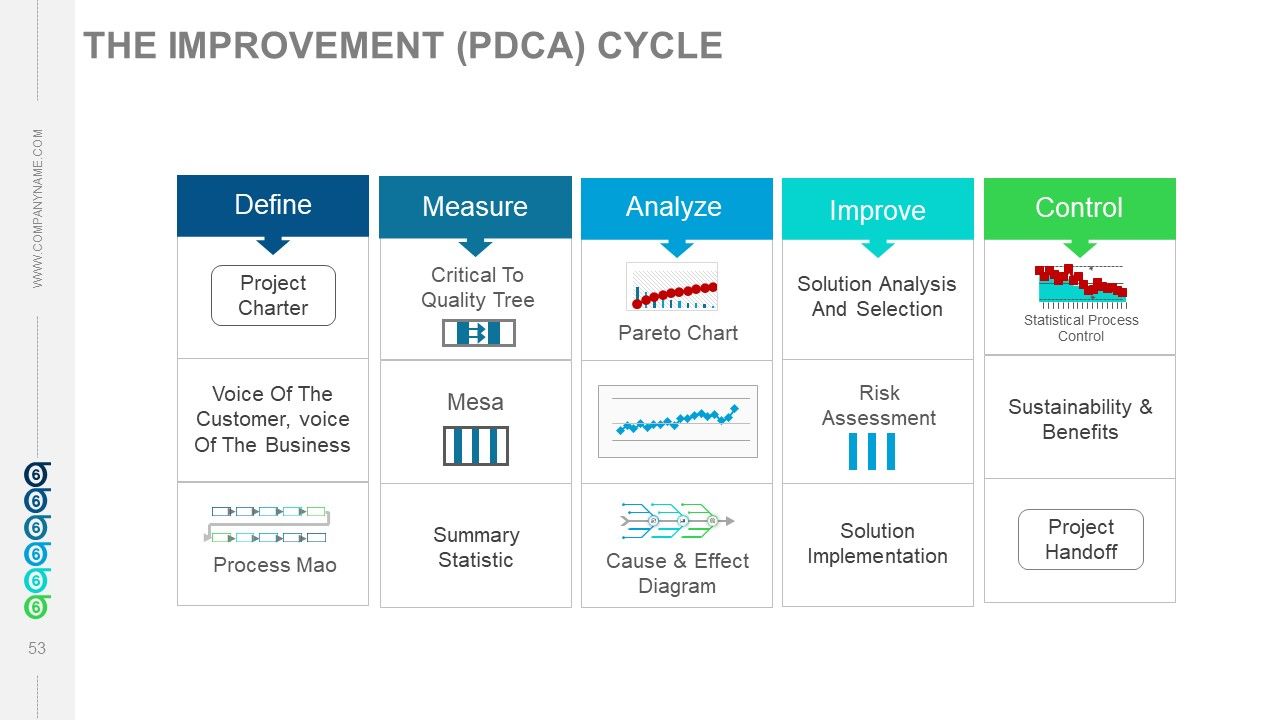
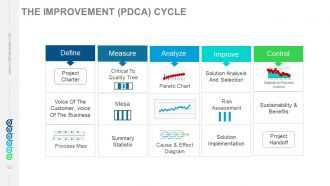
Slide 53 : Este slide exibe o Ciclo de Melhoria (PDCA) com os seguintes subtítulos - Definir, Medir, Analisar, Melhorar, Controlar.
Slide 54 : Este é o slide Nossa Visão com imagens. Declare sua missão, visão, valores e metas aqui.
Slide 55 : Este slide mostra Nossa Equipe com nome e designação para preencher.
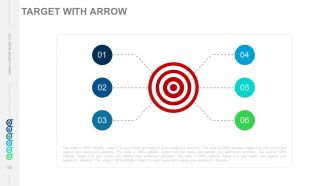
Slide 56 : Este é o slide de imagem Alvo com seta. Declare seus alvos etc. aqui.
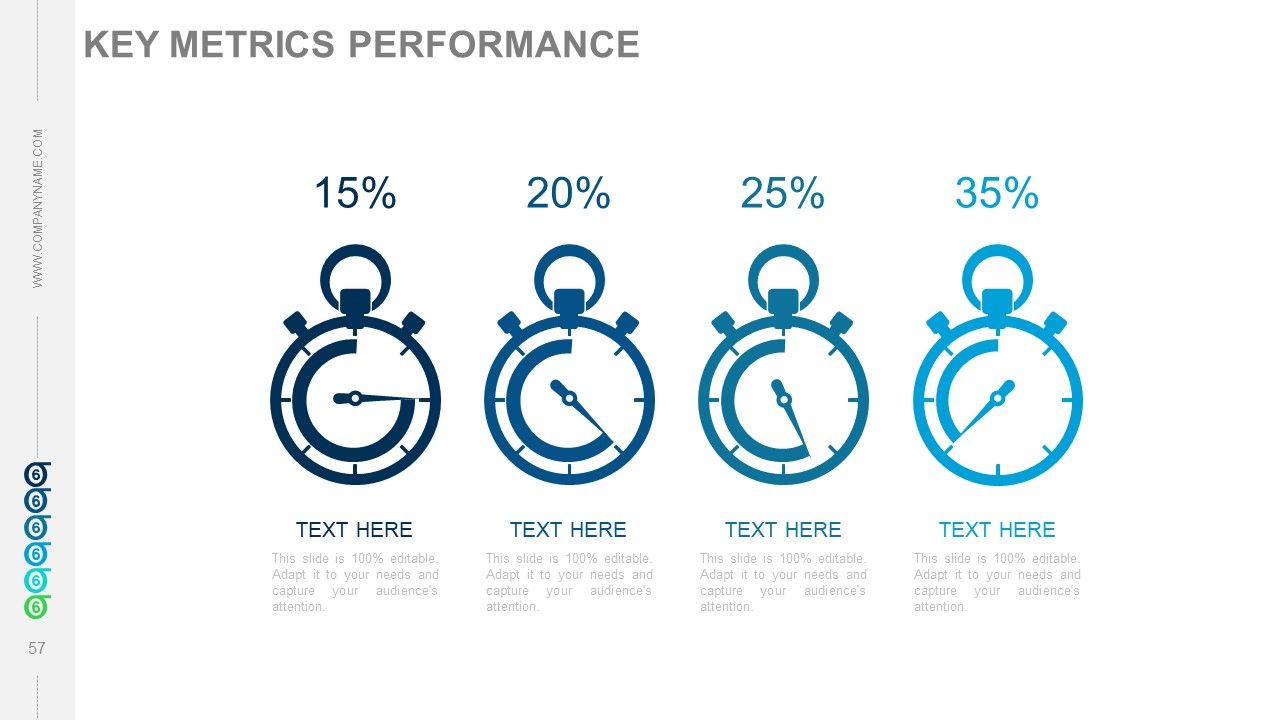
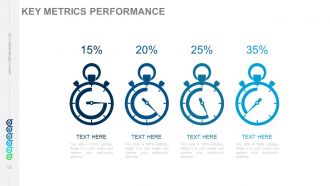
Slide 57 : Este slide mostra o desempenho das principais métricas com imagens relevantes.
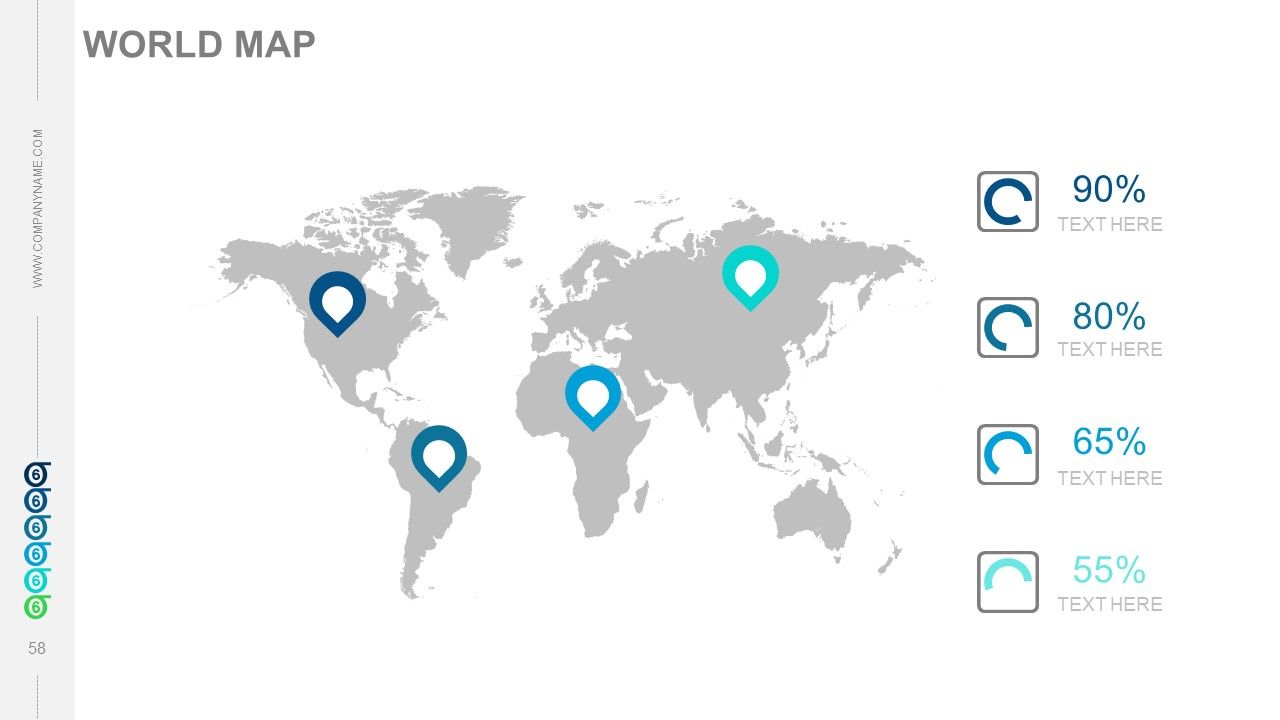
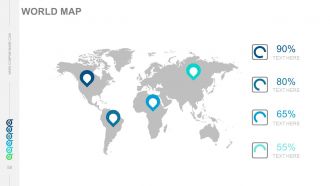
Slide 58 : Este é um slide de imagem do mapa mundial para mostrar o crescimento global, presença, etc.
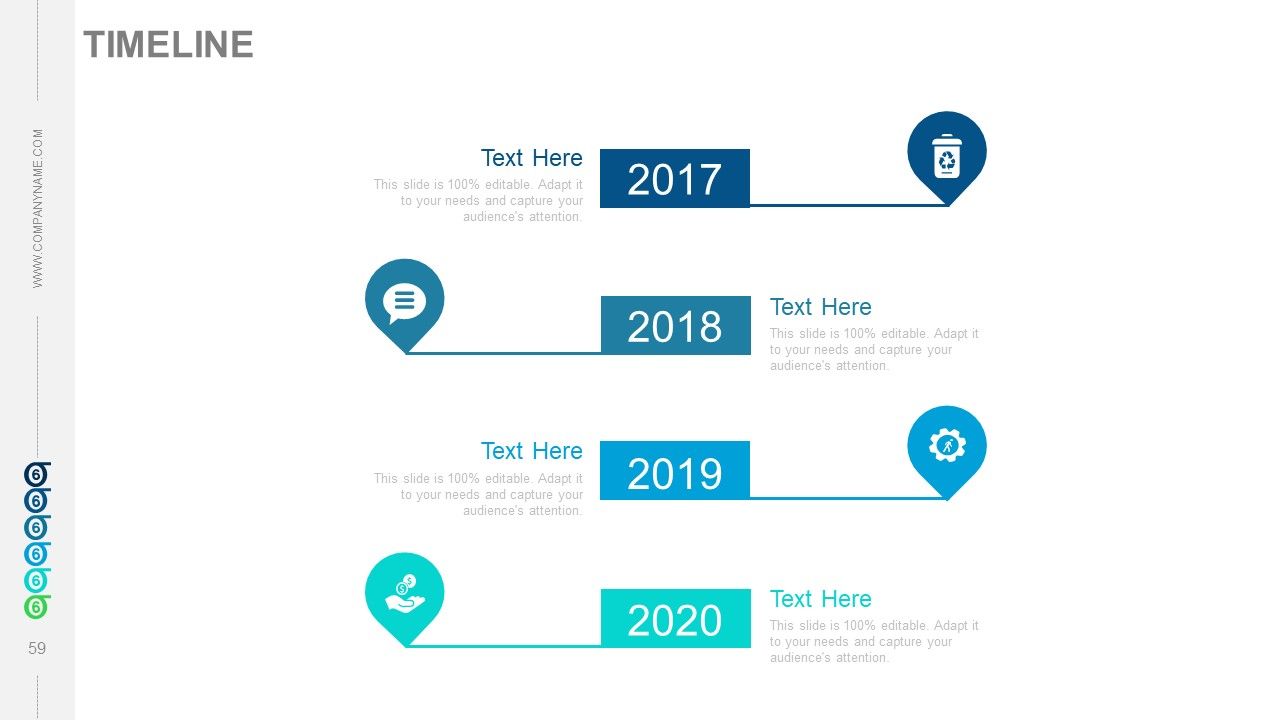
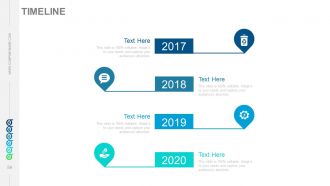
Slide 59 : Este slide apresenta uma linha do tempo para mostrar o crescimento, marcos etc.
Slide 60 : Este é um slide de OBRIGADO pela confirmação / encerramento da apresentação.
Princípios e conceitos Seis Sigma Apresentação em PowerPoint com slides com todos os 60 slides:
Dê a seus pensamentos um visual compacto. Encaixe-os em nossos princípios e conceitos Seis Sigma. Apresentação em PowerPoint completa com slides.
-
good presentation
-
Unique design & color.
-
Editable templates with innovative design and color combination.
