


Sports Development Program Proposal Powerpoint Presentation Slides




Try Before you Buy Download Free Sample Product
 Impress Your
 Audience
 100%
100% Editable
 Save Hours
 of Time


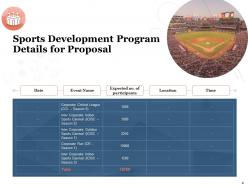
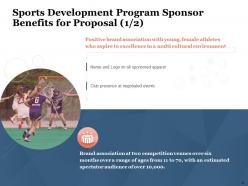
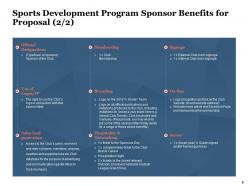
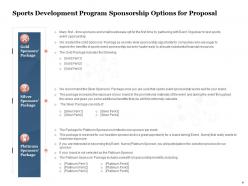
Health is wealth is perhaps the first idea everyone is taught. Physical well being is best achieved via team sports. Football, cricket, basketball, are great for team building as well as for maintaining health. It is for these reasons that there has been a rise in sports clubs and community sports programs. With the Sports Development Program Proposal PowerPoint Presentation Slides, convince your investors into funding your next big project. With a professionally written cover letter, this fund proposal PPT layout introduces the central idea behind your pitch to your viewers. The table of contents provides you a birds-eye view of your investment pitch to ease all the last minute preparations. Detail the number of participants under each activity within a tabular chart included in this sponsorship proposal PPT deck. Highlight the brand placement avenues to your potential investors via this aesthetically planned sports event proposal deck. Emphasize the wide range of attendees as well as the players who will participate to hook your audience into your program. Enlist a detailed report of all the perks involved with sponsoring the gaming event like official designations, branding, etc in this physical development event PPT layout. Public events are a great venue for brand placement. Attract and convince your leads to be part of your event as a sponsor through a sponsorship proposal template. Convincing your prospective investors to pay for the highest package becomes more efficient if the comparative perks are plainly listed for their perusal. Present your projected attendee profile to your sponsors to showcase how much of their targeted buyers will be exposed to their brand during your event. With smartly planned bullet point slides, describe in detail your project context and project objectives in this team event proposal PPT deck.
People who downloaded this PowerPoint presentation also viewed the following :
Content of this Powerpoint Presentation
Slide 1: This slide introduces Sports Development Program Proposal. State event name, event organizer name.
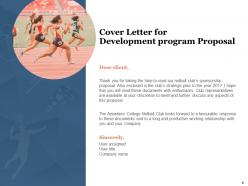
Slide 2: This slide displays Cover Letter for Sports Program Proposal.
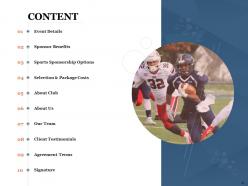
Slide 3: This slide displays Content of the presentation.
Slide 4: This slide showcases Sports development Program Details
Slide 5: This slide showcases Sports development Program Benefits.
Slide 6: This slide depicts Sports development Program Benefits.
Slide 7: This slide shows Sports Program Sponsorship Options.
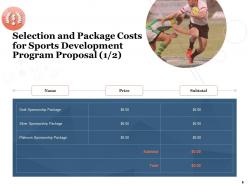
Slide 8: This slide depicts Sports Program Proposal. The table below shows the prices for each of the sponsorship packages listed above. To start the process of becoming a Event Name sponsor, simply select your desired package below and sign this proposal's bottom line.
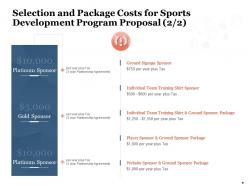
Slide 9: This slide showcases Sports Program Sponsor Benefits.
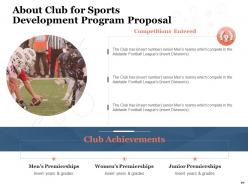
Slide 10: This is About Club slide with related information.
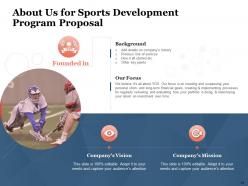
Slide 11: This is About Us slide to showcase Company specifications.
Slide 12: This is Our Team with Names and Designations.
Slide 13: This is Our Team with Names and Designations.
Slide 14: This slide displays Client Testimonials.
Slide 15: This slide showcases Terms and Conditions for Sports development Program Proposal.
Slide 16: This slide displays Signature for Sports development Program Proposal. Simply sign below to indicate your intention to proceed with the project. Once this signed proposal has been received, we will create a project contract for both parties to sign.
Slide 17: This is Contact Us slide with Address, Contact number and Email address.
Slide 18: This is Icons Slide for Sports Program Proposal.
Slide 19: This slide is titled as Additional Slides.
Slide 20: This slide shows Our Mission vision goal for Sports development Program Proposal.
Slide 21: This slide showcases 3 Steps Roadmap for Sports development Program Proposal.
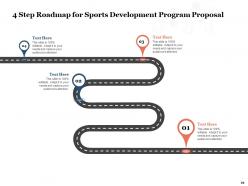
Slide 22: This slide shows 4 Steps Roadmap for Sports development Program Proposal.
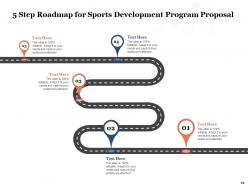
Slide 23: This slide showcases 5 Steps Roadmap.
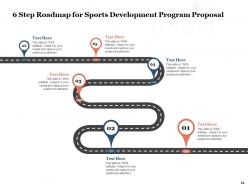
Slide 24: This slide shows 6 Steps Roadmap.
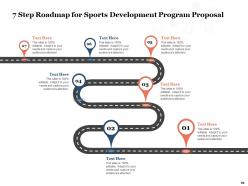
Slide 25: This slide presents 7 Steps Roadmap.
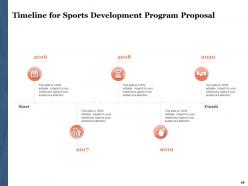
Slide 26: This slide depicts four years Timeline for Sports Program Proposal
Slide 27: This is 30 60 90 Days Plan slide.
Sports Development Program Proposal Powerpoint Presentation Slides with all 27 slides:
Use our Sports Development Program Proposal Powerpoint Presentation Slides to effectively help you save your valuable time. They are readymade to fit into any presentation structure.


FAQs for Sports Development Program Proposal
Honestly, start with clear skill levels - like beginner to advanced pathways. Good coaching is everything though, way more important than fancy equipment. Make sure training actually fits the age group (nobody wants to see 8-year-olds doing elite drills). Physical conditioning matters, plus the mental side of sports. Regular check-ins help track progress. Competitive opportunities should match where kids are at developmentally. Oh, and injury prevention stuff - parents will thank you later. The trick is keeping it challenging but not soul-crushing boring. Map out those progression levels first, then build everything else around them.
Get people actually doing stuff, not just sitting through presentations. Ask what sports they want first - way better than assuming you know. Community forums work great for letting folks shape the priorities. Churches and schools already have the trust thing figured out, so partner with them. Oh and free pizza always helps with turnout, just saying. Volunteer coaching opportunities give locals real ownership. The whole thing's gotta feel collaborative or people won't stick around. Don't announce your plans - build them together from the ground up.
Dude, the tech stuff available now is wild compared to even a few years back. Video analysis breaks down every movement frame by frame, wearables track biomechanics and when athletes are getting tired. There's even VR for mental training - sounds gimmicky but actually works. Apps gamify skill development for kids too. Honestly, the amount of data coaches can collect now is overwhelming in the best way. If you're putting together your program, I'd definitely grab some basic video software and maybe a few wearable devices. The insights you'll get will totally change how you approach coaching. Trust me on this one.
Good programs don't just throw open their doors and wait. They actually go out and fix the stuff that keeps people away - like offering cheaper rates, getting adaptive gear for disabilities, adding bilingual coaches. Transportation's always a nightmare, so they tackle that too. What I've noticed is the smart ones partner with community centers in areas that need it most. Honestly, it's pretty cool seeing programs get creative like that. They figure out what each community actually needs instead of using some cookie-cutter approach. When you're checking out programs, look for real accessibility stuff, not just nice mission statements.
Track your participation numbers first - retention rates, who's showing up, that kind of thing. For skills, look at assessments and competition results to see if people are actually improving. Surveys are clutch too since numbers don't tell the whole story. Honestly, I'd just throw together a basic spreadsheet that you update monthly - nothing fancy. Oh, and coach feedback is super valuable if you can get them to actually fill stuff out (good luck with that lol). The key is catching problems early before your program tanks.
Honestly, start with the basics - fix up existing facilities and build new ones where needed. Nothing's more frustrating than wanting to play basketball but the court's a mess, you know? Partner with schools for after-school programs, and set up funding for youth leagues. Equipment lending is huge too since not everyone can afford gear. I'd survey people first though - find out what sports they actually care about instead of guessing. Make it affordable across the board. Oh, and don't just build stuff and walk away - budget for maintenance or it'll all fall apart in two years.
Honestly, you're gonna want to hit up local schools and community centers first - they've got the space and kids already there. Government partnerships are a pain but worth it for funding (seriously, the permit stuff alone will drive you crazy otherwise). Local businesses are obvious for sponsorships and gear. Health organizations like hospitals add credibility plus medical backup. Youth groups are clutch too since parents already trust them. Start by figuring out who's already working with kids in your area, then just reach out. Way easier than starting from scratch.
Dude, sports programs are seriously underrated for leadership stuff. Kids get thrown into situations where they're making split-second calls and communicating when everything's chaotic. The problem-solving happens naturally - like when they're down by two with minutes left, you know? They learn time management, how to bounce back from losses, and honestly the discipline part is huge. My cousin's kid went from zero organizational skills to actually setting goals and sticking to them. Success and failure both hit different in sports. Oh, and if you're setting something up, definitely rotate who gets to be captain - gives everyone a shot at leading.
Oh man, sports stuff is actually huge for local economies! Jobs pop up everywhere - coaching, running facilities, organizing events. When tournaments roll into town, people flood hotels and restaurants. Construction projects for new venues create tons of work too (my cousin made bank building that new arena downtown). Here's what's wild though - the health benefits end up saving money on healthcare costs. Youth programs keep kids busy and crime drops. Honestly, I'd start by figuring out which local shops could cash in when games bring crowds to town. The whole thing just snowballs.
Honestly, the main stuff you'll run into is money problems and crappy facilities. Equipment's usually outdated or missing entirely. Getting kids there consistently is a nightmare - transportation kills so many programs before they even start. Coaching's often volunteers who mean well but don't really know what they're doing. Here's the thing though - families living paycheck to paycheck aren't gonna prioritize sports when rent's due, you know? Can't blame them. Some neighborhoods are sketchy enough that parents won't let kids walk to programs anyway. My advice? Work with schools first. They've got the infrastructure already. Way easier than building from scratch.
Oh man, you really can't just take a program that works in one place and dump it somewhere else - trust me on this one. Different cultures have totally different ideas about individual vs team success, competition, gender roles, all that stuff. Prayer times might affect your schedule. Coaching styles that work great in one country could totally bomb in another. My advice? Actually hang out with the local community first before you design anything. Figure out what matters to them. And honestly, stay flexible because you'll probably need to tweak things as you go anyway.
Get them certified first - safety stuff isn't optional. Communication's huge though. I've seen amazing former players who just can't break things down for beginners, you know? Pair them with experienced coaches for regular check-ins. Builds confidence fast. Cross-training workshops help too - learning other sports gives them fresh ways to explain movement. Oh, and set up peer observations where they watch each other coach. That feedback loop works better than formal evaluations sometimes. Just make sure they're connecting with different age groups because teaching a 7-year-old is nothing like coaching teenagers.
Definitely start by bringing in a sports psychologist - even just part-time at first. Regular check-ins with athletes should be automatic, plus workshops on managing stress and performance anxiety. Honestly, I think this should be as normal as strength training by now, but whatever. Safe spaces are huge - athletes need to know they can talk about burnout or personal stuff without risking their position. Peer support groups work really well too since they get each other's struggles better than adults sometimes. Just start small and see what your team actually responds to, then build from there.
Honestly, schools are where most kids figure out what sports they're actually good at. Built-in gyms, coaches who know their stuff, and you don't have to drop hundreds on club fees right away. My neighbor's kid tried like six different sports through school before finding out he was weirdly good at track. Not every family can swing private coaching anyway. The trick is finding schools that actually care about teaching skills instead of just obsessing over championships. Also seasonal variety is huge - gives kids time to explore before they get locked into one thing.
Honestly, your alumni are gonna be your best bet for keeping things running long-term. They're already emotionally connected to the program, so asking for money feels way less weird. Use them as coaches or board members since they know what the program's actually about. The networking part is huge too - they'll refer new kids and open doors you didn't even know existed. Oh, and reunion events are clutch for this stuff, even if they're super casual. Start with a basic database to track everyone. I swear, once you get a few success stories actively promoting you, fundraising becomes so much easier.
-
Excellent work done on template design and graphics.