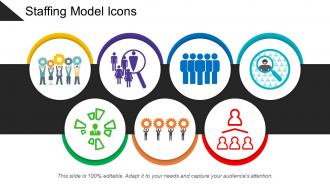
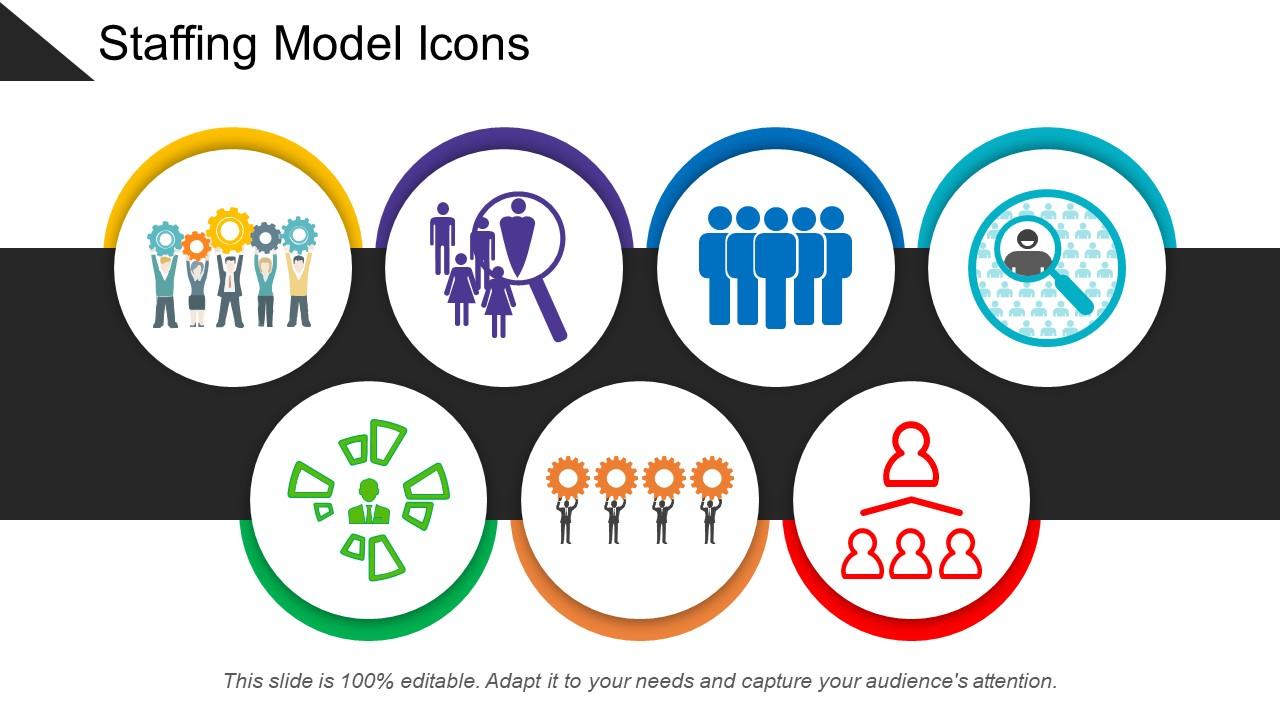
Ícones de modelo de equipe
Try Before you Buy Download Free Sample Product
Audience
Editable
of Time
Gere efervescência com nossos ícones de modelo de equipe. Faça seu público borbulhar de entusiasmo.
Recursos destes slides de apresentação do PowerPoint:
Apresentando ícones de modelo de equipe. Este é um ícone de modelo de equipe. Este é um processo de sete estágios. As etapas desse processo são modelo de pessoal, modelo de contratação e estrutura de recrutamento.
People who downloaded this PowerPoint presentation also viewed the following :
Ícones de modelo de equipe com todos os 5 slides:
Os egos são estimulados com nossos ícones de modelo de pessoal. Eles gostam de se sentir exclusivos.
FAQs for
Key components include workforce planning, role definition, skill requirements, organizational structure, and performance metrics. These elements work together by aligning talent acquisition with business objectives, optimizing resource allocation, and ensuring scalability, with many organizations finding that strategic staffing models enhance operational efficiency while reducing costs and improving service delivery.
A staffing model impacts organizational performance by ensuring optimal resource allocation, reducing operational costs, and enhancing workforce efficiency through strategic talent placement. Through proper staffing frameworks, organizations streamline project delivery, minimize skill gaps, and accelerate decision-making processes, with many companies finding that well-structured staffing ultimately delivers improved productivity and competitive advantage.
Technology revolutionizes modern staffing models through AI-powered recruitment platforms, automated screening systems, predictive analytics for workforce planning, and digital collaboration tools for remote teams. These innovations streamline hiring processes, enhance candidate matching accuracy, and enable flexible workforce management, with organizations across healthcare, finance, and retail finding significantly reduced time-to-hire and improved talent retention rates.
Aligning a staffing model with strategic goals involves analyzing future business objectives, identifying required competencies, and mapping workforce capabilities to organizational priorities. This strategic alignment enables companies to optimize resource allocation, enhance operational efficiency, and build competitive advantage through targeted talent acquisition and development, ultimately delivering sustainable growth and improved market positioning.
Centralized staffing models concentrate hiring decisions, resource allocation, and workforce management within a single corporate unit, while decentralized models distribute these responsibilities across individual departments, divisions, or regional offices. Centralized approaches streamline consistency and cost control but may reduce local flexibility, whereas decentralized models enhance responsiveness to specific market needs, with many organizations finding that hybrid approaches deliver both operational efficiency and strategic agility.
Staffing models accommodate seasonal fluctuations through flexible workforce strategies, cross-training programs, temporary staffing partnerships, predictive analytics for demand forecasting, and scalable onboarding processes. These approaches enable organizations to seamlessly expand during peak seasons while maintaining operational efficiency, with many retail, hospitality, and logistics companies finding that strategic workforce planning delivers cost optimization and enhanced customer experiences year-round.
Key metrics for evaluating staffing model effectiveness include time-to-fill, cost-per-hire, employee retention rates, productivity per employee, and revenue per FTE. These measurements enable organizations to assess recruitment efficiency, workforce quality, and financial performance, with many companies finding that balanced scorecards combining operational and strategic metrics deliver clearer insights into staffing ROI.
Employee engagement significantly influences staffing model success by improving retention rates, enhancing productivity levels, and reducing recruitment costs. Engaged employees deliver superior customer service, demonstrate greater adaptability to organizational changes, and contribute to positive workplace culture, with many companies finding that high engagement levels ultimately streamline operations and strengthen competitive advantage.
Staffing models significantly impact diversity and inclusion through recruitment strategies, talent pipeline development, flexible work arrangements, and bias reduction mechanisms. Organizations implementing strategic staffing approaches enhance diverse hiring practices, create inclusive career pathways, and foster equitable advancement opportunities, with many companies finding that comprehensive models ultimately deliver broader talent pools, improved innovation, and stronger competitive advantage in increasingly diverse markets.
Data analytics enhances staffing models by predicting workforce demands, identifying skill gaps, optimizing resource allocation, and analyzing performance patterns across departments. Through predictive modeling and real-time dashboards, organizations streamline recruitment timelines, reduce hiring costs, and improve employee retention rates, with many companies finding that data-driven approaches deliver significantly better talent matches and operational efficiency.
A staffing model should address skill gaps through comprehensive talent mapping, targeted recruitment strategies, strategic upskilling programs, cross-training initiatives, and partnerships with educational institutions. Through systematic skills assessments and development pathways, organizations can identify critical gaps early, deploy strategic hiring for immediate needs, and build internal capabilities, ultimately delivering enhanced operational efficiency and competitive advantage.
Common pitfalls include underestimating skill requirements, neglecting seasonal demand fluctuations, overlooking succession planning, failing to account for training time, and rigid structures that don't adapt to growth. These oversights often result in resource shortages, inefficient allocation, and operational bottlenecks, with many organizations finding that flexible, data-driven staffing approaches deliver better workforce optimization and competitive advantage.
Remote work preferences can be integrated through flexible hybrid arrangements, location-independent role definitions, digital collaboration infrastructure, and outcome-based performance metrics rather than time-tracking systems. Organizations increasingly find that accommodating these preferences enhances talent acquisition across broader geographic markets, reduces overhead costs, and improves employee retention, while maintaining productivity through strategic technology investments and clear communication protocols.
Best practices for communicating staffing changes include transparent messaging, timely notifications, multiple communication channels, clear rationale explanations, and ongoing support resources. These approaches enhance trust and minimize uncertainty by providing consistent information, addressing employee concerns proactively, and maintaining open dialogue throughout transitions, ultimately delivering smoother organizational changes and stronger employee engagement.
Organizations ensure compliance with labor laws in their staffing models by implementing regular audits, maintaining updated policy documentation, and establishing clear classification guidelines for employees versus contractors. Through comprehensive training programs and automated compliance tracking systems, companies streamline regulatory adherence while minimizing legal risks, with many finding that proactive compliance monitoring ultimately delivers operational efficiency and enhanced workforce management across diverse regulatory environments.
-
Understandable and informative presentation.
-
Very unique, user-friendly presentation interface.