


Staffing Planning Resourcing And Procedure Powerpoint Presentation Slides
There is no need to get messed up in projecting your professional work on table. May it be a process to systematically define the skills of people or giving them work, all can be sorted in Staffing Planning Resourcing and Procedure PowerPoint Presentation Slides. As the human resource manager or even if you handle the executive team, proper update of information on presentation graphic is must when it comes to demand and supply. Setting of strategic planning, analysis of current workplace profile, development of an action plan, implementation of the same and finally monitoring, evaluating and revising the said stuff can be done easily with the graphic loaded PowerPoint presentation slide. The fine quality of graphs and flow charts in presentation graphic handle the team hierarchy and management roles in an easy to go manner. Every step in the recruitment process can be tracked and processed into meaningful information with effortless use of pre-designed staffing planning resource presentation slide. At times it becomes really a headache to section out different parameters, but this has also been resolved with the help of a table in PowerPoint slide. Use our Staffing Planning Resourcing And Procedure Powerpoint Presentation Slides and nail the day. Lead your team show them the way.























You must be logged in to download this presentation.


Do you want to remove this product from your favourites?
PowerPoint presentation slides
All graphs and tables size can be fully controlled and assembled in the presentation design. Fine quality images can be used to make message captivating and engaging. Purposely favorable in Windows 7, 8, 10, XP, and Vista Editing in presentation slide show can be managed from all places by any device. Human resource team, businessmen or industrial managers can utilize the PPT layout as per their necessity. Text size can be modified so that reading from a distance is not an issue. Presentation graphic provides quality resolution.

People who downloaded this PowerPoint presentation also viewed the following :
Content of this Powerpoint Presentation
Slide 1: This slide introduces Staffing Planning, Resourcing and Procedure. State Your company name and begin.
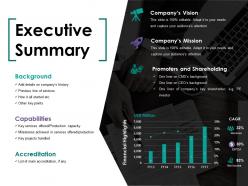
Slide 2: This slide showcases Executive Summary with these of the important factors- Capabilities, Key services offered/Production capacity, Milestones achieved in services offered/production, Key projects handled, Accreditation, List of main accreditation, if any, Background, Add details on company’s history, Previous line of services, How it all started etc, Other key points.
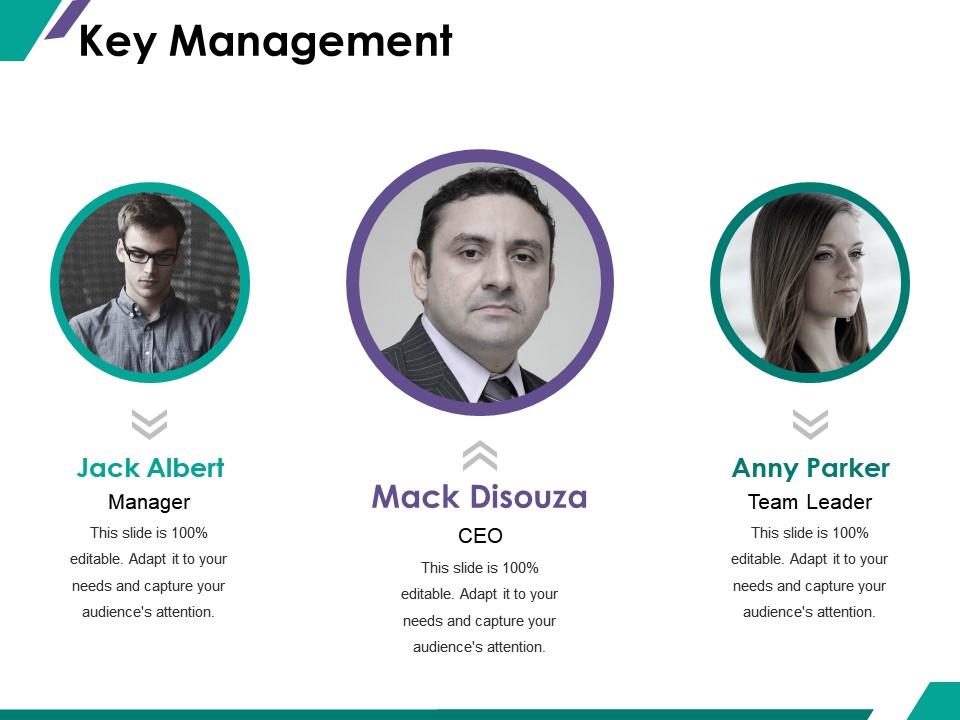
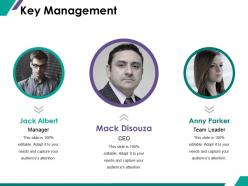
Slide 3: This slide shows Key Management with these three parameters.
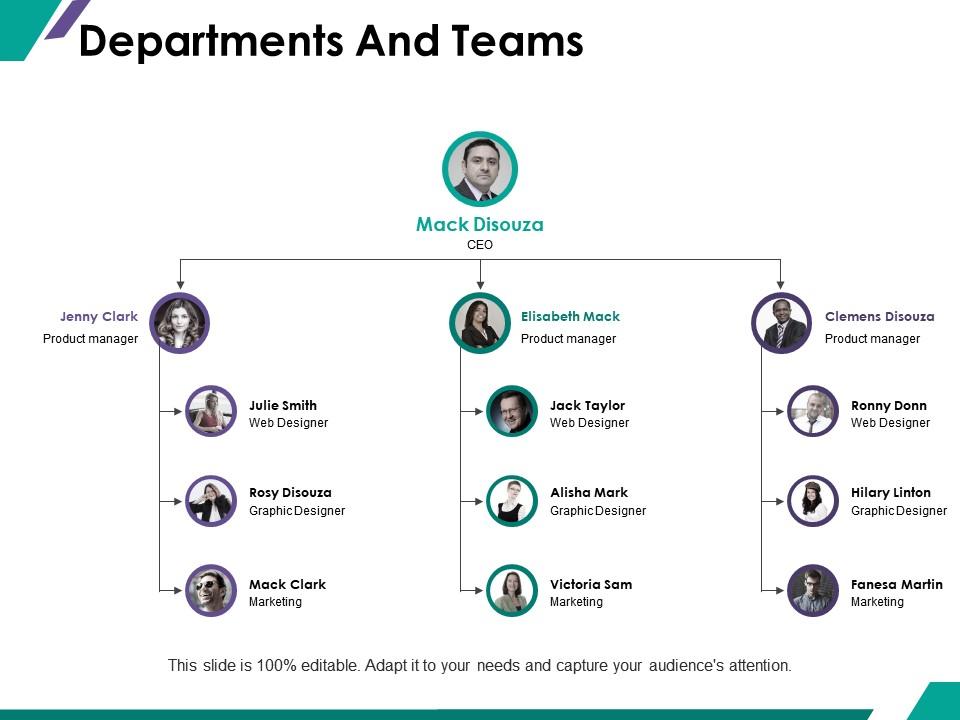
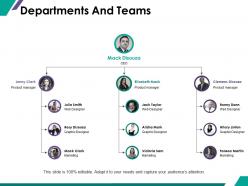
Slide 4: This slide shows Departments And Teams.
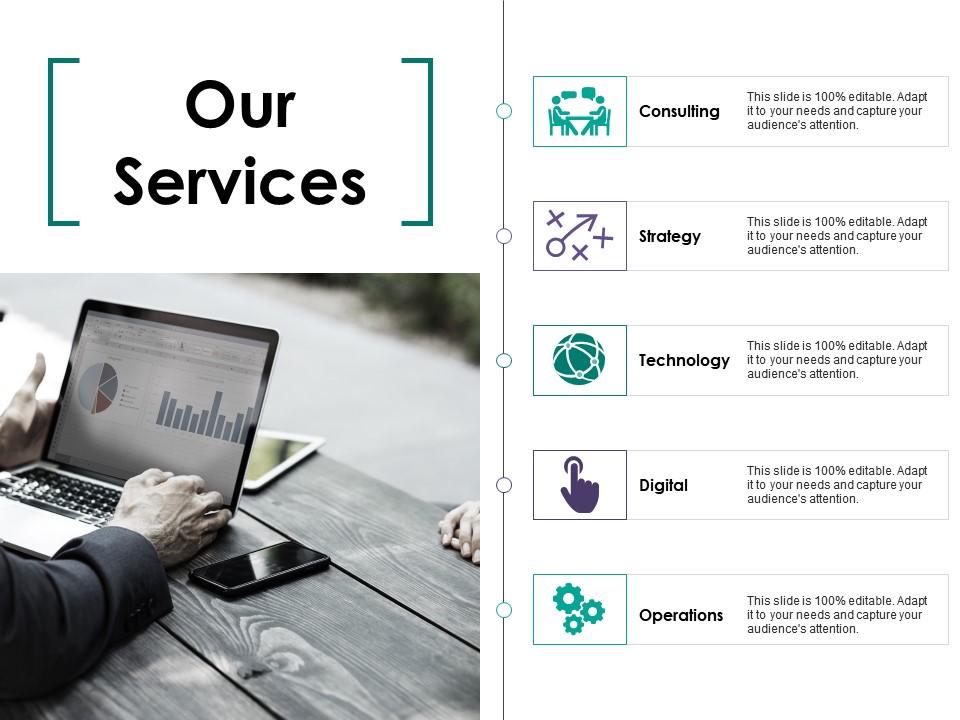
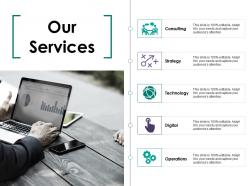
Slide 5: This slide showcases Our Services with these of the five parameters- Consulting, Strategy, Technology, Digital, Operations.
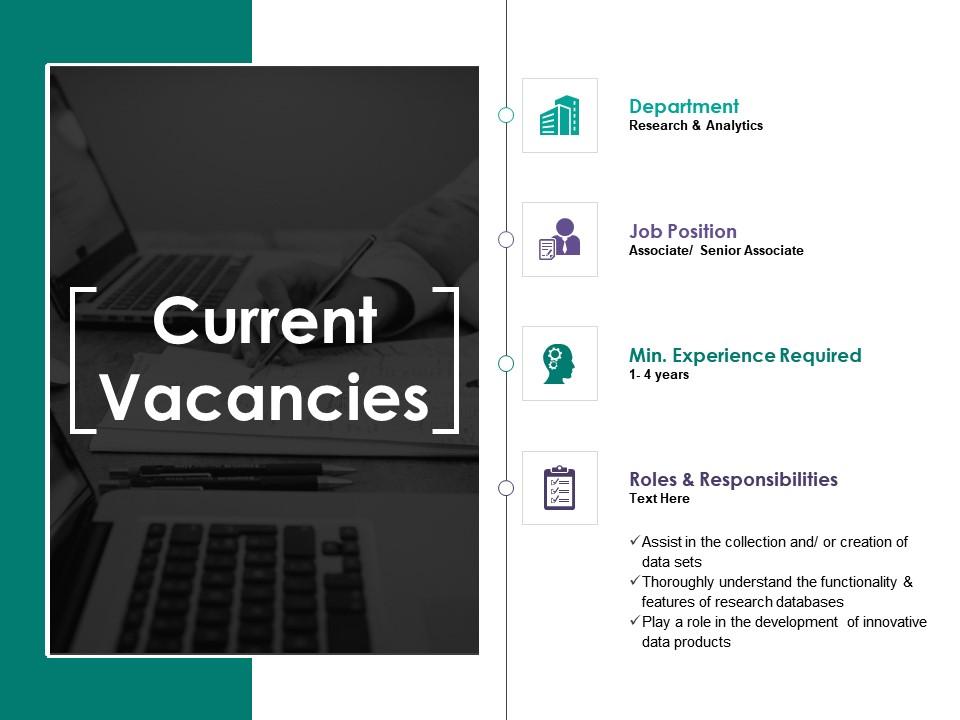
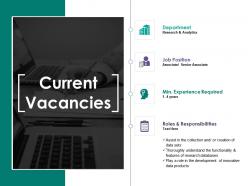
Slide 6: This slide presents Current Vacancies.
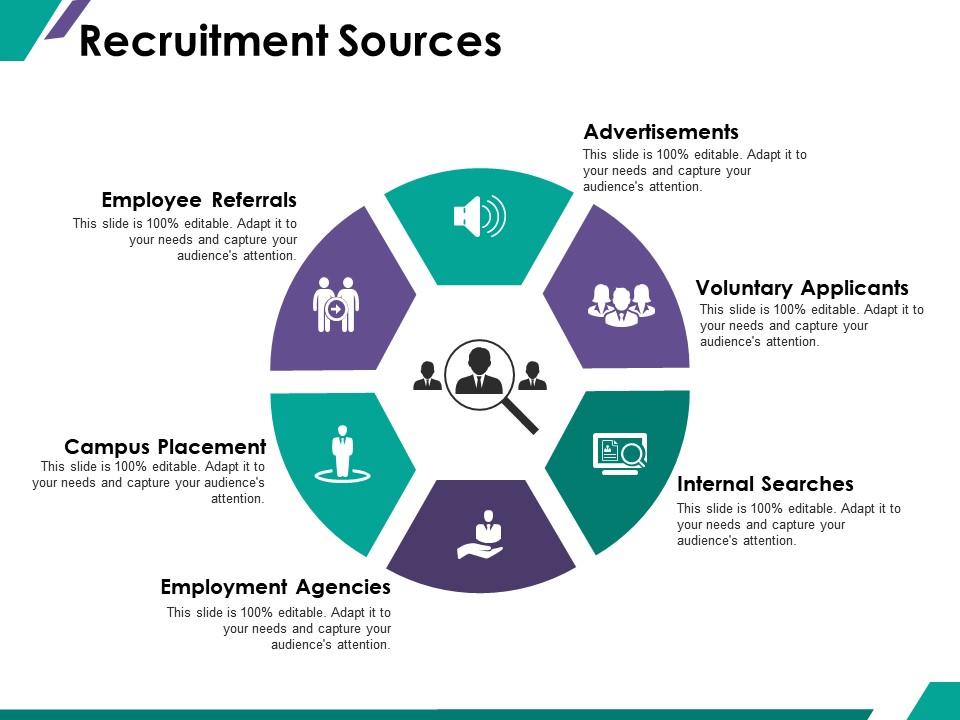
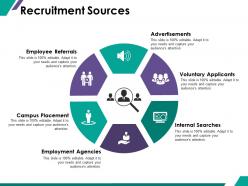
Slide 7: This slide shows Recruitment Sources which further presents- Employee Referrals, Voluntary Applicants, Internal Searches, Employment Agencies, Campus Placement, Advertisements.
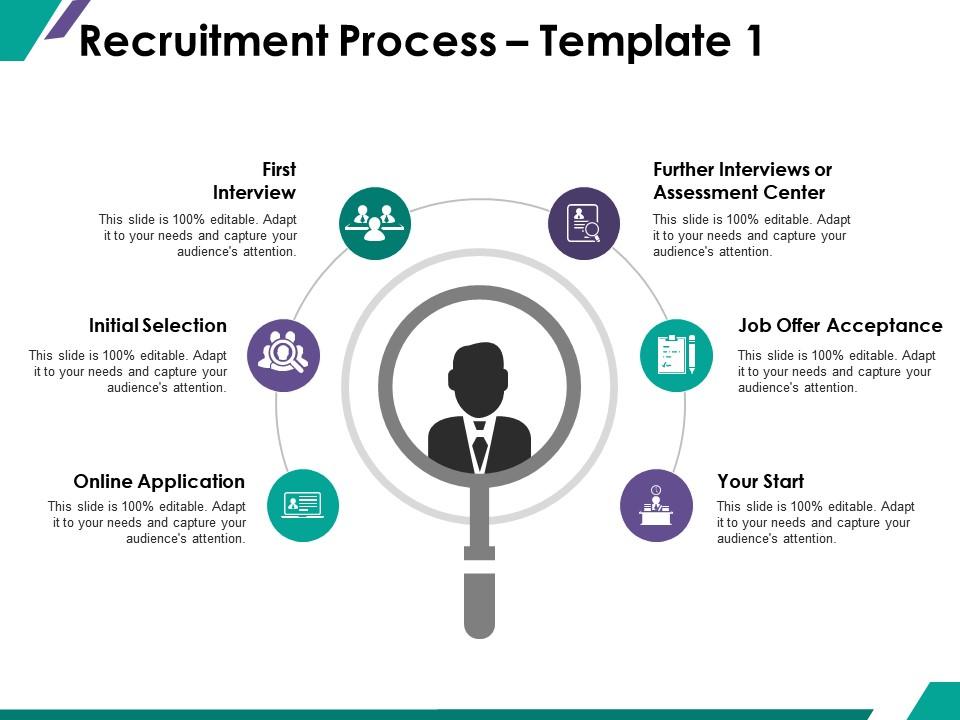
Slide 8: This slide showcases Recruitment Process – Template 1 with these six points- Further Interviews or Assessment Center, First Interview, Job Offer Acceptance, Initial Selection, Your Start, Online Application.
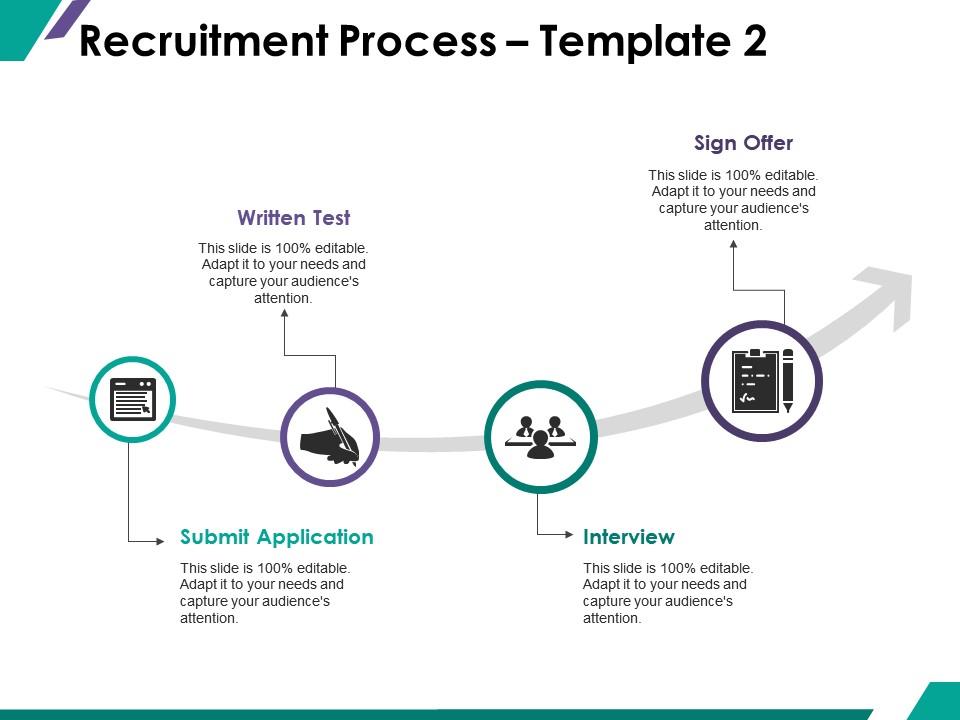
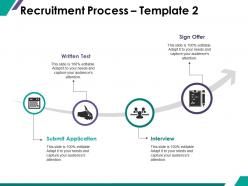
Slide 9: This slide presents Recruitment Process – Template 2 with these four stages- Submit Application, Written Test, Interview, Sign Offer.
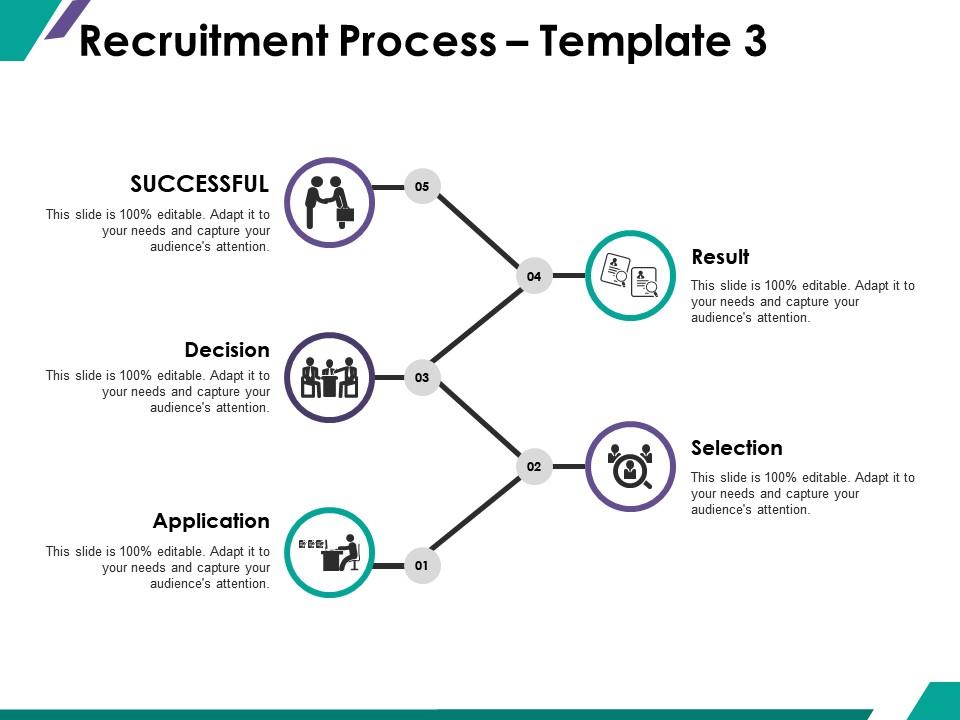
Slide 10: This slide showcases Recruitment Process – Template 3 with these Selection, Result, SUCCESSFUL, Decision, Application.
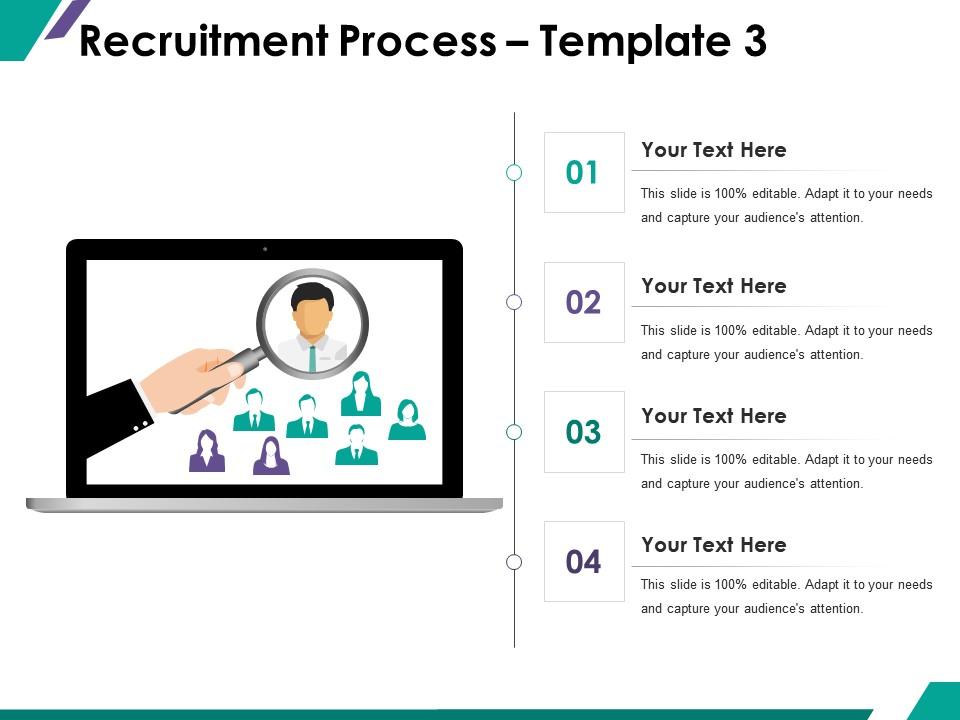
Slide 11: This slide presents Recruitment Process – Template 3 with these four text boxes.
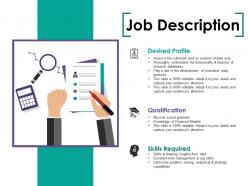
Slide 12: This slide showcases Job description- Qualification, Skills Required, Job Description, Desired Pofile.
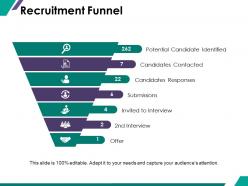
Slide 13: This slide presents Recruitment Funnel with these parameters with these parameters- Potential Candidate Identified, Candidates Contacted, Candidates Responses, Submissions, Invited to Interview, 2nd Interview, Offer.
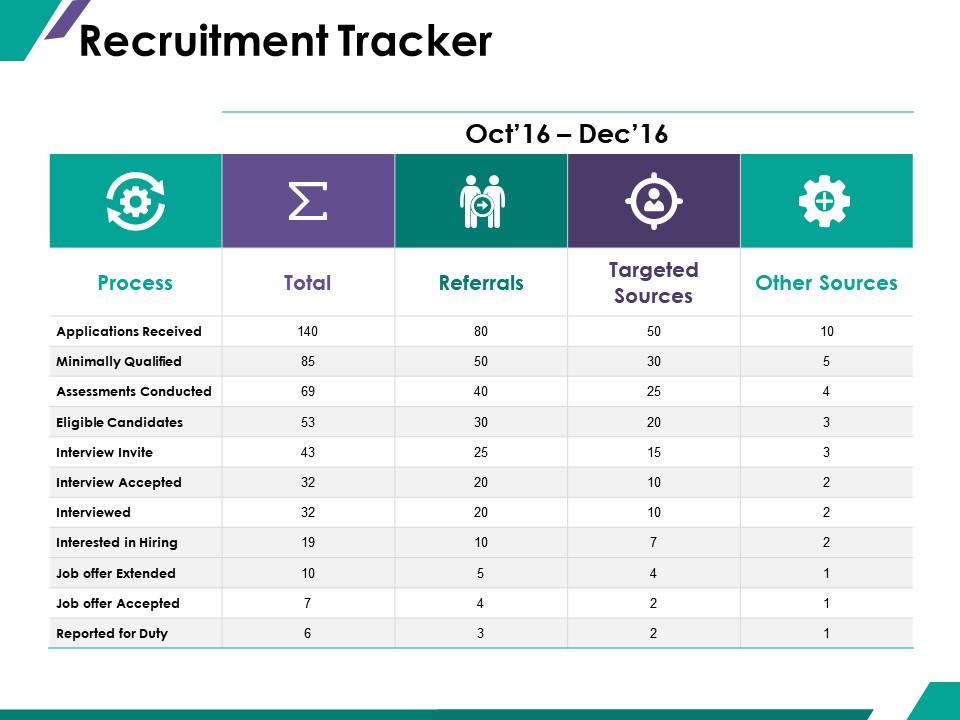
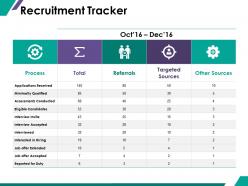
Slide 14: This slide shows Recruitment Tracker.
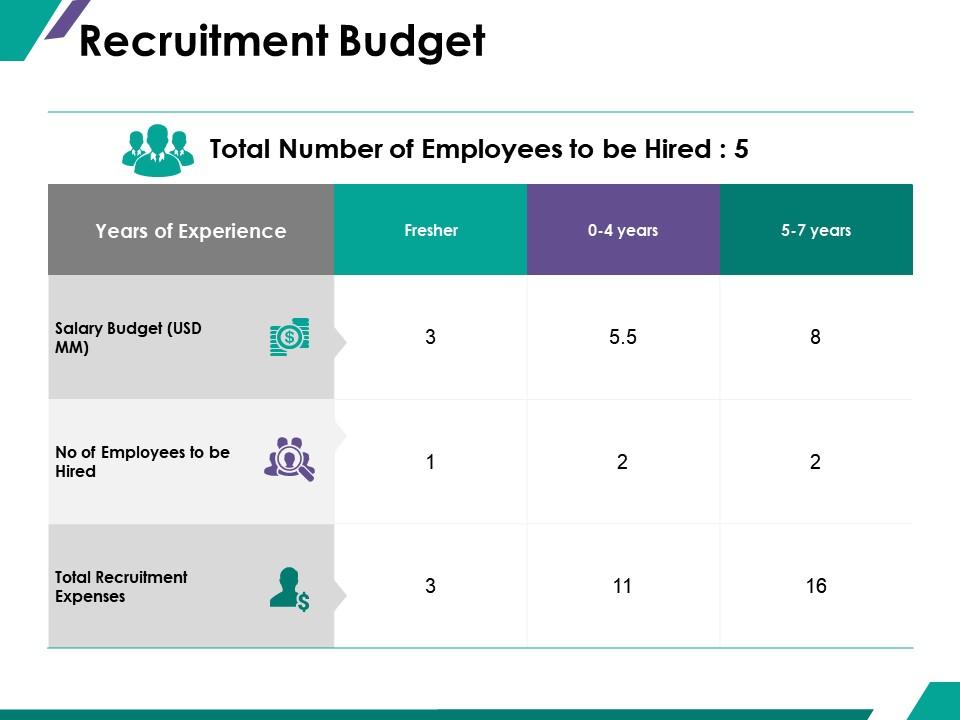
Slide 15: This slide presents Recruitment Budget.
Slide 16: This slide presents Staffing Planning, Resourcing and Procedure Icon Slide.
Slide 17: This is a Coffee Break slide to halt. You may change it as per requirement.
Slide 18: This slide is titled Charts & Graphs to move forward.
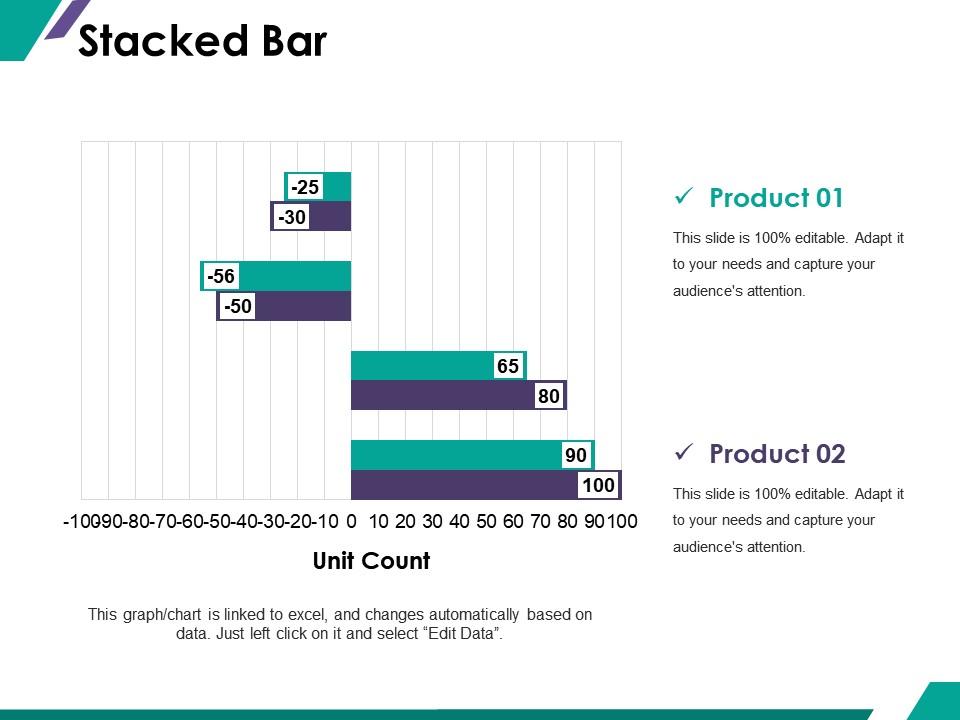
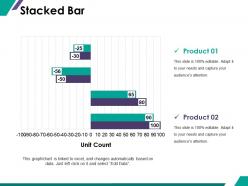
Slide 19: This slide showcases Stacked Bar. Add the data and use it.
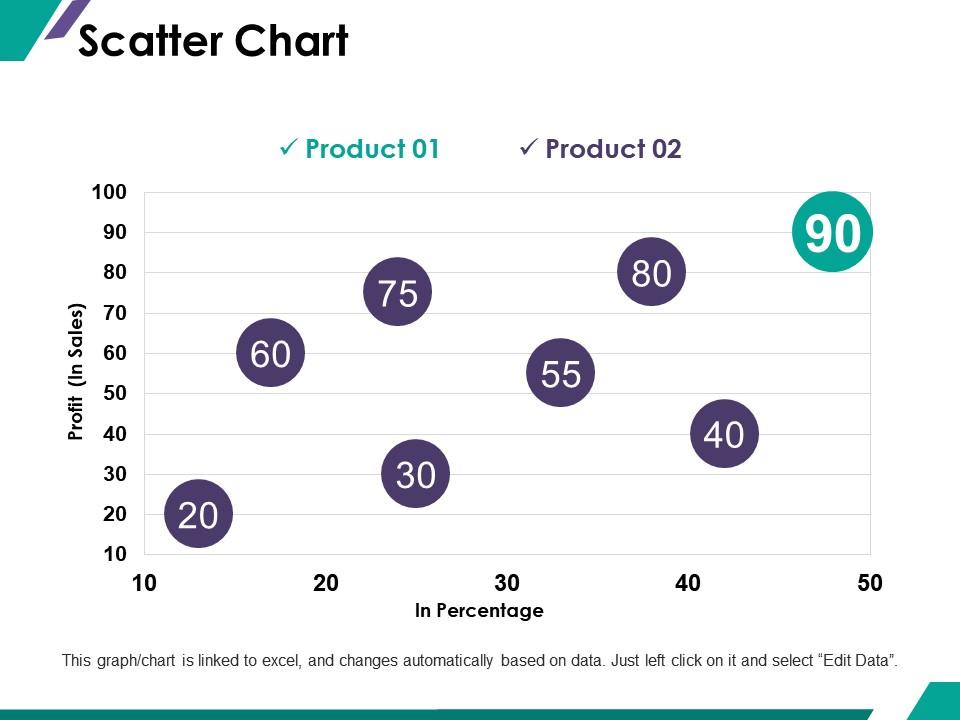
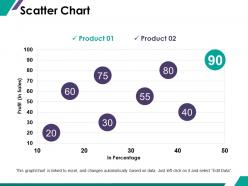
Slide 20: This is a Competitive Analysis Scatter Chart slide to present- Data Import, Example, Pricing, Support, Update, Tutorials, Easy to use, Users Interface.
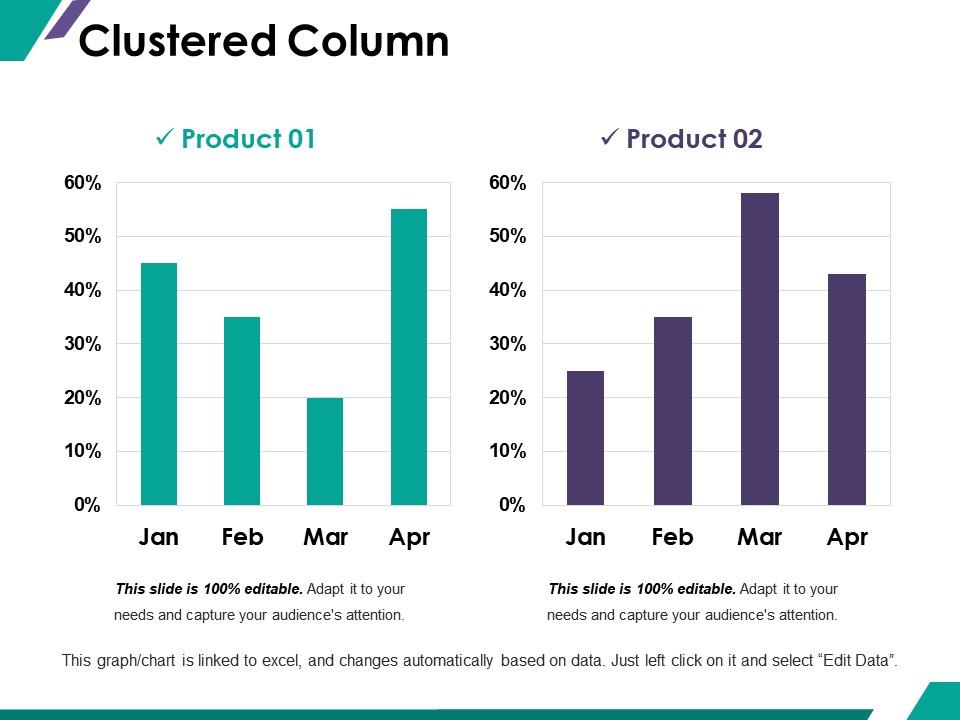
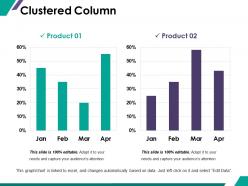
Slide 21: This slide presents Clustered Column.
Slide 22: This slide is titled Additional slides to proceed forward.
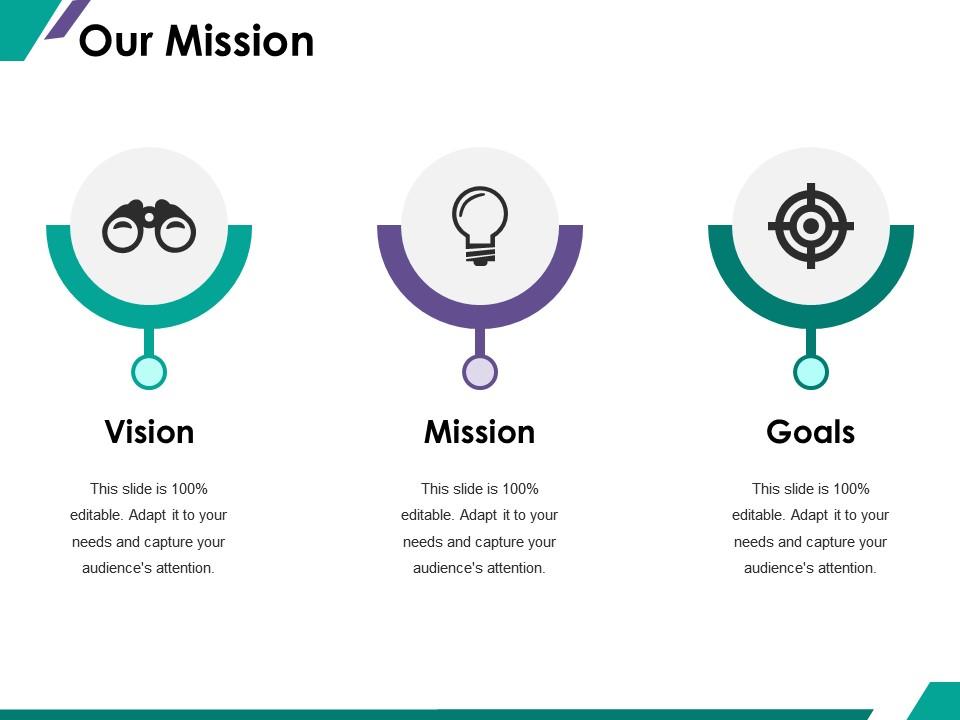
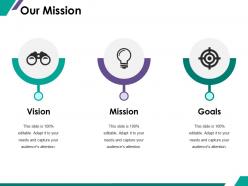
Slide 23: This is a Vision, Mission and Goals slide. State them here.
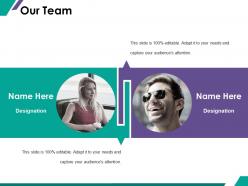
Slide 24: This is an Our Team slide with name, image &text boxes to put the required information
Slide 25: This is an About Us slide showing Our Company, Value Client, and Premium services as examples.
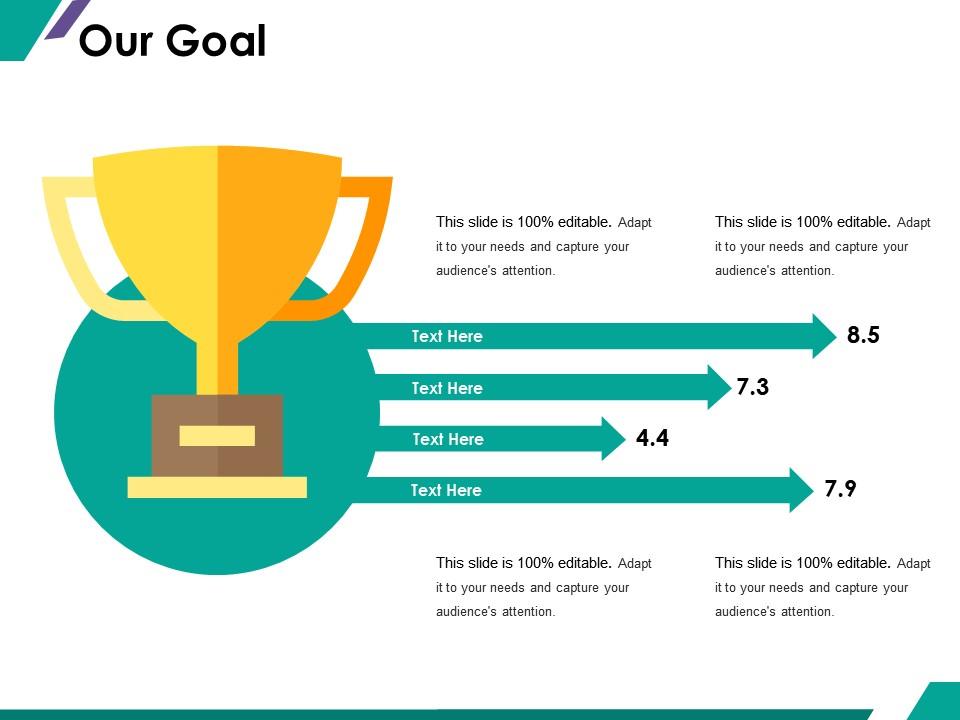
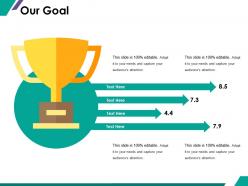
Slide 26: This is an Our Goal slide. State them here.
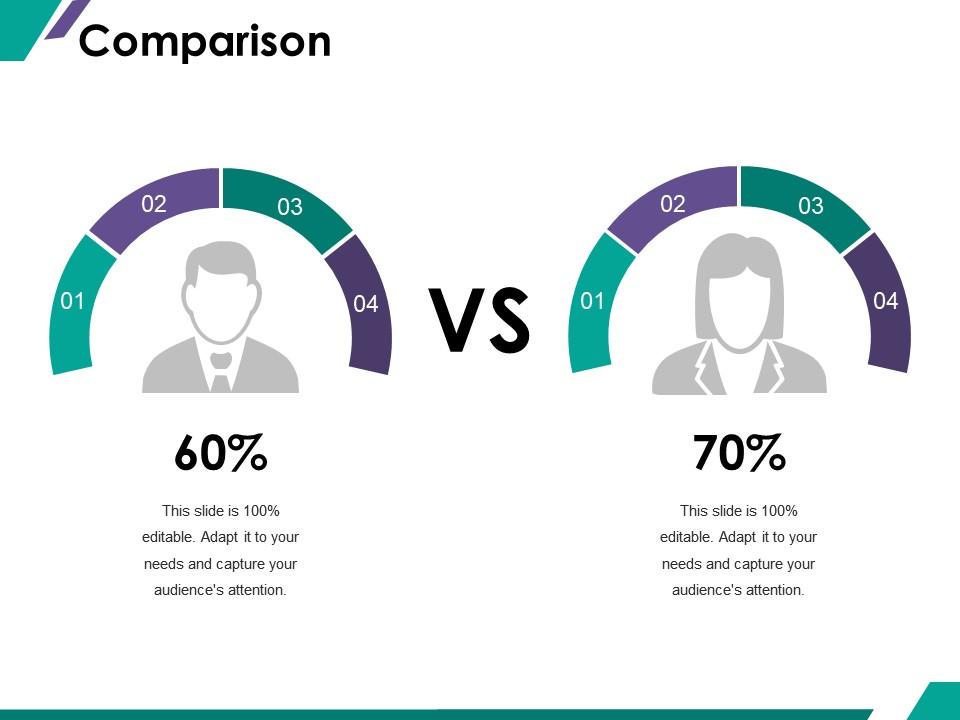
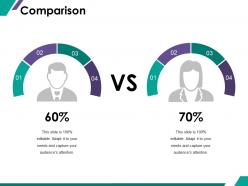
Slide 27: This slide shows Comparison of Positive Factors v/s Negative Factors with thumbsup and thumb down imagery.
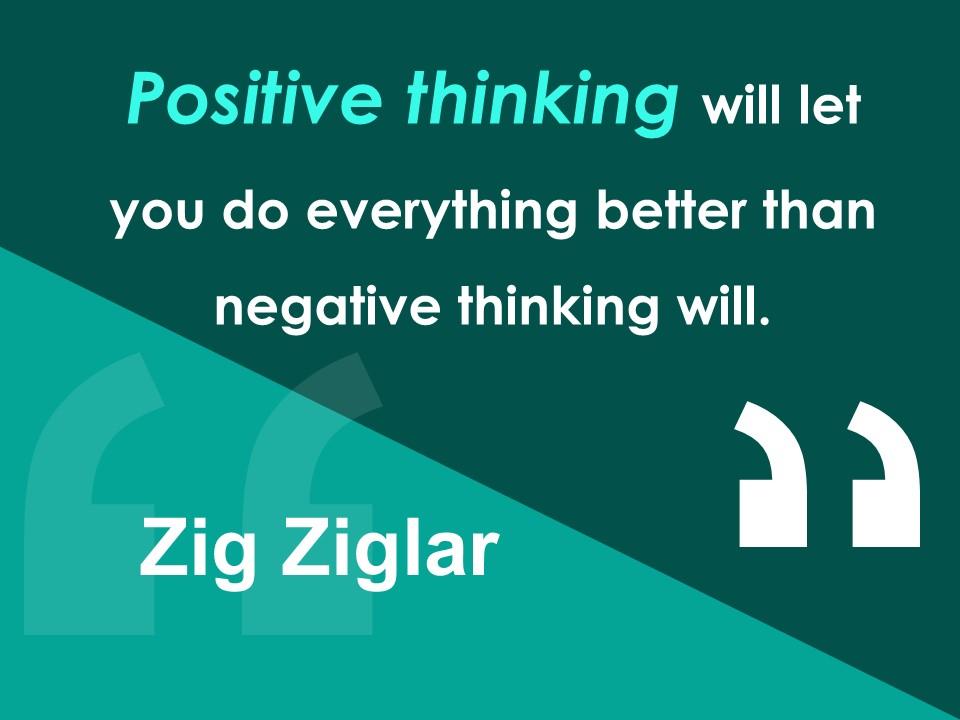
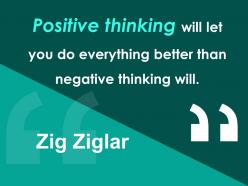
Slide 28: This is a Quotes slide to convey message, beliefs etc.
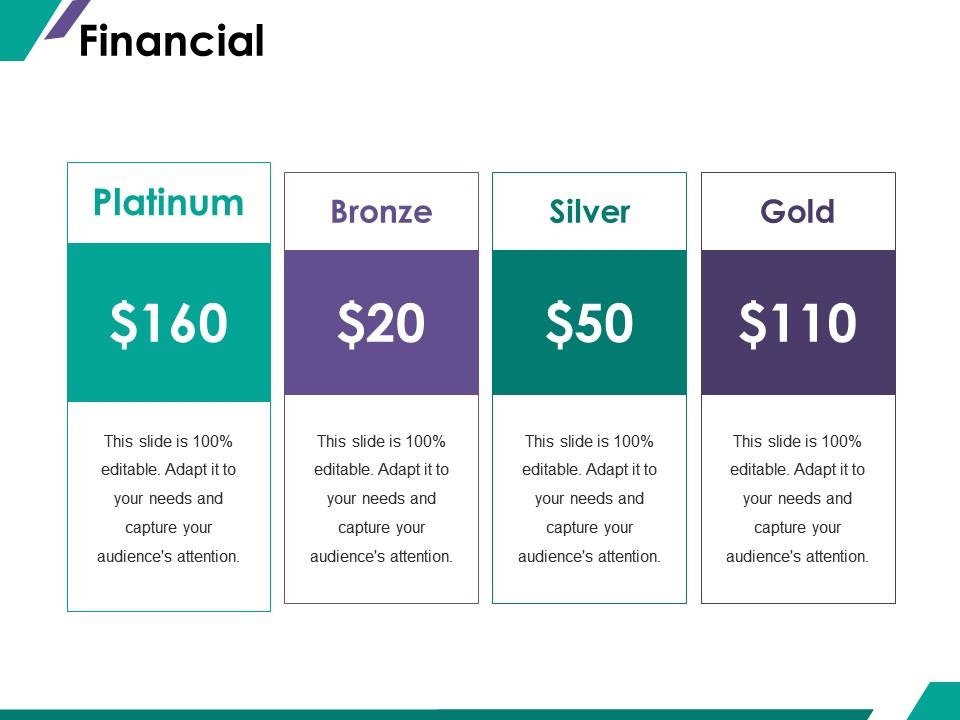
Slide 29: This slide is titled as Financials. Show finance related stuff here.
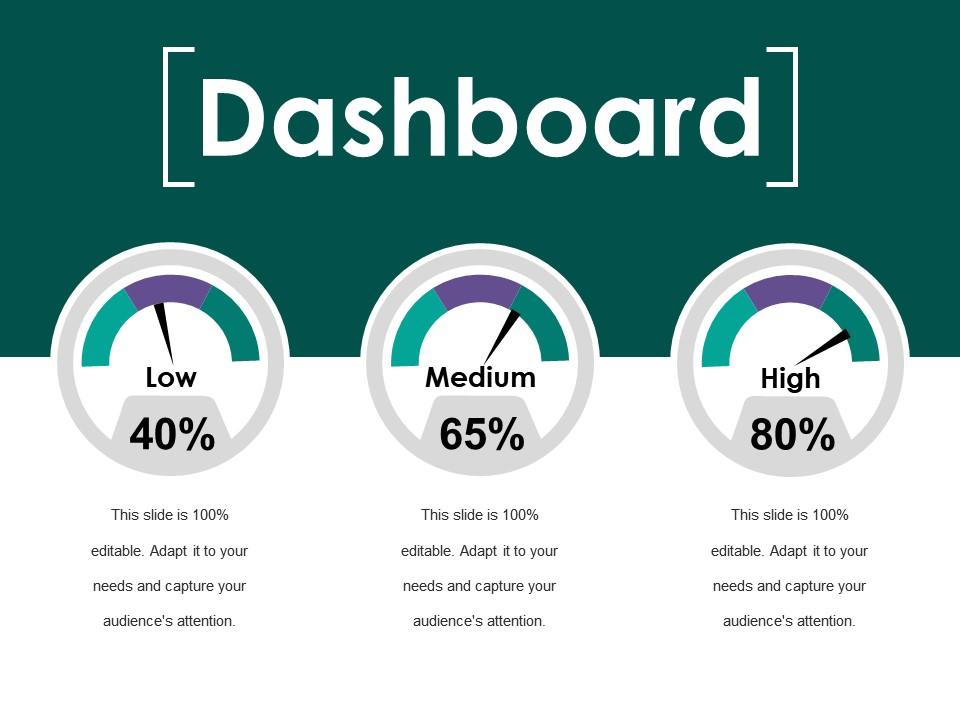
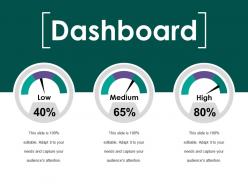
Slide 30: This is Dashboard slide to show information in percentages etc.
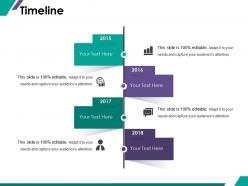
Slide 31: This slide presents a Timeline to show growth, milestones etc.
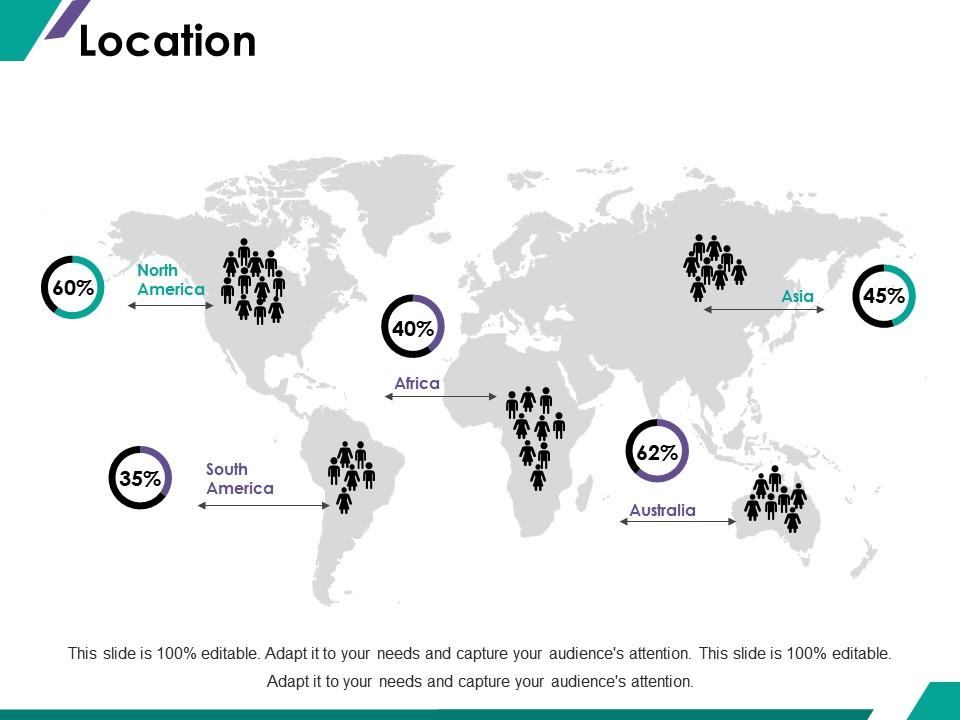
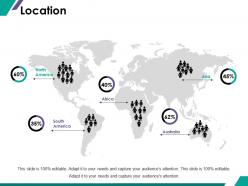
Slide 32: This slide showcases Global Project Locations with a World map and text boxes to make it explicit.
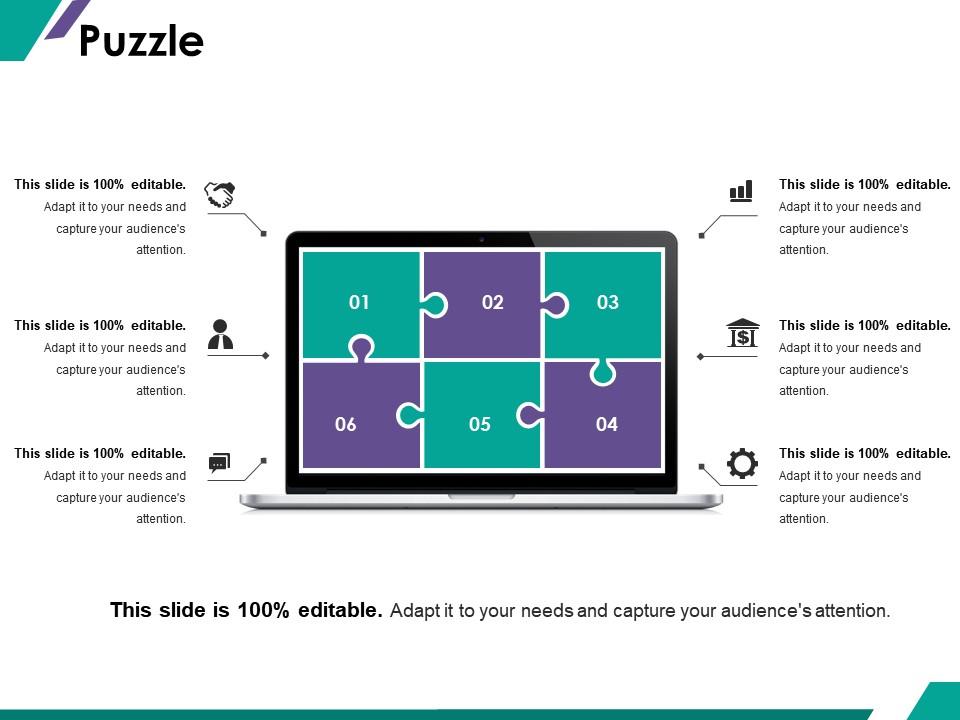
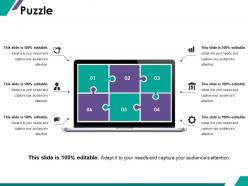
Slide 33: This slide presents a PUZZLE slide with the following subheadings- Integrity and Judgment, Critical and Decision Making, Leadership, Agility
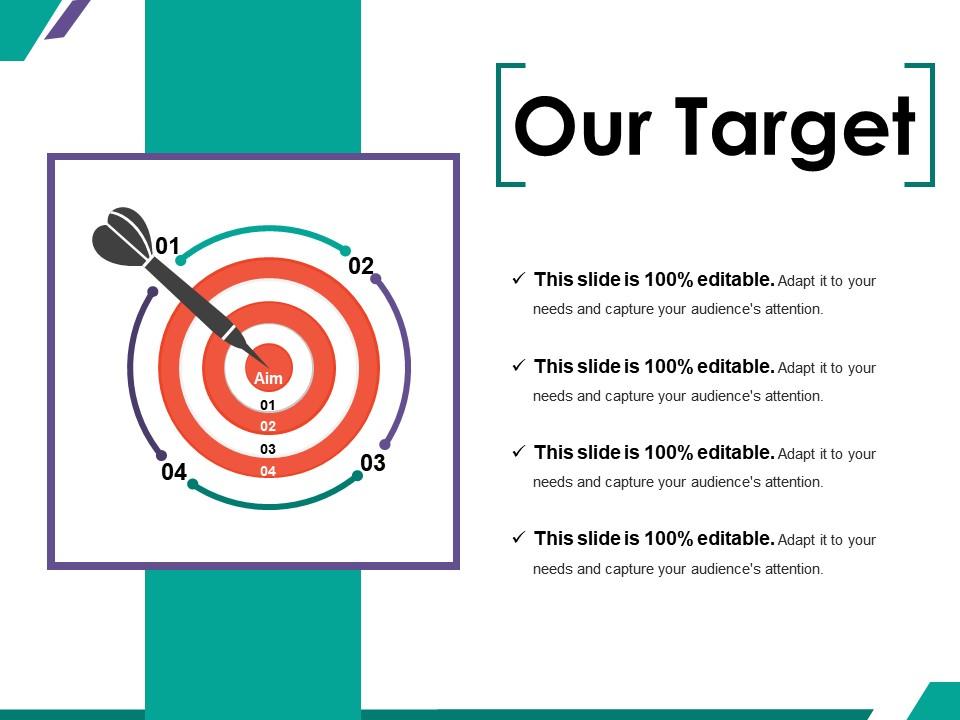
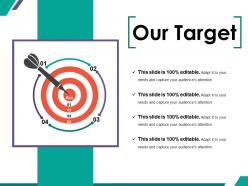
Slide 34: This is a Target slide. State your targets here.
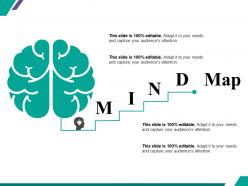
Slide 35: This slide presents a Mind map with text boxes.
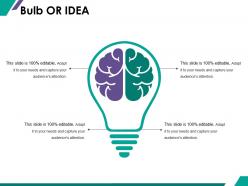
Slide 36: This is a Bulb/idea image slide to show information, ideas, innovation specific stuff etc.
Slide 37: This is a Thank You slide with Address# street number, city, state, Contact Numbers, Email Address.
Staffing Planning Resourcing And Procedure Powerpoint Presentation Slides with all 37 slides:
You have improved upon your ability to communicate. Demonstrate your skills with our Staffing Planning Resourcing And Procedure Powerpoint Presentation Slides.
-
Designs have enough space to add content.
-
Excellent template with unique design.
