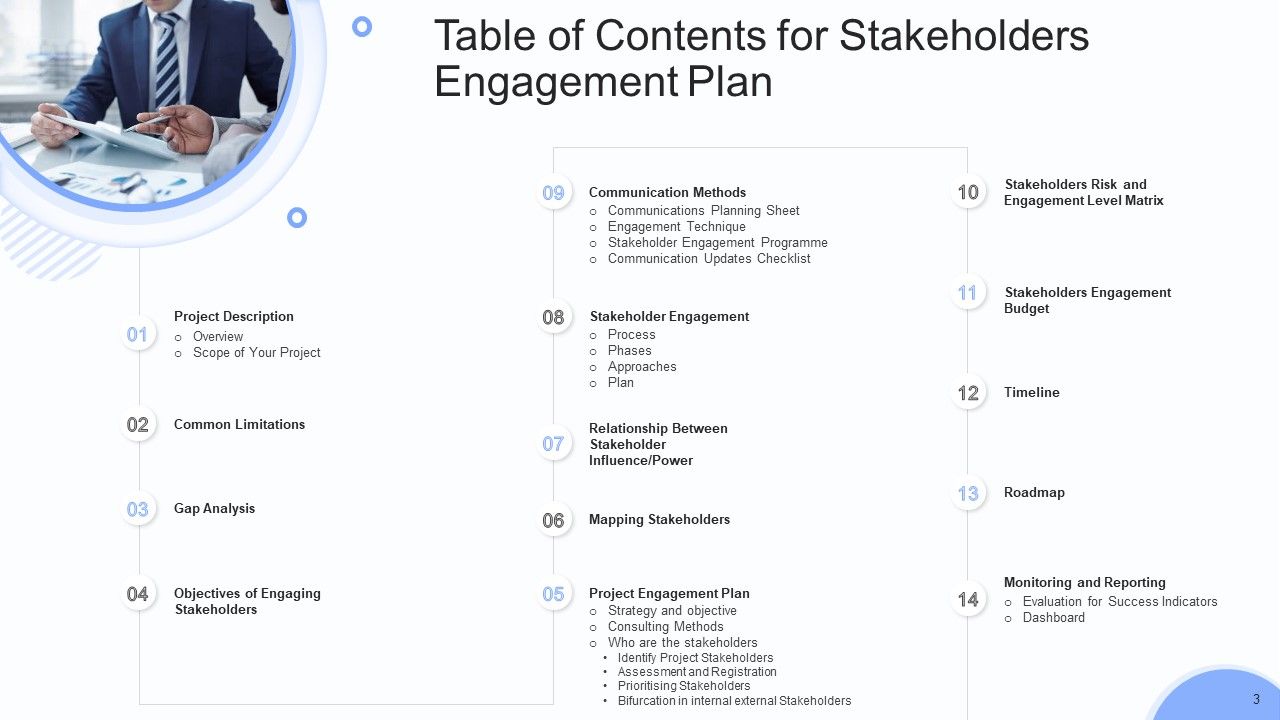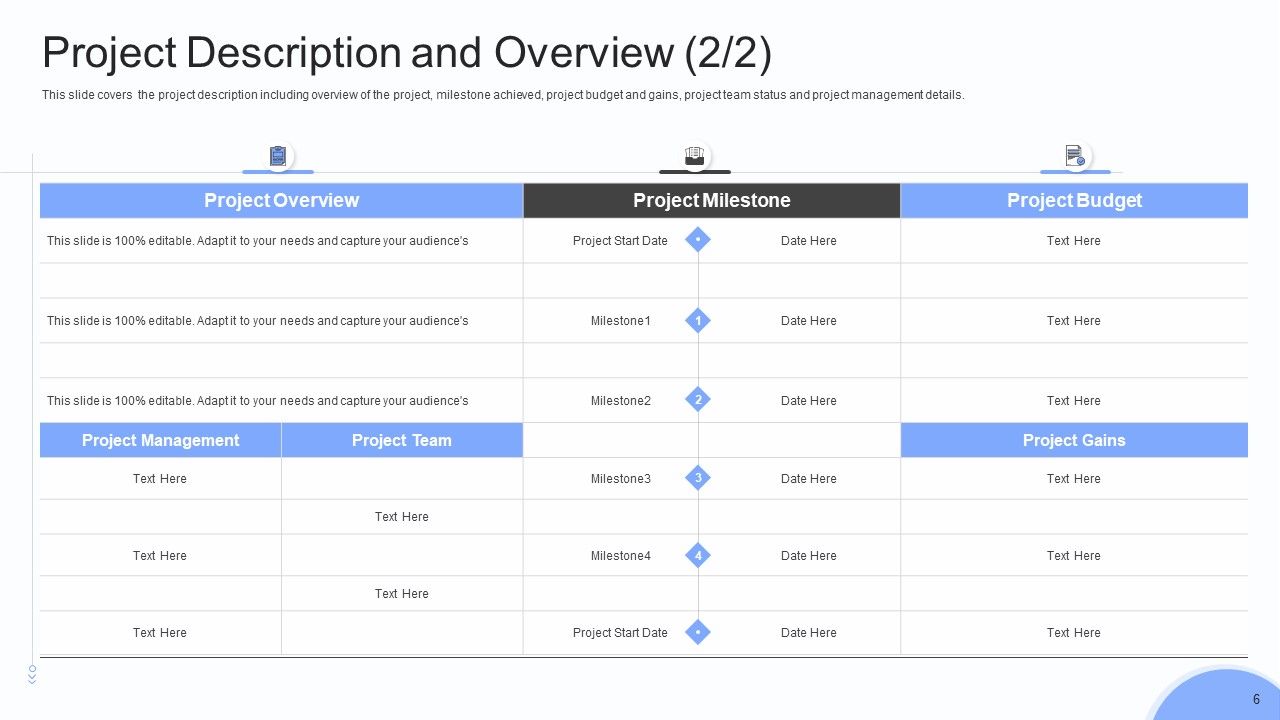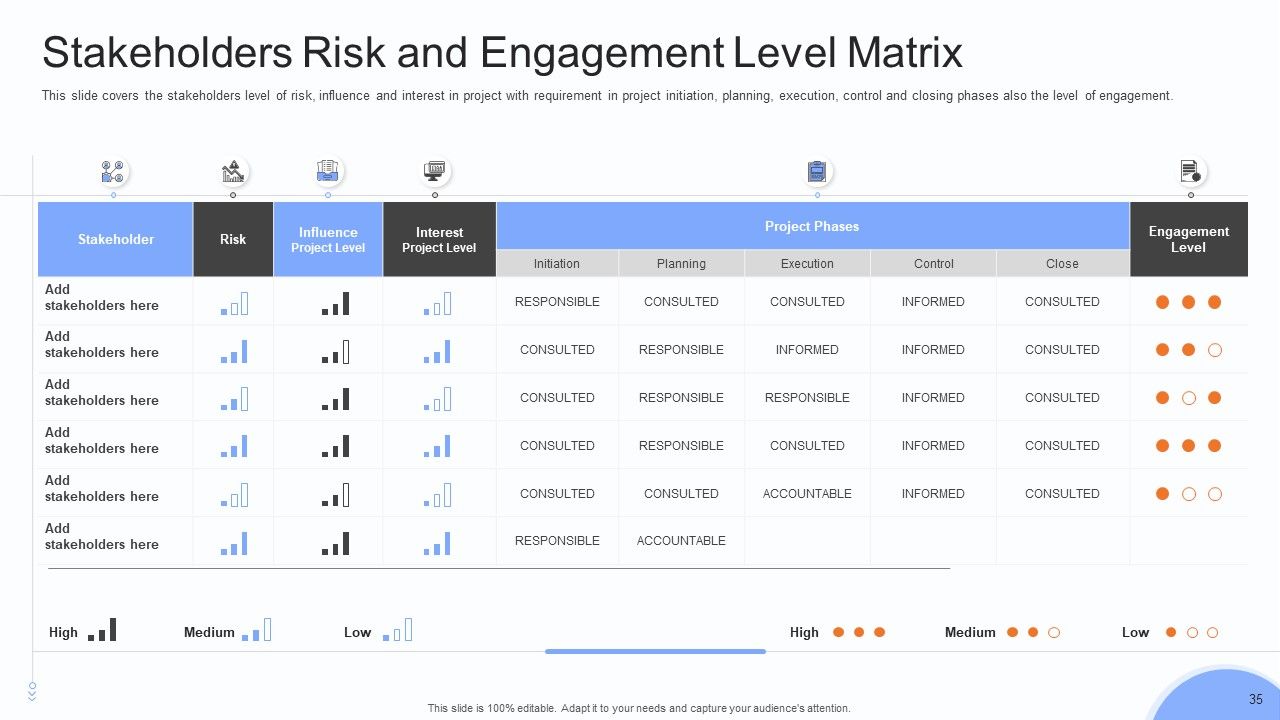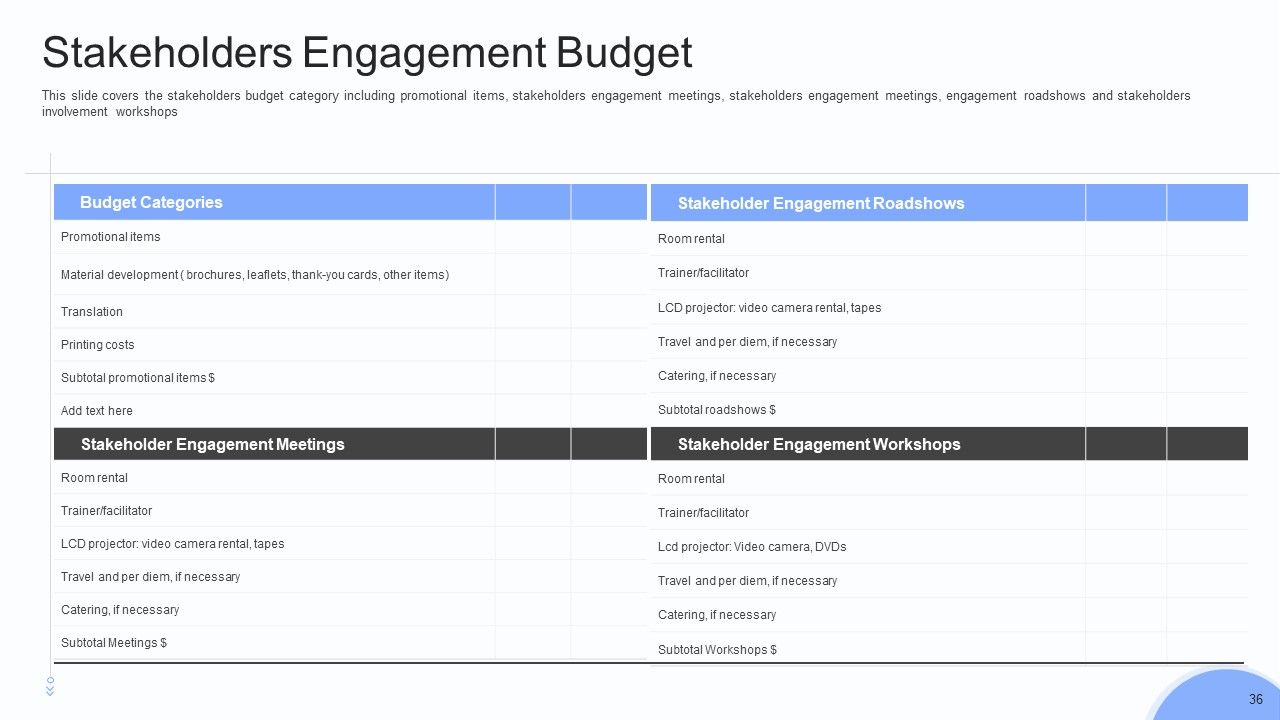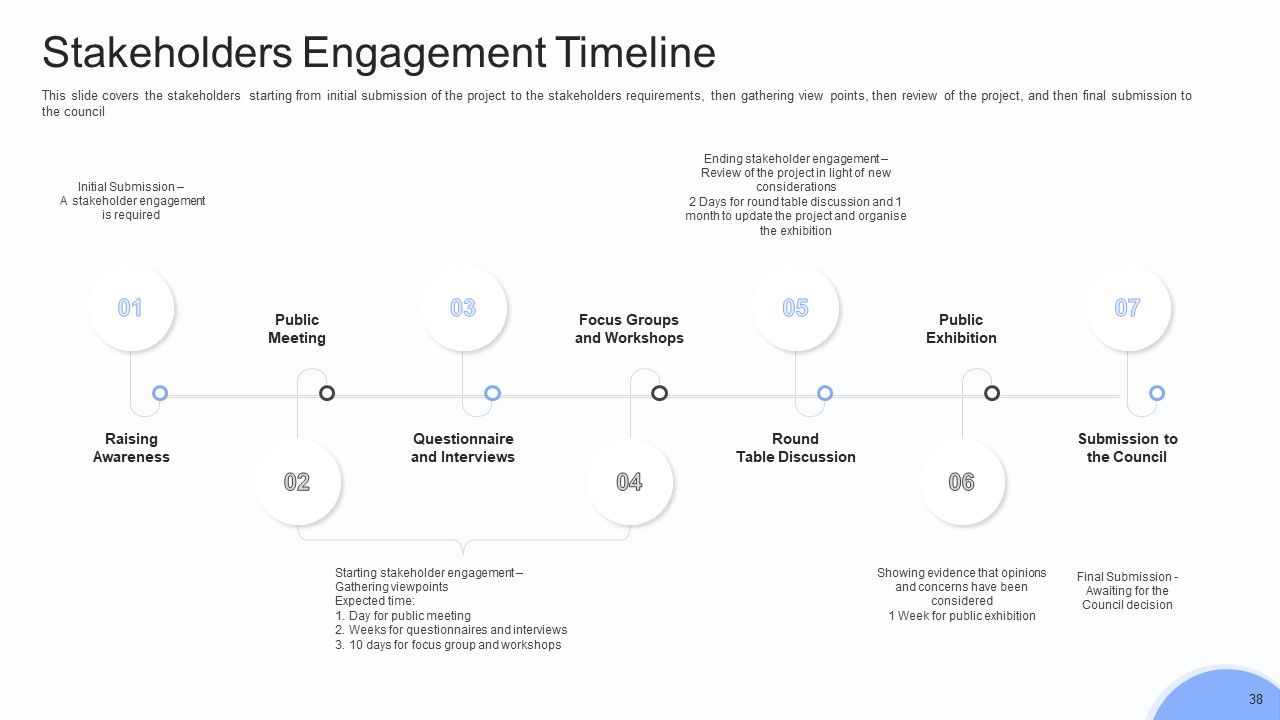
Diapositives de présentation Powerpoint du plan d'engagement des parties prenantes

Rating:
92%
Stakeholders engagement plan powerpoint presentation slides
Slide 1 of 54
Favourites Favourites

Try Before you Buy Download Free Sample Product

Audience Impress Your
Audience
Editable 100%
Editable
Time Save Hours
of Time
The Biggest Sale is ending soon in
0
0
:
0
0
:
0
0
Rating:
92%

Caractéristiques de ces diapositives de présentation PowerPoint :

Présentation de nos diapositives de présentation PowerPoint du plan d'engagement des parties prenantes. Il s'agit d'une diapositive PPT 100% modifiable et adaptable. Vous pouvez l'enregistrer dans différents formats tels que PDF, JPG et PNG. Il peut être modifié avec différentes couleurs, polices, tailles de police et types de police du modèle selon vos besoins. Ce modèle prend en charge le format standard (4:3) et grand écran (16:9). Il est également compatible avec Google Slides.

FAQs for Stakeholders engagement plan

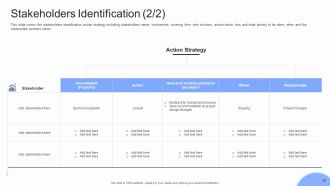
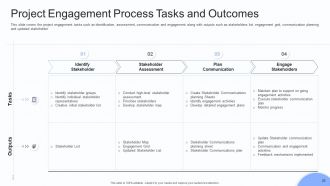
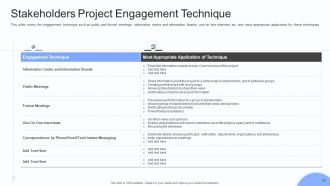
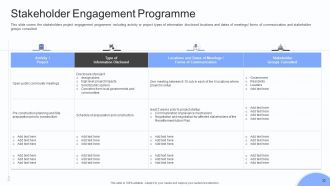
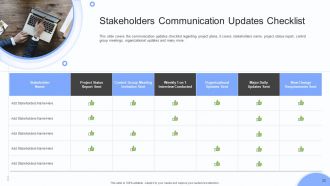
Effective stakeholder engagement plans include stakeholder mapping and analysis, communication strategies, engagement methods, timeline management, and feedback mechanisms. These components work together by identifying key audiences, establishing clear channels for dialogue, and creating structured touchpoints throughout project lifecycles, with many organizations finding that systematic engagement ultimately delivers stronger project outcomes, reduced resistance, and enhanced stakeholder buy-in across diverse business initiatives.

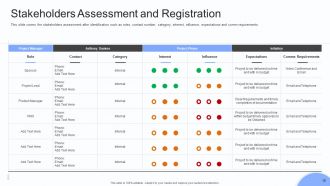
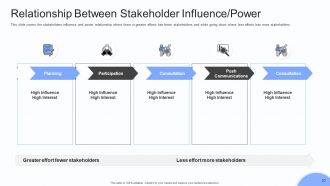
Stakeholder analysis improves engagement planning by identifying key influencers, assessing their interests and impact levels, mapping communication preferences, and determining optimal engagement frequencies and methods. This strategic approach enables organizations to prioritize resources effectively, tailor messaging for different stakeholder groups, and anticipate potential resistance, ultimately delivering more targeted outreach and stronger project support.

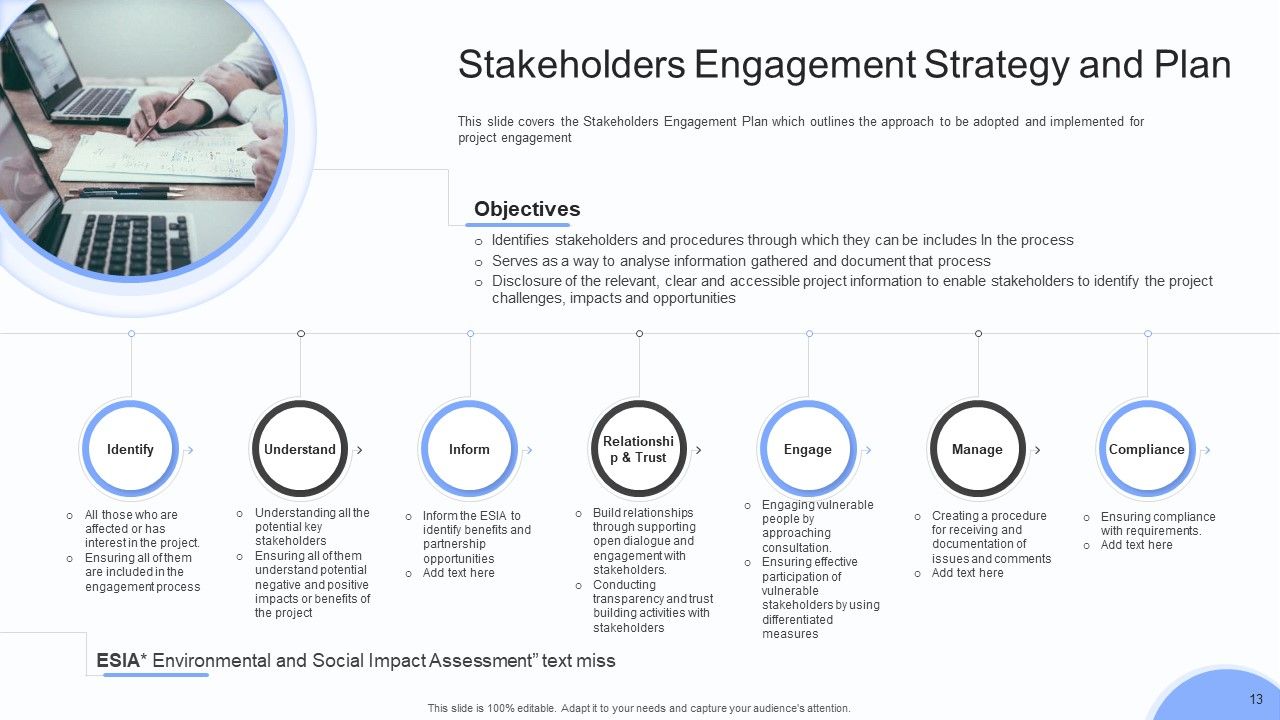
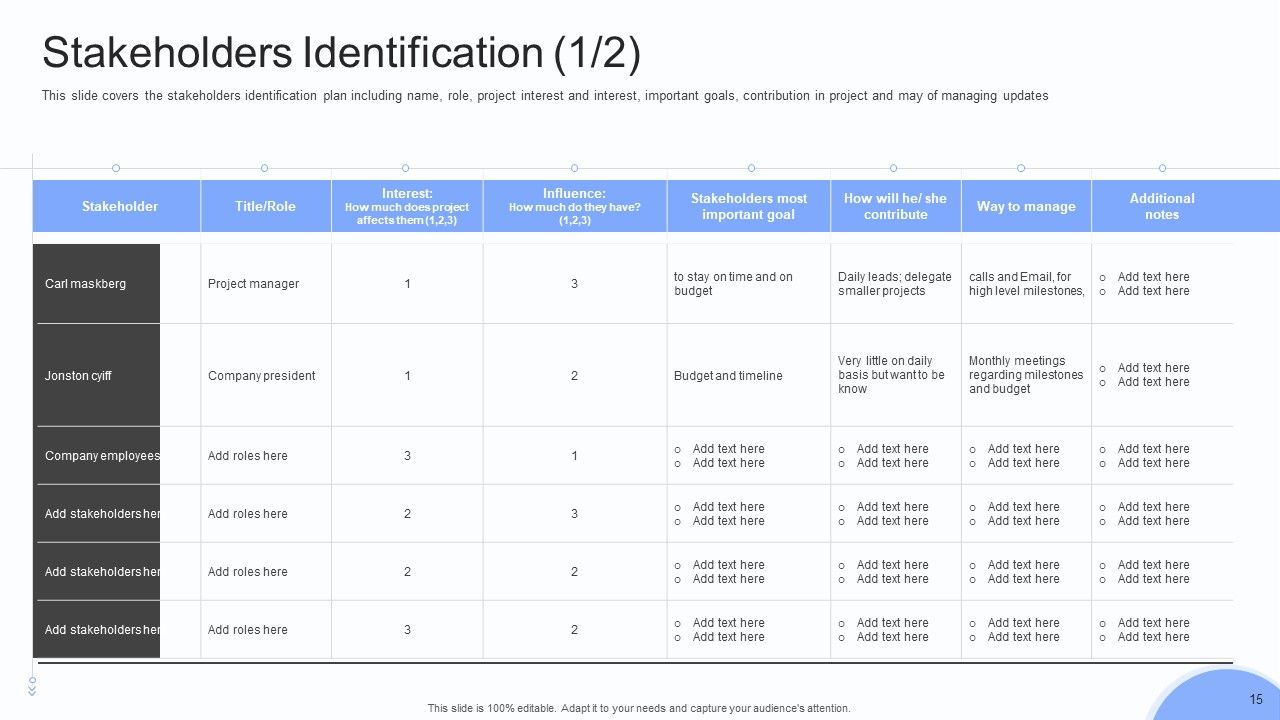
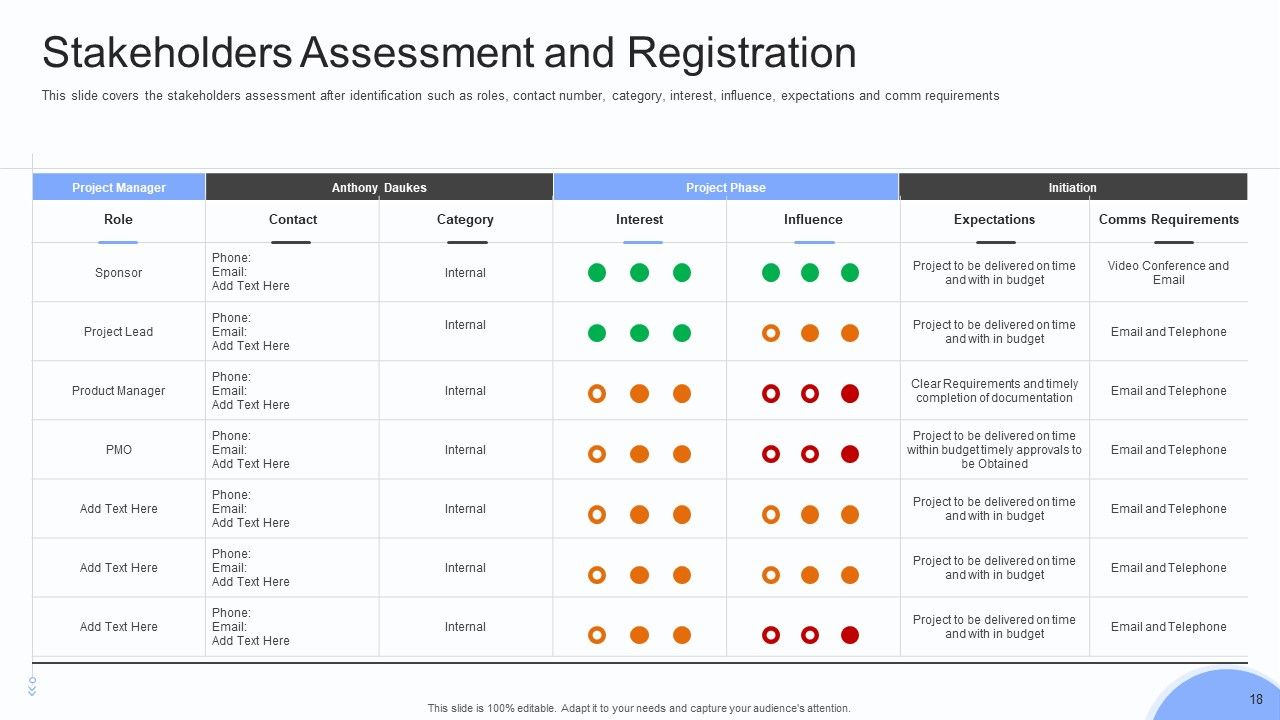
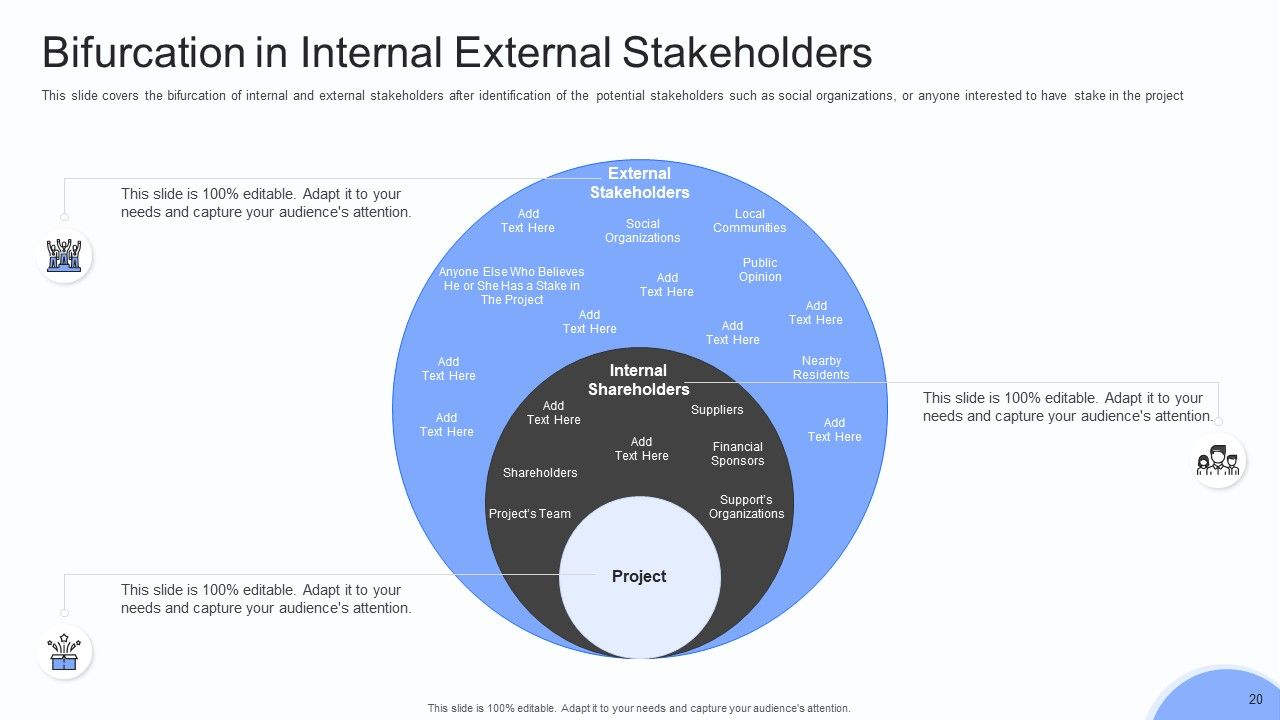
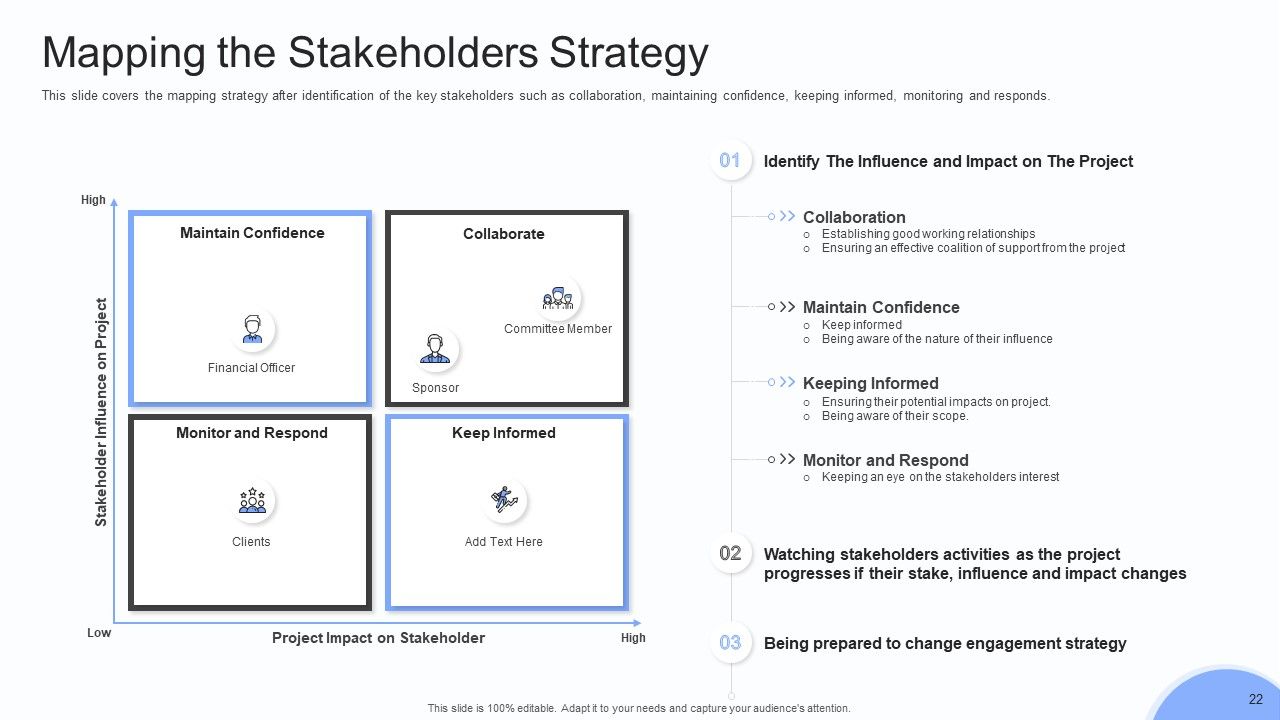
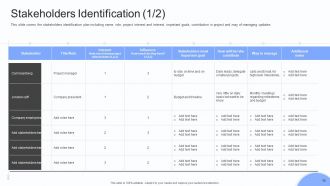
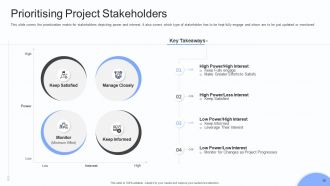
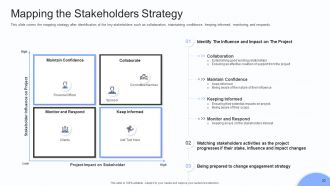
Stakeholder identification methods include stakeholder mapping, power-interest grids, influence-impact matrices, organizational charts, and expert interviews with project sponsors. These approaches streamline stakeholder analysis by assessing influence levels, project impact potential, and communication requirements, with many organizations finding that systematic prioritization ultimately delivers more focused engagement strategies and smoother project execution across complex initiatives.

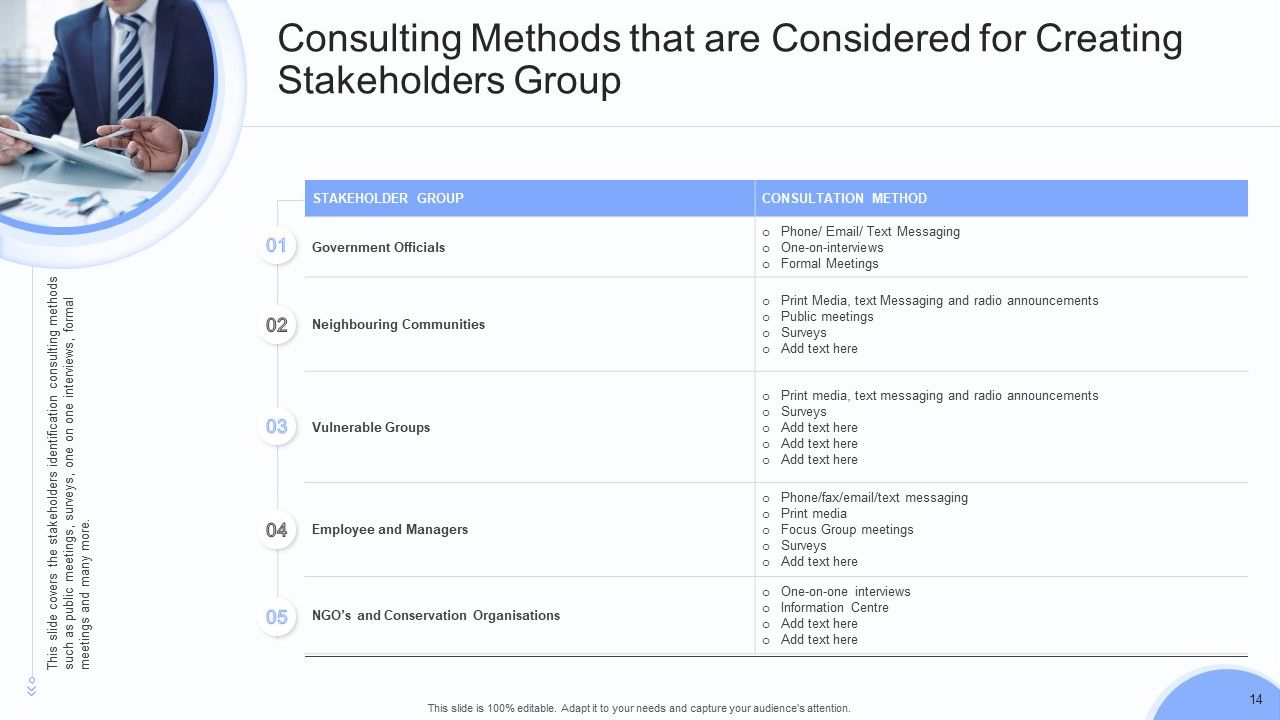
Communication strategies vary significantly based on stakeholder types, with executives requiring high-level strategic summaries, while employees need detailed operational guidance, customers benefit from clear service updates, and investors expect data-driven performance metrics. These tailored approaches enhance engagement by addressing specific information needs, communication preferences, and decision-making requirements, with many organizations finding that customized messaging delivers stronger stakeholder buy-in and project success.

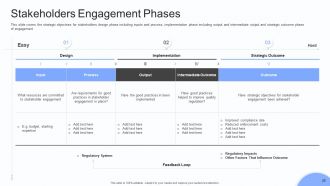
Feedback serves as the cornerstone for iterating and improving stakeholder engagement strategies, enabling organizations to identify communication gaps, adjust messaging approaches, and enhance relationship effectiveness. Through systematic feedback collection from surveys, focus groups, and direct consultations, companies can refine their engagement methods, strengthen stakeholder satisfaction, and ultimately deliver more targeted communications that drive better business outcomes.

Organizations ensure continuous stakeholder engagement by establishing regular communication schedules, implementing feedback loops, creating dedicated stakeholder portals, conducting periodic satisfaction surveys, and maintaining transparent progress reporting. Through strategic touchpoints and proactive updates, companies in sectors like healthcare and manufacturing streamline project delivery while minimizing risks, ultimately delivering enhanced stakeholder satisfaction and stronger project outcomes.

Common stakeholder engagement challenges include conflicting interests, communication barriers, resource constraints, unclear expectations, and resistance to change. These obstacles can be mitigated by establishing clear communication protocols, conducting regular stakeholder mapping, setting realistic timelines, and creating transparent feedback mechanisms, with many organizations finding that proactive engagement strategies ultimately deliver stronger project outcomes and sustained stakeholder buy-in.

Technology facilitates better stakeholder engagement through digital communication platforms, automated reporting systems, real-time collaboration tools, mobile applications, and data analytics dashboards. These solutions streamline communication by enabling instant updates, personalized messaging, and transparent progress tracking, with organizations across healthcare, finance, and manufacturing finding that integrated platforms ultimately deliver faster decision-making and stronger stakeholder relationships.

Key metrics include stakeholder satisfaction scores, participation rates in engagement activities, response times to communications, feedback quality assessments, and relationship strength indicators. These measurements enable organizations to track engagement effectiveness across different stakeholder groups, identify areas for improvement, and demonstrate tangible value through enhanced collaboration, reduced conflicts, and stronger strategic partnerships, ultimately delivering improved project outcomes and organizational reputation.
Cultural differences significantly impact stakeholder engagement by influencing communication preferences, decision-making processes, relationship-building expectations, and trust establishment methods. Organizations must adapt their approaches through localized communication styles, culturally appropriate meeting formats, and region-specific relationship protocols, with many global companies finding that tailored engagement strategies ultimately deliver stronger partnerships and more successful project outcomes.

Transparency builds trust, credibility, and stronger relationships with stakeholders by providing clear, honest communication about decisions, challenges, and organizational performance. It enables better collaboration, reduces conflicts, and enhances stakeholder buy-in, with many organizations finding that transparent engagement ultimately delivers improved project outcomes and sustained competitive advantage.

Stakeholder engagement contributes to project success by ensuring alignment with business objectives, securing necessary resources and support, and minimizing resistance through transparent communication. Through strategic stakeholder involvement, organizations enhance decision-making quality, accelerate project timelines, and build sustainable outcomes, with many finding that engaged stakeholders become champions who drive long-term adoption and organizational change.
Best practices for involving stakeholders in decision-making include establishing clear communication channels, conducting regular consultation sessions, creating structured feedback mechanisms, implementing collaborative workshops, and ensuring transparent documentation of input received. These approaches enhance decision quality by incorporating diverse perspectives, building stakeholder buy-in, and reducing implementation resistance, with many organizations finding that systematic engagement ultimately delivers stronger outcomes and sustained project success.
Risk management can be integrated into stakeholder engagement plans by identifying stakeholder-specific risks early, establishing clear communication protocols for risk disclosure, and creating feedback mechanisms that allow stakeholders to voice concerns. Through proactive risk assessment frameworks, organizations streamline stakeholder relationships while minimizing project delays, regulatory issues, and reputation damage, ultimately delivering greater transparency and trust.

Stakeholder engagement drives innovation by incorporating diverse perspectives, identifying unmet needs, fostering collaborative problem-solving, and leveraging collective expertise throughout project lifecycles. Through active consultation and feedback loops, organizations uncover creative solutions, reduce implementation risks, and enhance buy-in, with many companies finding that engaged stakeholders contribute valuable insights that ultimately deliver more robust outcomes and competitive advantages.

Ratings and Reviews

92% of 100
Review Form
Write a review
Most Relevant Reviews
  1. 100%

    by Ed Lawrence

    Unique research projects to present in meeting.
  2. 100%

    by Earl Contreras

    Much better than the original! Thanks for the quick turnaround.
  3. 80%

    by Noah Hernandez

    Awesomely designed templates, Easy to understand.
  4. 100%

    by Chris Watson

    I discovered this website through a google search, the services matched my needs perfectly and the pricing was very reasonable. I was thrilled with the product and the customer service. I will definitely use their slides again for my presentations and recommend them to other colleagues.
  5. 80%

    by Deon Warren

    Use of different colors is good. It's simple and attractive.

5 Item(s)

per page: