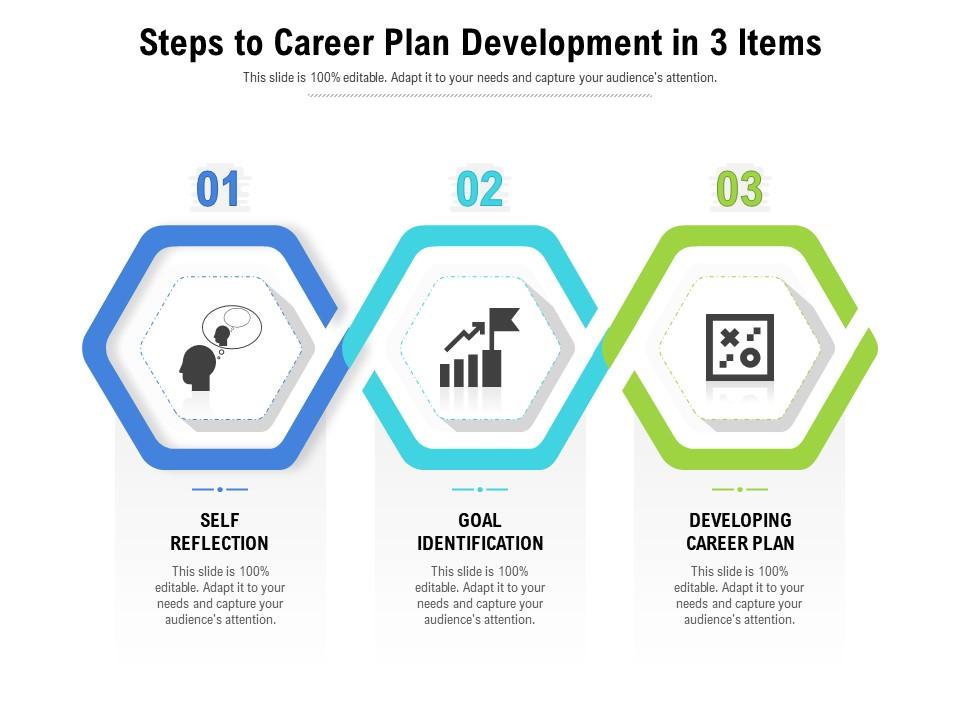
Pasos para el desarrollo del plan de carrera en 3 elementos

Rating:
96%
Steps to career plan development in 3 items
Slide 1 of 2
Favourites Favourites

Try Before you Buy Download Free Sample Product

Audience Impress Your
Audience
Editable 100%
Editable
Time Save Hours
of Time
The Biggest Sale is ending soon in
0
0
:
0
0
:
0
0
Rating:
96%

Características de estas diapositivas de presentación de PowerPoint:

Presentando nuestro conjunto de diapositivas con el nombre Pasos para el desarrollo del plan de carrera en 3 elementos. Esto exhibe información sobre tres etapas del proceso. Esta es una plantilla de PowerPoint fácil de editar y con un diseño innovador. Así que descargue inmediatamente y resalte la información sobre la autorreflexión, la identificación de objetivos y el desarrollo del plan de carrera.

FAQs for Steps to career plan development

Look, figuring out career goals is honestly overwhelming at first. Start with the basics - what you actually value, your skills, and what interests you. Ask yourself what work environment makes you feel energized vs completely drained. Then get practical about salary needs, work-life balance, location stuff. I always tell people to write down what matters most personally, then research jobs that match those things. Oh and definitely check growth potential in whatever field you're considering - some industries are just dying out. It's a lot to think through but that's a solid foundation to build on.

Honestly, first thing is to get real about what you're actually good at versus what needs work - like, be brutal but not mean to yourself. Research the hell out of that role you want and see how your skills stack up. Most people will totally share career stuff if you just ask nicely, so reach out to folks already doing the job. You can do those online skills tests too, or ask colleagues you trust for honest feedback. I love a good skills assessment personally. Once you figure out your gaps, make a solid plan - courses, side projects, finding a mentor, whatever works. The whole point is knowing where you stand so you can actually do something about it.

Dude, most jobs honestly come through people you know, not random applications online. Build those connections before you actually need them - it's like insurance but for your career. Join industry groups, hit up events (virtual counts too), and definitely use LinkedIn. But don't just add everyone like you're collecting trading cards lol. Comment on posts, help people out when you can, follow up after meeting someone. Oh and here's the thing - actually care about other people instead of just thinking "what's in it for me." Makes all the difference.

Dude, internships and volunteer gigs are seriously worth it. You get actual experience that looks amazing on resumes, plus you'll meet people who could help you later - mentors, references, whatever. The skills you pick up are legit, and honestly? You'll figure out what career stuff you actually want to do vs. what sounds good on paper. Even unpaid ones can turn into job offers down the line. I'd say just start emailing places you're curious about, even if they don't have anything officially posted. Worst they can say is no, right?

Honestly, just start with basic research - company websites, industry reports, that kind of stuff. LinkedIn's your best friend here though. You can stalk who works where and see their whole career journey. Glassdoor's clutch for real salary info and finding out if a place actually sucks to work at. But here's the thing - talking to actual humans beats all that online research. Hit up your network or even cold message people for quick coffee chats. Most folks don't mind talking about their jobs, weirdly enough. Oh, and make a spreadsheet to track everything so you don't forget what you learned about each company.

Dude, start with LinkedIn – yeah it's obvious but you can literally stalk people's career paths and see what jobs are actually out there. O*NET and Bureau of Labor Statistics have all the salary data and what you'd actually be doing day-to-day. Glassdoor is my guilty pleasure though, reading employee reviews is basically career gossip that's weirdly helpful. Oh and those personality tests on 16Personalities or MyPlan.com aren't totally useless for matching you with roles. Just pick one this week and dive in – you'll probably fall down a rabbit hole but that's kinda the point.

Okay so first thing - customize that resume for every single job. Generic ones are basically trash to recruiters. Pull keywords straight from their posting and throw in real numbers wherever you can (like "increased sales by 30%" not just "improved sales"). One page unless you're like super experienced. Lead with a solid summary that shows what you bring to the table. Clean formatting with white space so it doesn't look cluttered. Oh and skip that "references available" line - nobody does that anymore. Get someone else to check for typos because you'll definitely miss them. Put your best stuff first obviously.

Honestly, professional development is like getting insider info on your career. You'll see what skills are actually hot right now and get a better sense of where you might want to go next. Workshops and seminars aren't just about learning new stuff - though that's cool too. They help you understand different career paths and what it really takes to land those roles. You'll also meet people who can give you the honest truth about various jobs. I'd say pick opportunities that match your goals, but definitely throw in some random ones. You never know what might click, and sometimes the best opportunities come from left field.

Focus on skills that work anywhere, not just your current job. I always tell people to network outside their field too - some of my best breaks came from random conversations. Learn weird stuff that interests you, even if it seems totally unrelated. Career changes aren't starting over, they're just pivoting what you already know. Your experience still counts, just differently. Oh, and track industry trends in areas that actually excite you. I do these little career check-ins with myself every few months to see if I'm still heading where I want to go.

Honestly, mentorship changed everything for me - wish I'd figured this out sooner! It's like having someone who's already walked the path you want to take. They'll warn you about the stuff that'll trip you up and introduce you to people you'd never meet otherwise. Don't just message someone asking to be mentored though (learned that the hard way). Start by engaging with their posts or showing up to industry stuff they attend. Ask specific questions about their experience. Coffee chats work great too. The relationship should feel natural, not forced. Look for someone whose career actually excites you - not just anyone successful.

Honestly, certs can be a game changer for your career. I've watched people get promoted way faster than their coworkers just because they had the right credentials. Money-wise, you're usually looking at 10-20% salary bumps in most fields. The trick is being smart about which ones you go after though. Don't just collect random certificates like Pokemon cards - that's a waste of time and money. Do some digging first. See what job postings in your area are actually asking for. Then go after those specific ones. It's all about getting the certs that hiring managers actually care about, not just padding your resume.

Honestly, I've found the best approach is working backwards from your end goal. What do you actually need to get there? Skills, applications, whatever. Then ask people who've already done it - they'll tell you the real deal, not some fantasy timeline. I used to be terrible at this lol. Chunk everything into smaller pieces and give yourself way more time than you think you need. Trust me on that one. Things always take longer and random stuff comes up. Write it down with actual dates so you're not just winging it, then check back every few months.

Honestly? Just pick a time when work stops and actually stick to it - I know it's easier said than done. Block off personal time like it's a meeting you can't skip. Your boss and coworkers need to know when you're off limits, otherwise they'll assume you're always available (which is so annoying but true). Don't feel bad about using vacation days - that's literally what they're for. Oh, and try doing career stuff during regular work hours when you can, so it doesn't always steal your evenings. Both sides matter, but you've got to be deliberate about protecting your time.

Okay so first thing - actually research the company and role so you can give specific reasons why you want to work there. Don't just wing it. Practice your answers OUT LOUD because thinking through responses in your head is totally different than actually saying them. Come up with 2-3 solid examples using that STAR method thing (situation, task, action, result). Oh and definitely prepare good questions about the team or growth stuff - shows you're actually interested. Night before, pick out your clothes and print extra resumes. Honestly the whole "get there early" advice is so basic but it's true - 10-15 minutes max though, don't be that person who shows up 30 minutes early. Confidence really does come from being prepared.

Honestly, you need both to actually get anywhere. Short-term stuff keeps you motivated - like learning Python this quarter or whatever. Quick wins feel good and aren't as scary as "where do I want to be in a decade?" But long-term goals help you pick the right opportunities instead of just saying yes to everything. I learned this the hard way lol. Without the big picture, you're just busy being busy. Start with maybe 2-3 major things you want, then chop them into smaller chunks you can knock out in 3-6 months. Way less overwhelming that way.

Ratings and Reviews

96% of 100
Review Form
Write a review
Most Relevant Reviews
  1. 100%

    by Chauncey Ramos

    Best way of representation of the topic.
  2. 100%

    by Dale Tran

    Great designs, Easily Editable.
  3. 100%

    by Clair Gray

    Excellent Designs.
  4. 80%

    by Doug Carroll

    Professional and unique presentations.
  5. 100%

    by Darrel Burns

    Wonderful templates design to use in business meetings.

5 Item(s)

per page: