Slides de apresentação em Powerpoint de gerenciamento de estoque de estoque

Rating:
87%
Stock inventory management powerpoint presentation slides
Slide 1 of 49
Favourites Favourites

Try Before you Buy Download Free Sample Product

Audience Impress Your
Audience
Editable 100%
Editable
Time Save Hours
of Time
The Biggest Sale is ending soon in
0
0
:
0
0
:
0
0
Rating:
87%

Recursos desses slides de apresentação do PowerPoint:

Encante seu público com esses slides de apresentação em Powerpoint de gerenciamento de estoque de estoque. Aumente seu limite de apresentação implantando este modelo bem elaborado. Atua como uma ótima ferramenta de comunicação devido ao seu conteúdo bem pesquisado. Ele também contém ícones estilizados, gráficos, recursos visuais etc, que o tornam um chamariz imediato de atenção. Composto por quarenta e nove slides, este baralho completo é tudo que você precisa para ser notado. Todos os slides e seu conteúdo podem ser alterados para se adequarem à sua configuração de negócios exclusiva. Além disso, outros componentes e gráficos também podem ser modificados para adicionar toques pessoais a este conjunto pré-fabricado.

Conteúdo desta apresentação em PowerPoint

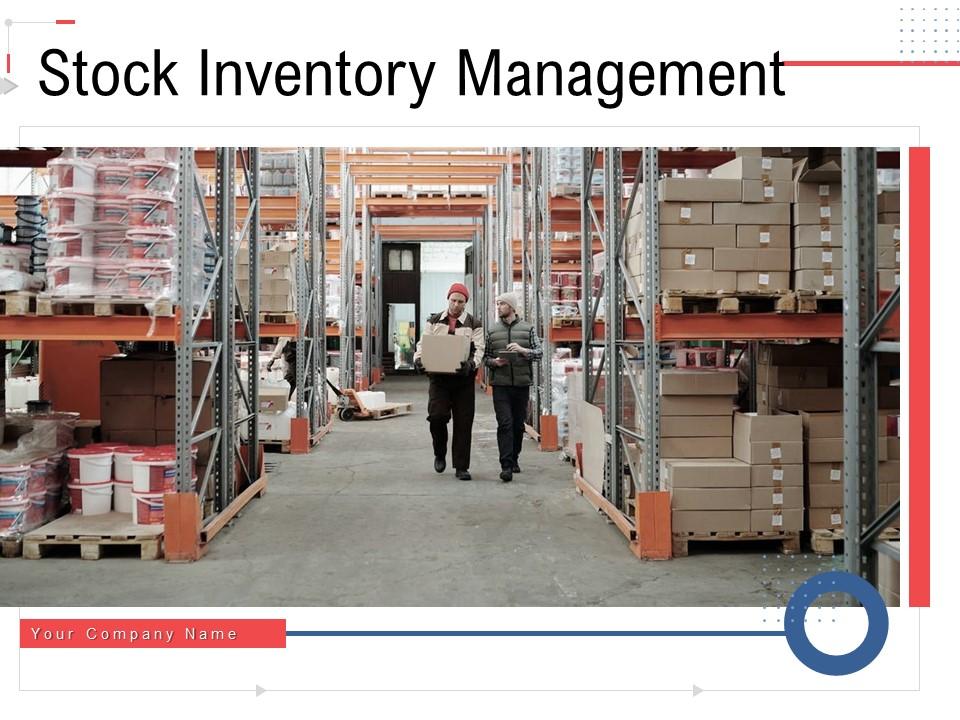
Slide 1 : Este slide apresenta a Gestão de Estoque. Indique o nome da sua empresa e comece.
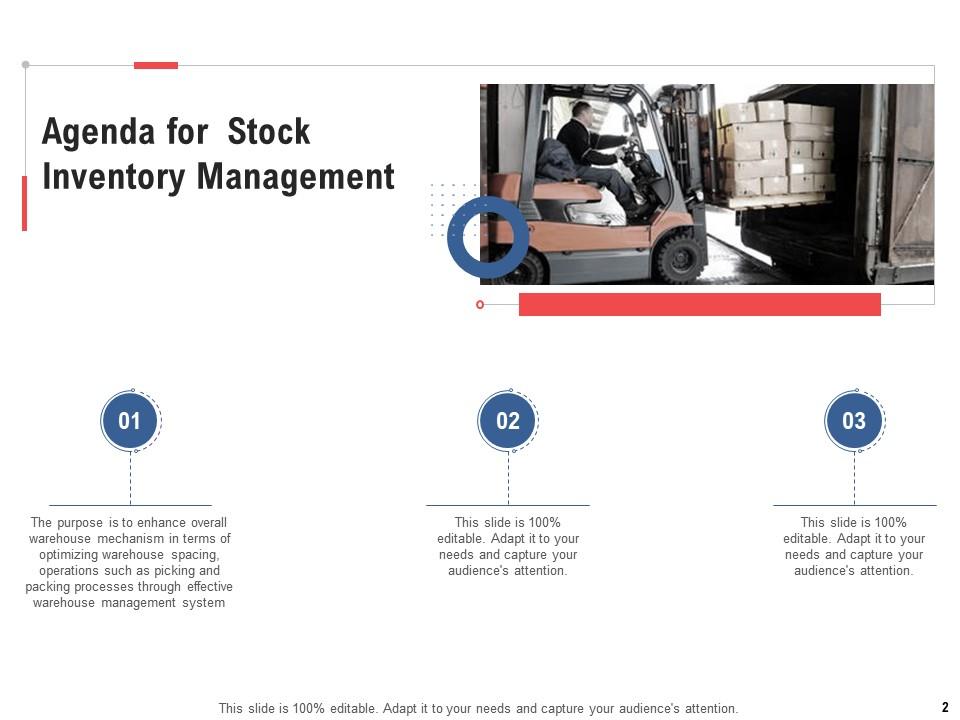
Slide 2 : Este é um slide da Agenda. Declare suas agendas aqui.
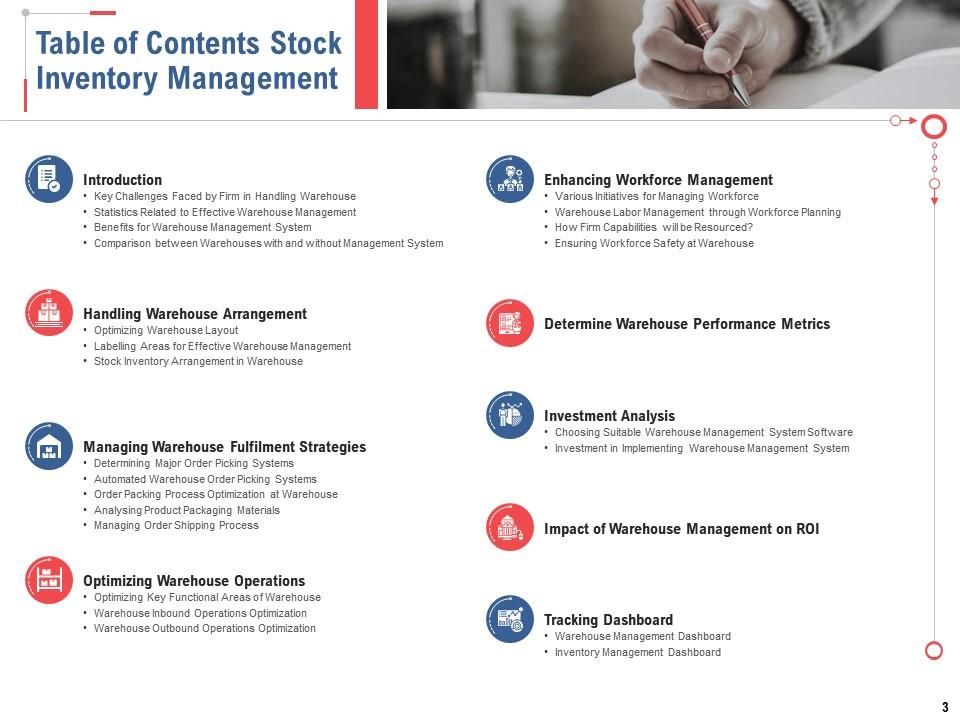
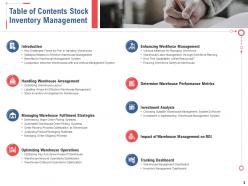
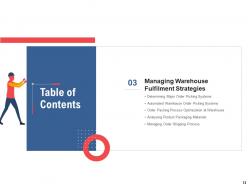
Slide 3 : Este slide apresenta o Índice da apresentação.
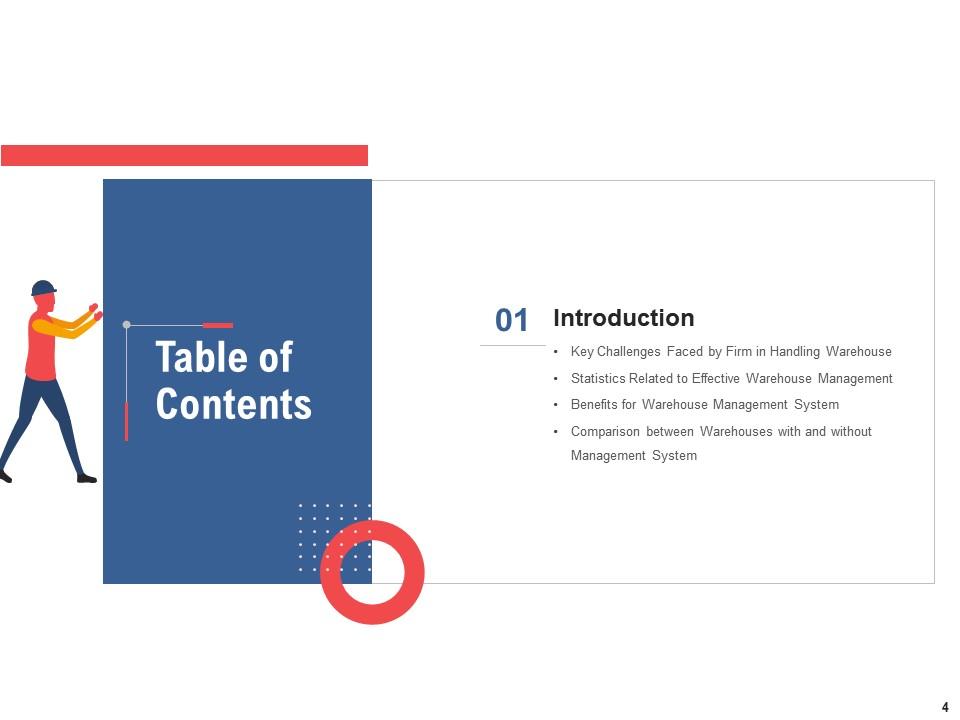
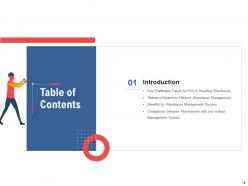
Slide 4 : Este slide mostra o Índice destacando a Introdução.
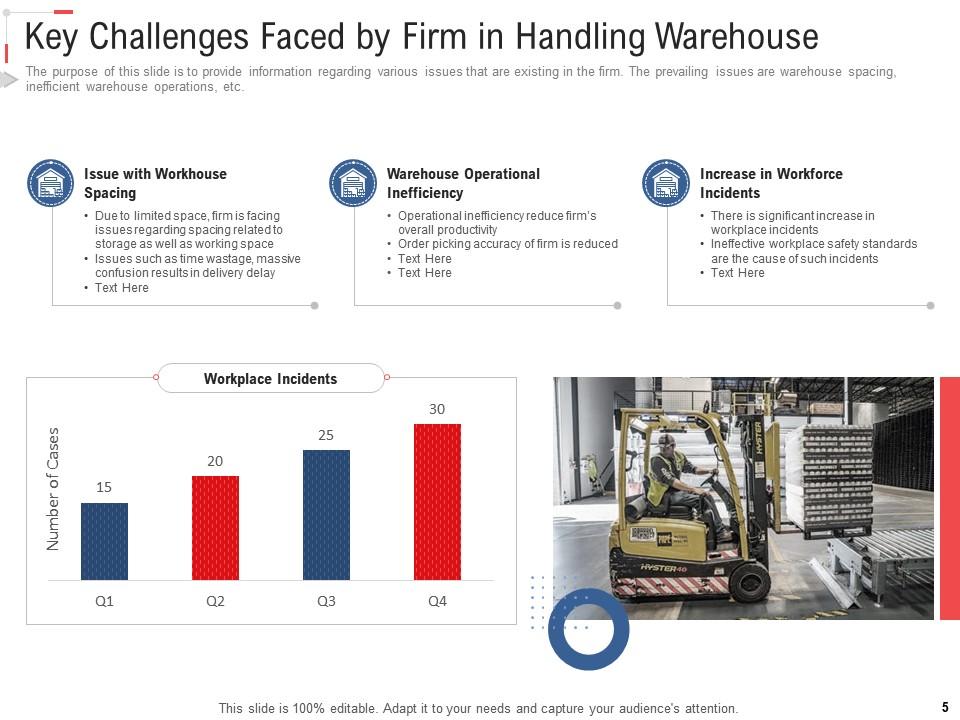
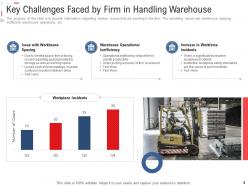
Slide 5 : Este slide mostra os principais desafios enfrentados pela empresa no manuseio de armazém.
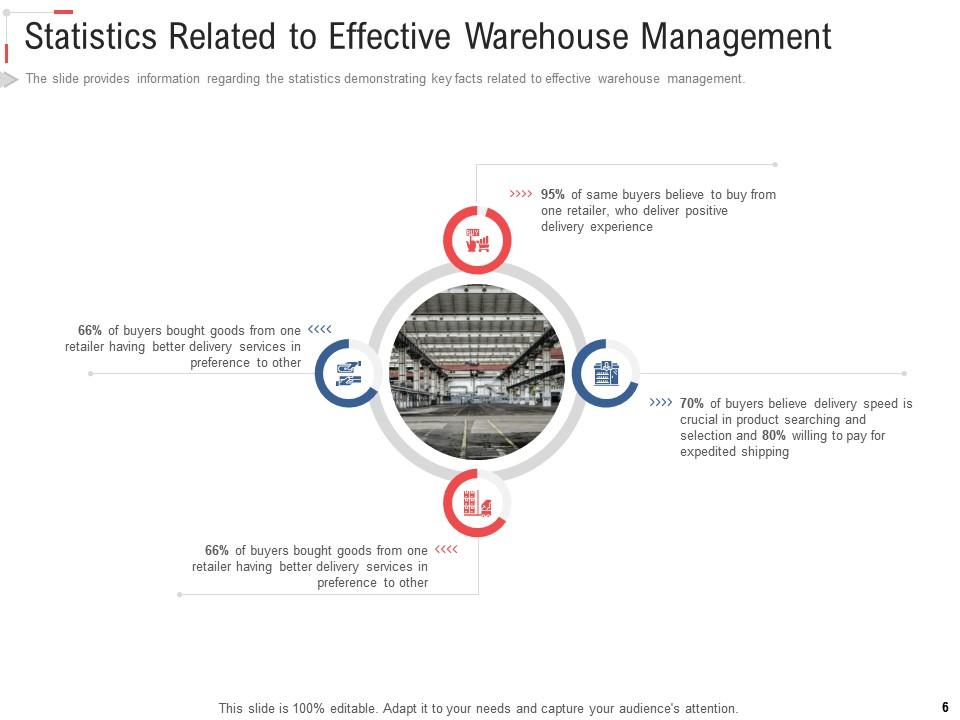
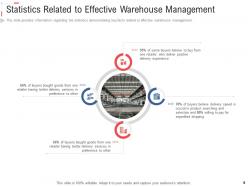
Slide 6 : Este slide representa as Estatísticas Relacionadas ao Gerenciamento Eficaz do Armazém.
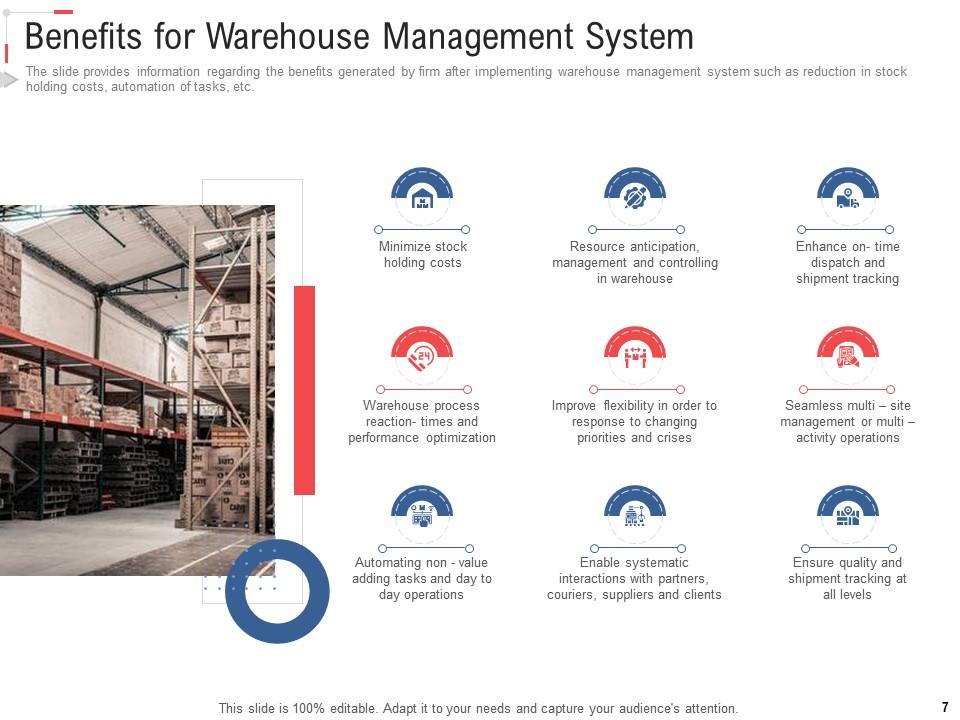
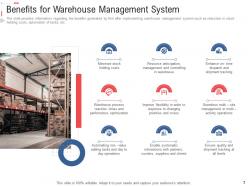
Slide 7 : Este slide mostra os benefícios gerados pela empresa após a implementação do sistema de gestão de armazém.
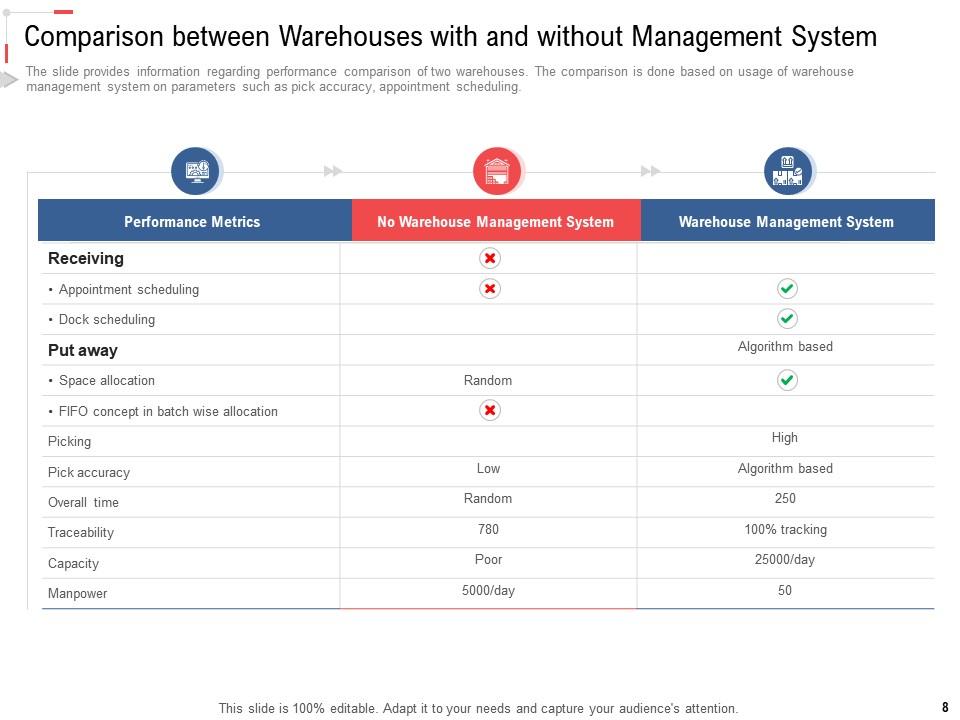
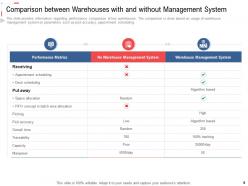
Slide 8 : Este slide apresenta Comparação entre Armazéns com e sem Sistema de Gestão.
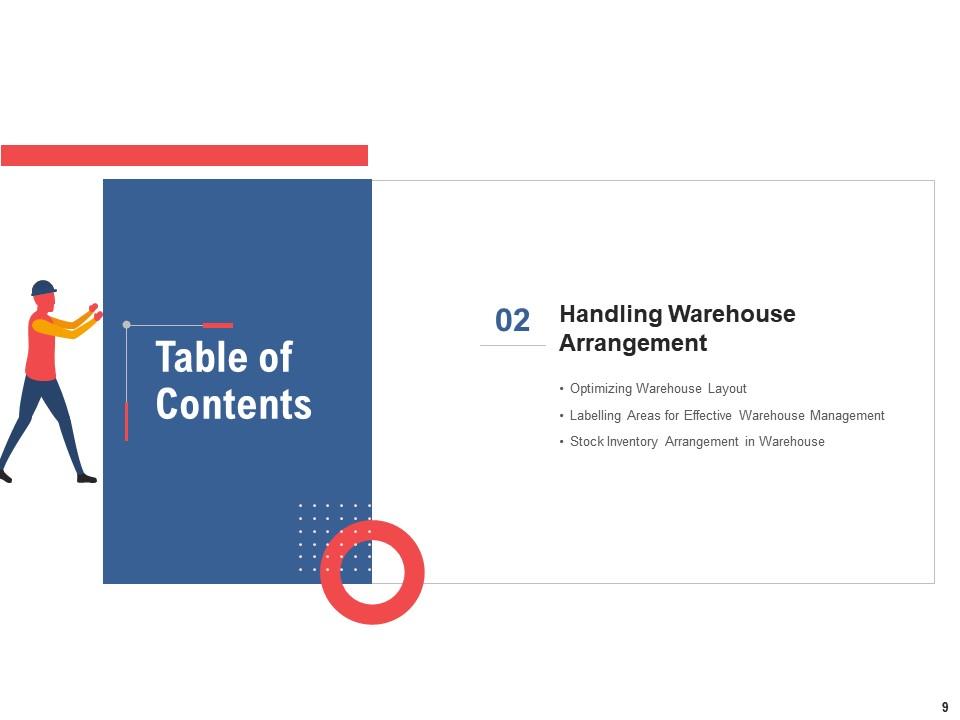
Slide 9 : Este slide mostra o Índice da apresentação.
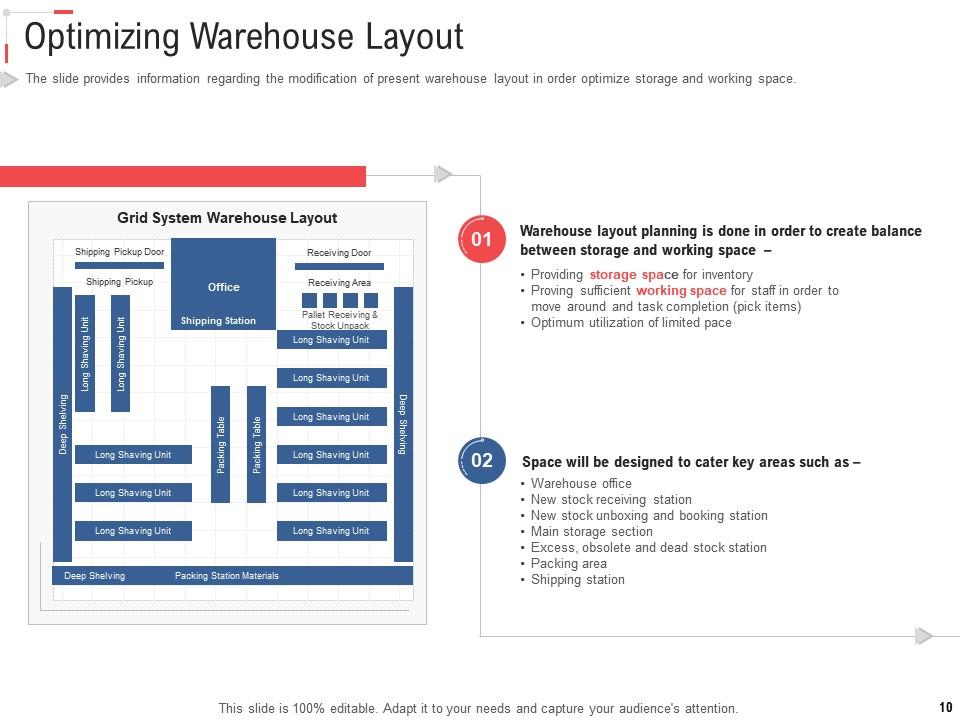
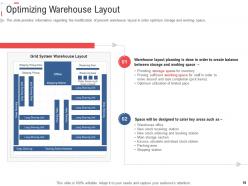
Slide 10 : Este slide exibe Otimizando o Layout do Armazém.
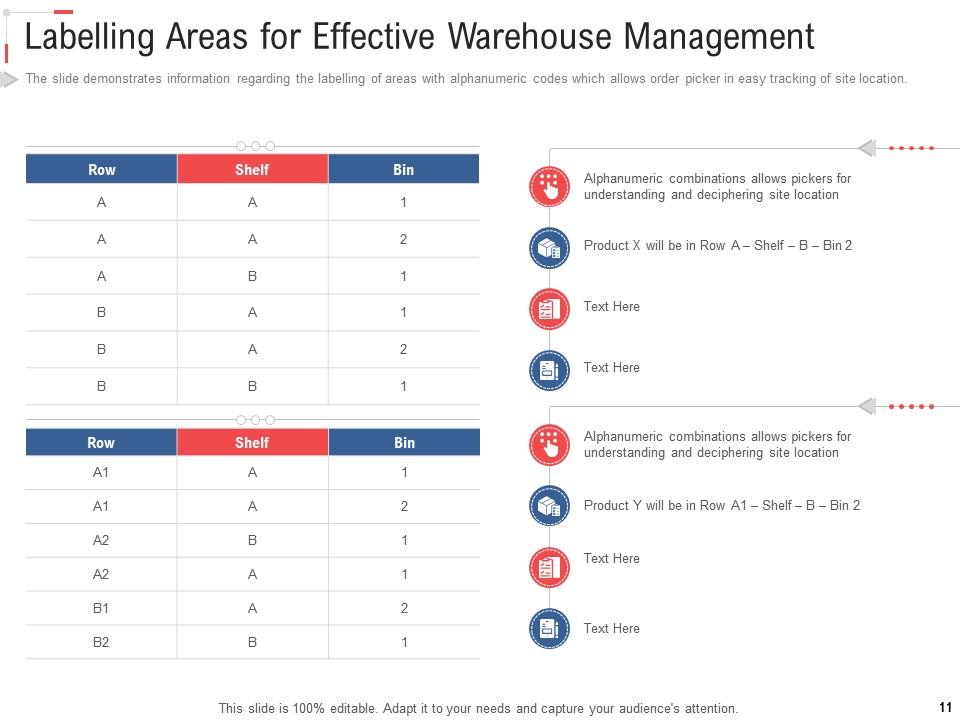
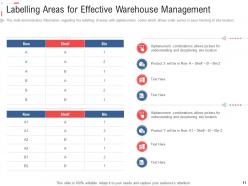
Slide 11 : Este slide representa as áreas de rotulagem para uma gestão eficaz do armazém.
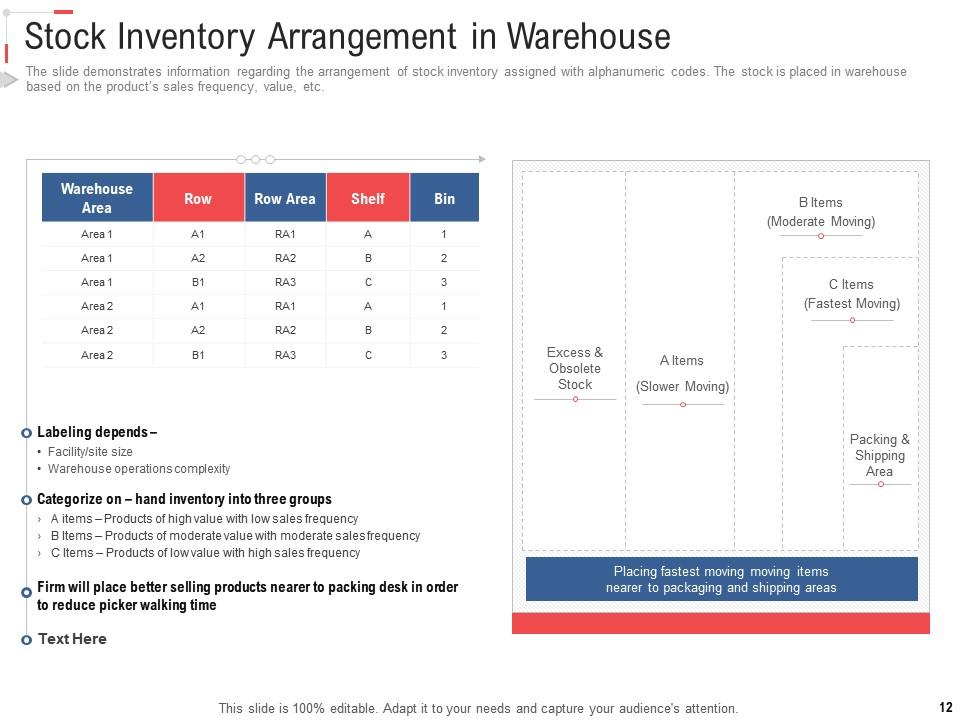
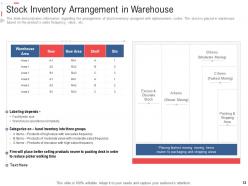
Slide 12 : Este slide mostra a Disposição do Estoque no Armazém.
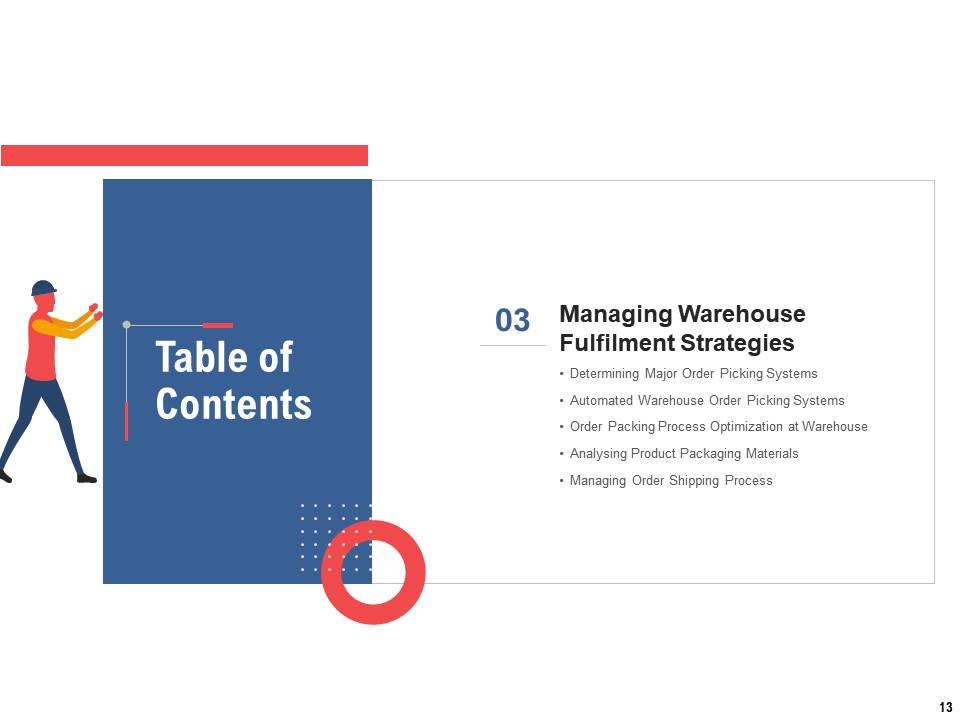
Slide 13 : Este slide apresenta o Índice da apresentação.
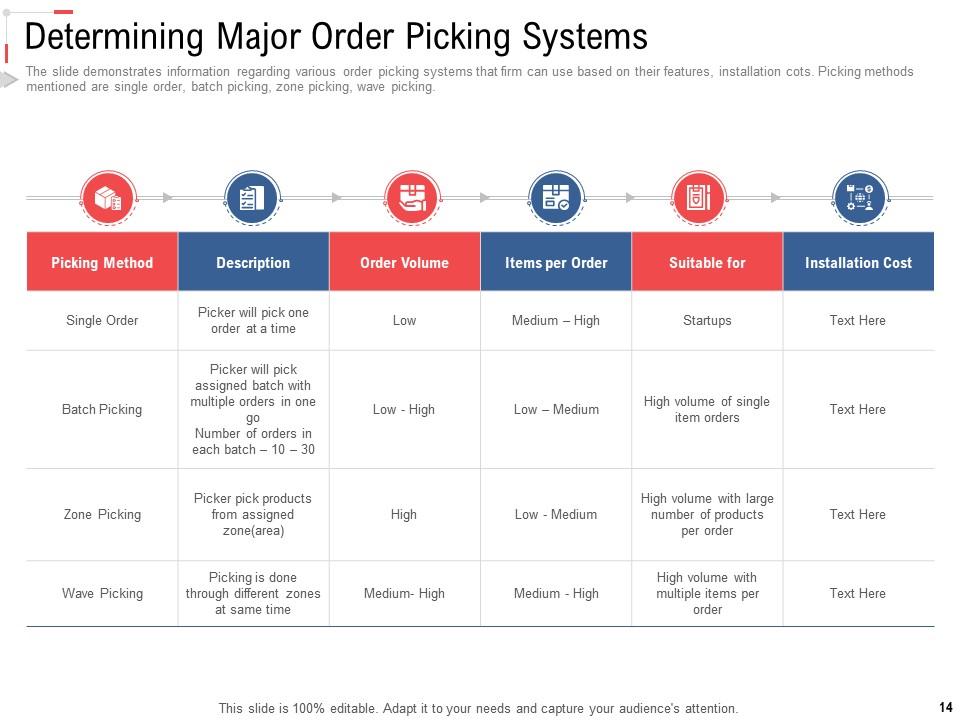
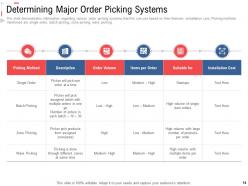
Slide 14 : Este slide mostra vários sistemas de separação de pedidos que a empresa pode usar com base em suas características.
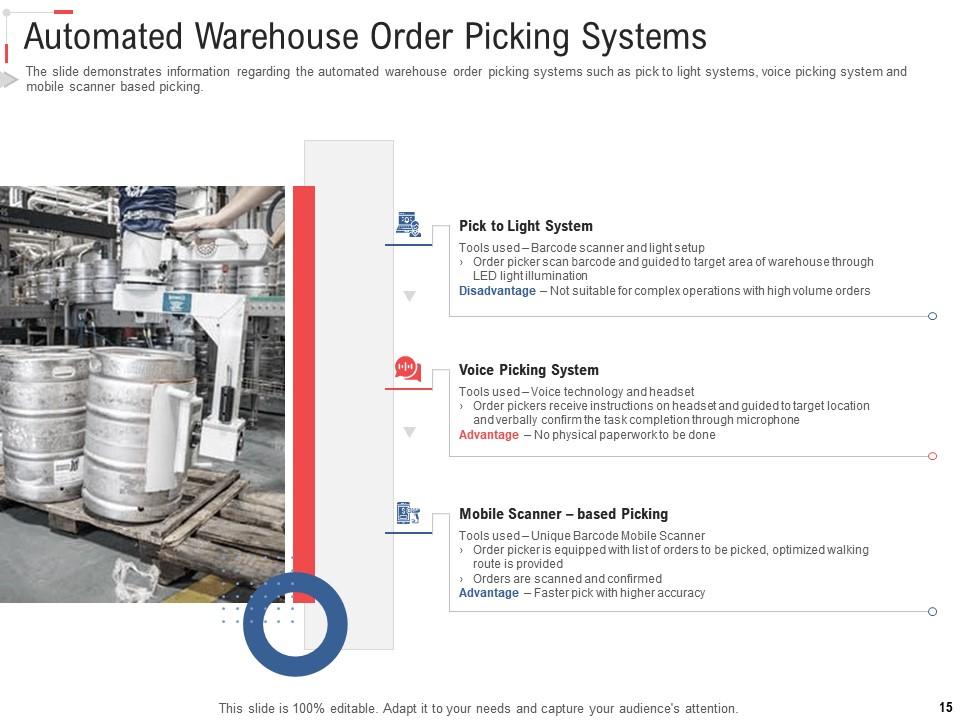
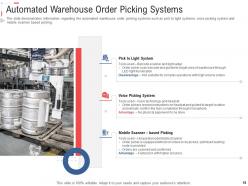
Slide 15 : Este slide mostra os sistemas automatizados de separação de pedidos do armazém, como sistemas de separação por luz, sistema de separação por voz e separação baseada em scanner móvel.
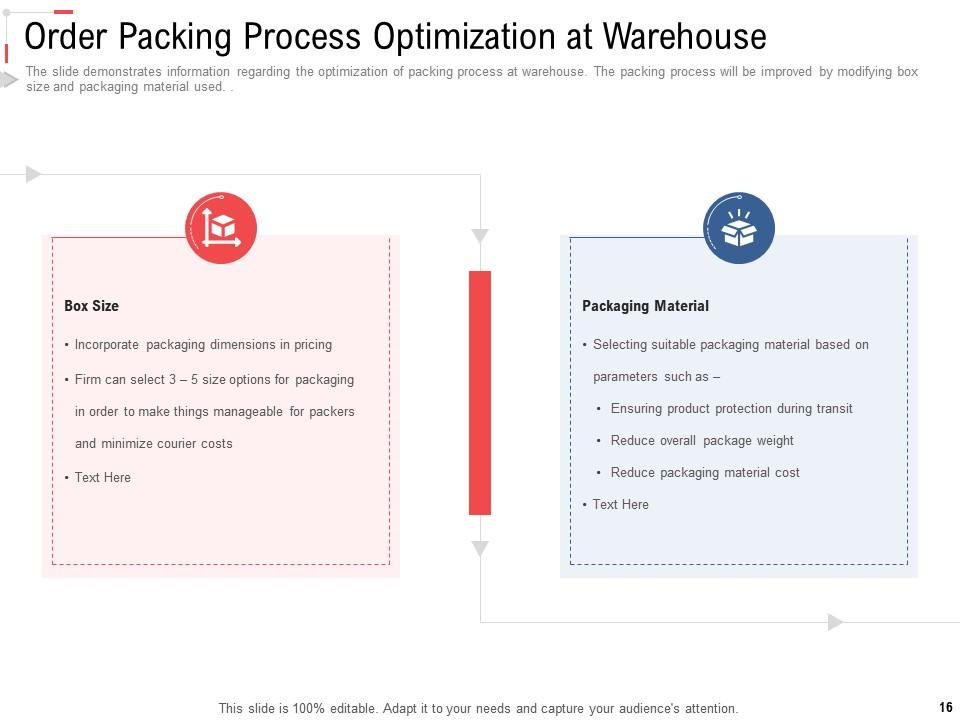
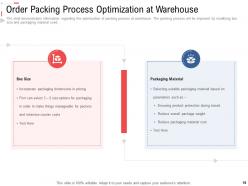
Slide 16 : Este slide representa a otimização do processo de embalagem no armazém.
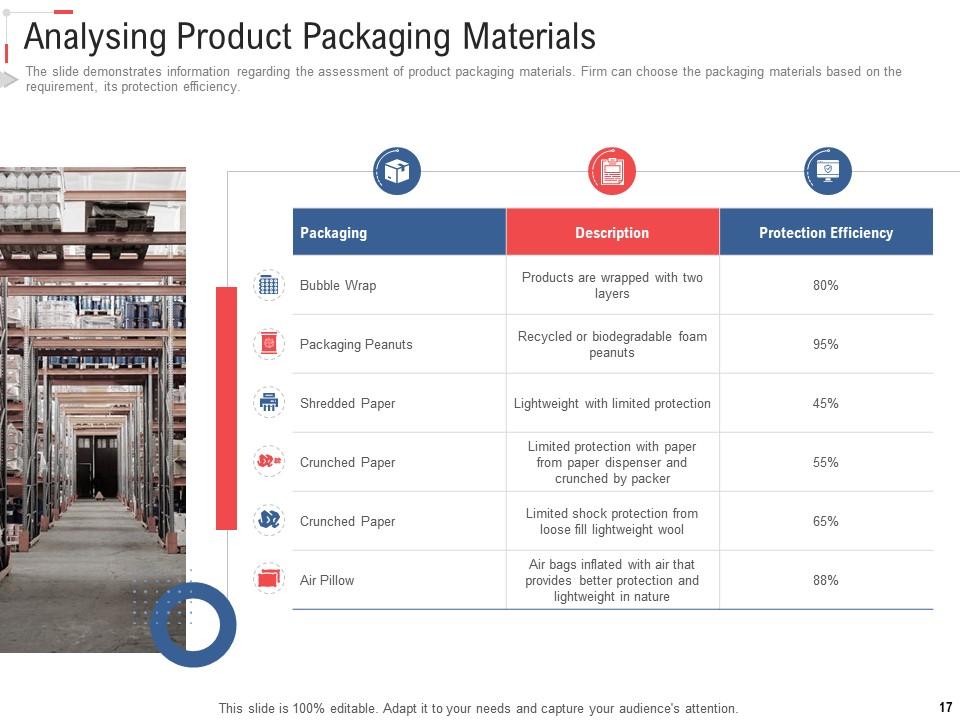
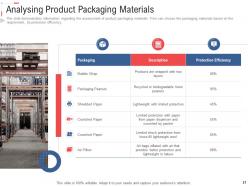
Slide 17 : Este slide mostra a avaliação dos materiais de embalagem dos produtos.
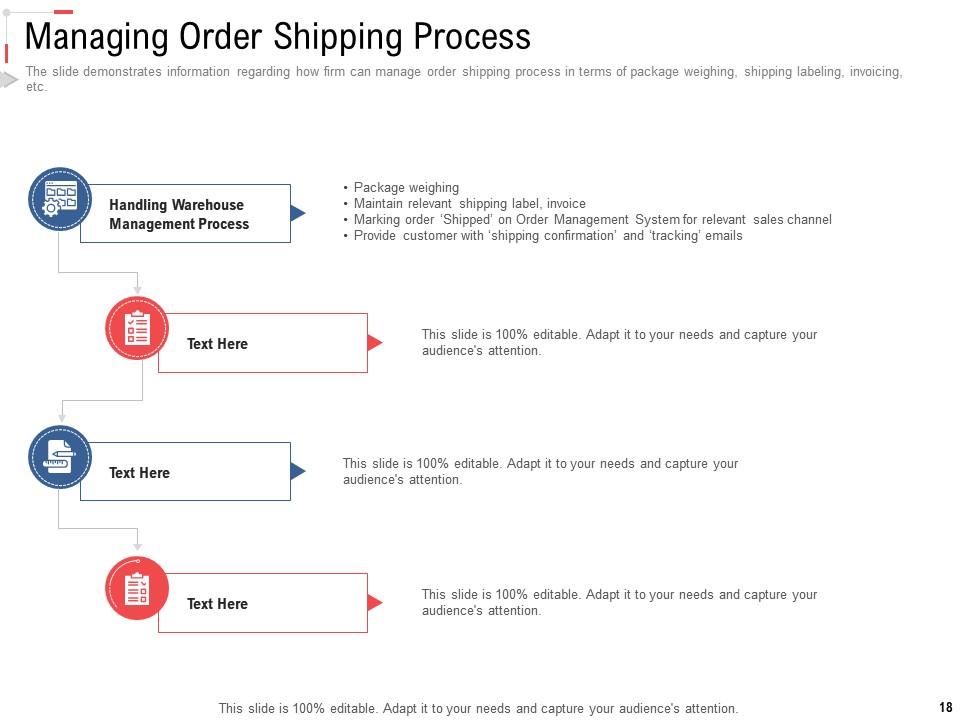
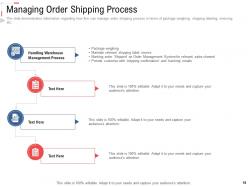
Slide 18 : O slide demonstra informações sobre como a empresa pode gerenciar o processo de envio de pedidos em termos de pesagem de pacotes, etiquetagem de envio, faturamento, etc.
Slide 19 : Este slide mostra o Índice da apresentação.
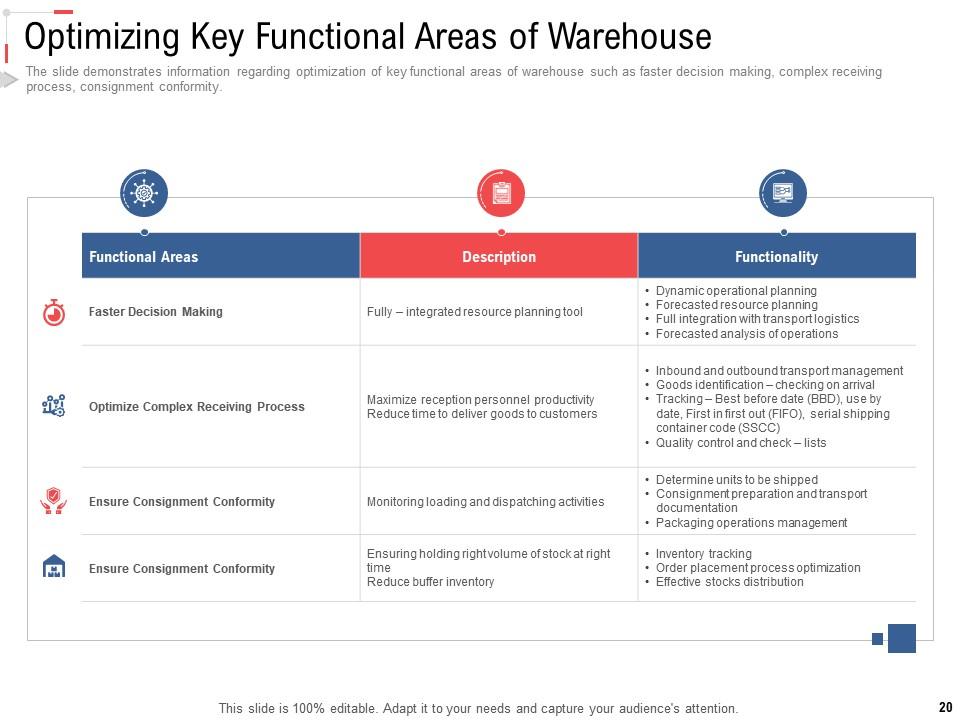
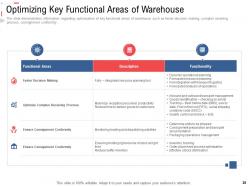
Slide 20 : Este slide mostra a Otimização das Principais Áreas Funcionais do Armazém.
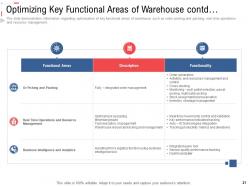
Slide 21 : Este slide representa a otimização das principais áreas funcionais do armazém, como separação e embalagem de pedidos, operações em tempo real e gerenciamento de recursos.
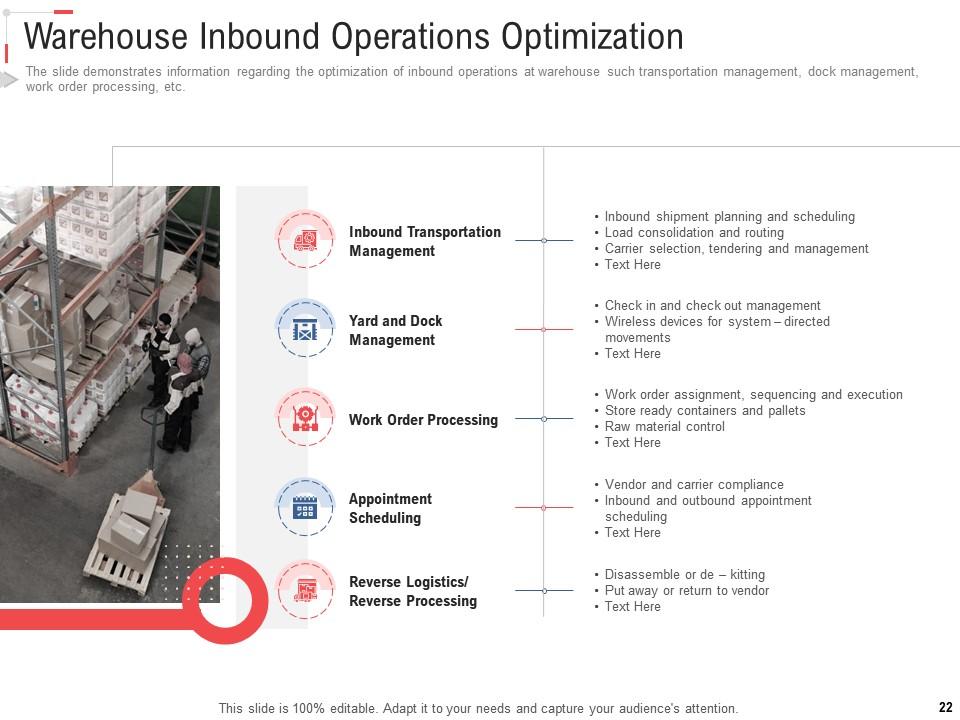
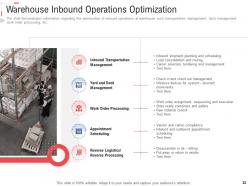
Slide 22 : Este slide mostra a Otimização das Operações de Entrada do Armazém.
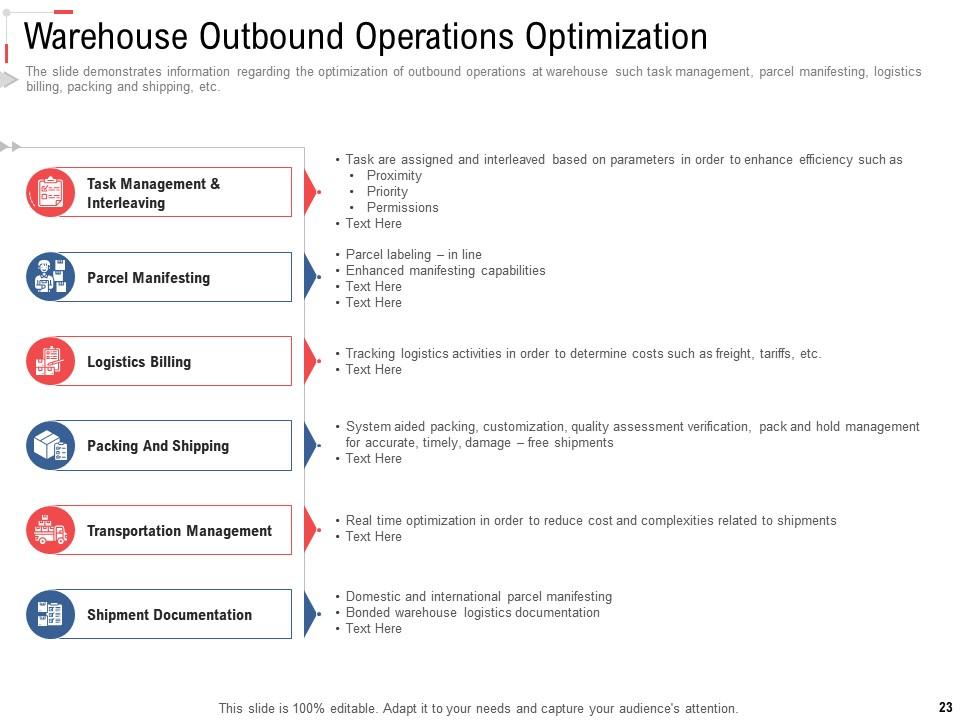
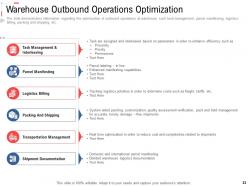
Slide 23 : Este slide apresenta a otimização das operações de saída no armazém, como gerenciamento de tarefas, manifestação de encomendas, faturamento logístico, embalagem e expedição, etc.
Slide 24 : Este slide mostra o Índice da apresentação.
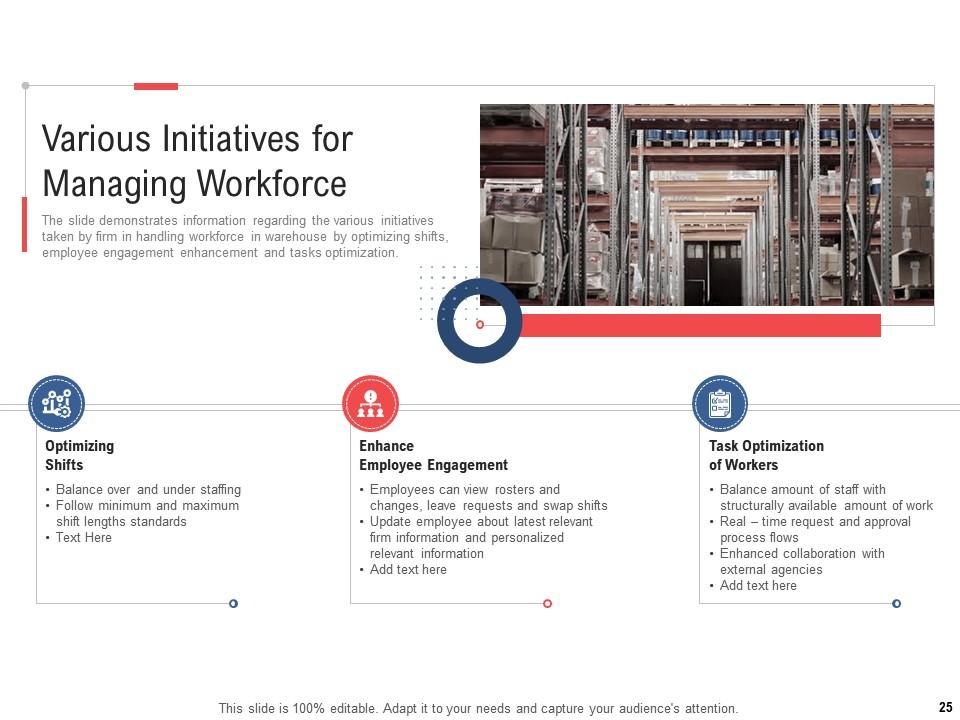
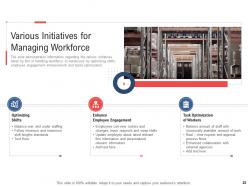
Slide 25 : Este slide mostra várias iniciativas para gerenciar a força de trabalho.
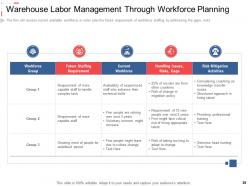
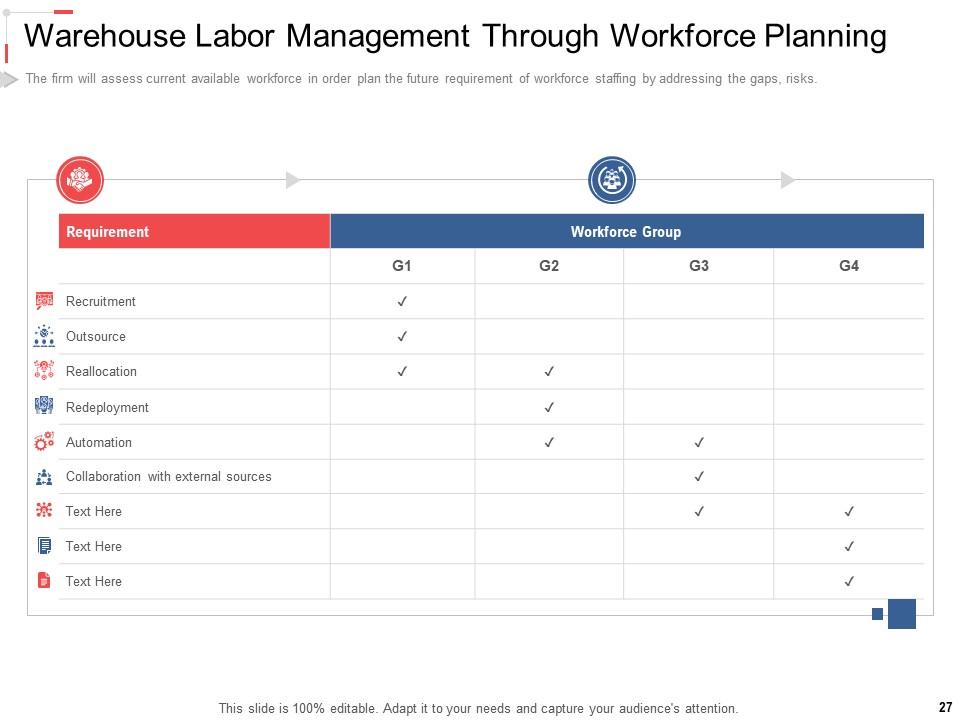
Slide 26 : Este slide representa a Gestão do Trabalho de Armazém por meio do Planejamento da Força de Trabalho.
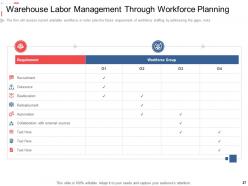
Slide 27 : Este slide mostra como as capacidades da empresa serão disponibilizadas.
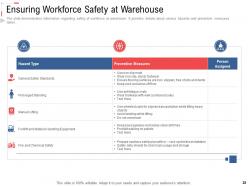
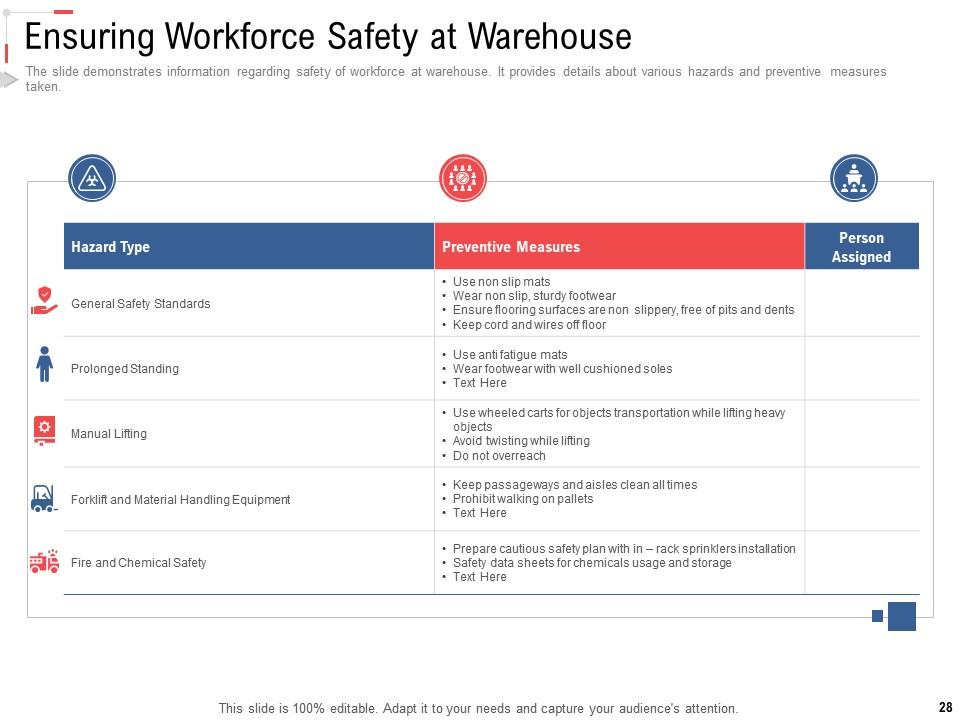
Slide 28 : O slide apresenta informações sobre segurança da mão de obra no almoxarifado.
Slide 29 : Este slide mostra o Índice da apresentação.
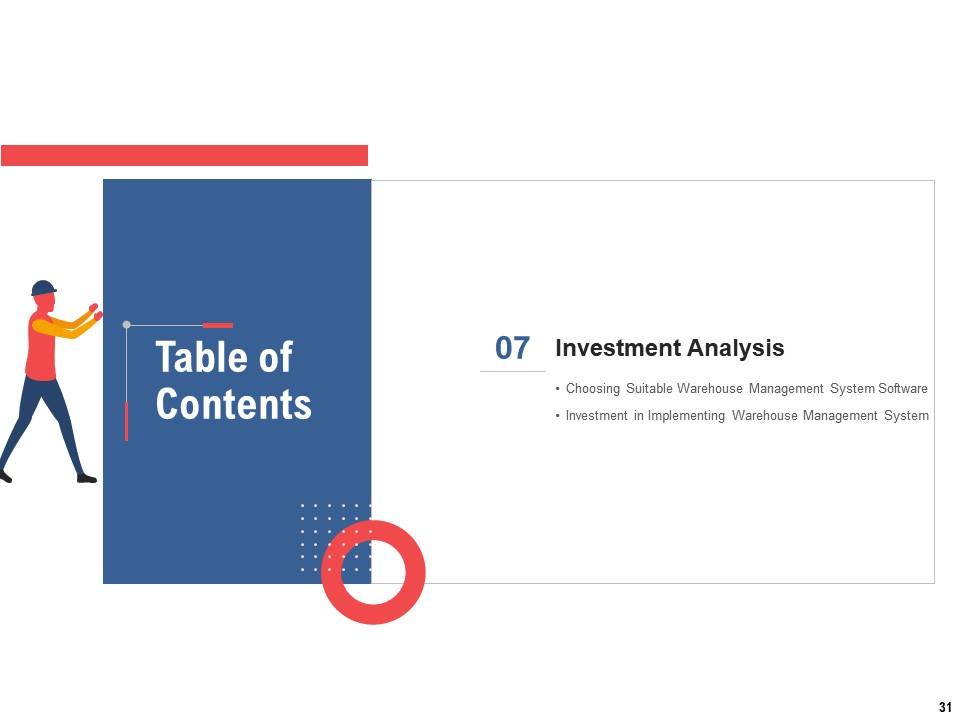
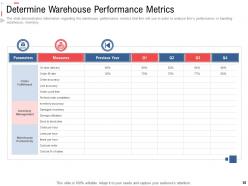
Slide 30 : Este slide mostra as métricas de desempenho do armazém que a empresa usará para analisar o desempenho da empresa.
Slide 31 : Este slide representa o Índice da apresentação.
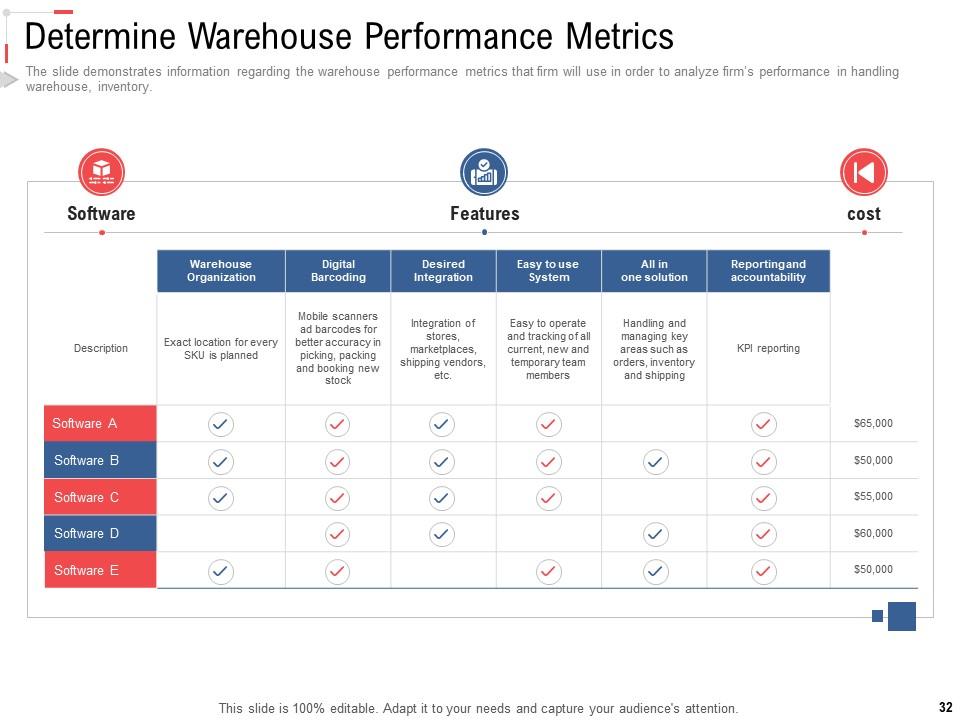
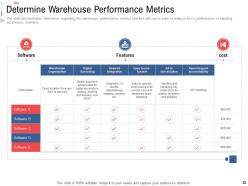
Slide 32 : Este slide mostra a Escolha do Software Adequado do Sistema de Gerenciamento de Armazém.
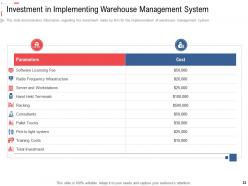
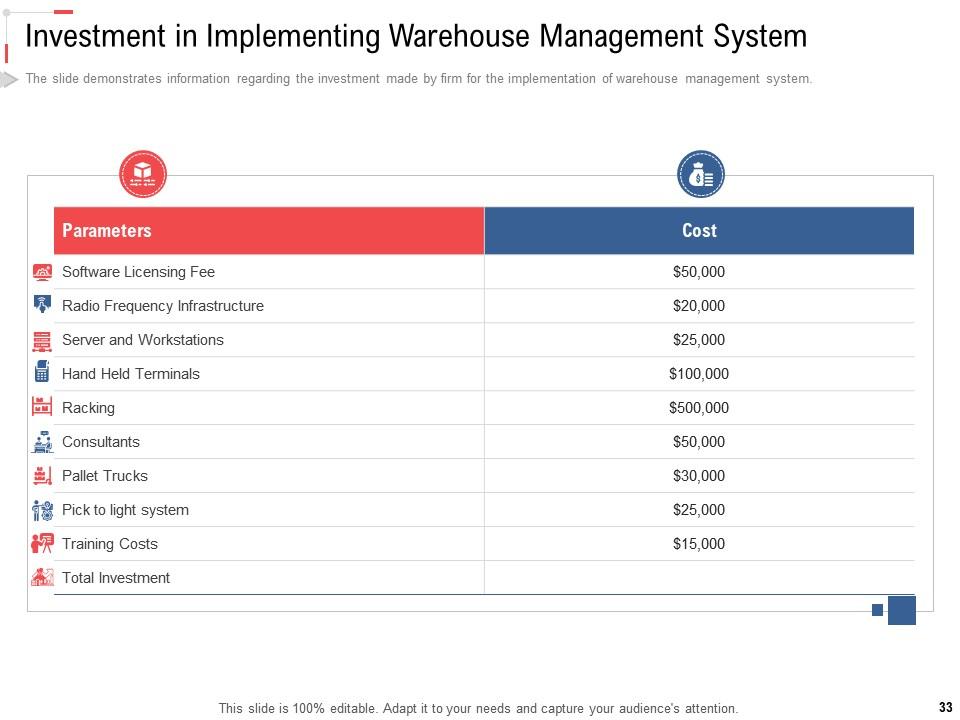
Slide 33 : Este slide apresenta o Investimento na Implantação do Sistema de Gestão de Armazém.
Slide 34 : Este slide mostra o Índice da apresentação.
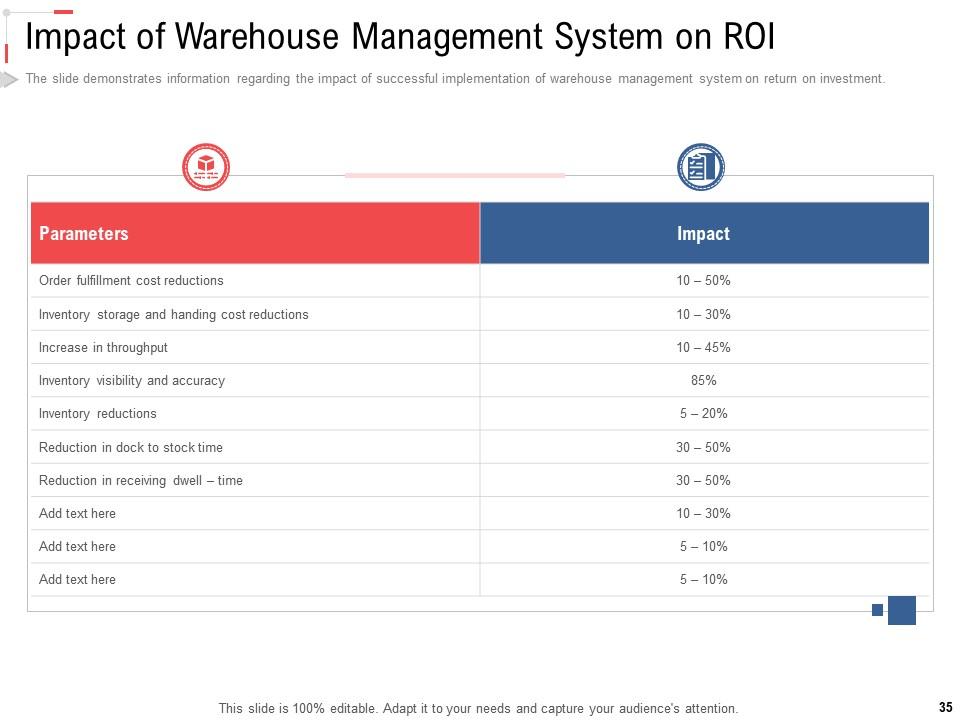
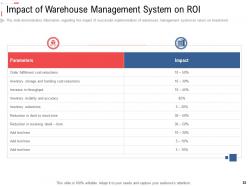
Slide 35 : Este slide mostra o Impacto do Warehouse Management System no ROI.
Slide 36 : Este slide representa o Índice da apresentação.
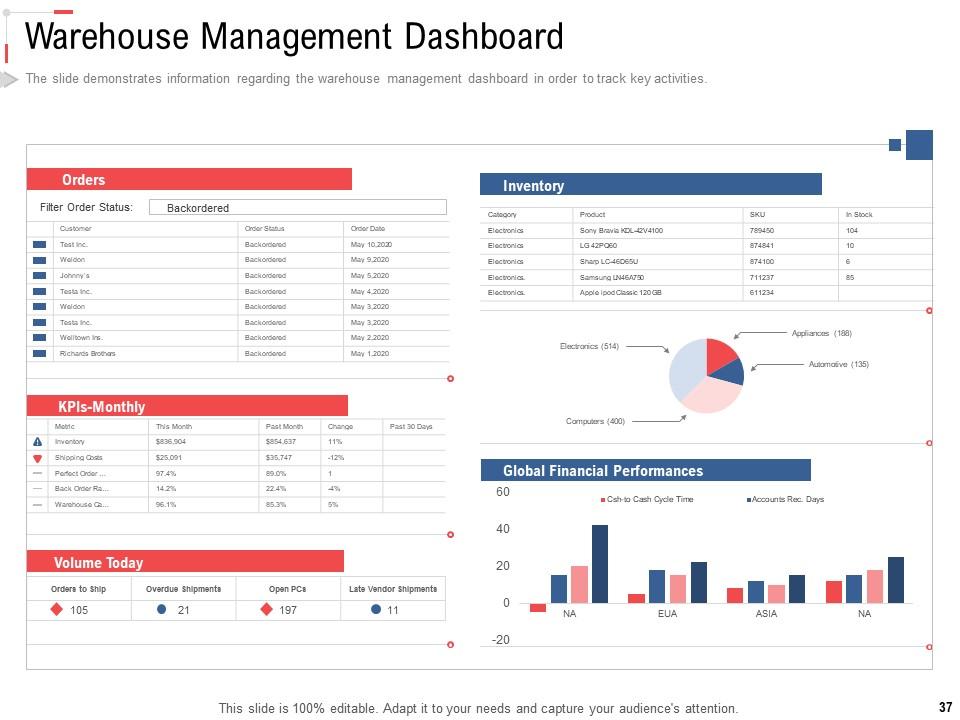
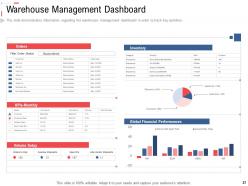
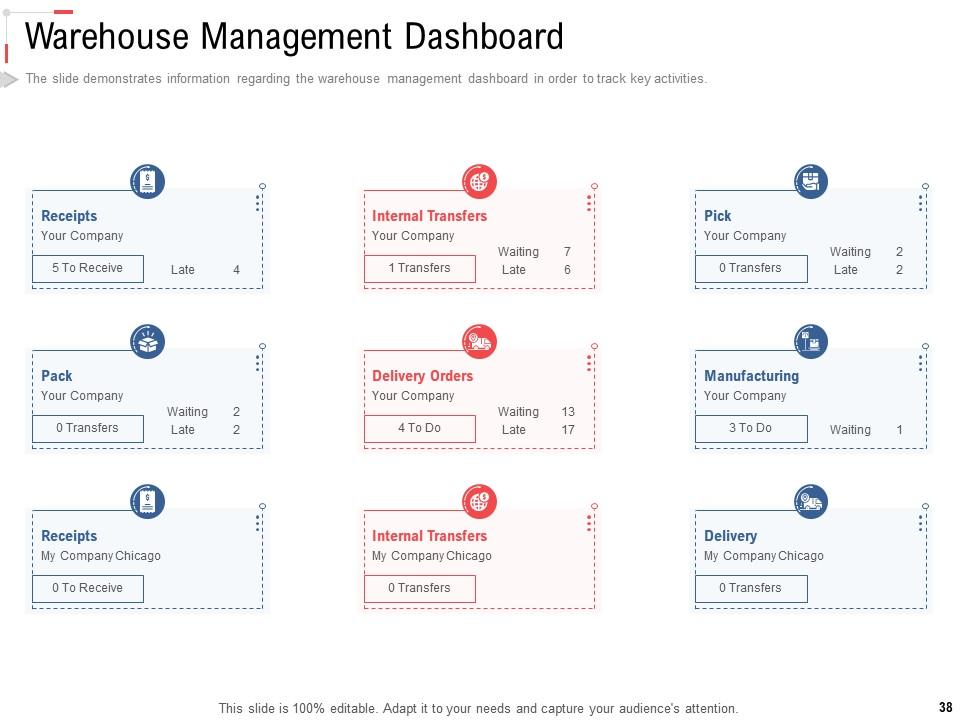
Slide 37 : Este slide mostra o painel de gerenciamento de armazém para acompanhar as principais atividades.
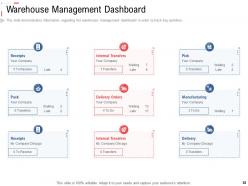
Slide 38 : Este slide apresenta o painel de gerenciamento de estoque para acompanhar as principais atividades.
Slide 39 : Este slide mostra os ícones de gerenciamento de estoque.
Slide 40 : Este slide é intitulado como Slides Adicionais para avançar.
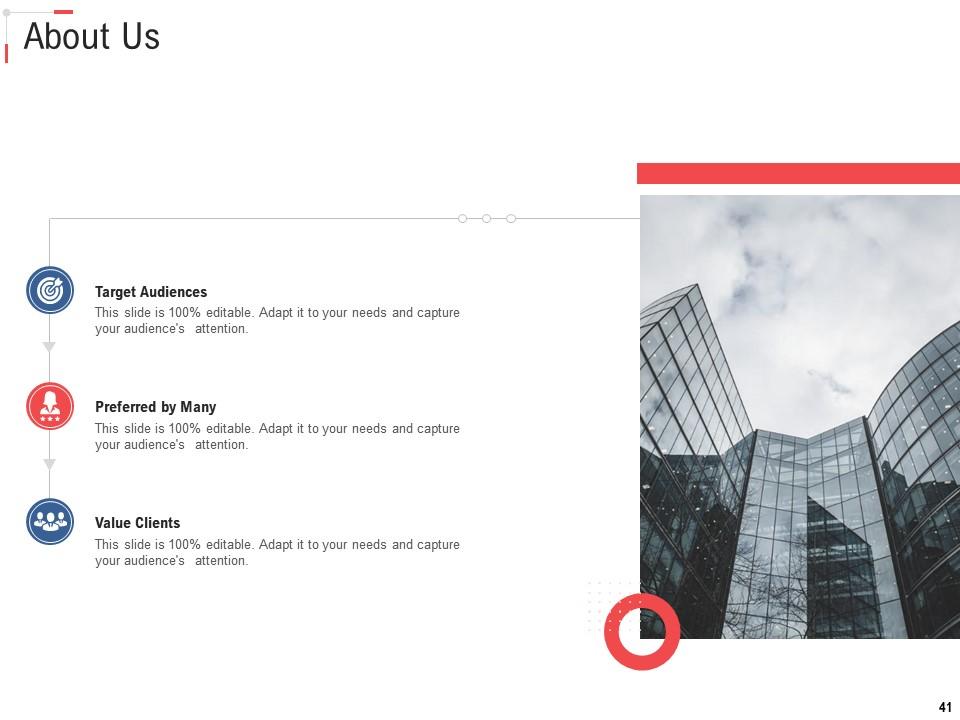
Slide 41 : Este é um slide sobre nós para mostrar as especificações da empresa etc.
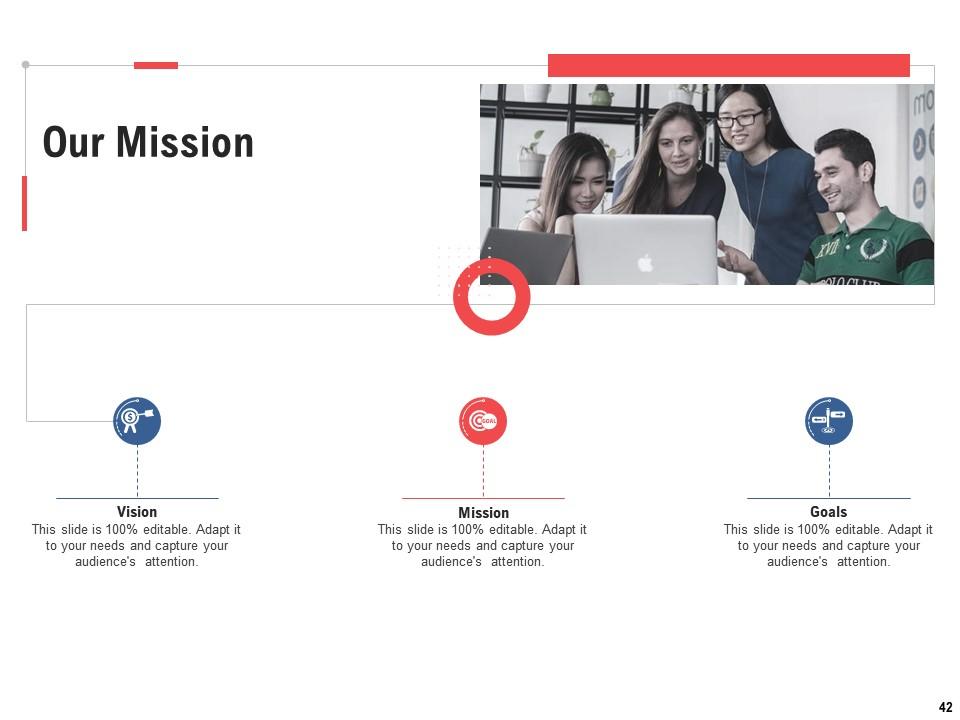
Slide 42 : Este é o slide Nossa Missão com imagens e textos relacionados.
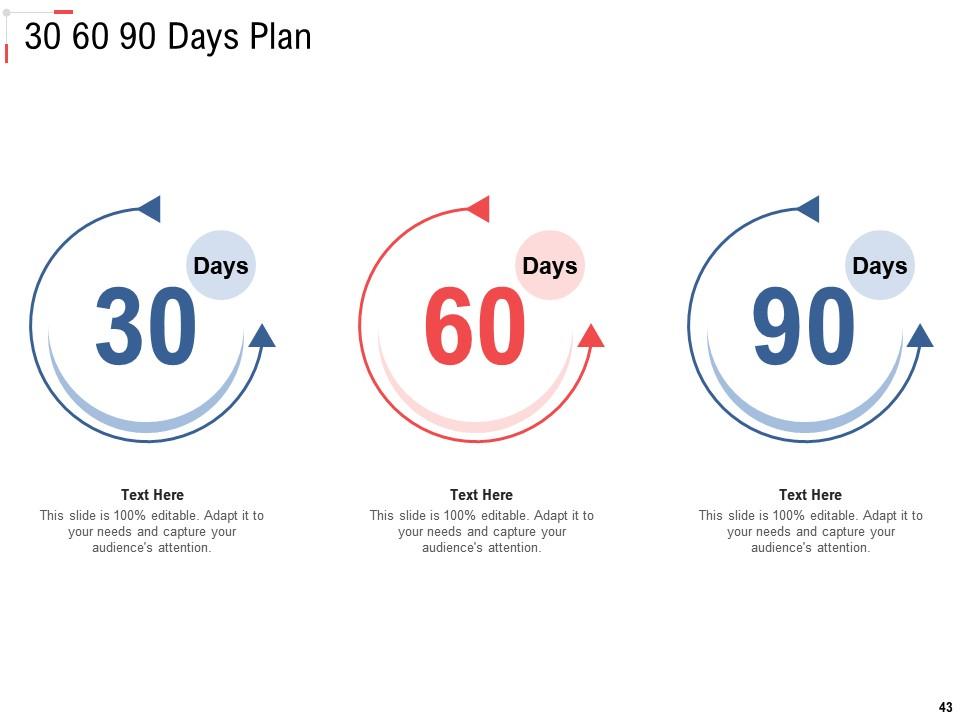
Slide 43 : Este slide apresenta o Plano de 30 60 90 Dias com caixas de texto.
Slide 44 : Este slide mostra Post It Notes. Poste suas notas importantes aqui.
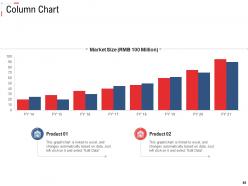
Slide 45 : Este slide mostra o gráfico de colunas com a comparação de dois produtos.
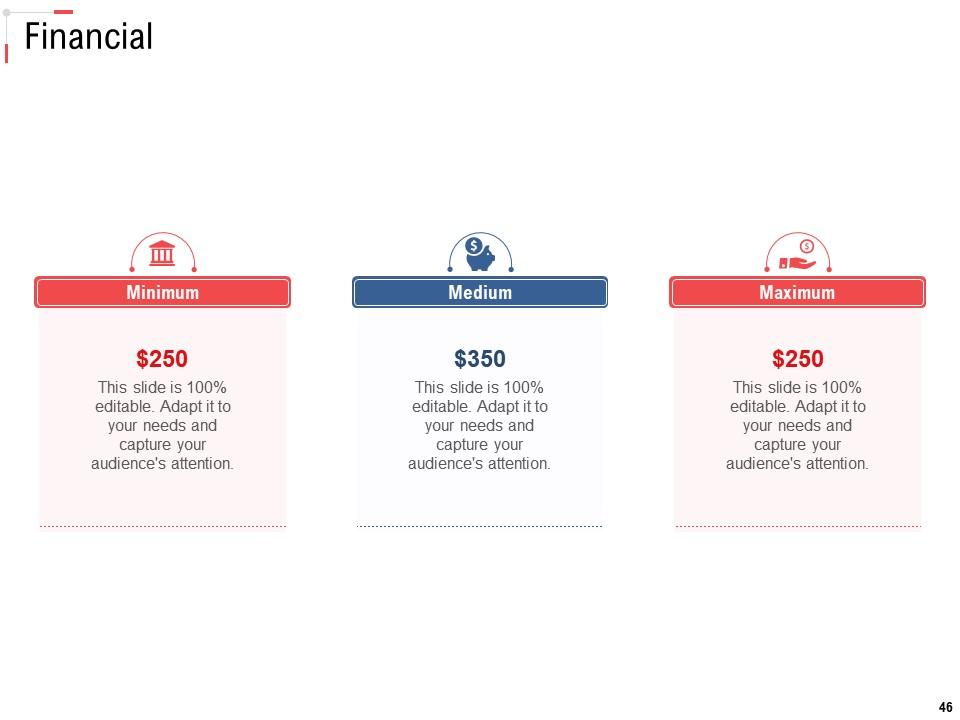
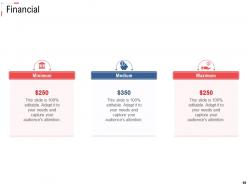
Slide 46 : Este é um slide financeiro. Mostre suas coisas relacionadas a finanças aqui.

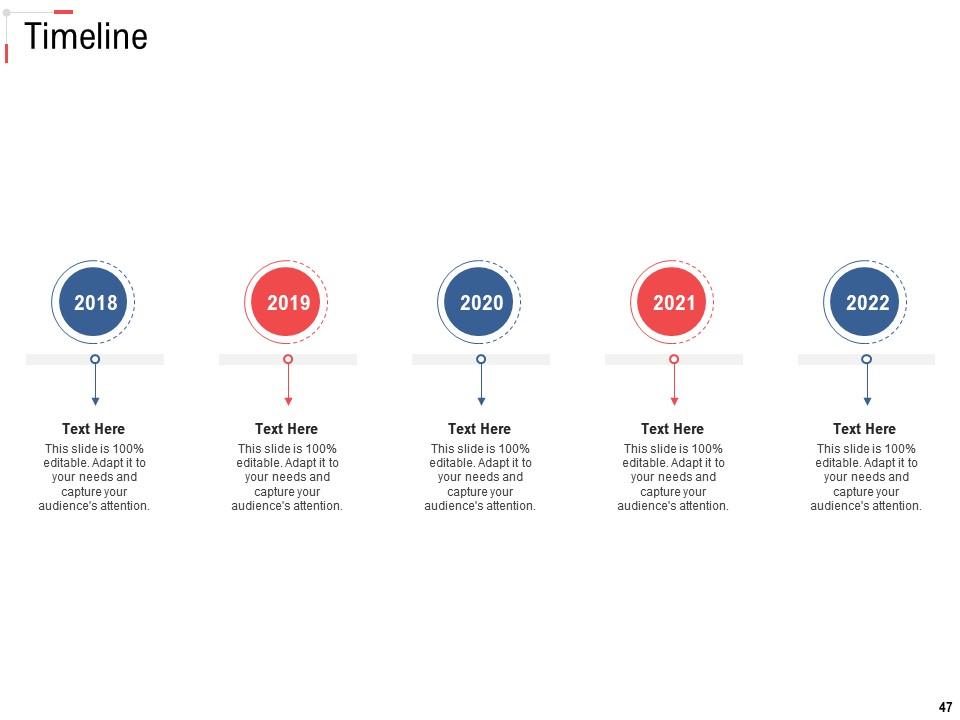
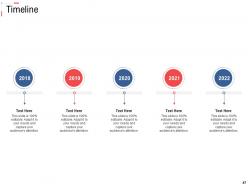
Slide 47 : Este é um slide de linha do tempo. Mostrar dados relacionados a intervalos de tempo aqui.
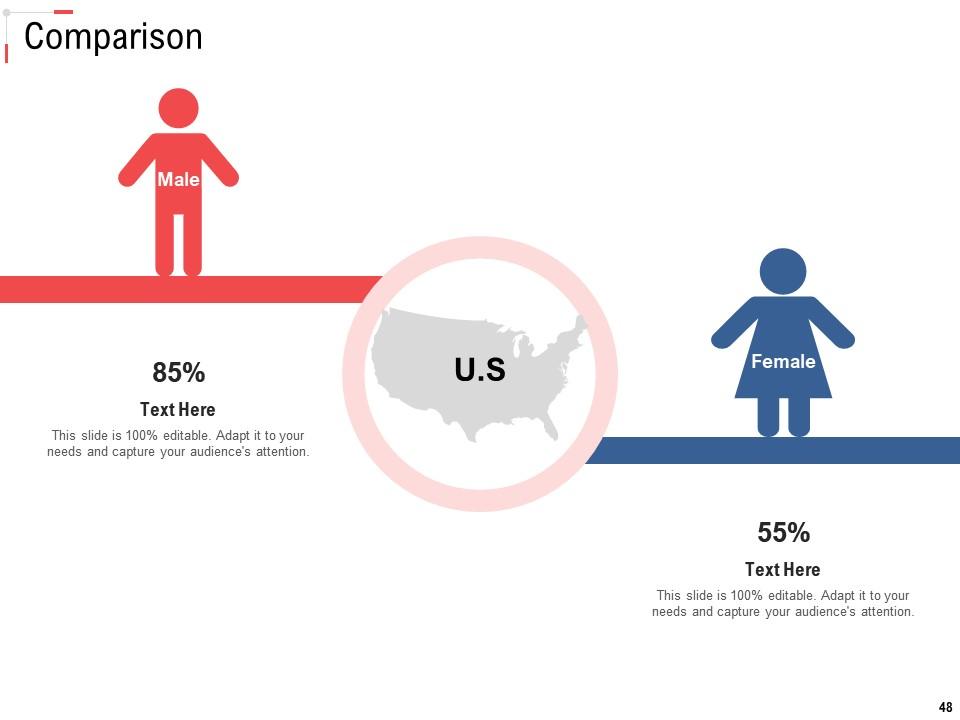
Slide 48 : Este é um slide de comparação para comparação de estados entre commodities, entidades etc.
Slide 49 : Este é um slide de agradecimento com endereço, números de contato e endereço de e-mail.

FAQs for Stock inventory management

Honestly, the accuracy boost alone is worth it - no more manual counting mistakes. You'll save tons of time too since your team won't be stuck doing inventory all day. Real-time stock updates mean customers won't get mad when you're suddenly out of something. Auto-reordering is clutch though, probably my favorite feature since it prevents those "oh crap we're empty" moments. The data insights help you figure out buying patterns and stuff. I'd say figure out what's driving you crazy about inventory right now, then find a system that fixes exactly those problems first.

Get inventory software that connects to your POS and scanners - that's what actually works. Barcode everything when it comes in, moves around, or sells. NetSuite's solid if you have budget, inFlow's cheaper and still good. Trust me, spreadsheets will drive you insane trying to keep up. Set automatic alerts for when stuff runs low so you're not scrambling. The tricky part? Getting your team to scan consistently - missed scans mess up everything and suddenly your data's worthless. But once everyone's in the habit, you'll know exactly what you have in real time.

So demand forecasting is basically trying to predict what your customers will actually buy and when. Look at your sales data from the past year or two - you'll start seeing patterns pretty quickly. Seasonal stuff is usually obvious, but there's other trends too. Honestly, without this you're just throwing darts blindfolded and hoping for the best. Either you'll be sold out of your hot items or stuck with tons of crap nobody wants. Get better at predicting demand and you can order smarter amounts, spend less on storage, and actually have stuff in stock when people want it. Way better than guessing.

Track your turnover ratios every month - that's where you'll spot the problem areas. Fast-moving stuff should get just-in-time ordering while slow movers are basically cash vampires sitting on your shelves. Run some promotions to dump the dead inventory, honestly it's better to break even than let it collect dust. Your demand forecasting probably needs work too so you're not over-ordering from the start. I learned this the hard way with seasonal items last year. The goal is simple: enough stock to avoid pissing off customers but not so much that your cash is tied up forever.

Ugh, you're gonna deal with demand forecasting screwups, stockouts, and overstocking for sure. Everyone does! Start with decent inventory software - the real-time data actually helps. Safety stock levels based on your sales history are clutch. Also, find suppliers you can trust for quick restocks. I'd do cycle counts regularly too, catches problems early. Honestly though? Figure out your worst issue first. Usually it's either your bestsellers going out of stock or dead inventory eating up your cash. That second one's the worst because it just sits there mocking you.

Dude, inventory software can totally make or break how smoothly things run. Your order accuracy shoots up right away, stock counts get way faster, and you're not drowning in manual entry anymore. Trust me on this - bad software means your team burns hours doing annoying workarounds. Good ones actually play nice with whatever tools you're already using. They'll automate when to reorder stuff and show you what's happening everywhere in real-time. Plus everyone can actually find things in the system (revolutionary concept, right?). Demo a few with your real data first though - see what feels right for how your people work.

Inventory turnover ratio is your best starting point - shows how fast you're actually moving stuff. I'd also watch stockout rates and carrying costs as a percentage of inventory value. Days sales outstanding is clutch but honestly most people ignore it for some reason. Shrinkage rates matter too, plus fill rate percentage. Oh and dead stock percentage - that'll show you what's just sitting around doing nothing. But seriously, don't try tracking all this at once. Pick maybe 2-3 that match whatever's driving you crazy right now.

Honestly, just get your supply chain data talking to your inventory system directly. APIs make this way easier now - no more manual spreadsheet hell. Pull in supplier orders, shipping updates, and demand forecasting all into one place so you can actually see what's happening. Set up those automated reorder points based on your lead times and how reliable each supplier actually is. The trick is having everything update automatically when stuff ships or orders come in. Oh, and definitely start with your biggest suppliers first - don't try to do everyone at once or you'll go crazy.

Honestly, start by looking at your stock turnover rates - figure out what's sitting around too long. Better demand forecasting is huge, so get some decent data analytics going. Just-in-time ordering works well if you can match your actual consumption patterns instead of guessing. Set up automated reorder points based on what you've used historically. ABC analysis is super helpful too - categorize stuff by value and how fast it moves so you're not stuck with tons of slow inventory. Oh, and do regular audits. Sounds boring but they catch problems before you're hemorrhaging money. Once you know which products are your problem children, adjust those order quantities accordingly.

Dude, seasonal demand is a total game-changer for inventory planning. Start stocking up 2-3 months before your busy seasons - trust me on this one. I'd rather have too much than run out when everyone's buying. The forecasting part gets tricky though. Pull your sales data from the same months last year, but don't ignore new trends that might mess with your usual patterns. Oh, and definitely plan your cash flow around this since you'll be dropping way more money upfront on stock. My neighbor learned this the hard way last Christmas. Use last year's numbers as your starting point and build from there.

Honestly, just stay consistent with it - I do mine quarterly and it works pretty well. Always count when things are slow, like weekends or after closing. Print your inventory lists ahead of time (learned that one the hard way). Break everything into sections and assign people to specific zones or SKU groups. Yeah, it's boring as hell but finding problems early beats dealing with a massive mess later. Start with your expensive stuff first. Document weird numbers right away while you remember what happened. The key is having a system and sticking to it every time.

Honestly, start with just one product category and look at last year's sales patterns - that's way less overwhelming than diving into everything at once. You'll start seeing trends in your sales cycles and can actually predict when demand's about to spike. Real-time data shows you what's selling fast vs. what's just sitting there collecting dust (which happened to me with those seasonal items I thought would be huge). Set up alerts for low stock so you're not scrambling. Historical data is your friend for forecasting what you'll need and when. Track inventory turnover rates too - it's pretty eye-opening once you get into it.

Dude, e-commerce totally changes the inventory game. Real-time tracking across all your channels is a must now - forget just watching your physical store. Demand gets crazy unpredictable too. One random viral video can clear you out overnight (trust me on this one). You're juggling way more SKUs, faster turnover, and people want to know if stuff's available RIGHT NOW. Buffer stock for both online and in-store? Yeah, that ties up your cash. Oh and manually tracking everything will literally make you lose your mind. Get inventory software that syncs automatically - it's worth every penny.

Start simple - just use a spreadsheet and do basic ABC analysis. Group your stuff by value so you're not wasting time on cheap items that don't matter. Seriously, people overcomplicate this when they're just getting going. Your POS probably has decent reports already, so use those. Set reorder points based on what you're actually selling, not some formula you found online. Track your fast movers, slow stuff, and how long suppliers take to deliver. Do that consistently for a few months first. Then yeah, maybe look at fancy inventory software if you really need it.

Honestly, AI and machine learning are game-changers for demand forecasting - way more accurate than old-school methods. IoT sensors give you real-time stock visibility, which is clutch. RFID and smart barcoding basically eliminate manual counting (thank god). Blockchain's getting big for supply chain transparency. Automated robotics are handling more warehouse stuff now too. Cloud systems connect everything across your network pretty seamlessly. If I were you, I'd start with AI-powered demand forecasting first - quickest ROI and biggest impact usually.

Ratings and Reviews

87% of 100
Review Form
Write a review
Most Relevant Reviews
  1. 100%

    by Sam

    Very educative and insightful
  2. 80%

    by Clement Patel

    Awesome use of colors and designs in product templates.
  3. 80%

    by Edgardo Chapman

    Unique research projects to present in meeting.
  4. 80%

    by Clarence Mendoza

    Helpful product design for delivering presentation.
  5. 100%

    by Jack Johnson

    Qualitative and comprehensive slides.
  6. 80%

    by Darrin Porter

    Wonderful templates design to use in business meetings.
  7. 100%

    by Davies Rivera

    Excellent Designs.
  8. 80%

    by Dana Owens

    Understandable and informative presentation.
  9. 80%

    by Daniel Mcdonald

    Very unique and reliable designs.

9 Item(s)

per page: