

Storytelling Marketing Powerpoint Ppt Template Bundles





Try Before you Buy Download Free Sample Product
 Impress Your
 Audience
 100%
100% Editable
 Save Hours
 of Time


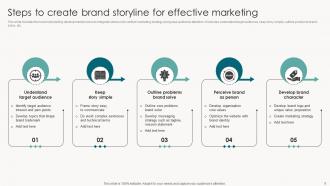
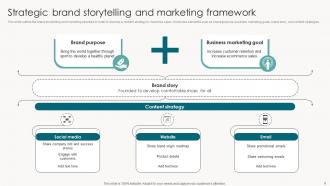
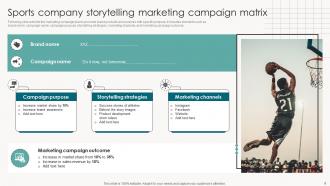
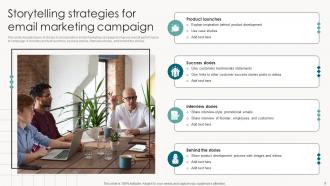
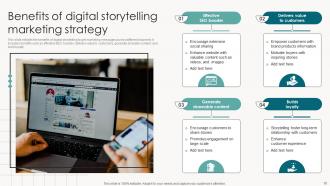
In the fast paced world of Digital Marketing, captivating storytelling is the key to making a lasting impact. Our comprehensive presentation will guide you through the art of creating compelling narratives that resonate with your audience. Dive into the world of Visual Storytelling Strategy, harnessing the potency of imagery to drive engagement and conversion. Learn from real life sports company storytelling marketing campaigns. Explore innovative storytelling approaches that breathe life into your brand, leaving an indelible mark on your customers. Elevate your email marketing game with proven storytelling strategies that build authentic connections and drive unparalleled results. Master the art of storytelling marketing and conquer the digital landscape like never before.
People who downloaded this PowerPoint presentation also viewed the following :
Storytelling Marketing Powerpoint Ppt Template Bundles with all 28 slides:
Use our Storytelling Marketing Powerpoint Ppt Template Bundles to effectively help you save your valuable time. They are readymade to fit into any presentation structure.









FAQs for Storytelling Marketing Powerpoint
Okay so you need three things: someone relatable (doesn't have to be a person, could be your company or whatever), some kind of conflict they're dealing with, and then how it gets resolved through your brand's value. Most companies totally bomb the conflict part though - they get all sales-pitchy instead of making it actually emotional. Like, focus on what your audience genuinely struggles with first. Then build your story around that tension. The whole thing should feel real and show actual transformation, not just rattle off product features. I dunno, maybe start with their real problem and work backwards?
Stories make your brand feel like actual people instead of some faceless corporation. People connect emotionally when you share real stuff - how you started, your values, customer wins. They'll remember those way better than boring feature lists. Here's the thing though - good stories spread like wildfire because people genuinely want to share them. That emotional hook builds trust since customers feel they're supporting something meaningful, not just buying stuff. Find what makes you different first, then build stories around those moments that actually show your personality. Way more effective than traditional marketing BS.
Honestly, emotional connection is what makes storytelling marketing actually work. People buy with their hearts first, then find logical reasons after. Those commercials that made you cry? You definitely still remember the brand. Nostalgia, fear, joy - whatever emotion you trigger creates way stickier memories than boring product specs ever will. Here's what I'd do: pick the feeling you want people to have about your brand first. Then build stories around real customer stuff that naturally brings up that emotion. Works way better than just listing features and hoping something sticks, you know?
Honestly, don't just dump testimonials on some random page - sprinkle customer stories everywhere. Collect them through surveys, interviews, or just watch what people post on social. Short video testimonials work great on your homepage. Email campaigns? Throw in some customer quotes. Your sales team will love longer case studies too. Match stories to where people are in their buying journey - that's the sweet spot. Oh, and always ask permission first (obviously). Make it dead simple for customers by giving them templates or questions to work with. People actually love bragging about their wins!
Okay so here's the thing - you need conflict in your story or it'll be boring as hell. Don't start with when your company was founded, nobody cares. Begin with what sucks for your customers first. Then show how you fix it. Use real people and actual emotions instead of just listing features. Most brands totally skip over the struggle part, which is honestly the most interesting bit. Get specific - like really specific moments and details, not vague business-y language. Your main message should be simple enough that someone remembers it later. Oh, and connect it to something bigger than just "please buy our thing."
So basically, people's attention spans are totally different depending on where they find you. Social media? You've got like 3 seconds max before they scroll past, so everything needs to be super visual and punchy. Email's the opposite though - when someone opens your email, they're actually expecting more substance since they gave you that inbox real estate. And your website is where you can finally tell the whole story because people went there on purpose to learn about you. It's really about reading the room, you know? Match your vibe to whatever headspace people are in on that platform.
Don't make it all about you - that's the biggest mistake. People hate stories that are just sales pitches in disguise. And honestly? Never lie or stretch the truth because being real beats being dramatic every time. Your story needs to actually connect to what you're selling, otherwise you'll just leave people scratching their heads. I see this all the time - companies tell these amazing stories that go nowhere. Focus on solving their problems instead of bragging about how awesome you are. Oh, and make sure there's an actual point to the whole thing.
Okay so you need to track engagement stuff like time on page, shares, comments - the usual suspects. But here's the thing: don't just stop at vanity metrics. What you really want to know is whether people who interact with your stories actually buy from you later. Set up UTM codes so you can follow someone from reading your content all the way to checkout. Brand sentiment tracking is huge too - are people feeling better about you after hearing your stories? Google Analytics will handle most of this, plus whatever analytics your social platforms give you. Oh, and monitor mentions online to see if people are talking about your brand differently now.
Ugh, cultural context is EVERYTHING when it comes to storytelling. Your audience's background totally changes how they'll react to your content. Values, humor, family stuff - it all matters way more than you'd think. We had this campaign that crushed it here but completely flopped overseas because we missed some cultural cues. Super embarrassing honestly. Different story beats just land differently depending on where people are from. Do your homework first - research local customs, maybe test things out with people who actually live there, or work with local creators who get the nuances. Trust me on this one.
Okay so visuals are basically like showing instead of telling, right? Your audience can actually *see* what you mean rather than trying to picture it. Photos of real customer reactions, charts with wild data patterns, simple icons that guide people through your points. Before/after shots are honestly my favorite - they're pure storytelling magic. But here's the thing: each visual needs to actually move your story forward, not just look pretty. Quick test I always do - look at one slide and ask "is this helping tell my story or just making it look nice?" If it's the latter, ditch it for something better.
Look at Nike's "Just Do It" stuff - they're selling this whole story about pushing through challenges, not just sneakers. Airbnb gets it too, focusing on that "belong anywhere" vibe instead of just rooms to rent. Patagonia's my favorite though. Their environmental campaigns make you feel like you're saving the planet, then oh yeah, here's some hiking gear. Dove does something similar with those real beauty ads that actually hit you in the feels. The pattern here? They hook your emotions first, product comes second. Watch their commercials sometime - you'll barely hear them mention specs or features.
Oh totally! B2B storytelling is all about those customer transformation stories. Pick a client who had a real problem, show how you fixed it, then boom - the results. Way more effective than boring feature lists, trust me. Your company's origin story works great too for building trust. Maybe throw in some behind-the-scenes stuff about your team tackling challenges? The trick is connecting it to what your audience actually struggles with daily. Just grab one solid customer success story first. Give it a proper beginning, middle, end. It's honestly not that complicated once you start.
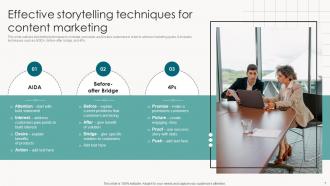
Honestly, just pick a framework and stick with it - that's half the battle. Three-act structure is probably your best bet (setup, conflict, resolution). Super versatile and you've seen it a million times in movies. Hero's Journey works too, but make your customer the hero, not your product. I've been using "Before, During, After" lately and it's dead simple. Problem-Agitation-Solution is clutch for sales stuff. Oh, and don't overthink which one to choose - they all work if you actually follow them instead of just making it up as you go.
Dude, authenticity is everything when it comes to brand stories. People can spot fake stuff immediately and they'll just scroll right past it. I've watched so many campaigns crash because companies were trying way too hard to be cool or trendy instead of just... being themselves, you know? Your stories don't have to be polished or perfect. Actually, the messy real moments often work better. Customer experiences, behind-the-scenes stuff that actually happened - that's gold. When it feels genuine, people will actually share it and remember your brand. Trust me on this one.
Right now everyone's obsessed with interactive storytelling and letting customers do the talking through reviews and social posts. The behind-the-scenes stuff is killing it too - people want real stories, not those weird corporate videos that sound like robots made them. TikTok's all about those quick video stories. Oh, and brands are actually showing their environmental work instead of just talking about it (finally). Start grabbing real customer stories - like, actually ask people about their experiences. You can probably work those into whatever campaigns you're already running.
-
SlideTeam was so customer-centric and quick service-provider that I doubted the amount I was paying and literally re-checked the transaction.
-
Extremely professional slides with attractive designs. I especially appreciate how easily they can be modified and come in different colors, shapes, and sizes!