


Strategic brand development marketing and management process





Try Before you Buy Download Free Sample Product
 Impress Your
 Audience
 100%
100% Editable
 Save Hours
 of Time


Developing a brand and then marketing it in the target market is the most important task to increase the business growth. That is why we have come up with pre-made 8 slides content-ready Strategic Brand Development Marketing And Management Process PowerPoint Presentation With Slides deck that is designed by a team of experts. Our brand development PPT show will enable you in strengthening your brand. This strategic branding presentation illustration lowers the marketing risk associated with brand development. This strategic brand management process PowerPoint sample file has all the necessary slides like what a brand is, difference between brand and product, brand equity, branding approach, target market, market size and growth, market profitability, market trends, key success factors, competitive analysis, swot analysis, competitor positioning, and many more. This strategic brand management process examples PPT presentation file deck will save you time and will help you in creating a professional brand development and marketing PPT. Take the extra moment to make your presentation perfect and just download Strategic Brand Development Marketing And Management Process PowerPoint Presentation With Slides. Building a brand up from scratch is indeed a tricky task. To help you out in branding process, here we are delighted to present our readymade brand development PowerPoint slide deck. With help of this PowerPoint show you can cast spotlight on concepts of branding management and brand strategy. Further, in this PPT sample file we have integrated PowerPoint templates of brand equity, branding approach, brand vision, brand positioning, brand promise and many more to describe the process in an engaging style. Sales and marketing professionals of corporate houses can download this presentation deck to discuss branding process analysis and planning.
People who downloaded this PowerPoint presentation also viewed the following :
Content of this Powerpoint Presentation
Slide 1: This is an introductory slide for Branding Process. State Your company Name and get started.
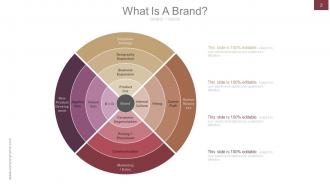
Slide 2: This slide presents What Is A Brand with the following points- Corporate Strategy, Geography Expansion, Business Expansion, Consumer Segmentation, Pricing + Placement, Communication, Marketing / Sales, Product line, Internal Culture, Hiring, Career Path, Human Resources, New Product Development, Application, Innovation.
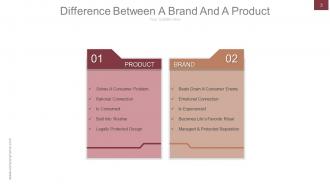
Slide 3: This slide presents Difference Between A Brand And A Product. PRODUCT Solves A Consumer Problem, Rational Connection, Is Consumed, Built Into Routine, Legally Protected Design. BRAND Beats Down A Consumer Enemy, Emotional Connection, Is Experienced, Becomes Life’s Favorite Ritual, Managed & Protected Reputation.
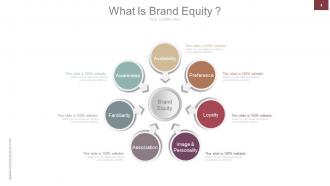
Slide 4: This slide displays What Is Brand Equity with then following points- Availability, Association, Preference, Familiarity, Loyalty, Awareness, Image & Personality, Brand Equity.
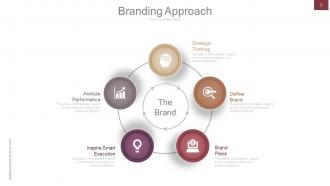
Slide 5: This slide presents the Branding Approach with the following points- Strategic Thinking, Brand Plans, Inspire Smart Execution, Define Brand, Analyze Performance.
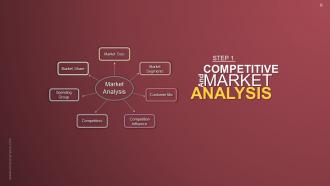
Slide 6: This slide presents Competitive and Market Analysis with- Market Size, Market Segments, Customer Mix, Competition Influence, Competitors, Spending Group, Market Share.
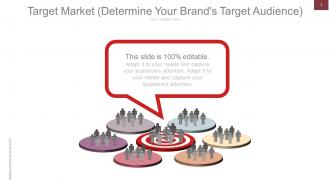
Slide 7: This slide showcases Target Market (Determine Your Brand's Target Audience). State these aspects here.
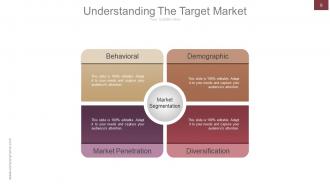
Slide 8: This slide displays Understanding The Target Market as per the following- Behavioral Demographic Diversification Market Penetration. State market segmentation on the basis of these parameters.
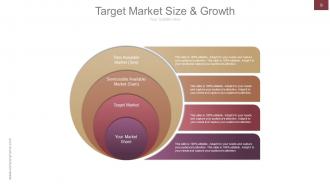
Slide 9: This slide showcases Target Market Size & Growth comprising of- Total Available Market (Tam), Target Market , Your Market Share, Serviceable Available Market (Sam).
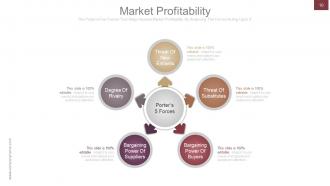
Slide 10: This slide presents Market Profitability. The Porter's Five Forces Tool Helps Assess Market Profitability By Analysing The Forces Acting Upon It. The points included are- Threat Of Substitutes Bargaining Power Of Buyers Bargaining Power Of Suppliers Degree Of Rivalry Threat Of New Entrants as Porter’s 5 Forces.
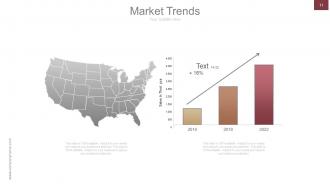
Slide 11: This slide presents Market Trends with US map and a bar graph.
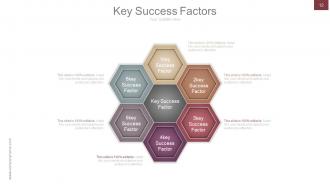
Slide 12: This slide presents Key Success Factors for branding. State them here.
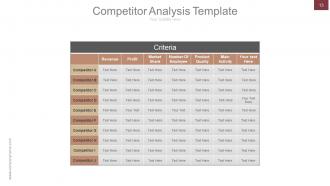
Slide 13: This slide presents a Competitor Analysis Template.
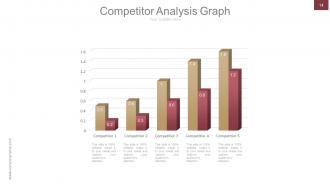
Slide 14: This slide presents a Competitor Analysis Graph.
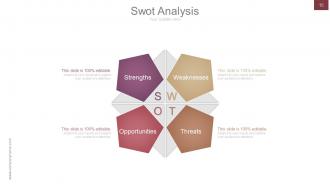
Slide 15: This slide presents a SWOT Analysis.
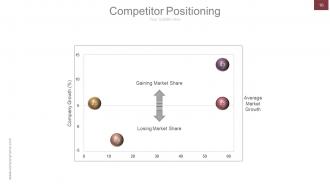
Slide 16: This slide showcases Competitor Positioning displaying- Average Market Growth, Company Growth (%), Gaining Market Share, Losing Market Share.
Slide 17: This slide is titled The Building Blocks of Brand Architecture. You may change the slide content as per need.
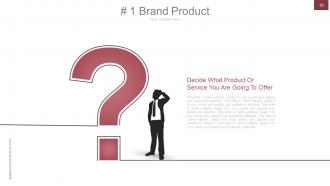
Slide 18: This slide presents # 1 Brand Product. Decide What Product Or Service You Are Going To Offer.
Slide 19: This slide displays Brand Mission Statement. State it here.
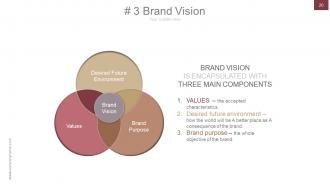
Slide 20: This slide displays Brand Vision Statement comprising of Values, Brand Purpose and Desired Future Environment as examples. State it in details here.
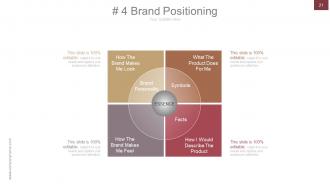
Slide 21: This slide showcases Brand Positioning Matrix showing- How The Brand Makes Me Look, What The Product Does For Me, How The Brand Makes Me Feel, How I Would Describe The Product, Brand Personality, Symbols, Facts.
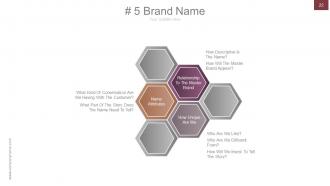
Slide 22: This slide showcases Brand Name with the following points- Relationship To The Master Brand, Name Attributes, How Unique Are We, How Descriptive Is The Name? How Will The Master Brand Appear? Who Are We Like? Who Are We Different From? How Will We Invest To Tell The Story? What Kind Of Conversation Are We Having With The Customer? What Part Of The Story Does The Name Need To Tell?
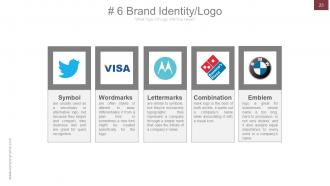
Slide 23: This slide showcases Brand Identity/Logo. What Type Of Logo Will You Have? State in terms of- Symbol, Emblem, Combination etc. here
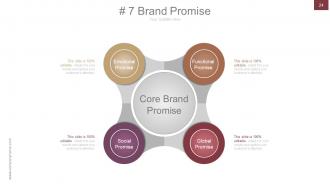
Slide 24: This slide shows Brand Promise comprising of- Emotional Promise, Functional Promise, Social Promise, Global Promise, Core Brand Promise.
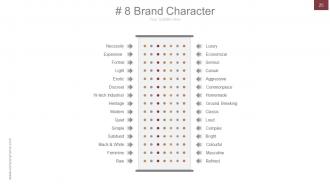
Slide 25: This slide showcases Brand Character with the following points- Necessity, Expensive, Formal, Light, Exotic, Discreet, Hi-tech Industrial, Heritage, Modern, Quiet, Simple, Subdued, Black & White, Feminine, Raw, Luxury, Economical, Serious, Casual, Aggressive, Commonplace, Homemade, Ground Breaking, Classic, Loud, Complex, Bright, Colourful, Masculine, Refined. State these aspects in order of importance here.
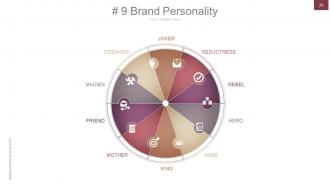
Slide 26: This slide showcases Brand Personality. State what does your brand stand for, what is its personality as a product here.
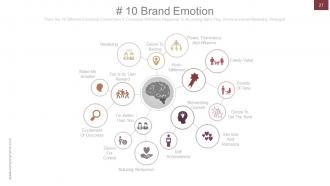
Slide 27: This slide shows Brand Emotion. There Are 16 Different Emotional Connections to which a consumer will show response. The listed ones are- Desire For Control, Family Value, Self Achievement, Desire To Belong, Desire To Get The Best, Revaluing, Fun Is Its Own Reward, Make Me Smarter, I’m Better Than You, Wish-fulfillment, Reinventing Oneself, Sex,love And Romance, Excitement Of Discovery, Nuturing Response, Poverty Of Time, Power, Dominance And Influence.
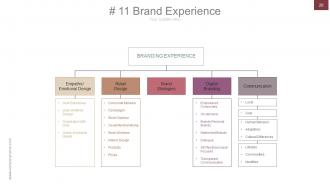
Slide 28: This slide showcases Brand Experience. The BRANDING EXPERIENCE constitutes of- Communication, Empathic/Emotional Design, Brand Strategies, Retail Design, Digital Branding, Empowered Consumers, On-demand, Brands Personal Brands, Networked Brands, Dialogue, 24/7feedback,input Focused, Transparent Communication, User Experience, User-centered Design, Connection With User, Users, emotional Needs, Local Lifestyle, Communities, Identities, Human Behavior, Adaptation, Cultural Differences, Goal, Consumer Behavior, Campaigns, Store Displays, Visual Merchandising, Store Windows, Interior Design, Products, Prices.
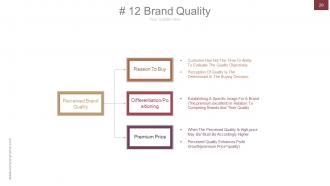
Slide 29: This slide presents Brand Quality. State its quality aspects in terms of- Reason To Buy, Differentiation/Positioning, Premium Price.
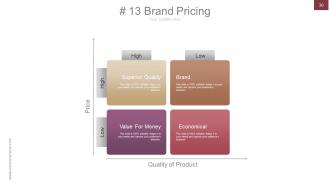
Slide 30: This slide shows Brand Pricing matrix with the following points- Superior Quality Brand Economical Value For Money in terms of High and Low.
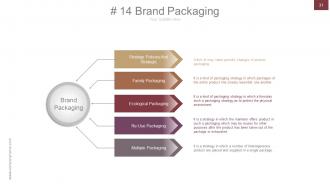
Slide 31: This slide showcases Brand Packaging with the following points- Strategy Policies And Strategic, Family Packaging, Ecological Packaging, Re-Use Packaging, Multiple Packaging, Brand Packaging.
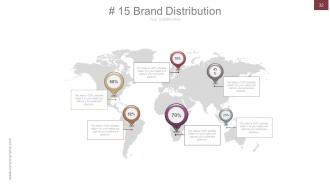
Slide 32: This slide shows Brand Distribution to present globally on a worldmap.
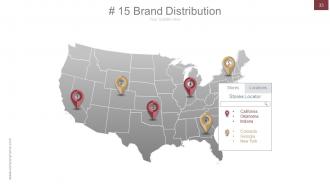
Slide 33: This slide shows Brand Distribution to present globally on a US map.
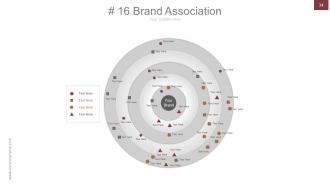
Slide 34: This slide displays Brand Association. State these aspects here.
Slide 35: This slide is titled The Big Idea. You may change the slide content as per need.
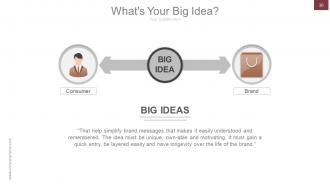
Slide 36: This slide showcases What's Your Big Idea. State in terms of Brand and Consumer the idea behind your product/branding.
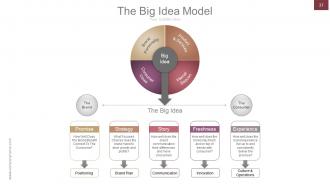
Slide 37: This slide showcases The Big Idea with the following points- The Brand, The Consumer, Brand, Personality, Product & Services, Consumer, Views, Internal, Beacon, Big Idea, Positioning, Brand Plan, Communication, Innovation, Culture & Operations, Promise, Strategy, Story, Freshness, Experience.
Slide 38: This slide presents Creating Brand Strategy Roadmap with- Values, Goals, Vision, Purpose, Big Idea, Promise, Strategy, Story, Freshness, Experience, Drive Usage Frequency, Attract New Users, Driving new Distribution Points, Defiance Plan.
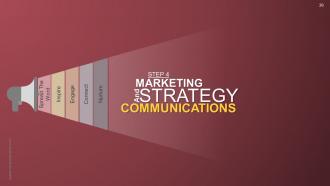
Slide 39: This slide is titled Marketing Strategy and Communications with Spread The Word, Inspire, Engage, Connect, Nurture. You may change the slide content as per need.
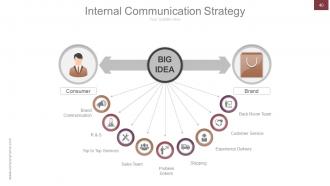
Slide 40: This slide presents Internal Communication Strategy with- R & S, Top to Top Services, Sales Team, Problem Solvers, Shipping, Customer Service, Experience Delivery, Back Room Team, Brand, Consumer.
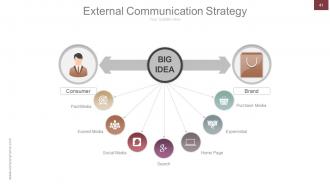
Slide 41: This slide presents External Communication Strategy with- Paid Media, Earned Media, Social Media, Search, Home Page, Experiential, Purchase Media, Brand, Consumer.
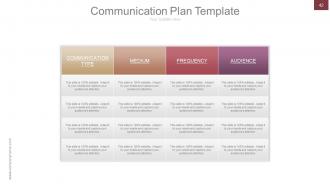
Slide 42: This slide showcases a Communication Plan Template.
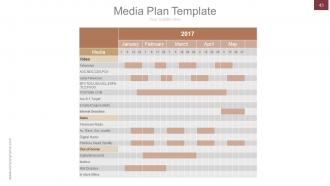
Slide 43: This slide showcases a Media Plan Template.
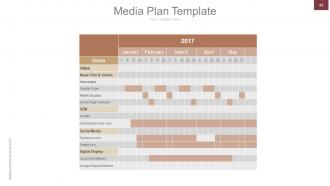
Slide 44: This slide also showcases a Media Plan Template.
Slide 45: This slide is titled Monitor Your BRAND (MEASUREMENT). Distribution Value Growth.
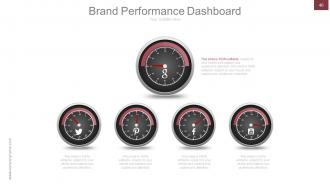
Slide 46: This slide displays Brand Performance Dashboard. State performance aspects here.
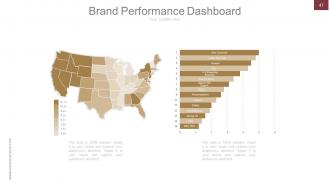
Slide 47: This slide shows Brand Performance Dashboard in bar graph form with US Map.
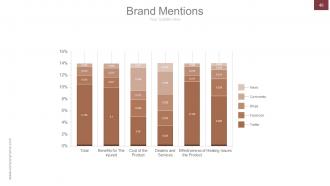
Slide 48: This slide showcases Brand Mentions of the product/brand. The platforms listed are- News, Comments, Blogs, Facebook, Twitter.
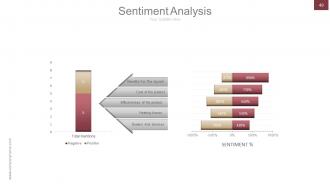
Slide 49: This slide presents Sentiment Analysis displaying- Benefits For The Injured, Cost of the product, Effectiveness of the product, Heating Issues, Dealers And Services, Sentiment %.
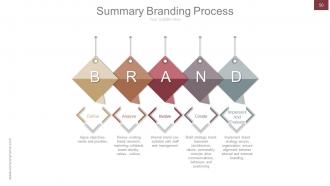
Slide 50: This slide showcases Summary Branding Process in terms of- Define, Analyse, Involve, Create, Implement And Evaluate.
Slide 51: This slide is titled Additional slides. You can change the slide content as per need.
Slide 52: This is an Agenda slide. State your agendas here.
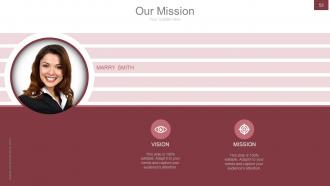
Slide 53: This is Our Mission slide displaying Vision, Mission. State them here.
Slide 54: This is Our Team slide with name, designation and image box to go with.
Slide 55: This is an About Us slide. State company/team specifications here.
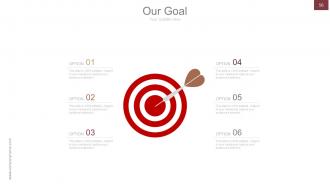
Slide 56: This is Our Goal slide. State your goals here.
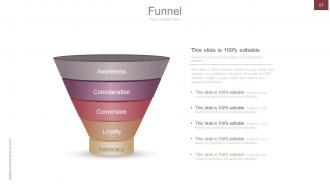
Slide 57: This slide shows a Funnel to present information, data in funnel form. Present Advocacy, Loyalty, Conversion, Consideration, Awareness aspects etc. here.
Slide 58: This is a Thank You slide for acknowledgement.
Strategic brand development marketing and management process with all 58 slides:
Use our Strategic Brand Development Marketing And Management Process to effectively help you save your valuable time. They are readymade to fit into any presentation structure.


FAQs for Strategic brand development marketing
Look, everyone gets obsessed with logos and colors, but that's honestly backwards. Start with WHY you exist and WHO you're actually serving - that's your foundation right there. Then figure out how you're different from everyone else (positioning), what your brand sounds like when it talks (personality), and yeah, eventually the visual stuff. Oh, and your messaging needs to be consistent everywhere or people get confused. I always tell people to nail the "why" first because everything else just clicks into place after that. Trust me on this one.
Honestly, skip the guessing game and dig into your actual customer data first. What makes them tick? Their problems, buying habits, all that stuff. Surveys beat assumptions every time - trust me on this one. Check out who your competitors are targeting too, might find some blind spots. Build personas that go way deeper than just age and salary though. What scares them? Daily routines? Get specific enough that you'd recognize these people at a coffee shop. Oh, and don't blow your whole budget right away - test with smaller campaigns first to see if you're actually on the right track.
Okay so market research is literally the backbone of any brand strategy. You find out who your customers really are, what they actually want, not what you think they want. Plus you see how competitors are positioning themselves. Without research? You're basically throwing darts blindfolded. The data shows you market gaps and whether your positioning makes sense. It reveals which messages hit and which fall flat. Honestly, I've seen too many brands skip this step to save money, then waste way more fixing bad strategy decisions. Even quick surveys or a few customer calls will save your ass later. Don't wing it.
Okay so here's the thing - you gotta figure out what actually makes you different and just go all in on that. Most brands are trying to appeal to literally everyone which is honestly why they're forgettable. What problem do you solve better than anyone? Or maybe there's some tiny niche you could own completely. Sometimes it's just about that emotional vibe people get from your brand that others can't copy. I'd start by checking out what your competitors are doing (or not doing) and find those gaps. Then focus hard on whatever you can deliver that feels authentic to who you are.
Track the big stuff first - brand awareness, how many people actually consider buying from you, and customer acquisition costs. NPS is clutch because it shows if customers would recommend you (way more valuable than follower counts, trust me). Brand recall and share of voice help you see where you stack up against competitors. The softer metrics matter too though - sentiment analysis and message resonance from surveys give you the full picture. Run quarterly brand studies if you can swing it. Always try connecting it back to actual revenue impact.
So here's the thing about storytelling - it turns your brand into something people actually *feel* connected to instead of just another product they buy. Take Nike's "Just Do It" (which honestly never gets old) - they're not selling shoes, they're selling that feeling of pushing through when things get tough. Stories stick in people's heads way better than features do. Your customers start seeing values and purpose, not just what you're selling. It's like... you're building relationships instead of just making sales. Figure out what story your brand's already telling, then keep that same energy across everything you do.
Honestly, the worst thing you can do is try pleasing everyone - your brand just becomes this bland, forgettable mess. Skip the research because you think you already "get" your customers? Yeah, that never ends well. I've watched people do this and it's painful. Also don't just copy what competitors are doing or you'll disappear into the background noise. The other huge mistake is constantly switching strategies every couple months when results don't happen instantly. Brand building is slow. Stick with your plan for at least a year before you panic and change everything.
Oh totally, you've gotta pay attention to what's happening culturally. Your audience doesn't exist in a vacuum - they're influenced by everything from climate anxiety to whatever's trending on social media. Brands that ignore this stuff end up looking completely out of touch. Like, remember when companies stayed silent during major social movements? Yikes. I'd set up some kind of system to track what people are actually talking about in your space. Maybe it's sustainability one month, remote work struggles the next. Your messaging should reflect their reality, not some outdated playbook from 2019.
You know how you can spot a Starbucks from a mile away? That's brand consistency working its magic. Your customers need that same reliability across everything - your website, social posts, packaging, the works. It builds trust because people know what they're getting. Honestly, inconsistent branding is like being friends with someone who has a completely different personality every time you hang out... exhausting and confusing. Without it, you're basically reintroducing yourself constantly. Quick tip: look at all your touchpoints right now and see where things feel totally off or disconnected.
Honestly, digital stuff is where it's at for building your brand. Start by figuring out where your people actually hang out online - don't just assume it's Instagram, you know? Once you find them, hit them with content that actually matters to them. The data you can get now is insane compared to like 2019. Use that info to personalize everything and tell real stories about your brand. Social media's perfect for building that community vibe around what you stand for. Oh, and make sure your message stays consistent across all platforms - sounds obvious but you'd be surprised how many brands mess this up.
First thing - dig into what brand equity you actually have. You might find stuff worth keeping that surprises you. Map every single place your brand appears because old companies always have random applications nobody remembers. Get your employees involved early since they'll either champion this thing or trash it behind your back. Test the new direction with key people before going all-in. Don't flip everything overnight - phase it out gradually. And honestly? Set hard deadlines for the migration or you'll have mismatched branding everywhere for literally years. I've seen it happen too many times.
Honestly, emotions can't just be slapped on at the end - they need to be baked into everything from day one. Pick one core feeling you want people to have about your brand. Trust, excitement, whatever clicks with your audience. Your messaging, visuals, customer experience... all of it should hit that same emotional note. Consistency is huge here. Oh, and don't guess what's working - actually ask people how your brand makes them feel through surveys or focus groups. I've seen brands totally nail this and it's pretty impressive when they do.
Your employees are literally your brand's face to the world. When they're actually pumped about work, it comes through in everything - customer calls, their Instagram stories, even random conversations at parties. You know how obvious it is when someone's faking enthusiasm? Same thing here. Excited employees will naturally talk up your company values and go the extra mile for customers. Plus they'll create genuine buzz in their friend circles (which honestly might be your best marketing). I'd start by just asking your team how they actually feel about where the company's headed. Simple but works.
Honestly, partnerships are like trading audiences - you get access to people who already trust your partner brand, and they get yours. Way better than trying to convince total strangers. The cool thing is when you collab with someone, it usually creates this buzz that makes both brands look more interesting. I've seen some partnerships that made zero sense at first but blew up because everyone was like "wait, what?" Find someone whose audience is different from yours but shares similar values. Oh and the credibility boost is huge - people assume if Brand X works with you, you must be legit.
Honestly, AI and machine learning are game-changers for brand strategy right now. You can personalize customer experiences at massive scale and spot trends way before they blow up. AR/VR stuff is pretty cool too - virtual try-ons, immersive experiences, all that. Voice tech through Alexa and Siri is everywhere now. The pace is honestly insane - I feel like there's something new every week. But here's the thing: don't try to do everything at once. Pick maybe two technologies that actually fit your audience and test them out small first. Way better than diving headfirst into some flashy tech that doesn't even make sense for your brand.
-
The Designed Graphic are very professional and classic.
-
Use of icon with content is very relateable, informative and appealing.
-
Colors used are bright and distinctive.
-
Easily Editable.
-
Design layout is very impressive.
-
Commendable slides with attractive designs. Extremely pleased with the fact that they are easy to modify. Great work!
-
Illustrative design with editable content. Exceptional value for money. Highly pleased with the product.
-
Good research work and creative work done on every template.
-
Top Quality presentations that are easily editable.