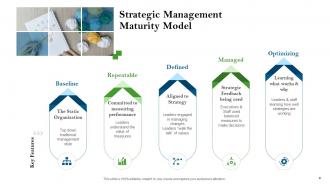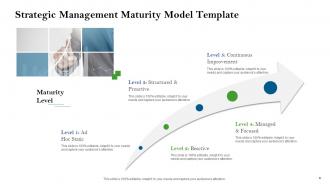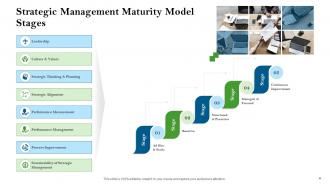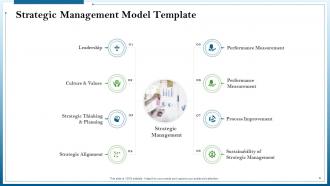
Diapositivas de presentación en Powerpoint del proceso de planificación de la gestión estratégica

Rating:
92%
Slide 1 of 21
Favourites Favourites

Try Before you Buy Download Free Sample Product

Audience Impress Your
Audience
Editable 100%
Editable
Time Save Hours
of Time
The Biggest Sale is ending soon in
0
0
:
0
0
:
0
0
Rating:
92%

Características de estas diapositivas de presentación de PowerPoint:

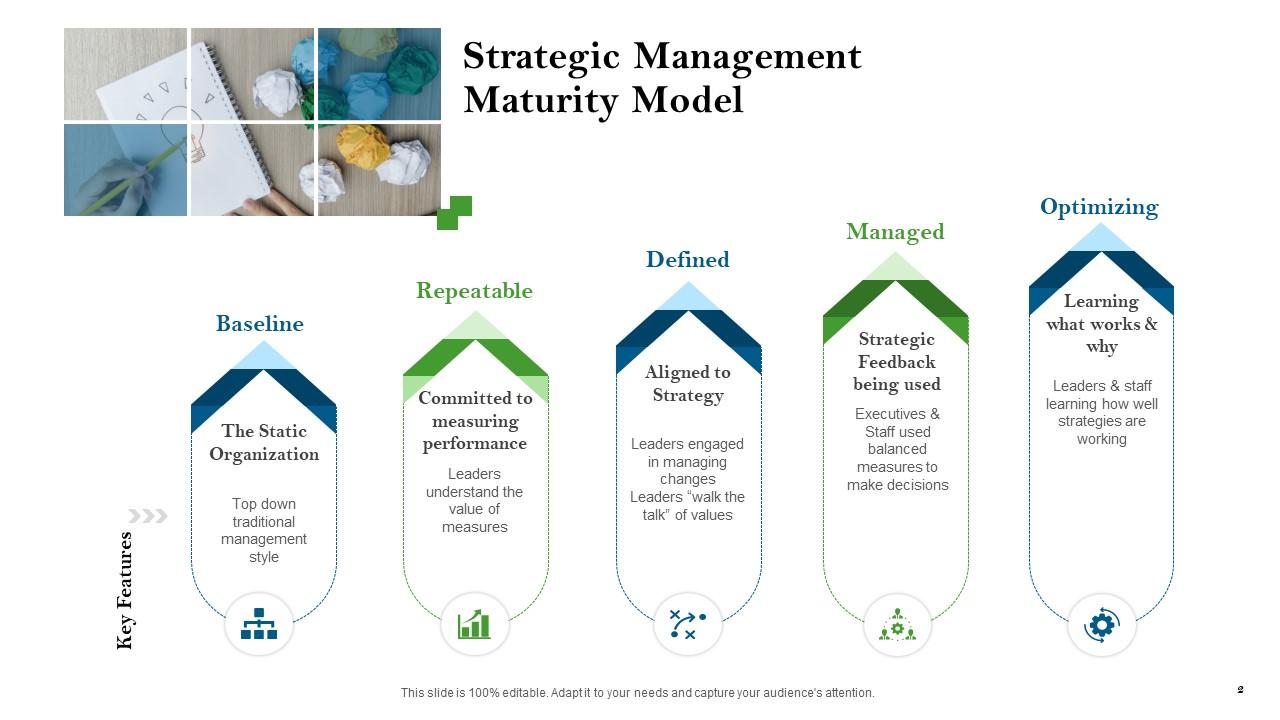
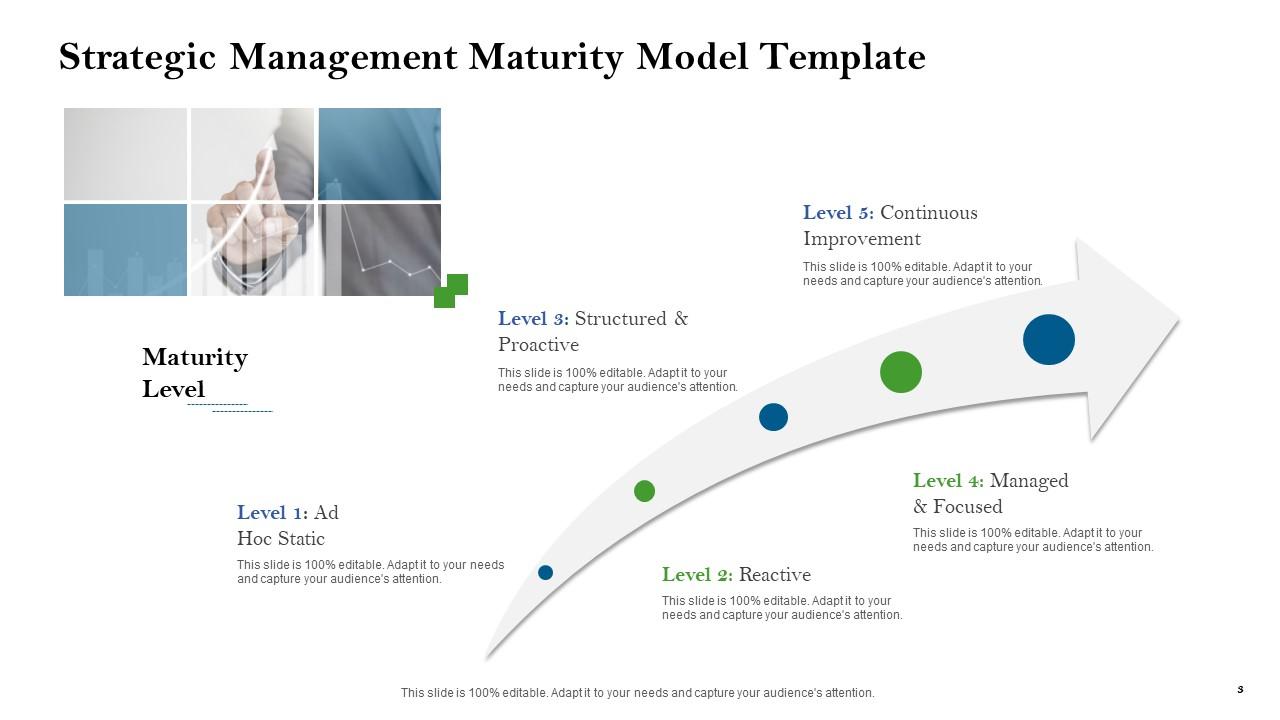
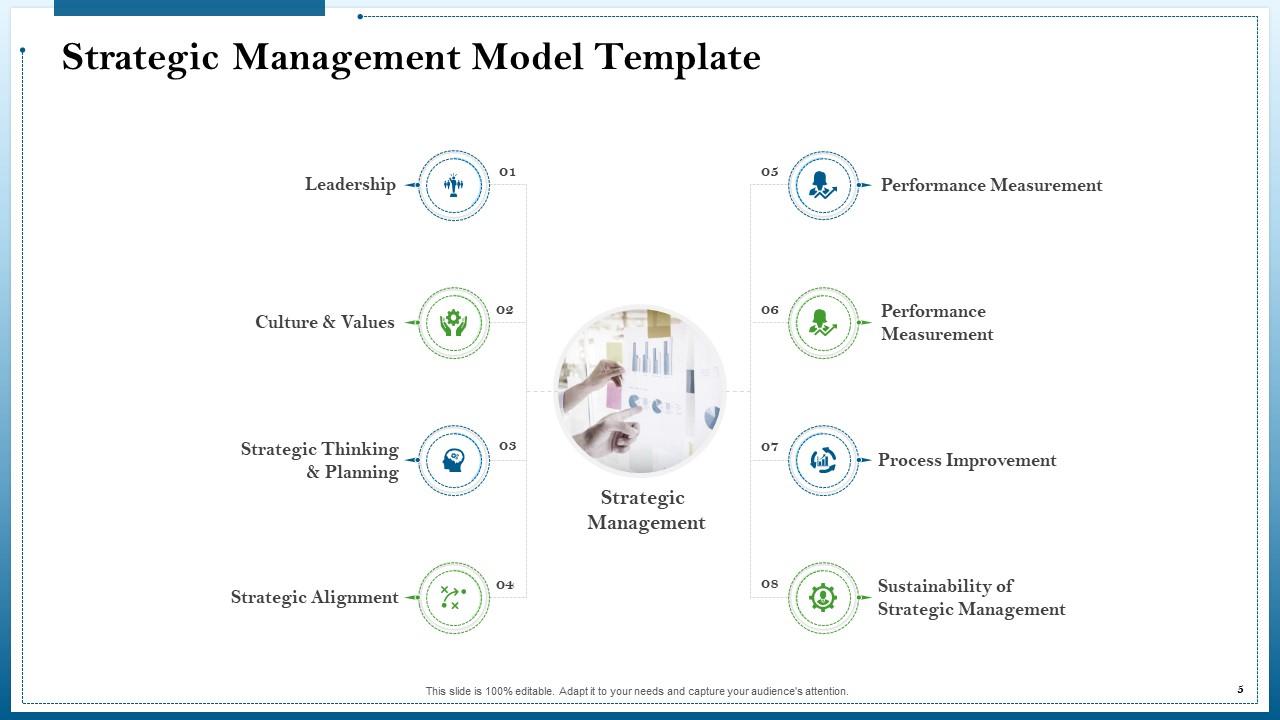
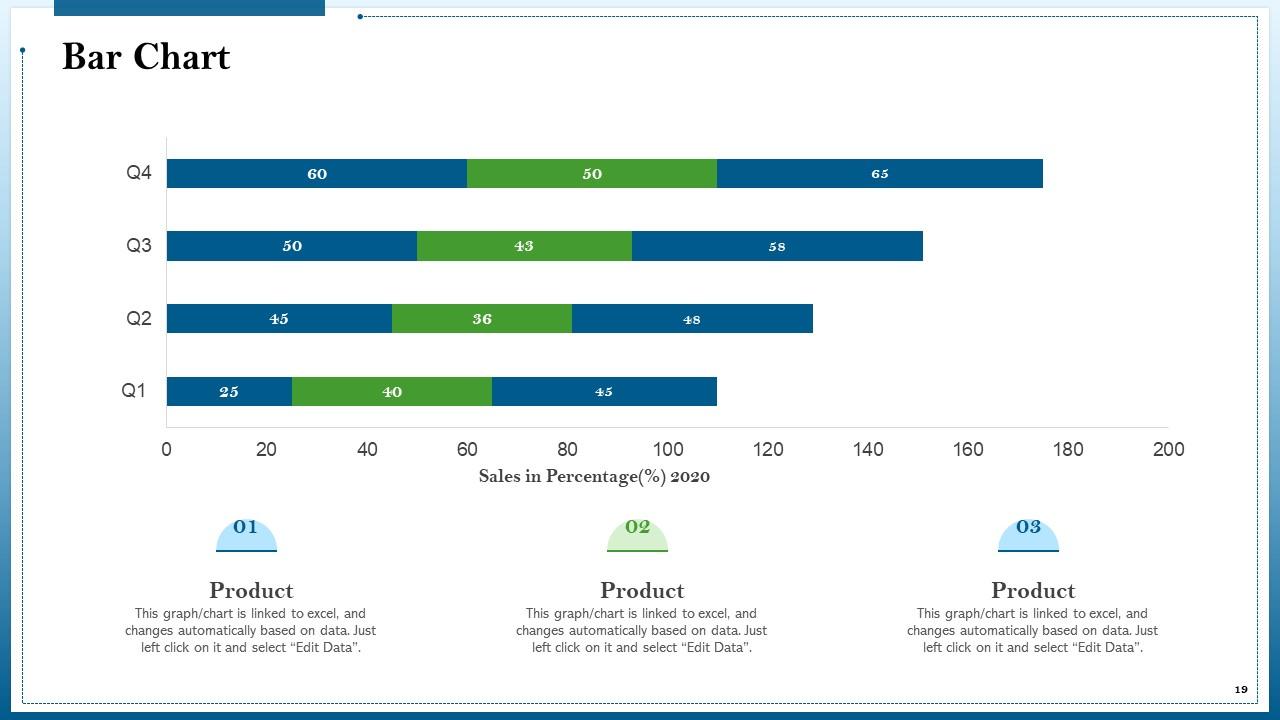
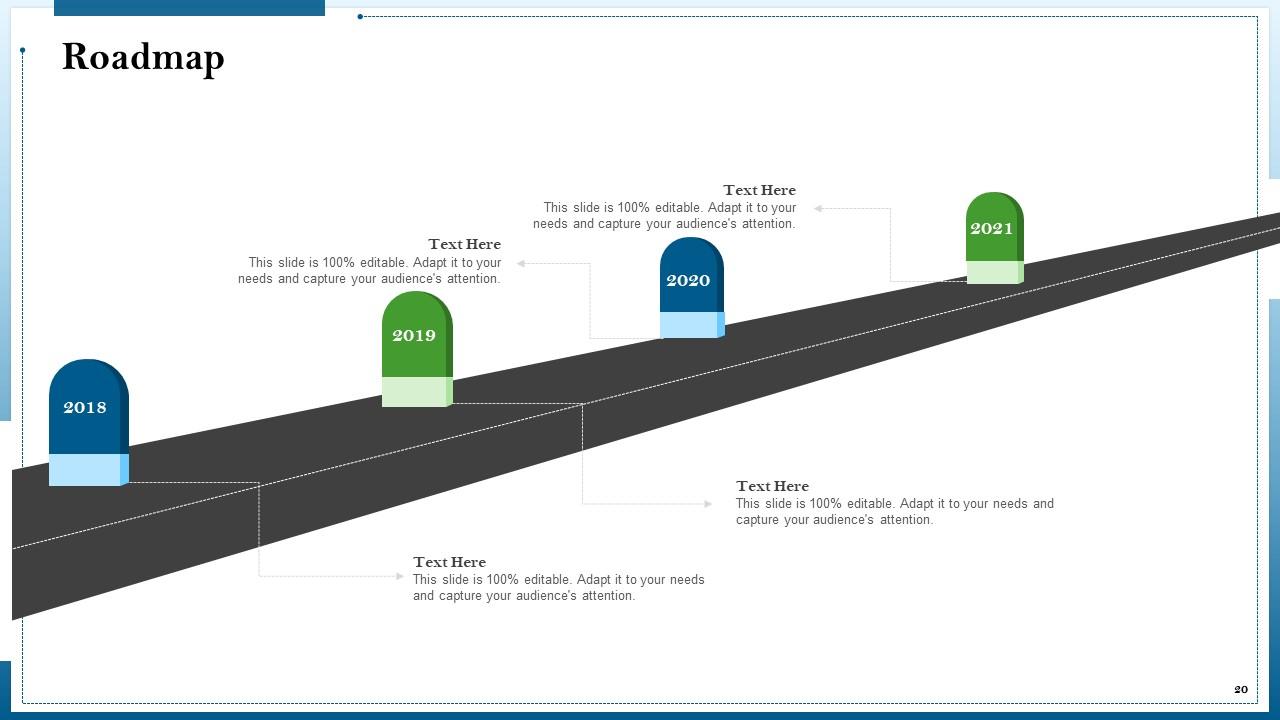
Esta presentación completa tiene diapositivas PPT sobre una amplia gama de temas que destacan las áreas centrales de sus necesidades comerciales. Tiene plantillas diseñadas profesionalmente con imágenes relevantes y contenido basado en temas. Esta plataforma de presentación tiene un total de veintiuna diapositivas. Obtenga acceso a las plantillas personalizables. Nuestros diseñadores han creado plantillas editables para su conveniencia. Puede editar el color, el texto y el tamaño de fuente según sus necesidades. Puede agregar o eliminar el contenido si es necesario. Está a solo un clic de distancia para tener esta presentación lista. Haga clic en el botón de descarga ahora.
FAQs for Strategic Management Planning Process

You'll want vision/mission statements, SWOT analysis, strategic objectives, action plans with timelines, resource allocation, and performance metrics. Most plans die because people create them then never look again - such a waste! Make your vision inspiring but actually doable. Objectives have to be measurable, and someone needs to own each piece or it won't happen. SWOT helps you see reality vs. what you hope is true (usually eye-opening). Honestly, start simple with a one-page thing first. You can always make it fancier later once everyone's used to the process.

Honestly, most companies totally mess this up. Start with what your mission actually says - not what sounds cool. Break it down into stuff you can actually measure, then connect every strategy back to those pieces. Your vision is basically your "where we're headed" roadmap. Mission is more like "why we even exist" and should drive what you prioritize. I always tell people to ask themselves: does this strategy actually get us closer to our vision without betraying our mission? Sounds obvious but you'd be surprised how many skip this step. Review it every quarter or you'll drift.

Look, market analysis is basically your foundation for any strategic planning. You can't figure out where to go without understanding what you're dealing with first. It shows you opportunities, threats, and gaps your competitors missed - all stuff that directly impacts your strategy. Think of it like checking weather before a road trip (yeah, super obvious but people skip it). You'll validate assumptions, set realistic goals, and figure out which markets actually matter. Oh and it helps you avoid those painful pivots later when reality hits. Trust me, spend the time upfront on this research - it's worth it.

Look, both environments totally drive your strategic choices. Internally, you've got to know what your company can actually handle - strengths, weaknesses, resources, the whole deal. Then there's the external stuff that's constantly shifting. Market trends, what competitors are doing, regulations changing overnight. Sometimes feels like whack-a-mole honestly. I'd run a SWOT analysis every quarter just to stay on top of things. The trick is balancing what you can realistically do inside with whatever's happening outside. Otherwise you'll either overstretch or miss opportunities completely.

Figure out your main stakeholders first - like the top 5-7 people who actually matter for this. Skip the big group meetings (they're honestly a waste of time). Do workshops or grab coffee one-on-one instead. Ask for their thoughts early on, don't just show up with everything decided already. For bigger groups, surveys work pretty well. The real trick is showing people how you actually used their feedback - otherwise they'll stop caring. Oh, and be upfront about how their input changes things. Start scheduling those conversations this week if you can.

Okay so here's the thing - you can't just slap metrics on at the end and call it a day. Define your KPIs right when you're setting objectives, like actual revenue numbers or customer satisfaction scores. Most people totally botch this part by being way too vague with their goals (learned that one the hard way). Build in regular check-ins throughout your timeline so you can track progress. Monthly or quarterly reviews work well - that way you can pivot if something's not working. The metrics have to actually match what you're trying to accomplish strategically, otherwise you're just tracking random stuff that doesn't matter.

Honestly, most companies bite off way more than they can chew right from the start. They'll skip doing their homework completely - like, who does that? - and jump straight to solutions without understanding where they actually stand. Vague goals are another killer. Plus everyone thinks leadership can just hash it out alone in some boardroom, but you really need different departments involved or it'll flop. Oh, and treating strategy like a one-and-done thing instead of something you revisit. My take? Go smaller than feels right, loop in more people than seems necessary, and schedule regular reality checks.

Honestly, analytics just makes your planning way smarter instead of shooting in the dark. Predictive stuff shows you market shifts and customer patterns before they smack you in the face. Real-time dashboards are clutch too - you'll actually know if your strategy's bombing without waiting forever. Those visualization tools make presentations so much easier when you need leadership to care. Oh, and don't go crazy at first. Just pick one thing you're tracking by hand and automate it. You'll see the difference right away.

Honestly, start with Porter's Five Forces - it's like the gold standard for figuring out your industry landscape. Then do some competitive benchmarking to see how you actually stack up. SWOT analysis is solid too for understanding your own strengths and weaknesses. Perceptual mapping is surprisingly useful if you're visual like me - shows exactly where you sit compared to competitors. Don't sleep on just talking to your customers either, they'll tell you things you won't find in any fancy framework. Mix 2-3 of these methods instead of going all-in on one. That Porter's + benchmarking combo will give you the clearest picture of what your next moves should be.

Honestly, ditch the whole "annual strategic plan" thing - it's basically useless in today's world. Go quarterly instead. Build multiple scenarios so you're not scrambling when things inevitably change (and they will). I've watched way too many companies crash because they stuck to some plan from January when it's already October and everything's different. Focus on building skills and capabilities that'll work no matter what happens. Oh, and figure out what assumptions you're making - then actually track whether they're still true. The goal is staying flexible while not losing your overall direction.

Honestly, resource allocation will make or break your whole strategy. I've watched so many companies waste money on random projects while their actual priorities get scraps. You can't spread everything thin and expect results. Pick what matters most, then fund it properly. Say no to everything else - even the decent ideas that don't fit your main goals. It sounds harsh but you'll thank yourself later. Otherwise your brilliant plan just becomes another forgotten presentation. Your team needs clear direction on where to focus, not mixed signals about what's supposedly "important."

So scenario planning is where you prep for different possible futures instead of just crossing your fingers on one guess. Pick like 3-4 big uncertainties hitting your business and create stories around them. Economic crash, new competition, whatever keeps you up at night. Then test your strategies against each scenario - honestly, you'll be shocked at how many random assumptions you've been making this whole time. Your team starts thinking way outside the box. When weird stuff actually happens (and it will), you won't be running around like headless chickens because you've already gamed it out.

Oh definitely get other departments involved from the start. Each team knows stuff leadership doesn't - like what customers actually want or how long things really take. When people help build the plan, they'll actually follow it instead of just pretending to agree then ignoring it later. I've seen too many "strategic plans" that were basically expensive paperweights because nobody bought in. You want realistic timelines? Ask the people doing the work. Better insights, fewer surprises, and way less eye-rolling in meetings. Just don't wait until the end to loop them in - that's basically asking for pushback.

Honestly? Leadership makes or breaks the whole thing. I've seen brilliant strategies completely tank because nobody was actually driving them forward. You need people who can paint the vision clearly and get everyone on board - plus make the hard calls when stuff inevitably goes sideways. The modeling behavior part is huge too, especially when things get chaotic (and trust me, they will). Start with getting your key leaders aligned first. Everything else kind of dominoes from there. Without that, you're basically just hoping people will magically execute on their own.

Track your financial numbers against targets and watch market share over 3-5 years. Customer satisfaction and employee engagement scores matter too. ROI on those big strategic moves is critical - I swear, half the companies I've seen just ignore this part then act shocked when nothing connects. Set your baseline measurements right when you launch the plan. Innovation pipeline strength and how adaptable your org actually is? Those are harder to measure but super telling. Oh, and stakeholder trust levels - that one's underrated. Do annual check-ins to see if you're actually moving things forward or just spinning wheels.

Ratings and Reviews

92% of 100
Review Form
Write a review
Most Relevant Reviews
  1. 100%

    by Dale Tran

    Content of slide is easy to understand and edit.
  2. 80%

    by Colton Fisher

    Unique research projects to present in meeting.
  3. 80%

    by Jones Adams

    Colors used are bright and distinctive.
  4. 100%

    by Christoper Chavez

    Great product with highly impressive and engaging designs.
  5. 100%

    by Rhys Moore

    I discovered this website through a google search, the services matched my needs perfectly and the pricing was very reasonable. I was thrilled with the product and the customer service. I will definitely use their slides again for my presentations and recommend them to other colleagues.

5 Item(s)

per page: