


Strategische Personalplanungs-Framework Powerpoint-Präsentationsfolien
Unsere Powerpoint-Präsentationsfolien für Strategische Personalplanungs-Framework sind thematisch gestaltet, um einen attraktiven Hintergrund für jedes Thema zu bieten. Verwenden Sie sie, um wie ein Präsentationsprofi auszusehen.




































-

- Google Slides is a new FREE Presentation software from Google.
- All our content is 100% compatible with Google Slides.
- Just download our designs, and upload them to Google Slides and they will work automatically.
- Amaze your audience with SlideTeam and Google Slides.
-

Want Changes to This PPT Slide? Check out our Presentation Design Services
-

- WideScreen Aspect ratio is becoming a very popular format. When you download this product, the downloaded ZIP will contain this product in both standard and widescreen format.
-

- Some older products that we have may only be in standard format, but they can easily be converted to widescreen.
- To do this, please open the SlideTeam product in Powerpoint, and go to
- Design ( On the top bar) -> Page Setup -> and select "On-screen Show (16:9)” in the drop down for "Slides Sized for".
- The slide or theme will change to widescreen, and all graphics will adjust automatically. You can similarly convert our content to any other desired screen aspect ratio.
Compatible With Google Slides

Get This In WideScreen
You must be logged in to download this presentation.


Do you want to remove this product from your favourites?
Funktionen dieser PowerPoint-Präsentationsfolien:
Vollständig editierbare Designs für Ihre Bequemlichkeit. Sofortiger Download spart Ihre kostbare Zeit. Enthält insgesamt 69 gut recherchierte Illustrationen. Standard- und Widescreen-Kompatibilität verfügbar. Auch mit Google Slides kompatibel. Geeignet für den Einsatz durch HR-Manager, Betriebsleiter, Organisationen. Premium-Kundendienst. Die Phasen in diesem Prozess sind Personalplanung, Personalmanagement, strategisches Management, strategische Planung, Geschäftsplan, Geschäftsentwicklung.

People who downloaded this PowerPoint presentation also viewed the following :
Inhalt dieser Powerpoint-Präsentation
Folie 1 : Diese Folie stellt den Rahmen für die strategische Personalplanung vor. Verwenden Sie es, um Ihren Firmennamen anzugeben.
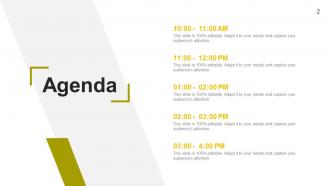
Folie 2 : Dies ist eine Agenda-Folie. Präsentieren Sie hier Ihre Agenda.
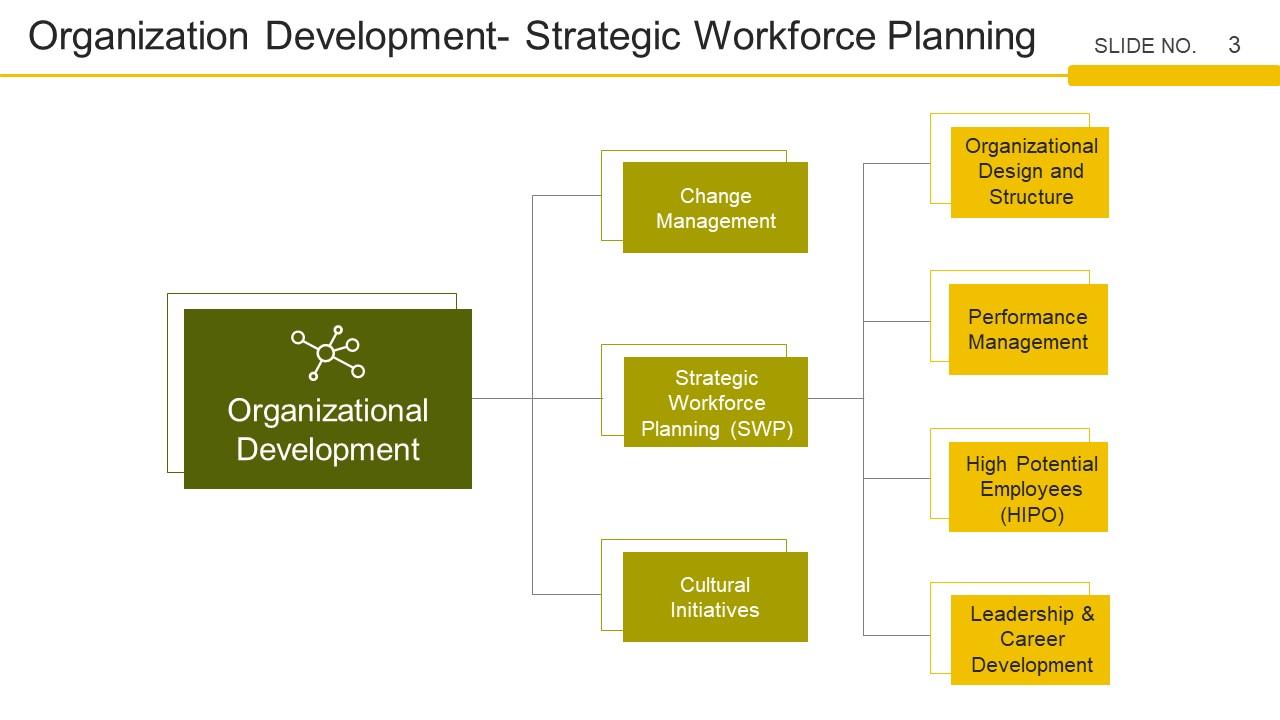
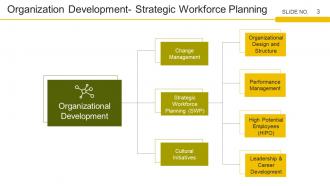
Folie 3 : Diese Folie zeigt das Flussdiagramm Organisationsentwicklung – Strategische Personalplanung. Seine 3 Hauptkategorien sind- 1) Change Management 2) Strategische Personalplanung 3) Kulturelle Initiativen. Die strategische Personalplanung ist weiter in 4 Unterkategorien unterteilt. Verwenden Sie es nach Ihren Anforderungen.
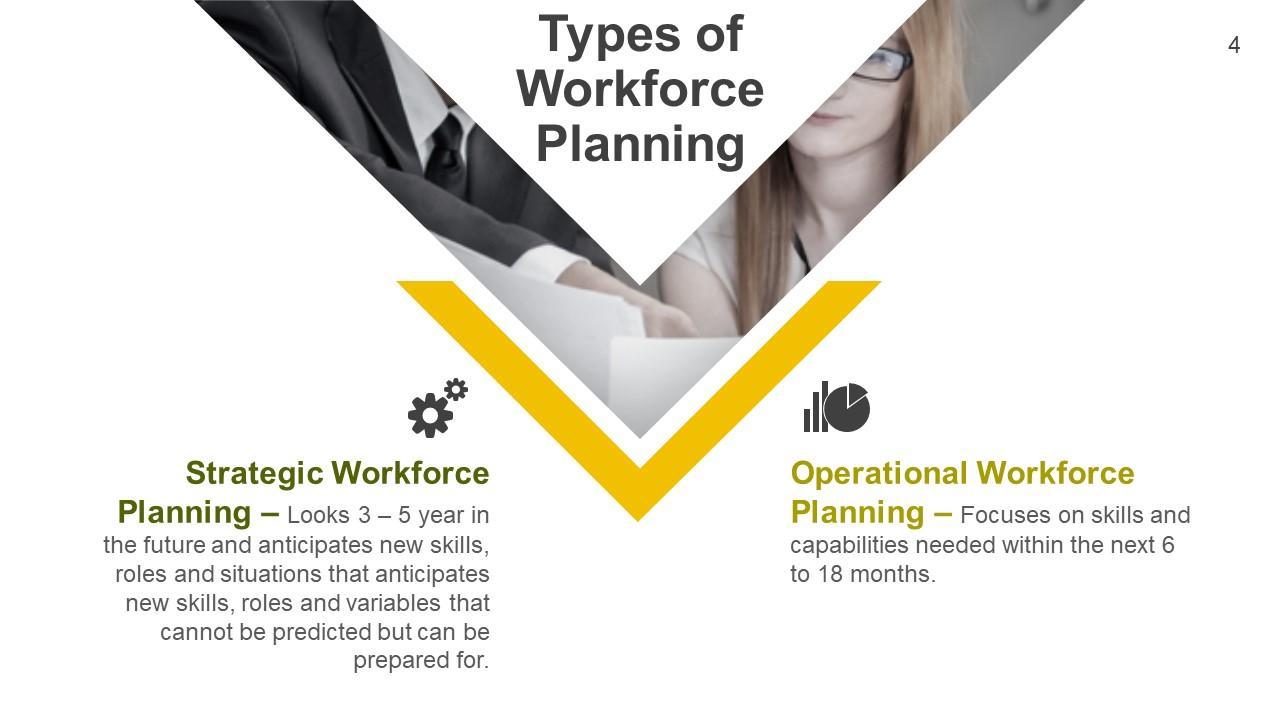
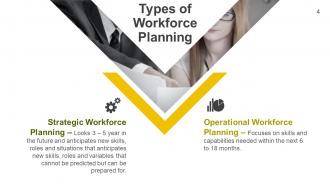
Folie 4 : Diese Folie zeigt Arten der Personalplanung, die operative Personalplanung, strategische Personalplanung sind.
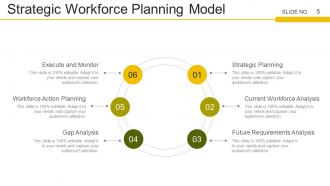
Folie 5 : Diese Folie zeigt das strategische Personalplanungsmodell in zirkulärer Form mit den folgenden Punkten: Strategische Planung, Analyse der aktuellen Personalstärke, Analyse zukünftiger Anforderungen, Ausführen und Überwachen, Personalmaßnahmenplanung, Gap-Analyse.
Folie 6 : Diese Folie beschreibt Schritt 01, den strategischen Plan der Organisation definieren.
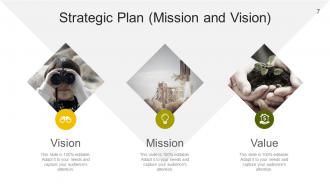
Folie 7 : Diese Folie zeigt den strategischen Plan mit Mission, Vision, Wert usw.
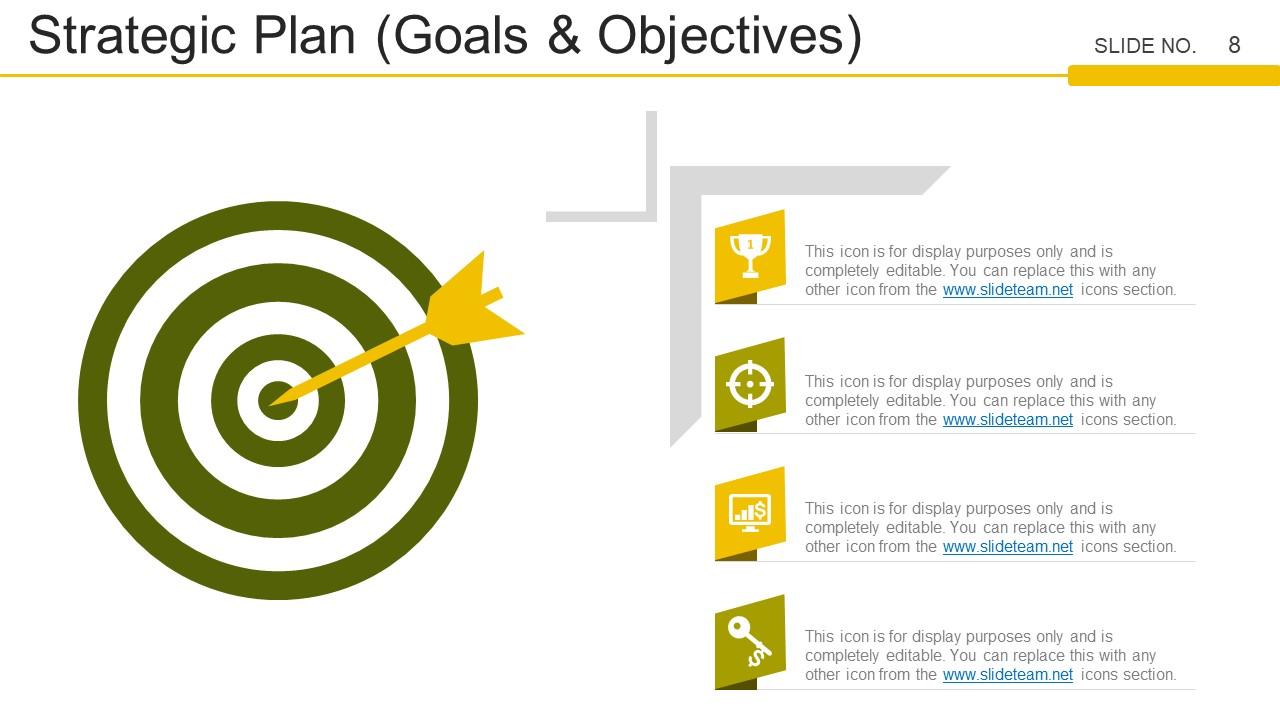
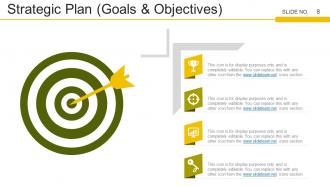
Folie 8 : Diese Folie enthält den strategischen Plan (Ziele und Ziele). Präsentieren Sie sie hier.
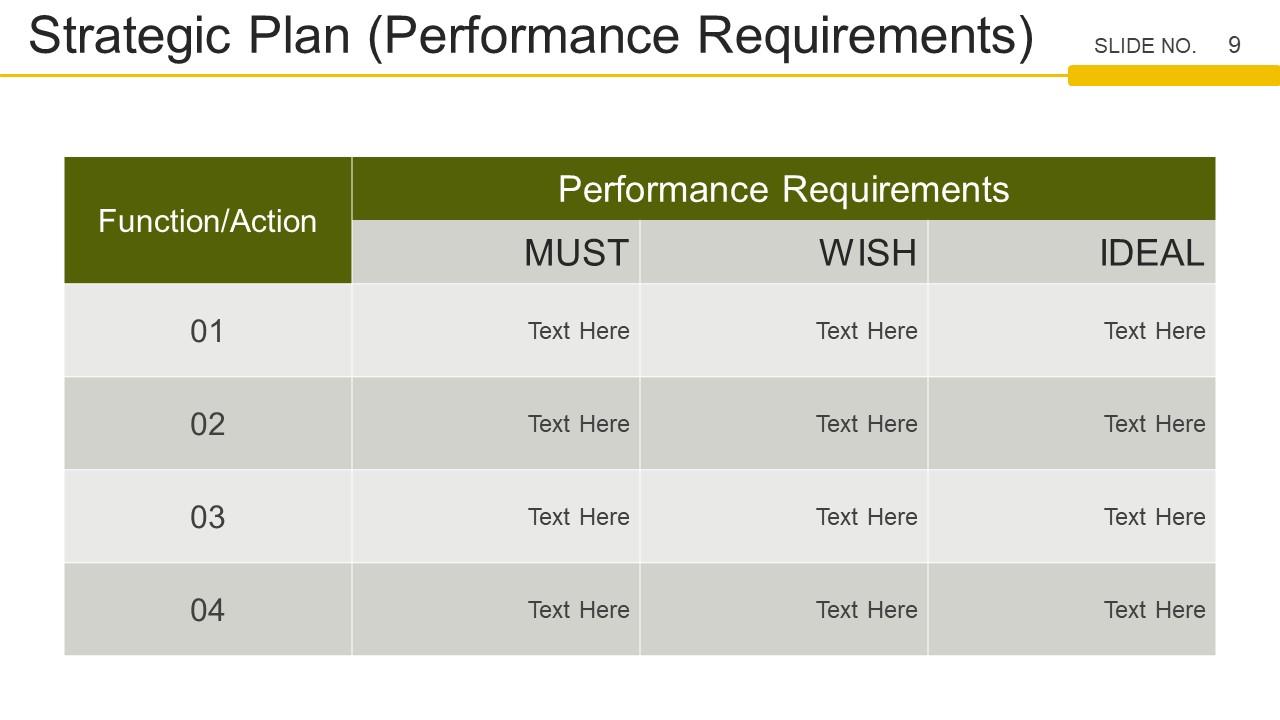
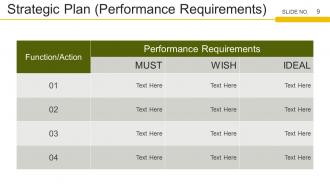
Folie 9 : Diese Folie zeigt den strategischen Plan (Leistungsanforderungen). Tragen Sie diese hier tabellarisch ein.
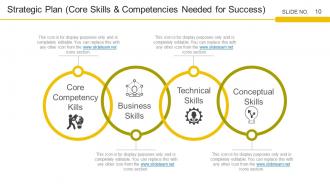
Folie 10 : Diese Folie zeigt den strategischen Plan (Kernfähigkeiten und Kompetenzen, die für den Erfolg erforderlich sind). Diese Fähigkeiten und Kompetenzen sind - Geschäftsfähigkeiten, Kernkompetenz-Kills, technische Fähigkeiten, konzeptionelle Fähigkeiten.
Folie 11 : Diese Folie trägt den Titel Kaffeepause, um anzuhalten und dann fortzufahren. Sie können den Folieninhalt nach Belieben ändern.
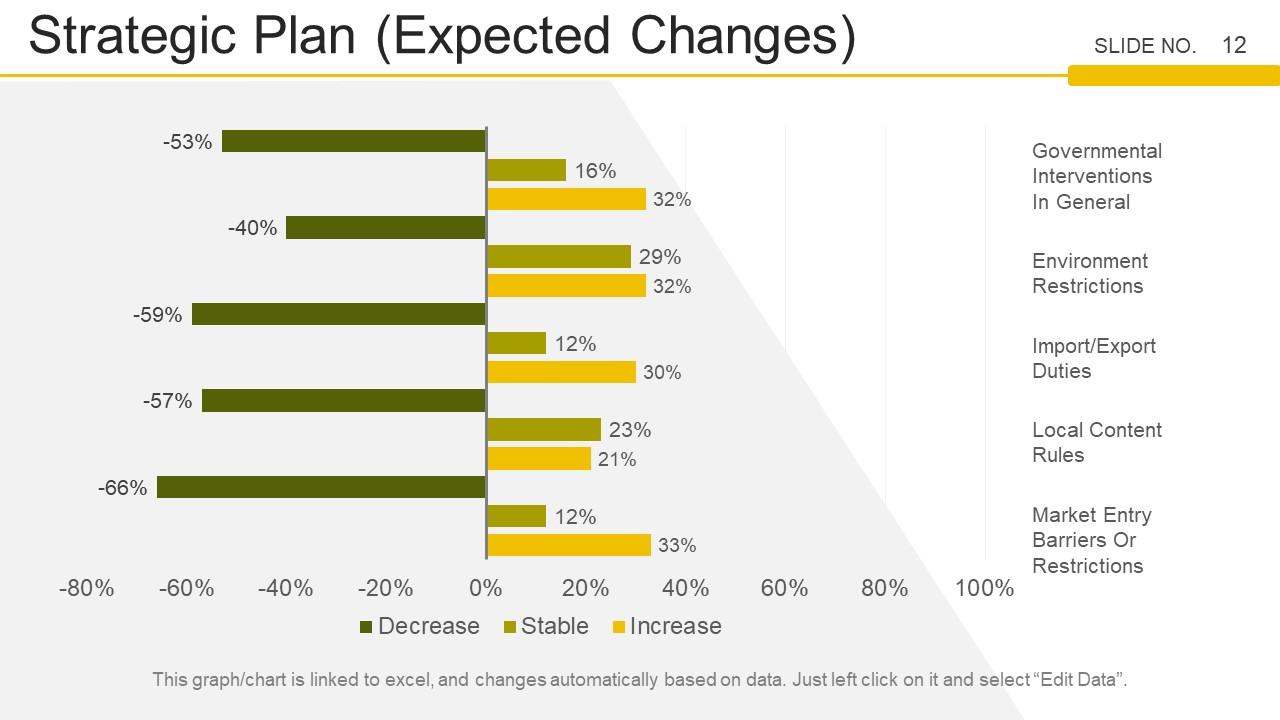
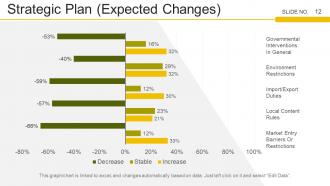
Folie 12 : Diese Folie zeigt den strategischen Plan (erwartete Änderungen). Geben Sie hier erwartete Änderungen in Form eines Balkendiagramms an.
Folie 13 : Diese Folie zeigt Schritt 02: Scannen Sie die interne und externe Umgebung. Sie können es nach Bedarf ändern.
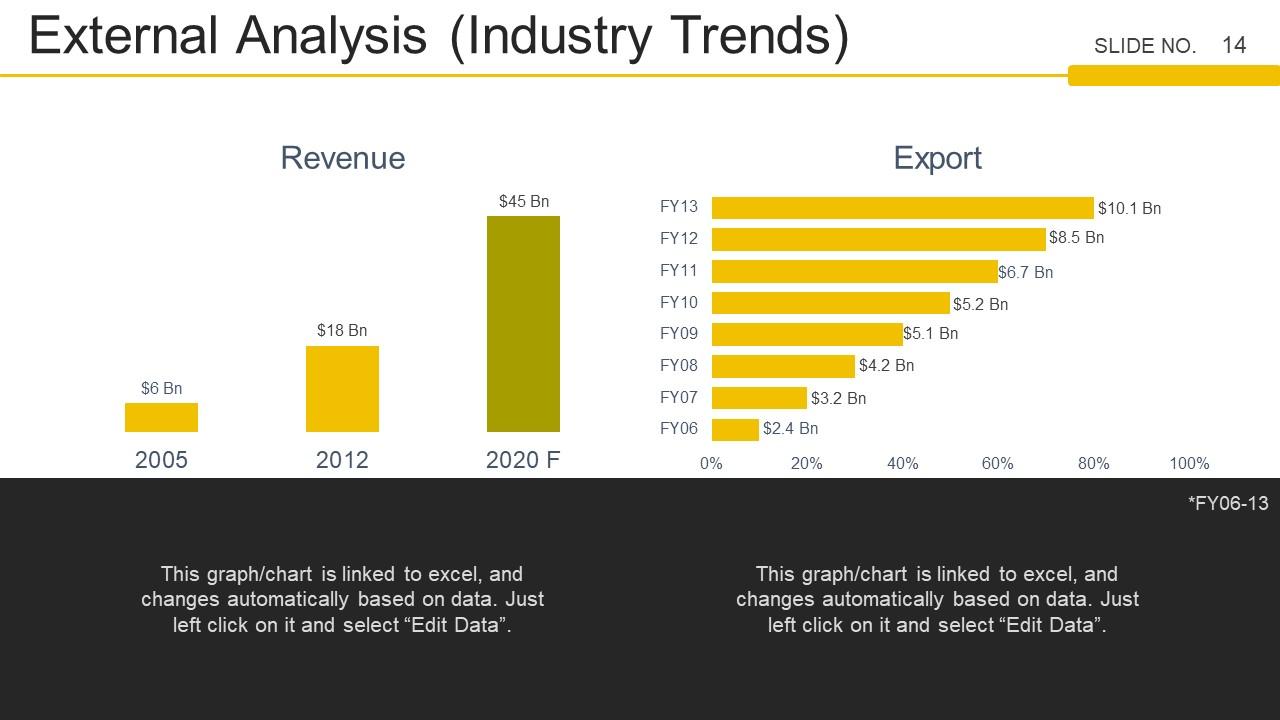
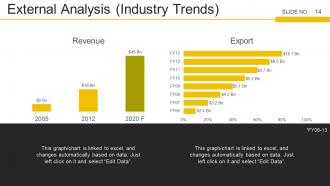
Folie 14 : Diese Folie zeigt externe Analysen (Branchentrends). Präsentieren Sie sie hier in Form eines Balkendiagramms/Diagramms.
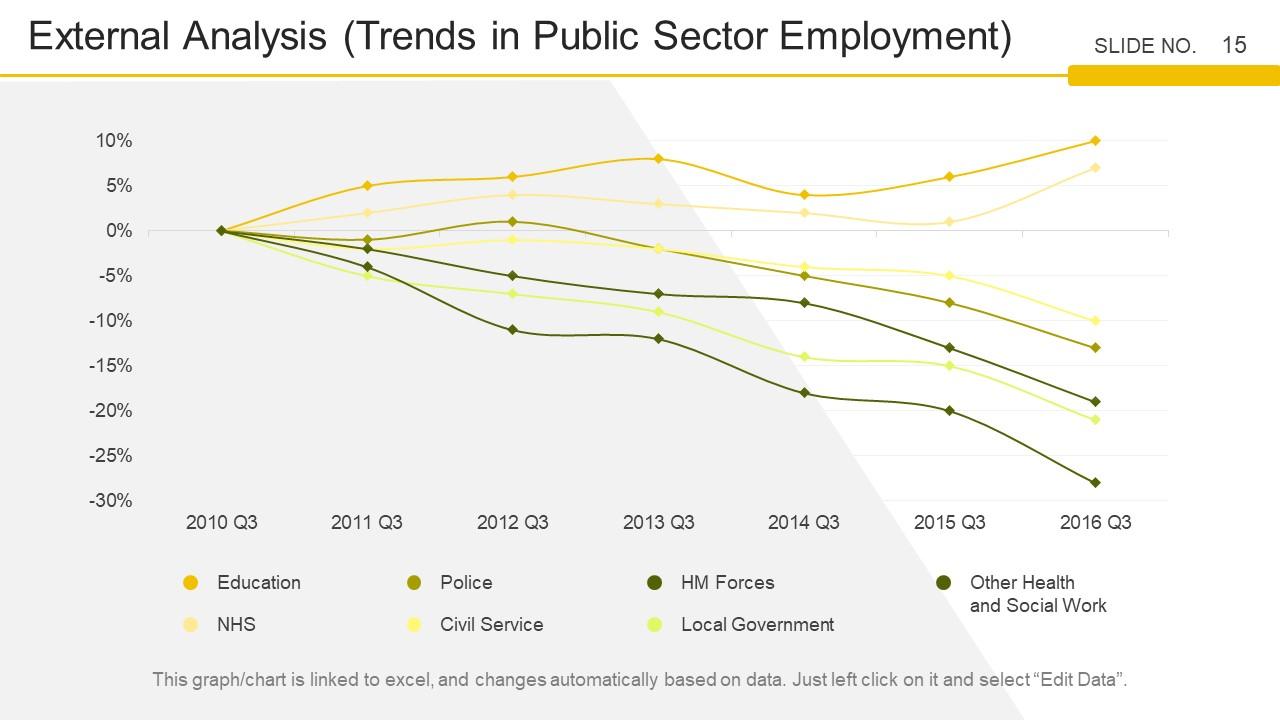
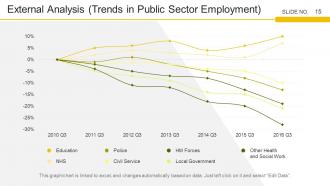
Folie 15 : Diese Folie zeigt die externe Analyse (Trends in der Beschäftigung im öffentlichen Sektor) in Form eines Liniendiagramms/Grafik. Verwenden Sie es, um anzuzeigen - Bildung, NHS, Polizei, öffentlicher Dienst, HM Forces, lokale Regierung, andere Gesundheits- und Sozialarbeit.
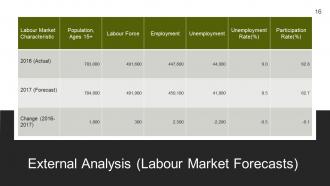
Folie 16 : Diese Folie zeigt die externe Analyse (Arbeitsmarktprognosen) in tabellarischer Form.
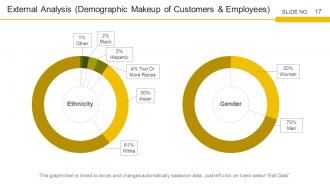
Folie 17 : Diese Folie zeigt die externe Analyse (demografische Zusammensetzung von Kunden und Mitarbeitern) in Form eines Kreisdiagramms. Verwenden Sie es, um die folgenden Aspekte anzuzeigen: Ethnizität, Geschlecht.
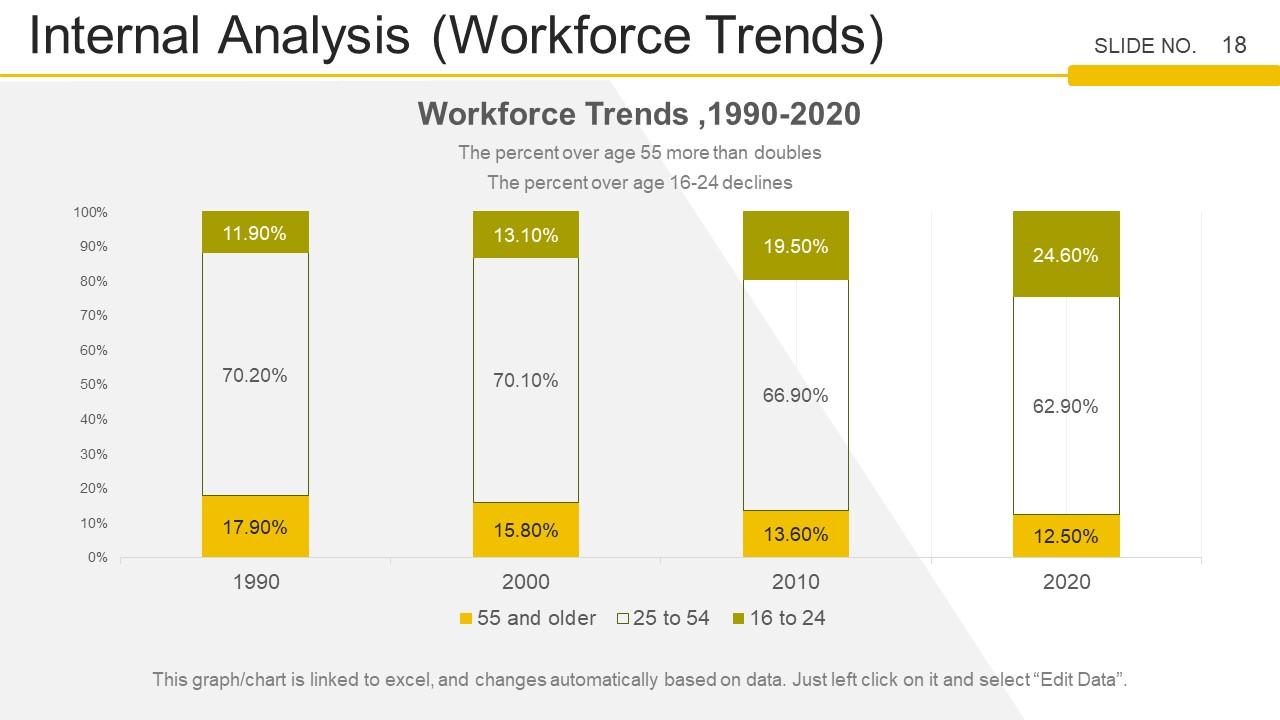
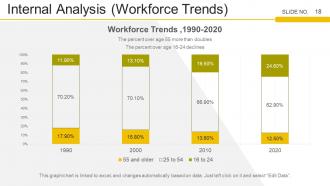
Folie 18 : Diese Folie präsentiert die interne Analyse (Beschäftigungstrends). Geben Sie sie hier in Form eines Balkendiagramms/Diagramms an.
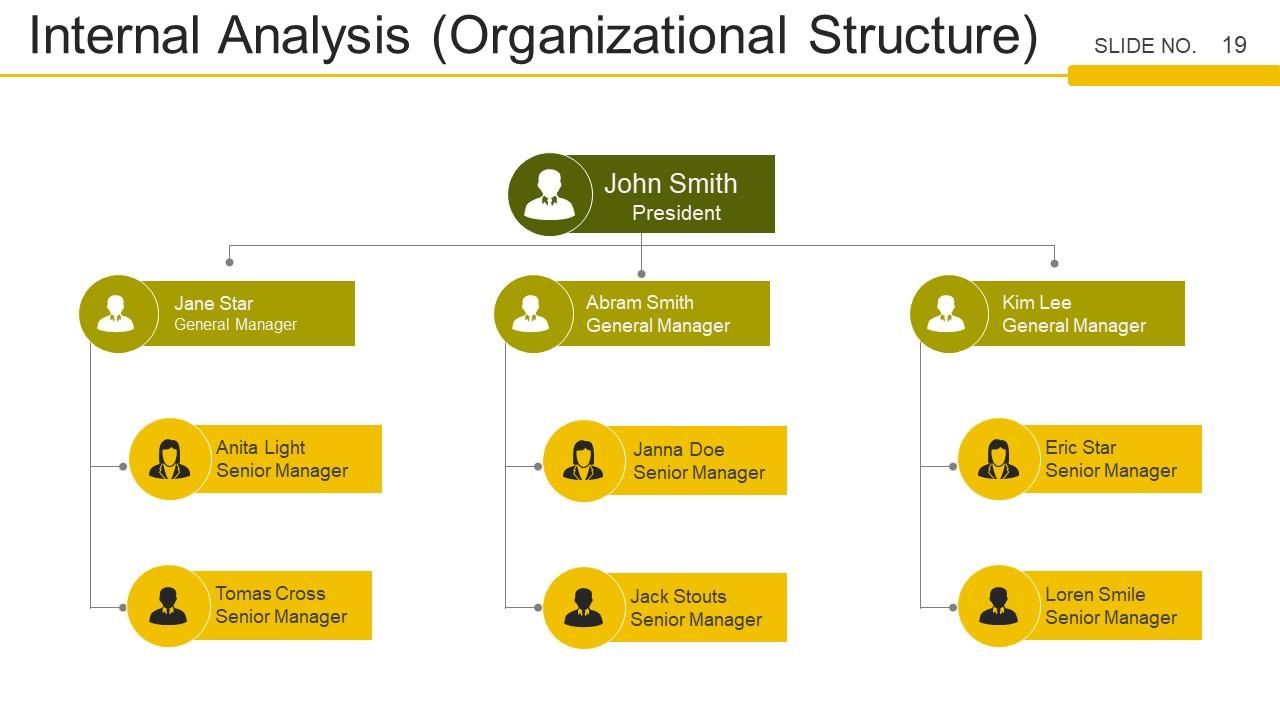
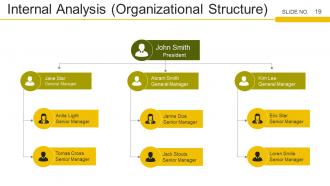
Folie 19 : Diese Folie zeigt die interne Analyse (Organisationsstruktur) in Form eines Flussdiagramms. Verwenden Sie es, um die Hierarchie Ihrer Organisation darzustellen.
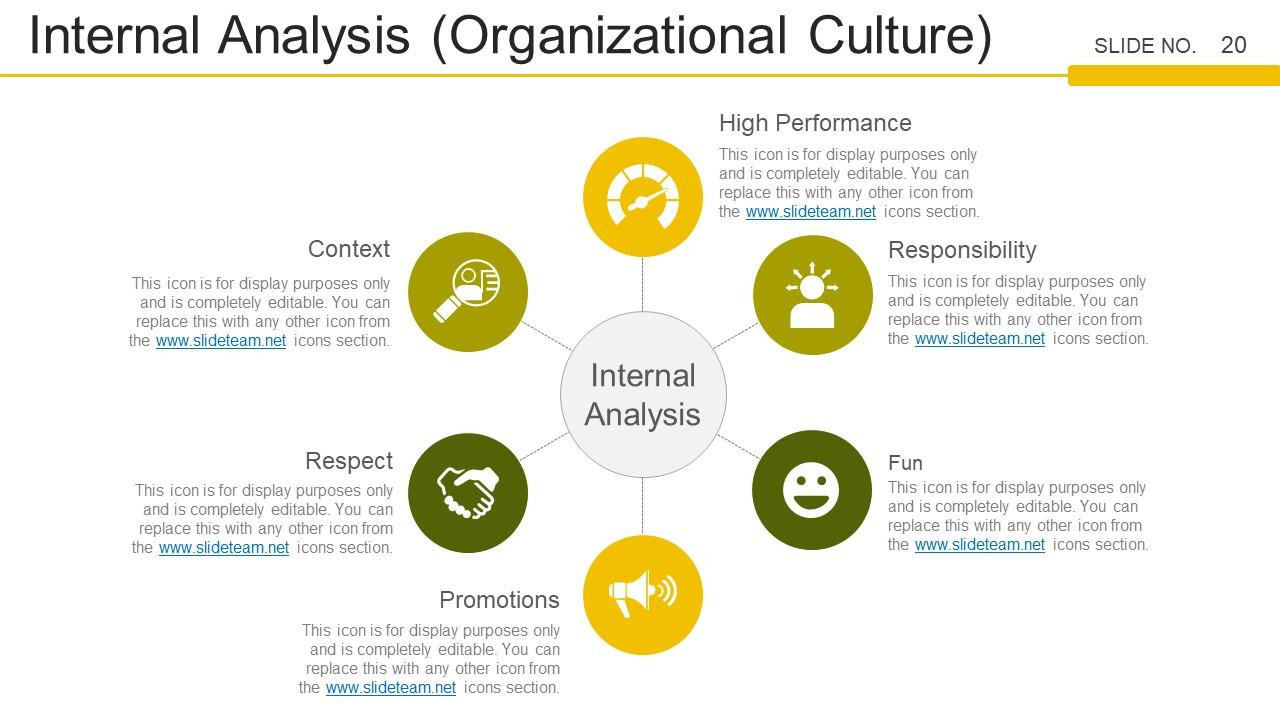
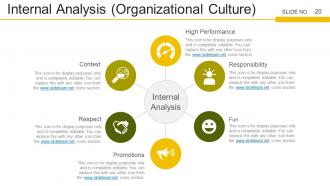
Folie 20 : Diese Folie zeigt die interne Analyse (Organisationskultur) in kreisförmiger Form. Verwenden Sie es, um die folgenden Aspekte der Unternehmenskultur anzugeben: Respekt, Spaß, Kontext, Verantwortung, Beförderungen, Höchstleistung.
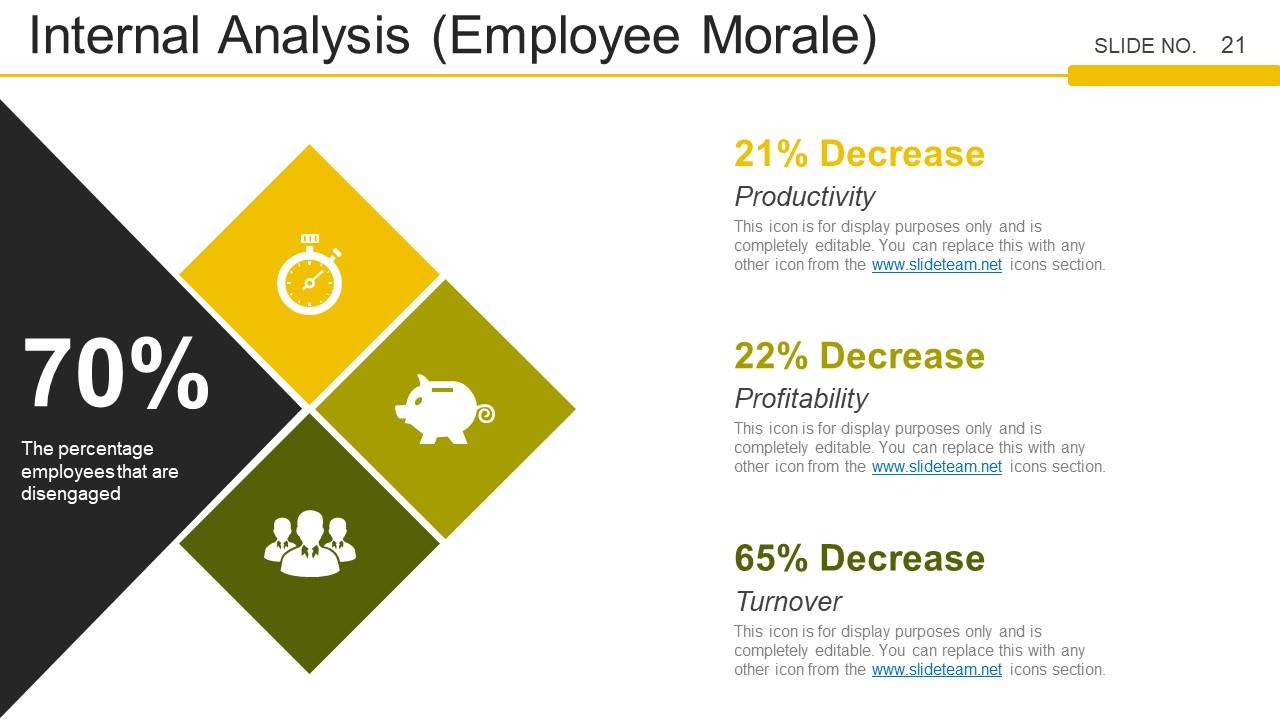
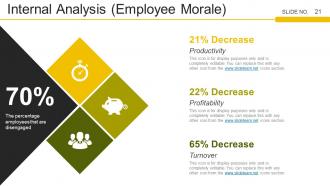
Folie 21 : Diese Folie zeigt die interne Analyse (Mitarbeitermoral). Geben Sie es hier in Prozent usw. an.
Folie 22 : Dies ist die Folie zur internen Analyse (aktuelle Leistungsniveaus). Präsentieren Sie es hier in Form eines Balkendiagramms/Diagramms.
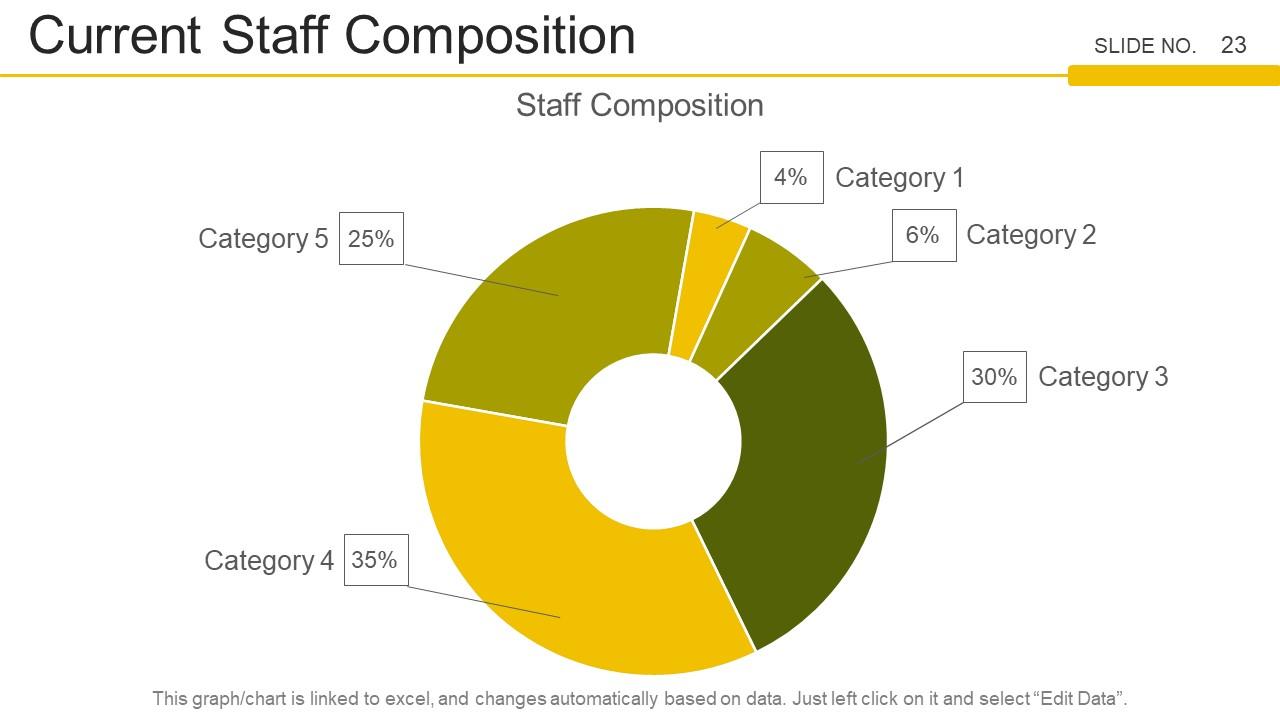
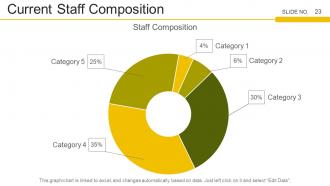
Folie 23 : Diese Folie zeigt die aktuelle Personalzusammensetzung in Form eines Tortendiagramms/Graphen. Geben Sie hier seine Kategorien an.
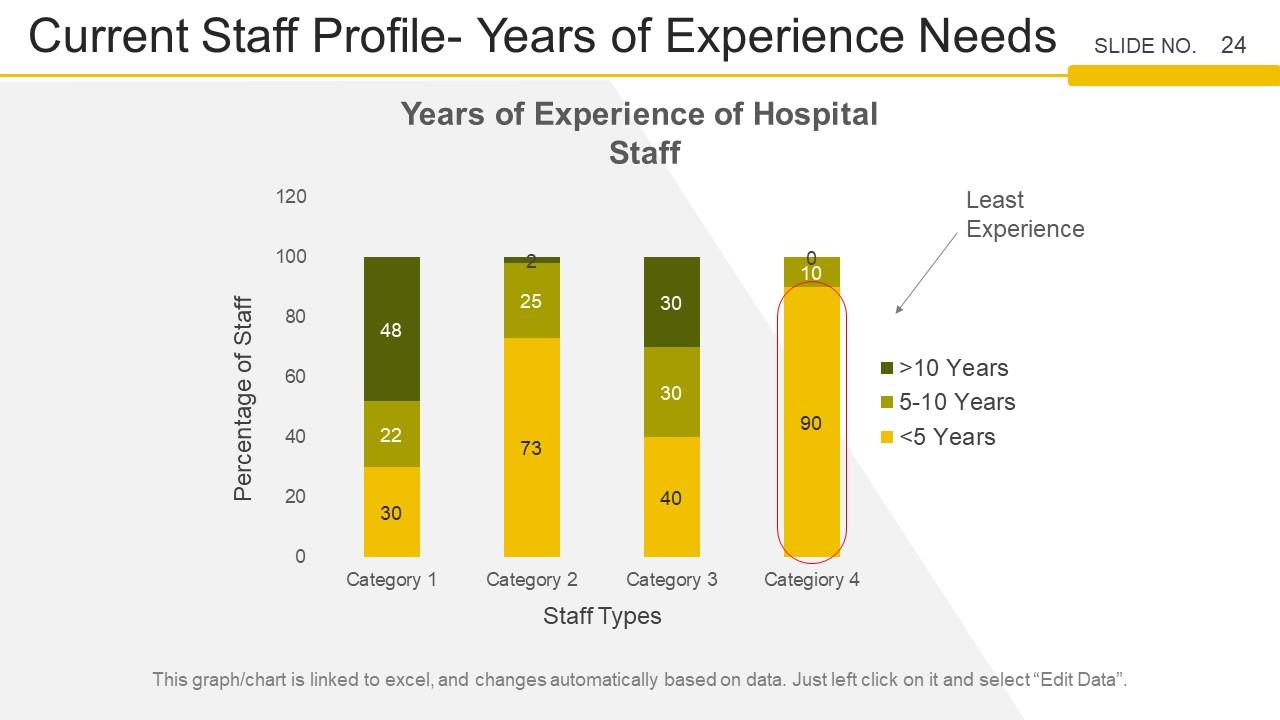
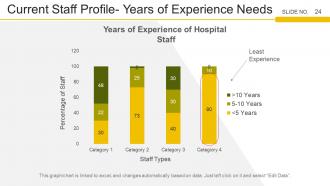
Folie 24 : Diese Folie zeigt das aktuelle Personalprofil – den Erfahrungsbedarf in Jahren in Form eines Balkendiagramms/einer Grafik.
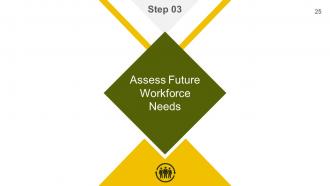
Folie 25 : Diese Folie zeigt Schritt 03 Beurteilen des zukünftigen Personalbedarfs.
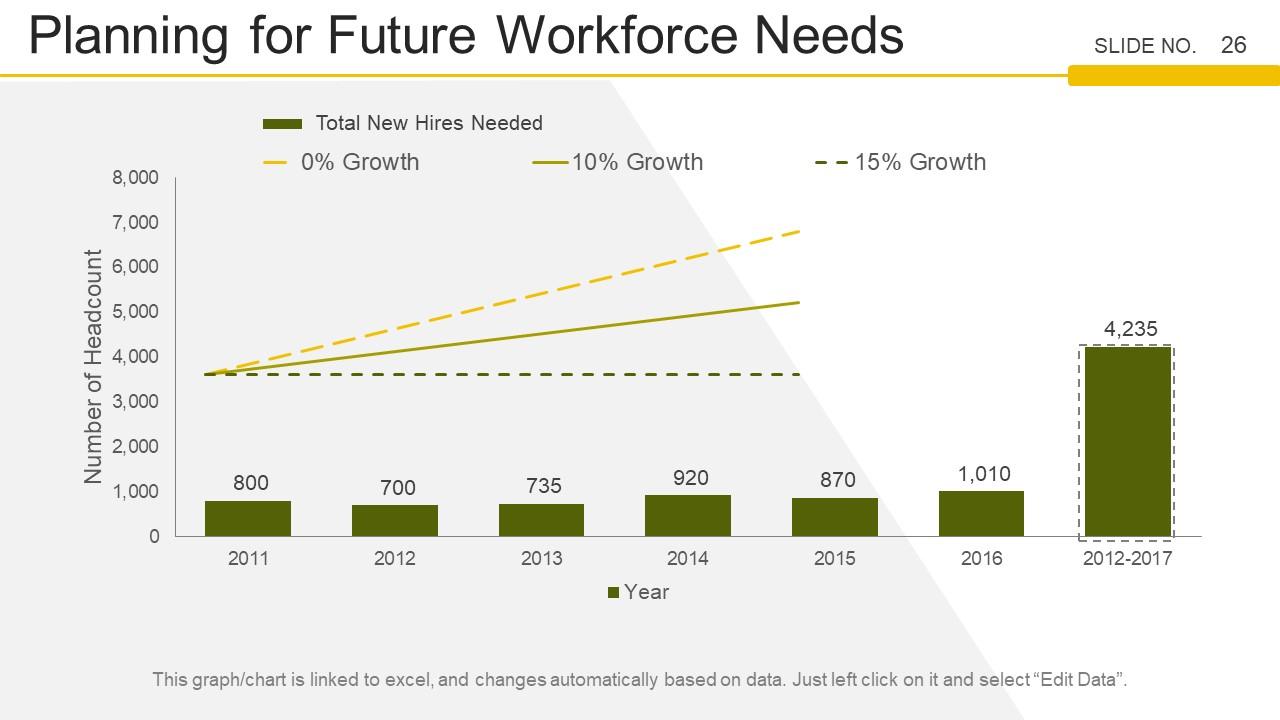
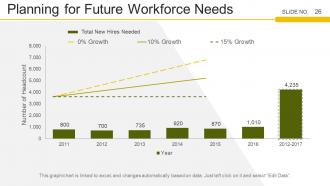
Folie 26 : Diese Folie zeigt das Diagramm Planung für den zukünftigen Personalbedarf. Verwenden Sie es, um Ihre eigene Planung zu präsentieren.
Folie 27 : Diese Folie zeigt Schritt 04 Lückenanalyse.
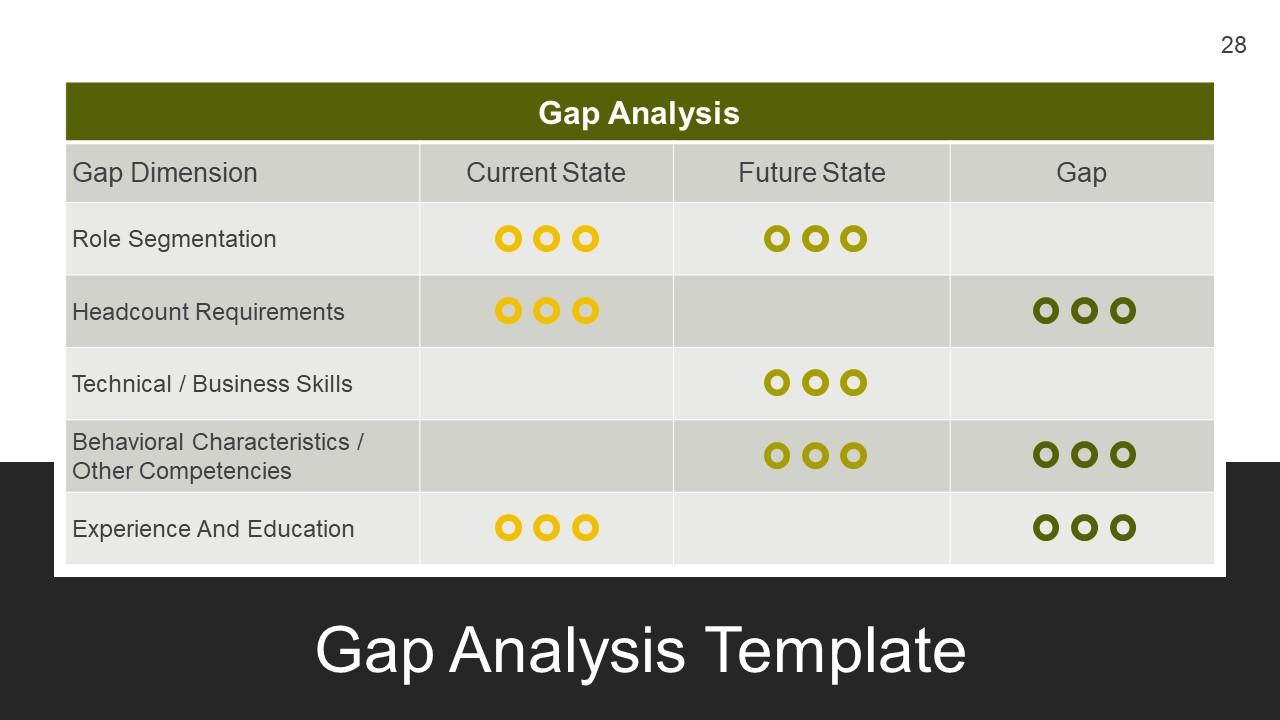
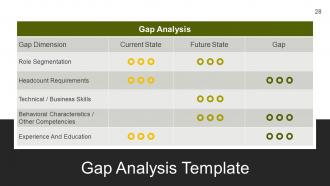
Folie 28 : Diese Folie zeigt die Vorlage für die Lückenanalyse. Verwenden Sie es, um die Gap-Analyse in tabellarischer Form anzugeben.
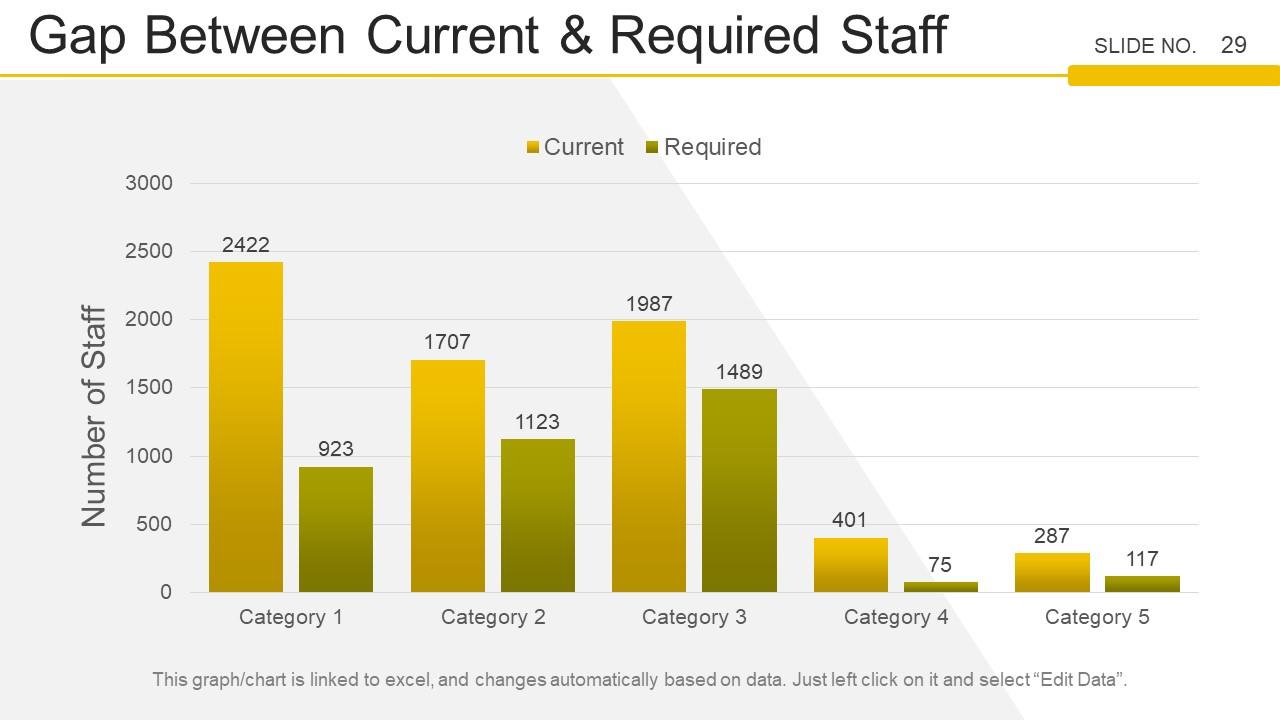
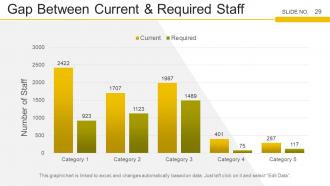
Folie 29 : Diese Folie zeigt die Lücke zwischen aktuellem und erforderlichem Personal in Form eines Balkendiagramms/Diagramms.
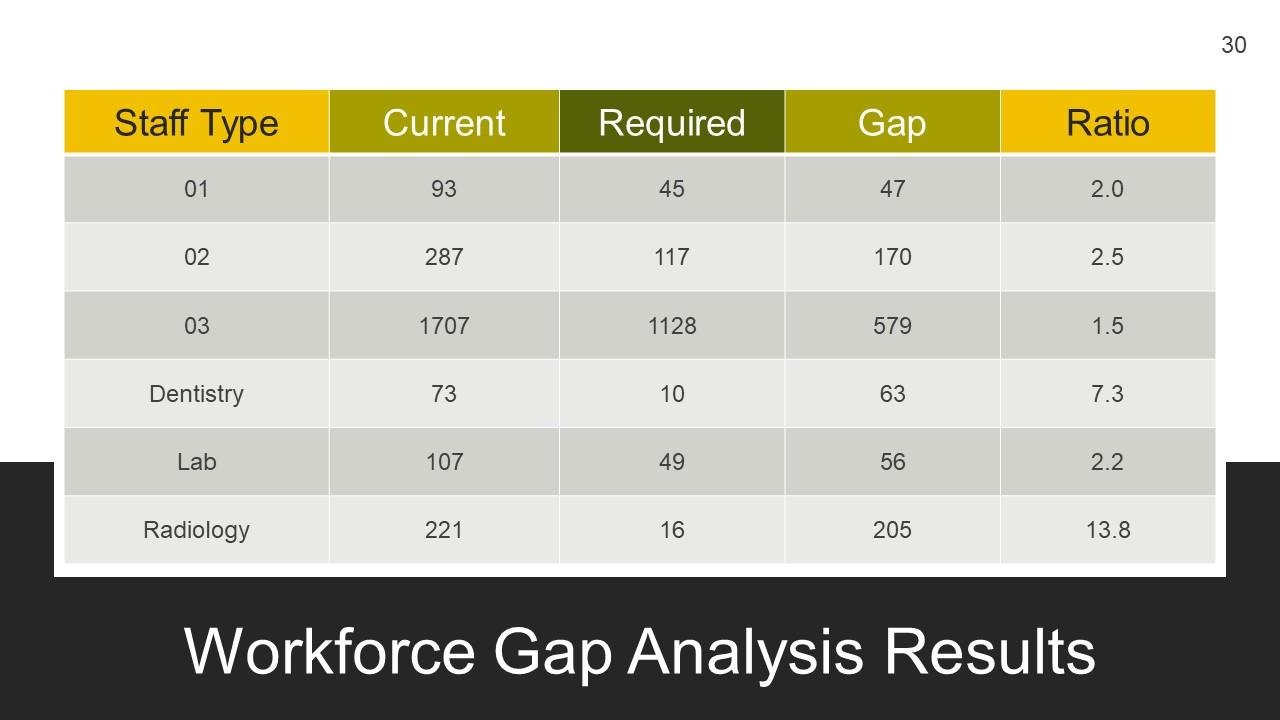
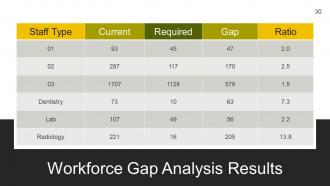
Folie 30 : Diese Folie zeigt die Tabelle mit den Ergebnissen der Workforce Gap Analysis. Verwenden Sie es nach Ihrem Bedarf.
Folie 31 : Diese Folie zeigt die Planung von Personalmaßnahmen in Schritt 05.
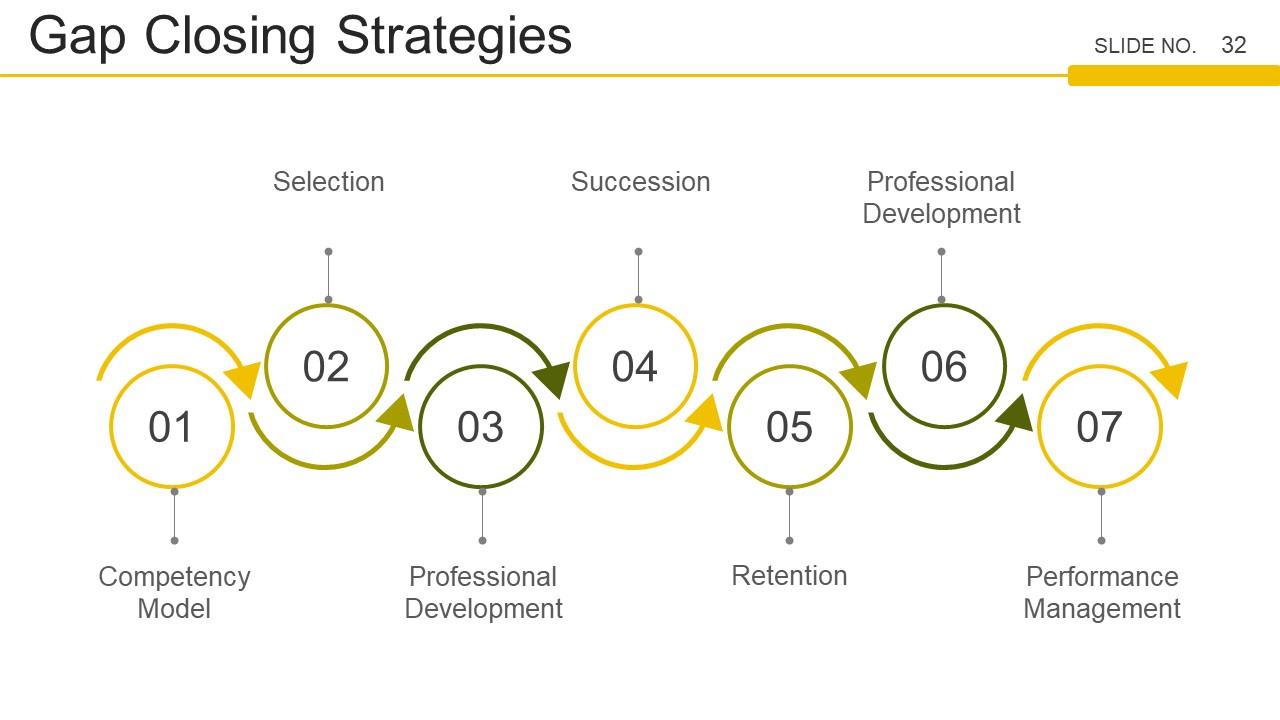
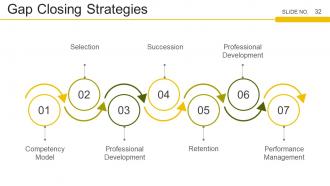
Folie 32 : Diese Folie zeigt Strategien zum Schließen von Lücken in Form einer Zeitleiste. Verwenden Sie es, um Folgendes zu präsentieren: Kompetenzmodell, Auswahl, berufliche Entwicklung, Nachfolge, Bindung, berufliche Entwicklung, Leistungsmanagement.
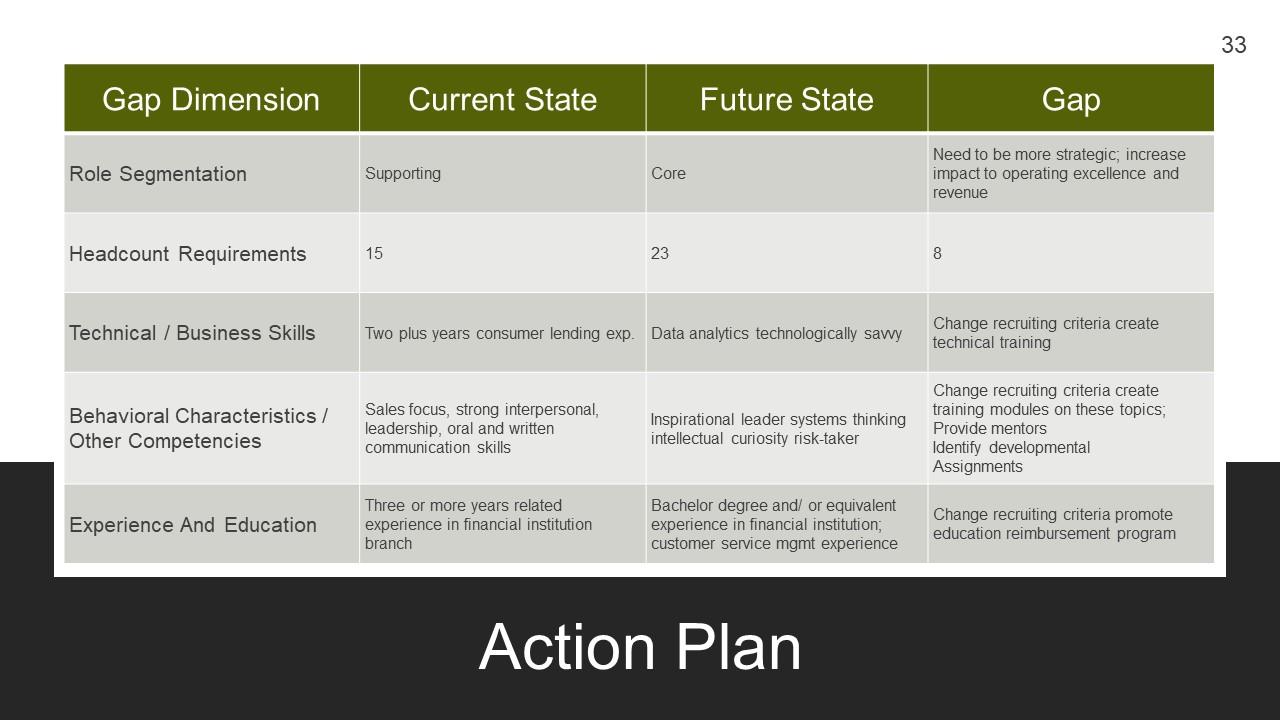
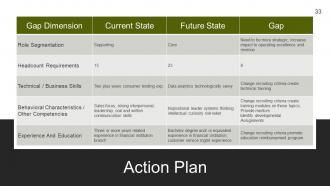
Folie 33 : Diese Folie zeigt den Aktionsplan in tabellarischer Form.
Folie 34 : Diese Folie zeigt Schritt 06 Ausführen und Überwachen. Verwenden Sie es nach Ihrem Bedarf.
Folie 35 : Diese Folie präsentiert das strategische Personalplanungs-Framework der Folienfolie. Verwenden oder ändern Sie die Symbole entsprechend Ihren Anforderungen.
Folie 36 : Diese Folie trägt den Titel Zusätzliche Folien, um vorwärts zu gehen. Sie können den Folieninhalt nach Bedarf ändern.
Folie 37 : Dies ist eine Vision & Mission-Folie. Geben Sie sie hier an.
Folie 38 : Dies ist eine Unser Team-Folie mit Namen, Bild und Textfeldern, um die erforderlichen Informationen einzugeben.
Folie 39 : Dies ist eine Über uns-Folie. Geben Sie hier Team-/Firmenspezifikationen an.
Folie 40 : Dies ist die Folie „Unser Ziel“ mit Bildern. Geben Sie hier Ihre Ziele an.
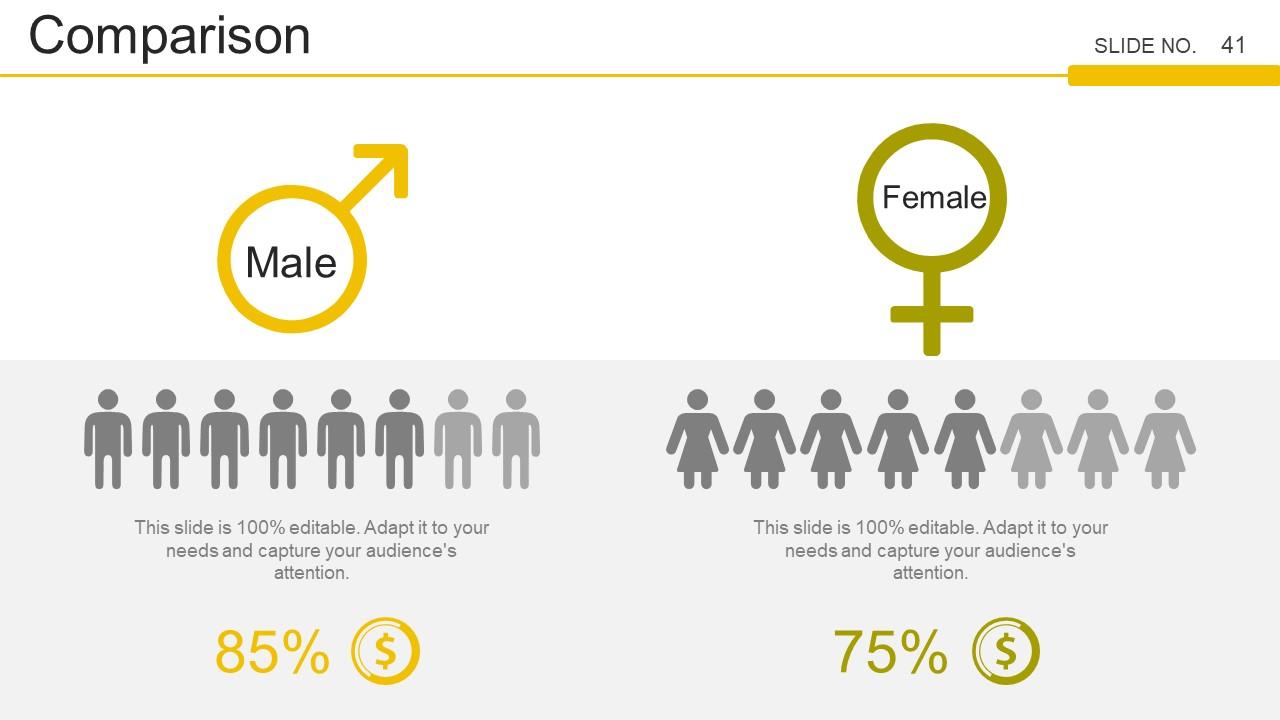
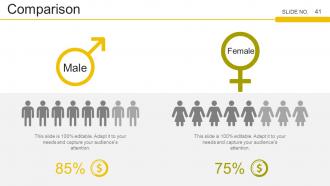
Folie 41 : Dies ist eine Vergleichsfolie zum Vergleich von Produkten/Entitäten usw.
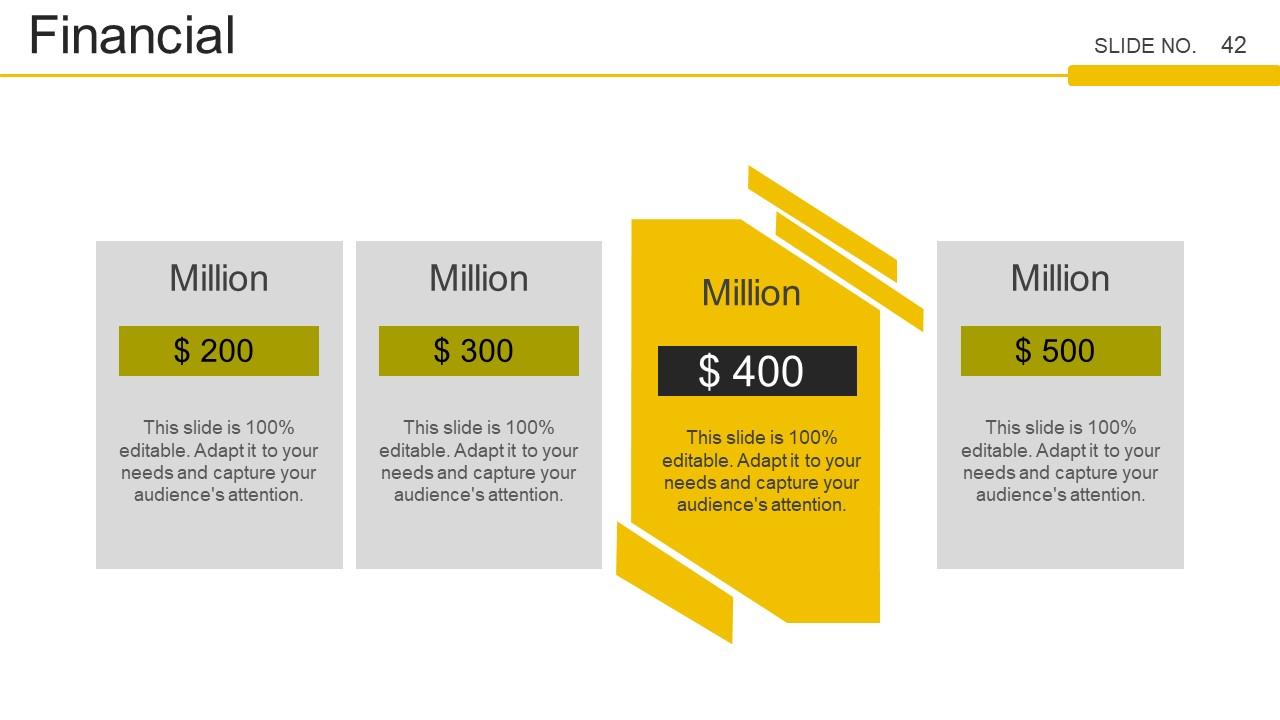
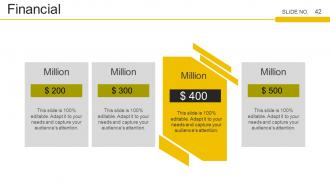
Folie 42 : Dies ist eine Folie zum Finanzergebnis. Staatsfinanzielle Aspekte etc. hier.
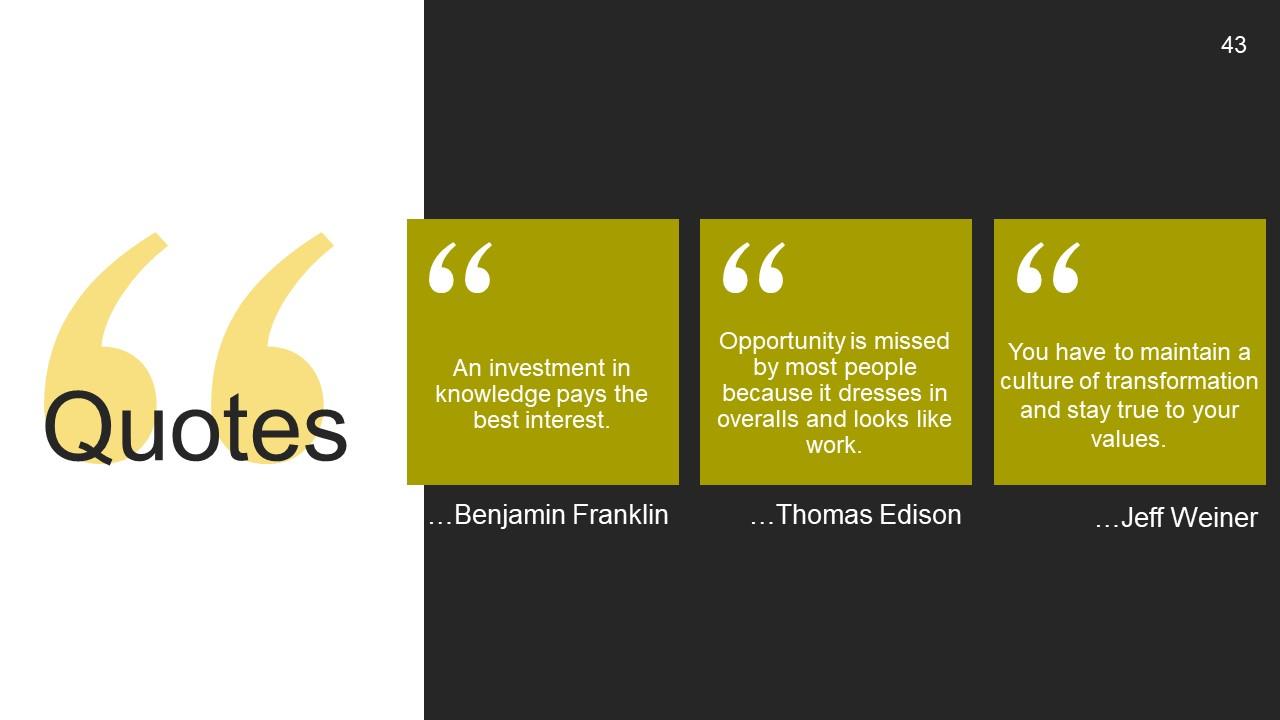
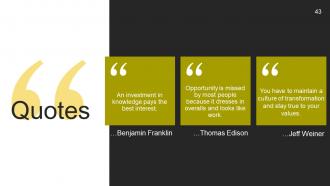
Folie 43 : Dies ist eine Zitate-Folie, um Unternehmens-/Organisationsbotschaften, Überzeugungen usw. zu vermitteln. Sie können den Folieninhalt nach Bedarf ändern.
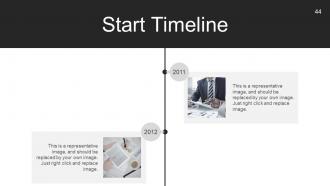
Folie 44 : Diese Folie präsentiert die Startzeitleiste, um wichtige Daten, Reise, Entwicklung, Meilensteine usw. anzugeben.
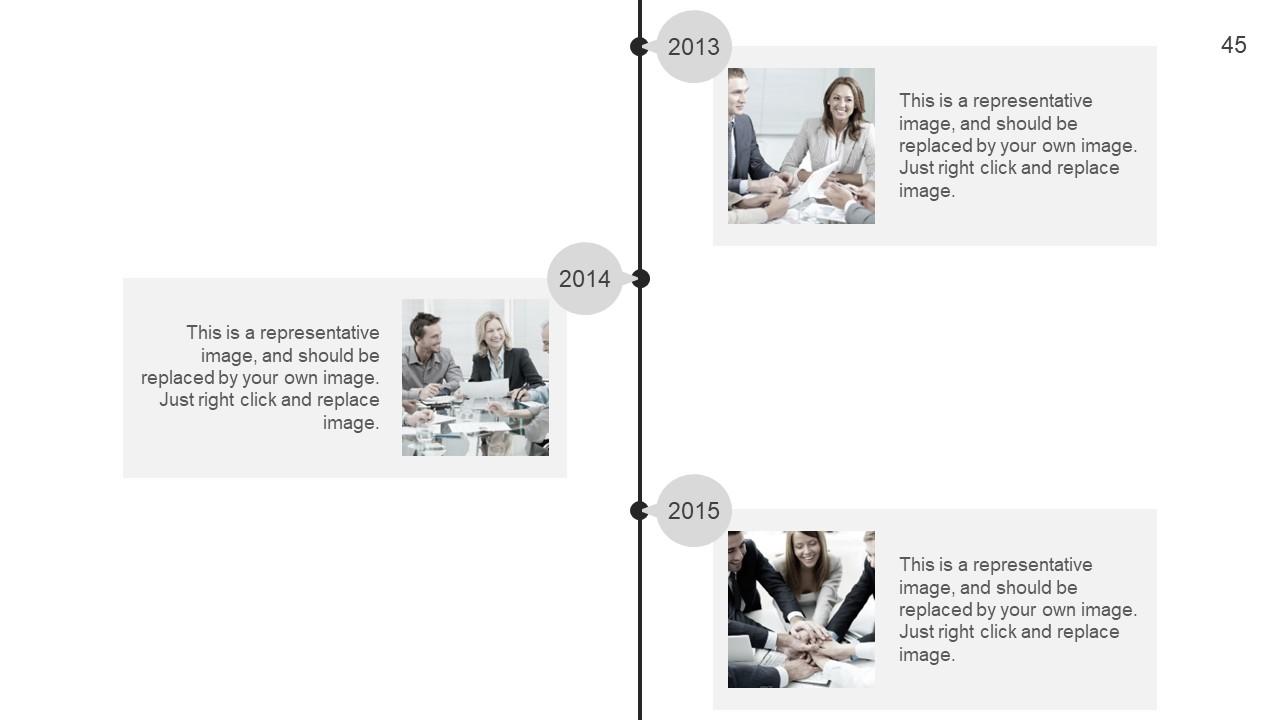
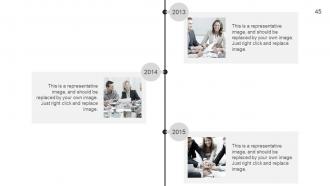
Folie 45 : Auch dies ist eine Timeline-Folie, um wichtige Daten, Reise, Entwicklung, Meilensteine usw.
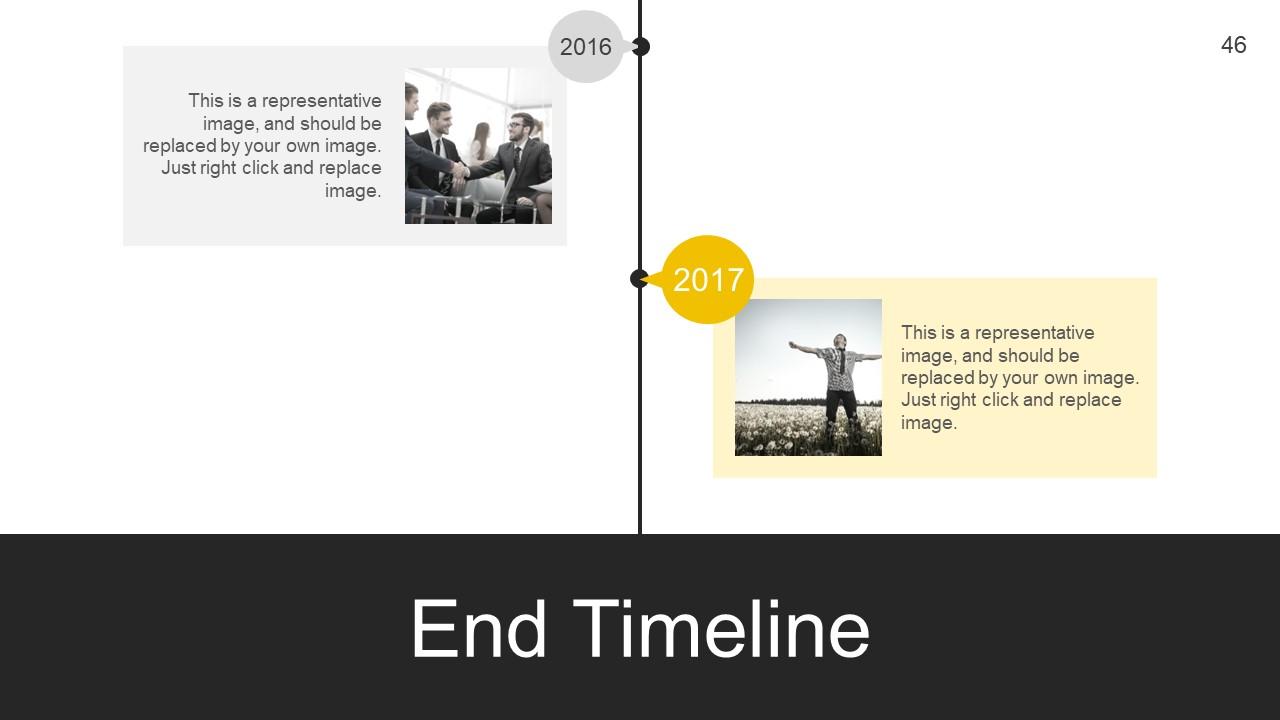
Folie 46 : Diese Folie zeigt die Endzeitleiste, um wichtige Daten, Reise, Entwicklung, Meilensteine usw. anzugeben.
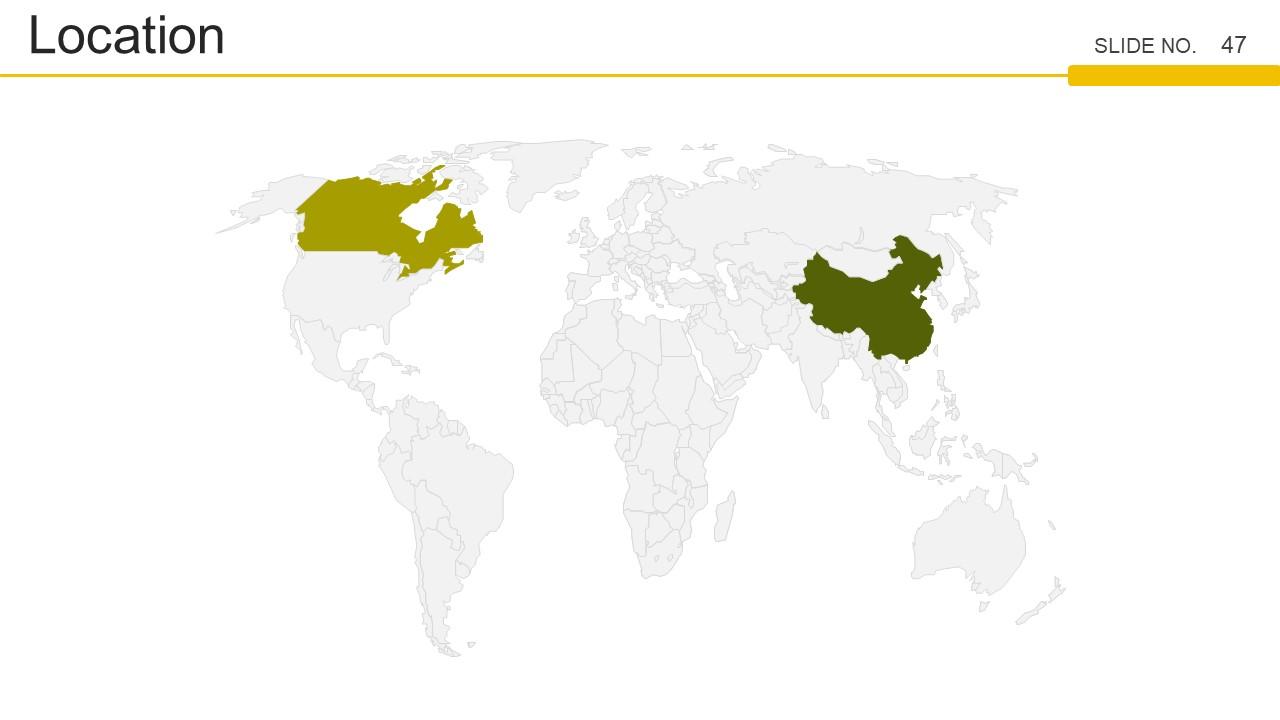
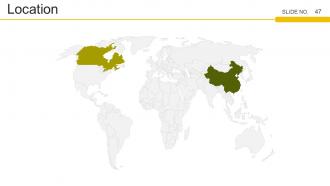
Folie 47 : Dies ist eine Standortfolie, um die globale Segregation, Präsenz usw. auf einer Weltkarte und Textfeldern zu zeigen, um dies deutlich zu machen.
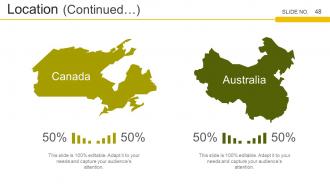
Folie 48 : Dies ist auch eine Standortfolie, um globale Segregation, Präsenz usw. auf einer Weltkarte und Textfeldern zu zeigen, um dies deutlich zu machen.
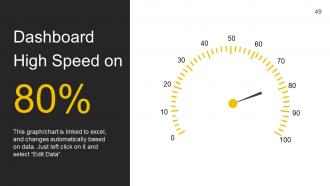
Folie 49 : Dies ist eine Dashboard-Folie, um Informationen in Prozent usw. anzuzeigen.
Folie 50 : Diese Folie zeigt wichtige Hinweise, die angezeigt werden sollen. Zeigen Sie hier Veranstaltungen, wichtige Informationen, Veranstaltungen etc. an.
Folie 51 : Dies ist eine Puzzle-Bildfolie zur Anzeige von Informationen, Spezifikationen usw.
Folie 52 : Dies ist eine Zielbild-Folie, die Ziele, Ziele, Informationen, Spezifikationen usw. zeigt.
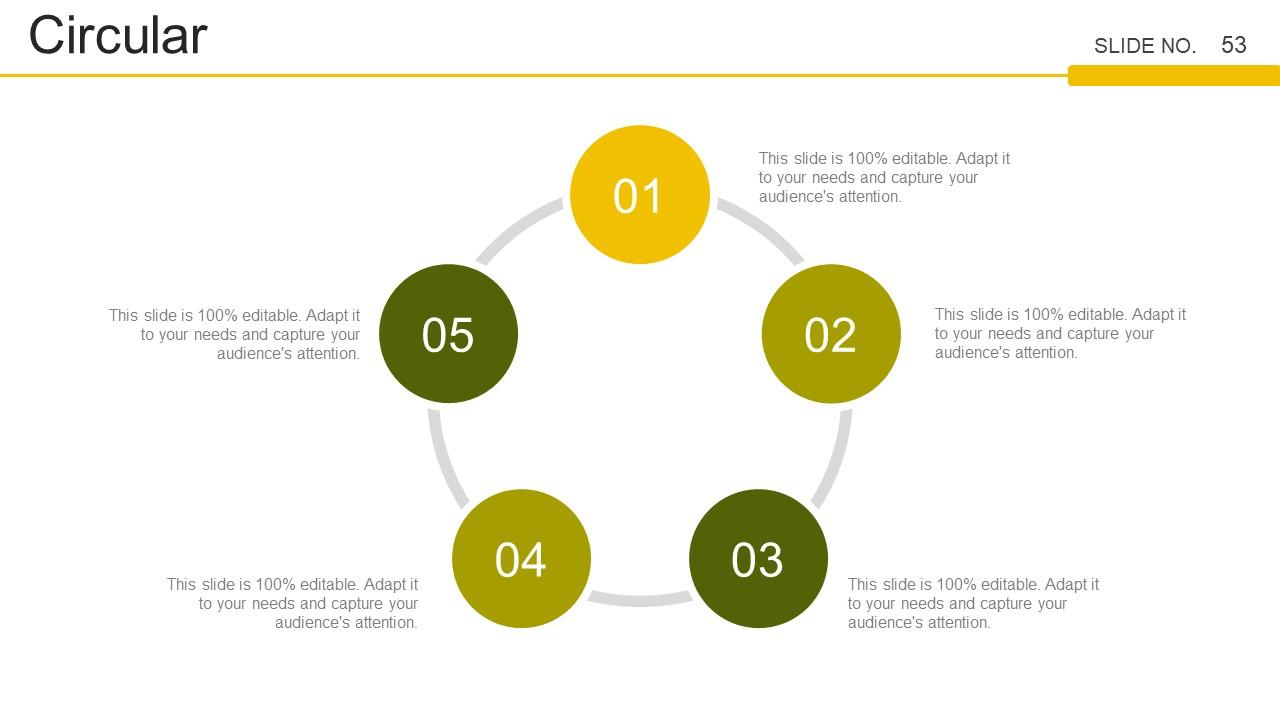
Folie 53 : Dies ist eine kreisförmige Bildfolie. Zustandsinformationen, Spezifikationen etc. hier.
Folie 54 : Dies ist eine Mindmap-Bildfolie, die Informationen, Trennung, Spezifikationen usw. zeigt.
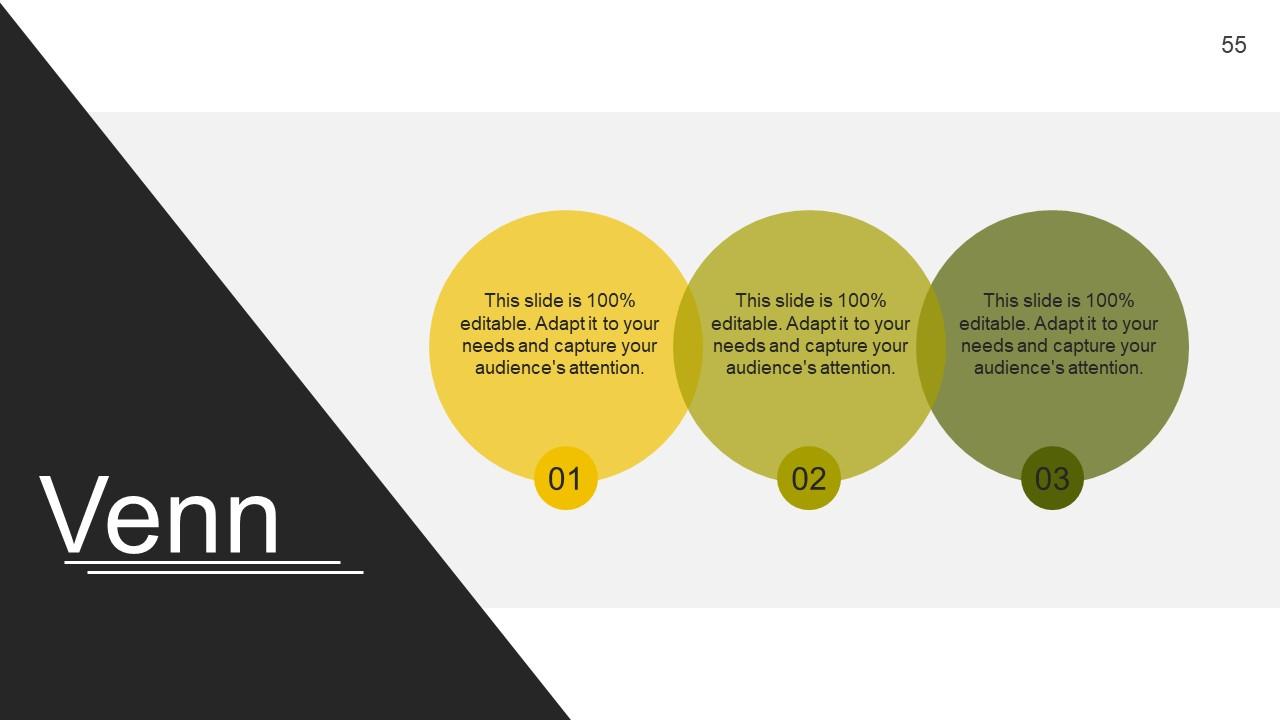
Folie 55 : Dies ist eine Venn-Diagramm-Bildfolie zur Anzeige von Informationen, Spezifikationen usw.
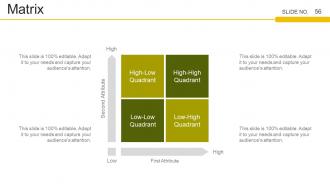
Folie 56 : Dies ist eine Matrixfolie zur Anzeige von Informationen, Vergleichsspezifikationen usw.
Folie 57 : Dies ist eine Lego-Bildfolie zur Anzeige von Informationen, Spezifikationen usw.
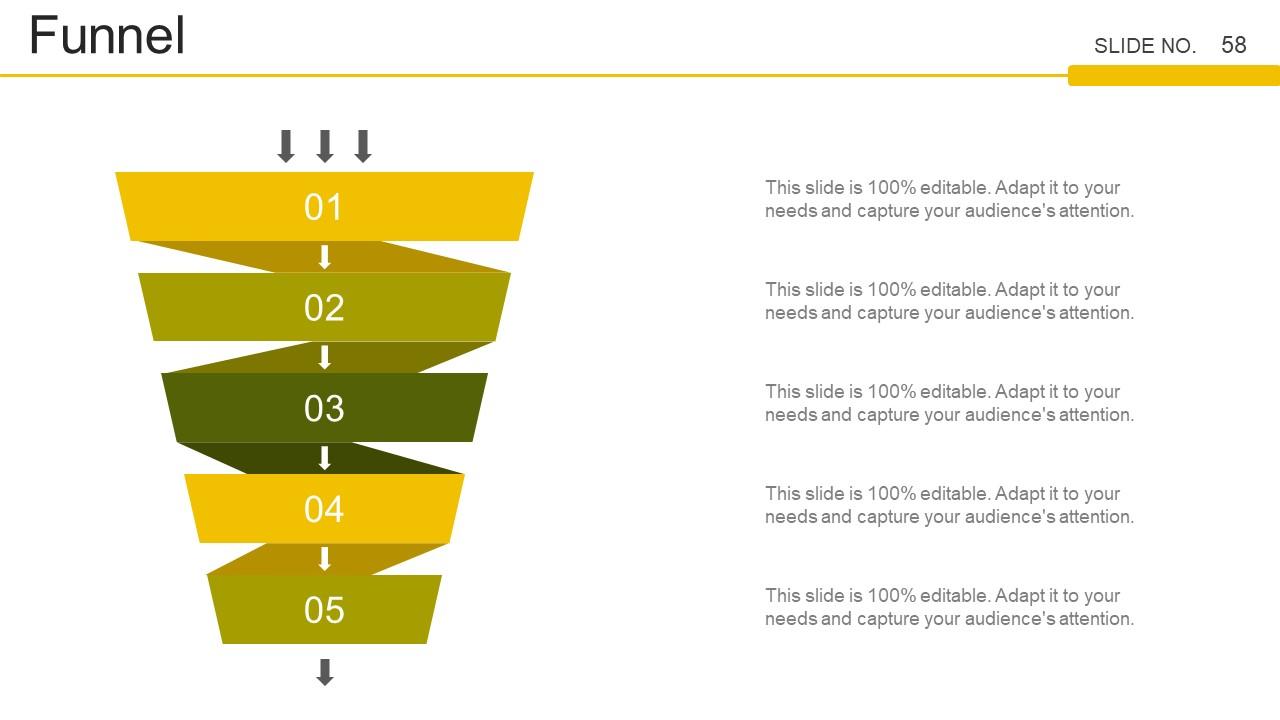
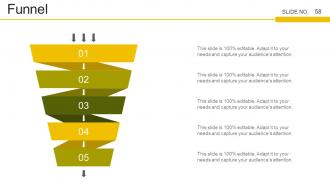
Folie 58 : Diese Folie zeigt ein Trichterbild an. Zustandsinformationen, Funneling-Aspekte etc. hier.
Folie 59 : Diese Folie trägt den Titel Unsere Charts, um vorwärts zu kommen. Sie können den Folieninhalt nach Belieben ändern/ändern.
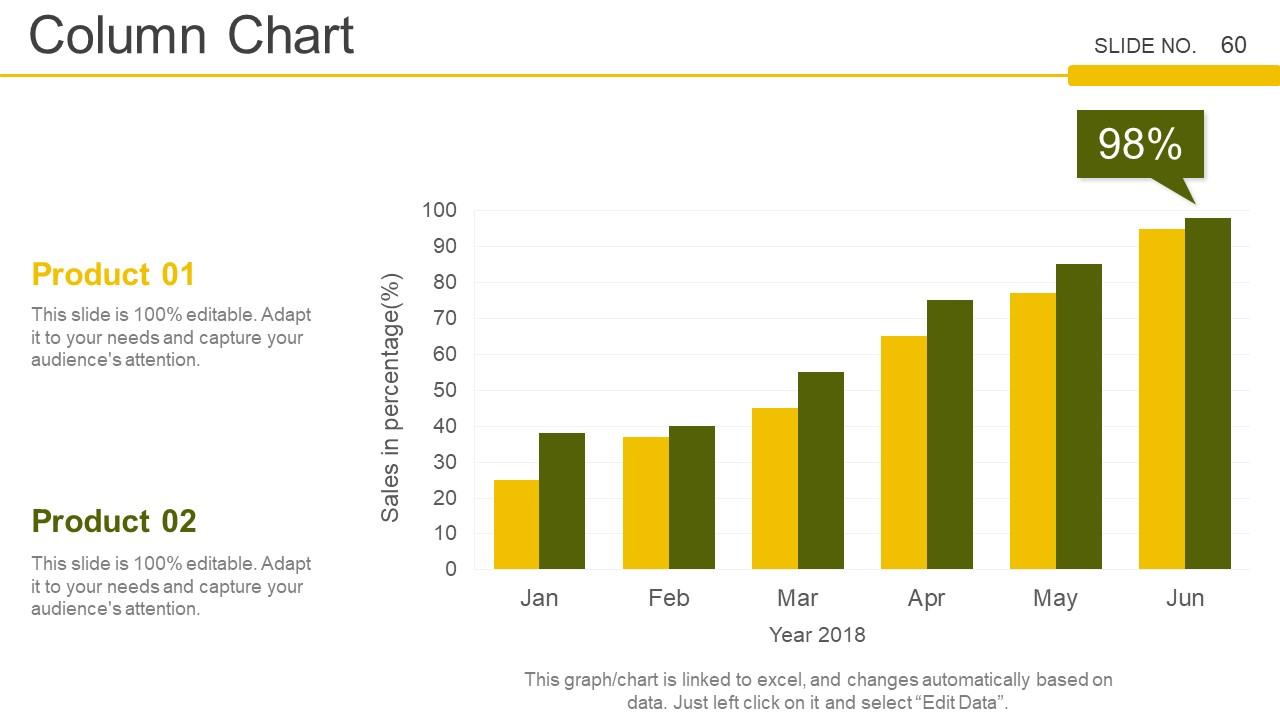
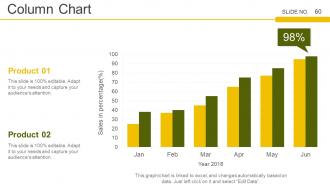
Folie 60 : Diese Folie präsentiert ein Säulendiagramm zur Darstellung von Produkt-/Unternehmenswachstum, Vergleich usw.
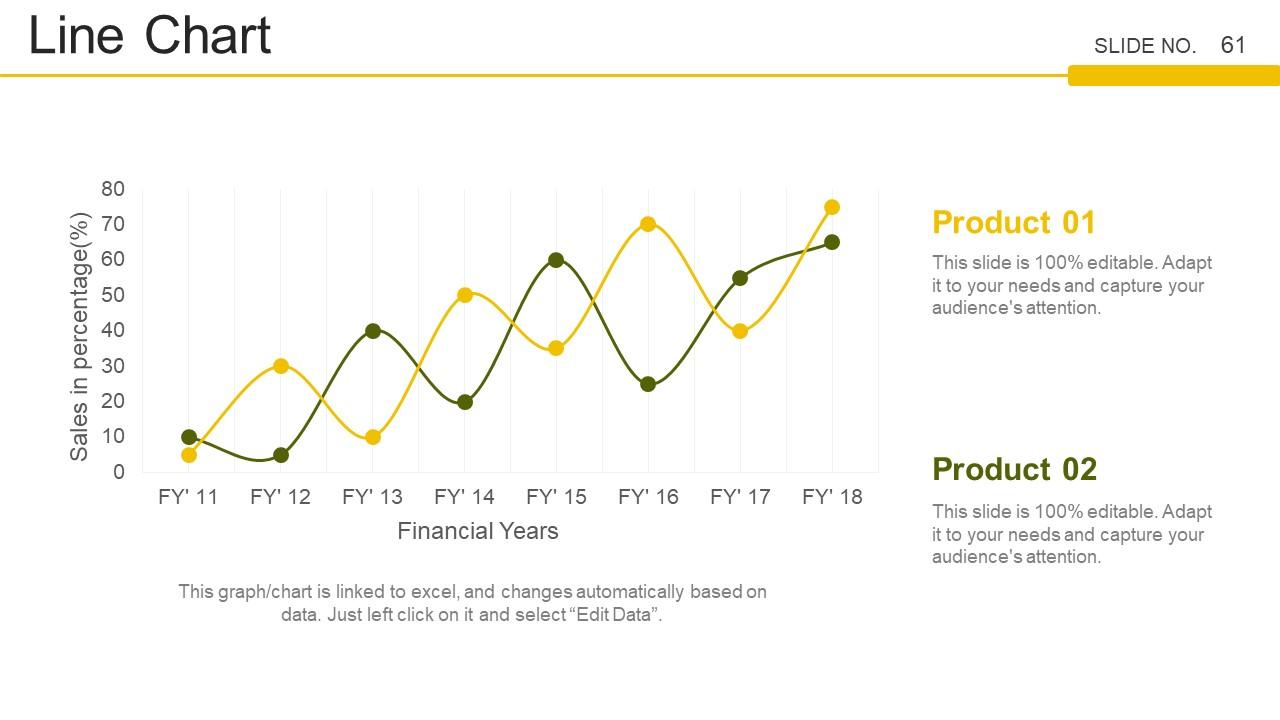
Folie 61 : Diese Folie präsentiert ein Liniendiagramm zur Darstellung von Produkt-/Unternehmenswachstum, Vergleich usw.
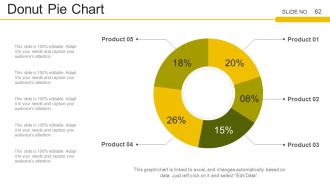
Folie 62 : Dies ist ein Donut-Kreisdiagramm zum Darstellen von Produkt-/Entitätsvergleichen, Spezifikationen usw.
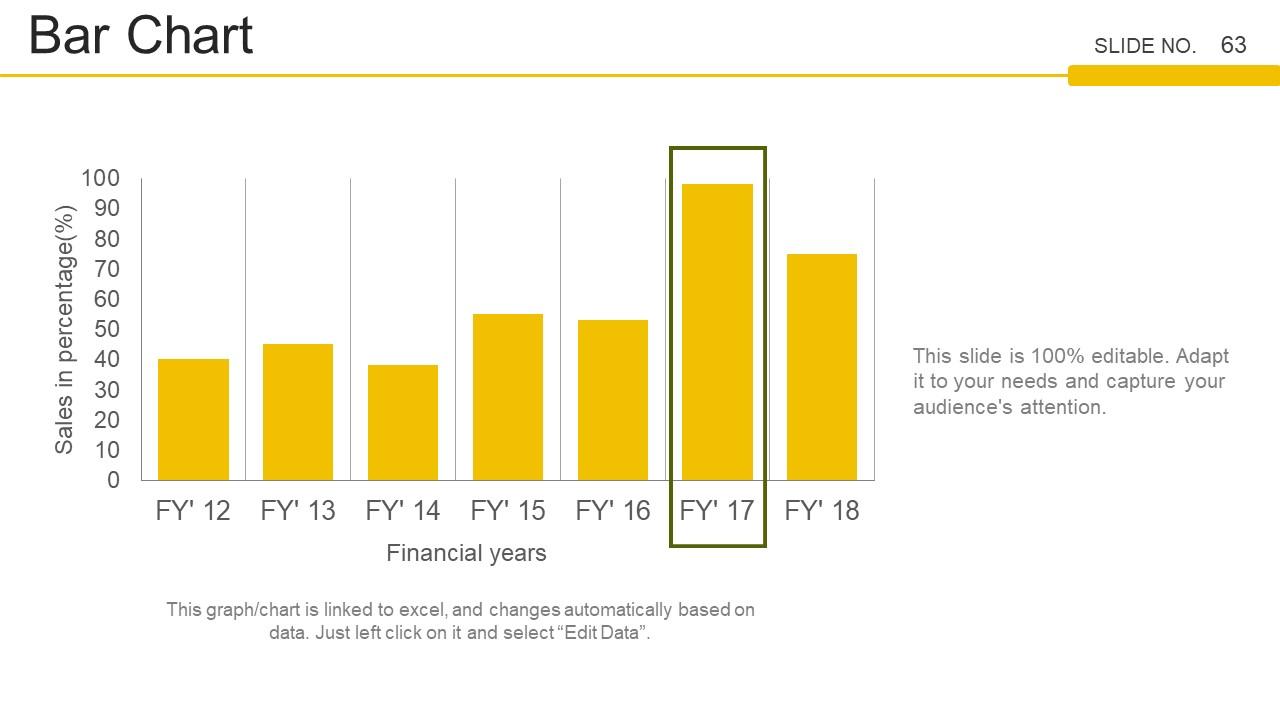
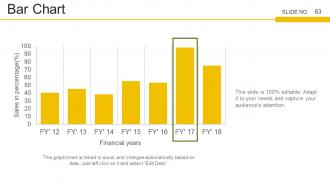
Folie 63 : Dies ist eine Balkendiagramm-Folie, um den Vergleich von Produkten/Einheiten, Spezifikationen usw.
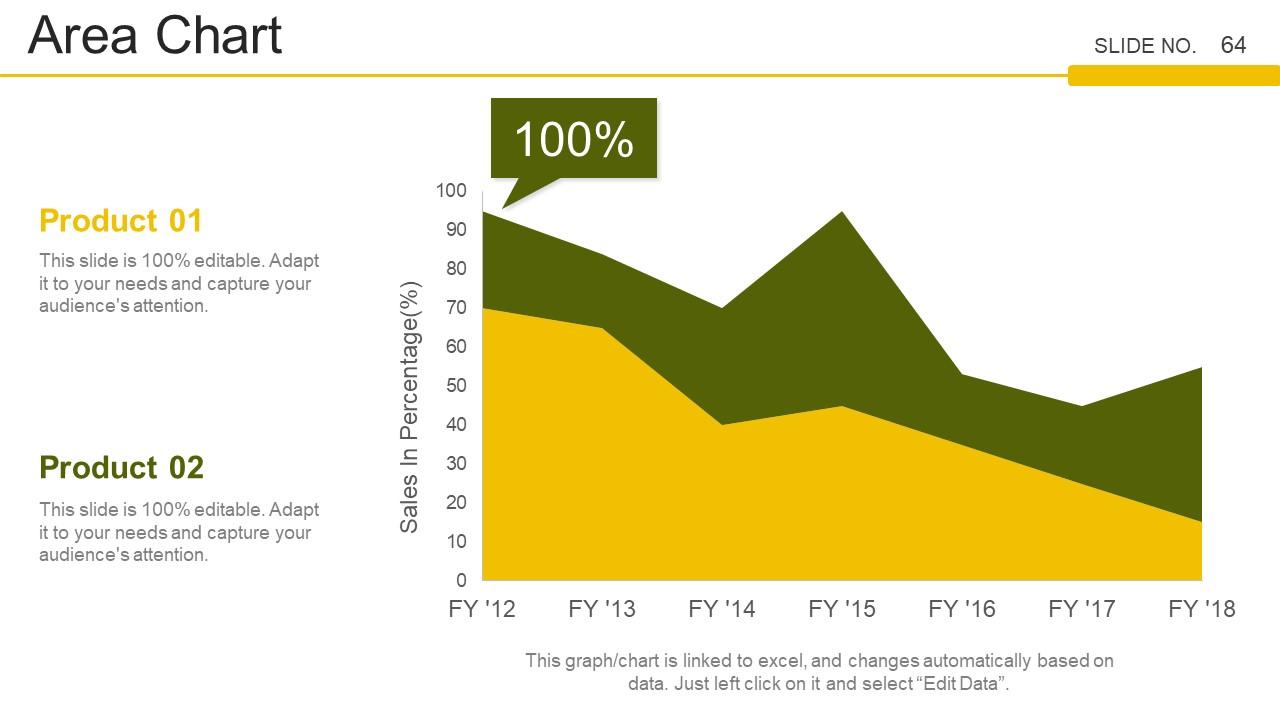
Folie 64 : Dies ist eine Flächendiagrammfolie, um den Vergleich von Produkten/Einheiten, Spezifikationen usw.
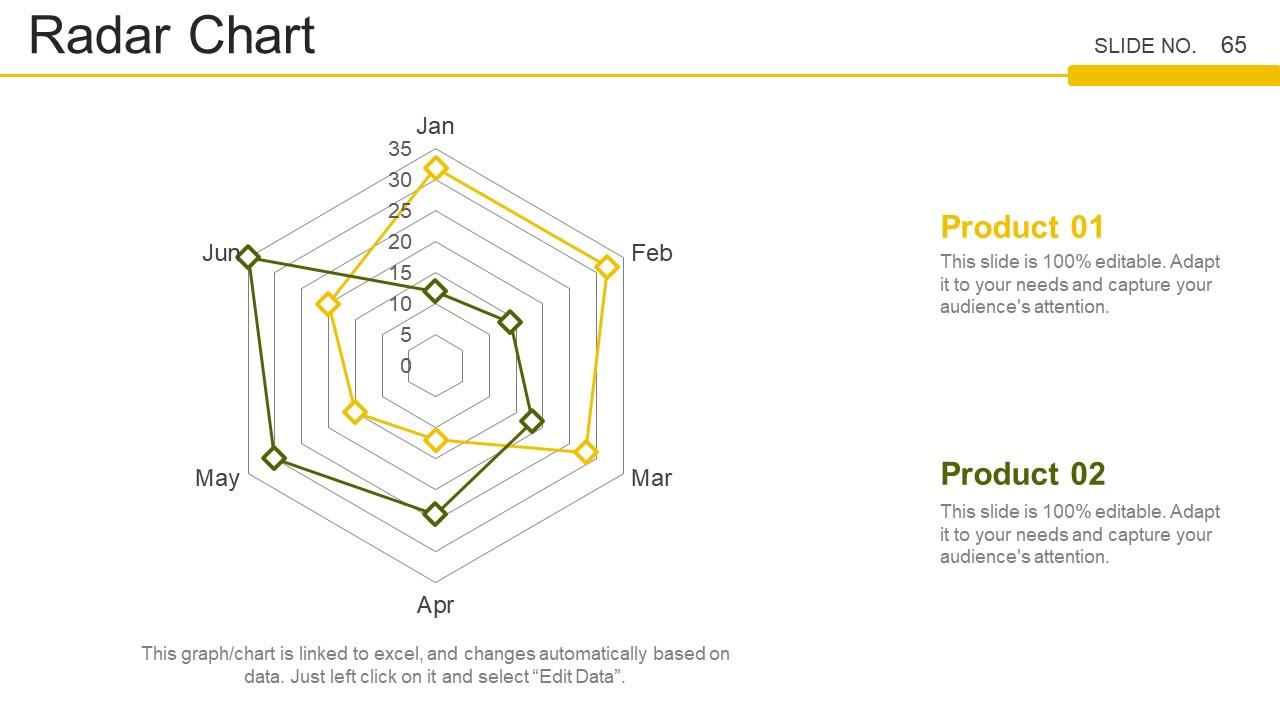
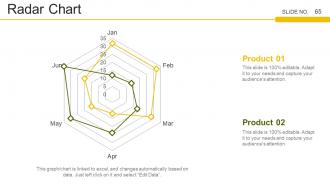
Folie 65 : Dies ist eine Radardiagrammfolie für den Produkt-/Entitätsvergleich.
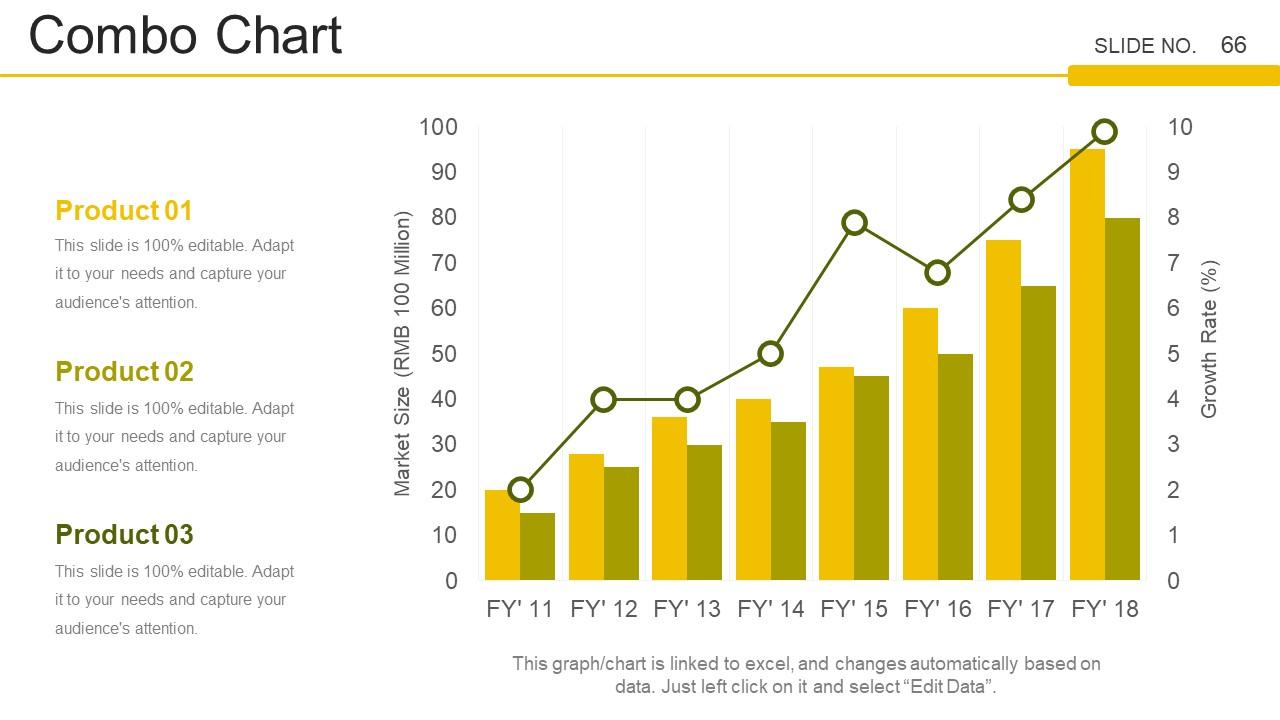
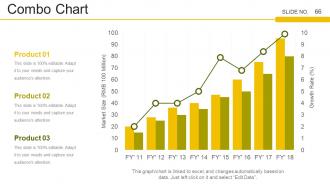
Folie 66 : Diese Folie zeigt ein Kombinationsdiagramm, um das Wachstum von Produkten/Einheiten, Vergleiche usw. zu zeigen.
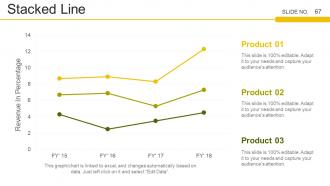
Folie 67 : Diese Folie zeigt ein Diagramm mit gestapelten Linien, um das Wachstum von Produkten/Einheiten, Vergleiche usw. zu zeigen.
Folie 68 : Dies ist die Folie mit den Kontaktdaten mit Skype-ID, E-Mail-ID, physischer Adresse, Handynummer, Büronummer, Website-Adresse.
Folie 69 : Dies ist eine Dankesfolie zur Bestätigung/zum Beenden einer Präsentation.
Strategisches Workforce Planning Framework Powerpoint-Präsentationsfolien mit allen 69 Folien:
Nutzen Sie unser Strategic Workforce Planning Framework Powerpoint Präsentationsfolien, um effektiv Ihre wertvolle Zeit zu sparen. Sie passen sich jeder Präsentationsstruktur an.
-
Great designs, Easily Editable.
-
Understandable and informative presentation.
-
Understandable and informative presentation.
-
Enough space for editing and adding your own content.
