


Planificación estratégica para abrir una cafetería Diapositivas de presentación de PowerPoint
Antes de abrir una cafetería, primero debe crear un plan comercial estratégico. Este módulo ayuda a su empresa a lograr una base máxima de clientes en sus primeros años. Aquí hay una plantilla de planificación estratégica para abrir una cafetería diseñada de manera competente que incluye el resumen ejecutivo del negocio del café, incluida una descripción general del negocio, la misión, el enfoque en el cliente y otra información. Este plan de negocios para abrir una cafetería incluye varias diapositivas que tienen desafíos comerciales de cafeterías y muestran las soluciones para superar los desafíos, como la dura competencia, la mala gestión del inventario, la falta de equipos, etc. Este PPT del plan estratégico de la cafetería resaltará las propuestas de venta únicas. , etc. Aclare los detalles de la segmentación de clientes, la información del análisis competitivo y las ventajas competitivas con la ayuda de la presentación. Además, esta presentación del plan estratégico ayuda a identificar el plan de marketing con estrategia promocional, análisis FODA, plan operativo con roles funcionales, hitos clave y mucho más. También enumera el plan de personal para los próximos tres años, el análisis del punto de equilibrio, los detalles de los requisitos de financiación, el plan financiero y los gastos iniciales. Obtenga acceso ahora.




















-

- Google Slides is a new FREE Presentation software from Google.
- All our content is 100% compatible with Google Slides.
- Just download our designs, and upload them to Google Slides and they will work automatically.
- Amaze your audience with SlideTeam and Google Slides.
-

Want Changes to This PPT Slide? Check out our Presentation Design Services
-

- WideScreen Aspect ratio is becoming a very popular format. When you download this product, the downloaded ZIP will contain this product in both standard and widescreen format.
-

- Some older products that we have may only be in standard format, but they can easily be converted to widescreen.
- To do this, please open the SlideTeam product in Powerpoint, and go to
- Design ( On the top bar) -> Page Setup -> and select "On-screen Show (16:9)” in the drop down for "Slides Sized for".
- The slide or theme will change to widescreen, and all graphics will adjust automatically. You can similarly convert our content to any other desired screen aspect ratio.
Compatible With Google Slides

Get This In WideScreen
You must be logged in to download this presentation.


Do you want to remove this product from your favourites?
Características de estas diapositivas de presentación de PowerPoint:
Esta plataforma completa cubre varios temas y destaca conceptos importantes. Tiene diapositivas PPT que se adaptan a las necesidades de su negocio. Esta presentación de cubierta completa enfatiza la planificación estratégica para abrir una cafetería Diapositivas de presentación de Powerpoint y tiene plantillas con imágenes de fondo profesionales y contenido relevante. Esta plataforma consta de un total de cincuenta y tres diapositivas. Nuestros diseñadores han creado plantillas personalizables, teniendo en cuenta su conveniencia. Puede editar el color, el texto y el tamaño de fuente con facilidad. No solo esto, también puede agregar o eliminar el contenido si es necesario. Obtenga acceso a esta presentación completa totalmente editable haciendo clic en el botón de descarga a continuación.

People who downloaded this PowerPoint presentation also viewed the following :
Contenido de esta presentación de Powerpoint
Diapositiva 1 : Esta diapositiva presenta la planificación estratégica para abrir una cafetería. Indique el nombre de su empresa y comience.
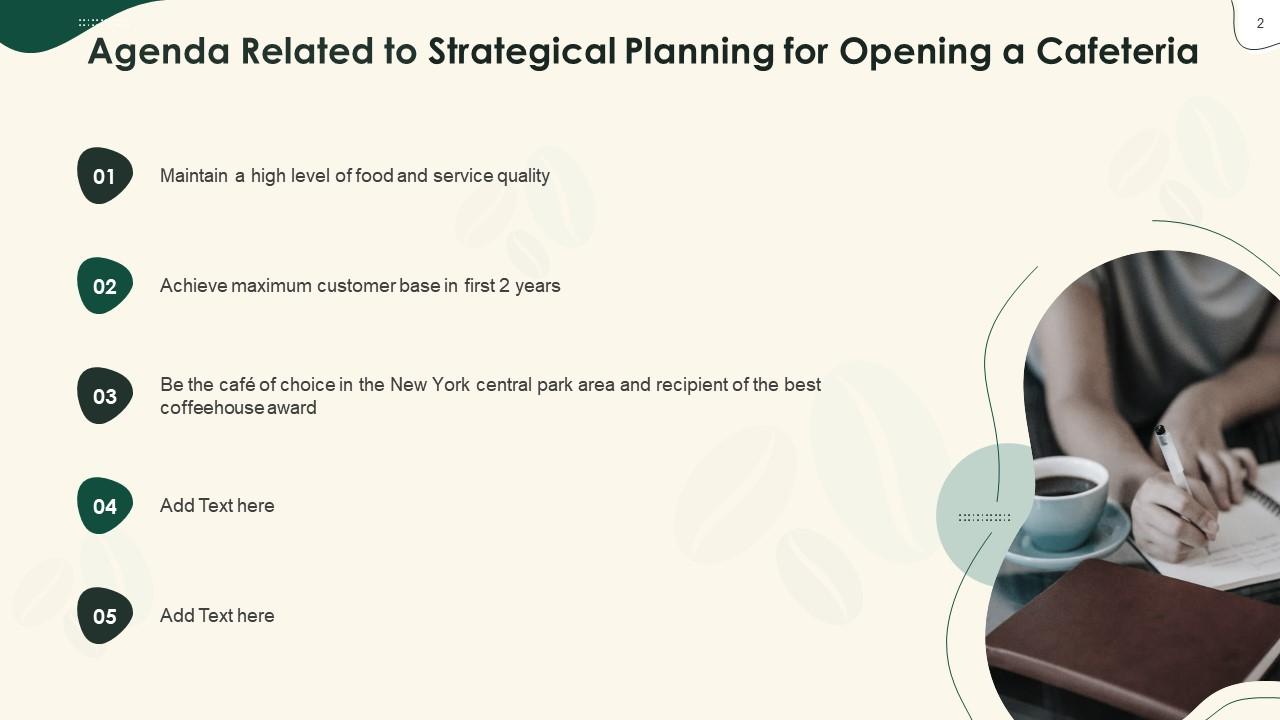
Diapositiva 2 : Esta diapositiva muestra la agenda relacionada con la planificación estratégica para abrir una cafetería.
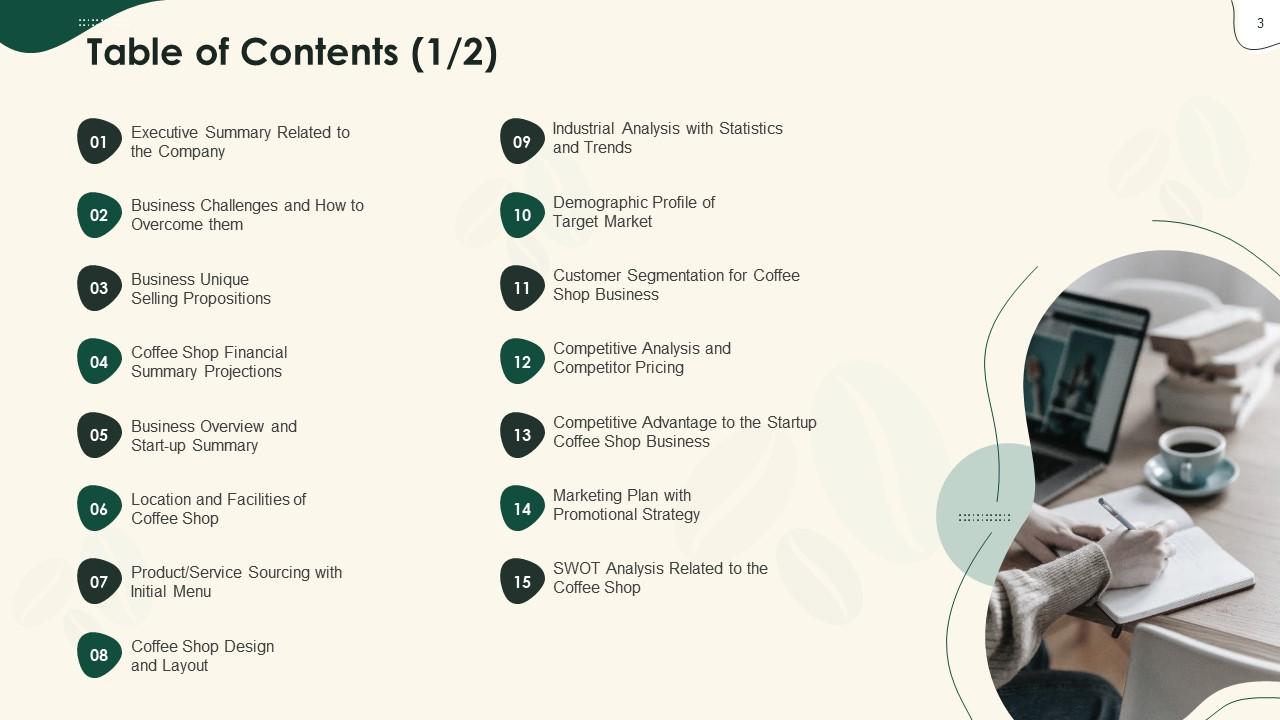
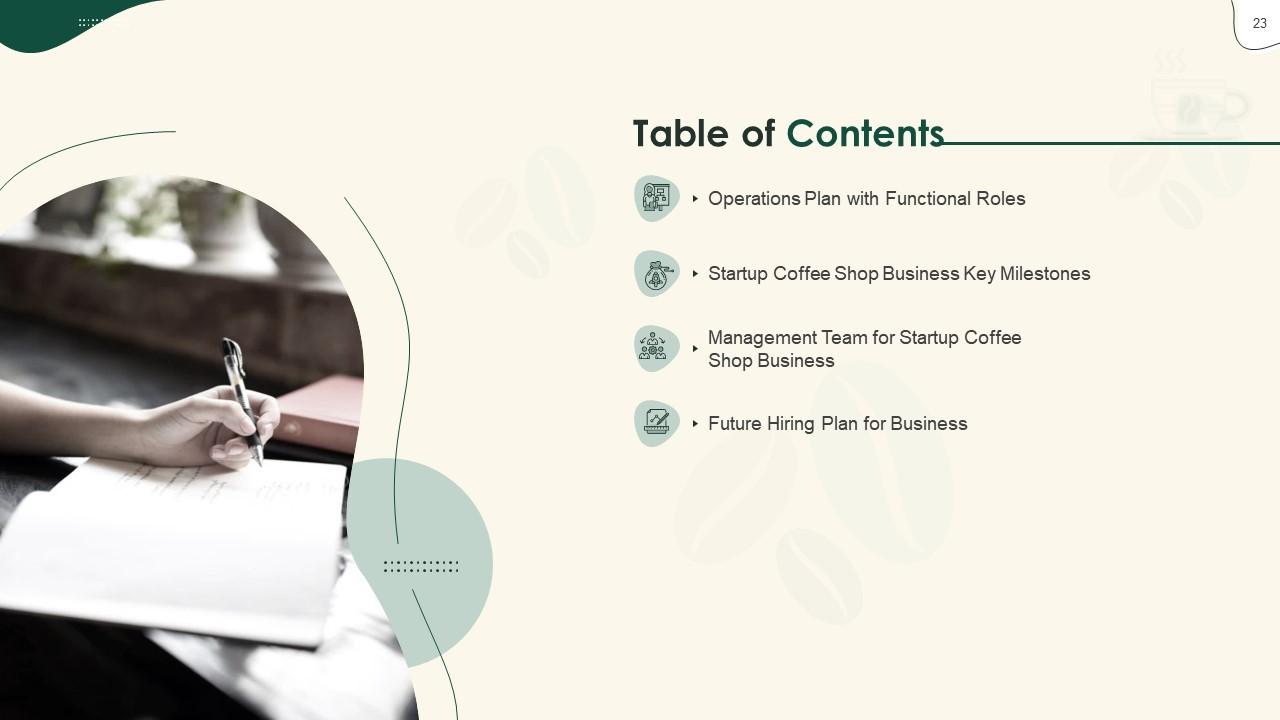
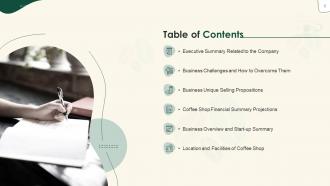
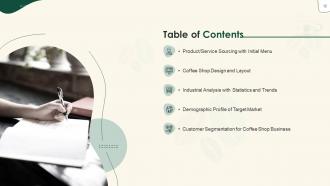
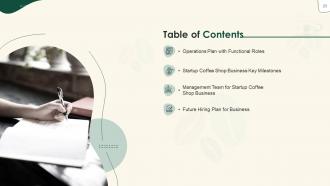
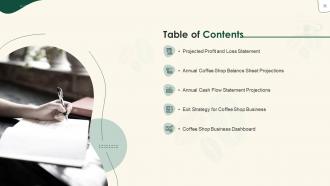
Diapositiva 3 : Esta diapositiva presenta la tabla de contenido de la presentación.
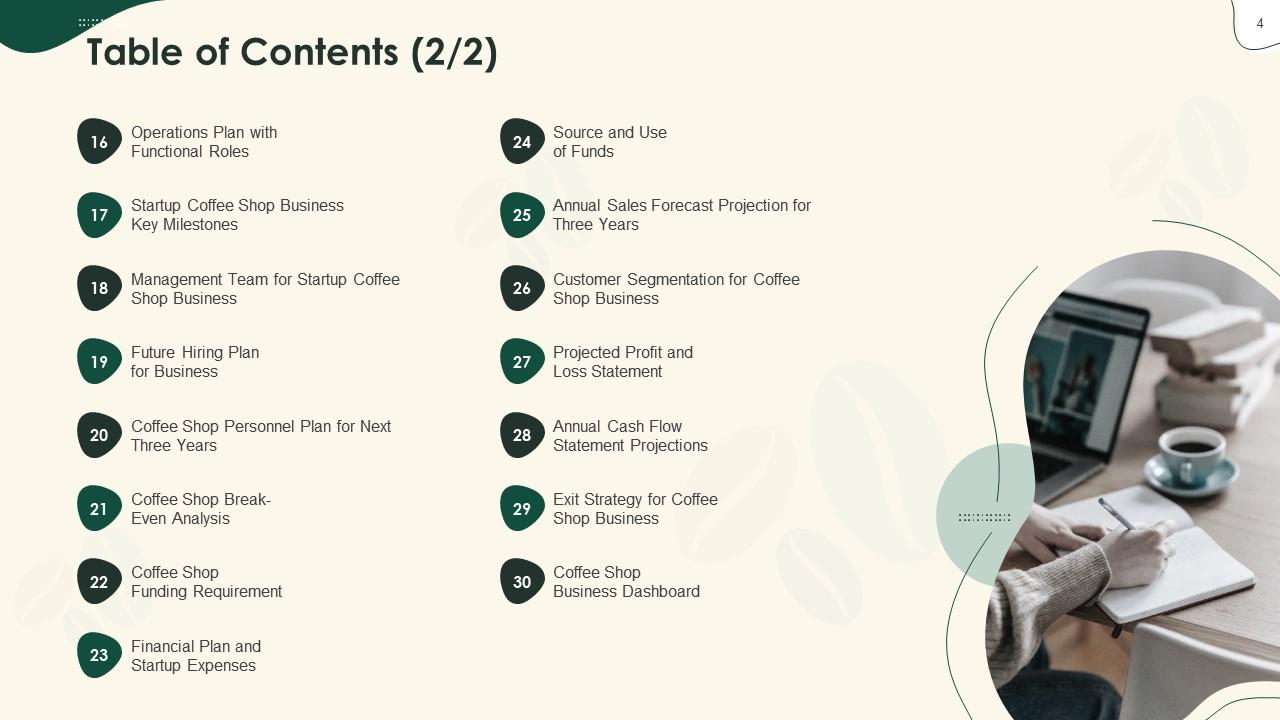
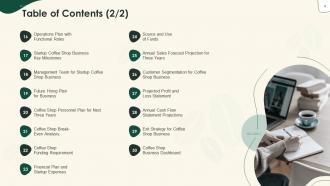
Diapositiva 4 : esta es otra diapositiva que continúa con la tabla de contenido de la presentación.
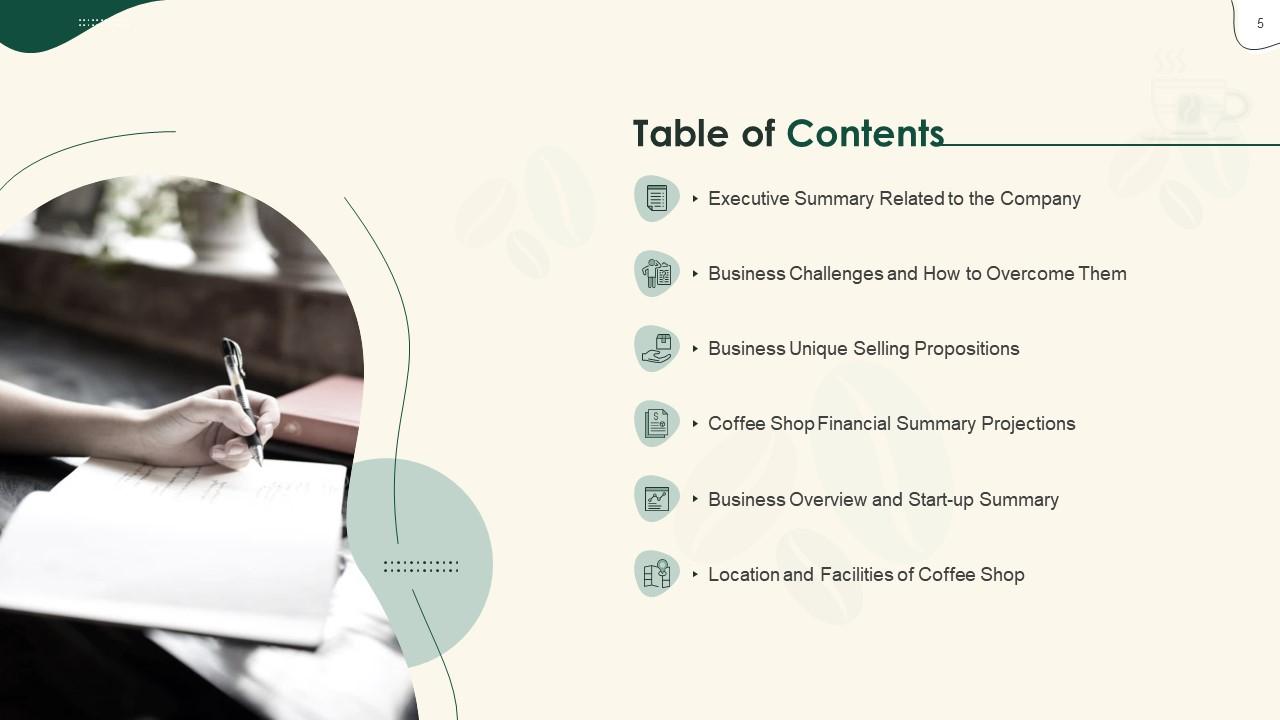
Diapositiva 5 : esta diapositiva muestra el título de los temas que se cubrirán a continuación en la plantilla.
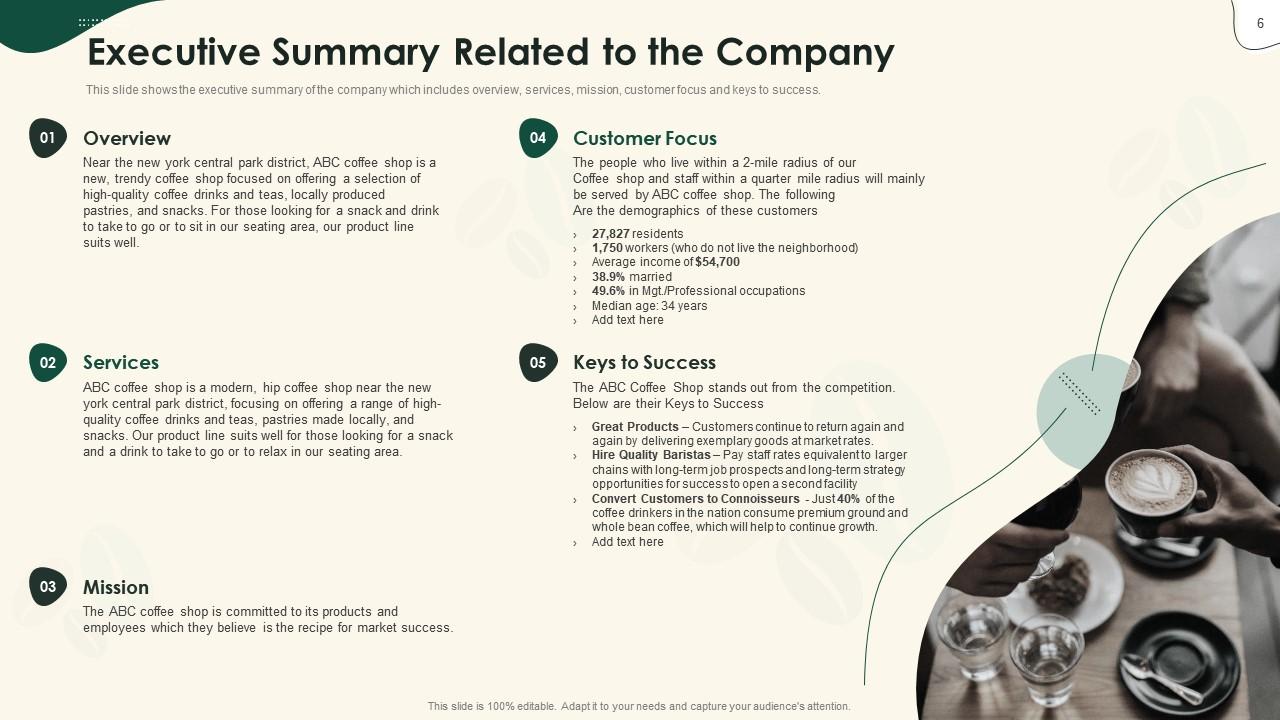
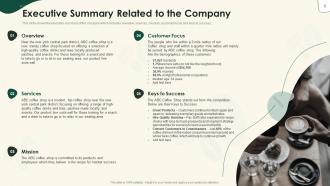
Diapositiva 6 : esta diapositiva muestra un resumen ejecutivo de la empresa que incluye información general, servicios, misión, etc.
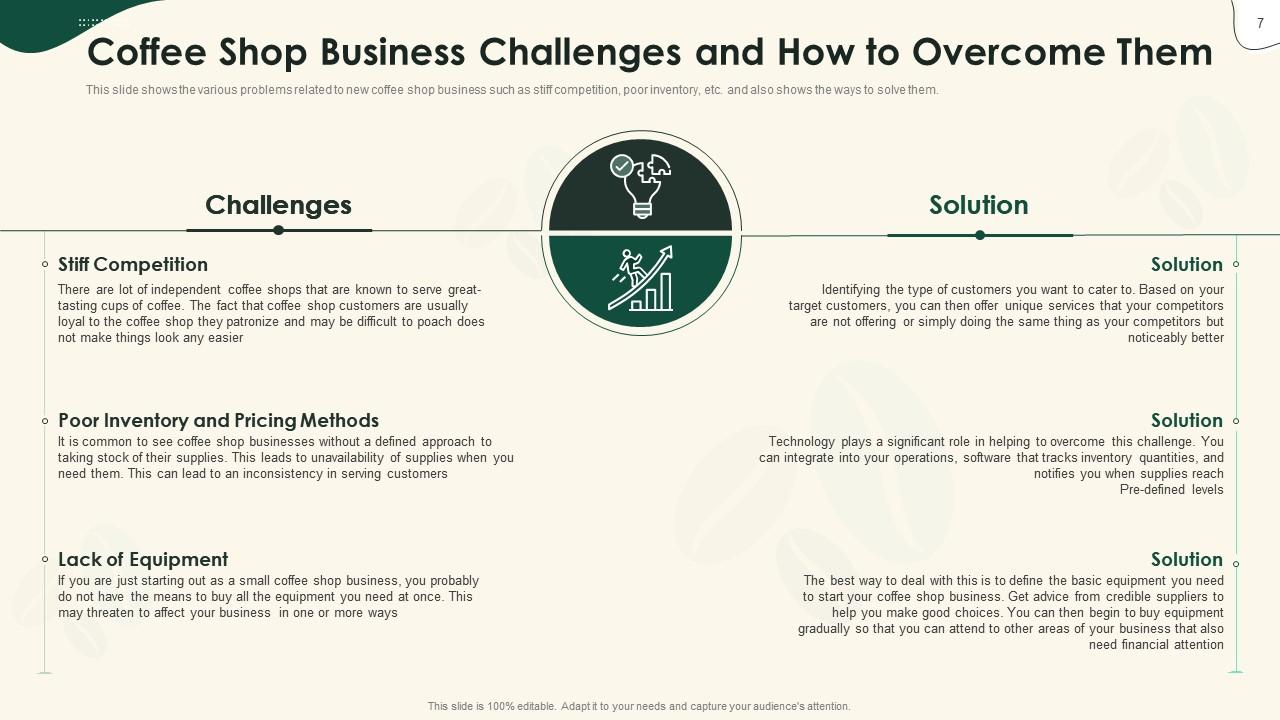
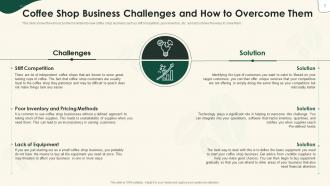
Diapositiva 7 : Esta diapositiva representa los desafíos comerciales de las cafeterías y cómo superarlos.
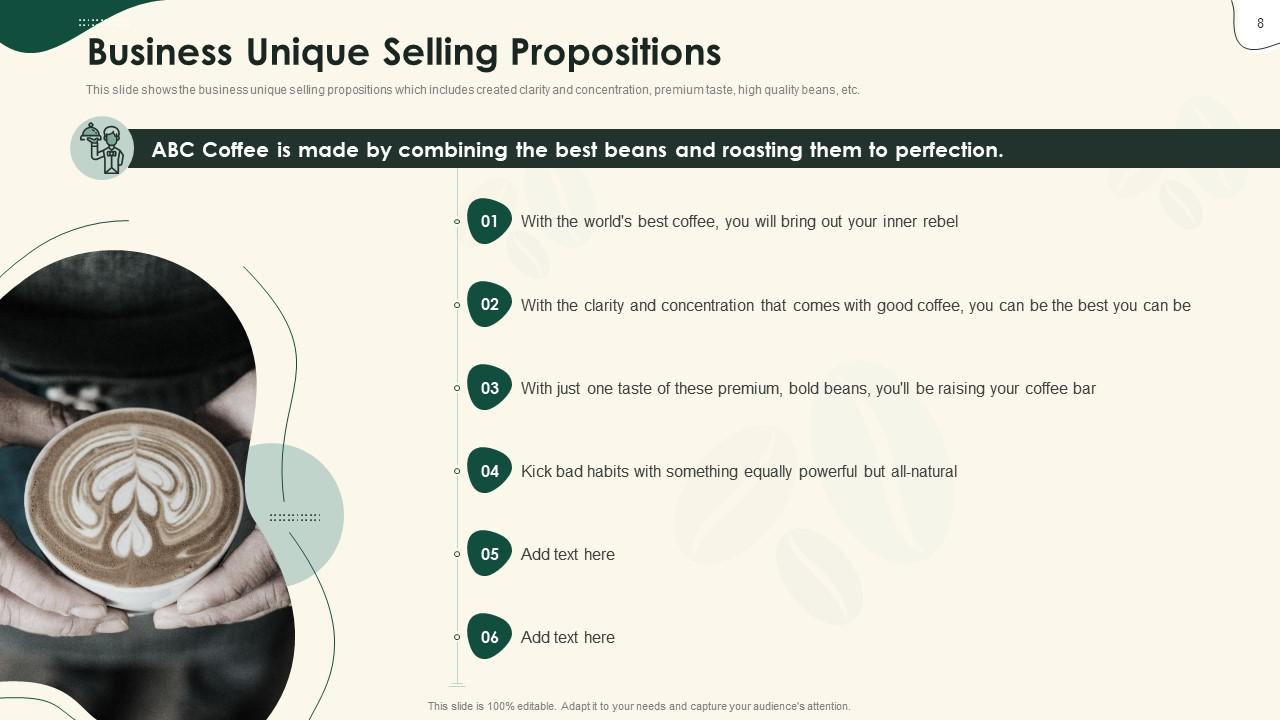
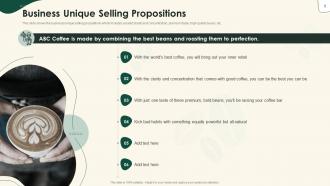
Diapositiva 8 : Esta diapositiva muestra propuestas comerciales únicas de venta que incluyen claridad y concentración creadas.
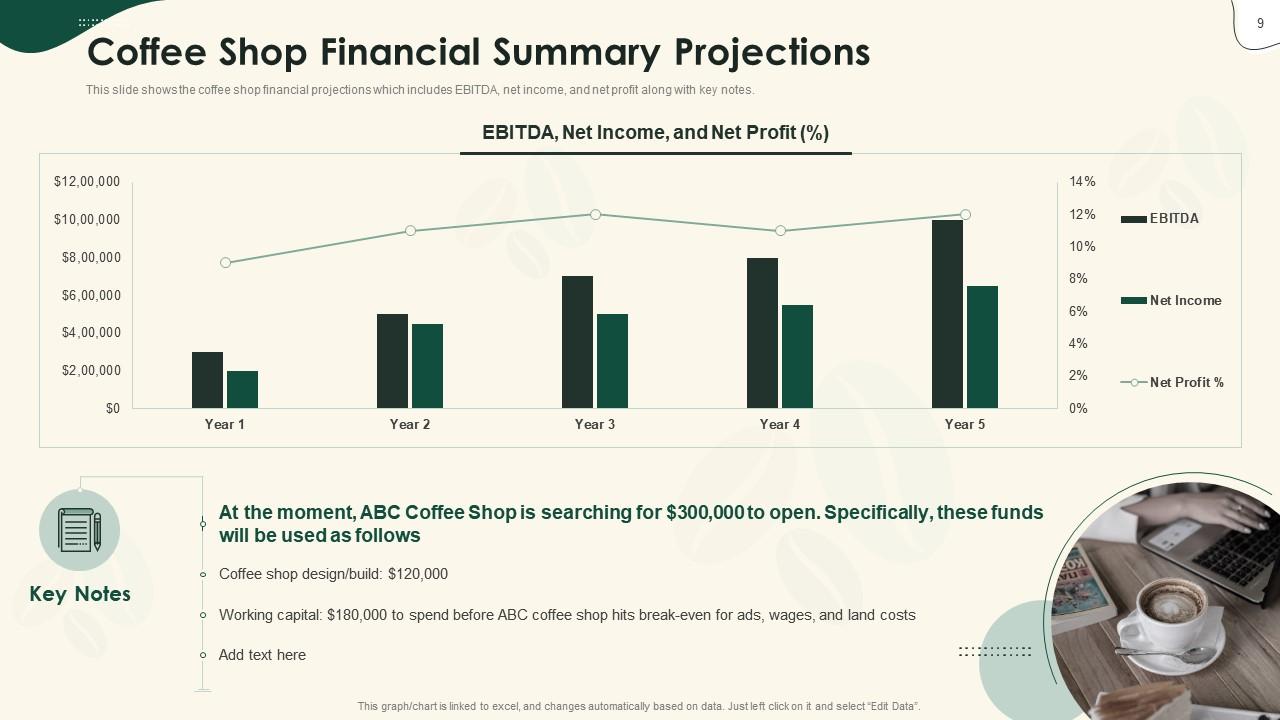
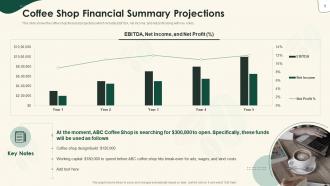
Diapositiva 9 : Esta diapositiva presenta proyecciones financieras de cafeterías que incluyen EBITDA, ingresos netos y ganancias netas.
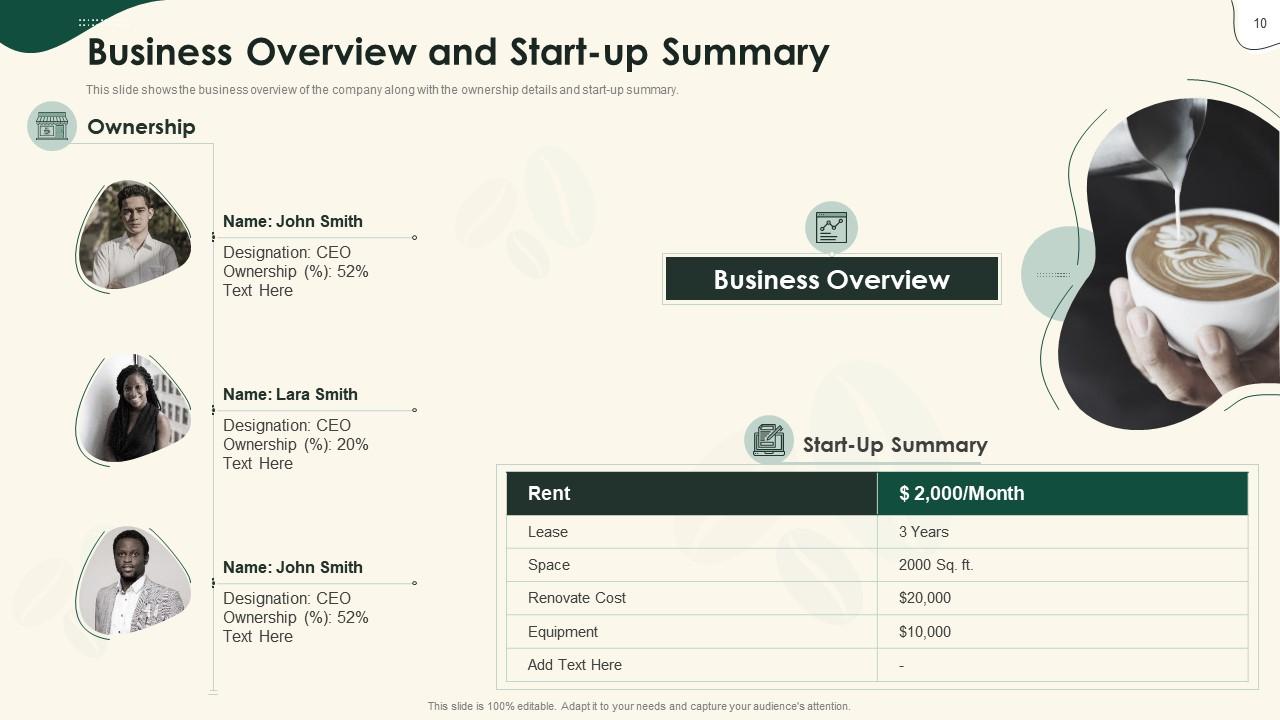
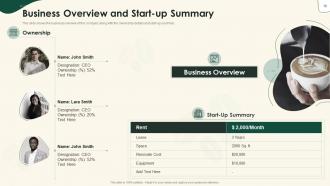
Diapositiva 10 : esta diapositiva muestra una descripción general del negocio de la empresa junto con los detalles de propiedad y el resumen inicial.
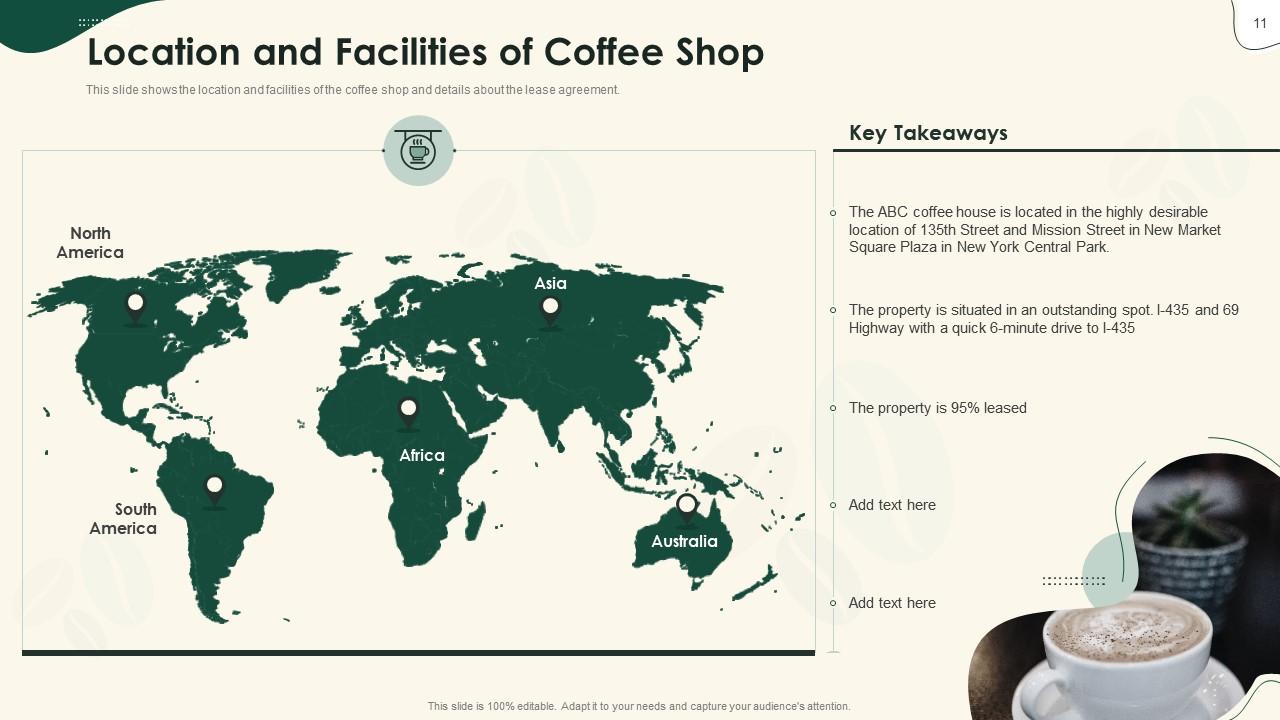
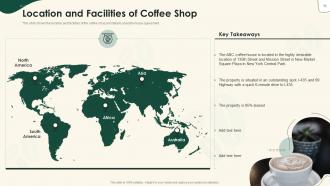
Diapositiva 11 : Esta diapositiva representa la ubicación y las instalaciones de la cafetería y los detalles sobre el contrato de arrendamiento.
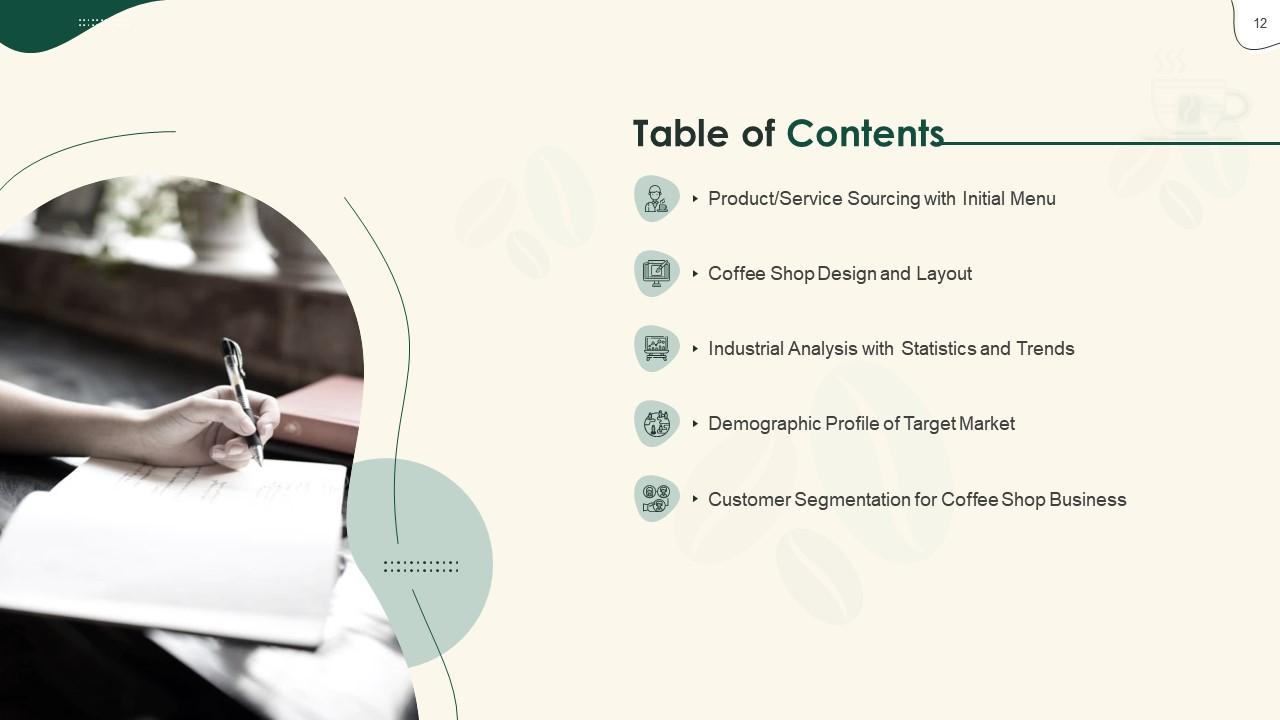
Diapositiva 12 : esta diapositiva muestra el título de los temas que se cubrirán a continuación en la plantilla.
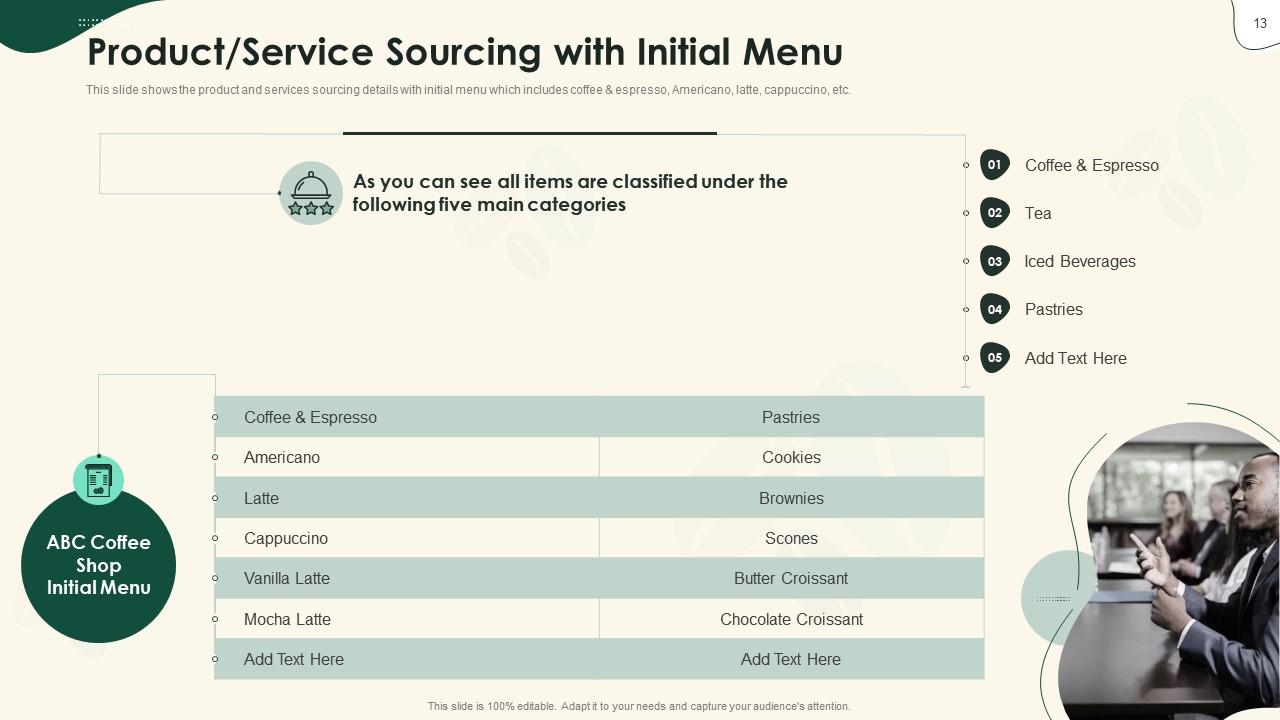
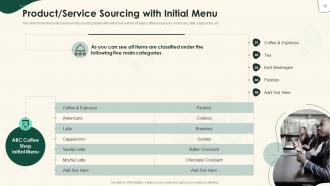
Diapositiva 13 : Esta diapositiva presenta detalles de abastecimiento de productos y servicios con menú inicial.
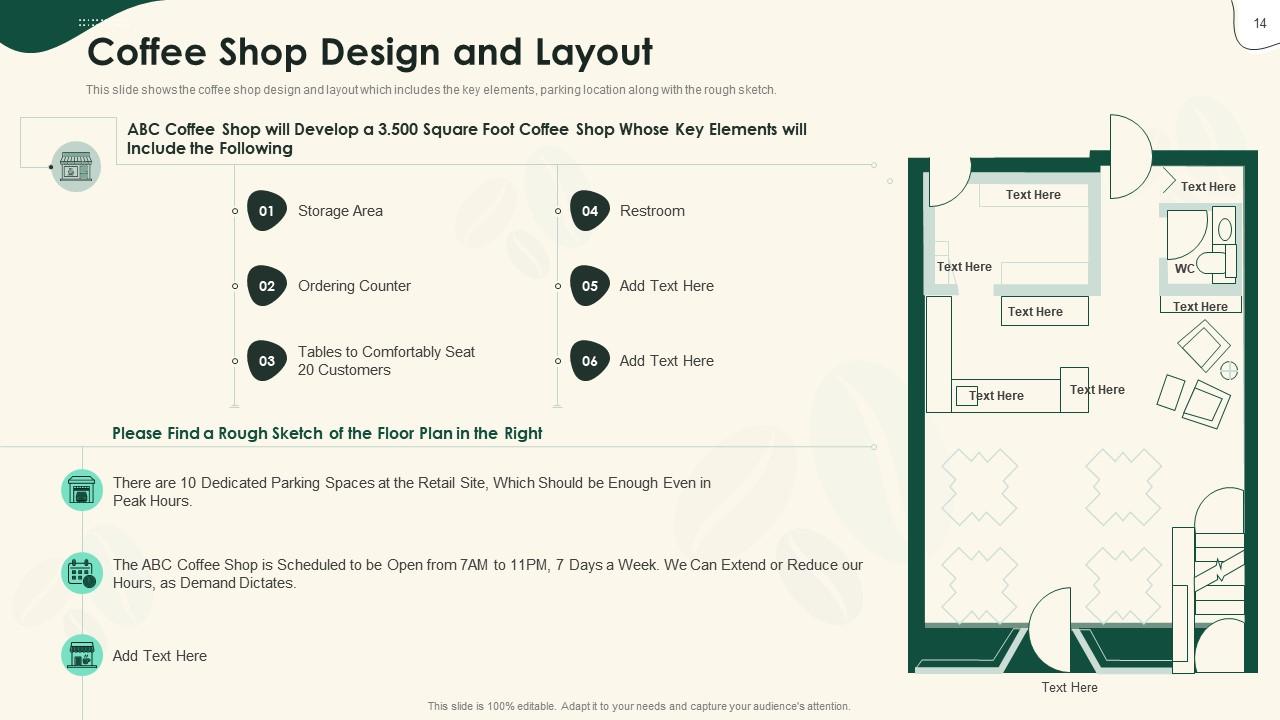
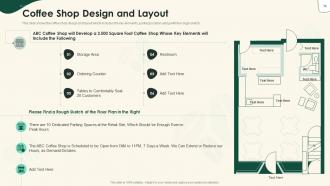
Diapositiva 14 : esta diapositiva muestra el diseño y la distribución de la cafetería, que incluye los elementos clave, la ubicación del estacionamiento y el boceto aproximado.
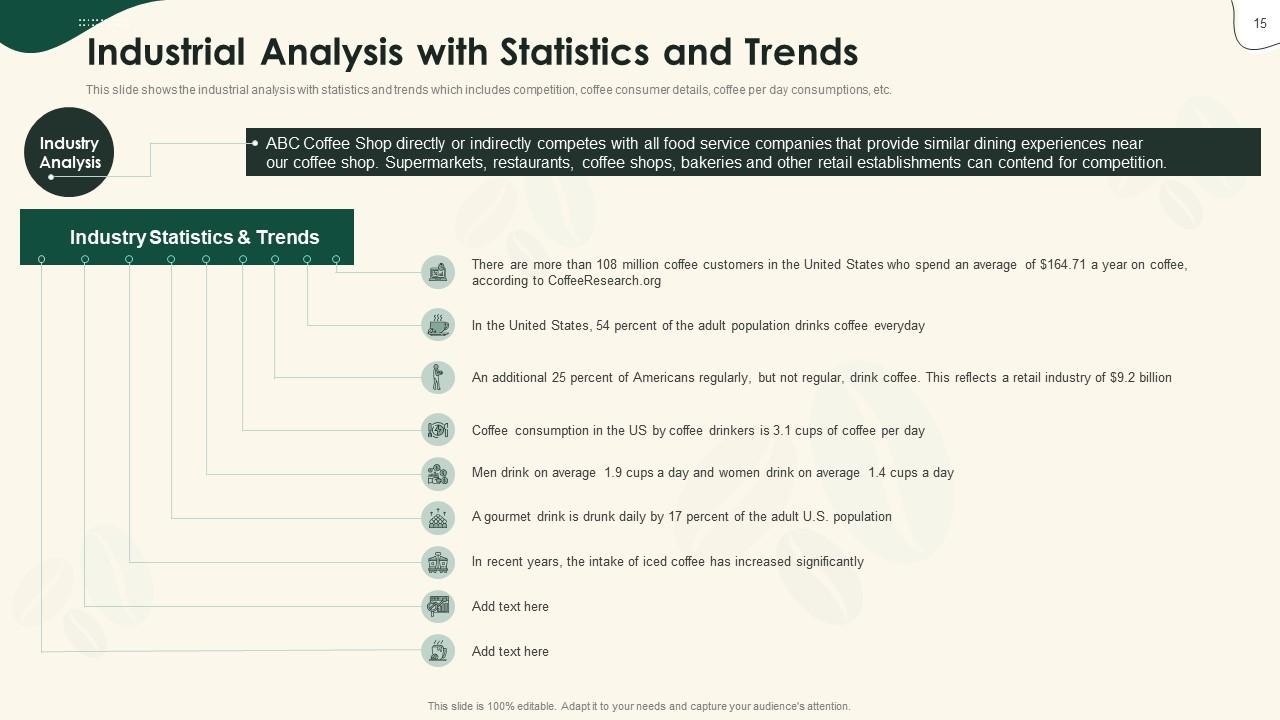
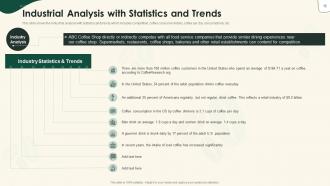
Diapositiva 15 : Esta diapositiva representa un análisis industrial con estadísticas y tendencias que incluye competencia, detalles del consumidor de café, consumo de café por día, etc.
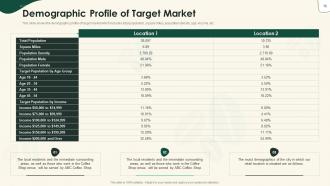
Diapositiva 16 : Esta diapositiva muestra el perfil demográfico del mercado objetivo que incluye la población total, millas cuadradas, densidad de población, etc.
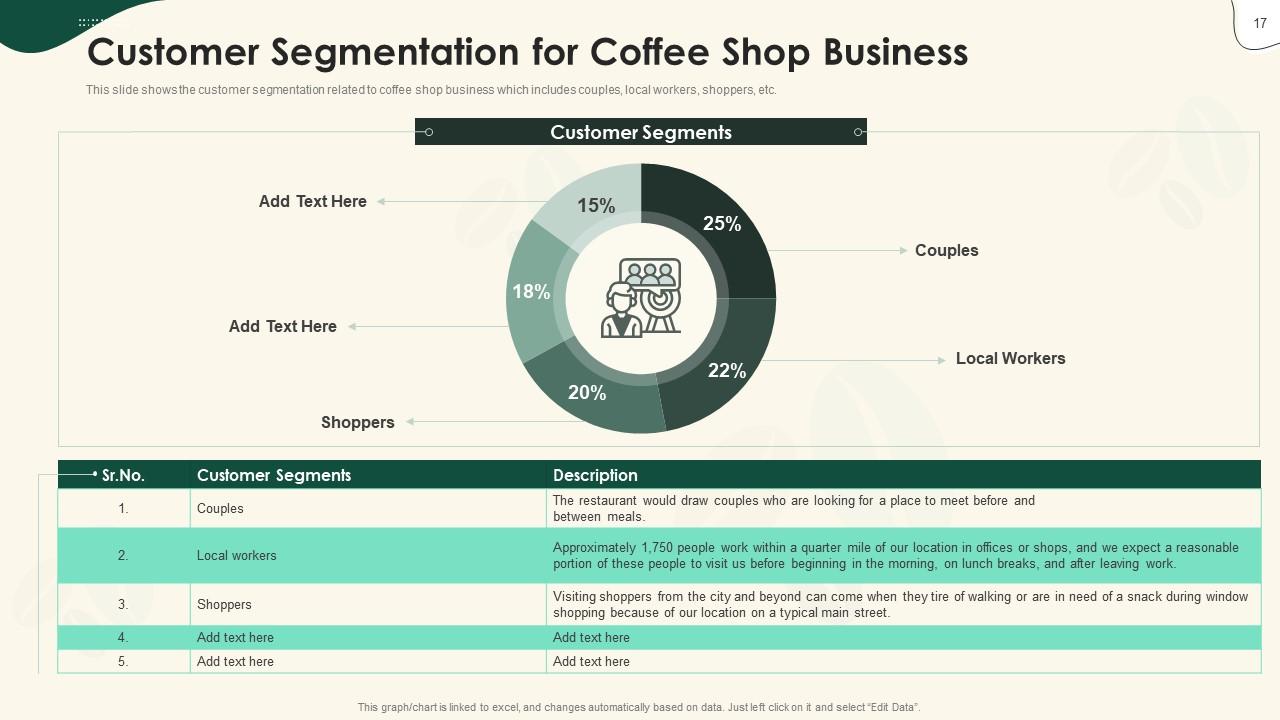
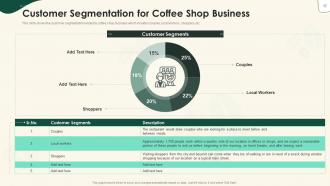
Diapositiva 17 : Esta diapositiva presenta la segmentación de clientes relacionada con el negocio de las cafeterías.
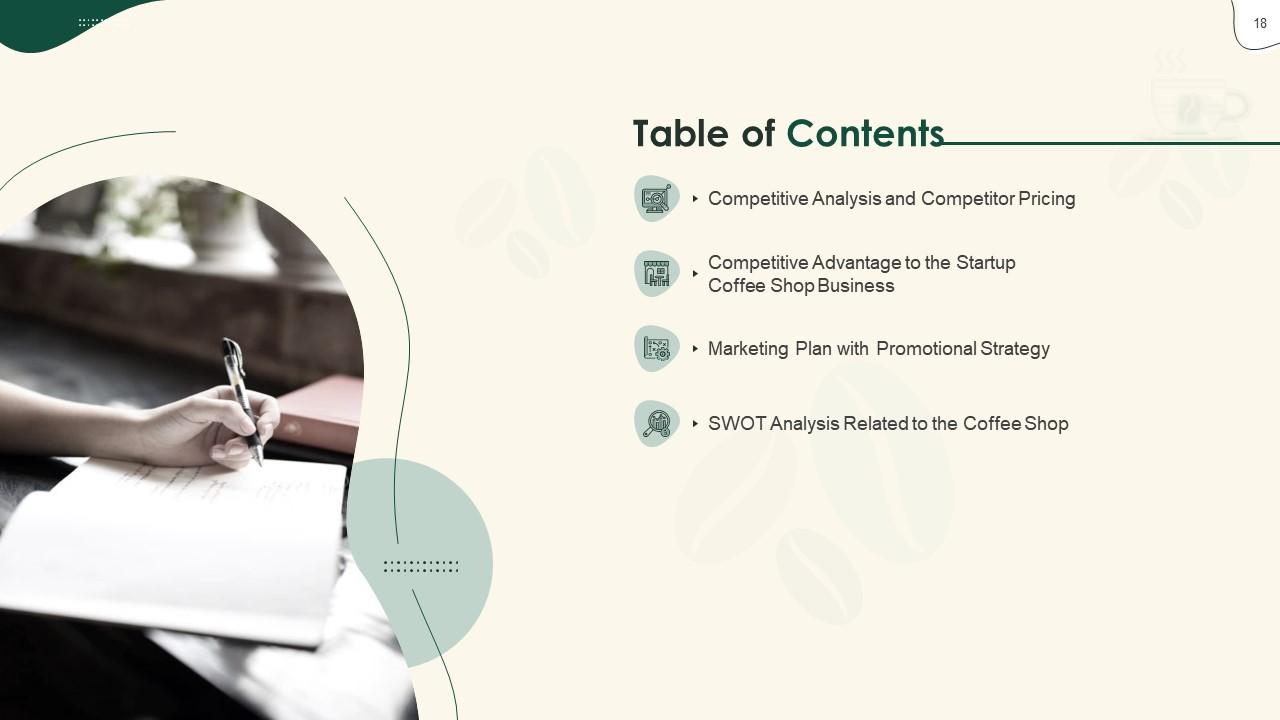
Diapositiva 18 : esta diapositiva muestra el título de los temas que se cubrirán a continuación en la plantilla.
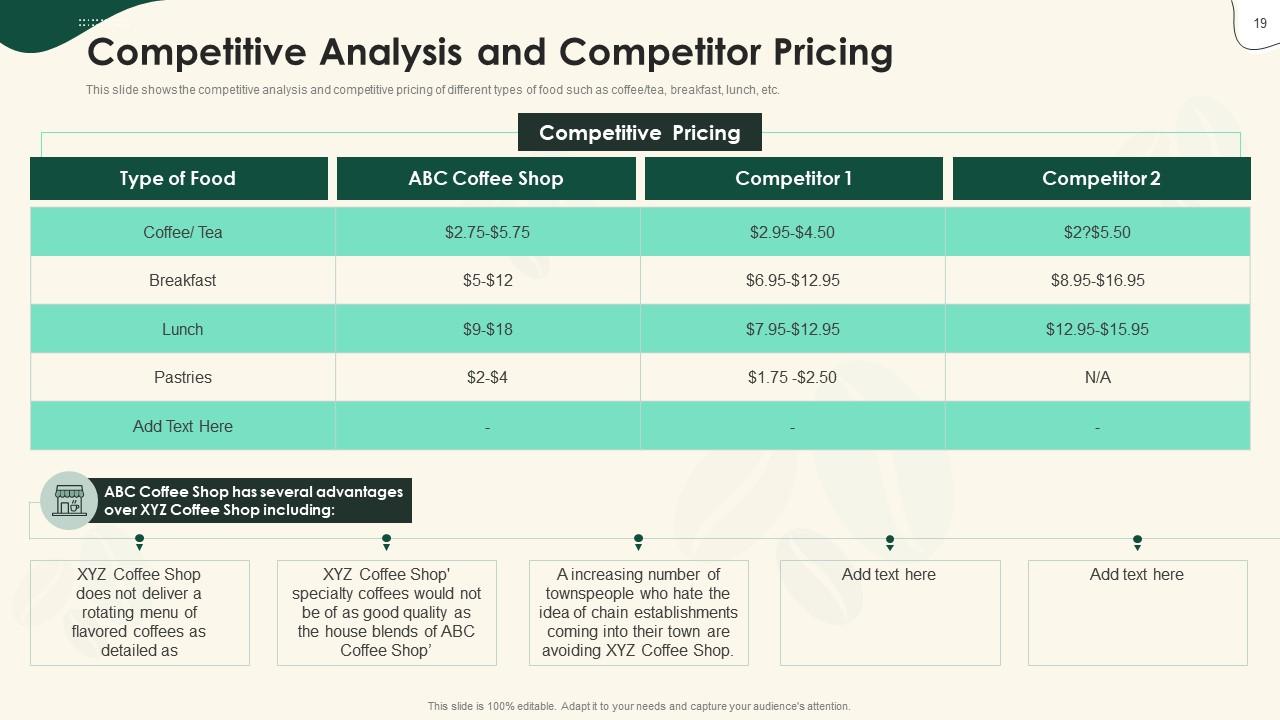
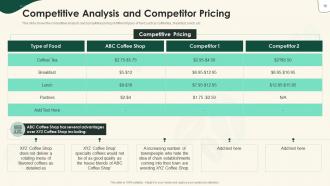
Diapositiva 19 : Esta diapositiva presenta un análisis competitivo y precios competitivos de diferentes tipos de alimentos.
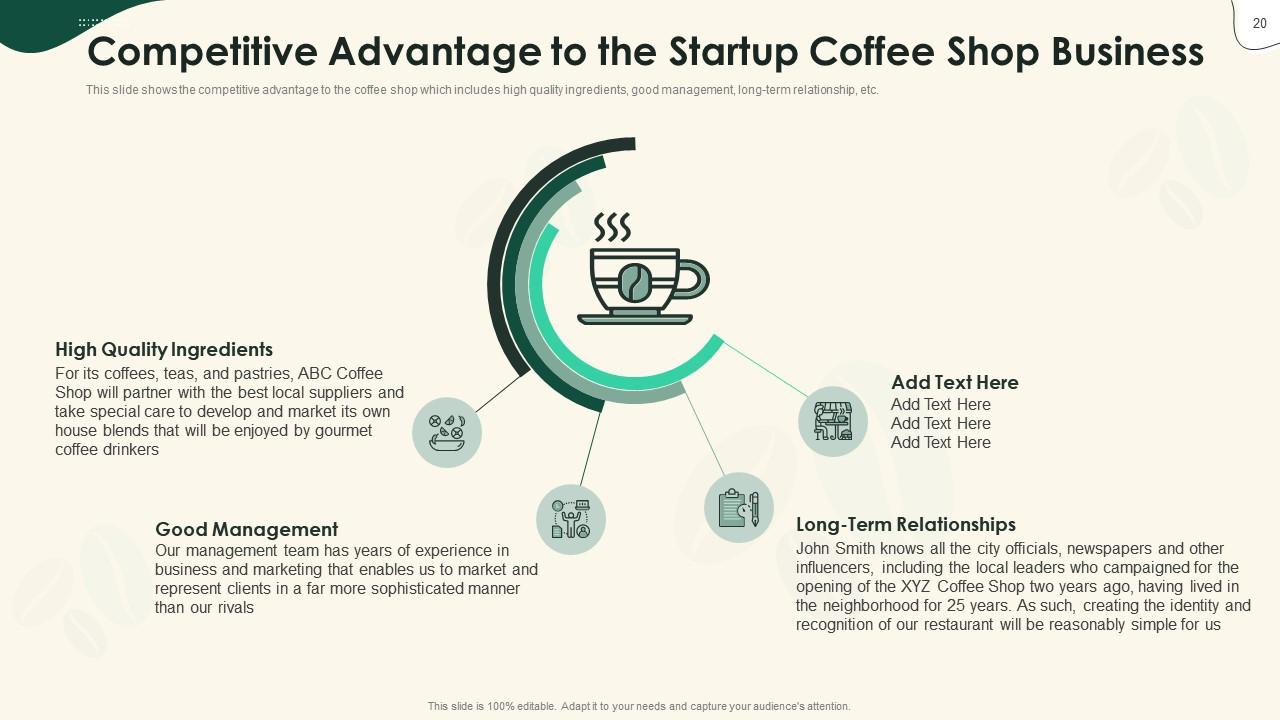
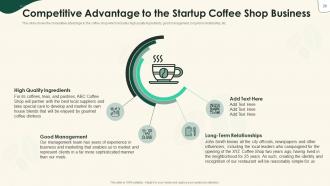
Diapositiva 20 : esta diapositiva muestra la ventaja competitiva para el negocio de cafeterías emergentes.
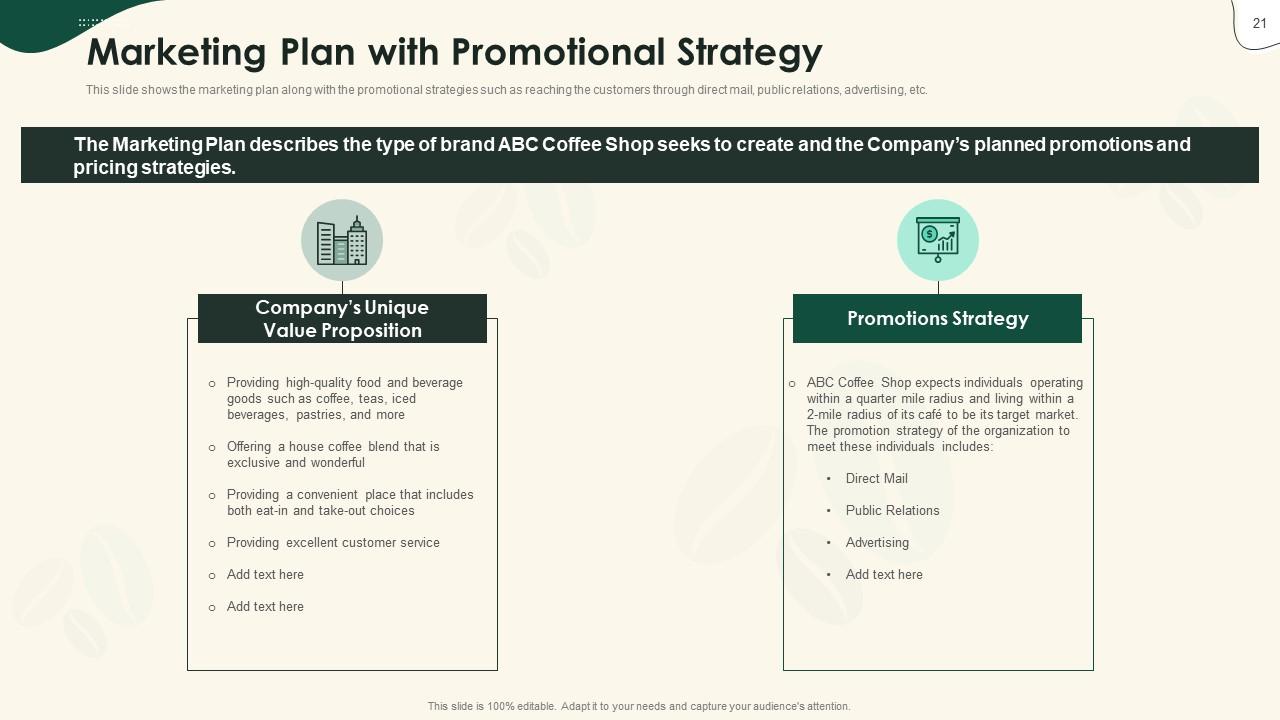
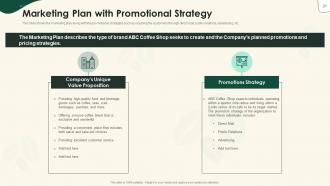
Diapositiva 21 : Esta diapositiva representa el plan de marketing junto con las estrategias promocionales.
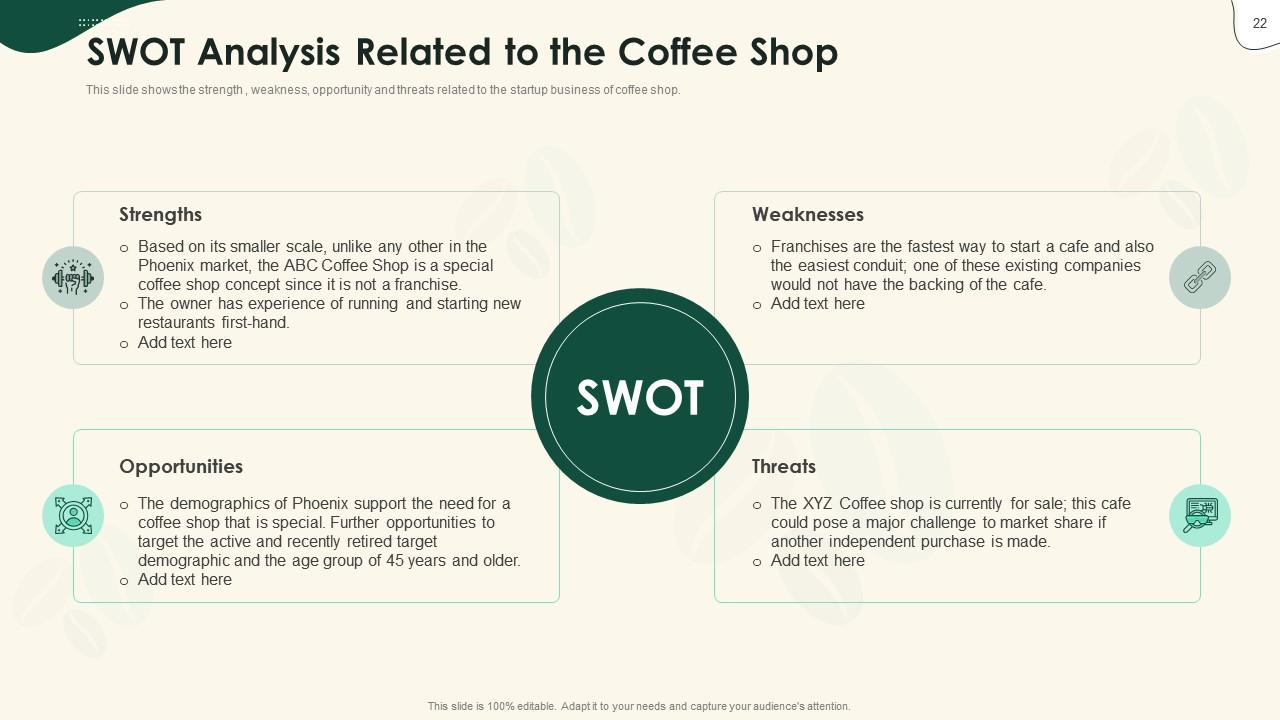
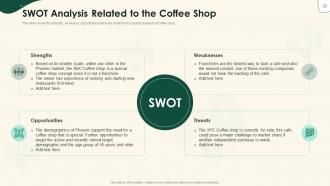
Diapositiva 22 : esta diapositiva muestra la fortaleza, la debilidad, la oportunidad y las amenazas relacionadas con el negocio de inicio de cafetería.
Diapositiva 23 : esta diapositiva muestra el título de los temas que se cubrirán a continuación en la plantilla.
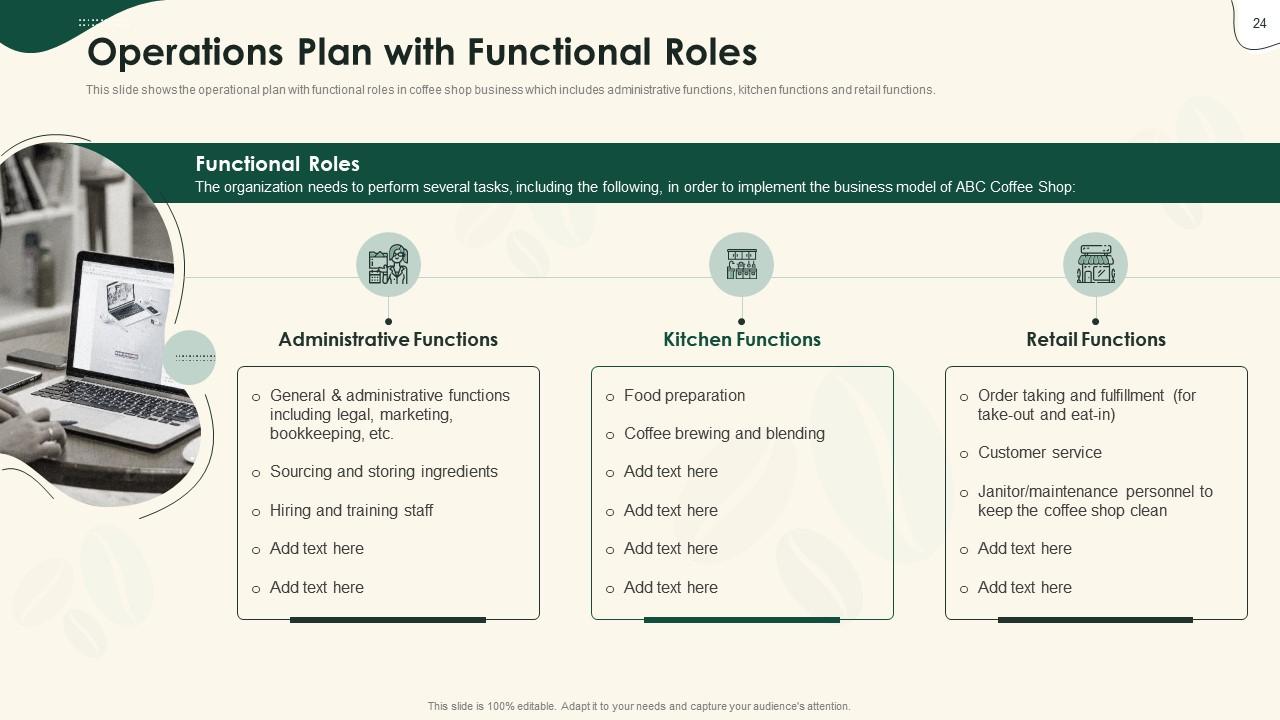
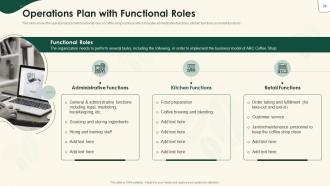
Diapositiva 24 : Esta diapositiva presenta un plan operativo con roles funcionales en el negocio de cafeterías.
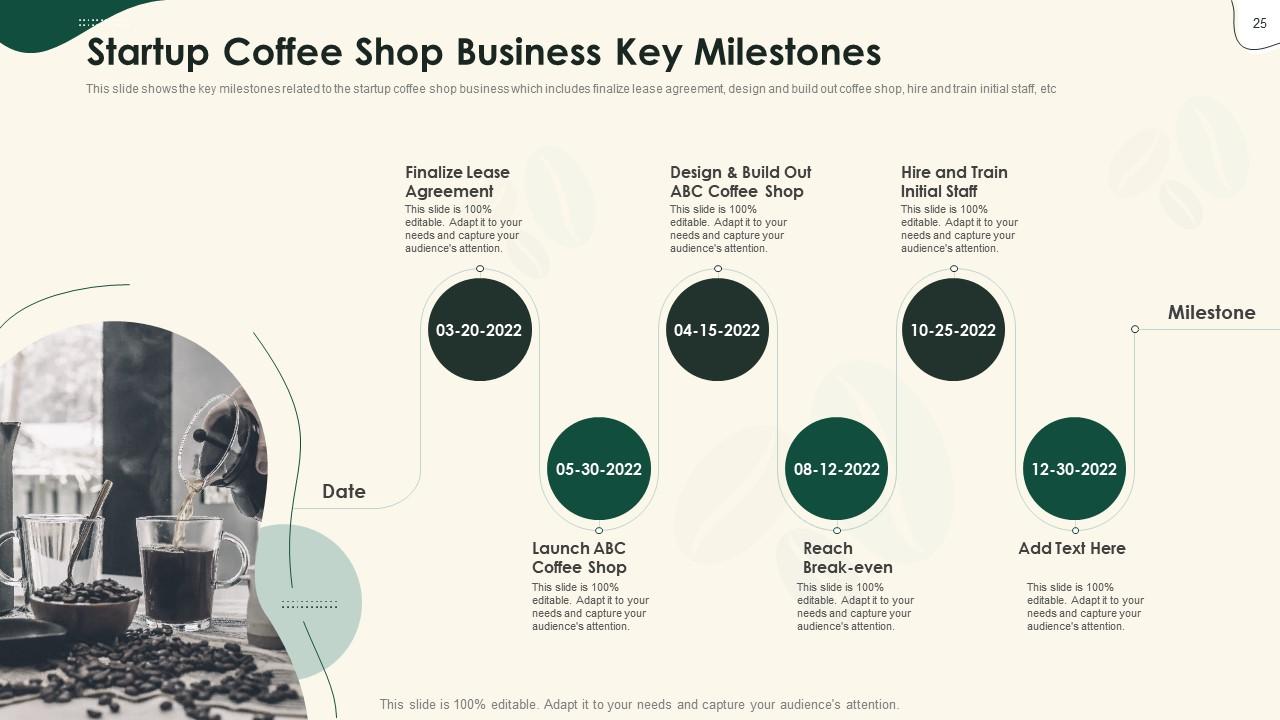
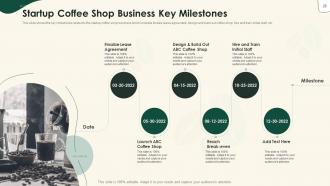
Diapositiva 25 : esta diapositiva muestra hitos clave relacionados con el negocio de cafeterías emergentes.
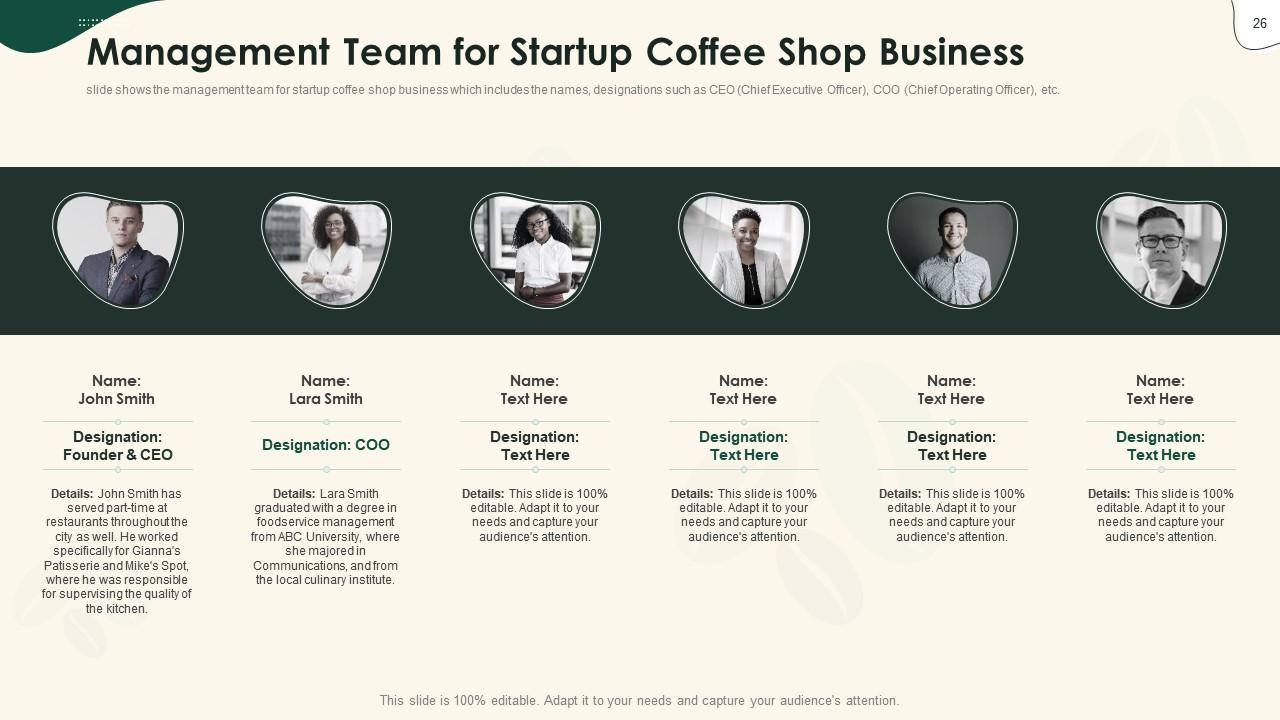
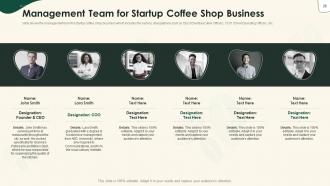
Diapositiva 26 : esta diapositiva representa el equipo de administración para el negocio de cafeterías emergentes.
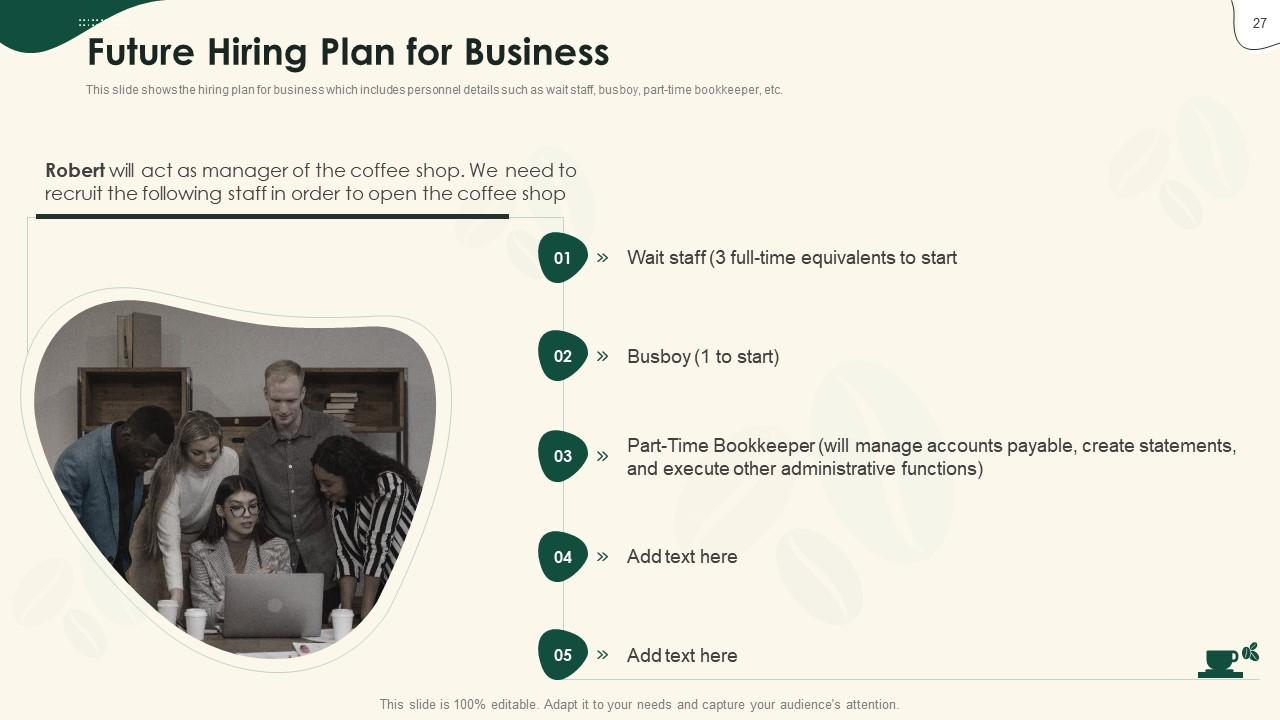
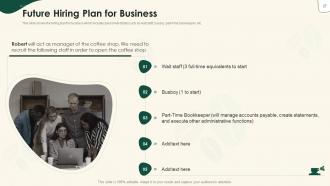
Diapositiva 27 : Esta diapositiva muestra el plan de contratación para empresas que incluye detalles del personal.
Diapositiva 28 : esta diapositiva muestra el título de los temas que se cubrirán a continuación en la plantilla.
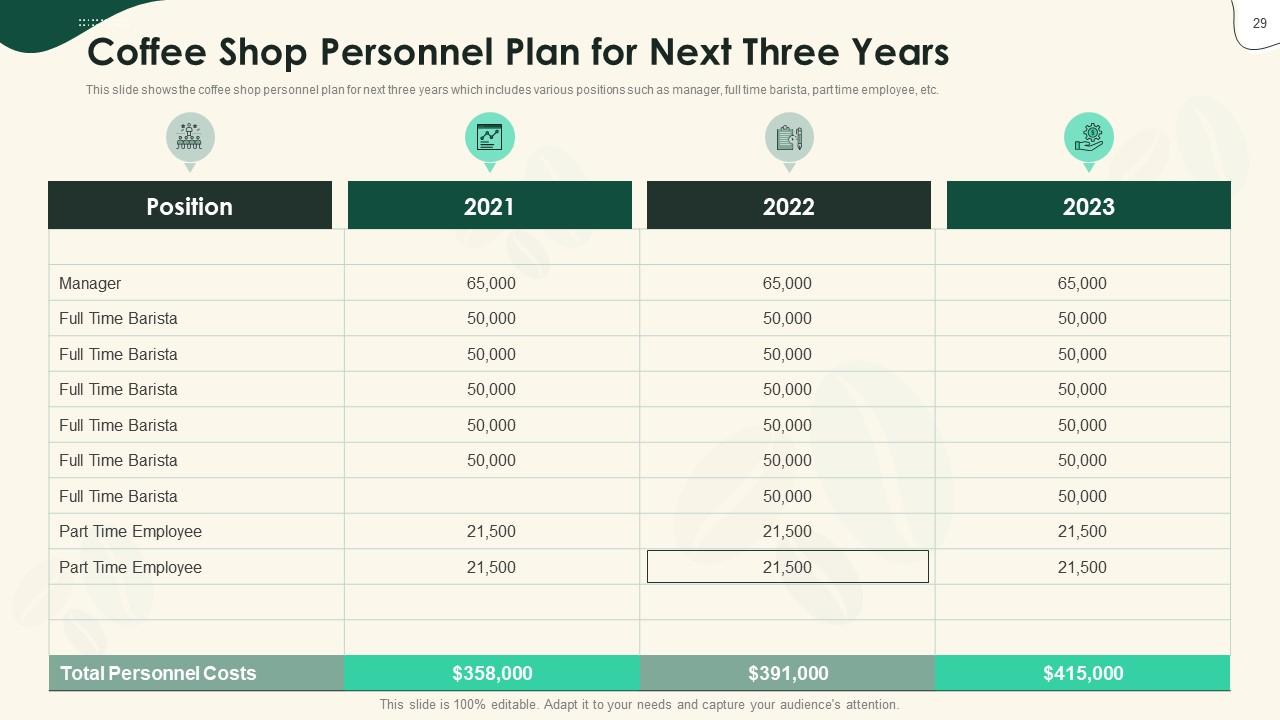
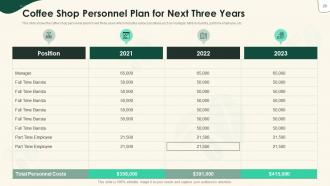
Diapositiva 29 : Esta diapositiva presenta el Plan de personal de la cafetería para los próximos tres años.
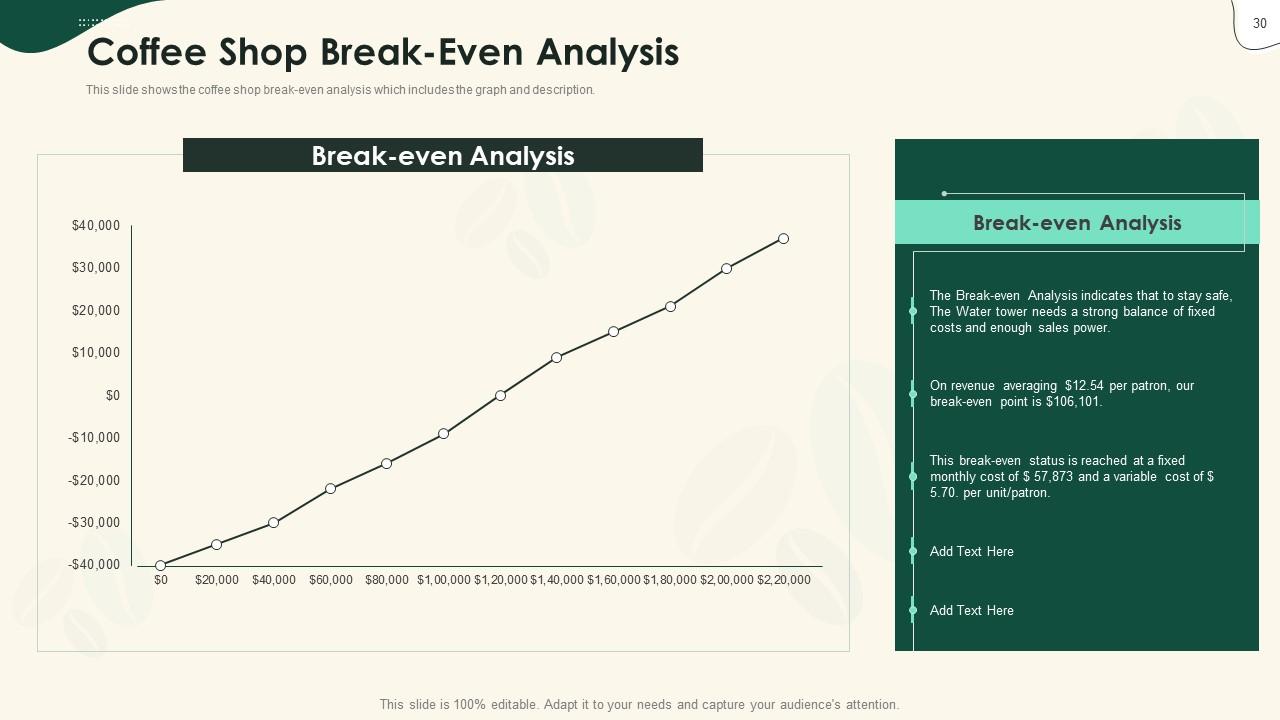
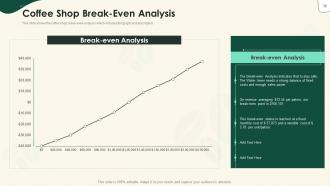
Diapositiva 30 : Esta diapositiva muestra el análisis del punto de equilibrio de la cafetería que incluye el gráfico y la descripción.
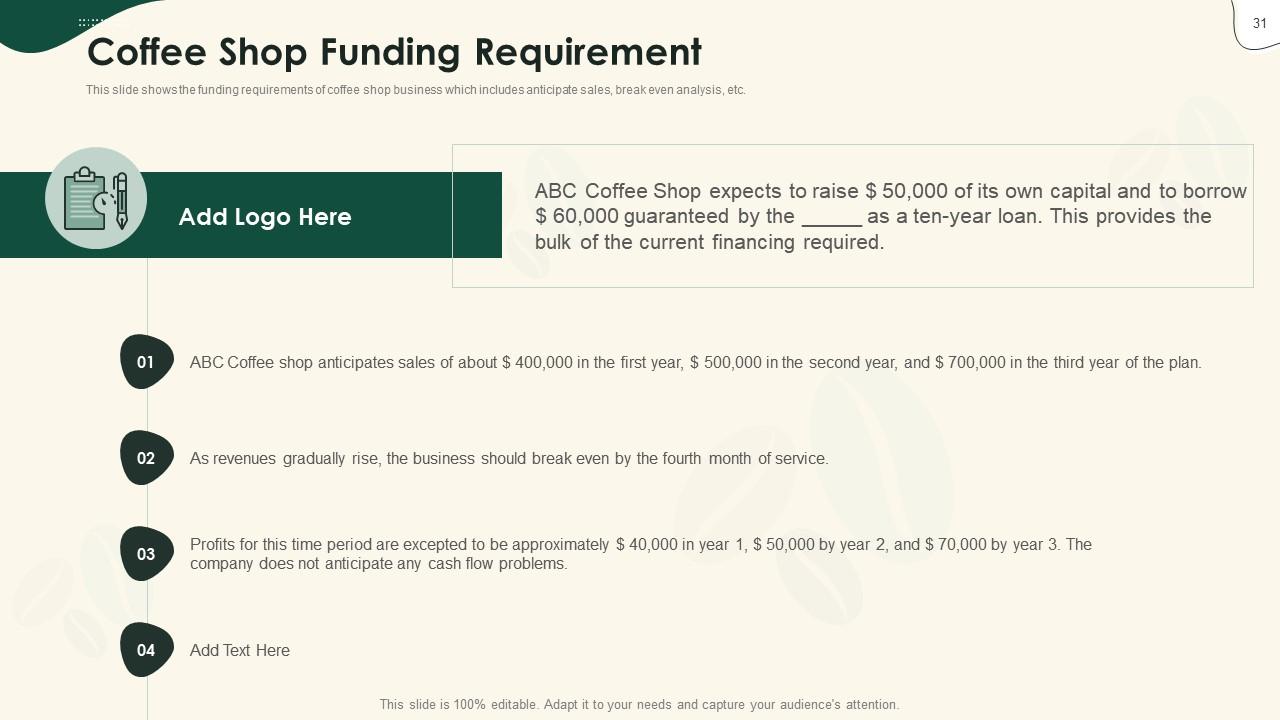
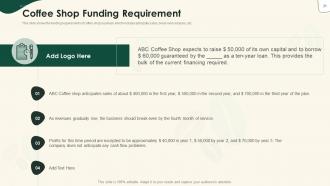
Diapositiva 31 : Esta diapositiva representa los requisitos de financiamiento del negocio de las cafeterías.
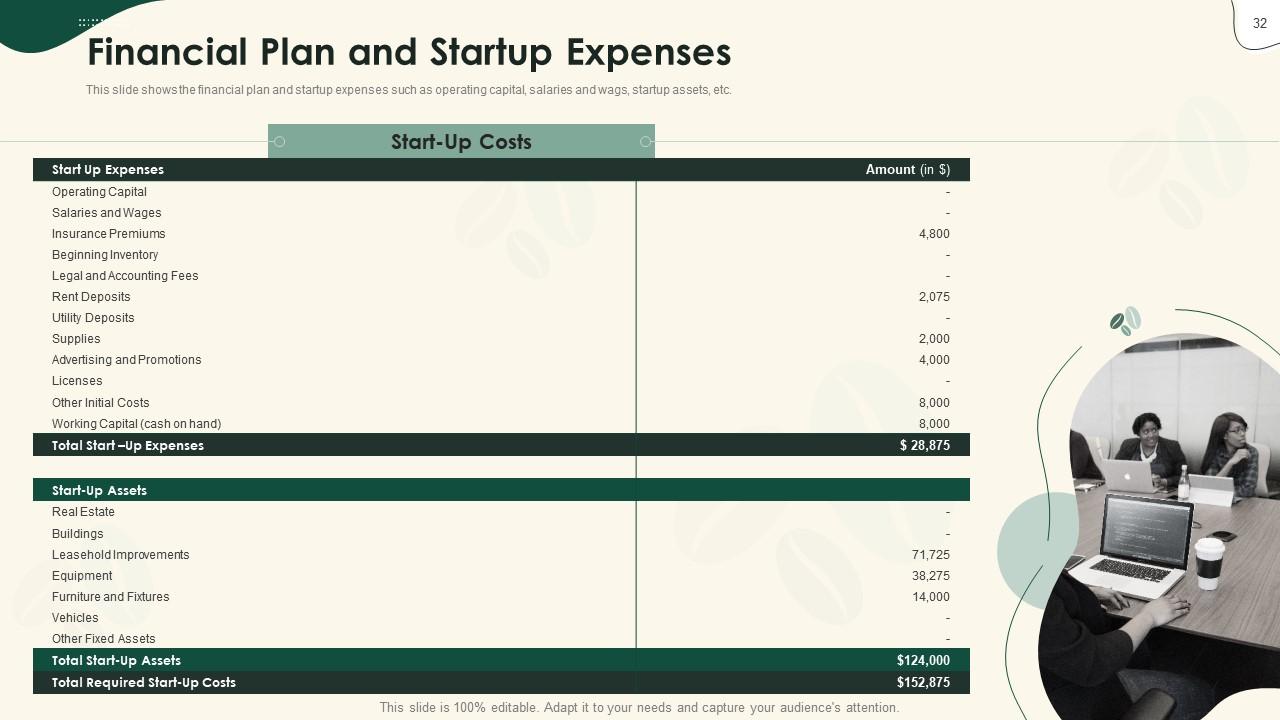
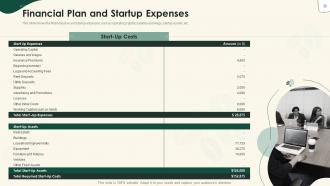
Diapositiva 32 : esta diapositiva muestra el plan financiero y los gastos iniciales, como capital operativo, sueldos y salarios.
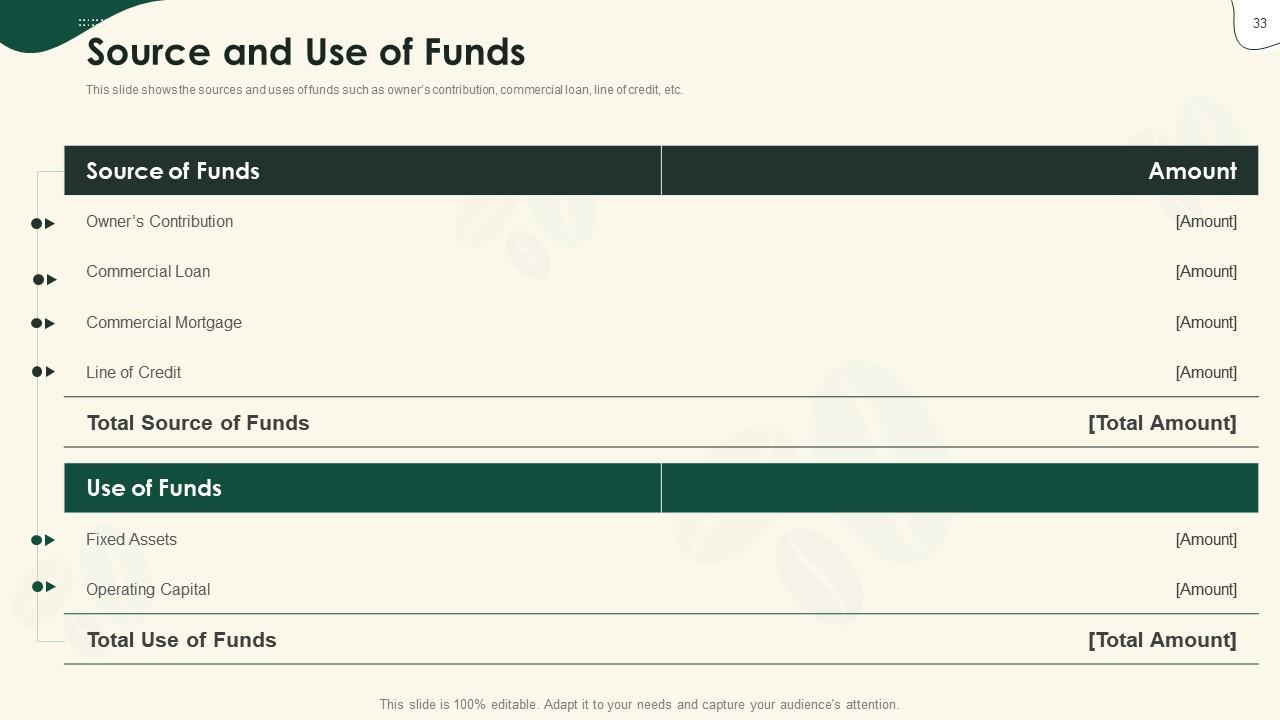
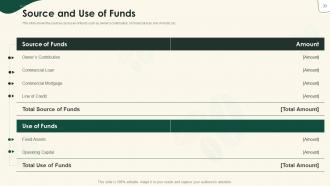
Diapositiva 33 : Esta diapositiva presenta las fuentes y los usos de los fondos, como la contribución del propietario, el préstamo comercial, la línea de crédito, etc.
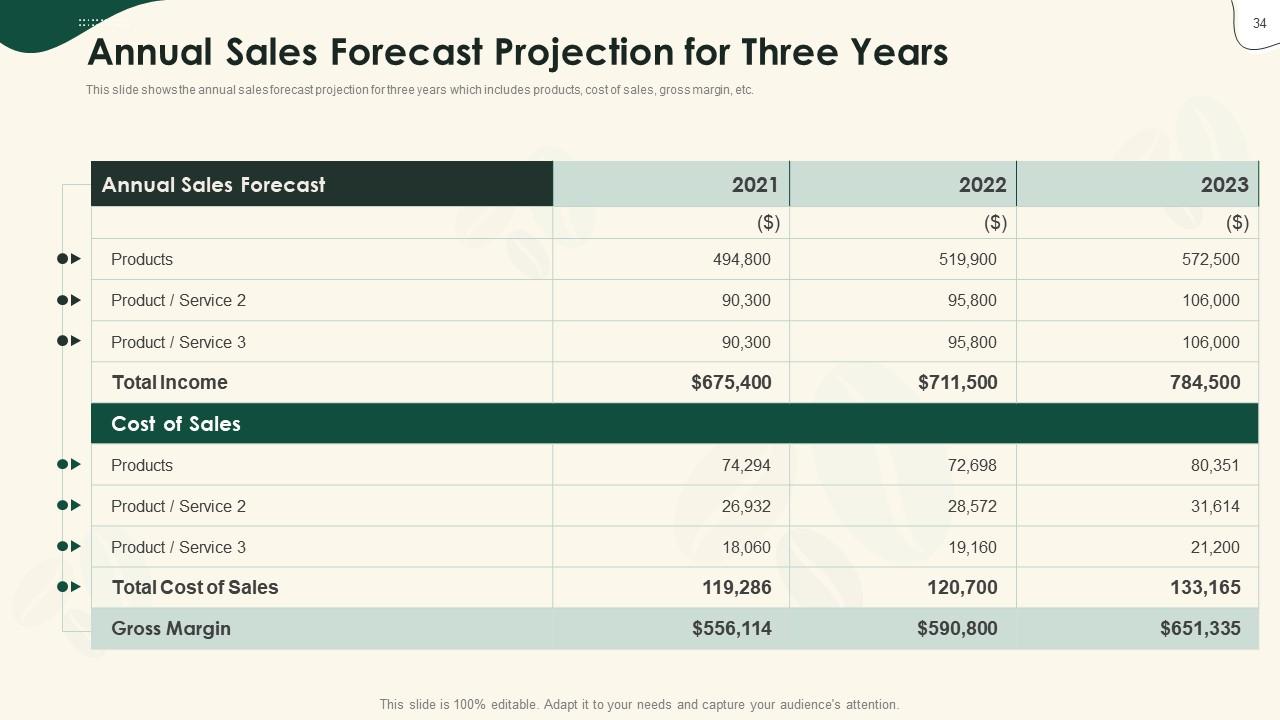
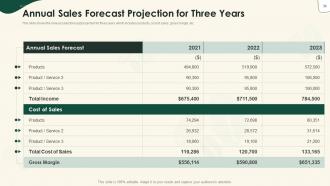
Diapositiva 34 : Esta diapositiva muestra la Proyección del Pronóstico Anual de Ventas para tres años.
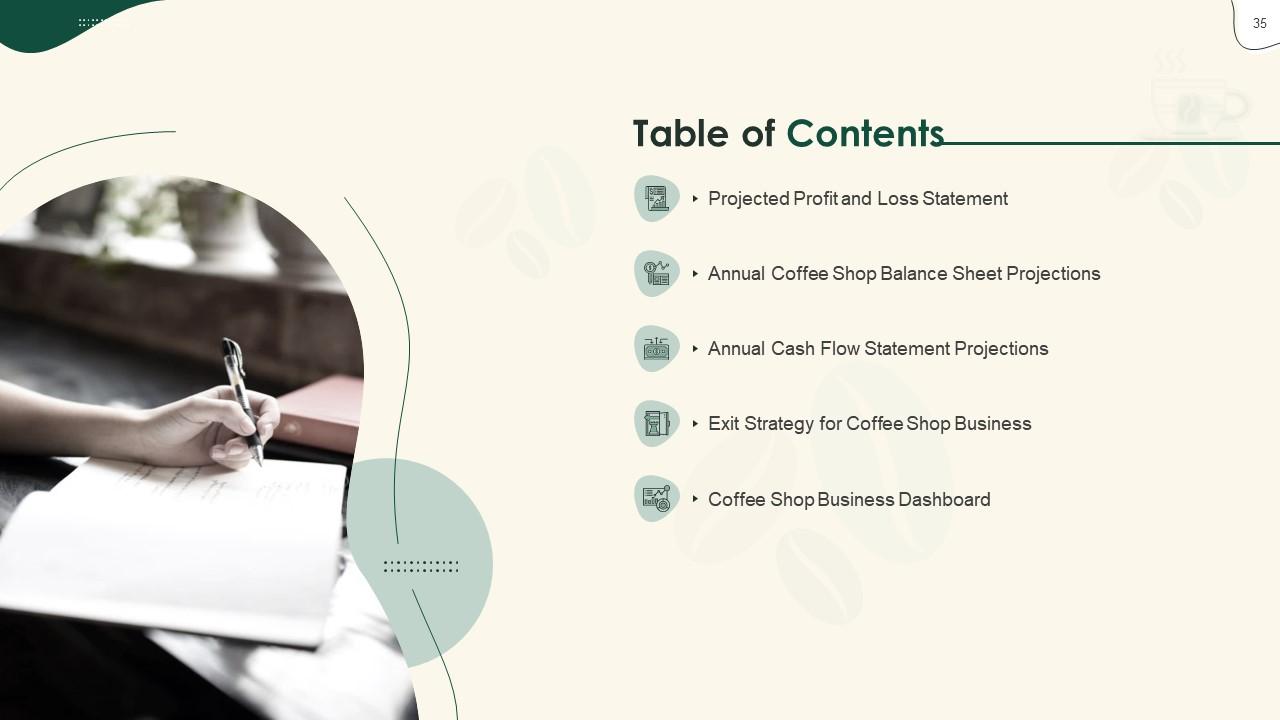
Diapositiva 35 : esta diapositiva muestra el título de los temas que se cubrirán a continuación en la plantilla.
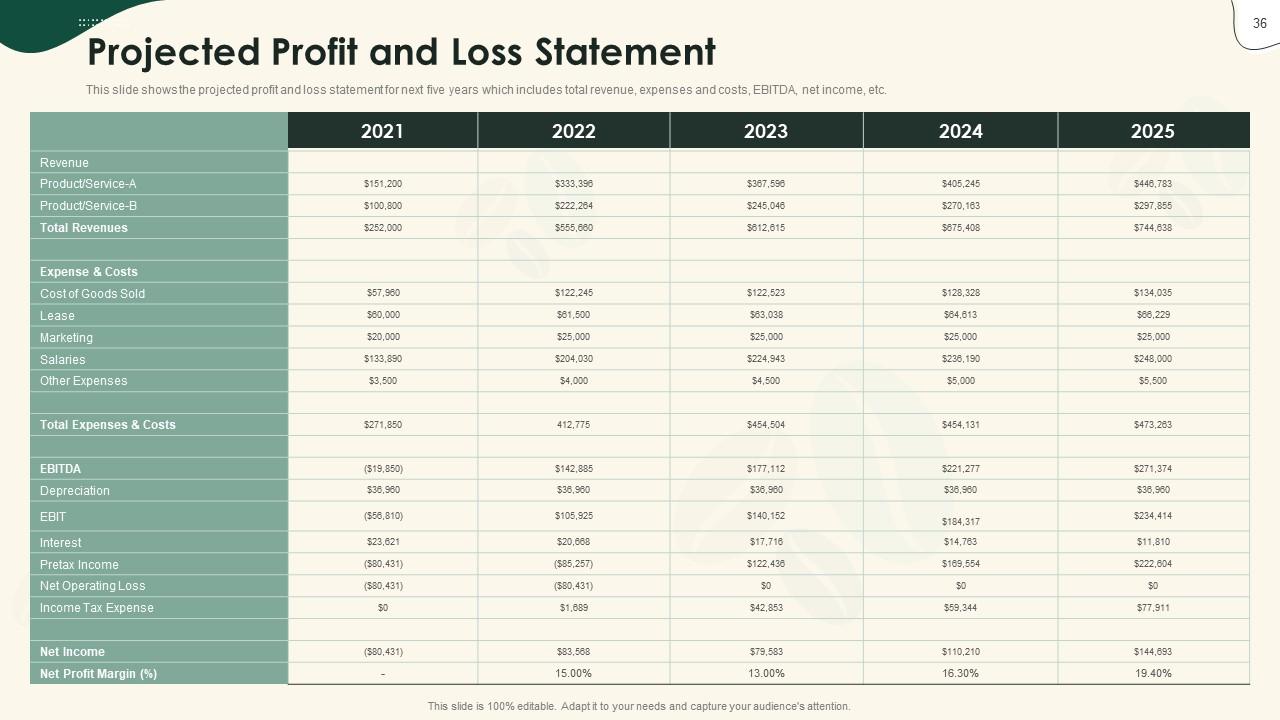
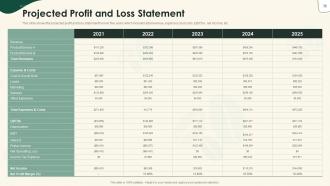
Diapositiva 36 : Esta diapositiva presenta el estado de pérdidas y ganancias proyectado para los próximos cinco años.
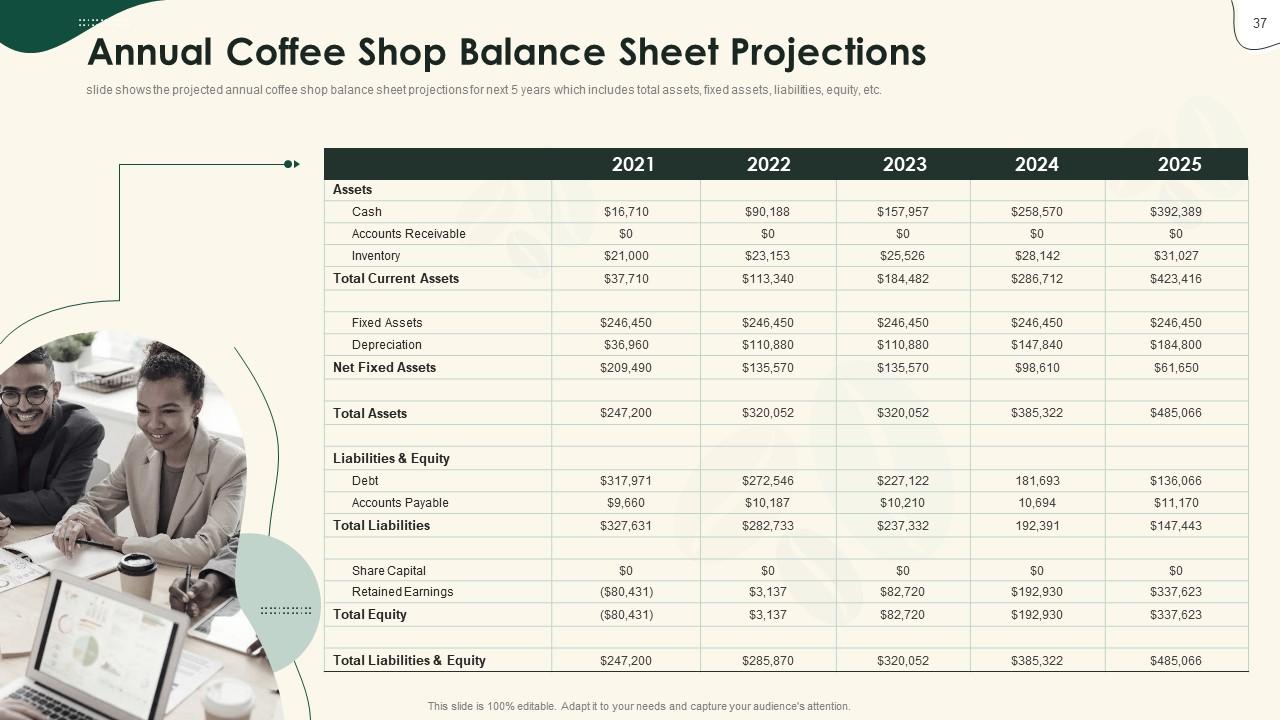
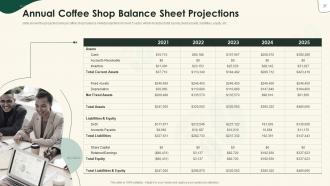
Diapositiva 37 : esta diapositiva muestra las proyecciones del balance general anual de cafeterías.
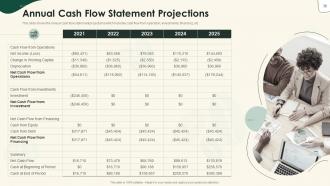
Diapositiva 38 : Esta diapositiva representa las proyecciones del estado de flujo de efectivo anual que incluye el flujo de efectivo de la operación, inversiones, financiamiento, etc.
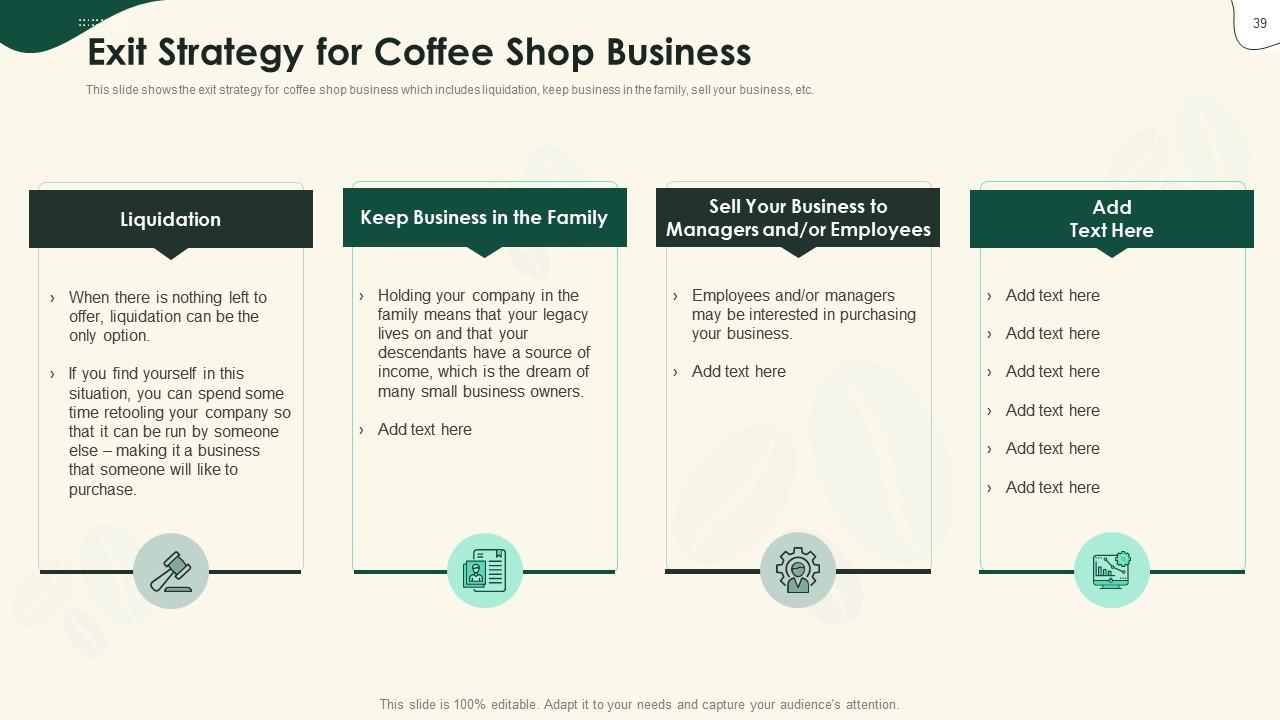
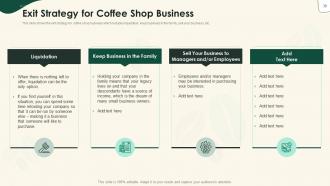
Diapositiva 39 : Esta diapositiva muestra la estrategia de salida para el negocio de cafeterías que incluye la liquidación, mantener el negocio en la familia, vender su negocio, etc.
Diapositiva 40 : esta diapositiva muestra iconos para la planificación estratégica para abrir una cafetería.
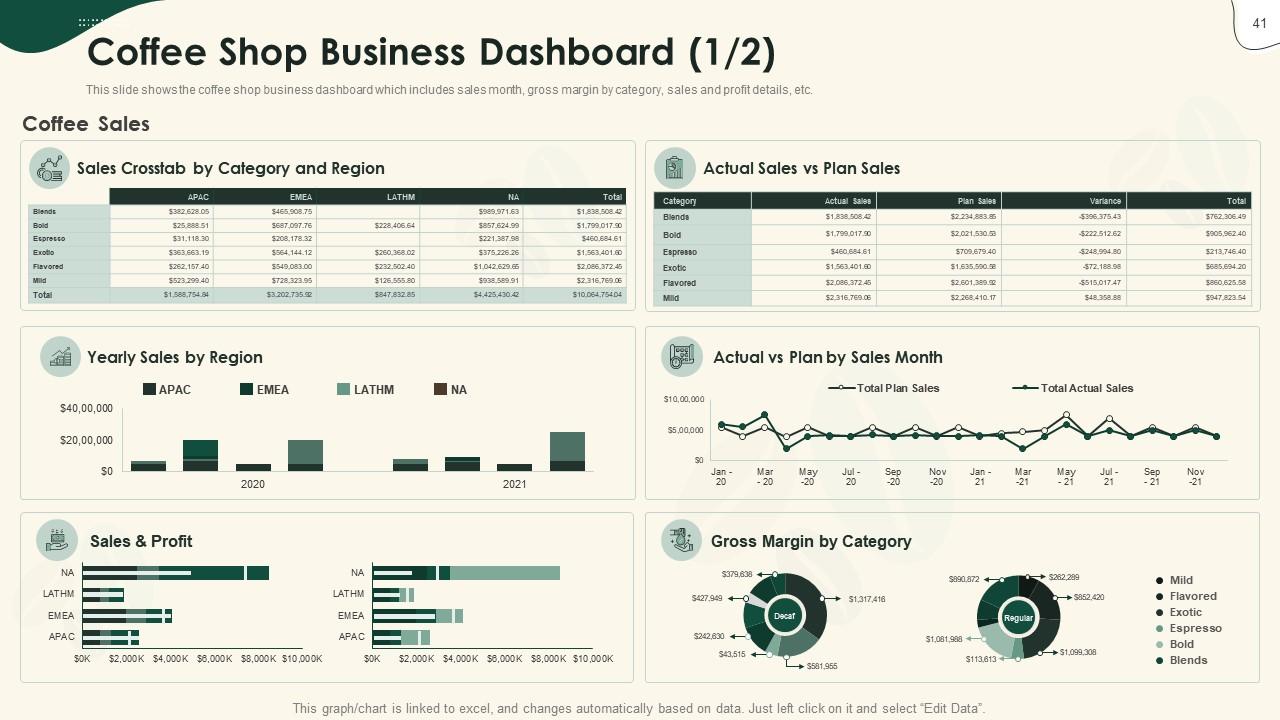
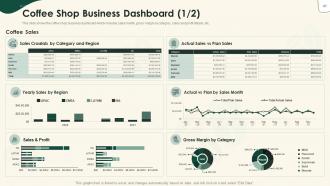
Diapositiva 41 : Esta diapositiva presenta el tablero comercial de la cafetería que incluye el mes de ventas, el margen bruto por categoría, las ventas y los detalles de las ganancias.
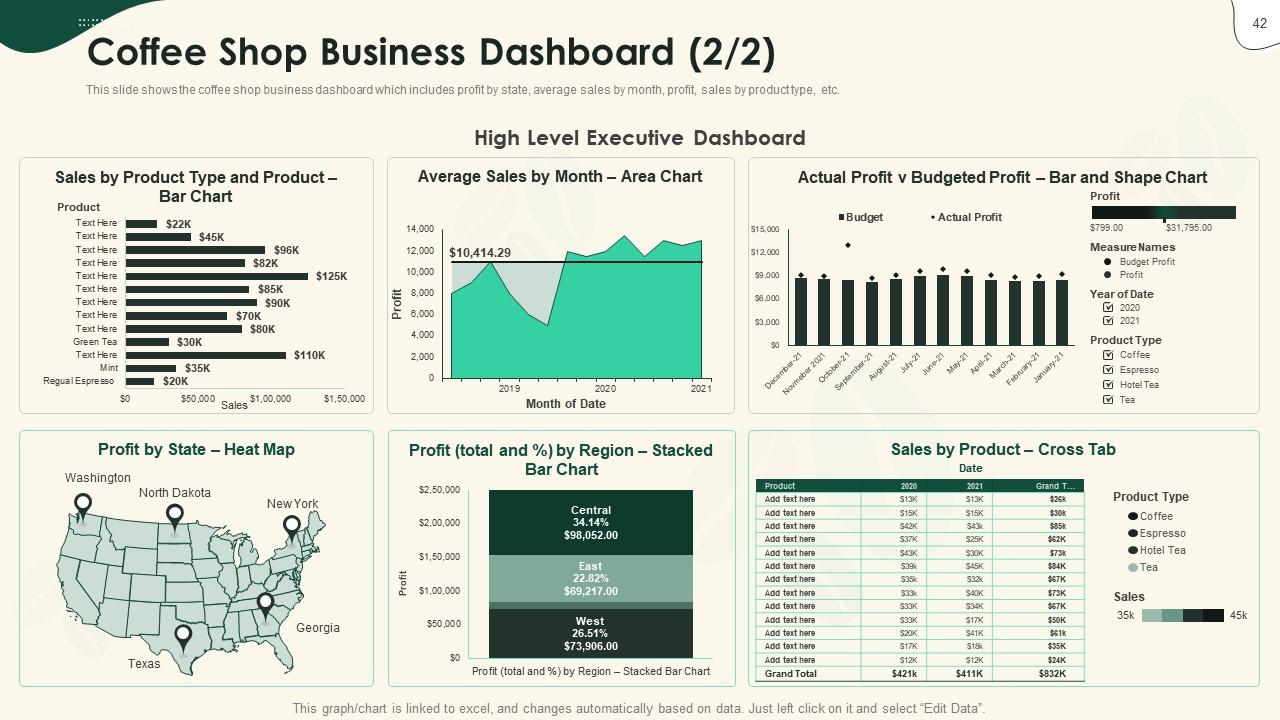
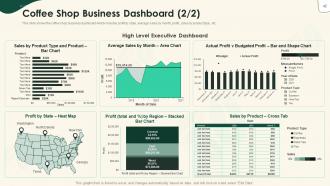
Diapositiva 42 : Esta es otra diapositiva que continúa con el Tablero comercial de cafeterías.
Diapositiva 43 : Esta diapositiva se titula Diapositivas adicionales para avanzar.
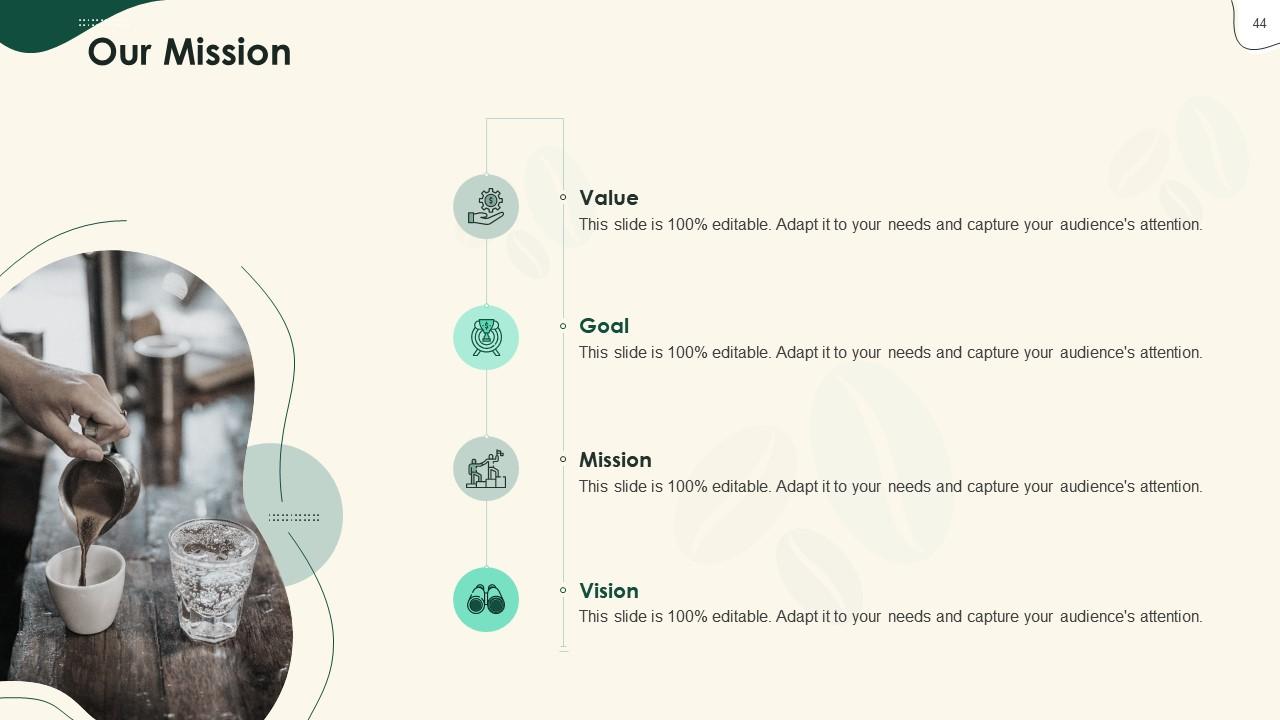
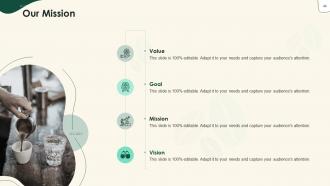
Diapositiva 44 : Esta es la diapositiva Nuestra misión con imágenes y texto relacionados.
Diapositiva 45 : Esta es la diapositiva Acerca de nosotros para mostrar las especificaciones de la empresa, etc.
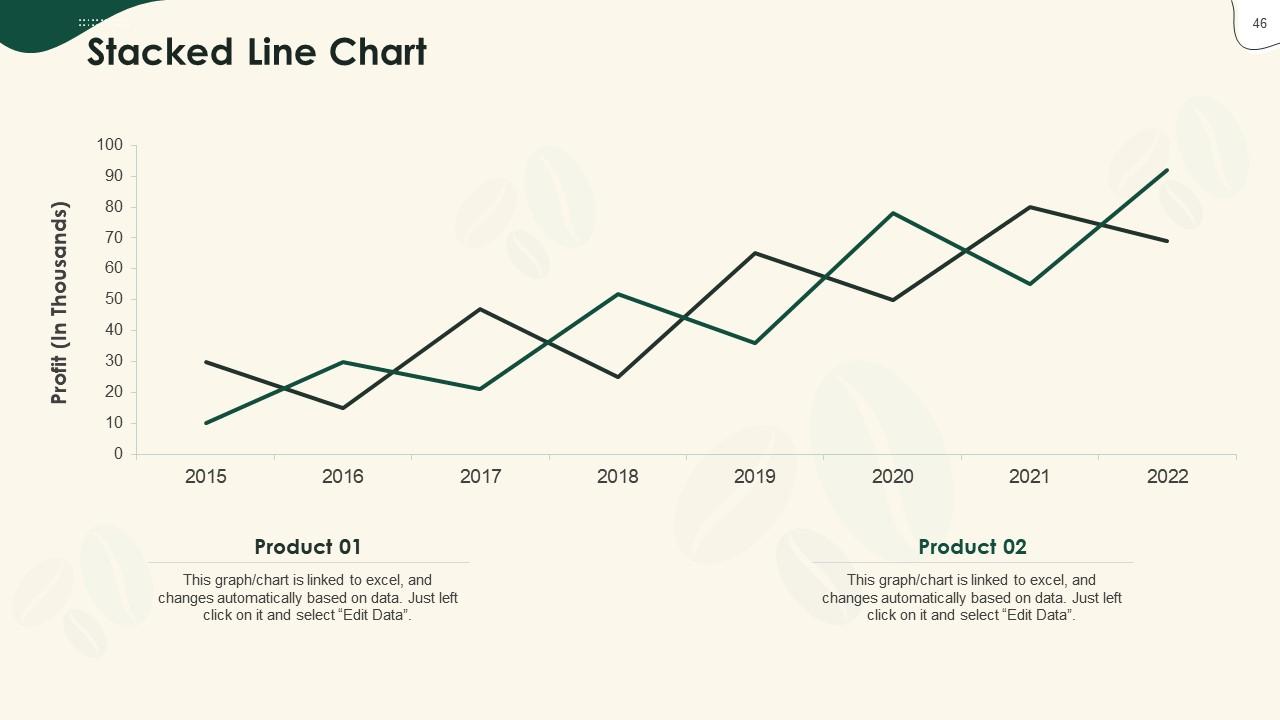
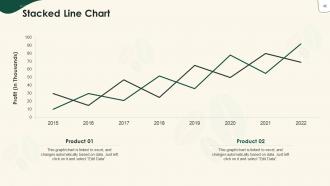
Diapositiva 46 : Esta diapositiva representa un gráfico de líneas apiladas con una comparación de dos productos.
Diapositiva 47 : Esta es la diapositiva Nuestro equipo con nombres y designación.
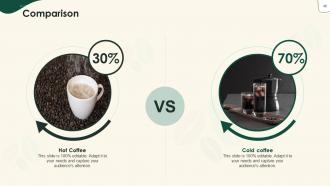
Diapositiva 48 : Esta es una diapositiva de comparación para establecer la comparación entre productos básicos, entidades, etc.
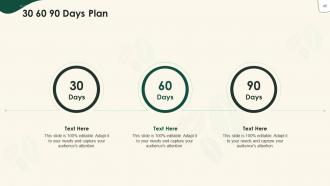
Diapositiva 49 : esta diapositiva proporciona un plan de 30 60 90 días con cuadros de texto.
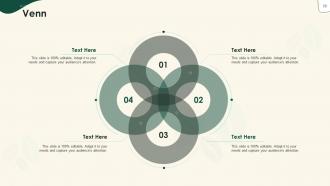
Diapositiva 50 : Esta diapositiva muestra el diagrama de Venn con cuadros de texto.
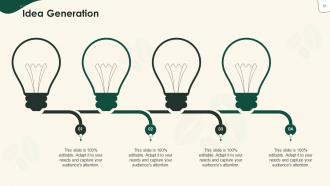
Diapositiva 51 : esta es una diapositiva de generación de ideas para exponer una nueva idea o resaltar información, especificaciones, etc.
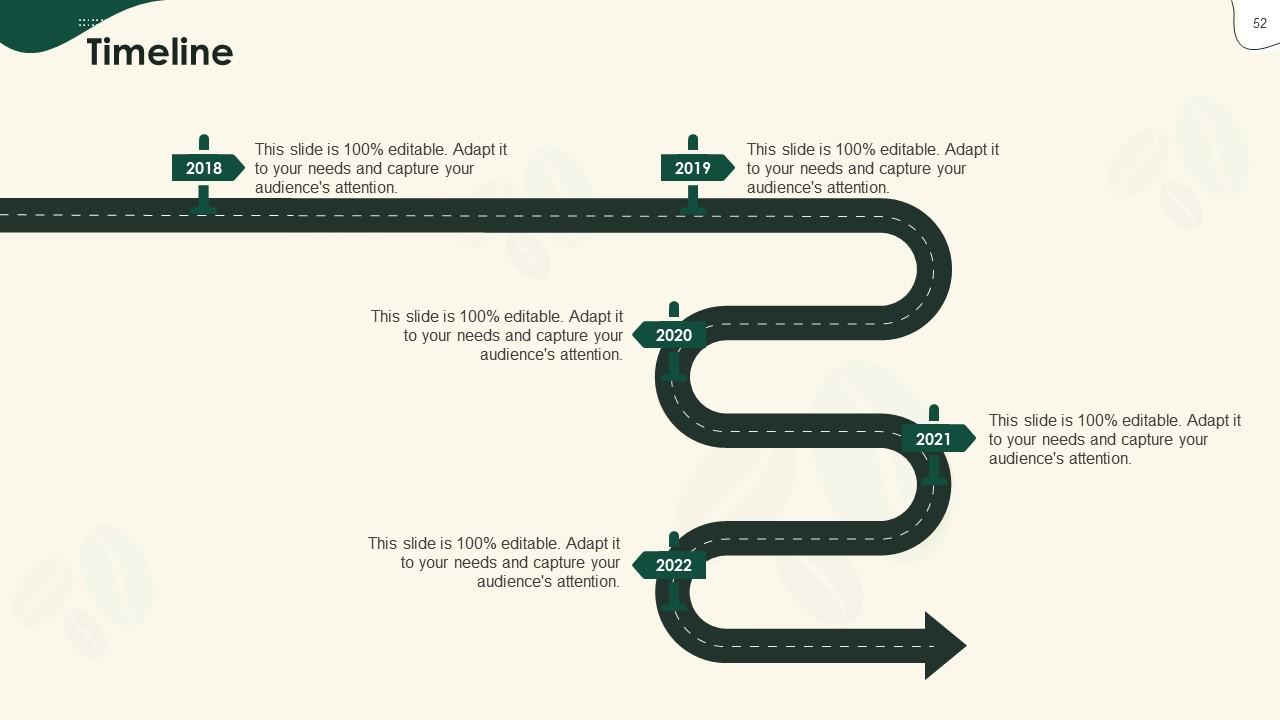
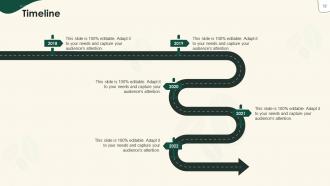
Diapositiva 52 : Esta es una diapositiva de la línea de tiempo. Mostrar datos relacionados con los intervalos de tiempo aquí.
Diapositiva 53 : Esta es una diapositiva de agradecimiento con dirección, números de contacto y dirección de correo electrónico.
Planificación estratégica para abrir una cafetería Diapositivas de presentación de Powerpoint con las 58 diapositivas:
Utilice nuestras diapositivas de presentación de Powerpoint de planificación estratégica para abrir una cafetería para ayudarlo de manera efectiva a ahorrar su valioso tiempo. Están listos para encajar en cualquier estructura de presentación.
-
Wonderful templates design to use in business meetings.
-
Unique research projects to present in meeting.
